Insights from recent episode analysis
Audience Interest
Podcast Focus
Publishing Consistency
Platform Reach
Insights are generated by CastFox AI using publicly available data, episode content, and proprietary models.
Most discussed topics
Brands & references
Total monthly reach
Estimated from 5 chart positions in 5 markets.
By chart position
- 🇩🇪DE · History#1535K to 30K
- 🇳🇱NL · History#1061K to 10K
- 🇷🇴RO · History#143500 to 3K
- 🇵🇹PT · History#167500 to 3K
- 🇵🇪PE · History#177500 to 3K
- Per-Episode Audience
Est. listeners per new episode within ~30 days
3.8K to 25K🎙 Weekly cadence·75 episodes·Last published 1mo ago - Monthly Reach
Unique listeners across all episodes (30 days)
7.5K to 49K🇩🇪61%🇳🇱20%🇷🇴6%+2 more - Active Followers
Loyal subscribers who consistently listen
2.3K to 15K
Market Insights
Platform Distribution
Reach across major podcast platforms, updated hourly
Total Followers
—
Total Plays
—
Total Reviews
—
* Data sourced directly from platform APIs and aggregated hourly across all major podcast directories.
On the show
From 10 epsHosts
Recent guests
Recent episodes
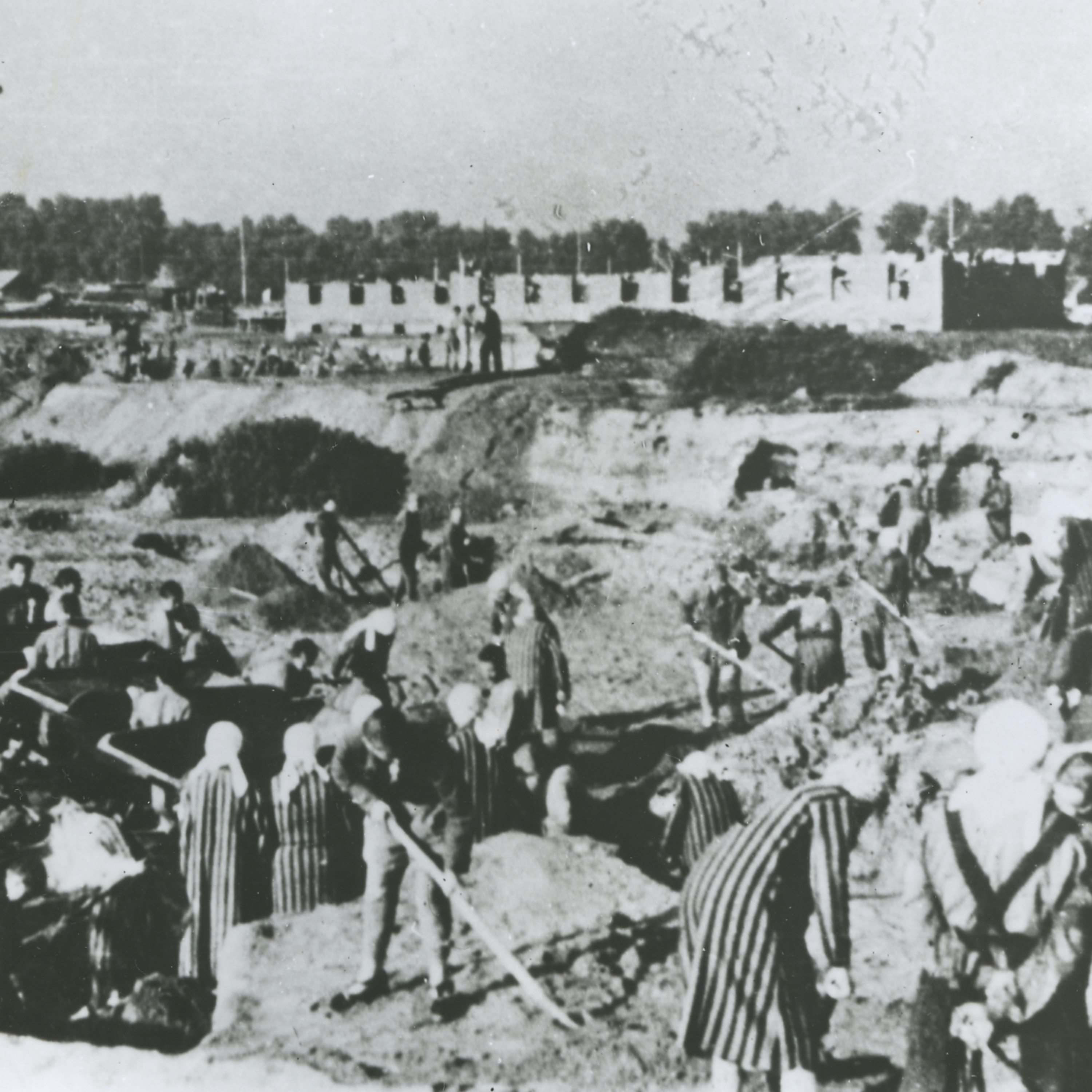
"On Auschwitz (72): The first transports of women to KL Auschwitz
May 23, 2026
37m 49s
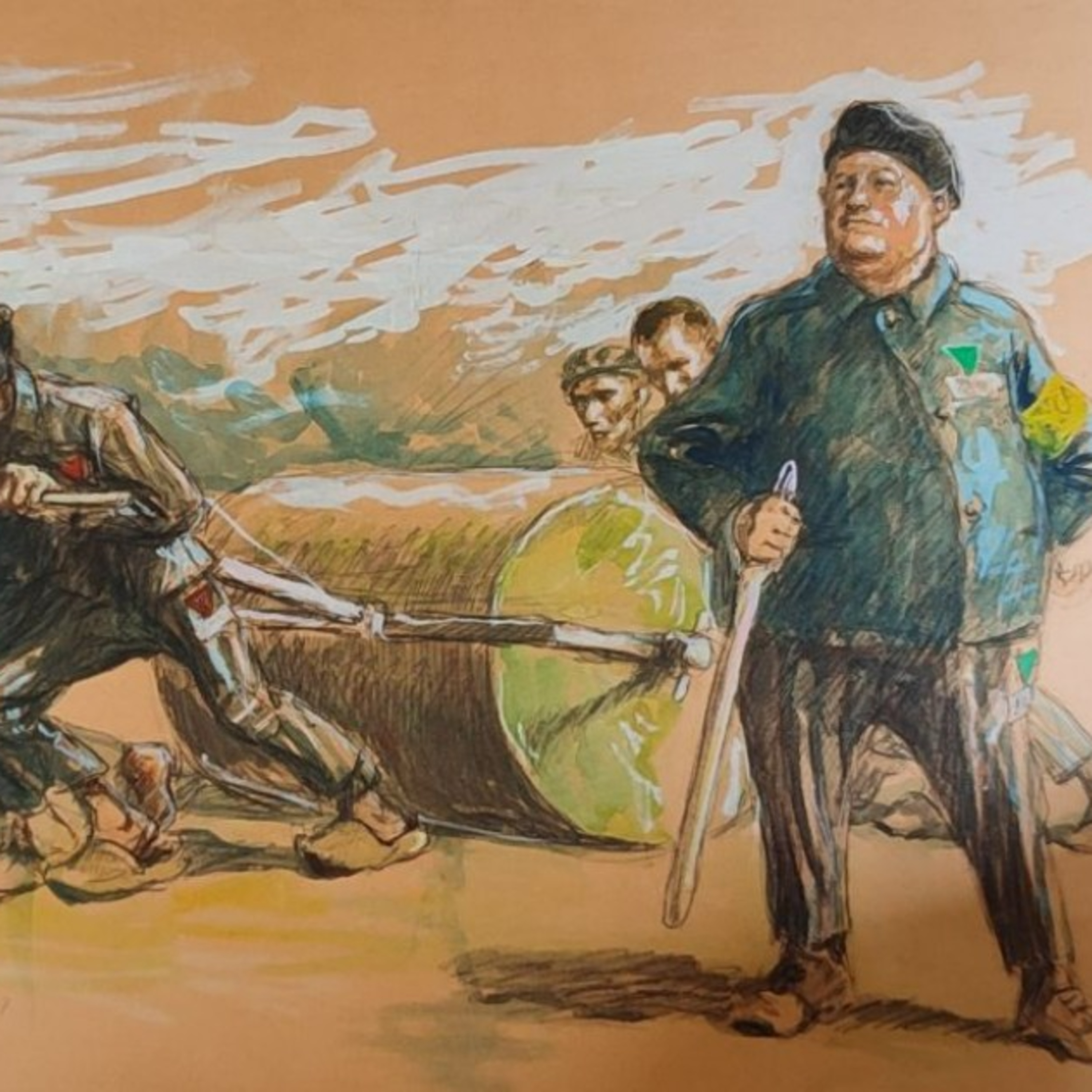
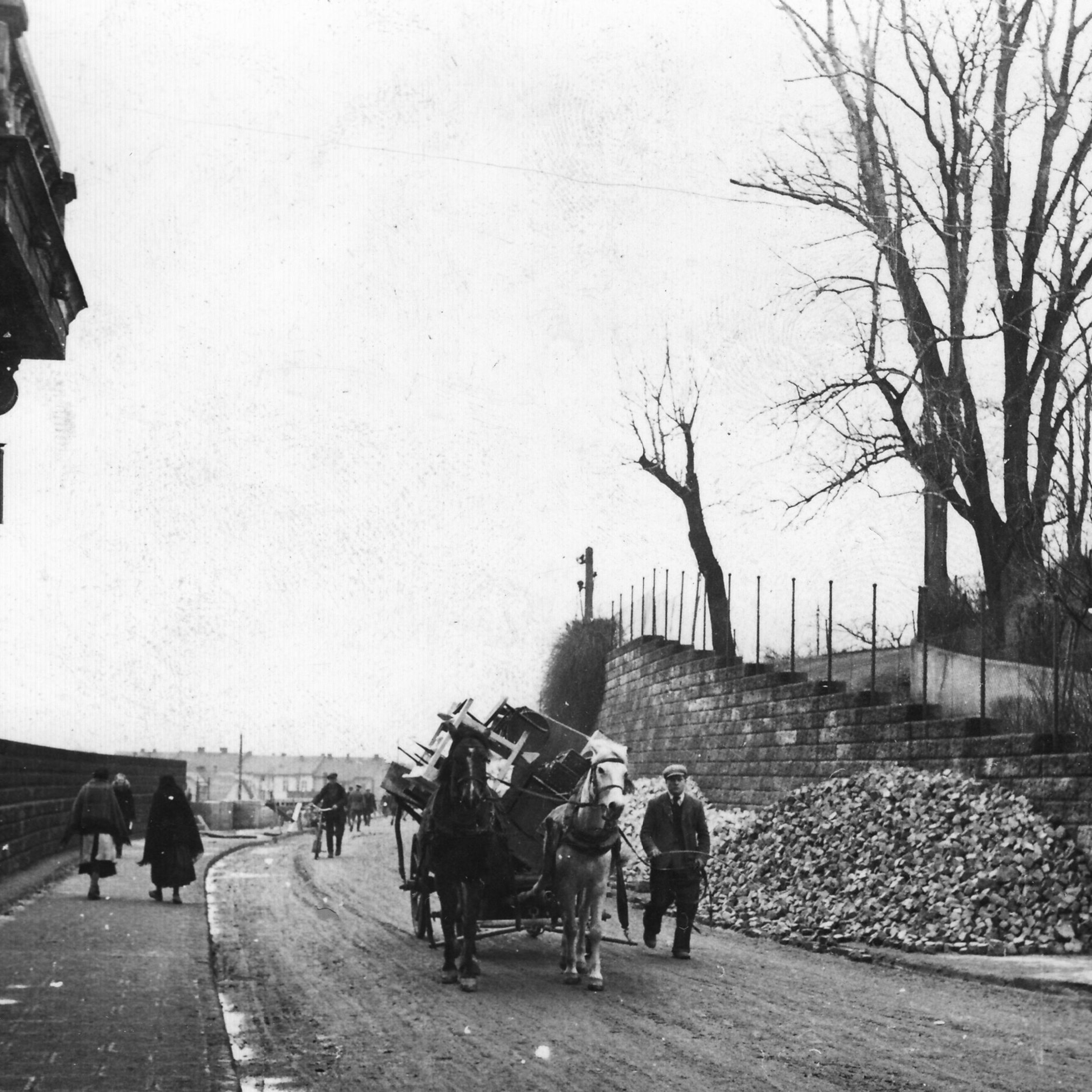
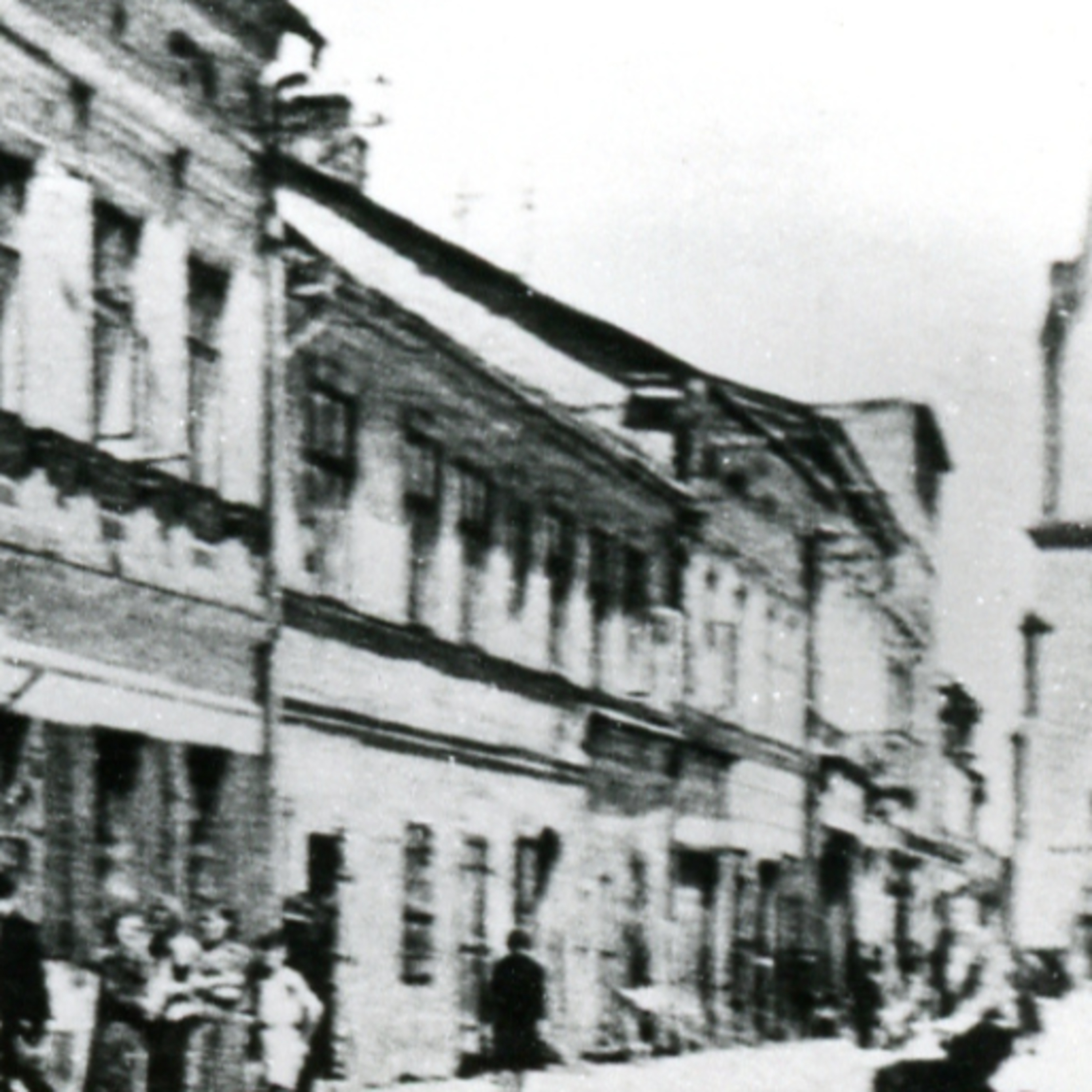
"On Auschwitz (71): Testimonies about expulsions of the local population in connection with the expansion of KL Auschwitz
Apr 25, 2026
55m 45s
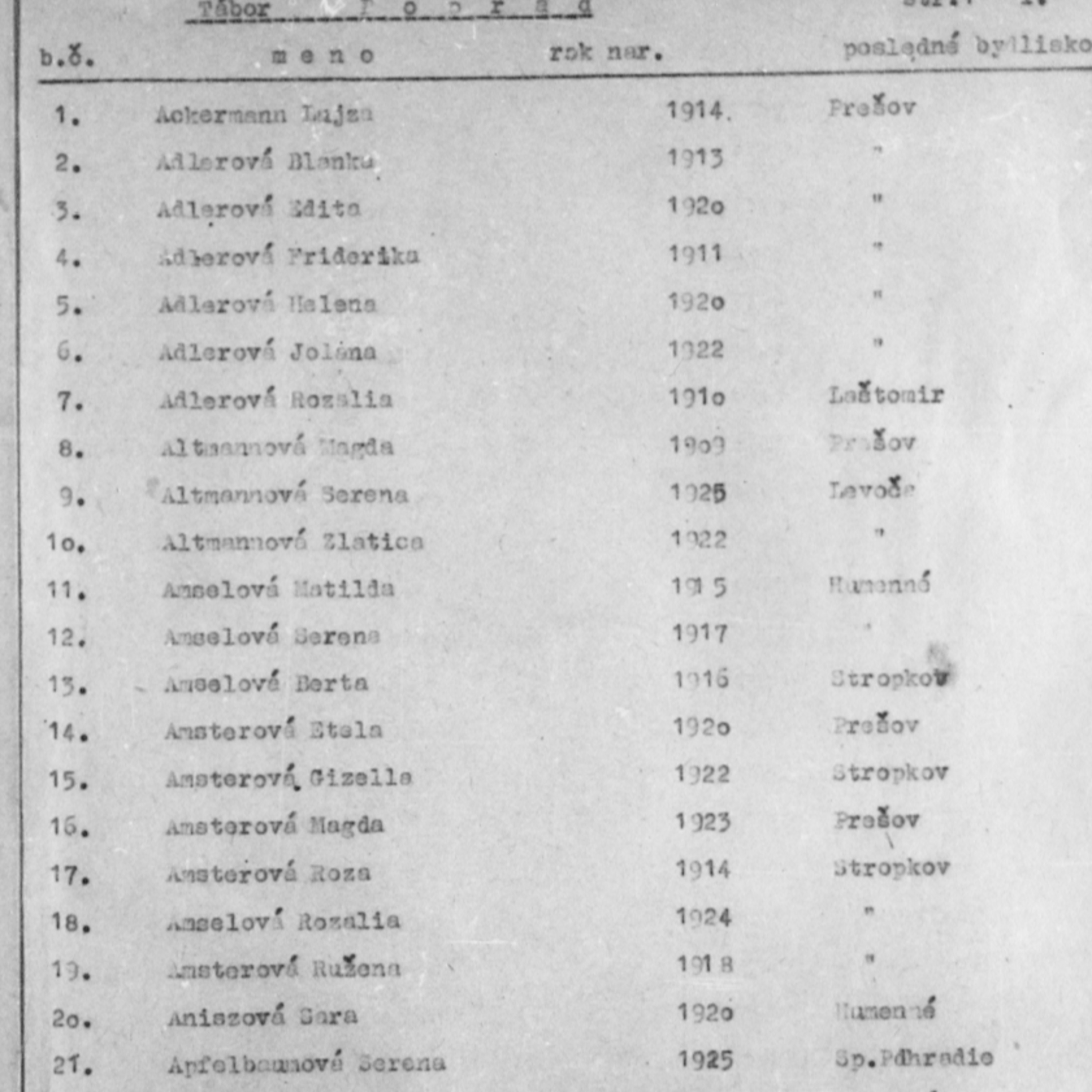
"On Auschwitz" (70): Deportations of Jews from Slovakia
Mar 26, 2026
40m 31s
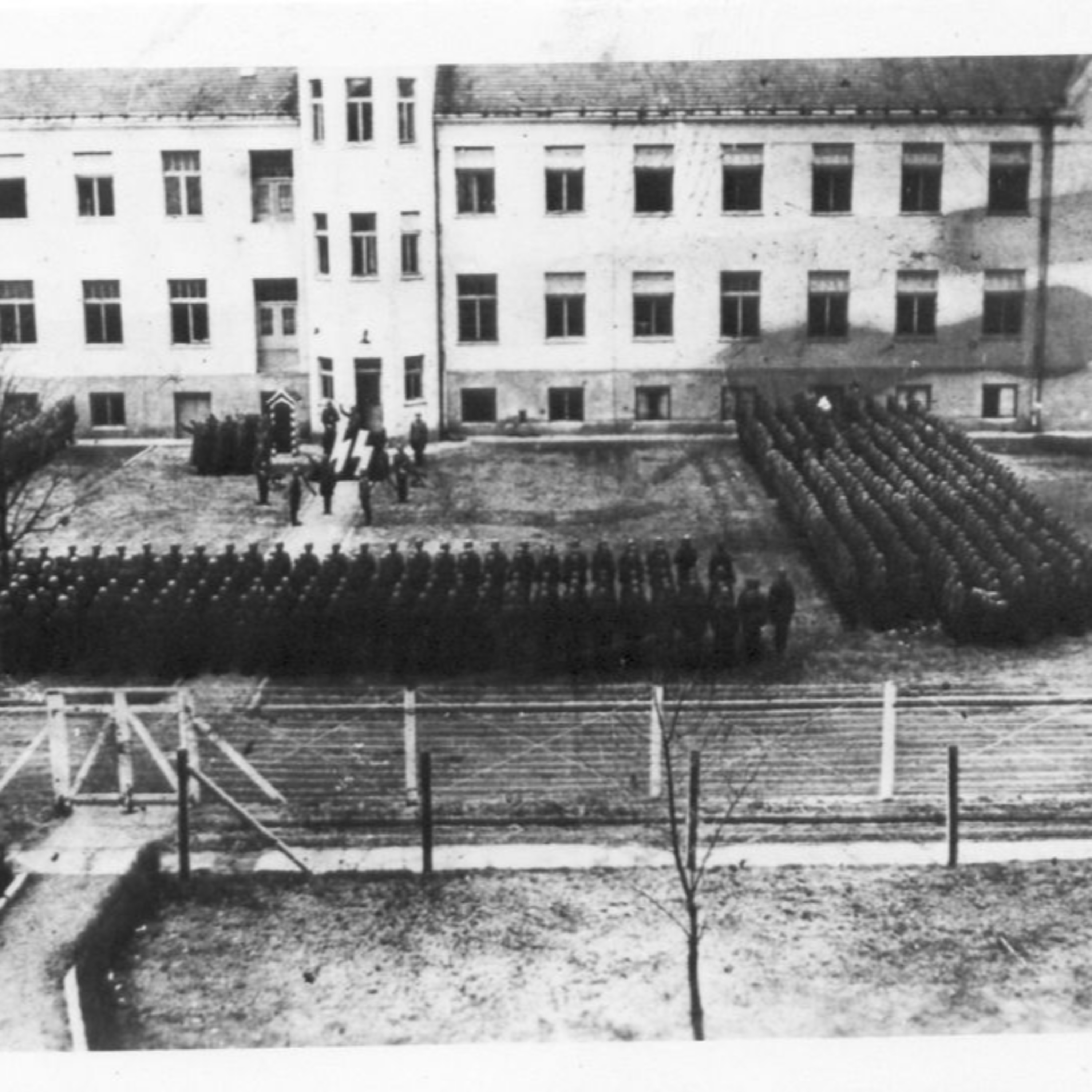
"On Auschwitz" (69): Contacts between SS garrison of KL Auschwitz and the local population of the Oświęcim area (1940-45)
Feb 9, 2026
50m 52s
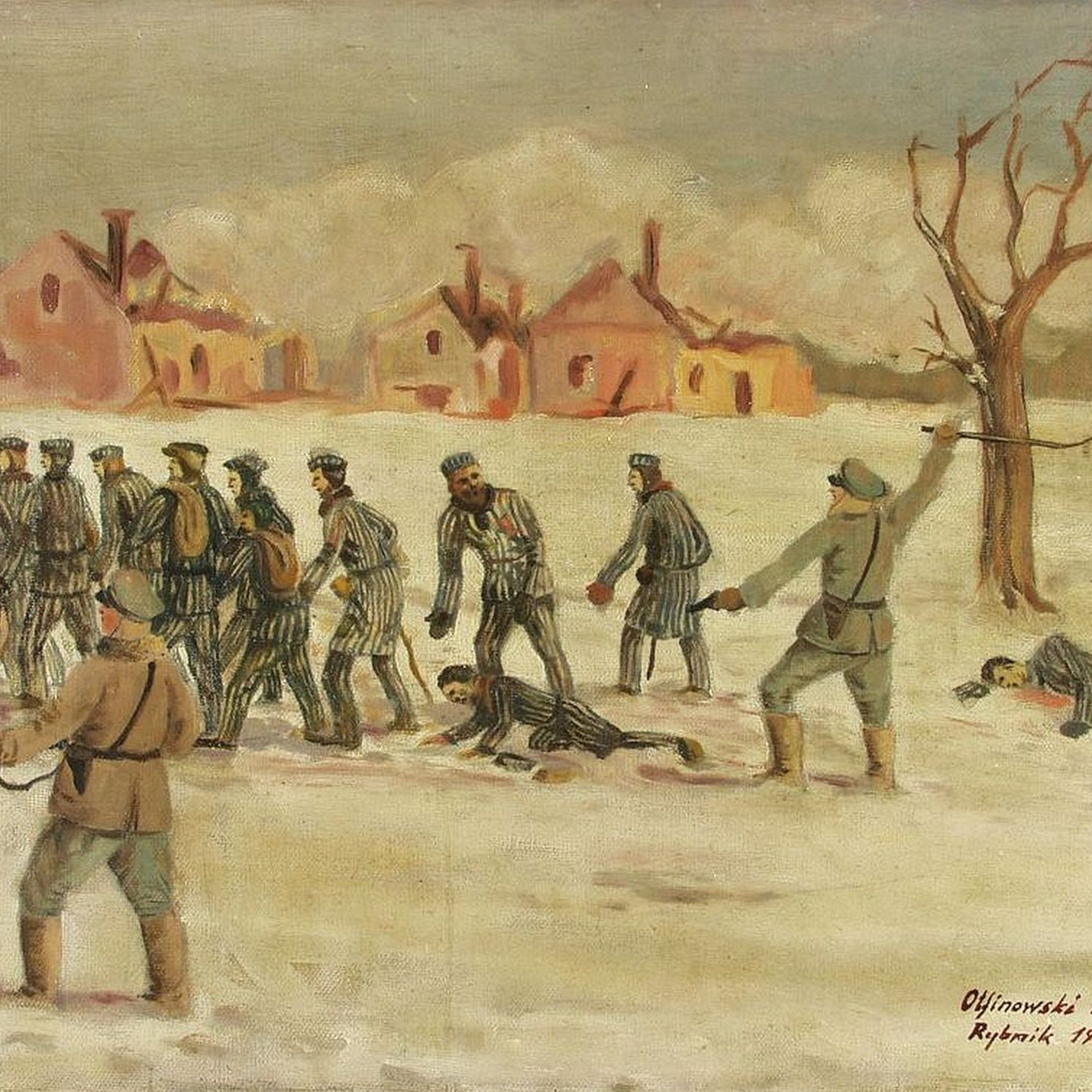
"On Auschwitz" (68): Evacuation marches in the accounts of Survivors and other witnesses
Jan 17, 2026
27m 53s
Social Links & Contact
Official channels & resources
Official Website
Login
RSS Feed
Login
| Date | Episode | Topics | Guests | Brands | Places | Keywords | Sponsor | Length | |
|---|---|---|---|---|---|---|---|---|---|
| 5/23/26 | ![]() "On Auschwitz (72): The first transports of women to KL Auschwitz✨ | Auschwitzwomen prisoners+3 | Dr. Teresa Wontor-Cichy | Research Center of the Auschwitz Museum | Auschwitz | Auschwitzwomen+5 | — | 37m 49s | |
| 4/25/26 | ![]() "On Auschwitz (71): Testimonies about expulsions of the local population in connection with the expansion of KL Auschwitz✨ | expulsionstestimonies+5 | — | — | OświęcimAuschwitz | AuschwitzOświęcim+6 | — | 55m 45s | |
| 3/26/26 | ![]() "On Auschwitz" (70): Deportations of Jews from Slovakia✨ | deportationsSlovakian Jews+3 | Dr. Piotr Setkiewicz | Auschwitz Museum | SlovakiaAuschwitz | Auschwitzdeportations+3 | — | 40m 31s | |
| 2/9/26 | ![]() "On Auschwitz" (69): Contacts between SS garrison of KL Auschwitz and the local population of the Oświęcim area (1940-45)✨ | demographic changesSS garrison+4 | dr. Agnieszka Kita | Auschwitz Museum | Oświęcim | AuschwitzOświęcim+5 | — | 50m 52s | |
| 1/17/26 | ![]() "On Auschwitz" (68): Evacuation marches in the accounts of Survivors and other witnesses✨ | AuschwitzSurvivor accounts+3 | — | Auschwitz-Birkenau State Museum | — | Auschwitzevacuation marches+3 | — | 27m 53s | |
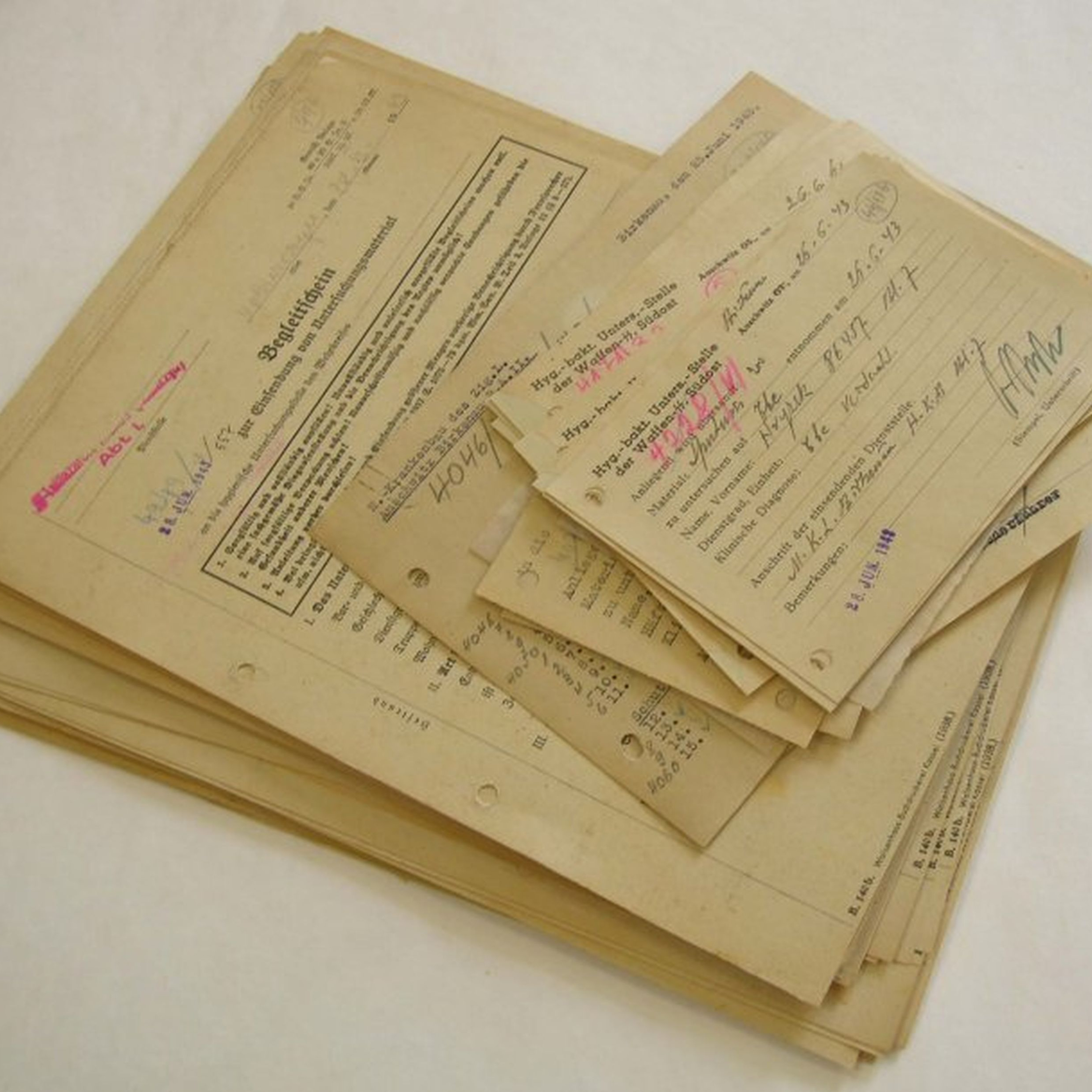
| 12/11/25 | ![]() "On Auschwitz" (67): The SS Hygiene Institute✨ | AuschwitzSS Hygiene Institute+4 | Teresa Wontor-Cichy | Auschwitz Museum Research CentreWaffen-SS and Police Hygiene Institute | AuschwitzAuschwitz camp complex | AuschwitzSS Hygiene Institute+5 | — | 34m 11s | |
| 11/15/25 | ![]() "On Auschwitz" (66): Ideological Training of the SS Garrison of the Camp✨ | ideological trainingSS personnel+3 | Dr. Agnieszka Kita | Auschwitz Museum Archives | — | AuschwitzSS garrison+3 | — | 50m 17s | |
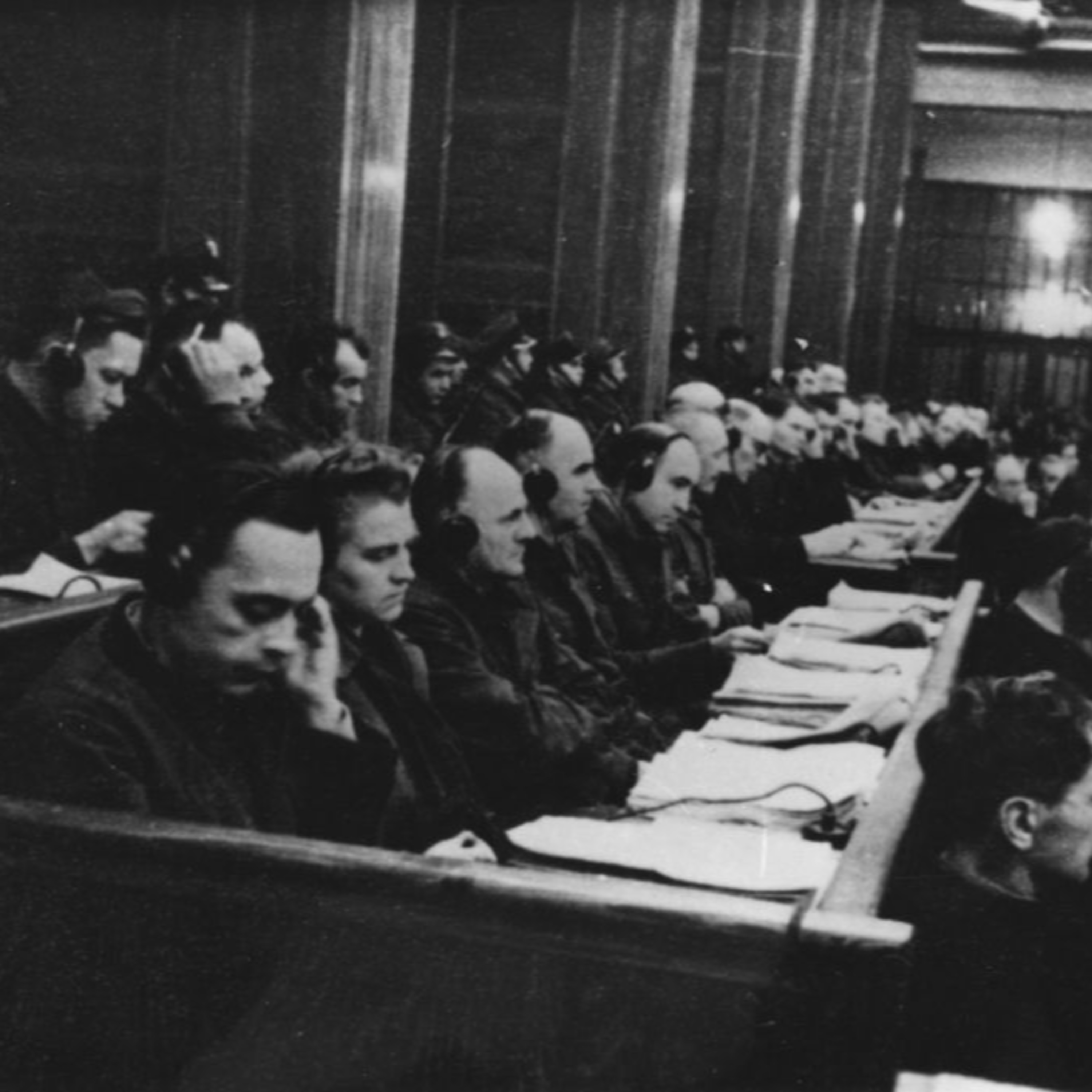
| 10/13/25 | ![]() "On Auschwitz" (65): The trial of Rudolf Höss and other SS garrison members of Auschwitz✨ | AuschwitzNazi Germany+4 | Dr. Wojciech Płosa | Auschwitz Memorial | — | AuschwitzRudolf Höss+5 | — | 33m 36s | |
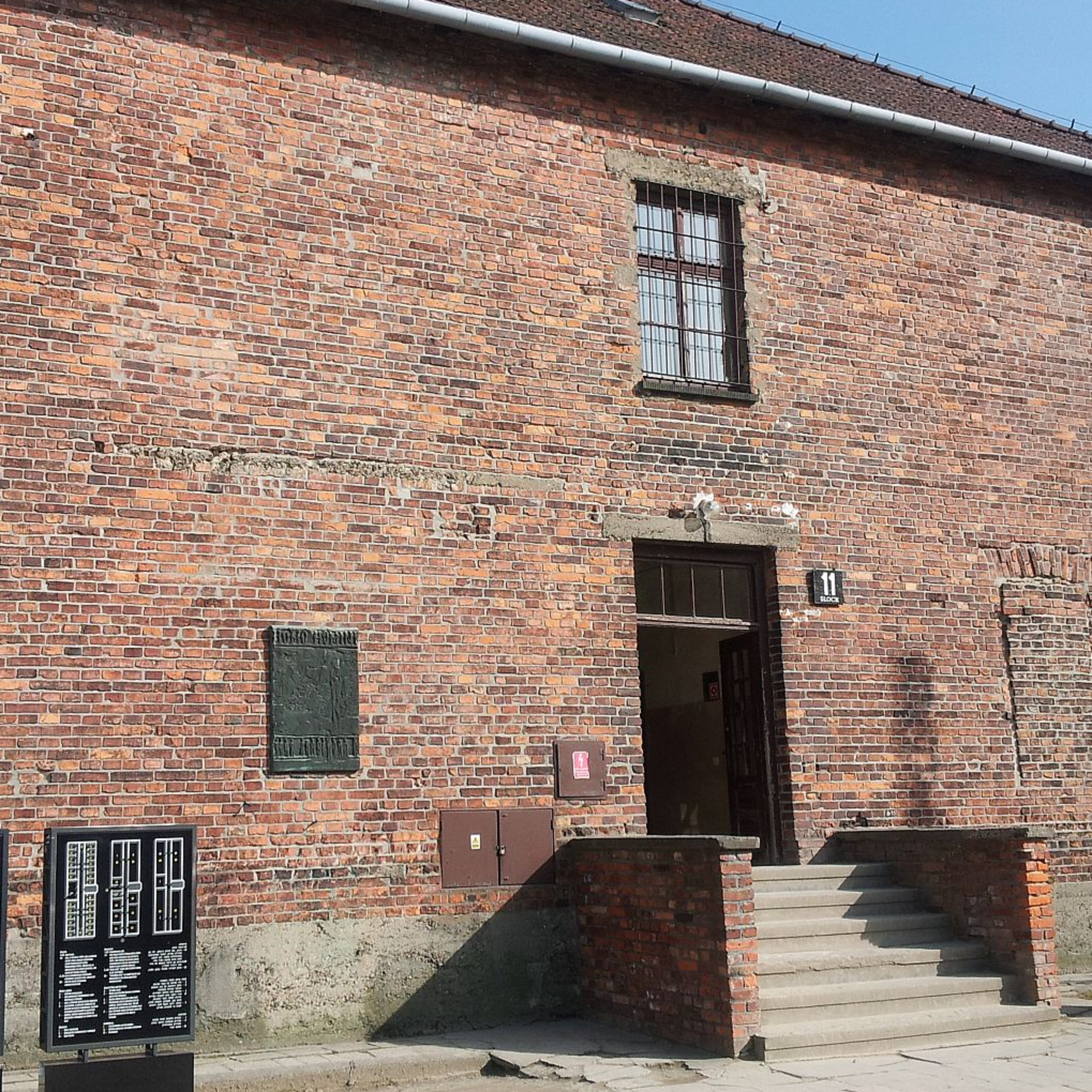
| 9/8/25 | ![]() "On Auschwitz" (64): Block no. 11 in KL Auschwitz✨ | Auschwitzhistory+5 | Dr. Adam Cyra | Auschwitz Museum Research Centre | Auschwitz IBlock 11+1 | AuschwitzBlock 11+5 | — | 38m 21s | |
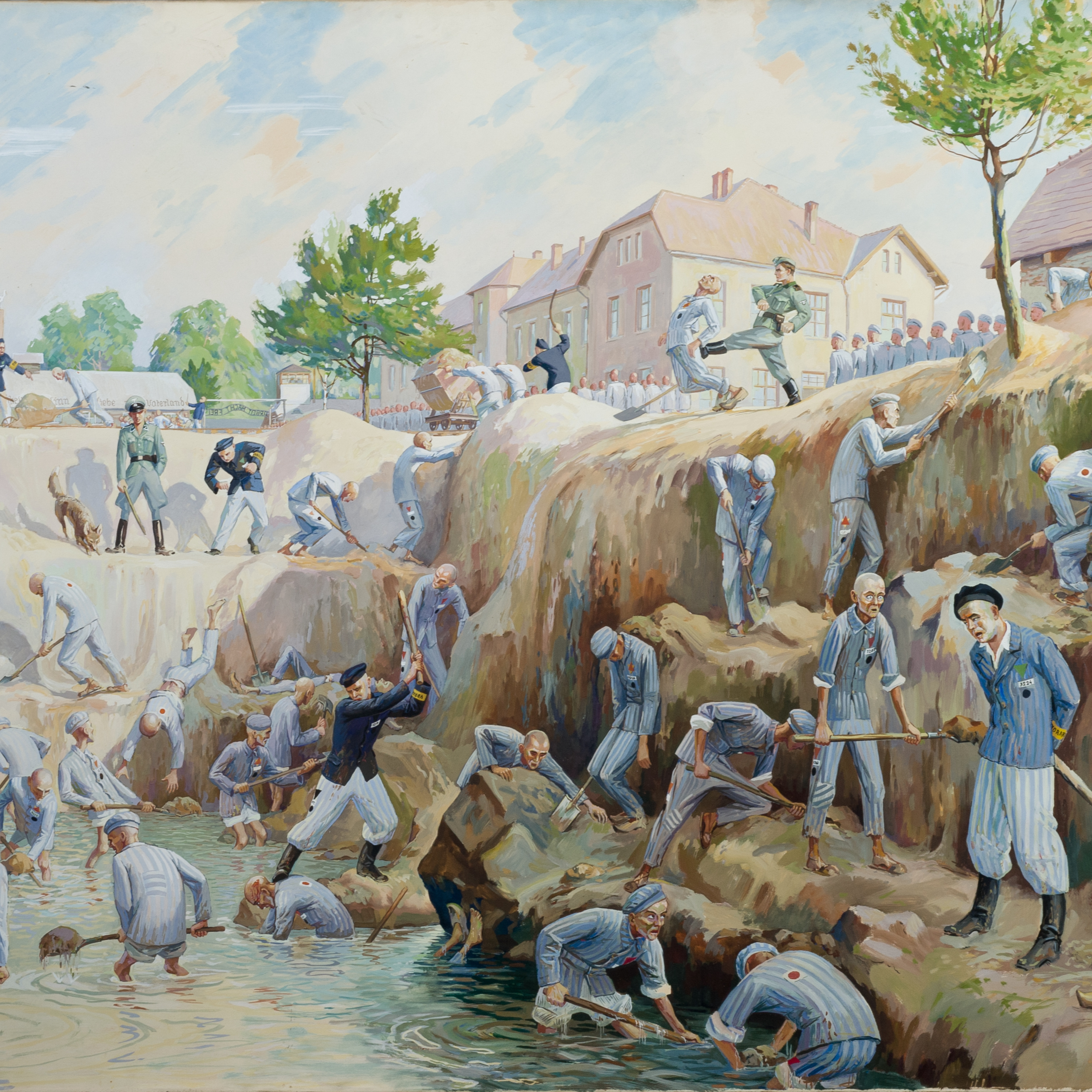
| 8/4/25 | ![]() "On Auschwitz" (63): Punishments in KL Auschwitz✨ | punishmentsAuschwitz+4 | Dr. Piotr Setkiewicz | Auschwitz Museum | — | Auschwitzpunishments+5 | — | 46m 54s | |
Want analysis for the episodes below?Free for Pro Submit a request, we'll have your selected episodes analyzed within an hour. Free, at no cost to you, for Pro users. | |||||||||
| 7/22/24 | ![]() "On Auschwitz" (48): Good examples of literature dedicated to the history of Auschwitz camp. | The first publications about Auschwitz were published during the war, while the camp was still in operation. The immediate postwar years also abounded in numerous publications by witnesses-Survivors of those events. Dr. Wanda Witek-Malicka of the Auschwitz Museum Research Center discusses the advantages of literature written by direct witnesses over literary fiction inspired by the subject of Auschwitz. --- Books Published before 1950: ZAREMBINA Natalia, Auschwitz. The Camp of Death (ENG). SZMAGLEWSKA SEWERYNA, Smoke over Birkenau 1947, (ENG). ŻYWULSKA Krystyna, I survived Auschwitz (ENG). BOROWSKI Tadeusz, SIEDLECKI Janusz Nel, OLSZEWSKI Krystyn, We were in Auschwitz, (ENG). FRANKL Victor, Ein Psycholog Erlebt das Konzentrationslager, 1946 (GER). NYISZLI Miklos, Dr. Mengele boncoló orvosa voltam az auschwitzi krematóriumban, 1947, (HUN). NYISZLI Miklos, Auschwitz: A doctor’s Eyewitness Account, 1947; I was Doctor Mengele’s Assistant. MILLU Liana, Il fumo di Birkenau (IT), 1947. Published after 1950: BOROWSKI Tadeusz, This Way for the Gas, Ladies and Gentlemen (ENG) ZIĘBA Adam, A Piece of Bread (ENG). GAWALEWICZ Adolf, Reflections in the Gas Chamber’s Waiting Room: From the Memoirs of a Muselmann. SOBOLEWICZ Tadeusz, But I survived. BARTNIKOWSKI Bogdan, Childhood Behind Barbed Wire. DUNICZ-NIWIŃSKA Helena, One of the girls in the band (ENG). DUNICZ-NIWIŃSKA Helena, Les chemins de ma vie (FRA). DUNICZ-NIWIŃSKA Helena, Los caminos de mi vida (ESP). DUNICZ-NIWIŃSKA Helena, Wege meines Lebens (GER) LEVI Primo, If This Is a Man. LEVI Primo, The Truce. WIESEL Elie, Night. FRANKL Victor, Men’s Search for Meaning. LAKS Szymon, Music of Another World. AMERY Jean, At the Mond’s Limits. LIBLAU Charles, I kapo di Auschwitz (IT). LIBLAU Charles, Les kapo d’Auschwitz (FRA). MELMERSTEIN Mel, By Bread Alone: The Story of 4685. KERTESZ Imre, Fateless. BUERGENTHAL Thomas, A Lucky Child: A Memoir of Surviving Auschwitz as a Young Boy. CLING Maurice, Vous qui entrez ici (FRA). LENGYEL Olga, Five Chimneys. KORNREICH-GELISSEN Rena, Rena’s Promise. ROSENBERG Otto, A Gypsy in Auschiwtz. DELBO Charlotte, None of Us Will Return. HANAK Vladimir, Mrtwy se vratil (CZECH) Sonderkommando: VENEZIA Szlomo, Inside the Gas Chambers. MULLER Filip, Eyewitness Auschwitz: Three Years in the Gas Chambers. Children: BIRENBAUM Halina, Hope is the Last to Die. ZYSKIND Sara, The Stolen Years (ENG). KLUGER Ruth, Still Alive: A Holocaust Girlhood Remembered (ENG). MULLER-MADEJ Stella, A girl From Chindlers List (ENG). Escapes: ALBIN Kazimierz, Warrant of Arrest (ENG). BIELECKI Jerzy, Wer ein Leben rettet… (GER). KOWALCZYK August, A Barbed Wire Refrain. About SS men: Auschwitz Seen by the SS. The Private Lives of the Auschwitz SS, red. Piotr SETKIEWICZ. | — | ||||||
| 3/28/24 | ![]() "The Zone of Interest" - discussion with the filmmakers | On 15 February 2024, the Polish premiere of the film 'The Zone of Interest,' directed and written by Jonathan Glazer, was held at the Auschwitz Museum. The film, depicting the family life of Auschwitz camp commandant Rudolf Höss, was awarded the Grand Prix at the Cannes Film Festival last year. It also received two Oscars. Director Jonathan Glazer, production designer Chris Oddy, and producers Jim Wilson, Ewa Puszczynska, and Bartosz Rainski participated in the post-screening discussion moderated by the director of the Auschwitz Museum Dr. Piotr M. A. Cywiński.. We invite you to listen to extensive fragments of the meeting. --- We wish to thank Kate Weinrieb who recorded the women's voiceover in the podcast. | — | ||||||
| 11/13/23 | ![]() "On Auschwitz" (39): Keeping the functioning of Auschwitz in secrecy | Although the SS took various measures to keep the functioning of the camp secret, especially when Auschwitz became both a concentration camp and extermination center, news about the camp got out. Dr. Piotr Setkiewicz, the head of the Museum Research Centre, talks about how information about Auschwitz could reach the world. | — | ||||||
| 9/29/23 | ![]() "On Auschwitz" (37): Different cases of organized resistance at Auschwitz | In the history of Auschwitz, there were instances when prisoners tried to resist. The most famous event is the Sonderkommando revolt that took place at Auschwitz II-Birkenau on 7 October 1944. This story is told in episode 21 of our podcast. However, there were other cases of prisoners organising resistance in order to attack SS members, or to escape. These included: -) the revolt and escape of prisoners from the Penal Company -) tragic events in the women's penal company -) mass escape of Soviet prisoners of war-) cases of desperate resistance in the dismantling room of a gas chamber. Dr Piotr Setkiewicz, the head of the Museum Research Centre, tells the story of different cases or organized resistance at Auschwitz. | — | ||||||
| 8/11/23 | ![]() "On Auschwitz" (35): Plunder of the property of Auschwitz victims | One of the elements of the operation of the Auschwitz camp was looting of the property of people deported to the camp. This was most intensified when Nazi Germany began the extermination of Jews at Auschwitz. Most of the property - after being sorted and disinfected - was sent to the Third Reich, where it was handed over to various groups of the German population, organizations and institutions. Dr. Jacek Lachendro, deputy head of the Museum's Research Center, talks about the looting process at Auschwitz. | — | ||||||
| 7/27/23 | ![]() "On Auschwitz" (34): The first moments at the Auschwitz camp | You have arrived not at a sanatorium but at a German concentration camp in which the only way out is through the chimney. If someone doesn’t like this, he may at once go to the wires. If there are any Jews in this transport, they have no right to live longer than two weeks. If there are any priests, they may live for a month, the rest only three months. This is how the speech given by Auschwitz camp manager Karl Fritzch was recalled by Jan Karcz in his memoirs. Teresa Wontor-Cichy of the Museum Research Center talks about the first moments at Auschwitz, when deportees came into contact with the world of death, terror and dehumanization, as well as factors that could help surviving the camp. | — | ||||||
| 7/2/23 | ![]() "On Auschwitz" (33): Creation of the Auschwitz Memorial | After the liberation of Auschwitz, its two main parts - the former main camp (Auschwitz I) and Auschwitz II-Birkenau - were first placed under the control of the Soviet military authorities. In the first of these, from February to September 1945, Soviet field hospitals and the Polish Red Cross hospital operated, where most of the surviving prisoners were treated. A transit camp for German prisoners of war also operated there from spring to autumn of that year. A similar camp existed at the former Birkenau camp until early 1946. Commissions investigating the crimes committed by Nazi Germany at Auschwitz also began to work at the site of the former camp. At the same time, survivors began to make efforts to establish an institution at the site of the former camp to commemorate the victims. Dr Jacek Lachendro, from the Museum Research Centre, talks about the process that led to the creation of the Auschwitz Memorial in 1947. | — | ||||||
| 6/30/23 | ![]() "On Auschwitz" (32): Documents analysis: how Auschwitz camp attempted to transfer 30 women prisoners from Ravensbrück | The analysis of the surviving documents of the camp administration makes it possible, on the one hand, to trace how the centralised concentration camp system administered by the SS in Nazi Germany functioned, while, on the other hand, it also shows various aspects of the functioning of the camp itself and the members of its garrison. One example is the surviving correspondence concerning the attempt to transfer 30 women prisoners - Jehovah's Witnesses - from Ravensbrück to Auschwitz, who were to be employed as domestic helpers in the homes of SS men. Listen to Teresa Wontor-Cichy from the Research Center of the Auschwitz Museum talking about this set of documents. | — | ||||||
| 5/5/23 | ![]() "On Auschwitz" (31): Christian clergy at Auschwitz | The Germans incarcerated at least 464 priests, seminarians & monks as well as 35 nuns in #Auschwitz. Teresa Wontor Cichy, from the Museum’s Research Center talks about the fate of Christian clergy and about religious life in the camp. See also our online course: http://lekcja.auschwitz.org/en_18_duchowienstwo/ | — | ||||||
| 3/20/23 | ![]() "On Auschwitz" (30): Why the Auschwitz camp was not bombed? | The Auschwitz II-Birkenau gas chambers and crematoria never became targets for Allied bombing, despite reports about their existence forwarded both by the Polish resistance movement and some people who escaped from the camp. Instead, American bombers carried out several strikes against the IG Farben petrochemical installations located at the distance of seven kilometers from Auschwitz. Dr. Piotr Setkiewicz, the head of the Research Center of the Auschwitz Museum talks about the issue of bombing the camp. | — | ||||||
| 2/24/23 | ![]() "On Auschwitz" (29): British prisoners of war near the Auschwitz camp | One of the groups of witnesses to the crimes perpetrated at the concentration and extermination camp Auschwitz were British prisoners of war who were forced to work on the construction of the IG Farbenindustrie factory. The building site was located in the immediate vicinity of the Auschwitz III-Monowitz camp and a few kilometers from the Auschwitz I main camp. British prisoners of war were also employed at the mines in Libiąż and Jaworzno, where Auschwitz sub-camps were later established. Dr Piotr Setkiewicz, head of the Auschwitz Museum Research Centre, talks about the history of British POWs near the Auschwitz camp. | — | ||||||
| 1/27/23 | ![]() "On Auschwitz" (28): Liberation of the Auschwitz camp | On 27 January 1945, Red Army soldiers liberated over 7,000 prisoners of the Auschwitz. The 1,689-day history of this concentration and extermination camp came to an end. Dr Jacek Lachendro of the Museum Research Centre tells us what the last days of Auschwitz looked like and what happened immediately after the liberation. See also our online lesson about evacuation, liquidation and liberation of Auschwitz: http://lekcja.auschwitz.org/en_11_wyzwolenie/ | — | ||||||
| 1/16/23 | ![]() "On Auschwitz" (27): Liquidation of the Auschwitz camp | In the second half of 1944, due to the Red Army successes and the advancing Eastern Front, the SS authorities in Auschwitz decided to evacuate some 65,000 prisoners to camps in the German Reich interior. At the same time, they began to destroy the evidence of the crimes committed in the camp. Dr. Jacek Lachendro from the Research Center of the Museum talks about the last period of the operation of Auschwitz. See also our online lesson about evacuation, liquidation and liberation of Auschwitz: http://lekcja.auschwitz.org/en_11_wyzwolenie/ In the picture: Mieczysław Kościelniak, burning of documents | — | ||||||
| 12/27/22 | ![]() "On Auschwitz" (26): Deportations of Poles from the Zamość region to Auschwitz | After Germany attacked the Soviet Union in June 1941. Heinrich Himmler gave the order to create a "German settlement area" around the occupied Polish town of Zamość. The population of that region was to be expelled and replaced by German settlers. The area was chosen for its agricultural character. It consisted of five towns and 696 villages. The displaced population was sent to transit camps, where they were subjected to racial screening. Those who, according to German criteria, were not "racially valuable" were planned to be deported to concentration camps. A total 1,301 people, including at least 162 children were deported to Auschwitz in three transports Dr Wanda Witek-Malicka of the Auschwitz Memorial Research Centre talks about the ethnic cleansing carried out by the Germans in the Zamość region and the fate of the inhabitants of this region deported to Auschwitz. — In the picture: a family photo of Jan and Aniela Malec (Jan - the younger man sitting in the middle). Their children were taken away from them in the Zamość camp. Jan and Aniela were deported to Auschwitz, where they both died in a short time (Jan in March and Aniela in April 1943), orphaning four daughters aged 4-13. The girls were deported from the Zamość camp to Siedlce, where they survived the war. See also our online lesson about this topic: https://lekcja.auschwitz.org/dep_zam_PL/ | — | ||||||
| 12/5/22 | ![]() The interview with Dr. Maria Zalewska, editor of the cookbook "Honey Cake & Latkes: Recipes from the Old World by the Auschwitz-Birkenau Survivors" | Listen to the interview with Dr. Maria Zalewska who is the editor of a unique cookbook "Honey Cake & Latkes: Recipes from the Old World by the Auschwitz-Birkenau Survivors". "More than a cookbook, this collection of heirloom recipes conveys Auschwitz-Birkenau survivors’ stories through the mnemonic lens of cooking and food. Collected and edited during the pandemic, this book—in the words of Ronald S. Lauder, Chairman of the Auschwitz-Birkenau Memorial Foundation—“is a story of hope and triumph of the human spirit.” Over 110 recipes accompanied by survivors’ pre-war recollections and post-liberation memories weave a unique tapestry of sensory experiences of flavors and aromas from the old world, accounts of loss and trauma, as well as heartwarming and poignant tales of new beginnings and healing. All of the recipes have been tested and retested to make sure they can be replicated in your kitchen while keeping the original character and voice of the survivors who contributed to the volume." The book at Amazon: https://www.amazon.com/Honey-Cake-Latkes-Auschwitz-Birkenau-Survivors/dp/1595911235 All proceeds from the sale of this book go to the Auschwitz-Birkenau Memorial Foundation. | — | ||||||
Showing 25 of 40
Pitch Fit is a Pro feature
See how bookable this show is for guests, which brands already advertise, the per-episode ad value, and the best-fit guest and sponsor profile. The numbers are blurred on the free plan.
How readily this show books outside guests like you.
How proven this show is for host-read sponsorships.
For Guests
ProFor Advertisers
ProUpgrade to Pro to unlock guest cadence, sponsor categories, fit scores, and per-episode ad value for this show.
Chart Positions
5 placements across 5 markets.
Chart Positions
5 placements across 5 markets.