
Insights from recent episode analysis
Audience Interest
Podcast Focus
Publishing Consistency
Platform Reach
Insights are generated by CastFox AI using publicly available data, episode content, and proprietary models.
Total monthly reach
Estimated from 1 chart position in 1 market.
By chart position
- 🇦🇺AU · Government#9330K to 100K
- Per-Episode Audience
Est. listeners per new episode within ~30 days
15K to 50K🎙 Weekly cadence·26 episodes·Last published 7mo ago - Monthly Reach
Unique listeners across all episodes (30 days)
30K to 100K🇦🇺100% - Active Followers
Loyal subscribers who consistently listen
9K to 30K
Market Insights
Platform Distribution
Reach across major podcast platforms, updated hourly
Total Followers
—
Total Plays
—
Total Reviews
—
* Data sourced directly from platform APIs and aggregated hourly across all major podcast directories.
On the show
Recent episodes
BLM National Minerals Testing Laboratory - We Do That!
Sep 24, 2025
BLM New Mexico enhances sustainable recreation at Kasha-Katuwe Tent Rocks National Monument
Jul 30, 2025
BLM Recognizes National Wildfire Awareness Month (Part 3 of 3)
May 19, 2025
BLM recognizes National Wildfire Awareness Month (Part 2 of 3)
May 12, 2025
Legendary photographer Bob Wick reflects on capturing iconic BLM landscape images
May 8, 2025
Social Links & Contact
Official channels & resources
Official Website
Login
RSS Feed
Login
| Date | Episode | Description | Length | ||||||
|---|---|---|---|---|---|---|---|---|---|
| 9/24/25 | 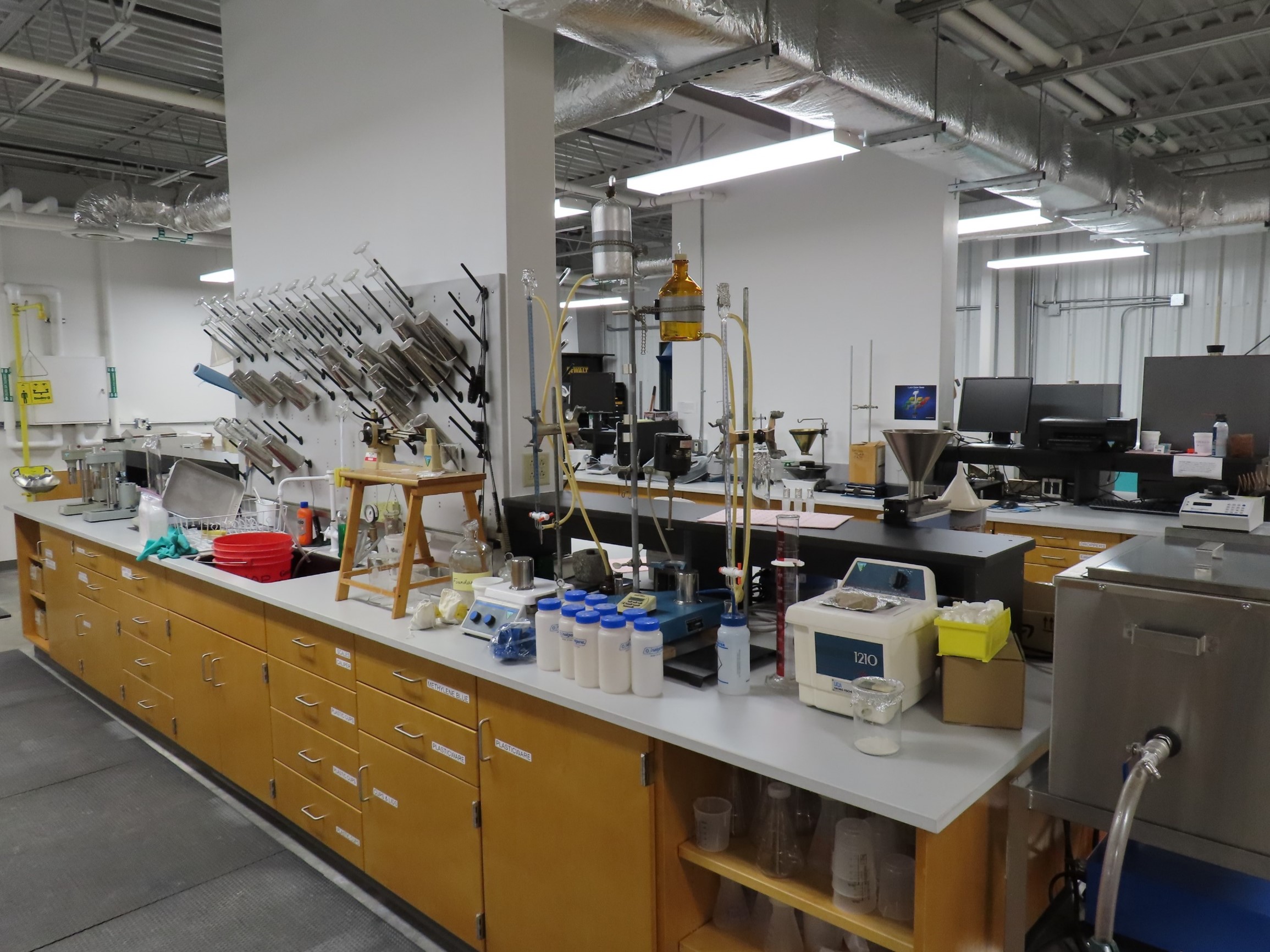 BLM National Minerals Testing Laboratory - We Do That! | In this debut episode of “We Do That!”, a special new mini-series from the BLM’s On the Ground podcast, we take a look at Wyoming’s National Minerals Testing Laboratory — a small but mighty facility doing big things for the management of our public lands. Included are behind-the-scenes insights on the facility’s history, discussion of ongoing mineral analysis processes, and visions for the future of the laboratory. | — | ||||||
| 7/30/25 | 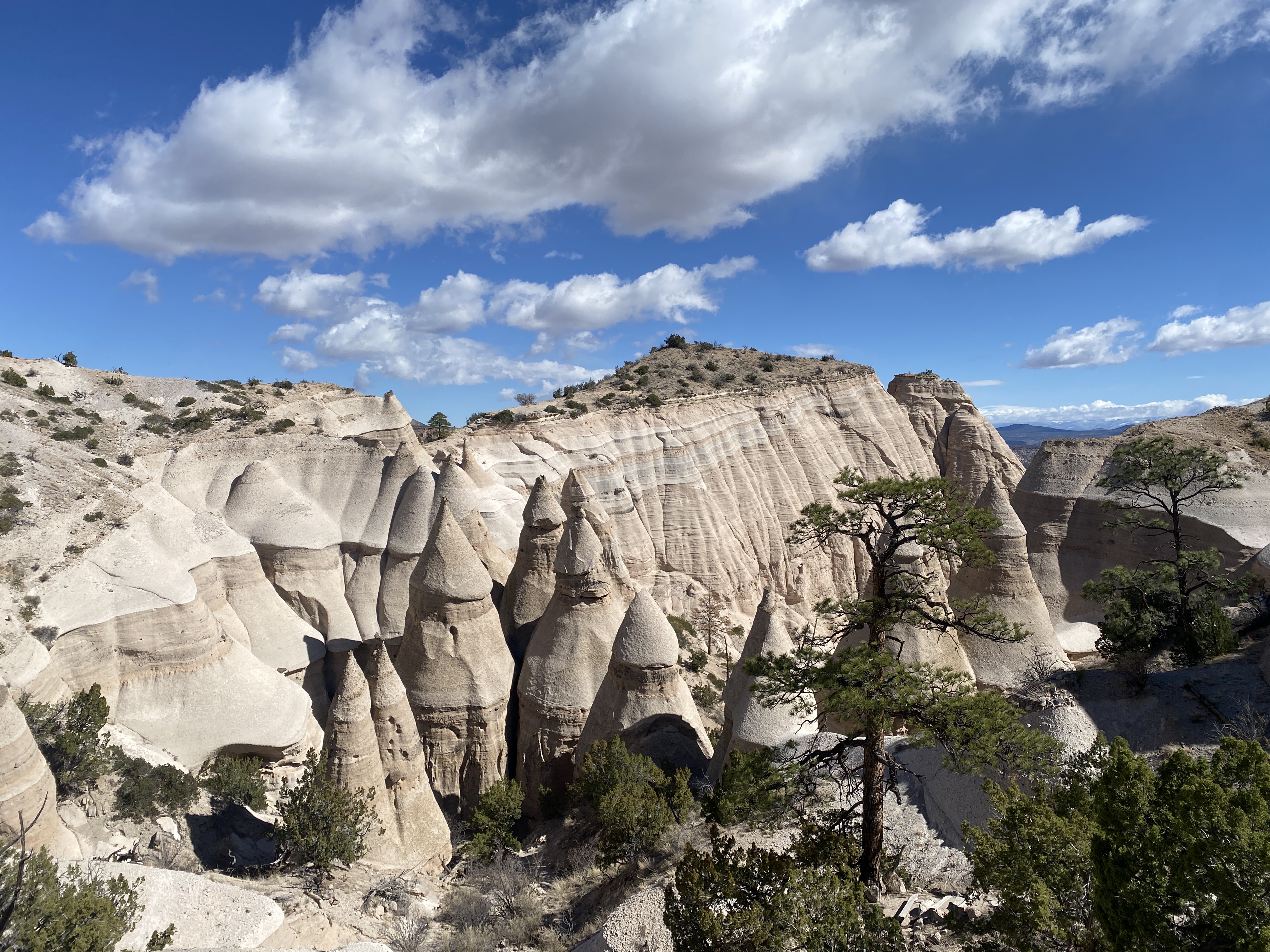 BLM New Mexico enhances sustainable recreation at Kasha-Katuwe Tent Rocks National Monument | Kasha-Katuwe Tent Rocks National Monument is a unique geological destination for visitors from around the world. Turning from a hidden gem to a primary tourist destination here in New Mexico, the BLM—in partnership with Cochiti Pueblo—has taken steps to provide a sustainable recreational destination for visitors while also protecting its fragile resources. | — | ||||||
| 5/19/25 | 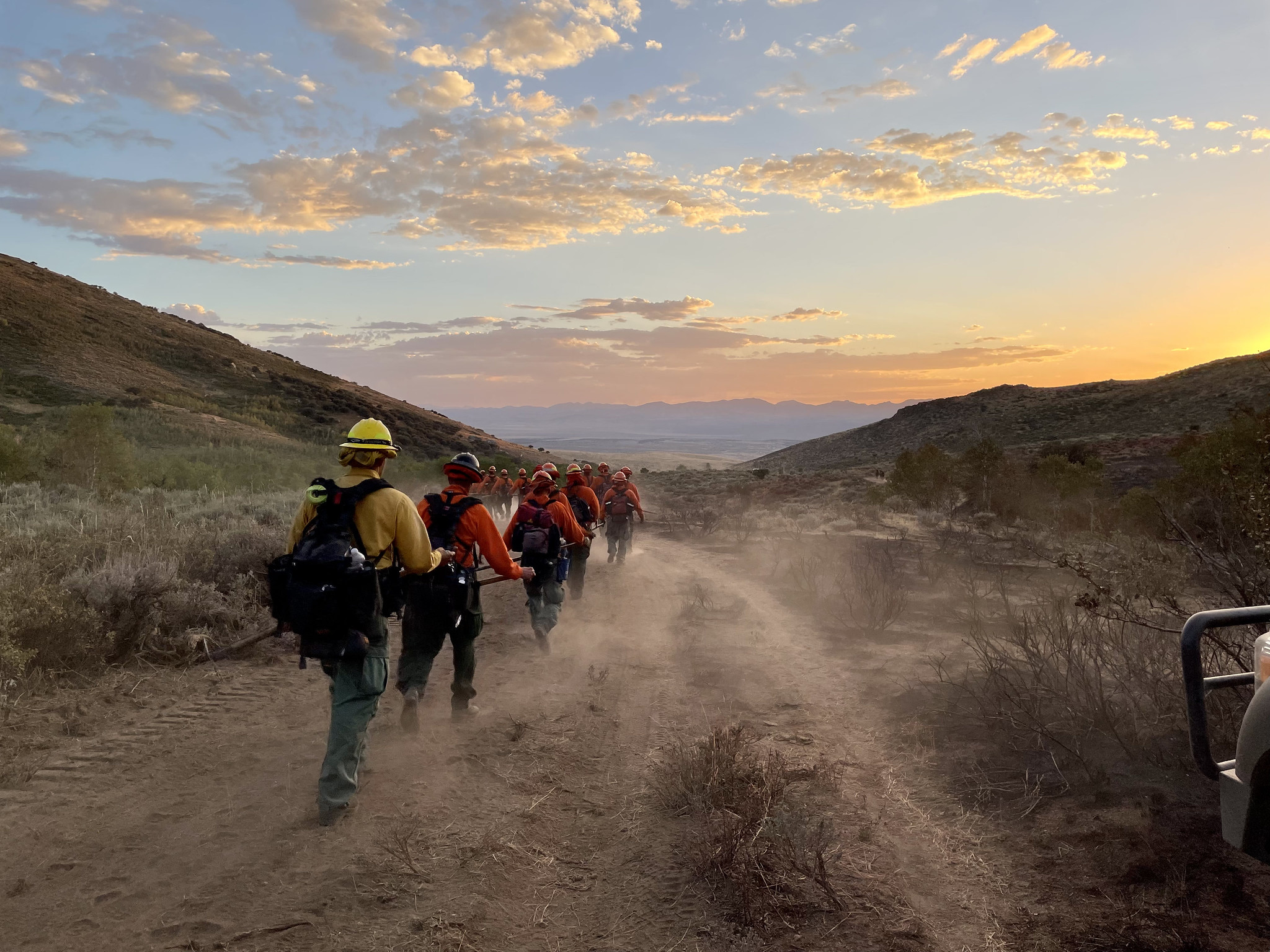 BLM Recognizes National Wildfire Awareness Month (Part 3 of 3) | In the final installment of BLM On the Ground’s three-part Wildfire Awareness Month podcast series, we discuss wildfire prevention education, the prevalence of human-caused wildfires, and the importance of public responsibility, such as preparing properly before recreating on public lands, checking fire danger levels, and reporting wildfires immediately. | — | ||||||
| 5/12/25 | 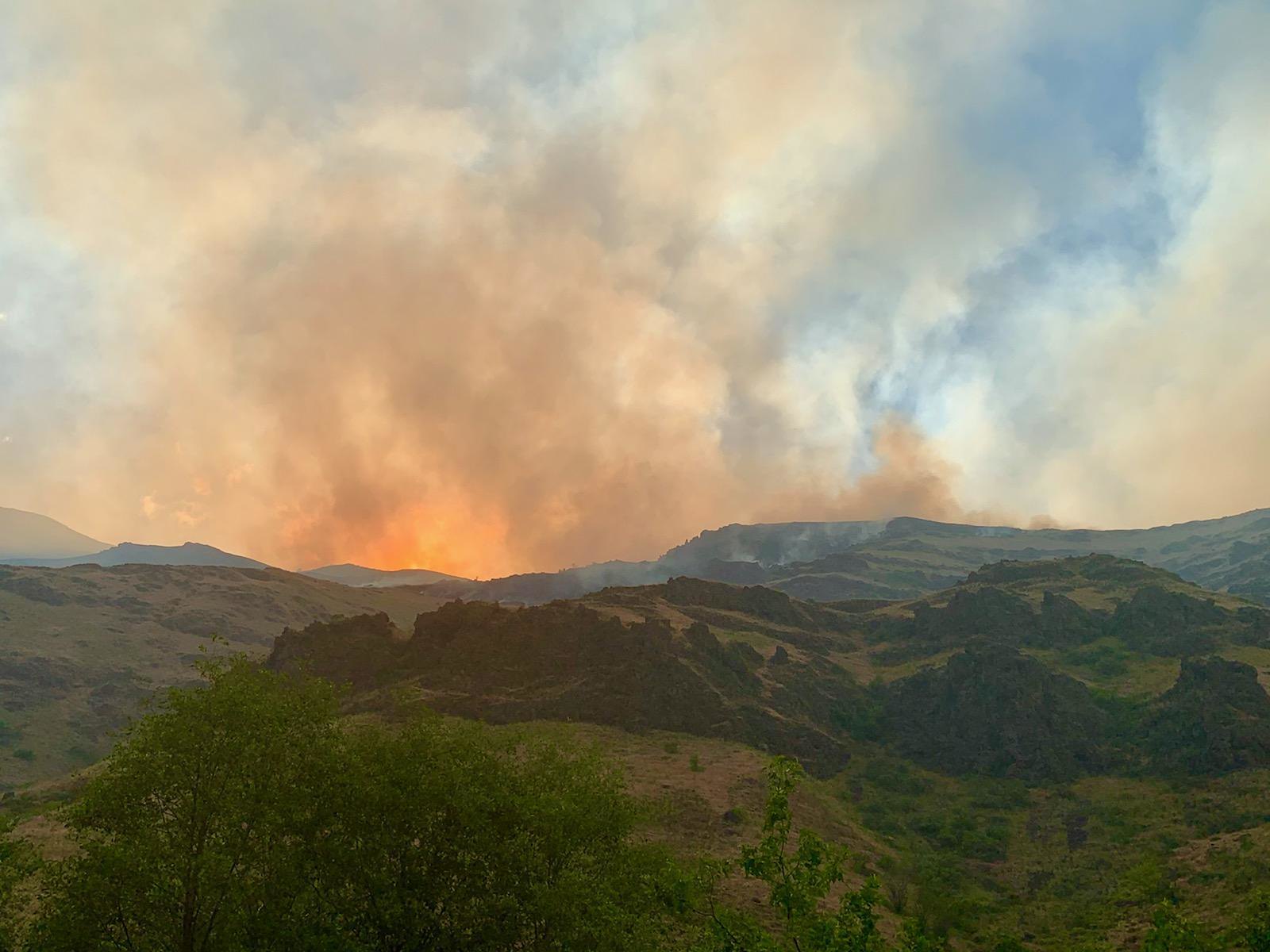 BLM recognizes National Wildfire Awareness Month (Part 2 of 3) | To continue our three-episode podcast series on wildfire awareness, this week’s episode delves into the importance of effective communication pertaining to fire prevention, examining best practices and strategic approaches employed by fire crews, as well as the major challenges and widespread public misconceptions surrounding wildfires. | — | ||||||
| 5/8/25 |  Legendary photographer Bob Wick reflects on capturing iconic BLM landscape images | In December 2024, Backpacker.com magazine published an article titled, "Bob Wick Is the Greatest Outdoor Photographer You’ve Never Heard Of." You likely have seen his work on BLM.gov, in social media, in major newspapers and magazines, and on advocacy and industry websites. Today, we visit with the man himself: Bob Wick, whose primary job never was as a photographer. A photographer captures the majesty of the mountains along the Old Spanish National Historic Trail. (Photo by Bob Wick, BLM) | — | ||||||
| 5/5/25 | 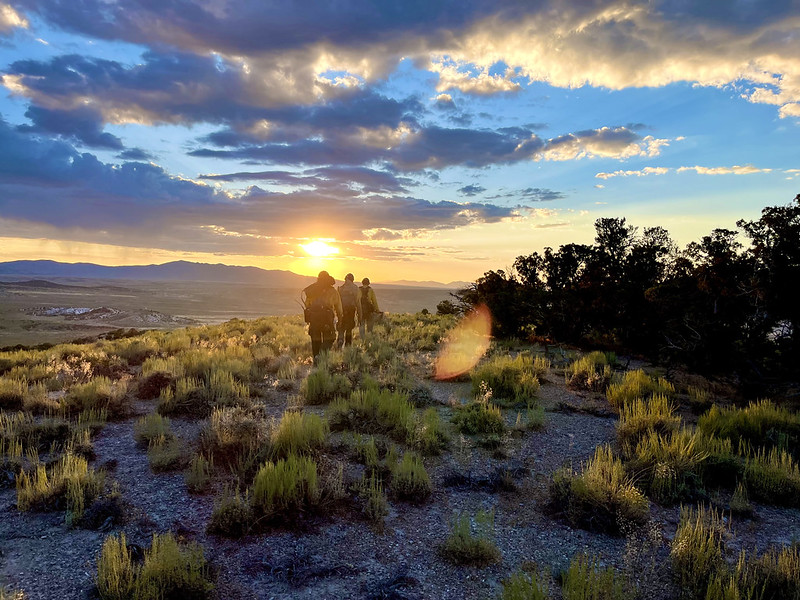 BLM recognizes National Wildfire Awareness Month (Part 1 of 3) | In recognition of Wildfire Awareness Month, On the Ground is kicking off a three-episode podcast series highlighting all things wildfires. The series dives into the critical roles, challenges, and innovations shaping how BLM Fire prevents and responds to wildfires today. You’ll hear seasoned wildland firefighters discuss behind-the-scenes management strategies, and learn about the National Interagency Fire Center’s safety tips for the everyday public lands user. | — | ||||||
| 1/7/25 |  Three past officials reflect on the National Landscape Conservation System (Part 2 of 2) | In 2000, Secretary of the Interior Bruce Babbitt authorized the creation of the National Landscape Conservation System, the BLM's official directorate for managing National Conservation Lands. In this episode, we reflect on the early years of the NLCS and how BLM created the structure to manage these beautiful and iconic locations with three people who led the program: Elaine Marquis-Brong, Elena Daly, and Carl Rountree. | — | ||||||
| 1/7/25 | 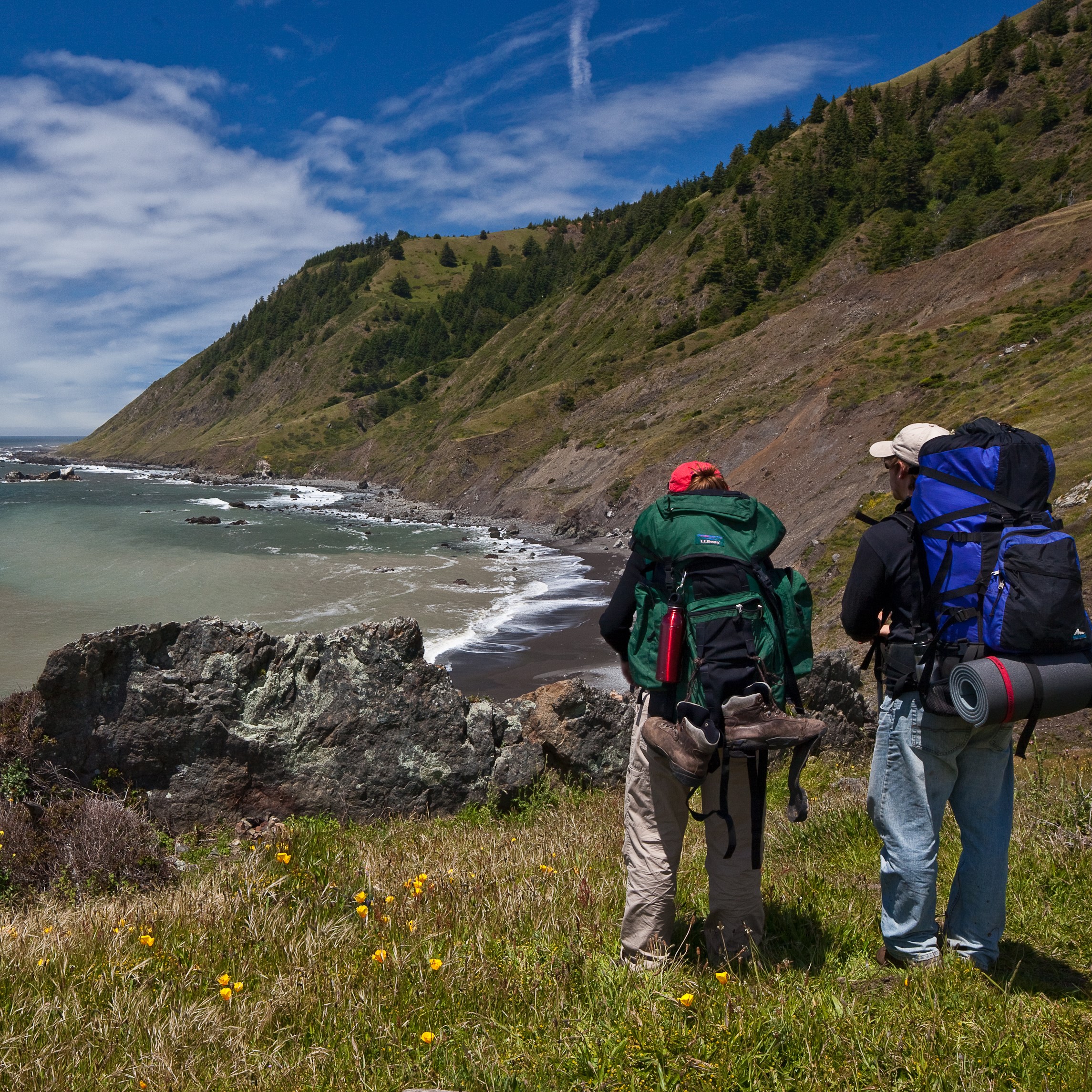 BLM looks back on more than 50 years of managing conservation areas (Part 1 of 2) | In 2025, the Bureau of Land Management will celebrate 25 years since the creation of the National Landscape Conservation System in 2000. But to appreciate the breadth of National Conservation Lands, you actually need to go back more than 50 years. | — | ||||||
| 12/19/24 | 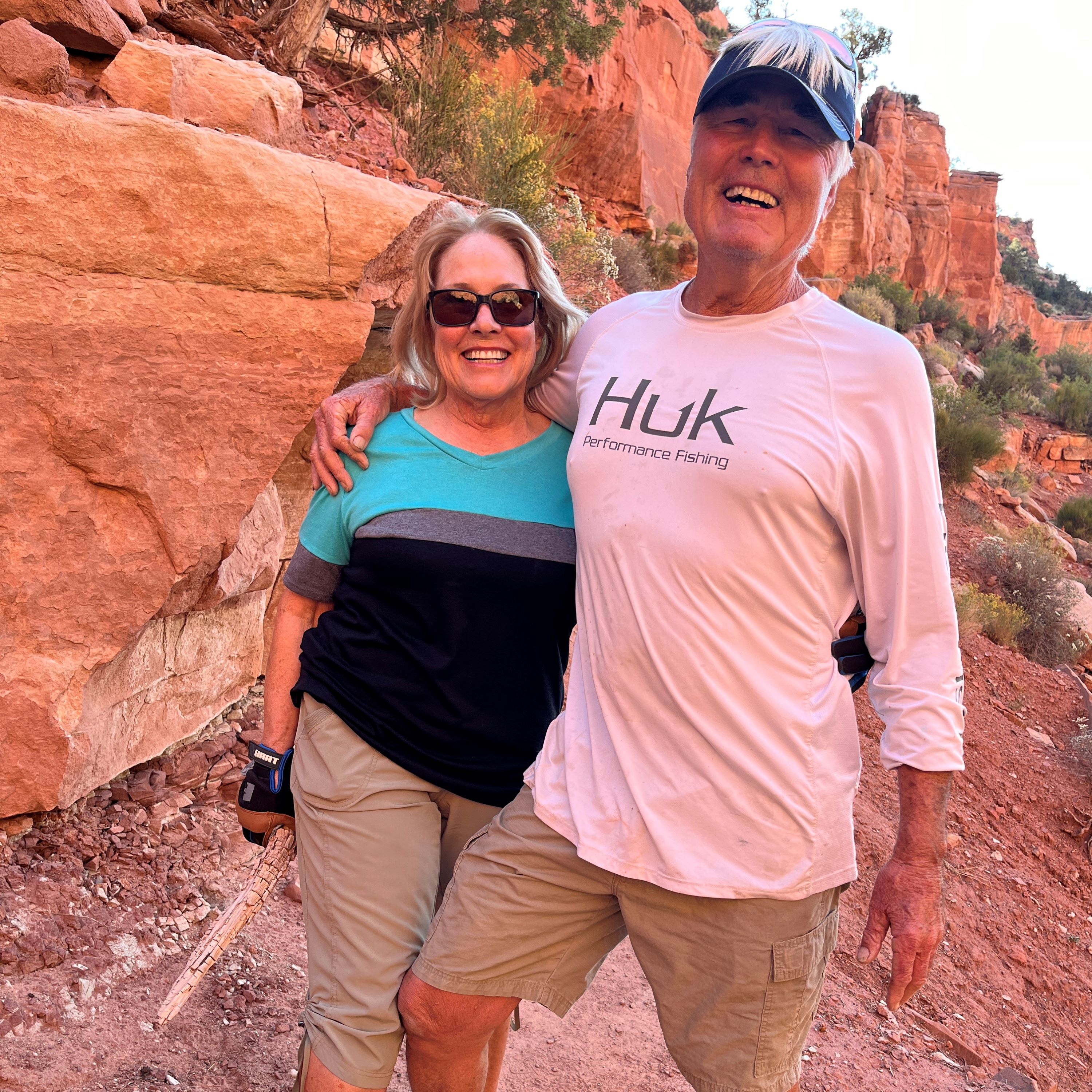 Utah couple exemplifies the enthusiasm and dedication of BLM's many volunteers | In this holiday season of giving, the BLM sincerely thanks the many thousands of volunteers who have freely given their time and efforts to care for public lands. Highlighted in this podcast episode are Sue and Jim Johnston, a couple out of Utah who have been making a difference in our trails in Kanab for more than 10 years. Their positive impact and attitudes towards maintaining public lands, as well as laying the groundwork for future preservation long after they’re gone, is what sets them apart as an admirable model for future generations to follow. The duo has received BLM’s Outstanding Volunteer Achievement Award for their continued dedication to beauty and workable recreation. | — | ||||||
| 12/2/24 | 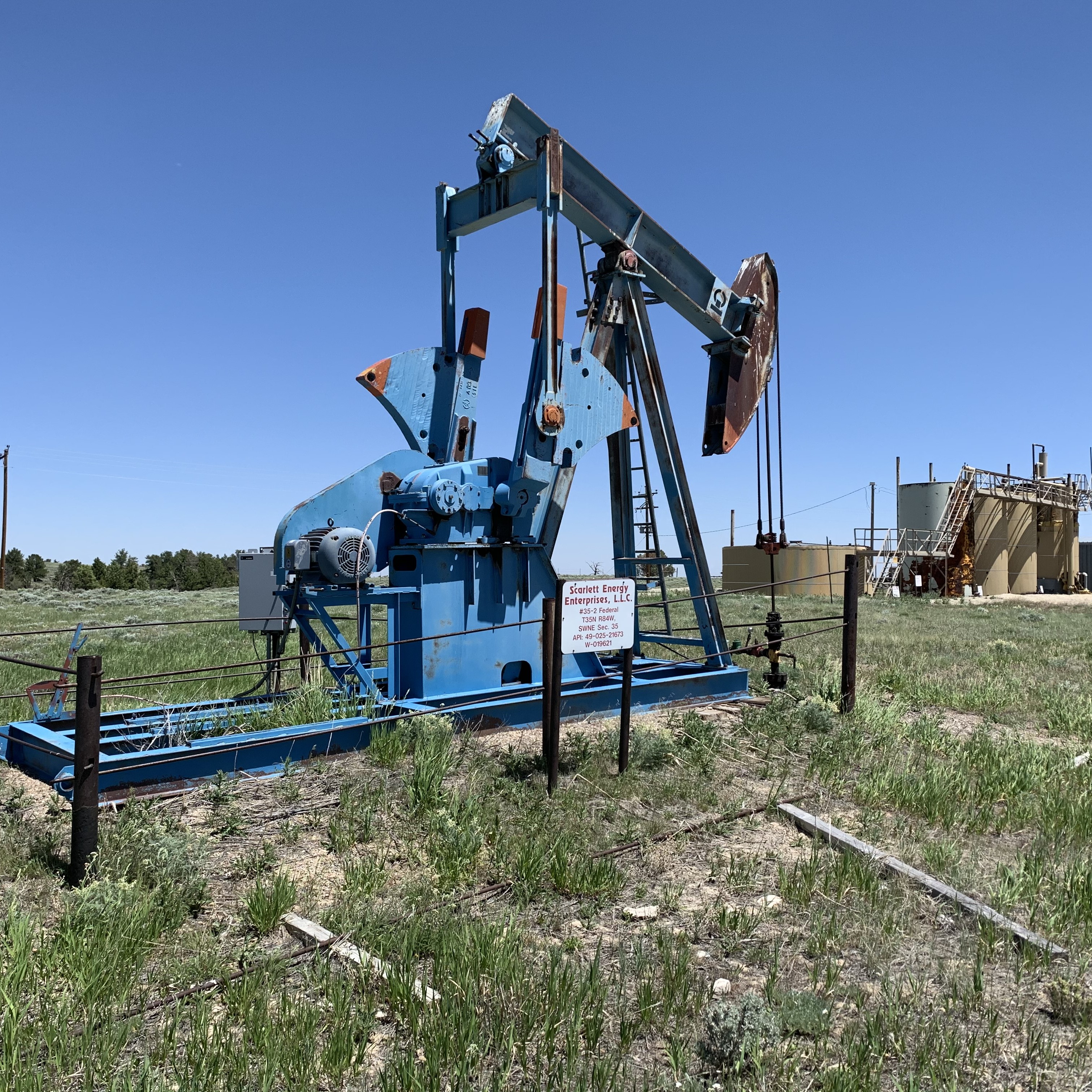 Restoring the land through plugging and partnerships: tackling orphaned wells in Wyoming | The BLM's onshore oil and gas program manages oil and natural gas extraction nationwide, bringing in billions of dollars to the U.S. Treasury from productive wells. But what happens if the wells we manage are no longer productive or maintained? This is the question that the Federal Orphaned Well Program is designed to answer. The program seeks to remediate orphaned wells on Federal Lands, as well as support efforts to do so from State and Tribal entities’ plugging programs.Orphaned wells are oil and gas wells that no longer have a responsible operator to plug and reclaim the surrounding land. When no responsible party exists, the BLM steps in to secure funding and resources to plug the wells, using funds from operators' bonds and legislative programs to contract and clean up abandoned project sites. In these cases, the BLM works with operators to ensure idle wells are either brought back into production or plugged before they become orphaned.Left unattended and unplugged, inactive oil and gas wells are environmental hazards that jeopardize public health and safety, as well as pose risks to wildlife. Emissions of noxious gases such as methane threaten to contaminate groundwater; unattended drill sites can lead to flooding and sinkholes. To prevent these dangers, the BLM works with contractors to identify, prioritize and plug orphaned wells.According to the U.S. Environmental Protection Agency, oil and gas well plugging is a multi-step process. Before the actual plugging can begin, specialists must inspect and prepare the site, removing any existing infrastructure and production tubing. Teams then pump strong plugging materials with low permeability, such as cement, deep into the inactive wells. The placement of underground plugs at the oil and gas production zones and water aquifers seals off emissions and prevents contamination. Assuming the plug passes necessary pressure tests, and no adjustments are needed, the well is then capped, and reclamation activities begin.Reclamation aims to restore the project site to match its surrounding environment, bringing it to a condition equal to or closely approximating that which existed before the land was disturbed. Through ecosystem restoration, including restoration of any natural vegetation, hydrology, and wildlife habitats affected by surface disturbances from construction and operating activities at an oil and gas site, the BLM can ensure that any effects of oil and gas development on the land and on other resources and uses are not permanent.Plugged and reclaimed orphan well sites have the potential to provide healthy wildlife habitat, recreation opportunities and more. The Orphaned Wells program underscores the importance of responsible land stewardship and the BLM's commitment to environmental restoration. The Department’s Orphaned Wells Program Office’s newly released Strategic Plan, Fiscal Years 2025-2030 communicates how we can serve the orphaned wells community and ensure success in transforming a legacy of environmental pollution into a legacy of environmental stewardship. | — | ||||||
Want analysis for the episodes below?Free for Pro Submit a request, we'll have your selected episodes analyzed within an hour. Free, at no cost to you, for Pro users. | |||||||||
| 11/22/24 |  BLM issues call to restore our public lands | The Bureau of Land Management today announced a Restoration Blueprint that outlines the need for additional investment to restore public lands. As the largest land manager in the country, BLM is launching the Restoration Blueprint to build upon past efforts and increase the scale and efficacy of its efforts.“It’s important for us to show that we have a plan for how we make sure the landscapes that we manage on behalf of the American people are resilient,” said Sharif Branham, assistant director for BLM’s Resources and Planning Directorate. “We're talking about a way to articulate how ‘this is our plan to make sure that these landscapes provide natural benefits for ecosystem services. Not only for the near future but going forward.’”“Where we see new problems emerge, we want to be positioned to be able to take on those new problems,” Branham said. “We still have multiple use as a responsibility, but here's how we're going to restore and maintain the landscape so that it is possible in the future to have all the options before us for these multiple uses.”BLM has been actively restoring public lands for most of the last 25 years, when severe wildfires in 1999 and 2000 prompted the Bureau to create a system to gather native seeds and plant materials for wildfire recovery. Recent investments from Congress provided much-needed support to increase the amount of restoration work the BLM delivers.The Restoration Blueprint outlines five goals to focus future funding and decision-making: Ensure clean water: Nature-based solutions offer cost-effective approaches, such as projects that mimic wood structures traditionally built by beavers. These efforts connect rivers to their floodplains as nature intended, improving fish habitat and increasing water quality and storage. (Video, Wyoming)Protect communities from wildfire: BLM is committed to protecting communities, reducing wildfire risks, and recovering scorched landscapes. By combining fuels management with community engagement, BLM is aggressively working to minimize the risk and impact of wildfires in changing western landscapes. (Video-Colorado, Audio-Colorado)Promote productive rangelands: Primary threats are invasive non-native species which disrupt the generation of new plant life essential to people and wildlife. By implementing land health standards and working closely with ranchers to adopt sound range management practices—such as resting grazing allotments and timing grazing to favor native plant growth—BLM can help reduce the spread of invasive grasses. (BLM Blog: Invasive Species and Fire / Partners In The Sage Fire and Invasives website / Video: Outcome Based Grazing, Wyoming)Ensure healthy fish and wildlife habitat: With state and Tribal management agencies, BLM manages habitat for more than 3,000 species, including threatened and endangered species, across some of the nation’s most ecologically diverse and unique landscapes. Habitat restoration efforts by BLM and its partners help maintain the broader ecological integrity of our natural world. (Blog post/video, Alaska)Deliver exceptional and unique outdoor recreational experiences: As more people seek the outdoors, visitation to public lands is surging. The health and accessibility of these lands is a significant factor that draws visitors. By focusing restoration on improving key recreational experiences, BLM enhances the health of public lands and strengthens the bond of stewardship between the nation and its treasured landscapes. (Audio-Nevada / Audio-Utah / Video-Arizona)Currently, approximately 12% of BLM’s budget is allocated across 10 national programs to on-the-ground restoration, excluding administrative and personnel costs. | — | ||||||
| 10/16/24 | 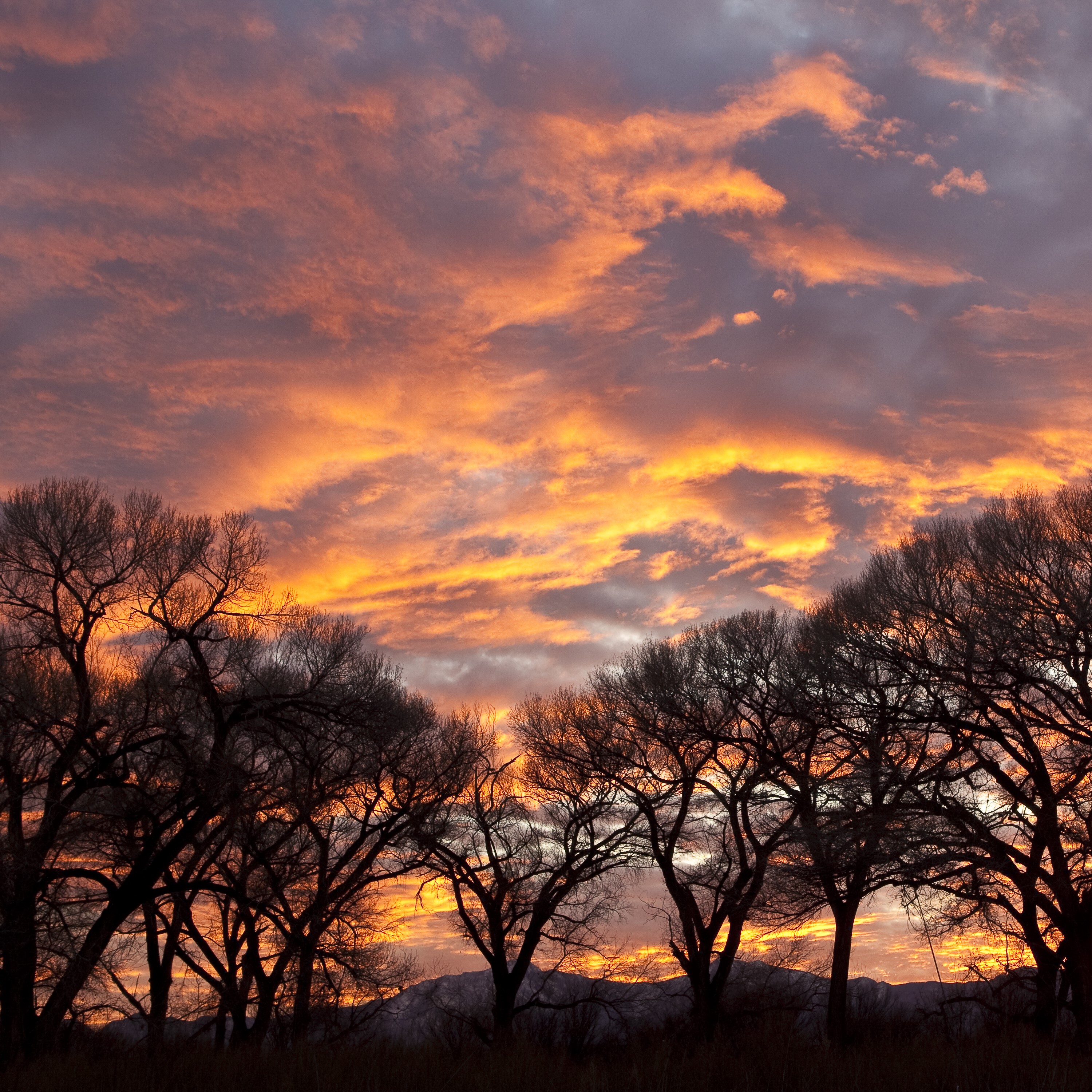 Sentinel Landscapes initiative in Arizona brings agencies and landowners together on common goals | The Sky Islands of southeastern Arizona are a bowl-like natural feature that blocks out many electromagnetic signals. This is an ideal environment for the Department of Defense to train intelligence specialists and drone operators. It's also part of a unique ecosystem that includes millions of acres of BLM, Forest Service, State of Arizona, and private lands that all involved would like to see conserved. In this episode of "On The Ground," we visit with BLM Gila District Manager Scott Feldhausen on how he has brought BLM to the conversation with other agencies to accomplish restoration on parts of the three million-acre Sentinel Landscape area. | — | ||||||
| 10/2/24 | 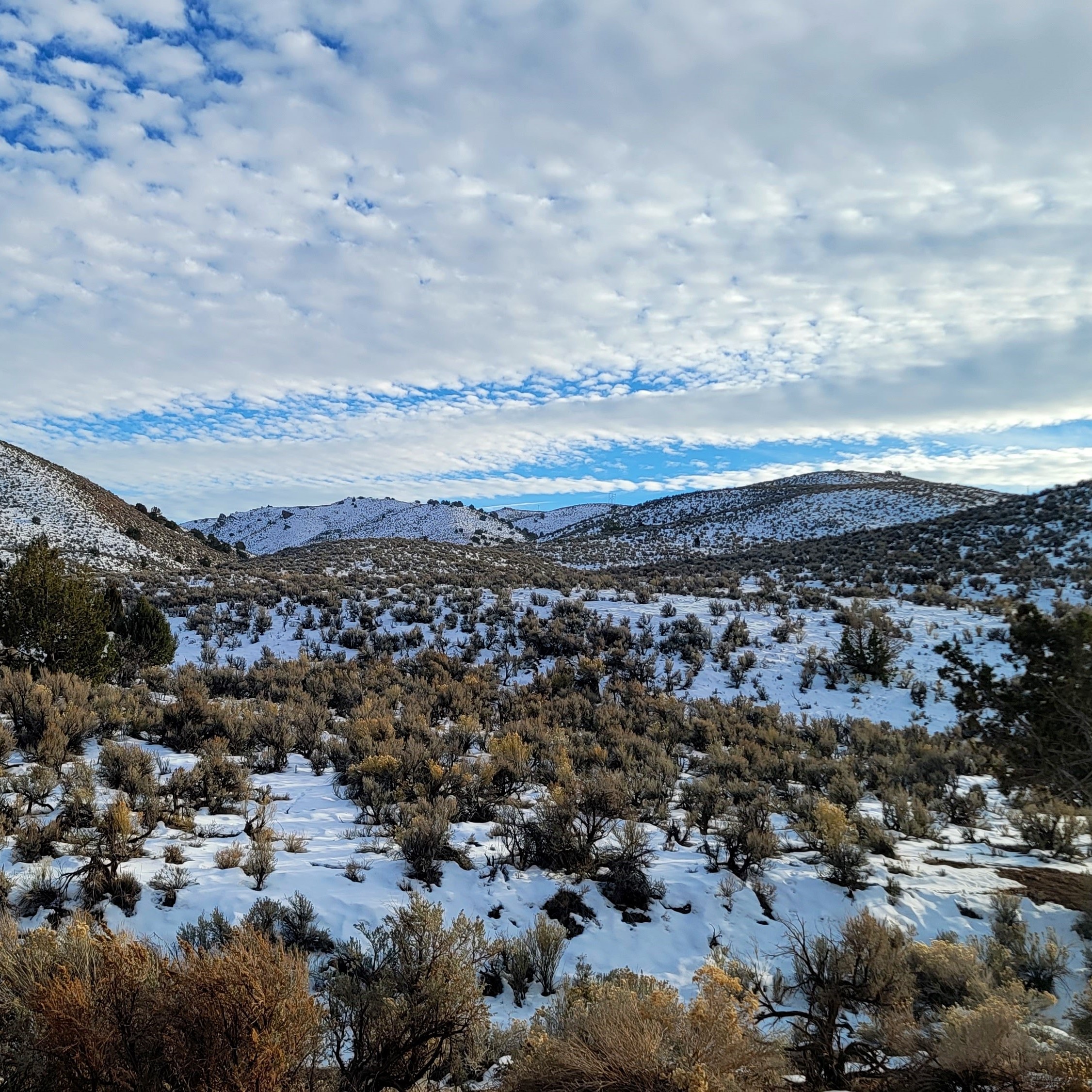 Elko, Nevada residents rally to create new non-motorized trail system | Between Elko and Spring Creek, Nevada, a group of residents and recreation enthusiasts from the Elko Trail Systems Initiative (ETSI) is working with BLM's Tuscarora Field Office to create a new non-motorized trail system. The group hopes that it will bring fun and business to local communities. When completed, the non-motorized trail will be open to hikers, horseback riding, and mountain biking, including e-bikes. Today, we visit with Elisabeth Puentes, Tuscarora Field Manager, about the planning efforts for this new trail system. | — | ||||||
| 8/16/24 | 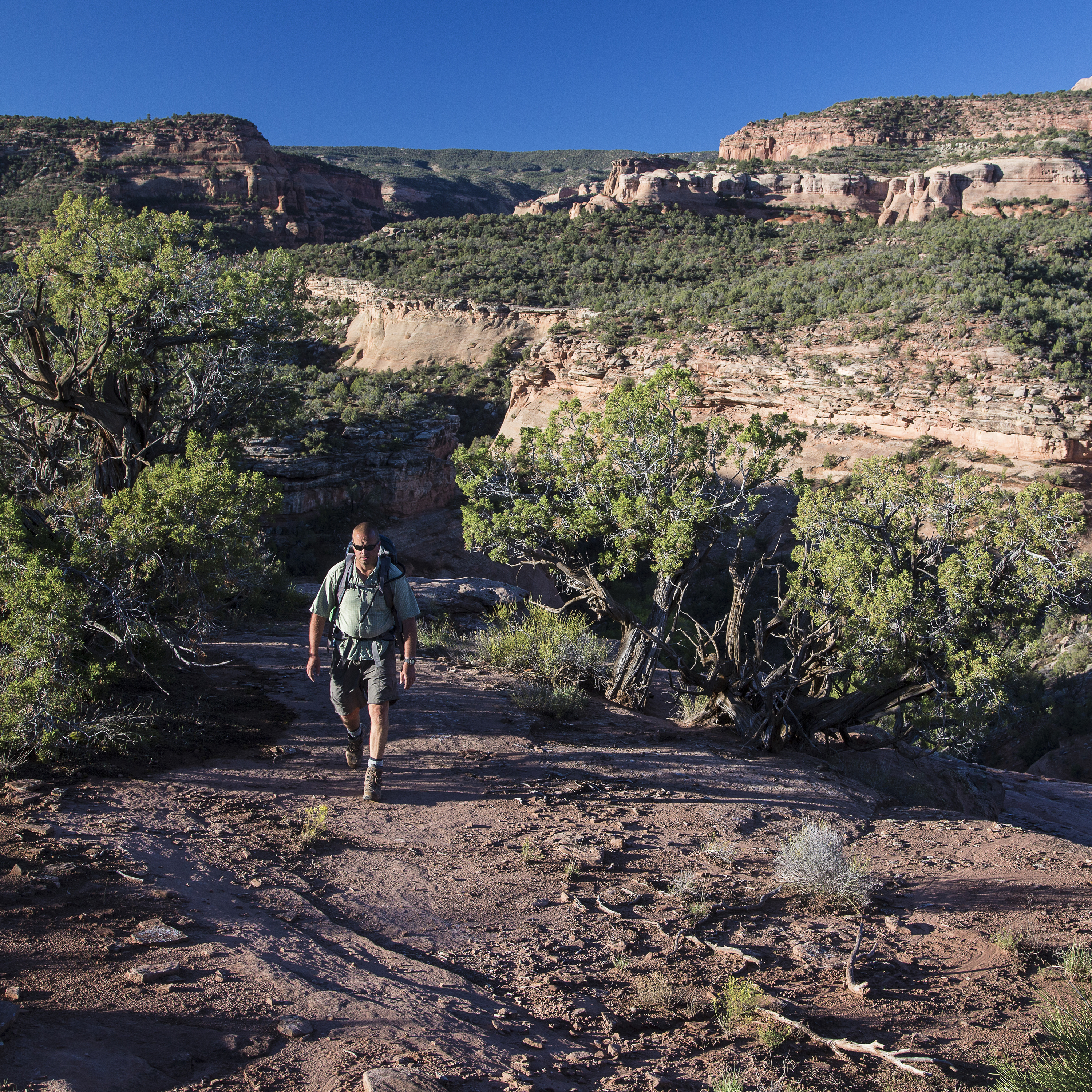 How the BLM relies on the public, computer drawings, and local knowledge to open new lands to recreation | Chris Holmes from BLM Communications speaks with Ashton Johnston, a program manager who helps the bureau conduct its once-every-two-years public outreach under the Dingell Act. Johnston describes the process of how to explore the map and submit nominations, the criteria that's used to evaluate each suggested location, and what happens when the BLM concludes its examination of each nomination. It's a process that will continue through 2030. So far, the bureau has collected more than 6,600 nominations of public lands to open to recreation...and counting! | — | ||||||
| 6/24/24 | 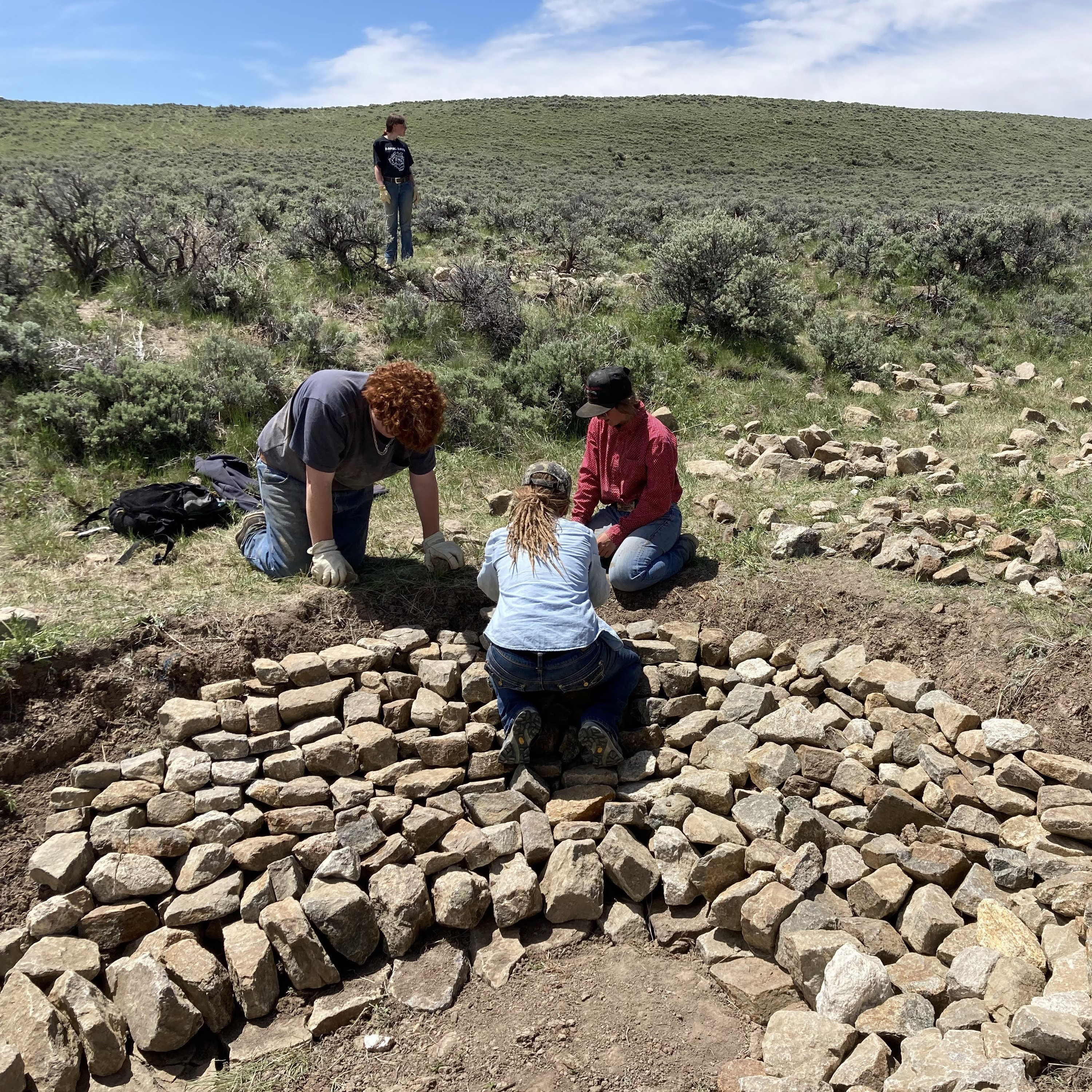 BLM invests in Youth programs and projects nationwide using Inflation Reduction Act funds | The Bureau of Land Management works with youth through a variety of programs. Those who come to BLM Visitor Centers and at many public events can quickly find educational programs geared toward young people. BLM also contracts with organizations that hire youth between the ages of 16 and 30 to work on specific public land projects aimed at ecological restoration, noxious weed control, public information, and many other programs. In this episode of "On The Ground: A Bureau of Land Management Podcast," we talk with BLM Specialists putting young people to work. In addition to its regular appropriations from Congress, BLM received an infusion of funds from the Inflation Reduction Act to help train future public land stewards. We'll visit with Maya Fuller, BLM's National Lead for Youth Initiatives funded by IRA about the goals of youth outreach. We'll also talk with BLM specialists in Arizona, Utah and Montana about work planned this summer. And finally, we'll meet a college freshman in Colorado who hopes to make natural resources a future career. It's an extended edition of "On The Ground!" Interviews: Maya Fuller, National Youth Coordinator for Inflation Reduction Act ProjectsRachel Shively, Restoration Landscape Specialist, BLM Arizona Strip Field Office, ArizonaDustin Shaible, Wildlife Biologist, BLM Color Country District, UtahCory Manseau, Project Manager, BLM Dillon Field Office, MontanaGrace Wahl, Intern, BLM Kremmling Field Office, Colorado | — | ||||||
Showing 15 of 15
Sponsor Intelligence
Sign in to see which brands sponsor this podcast, their ad offers, and promo codes.
Chart Positions
1 placement across 1 market.
Chart Positions
1 placement across 1 market.