Unshakable Science - P11
About this episode
The episode explores the evolution of Shaken Baby Syndrome science and its implications on wrongful convictions.
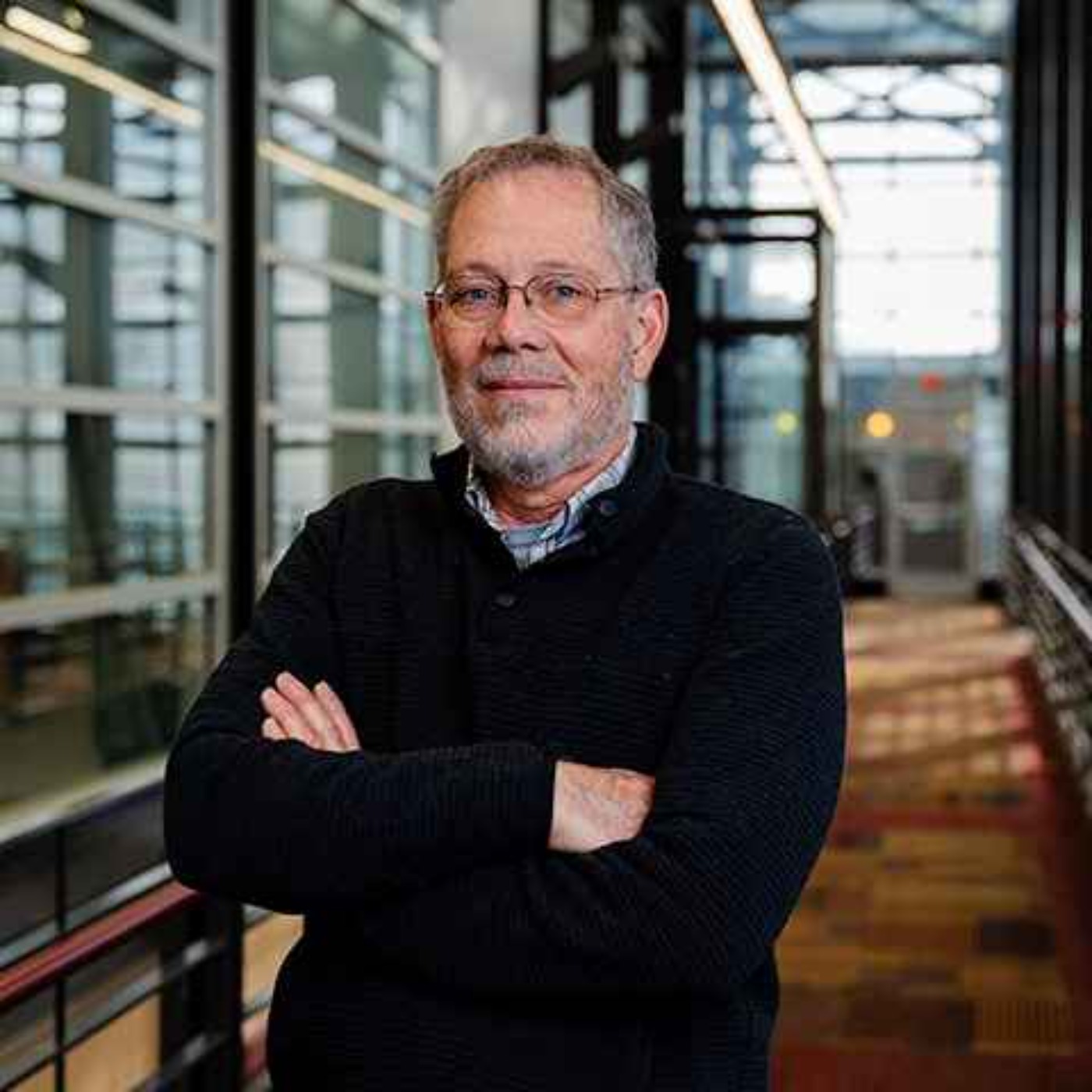
In the 1990s and early 2000s, Shaken Baby Syndrome was considered medical fact. When doctors found subdural bleeding, retinal hemorrhages, and brain swelling - the so-called "triad" - the diagnosis was automatic: violent abuse. This medical certainty sent hundreds of people to prison, including Tasha Shelby and Marsha Mills - two women whose cases we've been following throughout this series. Both convicted based solely on expert testimony that claimed their guilt was scientifically undeniable. But was it? Professor Keith Findley joins us to examine the evolution of SBS science. As co-founder of the Wisconsin Innocence Project and co-author of the definitive Cambridge University Press book "Shaken Baby Syndrome: Investigating the Abusive Head Trauma Controversy," Professor Findley has spent decades studying how medical assumptions became legal fact - and how that "fact" has been systematically challenged by modern research. We explore how birth trauma, medical conditions, and even short falls can mimic the signs once thought exclusive to violent shaking. We examine why 34 people have been exonerated from SBS convictions as courts slowly recognize the diagnosis is unreliable. And…
Explore listener stats, chart rankings, contacts and more on the One Minute Remaining - Stories from the inmates podcast page.