One Planet Podcast · Climate Change, Politics, Sustainability, Environmental Solutions, Renewable Energy, Activism, Biodiversity, Carbon Footprint, Wildlife, Regenerative Agriculture, Circular Economy, Extinction, Net-Zero
by Creative Process Original Series
Insights from recent episode analysis
Audience Interest
Podcast Focus
Publishing Consistency
Platform Reach
Insights are generated by CastFox AI using publicly available data, episode content, and proprietary models.
Est. Listeners
Based on iTunes & Spotify (publisher stats).
- Per-Episode Audience
Est. listeners per new episode within ~30 days
25,001 - 50,000 - Monthly Reach
Unique listeners across all episodes (30 days)
25,001 - 75,000 - Active Followers
Loyal subscribers who consistently listen
15,001 - 40,000
Market Insights
Platform Distribution
Reach across major podcast platforms, updated hourly
Total Followers
—
Total Plays
—
Total Reviews
—
* Data sourced directly from platform APIs and aggregated hourly across all major podcast directories.
On the show
Recent episodes
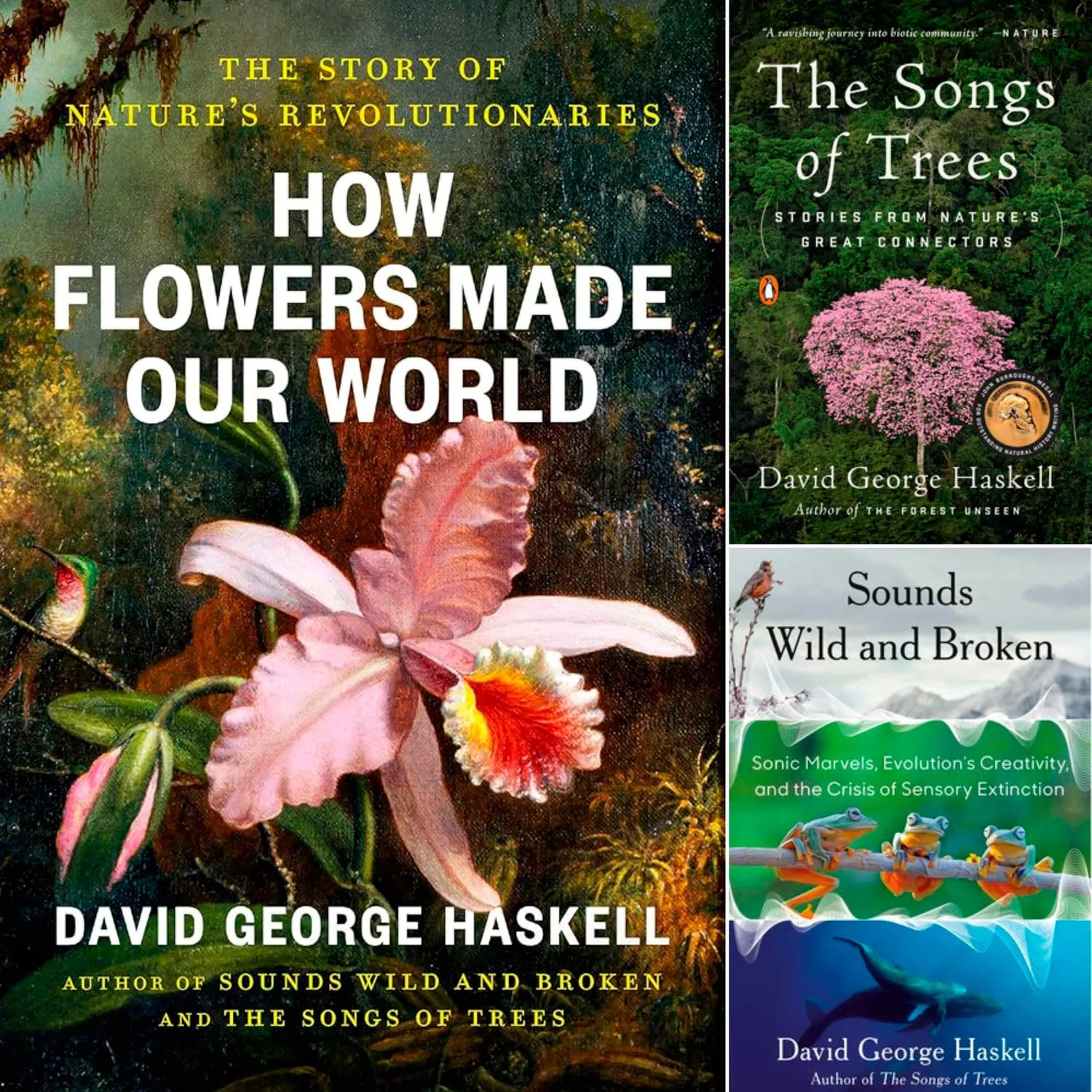
How Flowers Made Our World: DAVID GEORGE HASKELL on Deep Time, Plant Intelligence & Listening to the Living World
Apr 9, 2026
Unknown duration
Listening to the Living World: Biologist DAVID GEORGE HASKELL on Flowers, Forests & Songs of Nature - Highlights
Mar 31, 2026
Unknown duration
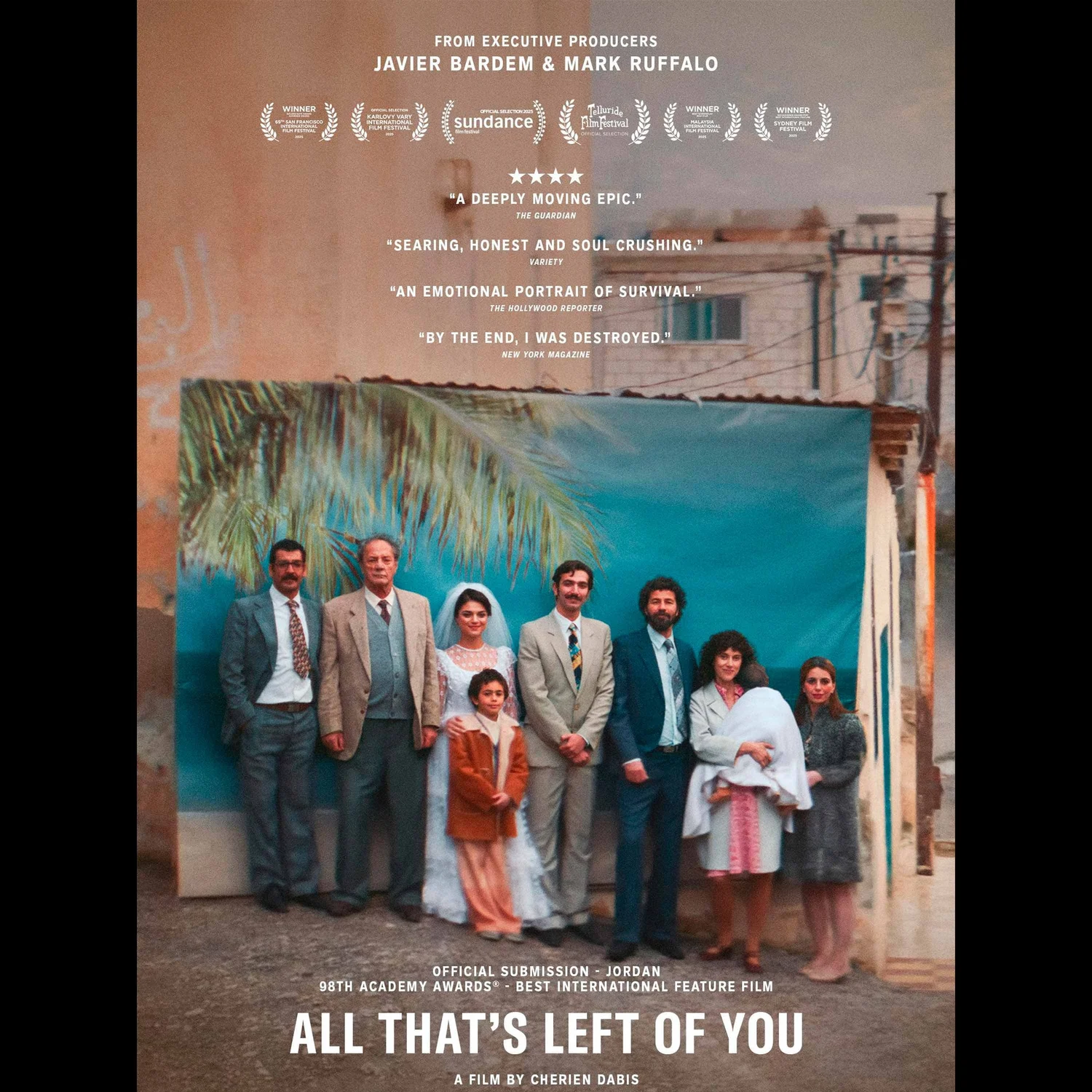
The Environmental, Psychological, Emotional Impact of Occupation w/ Actress, Director CHERIEN DABIS
Mar 19, 2026
Unknown duration
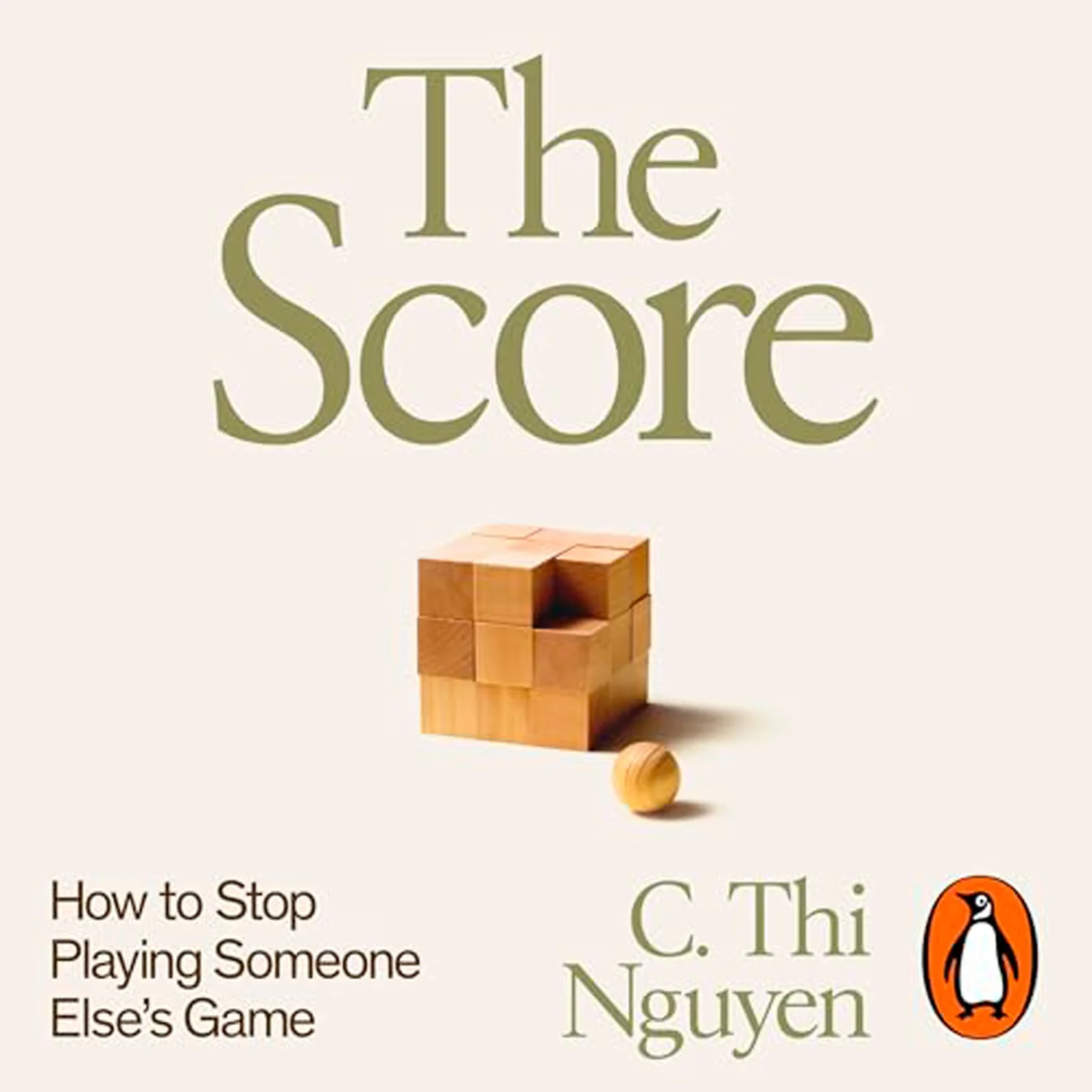
The Score: How to Stop Playing Somebody Else's Game with C. THI NGUYEN - Highlights
Mar 13, 2026
Unknown duration
Games that Help Us Reconnect with Nature & Our Sense and Wonder & Play with C. THI NGUYEN
Mar 13, 2026
Unknown duration
Social Links & Contact
Official channels & resources
Official Website
Login
RSS Feed
Login
| Date | Episode | Description | Length | ||||||
|---|---|---|---|---|---|---|---|---|---|
| 4/9/26 | How Flowers Made Our World: DAVID GEORGE HASKELL on Deep Time, Plant Intelligence & Listening to the Living World | What if the defining revolution of Earth's history wasn't led by animals or humans, but by flowers? Are we truly individuals, or are our bodies and minds just walking ecosystems?Our guest today is David George Haskell, a biologist who has spent much of his life training himself to see the universal within the infinitesimally small. He's famously sat for a year in a single square meter of Tennessee's forest, a mandala experience that revealed the deep history of the world through a single fallen leaf. He's a two-time finalist for the Pulitzer Prize for his books The Forest Unseen and Sounds Wild and Broken, and he received the John Burroughs Medal for The Songs of Trees.His work often focuses on what he calls the unwaged labor of the natural world, the complex biological communities that sustain our planet without a monetary ledger. And his latest book is How Flowers Made Our World. In it, he argues that we are essentially grass apes dependent on the ancient innovations of flowering plants for two-thirds of our daily calories.(0:00) How Flowers Made Our WorldThe incredible ancient history of flowers on Earth(4:56) Contemplating the SmallExpanding our world by restricting our gaze(14:30) The Illusion of IndividualityWhy atomism is false and interconnectedness is the foundation of life(26:08) We Are Grass ApesThe evolutionary origins of humans and our dietary dependence on grass(33:32) Memories of His Childhood in Paris & Wild Orchids(38:55) The Networked Intelligence of ForestsHow trees communicate and share resources beneath the soil(44:00) The Earth in Full SongTracing the sonic history of our planet(51:08) The Practice of ListeningWhy tuning in to the natural world is crucial for our survival(1:01:21) Silence Without ExpectationSitting with nature without demanding progress or enlightenment(1:11:01) Transforming OurselvesWhy personal change matters in the fight for the climate(1:15:20) Escaping the ScreenFinding real human-to-human connection away from technology(1:16:16) The True Cost of AIThe devastating impact of data centers on our fossil fuel consumption(1:23:18) A Sensory Legacy for the FutureWhat we must preserve for the generations not yet bornEpisode Websitewww.creativeprocess.info/podInstagram:@creativeprocesspodcast | — | ||||||
| 3/31/26 | Listening to the Living World: Biologist DAVID GEORGE HASKELL on Flowers, Forests & Songs of Nature - Highlights | Step into the deep time of the forest floor, where a single fallen leaf contains the history of the world, and invisible fungal networks hum with ancient conversations. Biologist and acclaimed author David George Haskell reveals a staggering truth: we are completely dependent on the botanical world, and our belief in strict human individuality is a biological illusion.Haskell has spent much of his life training himself to see the universal within the infinitesimally small. He's famously sat for a year in a single square meter of Tennessee's forest, a mandala experience that revealed the deep history of the world through a single fallen leaf. He's a two-time finalist for the Pulitzer Prize for his books The Forest Unseen and Sounds Wild and Broken, and he received the John Burroughs Medal for The Songs of Trees.His work often focuses on what he calls the unwaged labor of the natural world, the complex biological communities that sustain our planet without a monetary ledger. And his latest book is How Flowers Made Our World. In it, he argues that we are essentially grass apes dependent on the ancient innovations of flowering plants for two-thirds of our daily calories. (0:00) How Flowers Made Our World(1:33) Networked Connection is the Foundation of Life(2:00) Contemplating the Small(4:07) Consciousness, Intelligence & Memory in the More-Than-Human-World(4:18) We Are Grass Apes(5:41) Memories of His Childhood in Paris & Wild Orchids(6:34) The Networked Intelligence of Forests(7:45) The Earth in Full Song(8:46) The Practice of Listening(10:11) Escaping the Screen: Real Connections in the Classroom(11:35) The True Cost of AI(12:11) Transforming Ourselves(14:23) Silence Without Expectation(15:32) A Sensory Legacy for the FutureEpisode Websitewww.creativeprocess.info/podInstagram:@creativeprocesspodcast | — | ||||||
| 3/19/26 | The Environmental, Psychological, Emotional Impact of Occupation w/ Actress, Director CHERIEN DABIS | In this special environmental highlights edition, Dabis reflects on the "ecocide" occurring in Gaza—the loss of ancient orange trees, the contamination of 95% of the water supply, and the long-term chemical impact on the soil. She explores how this ecological destruction mirrors the "continuous Nakba" and the inheritance of generational trauma.My guest today is Cherien Dabis. She’s a filmmaker and actress who has spent much of her career trying to fill the silences in the American narrative. In 2022, she became the first Palestinian to receive an Emmy nomination. She has worked on everything from The L Word to Ozark, Only Murders in the Building to the hit Netflix series Mo, always with an eye toward breaking the one-dimensional mold that has historically defined Arab representation in the West. But her latest project is perhaps her most ambitious yet. It’s a film called All That’s Left of You. It follows one Palestinian family across three generations, beginning in 1948 and ending in 2022. It is a story of exile and memory, and it’s Jordan’s official submission for this year’s Academy Awards.(0:00) Ecological Loss in Gaza Dabis reflects on the devastating environmental impact of the conflict, from the destruction of ecosystems and food supplies to the severe contamination of water and soil(2:14) The Inheritance of Trauma An exploration of how the Nakba remains a collective, living trauma passed down through generations, shaping Palestinian identity regardless of direct lineage(4:01) Inherited Trauma: Identity And History The passage of trauma requires a multi-generational lens to truly understand how history and political events shape a people's humanity(4:24) The Moment Of Activation: Racism In Ohio Experiencing severe racism and death threats during the first Gulf War ignited Dabis's lifelong drive to challenge dangerous media stereotypes through authentic storytelling(6:49) Filming The Nakba: Art Imitating Crisis Evacuating Palestine weeks before shooting forced the crew into a state of crisis, resulting in a film where art and life merged amidst an unfolding tragedy(9:04) The Bakri Acting Dynasty: Collaborative Lineage Collaborating with four generations of the Bakri family—including the late Mohammad Bakri—brought immense authenticity and a real-world family dynamic to the screen(10:37) Previous Films, Television And Craft Directing episodes for acclaimed series like Ozark and Only Murders in the Building(11:28) Psychological Violence: Impact Of Humiliation The film moves beyond physical violence to examine how non-physical harassment and the humiliation of a patriarch leave devastating, permanent relational scars(13:50) Broken Distribution: Industry Gatekeepers Dabis addresses the systemic fear in Hollywood distribution and her decision to form an artist-driven model to bypass traditional gatekeeping(14:39) Truth Seekers: The Next GenerationEpisode Websitewww.creativeprocess.info/podInstagram:@creativeprocesspodcast | — | ||||||
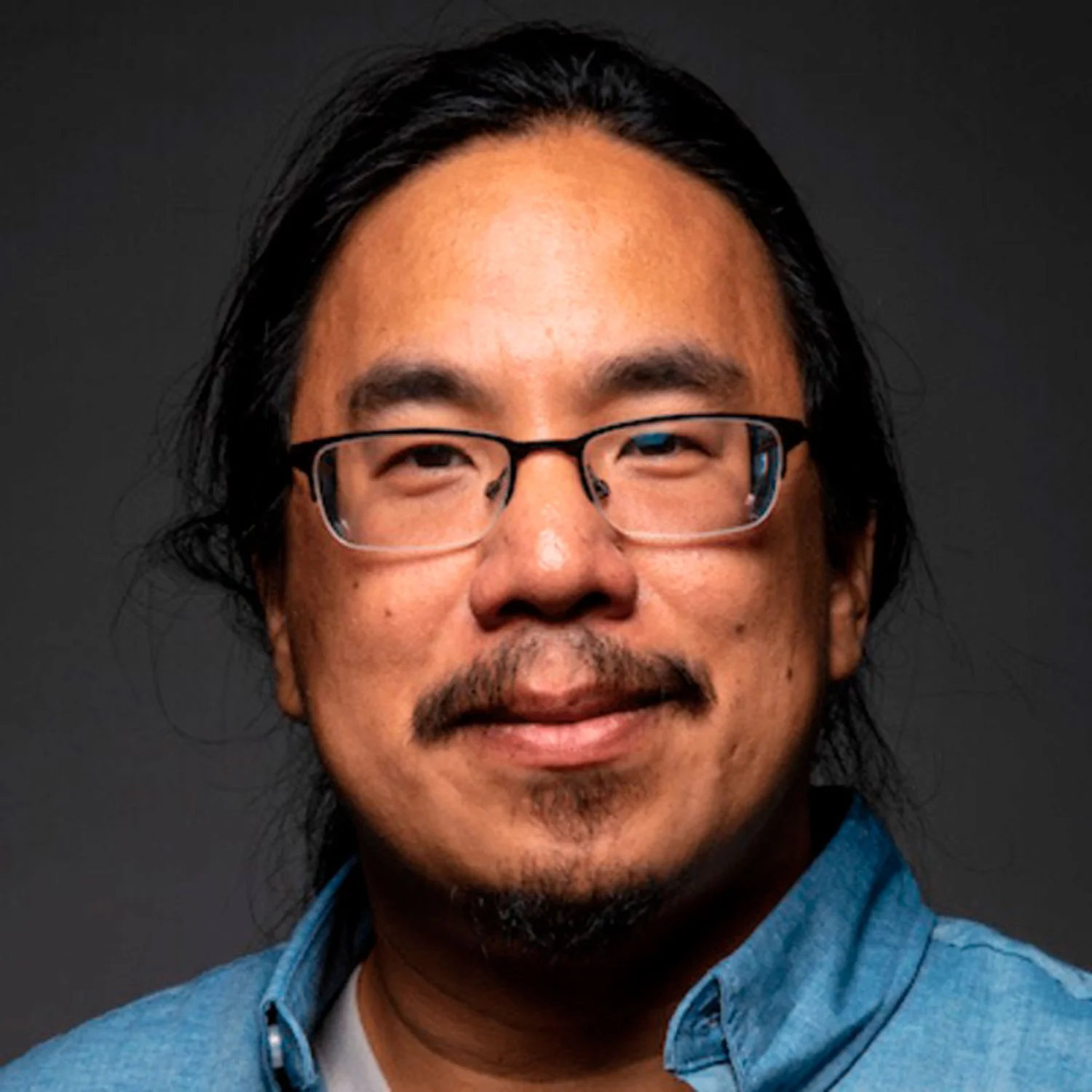
| 3/13/26 | The Score: How to Stop Playing Somebody Else's Game with C. THI NGUYEN - Highlights | "To be in the process of making things, to be in the process of talking to people about what things mean. The creative process is actually, I think, the most meaningful part of life, but it's very hard to measure. When we get shoved towards a world that demands easy measurables, it's very hard to optimize away from the creative process and optimize towards things that are more static."On this episode of The Creative Process, philosopher C. Thi Nguyen joins us to discuss his new book, The Score: How to Stop Playing Somebody Else's Game. He unpacks the profound concept of "value capture"—the moment we stop caring about the rich, subtle experiences of life and start obsessing over simplified, external metrics like grades, likes, and screen time.Beyond the trap of quantification, C. Thi Nguyen explores the liberating power of games and art. We discuss how true play requires us to step lightly between different rule sets, the difference between art and craft, and how reclaiming our creative process might just be the ultimate meaning of life.(0:00) THE TRAP OF VALUE CAPTURE How external metrics and scoring systems hijack our personal values and creativity(7:09) THE LOGIC OF QUANTIFICATION Why simple numbers travel well but strip away vital human context, from screen time to grades(11:58) THE MAGIC CIRCLE OF PLAY Understanding the difference between a gamified life and the true, disattached beauty of struggle(14:57) ART, CRAFT, AND METRICS Why taking the hard way leads to genuine creative expression, and how to spot value-laden systems(19:34) THE POLITICS OF MEASUREMENT Questioning the assumption that complex human traits, like IQ or consciousness, can be quantified on a single scale(21:31) THE SPIRIT OF PLAY Using constraints to boost collaborative storytelling and learning to step lightly between different rule worldsEpisode Websitewww.creativeprocess.info/podInstagram:@creativeprocesspodcast | — | ||||||
| 3/13/26 | Games that Help Us Reconnect with Nature & Our Sense and Wonder & Play with C. THI NGUYEN | We live in a world obsessed with tracking. From our sleep scores to our social media engagement, invisible systems constantly quantify our worth. But when we replace our deepest values with these thin, easily measurable numbers, we lose a part of our humanity. It is time to step outside the magic circle of optimization and reclaim the unstructured joy of being alive. C. Thi Nguyen is a philosopher whose work gets to the heart of the invisible structures that define modern life. He first established himself as a food writer, exploring the sensory world, before turning his intellectual gaze toward the philosophy of games and agency. He’s the author of Games: Agency As Art. His new book is The Score: How to Stop Playing Somebody Else's Game. He argues that when we simplify our values for the sake of a leaderboard, something inside the human spirit begins to die. In it, he explores a concept called "value capture"—the moment we stop caring about the experience and start obsessing over the metric. He joins me now to discuss how we can lead a playful, spontaneous life without getting lost in the scoring systems of the 21st century.(0:00) THE MEANING OF LIFE IS THE CREATIVE PROCESS Why the most valuable parts of life are impossible to measure(6:46) VALUE CAPTURE DEFINED How external metrics and institutional scoring systems take over our personal values(11:38) THE METRICS WE LIVE BY The invisible toll of screen time, credit scores, and daily optimization(19:44) THE LOGIC OF QUANTIFICATION Why simple numbers travel well but strip away vital human context(24:13) THE MAGIC CIRCLE OF PLAY Understanding the difference between a gamified life and the true beauty of struggle(31:56) ART AS A GAME How taking the hard way and avoiding efficiency leads to genuine creative expression(38:48) THE POLITICS OF TECHNOLOGY Why tools and systems like factories and databases are never truly value-neutral(44:23) AI AND HUMAN CREATIVITY Navigating the tension between automated efficiency and expressive human art(50:44) THE POLITICS OF IQ Questioning the assumption that complex human traits can be measured on a single scale(1:01:12) NARRATIVE SCAFFOLDING How structured constraints in role-playing games can actually boost collaborative storytelling(1:10:00) THE SPIRIT OF PLAY Stepping lightly between different rule worlds and reclaiming our agencyEpisode Websitewww.creativeprocess.info/pod@creativeprocesspodcast | — | ||||||
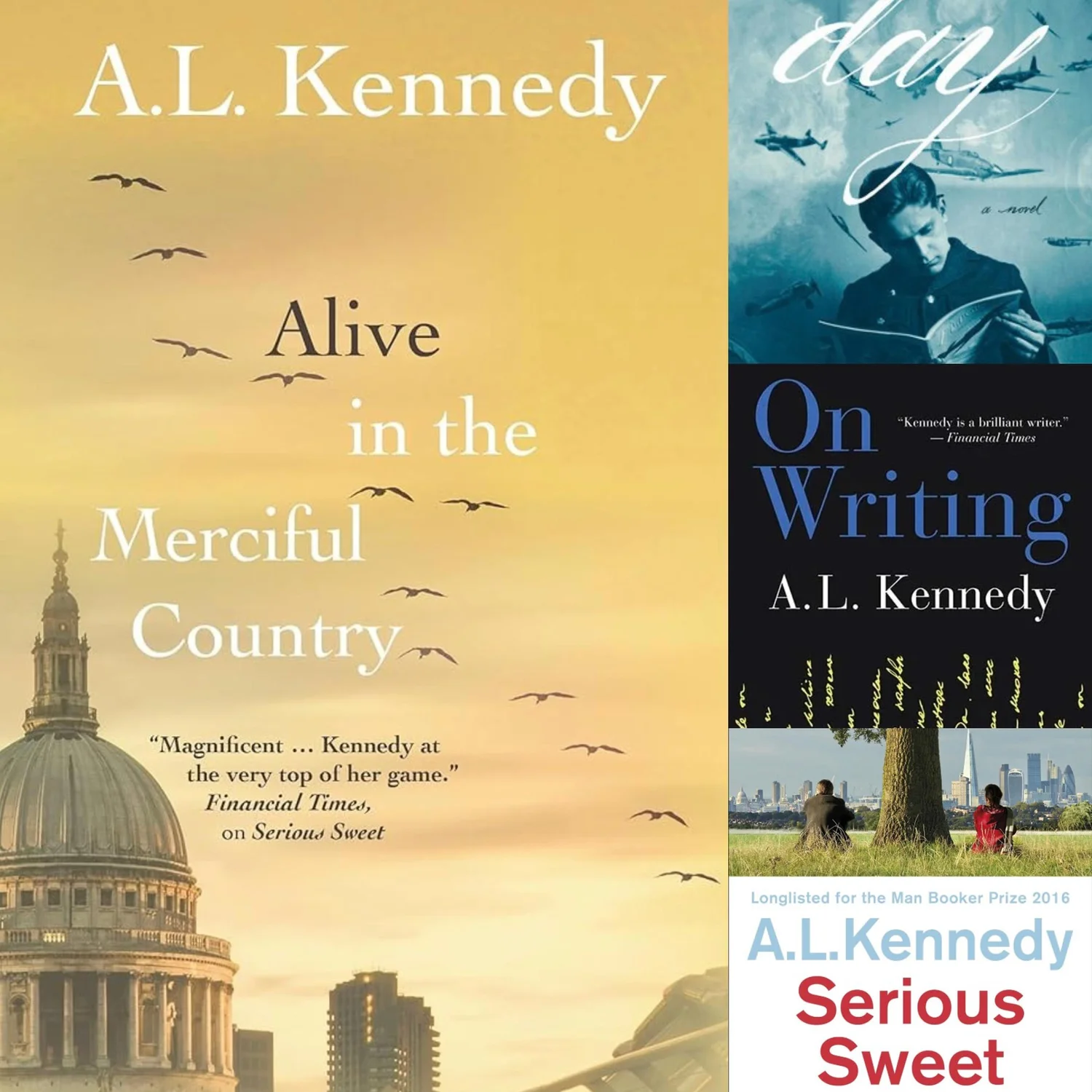
| 3/3/26 | Alive in the Merciful Country with Author, Activist, Stand-up Comedian AL KENNEDY - Highlights | "The thing that puzzled him was why people don't agree to be fully expressed while they're alive. Why does it only happen in their last moment? Why wouldn't you live being fully expressed?"My guest today is AL Kennedy. She is one of Britain’s most acclaimed and versatile literary voices, a writer who can inhabit the internal life of a soldier in a POW camp, as she did in her Costa Book Award-winning novel Day, as easily as she can navigate the "professional lying" of a modern civil servant.Her latest novel, Alive in the Merciful Country, takes place during the 2020 lockdown. It tells the story of a primary school teacher who receives a confession from an undercover police officer who infiltrated her life decades earlier. It’s a provocative investigation into state power, the "Spy Cops" scandal and the search for mercy in an age of surveillance. It’s a book about the breakdown of trust. We talk about her life, her activism, and why she believes fiction is the only way to tell the truth when the facts are forbidden and how she balances the truth of her novels with the relief of stand-up comedy.(0:00) Finding Your VoiceOn the Alfred Wolfsohn voice method and the power of being fully expressed(2:30) Reading from Alive in the Merciful CountryKennedy shares a passage from her latest novel, exploring hope and resilience in dark times.(4:43) The Myth of Shrinking Attention SpansChallenging the narrative that modern audiences cannot focus, and the importance of engaging storytelling.(6:22) Education and the Foundation of DemocracyThe dangers of dismantling education and how critical thinking protects us from fascism.(10:26) The Spy Cop Scandal and State SurveillanceUnpacking the reality of undercover police infiltrating peaceful protests and intimate lives.(13:59) Lockdown: A Global Pause and the Inrush of EmpathyThe fleeting moment of unified humanity during the pandemic and how it was ultimately betrayed.(17:34) Writing Without Theft: The Ethics of Character CreationKennedy explains her imaginative process and why she refuses to steal details from real people's lives.(28:16) AI, Digital Slop, and the Loss of TrustReflections on artificial intelligence as an unstable plagiarism machine and its impact on truth.(30:03) Nature, Spirituality, and the Merciful CountryFinding healing in the natural world and navigating the future with love and awareness.Episode Websitewww.creativeprocess.info/podInstagram:@creativeprocesspodcast | — | ||||||
| 3/3/26 | The Climate of Truth: Lockdown Rewilding & Environmental Resistance with Author AL KENNEDY | What happens when the state infiltrates your most intimate relationships? How do we protect the innocence and imagination of children in an increasingly authoritarian world? “"If you have love, eventually you're going to win. It's not that people aren't going to die. It's not terrible things aren't going to happen. But if you stay with that and you stay centered in that, you'll get through and you will not have turned into a monster in order to overcome monsters.”My guest today is AL Kennedy. She is one of Britain’s most acclaimed and versatile literary voices, a writer who can inhabit the internal life of a soldier in a POW camp, as she did in her Costa Book Award-winning novel Day, as easily as she can navigate the "professional lying" of a modern civil servant.Her latest novel, Alive in the Merciful Country, takes place during the 2020 lockdown. It tells the story of a primary school teacher who receives a confession from an undercover police officer who infiltrated her life decades earlier. It’s a provocative investigation into state power, the "Spy Cops" scandal and the search for mercy in an age of surveillance. It’s a book about the breakdown of trust. We talk about her life, her activism, and why she believes fiction is the only way to tell the truth when the facts are forbidden and how she balances the truth of her novels with the relief of stand-up comedy.(0:00) Finding Your VoiceOn the Alfred Wolfsohn voice method and the power of being fully expressed(2:17) Education and the Foundation of DemocracyThe dangers of dismantling education and how critical thinking protects us from fascism.(5:14) The Myth of Shrinking Attention SpansChallenging the narrative that modern audiences cannot focus, and the importance of engaging storytelling.(8:23) Reading from Alive in the Merciful CountryKennedy shares a passage from her latest novel, exploring hope and resilience in dark times.(17:45) The Spy Cop Scandal and State SurveillanceUnpacking the reality of undercover police infiltrating peaceful protests and intimate lives.(22:07) AI, Digital Slop, and the Loss of TrustReflections on artificial intelligence as an unstable plagiarism machine and its impact on truth.(28:29) The Power of the Powerless: Radical WhimsyHow absurdity, humor, and inflatable costumes can disrupt authoritarian mindsets and potential violence.(33:13) Lockdown: A Global Pause and the Inrush of EmpathyThe fleeting moment of unified humanity during the pandemic and how it was ultimately betrayed.(42:53) Writing Without Theft: The Ethics of Character CreationKennedy explains her imaginative process and why she refuses to steal details from real people's lives.(1:29:40) Nature, Spirituality, and the Merciful CountryFinding healing in the natural world and navigating the future with love and awareness.Episode Websitewww.creativeprocess.info/podInstagram:@creativeprocesspodcast | — | ||||||
| 2/11/26 | Who Are We? What Makes Us Care? Jim Shepard, Neil Patrick Harris, John Patrick Shanley & Artists Share Their Stories | Can curiosity and empathy be taught? How can we expand our sense of solidarity through stories? In this episode, we explore the internal dialogues of artists, actors and writers to ask what it means to step into someone else's shoes.(0:00) Novelist Jim Shepard discusses Literature as a Tool for Emotional Education and Exploring History(2:05) Tony Award-winning Actor Neil Patrick Harris on Being Moved by Theater and its Ability to Bridge Worlds(3:55) Novelist Katie Kitamura on How a Book is Made in Collaboration with the Reader(5:00) Screenwriter, Playwright Laura Eason on Inhabiting the Hearts of Characters Different from Ourselves(6:03) Academy Award-winning Director Sharmeen Obaid-Chinoy on the Art of Visual Storytelling(6:37) Cinematographer, Director Benoit Delhomme on the Freedom of Handheld Cinematography(7:19) Author Etgar Keret on Looking for Humanity through Shared Intention(8:18) Viet Thanh Nguyen – Opposing Power through Expansive Solidarity(9:27) Adam Moss – Author, Fmr. Editor New York magazine on “The Work of Art”(10:29) John Patrick Shanley – Tony & Academy Award-winning Writer, Director on Finding Value in Ordinary Experiences and the Creative Power of Daydreaming(11:56) Pulitzer Prize-winning Journalist Nicholas Kristof on Why Individual Stories are Necessary to Generate ConnectionTo hear more from each guest, listen to their full interviews.Episode Websitewww.creativeprocess.info/podInstagram:@creativeprocesspodcast | — | ||||||
| 1/9/26 | The Wisdom of Nature: Artists & Scientists on The Beauty & Fragility of Our Planet | In this special edition, we hear from our guests from across the arts and sciences. From composers and poets to forest ecologists and climate envoys, they tell the story of our planet. Moving beyond the data of destruction, we explore the intelligence of nature, the ethics of what we eat, and the empathy required to save our future.MAX RICHTER, Composer, Sleep, The Blue NotebooksCARL SAFINA, Author, Becoming WildADA LIMÓN, 24th US Poet LaureateCYNTHIA DANIELS, Grammy Award-winning Sound Eng.SUZANNE SIMARD, Finding the Mother TreeJOELLE GERGIS, Lead Author, IPCC 6th Assessment RptNOAH WILSON-RICH, CEO, Best Bees CompanyINGRID NEWKIRK, PETA FounderBERTRAND PICCARD, Solar Impulse FoundationDAVID FARRIER, Author, FootprintsKATHLEEN ROGERS, Pres, Earth Day NetworkODED GALOR, Unified Growth TheoryPETER SINGER, PhilosopherGEOFF MULGAN, Another World Is PossibleCLAIRE POTTER, Welcome to the Circular EconomyCHRIS FUNK, Dir. Climate Hazards Car.JENNIFER MORGAN, Special Envoy, International Climate ActionTo hear more from each guest, listen to their full interviews.Episode Website | — | ||||||
| 12/31/25 | The Musician Who Sings to Animals - PLUMES on Trust & Cross-Species Communication - Highlights | On Music, Trust and Connection with the Animal World“Mostly I’ll play in a minor key, something sad, which I think can work for an animal because they can sense the sadness, and they try to reassure me and comfort me. I chose love songs because I'm convinced they are very intuitive and they can sense what I am trying to say to them, and profess my love in a way. I think there's always a way to connect, and if you're being cautious and don't threaten the animals, something beautiful can happen.”Musician Plumes takes his guitar to the world's most unlikely concert halls—farms, sanctuaries, and wild habitats. A passionate advocate for veganism and animal welfare, we discuss what animals hear, how trust forms, and what music can reveal when it enters a world not made for humans alone.Episode Websitewww.creativeprocess.info/podInstagram:@creativeprocesspodcast | — | ||||||
Want analysis for the episodes below?Free for Pro Submit a request, we'll have your selected episodes analyzed within an hour. Free, at no cost to you, for Pro users. | |||||||||
| 12/31/25 | Animals & The Healing Power of Music | How is music a pathway to understanding animals?Musician Plumes takes his guitar to the world's most unlikely concert halls—farms, sanctuaries, and wild habitats. A passionate advocate for veganism and animal welfare, we discuss what animals hear, how trust forms, and what music can reveal when it enters a world not made for humans alone.“Mostly I’ll play in a minor key, something sad, which I think can work for an animal because they can sense the sadness, and they try to reassure me and comfort me. I chose love songs because I'm convinced they are very intuitive and they can sense what I am trying to say to them, and profess my love in a way. I think there's always a way to connect, and if you're being cautious and don't threaten the animals, something beautiful can happen.”Episode Websitewww.creativeprocess.info/podInstagram:@creativeprocesspodcast | — | ||||||
| 12/27/25 | Speaking Out of Place - DAVID PALUMBO-LIU on Reclaiming Our Political Voices - Highlights | On the urgent need to reclaim our political voices, the forces that silence dissent, and how art and poetry are crucial tools for survivalOur guest today is an activist scholar who believes the classroom is inseparable from the public square. David Palumbo-Liu is the Louise Hewlett Nixon Professor of Comparative Literature at Stanford University and a founding faculty member of Stanford’s Program in Comparative Studies in Race and Ethnicity. But his work has long reached beyond the academy. Through his book, Speaking Out of Place: Getting Our Political Voices Back, and his podcast of the same name, he insists that the great global crises of our time—from escalating wars and democratic failures to environmental collapse—are fundamentally crises of value and voice. His recent work has put him on the front lines of campus activism, challenging institutions, resigning his membership from the MLA, a move that highlights the ethical cost of speaking truth to power. We’ll talk about what he calls the "carceral logic" of the modern university, why art and poetry are crucial tools for survival in times of war, and what he tells his students about preparing for a future defined by uncertainty. His perspective is rooted in literature, but his urgency is all about the world we live in now. We will discuss the forces that silence dissent, the "imperial logic" of AI, and what it means to be a moral, active citizen when the systems we rely on are failing.“There is a dispute about what the American Dream is or how it would play out in different circumstances. The American dream has essentially been narrowed into a white Christian nationalist notion of things so that everything that falls outside what they imagine that to be is not only undesirable, but should be the subject of extermination, deportation, and detention. I am heartened by the fact that more of our 'better angels' are emerging with a more capacious and expansive notion of what the American dream could be.”Episode Websitewww.creativeprocess.info/podInstagram:@creativeprocesspodcast | — | ||||||
| 12/27/25 | Reclaiming the American Dream with DAVID PALUMBO-LIU – Stanford Professor, Author & Host, Speaking Out of Place | On the urgent need to reclaim our political voices, the forces that silence dissent, and how art and poetry are crucial tools for survival“There is a dispute about what the American Dream is or how it would play out in different circumstances. The American dream has essentially been narrowed into a white Christian nationalist notion of things so that everything that falls outside what they imagine that to be is not only undesirable, but should be the subject of extermination, deportation, and detention. I am heartened by the fact that more of our 'better angels' are emerging with a more capacious and expansive notion of what the American dream could be.”Our guest today is an activist scholar who believes the classroom is inseparable from the public square. David Palumbo-Liu is the Louise Hewlett Nixon Professor of Comparative Literature at Stanford University and a founding faculty member of Stanford’s Program in Comparative Studies in Race and Ethnicity. But his work has long reached beyond the academy. Through his book, Speaking Out of Place: Getting Our Political Voices Back, and his podcast of the same name, he insists that the great global crises of our time—from escalating wars and democratic failures to environmental collapse—are fundamentally crises of value and voice.His recent work has put him on the front lines of campus activism, challenging institutions, resigning his membership from the MLA, a move that highlights the ethical cost of speaking truth to power. We’ll talk about what he calls the "carceral logic" of the modern university, why art and poetry are crucial tools for survival in times of war, and what he tells his students about preparing for a future defined by uncertainty. His perspective is rooted in literature, but his urgency is all about the world we live in now. We will discuss the forces that silence dissent, the "imperial logic" of AI, and what it means to be a moral, active citizen when the systems we rely on are failing.Episode Websitewww.creativeprocess.info/podInstagram:@creativeprocesspodcast | — | ||||||
| 11/6/25 | In the Presence of the DALAI LAMA - Doc. Director of WISDOM OF HAPPINESS - Highlights | “I can change my mind. I can reduce anger, hatred. Nothing to do with religion. All religions carry the message of love, loving kindness, and tolerance. With different views, there is a possibility to synthesize new ideas. If majority of the world leaders become female, world become safer. I feel that. Compassion is the key factor. Non-violence, compassion and self-confidence, these are key factors for happy individual, happy community, peaceful world. This century should be century of compassion, century of peace. No more bloodshed. We should develop a big “we,” rather than “we” or “they.” With these wings, you can fly.” -DALAI LAMAFor decades, the Dalai Lama has been a global symbol of peace, compassion, and resilience, a spiritual leader living in exile from his home in Tibet. But how do you capture the essence of his wisdom—the kind that can truly change a life—in a way that feels intimate and personal? My guest today, documentary filmmaker Barbara Miller, has managed to do just that in her new film, Wisdom of Happiness. It’s a beautiful film that feels less like a documentary and more like a private, heart-to-heart conversation, where he invites us into his thoughts and shares practical steps for finding inner peace in a chaotic world. She's dealt with anti-globalization, domestic violence, and the fight for female pleasure in her previous works. We’ll talk about how she shifted from exposing systemic pain to focusing on radical hope and her collaboration with Executive Producer Richard Gere and Manuel Bauer, the Dalai Lama’s personal photographer for the last thirty-five years, who made his cinematography debut with this film. She shares what the Dalai Lama taught her about living in harmony with our body, nature, and the world.Episode Website www.creativeprocess.info/podInstagram:@creativeprocesspodcast | — | ||||||
| 11/6/25 | WISDOM OF HAPPINESS - Heart-to-Heart w/ DALAI LAMA - Conversation w/ Director Barbara Miller | “ Everybody wants happiness, joyfulness, peaceful world. Our 21st century will not be easy century. Fear, anger, hatred. In our mind we created distinctions. Different nationality, different color, different religion. Strong concept of “we” and “they”. Brothers and sisters of this small planet, we are same human beings. Meanwhile, global warming is a serious problem. Destruction of this planet is actually destruction of yourself. Our common responsibility should be work together, to save our world. We all have this marvelous human brain. The problem is, when negative emotions develop, our whole mind is taken over. So, we must deal with emotions.I can change my mind. I can reduce anger, hatred. Nothing to do with religion. All religions carry the message of love, loving kindness, and tolerance. With different views, there is a possibility to synthesize new ideas. If majority of the world leaders become female, world become safer. I feel that. Compassion is the key factor. Non-violence, compassion and self-confidence, these are key factors for happy individual, happy community, peaceful world. This century should be century of compassion, century of peace. No more bloodshed. We should develop a big “we,” rather than “we” or “they.” With these wings, you can fly.” -DALAI LAMAFor decades, the Dalai Lama has been a global symbol of peace, compassion, and resilience, a spiritual leader living in exile from his home in Tibet. But how do you capture the essence of his wisdom—the kind that can truly change a life—in a way that feels intimate and personal? My guest today, documentary filmmaker Barbara Miller, has managed to do just that in her new film, Wisdom of Happiness. It’s a beautiful film that feels less like a documentary and more like a private, heart-to-heart conversation, where he invites us into his thoughts and shares practical steps for finding inner peace in a chaotic world. She's dealt with anti-globalization, domestic violence, and the fight for female pleasure in her previous works. We’ll talk about how she shifted from exposing systemic pain to focusing on radical hope and her collaboration with Executive Producer Richard Gere and Manuel Bauer, the Dalai Lama’s personal photographer for the last thirty-five years, who made his cinematography debut with this film. She shares what the Dalai Lama taught her about living in harmony with our body, nature, and the world.Episode Website www.creativeprocess.info/podInstagram:@creativeprocesspodcast | — | ||||||
| 10/27/25 | THE SPIRULINA REVOLUTION with FUL FOODS Co-Founder Julia Streuli & Oberon Sinclair | What if everything you thought you knew about protein... was wrong? We grew up believing that meat, eggs, and dairy were the champions of strength. But science—and nature—have a different story to tell. From the depths of ancient lakes comes a tiny green organism so nutrient-dense, it’s redefining what real fuel means. It’s called Spirulina—and it’s not the food of the future. It’s the food of right now. Packed with more protein per gram than beef, bursting with iron, magnesium, antioxidants, and every essential amino acid, Spirulina is fueling athletes, aiding doctors in recovery programs, and even being studied by scientists as a solution to global malnutrition. And at the heart of this revolution is a company turning nature’s most powerful superfood into clean, sustainable, life-changing nutrition.“Spirulina does everything. If you extract protein, there's a huge booming market and human need for protein. If you extract fats, omegas, etc., if you look at the recent FDA ruling around the color transition, every food and beverage company now is looking for a natural source of color. Spirulina can provide that. It's about looking at this ancient substance and seeing how it can plug into our future food system in a way that works for people and the planet.”Episode Websitewww.creativeprocess.info/podInstagram:@creativeprocesspodcast | — | ||||||
| 10/18/25 | Listening to the Planet - Writers' Perspectives on Nature, Place & Interconnectedness | How do our environments shape who we are and how we care for the world and each other? There are many solutions to climate change, inequality, and poverty around the world. How can we learn from them and transform our society?Eiren Caffall (All the Water in the World) discusses the importance of embracing complexity and emotional flexibility in facing ecological grief.Irvin Weathersby Jr. (In Open Contempt) discusses the transformative power of meditation and nature, drawing inspiration from Emerson and Thoreau.Jay Parini (Biographies of Steinbeck, Frost, Faulkner…) on the significance of place in literature and life.Natasha Hakimi Zapata (Another World Is Possible) explores the generosity and hope in people’s efforts to build better societies.Audrea Lim (Free The Land) on how personal experiences with public lands influence our views on conservation.Katie Kitamura (Audition, Intimacies) reflects on the role of landscape and memory in her novels.Dr. Bayo Akomolafe (Philosopher, Founder of Emergence Network) discusses his awe for mountains, using them as a metaphor for humility and the search for meaning beyond oneself.For more from each guest, listen to their full interviews.Episode Websitewww.creativeprocess.info/podIG @creativeprocesspodcast | — | ||||||
| 10/17/25 | The Arrogant Ape: The Myth of Human Exceptionalism & Why it Matters with CHRISTINE WEBB | “There are many ways in which I think human exceptionalism has seeped into the sciences, but one of the many ways is through the methodologies we use when we compare the intelligence of humans and other species. In particular, in my field, I’m a primatologist by training, comparing the cognitive abilities of humans with the abilities of our closest living relatives, the great apes. Many times, those studies compare the intelligence of captive chimpanzees who are living in highly restricted, manmade environments. Often, these chimpanzees have been separated from their biological mothers at birth. They're often separated from the group during testing. They're subjected to very human-centric experimental paradigms, like playing with plastic puzzle boxes or computer touchscreens, and we're measuring how they perform on these tasks.”In this episode of Speaking Out of Place podcast, Professor David Palumbo-Liu talks with primatologist Christine Webb about her new book, The Arrogant Ape: The Myth of Human Exceptionalism and Why it Matters. The title of the book itself is a concise and precise description of its two constituent halves. First, Webb tells us how science itself, from premodern times onward, has operated with an assumption it keeps reconfirming constantly--that humans are not only exceptional, but also superior to other forms of life. Webb convincingly debunks this science over and over again. And most importantly, she explains how this myth has devastating political, cultural, and environmental consequences. Combining scientific and humanistic studies, we go into some detail about what this arrogance produces, and why we desperately need a much more humble sense of ourselves.Christine Webb is an Assistant Professor in the Department of Environmental Studies at New York University, where she is part of the Animal Studies program. Her research is driven by growing awareness that the ecological crisis demands a profound shift in how we understand other animals and our place among them, leading to two intersecting lines of inquiry. First, her work seeks to elucidate the complex dynamics of animal social life and to apply this knowledge to foundational questions in animal ethics and conservation. Second, she is interested in how prevailing societal norms, values, and institutions shape contemporary scientific knowledge of other animals and the environment, with a critical emphasis on human exceptionalism. Her debut book, The Arrogant Ape: The Myth of Human Exceptionalism and Why it Matters, was recently published with Avery (Penguin Random House) and is being translated into 17 languages.www.palumbo-liu.comhttps://speakingoutofplace.comBluesky @palumboliu.bsky.socialInstagram @speaking_out_of_place | — | ||||||
| 8/26/25 | Building a Vital Earth for Everyone with President of Environmental Defense Fund’s EDF Action DAVID KIEVE | “I think my role and where I'm most comfortable is focusing on the economic harms that the choices this administration is making will limit access to affordable, clean energy. Affordable energy overall, and that they will wind up harming the American people. EDF is standing up and fighting the Trump administration in court every single day. We believe, based on the facts and the law, that we have very good cases and expect to see more wins than not. When the government sets aside all of the things they need to do to land appropriately and just say, "We don't care. This is what Donald Trump wants," there is recourse to step in, intervene, and challenge that. They were sloppy the first time he was president. They're even more brazen now.”David Kieve has been on the front lines of some of the most critical environmental debates of our time. Before becoming president of EDF Action, the advocacy and political arm of the Environmental Defense Fund, he was in the White House as the director of public engagement at the Council on Environmental Quality. But his journey to the West Wing started on the campaign trail, where he was tasked with a unique role: convincing a broad coalition of voters that Joe Biden was the candidate to tackle the climate crisis. He is a strategist who understands not just the science of climate change but what it takes to implement those policies. We talk about connecting climate policy to everyday costs and the political will required to confront climate change.Episode Websitewww.creativeprocess.info/podInstagram:@creativeprocesspodcast | — | ||||||
| 8/21/25 | Hayek’s Bastards: Race, Gold, IQ & the Capitalism of the Far Right with QUINN SLOBODIAN | “The origin was really trying to make sense of that 2016-2017 moment and to ask whether the alt-right was, as we were being told, a return to the 1930s, a kind of awakening of the sleeping beast of white supremacy armed in the streets in the United States. There are many explanations, but I decided to take this kind of curious route in with the distorted readings and reinterpretations of the works of people like Ludwig von Mises and Friedrich Hayek. As a scholar of comparative literature, I wanted to write a revision based on Crack-Up Capitalism.”In this episode of the Speaking Out of Place podcast, Professor David Palumbo-Liu talks with Quinn Slobodian about his new book, Hayek’s Bastards: Race, Gold, IQ, and the Capitalism of the Far Right. He takes a deep dive into the genesis of a weird and powerful merging of two seemingly different groups the Far Right and neoliberals. Slobodian writes, “as repellent as their politics may be these radical thinkers are not barbarians the gates of neoliberalism but the bastard offspring of that line of thought itself.” They talk about how this meshing is driven by a primitive desire to ward off egalitarianism, difference, democracy, and government that services the common good. The wide-ranging talk ends with addressing DOGE, Trump's tariffs, and yes, the Jeffrey Epstein case.Quinn Slobodian is a professor of international history at the Frederick S. Pardee School of Global Studies at Boston University. His books, which have been translated into ten languages, include Globalists: The End of Empire and the Birth of Neoliberalism, Crack-Up Capitalism: Market Radicals and the Dream of a World without Democracy, and Hayek’s Bastards: Race, Gold, IQ and the Capitalism of the Far Right . A Guggenheim Fellow for 2025-6, he has been an associate fellow at Chatham House and held residential fellowships at Harvard University and Free University Berlin. Project Syndicate put him on a list of 30 Forward Thinkers and Prospect UK named him one of the World’s 25 Top Thinkers.https://speakingoutofplace.comBluesky @palumboliu.bsky.socialInstagram @speaking_out_of_place | — | ||||||
| 8/13/25 | What Do We Do with the One Life We’re Given? - Environmentalists, Scientists, Writers & Philosophers Share their Stories | In this time of rapid technological change, how do we hold onto our humanity? How do stories, traditions, and community help us find meaning in loss and face an uncertain future? How can science, art, and spirituality open new pathways to understanding ourselves and the human experience?PAUL SHRIVASTAVA (Co-President of The Club of Rome) discusses the need for a holistic, eco-civilizational future, emphasizing that science, technology, and economics are important but not the whole picture. He urges us to design our own lives and livelihoods to meet diverse ecological futures, and later highlights the importance of embodied, emotional, and spiritual learning as essential to evolving human consciousness in a technologically dominated world.BAYO AKOMOLAFE (Philosopher, Psychologist, Writer & Founder of the Emergence Network) shares a deeply personal story about the loss of his father, describing how it forced him to mature quickly and become the breadwinner for his family. He reflects on the lessons learned from his children, especially his autistic son, who teaches him about grace, possibility, and futurity.MICHEL FORST (Human Rights Advocate & the UN Special Rapporteur on Environmental Defenders) explores how theology and meditation serve as ongoing sources of inspiration, shaping his values and career choices in human rights advocacy.DR. GUY LESCHZINER(Neurologist & Author of The Nocturnal Brain, The Man Who Tasted Words & other books; Consultant Neurologist & Professor at King's College London) analyzes the concept of free will, suggesting that much of what we do is influenced by factors beyond our control. He also discusses the importance of striving to make the world better, the role of sleep and dreams in memory and emotional processing, and the changing nature of mentorship and education.EIREN CAFFALL (Musician & Author of All the Water in the World) highlights the importance of preserving knowledge and human history, imagining how future generations might rebuild society after catastrophe by holding onto stories, traditions, and the hope of repair.DR. FERNANDO GARCÍA-MORENO (Neuroscientist, Ikerbasque Research Associate at the Achucarro Basque Centre for Neuroscience) explains that while our brains have not changed biologically for thousands of years, cultural evolution has accelerated. He emphasizes the unique human roles of generating and transmitting knowledge across generations.NATASHA HAKIMI ZAPATA (Journalist, Author of Another World Is Possible: Lessons for America From Around the Globe) shares her inspiration from the generosity and hope she encounters in others, and describes how connecting with nature—especially bodies of water—reinforces the importance of conservation policies that integrate human communities into ecosystems.IRVIN WEATHERSBY JR. (Author of In Open Contempt) reflects on the influence of his church upbringing and family, especially his grandmother, on his writing and creative expression. He discusses the impact of music, particularly hip hop, and the importance of lyricism and cultural heritage in shaping his literary voice.To hear more from each guest, listen to their full interviews.Episode Websitewww.creativeprocess.info/podInstagram:@creativeprocesspodcast | — | ||||||
| 8/10/25 | From 'Bee: Wild' to the 'Kiss the Ground' Regenerative Agriculture Documentary Trilogy - Highlights | "For the last two decades, I've made over 20 films about the environment, starting with oil and carbon emissions. Those films, Kiss the Ground and now Common Ground, talk about how we can stabilize the climate, reverse climate change, grow nutrient-dense food, and help farmers make a profit through biodiversity and regenerative practices and principles.There's incredible intelligence in nature; it knows how to be resilient. We thought we could do it better, and in trying to mechanize and industrialize the entire system, we created a linear system that doesn’t make sense. We’re growing animals to produce food that we can’t eat so that we can ship it halfway around the world. It’s a system that doesn’t work.The way to heal, regenerate, stabilize the climate, and reverse climate change is literally one inch and one acre at a time—through communities waking up to the power of soil and biodiversity to sequester carbon for all of us. The oceans can’t handle any more carbon absorption; they’re acidifying and heating up. We need to take the carbon we’ve emitted and put it back into the soil. When we do that, we create thriving ecosystems, biodiversity, and water infiltration, which massively reduces the risks from flooding. It helps reverse desertification and staves off droughts by retaining water like a sponge. Resiliency comes from having genetic diversity rather than just one of everything."Today, we explore the work of a filmmaker whose lens is consistently turned toward the most critical issues facing our planet. Rebecca Tickell, in collaboration with her husband Josh Tickell, has created a powerful cinematic catalog of films that are not merely observations, but catalysts for change. They've taken on the complexities of our energy systems, the deep-seated problems within our food supply, and now, with her latest work, Bee: Wild, they explore the essential, fragile, and often unseen world of pollinators.Their film Kiss the Ground sparked a global conversation about regenerative agriculture, leading to tangible shifts in policy and public understanding. Common Ground continued this exploration, unraveling the intricate web of our food systems. Now, with Bee: Wild, narrated by Ellie Goulding and executive produced by Angelina Jolie,Rebecca brings her characteristic blend of journalistic rigor, personal narrative, and solutions-driven storytelling to the urgent plight of bees, asking us to reconsider our relationship with the natural world.Episode Websitewww.creativeprocess.info/podInstagram:@creativeprocesspodcast | — | ||||||
| 8/5/25 | All About Bees, Soil & Regeneration with Documentary Filmmaker REBECCA TICKELL | “I didn't really appreciate bees until I became a farmer, and then I started to understand how essential bees are for our food. They pollinate 70% of our food, and that feeds 90% of the world. There's a whole world of insects that creates the color in our food; it's what creates the flavor in our food. It's part of our biodiversity, and it's essential for human life on Earth to protect and understand how to protect these bees and pollinators.If you look at the COP, the Conference of the Parties, they haven't even been talking about soil regeneration at all, and they've been holding these conferences in oil-rich countries, then talking about reducing carbon emissions. Soil has the power, through photosynthesis, to draw down carbon from the atmosphere. It's called biosequestration. It takes that carbon down into the roots, and then it turns it into healthy humus. That is the food for life in the soil. It needs that carbon. And so that is the purpose of plants. They breathe in the carbon and breathe out the oxygen. As we've been watching carbon levels increase in our atmosphere, we've been watching the ocean try to absorb as much of it as it can and become acidified as a result, leading to great losses to our ocean habitat and coral reefs.We've forgotten that simple tool of the solution that's right beneath our feet called soil health and soil regeneration. Not only does it draw down carbon, it's the only place we can put that teraton of carbon that we've emitted. There's only one place for it, and it's in the soil. So why isn't that the main conversation of every climate conversation? You not only bring the soil back to life, but you are creating nutrient-dense food. You're giving plants the ability to work in symbiosis with the soil that it co-evolved with. That then allows for it not only to be resilient and have a strong immune system, but also to absorb nutrition, which, in turn, we eat and absorb that nutrition. Like I said, we're a reflection of the soil.”Today, we explore the work of a filmmaker whose lens is consistently turned toward the most critical issues facing our planet. Rebecca Tickell, in collaboration with her husband Josh Tickell, has created a powerful cinematic catalog of films that are not merely observations, but catalysts for change. They've taken on the complexities of our energy systems, the deep-seated problems within our food supply, and now, with her latest work, Bee: Wild, they explore the essential, fragile, and often unseen world of pollinators.Their film Kiss the Ground sparked a global conversation about regenerative agriculture, leading to tangible shifts in policy and public understanding. Common Ground continued this exploration, unraveling the intricate web of our food systems. Now, with Bee: Wild, narrated by Ellie Goulding and executive produced by Angelina Jolie, Rebecca brings her characteristic blend of journalistic rigor, personal narrative, and solutions-driven storytelling to the urgent plight of bees, asking us to reconsider our relationship with the natural world.Episode Websitewww.creativeprocess.info/podInstagram:@creativeprocesspodcast | — | ||||||
| 7/29/25 | Revolutionizing Investment Strategies with Carbon Tracker - MARK CAMPANALE - Highlights | “We're living in a fascinating time, and unfortunately, to an extent, Europe and, very much so, North America are trying to hold onto the past while other parts of the world, like China, Taiwan, Korea, and Japan, are looking to the future. As an Italian citizen and an English citizen, I feel that we’ve left ourselves behind and that others are taking leaps forward. This isn't just about climate science; it’s about big geopolitics. It's about who wins the power battle over the dominant economy, economic thinking, and currencies. Do we have a reserve currency in the petrodollar? All these things are now being questioned in 2025. We're in an extraordinary period of history.”For decades, the conversation around climate change often felt abstract, a distant threat. But what happens when that threat collides with the very concrete world of finance, with investments, and with the bottom line? Mark Campanale has been at the forefront of this critical intersection for over two decades. He's a veteran of sustainable finance, having helped launch some of the earliest responsible investment funds. But it's his work with the Carbon Tracker Initiative that has truly reshaped how we understand the economic risks of a fossil fuel-dependent future. Carbon Tracker, an independent financial think tank, introduced concepts like the "carbon bubble" and "stranded assets"—terms that have not only become central to the divestment movement but are now indispensable for investors and regulators trying to navigate the path to decarbonization. Mark Campanale and the Carbon Tracker Initiative have made it impossible to ignore the financial implications of a warming planet.Episode Websitewww.creativeprocess.info/podInstagram:@creativeprocesspodcast | — | ||||||
| 7/29/25 | Can Finance Revolutionize Climate Action? with MARK CAMPANALE, Founder of Carbon Tracker | “Carbon Tracker is a non-profit financial think tank focused on change and the energy transition. I set it up because I spent 20 years working in the financial world, and I noticed that a lot of coal, oil, and gas projects, even with all the evidence we know about climate change, were getting financed through banks and the stock market. It was almost as if investors were completely disregarding what climate change was going to do within our lifetime. What I wanted to do was challenge that, challenge the way people think, and challenge the financial operators, the bankers, stock exchange regulators, and investors to think about what climate change was going to do and what we could do about it. We're saying to the owners of these companies, the shareholders, ‘Why don't you think about what the world will look like in 50 years, and why are you putting these young people's pensions into coal, which we know is going to destroy the planet?’ ”For decades, the conversation around climate change often felt abstract, a distant threat. But what happens when that threat collides with the very concrete world of finance, with investments, and with the bottom line? Mark Campanale has been at the forefront of this critical intersection for over two decades. He's a veteran of sustainable finance, having helped launch some of the earliest responsible investment funds. But it's his work with the Carbon Tracker Initiative that has truly reshaped how we understand the economic risks of a fossil fuel-dependent future. Carbon Tracker, an independent financial think tank, introduced concepts like the "carbon bubble" and "stranded assets"—terms that have not only become central to the divestment movement but are now indispensable for investors and regulators trying to navigate the path to decarbonization. Mark Campanale and the Carbon Tracker Initiative have made it impossible to ignore the financial implications of a warming planet.Episode Websitewww.creativeprocess.info/podInstagram:@creativeprocesspodcast | — | ||||||
Showing 25 of 62
Sponsor Intelligence
Sign in to see which brands sponsor this podcast, their ad offers, and promo codes.
Chart Positions
10 placements across 10 markets.
Chart Positions
10 placements across 10 markets.