Insights from recent episode analysis
Audience Interest
Podcast Focus
Publishing Consistency
Platform Reach
Insights are generated by CastFox AI using publicly available data, episode content, and proprietary models.
Most discussed topics
Brands & references
Est. Listeners
Insufficient chart data. Estimates will improve as the show charts.
- Per-Episode Audience
Est. listeners per new episode within ~30 days
N/A🎙 Weekly cadence·193 episodes·Last published 1w ago - Monthly Reach
Unique listeners across all episodes (30 days)
N/A - Active Followers
Loyal subscribers who consistently listen
N/A
Market Insights
Platform Distribution
Reach across major podcast platforms, updated hourly
Total Followers
—
Total Plays
—
Total Reviews
—
* Data sourced directly from platform APIs and aggregated hourly across all major podcast directories.
On the show
From 14 epsHosts
Recent guests
Recent episodes
E198: How Unikraft Launches AI Agents in
Jun 18, 2026
Unknown duration
E197: The Evolution of Building Open Source Businesses from HashiCorp to Flox
Jun 9, 2026
40m 22s
E196: Shifting Developer Portals to Agent Portals with Port
Jun 3, 2026
38m 41s
E195: Taking on the New AI Attack Surface With Manifold: Runtime, Skills & Supply Chains
May 26, 2026
45m 18s
E194: Fal's Bet on Generative Media
Apr 29, 2026
41m 26s
Social Links & Contact
Official channels & resources
Official Website
Login
RSS Feed
Login
| Date | Episode | Topics | Guests | Brands | Places | Keywords | Sponsor | Length | |
|---|---|---|---|---|---|---|---|---|---|
| 6/18/26 | ![]() E198: How Unikraft Launches AI Agents in | This Open Source Startup Podcast episode has our co-hosts Robby and Tim in conversation with Dr. Felipe Huici, CEO of Unikraft - the compute layer for sandboxes, AI agents, or any workload with VM-grade isolation. Their open source, also called unikraft, has 4K stars on GitHub and provides a next-generation cloud native kernel. This episode explores how Unikraft is building infrastructure for the next generation of AI agents, arguing that agents should run in virtual machines rather than containers. The conversation focuses on the unique requirements of agentic workloads: fast startup times, the ability to pause and resume state, strong isolation, and efficient resource utilization at massive scale. Unikraft’s technology enables lightweight virtual machines that can start in under 10 milliseconds, helping companies reduce latency, lower infrastructure costs, and run large numbers of ephemeral agents on minimal hardware. The discussion also covers emerging AI infrastructure needs such as checkpointing, branching, headless browser automation, and GPU access.The podcast also traces Unikraft’s origins from an academic research project to an open-source Linux Foundation initiative and, eventually, a startup founded in 2022. The conversation examines customer adoption, the role of Unikraft as foundational infrastructure for AI platforms, competition and collaboration within the agent ecosystem, the future of GPUs and virtualization, and lessons learned from building a company in the rapidly evolving cloud and AI infrastructure market. | — | ||||||
| 6/9/26 | ![]() E197: The Evolution of Building Open Source Businesses from HashiCorp to Flox✨ | open source businesssoftware development+4 | James Bayer | TerraformNix+4 | — | open sourceFlox+6 | — | 40m 22s | |
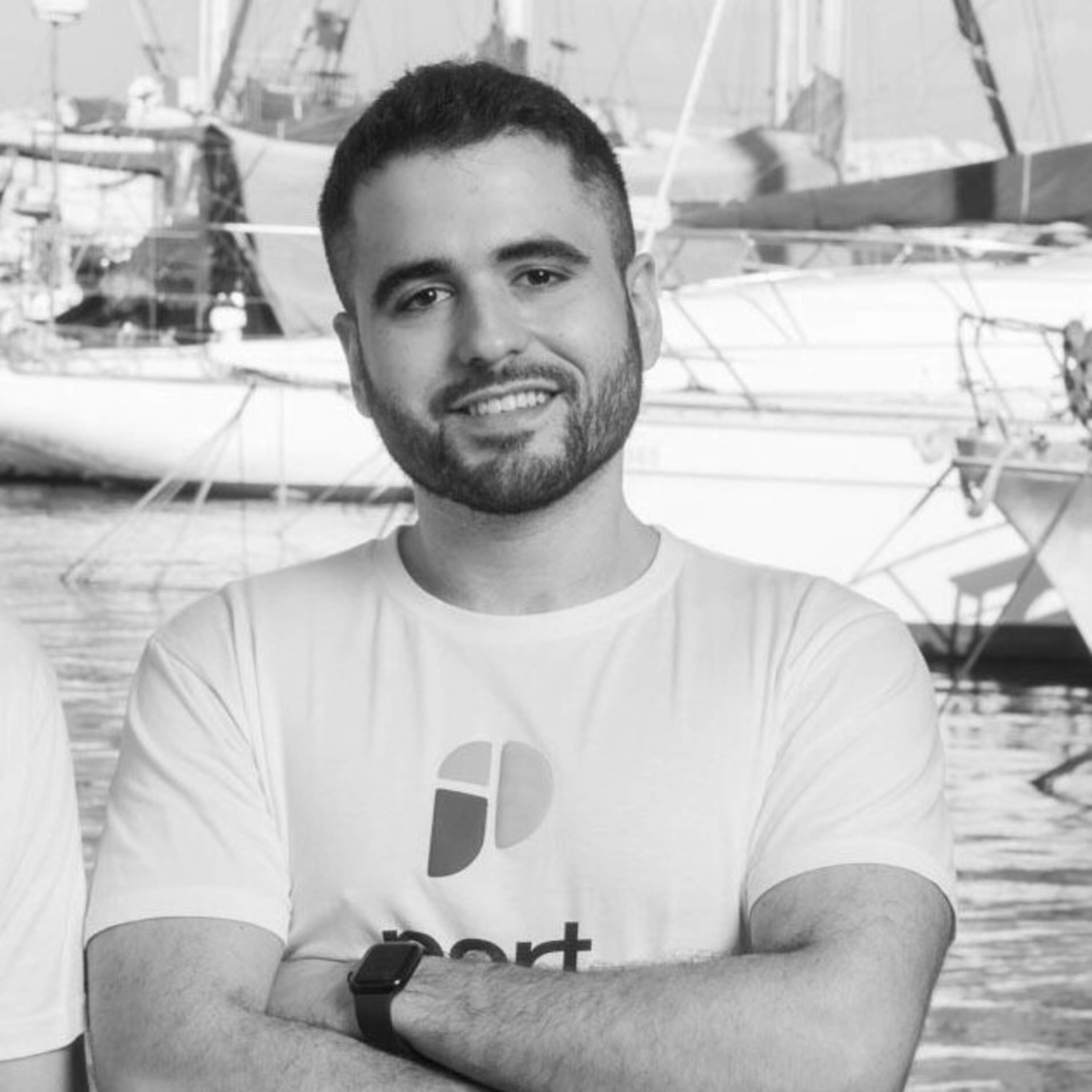
| 6/3/26 | ![]() E196: Shifting Developer Portals to Agent Portals with Port✨ | developer portalsagent portals+4 | Zohar Einy | Portagentic+2 | — | developer portalsagentic SDLC+5 | — | 38m 41s | |
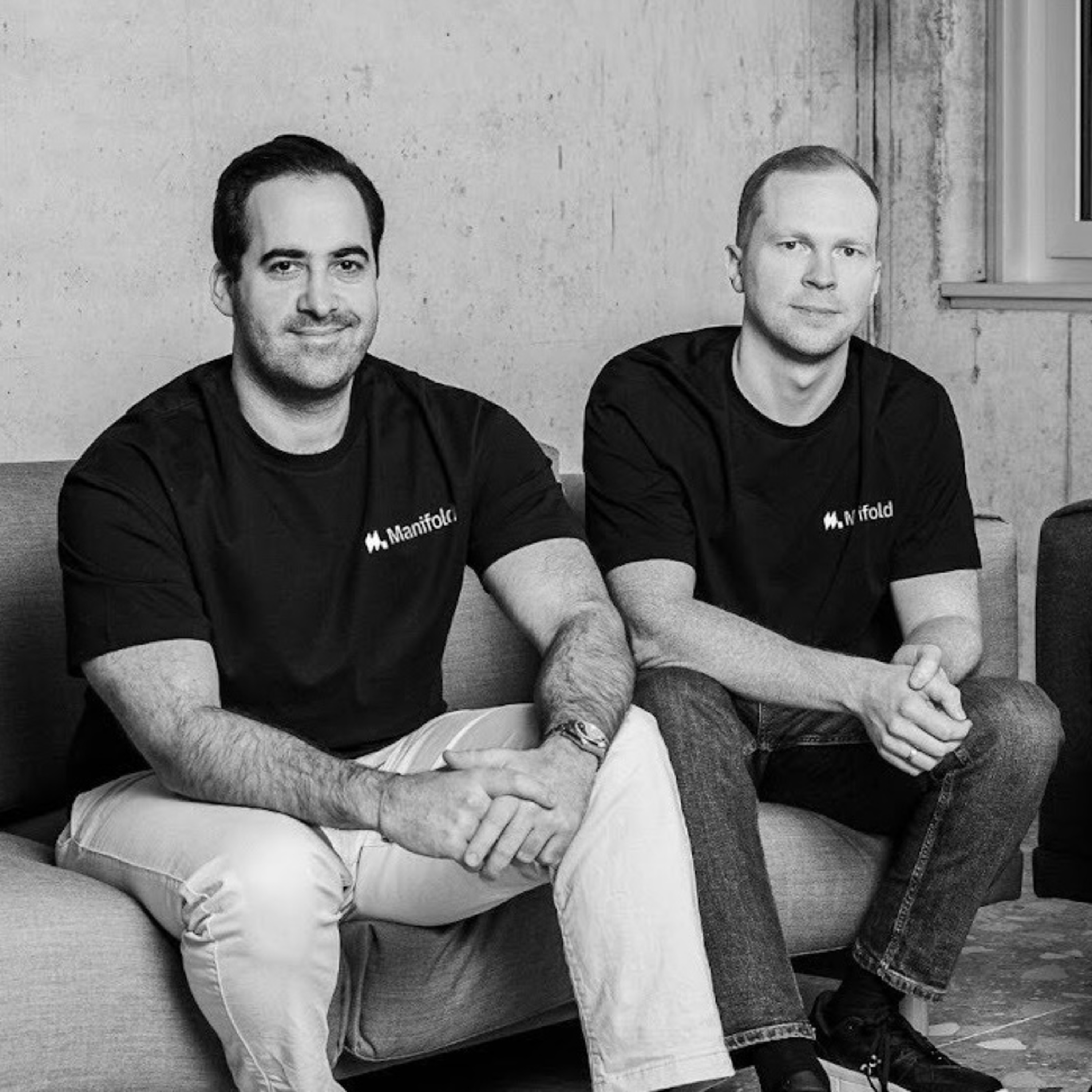
| 5/26/26 | ![]() E195: Taking on the New AI Attack Surface With Manifold: Runtime, Skills & Supply Chains✨ | AI securityruntime security+4 | Neal SwaelensOleks Yaremchuk | ManifestLLMGuard+5 | — | runtime agent securitysupply chain intelligence+4 | — | 45m 18s | |
| 4/29/26 | ![]() E194: Fal's Bet on Generative Media✨ | generative mediaAI+4 | Batuhan Taskaya | FalEssence VC+1 | — | generative mediaAI boom+4 | — | 41m 26s | |
| 4/8/26 | ![]() E193: Managing 100s of Agents with Maestro✨ | AI coding agentsopen source+4 | Pedram Amini | MaestroGitHub | — | MaestroAI agents+5 | — | 39m 12s | |
| 2/18/26 | ![]() E192: Creating Browser Use, Navigating Hyper Growth & Building in the Competitive Browser Automation Space✨ | browser automationopen source+3 | Magnus Müller | Browser UseOpenAI | — | browser automationopen source+3 | — | 41m 13s | |
| 2/4/26 | ![]() E191: Super Fast Infra for Agents to Use the Internet✨ | browser infrastructureAI agents+3 | Catherine Jue | KernelAI+1 | — | browser infrastructureAI agents+5 | — | 36m 13s | |
| 1/20/26 | ![]() E190: Open Sourcing AI Coding Platform Devin to Create OpenHands✨ | open sourceAI coding agents+4 | Robert Brennan | OpenHandsGitHub+5 | — | OpenHandsAI coding+6 | — | 46m 21s | |
| 1/15/26 | ![]() E189: Why Your Backup Platform Should Be Open Source with Plakar✨ | open sourcedata backup+4 | Julien Mangeard | PlakarKloset+4 | — | backup platformopen source+4 | — | 39m 54s | |
Want analysis for the episodes below?Free for Pro Submit a request, we'll have your selected episodes analyzed within an hour. Free, at no cost to you, for Pro users. | |||||||||
| 1/9/26 | ![]() E188: Building (And Spinning Out) Open Source Projects With Informal Systems✨ | open sourcefinancial software+4 | Zarko MilosevicArianne Flemming | MalachiteInformal Systems+1 | — | open source projectsInformal Systems+5 | — | 37m 48s | |
| 12/17/25 | ![]() Exclusive: BYOC Vendor Nuon Goes Open Source!✨ | open sourceBring Your Own Cloud+4 | Jon Morehouse | NuonBYOC+2 | — | open sourceNuon+6 | — | 42m 23s | |
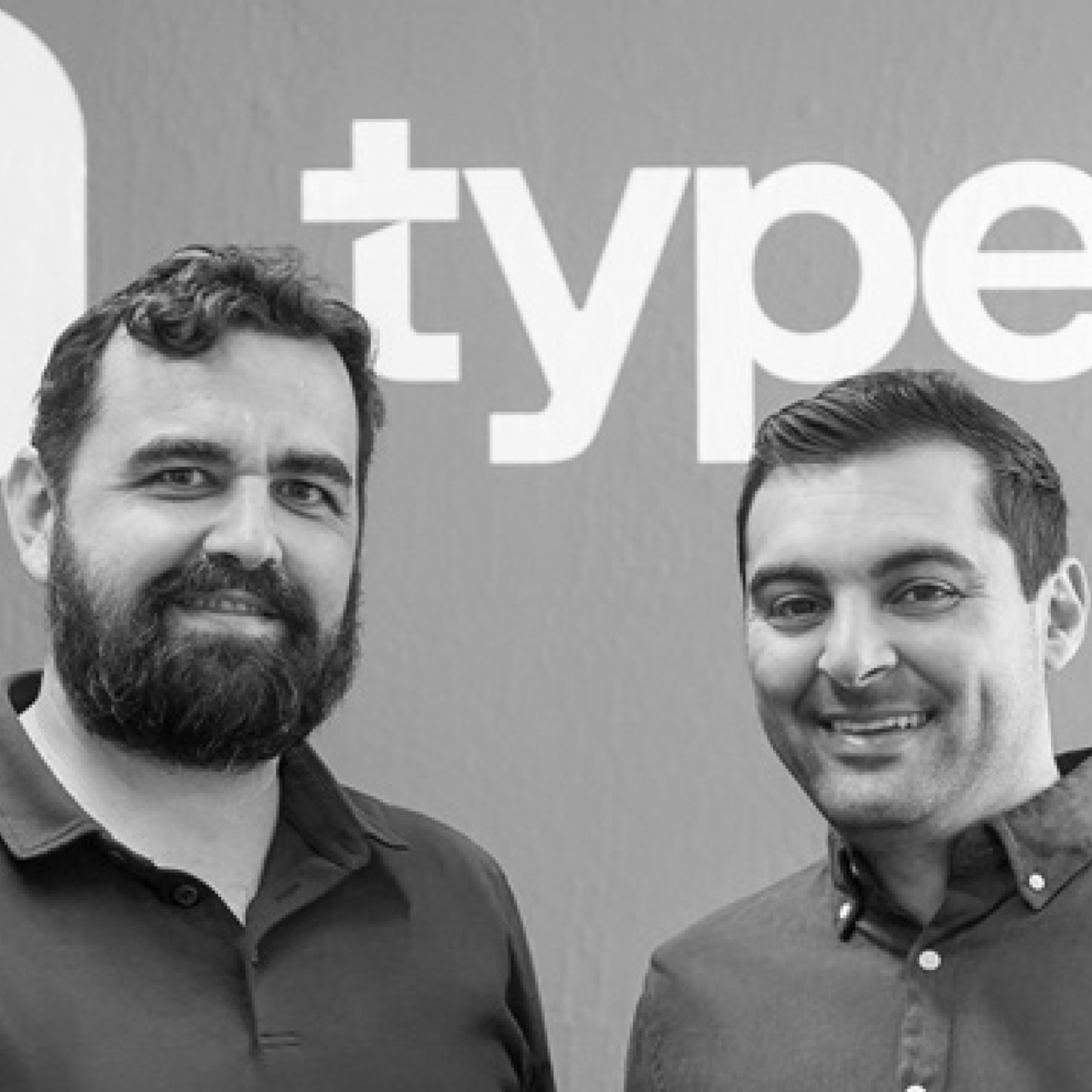
| 11/20/25 | ![]() E186: Unlocking Your Unstructured Data with Typedef✨ | unstructured datadata infrastructure+4 | Yoni MichaelKostas Pardalis | FenicDataFrame+5 | — | unstructured datadata pipelines+5 | — | 42m 05s | |
| 11/4/25 | ![]() E185: The Challenges with Monetizing Open Source with the Creator of Rich + Textual✨ | monetizationopen source+4 | Will McGugan | RichTextual+3 | Python community | open sourcemonetization+7 | — | 34m 02s | |
| 10/29/25 | ![]() E184: Building the Browser for AI - the Browserbase Story✨ | AI-driven browser automationopen-source SDK+3 | Paul Klein IV | StagehandBrowserbase+1 | — | browser automationopen-source+3 | — | 43m 21s | |

| 10/20/25 | ![]() E183: Why English Isn't a Programming Language - the BAML Story | This episode dives into why code quality still matters in the age of AI, and why English - no matter how good models get - won’t replace programming.Our guest is Co-Founder of Boundary, Vaibhav Gupta, and he shares the journey behind BAML, a new programming language to write and manage AI logic. After 12 pivots and 3.5 years, the team realized something simple but powerful:AI tools were evolving fast, but the code was ugly.Most AI generated code was unnecessarily long and messy. For builders who viewed code as artistic expression, that was painful. Once they tried BAML, everything changed. It was clean, elegant - completely the opposite of AI slop.It wasn’t an overnight success. It took nine months to reach ten users — but the early ones stayed because of thoughtful design:Easy model swappingFull visibility into every prompt and test caseA workflow so simple that non-technical users (even lawyers!) could test codeBAML was built with a philosophy that code is the source of truth, not the docs.The conversation touches on how LLM observability and thoughtfully designed code make BAML unique. It’s inspired by the same thinking that made React sticky - beauty and composability.Pretty code, the founder believes, isn’t vanity - it’s a functional advantage:Fewer bugsEasier to reason aboutFriendlier for AI-generated systems | — | ||||||
| 10/8/25 | ![]() E182: The Rise of ClickHouse | In the episode, we sat down with ClickHouse Co-Founder Yury Izrailevsky to unpack how one of the fastest open-source databases in the world became the analytics engine of choice for 2,000 customers including Harvey, Canva, HP, and Supabase. From its Yandex origins to powering AI observability, Yury shares how ClickHouse balances open-source roots, cloud innovation, and a remote-first culture moving at breakneck speed.ClickHouse's Series C valued the company at $6.35B earlier this year, and just yesterday they announced an extension to that round, just months after it was raised. In this episode, we dig into:Origins & Founding StoryClickHouse began as an internal project at Yandex to power a Google Analytics–style platform, focused on performance and scale.Open-sourced in 2016 - rapid global adoption laid the foundation for ClickHouse the company. Yury first discovered ClickHouse while at Google; impressed by its speed, he later co-founded the company in 2021 alongside Aaron Katz (ex-Elastic) and the original creator Alexey Milovidov.Why ClickHouse Stands OutColumn-oriented, open source OLAP database designed for massive-scale analytical processing.Excels in performance, efficiency, and cost - ideal for large data volumes and real-time analytics (and now AI workloads). Architectural choices:Columnar storage = better compression and faster execution.Separation of compute and storage enables elasticity, scalability, and resilience in the cloud.Open Source vs. CloudOpen-source version offers freedom and flexibility.Cloud product delivers much lower total cost of ownership and fully managed experience.Architectural parity between the two ensuring no vendor lock-in for customers. Customers can run the same queries on both; most stay with cloud due to simplicity and cost efficiency.Use Cases & Ecosystem4 main use cases:Real-time analyticsData WarehousingObservability AI / ML WorkloadsCompany Building & CultureFully remote from day one.Prioritized experienced, self-sufficient engineers over early-career hires.Built and launched GA version in less than a year - insane pace of innovation.Innovation & CommunityMonthly release cadence.Hundreds of integrations and connectors.Strong open-source and commercial communityAdvice for FoundersFocus on what matters most Hire mature, independent thinkers.Move fast but maintain quality; ClickHouse Cloud achieved production-grade quality in record time. | — | ||||||
| 9/9/25 | ![]() E181: Why Multimodal Is the Future of AI Data Workloads | Chang She is Co-Founder & CEO of LanceDB, the multimodal lakehouse platform. Their open source data format lance has over 5K stars on GitHub and is a modern columnar data format for ML and LLMs implemented in Rust.LanceDB has raised $41M from investors including Theory Ventures, CRV, and Essence VC. In this episode, we dig into:Early focus: autonomous vehicles; solved real-time analysis limits with Lance format → 9,000% performance gain.Multi-modal AI taking off (vision, audio, text); Midjourney & Runway as pioneers; audio now a major category.How they built trust through open source.Integrated workflows (data prep + search + embedding) going beyond vector DBs; education needed to show full value.Cloud/serverless launch in 2023–24 enabled seamless local-to-production use.Future bets: audio infra, robotics, spatial reasoning; vector DBs risk irrelevance if they don’t evolve. | — | ||||||
| 8/24/25 | ![]() E180: Why Kubernetes Still Needs Simplifying: The Nadrama Story | Ryan Djurovich is the Founder & CEO of Nadrama, the open source infrastructure automation platform that deploys containers instantly. In this episode, we dig into:Kubernetes challenges that still exist today – setup and operations are notoriously hard and complex.What great developer experience means to him – focused on making deployments super simple by streamlining infrastructure and common tasks.Core value of Nadrama – developers just want to deploy apps; Nadrama abstracts away infrastructure pain.His view on what being truly open source means (including using the Apache 2.0 license) Ryan's user discovery process - talking directly with as many users as possible, mining his network / folks he's worked with in the past, community events & meetups.Navigating the earliest days of Nadrama Security philosophy – believes in baseline security for all accounts (not just enterprise), informed by a Cloudflare background. | — | ||||||
| 8/18/25 | ![]() E179: LLMs for Software Maintenance (the Grit Story) | Morgante Pell is the Founder of Grit, the developer tool that puts software maintenance on autopilot and was acquired by Honeycomb in April 2025. In this episode, we dig into:The Grit product and how LLMs have made software maintenance much more efficient Launching GritQL - Grit's embedded query language for searching and transforming codeTheir early focus on the JavaScript community The motivation for Grit to open sourceHow AI generated code has put pressure on software maintenanceWhere new problems have been created by AI-generated code The acquisition by Honeycomb - motivation, integration, and how the deal happened | — | ||||||
| 7/31/25 | ![]() E178: Building Safer AI Agents with Portia AI | Emma Burrows is Co-Founder & CTO of Portia AI, the platform to build AI agents in regulated environments. Their open source Python SDK provides a developer framework for predictable and stateful agentic workflows. Portia AI has raised around $5M from investors including General Catalyst and First Minute Capital.In this episode, we dig into:Why they built an end-to-end platform from agent planning to deployment The focus on accuracy as their true north star metric Their paid contribution program How their found their initial ICP in regulated industries Why 2026 will be the year of agents Her best fundraising advice (hint: never really stop fundraising) | — | ||||||
| 7/8/25 | ![]() E177: RunReveal's Anti SIEM SIEM Platform (With AI That Actually Works!) | Alan Braithwaite is Co-Founder & CTO of RunReveal, the security data platform with real-time monitoring, built-in detections, and AI-powered investigations. Today, they manage and analyze security logs for teams at Harvey, ClickHouse, Cloudflare, and Temporal. RunReveal has multiple open source projects including event stream processing library kawa and query language pql. RunReveal has raised from investors including Costanoa, Modern Technical Fund, and Runtime Ventures. In this episode, we dig into:Why today's modern security teams are rethinking data management The benefits of building RunReveal on ClickHouse How they worked with early believers / customers like TemporalTheir open source strategy and building trust with the community through open sourcing components like their event processing libraryTheir MCP server and enabling security teams to use AI to automate investigations (including the launch of their new remote MCP server) | — | ||||||
| 6/23/25 | ![]() E176: Why All AI Agents Will Need Cloud Sandboxes | Vasek Mlejnsky is Co-Founder & CEO of E2B, the open-source runtime for executing AI-generated code in secure cloud sandboxes. Essentially, they give AI agents cloud computers. Their open source repos, particularly e2b which has 9K GitHub stars, have been widely adopted to help securely run AI-generated code. E2B has raised $12M from investors including Decibel and Sunflower. In this episode, we dig into:Why agents need a sandboxBuilding a new category of infra tooling, much like LaunchDarkly Some of their viral content moments - including Greg Brockman sharing their videosFiguring out the right commercial offering Why they don't agree with pricing per token Why moving from Prague to the Bay Area felt essential for them as founders | — | ||||||
| 5/19/25 | ![]() E175: How Dragonfly Is Taking on Redis With a New Data Store | Roman Gershman is Co-Founder & CTO of Dragonfly, the drop-in Redis replacement for heavy data workloads that has significant performance, cost, and scale benefits. Their open source dragonflydb has 28K stars on GitHub. Dragonfly has raised $21M from investors including Quiet Capital and Redpoint. In this episode, we dig into:The challenges with Redis The users that have really benefitted from Dragonfly (high scale + real-time needs - gaming, B2C) The benefits of being multi-threaded How they got some of their bigger users / customers like Twilio, SoFi, and Spotify | — | ||||||
| 5/2/25 | ![]() E174: The SDF / DBT Acquisition (1 + 1 = 3) | Lukas Schulte is Co-Founder & CEO of SDF Labs, the developer platform that scales SQL understanding across organizations, which was recently acquired by data transformation unicorn dbt Labs. In this episode, he's joined by Anders Swanson, Senior Developer Experience Advocate at dbt, to discuss the acquisition and future of data engineering. In this episode, we dig into:How the acquisition happened, as well as the M&A process How dbt thinks about building capabilities internally vs. making acquisitions How the SDF platform will improve the lives of dbt users The most challenging parts about the integration What the future developer experience for data teams will be like A glimpse into the future of data engineering | — | ||||||
Showing 25 of 178
Pitch Fit is a Pro feature
See how bookable this show is for guests, which brands already advertise, the per-episode ad value, and the best-fit guest and sponsor profile. The numbers are blurred on the free plan.
How readily this show books outside guests like you.
How proven this show is for host-read sponsorships.
For Guests
ProFor Advertisers
ProUpgrade to Pro to unlock guest cadence, sponsor categories, fit scores, and per-episode ad value for this show.