

Opportunity Gap: For Families Navigating Special Education
by Understood.org, Julian Saavedra
Is this your podcast?Insights from recent episode analysis
Audience Interest
Podcast Focus
Publishing Consistency
Platform Reach
Insights are generated by CastFox AI using publicly available data, episode content, and proprietary models.
Total monthly reach
Estimated from 6 chart positions in 6 markets.
By chart position
- 🇰🇷KR · Education for Kids#1911K to 10K
- 🇮🇸IS · Education for Kids#1630K to 100K
- 🇳🇴NO · Education for Kids#763K to 10K
- 🇨🇿CZ · Education for Kids#101500 to 3K
- 🇿🇦ZA · Education for Kids#111500 to 3K
- Per-Episode Audience
Est. listeners per new episode within ~30 days
18K to 65K🎙 ~2x weekly·101 episodes·Last published 4w ago - Monthly Reach
Unique listeners across all episodes (30 days)
36K to 129K🇮🇸78%🇰🇷8%🇳🇴8%+3 more - Active Followers
Loyal subscribers who consistently listen
14K to 52K
Market Insights
Platform Distribution
Reach across major podcast platforms, updated hourly
Total Followers
—
Total Plays
—
Total Reviews
—
* Data sourced directly from platform APIs and aggregated hourly across all major podcast directories.
On the show
Recent episodes
Should you hold your child back a year? What parents need to know
May 27, 2026
Unknown duration
The reasons kids shut down before summer break
May 13, 2026
Unknown duration
3 hidden IEP benefits every parent should know
Apr 29, 2026
Unknown duration
The case for more play in school
Apr 15, 2026
Unknown duration
ADHD and how eating affects focus for kids
Apr 1, 2026
Unknown duration
Social Links & Contact
Official channels & resources
Official Website
Login
RSS Feed
Login
| Date | Episode | Description | Length | ||||||
|---|---|---|---|---|---|---|---|---|---|
| 5/27/26 |  Should you hold your child back a year? What parents need to know | If your child doesn’t seem ready for kindergarten or the next grade, what should you do? What if the school is suggesting that your child stay back? In this episode, we break down the real factors behind redshirting and grade retention. Guest Dr. Imani Irving-Perez, a lecturer on early childhood and special education, shares what to consider. She talks about social-emotional development, academic readiness, behavior, and more. You’ll learn what questions to ask schools, what the research says, and how to make a decision that supports your child now and later. | — | ||||||
| 5/13/26 |  The reasons kids shut down before summer break | As the school year winds down, many kids start to burn out. They might lose motivation, feel big emotions, or struggle to follow their usual routines. In this episode, you’ll learn why behaviors like shutdowns and meltdowns are signals, not problems, and what to do about them. Plus, get tips to lower stress levels, reset after tough moments, and help your child finish the year strong. | — | ||||||
| 4/29/26 |  3 hidden IEP benefits every parent should know | Most families know that IEPs can provide accommodations and services. But other powerful supports are sometimes hidden. In this episode, we break down three often-overlooked IEP benefits: extended school year services, built-in training for parents and teachers, and outside placements. Learn what to ask for, how to ask for it, and how decisions get made. | — | ||||||
| 4/15/26 | 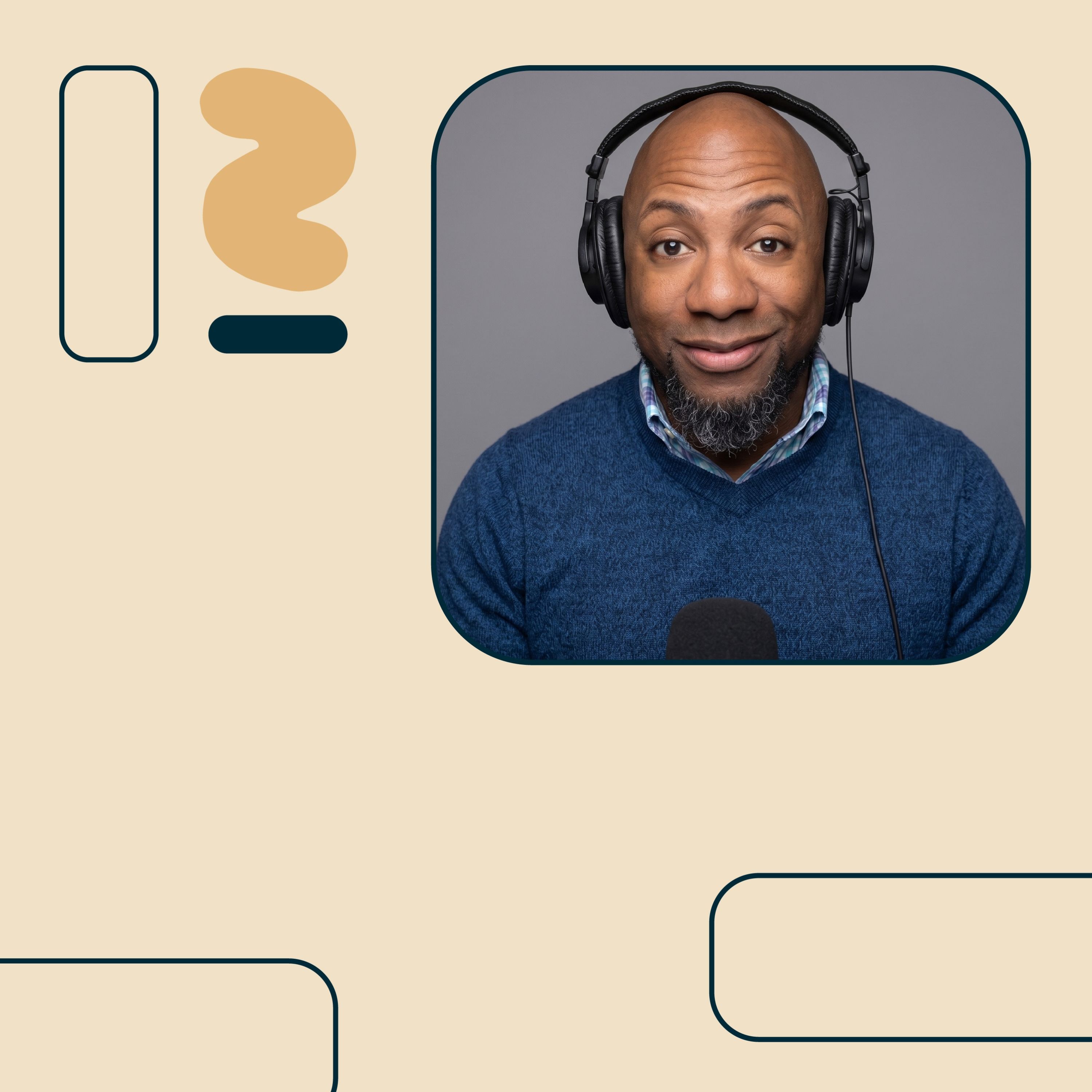 The case for more play in school | Play isn’t just a break from learning. It can also be how learning happens. But many kids have less time for recess and unstructured play than ever before. In this episode, we explore why play matters for focus, social skills, and emotional regulation. We also look at what’s getting in the way of play. Plus, we share practical ways families and schools can bring more play into kids’ daily lives. | — | ||||||
| 4/1/26 |  ADHD and how eating affects focus for kids | If your child has ADHD, you may wonder how eating affects their focus at school. The answer isn’t about perfect meals or strict rules. In this episode, host Julian Saavedra talks with registered dietitians Elizabeth Davenport and Anna Lutz about how to help kids fuel for school. They share what to do when kids aren’t hungry, why breakfast can be tricky, and how to handle lunches, snacks, and afterschool hunger. You’ll also hear how to help kids build healthy eating habits without turning food into a battle. | — | ||||||
| 3/18/26 |  The school programs giving kids a real advantage | Schools don’t always get everything right. But many are doing amazing work every day! In this episode, we explore how educators are helping kids thrive and succeed in the classroom. Discover how technology, assistive tools, social-emotional learning, and career programs are supporting students. Parents can see what’s working and learn how to reinforce it at home. Celebrate the progress happening in schools and the programs helping students reach their full potential. | — | ||||||
| 3/4/26 | 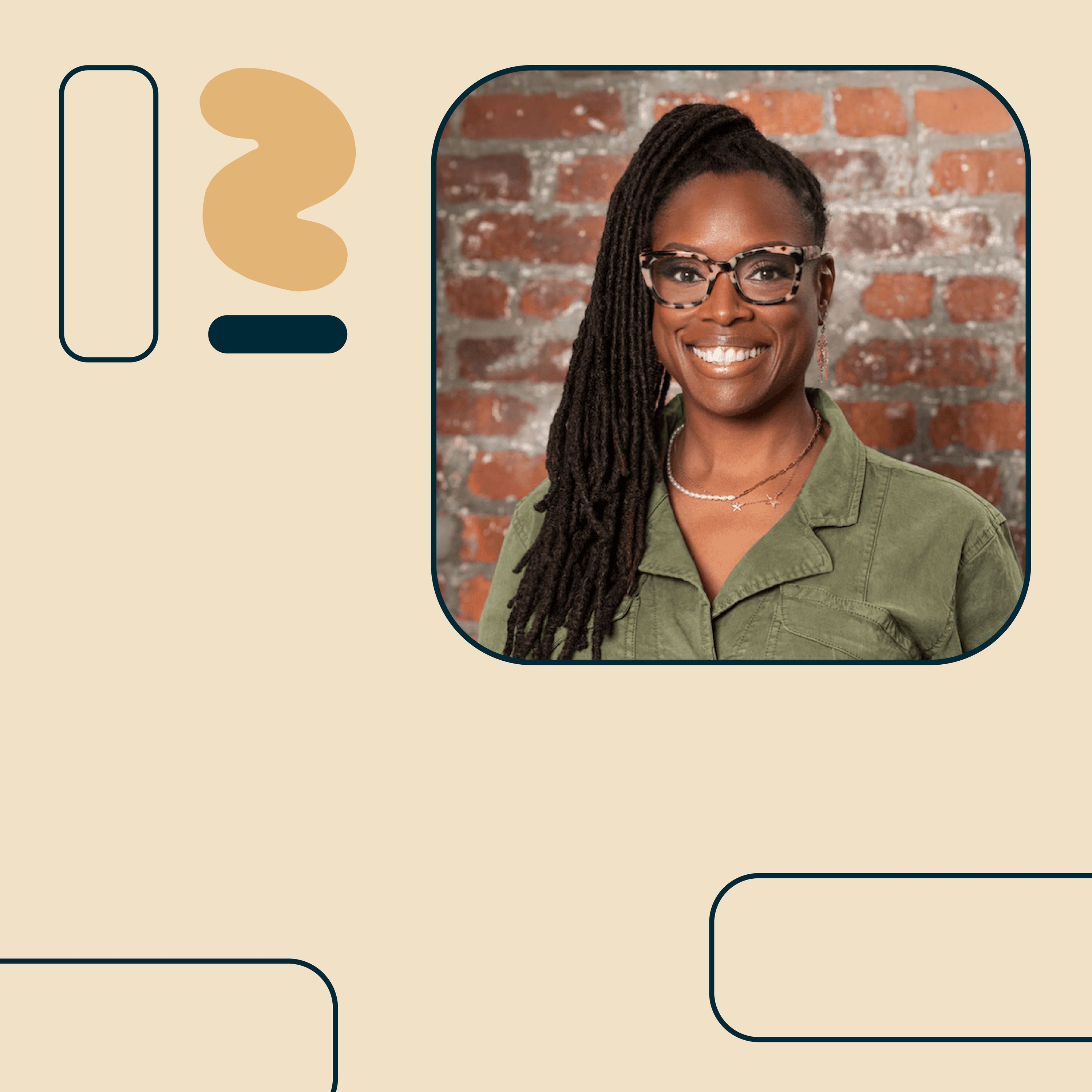 Help kids face failure without stepping in to fix it | Kids can learn to carry the “boulders” of their feelings, build resilience, and make independent choices without parents taking over. As hard as it is to watch them struggle, sometimes the best support is simply listening and being present. In this episode, Dr. Nanika Coor shares practical ways to hold space for kids facing challenges at school, with friends, or in social situations. | — | ||||||
| 2/18/26 |  Do kids really need homework? | Homework can be a source of stress for kids and families, especially for those with learning and thinking differences. In this episode, assistant principal Julian Saavedra breaks down what homework is good for, when it can become overwhelming, and practical ways to support kids. From creating routines and communicating with teachers to leveraging IEPs and 504 plans, Julian shares strategies to make homework a positive, manageable part of learning and help kids build habits that stick. | — | ||||||
| 2/11/26 |  Introducing Everyone Gets a Juice Box | Discover a new show on the Understood Podcast Network: Everyone Gets a Juice Box, hosted by Jessica Shaw! This series explores the real challenges parents face raising neurodivergent kids — with honest conversations that balance frustration, humor, and small victories. In this episode, hear how one mom navigates unexpected struggles with her young daughter and the creative ways she finds solutions. | — | ||||||
| 2/4/26 |  Top 5 IEP meeting tips from a parent advocate | As a parent advocate and mom, Danielle Ward has been in countless IEP meetings. She’s a wealth of knowledge on how to make the most of your time with the special education team. From bringing supportive guests (including your child when appropriate) to decoding confusing assessments, Danielle and Julian share practical, clear steps to help you feel confident and prepared for your next IEP meeting. | — | ||||||
Want analysis for the episodes below?Free for Pro Submit a request, we'll have your selected episodes analyzed within an hour. Free, at no cost to you, for Pro users. | |||||||||
| 1/21/26 | 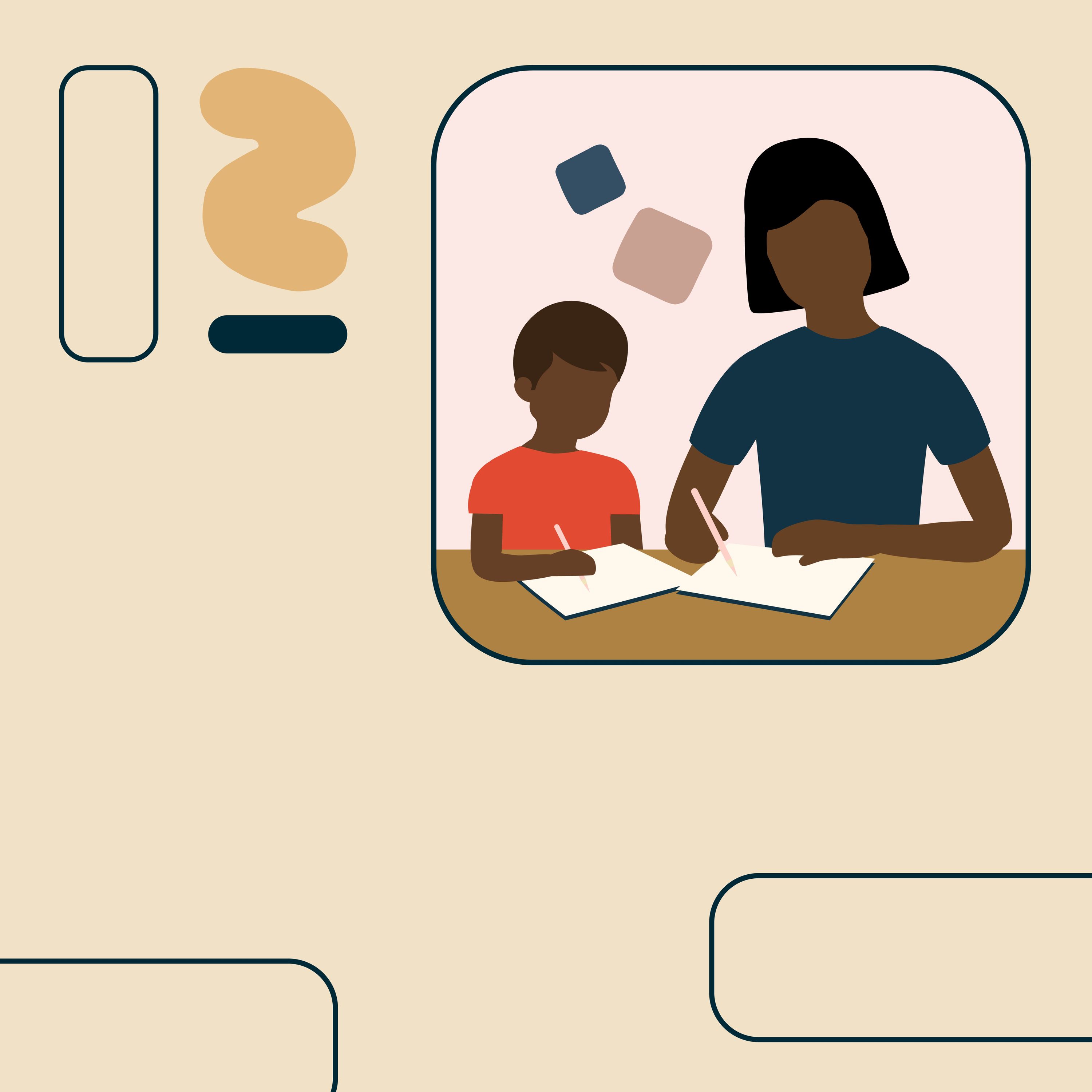 The mid-year reset: How parents can help kids finish the school year strong | We’re officially halfway through the school year. That makes this the perfect moment to pause and reset. In this solo episode, Julian shares why mid-year check-ins matter — and how families can use this “halftime” moment to reflect, adjust routines, and set meaningful goals. Most importantly: Talk to your child, partner with teachers, and review those IEP goals! | — | ||||||
| 1/7/26 |  Phone-free classrooms: What happens when devices disappear | Everyone has a phone in their hand these days, and kids are no exception. But increasingly, schools are starting to limit phones — or even ban them. What does that mean for students, teachers, and families? In this episode, Julian chats with Dr. Julie Mayring, middle school director and psychologist at Bay Ridge Prep in Brooklyn, about her school’s nine-year phone ban. They discuss how it affects focus, mental health, friendships, and parent communication. Dr. Mayring also shares tips on handling pushback, keeping kids safe, and making sure technology helps learning instead of getting in the way of it. | — | ||||||
| 12/17/25 | 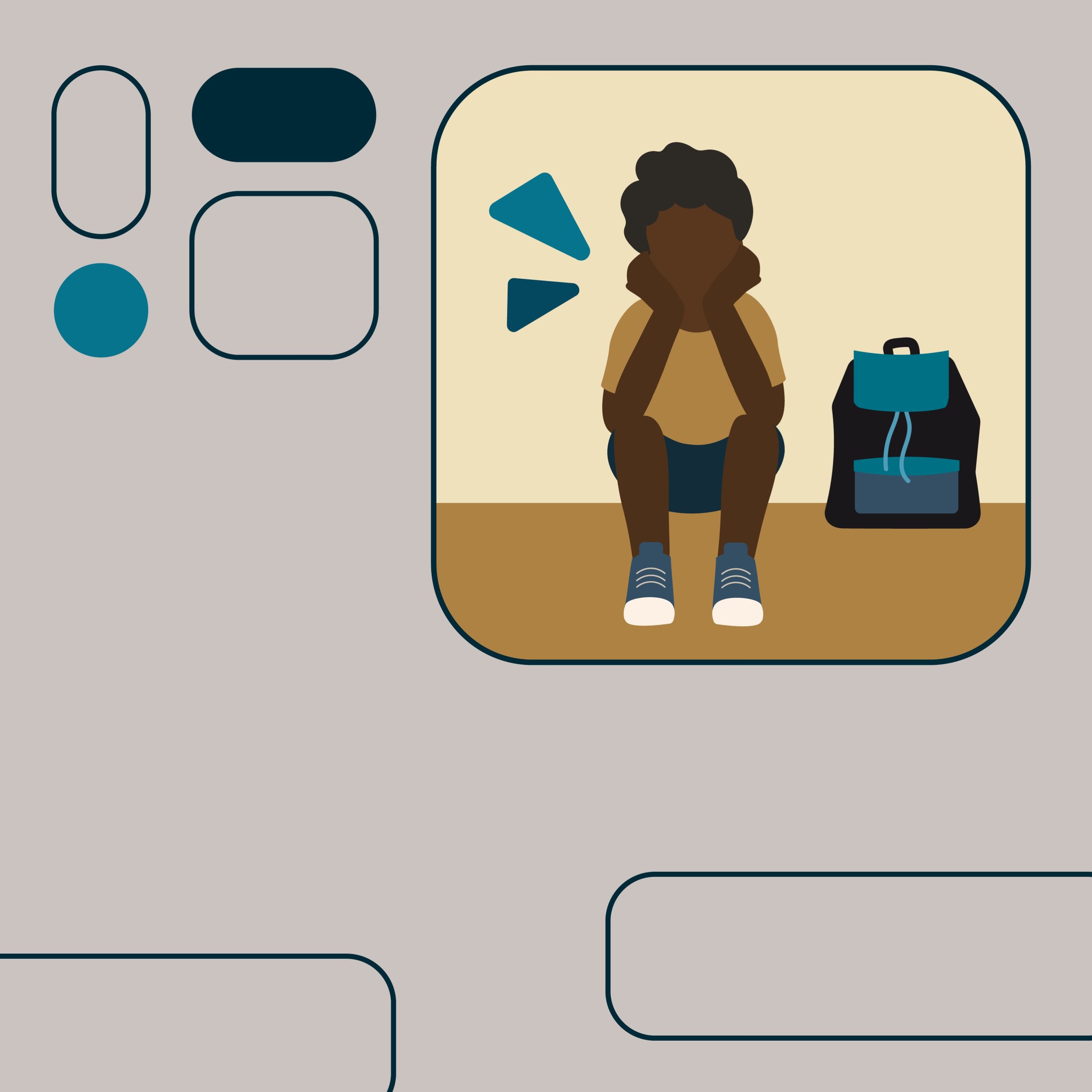 School refusal vs. sick days: What’s really going on? | In this episode, Julian breaks down “chronic absenteeism.” What is that, you ask? As parents, you’re probably familiar with kids avoiding school. But when does a feeling turn into a pattern? And what can that tell us about a child’s school experience? Julian will explain the difference between occasional sick days and ongoing patterns, what true school refusal really looks like, and what you can do about it. | — | ||||||
| 12/3/25 | 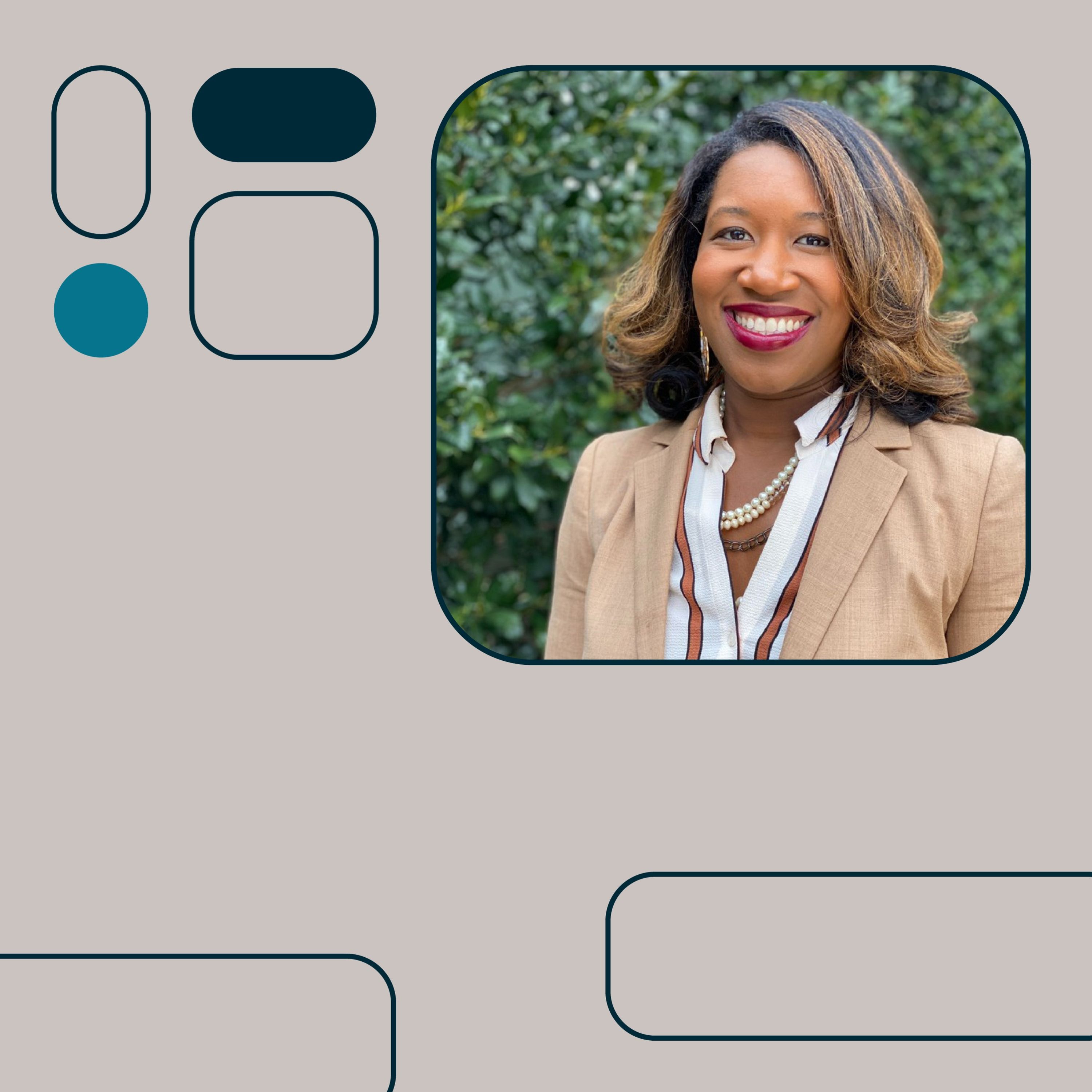 How “bad behavior” may signal anxiety in kids with ADHD | Many kids with ADHD also deal with anxiety. Together, this can end up looking like defiance, avoidance, or just acting out at school. In this episode, we’re breaking down what’s really going on behind these behaviors. And we share practical ways that parents can support their kids — at home and at school — through clear communication, behavior plans, and strategies that actually work. | — | ||||||
| 11/19/25 | Is special education in crisis? Federal layoffs explained | We know the headlines around special education these days are hard to take in. Federal layoffs in the Office of Special Education Programs (OSEP) could affect oversight of $15 billion in IDEA funding, putting some services your child may be receiving at risk. In this episode, former OSEP chief of staff Meghan Whittaker joins host Julian and journalist Ray Jacobson from the Hyperfocus podcast to explain what this means for schools, IEPs, and families. Learn how funding, vouchers, and state control could impact your child — and what parents can do to protect their rights. | — | ||||||
| 11/5/25 |  What to do when parent-teacher relationships go wrong | Sometimes parent-teacher relationships don’t go as smoothly as we hope. And when conflicts happen, it can make school harder for both students and adults.In this episode, Julian shares practical advice for dealing with parent-teacher tension. Learn how to fix misunderstandings and rebuild trust to help create a more positive connection. | — | ||||||
| 10/22/25 | 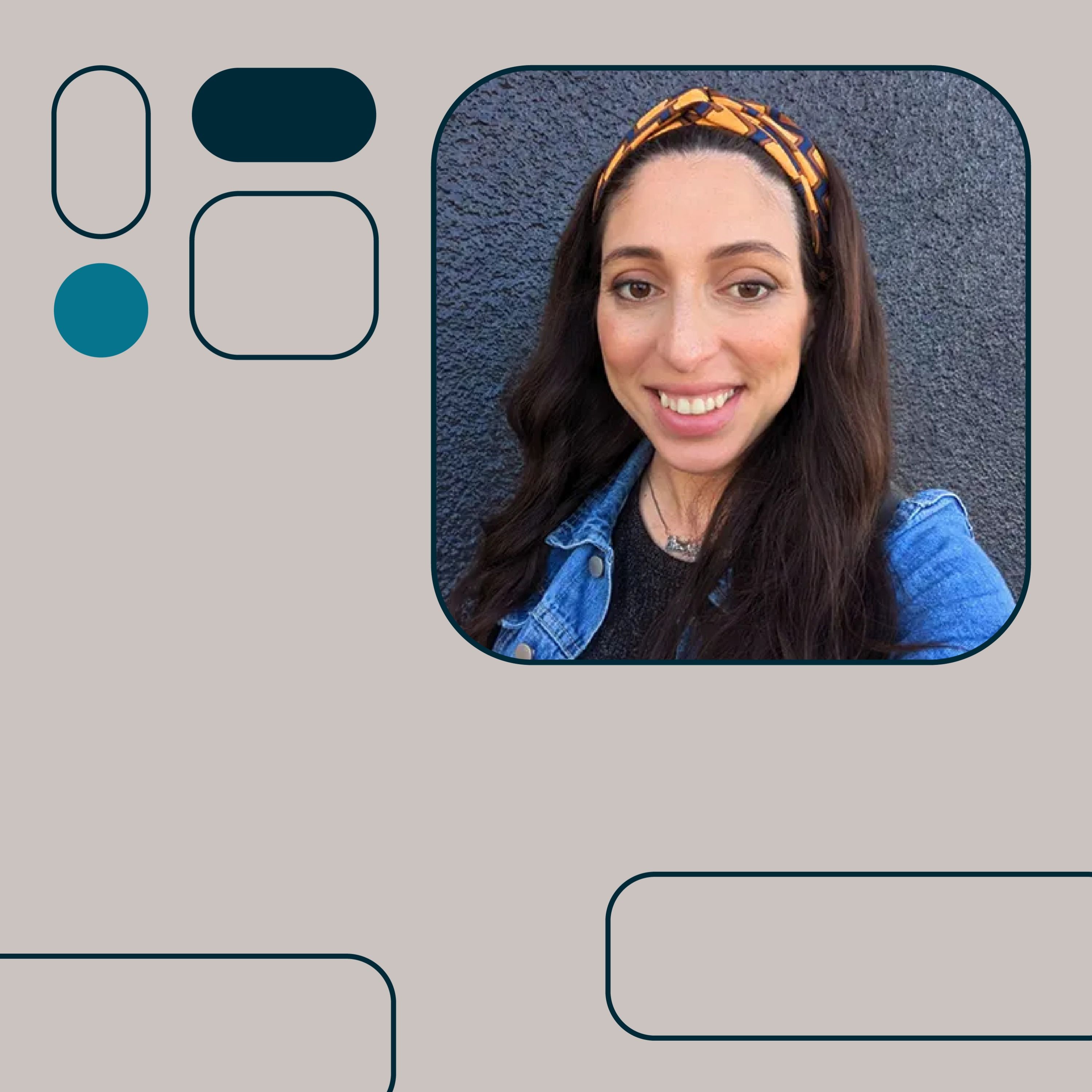 Trouble with reading? Is it dyslexia? | Is your child having trouble with reading? Could it be dyslexia? Expert Shira Moskowitz shares what parents need to know. Dyslexia is more than just letter mix-ups. It’s a learning difference that affects how kids read and understand words. In this episode, you’ll learn: How to spot early signs of dyslexia in kids The truth about letter reversals And how technology can help support kids | — | ||||||
| 10/8/25 |  How to talk to your child about microaggressions in the classroom | What do you do when your child says, “I think my teacher hates me”? In this episode, Julian breaks down what that really means. Learn how to spot signs of microaggressions in the classroom. Get simple ways to support your child and speak up when something feels wrong. And find out how to address microaggressions in a calm, clear way. | — | ||||||
| 9/24/25 |  Parent-teacher conference tips: What to say and ask | Ever leave a parent-teacher conference feeling more confused than informed? Dr. Andy Kahn joins us to help you prepare and make the most of these important conversations. For many parents, these meetings can feel like a quick whirlwind, leaving unanswered questions. In this episode, you’ll discover: How to set clear, focused goals before your meeting Strategies for making the most of limited time with your child’s teacher How Understood’s new resource, “Through My Eyes,” offers valuable insight into your child’s learning experience Experience how it feels to learn differently. Step into real-life simulations of kids with ADHD, dyslexia, and dyscalculia with “Through My Eyes” by Understood.org. | — | ||||||
| 9/10/25 |  Kids struggling with math? It could be dyscalculia | Some kids work hard in math but still struggle to keep up. Even with extra practice, the numbers just don’t click. This might be a sign of dyscalculia, a learning disability that makes it difficult to understand and use numbers. In this episode, we’re joined by math teacher Brendan Hodnett. Hear as Brendan explains what dyscalculia is and how it can affect a student’s confidence. Then find out what families can do to help support their child. | — | ||||||
| 8/27/25 |  What is an “opportunity gap”? (and how it impacts kids) | Not all students get the same chance to succeed. Things like where they live, how much money their family has, or the language they speak at home can create unfair differences. These differences can create what is called an “opportunity gap.” In this episode, learn what the opportunity gap really means and how it affects students. Discover why this issue matters. And hear why closing the gap is about more than just test scores. | — | ||||||
| 8/13/25 |  Ask Me Anything: Your back-to-school questions answered | Back-to-school season can bring a mix of excitement and stress for parents and kids. From adjusting sleep schedules to managing new routines, there’s a lot to prepare. In this episode, Julian Saavedra answers common questions parents have about getting their kids ready for the school year. Get his tips for how to ease first-day nerves and create calm morning routines. | — | ||||||
| 7/30/25 |  Julian Saavedra talks supporting your child on The Mama’s Den podcast | Julian Saavedra joins The Mama’s Den podcast for an honest conversation about learning and thinking differences in kids of color. Listen as he shares how families can support their kids’ needs at home and in school. And get tips for how to work alongside your child’s teacher. The Mama’s Den is hosted by Codie Elaine Oliver, Melanie Fiona, Ashley Chea, and Felicia LaTour. | — | ||||||
| 7/16/25 |  Best of: Unpacking viral ADHD myths on social media with Dr. Kristin Carothers | ADHD is getting a lot of attention on social media. Some posts share helpful tips from experts. But many others share false information. In this episode, we look at how social media spreads harmful myths about ADHD. Listen as Dr. Kristin Carothers, a psychologist, talks about why these myths are dangerous and how they add to stigma and shame. Then get her advice on what parents can do to help set the record straight. | — | ||||||
| 7/2/25 |  What is a “good summer” for kids with learning disabilities? | For kids with learning disabilities, summer break doesn’t need to be all about learning or just about fun. A healthy summer includes a mix of both. | — | ||||||
Showing 25 of 104
Sponsor Intelligence
Sign in to see which brands sponsor this podcast, their ad offers, and promo codes.
Chart Positions
7 placements across 6 markets.
Chart Positions
7 placements across 6 markets.