
Orbital Briefing: The Missions, Machines, and People of Spaceflight
by Ron Walker
Is this your podcast?Insights from recent episode analysis
Audience Interest
Podcast Focus
Publishing Consistency
Platform Reach
Insights are generated by CastFox AI using publicly available data, episode content, and proprietary models.
Total monthly reach
Estimated from 6 chart positions in 6 markets.
By chart position
- 🇦🇺AU · Astronomy#6330K to 100K
- 🇨🇦CA · Astronomy#6530K to 100K
- 🇺🇸US · Astronomy#1025K to 30K
- 🇩🇪DE · Astronomy#1165K to 30K
- 🇬🇧GB · Astronomy#1235K to 30K
- Per-Episode Audience
Est. listeners per new episode within ~30 days
26K to 96K🎙 Daily cadence·10 episodes·Last published 1mo ago - Monthly Reach
Unique listeners across all episodes (30 days)
85K to 320K🇦🇺31%🇨🇦31%🇺🇸9%+3 more - Active Followers
Loyal subscribers who consistently listen
34K to 128K
Market Insights
Platform Distribution
Reach across major podcast platforms, updated hourly
Total Followers
—
Total Plays
—
Total Reviews
—
* Data sourced directly from platform APIs and aggregated hourly across all major podcast directories.
On the show
Recent episodes
Voyager Probes: Humanity’s Message to the Stars
May 21, 2026
Unknown duration
Orion, NASA’s Deep Space Crew Vehicle
May 14, 2026
Unknown duration
Christina Koch: Artemis II, the ISS, and NASA’s Return to the Moon
May 7, 2026
Unknown duration
Apollo 13: NASA’s Near Disaster, Moon Mission Crisis, and Safe Return to Earth
Apr 30, 2026
Unknown duration
Mission Control: How NASA Flies Spacecraft from Earth | Inside Houston’s Nerve Center
Apr 23, 2026
Unknown duration
Social Links & Contact
Official channels & resources
Official Website
Login
RSS Feed
Login
| Date | Episode | Description | Length | ||||||
|---|---|---|---|---|---|---|---|---|---|
| 5/21/26 |  Voyager Probes: Humanity’s Message to the Stars | In 1977, NASA launched two spacecraft that would change our understanding of the outer solar system forever. Voyager 1 and Voyager 2 were built to explore Jupiter and Saturn, but Voyager 2 went on to visit Uranus and Neptune, becoming the only spacecraft ever to fly past all four giant planets.In this episode of Orbital Briefing, Ron Walker explores the Voyager probes, their rare planetary alignment, their groundbreaking discoveries, and their journey into interstellar space. We look at the spacecraft architecture, the gravity assists that made the mission possible, the science that transformed distant planets into real worlds, and the Golden Record, humanity’s message to the stars.From Jupiter’s storms and Io’s volcanoes to Saturn’s rings, Uranus’s tilted system, Neptune’s winds, and the Pale Blue Dot, Voyager is more than a NASA mission. It is a story about science, engineering, memory, curiosity, and the hope that something of Earth might endure.This is the story of Voyager 1, Voyager 2, the Golden Record, and humanity’s message to the stars.Topics include: Voyager 1, Voyager 2, NASA, Golden Record, Carl Sagan, Ann Druyan, Jupiter, Saturn, Uranus, Neptune, interstellar space, Pale Blue Dot, deep space exploration, and the history of spaceflight. | — | ||||||
| 5/14/26 |  Orion, NASA’s Deep Space Crew Vehicle | In this episode of Orbital Briefing, Ron Walker explores Orion, NASA’s deep space crew vehicle built to carry astronauts beyond low Earth orbit and into the Artemis era.From its roots in the post-Shuttle years to its role in NASA’s return to the Moon, Orion represents a new chapter in human spaceflight. This episode looks at the spacecraft’s architecture, including the crew module, European Service Module, launch abort system, heat shield, avionics, life support systems, and its critical role in bringing astronauts safely home from lunar missions.We trace Orion’s journey from early development and uncrewed testing to its place at the center of Artemis, examining why this spacecraft matters as a bridge between Apollo, the Space Shuttle, the International Space Station, the Moon, and the future of Mars exploration.If you’re interested in NASA, Artemis, Orion, deep space exploration, the Moon, spacecraft design, human spaceflight, Apollo, Shuttle, or the future of crewed missions beyond Earth, this episode is for you.New episodes of Orbital Briefing: The Missions, Machines, and People of Spaceflight release every Thursday.Visit RetroJetStudios.com for spaceflight-inspired merch, podcast updates, and Ron Walker’s book, The American Spaceplane: A Story of Ambition, Risk, and Reinvention.Keep looking up. | — | ||||||
| 5/7/26 |  Christina Koch: Artemis II, the ISS, and NASA’s Return to the Moon | NASA astronaut Christina Koch represents a new era of human spaceflight. From her record-setting 328-day mission aboard the International Space Station to her historic role on Artemis II, Koch’s career connects the hard-earned lessons of long-duration spaceflight with NASA’s return to deep space.In this episode of Orbital Briefing, Ron Walker explores Christina Koch’s journey from engineer and remote field scientist to ISS flight engineer, spacewalker, and Artemis astronaut. We look at how her time in orbit helped prepare NASA for the future of lunar exploration, why her role on Artemis II matters, and how her story reflects the evolution of the modern astronaut.This is not just a biography. It is a look at how the Shuttle era, the International Space Station, and Artemis all connect through one remarkable career.We discuss:Christina Koch’s path to NASAHer 328-day mission aboard the International Space StationThe first all-woman spacewalksWhy long-duration spaceflight matters for Artemis and MarsHer role on Artemis IIHow NASA’s astronaut corps has evolved since ApolloWhy Koch represents the future of explorationThis episode is sponsored by The American Spaceplane: A Story of Ambition, Risk, and Reinvention, Ron Walker’s book about the Space Shuttle program, available through RetroJet Studios.Visit RetroJetStudios.com for the book, spaceflight merchandise, podcast updates, and more. | — | ||||||
| 4/30/26 | 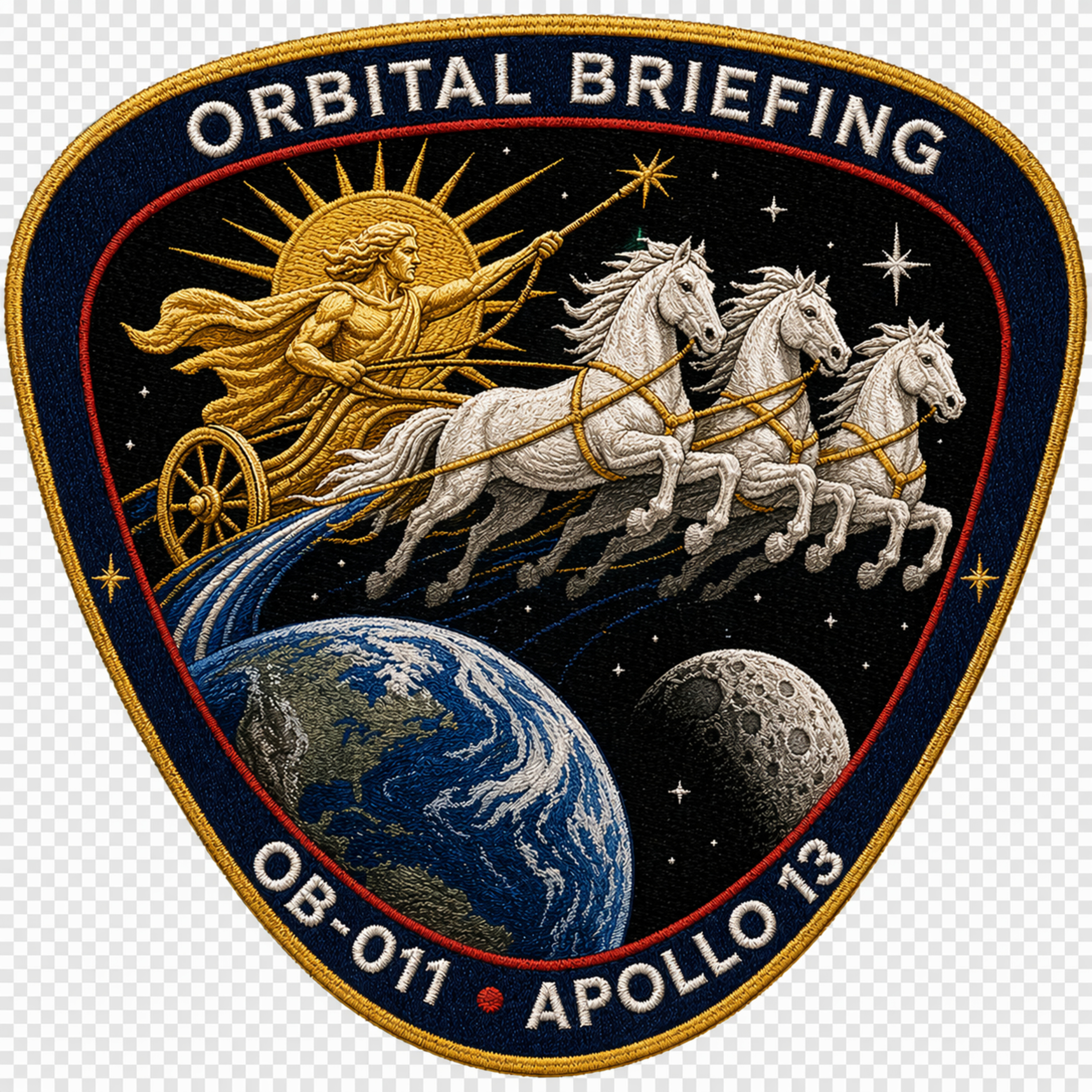 Apollo 13: NASA’s Near Disaster, Moon Mission Crisis, and Safe Return to Earth | What really happened on Apollo 13? In this episode of Orbital Briefing, Ron Walker tells the full story of NASA’s most famous in-flight emergency, from the launch of the Moon mission to the oxygen tank explosion, the aborted lunar landing, the use of the Aquarius lunar module as a lifeboat, and the dramatic safe return to Earth.This deep dive explores the Apollo 13 crew, Mission Control in Houston, the carbon dioxide crisis, the power-down of the command module, the swing around the Moon, and the tense reentry that turned a failed lunar landing into one of NASA’s greatest survival stories. If you’re interested in Apollo program history, NASA missions, space exploration, Moon landing missions, and the true story behind Apollo 13, this episode is for you. | — | ||||||
| 4/23/26 | 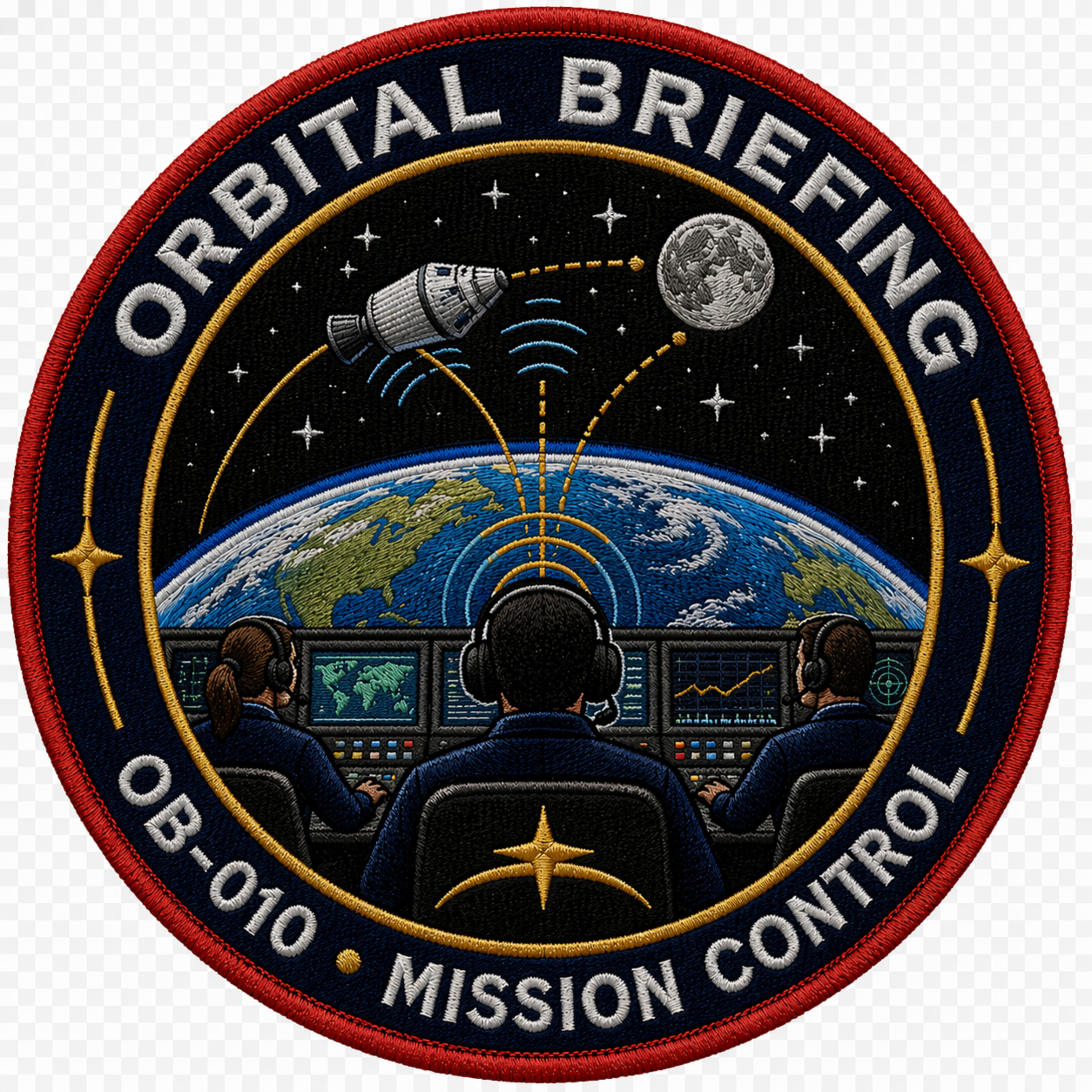 Mission Control: How NASA Flies Spacecraft from Earth | Inside Houston’s Nerve Center | How does NASA actually fly a spacecraft once it leaves Earth? In this episode of Orbital Briefing, Ron Walker takes you inside Mission Control, the nerve center of American human spaceflight. From Gemini and Apollo to the Space Shuttle, the International Space Station, and Artemis, Mission Control has been where flight controllers monitor spacecraft, guide astronauts, solve problems in real time, and make the decisions that keep missions alive. This episode explores how NASA built one of the most important operational systems in space history, and why Mission Control remains just as essential today as it was during the Moon race.Plus, if you enjoy the history of the Shuttle era, check out Ron Walker’s book The American Spaceplane, available now at RetroJetStudios.com. | — | ||||||
| 4/16/26 |  Sputnik The Tiny Satellite That Started the Space Age | Sputnik: The Beginning of the Space Age takes you back to October 4, 1957, when Sputnik 1, the first artificial satellite, launched from the Soviet Union and changed history forever. In this episode of Orbital Briefing, Ron Walker explores the story of Sputnik, the start of the Space Age, the rise of the Space Race, and the moment the Cold War moved into orbit.Learn how Sputnik 1 shocked the United States, triggered fears about Soviet rocket technology, reshaped NASA history, and helped launch a new era of space exploration, satellite technology, and spaceflight history. From the famous Sputnik beep to the political panic it created, this episode covers the origins of the U.S. vs. Soviet Union space race, the meaning of the first satellite launch, and why Sputnik remains one of the most important milestones in space history.If you love NASA, space history, Cold War history, rocket history, satellites, Apollo, and the origins of modern space exploration, this episode is for you.Sponsored by RetroJet Studios. Shop space-inspired art, gifts, and merch at RetroJetStudios.com. | — | ||||||
| 4/9/26 | 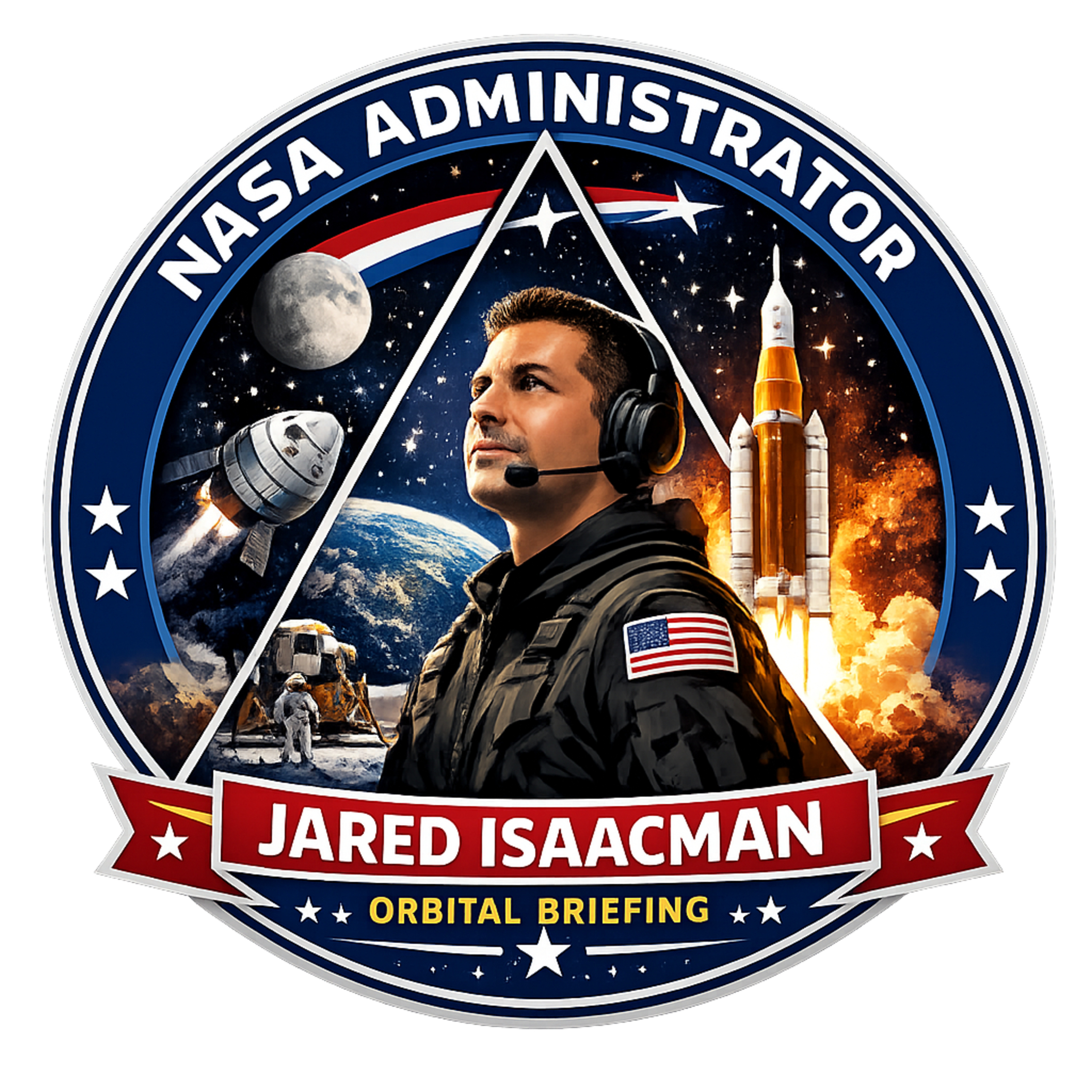 Jared Isaacman and NASA’s New Era | Artemis, Inspiration4, Polaris, and the Future of Spaceflight | In this episode of Orbital Briefing, Ron Walker takes a deep dive into Jared Isaacman, the 15th Administrator of NASA, exploring his path from entrepreneur and pilot to Inspiration4 commander, commercial spaceflight pioneer, and the man now helping shape the future of Artemis, lunar exploration, and America’s road to Mars. We break down Isaacman’s background, his ties to the modern commercial space era, what his leadership means for NASA, and why this moment could mark a major turning point in the future of human spaceflight. Get the book The American Spaceplane at RetroJetStudios.comNew episodes of Orbital Briefing drop every Thursday. Be sure to like, follow, and leave us a 5-star review wherever you listen.Next episode: Sputnik: The Beginning of the Space Age | — | ||||||
| 4/2/26 | 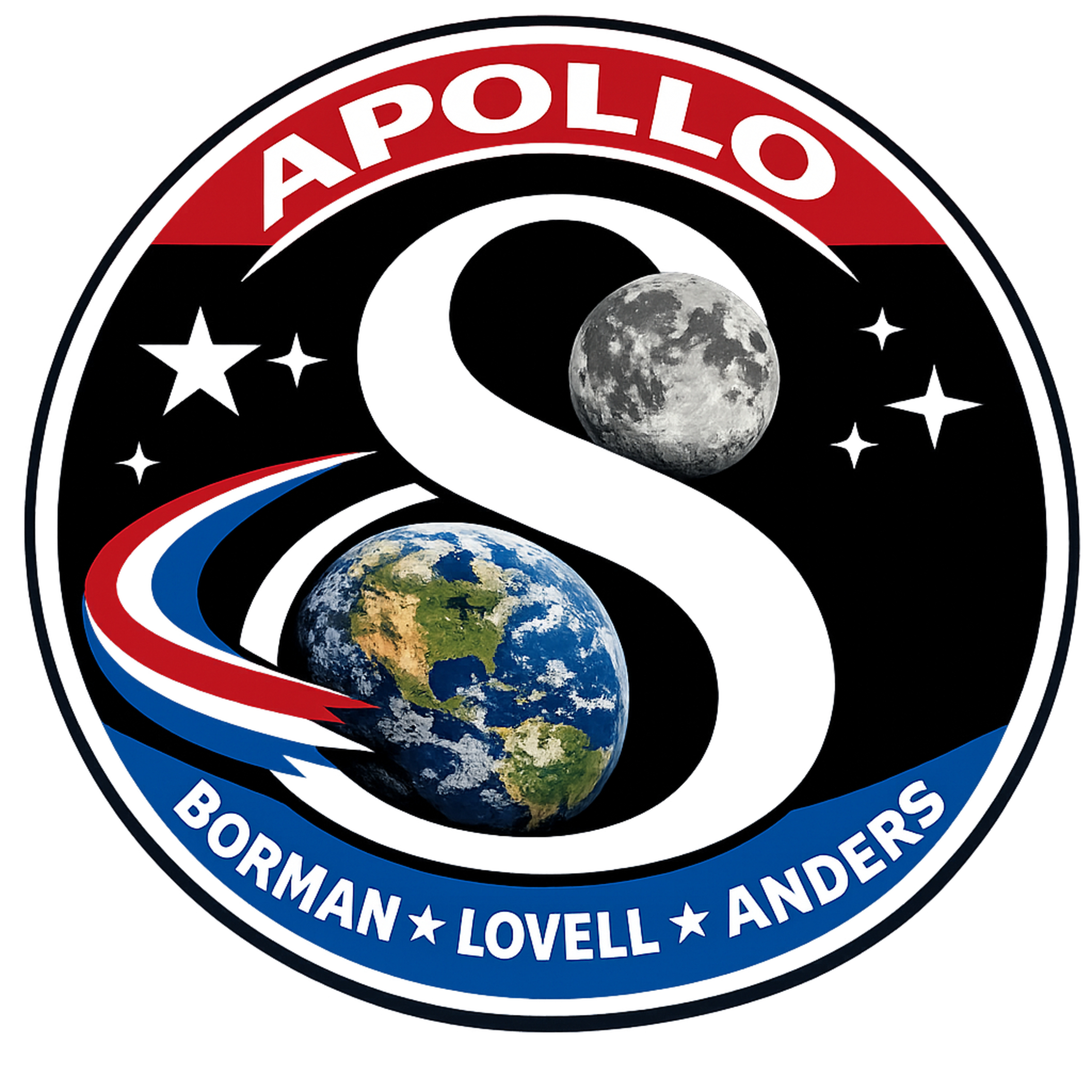 Apollo 8: The First Lunar Orbit | NASA’s Christmas Mission Around the Moon | In this episode of Orbital Briefing, we dive into Apollo 8, the groundbreaking NASA mission that became the first crewed flight to leave Earth orbit, the first to reach the Moon, and the first to orbit another world. Learn how Frank Borman, Jim Lovell, and Bill Anders helped change history in December nineteen sixty eight, from the tense journey into deep space to the unforgettable Earthrise photo and the iconic Christmas Eve broadcast from lunar orbit.If you love stories about NASA history, Apollo, lunar exploration, the Space Race, and the missions that changed humanity’s future, this is an episode you won’t want to miss.Orbital Briefing is sponsored by The American Spaceplane: A Story of Ambition, Risk, and Reinvention, a book exploring the rise, promise, and legacy of America’s spaceplane dream.For more space history, podcast updates, and RetroJet Studios projects, visit RetroJetStudios.com. | — | ||||||
| 3/27/26 | 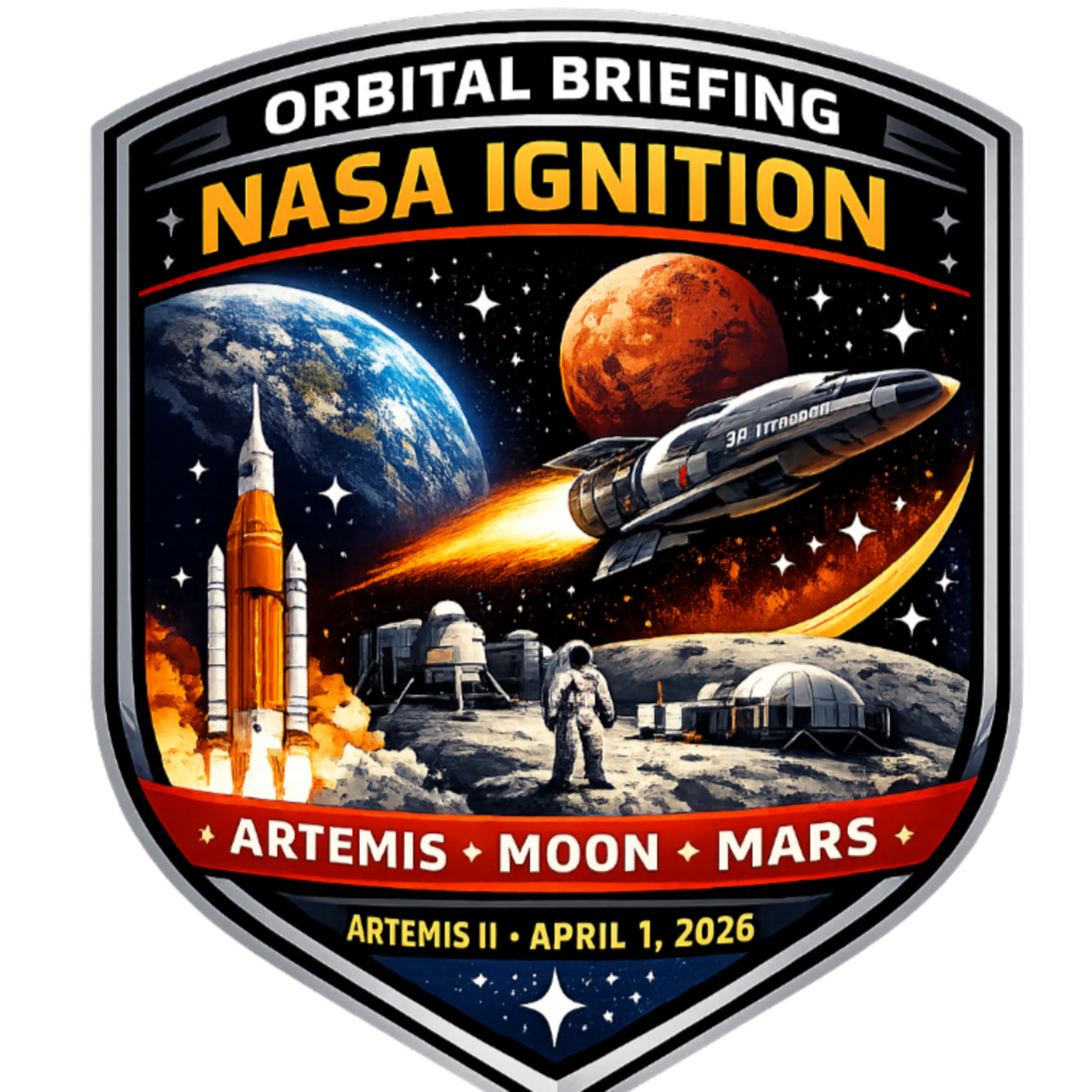 NASA IGNITION Explained: Artemis Update, Moon Base Plans, Mars, and Artemis II Launch | NASA just reshaped the future of human spaceflight. In this special Orbital Briefing update, Ron Walker breaks down the biggest announcements from NASA’s IGNITION event, including the new Artemis roadmap, the shift toward building long-term lunar infrastructure, the growing focus on Mars, and what it all means as Artemis II approaches launch. If you want a clear, accessible breakdown of NASA’s latest Moon and Mars strategy, this episode brings together the headlines, the context, and the bigger picture of where exploration is headed next.That title and description are built around the biggest current search terms tied to the event and NASA’s own framing, including IGNITION, Artemis update, Moon, Mars, and Artemis II. NASA’s IGNITION page and March 24 announcement positioned the event as a broad update to its Moon and deep-space strategy, and NASA currently lists Artemis II for Wednesday, April 1, 2026, at 6:24 p.m. EDT. | — | ||||||
| 3/26/26 | 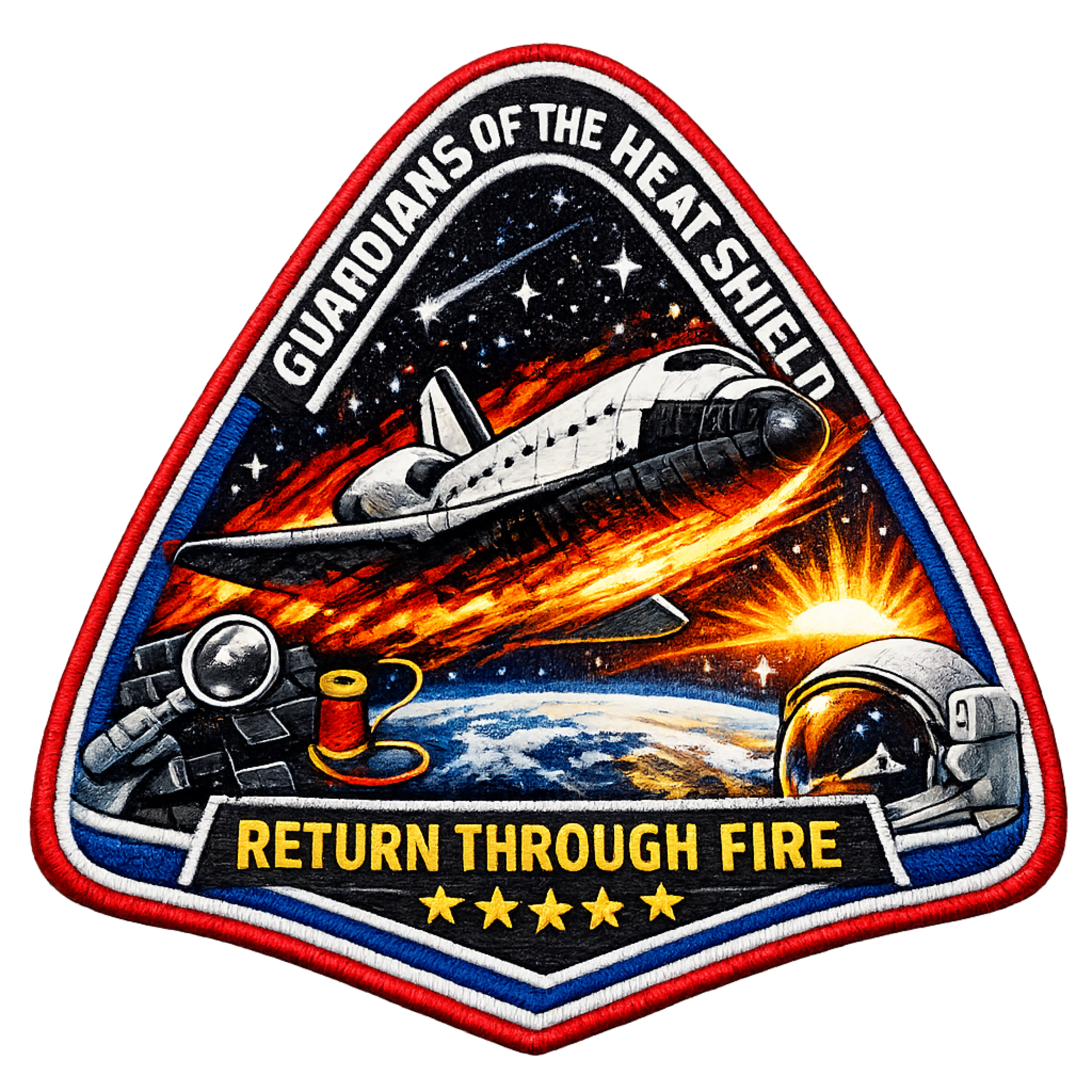 The Space Shuttle Heat Shield: How NASA Survived Reentry from Orbit | How did the Space Shuttle survive the most dangerous part of every mission?During reentry, the shuttle slammed into Earth’s atmosphere at over seventeen thousand miles per hour. Temperatures outside the spacecraft soared into the thousands of degrees, hot enough to melt the aluminum structure of the orbiter in seconds.The only thing standing between the astronauts and that inferno was one of the most remarkable engineering systems NASA ever built: the Space Shuttle’s thermal protection system.In this episode of Orbital Briefing, we take a deep dive into the technology that made reusable spaceflight possible. From fragile silica tiles to reinforced carbon-carbon panels on the wing leading edges, we explore how NASA designed a spacecraft that could survive reentry again and again.We’ll also look at the thousands of engineers and technicians who maintained the shuttle’s heat shield between missions, the early challenges of the first shuttle flights, and the lessons learned after the tragic loss of Columbia in two thousand three.The shuttle didn’t just go to space.It had to come home through fire.And the heat shield made that possible.Sponsored by:The American Spaceplane: A Story of Ambition, Risk, and ReinventionAvailable now on Amazon.🚀 Next Episode:Apollo Eight — The First Lunar Orbit | — | ||||||
Want analysis for the episodes below?Free for Pro Submit a request, we'll have your selected episodes analyzed within an hour. Free, at no cost to you, for Pro users. | |||||||||
| 3/19/26 | 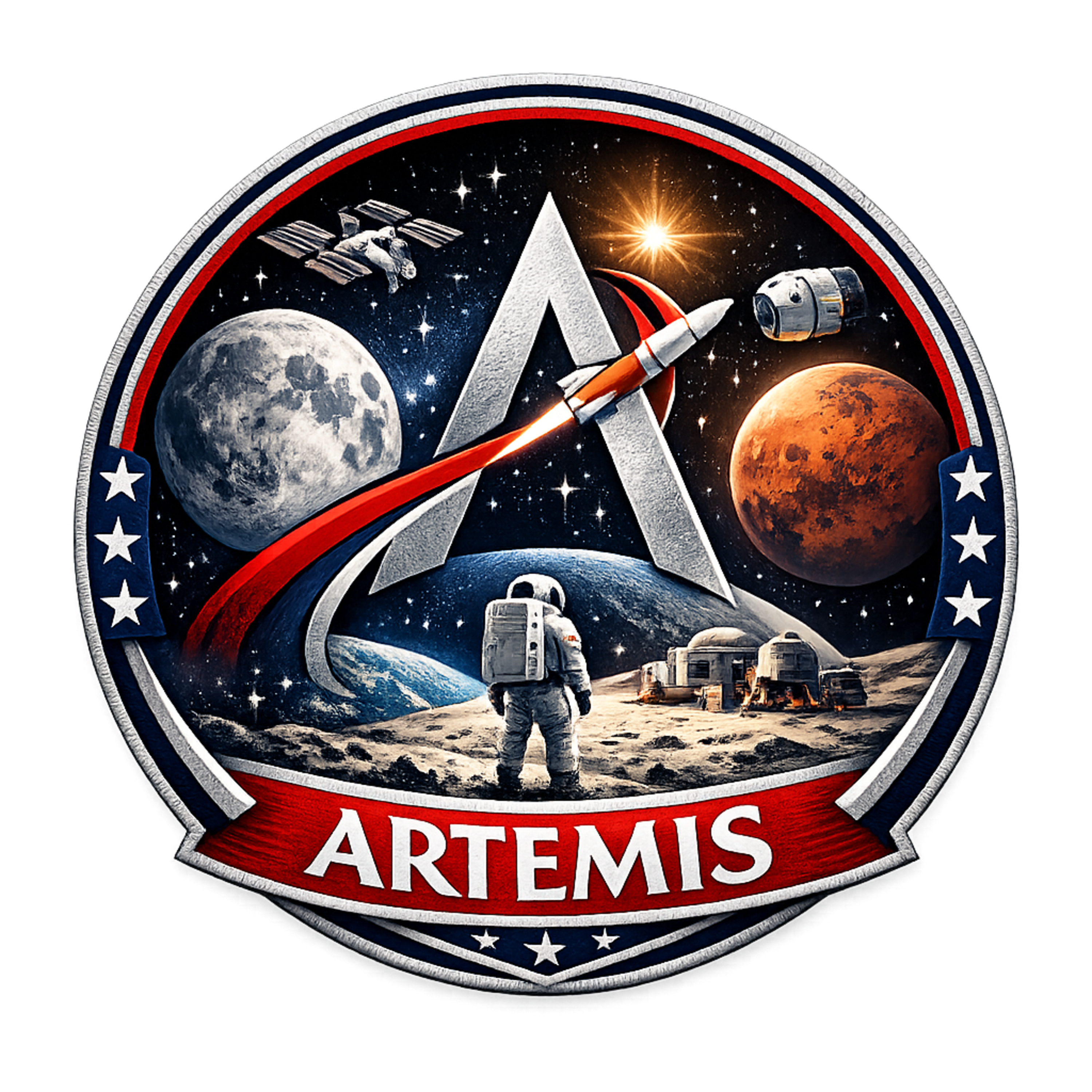 Artemis: Returning to the Moon | NASA’s Plan for a Moon Base and Mars | After more than fifty years, humanity is preparing to return to the Moon.In this episode of Orbital Briefing, Ron Walker takes a deep dive into NASA’s Artemis program — the missions, the astronauts, the technology, and the long-term vision to build a lasting human presence beyond Earth.From Artemis I and the upcoming Artemis II crewed mission, to the evolving plans for Artemis III, Artemis IV, and Artemis V, this episode explores how NASA is laying the groundwork for a moon base, sustainable lunar exploration, and eventually, human missions to Mars.You’ll also hear about the people leading the way, including the Artemis II crew, Charlie Blackwell-Thompson, and NASA Administrator Jared Isaacman, as we examine why Artemis may become one of the most important space programs of the twenty-first century.If you’re fascinated by NASA, the Moon, Artemis II, Artemis III, Moon to Mars, space exploration, and the future of human spaceflight, this is an episode you won’t want to miss.Sponsored by:The American Spaceplane: A Story of Ambition, Risk, and ReinventionAvailable now on Amazon: https://a.co/d/0i8OdKgi#NASA #Artemis #MoonMission #SpaceExploration #MarsMission #OrbitalBriefing | — | ||||||
| 3/13/26 | 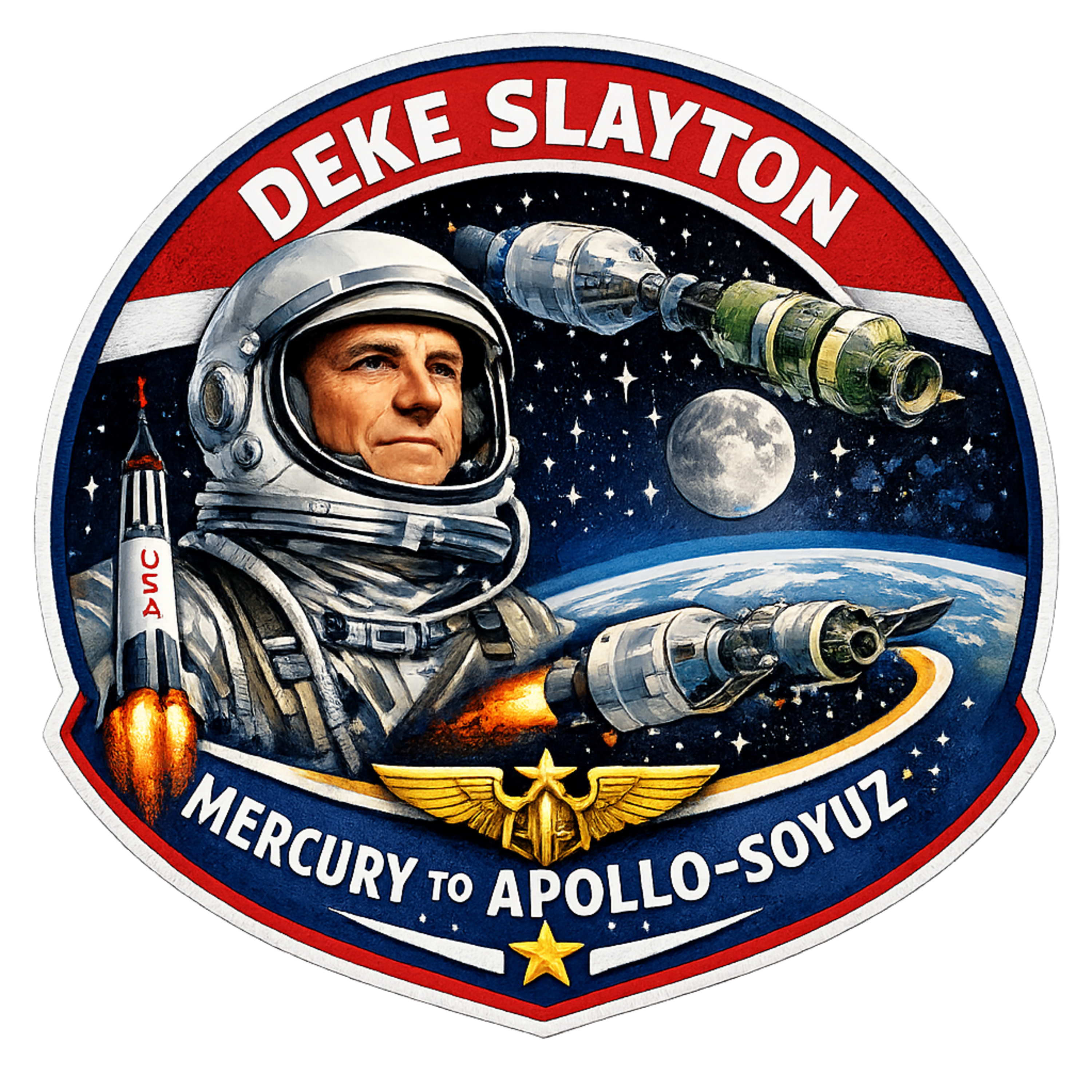 Deke Slayton: The Astronaut Who Chose the Astronauts | Mercury Seven to Apollo–Soyuz | Deke Slayton helped decide who would fly some of the most important missions in the history of human spaceflight.In this episode of Orbital Briefing, host Ron Walker explores the remarkable story of Deke Slayton, one of the original Mercury Seven who became one of the most powerful figures inside NASA.Grounded early in his career due to a heart condition, Slayton never left the astronaut corps. Instead, he became Director of Flight Crew Operations and helped assign crews for Project Gemini, the Apollo program, and the missions that would eventually land humans on the Moon.For more than a decade, astronauts waited for one thing from Deke Slayton: a flight assignment.Then, after sixteen years of waiting, Slayton finally got his own chance to fly aboard the historic Apollo–Soyuz Test Project, the first international partnership in human spaceflight.In this episode we explore:• The selection of the Mercury Seven astronauts• How astronaut crews were chosen during the Space Race• Slayton’s influence on Gemini and Apollo missions• The leadership that shaped NASA’s astronaut corps• The mission that finally sent Slayton into spaceThe American Spaceplane: A Story of Ambition, Risk, and ReinventionDownload the book on Amazon:https://www.amazon.com/dp/B0GQS1VG8XFollow all things space atRetroJetStudios.comNew episodes of Orbital Briefing drop every other Thursday.Next episode: Artemis — Returning to the Moon. 🚀This episode is sponsored by the book | — | ||||||
| 3/13/26 | 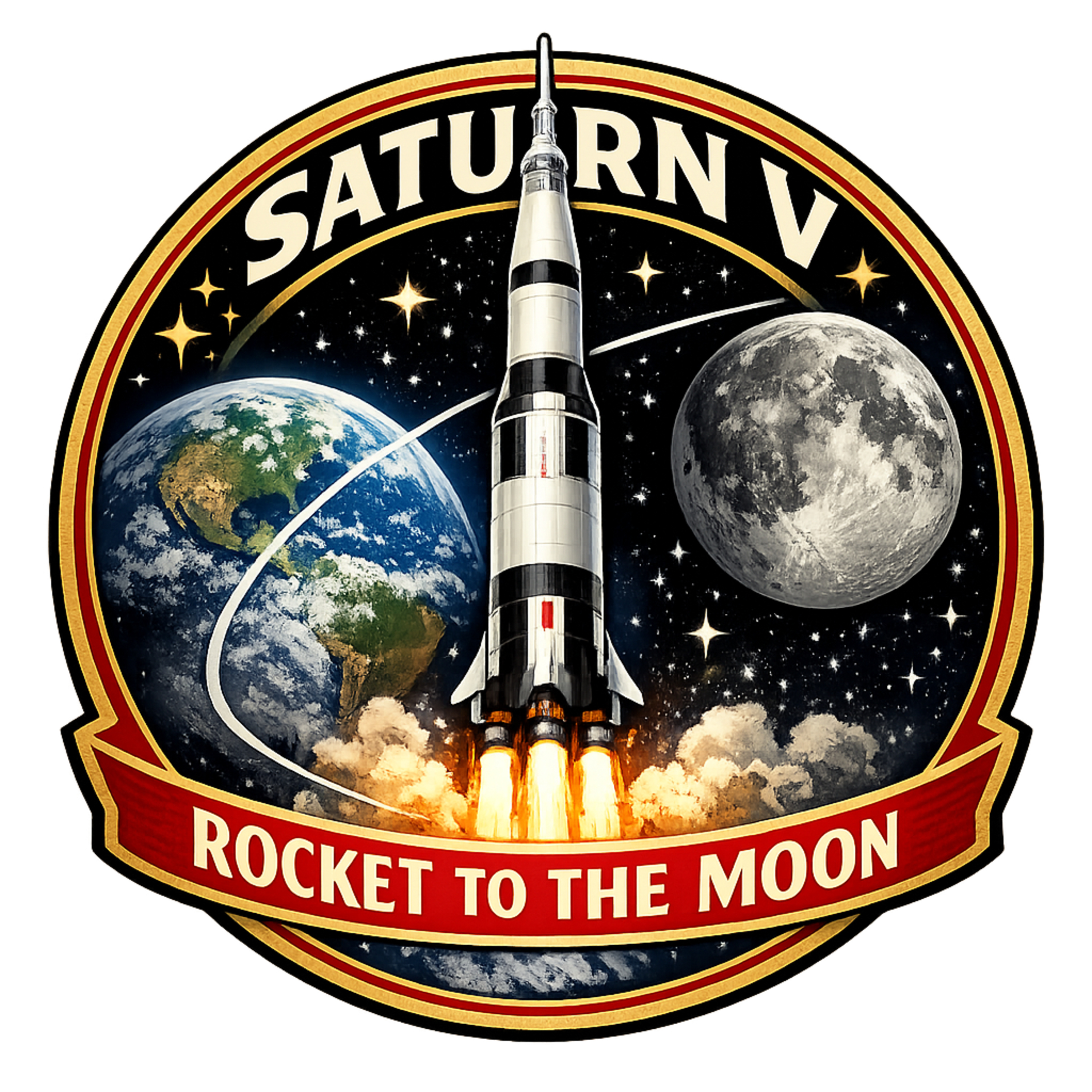 Saturn V: The Rocket That Took NASA to the Moon | Apollo Program Deep Dive | The Saturn V rocket was the most powerful launch vehicle ever successfully flown — the machine that carried NASA’s Apollo astronauts to the Moon.Standing more than three hundred sixty feet tall and producing seven and a half million pounds of thrust, the Saturn V remains one of the greatest engineering achievements in human history. Built during the height of the space race, this three-stage rocket launched every crewed Apollo Moon mission, including the historic flight of Apollo Eleven.In this episode of Orbital Briefing, we take a deep dive into the rocket that made the Moon landing possible. Learn how the Saturn V worked, how its massive F-one engines generated unprecedented power, and how NASA engineers and more than four hundred thousand people helped build the machine that carried humans beyond Earth orbit for the first time.If you love NASA history, the Apollo program, rockets, and human space exploration, this episode is for you.This episode is sponsored by the book:The American Spaceplane: A Story of Ambition, Risk, and ReinventionA deep exploration of the Space Shuttle program — the engineering, politics, triumphs, and tragedies behind America’s reusable spaceplane.Learn more here:https://www.amazon.com/dp/B0GQS1VG8XHosted by Ron WalkerA production of RetroJet StudiosNext episode: Deke Slayton — The Mercury Seven astronaut who helped choose the crews that went to the Moon. | — | ||||||
| 3/13/26 | 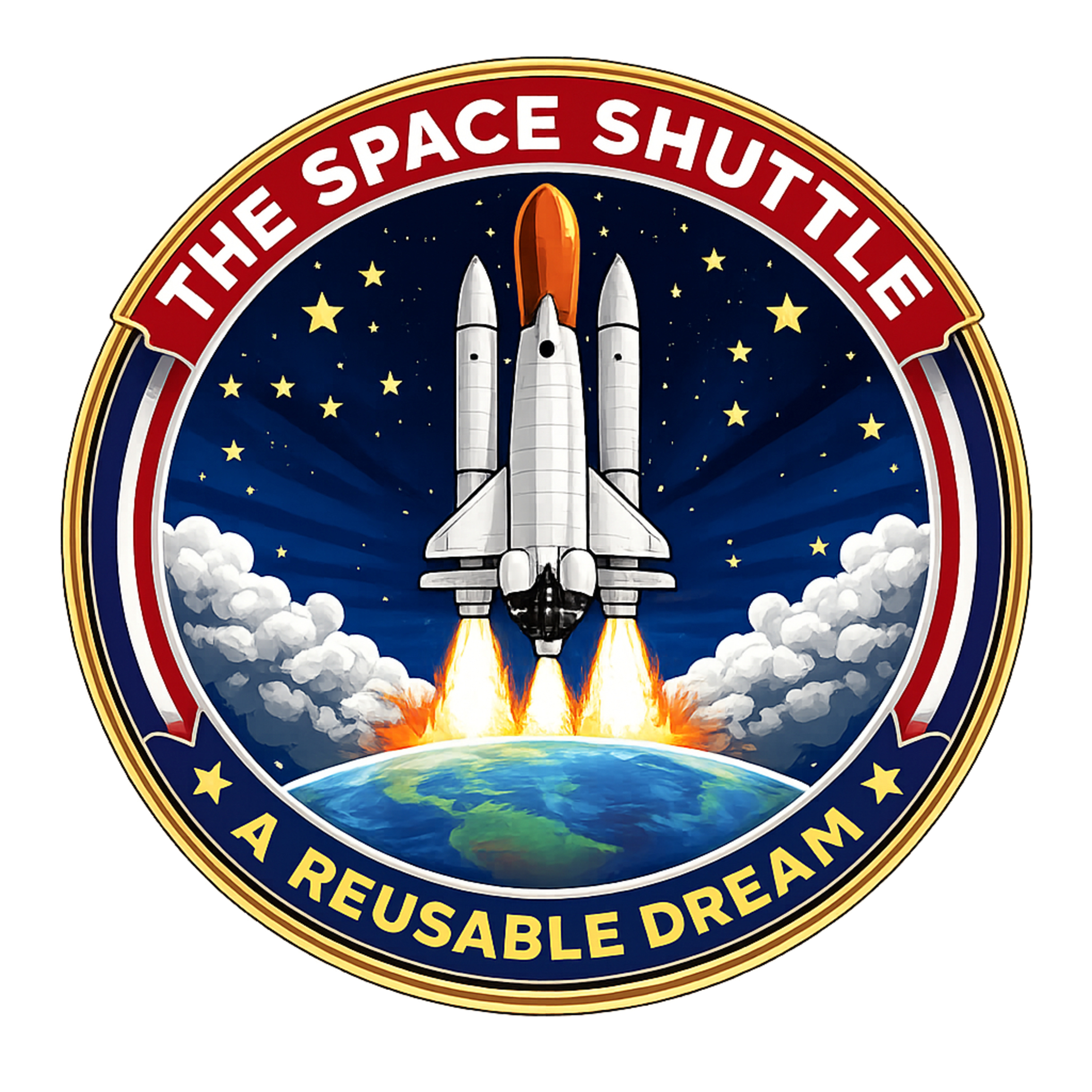 The Dream of the Space Shuttle | NASA’s Reusable Spacecraft | After the Apollo Moon landings, NASA faced an uncertain future. The Saturn V rockets were retired, the Space Race had been won, and funding for space exploration was shrinking.What came next would become one of the most ambitious spacecraft ever built.In this episode of Orbital Briefing, Ron Walker explores how NASA moved from the Apollo program to the development of the Space Shuttle — a revolutionary reusable spacecraft designed to launch like a rocket, land like an airplane, and fly again and again.The Space Shuttle would go on to fly 135 missions, deploy satellites, repair the Hubble Space Telescope, and help build the International Space Station. But the vehicle that eventually launched in 1981 was the result of years of political negotiations, engineering compromises, and bold vision.This is the story of how the dream of reusable spaceflight began.New episodes of Orbital Briefing release every other Thursday.Next episode: The Saturn V — Rocket to the MoonSponsored by:The American Spaceplane: A Story of Ambition, Risk, and Reinventionhttps://www.amazon.com/dp/B0GQS1VG8X | — | ||||||
| 3/12/26 | Welcome to Orbital Briefing (Trailer) | Welcome to Orbital Briefing — the podcast exploring the missions, machines, and people of spaceflight.From the earliest days of the space race to the spacecraft now preparing to carry humans back to the Moon and beyond, Orbital Briefing dives deep into the history and future of space exploration.In this trailer episode, host Ron Walker introduces the show and previews the kinds of stories you’ll hear in upcoming episodes — from legendary missions like Apollo and the Space Shuttle to the engineers, astronauts, and technologies shaping the next era of exploration.Follow the show and join us as we explore the missions, machines, and people that made spaceflight possible. | — | ||||||
Showing 15 of 15
Sponsor Intelligence
Sign in to see which brands sponsor this podcast, their ad offers, and promo codes.
Chart Positions
6 placements across 6 markets.
Chart Positions
6 placements across 6 markets.