

Insights from recent episode analysis
Audience Interest
Podcast Focus
Publishing Consistency
Platform Reach
Insights are generated by CastFox AI using publicly available data, episode content, and proprietary models.
Est. Listeners
Based on iTunes & Spotify (publisher stats).
- Per-Episode Audience
Est. listeners per new episode within ~30 days
1 - 1,000 - Monthly Reach
Unique listeners across all episodes (30 days)
1 - 5,000 - Active Followers
Loyal subscribers who consistently listen
1 - 500
Market Insights
Platform Distribution
Reach across major podcast platforms, updated hourly
Total Followers
—
Total Plays
—
Total Reviews
—
* Data sourced directly from platform APIs and aggregated hourly across all major podcast directories.
On the show
Recent episodes
SF rent is due. Here's how we afford one of the most expensive cities in the US.
May 1, 2026
40m 10s
How to become a Valkyries superfan in one episode
Apr 24, 2026
40m 07s
Ronan Farrow on the trust issues shrouding Sam Altman and OpenAI
Apr 15, 2026
34m 03s
SF vs. DC: The two cities fighting over America’s AI future
Apr 11, 2026
43m 31s
The end of BART? Inside the Bay Area's transit crisis
Apr 3, 2026
33m 19s
Social Links & Contact
Official channels & resources
RSS Feed
Login
| Date | Episode | Description | Length | ||||||
|---|---|---|---|---|---|---|---|---|---|
| 5/1/26 |  SF rent is due. Here's how we afford one of the most expensive cities in the US. SF rent is due. Here's how we afford one of the most expensive cities in the US. | We all know San Francisco is one of the most expensive cities in the world – but did you know that the average renter here spends about 34% of their salary on housing alone? So, after that rent check clears, what’s left? And how can you live a full life in SF without going broke? To help us answer these questions, we talk to San Francisco’s Chief Economist, Ted Egan, to make sense of SF’s unique rental market, as well as André Lucas, a recent SF transplant who has gone viral with a series of videos about how to live well in SF without breaking the bank. Plus, we hear from listeners about what they’re cutting from their budgets this month, and what they absolutely refuse to give up (hello, Equinox membership). For more information and episode transcripts, visit: https://sfstandard.com/pacific-standard-time/ Support this podcast from The San Francisco Standard by becoming a subscriber: https://sfstandard.com/subscriber | 40m 10s | ||||||
| 4/24/26 |  How to become a Valkyries superfan in one episode How to become a Valkyries superfan in one episode | The WNBA's hottest team - the Golden State Valkyries - is on the cusp of a brand new season. After a blockbuster debut last year that saw sold-out crowds of 18,000 fans, the Valks are sure to bring the heat both on and off the court again this summer - and with that, new supporters, like our very own Emily Dreyfuss! To get us up to speed with this Bay Area franchise, we chat with the Standard's sports editor Kerry Crowley. We then meet Danielle Thoe, owner of SF's only women's sports bar. And we end with a game hosted by the Standard's comedy correspondent Sophia Garrow to test our newfound sports fandom. For more information and episode transcripts, visit sfstandard.com/pacific-standard-time/. Support this podcast from The San Francisco Standard by becoming a subscriber: www.sfstandard.com/subscriber | 40m 07s | ||||||
| 4/15/26 |  Ronan Farrow on the trust issues shrouding Sam Altman and OpenAI Ronan Farrow on the trust issues shrouding Sam Altman and OpenAI | Ronan Farrow spent 18 months investigating Sam Altman for The New Yorker. This week, he joined us to talk about what he found. Farrow and co-author Andrew Marantz spoke to over 100 people in Altman's orbit for their 16,000-word piece, "Sam Altman May Control Our Future — Can He Be Trusted?" The story landed just days before a Molotov cocktail was thrown at Altman's San Francisco home, amid a national wave of anxiety about AI and the people building it. In this conversation, Farrow talks about the pattern of deception described by Altman's own colleagues and investors, OpenAI's transformation from a safety-first nonprofit into a company racing for profit, and why he sees Altman's story as a window into a much bigger crisis: an industry without guardrails shaping all of our futures. We also get into what it's like to actually sit across from Altman in an interview, how Farrow's #MeToo reporting informs his approach to power, and the uncomfortable parallels between ChatGPT's tendency to hallucinate and people-please — and the personality traits sources attribute to the man who built it. Read the full New Yorker piece: https://www.newyorker.com/magazine/2026/04/13/sam-altman-may-control-our-future-can-he-be-trusted Pacific Standard Time is a production of the San Francisco Standard. Produced by Eddie Sun and Tessa Kramer. Edited by Sophie Bearman. Mixing by Michelle Lanz. Video by Morgan Ellis. Art by Jess Hutchinson. Music by Carly Bond and Bear Attack. Hosted by Emily Dreyfuss. Subscribe to The Standard: sfstandard.com/subscriber | 34m 03s | ||||||
| 4/11/26 | SF vs. DC: The two cities fighting over America’s AI future | Freelance journalist Jasmine Sun calls the SF-DC-AI axis "the most important story in the world" — so we brought her to Manny's in the Mission to break it down live. We get into the AI partisan divide, how Washington is thinking about jobs, and then spend 20 hilarious minutes grilling her on her 2026 cultural predictions. Spoiler: Graza olive oil is still out; cultured butter is in. For more information and episode transcripts, visit sfstandard.com/pacific-standard-time. Support this podcast from The San Francisco Standard by becoming a subscriber: www.sfstandard.com/subscriber | 43m 31s | ||||||
| 4/3/26 | 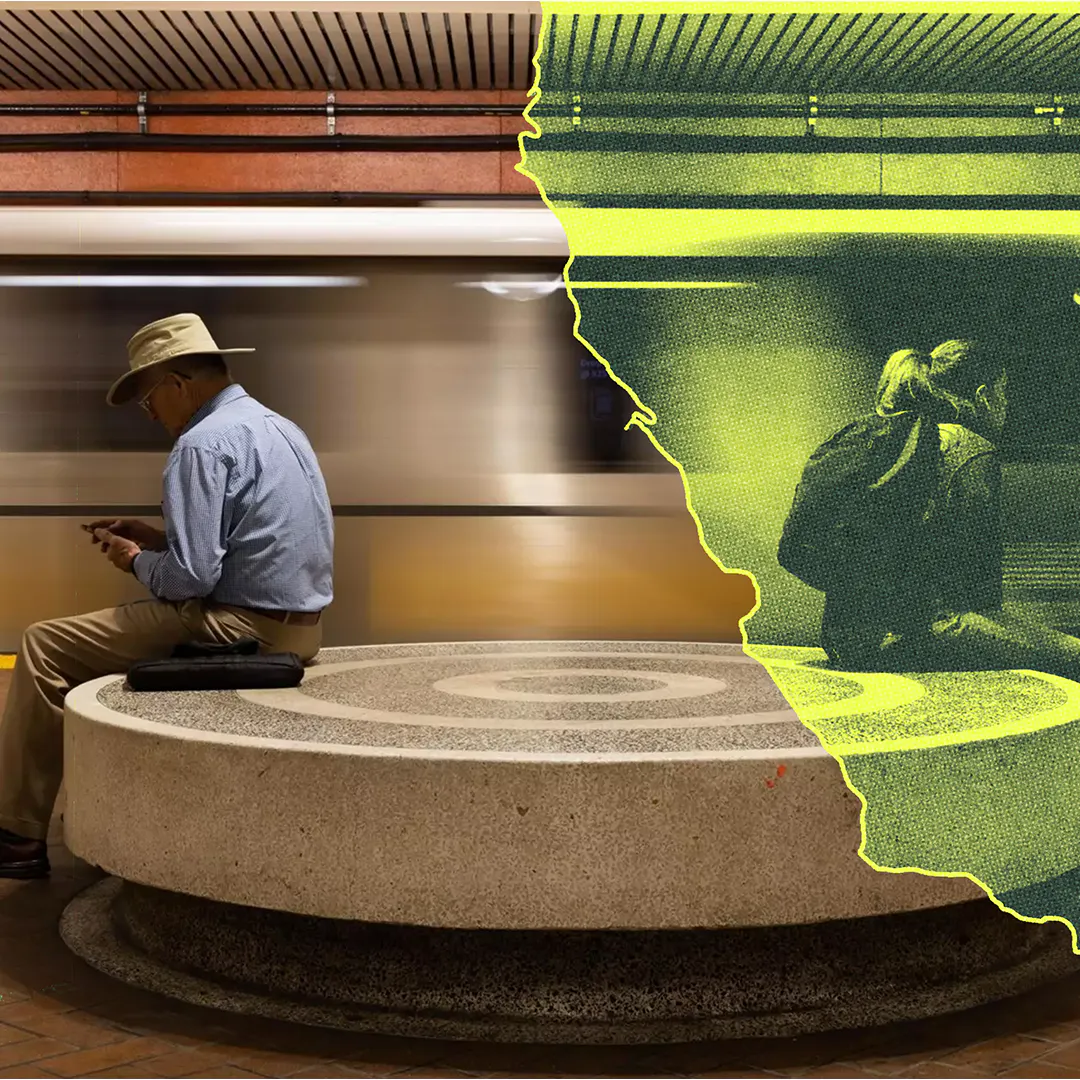 The end of BART? Inside the Bay Area's transit crisis The end of BART? Inside the Bay Area's transit crisis | BART is considering cutting 70% of its service. Muni could eliminate 20 lines. Stations might close permanently. And after 9 p.m.? You're on your own. San Francisco's public transit system is facing the worst financial crisis in its history — a slow-motion collapse years in the making, accelerated by the pandemic and the rise of remote work. This week, we explain how we got here, what's on the ballot this November to address it, and what Bay Area transportation may look like if voters don't show up. Guests: Garrett Leahy, SF Standard transportation reporter; Laura Tolkoff, transportation policy director at SPUR | 33m 19s | ||||||
| 3/27/26 | Crimes in SF: Serious, petty and stinky | San Francisco's crime rate is lower than it's been in decades, and politicians are lining up to take credit. We break down what's really happening. Plus: we consider whether putting your dog’s stinky poop bag in someone else's trash can is a crime — or, if not a crime, a moral failure. More reading: Police report: Daniel Lurie initiated confrontation that injured his security team San Francisco once led the fight against police surveillance. Now it’s a laboratory for it Can you put dog poop bags in other people’s trash cans? An ethical investigation For more information and episode transcripts, visit sfstandard.com/pacific-standard-time. Support this podcast from The San Francisco Standard by becoming a member: www.sfstandard.com/member. | 34m 30s | ||||||
| 3/20/26 |  Can you afford to have a family in SF? Can you afford to have a family in SF? | San Francisco has the lowest rate of children per capita of any U.S. city — and if you've ever tried to afford childcare here, you know why. This week, host Emily Dreyfuss is joined by SF Standard head of audio Sophie Bearman, who reported on the real cost of raising kids in the city, to talk about why even families earning $400,000 a year feel squeezed. They also make the case for why, despite it all, SF is a pretty magical place to raise a family — plus the debut of a new segment, "Psst," where they share a hidden gem about the city you won't want to miss. | 30m 41s | ||||||
| 3/13/26 | The median home in SF now costs $2M. Let's talk about that | This week on the show, hosts Jesse Alejandro Cottrell and Emily Dreyfuss take a look at where the San Francisco housing market stands in 2026 — and who it's actually working for — with SF Standard real estate reporter Emily Landes. Landes explains what's driving SF's latest housing surge: AI workers cashing out before their companies even IPO, rock-bottom inventory, and a median home price that just crossed $2 million. Plus, we explain the "Dirt Alley" saga, and play a quiz game called "What Did It Sell For?!" More reading: The Wishlist: Buying a home on an educator’s salary required an act of God They thought they bought a home. They ended up with ‘Dirt Alley’ | 43m 04s | ||||||
| 3/6/26 |  How we investigated alleged sex crimes of an SF social climber How we investigated alleged sex crimes of an SF social climber | Army veteran and San Francisco nightlife fixture Michael “Mickey” Gerold led a seemingly charmed life of private clubs and powerful friends. But his ex-girlfriend Emilia London claims that behind closed doors, he arranged for her to have sex with men for money. The earnings, totaling more than $100,000, went completely to fund Gerold’s lifestyle, London said. On this week’s episode of “Pacific Standard Time,” SF Standard reporter Anya Schultz discusses her blockbuster investigation into alleged sex crimes, explains what motivated London to share her allegations publicly, and details how she stumbled across the story at San Francisco Family Court. More reading: Inside the allegations against a San Francisco social climber accused of sex crimes One man’s trail of alleged abuse through SF’s private club scene | 43m 50s | ||||||
| 2/27/26 | 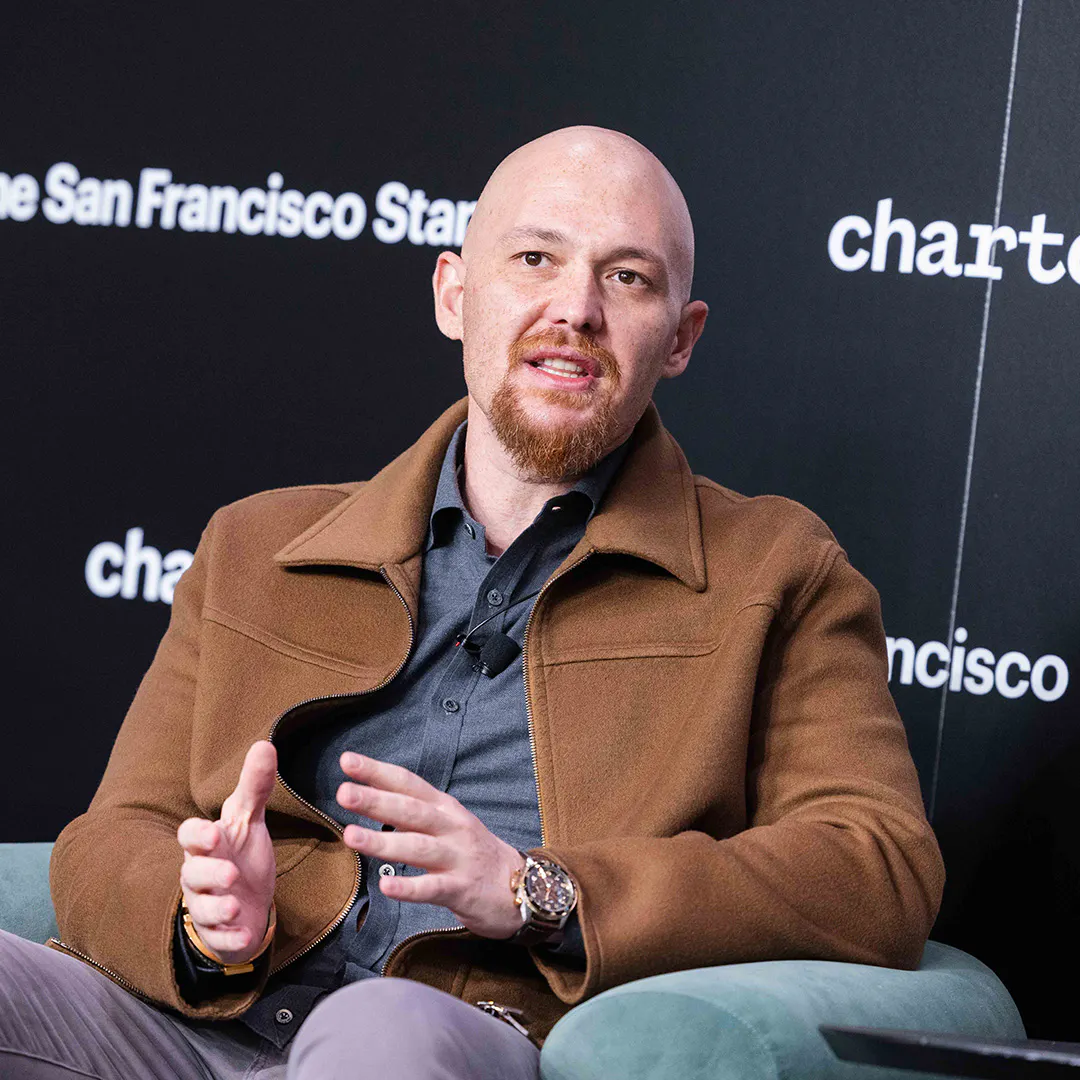 Amjad Masad spoke out for Palestine. Silicon Valley ghosted him Amjad Masad spoke out for Palestine. Silicon Valley ghosted him | This week on “Pacific Standard Time,” Replit CEO Amjad Masad tells us about the intense backlash he has faced for being outspokenly pro-Palestine — and Silicon Valley’s “only contrarian.” And Casey Newton of Platformer and the “Hard Fork” podcast drops by to gab about getting engaged and his reaction to Wired’s “gay tech mafia” story. More reading: He was called a ‘terrorist sympathizer.’ Now his AI company is valued at $3B Q&A: What it’s like to have AI coworkers, according to Replit CEO Amjad Masad For more information and episode transcripts, visit sfstandard.com/pacific-standard-time. Support this podcast from The San Francisco Standard by becoming a member: www.sfstandard.com/member. | 48m 09s | ||||||
Want analysis for the episodes below?Free for Pro Submit a request, we'll have your selected episodes analyzed within an hour. Free, at no cost to you, for Pro users. | |||||||||
| 2/20/26 | 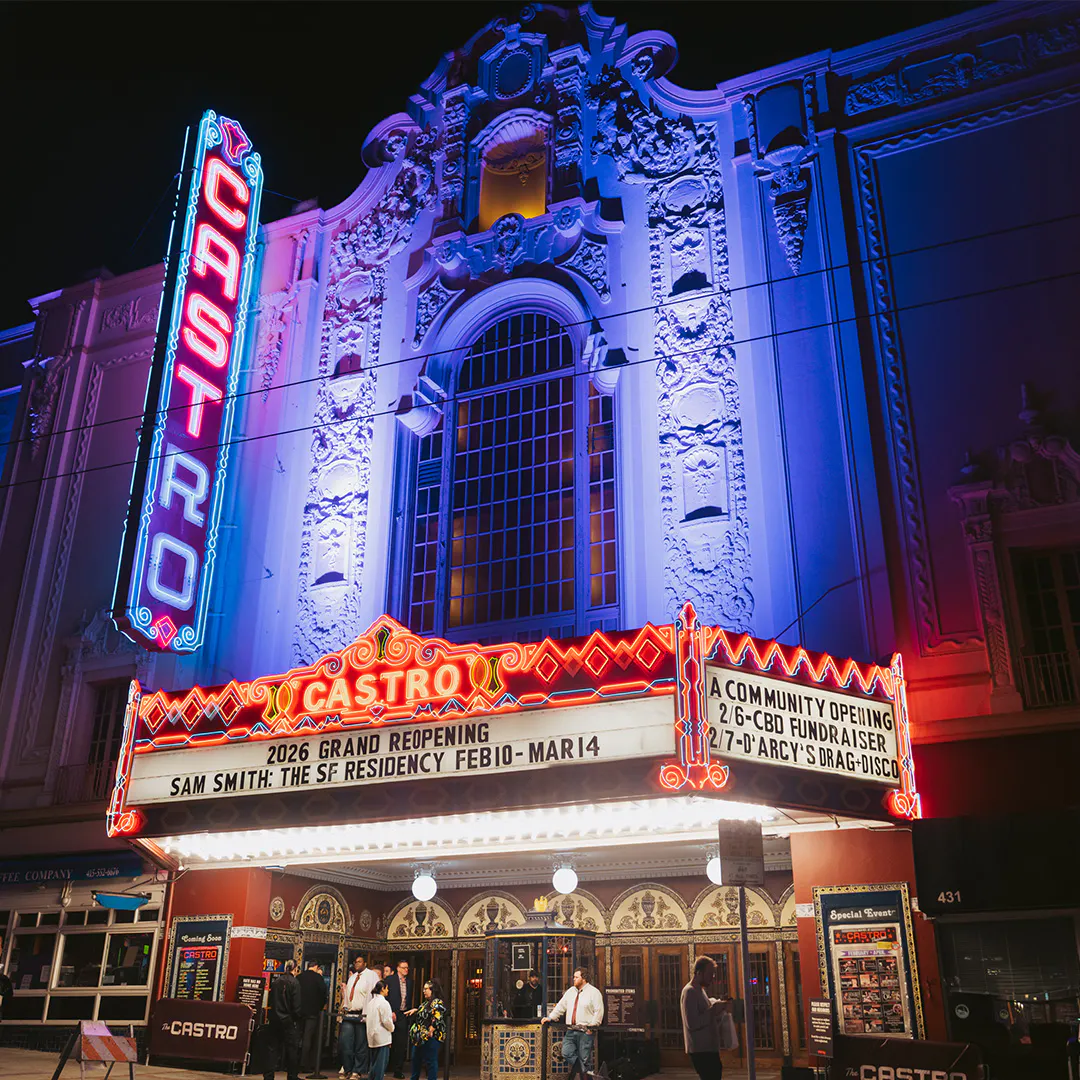 AI writes the code now + The Castro Theatre’s glow-up AI writes the code now + The Castro Theatre’s glow-up | This week on “Pacific Standard Time," reporter Rya Jetha explains why the tech world is in a frenzy over AI’s capabilities — and why many rank-and-file engineers are facing an unsettling existential crisis. Plus, reporter Astrid Kane takes us inside the Castro Theatre’s high-stakes makeover. Was the controversy worth the result? (Spoiler: It’s glorious.) More reading: AI writes the code now. What’s left for software engineers? The Castro Theatre is officially back: Here’s who graced the grand reopening For more information and episode transcripts, visit sfstandard.com/pacific-standard-time. Support this podcast from The San Francisco Standard by becoming a member: www.sfstandard.com/member. | 35m 58s | ||||||
| 2/10/26 | 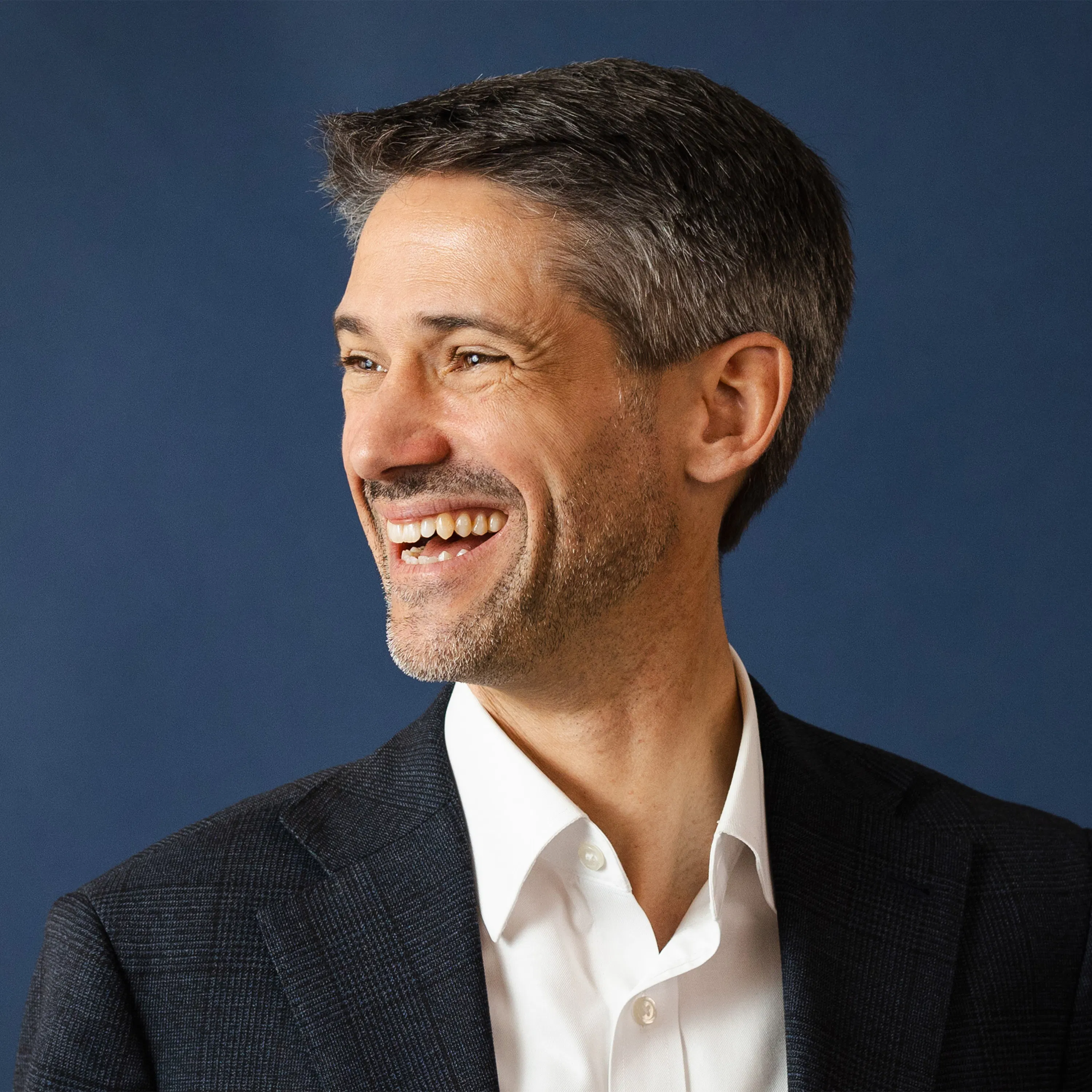 The SF teachers strike + governor candidate Matt Mahan The SF teachers strike + governor candidate Matt Mahan | There’s a new way to catch “Pacific Standard Time” — we’ve added video to our podcast. We’ll continue to drop new episodes each week, with hosts Emily Dreyfuss and Jesse Alejandro Cottrell covering the latest news affecting San Francisco and the Bay Area. This week on “Pacific Standard Time”: News and business editor Kevin Truong on the teachers strike that has shut down San Francisco public schools. Plus, Emily’s kids drop by the office to explain what they’re doing — and what they’re worrying about — now that schools are closed. San Jose Mayor Matt Mahan explains why he entered the California governor’s race and makes the case as to how his experience has prepared him for the top state office. More reading: Live updates: SFUSD teachers strike coverage San Jose Mayor Matt Mahan enters gridlocked race for California governor For more information and episode transcripts, visit sfstandard.com/pacific-standard-time. Support this podcast from The San Francisco Standard by becoming a member: www.sfstandard.com/member. | 45m 34s | ||||||
| 1/30/26 |  Sleep hacking, peptides, and orgies: How SF is finding joy in 2026 Sleep hacking, peptides, and orgies: How SF is finding joy in 2026 | For a lot of people, 2025 was a rough year — and 2026 isn’t proving much better. So amid difficulty and despair, “Pacific Standard Time” hosts Emily Dreyfuss and Jesse Alejandro Cottrell wanted to discover the ways people are embracing joy. At the first live taping of “Pacific Standard Time,” Dreyfuss and Cottrell talked about the big and small ways San Franciscans are finding joy this year. They interviewed The Standard’s Zara Stone about the way techy self-optimizers are tracking and tweaking their way toward joy and Bonobo Network founder William Winters about what the city’s robust orgy community can teach us about building community. Background reading: Silicon Valley is done watching you sleep. Now it’s getting handsy in the bedroom Everyone has a Chinese peptide dealer now The new laboratory for happiness science: A Silicon Valley rave What do you eat at a San Francisco orgy? Caterers describe the spread For more information and episode transcripts, visit sfstandard.com/pacific-standard-time.Support this podcast from The San Francisco Standard by becoming a member: www.sfstandard.com/member. | 57m 59s | ||||||
| 1/21/26 |  Chefs can't stomach their menu prices either Chefs can't stomach their menu prices either | It’s not just you. San Francisco chefs are “mortified” by how much it costs to eat at their restaurants. That’s according to Sara Deseran, an editor-at-large at The Standard who covers food and dining. She talked to chefs and restaurant owners who are trying to price their menus without scaring away customers. This week on “Pacific Standard Time,” Deseran sits down with host Emily Dreyfuss to discuss how chefs feel about their menu prices, what factors are influencing costs, and what diners can do to feel a little better when settling the tab. ‘It’s embarrassing’: SF chefs are mortified by their own menu prices Chicken, red sauce, and influencers gone wild: 10 trends that defined the year in eating | 24m 26s | ||||||
| 1/14/26 |  The next generation of AI founders can't even drive The next generation of AI founders can't even drive | Tech founders used to drop out of college. Now many aren’t even going. This week on “Pacific Standard Time,” we talk to Rya Jetha, who covers tech culture for The Standard, and 13-year-old founder Michael Goldstein. Background reading: ‘It’s normal in this city to be a dropout’: AI founders are starting younger than ever Meet the 13-year-old looking to cash in on the AI boom For more information on this week’s episode, visit sfstandard.com/pacific-standard-time. Transcripts of each episode are available on our website. Support this podcast from The San Francisco Standard by becoming a member: www.sfstandard.com/member | 31m 05s | ||||||
| 1/7/26 |  Meet the San Franciscans trying to become U.S. citizens Meet the San Franciscans trying to become U.S. citizens | Abigail Larios felt confident going into her U.S. citizenship test: She’d been studying all year, had worked on her English, and was ready to talk about her history in the country. But as she was leaving her immigration interview hours later, officials told her they weren’t ready to swear her in as a citizen. They’d need a couple of weeks to review her record. Months later, Larios remains in citizenship limbo. Her story reflects the confusion and uncertainty surrounding citizenship in the second Trump presidency, which has included an executive order targeting birthright citizenship, the growing threat of raids by immigration agents, and a move to make the process more difficult. This has led to an uptick in longtime U.S. residents seeking citizenship. “There is more of an urgency to become a citizen,” said Jake Simons, who runs a citizenship class at the Mission-based nonprofit Centro Latino. “The administration has kind of imposed this fear that anything could happen, regardless of if you're a permanent resident, regardless of if you're a citizen.” On this episode of “Pacific Standard Time,” The Standard visits Simons’ citizenship class and follows Larios as she attempts to complete the process during one of the most fraught periods in recent immigration history. Background reading: Bracing for the ICE storm, SF immigrants are in hiding A green card was once enough for Chinese immigrants. Now they don’t feel safe This is what happens when your immigration judge is fired For more information on this week’s episode, visit sfstandard.com/pacific-standard-time. Transcripts of each episode are available on our website. Support this podcast from The San Francisco Standard by becoming a member: www.sfstandard.com/member | 26m 38s | ||||||
| 12/23/25 |  What Claude taught his keeper — and everyone else in San Francisco, too What Claude taught his keeper — and everyone else in San Francisco, too | The death of Claude, the beloved albino alligator at the California Academy of Sciences, was one of the biggest news events of the year in San Francisco. Claude, who turned 30 in November, died in early December from late-stage liver cancer. Since then, the city (and the world) has been in mourning: The academy has been flooded with goodbye letters, and District 7 Supervisor Myrna Melgar wants to rename a street in the reptile’s honor. Claude was seen by many as an ambassador of San Francisco’s quirkiness and independent spirit. For those who grew up alongside him, he was a steady, constant companion amid the backdrop of a rapidly changing city. For others, he was the mascot for the vast animal kingdom housed at the California Academy of Sciences. For Emma Kocina, Claude’s keeper and a senior biologist at the academy, Claude was a daily companion. She spent eight years feeding, training, and caring for the delicate animal. Kocina says she’s still trying to understand why Claude captured so many hearts, but she feels the weight of his loss for herself and all San Franciscans. “It's a lot of pressure to care for an animal that's so loved by not only the academy, but the city,” she told Pacific Standard Time. “I have a hard time separating myself out from the thousands of people that are distraught over it.” In an end-of-year bonus episode of “Pacific Standard Time,” we talk to Kocina about what Claude taught her — and all of us — in his 17 years perched on a heated rock in California Academy of Science’s artificial swamp. For more information on this week’s episode, visit sfstandard.com/pacific-standard-time. Transcripts of each episode are available on our website. Support this podcast from The San Francisco Standard by becoming a member: www.sfstandard.com/member | 15m 17s | ||||||
| 12/18/25 | 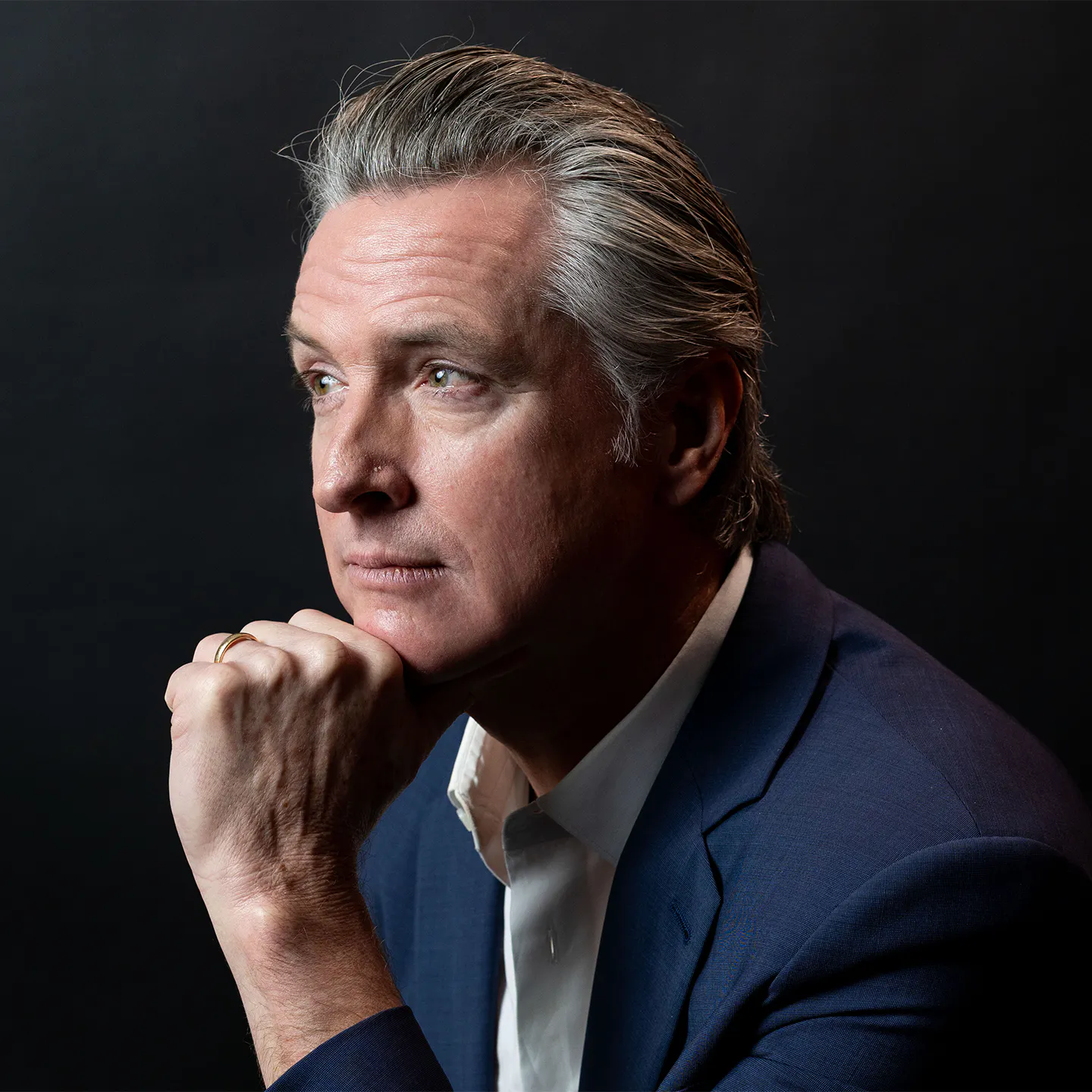 Gavin Newsom worries AI will make it impossible for your kids to find a job Gavin Newsom worries AI will make it impossible for your kids to find a job | Gov. Gavin Newsom cried at the mall when his oldest child got her first phone. “She got her first telephone number, and then she called me, at the store. And that's when I cried,” he said during a wide-ranging chat with “Pacific Standard Time.” During the conversation, Newsom, a likely 2028 presidential candidate who terms out as governor next year, explained the challenges of regulating AI and keeping his kids off TikTok, complimented Mayor Daniel Lurie’s first year in office, and reflected on how some of the challenges he faced as San Francisco’s mayor in the early 2000s have persisted through his tenure as governor (ahem: homelessness). For more information on this week’s episode, visit sfstandard.com/pacific-standard-time. Transcripts of each episode are available on our website. Support this podcast from The San Francisco Standard by becoming a member: www.sfstandard.com/member | 46m 33s | ||||||
| 12/10/25 |  That necklace? It's AI, and it's taking notes That necklace? It's AI, and it's taking notes | Who's wearing always-listening AI necklaces? A lot of people, actually. The Standard’s Zara Stone explains why startups are pushing wearable tech, and Internet privacy researcher Chris Gilliard offers some words of caution. Background reading: This conversation is being recorded — and so is everything else you do in San Francisco He wanted a friend who always listens and never leaves. So he built one For more information on this week’s episode, visit sfstandard.com/pacific-standard-time. Transcripts of each episode are available on our website. Support this podcast from The San Francisco Standard by becoming a member: www.sfstandard.com/member | 34m 52s | ||||||
| 12/3/25 |  Only nine judges left: Inside SF’s immigration court purge Only nine judges left: Inside SF’s immigration court purge | Since January, the Trump administration has hollowed out San Francisco’s immigration court, firing all but nine of the 21 judges who started the year on the bench. The result is a court in disarray. Some judges keep their personal belongings packed in boxes, bracing for their dismissals. Staffers openly weep. Asylum seekers who have waited years for their day in court lose their place in line when their judge is fired, leaving them to wait years longer. On this week’s episode, a recently-fired jurist offers a rare look at a system in chaos. Background reading: Trump violating immigration law ‘at an astonishing pace,’ says former judge ‘Shell-shocked’: SF Immigration Court reels from judge firings For more information on this week’s episode, visit sfstandard.com/pacific-standard-time. Transcripts of each episode are available on our website. Support this podcast from The San Francisco Standard by becoming a member: www.sfstandard.com/member | 28m 57s | ||||||
| 11/26/25 |  How dead mice delivered Mayor Lurie his first big fail How dead mice delivered Mayor Lurie his first big fail | In early November, San Francisco Mayor Daniel Lurie beamed with pride as he introduced Beya Alcaraz as the Sunset District’s next supervisor. A week later, Alcaraz resigned, after reporters uncovered her failings as a small business owner. The ill-fated eight-day tenure of Alcaraz dealt a political blow to Lurie’s streak of successes. On this week’s episode, The Standard’s Gabriel Greschler and Adam Lashinsky explain what this fiasco means for Lurie and what it tells us about the political landscape today. Background reading: The 200-hour supervisor Daniel Lurie learns a bitter lesson For more information on this week’s episode, visit sfstandard.com/pacific-standard-time. Transcripts of each episode are available on our website. Support this podcast from The San Francisco Standard by becoming a member: www.sfstandard.com/member | 29m 57s | ||||||
| 11/19/25 |  What happened when ICE came to California (City) What happened when ICE came to California (City) | California City is a tiny town that’s become home to the state’s largest ICE detention center. Residents want it gone, but the mayor — a former rapper who nearly joined N.W.A. — is struggling to do anything about it. For more information on this week’s episode, visit sfstandard.com/pacific-standard-time. Transcripts of each episode are available on our website. Support this podcast from The San Francisco Standard by becoming a member: www.sfstandard.com/member | 37m 06s | ||||||
| 11/12/25 |  Introducing 'Pacific Standard Time' Introducing 'Pacific Standard Time' | A smart, surprising weekly podcast about California’s future—and why what happens here matters everywhere and to everyone. Hosted by SF Standard culture editor Emily Dreyfuss and enterprise reporter Jesse Alejandro Cottrell. New episodes Wednesday mornings, beginning Nov. 19. If you want to support this podcast, you can become a member at: www.sfstandard.com/member | 4m 21s | ||||||
Showing 23 of 23
Sponsor Intelligence
Sign in to see which brands sponsor this podcast, their ad offers, and promo codes.
Chart Positions
1 placement across 1 market.
Chart Positions
1 placement across 1 market.