
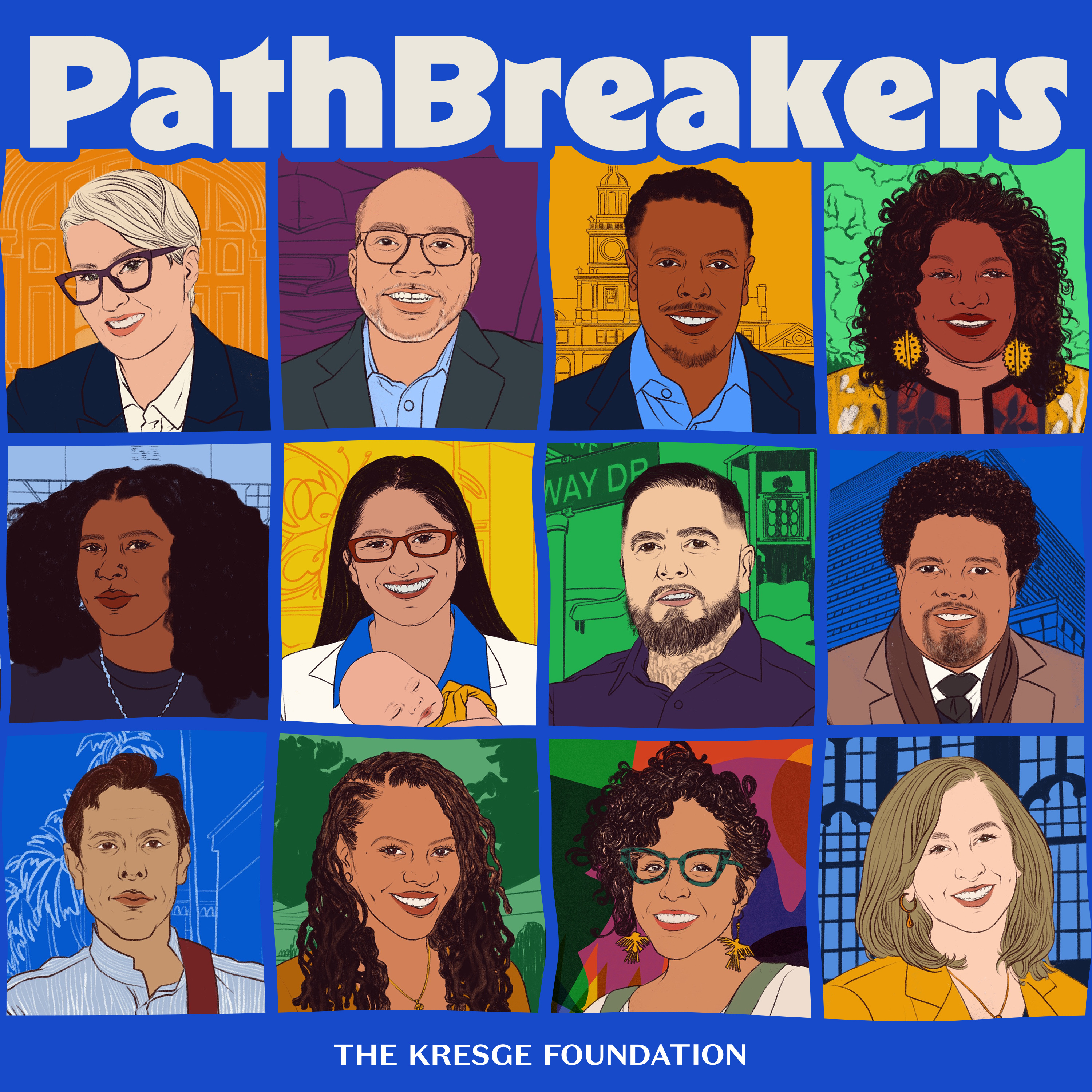
Insights from recent episode analysis
Audience Interest
Podcast Focus
Publishing Consistency
Platform Reach
Insights are generated by CastFox AI using publicly available data, episode content, and proprietary models.
Total monthly reach
Estimated from 1 chart position in 1 market.
By chart position
- 🇺🇸US · Non-Profit#6330K to 100K
- Per-Episode Audience
Est. listeners per new episode within ~30 days
15K to 50K🎙 Weekly cadence·14 episodes·Last published 3d ago - Monthly Reach
Unique listeners across all episodes (30 days)
30K to 100K🇺🇸100% - Active Followers
Loyal subscribers who consistently listen
9K to 30K
Market Insights
Platform Distribution
Reach across major podcast platforms, updated hourly
Total Followers
—
Total Plays
—
Total Reviews
—
* Data sourced directly from platform APIs and aggregated hourly across all major podcast directories.
On the show
Recent episodes
Detroit Mayor Mary Sheffield is Tending to Every Neighborhood
May 13, 2026
Unknown duration
Trailer: PathBreakers Season 2 Premieres May 13th!
May 6, 2026
Unknown duration
Rip Rapson is Leading Kresge into a New Chapter
Sep 12, 2025
Unknown duration
Dr. Darrick Hamilton is Utilizing Academic Research for Social Action
Sep 3, 2025
Unknown duration
Dr. Beverly Wright is Cultivating the Next Generation of Climate Leaders
Aug 27, 2025
Unknown duration
Social Links & Contact
Official channels & resources
Official Website
Login
RSS Feed
Login
| Date | Episode | Description | Length | ||||||
|---|---|---|---|---|---|---|---|---|---|
| 5/13/26 | 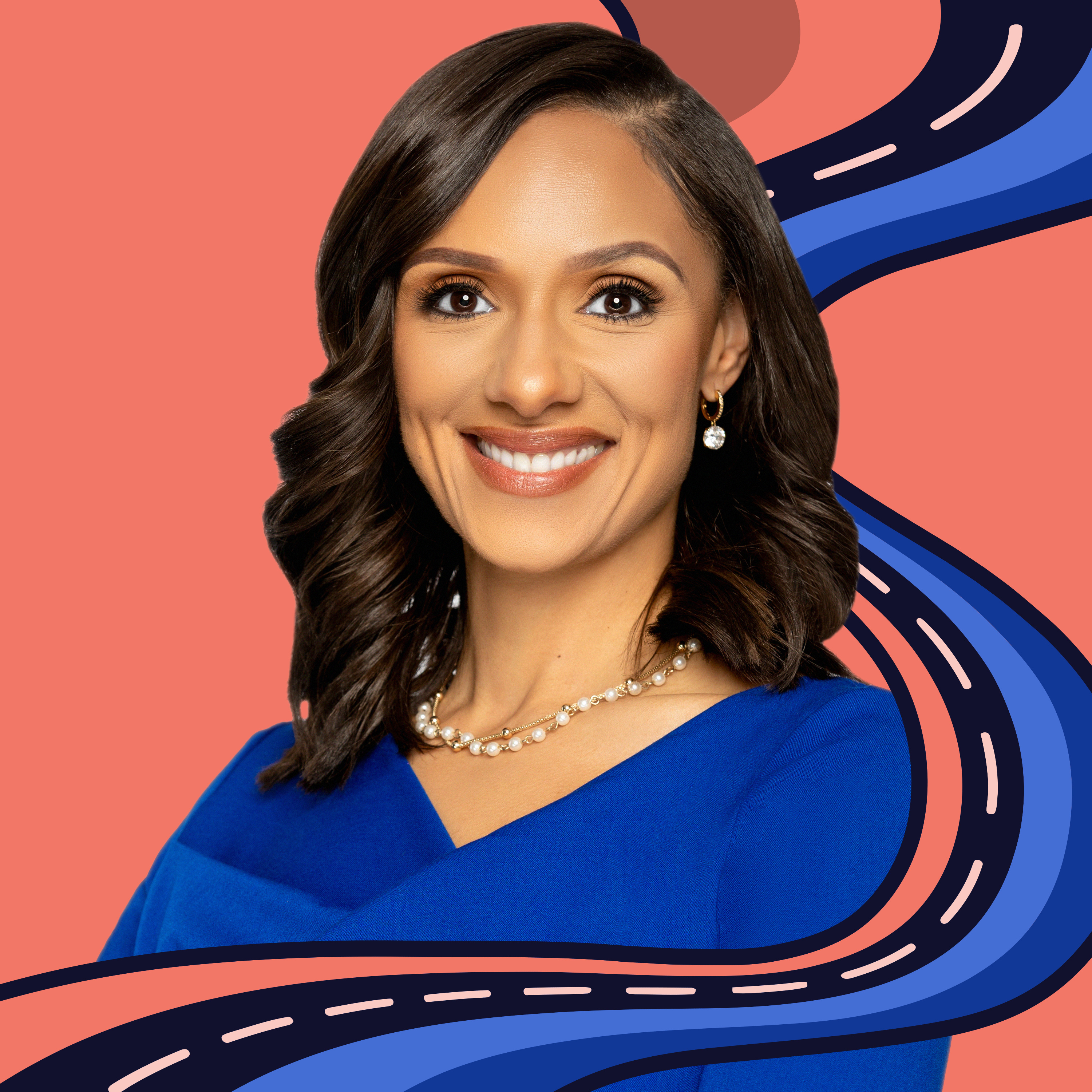 Detroit Mayor Mary Sheffield is Tending to Every Neighborhood | Season 2 of PathBreakers opens in Detroit — Kresge's hometown and a city whose comeback story has been told for a decade. But as hosts Tracey Pearson and Jamie Bennett note, that story has largely been written through the lens of downtown. The real test of Detroit's revival is whether neighborhoods share in it.In November 2025, Detroit voters made a decisive choice: by the widest margin in the city's history, they elected Mary Sheffield mayor. The daughter of a civil rights leader, the youngest city council member in Detroit history at 26, and now the first woman to serve as Detroit's mayor, Sheffield didn't run on a downtown comeback story. She ran on neighborhoods first.In this episode, Kresge President & CEO Rip Rapson sits down with Mayor Sheffield on the Marygrove Conservancy campus — where Sheffield anchored her transition — for a wide-ranging conversation about what governing for neighborhoods actually looks like.They discuss:* Her "stabilize, support, grow" framework for neighborhood investment* Centering children and families — from Rx Kids cash prescriptions to bus passes for every Detroit public school student* The new Office of Poverty Elimination and the appointment of Dr. Luke Shaefer of U-M Poverty Solutions* Detroit's property tax burden — among the highest in the country — and what reform could mean for residents and development* How the city is navigating the loss of $800M+ in federal funds* What she'd ask of Detroit's philanthropic and corporate communityNext week: we leave City Hall and head into the neighborhoods. Meet Orlando Bailey, Executive Director of Outlier Media — the newsroom built on the premise that journalism should serve the people who need information most.Learn more about Mayor Sheffield: Preview all of Season 2 *CREDITS*Host: Rip Rapson, President & CEO, Kresge FoundationProducer: Juliet HinelyManaging Editor: Krista JahnkeProduction support: Jennifer Kulczycki and Tracey PearsonVideo interview produced by Mark MarxDirector of Photography: Rodney JohnsonAudio Technician: Keith SchembriAssociate Producer: Bria BrownVideo Editor: Carmel FlanaganLogo animation: Collin LeixSpecial thanks: Wendy Lewis Jackson and Jonathan Hui (Kresge Detroit program) | — | ||||||
| 5/6/26 |  Trailer: PathBreakers Season 2 Premieres May 13th! | Four American cities. Sixteen people working to improve where they live. One central question: Who has power to shape what happens in their city? In Detroit, New Orleans, Memphis, and Fresno, we talk with community leaders building neighborhoods of opportunity, reclaiming narrative power, and creating the conditions for families to thrive. And we sit down with city leaders to ask what it looks like from City Hall. Hosted by Tracey Pearson and Jamie Bennett, with mayoral episodes hosted by Kresge President & CEO Rip Rapson.Our first city series on Detroit premieres May 13th 2026. New episodes drop on Wednesdays. Preview our whole season at pathbreakers.kresge.org | — | ||||||
| 9/12/25 | 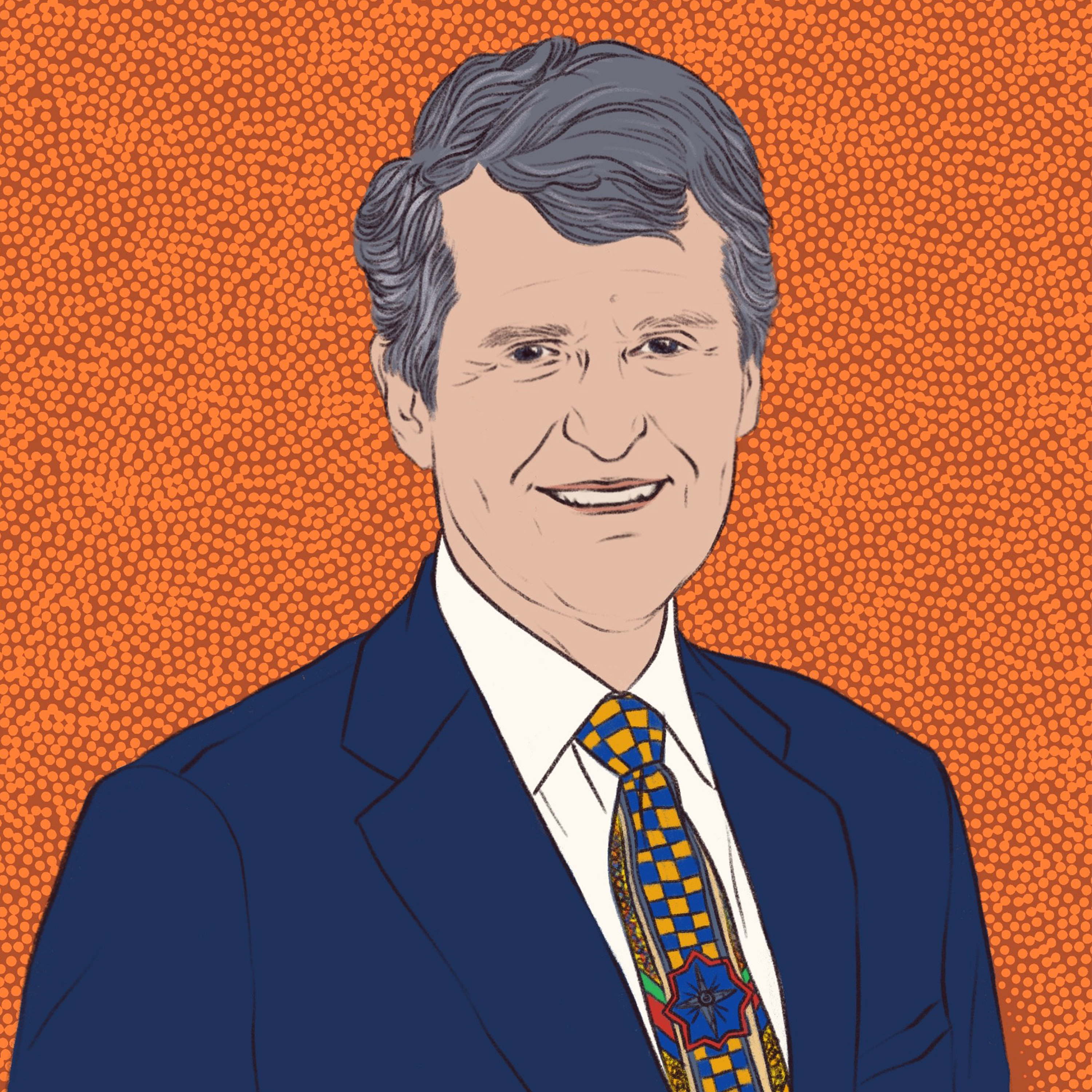 Rip Rapson is Leading Kresge into a New Chapter | In this special season finale episode, hosts Tracey Pearson and Jamie Bennet welcome Kresge Foundation President & CEO Rip Rapson back to reflect back on the stories heard throughout the series and to share an exciting announcement about the future of Kresge. In this conversation, Rip also looks back on his journey to Detroit, reflecting on formative experiences and the influences his architect father and librarian mother had on his development as a leader, thinker, and citizen. And Rip does not escape the PathBreakers “lightning round” tradition … Tracey and Jamie ask Rip 10 “hard-hitting” questions with surprising answers. Read more about Kresge’s big news Read Rip’s book, Drawn to Challenge See Rip Rapson’s Drawings: Visual Maps to Change | — | ||||||
| 9/3/25 | 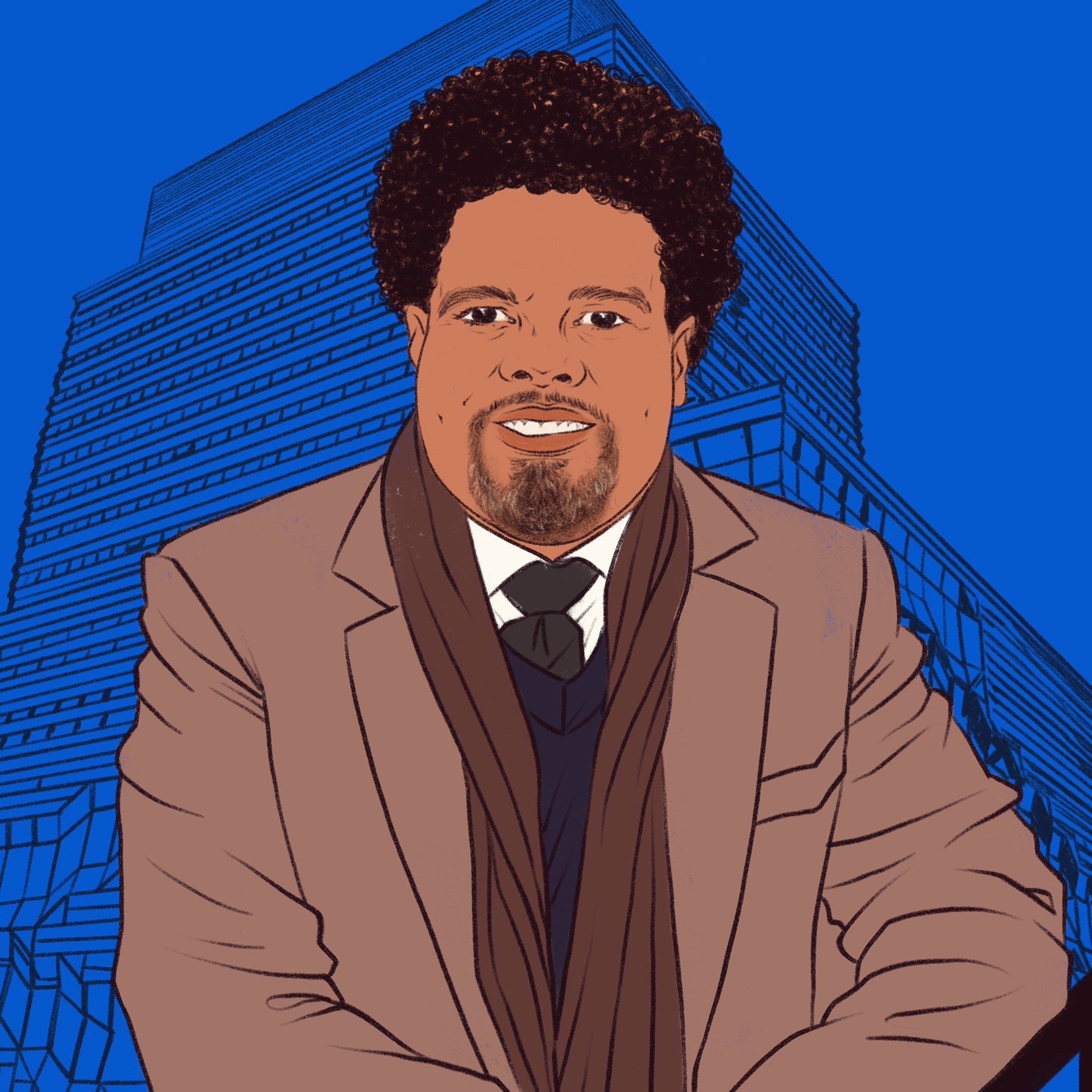 Dr. Darrick Hamilton is Utilizing Academic Research for Social Action | What is the purpose of an economy? What if economies were centered on people instead of money? What if everyone had access to both income AND wealth? These are the questions Dr. Darrick Hamilton works to problem-solve at the Institute on Race, Power, And Political Economy – an academic center he founded and directs at the New School in New York City, where he and his colleagues work to create “knowledge for action.”In this episode, Dr. Hamilton delivers some “Political Economics 101” delving into inclusive economic rights, human-centered economies, and trust-based governance. He also explains how his Baby Bonds program is leveling the economic playing field for over 33,000 babies in Connecticut and how investing in low-income and low-wealth people leads to positive economic benefits for everyone.Learn more about the Institute on Race, Power, And Political EconomyLearn more about Baby Bonds | — | ||||||
| 8/27/25 | 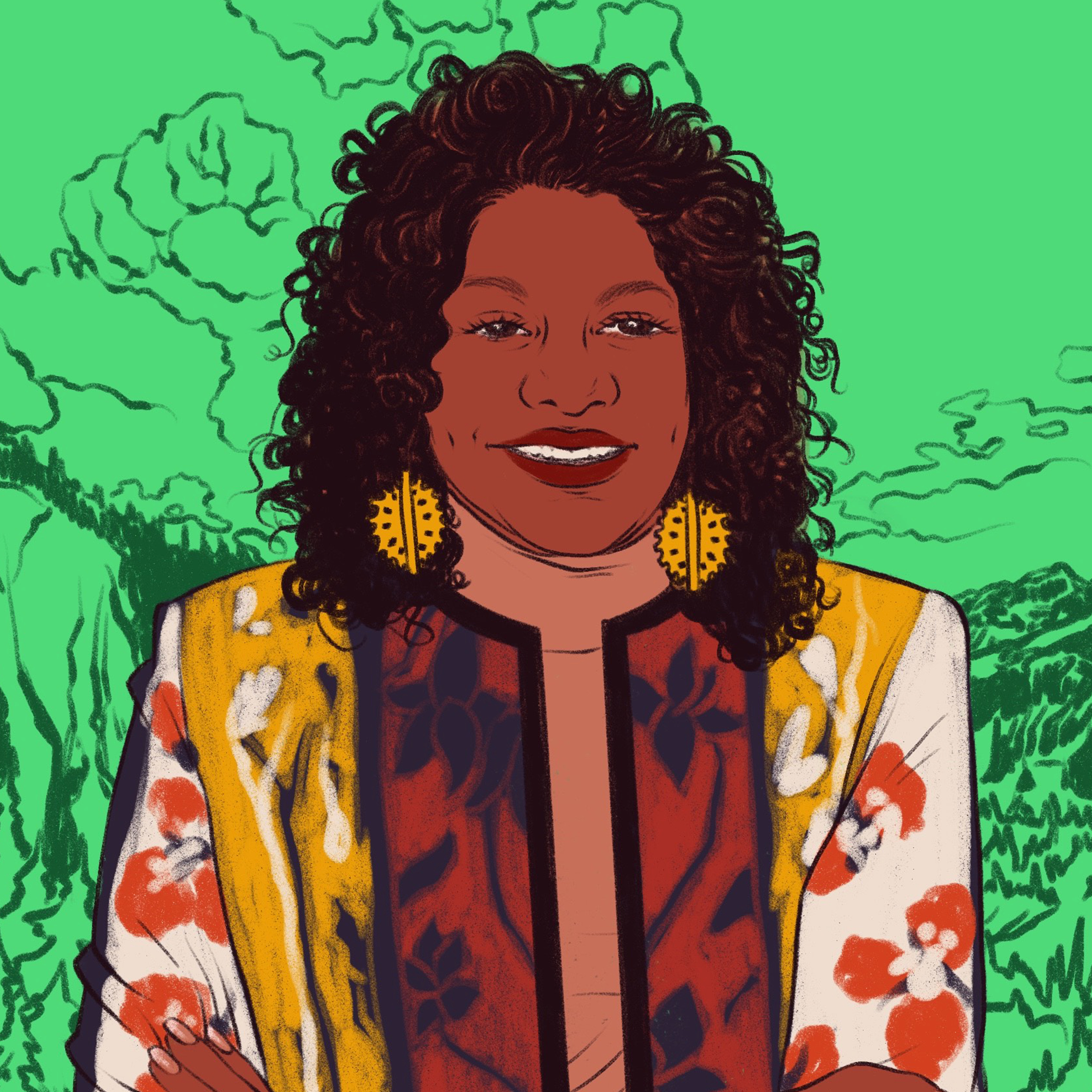 Dr. Beverly Wright is Cultivating the Next Generation of Climate Leaders | Dr. Beverly Wright has been working in climate and environmental justice since before the movement had a name. After 30+ years of leading groundbreaking community-based participatory research in her hometown of New Orleans, Dr. Wright is a celebrated pioneer of the field. Since 1992 she has been the visionary executive director of the Deep South Center for Environmental Justice, the organization which she also founded. In this episode, Dr. Wright reflects on a post-Katrina New Orleans and her journey from sociologist to movement leader. She also discusses the “communiversity” learning model that she developed for the Deep South Center and the ways they are cultivating the next generation of climate leaders. Learn more about The Deep South Center for Environmental Justice | — | ||||||
| 8/20/25 | 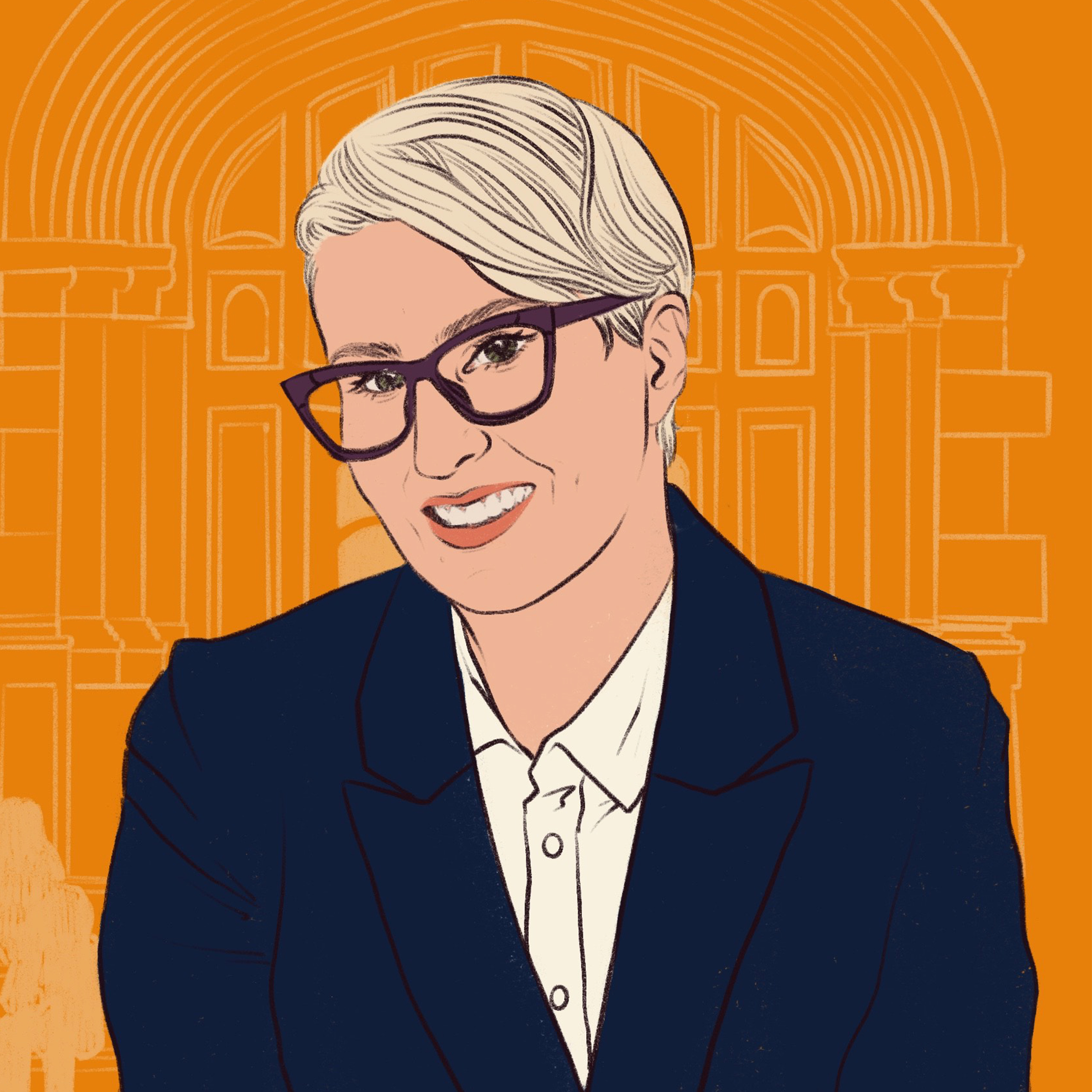 Dr. Bridget Burns is Fostering Inter-Institutional Problem Solving at Colleges Across the Country | After a challenging experience of her own as a low-income, first-gen college student, Dr. Bridget Burns understood that higher education was not “user-friendly” for everyone. And from that, her career mission became clear: transform colleges and universities into places where low-income, first-generation and students of color could not just navigate, but thrive.Dr. Bridget Burns is the CEO of the University Innovation Alliance, a multi-campus laboratory for student success innovation. In this episode, Dr. Burns shares her approach to fostering trust and openness in a competitive community and discusses how empathy is the first step in design. She discusses the UIA Listening Lab model for collecting student feedback andalso reflects how the principles of improv theater inform her approach to problem-solving. Read more about the University Innovation AllianceFind free resources from the UIAWatch the documentary Unlikely featuring Dr. Burns | — | ||||||
| 8/13/25 | 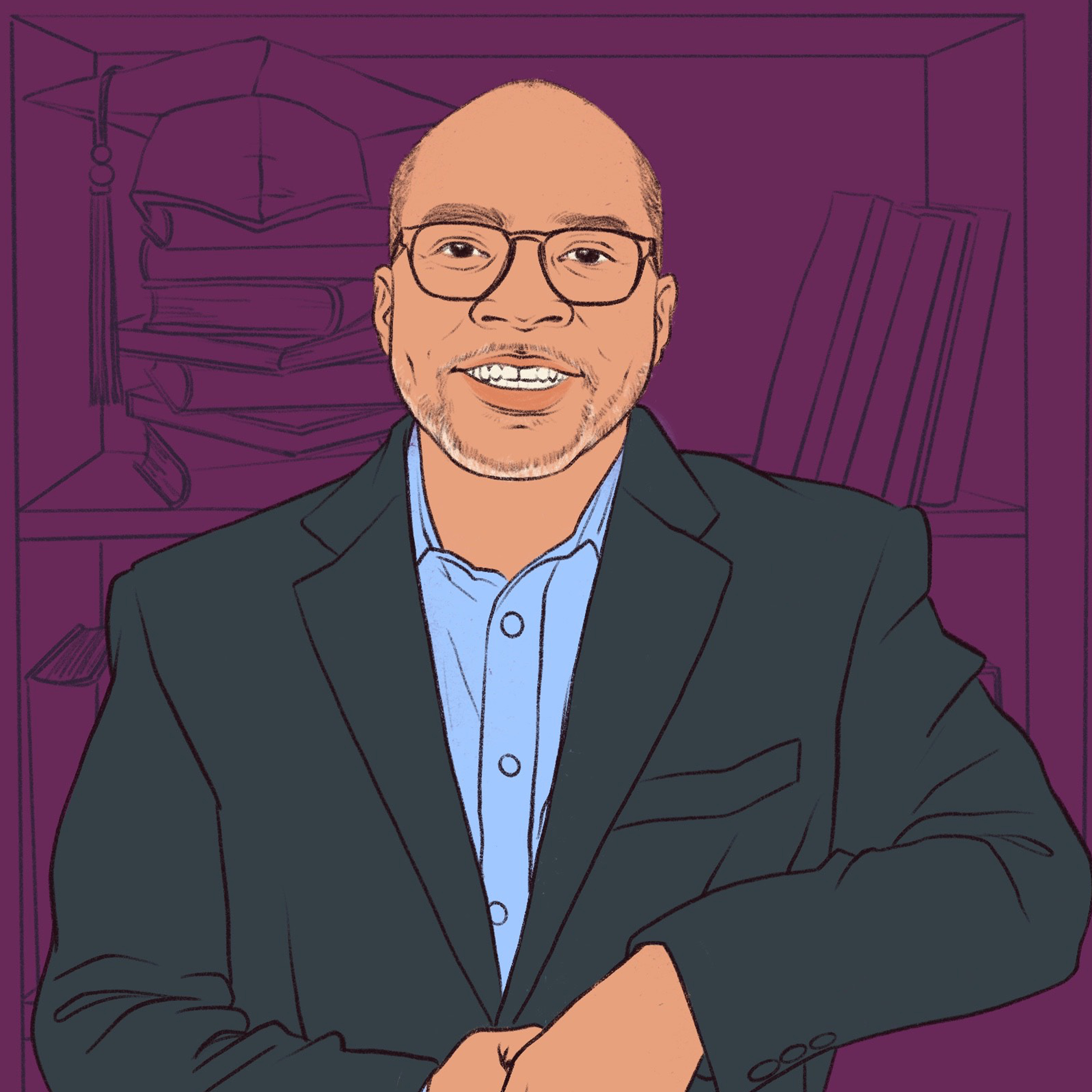 Cardell Orrin is Catalyzing Community to Support Education in Tennessee | Cardell Orrin spent years as a high-level IT strategist and engineer. Now, as the executive director of Stand for Children Tennessee, he is “debugging” the processes by which parents and community members in Tennessee engage with their local school boards and state representatives. It’s a debugging that’s needed across America’s school systems. In this conversation, Cardell reflects on a childhood of being “dragged around to school board meetings” by his mother, and the “cynical optimist” problem-solving mindset it helped him develop. Cardell also discusses the specific ways Stand for Children Tennessee helps connect the dots for citizens who want to get involved in education advocacy, and what is at risk when a state proposes taking over a local school district. Read more about Stand for Children Tennessee Learn more about the 901 Moral Budget Coalition | — | ||||||
| 8/6/25 | 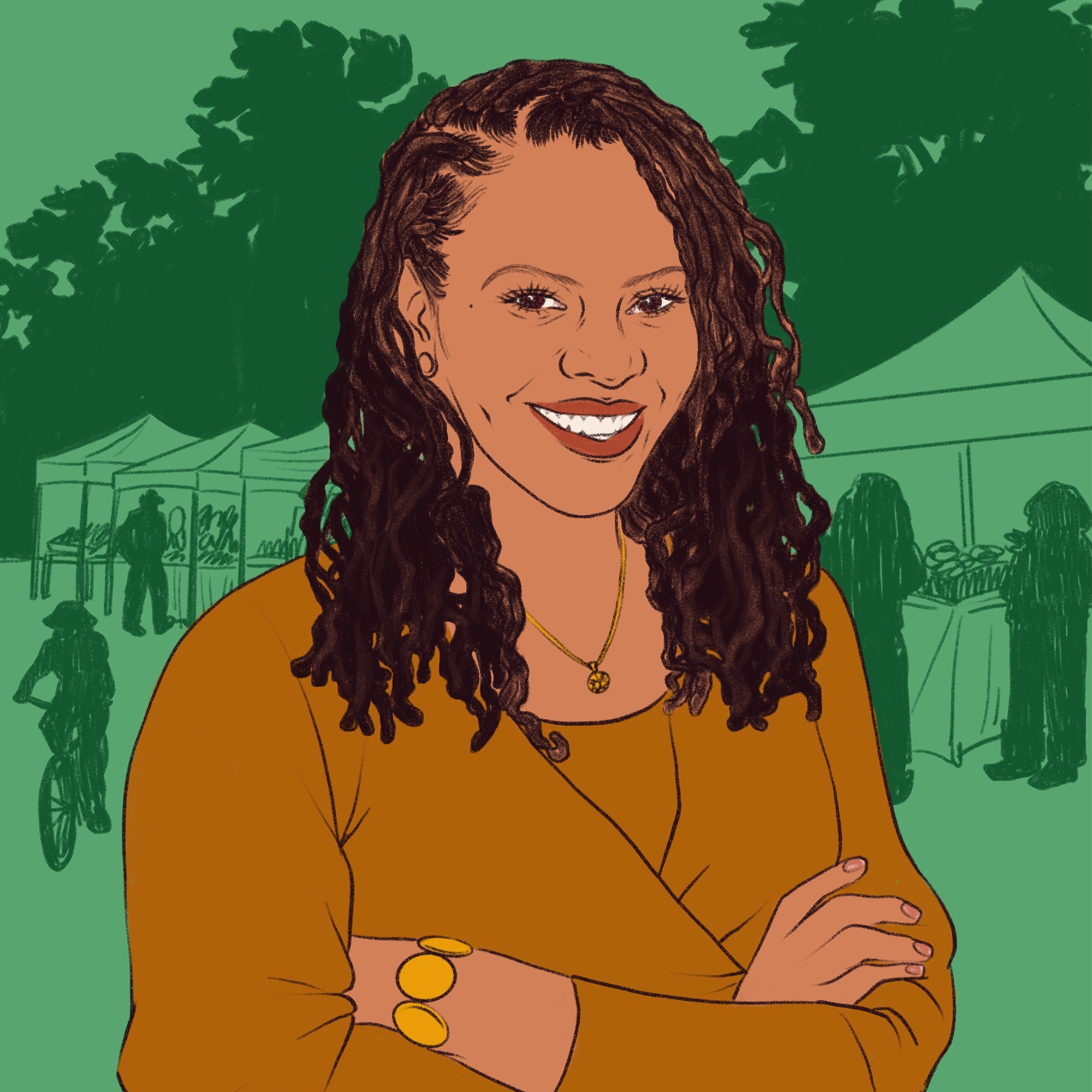 Samantha Hamilton is Bringing Community Voices to Climate Response in Western Massachusetts | The natural topography and the social geography of Springfield, Massachusetts make it a place especially vulnerable to climate change. Samantha Hamilton is bringing Springfield residents together to develop climate solutions for their city. Samantha Hamilton is the Director of Coalition Building and Community Engagement at the Public Health Institute of Western Massachusetts in Springfield, MA. In this episode she explains how diverse coalitions – including a broad spectrum of residents, nonprofits, and municipal organizations – are best equipped to tackle complex and interconnected issues like air quality, housing, education, and health disparities. She also talks about her strategies for cultivating commitment in community participation, and how resident-guided problem solving can inform and impact local and state policy. | — | ||||||
| 7/30/25 | 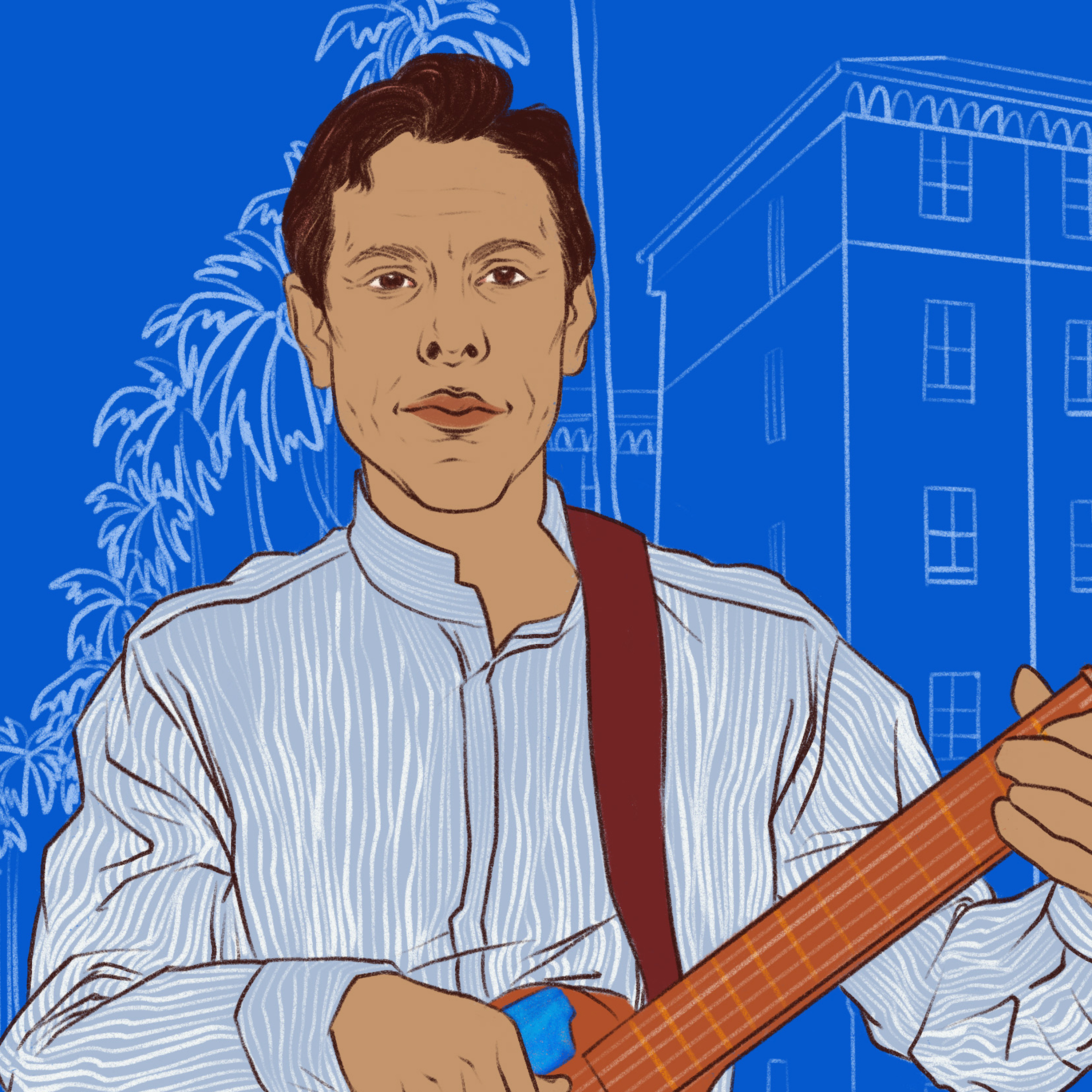 Quetzal Flores is Centering Culture in East LA Community Powerbuilding | Quetzal Flores is a Grammy-winning musician who combines his immense creative skillset and his deep knowledge of cultural traditions to ignite community participation in resistance and resilience. In this conversation, Quetzal recounts growing up “in movement” with parents who were deeply involved in the civil rights organizing of the Chicano Movement. He describes East LA's historical significance, its current cultural landscape, and what's at stake in the neighborhood today. Quetzal also reflects on the musical and cultural experiences that have shaped his approach to community powerbuilding. Learn more about the Community Power CollectiveHear music from the band QuetzalWatch some beautiful music videos from Quetzal and his band | — | ||||||
| 7/23/25 | 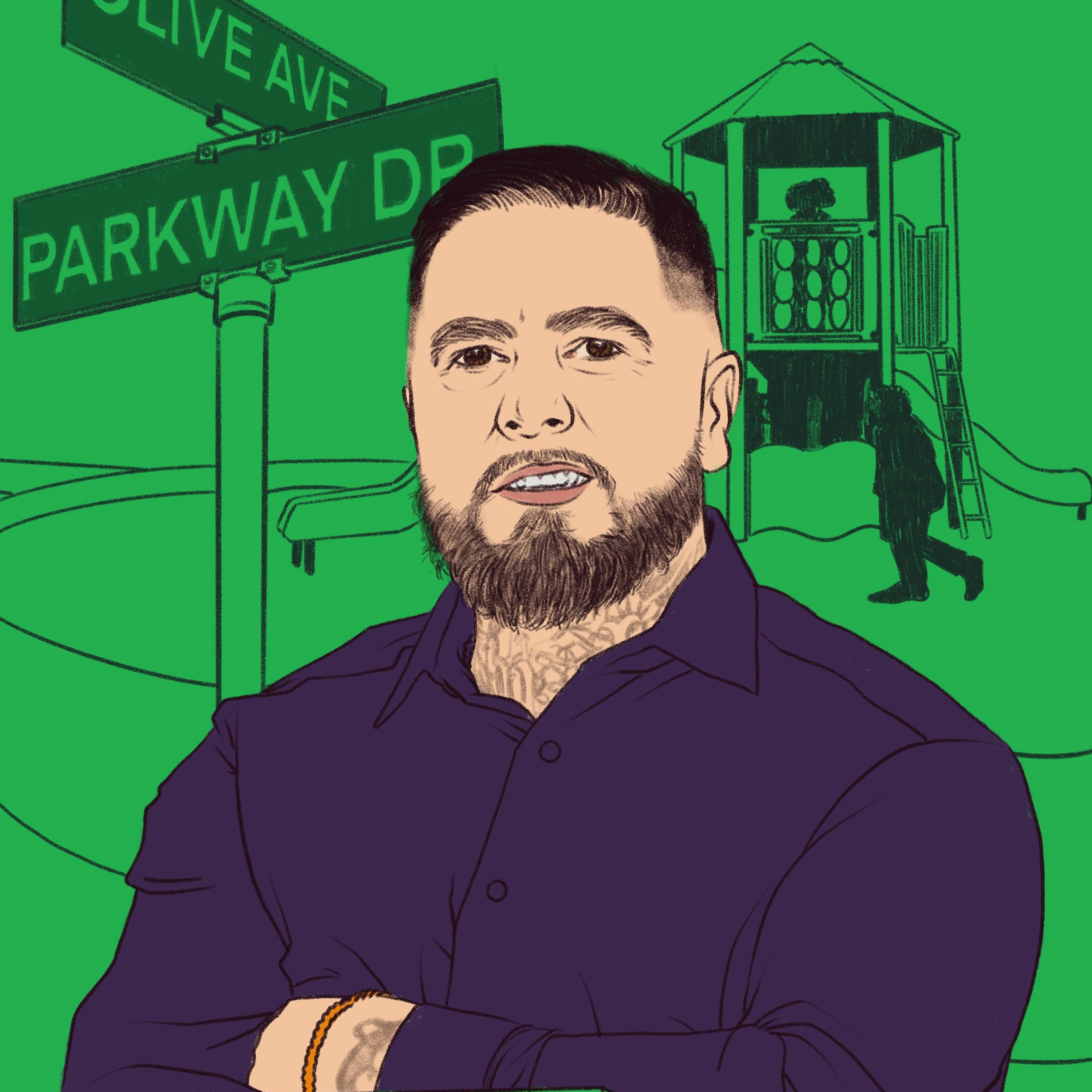 Richard Burrell is Making Space for Healing in Fresno, California | As a kid, Richard Burrell lived in the motels along Parkway Drive in Fresno, California. As an adult he founded and runs an organization that supports the wellbeing of the kids who live there now. Richard Burrell is the founder and executive director of Live Again Fresno, a nonprofit after-school and community support organization that “co-powers” children and families in Fresno’s most vulnerable communities by providing mentorship, education, and holistic support to break cycles of poverty and build brighter futures.In this conversation, Richard reflects on his own childhood growing up on “Motel Drive” and the day he informally started what has now formally grown into Live Again Fresno. Richard’s work exemplifies the healing powers of trauma-informed frameworks and the importance of organizational leadership living in deep relationship with the community it serves. Learn more about Live Again FresnoRead more about the documentary Richard was part of called Motel Drive | — | ||||||
Want analysis for the episodes below?Free for Pro Submit a request, we'll have your selected episodes analyzed within an hour. Free, at no cost to you, for Pro users. | |||||||||
| 7/16/25 | 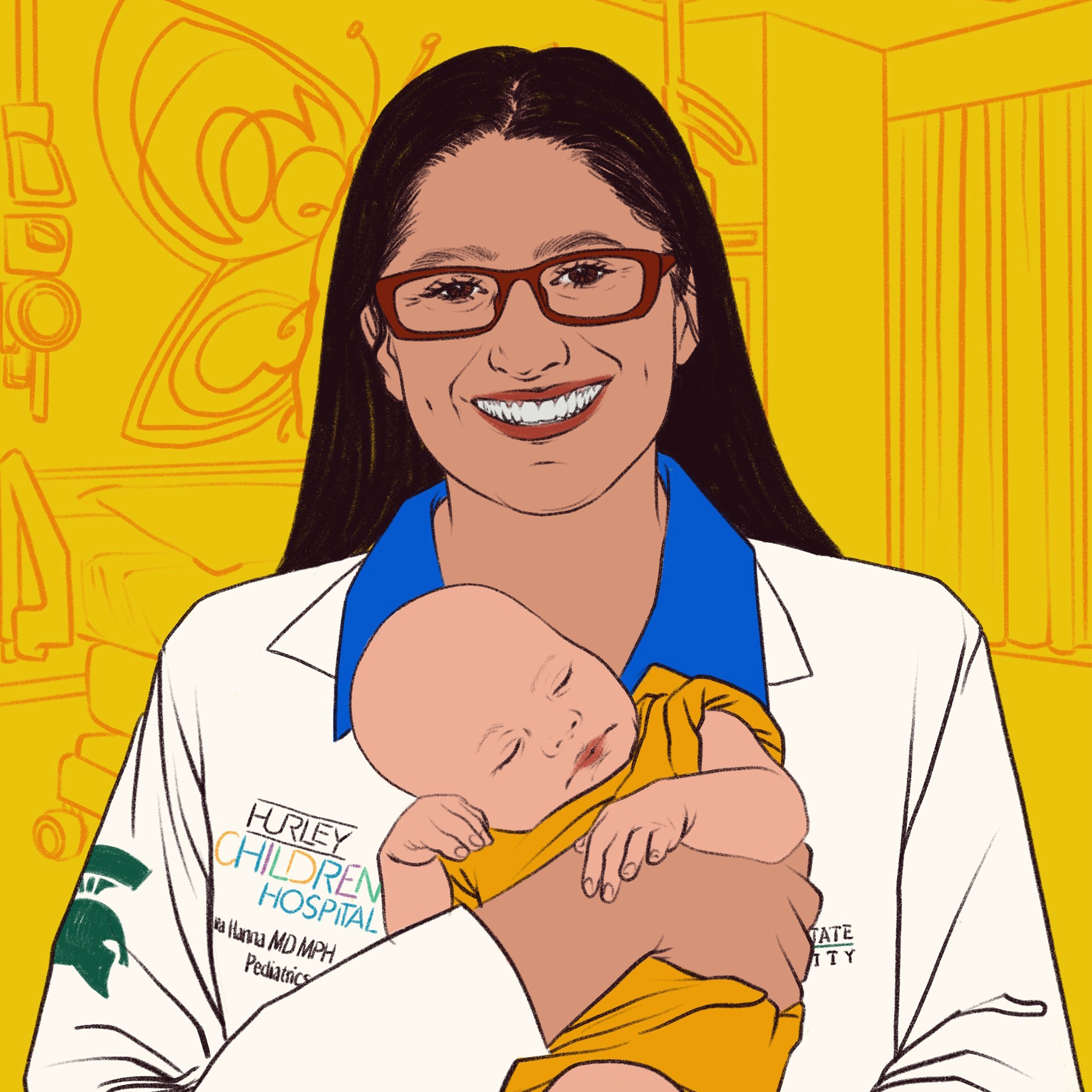 Dr. Mona Hanna is Writing Cash Prescriptions for Families in Michigan | Dr. Mona Hanna, affectionately known as “Dr. Mona”, is best known as the pediatrician who exposed the Flint water crisis. She is also the associate dean for Public Health at Michigan State University and now the founder of RxKids – a cash prescriptions program for expectant mothers in Michigan and currently the largest cash-transfer program in the country.In this episode, Dr. Mona reflects on how her experience in medical school and her experience navigating the Flint water crisis inform her approach to public health. She also discusses the impact and financial efficiency of RxKids, and how a program like RxKids – which centers love and trust by design – significantly improves health outcomes for babies and new mothers. Find Dr. Hanna’s book, What the Eyes Don’t See, and learn more about RxKids:https://rxkids.org/What the Eyes Don't See | — | ||||||
| 7/9/25 | 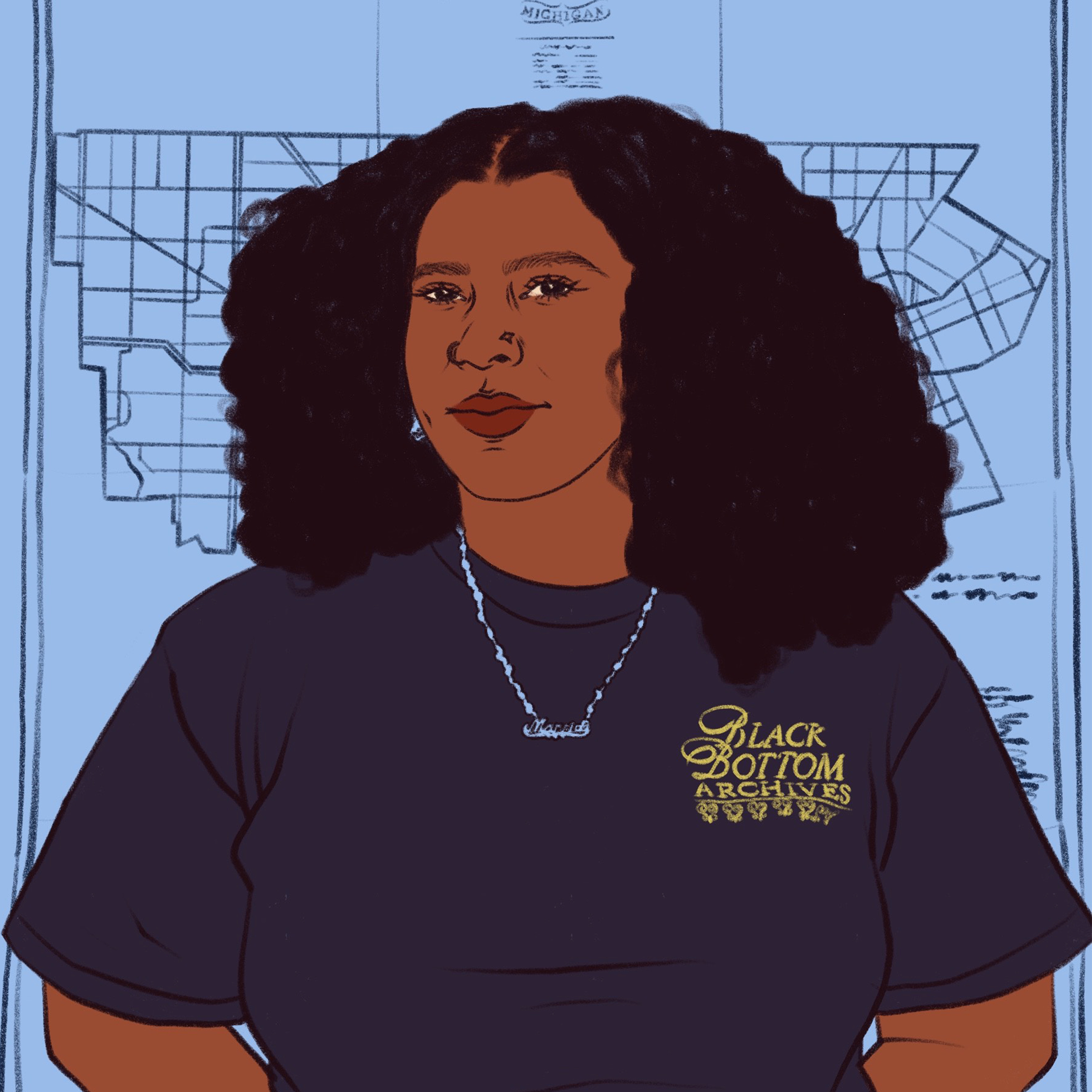 Marcia Black is Archiving Detroit’s Black History to Help Heal Injustice | Marcia Black is a Detroit-based archivist, curator, and cultural preservationist whose work focuses on preserving the histories of Black women, Black Detroit, and the Black radical tradition. Guided by her education at Marygrove College and inspired by her entrepreneurial grandmother who was a beauty salon owner, computer worker, and reverend, Marcia has dedicated herself to archival work with a purpose.In this episode, Marcia reflects on her approach to collecting oral histories with Detroit’s Black elders, and ways those elders and their stories can inform a reimagining of Detroit’s future. This discussion also explores ideas around archiving, pushing back against cultural erasure, and the opportunities for community-led reparations efforts through projects like the I-375 Reparative Roundtable – a group of 20 stakeholders addressing the historical injustice of Detroit’s interstate construction in the 1960s. Learn more about Marcia, the Black Bottom Archives, and the Detroit Reparative Roundtablehttps://www.blackbottomarchives.com/https://detroitisdifferent.com/keeping-the-flame-marcia-black-on-black-women-archives-and-the-legacy-of-black-detroit/https://www.michigan.gov/mdot/projects-studies/special-construction/i-375-reconnecting-communities-project | — | ||||||
| 6/13/25 | 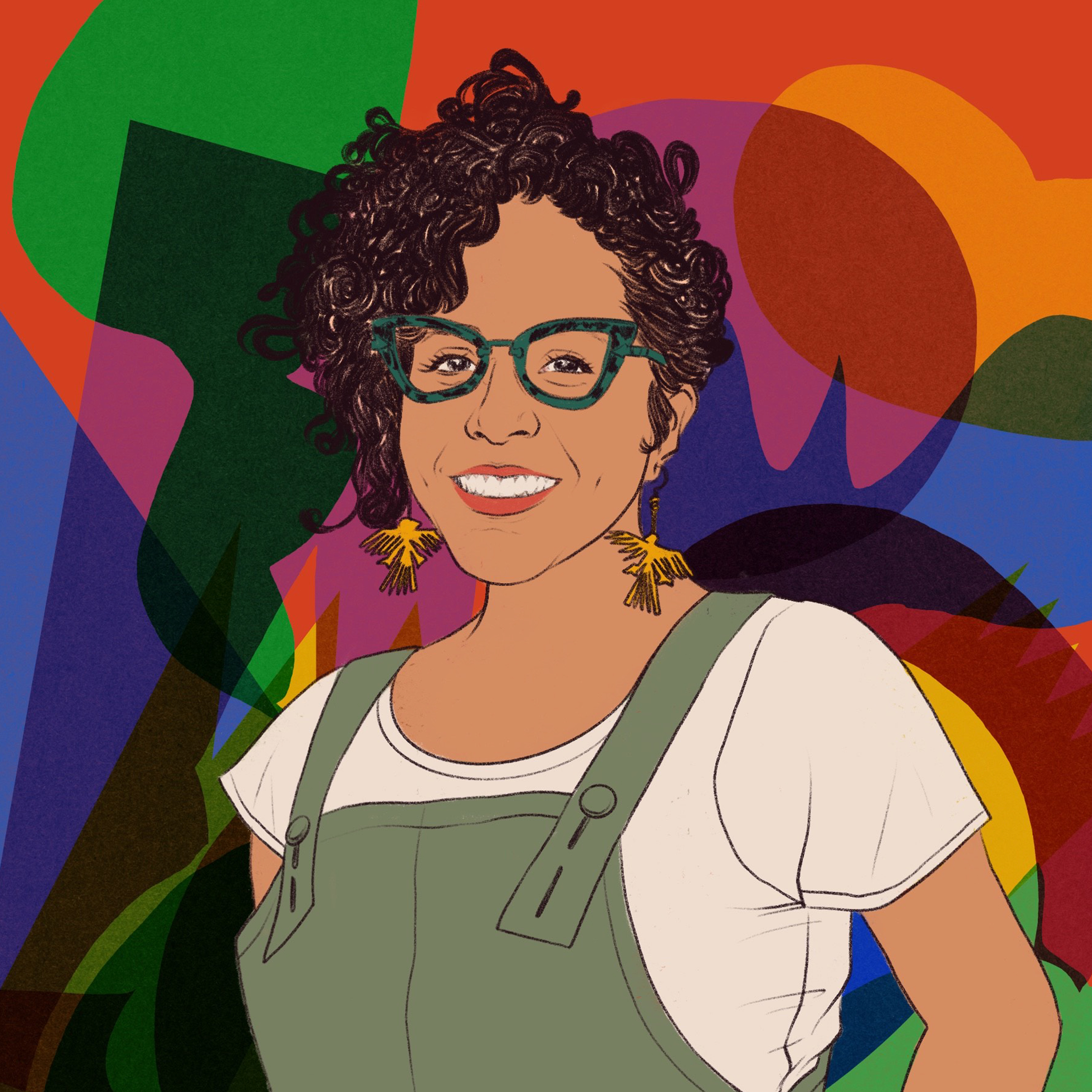 Favianna Rodriguez is Giving Artists a Way to Lead Change | Favianna Rodriguez is an interdisciplinary artist, cultural strategist, and entrepreneur based in Oakland, California. She is the co-founder of The Center for Cultural Power.In this conversation, Favianna shares her journey as an artist and activist, discussing the influence of her immigrant parents, the challenges she faced in pursuing art, and the importance of cultural narratives in shaping political policies. Favianna reflects on her journey with the Center for Cultural Power and her transition into new artistic endeavors, focusing on storytelling in film and television. The discussion also highlights the role of philanthropy in supporting cultural narratives and the necessity of investing in artists to create meaningful change. LEARN MORE about Favianna, her work and the Center for Cultural Powerhttps://favianna.com/https://www.culturalpower.org/https://pathbreakers.flywheelsites.com/story/favianna-rodriguez/ | — | ||||||
| 6/13/25 | 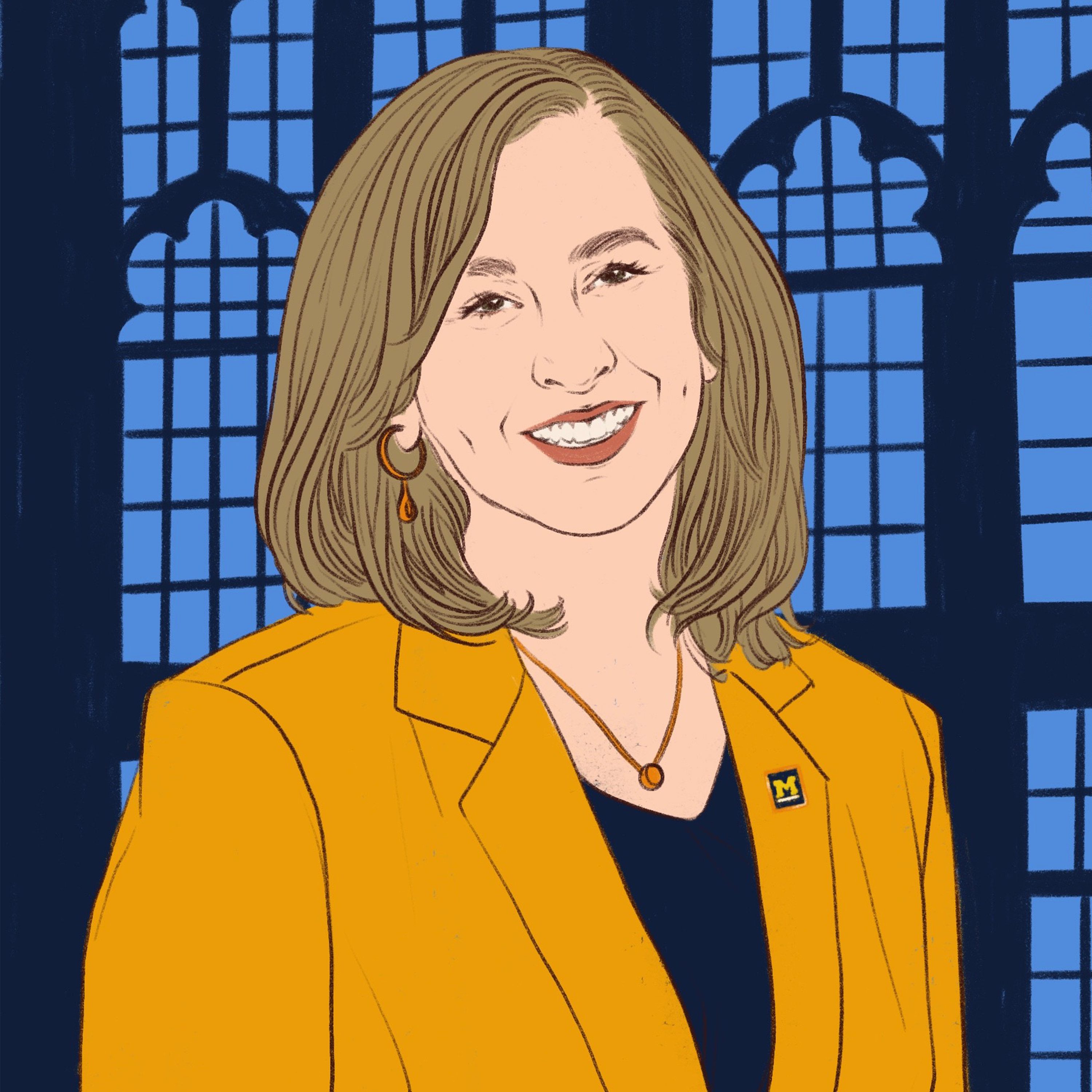 Dean Elizabeth Moje is Revolutionizing Higher Education | Elizabeth Birr Moje is dean, George Herbert Mead Collegiate Professor of Education, and an Arthur F. Thurnau Professor of Literacy, Language, and Culture in the Marsal Family School of Education at the University of Michigan.On this episode she describes the transformative arc of the Marygrove Learning Community in Northwest Detroit.The dialogue emphasizes the significance of purpose-driven learning and the commitment to nurturing both students and educators in a supportive environment. Moje highlights the critical intersection of innovation and justice in education, advocating for equitable access to resources and opportunities for all students. First, hosts Jamie Bennet and Tracey Pearson check in with Kresge Foundcation President and CEO, Rip Rapson---LEARN MORE about Dean Moje and the Marygrove Learning Communityhttps://mlcdetroit.org/https://kresge.org/our-work/detroit/transformative-project-marygrove-cradle-to-career-campus/ | — | ||||||
| 5/31/25 |  Welcome to PathBreakers | Welcome to PathBreakers, a show from The Kresge Foundation all about the people who break through the noise, red tape, and all of the other obstacles to progress.In each episode, you’ll meet a different Pathbreaker, people working in cities to forge new ways forward and discover the possibilities, sometimes hidden in plain sight. | — | ||||||
Showing 15 of 15
Sponsor Intelligence
Sign in to see which brands sponsor this podcast, their ad offers, and promo codes.
Chart Positions
1 placement across 1 market.
Chart Positions
1 placement across 1 market.