

Insights from recent episode analysis
Audience Interest
Podcast Focus
Publishing Consistency
Platform Reach
Insights are generated by CastFox AI using publicly available data, episode content, and proprietary models.
Total monthly reach
Estimated from 1 chart position in 1 market.
By chart position
- 🇳🇿NZ · Performing Arts#112500 to 3K
- Per-Episode Audience
Est. listeners per new episode within ~30 days
150 to 900🎙 Daily cadence·300 episodes·Last published 2d ago - Monthly Reach
Unique listeners across all episodes (30 days)
500 to 3K🇳🇿100% - Active Followers
Loyal subscribers who consistently listen
200 to 1.2K
Market Insights
Platform Distribution
Reach across major podcast platforms, updated hourly
Total Followers
—
Total Plays
—
Total Reviews
—
* Data sourced directly from platform APIs and aggregated hourly across all major podcast directories.
On the show
Recent episodes
Teodor Doré: Composing, Culture, and Renaissance-21
Jul 2, 2026
Unknown duration
Corinna Rogers: Bringing the Hammered Dulcimer to Nashville's Bluegrass Scene
Jun 29, 2026
Unknown duration
Hui Wen Peng on Joining London City Ballet and Embracing New Opportunities
Jun 25, 2026
Unknown duration
Stepping Into Her Own Spotlight | Susannah B
May 25, 2026
Unknown duration
Matthew Rose on Opera, Mentorship & the Future of Young Singers
May 18, 2026
Unknown duration
Social Links & Contact
Official channels & resources
Official Website
Login
RSS Feed
Login
| Date | Episode | Description | Length | ||||||
|---|---|---|---|---|---|---|---|---|---|
| 7/2/26 |  Teodor Doré: Composing, Culture, and Renaissance-21 | I recently had the pleasure of doing an interview with pianist, composer, and cultural visionary Teodor Doré for what became a thought-provoking and inspiring conversation. Teodor Doré is an internationally acclaimed pianist and composer, as well as the founder of the cultural movement Renaissance-21. His remarkable career has taken him to audiences across six continents, with performances at some of the world's most prestigious concert halls, including Carnegie Hall, Sydney Opera House, and the Musikverein in Vienna. He has released multiple albums that reflect both his technical brilliance and his unique artistic vision. One of the most extraordinary milestones in his career is becoming the first musician in the world to orchestrate Sergei Rachmaninoff's previously lost suite, having received the official approval of the composer's family. The long-awaited world premiere of this historic work is scheduled for November 2026 at Carnegie Hall, marking a significant moment in classical music history. His latest album, Portraits of Cities, takes listeners on a musical journey across cultures and continents, painting vivid sonic landscapes inspired by cities such as Istanbul, Bombay, and Manhattan. As a composer, Teodor has written more than a dozen orchestral works, including the acclaimed orchestral suite La Suite Romana, which has been performed by La Toscanini Orchestra at the Lerici Festival in Italy, the Albanian National Radio Symphony Orchestra in Tirana, and the London City Philharmonic Orchestra. Always pushing artistic boundaries, Teodor also composed what is considered the world's first immersive-format classical opera, created in collaboration with invited soloists from the Bolshoi Theatre and the Moscow Opera House. In 2023, audiences experienced two major theatrical productions featuring his music: Theatre of Gulags in London and Say That You Love Me in Madrid. Our conversation extended beyond music into philosophy, culture, and the role of artists in shaping society. Teodor spoke passionately about Renaissance-21, the cultural movement he founded in response to what he sees as the exhaustion of postmodern irony and the fragmentation of meaning in contemporary life. Renaissance-21 advocates for a renewed commitment to seriousness, beauty, excellence, authentic authorship, and intellectual depth. It seeks to restore coherence in a world increasingly characterised by cultural acceleration, declining educational standards, and the loss of shared values, encouraging artists and thinkers to create work that resonates with lasting significance. This was a truly fascinating and deeply inspiring interview. Rather than focusing solely on achievements, our discussion explored the purpose of art, the responsibilities of the artist, the future of classical music, and the importance of preserving cultural heritage while embracing innovation. Teodor's thoughtful insights, unwavering passion, and visionary outlook made this conversation one that will stay with me for a long time. If you love classical music, culture, philosophy, or simply enjoy hearing from artists who challenge conventional thinking, this is an interview you won't want to miss. https://teodordore.com/#rec667946890 https://renaissance21.world #composer #artistinterview #musicianinterview #petrasittigtheartistsvoice The Inspiration by Keys of Moon | https://soundcloud.com/keysofmoon Attribution 4.0 International (CC BY 4.0) https://creativecommons.org/licenses/by/4.0/ Music promoted by https://www.chosic.com/free-music/all/ | — | ||||||
| 6/29/26 |  Corinna Rogers: Bringing the Hammered Dulcimer to Nashville's Bluegrass Scene | In this episode of The Artist's Voice, I had the pleasure of speaking with hammered dulcimer player Corinna Rogers, an accomplished musician currently based in Nashville, Tennessee, who originally comes from Upper Austria. Corinna shares her fascinating musical journey, which began in Austria where she was first introduced to the hammered dulcimer. She reflects on her early music education and explains the rich history of the instrument in Austrian folk traditions. The hammered dulcimer has long been an important part of the folk music heritage of the Alpine regions, where its bright, resonant sound accompanied traditional dances, village celebrations, and cultural gatherings. Passed down through generations, the instrument remains a beautiful link between history and contemporary folk music. During our conversation, Corinna talks about what inspired her to leave Austria and pursue a musical career in Nashville, one of the world's most influential music cities. She discusses how warmly the hammered dulcimer has been embraced by fellow musicians, despite being a relatively uncommon instrument in many contemporary settings. Its distinctive tone adds a fresh and captivating dimension to performances, making it an exciting instrument for collaboration. One of Corinna's greatest passions is working with artists from diverse musical backgrounds. She enjoys exploring unexpected musical combinations and creating new sounds that emerge when different genres and traditions meet. These creative collaborations continue to inspire her and allow the hammered dulcimer to reach audiences in fresh and innovative ways. Since settling in Nashville, Corinna has found a welcoming musical community and discovered a deep appreciation for bluegrass music. While the hammered dulcimer is not traditionally associated with bluegrass in the same way as the banjo, fiddle, or mandolin, Corinna demonstrates how beautifully the instrument can complement the genre. Its shimmering melodies and rhythmic versatility bring a unique voice to bluegrass, enriching both traditional and contemporary performances. The Inspiration by Keys of Moon | https://soundcloud.com/keysofmoon Attribution 4.0 International (CC BY 4.0) https://creativecommons.org/licenses/by/4.0/ Music promoted by https://www.chosic.com/free-music/all/ | — | ||||||
| 6/25/26 |  Hui Wen Peng on Joining London City Ballet and Embracing New Opportunities | This week on The Artist's Voice, I had the pleasure of speaking with the talented ballet dancer Hui Wen (Winnie) Peng, whose inspiring journey has taken her from Taichung, Taiwan, to some of the world's most respected ballet companies.Winnie began her artistic journey in gymnastics before discovering her passion for ballet. She also trained in Chinese dance, and in our conversation she reflects on how both disciplines continue to influence her movement, artistry, and approach to contemporary dance today.After winning first place at the Taiwan Grand Prix Ballet Competition and receiving a scholarship to study in the United States, Winnie trained at the Harid Conservatory and the Washington School of Ballet. Her career has since included Atlanta Ballet, San Francisco Ballet, and international recognition with a silver medal at the Helsinki International Ballet Competition.We also discuss her exciting move to London City Ballet for the 2026 season. Winnie shares her enthusiasm for working with outstanding choreographers, performing a diverse repertoire, and being part of a company that feels like a family. She describes a supportive environment where dancers genuinely enjoy spending time together both on and off the stage.Under the artistic direction of Christopher Marney, London City Ballet continues to grow from strength to strength, building an impressive international touring programme and bringing exceptional ballet to audiences around the world.It was wonderful to hear Winnie's story and learn more about the dedication, discipline, and passion that drive a successful dance career. | — | ||||||
| 5/25/26 |  Stepping Into Her Own Spotlight | Susannah B | Susannah B’s journey is one of discovering your voice in your own time. Growing up in New York as the daughter of celebrated composer and lyricist Carol Hall, Susannah was surrounded by the world of musical theatre from an early age. In this heartfelt interview, she reflects warmly on her upbringing and what it was like watching her mother’s creative career unfold firsthand. Although Susannah originally dreamed of studying drama and becoming an actress, life had other plans. It was only later that she fully embraced her true passion for singing and songwriting. Today, her music speaks honestly about resilience, healing, self-discovery, and personal growth, carried by a sincerity and wisdom that comes from lived experience. We also spoke about the courage it takes to follow your dreams at any age. At 61, Susannah is finally stepping fully into her own creative path, proving that age should never stop us from pursuing what truly lights us up. She shares openly about learning to see herself as an artist in her own right, separate from the shadow of her talented and well-known mother — a journey of self-acceptance and growth that many will relate to. This was such a beautiful and inspiring conversation with Susannah, who reminds us that we each have our own timing in life. Just as roses do not all bloom at the same moment, neither do we. Our time to bloom arrives exactly when it is meant to. https://www.susannahb.com The Inspiration by Keys of Moon | https://soundcloud.com/keysofmoon Attribution 4.0 International (CC BY 4.0) https://creativecommons.org/licenses/by/4.0/ Music promoted by https://www.chosic.com/free-music/all/ | — | ||||||
| 5/18/26 | 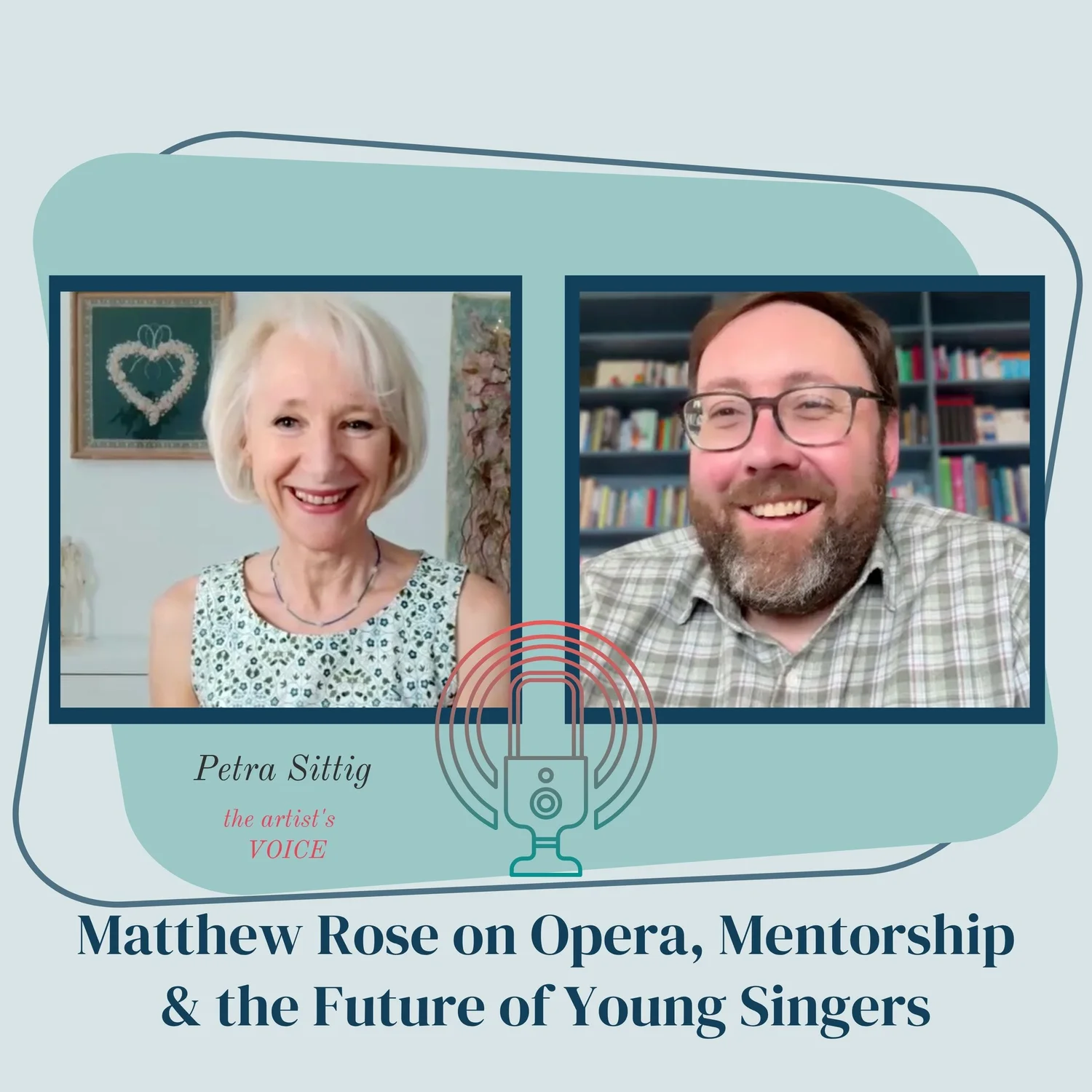 Matthew Rose on Opera, Mentorship & the Future of Young Singers | Matthew Rose is internationally celebrated as one of the world’s leading opera basses, having performed at some of the most prestigious opera houses including Royal Opera House, Metropolitan Opera, Vienna State Opera, La Scala and the Bavarian State Opera. In this insightful conversation, Matthew speaks openly about the realities of life as an opera singer — the dedication, sacrifice, uncertainty, and immense discipline required to sustain an international career at the highest level. He also reflects on the worrying decline of opera houses and funding for the arts in the UK, and why preserving opera as a living art form has become more important than ever. Opera uniquely brings together singers, musicians, conductors, directors, designers, actors, and technicians in a collaborative artistic experience unlike any other. Yet despite its cultural richness and historical significance, the art form has faced increasing challenges in recent years. Drawing from decades of experience performing alongside some of the world’s greatest opera singers and conductors, Matthew believes strongly in giving back to the next generation of artists. This passion led him to found the Tosti International Singing Academy, where he serves as Artistic Director. From 19–30 August 2026, Grand Arts CIC in Folkestone will host the second edition of the Academy under the patronage of Sir Antonio Pappano and Dame Sarah Connolly. The Academy was created to support and promote emerging professional singers and exceptional conservatoire students by offering them rare access to internationally respected song and opera practitioners. Participants are given the opportunity to learn directly from leading artists and industry professionals who hold influential positions throughout the international music world. A remarkable gift from the Richard Stoker Trust has made the Academy possible, ensuring that young singers can receive mentorship, artistic guidance, and professional insight at a crucial stage in their careers. The value of the Tosti International Singing Academy lies not only in vocal training, but in preserving artistic tradition, nurturing excellence, building professional networks, and passing on knowledge from one generation of great artists to the next. In a time when the future of opera faces increasing uncertainty, initiatives such as the Tosti Academy play a vital role in safeguarding the future of this extraordinary art form. https://askonasholt.com/artist/matthew-rose https://www.soundsfolkestone.co.uk/folkestone-on-song-the-tosti-international-singing-academy/ The Inspiration by Keys of Moon | https://soundcloud.com/keysofmoon Attribution 4.0 International (CC BY 4.0) https://creativecommons.org/licenses/by/4.0/ Music promoted by https://www.chosic.com/free-music/all/ | — | ||||||
| 5/14/26 | 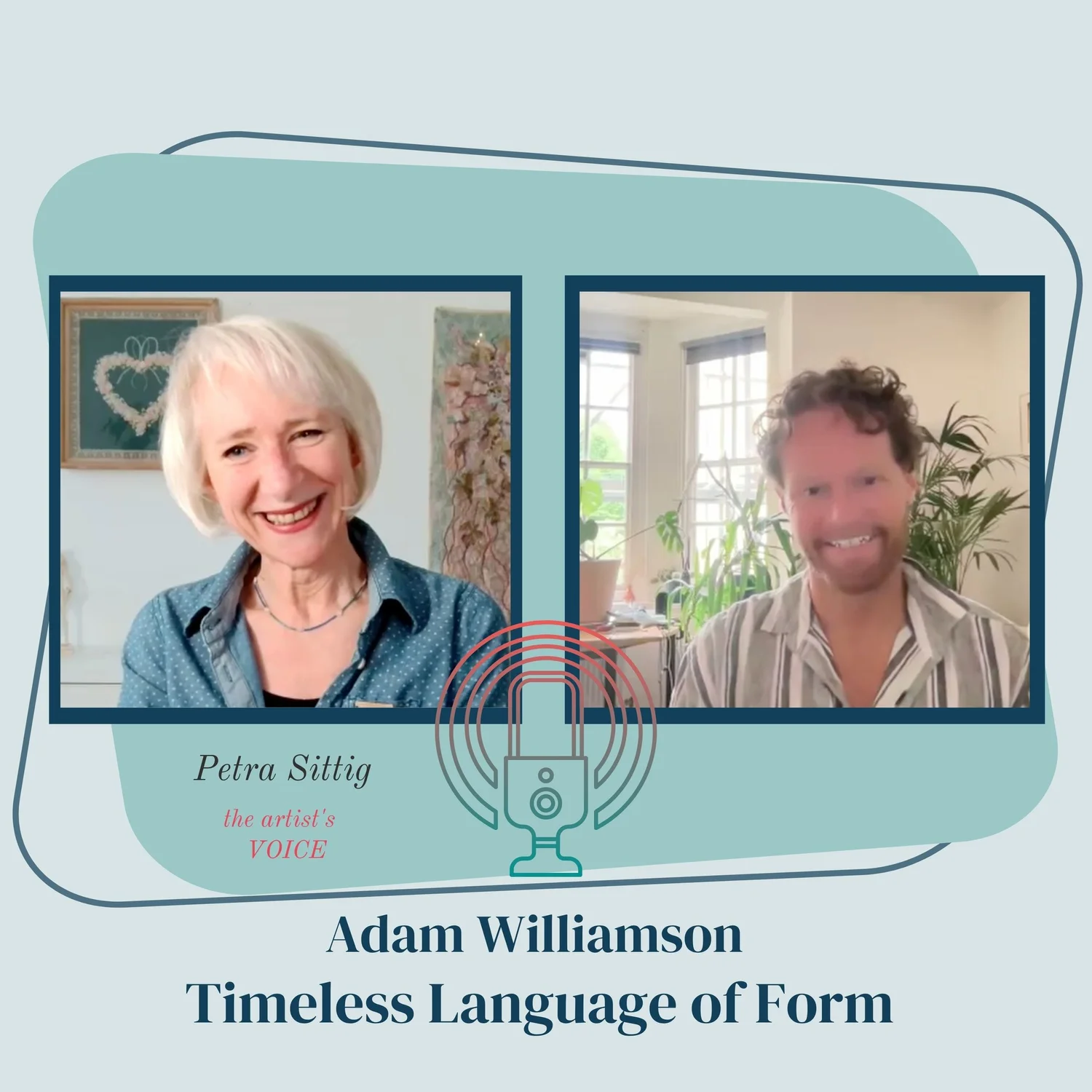 The Timeless Language of Form | Adam Williamson Interview | Adam Williamson is an award-winning UK-based sculptor and calligrapher whose work bridges geometry, carving, pattern-making, and timeless design. Trained in calligraphy, geometric design, and stone and wood carving, Adam’s practice is rooted in the study of proportion, tessellation, and the universal patterns found in both nature and architecture. His sculptures and large-scale works have been exhibited and commissioned internationally, reflecting an extraordinary level of craftsmanship and precision. In this fascinating conversation, Adam speaks about the strong influence of his father, a carpenter, from whom he not only learnt practical skills but also the value of dedication and work ethic. He shares insights into his creative process, explaining how the material itself often guides and inspires the artwork. Adam reflects honestly on the challenge of beginning a new piece — that moment of uncertainty when faced with “nothing” — and how working through those difficult stages becomes part of the satisfaction and reward of creating. We also discuss his remarkable spheres with intricate wooden inlays, the extensive time involved in producing these works, and his deep appreciation for classical design and geometry. Adam believes that certain forms possess an inherent beauty that requires no explanation or persuasion — they simply resonate on a universal level. I found Adam’s work breathtakingly beautiful and almost impossible to comprehend as something created by human hands, especially on such a monumental scale. This was a deeply inspiring and enjoyable conversation about craftsmanship, patience, beauty, and the timeless language of form. https://www.adamwilliamson.com The Inspiration by Keys of Moon | https://soundcloud.com/keysofmoon Attribution 4.0 International (CC BY 4.0) https://creativecommons.org/licenses/by/4.0/ Music promoted by https://www.chosic.com/free-music/all/ | — | ||||||
| 5/11/26 | 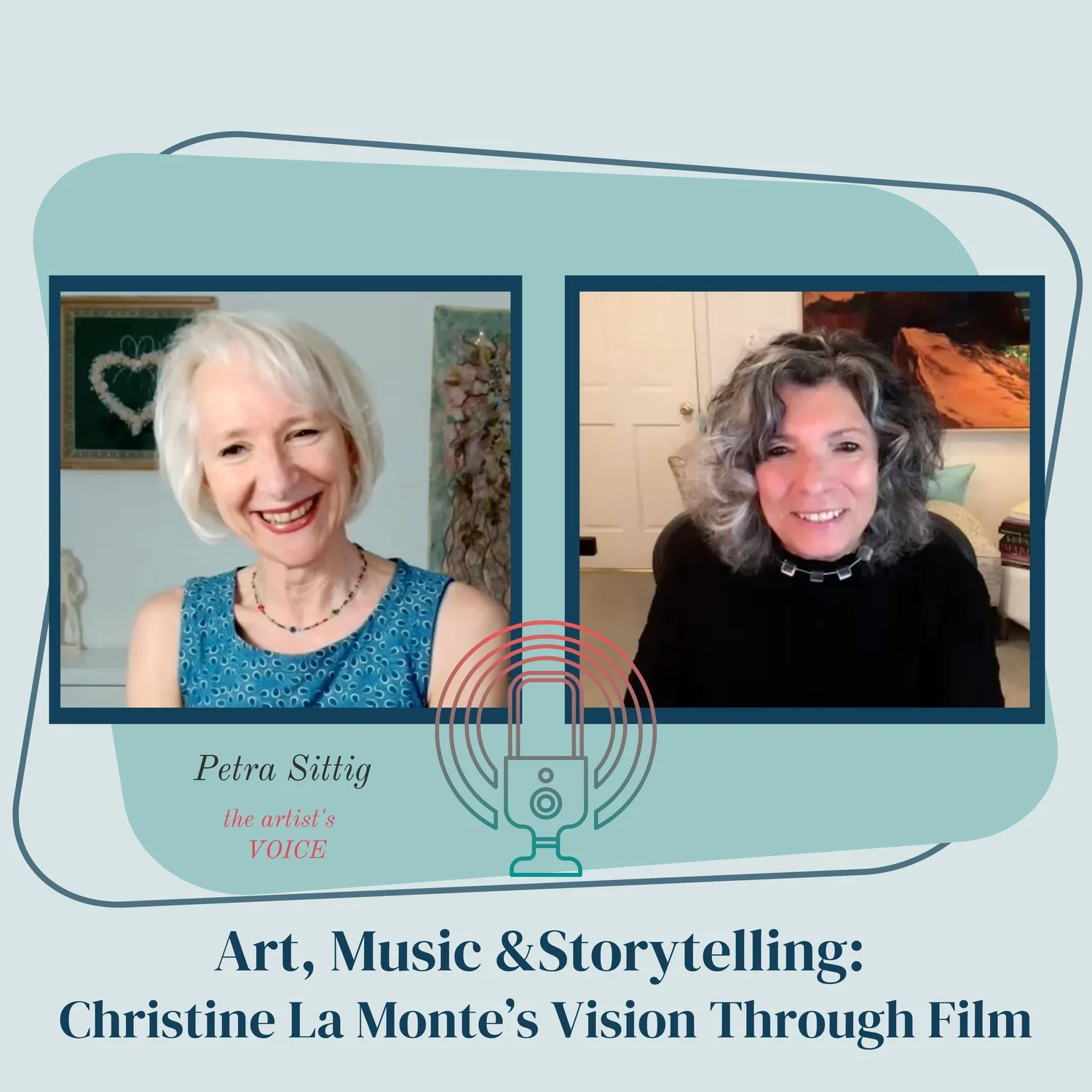 Art, Music & Storytelling: Christine La Monte’s Vision Through Film | I recently had the pleasure of speaking with producer, director, writer and former film marketing executive Christine La Monte, whose career has included working with major studios such as Universal, Disney and Orion before founding La Monte Productions.Christine shared beautiful memories of growing up in an Italian family in New York, where Sunday sauce at her grandmother’s home became a tradition that brought generations together through food, storytelling and connection. She also spoke about her lifelong love of film, how she visualised stories from a young age, and her journey into the film industry.With a deep understanding of filmmaking from both the creative and business side of the industry, Christine now creates meaningful films that celebrate humanity, art and connection.We also spoke about her moving documentary Viva Verdi, featuring the Academy Award® nominated song “Sweet Dreams of Joy” by Nicholas Pike. The film offers an intimate glimpse into the lives of celebrated opera singers and musicians living at Casa Verdi in Milan — the extraordinary home built by Giuseppe Verdi in 1896 for retired musicians. More than a residence, Casa Verdi is a living artistic community where older musicians mentor young music students, creating a beautiful exchange between generations.This conversation deeply inspired me and once again reminded me of the essential role the arts play in society. Art connects us, preserves stories, creates empathy and gives meaning to the human experience. | — | ||||||
| 5/7/26 | 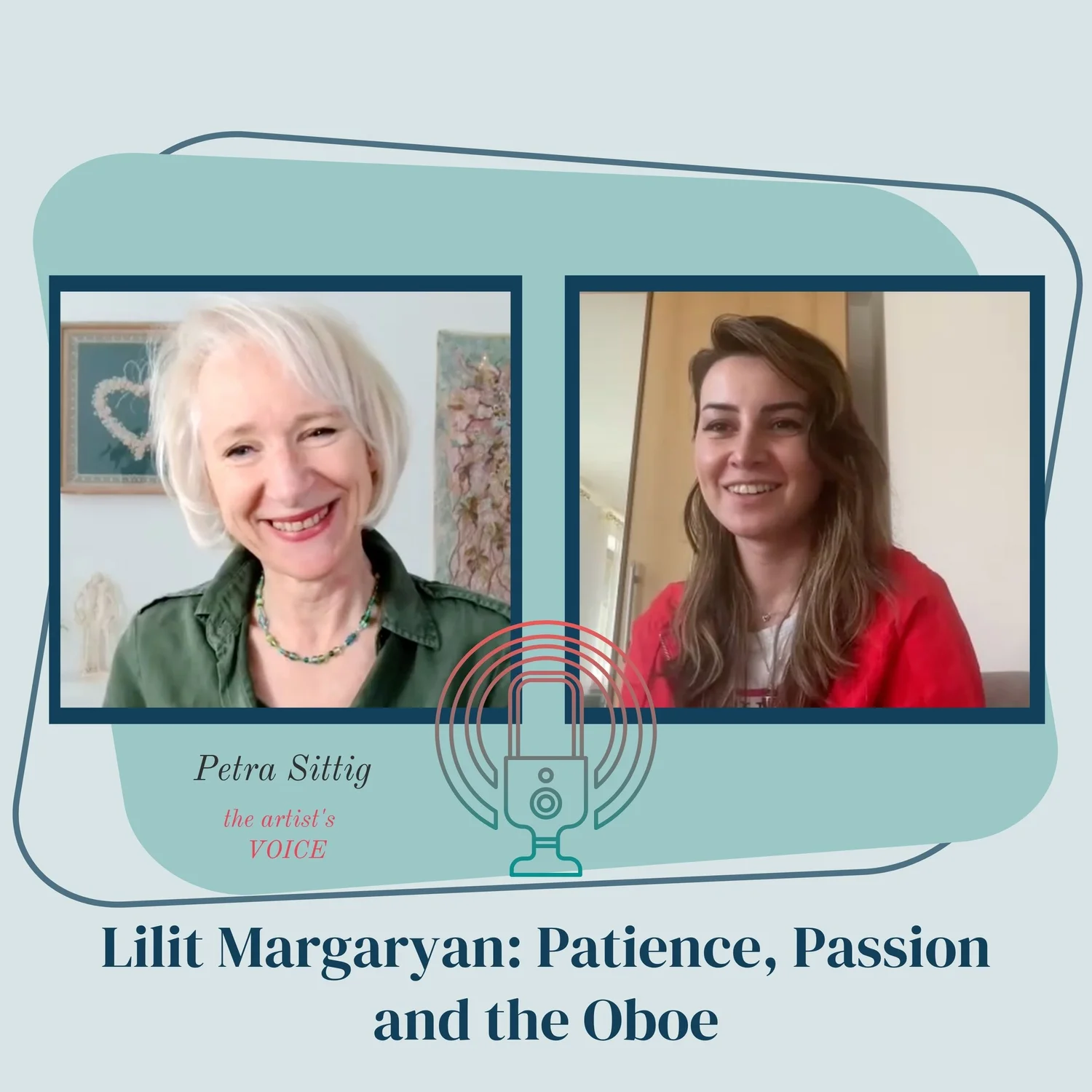 Lilit Margaryan: Patience, Passion and the Oboe | Lilit Margaryan a recent graduate of the Anton Bruckner Private University in Linz Austria, where she studied under Peter Tavernaro. In this inspiring interview, Lilit reflects on her journey from growing up in Armenia to pursuing her musical studies abroad, sharing the personal and artistic challenges that shaped her path. Interestingly, Lilit’s introduction to the oboe happened almost by accident. Drawn to the instrument because it was something unusual and rarely played, she was fascinated by its unique character and expressive sound. What began as curiosity soon became a passion that would lead her far from home in search of the musical education she dreamed of. Lilit speaks openly about the difficult decision many young musicians face when leaving their home countries to study abroad. Moving to Austria meant adapting not only to a new educational system, but also to a different language, culture, and way of life. She explains how these shared experiences create strong bonds between international music students, who understand the emotional and practical obstacles each other faces while building a life far from home. The conversation also explores the intricate and demanding nature of the oboe itself — an instrument often considered one of the most challenging to master. Lilit discusses the patience, discipline, and dedication required to pursue a career as a musician, especially on such a technically sensitive instrument. She gives fascinating insight into the art of reed making, explaining how oboists carefully craft and adjust their own reeds over time. Even the smallest variation in the reed can dramatically influence the tone, intonation, response, and emotional colour of the instrument. Through years of practice, she has learned how essential reed making is to developing a personal sound and artistic identity as an oboist. Always drawn to the road less travelled, Lilit is also deeply interested in exploring jazz on the oboe — a rare and exciting direction for the instrument. Her curiosity and willingness to push beyond traditional boundaries reflect both her adventurous musical spirit and her determination to keep discovering new possibilities. This was a wonderful and thoughtful conversation with a young musician whose journey has taught her not only about music, but also about resilience, independence, adaptability, and personal growth. Lilit’s story is a reminder that the path of an artist is as much about life experience as it is about technical mastery, and that the courage to follow an uncommon path can lead to something truly meaningful. | — | ||||||
| 5/4/26 | 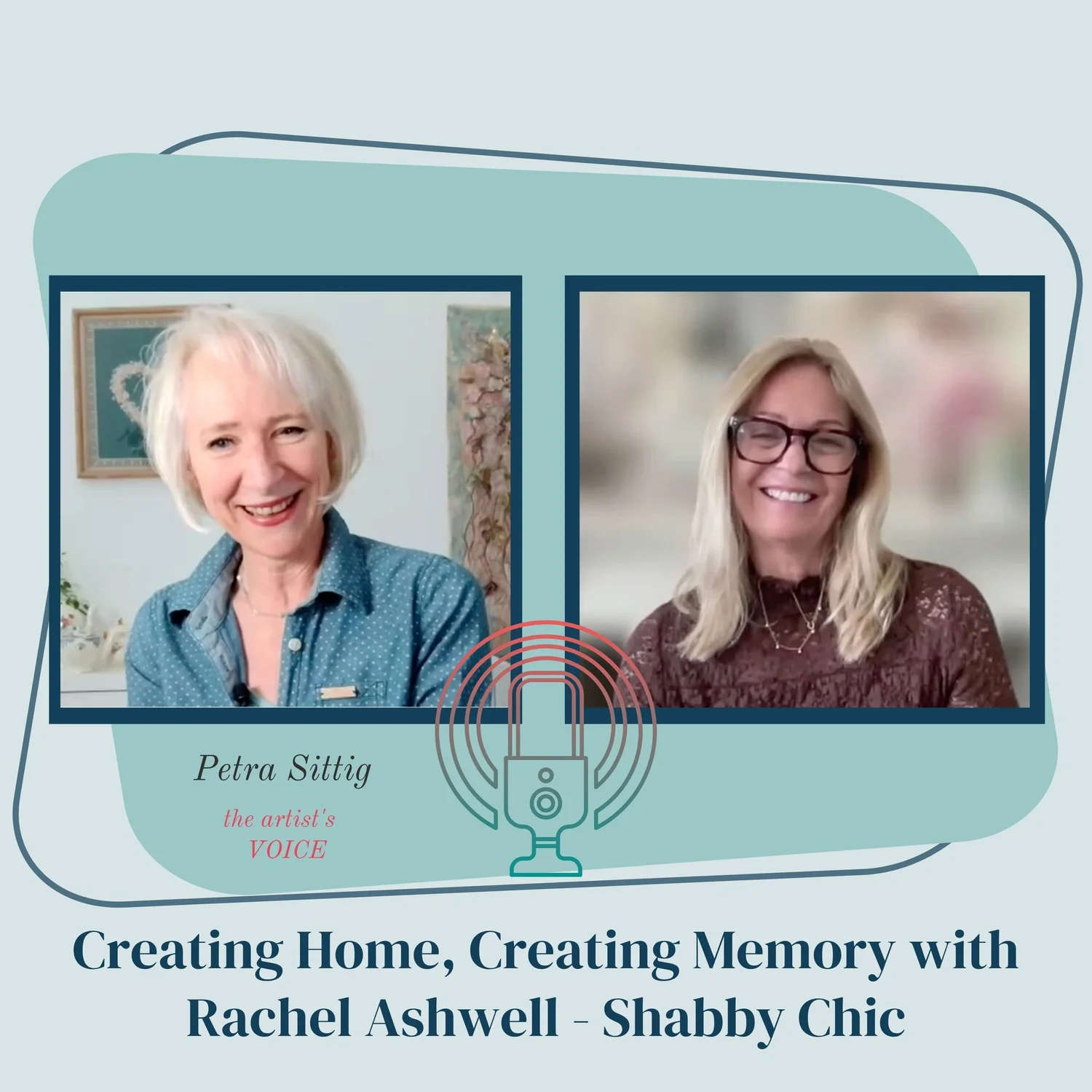 Creating Home, Creating Memory with Rachel Ashwell - Shabby Chic | In this episode of The Artist’s Voice, I speak with Rachel Ashwell, designer, author, and founder of the iconic Shabby Chic. Rachel shares stories of her childhood in England, growing up surrounded by antiques through her father’s work as a dealer, and the gentle artistry of her mother, who restored antique dolls and bears. These early influences shaped her deep appreciation for beauty, history, and the poetry of imperfection. We talk about her early career in costume and prop styling, and how this creative foundation later informed her distinctive aesthetic. In a pivotal chapter of her life, as a single mother of two young children, Rachel opened a small shop, a moment that would lead to the birth of Shabby Chic. Her vision was simple yet profound: to create furniture and linens that were both beautiful and child-friendly, spaces that could be lived in fully and lovingly. Rachel speaks openly about the early years of building her business through trial and error, and how determination carried her through every challenge. She also shares the story behind the name “Shabby Chic,” and how it reflects not only a design philosophy, but her personality and way of seeing the world. Now releasing her 12th book, Meadow Manor, Rachel offers insight into this latest project and what it represents at this stage of her life. We also touch on motherhood, what her children have learned from her journey, and the deeper meaning behind creating a home. For Rachel, Shabby Chic is more than a design style — it is about memory, authenticity, and making a home wherever you find yourself. This conversation is filled with warmth, wisdom, and quietly powerful business insights woven through a life lived creatively. Meadow Manor https://a.co/d/02x0kPfs https://www.shabbychic.com/?srsltid=AfmBOoq8-XUtRIE2KbBWgt51HHHmmFlhCR21PrpLr3u2m9ByewSU1IrQ https://www.shabbychic.com/blogs/rachel-ashwell-shabby-chic-couture-official-blog-amp-news/title?srsltid=AfmBOopt3hChAQz1C9miT3opRtQ6iK_jboyhDoLgF8pwppdafB8Yk698 | — | ||||||
| 4/30/26 | 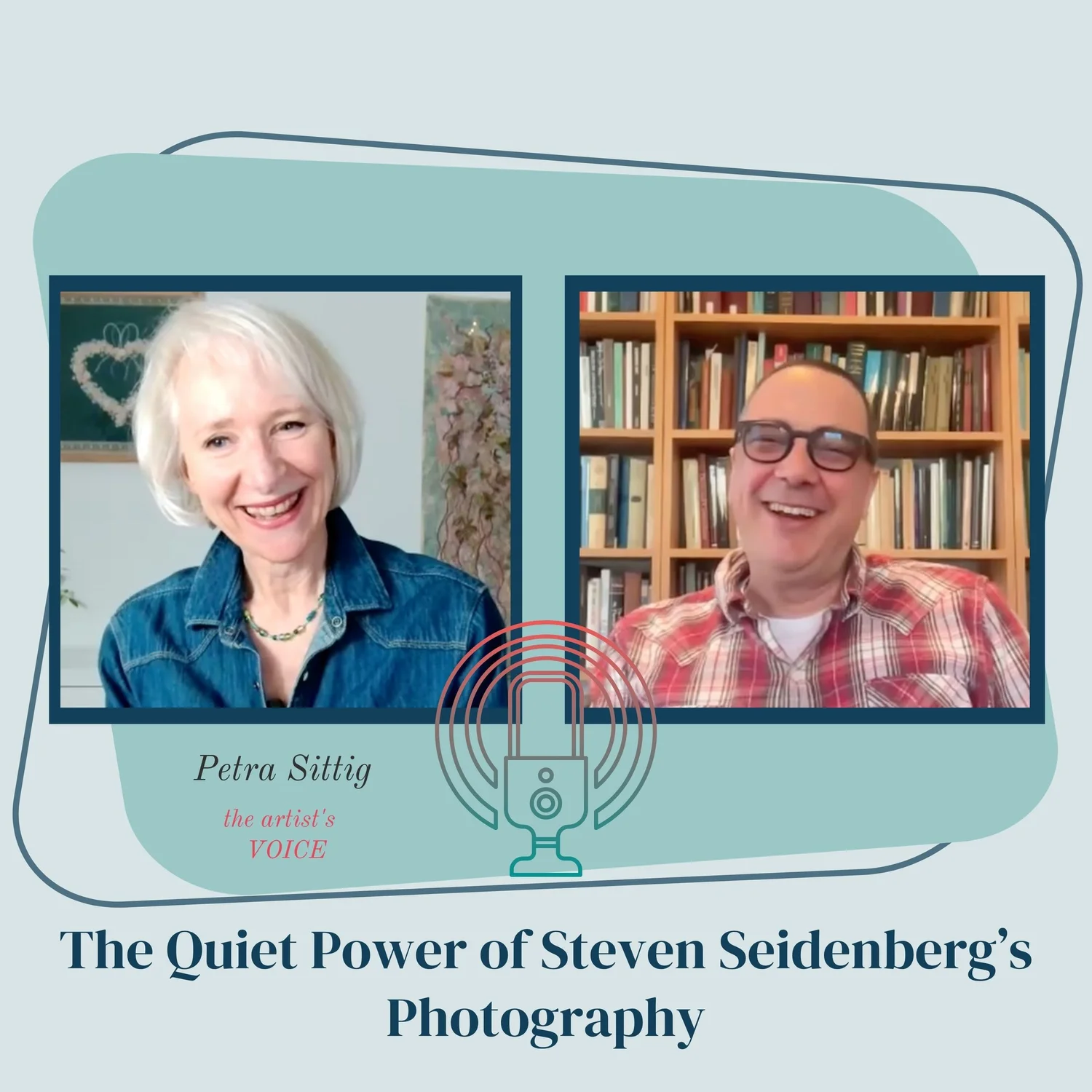 The Quiet Power of Steven Seidenberg’s Photography: Forgotten Places, Hidden Stories | The Inspiration by Keys of Moon | https://soundcloud.com/keysofmoon Attribution 4.0 International (CC BY 4.0) https://creativecommons.org/licenses/by/4.0/ Music promoted by https://www.chosic.com/free-music/all/ | — | ||||||
Want analysis for the episodes below?Free for Pro Submit a request, we'll have your selected episodes analyzed within an hour. Free, at no cost to you, for Pro users. | |||||||||
| 4/27/26 | 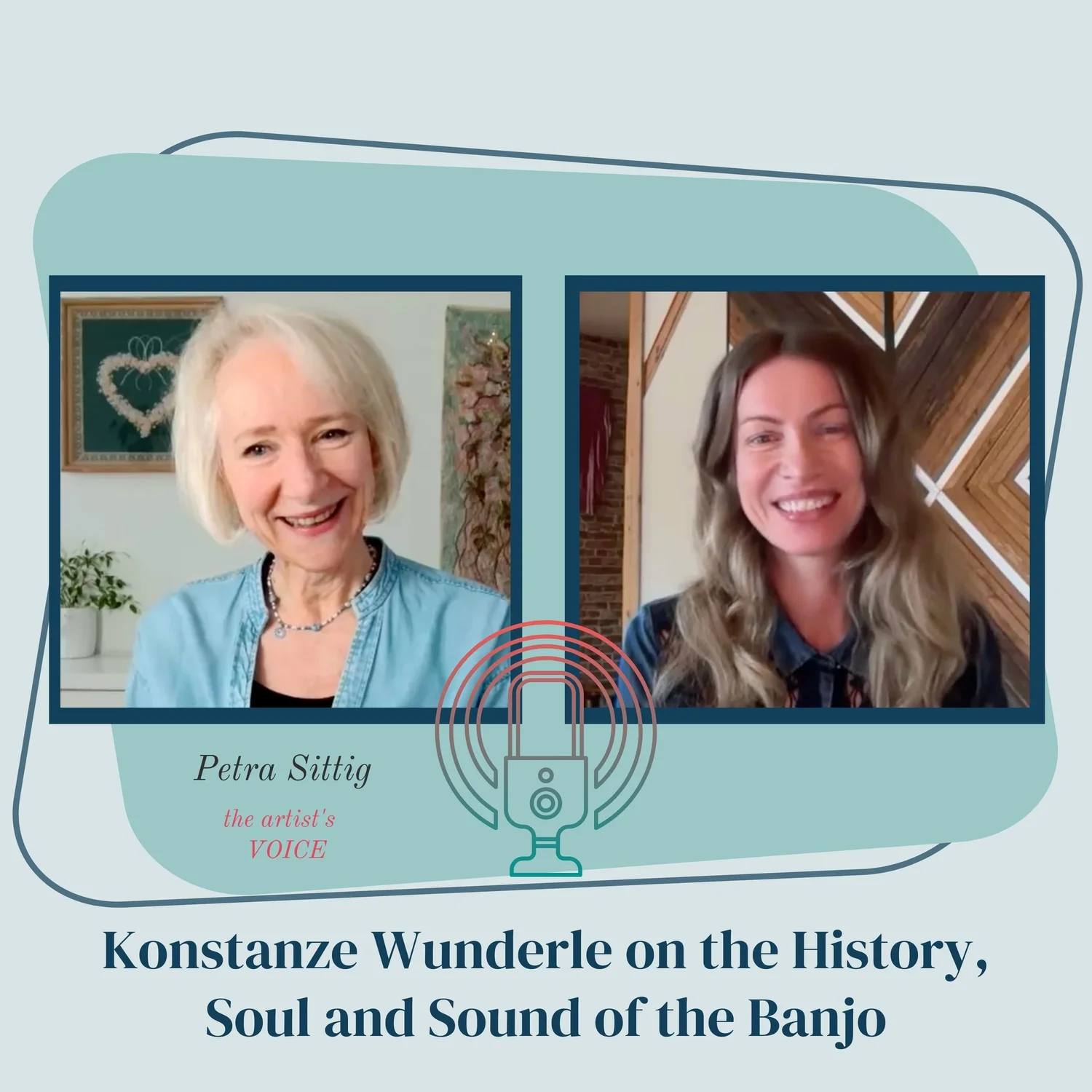 Konstanze Wunderle on the History, Soul and Sound of the Banjo | In this interview, I speak with German banjo player Konstanze Wunderle, who shares the story of how she first fell in love with the unique and captivating sound of the banjo. Drawn to its character from the very beginning, Konstanze reflects on what inspired her to pick up the instrument and follow its musical path. She takes us on a journey through the rich and complex history of the banjo, tracing its roots back to West African instruments and its evolution in America. From early gourd banjos crafted by enslaved people to the development of various modern forms, including the five-string banjo commonly used in bluegrass, the four-string tenor and plectrum banjos popular in jazz, Konstanze highlights how each style carries its own voice and tradition. The banjo’s sound, she explains, holds a raw sincerity, deeply connected to its origins. Reflecting on its history, particularly its use among enslaved communities in America, she speaks about the emotional power of music born from hardship and resilience. Konstanze also shares her personal journey to the United States, where she immersed herself in the heart of banjo culture, playing alongside local musicians to deepen her understanding and refine her craft. It was there that she truly connected with the spirit of the instrument. Together with her husband, Nashville-based singer-songwriter Joe Wunderle, she performs and tours across America and Europe, bringing their music to diverse audiences. In recent years, Konstanze has also begun exploring the bass, discovering a new dimension to her musical expression and a fresh connection to rhythm and groove. This is a warm and inspiring conversation with a dedicated musician who followed her passion across continents — a German artist who found her musical home in Nashville while carrying the soulful voice of the banjo wherever she plays. | — | ||||||
| 4/16/26 | 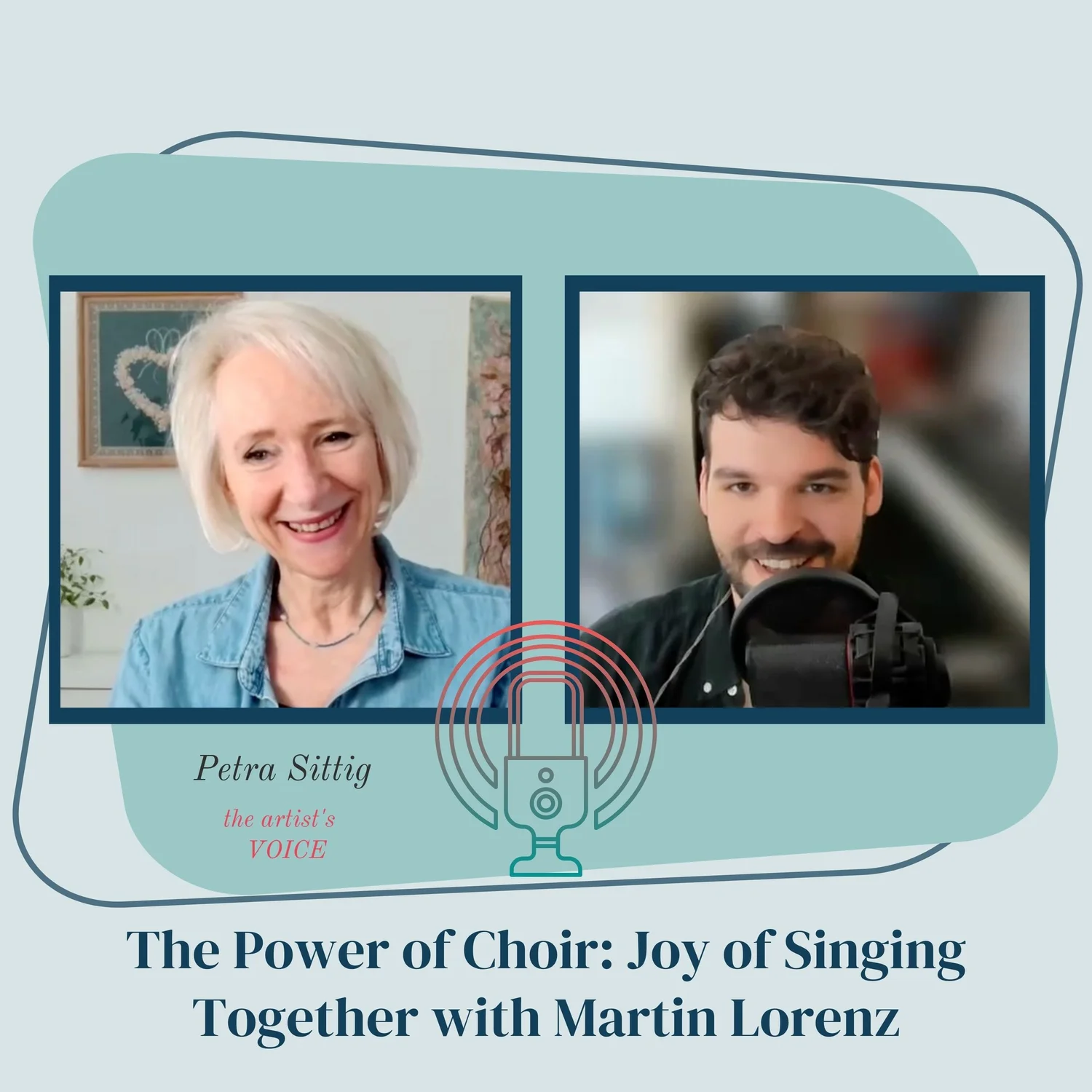 The Power of Choir: Joy of Singing Together with Martin Lorenz | In this conversation, I speak with Martin Lorenz—a passionate singer, vocal coach, and choir facilitator based in Germany—about his innovative One Day Choir project. Martin shares how these unique, one-off choir events invite people of all backgrounds to come together and experience the joy of singing without pressure or expectation. The focus is not on perfection, but on presence—on enjoying the moment, connecting through music, and rediscovering the simple pleasure of using one’s voice. What makes this initiative so special is the transformation that happens within just a few hours: strangers arrive, and by the end of the session, they leave as friends, united through a shared musical experience. Martin reflects on the deep emotional and social benefits of singing in a choir—from reducing stress and boosting mood, to improving breathing, posture, and overall well-being. Choir singing also fosters a sense of belonging, strengthens listening skills, and creates a powerful collective energy that is both uplifting and healing. We also dive into Martin’s work with Quintense, the a cappella group he is part of, where he not only performs but also composes and arranges music tailored specifically to the voices within the ensemble. He shares insights into their concert work and the creative process behind crafting music that truly fits the group’s unique sound. Martin’s journey is equally compelling—originally trained in mechanical engineering, he chose to follow a more meaningful and purpose-driven path in music. Today, he is deeply committed to making singing accessible to everyone, especially children, recognizing the importance of introducing young people to the joy and confidence that comes from singing together. This is a heartfelt and uplifting conversation about music, community, and the courage to follow what truly brings fulfillment. The Inspiration by Keys of Moon | https://soundcloud.com/keysofmoon Attribution 4.0 International (CC BY 4.0) https://creativecommons.org/licenses/by/4.0/ Music promoted by https://www.chosic.com/free-music/all/ | — | ||||||
| 4/13/26 | 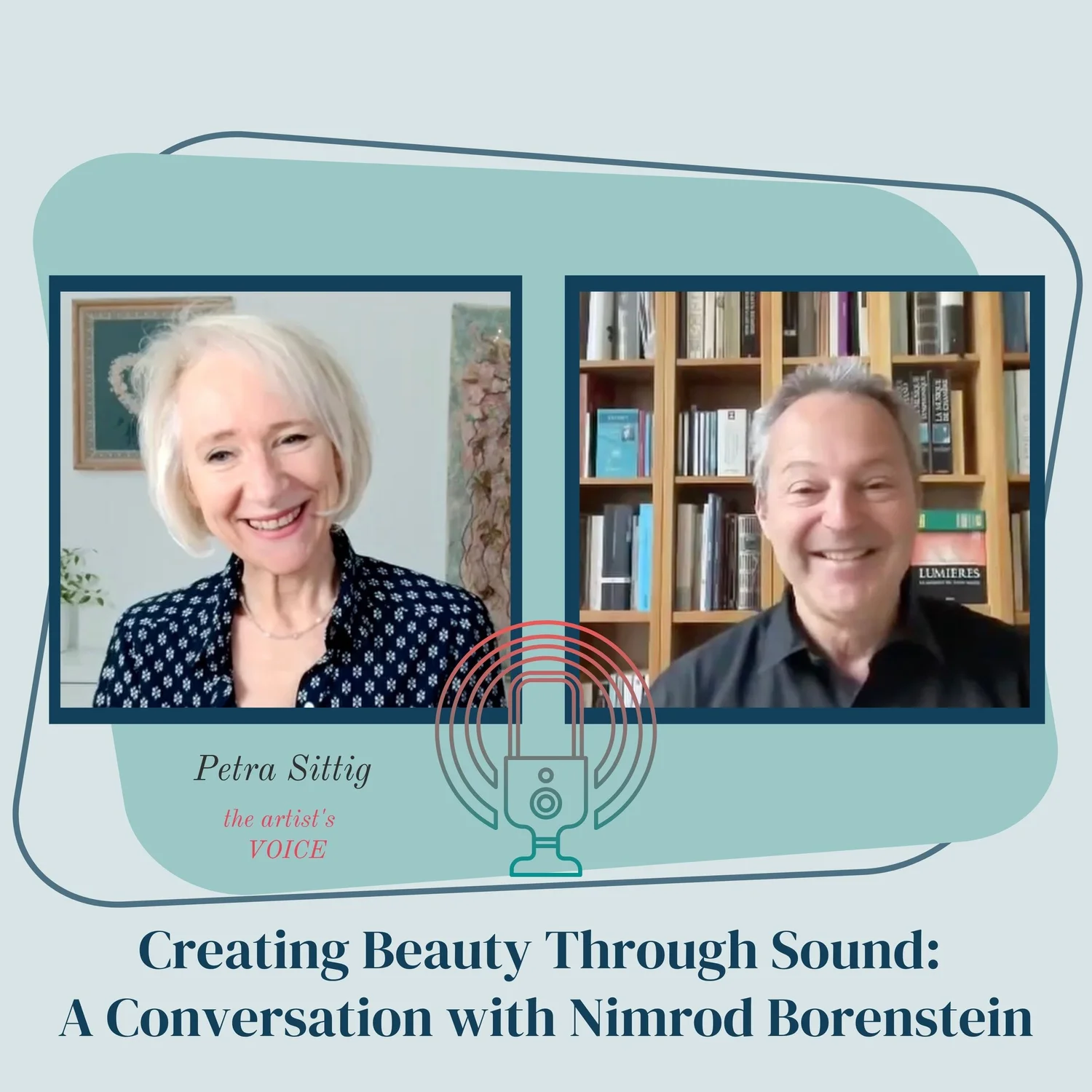 Creating Beauty Through Sound: A Conversation with Nimrod Borenstein | In this fascinating and deeply insightful interview, I had the pleasure of speaking with composer and conductor Nimrod Borenstein about his latest recording, released at the end of March. Conducting the English Chamber Orchestra, Nimrod brings to life a beautiful and evocative program featuring Shakespeare Songs, a Mandolin Concerto, and an Oboe Concerto. The recording showcases an exceptional lineup of artists, including soprano Sarah Fox, mandolinist Alon Sariel, and oboist Sanja Romic, all under Nimrod’s own direction. During our conversation, Nimrod shares the inspiration behind his music, speaking passionately about his desire to create beauty through composition—something that lies at the very heart of his artistic vision. He offers wonderful insight into his writing process, particularly his love for the mandolin, whose unique tone and expressive qualities continue to inspire him as a composer. We also delve into the striking artwork featured on the album cover, which holds special personal meaning: it is a painting by his father, Alec Borenstein. This connection adds another layer of depth to the project, blending music and visual art in a truly meaningful way. This interview offers a rare glimpse into Nimrod’s creative world—his influences, his philosophy, and the stories behind his works. He also shares his aspirations for the future, including his wish to compose an opera in the near future. A rich and inspiring conversation that sheds light on a composer dedicated to beauty, expression, and artistic connection. https://www.nimrod-borenstein.com | — | ||||||
| 4/9/26 | 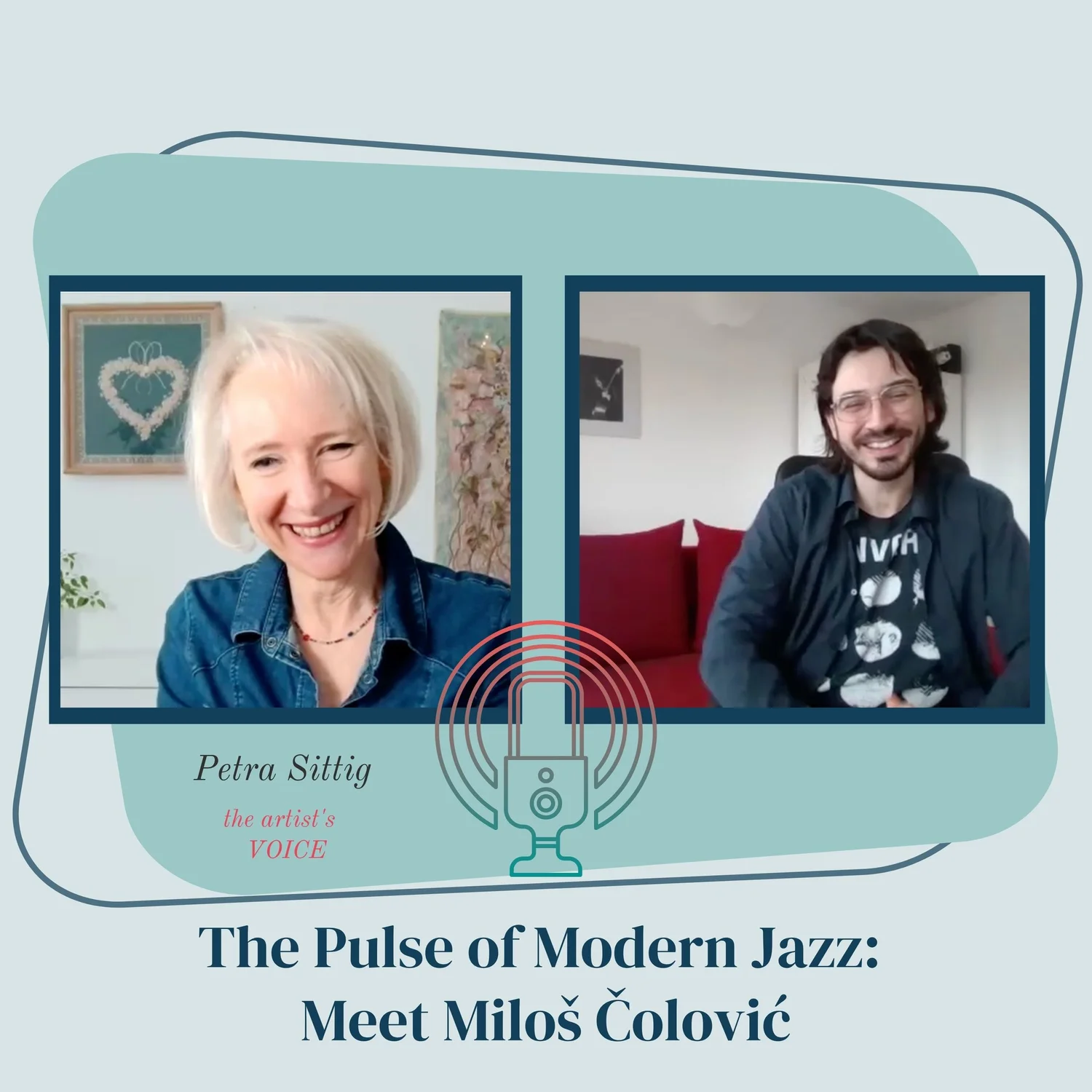 The Pulse of Modern Jazz: Meet Miloš Čolović | In this interview, I talk with Serbian-born jazz double bassist Miloš Čolović, whose dynamic presence spans both the Austrian and Serbian jazz scenes. Currently based in Vienna, Miloš is steadily building an international career while completing his master’s studies, following his education at the University of Music and Performing Arts Graz. Miloš reflects on his early musical beginnings, which started with classical piano before he discovered a passion for bass guitar at the age of 11. Influenced initially by the sounds of 90s rock, his path took a decisive turn toward jazz, leading him to study classical double bass in order to master the technique and depth of the instrument. This foundation would later shape his expressive voice as both a performer and composer. Throughout the interview, Miloš shares insights into his journey into Vienna’s vibrant jazz scene, where he has become a sought-after sideman, performing with various ensembles across Europe. Alongside his collaborative work, he leads his own projects, bringing his distinctive compositional style to life—rooted in post-bop traditions and inspired by legends such as Wayne Shorter, Joe Henderson, Andrew Hill, and Bill Evans. A highlight of our discussion is his debut album, To The Beat Of My Footsteps, released in early 2025 on A.MA Records. The album showcases a compelling fusion of jazz with elements of grunge and cinematic soundscapes, performed in both trio and sextet formats alongside leading Serbian jazz musicians. Listening to Miloš speak about music—his creative process, his influences, and his experiences—feels both inspiring and contagious. His passion for jazz resonates deeply, leaving you not only with a richer understanding of his artistry but also with a renewed desire to immerse yourself in the world of jazz. | — | ||||||
| 4/6/26 | 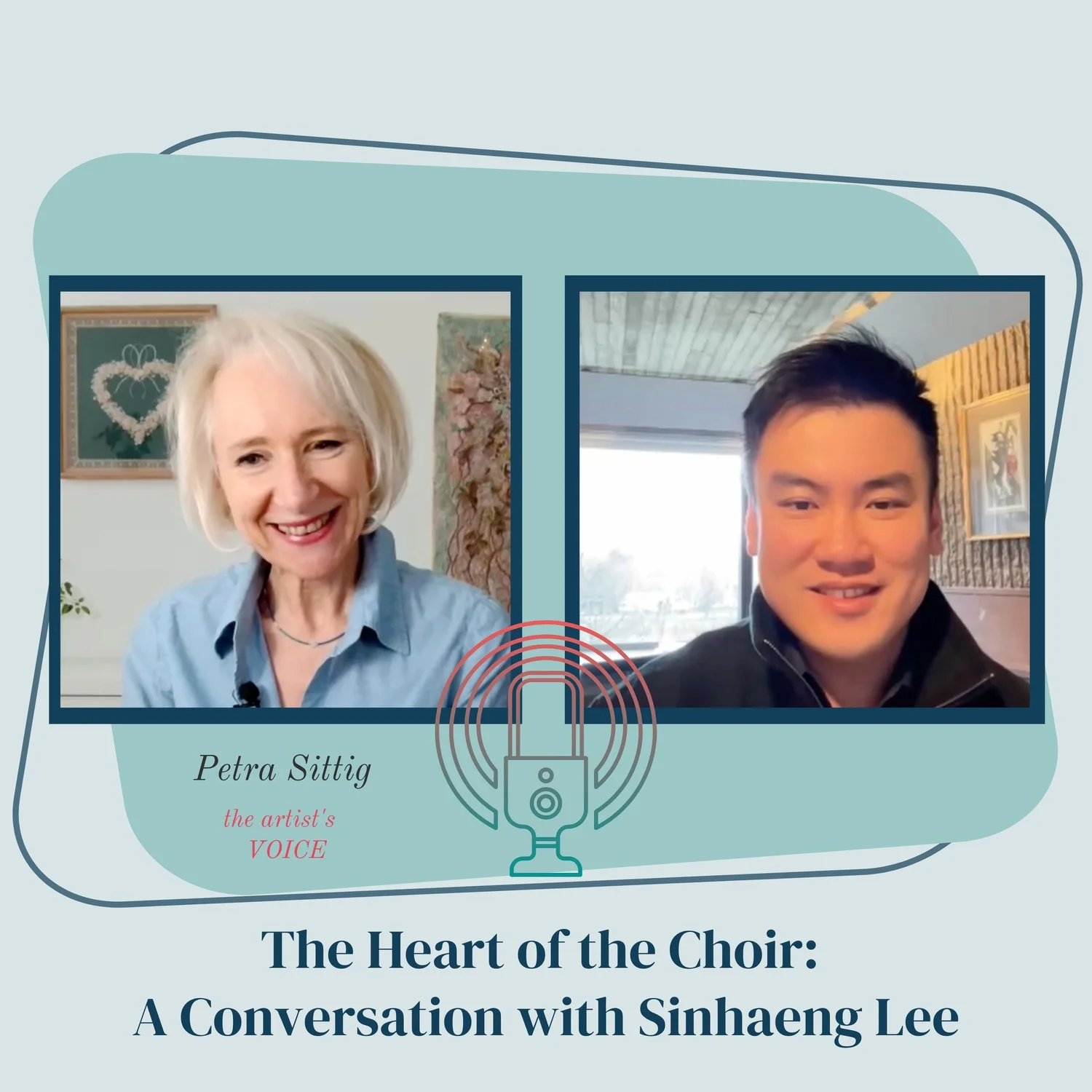 The Heart of the Choir: A Conversation with Sinhaeng Lee | In this conversation, I speak with choir conductor Sinhaeng Lee, Assistant Professor of Music and Director of Choral Programs at Colgate University, as well as the founder and artistic director of Vox Amicis, a professional ensemble based in Seoul, South Korea. Sinhaeng shares his rich experience working with a wide range of choirs—from youth ensembles to professional singers—and reflects on a particularly meaningful collaboration between the Colgate University Choir and the Hamilton College Choir, alongside Director Charlotte Botha. He offers a glimpse into the artistic exchange and energy that made this joint project so memorable. We also explore the fascinating parallels and distinctions between conducting choirs and orchestras, as Sinhaeng reveals how each demands a unique approach while ultimately serving the same musical purpose. A part of our discussion centers on his journey from Korea to the United States. Sinhaeng speaks candidly about the challenges of adapting—not only to a new language and culture, but also to a transformed mindset as a conductor. He shares how his perspective evolved from striving for technical perfection toward embracing the emotional core of music-making. For Sinhaeng, choral conducting is not just about perfect pitch and rhythm—it’s about connection, intention, and the powerful act of expressing music from the heart to the audience. The Inspiration by Keys of Moon | https://soundcloud.com/keysofmoon Attribution 4.0 International (CC BY 4.0) https://creativecommons.org/licenses/by/4.0/ Music promoted by https://www.chosic.com/free-music/all/ | — | ||||||
| 4/2/26 | 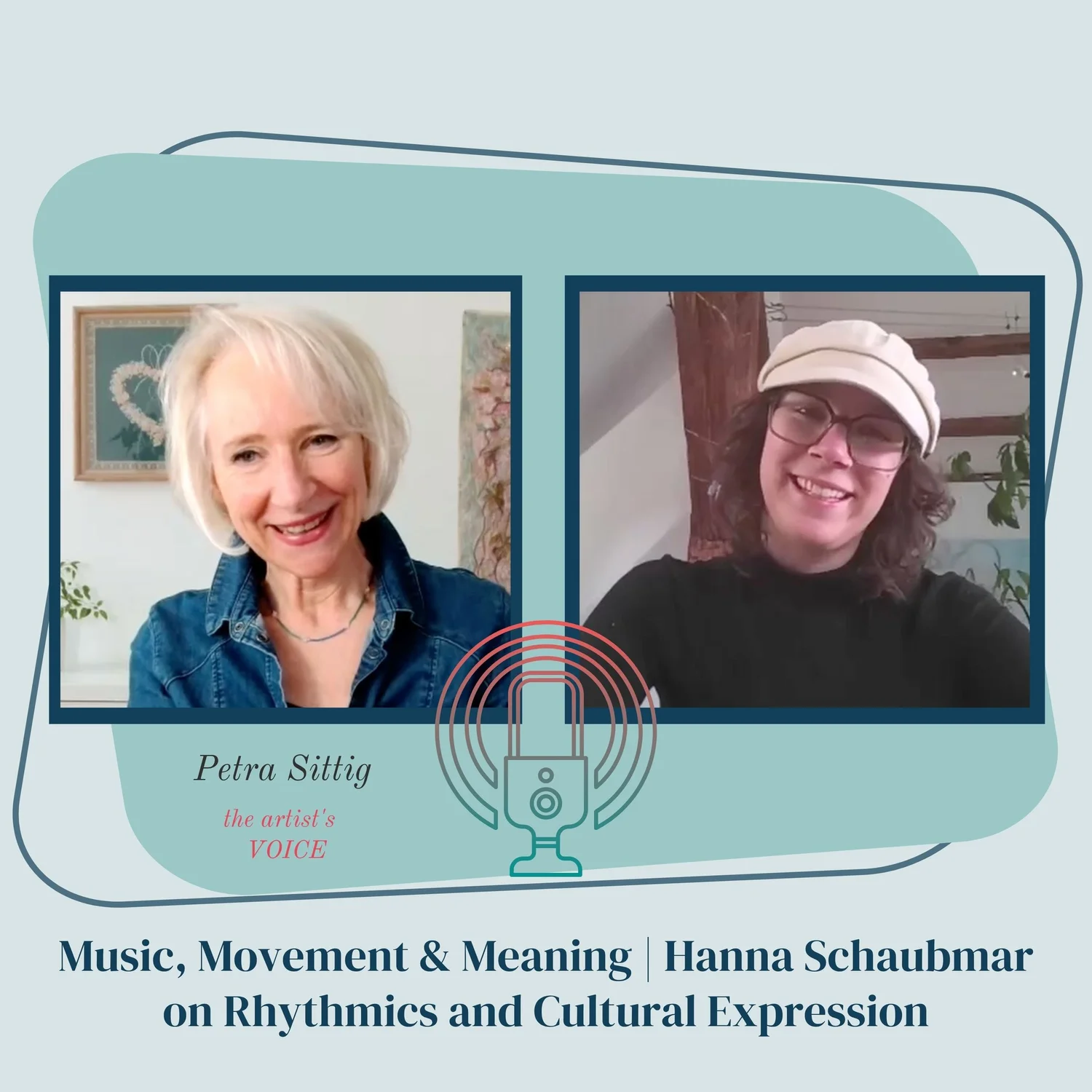 Music, Movement & Meaning | Hanna Schaubmar on Rhythmics and Cultural Expression. | In this inspiring conversation, I talk with Hanna Schaubmar, a dynamic young artist whose work beautifully bridges music, movement, and cultural expression. Currently studying Rhythmics at MDW – University of Music and Performing Arts Vienna through the Erasmus program, Hanna shares insights into a discipline that merges music with body, movement, and dance. Rhythmics is more than a practice—it’s an approach to learning that develops both musicality and motor skills, where the interaction between sound and movement becomes a foundation for creativity and personal expression. Alongside her studies in Vienna, Hanna is also pursuing music pedagogy in Würzburg, embracing the richness and variety that comes with exploring different educational and artistic environments. Her passion for diversity extends into her performance work: she is a member of the Global Groove Orchestra, an ensemble dedicated to interpreting musical styles from around the world while honoring their cultural roots. Through oral traditions, improvisation, and flexible collaboration, the group creates a vibrant and inclusive musical experience. Hanna also brings her energy to the stage as part of Funkloch, a four-piece band performing funk music in German, showcasing yet another facet of her artistic identity. A strong thread throughout our conversation is Hanna’s deep appreciation for folk music. She reflects on how it serves as a powerful cultural language—one that transcends borders, expressing universal human emotions across different languages and traditions. This is a thoughtful and uplifting discussion with an artist who truly embraces the possibilities of her path. Hanna speaks with clarity and optimism about growth, change, and creativity, reminding us that when one door closes, another opportunity is always waiting to be discovered. The Inspiration by Keys of Moon | https://soundcloud.com/keysofmoon Attribution 4.0 International (CC BY 4.0) https://creativecommons.org/licenses/by/4.0/ Music promoted by https://www.chosic.com/free-music/all/ | — | ||||||
| 3/30/26 |  Pencil Artist Vincent Reid | Wildlife Art, Creative Process & Howick Art Scene | In this inspiring conversation, I talk with pencil artist Vincent Reid, who lives and works in Howick, a small town in the Midlands of South Africa known for its vibrant and ever-growing art and music scene. Vincent reflects on his creative journey, beginning with his art education in Zimbabwe and his early career as an interior designer, before courageously transitioning into life as a full-time artist after relocating from Durban to Howick. Deeply connected to nature, Vincent shares how his artistic process begins outdoors—immersing himself in the raw beauty of wildlife and natural surroundings. These lived experiences become the foundation for his intricate pencil drawings, which capture not only physical detail but also a profound sense of presence and emotion. One of the most touching aspects of his process is his decision to draw the eyes of his subjects last—a deeply personal reward that brings each piece to life and marks the emotional completion of his work. Beyond visual art, Vincent is also a passionate musician, actively contributing to the local music scene alongside his daughter. Together, they are part of a creative community that thrives on collaboration, connection, and mutual support. Vincent speaks with genuine enthusiasm about Howick as a place where art and music intersect, and he expresses a heartfelt desire to see more young people inspired to explore their creativity. https://reidstudios.co.za https://lovecities.org.za | — | ||||||
| 3/5/26 |  Driven by Music: The Determined Journey of Peter-John Frans | In this inspiring episode of The Artist’s Voice, I speak with PJ – Peter-John Frans, a passionate jazz keyboard player currently based in Dubai. PJ takes us back to his childhood in Atlantis, South Africa, where music was not just something you listened to — it was something you lived. His mother played a profound role in shaping his musical journey. At home, she encouraged her children to sing together, creating a foundation of harmony, discipline, and joy that would stay with PJ for life. That early love of music continued in church, where he sang in the choir and deepened his connection to gospel music. As a young boy, PJ was already driven by a powerful inner calling to make music. He first picked up the guitar, determined to teach himself through listening, experimenting, and constant practice. Later, it was his mother once again who encouraged him to start playing the keyboard — an instrument that would eventually become his voice and signature sound. A self-taught musician, PJ has built his artistry through dedication, passion, and an unwavering commitment to growth. Since moving to Dubai, he has explored a wide range of musical genres, expanding his versatility while staying true to his heart: Jazz and Gospel. In our conversation, PJ shares insights into the vibrant music scene in Dubai and speaks about the opportunities he is creating for fellow musicians, supporting collaboration and artistic development. I love this story — from a young boy singing with his siblings at home and in church, to becoming an innovative and generous musician making his mark internationally. PJ’s journey is one of faith, determination, and the enduring power of music. Listen to this uplifting conversation and discover how roots, resilience, and passion can shape a truly remarkable artistic path. https://youtu.be/Pc1EKAv2474?si=A64h-ULsHn3R3sXR https://youtu.be/okHYFOACWS8?si=H9jdEpuAmrNiDZ6k | — | ||||||
| 3/2/26 |  Between Performance and Perception – The Musical World of Anna Katharina Jakobi | In this inspiring episode of The Artist’s Voice, I speak with Anna Katharina Jakobi, a multi-instrumentalist from Cologne, currently studying at the University of Music and Performing Arts Vienna. Anna Katharina shares her journey as a young musician deeply committed to both performance and academia. Alongside her studies in Music Education, she is also pursuing Musicology, driven by a genuine curiosity about how music is perceived, understood, and contextualized. We talk about her passion for teaching and why she believes music and the arts must remain an essential part of the education system. Our conversation also touches on her enriching experience as part of an exchange program at the Royal College of Music in London, where she gained new artistic perspectives and international insight into musical training. Anna Katharina speaks beautifully about her love of performing and making music, balanced equally with her enthusiasm for research and academic exploration. Recently, she has spent more time at the organ and recounts the special story of how she received her first opportunity to play the church organ — a meaningful moment that opened a new musical chapter for her. This was such a warm and uplifting conversation, touching on so many of Anna Katharina’s passions and interests. A truly inspiring dialogue with a thoughtful and dedicated young musician. | — | ||||||
| 2/26/26 |  Dancing Beyond Borders: Stéphane Dalle and the Courage of Iranian Women | In my recent conversation with Ballet Master Stéphane Dalle, I was reminded once again why art is not a luxury — it is a lifeline.Stéphane’s career has taken him to some of the world’s most respected ballet companies, including the English National Ballet, Boston Ballet, Béjart Ballet Lausanne, and Ballet Frankfurt. Today, he is internationally recognized for teaching the floor barre method developed by Boris Kniaseff — a technique that strengthens, refines, and reconnects dancers to the foundations of classical ballet.But this interview went far beyond technique.Stéphane shared what he describes as the most touching teaching experience of his life: being contacted by women from Iran who longed to study floor barre. Because of cultural and religious restrictions, it was not possible to organize such a workshop openly in their country. What followed was an extraordinary effort to arrange a safe location outside Iran where they could gather and work together freely.He spoke with deep emotion about meeting these courageous women — artists who continue to carry their passion for dance despite immense societal challenges. We also reflected on the history of the Iranian National Ballet, which ceased to exist after the 1979 revolution. For many, dance in Iran is not simply performance — it is memory, identity, and quiet resilience. For Stéphane, this workshop was more than professional fulfillment. It was a powerful reminder that art transcends borders, politics, and ideology. In that shared space, movement became freedom — even if only for a moment.This conversation is a testament to the unifying power of art and to the courage of those who refuse to let it disappear. | — | ||||||
| 2/23/26 | 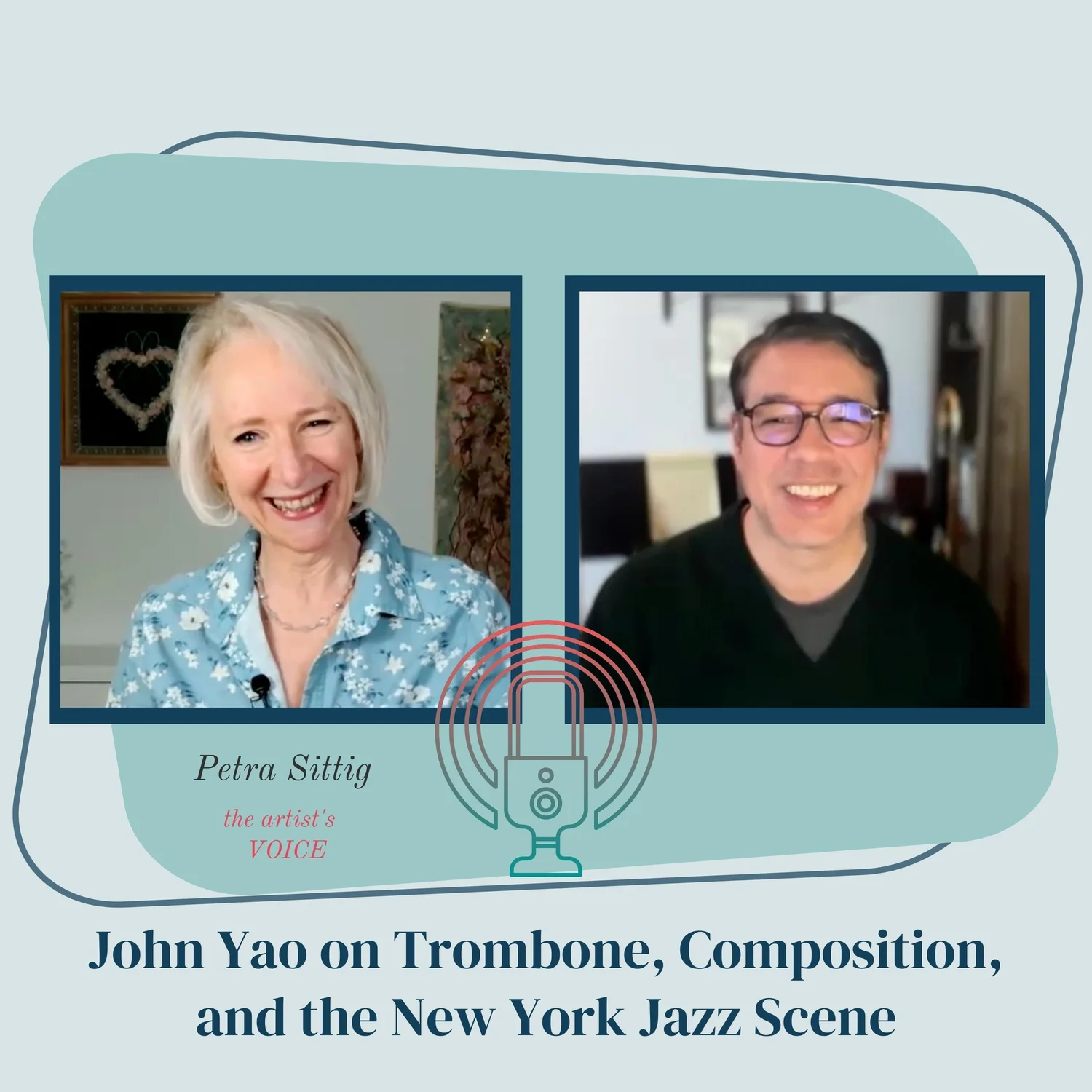 John Yao on Trombone, Composition, and the New York Jazz Scene | In this episode of The Artist’s Voice, I had the great pleasure of speaking with John Yao, a 2025 Guggenheim Fellow in Music Composition and one of the premier trombonists, composers, and arrangers on the New York City jazz scene. John shares the story of how he first picked up the trombone and how his deep love for jazz began to take shape. From his early musical curiosity to immersing himself in the vibrant jazz tradition, he reflects on the pivotal moments that shaped his artistic path. He speaks candidly about discovering his voice not only as a performer but also as a composer — and how saying “yes” to opportunities, collaborations, and creative challenges helped him grow into the artist he is today. We dive into his compositional process, the transition from interpreting music to creating it, and the responsibility and freedom that come with writing for both small ensembles and large groups. As a masterful bandleader, John has released six albums, each showcasing his distinctive musical language, rich textures, and thoughtful arrangements. John speaks about the ultimate reward of composing: the joy of hearing fellow musicians truly enjoy playing his music. For him, that shared musical energy — the connection between composer and performer — is what makes the creative journey meaningful. This was a thoughtful and engaging conversation offering genuine insight into John Yao’s work as a composer, trombonist, and artistic leader. His dedication to craft, collaboration, and the evolving language of jazz shines through in every part of this interview. A truly wonderful discussion with an artist who continues to shape the contemporary jazz landscape with integrity, vision, and heart. https://www.johnyao.com/bio The Inspiration by Keys of Moon | https://soundcloud.com/keysofmoon Attribution 4.0 International (CC BY 4.0) https://creativecommons.org/licenses/by/4.0/ Music promoted by https://www.chosic.com/free-music/all/ | — | ||||||
| 2/19/26 | 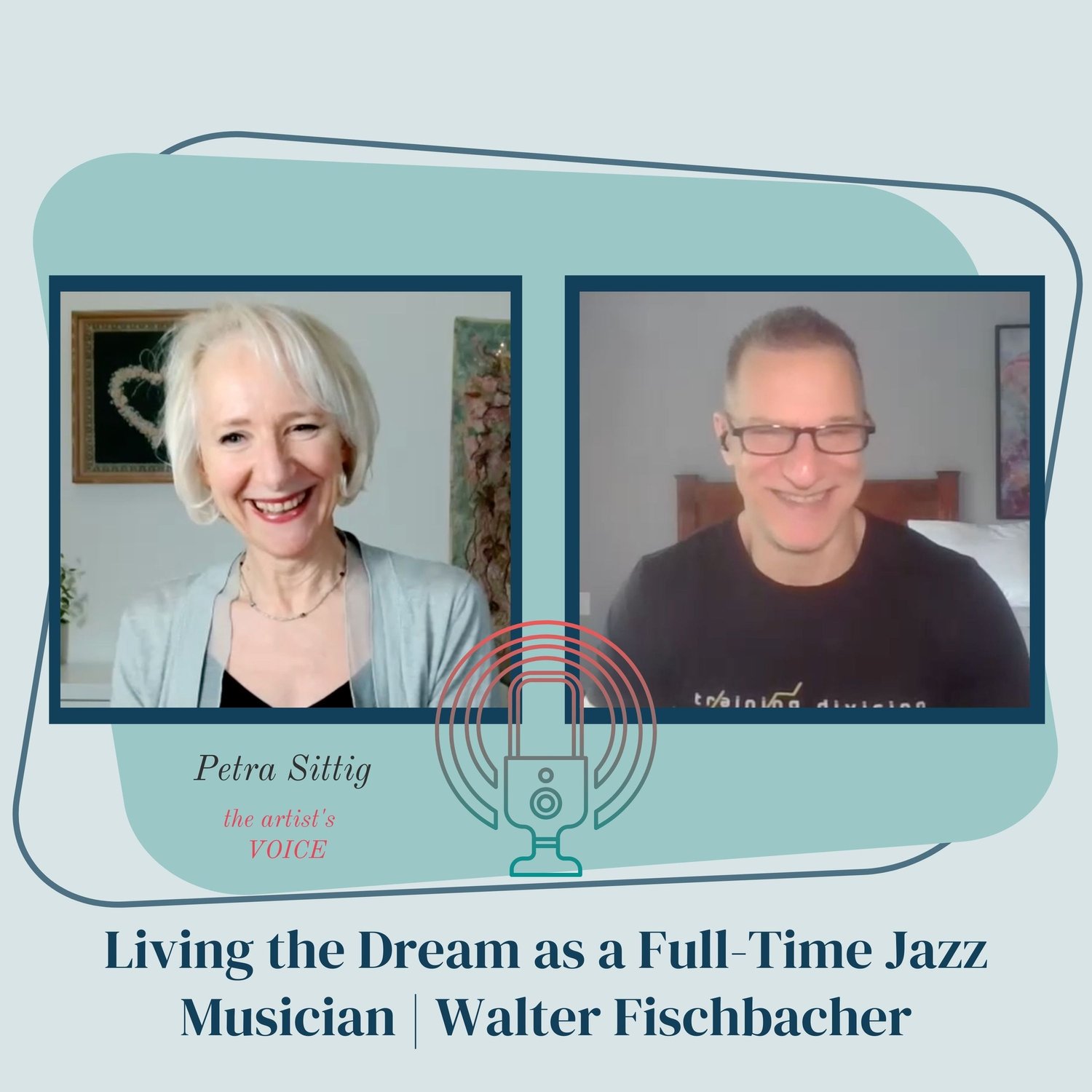 Walter Fischbacher on Touring Europe, Recording, and Jazz Life in NYC | How do you become a full-time jazz musician — and actually make a living from live music? In this inspiring interview, Austrian jazz pianist Walter Fischbacher shares his remarkable journey from classical piano training in Vienna to building a successful jazz career in New York and touring Europe. At just 14 years old, Walter knew he wanted to play live music. That early dream led him from studying classical piano in Vienna to immersing himself in jazz piano in New York City — one of the world’s most competitive music scenes. But the road to becoming a professional jazz pianist wasn’t easy. In this conversation, Walter talks openly about: 🎹 Studying classical piano in Vienna and transitioning into jazz 🎶 Moving to New York to study jazz piano 💼 Working as a piano tuner to pay rent while pursuing music 🎧 Producing CDs for other artists and building a recording studio in NYC 🎤 Collaborating with his wife, jazz vocalist Elisabeth Lohninger 🎼 Performing with the innovative Phishbacher trio 🌍 Touring Europe as a full-time musician Interestingly, piano tuning — which became his financial lifeline — was something Walter learned “by accident” simply because he wanted to tune his own piano. That unexpected skill allowed him to sustain himself while building his performance career. Nearly 25 years later, the dream he had at 14 has become reality: Walter now tours internationally and earns his living through live music, recording, producing, and collaboration. This interview is a must-watch for: Aspiring jazz musicians Classical pianists transitioning to jazz Independent artists building sustainable careers Anyone curious about what it truly takes to make it in the music industry Walter’s story is one of determination, resilience, and passion — a powerful reminder that making it as a musician requires both artistry and entrepreneurship. https://walterfischbacher.com 🎥 Subscribe to Petra Sittig – The Artist’s Voice for in-depth interviews with artists from around the world. New episodes every Monday and Thursday. | — | ||||||
| 2/16/26 | 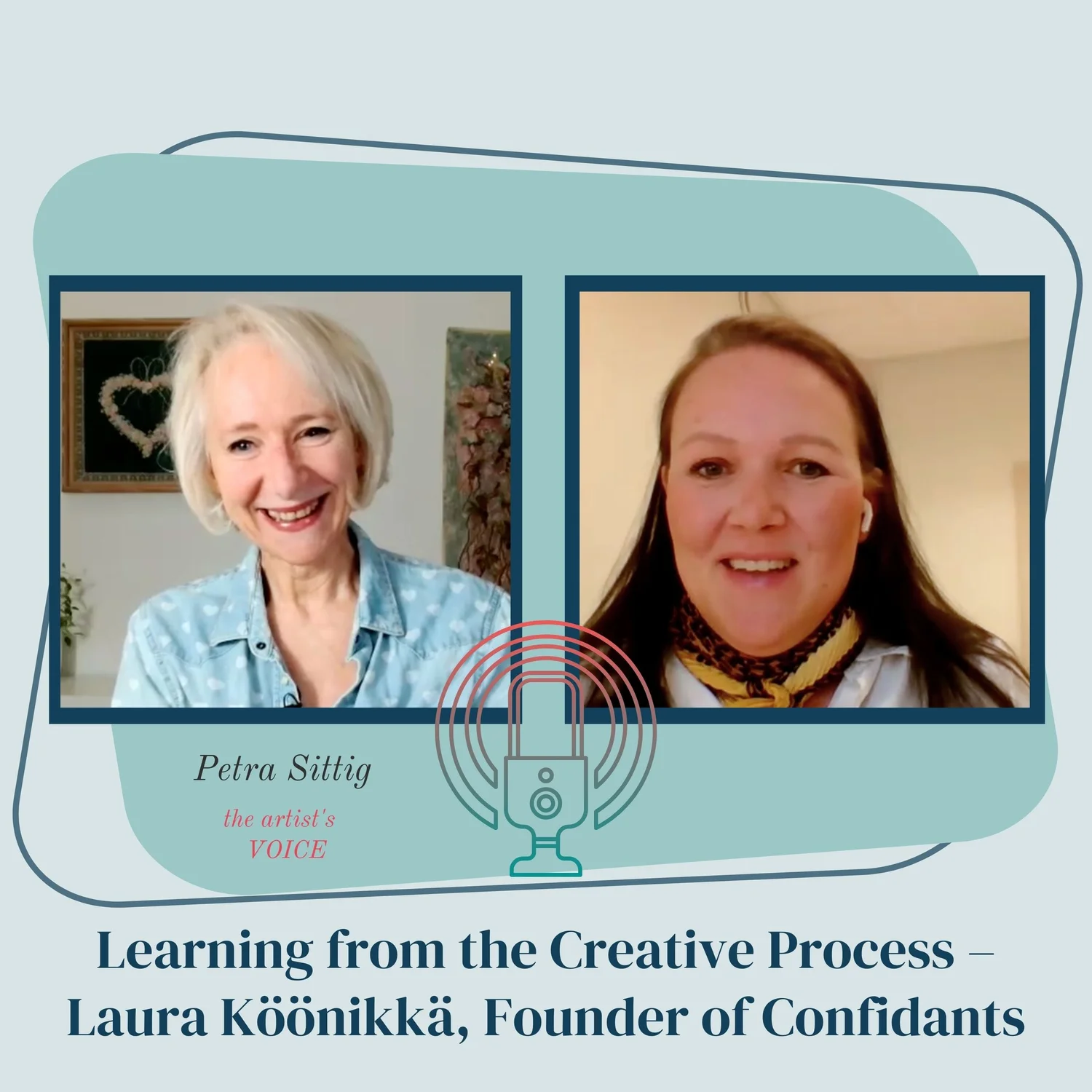 Learning from the Creative Process – Laura Köönikkä, Founder of Confidants | In this inspiring conversation, I speak with Laura Köönikkä, founder and CEO of Confidants, about her journey between the art world and the business world. Laura shares how discovering art through her childhood nanny shaped her early understanding that art could be a career. Although she explored music and theatre growing up, she always knew she would not become an artist herself. Instead, her path led her to study art history and work on exhibitions, where she gained deep insight into how contemporary artists think and create. As a qualified coach working with musicians and creatives, Laura recognised how much the business world can learn from artists — especially their courage, resilience, and dedication to the creative process. We also talk about the importance of bringing people together and why real-life connection is essential for growth and learning. A warm and motivating conversation about creativity, leadership, and the powerful stories artists have to share. https://www.confidants.fi/about | — | ||||||
| 2/11/26 | 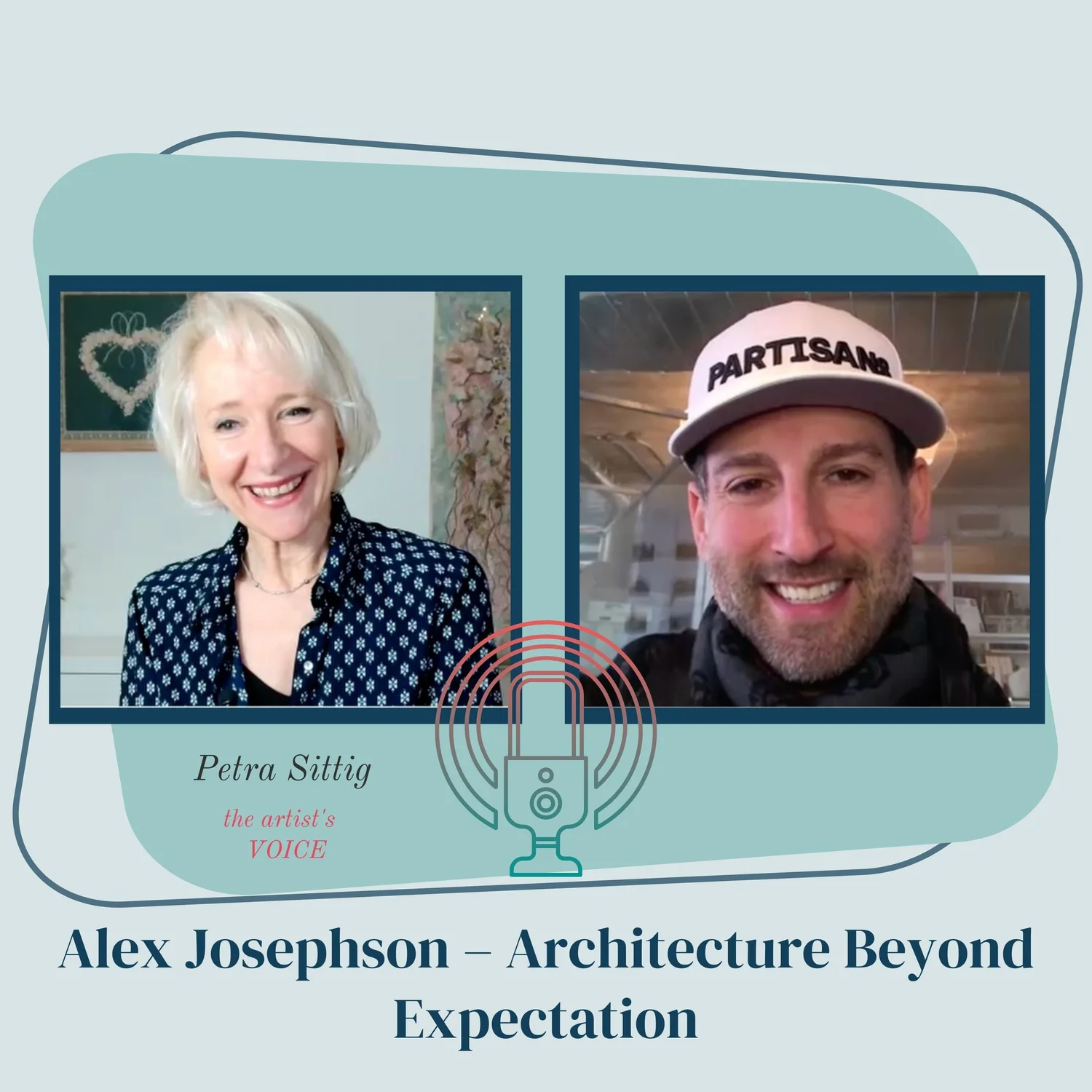 Alex Josephson – Architecture Beyond Expectation | In this inspiring conversation, I speak with Alex Josephson, architect and co-founder of the Toronto-based studio PARTISANS. Alex reflects on his early childhood, where creativity was already a driving force in his life. From drawing and pottery to constantly finding new ways to express himself, his artistic instincts were evident from a young age. He speaks warmly about the profound influence of his mother, who encouraged him to explore his imagination freely. At school, both his art teacher and his science teacher played instrumental roles in shaping his thinking — nurturing not only his creative abilities but also his curiosity about how things work. Interestingly, Alex’s decision to pursue architecture was sparked by a rebellious streak. He recalls being drawn to the field precisely because he didn’t know any architects — it felt unexplored, unconventional, and entirely his own path. With the support of his father, who encouraged him to follow his heart and pursue what truly inspired him, Alex embraced architecture as both an artistic and intellectual pursuit. He also shares formative experiences from his time studying in Rome, where he developed a deep appreciation for Italian craftsmanship and architectural history. The richness of materiality, detail, and cultural continuity left a lasting impression on him. Throughout the interview, Alex speaks about the designers and architects who influenced his thinking and helped shape his design philosophy. With PARTISANS, Alex and his team strive to realize better cities by innovating at the frontlines of ideas, culture, form, materials, and typologies. Their work seeks to optimise both performance and human experience, often subverting expectations to create meaningful and transformative built environments. This conversation offers a thoughtful and personal insight into the mind of an architect who sees design not just as construction, but as cultural transformation. https://partisans.com/about/ | — | ||||||
| 2/9/26 | 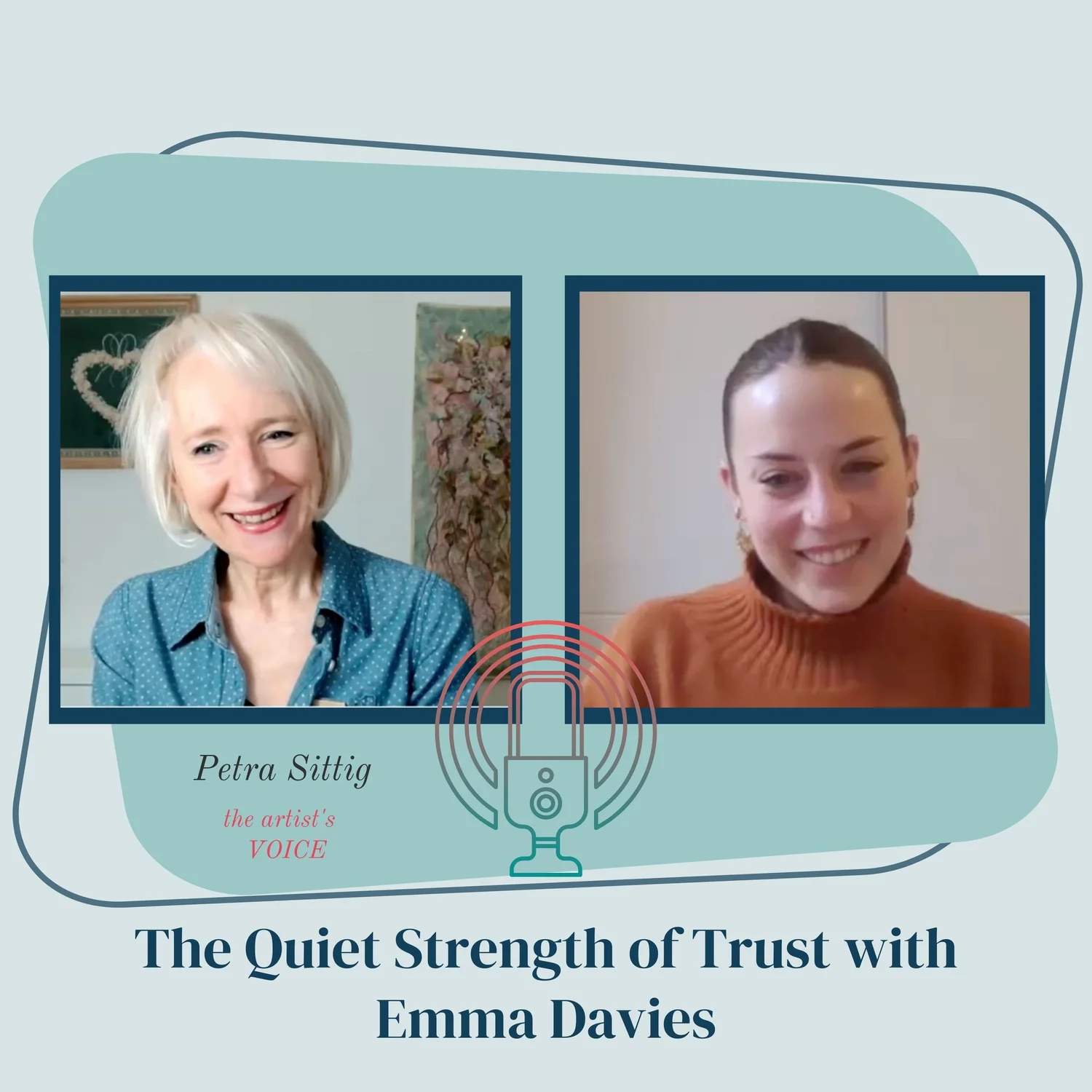 The Quiet Strength of Trust with Emma Davies | In this interview I speak with Emma Davies, a dancer currently based in Vienna and part of Blue box’s in house annual contemporary dance program, a program that brings together emerging dancers and renowned guest artists in an environment dedicated to training, creation, research, and performance. Emma shares her journey growing up in Barcelona, where her love for dance began very early. She started ballet at the age of three at her local ballet school, initially driven by joy and curiosity, before gradually taking it more seriously. This path led her to a ballet conservatoire in Barcelona, where a pivotal influence entered her life, her ballet teacher. Emma speaks with great appreciation about this mentor, who helped her not only refine her technique but also understand and recognise the dancer she was meant to become, shaping her both artistically and personally. Her journey continued at the Rambert School of Ballet and Contemporary Dance, where Emma discovered her deep love for contemporary dance. It was there that she experienced the power of creative freedom, exploration, and expression, and where collaboration became central to her artistic identity. Emma reflects on the importance of working alongside other dancers, learning from one another, and feeding off the collective energy that emerges when artists share space, ideas, and movement. This sense of collaboration is something she is experiencing again at bluebox in Vienna. Dancers from different backgrounds, disciplines, and stages of their careers come together, creating a rich and motivating environment. Emma speaks about how inspiring it is to be surrounded by such diversity, where dancers challenge, support, and uplift each other daily. For her, the reward is found not only on stage, but also in the studio, in the ongoing process of movement, self reflection, and continuous improvement. A central message that runs through Emma’s story is the value of trust. Trust in the work you have put in, trust in your training, and trust that opportunities will come when the time is right. Emma shares how she is seeing this more and more in her own career, that by staying committed, open, and trusting, doors begin to open in unexpected ways. I found this interview deeply inspiring. Emma is a young dancer whose passion for movement is unmistakable, and whose understanding of the long term process of growth, patience, and perseverance is remarkably grounded. Her story is a beautiful reminder of what it means to stay motivated, to keep trusting the journey, and to continue showing up fully for the work. | — | ||||||
Showing 25 of 299
Pitch Fit is a Pro feature
See how bookable this show is for guests, which brands already advertise, the per-episode ad value, and the best-fit guest and sponsor profile. The numbers are blurred on the free plan.
How readily this show books outside guests like you.
How proven this show is for host-read sponsorships.
For Guests
ProFor Advertisers
ProUpgrade to Pro to unlock guest cadence, sponsor categories, fit scores, and per-episode ad value for this show.
Chart Positions
1 placement across 1 market.
Chart Positions
1 placement across 1 market.