Insights from recent episode analysis
Audience Interest
Podcast Focus
Publishing Consistency
Platform Reach
Insights are generated by CastFox AI using publicly available data, episode content, and proprietary models.
Most discussed topics
Brands & references
Est. Listeners
Based on iTunes & Spotify (publisher stats).
- Per-Episode Audience
Est. listeners per new episode within ~30 days
25,001 - 50,000 - Monthly Reach
Unique listeners across all episodes (30 days)
25,001 - 75,000 - Active Followers
Loyal subscribers who consistently listen
15,001 - 40,000
Market Insights
Platform Distribution
Reach across major podcast platforms, updated hourly
Total Followers
—
Total Plays
—
Total Reviews
—
* Data sourced directly from platform APIs and aggregated hourly across all major podcast directories.
On the show
From 1 epsHost
Recent guests
Recent episodes
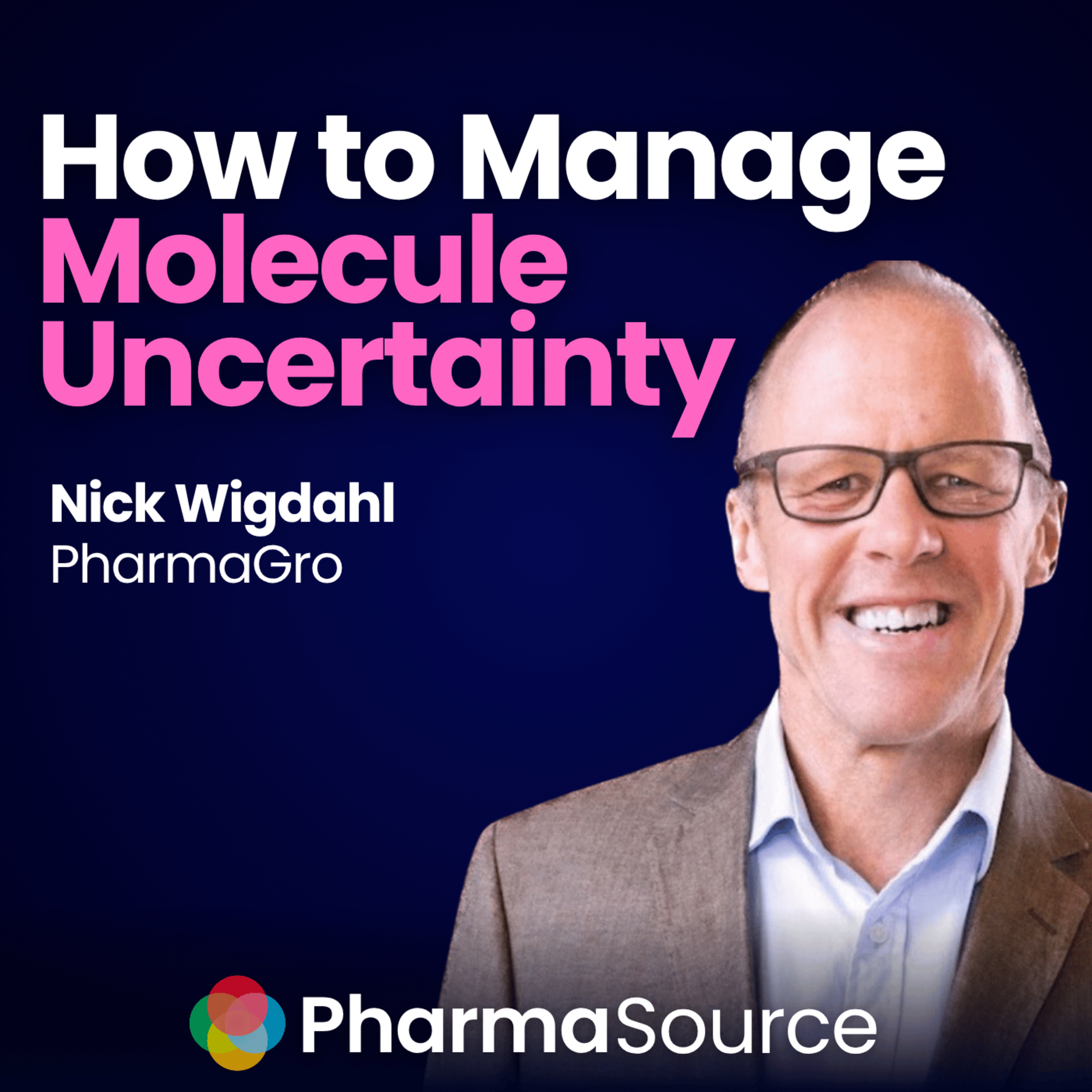
How to Manage Molecule Uncertainty: Nick Wigdahl on Portfolio Optimization and Pharma Lifecycle Strategy
May 3, 2026
22m 01s
IPSC Manufacturing: From Dolly the Sheep to Clinical-Grade Cell Therapies
Apr 30, 2026
Unknown duration
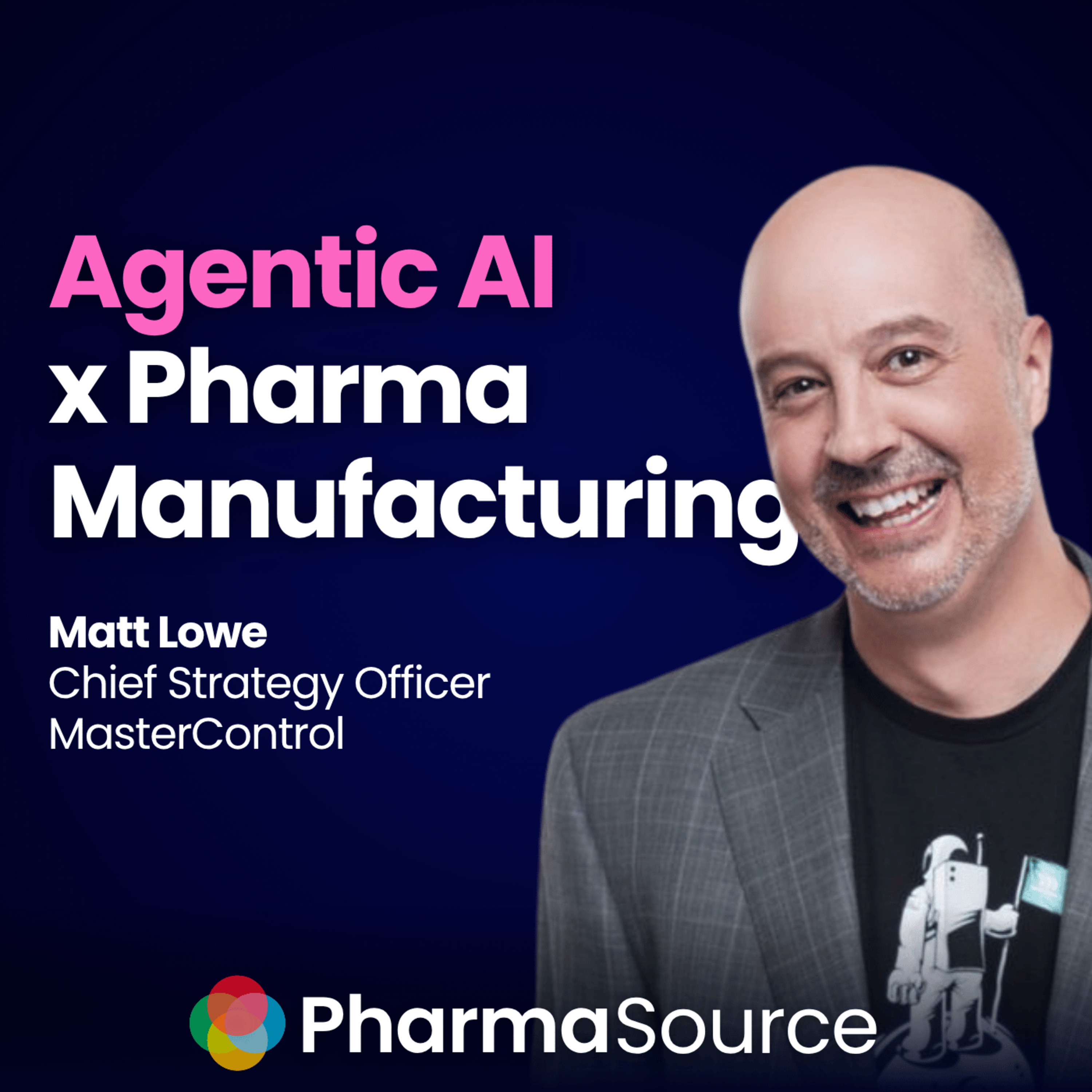
Agentic AI x Pharma Manufacturing: Interview with Matt Lowe, Chief Strategy Officer, MasterControl
Apr 26, 2026
Unknown duration
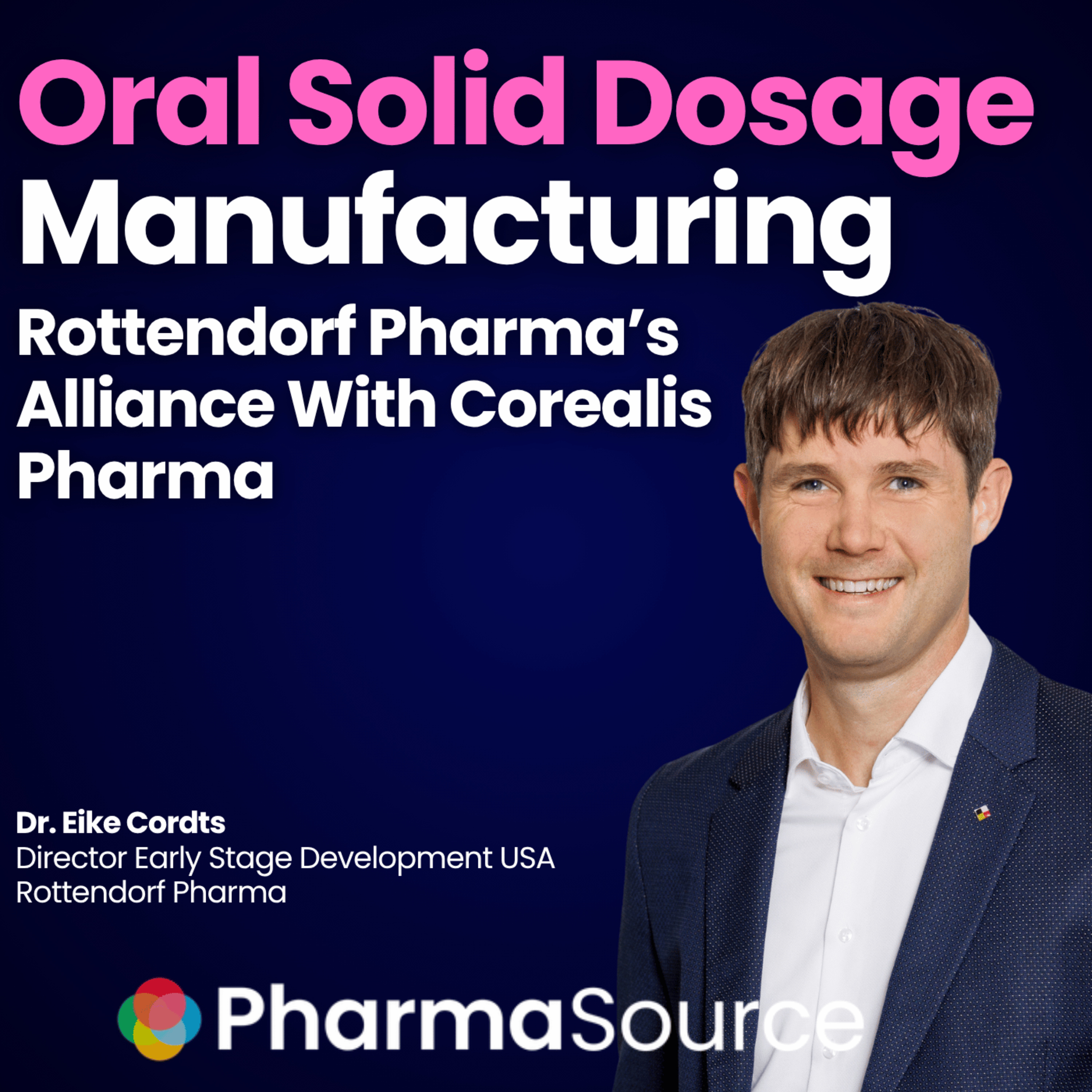
Oral Solid Dosage Manufacturing: Inside Rottendorf Pharma’s Strategic Alliance With Corealis Pharma
Apr 23, 2026
Unknown duration
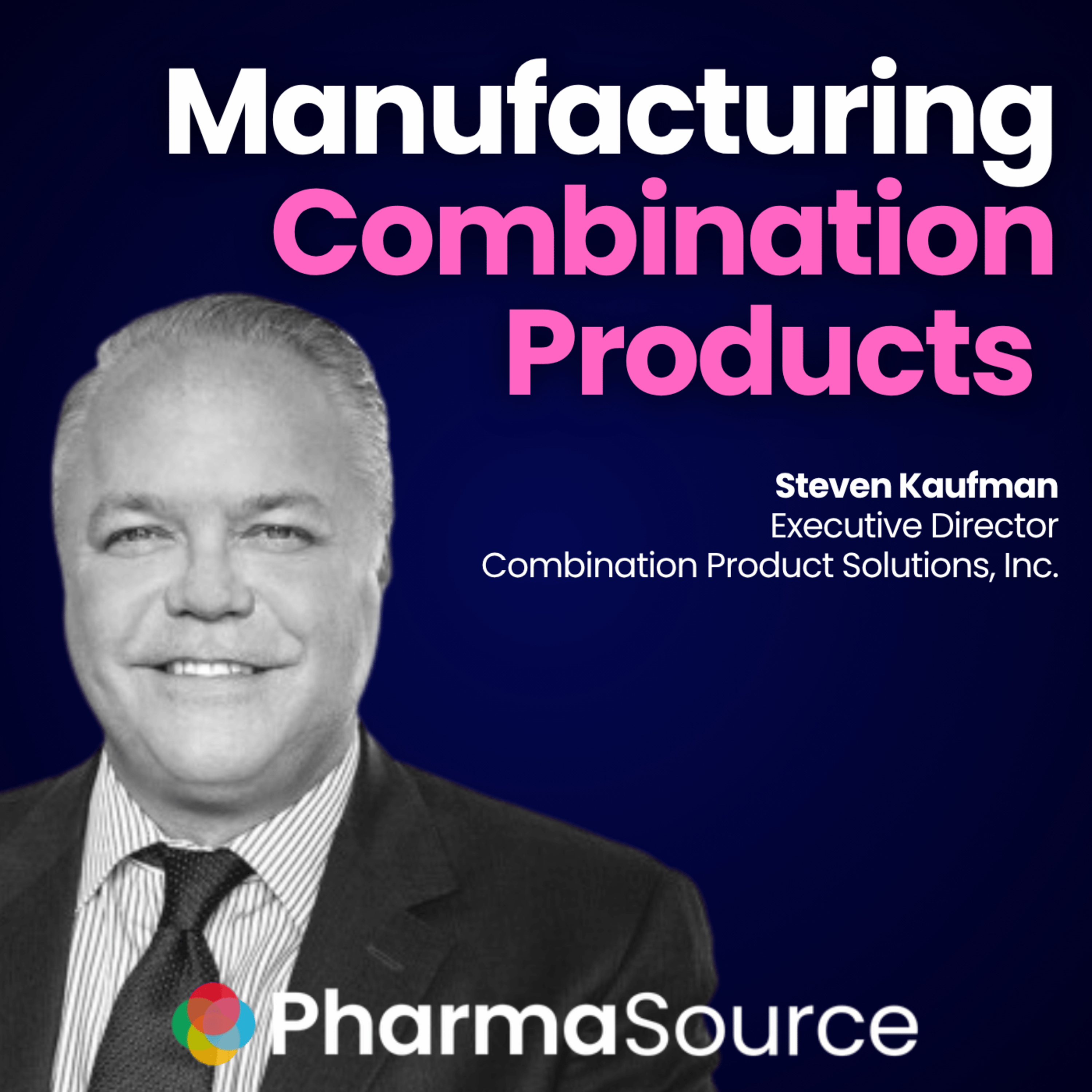
Combination Product Manufacturing: GLP-1 Hype, Talent Shortages, and the CDMO Shift
Apr 20, 2026
Unknown duration
Social Links & Contact
Official channels & resources
Official Website
Login
RSS Feed
Login
| Date | Episode | Topics | Guests | Brands | Places | Keywords | Sponsor | Length | |
|---|---|---|---|---|---|---|---|---|---|
| 5/3/26 | ![]() How to Manage Molecule Uncertainty: Nick Wigdahl on Portfolio Optimization and Pharma Lifecycle Strategy✨ | molecule uncertaintyportfolio optimization+3 | Nick Wigdahl | PharmaGroRoche+2 | — | molecule uncertaintyportfolio management+3 | — | 22m 01s | |
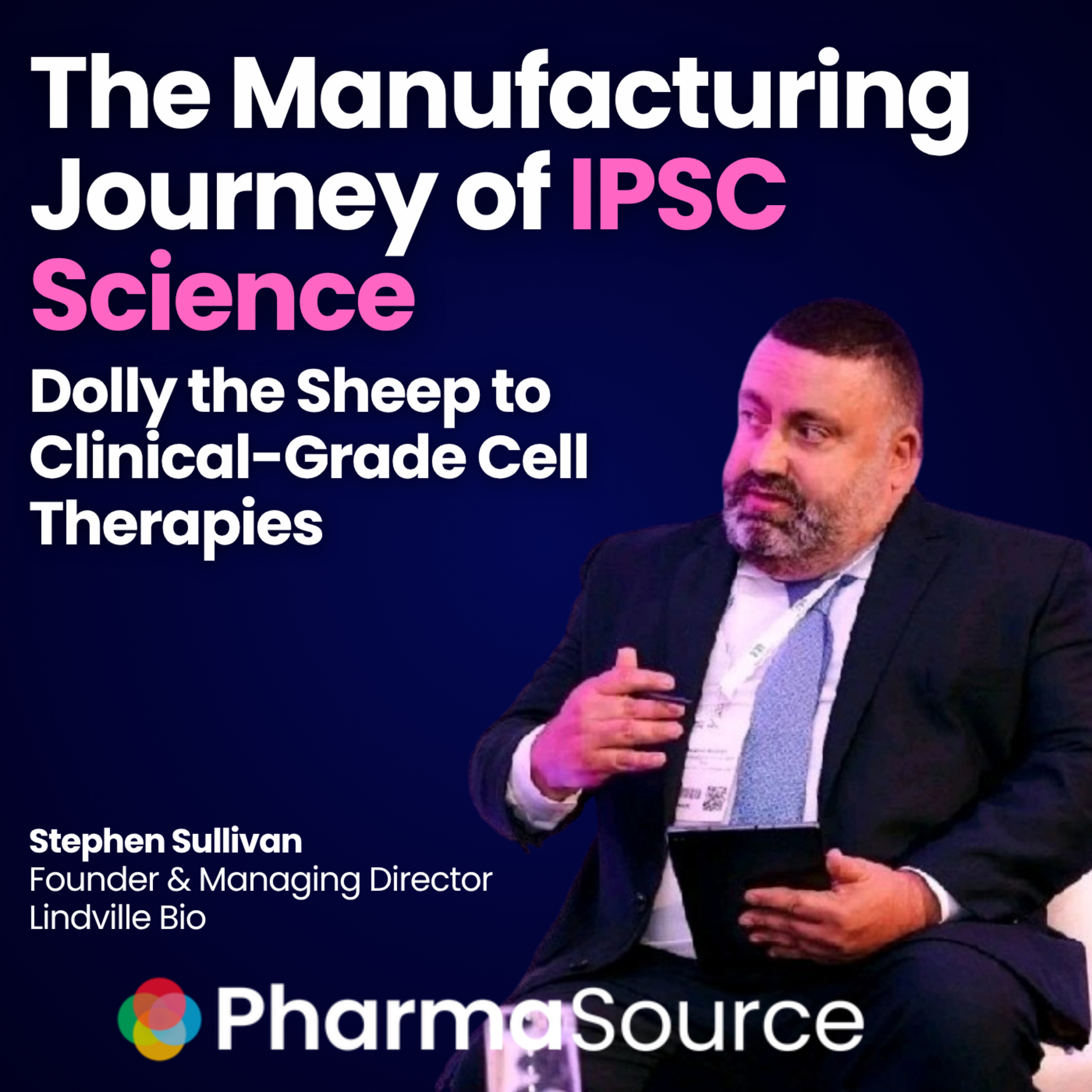
| 4/30/26 | ![]() IPSC Manufacturing: From Dolly the Sheep to Clinical-Grade Cell Therapies | "The manufacturing process doesn't just produce the product — it determines what the product becomes." Stephen Sullivan, Founder of Linville Bio, brings more than two decades of experience spanning developmental biology, clinical translation, and manufacturing strategy across organizations, including Novartis and the Global Alliance for iPSC Therapies. Most recently, he led the setup of a first-in-human trial for an iPSC-based cancer vaccine.In this PharmaSource podcast episode, Stephen discusses the manufacturing challenges involved in induced pluripotent stem cell (iPSC) therapies and why companies that treat it as a downstream operational problem rather than a core product design decision are setting themselves up to fail.Read more. | — | ||||||
| 4/26/26 | ![]() Agentic AI x Pharma Manufacturing: Interview with Matt Lowe, Chief Strategy Officer, MasterControl | "If I have one more person talk to me about agentic AI and then realize they're still using paper batch records, I'm going to scream." That frustration captures the central tension in CDMO digital transformation today says Matt Lowe, Chief Strategy Officer at MasterControl.Matt has spent nearly two decades at MasterControl, rising to CSO with responsibility spanning competitive intelligence, strategic partnerships, pricing, and product direction, making him one of the industry's sharpest observers of where life sciences manufacturing technology stands and the distance it still needs to travel.In the latest PharmaSource podcast episode, Matt maps the digital manufacturing journey contract development and manufacturing organizations (CDMOs) must take, from eliminating paper on the shop floor to achieving the industry's most coveted goal: golden batch and real-time release.Read more | — | ||||||
| 4/23/26 | ![]() Oral Solid Dosage Manufacturing: Inside Rottendorf Pharma’s Strategic Alliance With Corealis Pharma | “Aligning development strategy early creates a real competitive advantage. When scalability and late-stage requirements are already considered during Phase I and II, you avoid gaps that cause delays further down the line.”Eike Cordts, Director Early Stage Development USA, Rottendorf Pharma, leads early stage development initiatives in North America for Rottendorf Pharma, a German CDMO with nearly a century of expertise in oral solid dosage (OSD) forms. Having grown from 800 to over 1,400 employees in the past decade, Rottendorf Pharma recently formalized a strategic transatlantic partnership with Corealis Pharma, a Canadian early-phase OSD specialist. In this PharmaSource podcast episode, Eike explains the strategic thinking behind the alliance and what it means for pharmaceutical companies seeking an integrated development-to-commercialization pathway.Read more. | — | ||||||
| 4/20/26 | ![]() Combination Product Manufacturing: GLP-1 Hype, Talent Shortages, and the CDMO Shift | “Capacity isn’t the biggest gap. It’s people. And nobody’s talking about it.”For pharma and biotech companies, manufacturing combination devices means coordinating not just fill/finish manufacturing but also primary container selection, device sourcing, final assembly, and serialization — often across multiple specialist partners. As CDMOs expand their service offerings to take on more of that coordination, including final device assembly and primary container management, the boundaries of what a fill/finish partner is expected to deliver are shifting.In the latest PharmaSource podcast episode, Steven Kaufman — who has spent over 20 years in the drug delivery device space and now advises biotech companies and CDMOs on combination product strategy — breaks down where the complexity really lies, why fill/finish capacity remains so tight, and what smart companies are doing differently to protect their programs.Read more. | — | ||||||
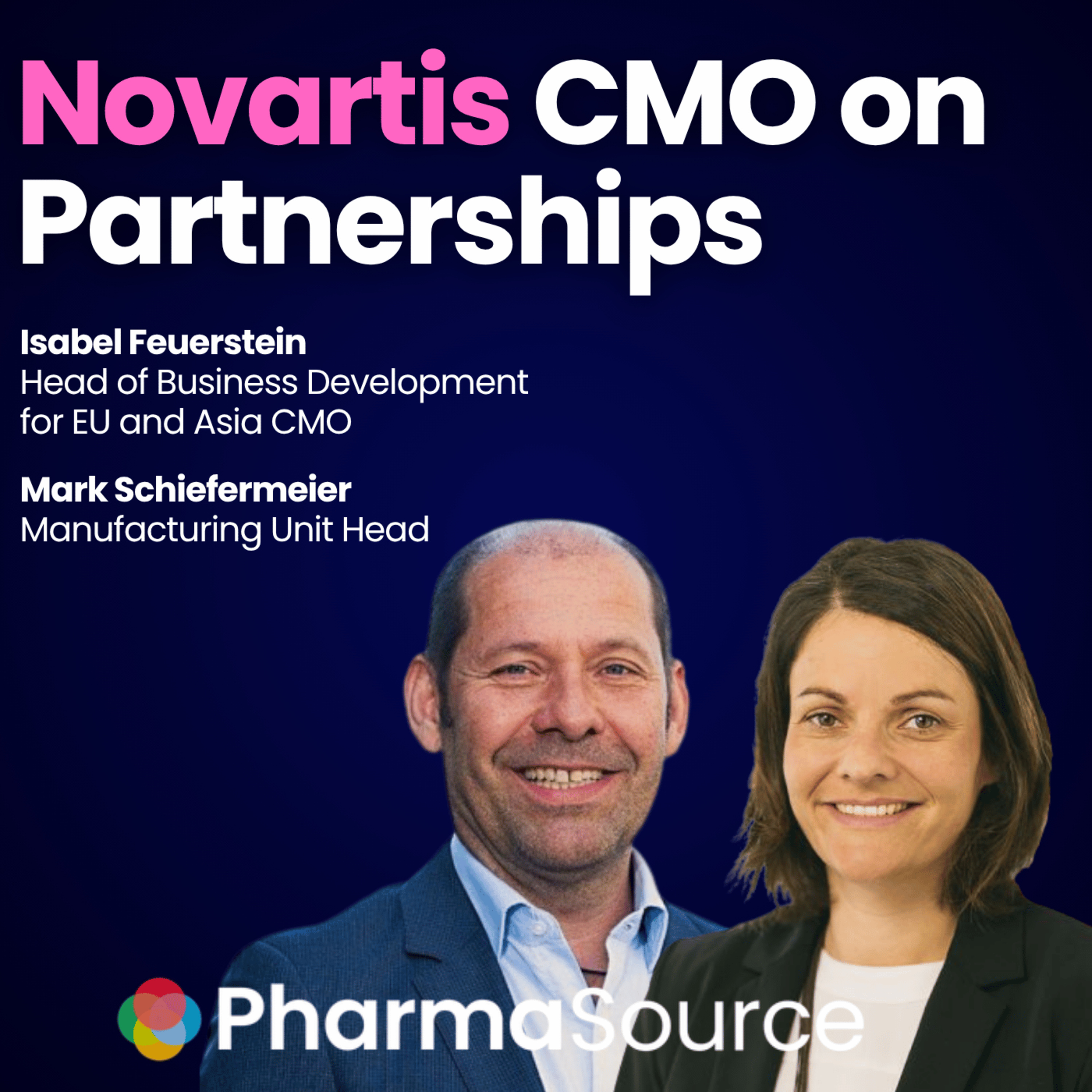
| 4/16/26 | ![]() Novartis on What Great CDMO Partnerships Actually Look Like | “Don’t pick a CMO that just agrees with you.”Isabel Feuerstein is Head of Business Development for EU and Asia CMO at Novartis, where she shapes the company’s contract manufacturing strategy across key global markets. Mark Schiefermeier leads the manufacturing unit at DS Schaftenau, one of Novartis’ critical drug substance manufacturing facilities in Austria, overseeing technical execution and quality systems that underpin Novartis’ external manufacturing commitments.In this episode of the PharmaSource podcast, Isabel and Mark explain why technical credibility, real transparency, and a willingness to challenge clients are the foundations of a high-performing CDMO relationship — and how Novartis is positioning its CMO business for the future of biologics.Read more. | — | ||||||
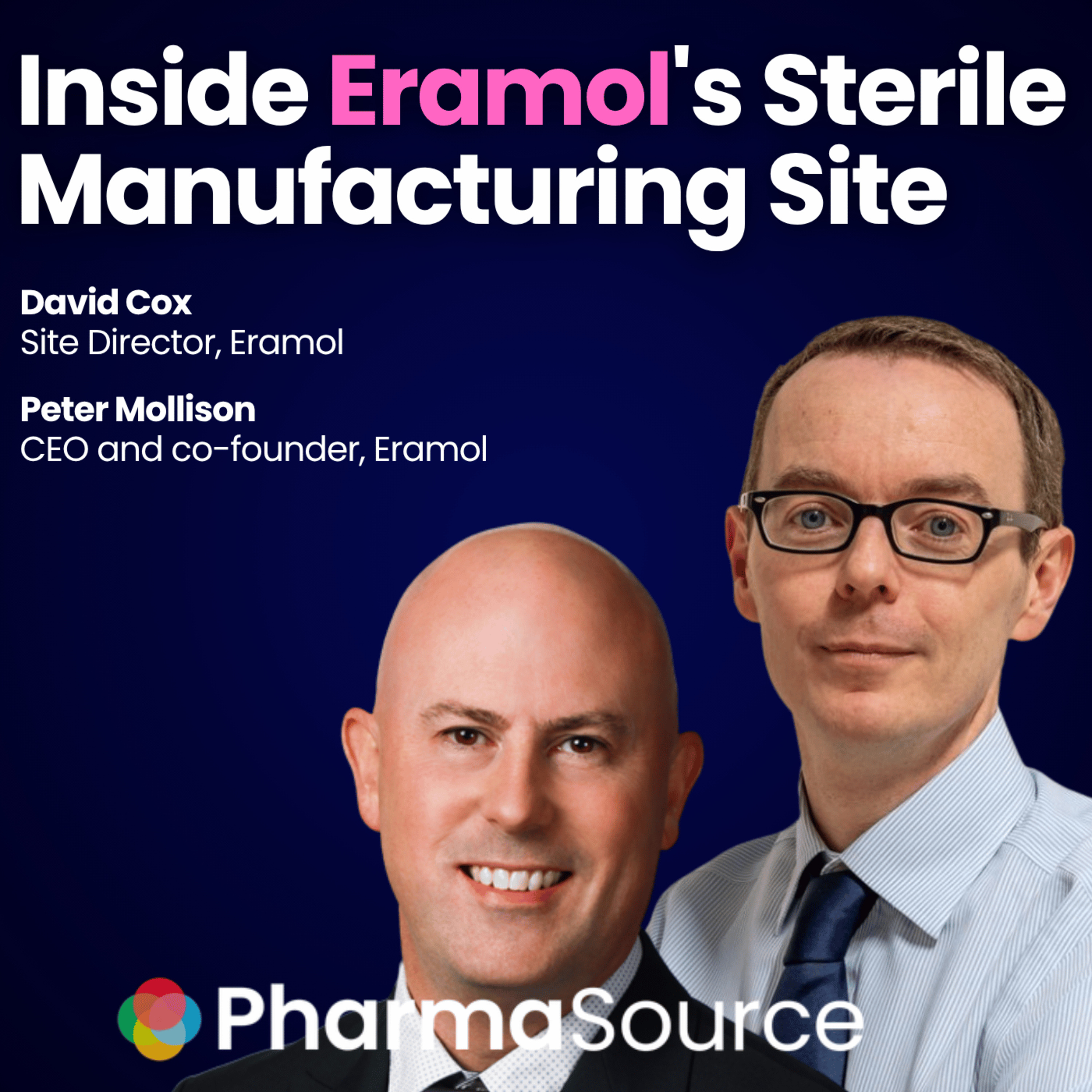
| 4/13/26 | ![]() Eramol's Sterile Facility Targets >1% Material Loss for Biotech Clients | "Every milliliter lost translates to delayed timelines and increased costs."For early-phase biotech companies working with limited API batches, this is the central challenge of sterile injectable manufacturing. Peter Mollison, CEO and co-founder of Eramol, a UK-based pharmaceutical CMO, has built an entire facility around solving it.Peter Mollison and David Cox, Site Director at Eramol, joined the PharmaSource podcast to discuss the company's new purpose-built sterile injectable facility opening in Q2 2026 in Sittingbourne, Kent. The 11,000-square-foot site features a 2,000-square-foot GMP Grade A/C/D clean room suite engineered to achieve less than 1% material losses, well below the industry standard of approximately 10%.In this episode, Peter and David explain the engineering decisions behind the low-waste design, how the facility's end-to-end capabilities simplify outsourcing for biotech, academia, and research clients, and what it takes to build a sterile manufacturing site that meets 2023 EU GMP Annex One standards.Read more. | — | ||||||
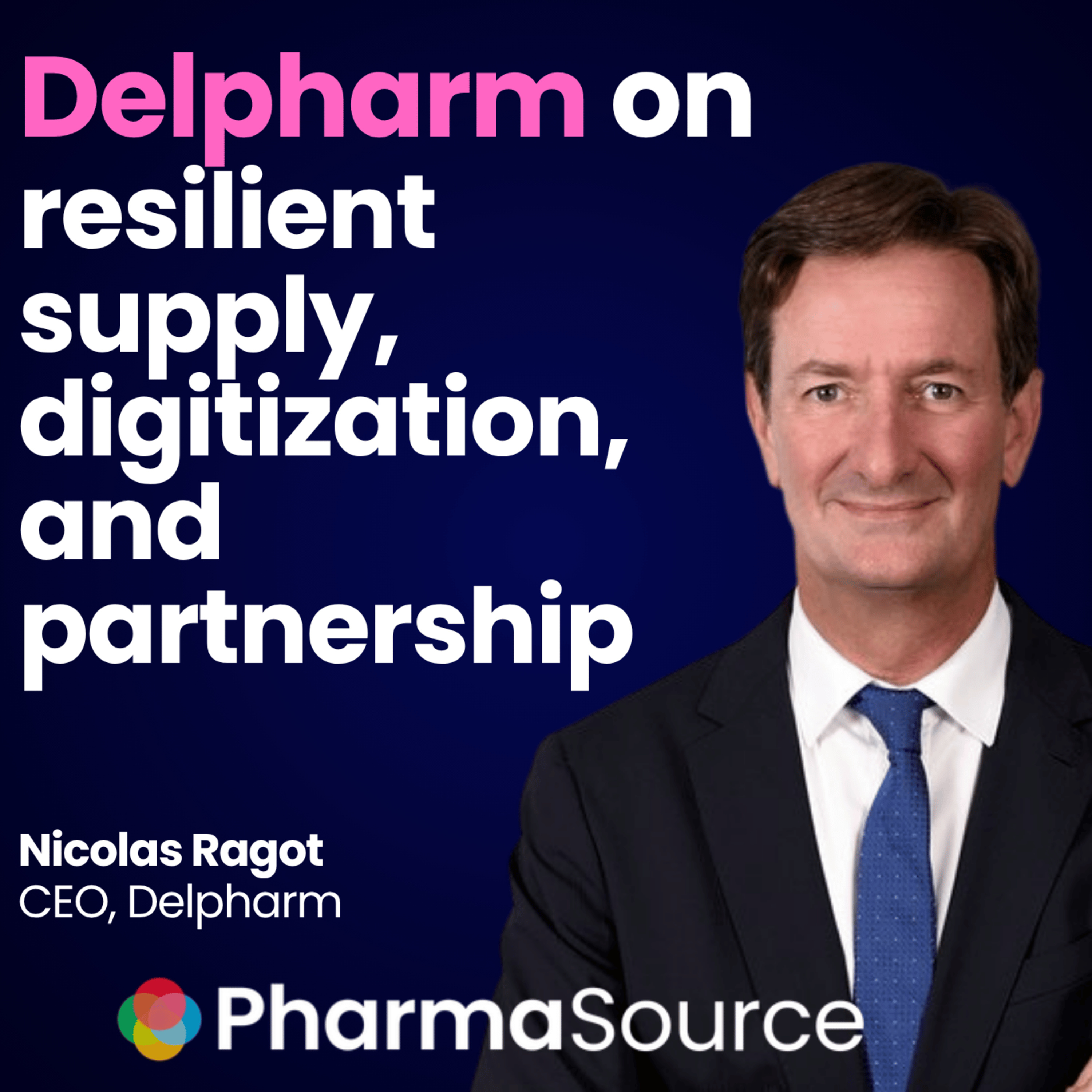
| 4/9/26 | ![]() Delpharm CEO: Every Day Lost in Clinical Manufacturing Is a Day of Peak Sales Gone Forever | “One day lost during a clinical phase is one day of peak sales that is lost — always.”Nicolas Ragot, Chief Executive Officer of Delpharm, brings over three decades of pharmaceutical manufacturing expertise, having started his career as a process engineer at Eli Lilly before progressing through technical and leadership roles at Procter & Gamble Pharma and GSK. He joined Delpharm in 2018 as Chief Operating Officer and assumed the CEO role in 2024.In this episode of the PharmaSource podcast, Nicolas explains why supply reliability, digital standardization, and long-term partnership thinking are the strategic pillars that allow Delpharm to differentiate in an increasingly consolidated CDMO market — and why time to market is the single most important criterion any biotech should use when selecting a manufacturing partner.Read more. | — | ||||||
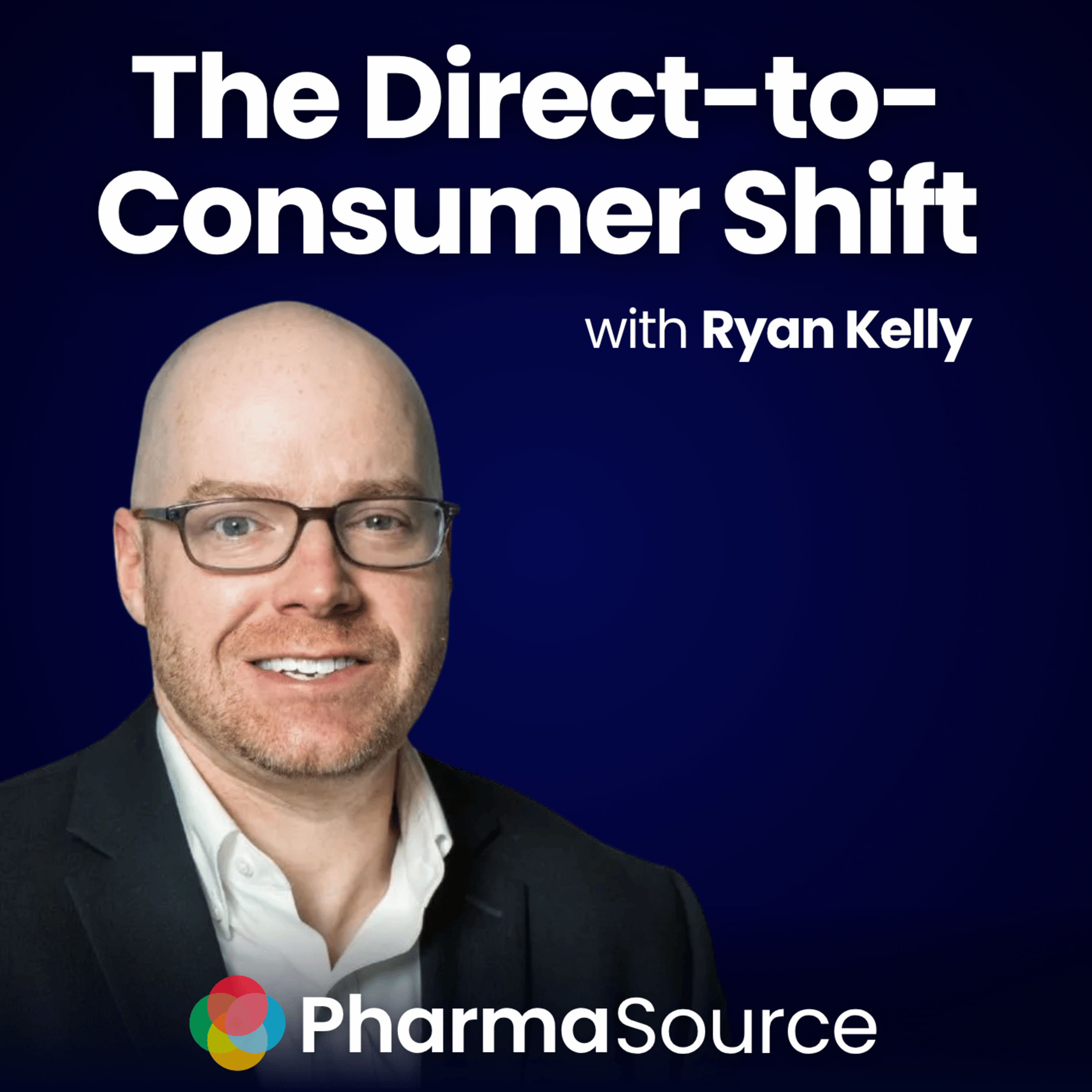
| 4/6/26 | ![]() The Pharma Direct-to-Consumer Shift: Moving Faster Than Infrastructure Can Handle | “We’re witnessing what I would consider the most structurally disruptive pharmaceutical moment I’ve seen in my career—and it’s being driven by consumers.”Ryan Kelly, Interim CEO and Senior Director of Supply Chain Security and Brand Protection at Rx-360, has seen pharma’s direct-to-consumer transformation from multiple angles—building pharmacy operations at Amazon during the PillPack acquisition, scaling the largest cash pharmacy in the U.S. at Chewy, and now leading supply chain security for a 130-member industry consortium. His verdict: the infrastructure isn’t keeping up.In the latest PharmaSource podcast episode, Ryan explains why GLP-1 demand and the rise of direct-to-consumer platforms such as TrumpRX have become the stress test pharma’s supply chain never prepared for—and what manufacturers need to do before the system breaks. | — | ||||||
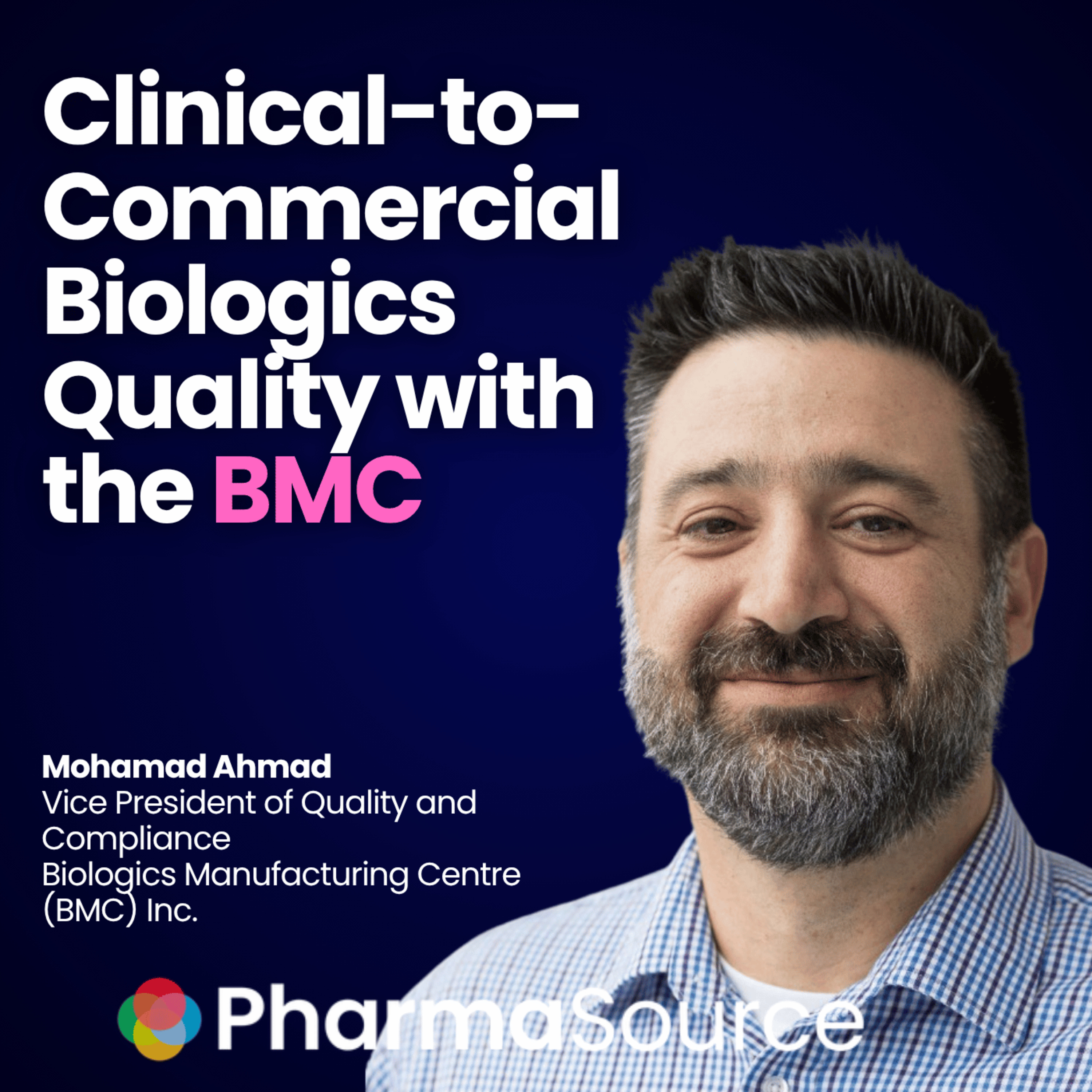
| 4/2/26 | ![]() How the BMC Achieves Clinical-to-Commercial Quality Continuity Across Its Biologics CDMO Platform | "Sponsors don't want to know how many SOPs you have on the shelf. They're really looking to see if you have sound judgment to take care of their program." Mohamad Ahmad, Vice President of Quality and Compliance at the Biologics Manufacturing Centre (BMC) Inc., brings extensive quality leadership experience across the pharmaceutical industry. The BMC is a Canadian non-profit CDMO established in response to Canada’s effort to strengthen domestic biologics manufacturing capacity following the pandemic. There, Mohamad oversees quality systems across all biologics manufacturing operations, from early clinical through commercial scale.In this episode of the PharmaSource podcast, Mohamad explains why a risk-based, science-driven approach to quality is the defining factor that separates strong CDMO partners from the rest — and how the BMC has built its quality organization to deliver that across every stage of a program's lifecycle.Read more. | — | ||||||
Want analysis for the episodes below?Free for Pro Submit a request, we'll have your selected episodes analyzed within an hour. Free, at no cost to you, for Pro users. | |||||||||
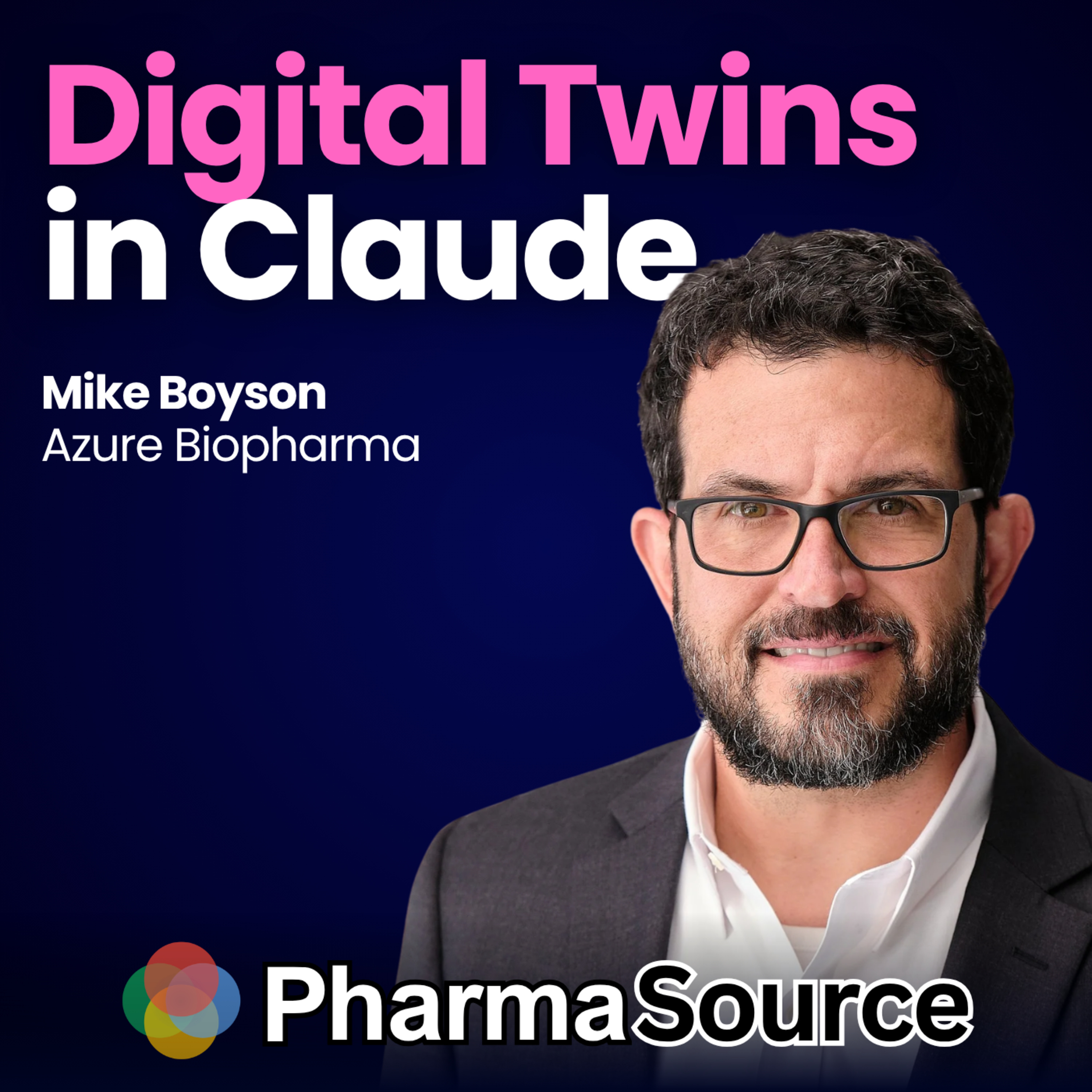
| 3/30/26 | ![]() Digital Twins in Claude: How BioPharma Can Build Forecast and Supply Models | “The level of comfort with AI use in this space is pretty low right now.” Mike Boyson’s observation cuts to the heart of pharma’s AI dilemma. Hesitation is justified—but it shouldn’t paralyze action. His answer: build practical, compliant digital twins that operators can create in Claude without waiting for IT.Mike is a supply chain and pharmaceutical operations leader with over 20 years of experience spanning CMC strategy, external manufacturing, and digital transformation. He spent more than a decade at Takeda leading oncology and biologics supply chain operations, served as Executive Director of Value Chain Leadership at Moderna, and now advises organizations at Azure Biopharma Consulting on adopting AI-driven solutions.In a recent PharmaSource podcast episode, Mike shares concrete use cases for digital twins, explains how to build them without deep technical expertise, and addresses the GXP compliance, data confidentiality, and human-centered challenges that will define pharma AI adoption.Watch the video to accompany this episode here | — | ||||||
| 3/26/26 | ![]() Hybrid Synthesis is Redefining Peptide Manufacturing | “Drug candidates that previously would not have been considered feasible — they’re now on the table. Hybrid synthesis is opening the door to peptide drugs you’re going to need in larger quantities.” Brian Gregg, CEO of AmbioPharm, has spent his career in the peptide contract development and manufacturing organization (CDMO) industry — including early work on exenatide, the first approved GLP-1 receptor agonist for Type 2 diabetes. Today, he leads AmbioPharm through a period of significant strategic expansion, anchored by a differentiated capability: hybrid peptide synthesis.In this episode of the PharmaSource podcast, Brian explains why hybrid synthesis is rapidly becoming the defining manufacturing advantage in the GLP-1 era, how AmbioPharm is building mirror-image facilities in Shanghai and South Carolina to de-risk customer supply chains, and why the company’s dual-continent footprint is an asset.Read more. | — | ||||||
| 3/23/26 | ![]() The Case for Strategic CDMO Partnerships Over Multi-Sourcing | “Our on-time-in-full delivery was 30%. In the beer industry, it’s around 99%. That was a big shock.”When Gijs Vissers joined the pharmaceutical industry, he saw that supply chain operations were often driven by fragmented processes, minimal performance tracking, and cost-focused supplier relationships that created more problems than solutions. Drawing on lessons from the beer industry, where on-time-in-full delivery routinely exceeds 99%, Gijs has spent years transforming pharmaceutical supply chain approaches, achieving employee engagement scores above 80% while dramatically improving supply reliability.Gijs Vissers, Head of Supply Chain and Procurement at Nordic Pharma, brings over 20 years of supply chain and procurement experience across fast-moving consumer goods, telecommunications, and pharmaceuticals, including senior roles at Heineken, Bavaria, and DSM before joining Nordic Pharma as Head of Supply Chain and Procurement. His career trajectory reflects a deliberate shift from commercial functions to operational excellence, driven by his Lean Six Sigma training and a conviction that the industry’s greatest asset is its people, not its processes.In this episode, Gijs shared his approach to rebuilding pharmaceutical supply chains from the ground up, moving from reactive vendor management to strategic CDMO partnerships anchored in transparency, long-term forecasting, and patient-centric objectives.Read more. | — | ||||||
| 3/16/26 | ![]() CDMO Consolidation “Inevitable” Without Business Model Shift, Warns Cell Therapy CEO | “CDMOs and Biotechs will both die,” warns NKILT Therapeutics CEO as he talks candidly about the funding crisis stalling cell therapy development, predicting widespread consolidation across biotechs and CDMOs unless the industry shifts toward risk-sharing partnership models that align manufacturing economics with capital constraints.Raphaël Ognar, CEO and co-founder of NKILT Therapeutics, brings 29 years of pharmaceutical and biotech experience spanning marketing, drug development, and corporate strategy at major pharmaceutical companies. After launching a consulting practice focused on early-stage immuno-oncology biotechs, Raphaël co-founded NKILT Therapeutics.NKILT’s off-the-shelf allogeneic approach (as opposed to patient-specific autologous therapies) targets HLA-G, an immunosuppressive molecule expressed across major cancer types including colorectal, breast, prostate, and kidney cancers, providing access to substantially larger patient populations while improving manufacturing scalability and economics.His company’s 12-month IND delay exemplifies the systemic pressures that continue to threaten cell therapy innovation, and both sides of the CDMO-biotech relationship.Read more. | — | ||||||
| 3/9/26 | ![]() Trump's Most-Favored-Nation Policy Is Forcing Europe's Pharma Industry to Reconsider Its Pricing Strategy | "A high-level Pfizer manager went on record and said: if they had to choose between lowering prices in the US or not launching in France — they would not launch in France."Christoffer Frendesen, EU correspondent for Dagens Pharma and former European Parliament policy advisor, raises serious concerns about a policy shock that many in Brussels are still reluctant to confront directly.Christoffer covers health, pharma, and life sciences policy from Brussels, with over five years of experience as a policy advisor to Danish MEPs inside the European Parliament. His close proximity to both legislative process and industry reaction gives him a well-informed perspective on the real-world consequences of US drug pricing reform on European markets.In this episode of the PharmaSource podcast, Christoffer explains why Trump's Most-Favored-Nation (MFN) executive order, signed in May 2025, is not just an American story, and why pharmaceutical executives, market access teams, and patient advocates across Europe need to be paying close attention right now.Read more. | — | ||||||
| 3/5/26 | ![]() How Europe’s Critical Medicines Act Could Reshape Generic Drug Supply Chains | “The wake-up call happened during COVID — we realized our dependency on basic medicines coming from outside Europe was dangerously high.”Elisabeth Stampa, CEO of Medichem and Vice President of Medicines for Europe, has been one of the pharmaceutical industry’s most outspoken advocates for the Critical Medicines Act (CMA). With the European Parliament having just published its position and trilogue negotiations underway, she argues the window for meaningful reform is open — but not indefinitely.In the latest PharmaSource podcast episode, Elisabeth breaks down what the CMA is designed to achieve, where the friction points lie, and what success would actually look like for European patients and the generics and biosimilar industry by 2030.Read the article | — | ||||||
| 3/2/26 | ![]() Reshoring America’s Critical Medicines: How the API Innovation Center Turns Idle Capacity Into a Drug Security Strategy | “83% of the top 100 most prescribed generic medicines in the US have no domestic manufacturing source for their API.” — Charles Lyon, VP Manufacturing, Procurement & Logistics, API Innovation CenterAnd yet the capacity to produce these APIs already exists — sitting idle across US facilities operating at 50% or below.Charles Lyon, VP of Manufacturing and Procurement at the API Innovation Center (APIIC), brings decades of experience in fine and specialty chemicals to one of the most pressing challenges in US healthcare: rebuilding domestic pharmaceutical manufacturing from the ground up. Before joining APIIC, Charlie held engineering and business leadership roles across chemical intermediates, specialty chemicals, and API production — giving him a front-row view of how the US gradually ceded control of its medicine supply to overseas producers.In the latest PharmaSource podcast episode, Charlie explains how APIIC is taking a fundamentally different approach to reshoring — one that works with existing US capacity, leverages advanced manufacturing technology, and de-risks participation for CDMOs and API manufacturers through a public-private funding model.Full article | — | ||||||
| 2/26/26 | ![]() How Radiopharmaceutical Supply Chains Win the Race Against Radioactive Decay: Insights from Daniel Rossetto, ARTBIO | “Managing a radiopharmaceutical supply chain is like transporting a block of ice in the middle of summer under the scorching sun in the desert—you have no means to protect it or cover it, so it just continues melting.”Daniel Rossetto, Head & SVP of Supply Chain and External Manufacturing at ARTBIO, brings over 17 years of experience leading high-speed, agile supply networks across biotech and pharma, including senior roles at Novartis.In the latest PharmaSource podcast episode, Daniel explains why radiopharmaceutical supply chains require fundamentally different approaches than traditional pharma—and how companies are building resilience into networks where every minute counts and safety stock doesn’t exist.Read the full article | — | ||||||
| 2/23/26 | ![]() U.S. Vaccine Policy Shifts are Create a “Chilling” Effect on Global Manufacturing and Innovation | “If you take away funding from research and development, especially for diseases with pandemic potential, those programs will be delayed. We lose time, and some of that time can’t be recovered later with more funding.”Anand Ekambaram has spent more than three decades at the intersection of vaccine development, manufacturing, and global supply chains. His career spans leadership roles at Merck, Bristol Myers Squibb, and CEPI, where he served as Executive Director and Head of Manufacturing and Supply Chain. Today, through Global BioVax Solutions, he advises global health organizations and investors on development, manufacturing, and supply chain strategy and technology transfer for vaccines and biologicsIn this episode of the PharmaSource podcast, Anand reflected on how recent U.S. policy shifts are compounding disruptions across the global vaccine ecosystem—and why COVID exposed structural weaknesses that remain unresolved. His analysis connects policy, manufacturing realities, and long-term health security in ways that challenge simplistic narratives about reshoring and self-sufficiency. He provides his framework for building resilient regional manufacturing capacity that can withstand future crises.Read more. | — | ||||||
| 2/16/26 | ![]() Why Pharma Contract Negotiations Are Flawed and How to Fix Them | Picture the scene: the Sales teams from a CDMO and Sponsor are delighted to have finalized the principles of a manufacturing deal, the relationship is off to a strong start, but now the dreaded ‘template’ is issued. Suddenly, everything comes to a grinding halt while the commercial and legal teams battle out the details within the development and manufacturing agreement (DMSA).Gerry Kennedy, commercial and intellectual property partner at Keystone Law, has spent over 20 years navigating the complex world of pharmaceutical contract negotiations. His experience includes overseeing facilities across Singapore, Spain, Switzerland, and the US at Lonza and working in the cell and gene therapy space at Ascend.In this episode of the PharmaSource podcast, Gerry explains why getting CDMO contract negotiations right is crucial for building successful partnerships. He shares practical strategies for accelerating deal timelines, avoiding common pitfalls, and structuring agreements that work for both biotechs and CDMOs from the very first conversation.Read more. | — | ||||||
| 2/10/26 | ![]() How Biotechs Can De-Risk External Manufacturing, Navigate Geopolitical Challenges, and Plan for Capacity Constraints – Dr. Reza Oliyai | “Intrinsically, there is nothing wrong with using Chinese CDMOs. But because of geopolitical issues, some large pharma want to have redundancy of that supply chain in the US.”Dr. Reza Oliyai, President and CEO of Oliyai Consulting Corporation, spent 28 years at Gilead Sciences rising from research scientist to SVP overseeing 1,700 people across seven sites and multiple modalities including biologics, ADCs, small molecules, and sterile manufacturing.In this PharmaSource podcast episode, Reza shares his framework for helping biotechs de-risk their external manufacturing strategy, navigate geopolitical supply chain challenges, and make phase-appropriate decisions that balance speed with resource constraints.Read the full article | — | ||||||
| 2/9/26 | ![]() Digital Transparency Platform to be Launched by SGS CDMO Solutions | By 2028, SGS CDMO Solutions’ MHRA and FDA-inspected site in Wales will operate entirely without paper. For biotech and Pharmaceutical sponsors, this provides a better way to run development and manufacturing projects.“If it can’t be done digitally, then we don’t want to do it,” says Paul Broomhead, Head of Site. The result is a digitally native CDMO where data, processes, and decisions live in one.Paul Broomhead, Head of Site at SGS CDMO Solutions in Wales, is leading an ambitious digital transformation. In this exclusive interview, Paul reveals why SGS is making a commitment to digital infrastructure, how the transformation creates competitive advantages for biotech sponsors, and what “digitally native” manufacturing actually means in practice for pharmaceutical development and commercialization.Read more | — | ||||||
| 2/1/26 | ![]() 2026 US Pharma Outsourcing: Gil Roth on FDA Cuts, Pricing Pressures and CDMO Strategy | FDA hemorrhaging staff while promising to fast-track advanced modalities. BIOSECURE Act signed into law with five-year phase-out timelines. Tariffs creating 50% cost increases on manufacturing equipment. Most Favored Nation deals cutting prices. Cell and gene therapy facilities closing despite scientific promise. Welcome to 2026 pharma manufacturing.In the latest episode of the PharmaSource podcast, Gil Roth, President of the Pharma and Biopharma Outsourcing Association (PBOA), explains how pharma companies are impacted by policy changes, and how CDMOs are building flexibility into capital planning, manufacturing infrastructure, and customer contracts to survive chaos that makes forecasting impossible.Gil Roth is speaking at CDMO Live Europe and CDMO Live Americas | — | ||||||
| 1/26/26 | ![]() Reshoring Pressure vs. Manufacturing Reality: Report from ExM Leader Boston | Fresh from External Manufacturing Leaders in snowy Boston, in this episode we are sharing insights from senior biopharma executives confronting an impossible challenge: how do you reshore when there's nowhere to reshore to? Highlights of the event include why biotechs built on Chinese manufacturing economics are scrambling, why US capacity for ADCs and sterile fill-finish is completely tied up, and how manual operations are threatening American competitiveness. Plus: the 2026 strategies leaders are actually implementing, from AI-powered Digital Twins to creative redundancy plays. Thanks to Aenova Group for co-hosting ExM Leader Boston with us.Download the full report here:https://pharmasource.global/content/resources/exm-leaders-boston-26/ | — | ||||||
| 1/18/26 | ![]() Why Radiopharma Must Compete on Service Excellence – Not Clinical Data | “There are 437 active clinical trials in radiopharmaceuticals, and 100 companies developing them. If your logistics are not better, there is no other differentiator. You need to compete by experience.”When Kostja Paschalidis and his co-founders left their roles developing one of the leading radiopharmaceutical products, they recognised a fundamental shift in pharmaceutical manufacturing. Unlike traditional drugs where marketing drives commercial success, radiopharmaceuticals demand something entirely different: flawless service delivery.As co-founder and head of systems and logistics at Firm, a design consultancy specialising in radiopharmaceutical services, Kostja has identified why operational excellence—not clinical superiority—will determine market winners.In the latest PharmaSource podcast episode, he explains why radiopharmaceutical companies must become service-centric organisations to succeed and how a lack of standardisation and suitable technology creates barriers to scale. | — | ||||||
Showing 25 of 227
Sponsor Intelligence
Sign in to see which brands sponsor this podcast, their ad offers, and promo codes.
Chart Positions
21 placements across 18 markets.
Chart Positions
21 placements across 18 markets.