

Insights from recent episode analysis
Audience Interest
Podcast Focus
Publishing Consistency
Platform Reach
Insights are generated by CastFox AI using publicly available data, episode content, and proprietary models.
Total monthly reach
Estimated from 2 chart positions in 2 markets.
By chart position
- 🇳🇿NZ · Philosophy#149500 to 3K
- 🇬🇷GR · Philosophy#150500 to 3K
- Per-Episode Audience
Est. listeners per new episode within ~30 days
700 to 4.2K🎙 Weekly cadence·82 episodes·Last published 2mo ago - Monthly Reach
Unique listeners across all episodes (30 days)
1K to 6K🇳🇿50%🇬🇷50% - Active Followers
Loyal subscribers who consistently listen
300 to 1.8K
Market Insights
Platform Distribution
Reach across major podcast platforms, updated hourly
Total Followers
—
Total Plays
—
Total Reviews
—
* Data sourced directly from platform APIs and aggregated hourly across all major podcast directories.
On the show
Recent episodes
Mystical Theology by Pseudo-Dionysius
Apr 29, 2026
Unknown duration
The Doctrine of the Mean 中庸 (Confucian)
Jun 6, 2025
Unknown duration
The Great Learning 大学
Apr 3, 2025
Unknown duration
Heart Sutra (Buddhist)
Oct 1, 2024
Unknown duration
Diamond Sutra (Buddhist)
Oct 1, 2024
Unknown duration
Social Links & Contact
Official channels & resources
Official Website
Login
RSS Feed
Login
| Date | Episode | Description | Length | ||||||
|---|---|---|---|---|---|---|---|---|---|
| 4/29/26 |  Mystical Theology by Pseudo-Dionysius | The Mystical Theology · Περὶ μυστικῆς θεολογίας Written by Saint Dionysius the Areopagite · Διονύσιος ὁ Ἀρεοπαγίτης Translated by Clarence Edwin Rolt (1920 Edition) In his book On the Babylonian Captivity of the Church, Martin Luther said: "I completely disapprove of giving so much credence to this Dionysius, whoever he was, since there is practically no solid learning to be found in him. Take, for instance, the fabrications about the angels in his Celestial Hierarchy (a book much sweated over by people of a curious or superstitious temperament). By what authority or reason, I ask, does he prove any of this? If you read and evaluate this honestly, are not all these things his own dreamlike musings? On the other hand, in his Mystical Theology (so highly praised by some of the most ignorant theologians), he is most dangerous, speaking more like a Platonist than a Christian." | — | ||||||
| 6/6/25 | 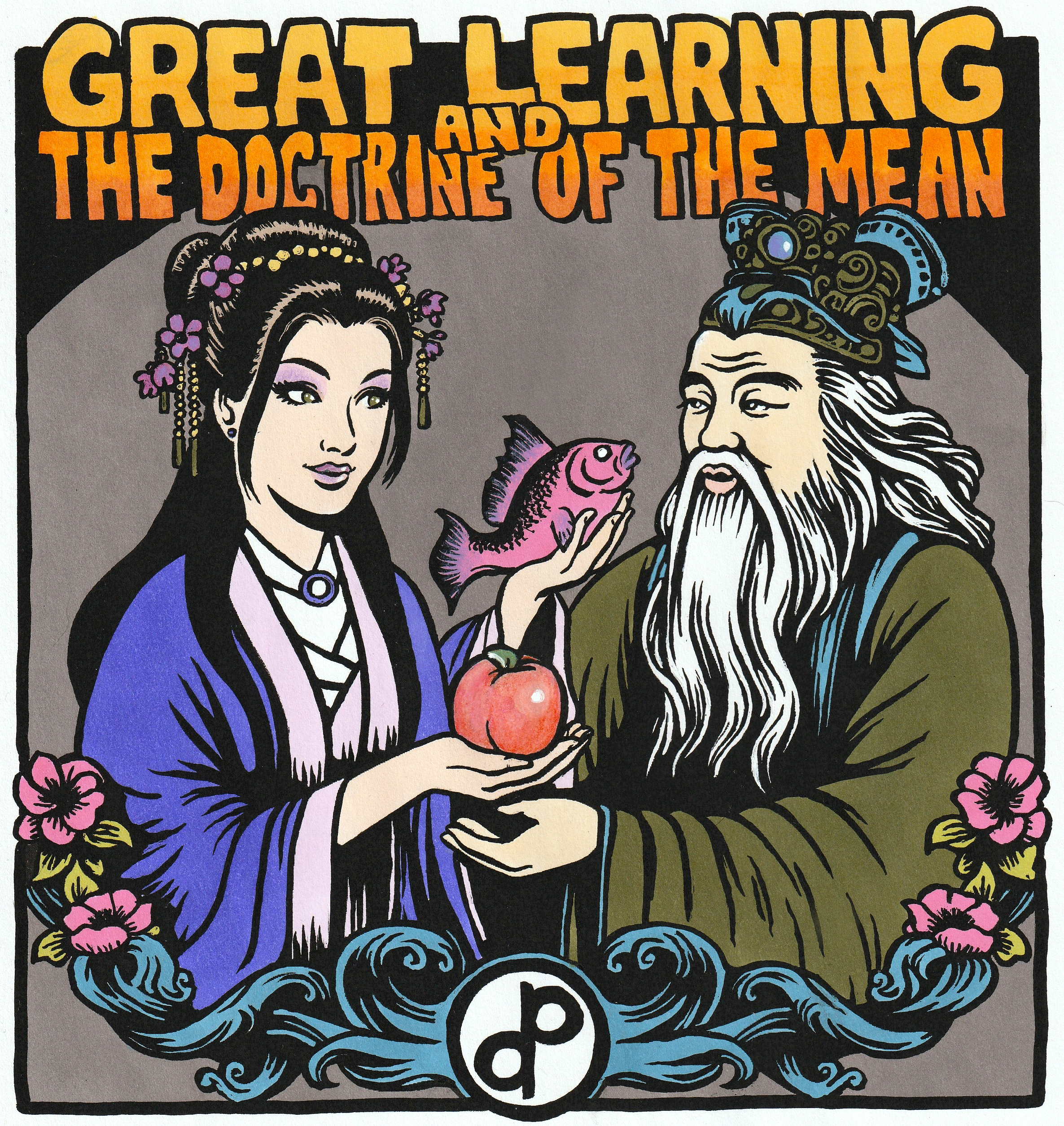 The Doctrine of the Mean 中庸 (Confucian) | The Doctrine of the Mean (Chinese: 中庸, Pinyin: Zhōngyōng, Korean: 중용, Japanese: 中庸, Vietnamese: Trung Dung) is one of the Four Books (四書) of Confucianism. It consists of 33 chapters attributed to Zisi (子思), the only grandson of Confucius, with interspersed notes by Zhu Xi. Zhu Xi's master, Cheng Yi, says, "Being without inclination to either side is called Zhong; admitting of no change is called Yong. By Zhong is denoted the correct course to be pursued by all under heaven; by Yong is denoted the fixed principle regulating all under heaven. This work contains the law of the mind, which was handed down from one to another, in the Confucian school, till Zisi, fearing lest in the course of time errors should arise about it, committed it to writing, and delivered it to Mencius. The book first speaks of one principle; it next spreads this out, and embraces all things; finally, it returns and gathers them all up under the one principle. Unroll it, and it fills the universe; roll it up, and it retires and lies hid in mysteriousness. The relish of it is inexhaustible. The whole of it is solid learning. When the skillful reader has explored it with delight till he has apprehended it, he may carry it into practice all his life, and will find that it cannot be exhausted." Scottish translator James Legge was a Hong Kong missionary, Nonconformist pastor of the English Union Church, and the first professor of Chinese studies at Oxford University. Cover: Queen Mother of the West Visits Confucius by cartoonist Robin Bougie (2025), released by him into the public domain. | — | ||||||
| 4/3/25 | 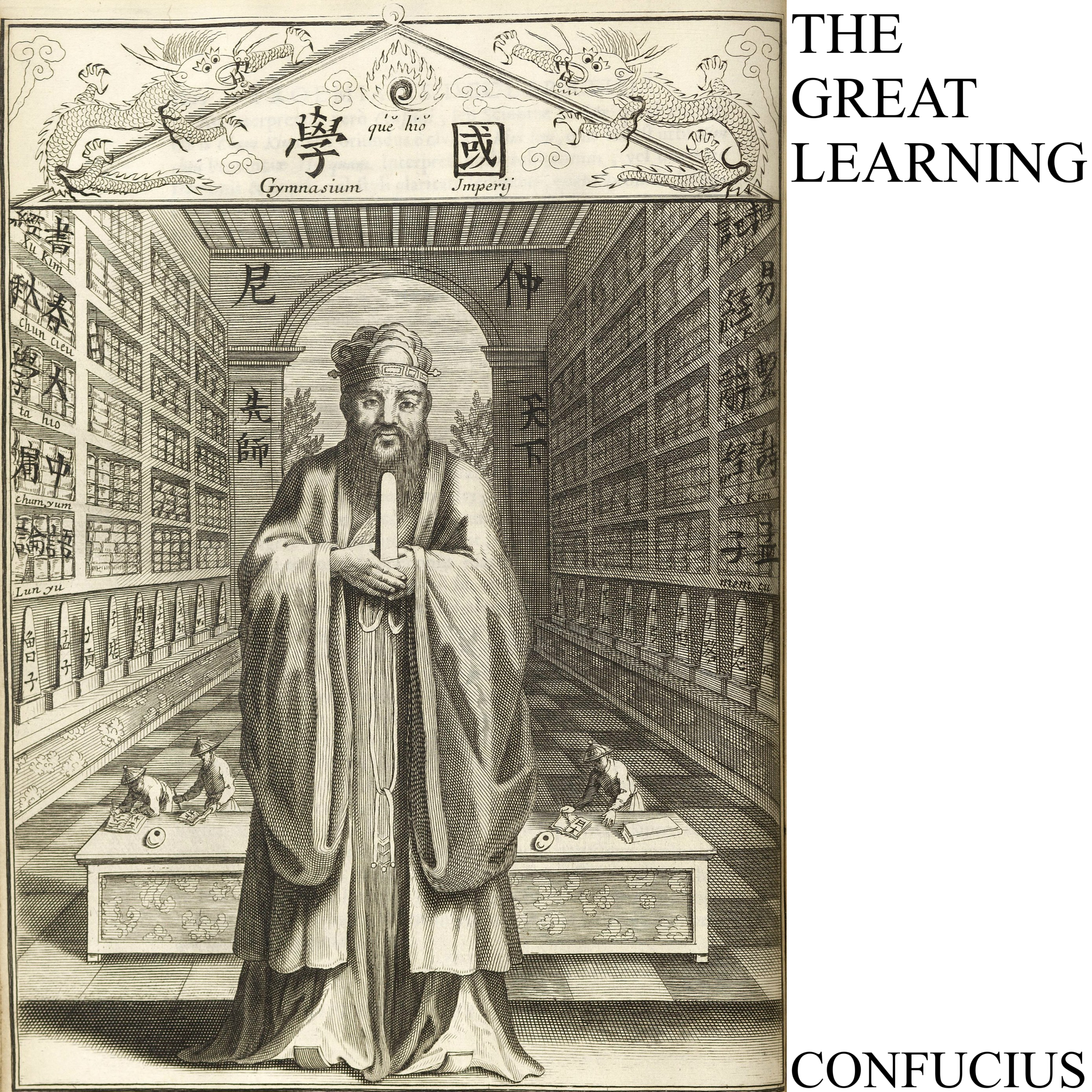 The Great Learning 大学 | The Great Learning (Traditional Chinese: 大學, Simplified: 大学, Pinyin: Dàxué, Korean: 대학, Japanese: 大学, Vietnamese: Đại Học) is one of the Four Books (Great Learning, Doctrine of the Mean, Analects, Mencius) of Confucianism. The text consists of a short main text attributed to Confucius (孔子) and ten commentary chapters attributed to Zengzi (曾子) the disciple of Confucius. The translation also includes interspersed notes by the 12th-century philosopher Zhu Xi (朱熹). Zhu Xi's master Cheng Yi (程颐) says, "The Great Learning is a Book transmitted by the Confucian School, and forms the gate by which first learners enter into virtue. That we can now perceive the order in which the ancients pursued their learning is solely owing to the preservation of this work, the Analects and Mencius coming after it. Learners must commence their course with this, and then it may be hoped they will be kept from error." | — | ||||||
| 10/1/24 | 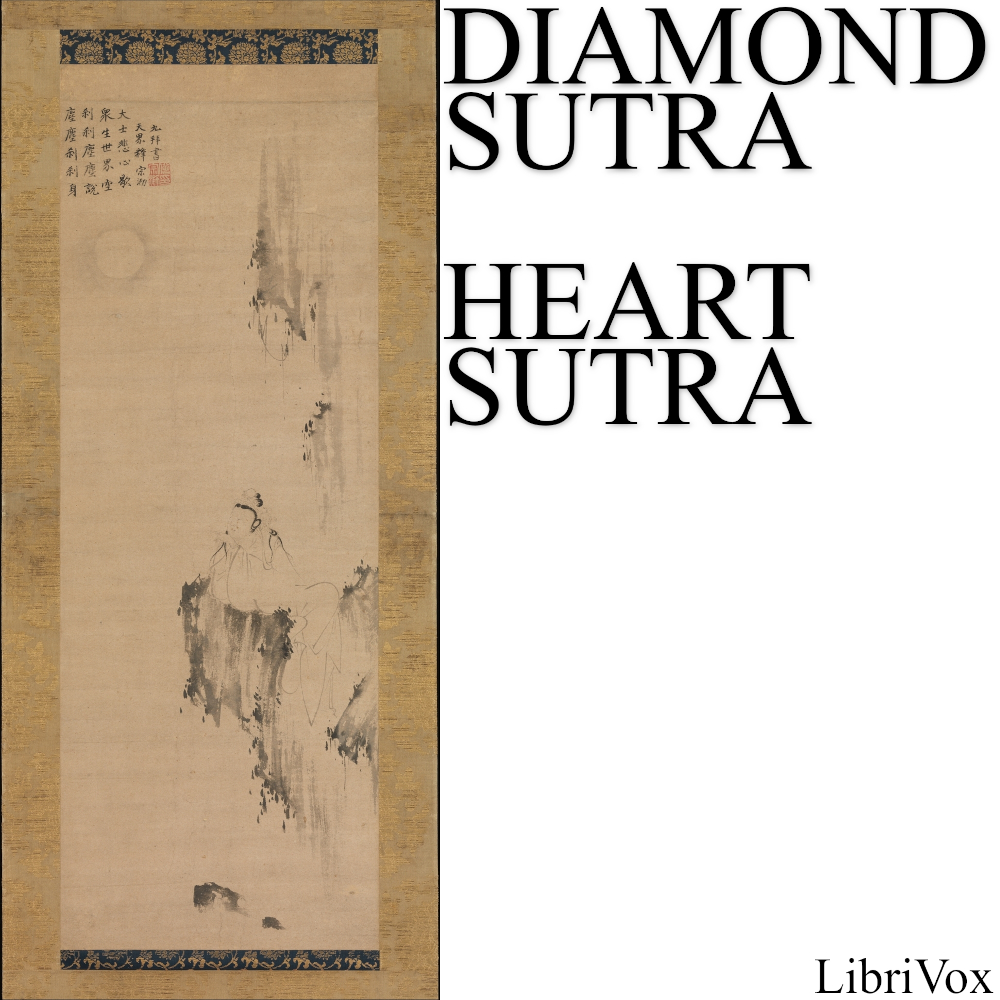 Heart Sutra (Buddhist) | The Heart Sutra (Sanskrit: प्रज्ञापारमिताहृदय Prajñāpāramitāhṛdaya ('The Heart of the Perfection of Wisdom') or Chinese: 心經 Xīnjīng or Tibetan: བཅོམ་ལྡན་འདས་མ་ཤེས་རབ་ཀྱི་ཕ་རོལ་ཏུ་ཕྱིན་པའི་སྙིང་པོ). In the sutra, Avalokiteśvara addresses Śariputra, explaining the fundamental emptiness (śūnyatā) of all phenomena, known through and as the five aggregates of human existence (skandhas): form (rūpa), feeling (vedanā), volitions (saṅkhāra), perceptions (saṃjñā), and consciousness (vijñāna). This first English translation was presented to the Royal Asiatic Society in 1863 by the Rev. Samuel Beal, and published in their journal in 1865. Beal used a Chinese text corresponding to the Xuanzang (Chinese: 玄奘) canonical text (T. 251) and a 9th Century Chan commentary by 大顛寶通 c. 815 CE. | — | ||||||
| 10/1/24 |  Diamond Sutra (Buddhist) | The Diamond Sutra is a Mahāyāna (Buddhist) sutra from the genre of Prajñāpāramitā ('perfection of wisdom') sutras. The Diamond Sūtra is one of the most influential Mahayana sutras in East Asia, and it is particularly prominent within the Chan (or Zen) tradition, along with the Heart Sutra. Sanskrit: वज्रच्छेदिकाप्रज्ञापारमितासूत्र, Vajracchedikā Prajñāpāramitā Sūtra (translated roughly as 'The Perfection of Wisdom Text that Cuts Like a Thunderbolt') Chinese: 金剛般若波羅蜜多經 Jīngāng Bōrě-bōluómìduō Jīng; shortened to 金剛經 Jīngāng Jīng Japanese: 金剛般若波羅蜜多経 Kongō hannya haramita kyō; shortened to 金剛経 Kongō-kyō Korean: 금강반야바라밀경 geumgang banyabaramil gyeong; shortened to 금강경 geumgang gyeong Classical Mongolian: Yeke kölgen sudur Vietnamese: Kim cương bát-nhã-ba-la-mật-đa kinh; shortened to Kim cương kinh Standard Tibetan: འཕགས་པ་ཤེས་རབ་ཀྱི་ཕ་རོལ་ཏུ་ཕྱིན་པ་རྡོ་རྗེ་གཅོད་པ་ཞེས་བྱ་བ་ཐེག་པ་ཆེན་པོའི་མདོ། 'phags pa shes rab kyi pha rol tu phyin pa rdo rje gcod pa zhes bya ba theg pa chen po'i mdo | — | ||||||
| 9/8/22 |  Meteorology Book 1 by Aristotle | Meteorology Book 1 by Aristotle Translated by Erwin Wentworth Webster | — | ||||||
| 6/13/22 |  Generation of Animals - Book 2 - Aristotle | Generation of Animals - Book 2 - Aristotle | — | ||||||
| 5/17/22 |  Generation of Animals - Book 1 - Aristotle | Generation of Animals - Book 1 - Aristotle | — | ||||||
| 11/8/21 |  History of Animals Book 10 by Aristotle | History of Animals Book 10 by Aristotle & Translated by Richard Cresswell | — | ||||||
| 8/17/21 |  History of Animals Book 5 by Aristotle | History of Animals Book 5 by Aristotle | — | ||||||
Want analysis for the episodes below?Free for Pro Submit a request, we'll have your selected episodes analyzed within an hour. Free, at no cost to you, for Pro users. | |||||||||
| 7/11/21 |  History of Animals Book 4 by Aristotle | History of Animals Book 4 by Aristotle | — | ||||||
| 6/8/21 |  History of Animals Book 3 by Aristotle | History of Animals Book 3 by Aristotle | — | ||||||
| 5/11/21 |  History of Animals Book 2 by Aristotle | History of Animals Book 2 by Aristotle | — | ||||||
| 4/1/21 |  History of Animals Book 1 by Aristotle | History of Animals Book 1 by Aristotle | — | ||||||
| 11/30/18 | 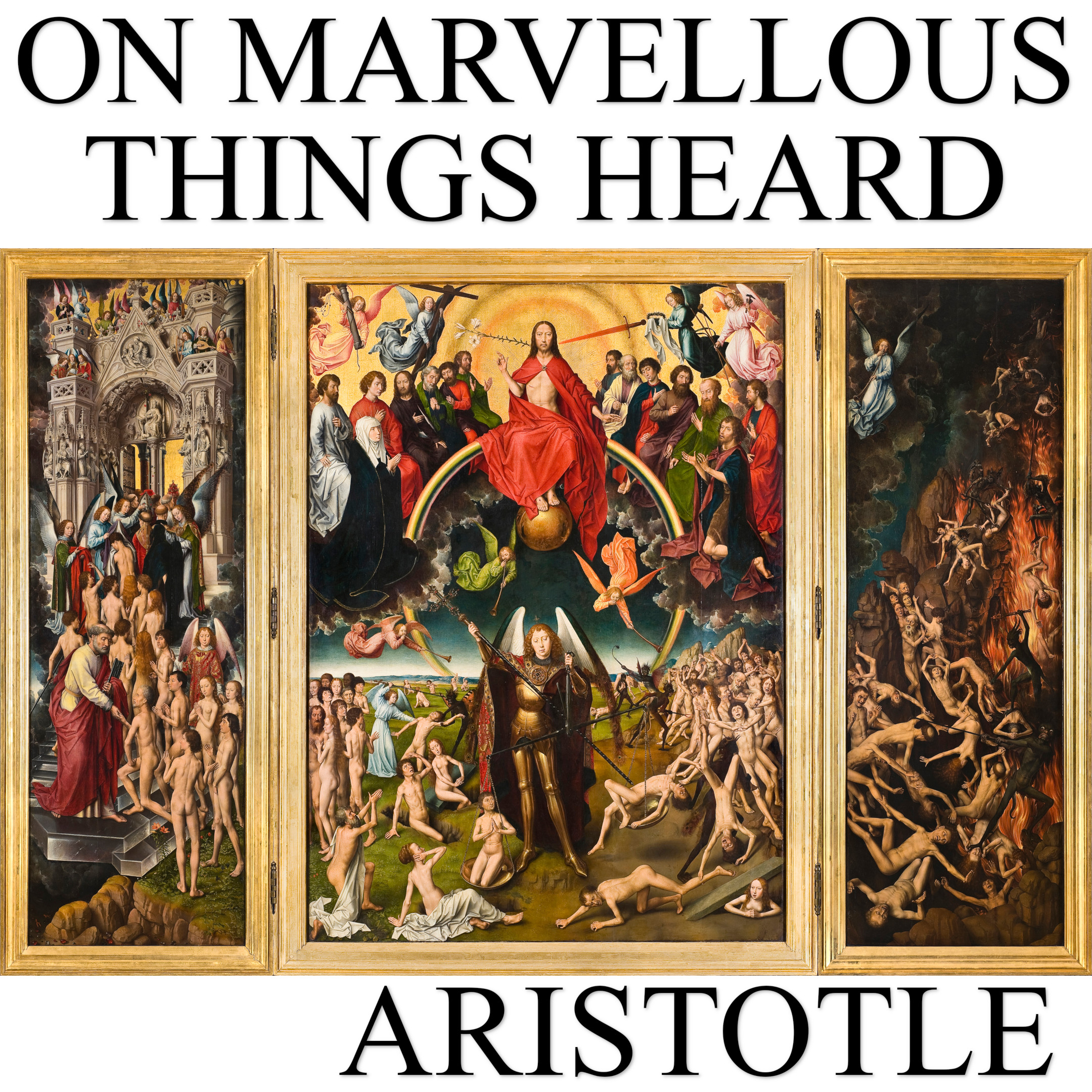 On Marvellous Things Heard by Aristotle | On Marvellous Things Heard (Greek: ΠΕΡΙ ΘΑΥΜΑΣΙΩΝ ΑΚΟΥΣΜΑΤΩΝ; Latin: De Mirabilibus Auscultationibus) is attributed to Aristotle (ΑΡΙΣΤΟΤΕΛΗΣ) but may have been written by another author. Translated by Launcelot D. Dowdall. Painting: The Last Judgment by Hans Memling, c.1471. Recording and cover design by Geoffrey Edwards are in the public domain. | — | ||||||
| 11/29/18 | 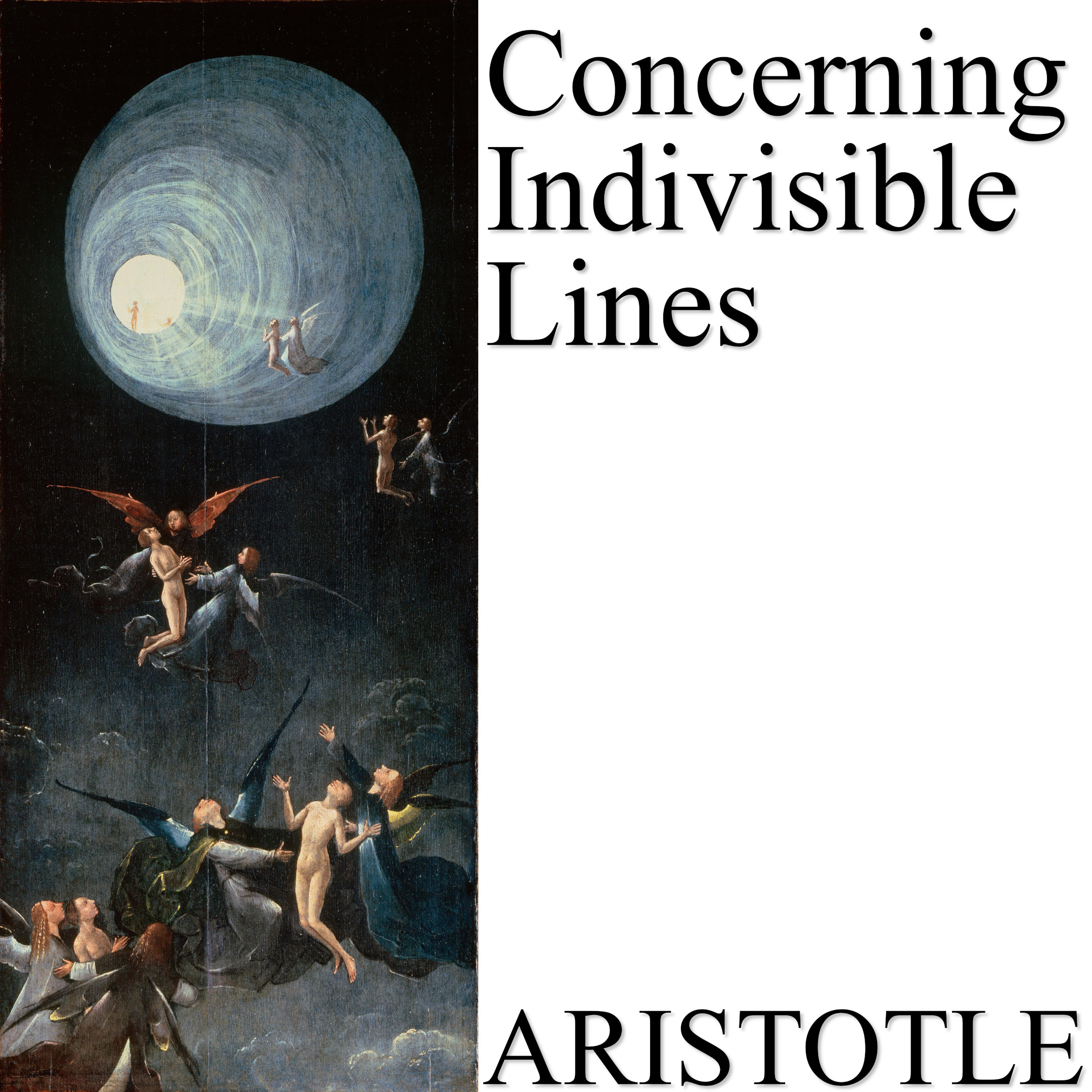 Concerning Indivisible Lines by Aristotle | Concerning Indivisible Lines (Greek: ΠΕΡΙ ΑΤΟΜΩΝ ΓΡΑΜΜΩΝ; Latin: De Lineis Insecabilibus) is attributed to Aristotle but may have had another author. Translated by Harold H. Joachim. Painting: Ascent of the Blessed by Hieronymus Bosch, c.1515. Recording and cover design by Geoffrey Edwards are in the public domain. | — | ||||||
| 5/1/18 | 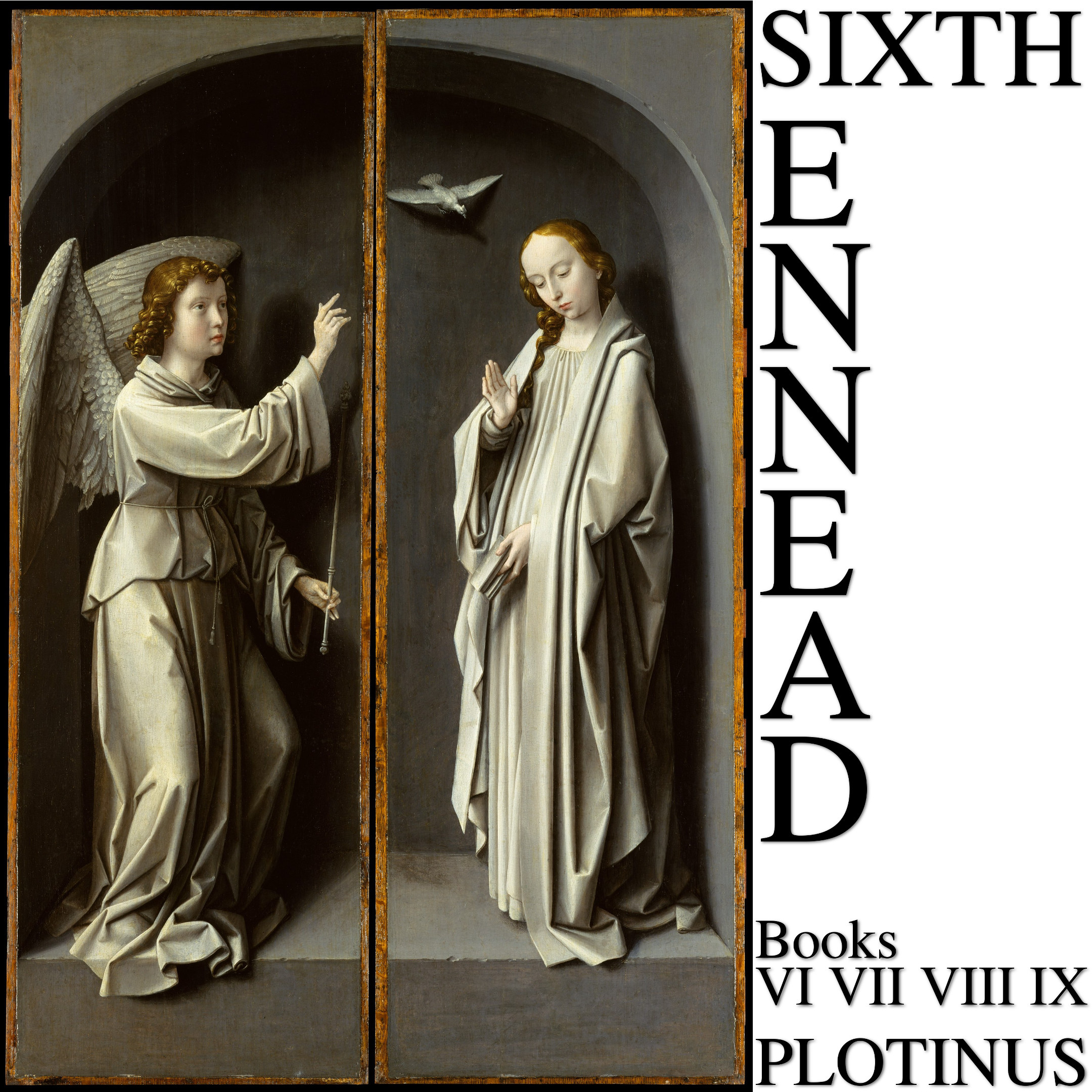 Ennead VI Books 6 to 9 by Plotinus | 6. Of Numbers (0:00:00) 7. How Ideas Multiply (1:36:17) 8. Of the Will of the One (4:54:49) 9. Of the Good and the One (6:35:44) Translated by Kenneth Sylvan Guthrie. Painting: Archangel Gabriel; The Virgin Annunciate by Gerard David, c1510. Digital image courtesy of The Met. Recording and cover design by Geoffrey Edwards are in the Public Domain. | — | ||||||
| 4/4/18 | 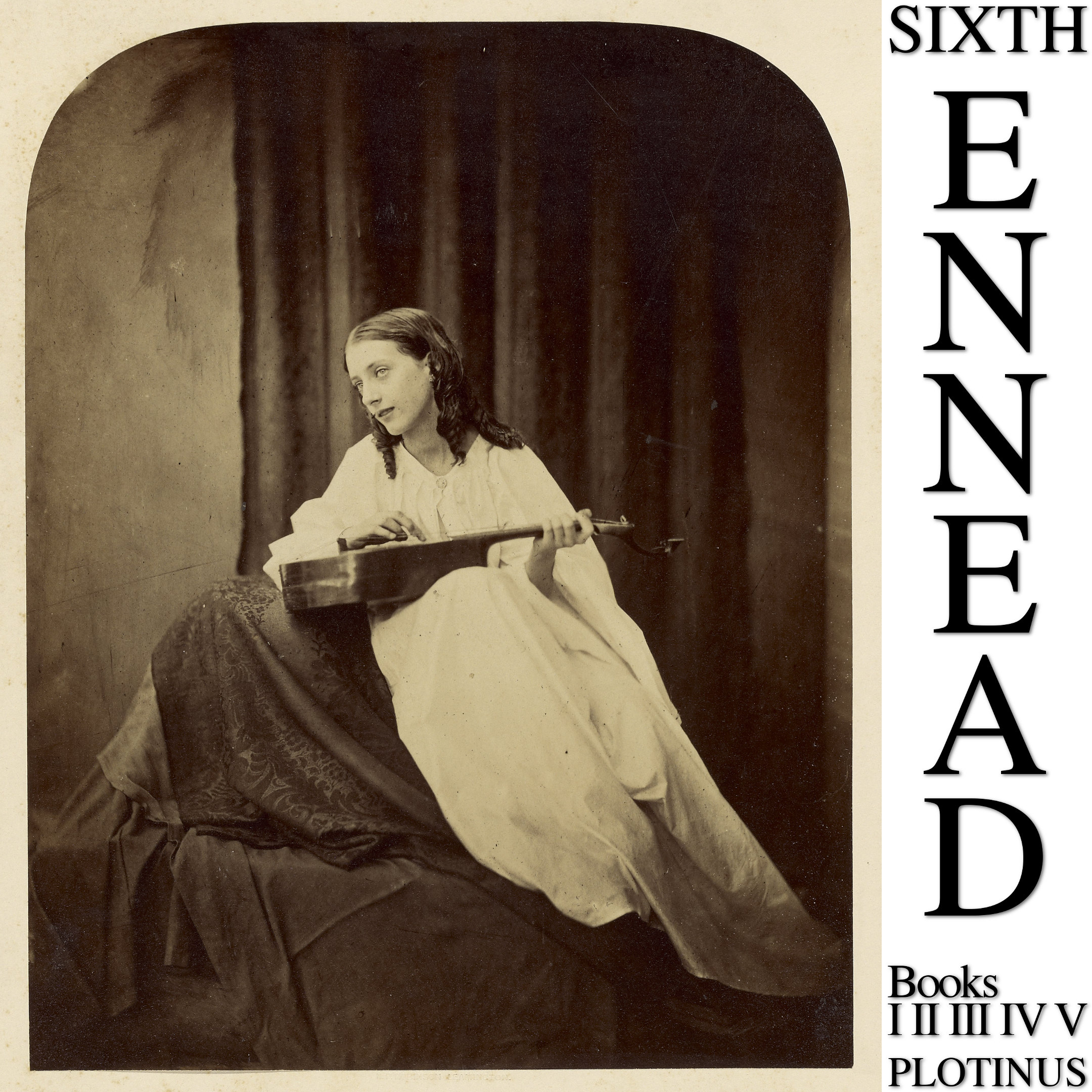 Ennead VI Books 1 to 5 by Plotinus | 1. Of the Ten Aristotelian Categories (0:00:00) 2. The Categories of Plotinos (2:17:46) 3. Plotinos's Own Sense-Categories (4:09:17) 4. The One Identical Essence is Everywhere Entirely Present (6:24:30) 5. The One Identical Essence is Everywhere Entirely Present (7:39:26) Translated by Kenneth Sylvan Guthrie. Photograph: A Study by Henry Peach Robinson, 1858. Digital image courtesy of the Getty's Open Content Program. Recording and cover design by Geoffrey Edwards are in the public domain. | — | ||||||
| 2/28/18 | 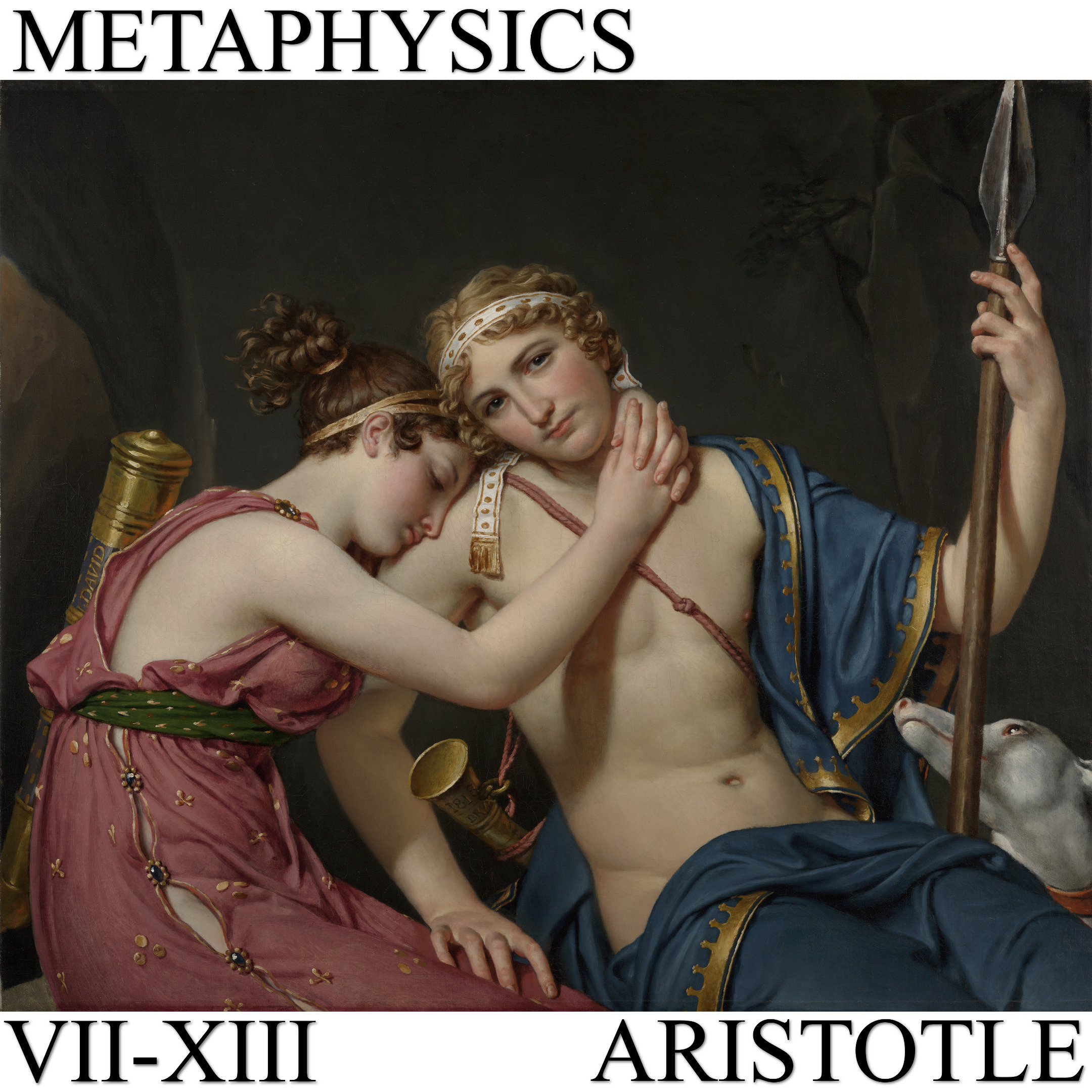 Metaphysics Books 7-13 by Aristotle | VIII 0:32:29 IX 1:32:04 X 2:32:57 XI 4:09:38 XII 5:20:43 XIII 6:58:04 Metaphysics (Greek: ΜΕΤΑ ΤΑ ΦΥΣΙΚΑ; Latin: METAPHYSICA) by Aristotle. Translated by John M'Mahon. Painting: The Farewell of Telemachus and Eucharis by Jacques-Louis David, 1818. LibriVox recording and cover design by Geoffrey Edwards are in the public domain. Proof-Listener: Guero. | — | ||||||
| 2/7/18 | 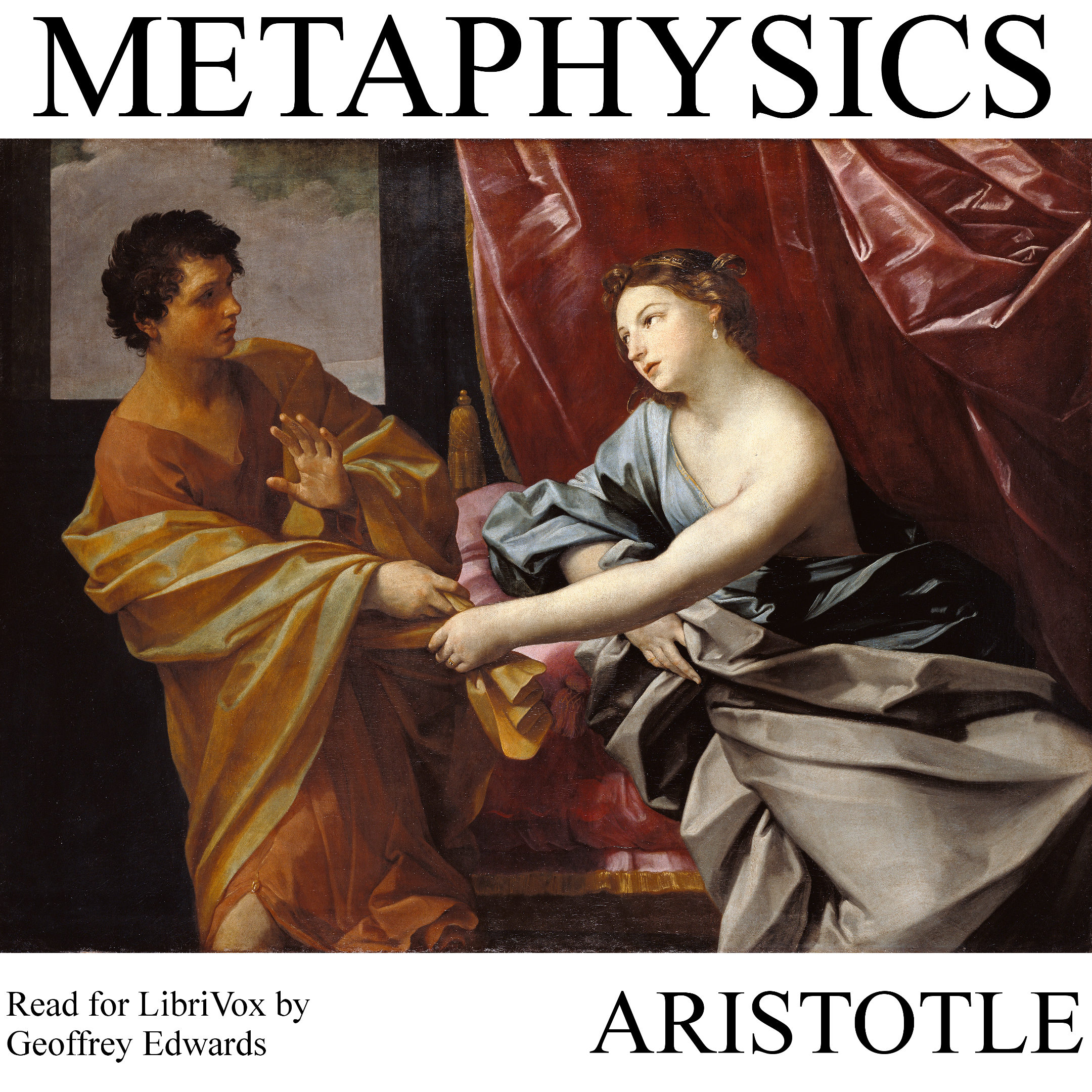 Metaphysics Books 1-6 by Aristotle | I (the less) 1:34:58 II 1:48:56 III 2:46:35 IV 4:01:58 V 5:43:34 VI 6:06:20 Metaphysics (Greek: ΜΕΤΑ ΤΑ ΦΥΣΙΚΑ; Latin: METAPHYSICA) translated by John M'Mahon. Painting: Joseph and Potiphar's Wife by Guido Reni. LibriVox recording and cover design by Geoffrey Edwards are in the public domain. Proof-Listener: Guero. | — | ||||||
| 1/4/18 | 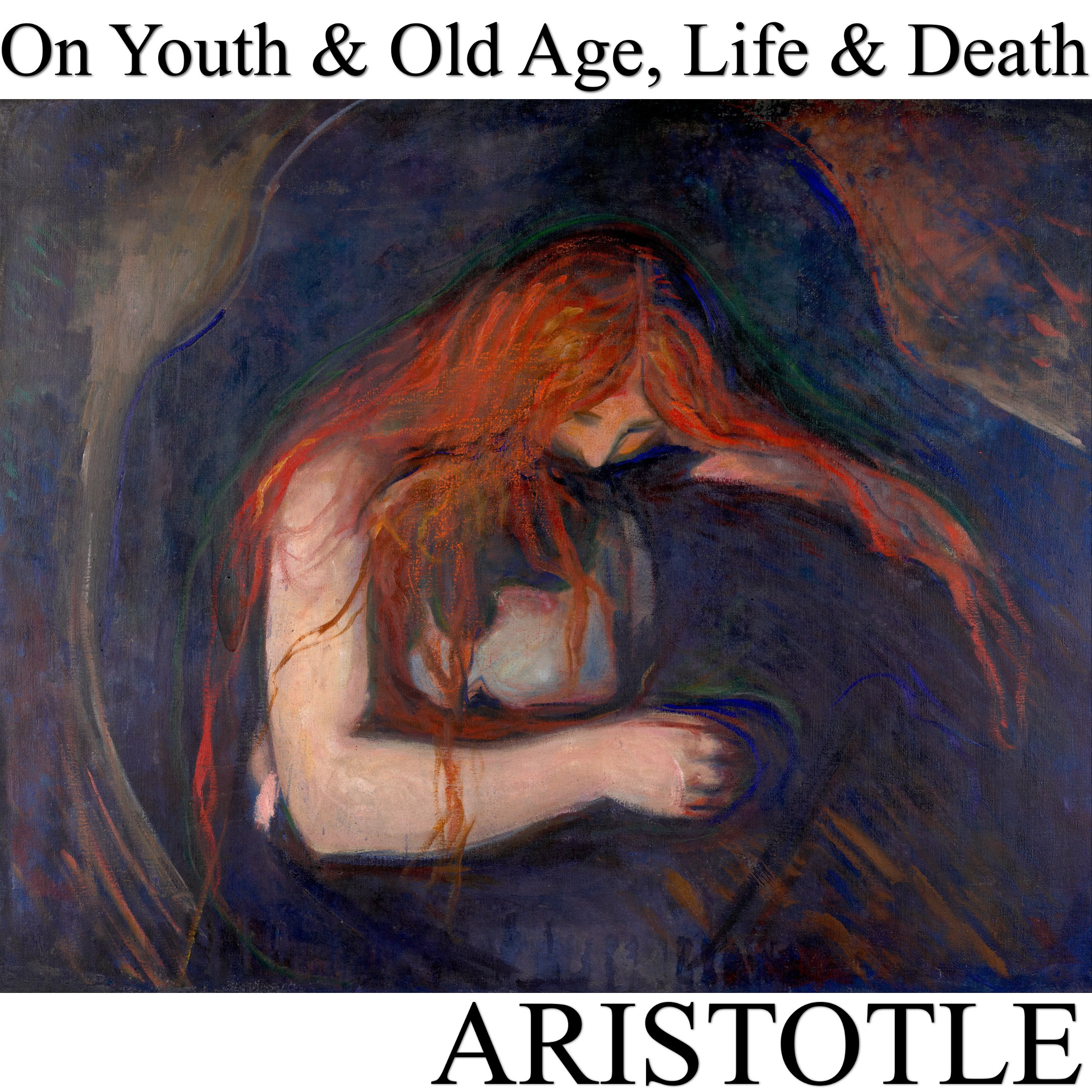 On Youth and Old Age, and on Life and Death by Aristotle | Aristotle names the heart as the life principle responsible for sensation and nutrition in all sanguineous animals and argues that every living thing has a soul which is extinguished at death. Translated by William Alexander Hammond. Painting: Vampire by Edvard Munch, 1895. LibriVox recording and cover design by Geoffrey Edwards are in the public domain. | — | ||||||
| 1/4/18 | 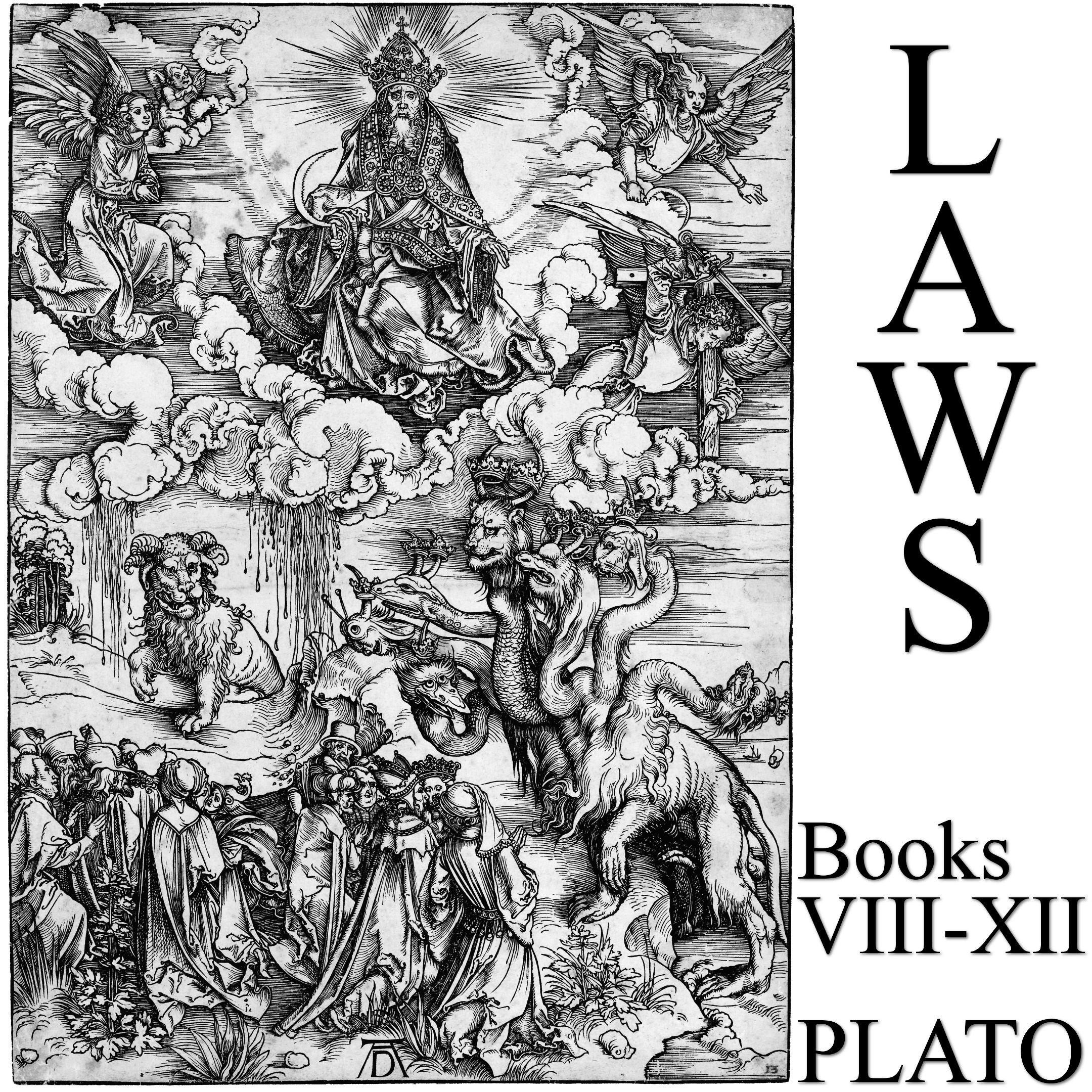 Laws - Books 8-12 by Plato | IX 1:11:33, X 2:50:00, XI 4:18:10, XII 5:44:59 Laws (Greek: ΝΟΜΟΙ, Latin: De Legibus) is the final dialogue written by Plato. Translated by Benjamin Jowett. Woodcut: The Beast with the Lamb's Horns and the Beast with Seven Heads by Albrecht Dürer. LibriVox recording and cover design by Geoffrey Edwards are in the public domain. | — | ||||||
| 12/11/17 |  Mechanica by Aristotle | Mechanics (Greek: ΜΗΧΑΝΙΚΑ, Latin: Mechanica) is attributed to Aristotle but may have been written by Archytas (ΑΡΧΥΤΑΣ). The 35 books discuss topics including the relationship between circles, levers and pulleys. Translated by Edward Forster. Painting: Faustine Léo (1832–1865) by Henri Lehmann, 1842. Scanned by The Metropolitan Museum of Art. Recording and cover design by Geoffrey Edward are in the public domain. | — | ||||||
| 12/6/17 | 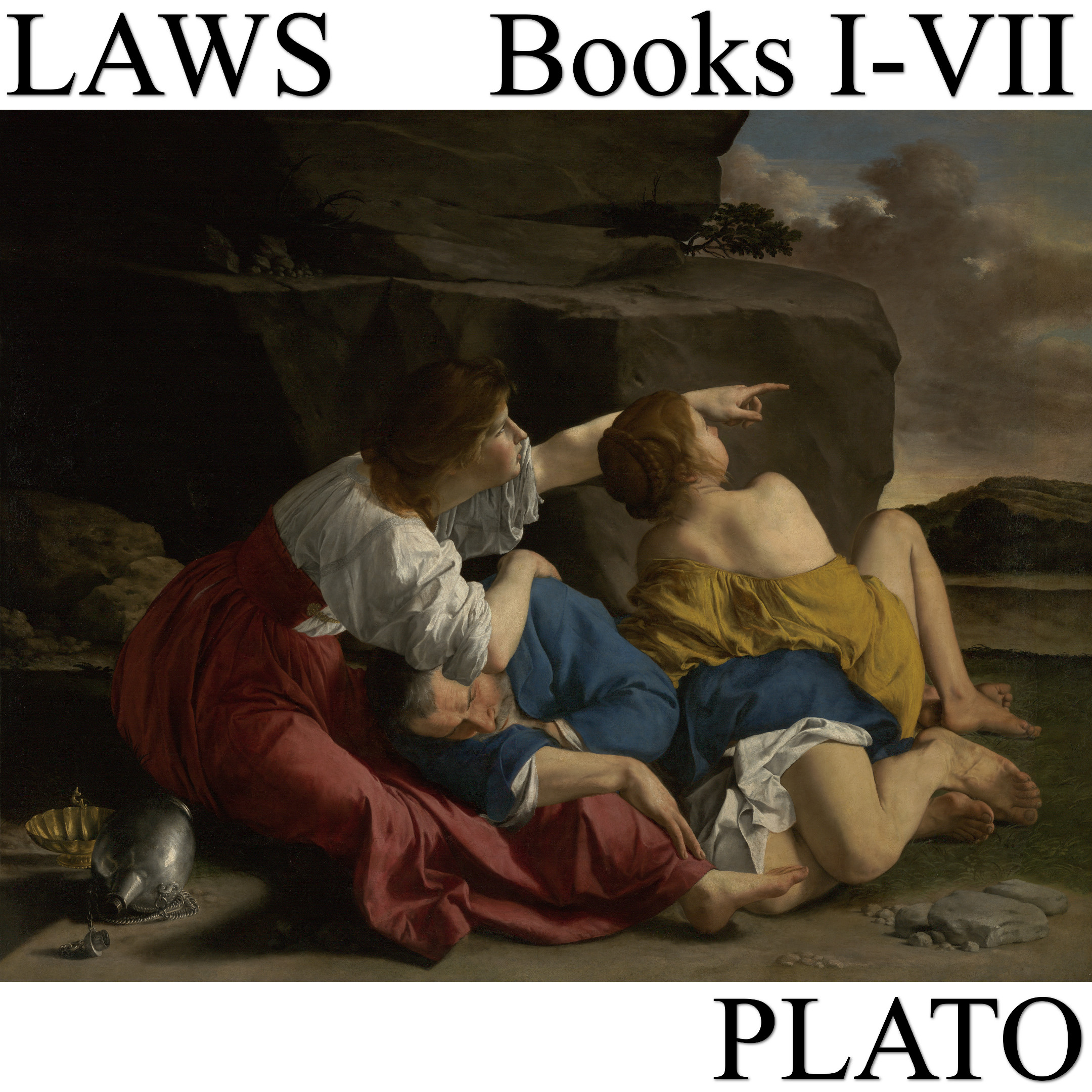 Laws - Books 1-7 by Plato | II 1:21:55, III 2:31:21, IV 3:56:07 V 4:57:24, VI 6:02:39, VII 7:45:14 Laws (Greek: ΝΟΜΟΙ, Latin: De Legibus) is the final dialogue written by Plato. Translated by Benjamin Jowett. Painting: Lot and his Daughters by Orazio Gentileschi. LibriVox recording and cover design by Geoffrey Edwards are in the public domain. | — | ||||||
| 11/15/17 | 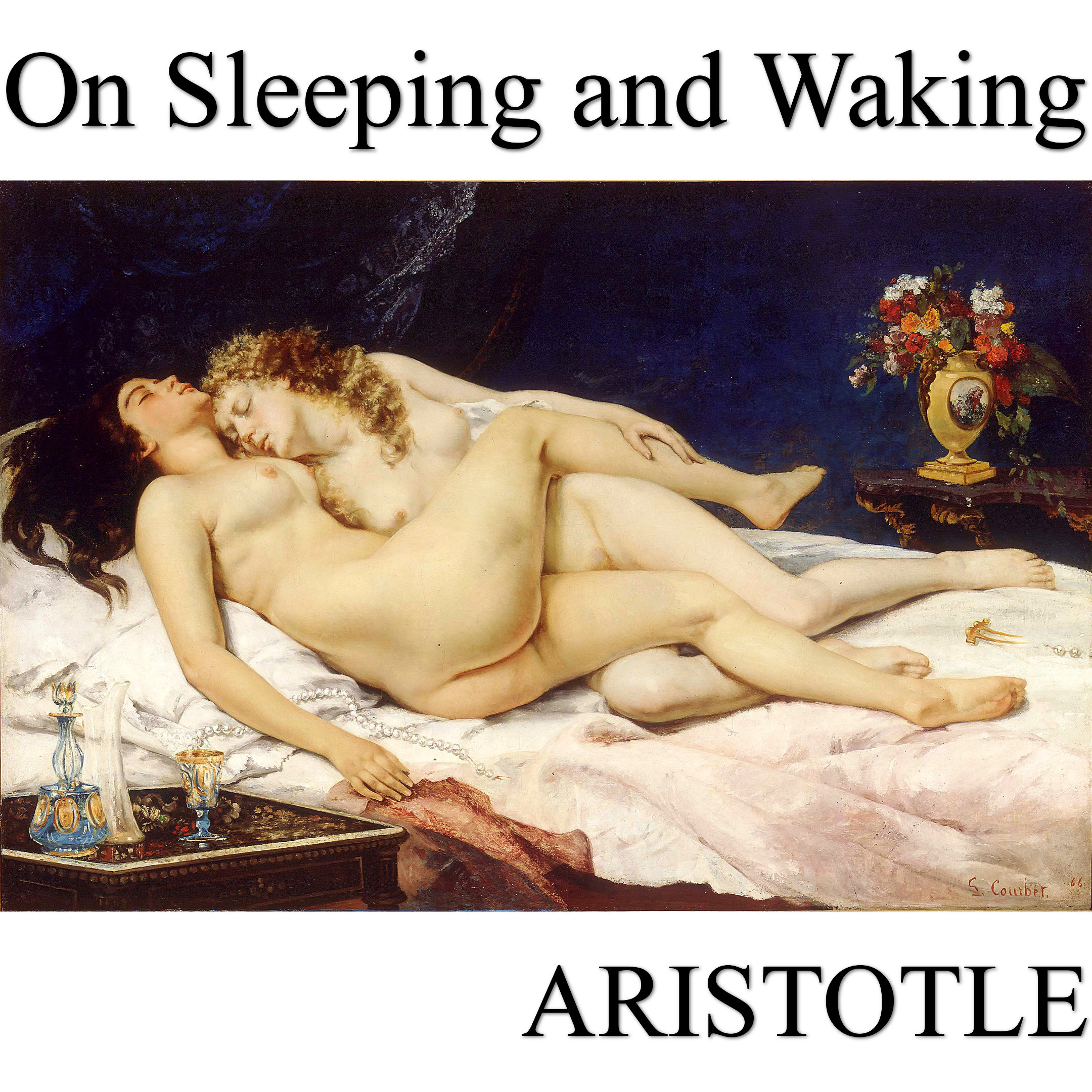 On Sleeping and Waking by Aristotle | On Sleeping and Waking (Greek: ΠΕΡΙ ΥΠΝΟΥ ΚΑΙ ΕΓΡΗΓΟΡΣΕΩΣ; Latin: DE SOMNO ET VIGILIA) is also known as On Sleep and Sleeplessness. In this book Aristotle discusses the relationship between sleep and the body, soul and sensation. Translated by William Alexander Hammond. Painting: Le Sommeil by Gustave Courbet, 1866. LibriVox recording and cover design by Geoffrey Edwards are in the public domain. | — | ||||||
Showing 25 of 83
Pitch Fit is a Pro feature
See how bookable this show is for guests, which brands already advertise, the per-episode ad value, and the best-fit guest and sponsor profile. The numbers are blurred on the free plan.
How readily this show books outside guests like you.
How proven this show is for host-read sponsorships.
For Guests
ProFor Advertisers
ProUpgrade to Pro to unlock guest cadence, sponsor categories, fit scores, and per-episode ad value for this show.
Chart Positions
2 placements across 2 markets.
Chart Positions
2 placements across 2 markets.