Philosophy, Ideas, Critical Thinking, Ethics & Morality: The Creative Process: Philosophers, Writers, Educators, Creative Thinkers, Spiritual Leaders, Environmentalists & Bioethicists
by Philosophers, Writers, Educators, Creative Thinkers, Spiritual Leaders, Environmentalists & Bioethicists · Creative Process Original Series
Is this your podcast?Insights from recent episode analysis
Audience Interest
Podcast Focus
Publishing Consistency
Platform Reach
Insights are generated by CastFox AI using publicly available data, episode content, and proprietary models.
Most discussed topics
Brands & references
Total monthly reach
Estimated from 10 chart positions in 10 markets.
By chart position
- 🇲🇽MX · Philosophy#1121K to 10K
- 🇮🇳IN · Philosophy#1861K to 10K
- 🇰🇪KE · Philosophy#3210K to 30K
- 🇮🇸IS · Philosophy#833K to 10K
- 🇻🇳VN · Philosophy#104500 to 3K
- Per-Episode Audience
Est. listeners per new episode within ~30 days
5.4K to 23K🎙 Daily cadence·300 episodes·Last published 4d ago - Monthly Reach
Unique listeners across all episodes (30 days)
18K to 78K🇰🇪38%🇲🇽13%🇮🇳13%+7 more - Active Followers
Loyal subscribers who consistently listen
7.2K to 31K
Market Insights
Platform Distribution
Reach across major podcast platforms, updated hourly
Total Followers
—
Total Plays
—
Total Reviews
—
* Data sourced directly from platform APIs and aggregated hourly across all major podcast directories.
On the show
From 10 epsHosts
Not detected.
Recent guests
Recent episodes
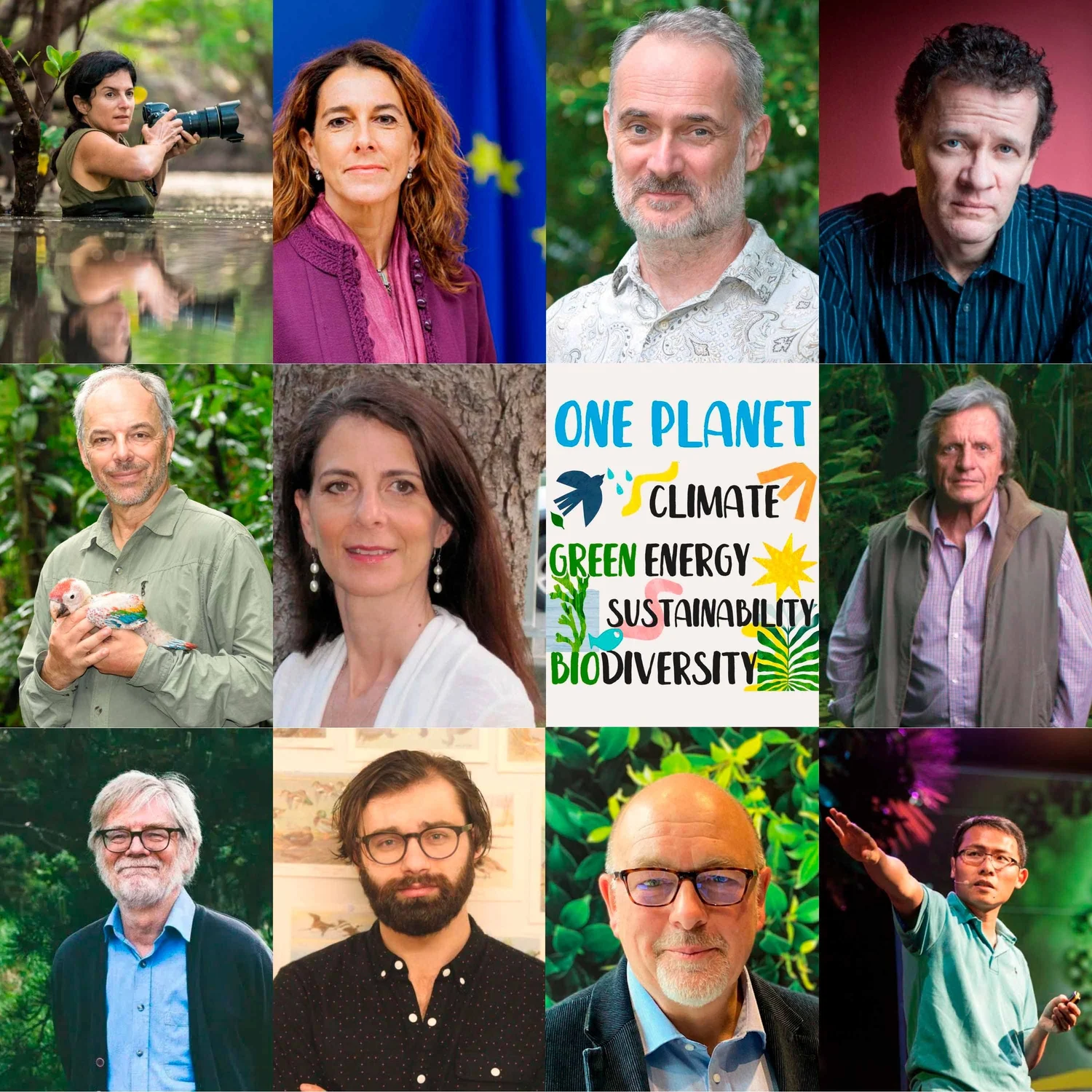
Listening to the Living World: Ami Vitale, Yann Martel, Carl Safina, David George Haskell & Others on Climate Change & The Rights of Nature
Jun 22, 2026
Unknown duration
Building Bridges Between Memory, Nature & Architecture with SALWA & SELMA MIKOU
May 18, 2026
Unknown duration
Humans as Storytelling Animals: Poets, Novelists & Musicians on the Power of Writing
May 15, 2026
Unknown duration
Why Do We Listen to the Talkers More Than the Builders Saving the Planet? - TOM CHI - Highlights
Apr 18, 2026
22m 25s
Climate Capital with TOM CHI - Google X Co-founder, Founding Partner At One Ventures
Apr 17, 2026
1h 27m 27s
Social Links & Contact
Official channels & resources
Official Website
Login
RSS Feed
Login
| Date | Episode | Topics | Guests | Brands | Places | Keywords | Sponsor | Length | |
|---|---|---|---|---|---|---|---|---|---|
| 6/22/26 | ![]() Listening to the Living World: Ami Vitale, Yann Martel, Carl Safina, David George Haskell & Others on Climate Change & The Rights of Nature | Today, we hear from writers Yann Martel, Carl Safina and David George Haskell on the practice of listening to the living world. Tom Chi discusses the dangerous volatility of a one-degree shift. Clayton Aldern explores how climate change alters brain health and behavior, while Ami Vitale,Osprey Orielle Lake and Martín Von Hildebrand remind us of the kinship we share with nature. Fred Pearce discusses 40 years as a journalist reporting on climate from around the world, while Richard Black of the environmental think tank Ember and Paula Pinho, European Commission’s Chief Spokesperson, talk about policy, hope and the radical empathy required to protect the planet for future generations.(0:00) Clayton Page Aldern – Finding awe and beauty in the world(0:40) David George Haskell – On consequences of humans tuning out the sounds of the living world(2:11) Yann Martel – How animals ask us to step out of our humanity(3:12) Carl Safina – The interior lives of non-human animals(5:08) Ami Vitale – Environmental collapse and human conflict(6:37) Martín von Hildebrand – Indigenous views of nature(8:00) Richard Black – Transition to clean energy vs. massive fossil fuel subsidies(10:01) Tom Chi – Climate destabilization(11:07) Paula Pinho – Europe’s vision for energy independence(14:04) Osprey Orielle Lake – Māori concept of "I am the river and the river is me”(16:08) Bill Hare – On limiting global warming to 1.5 degrees(17:19) Fred Pearce – Finding hope in nature’s resilienceTo hear more from each guest, listen to their full interviews.Episode Websitewww.creativeprocess.info/pod@creativeprocesspodcast | — | ||||||
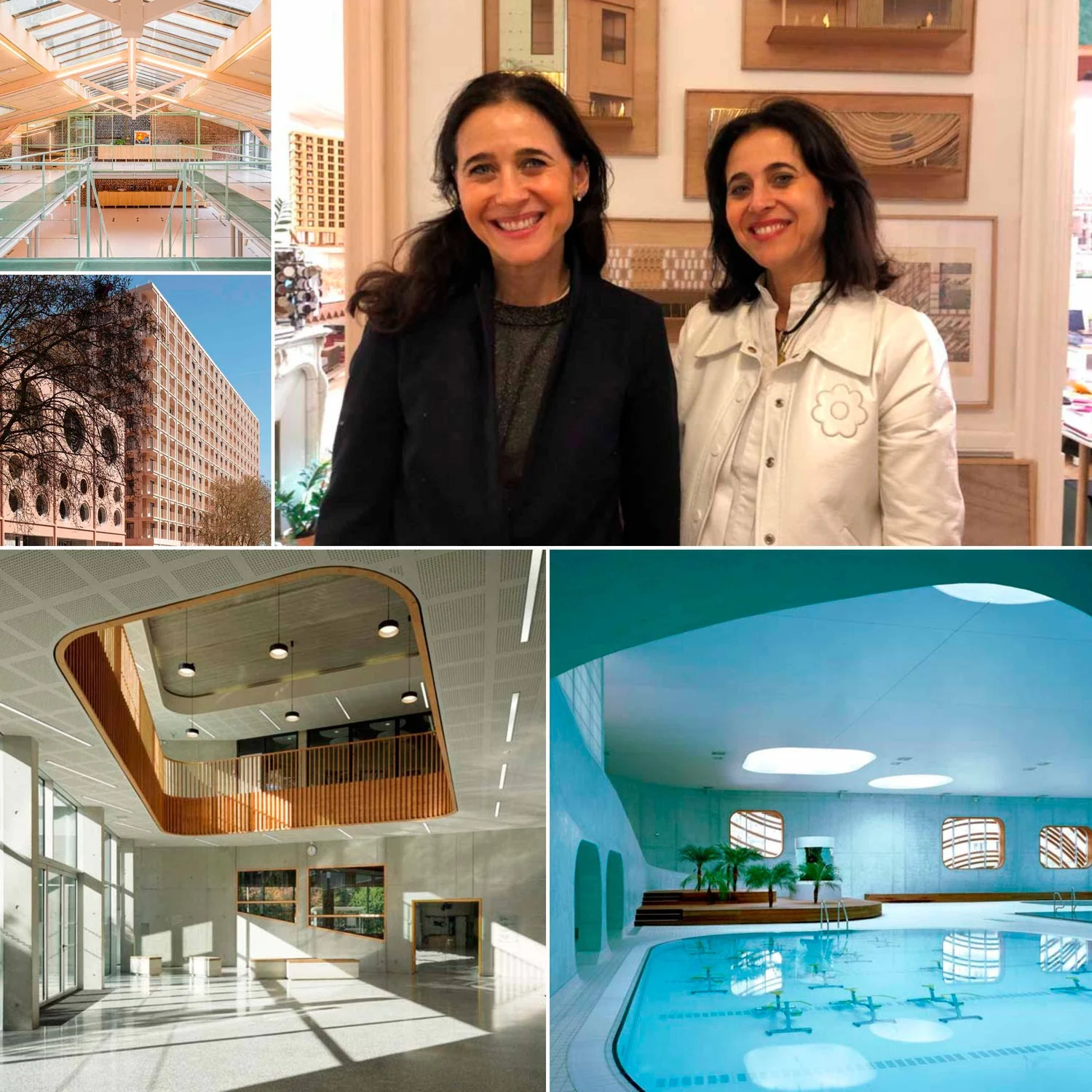
| 5/18/26 | ![]() Building Bridges Between Memory, Nature & Architecture with SALWA & SELMA MIKOU | “Architecture should bring a true sensation of wellbeing. We were really lucky to experience that as children, and now as architects, we try to bring all that we learned into our practice.”Salwa and Selma Mikou are the founders of Paris-based Mikou Architecture. Born in Fez, Morocco and educated in Paris, they have spent the last two decades reimagining the relationship between the built environment and the cultural landscape.After honing their craft under two of the world’s most iconic architects, Jean Nouvel and Renzo Piano, they founded their own studio. For them, architecture is a living interaction with landscape and what they call the Atlas of Resonance, interpreting the hidden layers of a territory, geology, memory, and craft. It is a philosophy that rejects the generic, seeking instead to weave together technological innovation with local materials. Whether it is a mosque in the north of England or a hybrid innovation hub in a former royal manufactory, their work asks a fundamental question: How does space shape the way we think, learn and remember?They were selected by Rem Koolhaas to represent Morocco at the Venice Biennale. Most recently, they were commissioned by Hermès to create a 17,000-square-meter facility that bridges industrial performance with poetic expression. At the heart of their practice is a belief that architecture is not just about building—it’s about shaping relationships: between people, between past and future, between technology and craft.(0:04) The Intuitive Knowledge of Living Art(4:24) The Medina and the Geometry of Childhood(8:18) The Social Spaces of Rooftops(13:46) The Intuitive Knowledge of Living Art(15:31) Contextual Echoes & Traces of the Site(19:18) The Twin Dynamic and Confrontation with 'l'autre'(26:42) The Temples of Water(33:24) The Mosque as Pure Spatiality(38:01) The Crisis Period and Structural Systems(48:24) Building Culture with Yves Saint Laurent & Pierre Bergé(51:38) The Wast ed-dar (وسط الدار) and the Heart of a Building(57:02) Preserving the Human Core of Expression(1:04:29) Urban Acupuncture in the Modern City(1:08:46) The Smells and Sounds of Home(1:10:02) Balance, Nature, and SisterhoodEpisode Websitewww.creativeprocess.info/podInstagram:@creativeprocesspodcast | — | ||||||
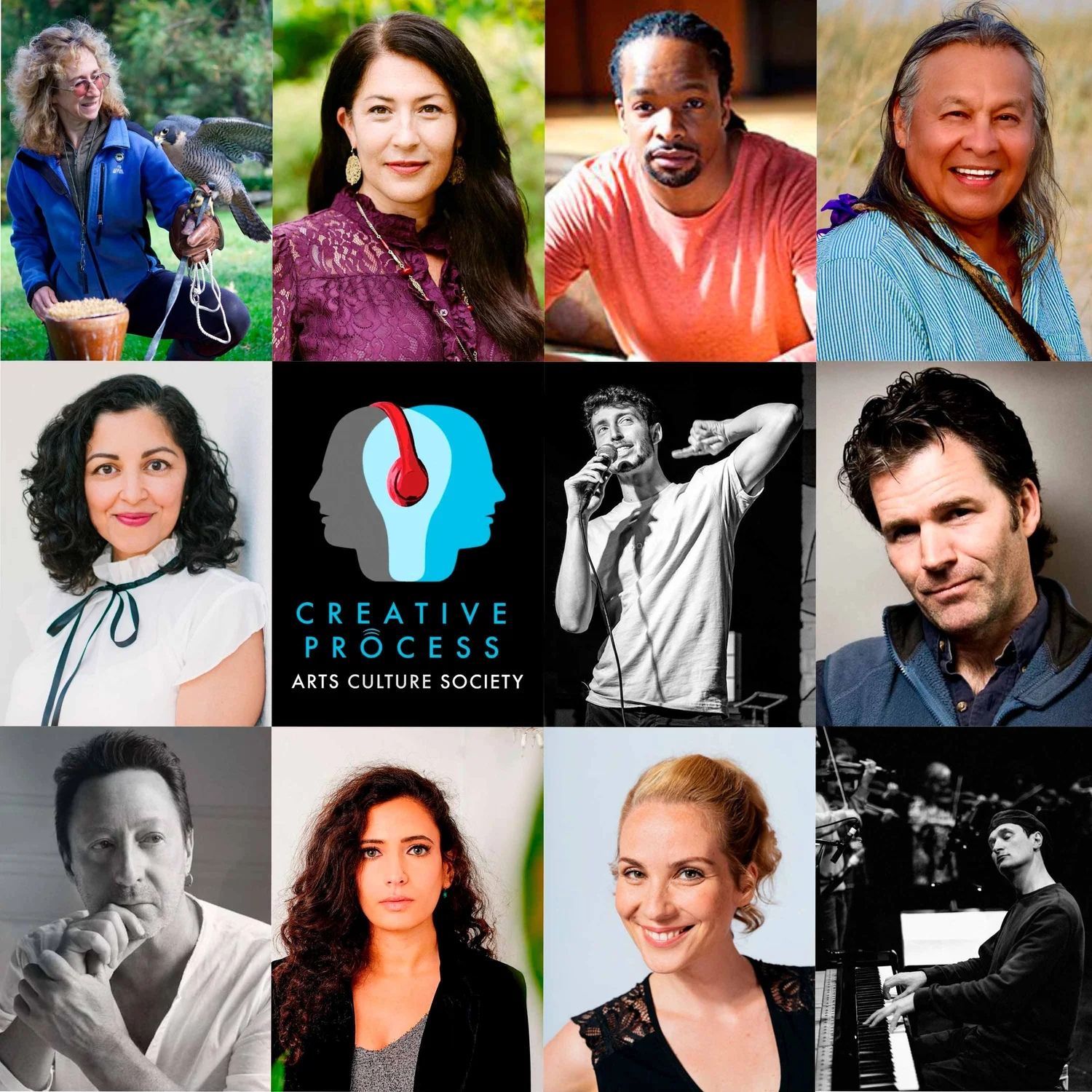
| 5/15/26 | ![]() Humans as Storytelling Animals: Poets, Novelists & Musicians on the Power of Writing | Why do we write? Is it to capture a memory before it vanishes or to build a bridge between the person we are and the stories we've been told? In this episode of The Creative Process, we explore the practice of writing as an awakening and tool for discovery with a group of celebrated poets, novelists, musicians and thinkers.We hear from neuroscientist, dancer and author Julia Christensen on how literature inspires transformative aesthetic experiences. Award-winning poet and clinical psychologist Hala Alyan discusses navigating displacement through narrative, while bestselling author Andre Dubus III reflects on the honest labor of the writer and the willingness to fail.Pulitzer Prize-winning poet Jericho Brown shares how the sounds of American vernacular guide his work and Fmr. US Poet Laureate Ada Limón discusses holding hope within frightening thoughts about the future of our planet. NYT Bestseller Aimee Nezhukumatathil speaks on tenderness towards the natural world and naturalist Sy Montgomery shares how animals have been her greatest teachers.The conversation expands with poet Max Stossel on finding humanity in conflict, Tiokasin Ghosthorse on the ancient energy of the earth and Julian Lennon on art as a collective human endeavor. Finally, composer Erland Cooper takes us to the landscape of his youth, where the sound of the sea informed his creative voice. To hear more from each guest, listen to their full interviews.Episode Websitewww.creativeprocess.info/podInstagram:@creativeprocesspodcast | — | ||||||
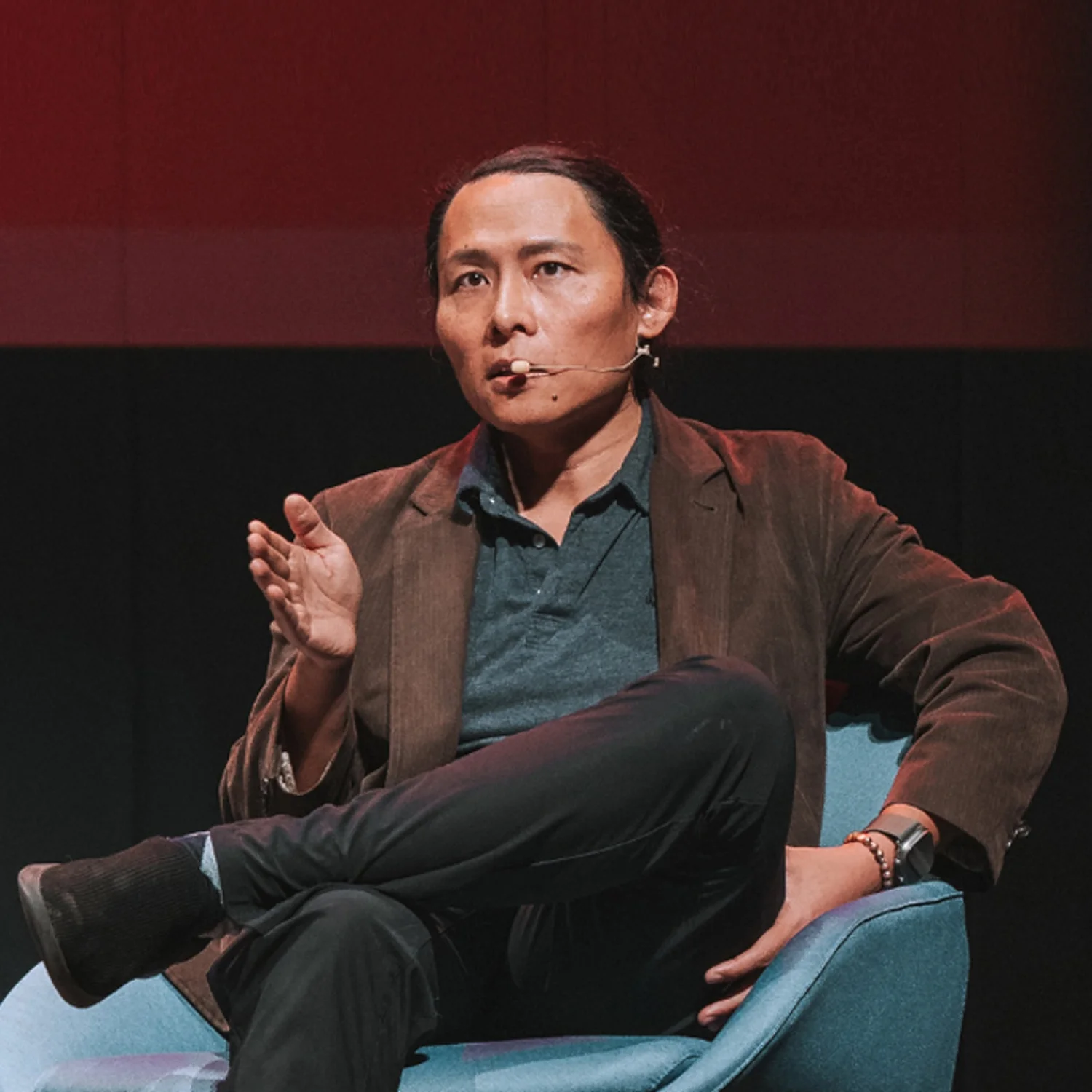
| 4/18/26 | ![]() Why Do We Listen to the Talkers More Than the Builders Saving the Planet? - TOM CHI - Highlights✨ | environmental designclimate crisis+3 | Tom Chi | At One VenturesGoogle+2 | — | environmental destructiondesign flaw+3 | — | 22m 25s | |
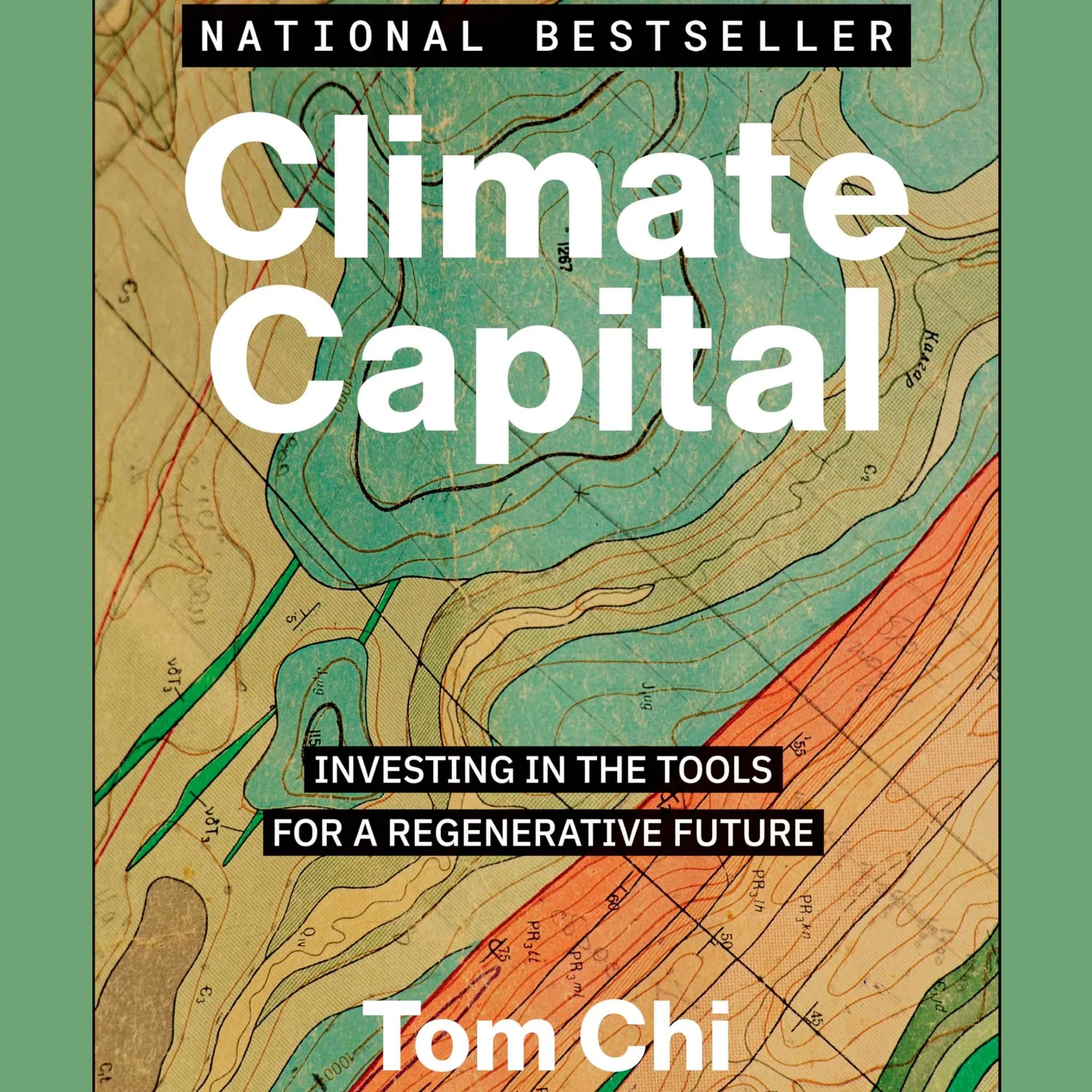
| 4/17/26 | ![]() Climate Capital with TOM CHI - Google X Co-founder, Founding Partner At One Ventures✨ | climate changeinvestment+4 | Tom Chi | Google XAt One Ventures+1 | — | climate capitalTom Chi+5 | — | 1h 27m 27s | |
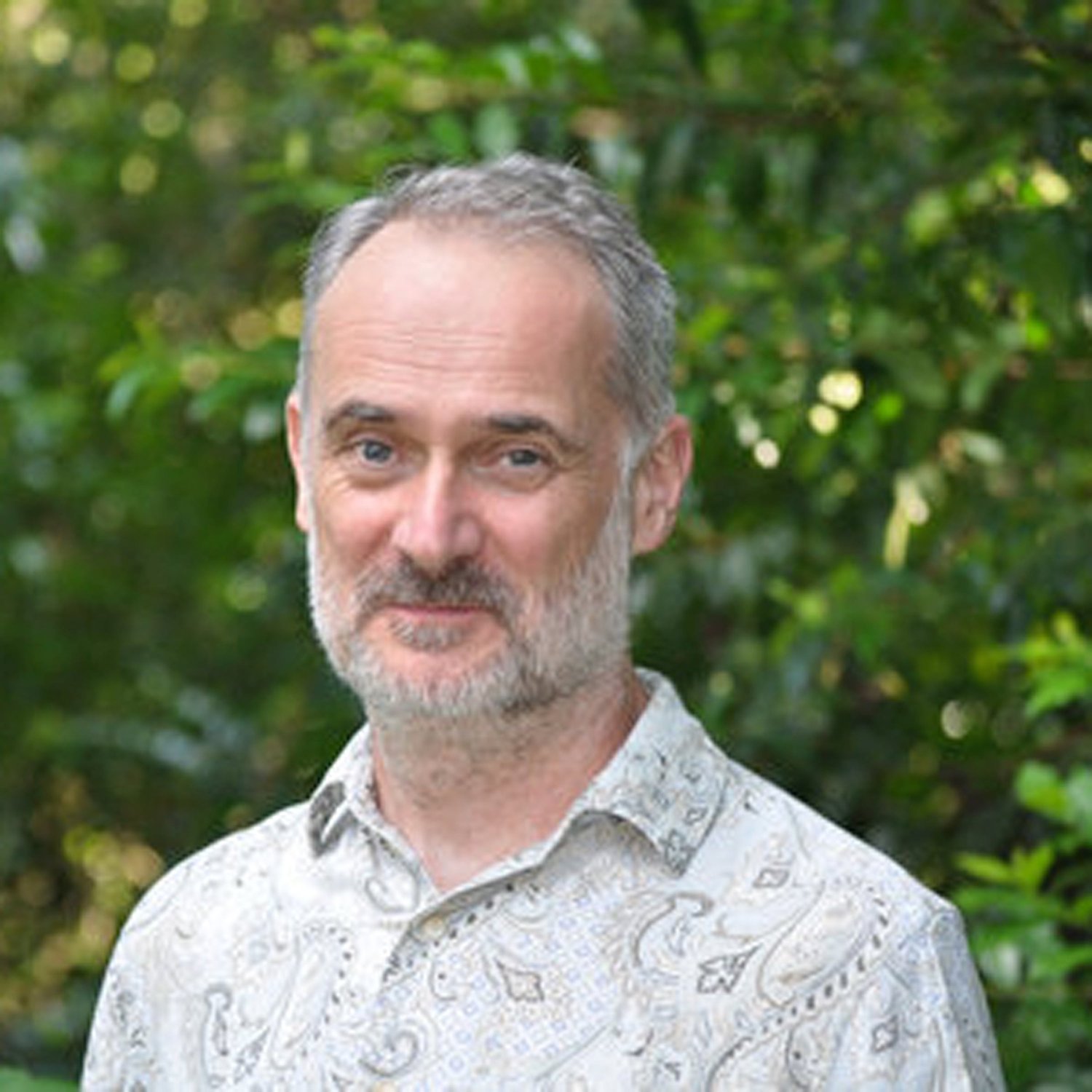
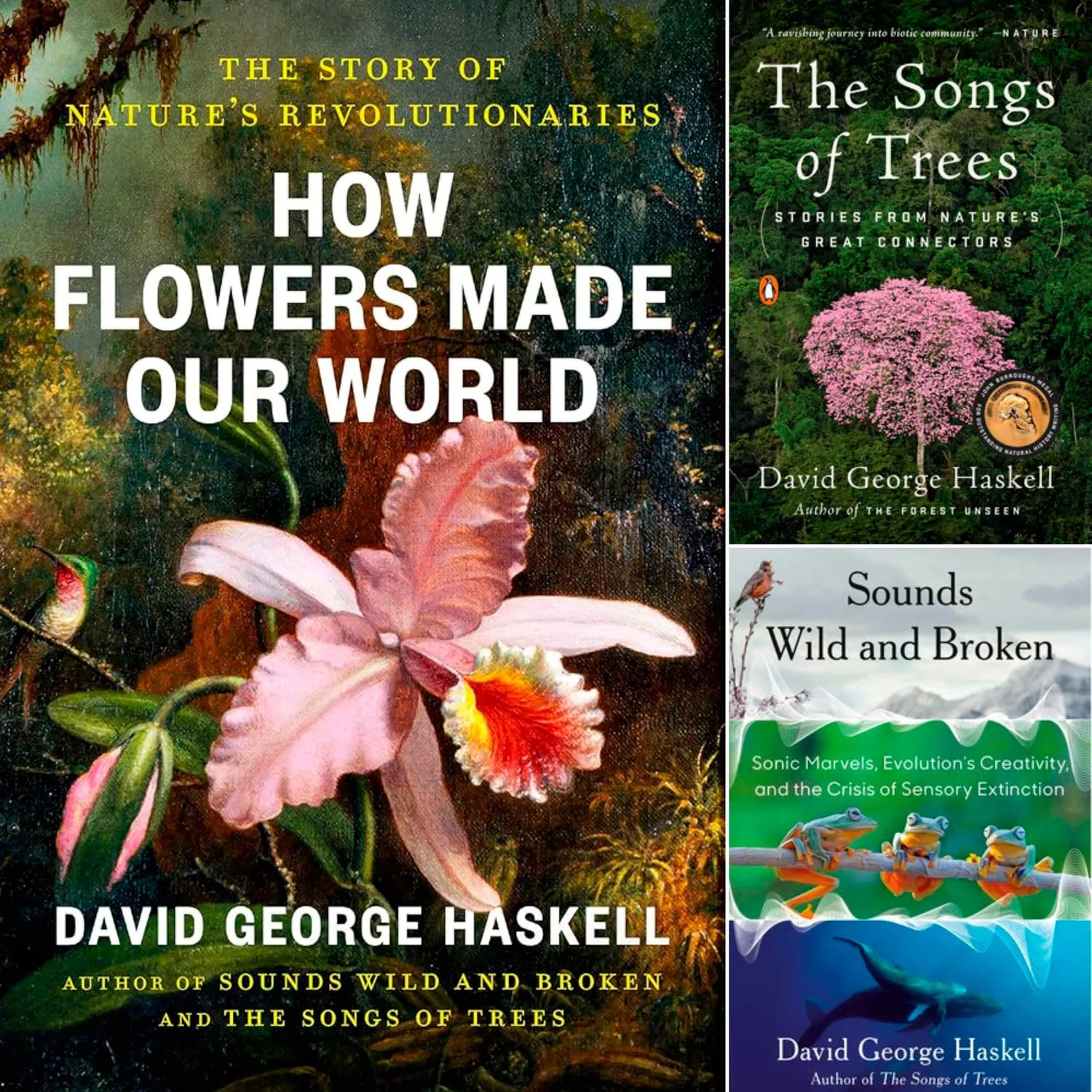
| 4/1/26 | ![]() How Flowers Made Our World: DAVID GEORGE HASKELL on Deep Time, Plant Intelligence & Listening to the Living World✨ | plant intelligenceinterconnectedness+4 | David George Haskell | The Forest UnseenSounds Wild and Broken+2 | TennesseeParis | flowersdeep time+4 | — | 1h 26m 14s | |
| 3/30/26 | ![]() Listening to the Living World: Biologist DAVID GEORGE HASKELL on Flowers, Forests & Songs of Nature - Highlights✨ | naturebiology+4 | David George Haskell | The Forest UnseenSounds Wild and Broken+2 | TennesseeParis | biologistflowers+7 | — | 17m 58s | |
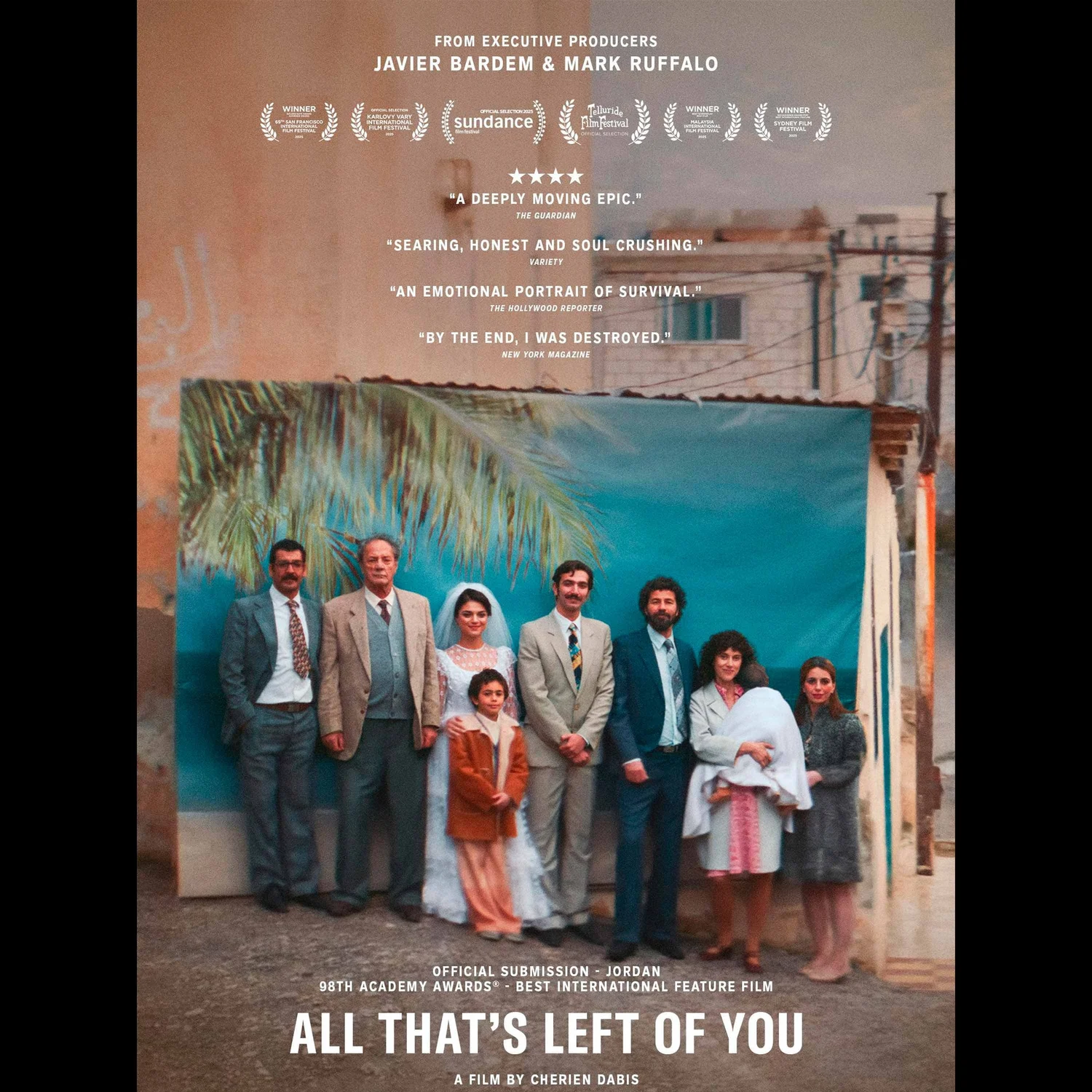
| 3/19/26 | ![]() Palestine & Generational Trauma: CHERIEN DABIS on Directing All That's Left of You - Highlights✨ | Palestinian resiliencegenerational trauma+4 | Cherien Dabis | All That's Left of You | PalestineCyprus+2 | Palestinegenerational trauma+6 | — | 14m 15s | |
| 3/19/26 | ![]() The Psychological & Emotional Impact of Occupation w/ Actress, Director CHERIEN DABIS✨ | occupationhumanity+4 | Cherien Dabis | All That’s Left of YouThe L Word+3 | — | Cherien Dabisoccupation+5 | — | 54m 20s | |
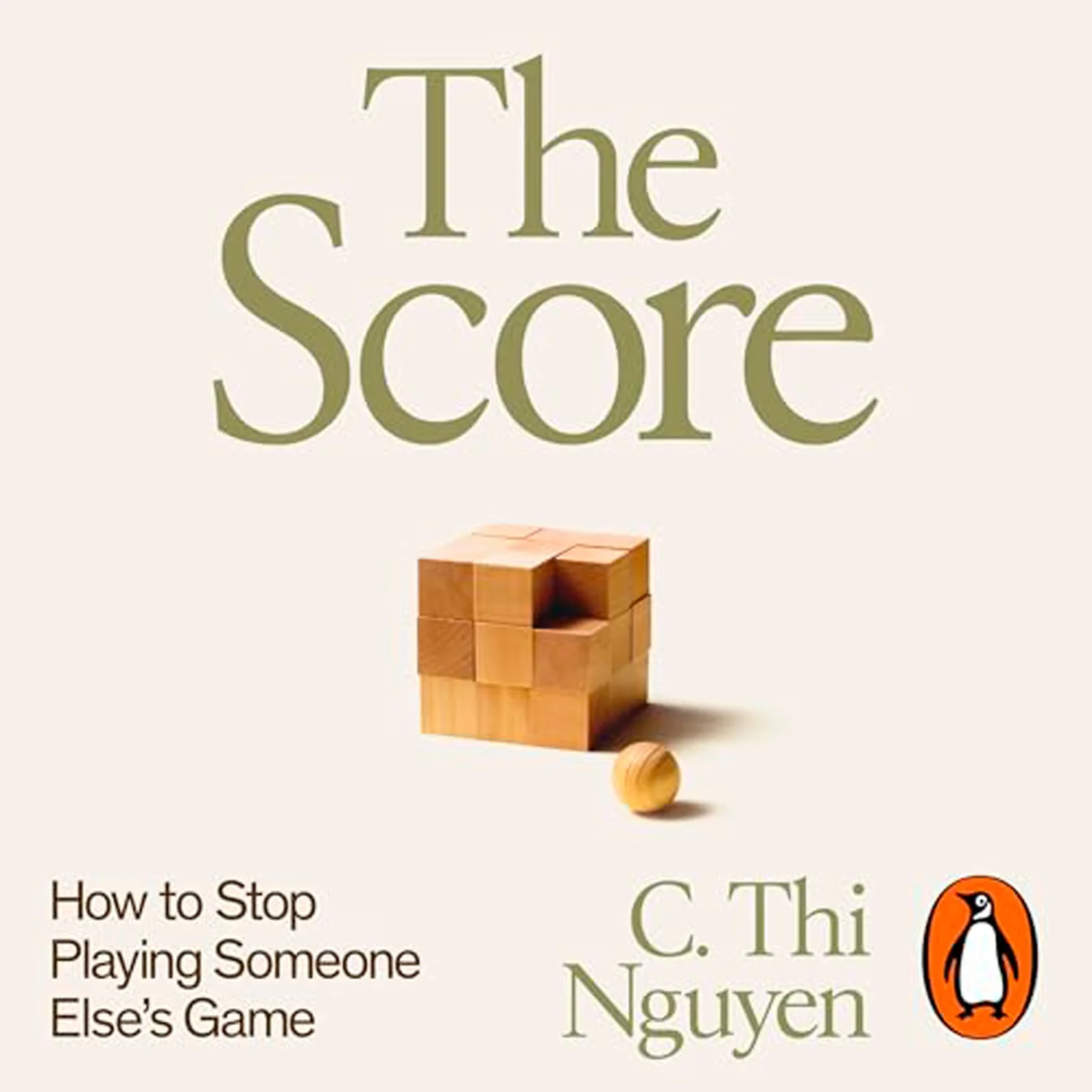
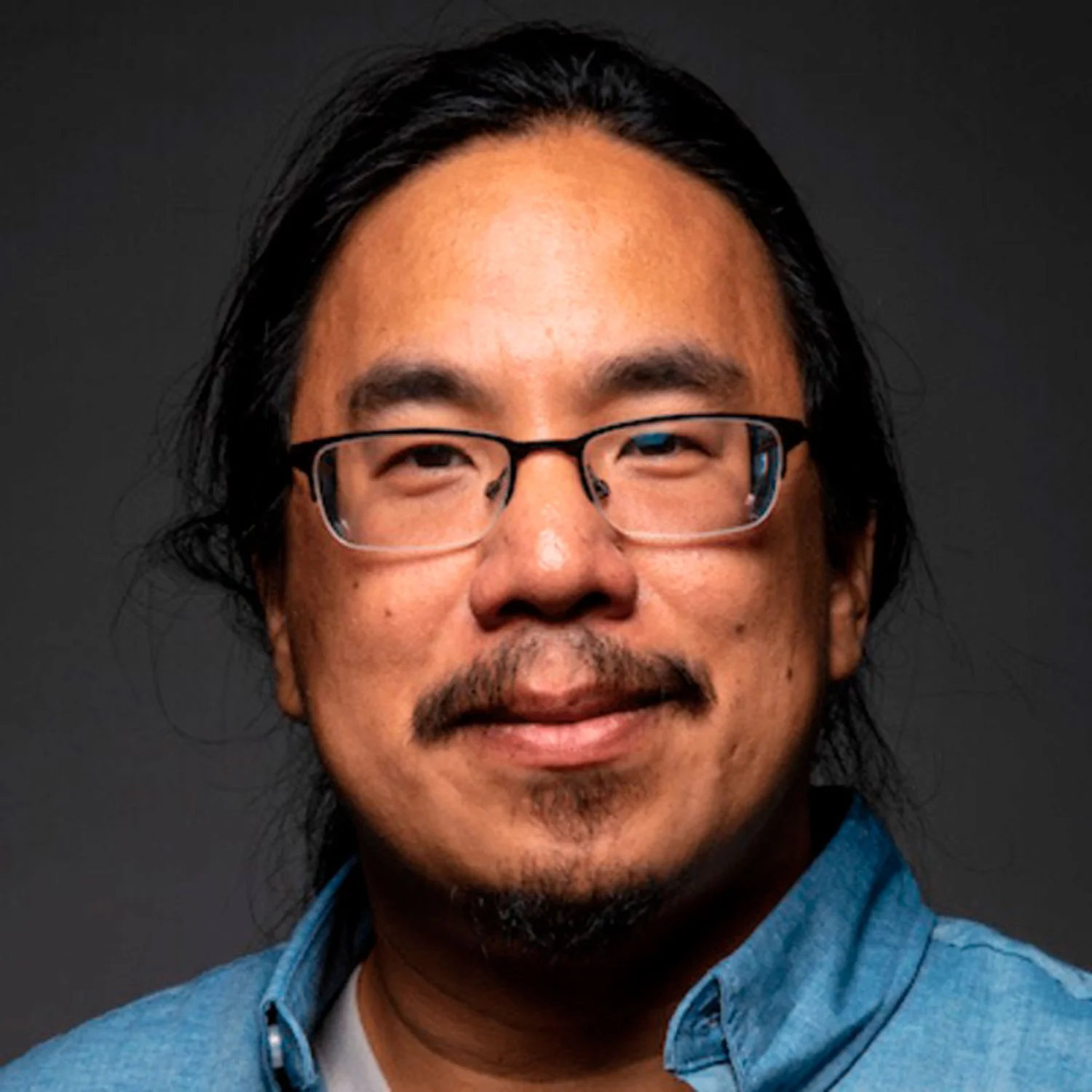
| 3/13/26 | ![]() Game Over: Metrics, Big Data & Why We Need to Stop Keeping Score w/ C. THI NGUYEN - Highlights✨ | creative processvalue capture+3 | C. Thi Nguyen | The Score: How to Stop Playing Somebody Else's Game | — | metricsbig data+5 | — | — | |
Want analysis for the episodes below?Free for Pro Submit a request, we'll have your selected episodes analyzed within an hour. Free, at no cost to you, for Pro users. | |||||||||
| 3/13/26 | ![]() The Score: How to Stop Playing Somebody Else's Game with C. THI NGUYEN✨ | value captureoptimization+3 | C. Thi Nguyen | Games: Agency As ArtThe Score: How to Stop Playing Somebody Else's Game | — | trackingmetrics+5 | — | 1h 12m 03s | |
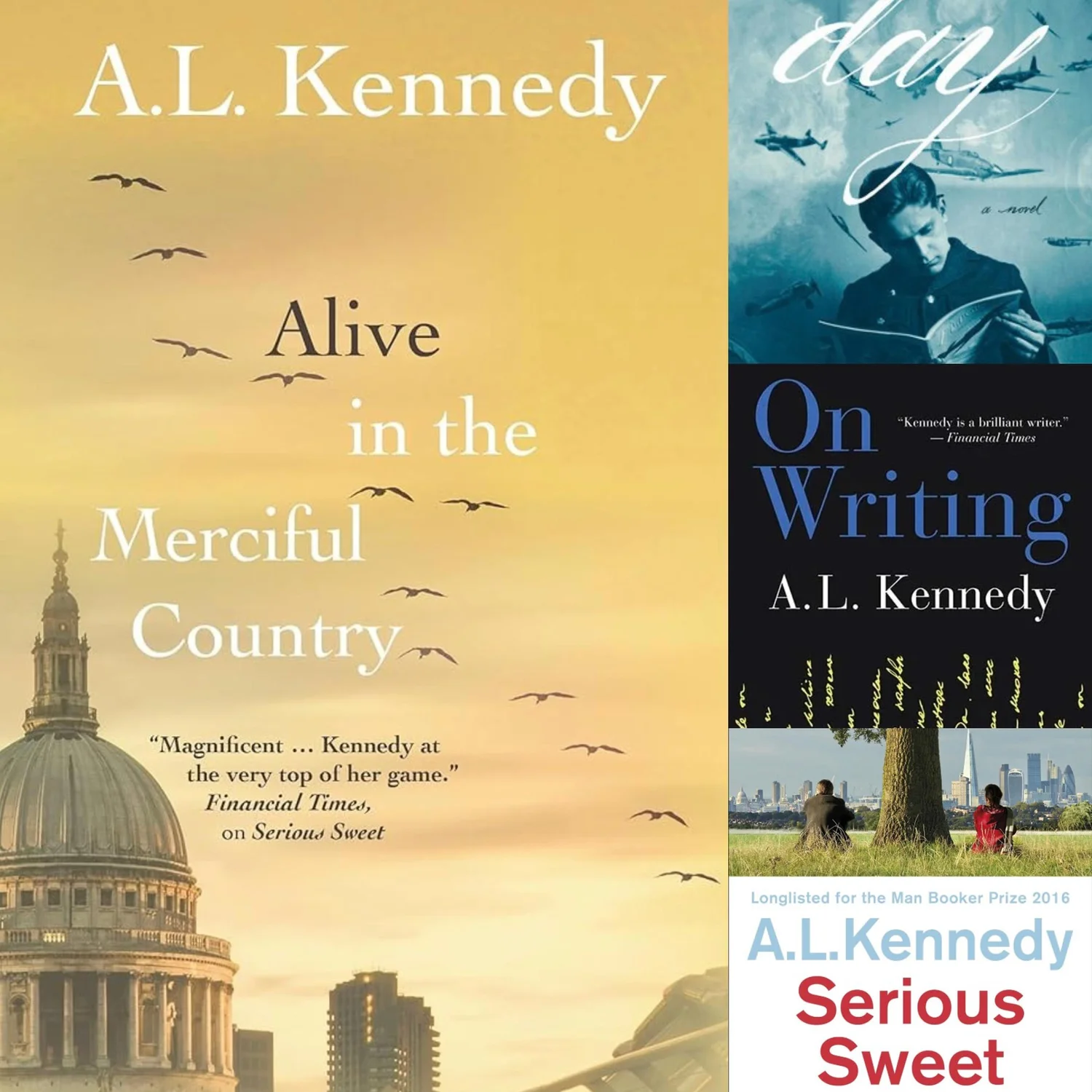
| 3/3/26 | ![]() Trust, Education & Writing as Resistance w/ AL KENNEDY - Highlights✨ | trusteducation+5 | AL Kennedy | Spy CopsDay+1 | — | trusteducation+7 | — | 34m 16s | |
| 3/3/26 | ![]() The Art of Fiction, Democracy & Truth with AL KENNEDY✨ | fictiondemocracy+4 | AL Kennedy | Spy CopsDay+1 | — | fictiondemocracy+6 | — | 1h 36m 04s | |
| 2/23/26 | ![]() SIRI HUSTVEDT on Love, Grief & Her Late Husband PAUL AUSTER - Highlights | “Grief is a particular kind of unrequited love. It wasn't unrequited in the past. Usually, we think of unrequited love as you never got to do it, you never had it for yourself. But, in fact, there can be requited love, which is then unrequited love in the paroxysms of grief.”Today, we are honored to welcome a writer whose work has long explored the intimate landscapes of the mind, memory and the heart. Siri Hustvedt’s writing moves between the personal and the philosophical, the literary and the deeply human. Her work bridges collections of essays, non-fiction, poetry, and seven novels, including the international bestsellers What I Loved and The Summer Without Men. Recipient of the Princess of Asturias Award for Literature and the Gabarron Prize for Thought, her work has been translated into over thirty languages. Her new memoir, Ghost Stories, is a reflection on forty-three years shared with her late husband, the writer and filmmaker Paul Auster. In its pages, we encounter not only love and loss, but the quiet persistence of presence, memory, and language itself.(0:00) “We were hugely important to the drama of becoming in our own lives”(2:04) Grief as Unrequited LoveSiri explores the emotional reality of living without Paul Auster, noting that grief occurs because love does not stop when a person dies.(3:19) The Shared Space of a 43-year Marriage(4:36) Reading from Ghost StoriesSiri reads the opening passage of her memoir, detailing how the loss of her husband deranged her sense of time and bodily rhythms.(7:02) How Loss Changes Our Sense of Time(11:24) How Powerful Emotions and a Person's Life Can Play a Role in Illness(13:04) Believing in a Reality that Transcends the Individual(20:06) Physical Love in MarriageOn the importance of physical intimacy in long-term marriages, a reality often left out of grief memoirs.Episode Websitewww.creativeprocess.info/podInstagram:@creativeprocesspodcast | — | ||||||
| 2/23/26 | ![]() Ghost Stories · A Memoir of Love & Grief | “Grief happens because you don't stop loving the person who died. The person doesn't exist in your reality anymore. The everyday is not colored and shaped by this other human being, but you don't stop loving the person. So grief is a particular kind of unrequited love. And probably without that dynamic relationship with this person, I would be someone else. And he would've been someone else. I mean, Paul died before me. But we were, I think, hugely important to the drama of becoming in our own lives.”Today, we are honored to welcome a writer whose work has long explored the intimate landscapes of the mind, memory and the heart. Siri Hustvedt’s writing moves between the personal and the philosophical, the literary and the deeply human. Her work bridges collections of essays, non-fiction, poetry, and seven novels, including the international bestsellers What I Loved and The Summer Without Men. Recipient of the Princess of Asturias Award for Literature and the Gabarron Prize for Thought, her work has been translated into over thirty languages. Her new memoir, Ghost Stories, is a reflection on forty-three years shared with her late husband, the writer and filmmaker Paul Auster. In its pages, we encounter not only love and loss, but the quiet persistence of presence, memory, and language itself.(0:00) Grief as Unrequited LoveSiri explores the emotional reality of living without Paul Auster, noting that grief occurs because love does not stop when a person dies.(4:00) Facing Death with CourageThe importance of not hiding from mortality and how discussing end-of-life wishes offered a necessary perspective.(12:37) Reading from Ghost StoriesSiri reads the opening passage of her memoir, detailing how the loss of her husband deranged her sense of time and bodily rhythms.(18:41) The Phantom Limb: ” The beloved is taken away and it feels as if you're amputated or gutted.”(21:50) Grandfather, Father and Son: Generational Traumas Behind Paul Auster's Writing(24:11) How Powerful Emotions and a Person's Life Can Play a Role in Illness(30:09) Feeding the Earth "Paul very pointedly told me that he wanted to be buried in the Jewish mode. And the phrase he used was, “I want my body to feed the earth.”(44:23) Physical Love in MarriageOn the importance of physical intimacy in long-term marriages, a reality often left out of grief memoirs.(54:00) The Philosophy of the BetweenHow relational existence is foundational to life.(1:00:16) The Hubris of Controlling Nature(1:12:00) The Dark History of Statistics(1:32:12) The Art of Learning vs. AI and Automated Outcomes“I think we have to ask ourselves, what is education? What do we want from it? How do we want people to learn?Episode Websitewww.creativeprocess.info/podInstagram:@creativeprocesspodcast | — | ||||||
| 2/11/26 | ![]() The Healing Power of the Arts: Longevity, Immunity & Wellbeing w/ DAISY FANCOURT - Highlights | "Within society, we seem to have separated the arts out, so they're not so much a part of our daily lives. Often there's something that we feel we should do as a kind of leisure activity or hobby if we have enough time or if we have enough money to engage in them. And this is so fundamentally different to how humans engaged with the arts. When we look back thousands of years, it just was part of the everyday, and I feel like that's a major loss within contemporary societies."Daisy Fancourt is a Professor of Psychobiology & Epidemiology at UCL and the author ofArt Cure: The Science of How the Arts Transform Our Health. A pioneer in the field of psychoneuroimmunology, she directs the WHO Collaborating Center on Arts and Health, where her research influences global health policy and the integration of the arts into medical care.(0:00) The Healing Power of the Arts: Longevity, Immunity & Wellbeing(1:17) Singing to Daphne: How Daisy used singing to comfort her premature daughter in the ICU(2:47) The Story of Russell: How a stroke survivor used art classes to reclaim his life, health, and identity(5:23) A Planet of 8 Billion Artists: Tracing the evolutionary origins of creativity back 40,000 years(8:58) Psychoneuroimmunology. Defining the biological mechanisms: how art reduces inflammation and cortisol(12:42) Art & Longevity. How arts engagement can slow biological aging and alter gene expression(18:24) Safeguarding Creativity. Why we should use AI for routine tasks but protect the human joy of the creative processEpisode Websitewww.creativeprocess.info/podInstagram:@creativeprocesspodcast | — | ||||||
| 2/11/26 | ![]() ART CURE: How the Arts Can Transform Our Health with DAISY FANCOURT | Did you know that visiting a museum can lower your cortisol levels? Or that singing can bond a group faster than almost any other activity? We tend to think of the arts as entertainment, but science tells a different story. Today, we explore why creativity is hardwired into our biology and how it can be used to treat everything from postnatal depression to stroke recovery.Daisy Fancourt is a Professor of Psychobiology & Epidemiology at UCL and the author of Art Cure: The Science of How the Arts Transform Our Health. A pioneer in the field of psychoneuroimmunology, she directs the WHO Collaborating Center on Arts and Health, where her research influences global health policy and the integration of the arts into medical care.(0:00) The Healing Power of the Arts: Longevity, Immunity & Wellbeing(4:14) The Story of Russell: How a stroke survivor used art classes to reclaim his life, health, and identity(9:01) A Planet of 8 Billion Artists: Tracing the evolutionary origins of creativity back 40,000 years(15:30) The Chemistry of Connection. Why singing evolved before language and how it accelerates group bonding(20:32) Psychoneuroimmunology. Defining the biological mechanisms: how art reduces inflammation and cortisol(25:57) The Professional Paradox: Balancing the wellbeing benefits of art with the pressures of a creative career(30:03) Predictive Coding & Play: Why the human brain needs improvisation and why we shouldn't outsource creativity to AI(33:26) Singing to Daphne: How Daisy usedsinging to comfort her premature daughter in the ICU(37:55) World Health Organization, Public Policy & Social Prescribing(46:04) Art & Longevity. How arts engagement can slow biological aging and alter gene expression(58:17) Finding Artistic Reverence in Nature Episode Websitewww.creativeprocess.info/podInstagram:@creativeprocesspodcast | — | ||||||
| 1/25/26 | ![]() Muse Cells & The Future of Health: Why Stars like Chris Hemsworth & Tony Robbins Turn to Regenerative Medicine | “They're kind of like a hidden superhero in your body and we just didn't know they existed. Muse cells eat the damaged cells, and they can actually turn into new cells using the cellular machinery.”Dr. Adeel Khan is a global thought leader in regenerative medicine. He is the CEO and Founder of and founder of Eterna Health, whose work with MUSE cell therapy—developed in collaboration with its discoverer, Professor Mari Dezawa—has made him the go-to expert for world leaders, athletes, and celebrities Chris Hemsworth, Kim Kardashian, and Tony Robbins. In this episode, we move beyond the hype of "anti-aging" to explore the hard science of Muse cells (Multilineage-differentiating Stress-Enduring cells). Dr. Khan breaks down how these unique cells differ from the "medicinal signaling cells" (MSCs) found in most clinics and how they act as a bridge to a future where tissue regeneration is standard care.(0:00) The "Repair Guys" & The Muse Difference Dr. Khan explains why traditional stem cells (MSCs) often disappoint and how Muse cells offer the "best of both worlds": safety and pluripotency.(2:19) Smart Cells: How They Find the Damage Understanding the "homing mechanism" that allows Muse cells to sense inflammation and instinctively travel to injured areas like the brain or heart.(3:11) Curing the Incurable: Diabetes & Alzheimer's The potential of the "cure triad"—stem cells, gene therapy, and FMT—to treat complex autoimmune diseases within the next decade.(4:40) Biological Noise & The Symphony of Health How "static" in our gene expression indicates aging, and how cellular therapy can reduce this noise to restore the body's harmony.(6:40) The Viral Monkey Study Dr. Khan discusses a recent study showing significant de-aging in monkeys through high-frequency cell dosing.(7:32) Unshakeable Foundations: Lifestyle as MedicineWhy advanced therapies must be paired with purpose, community, and mindfulness to create a "bulletproof" body.(8:44) From Sketchy to StandardizedNavigating the regulatory landscape: why Muse cells are being classified as a drug in regions like the UAE and the path toward FDA approval.(12:24) A Personal MissionDr. Khan shares the origin of his journey: trying to find solutions for his mother's chronic illness when traditional medicine failed.(14:16) The Cancer HunterUnlike other pluripotent cells that risk tumor growth, Muse cells have a unique mechanism that can detect cancer cells and trigger their death.(18:30)Future Outlook: AI, Nature & Blue Zones Reflections on the risks of AI, the importance of "Blue Zone" city design, and reconnecting with nature in a post-human world.Episode Websitewww.creativeprocess.info/podInstagram:@creativeprocesspodcast | — | ||||||
| 1/23/26 | ![]() Reimagining Longevity: DR. ADEEL KHAN on Muse Cells & the Future of Regenerative Medicine | "The repair mechanisms don't work as well as you get older... The whole idea was: if we can give you more of the 'repair guys,' maybe we can reverse disease."Dr. Adeel Khan is a global thought leader in regenerative medicine. He is the CEO and Founder of and founder of Eterna Health, whose work with MUSE cell therapy—developed in collaboration with its discoverer, Professor Mari Dezawa—has made him the go-to expert for world leaders, athletes, and celebrities Chris Hemsworth, Kim Kardashian, and Tony Robbins. In this episode, we move beyond the hype of "anti-aging" to explore the hard science of Muse cells (Multilineage-differentiating Stress-Enduring cells). Dr. Khan breaks down how these unique cells differ from the "medicinal signaling cells" (MSCs) found in most clinics and how they act as a bridge to a future where tissue regeneration is standard care.(0:00) The Future of Regenerative Medicine(6:13) The Muse Difference: Why these cells are "pluripotent" (able to become any tissue) without the cancer risks of Yamanaka factors.(10:29) Curing the Incurable: Diabetes & Alzheimer's (11:27) The Cure Triad: How combining stem cells, gene therapy, and Fecal Microbial Transplants (FMT) could cure complex autoimmune diseases within a decade.(12:56) Biological Noise: Measuring the "mistakes" in our gene expression to quantify aging.(16:42) Lifestyle as Medicine: Why Dr. Khan prescribes community, mindfulness, and nature immersion alongside advanced therapies.(18:13) From Sketchy to Standardized: The Regulatory Landscape(23:25) A Personal Mission: Trying to Save Mom(25:38) The Cancer Hunter: How Muse cells naturally detect and trigger cell death in tumors.(29:02) Quantum Biology & Healing Frequencies(41:13) The AI Pessimist: Planning for a Post-Human World(44:03) Reconnecting with NatureEpisode Websitewww.creativeprocess.info/podInstagram:@creativeprocesspodcast | — | ||||||
| 1/9/26 | ![]() The Wisdom of Nature: Artists & Scientists on The Beauty & Fragility of Our Planet | In this special edition, we hear from our guests from across the arts and sciences. From composers and poets to forest ecologists and climate envoys, they tell the story of our planet. Moving beyond the data of destruction, we explore the intelligence of nature, the ethics of what we eat, and the empathy required to save our future.MAX RICHTER, Composer, Sleep, The Blue NotebooksCARL SAFINA, Author, Becoming WildADA LIMÓN, 24th US Poet LaureateCYNTHIA DANIELS, Grammy Award-winning Sound Eng.SUZANNE SIMARD, Finding the Mother TreeJOELLE GERGIS, Lead Author, IPCC 6th Assessment RptNOAH WILSON-RICH, CEO, Best Bees CompanyINGRID NEWKIRK, PETA FounderBERTRAND PICCARD, Solar Impulse FoundationDAVID FARRIER, Author, FootprintsKATHLEEN ROGERS, Pres, Earth Day NetworkODED GALOR, Unified Growth TheoryPETER SINGER, PhilosopherGEOFF MULGAN, Another World Is PossibleCLAIRE POTTER, Welcome to the Circular EconomyCHRIS FUNK, Dir. Climate Hazards Car.JENNIFER MORGAN, Special Envoy, International Climate ActionTo hear more from each guest, listen to their full interviews.Episode Website | — | ||||||
| 12/31/25 | ![]() The Musician Who Sings to Animals - PLUMES on Trust & Cross-Species Communication - Highlights | On Music, Trust and Connection with the Animal World“Mostly I’ll play in a minor key, something sad, which I think can work for an animal because they can sense the sadness, and they try to reassure me and comfort me. I chose love songs because I'm convinced they are very intuitive and they can sense what I am trying to say to them, and profess my love in a way. I think there's always a way to connect, and if you're being cautious and don't threaten the animals, something beautiful can happen.”Musician Plumes takes his guitar to the world's most unlikely concert halls—farms, sanctuaries, and wild habitats. A passionate advocate for veganism and animal welfare, we discuss what animals hear, how trust forms, and what music can reveal when it enters a world not made for humans alone.Episode Websitewww.creativeprocess.info/podInstagram:@creativeprocesspodcast | — | ||||||
| 12/31/25 | ![]() Animals & The Healing Power of Music | How is music a pathway to understanding animals?Musician Plumes takes his guitar to the world's most unlikely concert halls—farms, sanctuaries, and wild habitats. A passionate advocate for veganism and animal welfare, we discuss what animals hear, how trust forms, and what music can reveal when it enters a world not made for humans alone.“Mostly I’ll play in a minor key, something sad, which I think can work for an animal because they can sense the sadness, and they try to reassure me and comfort me. I chose love songs because I'm convinced they are very intuitive and they can sense what I am trying to say to them, and profess my love in a way. I think there's always a way to connect, and if you're being cautious and don't threaten the animals, something beautiful can happen.”Episode Websitewww.creativeprocess.info/podInstagram:@creativeprocesspodcast | — | ||||||
| 12/27/25 | ![]() Speaking Out of Place - DAVID PALUMBO-LIU on Reclaiming Our Political Voices - Highlights | On the urgent need to reclaim our political voices, the forces that silence dissent, and how art and poetry are crucial tools for survivalOur guest today is an activist scholar who believes the classroom is inseparable from the public square. David Palumbo-Liu is the Louise Hewlett Nixon Professor of Comparative Literature at Stanford University and a founding faculty member of Stanford’s Program in Comparative Studies in Race and Ethnicity. But his work has long reached beyond the academy. Through his book, Speaking Out of Place: Getting Our Political Voices Back, and his podcast of the same name, he insists that the great global crises of our time—from escalating wars and democratic failures to environmental collapse—are fundamentally crises of value and voice. His recent work has put him on the front lines of campus activism, challenging institutions, resigning his membership from the MLA, a move that highlights the ethical cost of speaking truth to power. We’ll talk about what he calls the "carceral logic" of the modern university, why art and poetry are crucial tools for survival in times of war, and what he tells his students about preparing for a future defined by uncertainty. His perspective is rooted in literature, but his urgency is all about the world we live in now. We will discuss the forces that silence dissent, the "imperial logic" of AI, and what it means to be a moral, active citizen when the systems we rely on are failing.“There is a dispute about what the American Dream is or how it would play out in different circumstances. The American dream has essentially been narrowed into a white Christian nationalist notion of things so that everything that falls outside what they imagine that to be is not only undesirable, but should be the subject of extermination, deportation, and detention. I am heartened by the fact that more of our 'better angels' are emerging with a more capacious and expansive notion of what the American dream could be.”Episode Websitewww.creativeprocess.info/podInstagram:@creativeprocesspodcast | — | ||||||
| 12/27/25 | ![]() Reclaiming the American Dream with DAVID PALUMBO-LIU – Stanford Professor, Author & Host, Speaking Out of Place | On the urgent need to reclaim our political voices, the forces that silence dissent, and how art and poetry are crucial tools for survival“There is a dispute about what the American Dream is or how it would play out in different circumstances. The American dream has essentially been narrowed into a white Christian nationalist notion of things so that everything that falls outside what they imagine that to be is not only undesirable, but should be the subject of extermination, deportation, and detention. I am heartened by the fact that more of our 'better angels' are emerging with a more capacious and expansive notion of what the American dream could be.”Our guest today is an activist scholar who believes the classroom is inseparable from the public square. David Palumbo-Liu is the Louise Hewlett Nixon Professor of Comparative Literature at Stanford University and a founding faculty member of Stanford’s Program in Comparative Studies in Race and Ethnicity. But his work has long reached beyond the academy. Through his book, Speaking Out of Place: Getting Our Political Voices Back, and his podcast of the same name, he insists that the great global crises of our time—from escalating wars and democratic failures to environmental collapse—are fundamentally crises of value and voice.His recent work has put him on the front lines of campus activism, challenging institutions, resigning his membership from the MLA, a move that highlights the ethical cost of speaking truth to power. We’ll talk about what he calls the "carceral logic" of the modern university, why art and poetry are crucial tools for survival in times of war, and what he tells his students about preparing for a future defined by uncertainty. His perspective is rooted in literature, but his urgency is all about the world we live in now. We will discuss the forces that silence dissent, the "imperial logic" of AI, and what it means to be a moral, active citizen when the systems we rely on are failing.Episode Websitewww.creativeprocess.info/podInstagram:@creativeprocesspodcast | — | ||||||
| 12/13/25 | ![]() The Writer's Voice: Novelists, Poets, Memoirists & Editors Share Their Stories | How do writers develop their voice, showing us what is important in life?ADA LIMÓN (24th U.S. Poet Laureate, Startlement, The Carrying) explains that her poetry begins with a bodily sensation or curiosity, not an idea. She values the space and breath poetry offers for unknowing and mystery, finding solace in the making and the mess, not in answers. She discusses being free on the page to be her whole, authentic, complicated self.JAY PARINI (Author, Filmmaker, Borges and Me) calls poetry the prince of literary arts—language refined to its apex of memorability. He recounts how his road trip with Borges around Scotland restored him from depression and anxiety following the Vietnam War death of his friend.JERICHO BROWN (Pulitzer Prize-winning Poet, The Tradition, How We Do It: Black Writers on Craft, Practice, and Skill) discusses the rhythm of black vernacular and capturing "symphonic complexity of black life". He shares how he’s found a way not to think about personal risk as he’s writing.ADAM MOSS (Fmr. Editor, New York Magazine; Author, The Work of Art) relates David Simon’s concept of the bounce, in which creativity gains momentum as it is passed between people.VIET THANH NGUYEN (Pulitzer Prize-winning Author, The Sympathizer; To Save and to Destroy) discusses his path to expansive solidarity and capacious grief and how it works against the state's power to divide and conquer. He emphasizes that literature is crucial because authoritarian regimes abuse language; a commitment to the beauty of language is a commitment to truth, and fear is often an indicator of a truth that needs to be spoken.To hear more from each guest, listen to their full interviews.Episode Websitewww.creativeprocess.info/podInstagram:@creativeprocesspodcast | — | ||||||
Showing 25 of 154
Pitch Fit is a Pro feature
See how bookable this show is for guests, which brands already advertise, the per-episode ad value, and the best-fit guest and sponsor profile. The numbers are blurred on the free plan.
How readily this show books outside guests like you.
How proven this show is for host-read sponsorships.
For Guests
ProFor Advertisers
ProUpgrade to Pro to unlock guest cadence, sponsor categories, fit scores, and per-episode ad value for this show.
Chart Positions
10 placements across 10 markets.
Chart Positions
10 placements across 10 markets.