

Insights from recent episode analysis
Audience Interest
Podcast Focus
Publishing Consistency
Platform Reach
Insights are generated by CastFox AI using publicly available data, episode content, and proprietary models.
Most discussed topics
Brands & references
Est. Listeners
Insufficient chart data. Estimates will improve as the show charts.
- Per-Episode Audience
Est. listeners per new episode within ~30 days
N/A🎙 Daily cadence·90 episodes·Last published 1mo ago - Monthly Reach
Unique listeners across all episodes (30 days)
N/A - Active Followers
Loyal subscribers who consistently listen
N/A
Market Insights
Platform Distribution
Reach across major podcast platforms, updated hourly
Total Followers
—
Total Plays
—
Total Reviews
—
* Data sourced directly from platform APIs and aggregated hourly across all major podcast directories.
On the show
From 10 epsHosts
Recent guests
Recent episodes
Dostoevsky and Doubting Faith
May 11, 2026
3m 42s
"Select Episodes" is ending
Mar 1, 2026
0m 44s
Can Money Buy Well-being?
Feb 14, 2026
51m 18s
Anna Julia Cooper
Jan 30, 2026
52m 12s
The Examined Year: 2025
Jan 1, 2026
1m 00s
Social Links & Contact
Official channels & resources
Official Website
Login
RSS Feed
Login
| Date | Episode | Topics | Guests | Brands | Places | Keywords | Sponsor | Length | |
|---|---|---|---|---|---|---|---|---|---|
| 5/11/26 |  Dostoevsky and Doubting Faith✨ | faithdoubt+3 | — | Philosophy Talk | — | Dostoevskyfaith+3 | — | 3m 42s | |
| 3/1/26 |  "Select Episodes" is ending✨ | podcast updatePhilosophy Talk+3 | — | philosophytalk.org | — | Philosophy Talkpodcast+3 | — | 0m 44s | |
| 2/14/26 |  Can Money Buy Well-being?✨ | economic policiesquality of life+3 | Jayati Ghosh | UMass AmherstEarth for All: A Survival Guide for Humanity | — | moneywell-being+5 | — | 51m 18s | |
| 1/30/26 |  Anna Julia Cooper✨ | Black feminismeducation+4 | Kathryn Sophia Belle | National Endowment for the HumanitiesA Voice from the South+1 | — | Anna Julia CooperBlack women+5 | — | 52m 12s | |
| 1/1/26 |  The Examined Year: 2025✨ | philosophycurrent events+3 | Olúfẹ́mi O. TáíwòArvind Narayanan+1 | Georgetown UniversityPrinceton University+4 | — | philosophy2025+4 | — | 1m 00s | |
| 1/1/26 |  Gilbert Ryle and the Map of the Mind✨ | philosophy of mindCartesian dualism+3 | Michael Kremer | University of ChicagoThe Concept of Mind+1 | — | Gilbert RyleCartesian dualism+4 | — | 1m 00s | |
| 1/1/26 |  Narrative and the Meaning of Life✨ | narrativemeaning of life+3 | Helena de Bres | Wellesley CollegePhilosophy in the First Person | — | narrativemeaning of life+3 | — | 1m 00s | |
| 12/21/25 |  This Week: Mind Sharing✨ | mind readingsocial cognition+4 | Julian Jara-Ettinger | Yale University | — | mind sharingmind reading+5 | — | 51m 02s | |
| 12/13/25 |  Shakespeare's Outsiders✨ | identitystatus+4 | Adrian Daub | Trinity CollegeShakespeare's White Others+1 | — | Shakespeareidentity+6 | — | 51m 16s | |
| 12/6/25 |  Im Yunjidang✨ | women's equalityConfucian philosophy+3 | Hwa Yeong Wang | Duke Kunshan UniversityKorean Women Philosophers and the Ideal of a Female Sage: The Essential of Writings of Im Yungjidang and Gang Jeongildang | — | Im Yunjidangwomen's equality+4 | — | 51m 09s | |
Want analysis for the episodes below?Free for Pro Submit a request, we'll have your selected episodes analyzed within an hour. Free, at no cost to you, for Pro users. | |||||||||
| 11/15/25 |  Margaret Cavendish | More at https://www.philosophytalk.org/shows/margaret-cavendish. Margaret Cavendish was a writer of poetry, philosophy, polemics, histories, plays, and utopian fiction. She employed many different genres as a way to overcome access barriers for women and build an audience for her subversive philosophical ideas. So, what was so radical about Cavendish's views? Why did she think all matter, even rocks, was at least partially rational? And how did she anticipate the term "epistemic injustice" 400 years before it was coined? Josh and Ray explore the life and thought of Margaret Cavendish with Karen Detlefsen from the University of Pennsylvania, co-editor of "The Routledge Handbook of Women and Early Modern European Philosophy." | — | ||||||
| 10/25/25 | 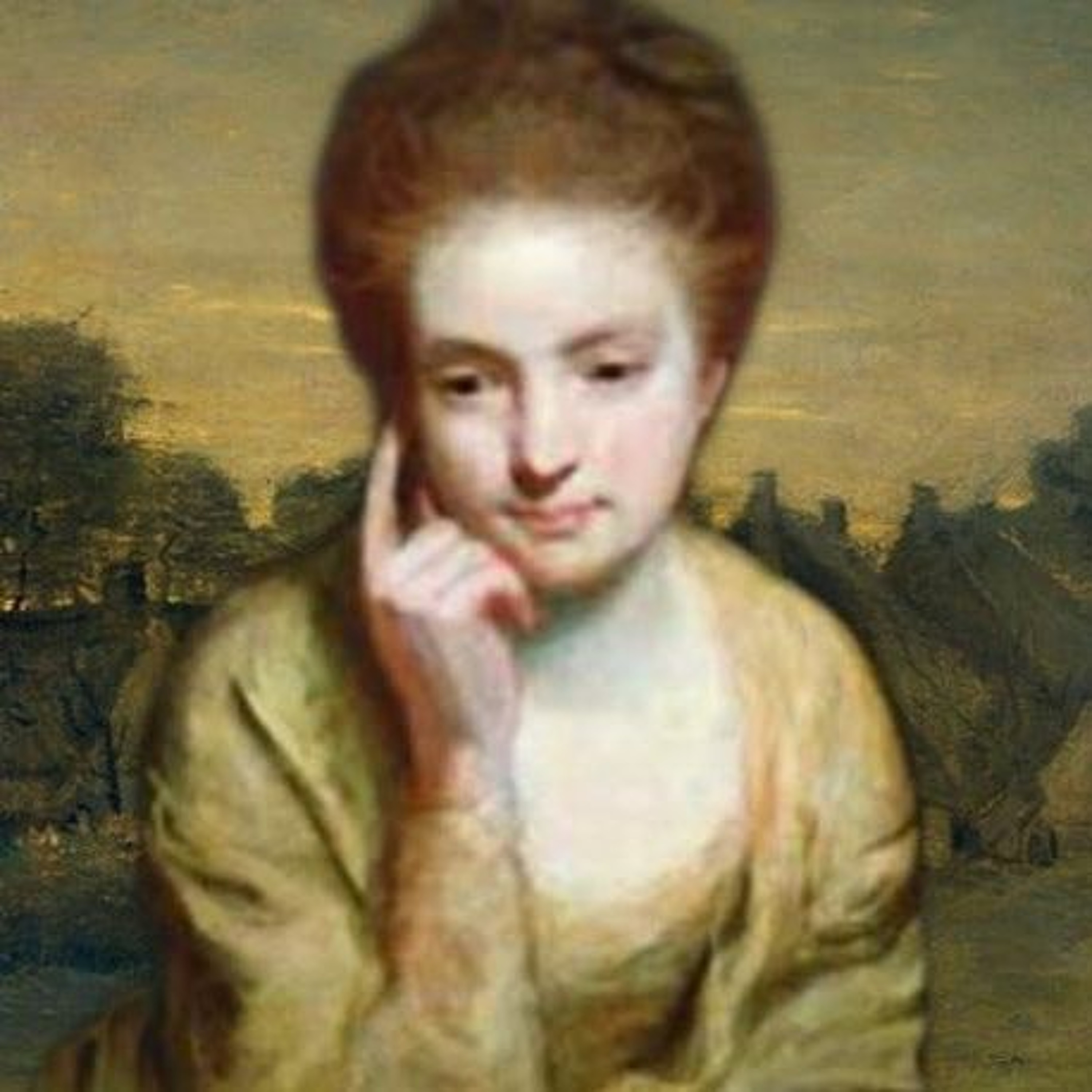 Mary Astell | More at https://www.philosophytalk.org/shows/mary-astell. Mary Astell (1666–1731) was an English philosopher and writer who advocated for equal rights for women. While she described marriage as a type of “slavery,” she was also a staunch conservative who claimed that women who did marry should accept subordination to their husbands. So what was Astell's vision for the education of women? How did she reconcile her seemingly conflicting views on marriage? And why did philosopher John Locke criticize her views on natural law? Josh and Ray explore her life and thought with Allauren Forbes from McMaster University, author of the Oxford Bibliography on Mary Astell. Part of the "Wise Women" series, supported by a grant from the National Endowment for the Humanities. | — | ||||||
| 10/4/25 | 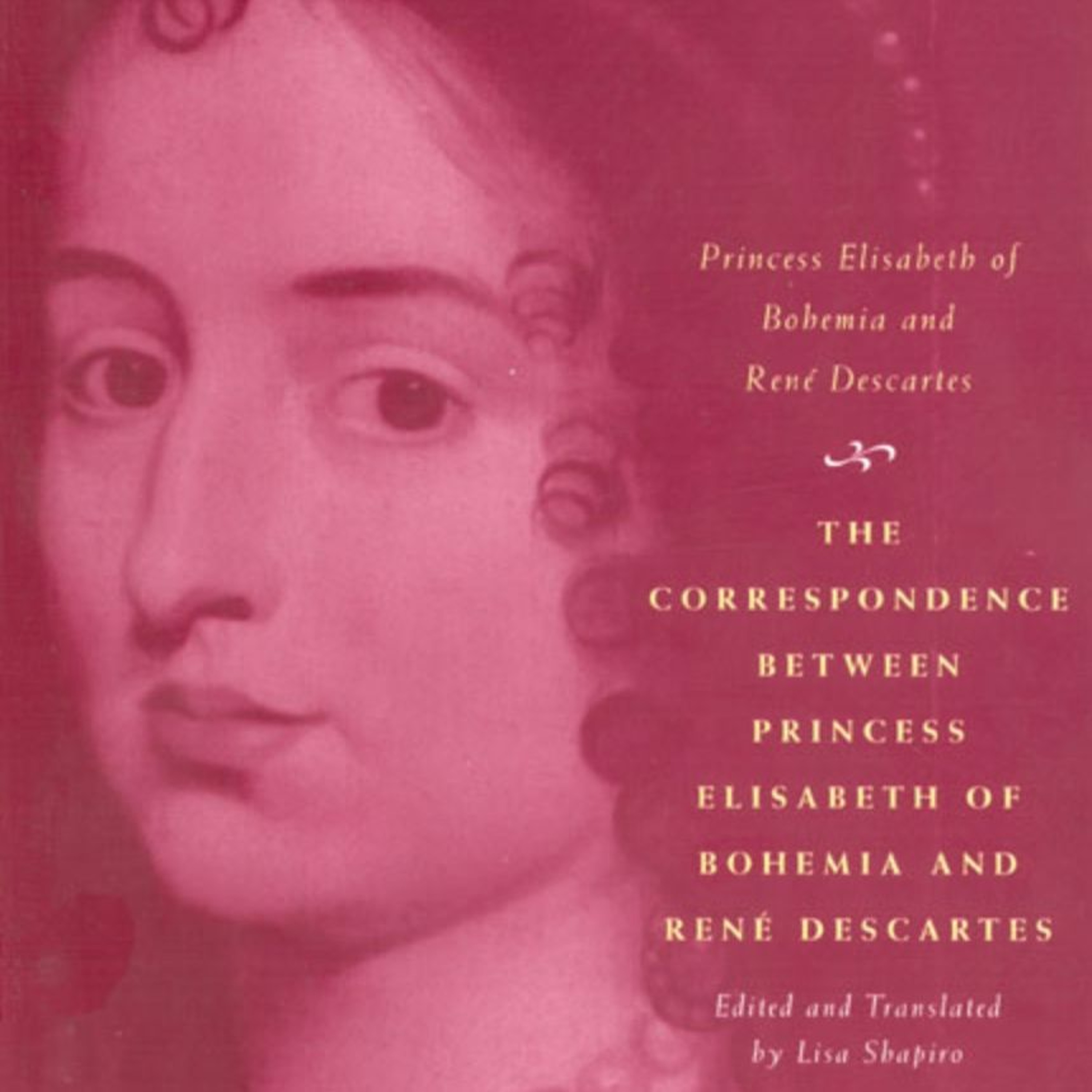 Elisabeth of Bohemia | More at www.philosophytalk.org/shows/elisabeth-bohemia. Princess Elisabeth of Bohemia (1618–1680) is best known for her correspondence with René Descartes. In her letters, she articulated a devastating critique of his dualist theory of mind, in particular on the impossibility of mind-body interaction. So what was Elisabeth's own position on the nature of mind? What can we ascertain about her moral and political concerns based on her various correspondences? And how are her ideas still relevant to current debates in philosophy? Josh and Ray explore Elisabeth's life and thought with Lisa Shapiro from McGill University, editor of "The Routledge Handbook of Women and Early Modern European Philosophy." | — | ||||||
| 9/13/25 |  Hildegard von Bingen | More at https://www.philosophytalk.org/shows/hildegard-of-bingen. Hildegard von Bingen was a 12th century mystic, polymath, and composer whose work spanned visionary theology, philosophy, cosmology, medicine, botany, and music. Her extraordinary intellectual accomplishments belie her humble claim to be “just a woman”. Was her humility justified in the face of the divine, internalizing misogynistic stereotypes, or a strategic decision to get her voice heard? What can mystical experience teach us about the world? And how can we understand ourselves in relation to the divine? Josh and Ray explore her life and thought with Jennifer Bain from Dalhousie University, editor of "The Cambridge Companion to Hildegard of Bingen." | — | ||||||
| 8/16/25 | 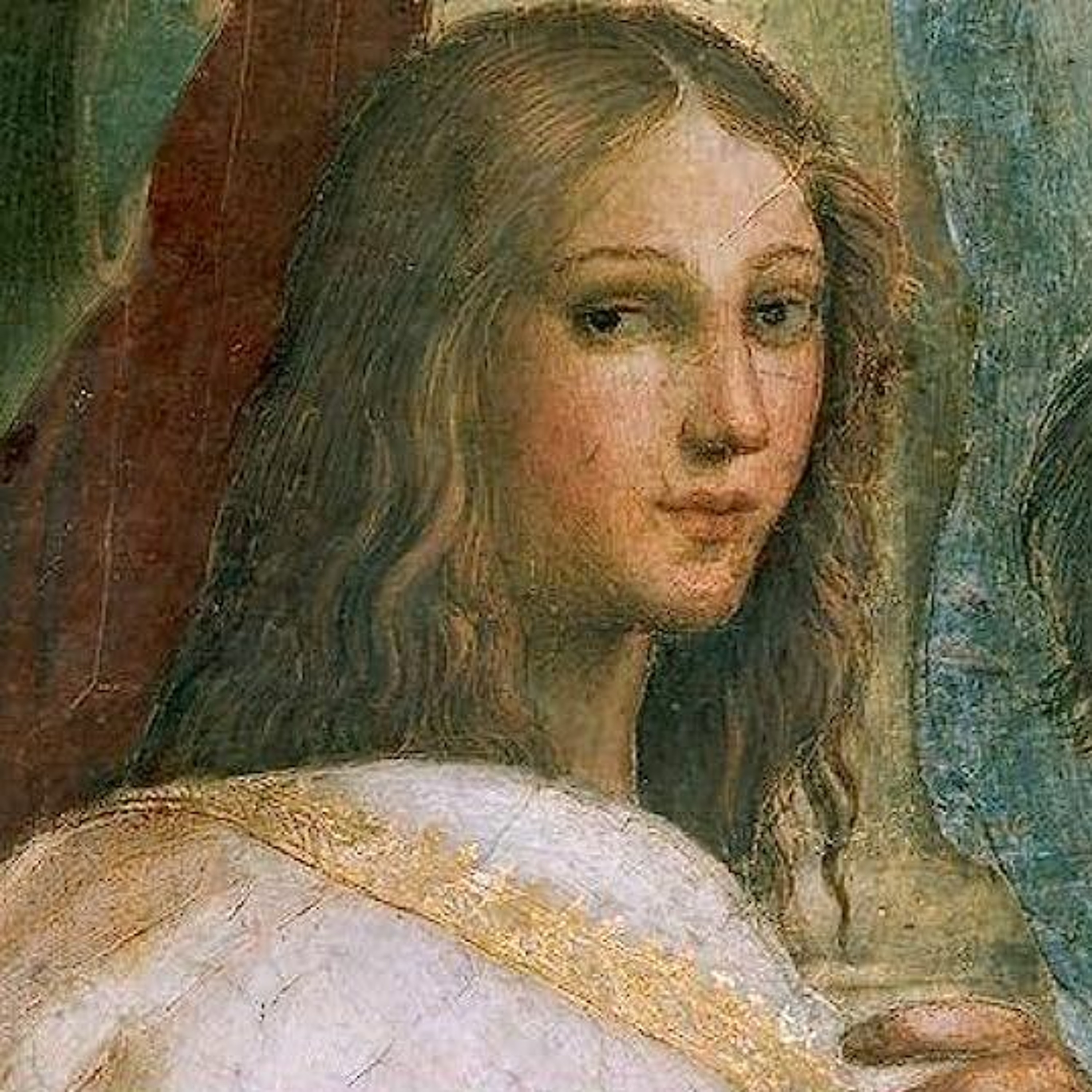 Hypatia of Alexandria | More at https://www.philosophytalk.org/shows/hypatia-alexandria. Hypatia of Alexandria, late antiquity public figure and scholar, made significant contributions to mathematics, philosophy, and astronomy. Her embrace of Neoplatonism was seen as such a threat to the political elite in Alexandria that she was murdered by a mob of Christians. So what made her ideas so dangerous and revolutionary for her time? As a woman in Ancient Egypt, how did she exert power over her own narrative? And should she really be considered a "martyr" for philosophy? Josh and Ray explore Hypatia's life and thought with Edward Watts, Professor of History at UCSD and author of "Hypatia: The Life and Legend of an Ancient Philosopher." | — | ||||||
| 6/5/25 | 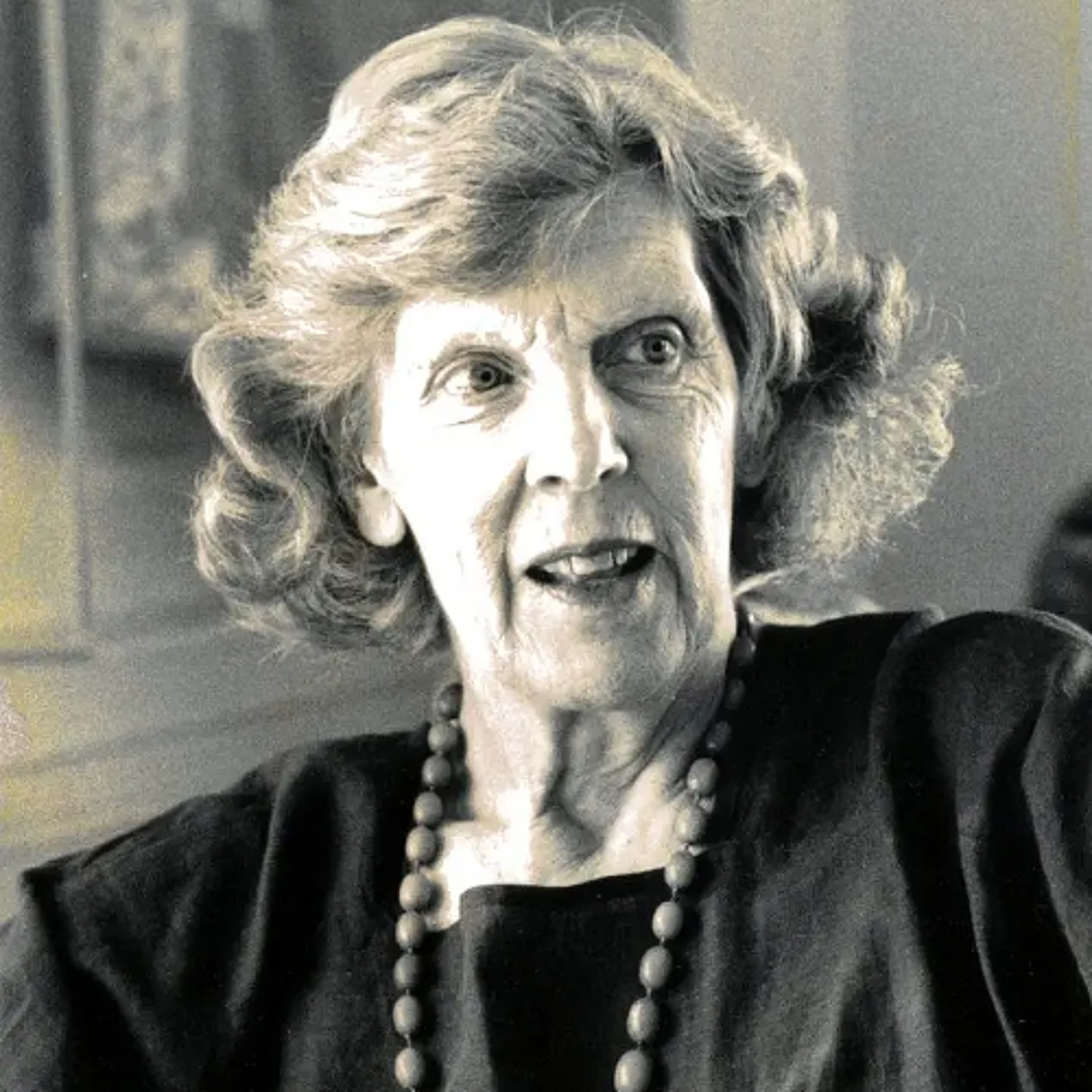 Philippa Foot | More at https://www.philosophytalk.org/shows/philippa-foot. Philippa Foot invented the thought experiment that famously became known as the Trolley Problem. Despite the vast industry of “trolleyology” it inspired, Foot’s goal to illuminate debates on abortion and euthanasia often gets lost in the mix. So, how did Foot use this thought experiment to distinguish between doing versus allowing? What did she mean by the "Doctrine of Double Effect"? Why did she think that cultivating classic virtues—justice, courage, prudence, and temperance—was in our own rational self-interest? And what made her later change her mind? Josh and Ray explore her life and thought with John Hacker-Wright from the University of Guelph, author of "Philippa Foot's Moral Thought." | — | ||||||
| 5/8/25 | 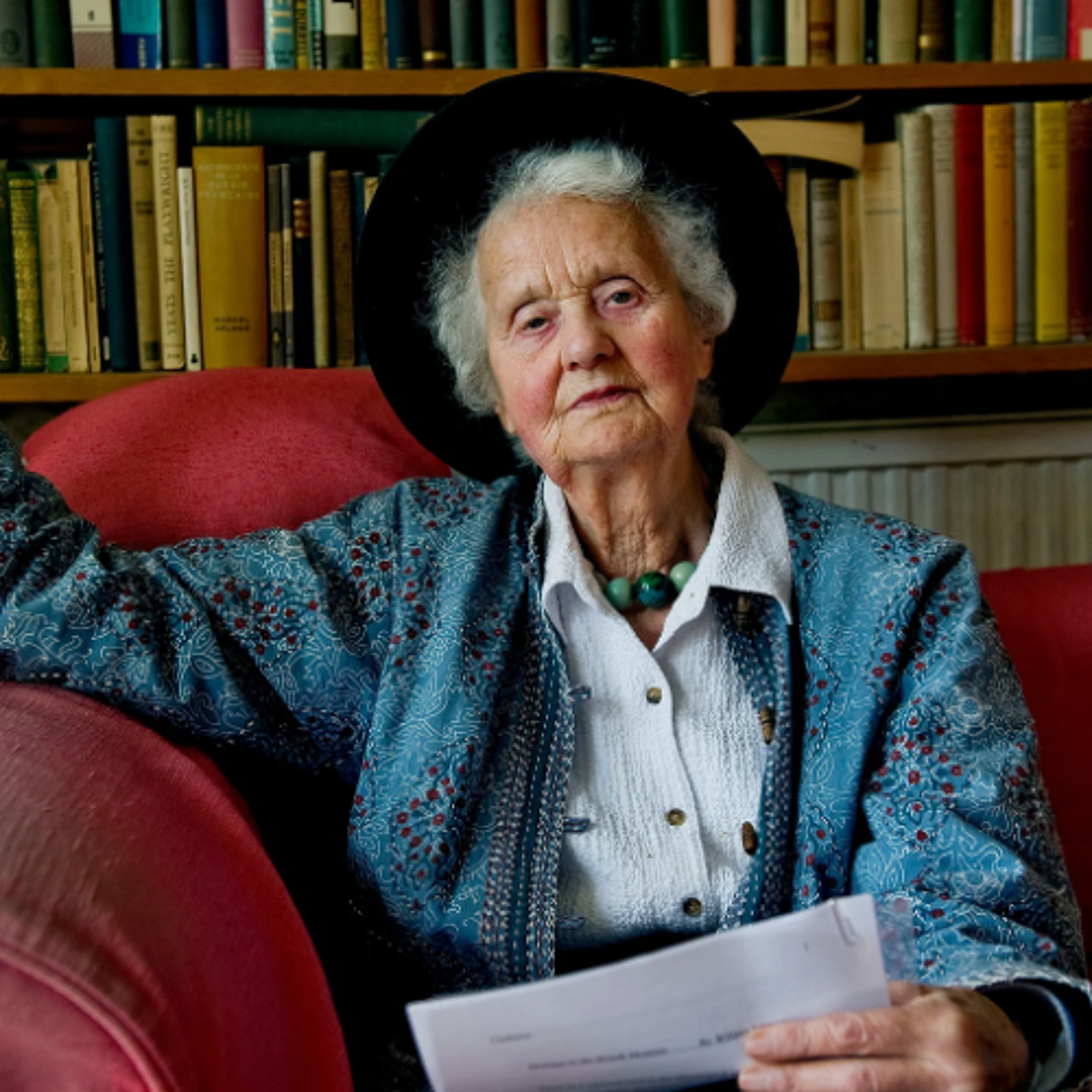 Mary Midgley | More at https://www.philosophytalk.org/shows/mary-midgley. Mary Midgley became one of the best known public intellectuals in the UK, and was one of the first philosophers to talk about climate change. Though she didn’t publish her first book—Beast and Man—till she was 59, she wrote many influential works on science, ethics, and animal rights. So, why did Midgley argue that the climate crisis was ultimately a conceptual problem? What was her criticism of scientism, the view that only science can provide knowledge about the world around us? And why did she think the work of the philosopher is a bit like that of the plumber? Josh and Ray explore her life and thought with Clare Mac Cumhaill from Durham University, co-author of "Metaphysical Animals: How Four Women Brought Philosophy Back to Life." Part of our Wise Women series, generously supported by a grant from the National Endowment for the Humanities. | — | ||||||
| 4/11/25 |  Iris Murdoch | More at https://www.philosophytalk.org/shows/iris-murdoch. Iris Murdoch may be best known for her works of fiction, but her philosophical contributions were equally significant. A moral realist influenced by Plato and Simone Weil, she developed theories in virtue ethics and care ethics. So what is the relationship between Murdoch's works of fiction and her philosophical writings? Why did she believe that "nothing in life is of any value except the attempt to be virtuous"? And given that, why did she think human life has no purpose? Josh and Ray explore Murdoch's life and thought with Eva-Maria Düringer from the University of Tübingen, author of "Evaluating Emotions." Part of the "Wise Women" series, generously supported by a grant from the National Endowment for the Humanities. | — | ||||||
| 3/8/25 |  Judith Jarvis Thomson | More at https://www.philosophytalk.org/shows/judith-jarvis-thomson. Judith Jarvis Thomson is best known for arguing that abortion is morally permissible, even granting the fetus the status of person. Her colorful thought experiments illustrate that a right to life does not mean the right to use another person's body to survive. So, what exactly is a right to life and what does it permit or prohibit? Does pregnancy come with certain moral obligations to the fetus? And how can thought experiments, like the Trolley Problem, shed light on these questions? Josh and Ray explore Thomson's life and thought with Elizabeth Harman from Princeton University, author of "When to Be a Hero" (forthcoming). Part of the "Wise Women" series, generously supported by a grant from the National Endowment for the Humanities. | — | ||||||
| 12/19/24 | 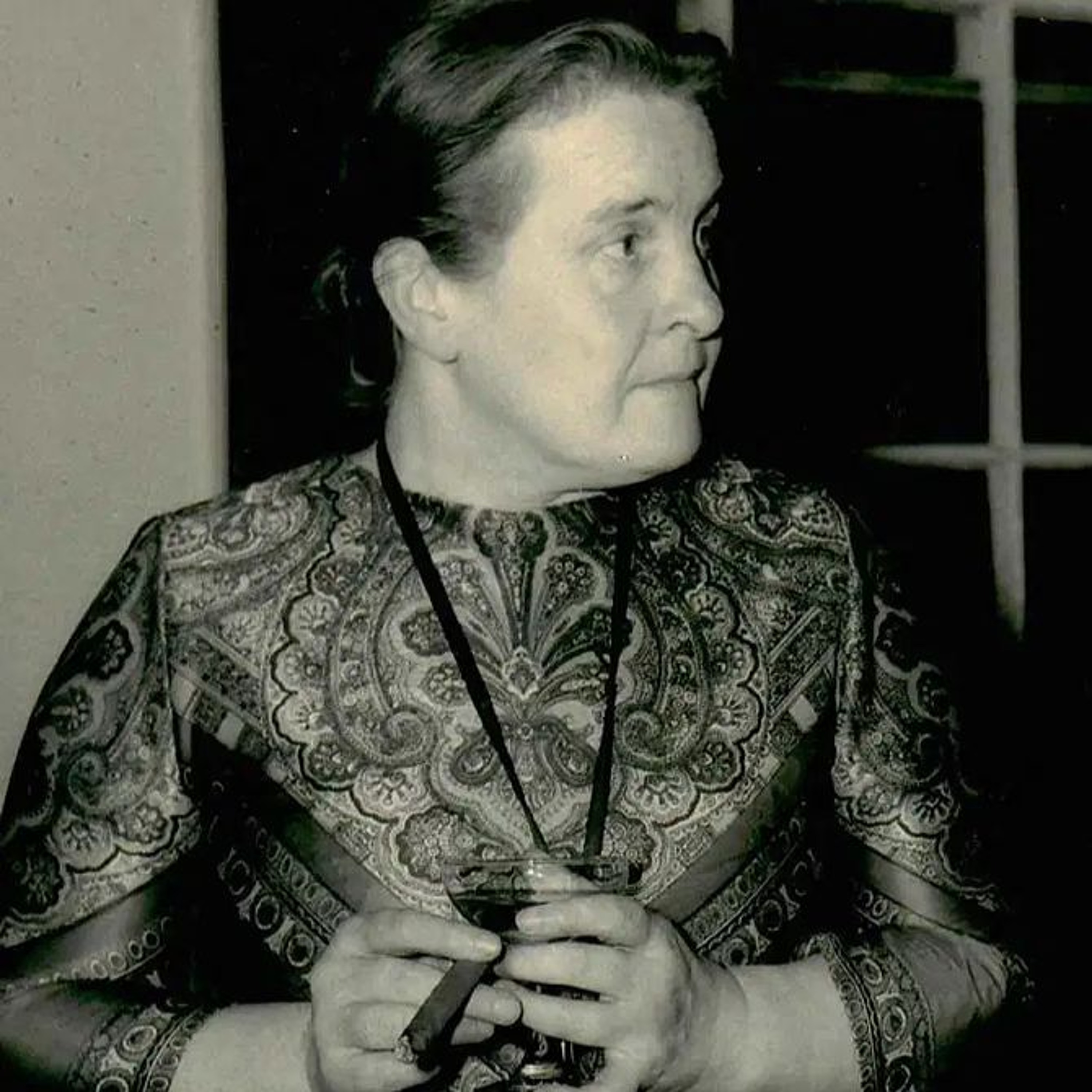 Elizabeth Anscombe | More at thttps://www.philosophytalk.org/shows/elizabeth-anscombe. Elizabeth Anscombe made hugely influential contributions to contemporary action theory, moral theory, and philosophy of mind. She also famously protested Truman’s decision to drop the atomic bomb when he was awarded an honorary degree at Oxford. Josh and Ray explore her life and thought with Rachael Wiseman from the University of Liverpool, co-author of "Metaphysical Animals: How Four Women Brought Philosophy Back to Life." | — | ||||||
| 12/14/24 | 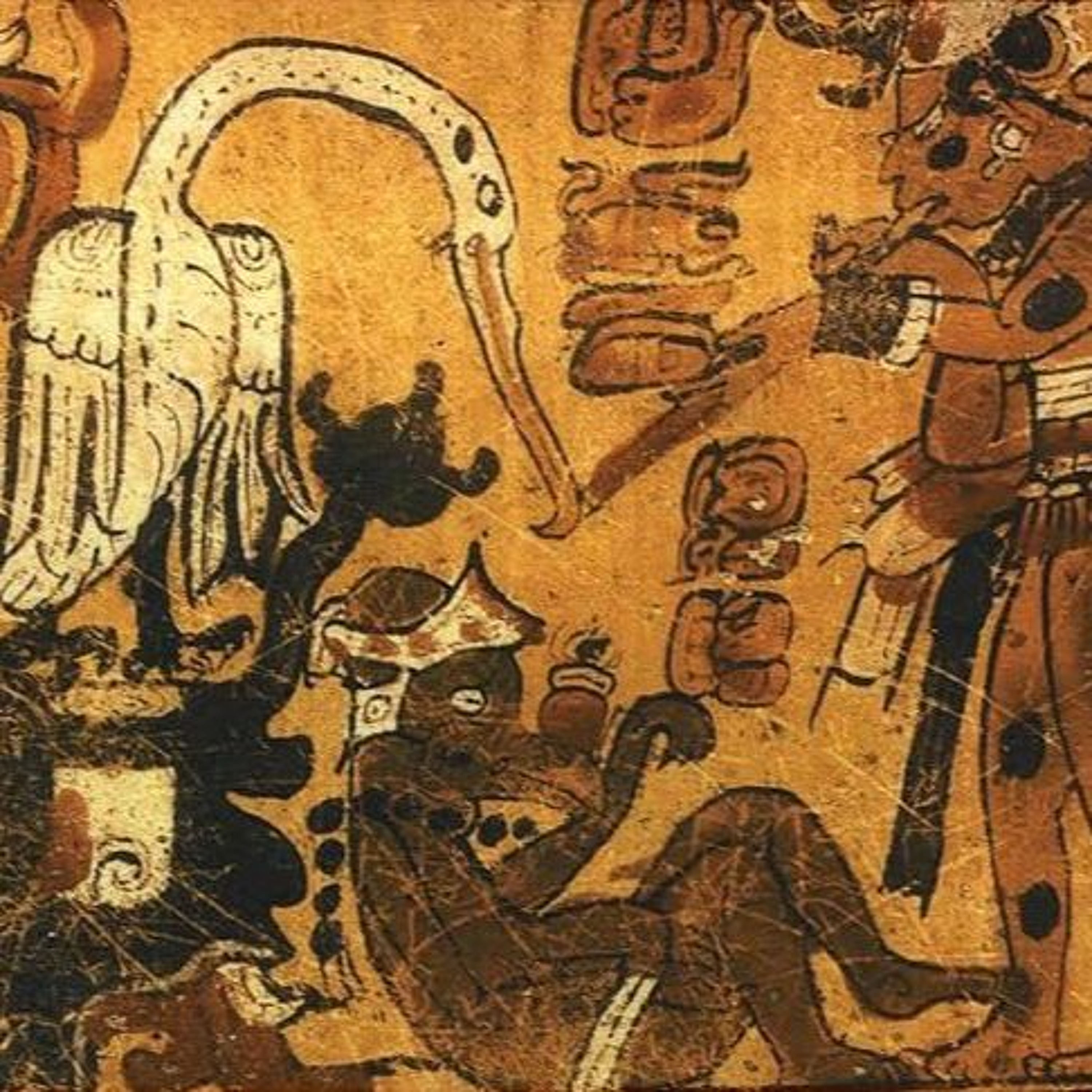 Crisis and Creativity in Mayan Mythology | More at https://www.philosophytalk.org/shows/crisis-and-creativity-mayan-mythology. The Popol Vuh, written in 1702, was based on a Mayan oral tradition encompassing creation myths, history, and cosmology. These stories were written in a time of crisis: European colonialism had decimated the Mayan population and destroyed much of their cultural knowledge. How do stories help a society survive and thrive? Can they console us in times of crisis? How much of a culture can historians save in times of devastation? Josh and Ray rewrite history with Edgar Garcia from the University of Chicago, author of "Emergency: Reading the Popol Vuh in a Time of Crisis." | — | ||||||
| 11/13/24 |  Emma Goldman | More at https://www.philosophytalk.org/shows/emma-goldman. Activist and anarchist philosopher Emma Goldman fought for human liberation in every realm of life. While she opposed the women's suffrage movement, she was a staunch advocate for women’s rights. So why did she think the right to vote was so unimportant? What did she think was required to achieve her anarchist goals? And how ahead of her time was she on labor, prison abolition, and sexual liberation? Josh and Ray explore her life and thought with Candace Falk from UC Berkeley, editor of "Emma Goldman: A Documentary History of the American Years." | — | ||||||
| 11/2/24 |  American Futures (Ken Taylor Memorial Episode) | More at https://www.philosophytalk.org/shows/american-futures. When Ken Taylor passed away suddenly in 2019, he was working on a manuscript titled "Farewell to the Republic We Once Dreamed of." Was Ken right to think the American experiment is on the verge of collapse? Are we heading for authoritarian rule, a national divorce, or even a civil war? Or could better days be on the horizon? In Ken’s honor, Josh and Ray devote their 2023 end-of-year special to probing the future of the American republic with Barbara Walter from UC San Diego, Tamsin Shaw from New York University, and Rob Reich from Stanford University. | — | ||||||
| 10/20/24 | 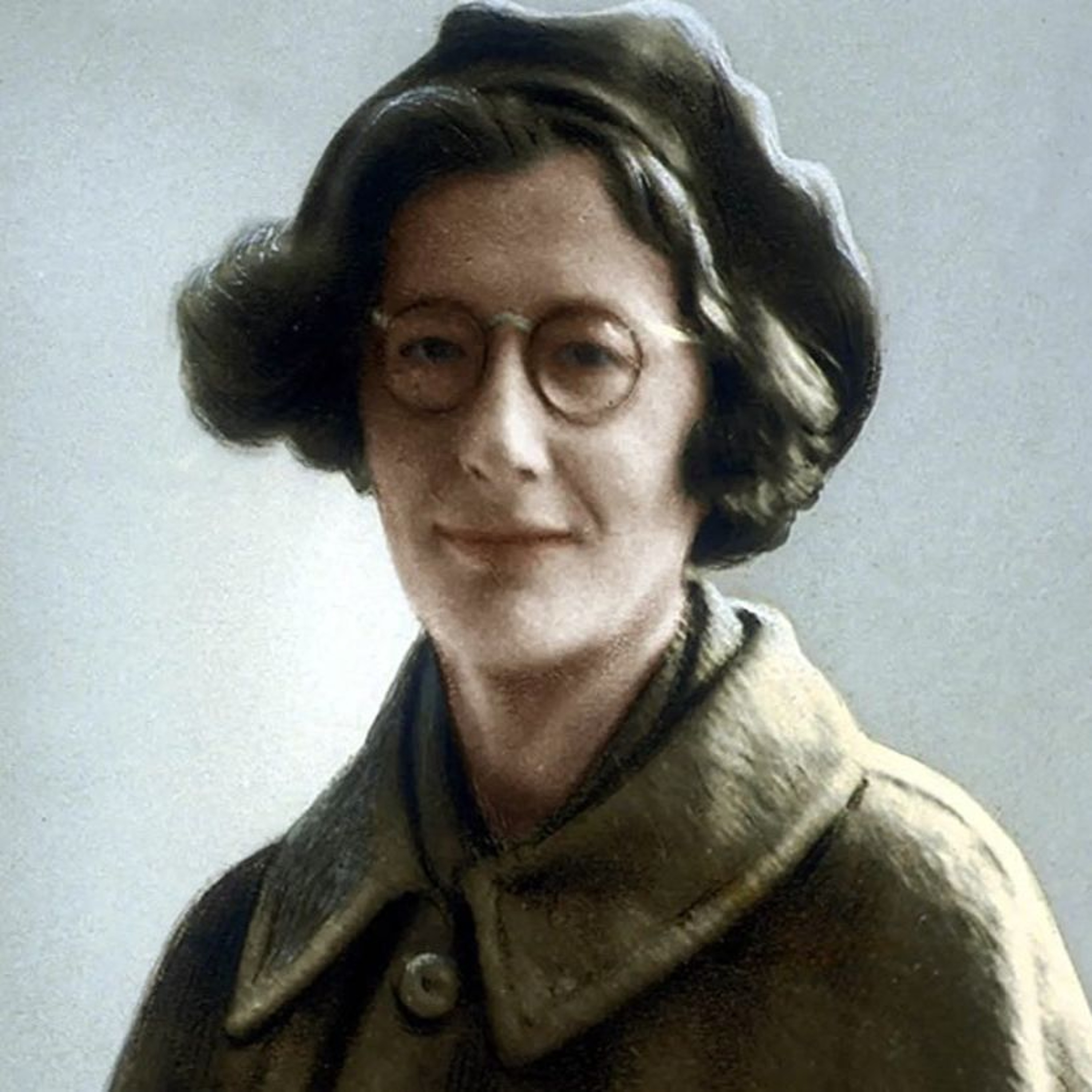 Simone Weil | More at https://www.philosophytalk.org/shows/simone-weil. French philosopher and mystic Simone Weil was also an activist whose goal was to elevate the lower classes. But she was opposed to the kind of revolution where the oppressed overthrow their oppressors. So, how did she think we could achieve peace and justice? Is it enough to pay the right kind of attention to each other's suffering? And how does this connect to her conversion to a mystical form of Christianity? Josh and Ray attend to the life and thought with Rebecca Rozelle-Stone from the University of North Dakota, author of "Simone Weil: A Very Short Introduction." | — | ||||||
Showing 24 of 89
Pitch Fit is a Pro feature
See how bookable this show is for guests, which brands already advertise, the per-episode ad value, and the best-fit guest and sponsor profile. The numbers are blurred on the free plan.
How readily this show books outside guests like you.
How proven this show is for host-read sponsorships.
For Guests
ProFor Advertisers
ProUpgrade to Pro to unlock guest cadence, sponsor categories, fit scores, and per-episode ad value for this show.