Insights from recent episode analysis
Audience Interest
Podcast Focus
Publishing Consistency
Platform Reach
Insights are generated by CastFox AI using publicly available data, episode content, and proprietary models.
Most discussed topics
Brands & references
Est. Listeners
Based on iTunes & Spotify (publisher stats).
- Per-Episode Audience
Est. listeners per new episode within ~30 days
1,001 - 10,000 - Monthly Reach
Unique listeners across all episodes (30 days)
5,001 - 25,000 - Active Followers
Loyal subscribers who consistently listen
5,001 - 15,000
Market Insights
Platform Distribution
Reach across major podcast platforms, updated hourly
Total Followers
—
Total Plays
—
Total Reviews
—
* Data sourced directly from platform APIs and aggregated hourly across all major podcast directories.
On the show
From 11 epsHost
Recent guests
Recent episodes
Oppenheimer unfiltered: rare recordings released to the public
Apr 29, 2026
31m 24s
Exploring the astrophysics behind Project Hail Mary
Mar 31, 2026
1h 06m 03s
Chernobyl at 40: physics, politics and the nuclear debate today
Feb 27, 2026
53m 07s
Cosmic time capsules: the search for pristine comets
Jan 23, 2026
51m 40s
Forging a more inclusive new generation of physicists
Dec 17, 2025
48m 28s
Social Links & Contact
Official channels & resources
Official Website
Login
RSS Feed
Login
| Date | Episode | Topics | Guests | Brands | Places | Keywords | Sponsor | Length | |
|---|---|---|---|---|---|---|---|---|---|
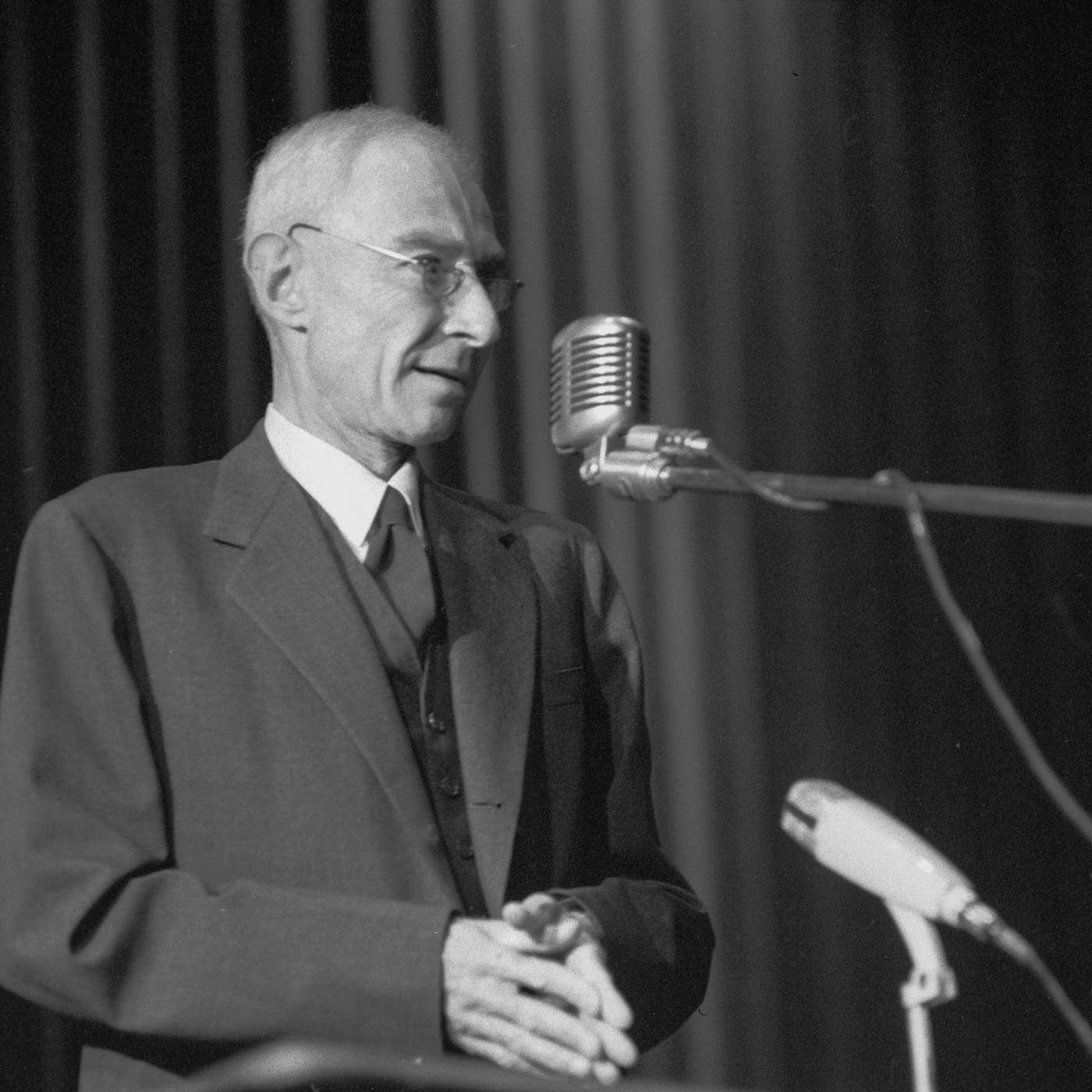
| 4/29/26 | ![]() Oppenheimer unfiltered: rare recordings released to the public✨ | Oppenheimeraudio interviews+4 | — | American Institute of PhysicsAmerican Prometheus+1 | — | Oppenheimeraudio interviews+5 | — | 31m 24s | |
| 3/31/26 | ![]() Exploring the astrophysics behind Project Hail Mary✨ | astrophysicsscience fiction+3 | Andy WeirBecky Smethurst | Dr BeckyPhysics World+5 | — | astrophysicsProject Hail Mary+5 | — | 1h 06m 03s | |
| 2/27/26 | ![]() Chernobyl at 40: physics, politics and the nuclear debate today✨ | Chernobyl disasternuclear energy+4 | Jim Smith | University of Portsmouth | UkraineBelarus+2 | Chernobylnuclear accident+7 | — | 53m 07s | |
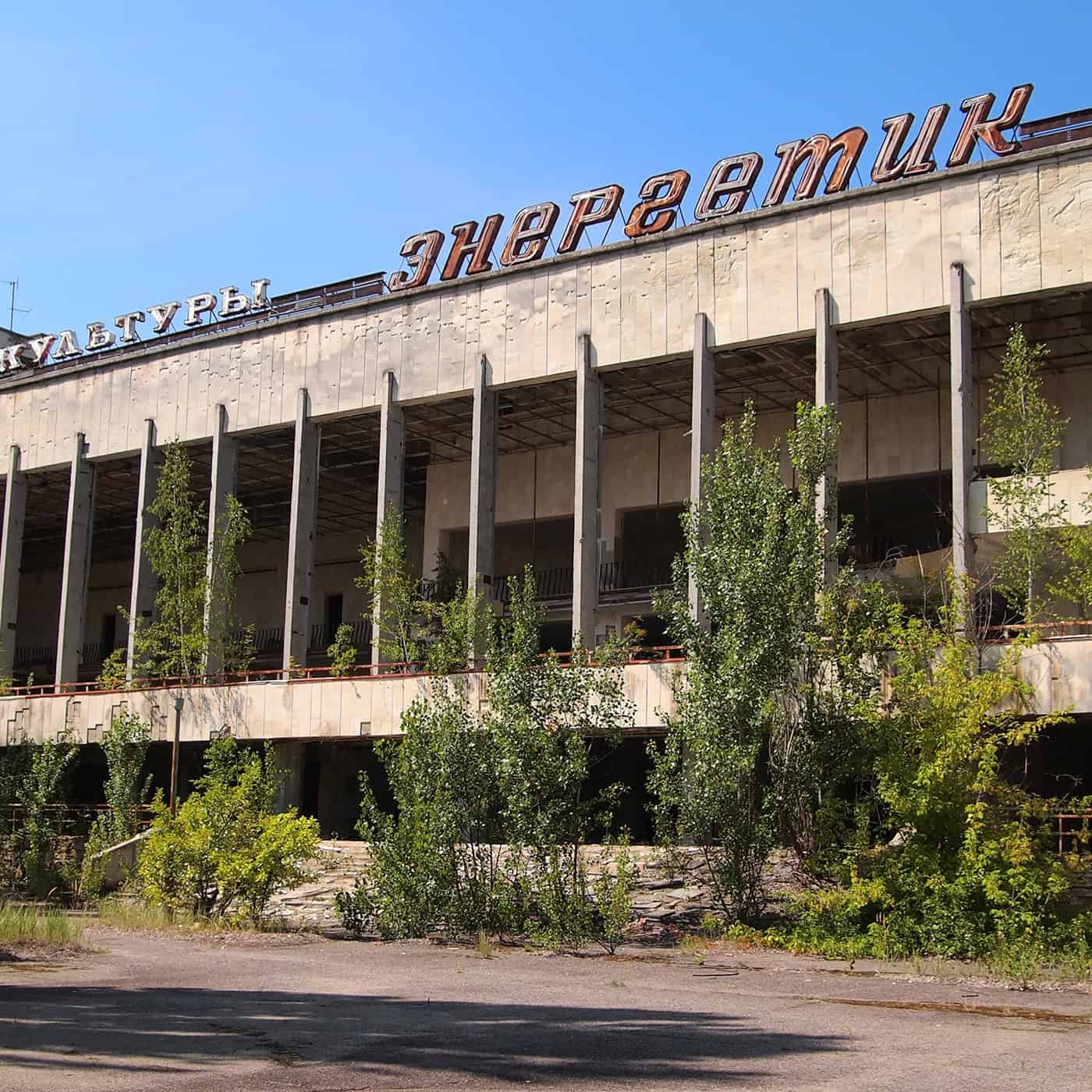
| 1/23/26 | ![]() Cosmic time capsules: the search for pristine comets✨ | cometsspace missions+3 | Tracy BeckerMichael Küppers | NASAESA+3 | Europa | pristine cometsinterstellar comet+3 | — | 51m 40s | |
| 12/17/25 | ![]() Forging a more inclusive new generation of physicists✨ | inclusivity in physicswomen in STEM+4 | June McCombieTanshpreet Kaur+1 | University of NottinghamUniversity of Birmingham+1 | BirminghamWarwick | CUWiP+women in physics+4 | — | 48m 28s | |

| 11/19/25 | ![]() Quantum 2.0: Paul Davies on the next revolution in physics✨ | quantum physicsartificial intelligence+5 | Paul Davies | Arizona State UniversityPhysics World+1 | — | quantum technologyAI+6 | — | 39m 57s | |
| 10/27/25 | ![]() Queer Quest: a quantum-inspired journey of self-discovery✨ | quantum scienceLGBTQIA+ representation+4 | Jessica EsquivelEmily Esquivel | FermilabOyanova+2 | Chicago | quantumLGBTQIA++6 | — | 45m 02s | |

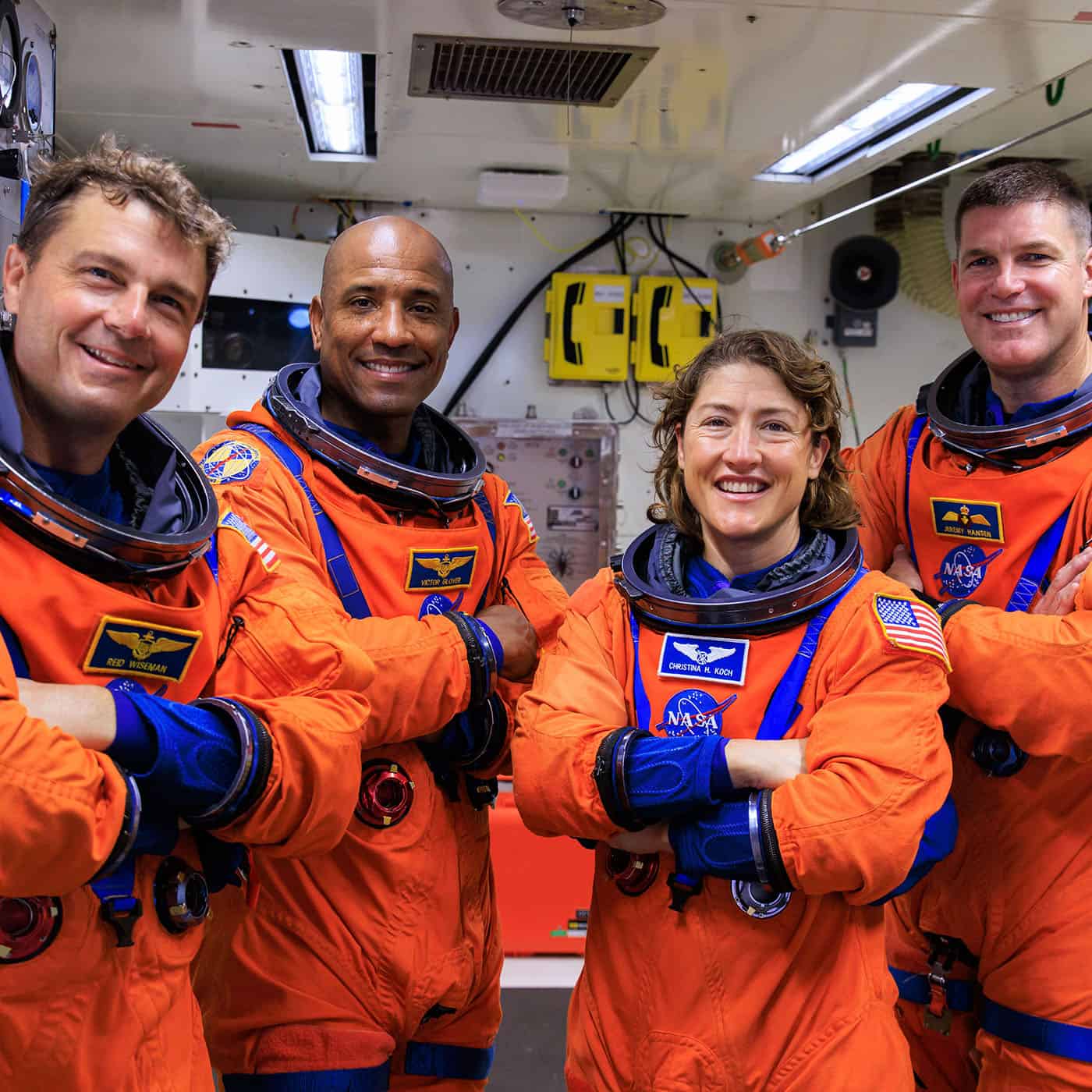
| 9/23/25 | ![]() Training for the stars: Rosemary Coogan on becoming an astronaut✨ | astronaut trainingspace exploration+3 | Rosemary Coogan | European Space AgencyArtemis programme | Northern IrelandHouston | astronautEuropean Space Agency+7 | — | 30m 48s | |
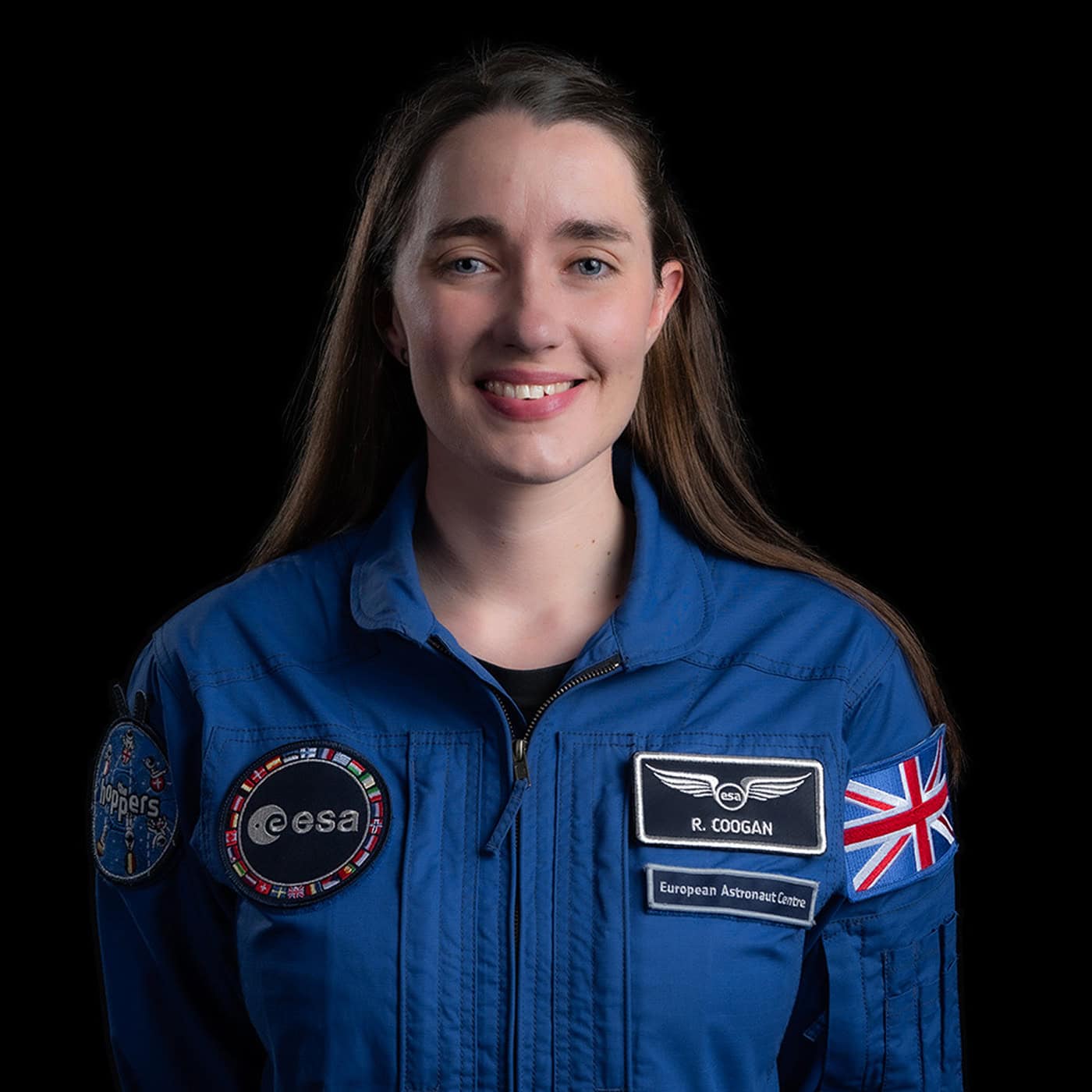
| 8/19/25 | ![]() Overlooked pioneers from quantum history✨ | quantum mechanicsgender bias+3 | Margriet van der HeijdenMichelle Frank | Eindhoven University of TechnologyUS National Endowment for the Humanities+1 | — | quantum physicswomen in physics+3 | — | 51m 32s | |
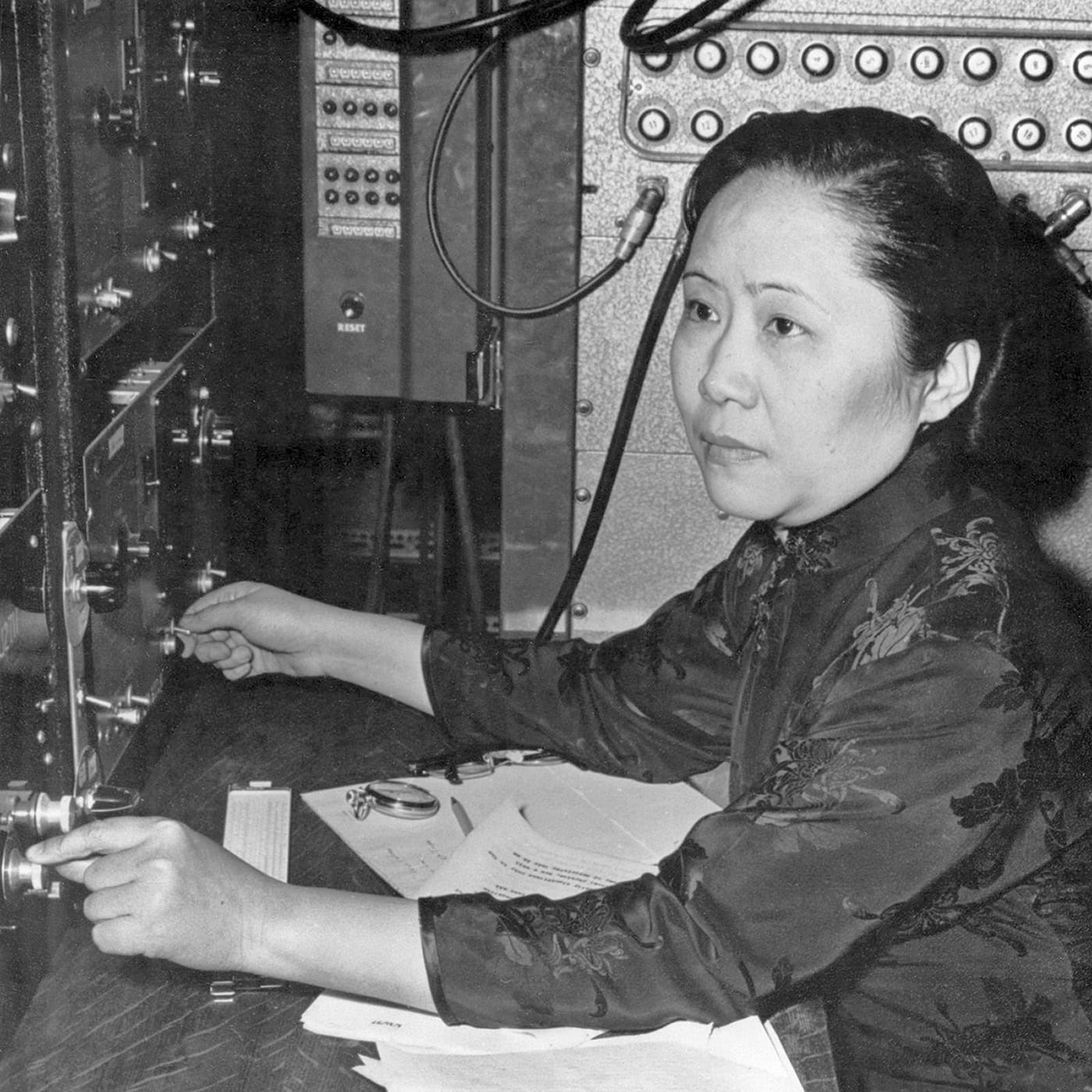
| 7/23/25 | ![]() Entangled expressions: where quantum science and art come together✨ | quantum scienceart+3 | Serena Scapagnini | Yale Quantum InstitutePhysics World | — | quantum physicsart and science+3 | — | 56m 30s | |
Want analysis for the episodes below?Free for Pro Submit a request, we'll have your selected episodes analyzed within an hour. Free, at no cost to you, for Pro users. | |||||||||
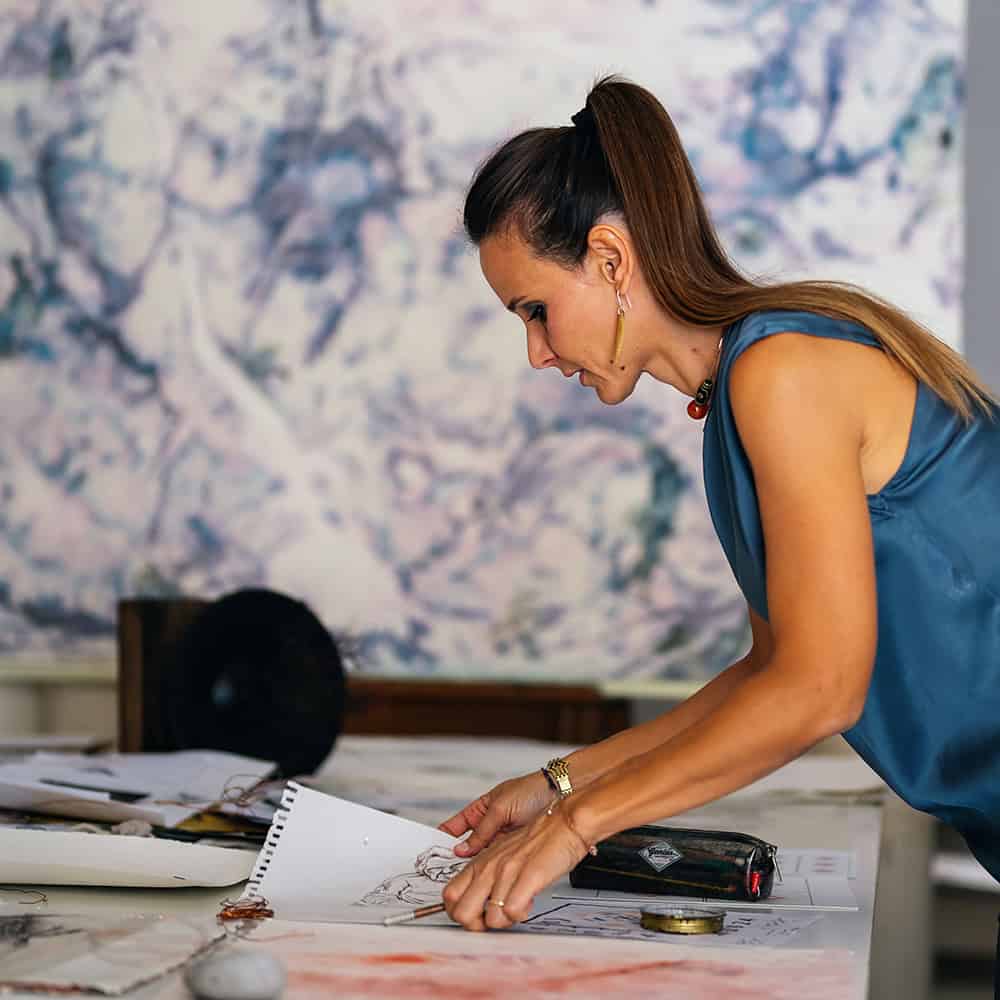
| 6/24/25 | ![]() Painting the unseen: visualizing the quantum world✨ | quantum physicsvisualization+4 | Felicity Inkpen | Physics WorldQubits, Duality+1 | — | quantum physicsart+5 | — | 1h 04m 22s | |
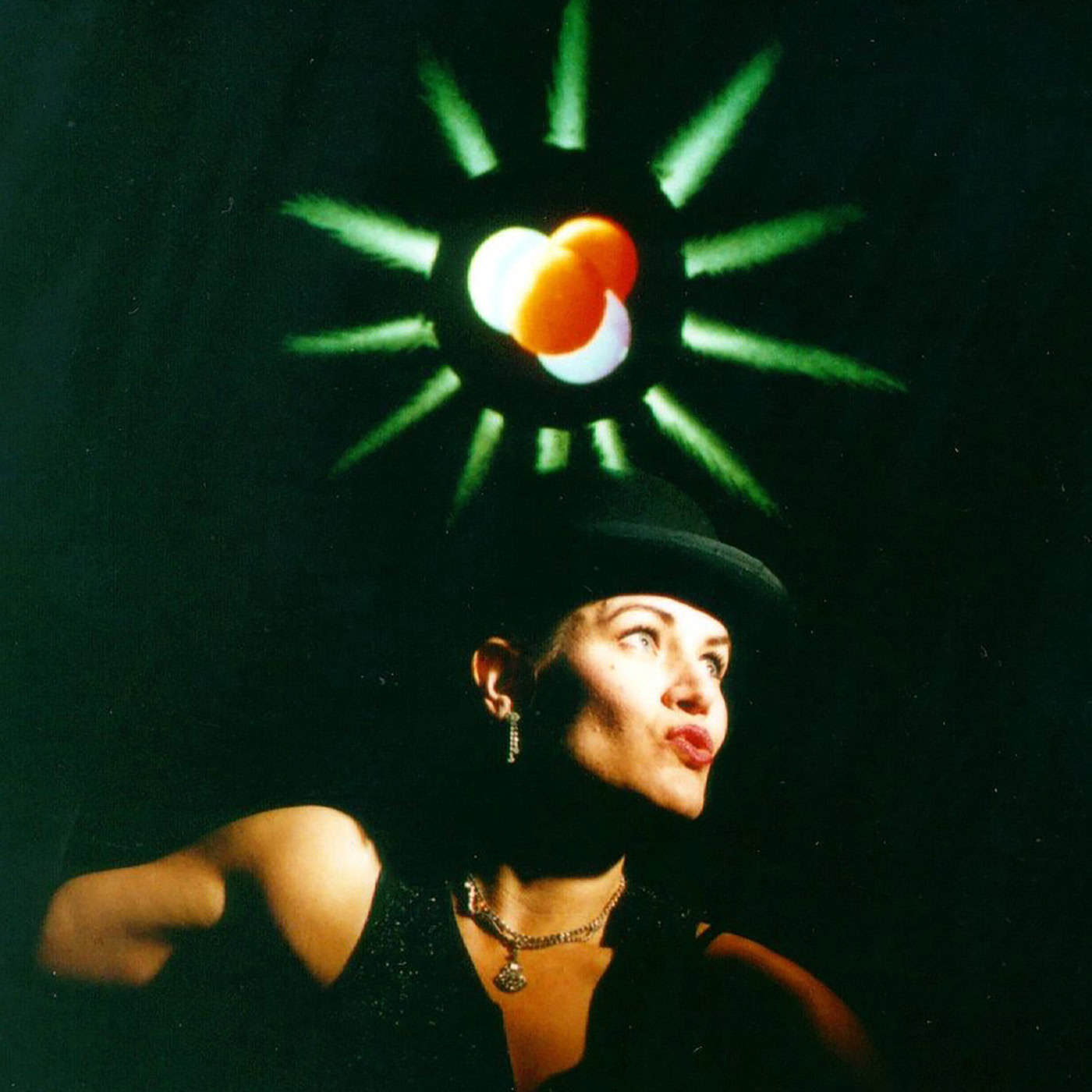
| 5/27/25 | ![]() The Physics Chanteuse: when science hits a high note | What do pulsars, nuclear politics and hypothetical love particles have in common? They’ve all inspired songs by Lynda Williams – physicist, performer and self-styled “Physics Chanteuse”. In this month’s Physics World Stories podcast, host Andrew Glester is in conversation with Williams, whose unique approach to science communication blends physics with cabaret and satire. You’ll be treated to a selection of her songs, including a toe-tapping tribute to Jocelyn Bell Burnell, the Northern Irish physicist who discovered pulsars. Williams discusses her writing process, which includes a full-blooded commitment to getting the science right. She describes how her shows evolve throughout the course of a tour, how she balances life on the road with other life commitments, and how Kip Thorne once arranged for her to perform at a birthday celebration for Stephen Hawking. (Yes, really.) Her latest show, Atomic Cabaret, dives into the existential risks of the nuclear age, marking 80 years since Hiroshima and Nagasaki. The one-woman musical kicks off in Belfast on 18 June and heads to the Edinburgh Festival in August. If you like your physics with a side of showbiz and social activism, this episode hits all the right notes. Find out more at Lynda’s website. | — | ||||||
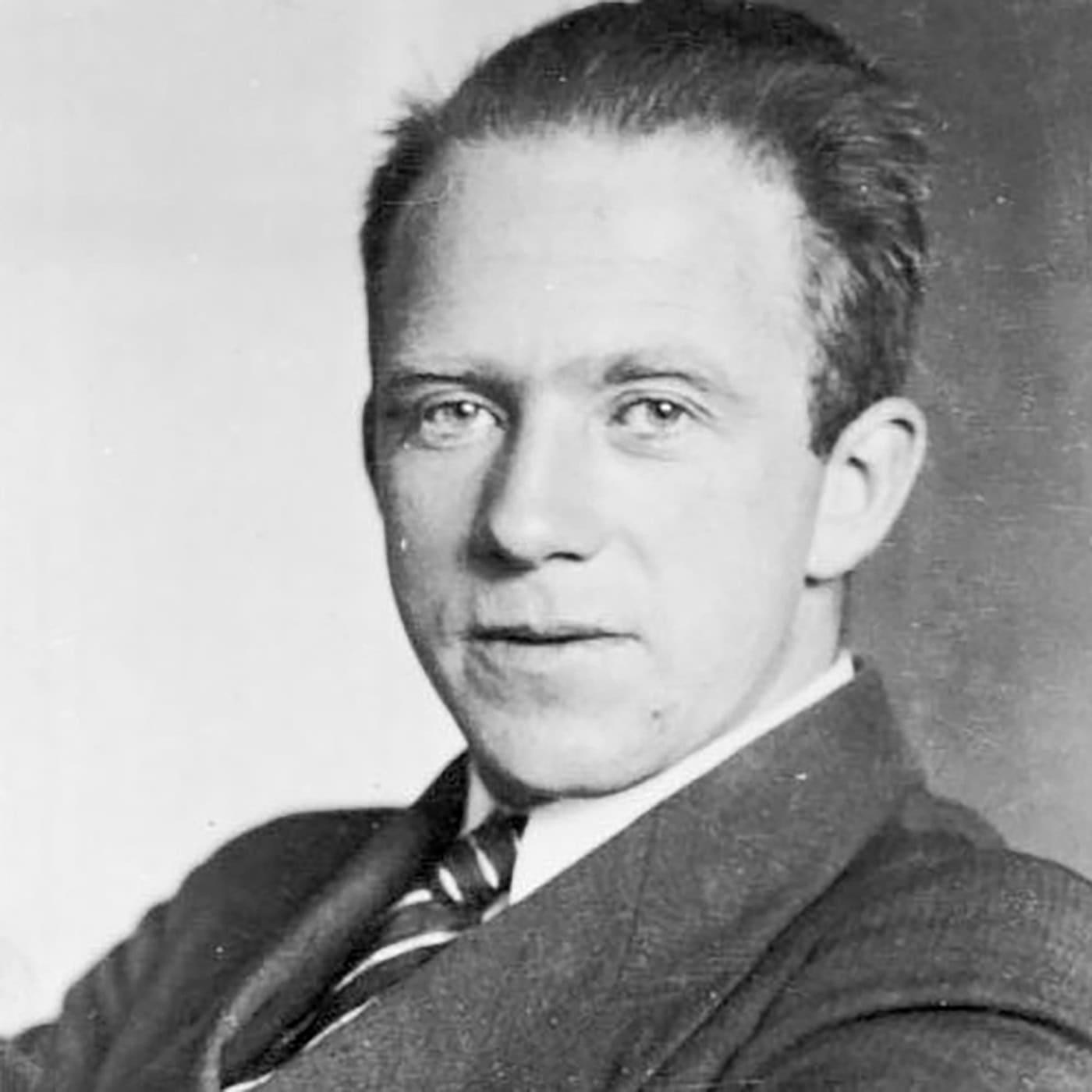
| 4/30/25 | ![]() Alternate quantum realities: what if Heisenberg stayed at home? | In this episode of Physics World Stories, writer Kevlin Henney discusses his new flash fiction, Heisenberg (not) in Helgoland – written exclusively for Physics World as part of the International Year of Quantum Science and Technology. The story spans two worlds: the one we know, and an alternate reality in which Werner Heisenberg never visits the island of Helgoland – a trip that played a key role in the development of quantum theory. Henney reads an extract from the piece and reflects on the power of flash fiction – why the format’s brevity and clarity make it an interesting space for exploring complex ideas. In conversation with host Andrew Glester, he also discusses his varied career as an independent software consultant, trainer and writer. Tune in to hear his thoughts on quantum computing, and why there should be greater appreciation for how modern physics underpins the technologies we use every day. The full version of Henney’s story will be published in the Physics World Quantum Briefing 2025 – a free-to-read digital issue launching in May. Packed with features on the history, mystery and applications of quantum mechanics, it will be available via the Physics World website. The image accompanying this article is Werner Heisenberg in 1933 (Credit: German Federal Archive with posterised version by James Dacey/Physics World) CC-BY-SA 3.0 On 13–14 May, The Economist is hosting Commercialising Quantum Global 2025 in London. The event is supported by the Institute of Physics – which brings you Physics World. Participants will join global leaders from business, science and policy for two days of real-world insights into quantum’s future. In London you will explore breakthroughs in quantum computing, communications and sensing, and discover how these technologies are shaping industries, economies and global regulation. Register now and use code QUANTUM20 to receive 20% off. This offer ends on 4 May. | — | ||||||
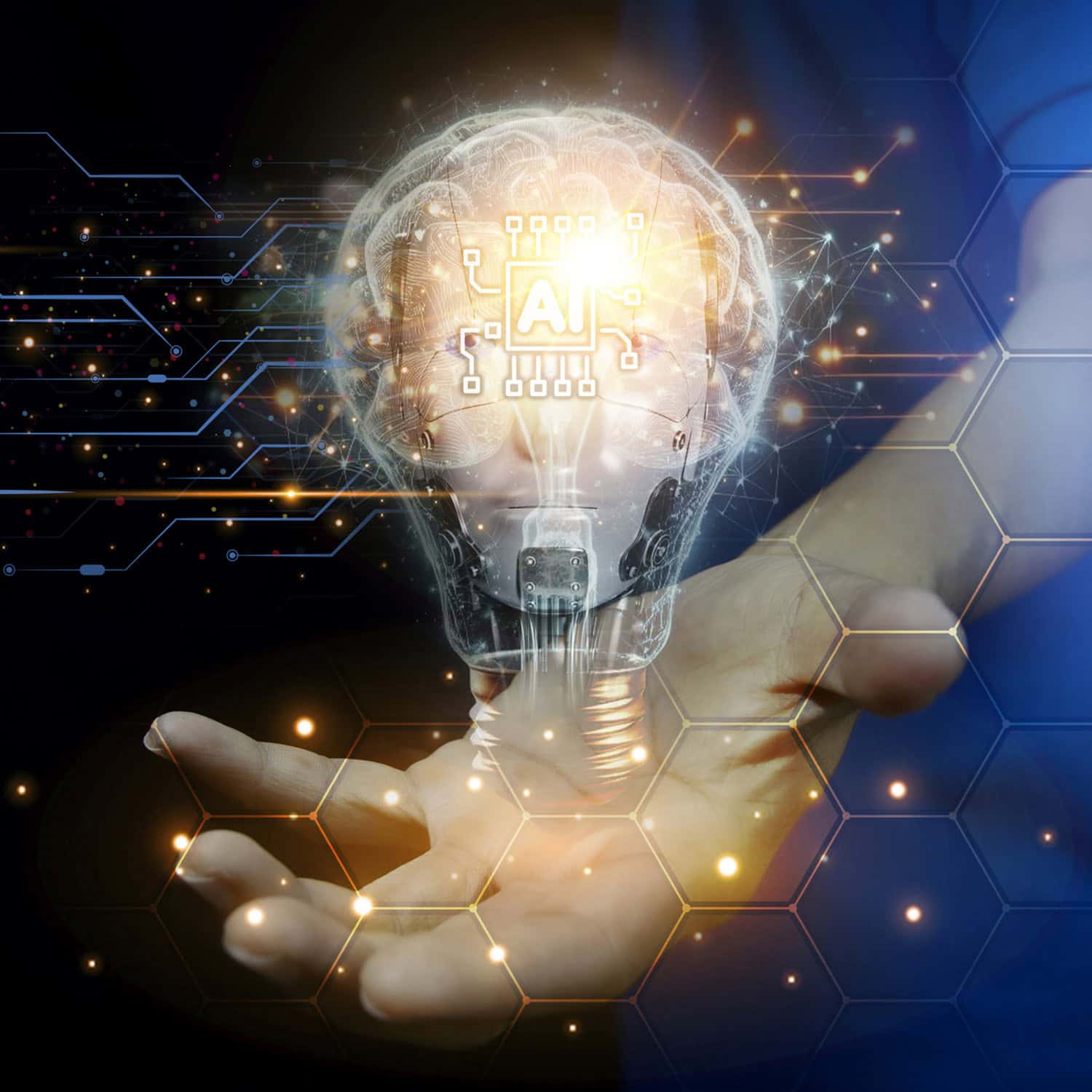
| 3/24/25 | ![]() AI and the future of physics | Artificial intelligence is transforming physics at an unprecedented pace. In the latest episode of Physics World Stories, host Andrew Glester is joined by three expert guests to explore AI’s impact on discovery, research and the future of the field. Tony Hey, a physicist who worked with Richard Feynman and Murray Gell-Mann at Caltech in the 1970s, shares his perspective on AI’s role in computation and discovery. A former vice-president of Microsoft Research Connections, he also edited the Feynman Lectures on Computation (Anniversary Edition), a key text on physics and computing. Caterina Doglioni, a particle physicist at the University of Manchester and part of CERN’s ATLAS collaboration, explains how AI is unlocking new physics at the Large Hadron Collider. She sees big potential but warns against relying too much on AI’s “black box” models without truly understanding nature’s behaviour. Felice Frankel, a science photographer and MIT research scientist, discusses AI’s promise for visualizing science. However, she is concerned about its potential to manipulate scientific data and imagery – distorting reality. Frankel wrote about the need for an ethical code of conduct for AI in science imagery in this recent Nature essay. The episode also questions the environmental cost of AI’s vast energy demands. As AI becomes central to physics, should researchers worry about its sustainability? What responsibility do physicists have in managing its impact? Hey and Doglioni were advisers for the IOP report Physics and AI: A Physics Community Perspective, which explores the opportunities and challenges at the intersection of AI and physics. Listen now for a lively discussion on AI’s evolving role in physics. | — | ||||||
| 2/17/25 | ![]() Threads of fire: uncovering volcanic secrets with Pele’s hair and tears | Volcanoes are awe-inspiring beasts. They spew molten rivers, towering ash plumes, and – in rarer cases – delicate glassy formations known as Pele’s hair and Pele’s tears. These volcanic materials, named after the Hawaiian goddess of volcanoes and fire, are the focus of the latest Physics World Stories podcast, featuring volcanologists Kenna Rubin (University of Rhode Island) and Tamsin Mather (University of Oxford). Pele’s hair is striking: fine, golden filaments of volcanic glass that shimmer like spider silk in the sunlight. Formed when lava is ejected explosively and rapidly stretched into thin strands, these fragile fibres range from 1 to 300 µm thick – similar to human hair. Meanwhile, Pele’s tears – small, smooth droplets of solidified lava – can preserve tiny bubbles of volcanic gases within themselves, trapped in cavities. These materials are more than just geological curiosities. By studying their structure and chemistry, researchers can infer crucial details about past eruptions. Understanding these “fossil” samples provides insights into the history of volcanic activity and its role in shaping planetary environments. Rubin and Mather describe what it’s like working in extreme volcanic landscapes. One day, you might be near the molten slopes of active craters, and then on another trip you could be exploring the murky depths of underwater eruptions via deep-sea research submersibles like Alvin. For a deeper dive into Pele’s hair and tears, listen to the podcast and explore our recent Physics World feature on the subject. | — | ||||||
| 1/24/25 | ![]() Helgoland: leading physicists to gather on the tiny island where quantum mechanics was born | In this episode of Physics World Stories, we celebrate the 100th anniversary of Werner Heisenberg’s trip to the North Sea island of Helgoland, where he developed the first formulation of quantum theory. Listen to the podcast as we delve into the latest advances in quantum science and technology with three researchers who will be attending a 6-day workshop on Helgoland in June 2025. Featuring in the episode are: Nathalie De Leon of Princeton University, Ana Maria Rey from the University of Colorado Boulder, and Jack Harris from Yale University, a member of the programme committee. These experts share their insights on the current state of quantum science and technology: discussing the latest developments in quantum sensing, quantum information and quantum computing. They also reflect on the significance of attending a conference at a location that is so deeply ingrained in the story of quantum mechanics. Talks at the event will span the science and the history of quantum theory, as well as the nature of scientific revolutions. This episode is part of Physics World’s quantum coverage throughout 2025, designated by the UN as the International Year of Quantum Science and Technology (IYQ). Check out this article, for all you need to know about IYQ. This article forms part of Physics World‘s contribution to the 2025 International Year of Quantum Science and Technology (IYQ), which aims to raise global awareness of quantum physics and its applications. Stayed tuned to Physics World and our international partners throughout the next 12 months for more coverage of the IYQ. Find out more on our quantum channel. | — | ||||||
| 12/13/24 | ![]() From physics to filmmaking: Mark Levinson on his new documentary, The Universe in a Grain of Sand | In this episode of Physics World Stories, host Andrew Glester interviews Mark Levinson, a former theoretical particle physicist turned acclaimed filmmaker, about his newest work, The Universe in a Grain of Sand. Far from a conventional documentary, Levinson’s latest project is a creative work of art in its own right – a visually rich meditation on how science and art both strive to make sense of the natural world. Drawing from his background in theoretical physics and his filmmaking successes, such as Particle Fever (2013) and The Bit Player (2018), Levinson explores the shared language of creativity that unites these two domains. In The Universe in a Grain of Sand, he weaves together conversations with leading figures at the interface of art and science, with evocative imagery and artistic interpretations of nature’s mysteries. Listen to the episode for a glimpse into the mind of a filmmaker who continues to expand the boundaries of science storytelling. For details on how to watch the film in your location, see The Universe in a Grain of Sand website. | — | ||||||
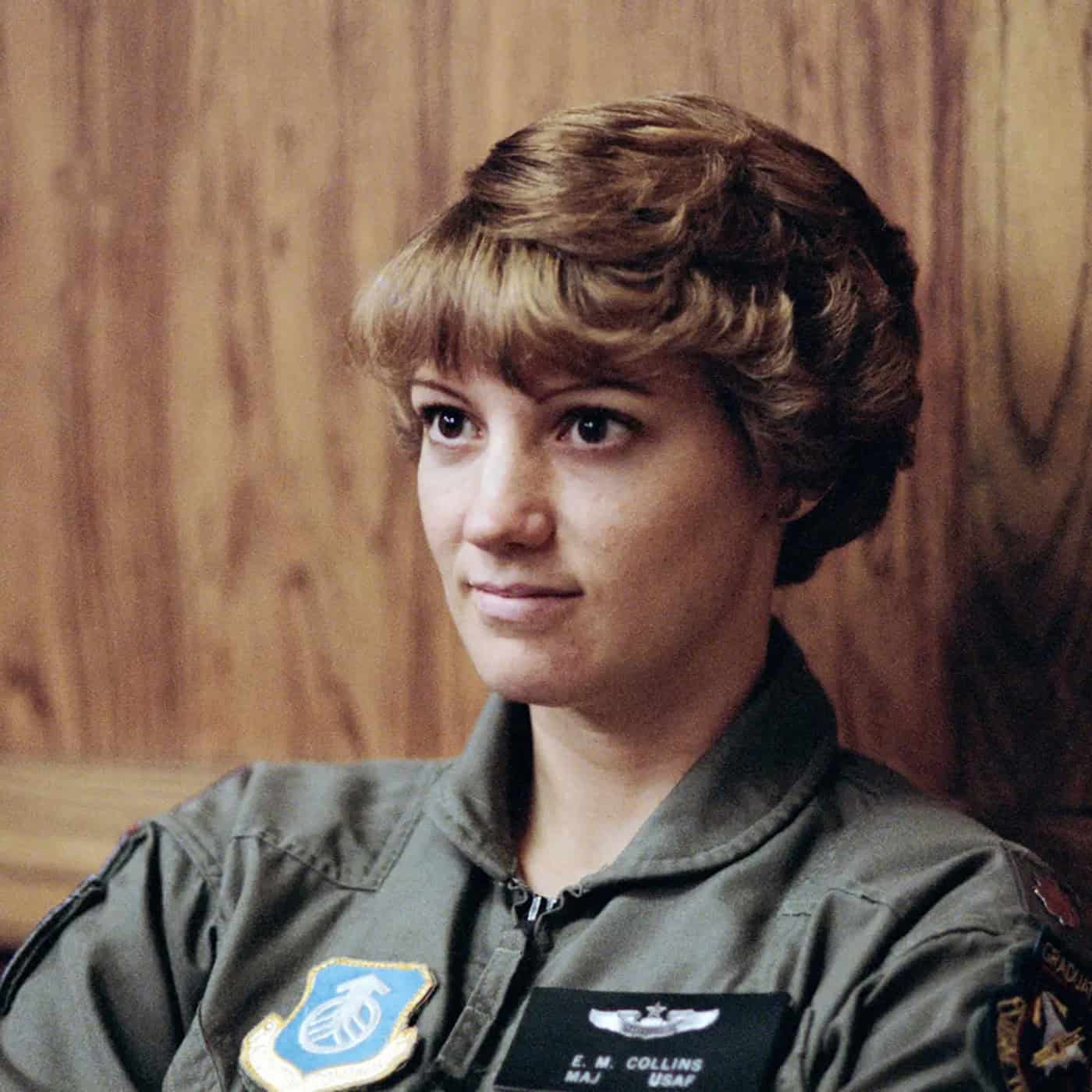
| 11/14/24 | ![]() Trailblazer: Astronaut Eileen Collins reflects on space, adventure, and the power of lifelong learning | In this episode of Physics World Stories, astronaut Eileen Collins shares her extraordinary journey as the first woman to pilot and command a spacecraft. Collins broke barriers in space exploration, inspiring generations with her courage and commitment to discovery. Reflecting on her career, she discusses not only her time in space but also her lifelong sense of adventure and her recent passion for reading history books. Today, Collins frequently shares her experiences with audiences around the world, encouraging curiosity and inspiring others to pursue their dreams. Joining the conversation is Hannah Berryman, director of the new documentary SPACEWOMAN, which is based on Collins’ memoir Through the Glass Ceiling to the Stars, co-written with Jonathan H Ward. The British filmmaker describes what attracted her to Collins’ story and the universal messages it reveals. Hosted by science communicator Andrew Glester, this episode offers a glimpse into the life of a true explorer – one whose spirit of adventure knows no bounds. SPACEWOMAN has its world premiere on 16 November 2024 at DOC NYC. Keep an eye on the documentary’s website for details of how you can watch the film wherever you are. | — | ||||||
| 10/21/24 | ![]() Flocking together: the physics of sheep herding and pedestrian flows | In this episode of Physics World Stories, host Andrew Glester shepherds you through the fascinating world of crowd dynamics. While gazing at a flock of sheep or meandering through a busy street, you may not immediately think of the physics at play – but there is much more than you think. Give the episode a listen to discover the surprising science behind how animals and people move together in large groups. The first guest, Philip Ball, a UK-based science writer, explores the principles that underpin the movement of sheep in flocks. Insights from physics can even be used to inform herding tactics, whereby dogs are guided – usually through whistles – to control flocks of sheep and direct them towards a chosen destination. For even more detail, check out Ball’s recent Physics World feature “Field work – the physics of sheep, from phase transitions to collective motion“. Next, Alessandro Corbetta, from Eindhoven University of Technology in the Netherlands, talks about his research on pedestrian flow that won him an Ig Nobel Prize. Corbetta explains how his research field is helping us understand – and manage – the movements of human crowds in bustling spaces such as museums, transport hubs and stadia. Plus, he shares how winning the Ig Nobel has enabled the research to reach a far broader audience than he initially imagined. | — | ||||||
| 9/23/24 | ![]() Working in quantum tech: where are the opportunities for success? | The quantum industry in booming. An estimated $42bn was invested in the sector in 2023 and is projected to rise to $106 billion by 2040. In this episode of Physics World Stories, two experts from the quantum industry share their experiences, and give advice on how to enter this blossoming sector. Quantum technologies – including computing, communications and sensing – could vastly outperform today’s technology for certain applications, such as efficient and scalable artificial intelligence. Our first guest is Matthew Hutchings, chief product officer and co-founder of SEEQC. Based in New York and with facilities in Europe, SEEQC is developing a digital quantum computing platform with a broad industrial market due to its combination of classical and quantum technologies. Hutchings speaks about the increasing need for engineering positions in a sector that to date has been dominated by workers with a PhD in quantum information science. The second guest is Araceli Venegas-Gomez, founder and CEO of QURECA, which helps to train and recruit individuals, while also providing business development services. Venegas-Gomez’s journey into the sector began with her reading about quantum mechanics as a hobby while working in aerospace engineering. In launching QURECA, she realized there was an important gap to be filled between quantum information science and business – two communities that have tended to speak entirely different languages. Get even more tips and advice in the recent feature article ‘Taking the leap – how to prepare for your future in the quantum workforce’. | — | ||||||
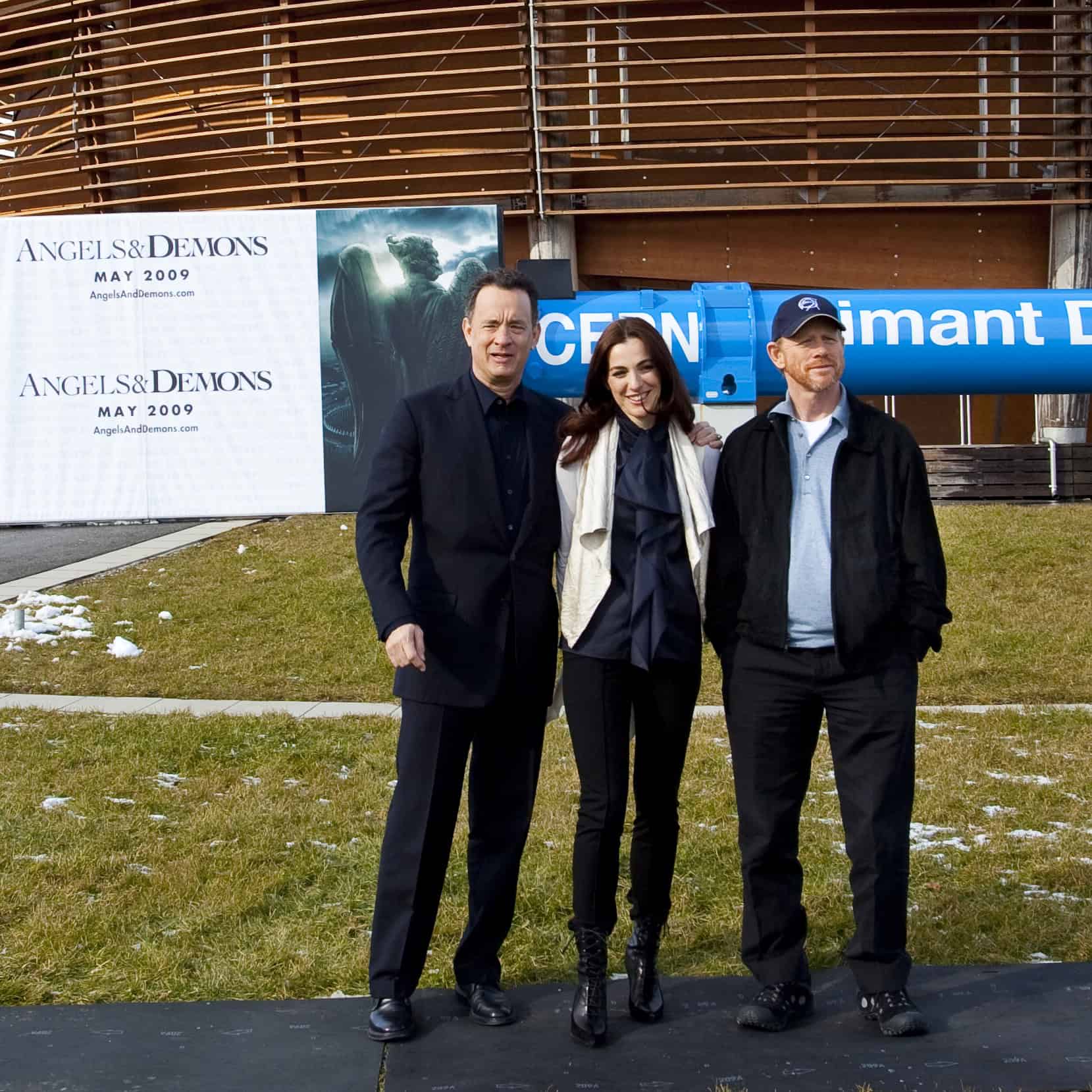
| 8/13/24 | CERN at 70: how the Higgs hunt elevated particle physics to Hollywood status | When former physicist James Gillies sat down for dinner in 2009 with actors Tom Hanks and Ayelet Zurer, joined by legendary director Ron Howard, he could scarcely believe the turn of events. Gillies was the head of communications at CERN, and the Hollywood trio were in town for the launch of Angels & Demons – the blockbuster film partly set at CERN with antimatter central to its plot, based on the Dan Brown novel. With CERN turning 70 this year, Gillies joins the Physics World Stories podcast to reflect on how his team handled unprecedented global interest in the Large Hadron Collider (LHC) and the hunt for the Higgs boson. Alongside the highs, the CERN comms team also had to deal with the lows. Not least, the electrical fault that put the LHC out of action for 18 months shortly after its switch-on. Or figuring out a way to engage with the conspiracy theory that particle collisions in the LHC would somehow destroy the Earth. Spoiler alert: the planet survived. And the Higgs boson discovery was announced in that famous 2012 seminar, which saw tears drop from the eyes of Peter Higgs – the British theorist who had predicted the particle in 1964. Our other guest on the podcast, Achintya Rao, describes how excitement among CERN scientists became increasingly palpable in the days leading to the announcement. Rao was working in the comms team within CMS, one of the two LHC detectors searching independently for the Higgs. Could particle physics ever capture the public imagination in the same way again? Discover more by reading the feature “Angels & Demons, Tom Hanks and Peter Higgs: how CERN sold its story to the world” by James Gillies. | — | ||||||
| 7/24/24 | ![]() Could humans run on water? | With the 2024 Paris Olympics just days away, sports fans are braced to see who will run, jump, row, fight and dance themselves into the history books. One of the most exciting moments will be the 100 m sprint finals, when athletes compete to become the fastest man or woman on Earth. Over the years we have seen jaw-dropping performances from the likes of Usain Bolt and Florence Griffith-Joyner. Scientists have been captivated by top sprinters – trying to understand how physique, technique and nutritional intake can help athletes push the limits of human ability. In this episode of the Physics World Stories podcast, we tackle the more speculative question: could an Olympic-level athlete ever run on water? Grappling with this question is our guest Nicole Sharp, engineer and science communicator specializing in fluid dynamics. She runs the fluid dynamics blog FYFD and authored the recent Physics World feature “Could athletes mimic basilisk lizards and turn water-running into an Olympic sport?“. Basilisk lizards are famed for their ability to skitter across water surfaces, usually to escape predators. It won’t surprise you to know that scientists have already grappled with this question. For instance, a team in Italy studied whether it was possible in reduced gravity conditions equivalent to the Moon. Sadly, a water race on the Moon is unlikely due to the absence of pools of liquid on the lunar surface. One place that could provide the setting for a liquid sprint are the ethane and methane lakes on Saturn’s moon Titan. These are the only large stable bodies of surface liquid in our solar system found outside Earth. If such an event were to happen tomorrow, perhaps the gold medal favourite would be US sprinter Sha’Carri Richardson – the current 100 m world champion who weighs just 45 kg. Listen to the podcast to discover whether Richardson would sprint or sink at the inaugural Titan Olympics. | — | ||||||
| 6/19/24 | ![]() Physics and sport: flying balls, perfecting technique, and wellbeing in academia | For sports fans, the next few weeks will bring excitement and drama. The Euro 2024 football (soccer) tournament is under way in Germany and the Copa América is about to kick off in the US. Then at the end of July, the Olympics starts in Paris as athletes from across the world compete to run, jump, sail, cycle and dance themselves into the history books. In this episode of Physics World Stories, you will hear from two US physicists with a profound connection with sport. The first guest is John Eric Goff of the University of Lynchburg, author of Gold Medal Physics: the Science of Sports. After training as a condensed-matter theorist, Goff has focused his research career the physics of sport. In a wide-ranging conversation with podcast host Andrew Glester, Goff discusses everything from the flight of balls to the biodynamics of martial arts. He also considers how data and AI in sport are changing the practice and the spectacle of sport. Our second guest is Harvard University’s Jenny Hoffman, who recently set the record for the fastest woman to run across the US. In November 2023 Hoffman completed the 3000 mile (5000 km) journey in just 47 days, 12 hours and 35 minutes, running from San Francisco to New York City. Hoffman, who studies the electronic properties of exotic materials, speaks about the benefits of having hobbies and passions outside of work. For her, running plays an essential role in wellbeing during her successful career in academia. | — | ||||||
| 5/28/24 | Swift Quakes and new podcast music inspired by the fine-structure constant | Whether you’re a Swiftie, a devout metalhead, or a 1980s synth pop aficionado, there is something for every musical taste in this month’s Physics World Stories. In part one, podcast host Andrew Glester is joined by Jacqueline Caplan-Auerbach, a geophysicist at Western Washington University, US. She has analysed “Swift quakes”, a seismological phenomenon during Taylor Swift’s Eras tour, answering two important questions. Are the quakes triggered by the music or the crowd? And how does their magnitude compare with similar events like the 2011 “Beast quake” triggered by celebrations at an American Football game between the Seattle Seahawks and the New Orleans Saints. It turns out that Swifties (dedicated Taylor Swift fans) are queuing up to share data for geophysics research. Regular listeners will notice that this month’s episode has a new podcast jingle. In part two, Glester is joined by the song’s creator Philip Moriarty, a physicist and science communicator at the University of Nottingham, UK. Titled 137, the song is inspired by the fine-structure constant, and is packed with cheeky references to this dimensionless constant and the physicists closely associated with it. (Yes, you can expect bongos!) Moriarty reveals even more about the song in his article “H1dd3n variab7es: the fundamental constant on which the new Physics World podcast music is built“, where you can also listen to the tune in full. | — | ||||||
| 4/30/24 | ![]() 3 Body Problem: a deep dive into the Netflix show | This episode of Physics World Stories explores the science, politics and ethics in the Netflix series 3 Body Problem. Adapted from the celebrated Chinese novel The Three-Body Problem by Liu Cixin, the multi-layered story centres around humanity’s first contact with an alien civilization. As the drama unfolds, with physicists among its lead protagonists, the plot navigates the challenges of communicating with aliens across interstellar space – and the inevitable tensions that arise on Earth. To discuss 3 Body Problem, podcast host Andrew Glester is joined by three special guests: Matt Kenzie: the series’ science adviser, a particle physicist at the University of Cambridge. Kenzie’s role in informing the show’s scientific elements gives him unparalleled insight into the integration of physics into its narrative. Jennifer Ouellette: a renowned science writer who reviewed Cixin’s book The Three-Body Problem for Physics World back in 2015. Ouellette shares her thoughts on the book’s themes, and assesses the merits of the TV adaptation by the creators of Game of Thrones. Hannah Little: a linguist at the University of Liverpool who is also a member of the SETI Post-Detection Hub. That initiative, based at the University of St Andrews in Scotland, considers how we should communicate with aliens should we discover we are not alone in the cosmos. (Image courtesy: Ed Miller/Netflix) | — | ||||||
Showing 25 of 100
Sponsor Intelligence
Sign in to see which brands sponsor this podcast, their ad offers, and promo codes.
Chart Positions
24 placements across 23 markets.
Chart Positions
24 placements across 23 markets.