
Insights from recent episode analysis
Audience Interest
Podcast Focus
Publishing Consistency
Platform Reach
Insights are generated by CastFox AI using publicly available data, episode content, and proprietary models.
Most discussed topics
Brands & references
Est. Listeners
Insufficient chart data. Estimates will improve as the show charts.
- Per-Episode Audience
Est. listeners per new episode within ~30 days
N/A🎙 Weekly cadence·73 episodes·Last published 1mo ago - Monthly Reach
Unique listeners across all episodes (30 days)
N/A - Active Followers
Loyal subscribers who consistently listen
N/A
Market Insights
Platform Distribution
Reach across major podcast platforms, updated hourly
Total Followers
—
Total Plays
—
Total Reviews
—
* Data sourced directly from platform APIs and aggregated hourly across all major podcast directories.
On the show
From 10 epsHost
Recent guests
Recent episodes
Early-career faculty experiences in mentorship and lab leadership
May 14, 2026
48m 06s
From structural biology to scientific consulting
Apr 23, 2026
44m 36s
From academia to industry leadership
Mar 30, 2026
35m 56s
In conversation with... Carter Palmer
Feb 17, 2026
37m 01s
David Fidock | Molecular insights into antimalarial drug resistance
Jan 28, 2026
34m 45s
Social Links & Contact
Official channels & resources
Official Website
Login
RSS Feed
Login
| Date | Episode | Topics | Guests | Brands | Places | Keywords | Sponsor | Length | |
|---|---|---|---|---|---|---|---|---|---|
| 5/14/26 |  Early-career faculty experiences in mentorship and lab leadership✨ | mentorshiplab leadership+3 | — | ASBMB | — | early-career facultymentorship+3 | — | 48m 06s | |
| 4/23/26 | From structural biology to scientific consulting✨ | structural biologyscientific consulting+4 | Tara Davis | ASBMBPipettes and Politics | — | structural biologyscientific consulting+4 | — | 44m 36s | |
| 3/30/26 | From academia to industry leadership✨ | career transitionindustry leadership+3 | Shagha Ostadjoo | New England BiolabsASBMB | — | fungal enzyme researchmanagement+3 | — | 35m 56s | |
| 2/17/26 |  In conversation with... Carter Palmer✨ | interviewscience communication+1 | Carter Palmer | ASBMB | — | Carter PalmerASBMB+3 | — | 37m 01s | |
| 1/28/26 |  David Fidock | Molecular insights into antimalarial drug resistance✨ | antimalarial drug resistancemalaria treatment+5 | David Fidock | chloroquinepiperaquine+5 | east Africa | malariadrug resistance+6 | — | 34m 45s | |
| 12/11/25 |  In conversation with... Betsy Martinez–Vaz✨ | interviewscience communication+3 | Betsy Martinez–Vaz | ASBMB | — | Betsy Martinez–VazASBMB+3 | — | 45m 12s | |
| 11/26/25 | In conversation with... Sarah Smaga✨ | science policyadvocacy+3 | Dr. Sarah Smaga | ASBMB | — | science policyadvocacy+3 | — | 35m 00s | |
| 10/22/25 | In conversation with... Sannie Culbertson✨ | interviewscience communication+3 | Sannie Culbertson | ASBMB | — | Sannie CulbertsonASBMB+3 | — | 45m 51s | |
| 10/22/25 | In conversation with... Chris Heinen✨ | interviewscience communication+1 | Chris Heinen | ASBMB | — | interviewscience+3 | — | 1h 02m 24s | |
| 9/22/25 | 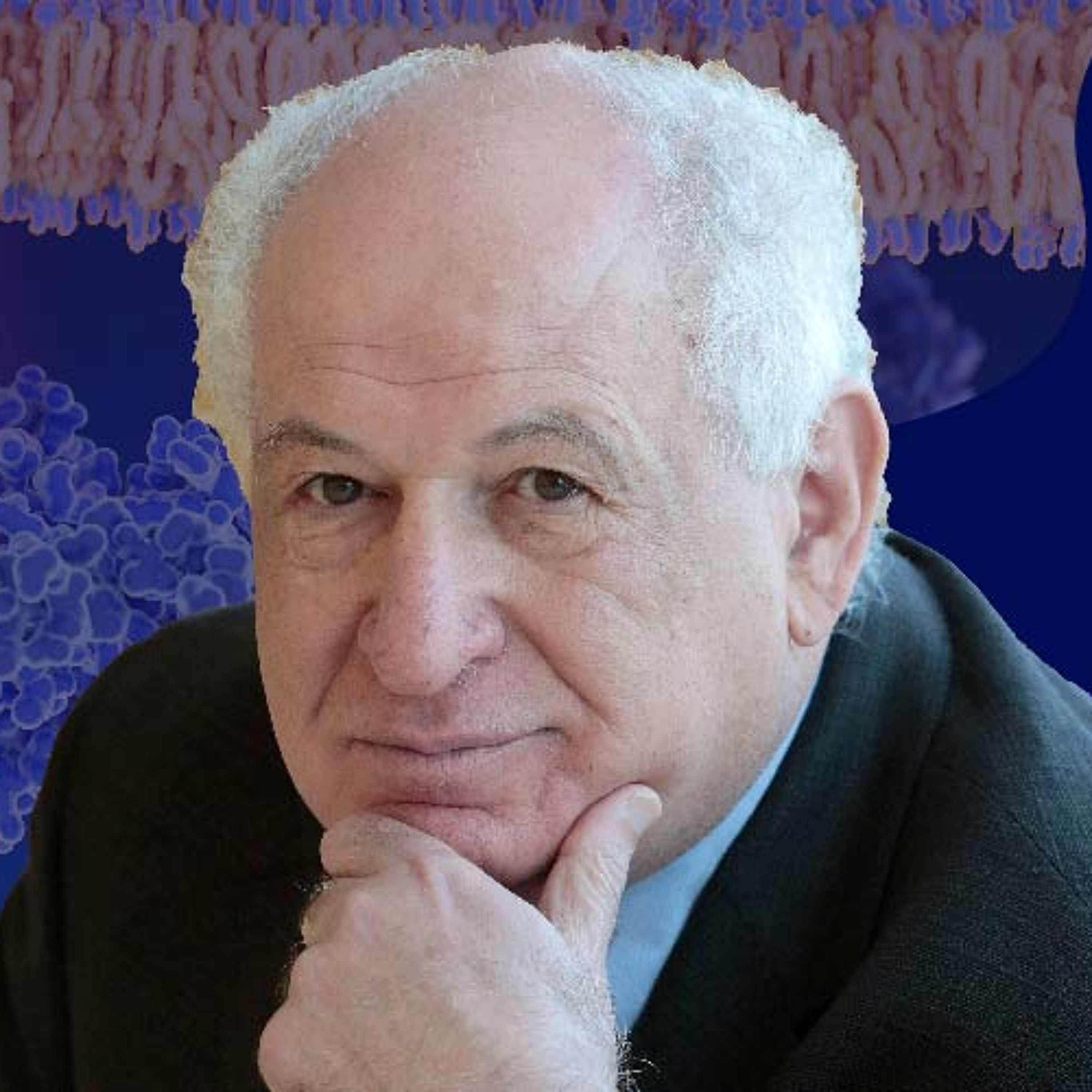 Joseph Schlessinger | Discovering how receptor tyrosine kinases are activated and signals✨ | receptor tyrosine kinasescell signaling+4 | Joseph Schlessinger | Epidermal Growth FactorNerve Growth Factor+12 | — | receptor tyrosine kinasesEGF+5 | — | 18m 46s | |
Want analysis for the episodes below?Free for Pro Submit a request, we'll have your selected episodes analyzed within an hour. Free, at no cost to you, for Pro users. | |||||||||
| 9/22/25 | 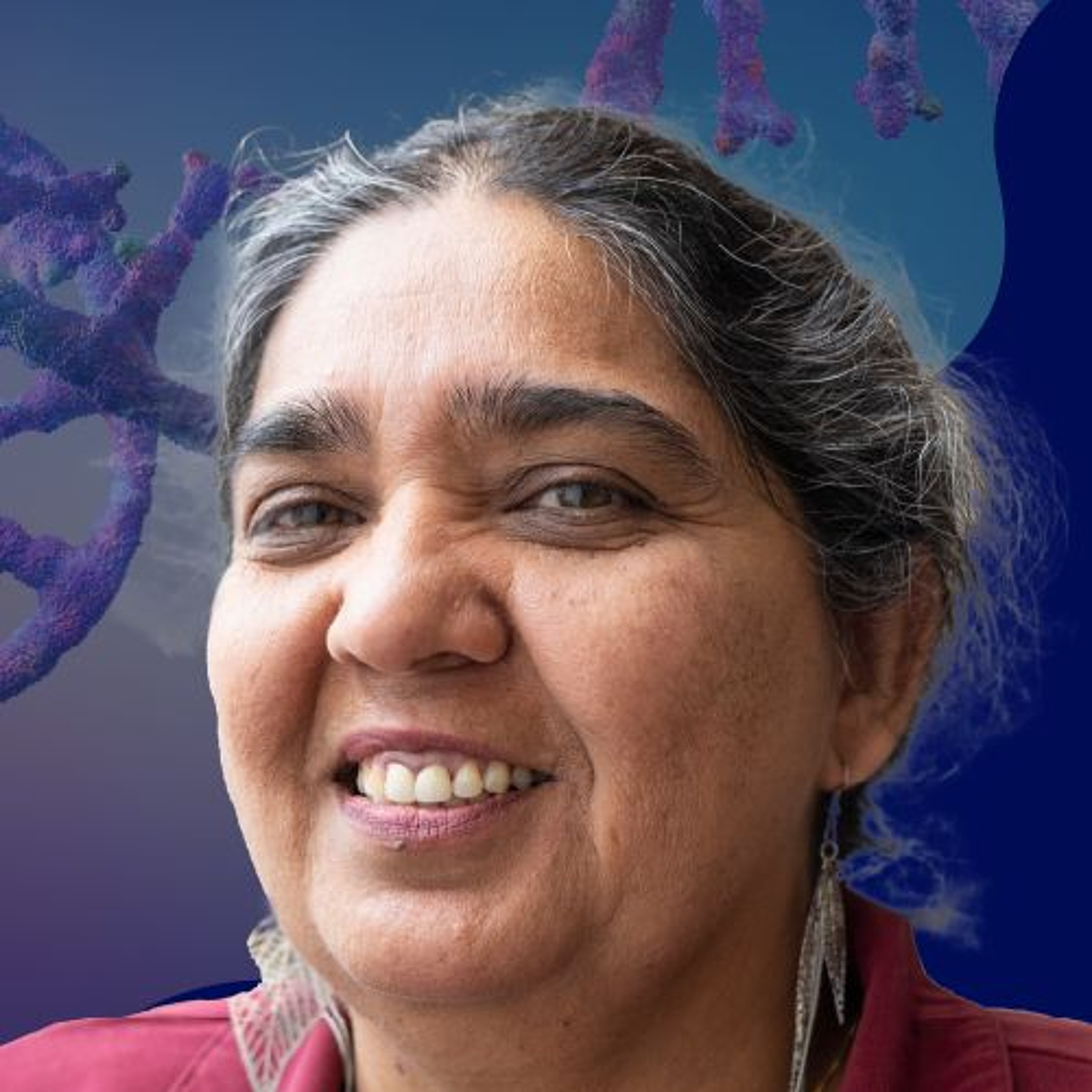 Neena Grover | Embracing collaborations: Loving what we do and doing what we love | The joy of teaching lies not only in helping students surpass their own expectations but in the collaborative process that makes learning a shared journey. In my approach, fostering a love for science and learning happens through meaningful collaboration—with students, colleagues, and the broader academic community. I believe that when we embrace collaboration, we empower students to actively engage with material, rediscover their scientific curiosity, and take ownership of their learning. By creating discussion-based classrooms and utilizing evidence-based pedagogies, I work alongside students to foster inquiry and critical thinking, helping them develop the skills to ask insightful questions and seek meaningful answers. Incorporating my own research into the classroom enriches this process, bringing real-world insights and cutting-edge developments into our discussions. This not only keeps students connected to the latest in the field but also demonstrates the dynamic relationship between teaching and research. Collaboration with peers further enhances my teaching by enabling me to share ideas, refine methods, and experiment with new approaches. While challenges such as administrative pressures and discipline-specific cultures can pose obstacles, our commitment to supporting one another’s growth—through both successes and setbacks—strengthens the teaching community as a whole. This collaborative mindset not only enhances student engagement and critical thinking but also fosters a deeper love for the work we do and a shared passion for teaching and learning that transforms the classroom experience. A good teacher, by necessity, is also a good researcher—constantly questioning, experimenting, and refining their approach to foster an environment of collaborative inquiry and growth. | — | ||||||
| 9/12/25 | 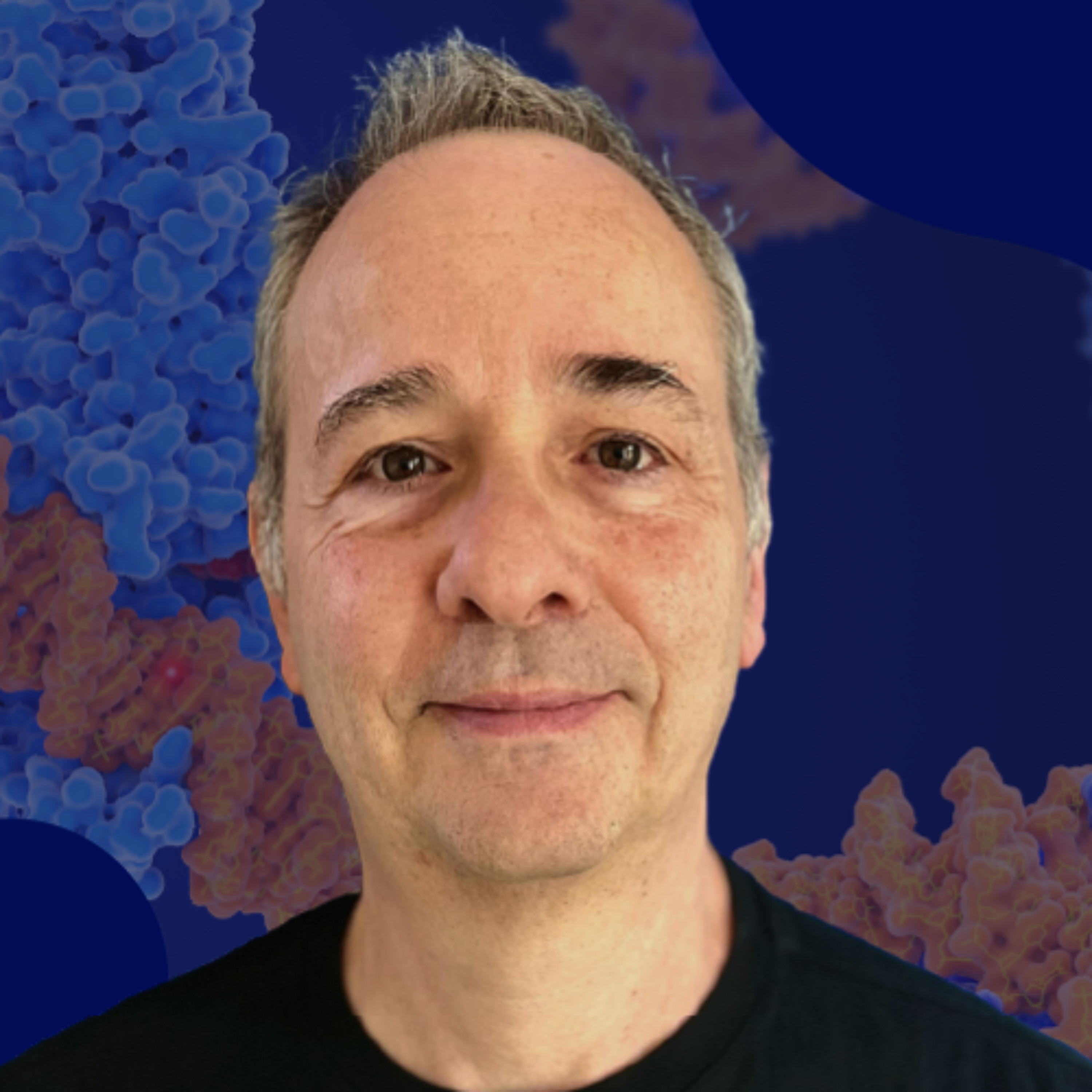 Andre Nussenzweig | Maintaining genome stability in mitotic and post-mitotic cells | The study of DNA damage has broad relevance to human pathophysiology with its involvement in birth defects, cancer, premature aging syndromes, and certain neurologic disorders. Single strand breaks (SSBs) are among the most common form of endogenous DNA damage. Here we will describe mechanisms by which SSBs threaten genome integrity in mitotic and post-mitotic cells. If they are not resolved in a timely manner, SSBs can derail passing replication forks converting them to toxic double strand breaks (DSBs). These so called “collapsed forks” arise spontaneously in every S phase and are believed to be the primary physiological trigger of homologous recombination. We will describe a recent study using the CRISPR/Cas9 nicking enzymes to examine the interaction of the human replication machinery with SSBs. We combine direct analyses of DNA end structures at sites of DNA nick-induced fork collapse with detailed mapping of repair factor binding to establish a comprehensive high-resolution view of how replication-coupled DSBs are generated, processed, and repaired. Our recent studies have also identified unexpected high levels of single strand breakage in neurons, which arise during metabolic processes intrinsic to neuronal development, differentiation, and maintenance. The source of this “programmed” DNA breakage in neurons will be described, and how this physiological process can be corrupted to drive neurodegenerative diseases and neurotoxicity after chemotherapy. Through these basic research efforts, we hope to identify vulnerabilities specific to cancer cells and to discover mechanisms underpinning chemotherapy-induced neurotoxities, which may contribute to new preventive and treatment strategies. | — | ||||||
| 9/12/25 | 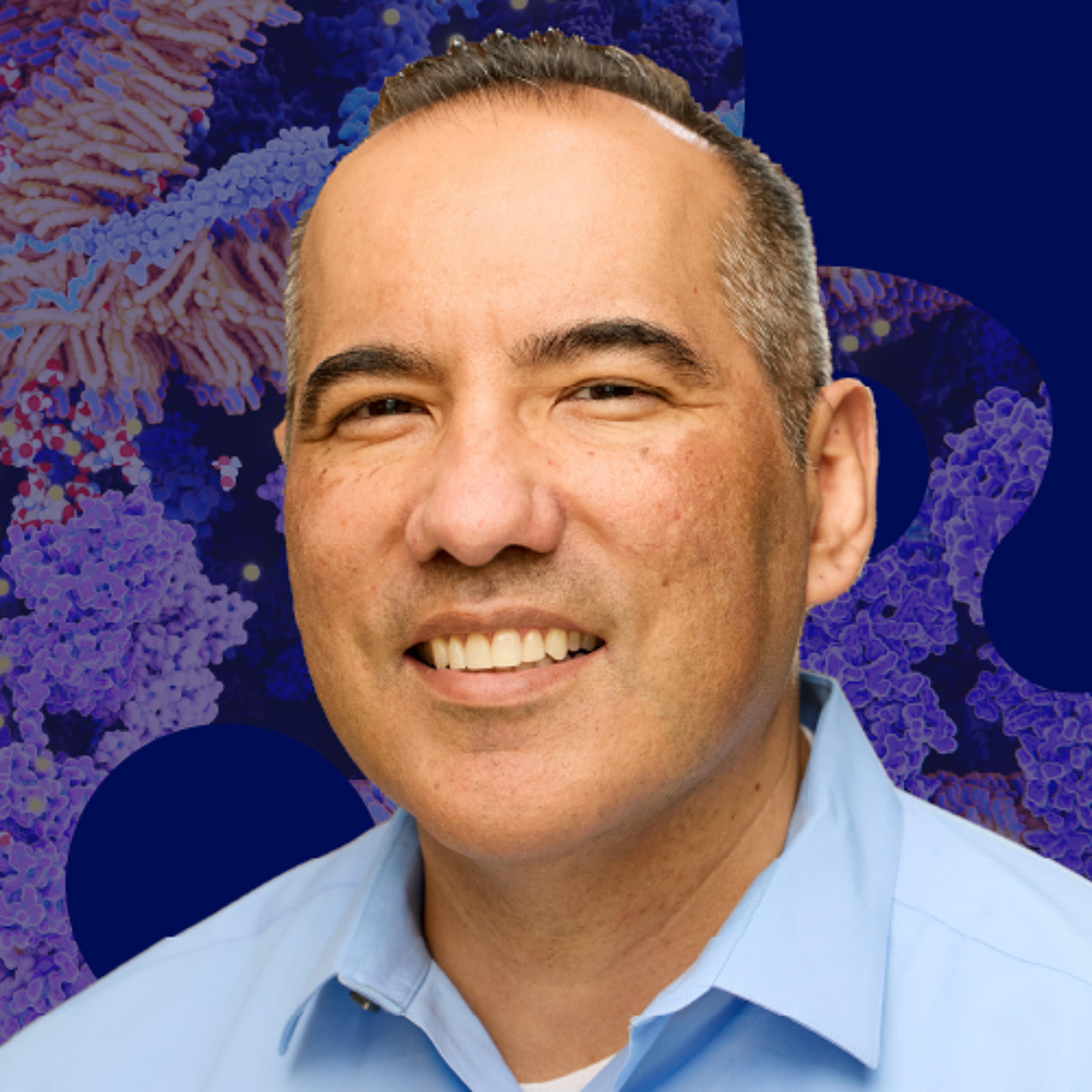 Benjamin Garcia | An unlikely career in science and academia | Science is not performed in a vacuum, and scientists do not make strides without other who have helped them along the way. Throughout my career, I have been fortunate to have had many mentors who have been instrumental in my scientific journey. Now with a career in academia, I have worked hard to improve academia for scientists at all levels, especially those that have been historically marginalized. I will discuss my scientific career path through the lens of all the people that have supported, encouraged and inspired me throughout the years. | — | ||||||
| 9/12/25 | 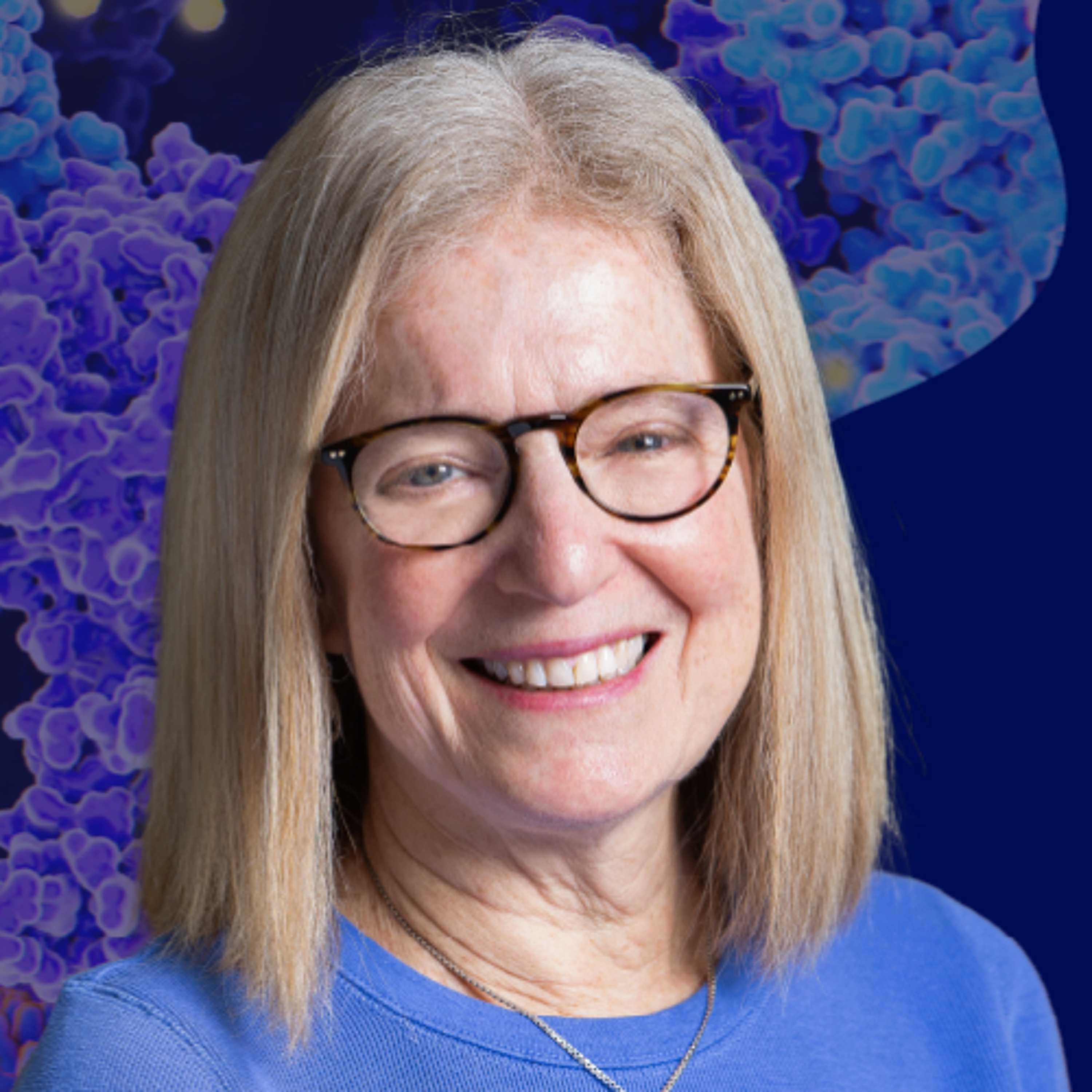 Judith Storch | Intracellular lipid-binding proteins: From structure to function and back | A multitude of hydrophobic lipids are present within the cell. Their distribution between the aqueous milieu of the cytosol and amphipathic membranes, and between different organellar membranes, is remarkably variant. In addition to their direct involvement as substrates and intermediates for energy storage and utilization, lipids play key roles in determining membrane physical-chemical properties as well as in regulating gene expression and intracellular signal transduction pathways. Intracellular lipid-binding proteins (LBPs) are thought to participate in establishing and maintaining the spatial and compositional variabilities in membrane structure and in regulating the activities of lipid involvement in metabolism, cell signaling, and gene regulation. Discerning their precise functions at the molecular level, however, has posed challenges. While in vitro studies establish binding affinities and specificities, and structural determinants of lipid binding and LBP-membrane interactions, intracellular activities and physiological functions are less amenable to reductionist methodologies. The LBP field has therefore used a combination of biochemical, biophysical, molecular genetic, and physiological approaches to undertake analysis of the specific functions of these proteins. This talk will focus on studies of two types of LBPs, the large multigene family of Fatty Acid Binding Proteins (FABPs) which present with distinct and overlapping tissue distributions, and the cholesterol-binding protein Niemann Pick C2 (NPC2), expressed in the endolysosomal compartment in all tissues. Initially named according to the first tissue in which they were identified, it is now known that the mammalian FABP family is comprised of a dozen separate gene products with unique and intersecting tissue expression patterns. All bind long chain fatty acids, thus we asked why so many different proteins had evolved, and why multiple FABPs may be expressed in a single cell type. We demonstrated that, despite similar tertiary structures and equilibrium binding properties, different members of the FABP family have dramatically different mechanisms of ligand transport to membranes and have identified the protein structural domains responsible for these differences, and the membrane properties that promote FABP-membrane interactions. Studies of mice null for different FABPs, particularly those that are co-expressed in the small intestine, have further revealed the unique functions of these proteins in fatty acid and endocannabinoid uptake and transport. Indeed, the effects of FABPs are evident not only in their tissues of origin, but also in their regulation of peripheral tissues and systemic metabolism. The cholesterol-binding NPC2 protein, unlike the FABPs, is expressed in all tissues. We demonstrated its role in intracellular cholesterol transport, and its functional and specific interaction with the unique lysosomal phospholipid lysobisphosphatidic acid (LBPA; also known as bismonoacylglycerol phosphate or BMP). We have further shown that enrichment of NPC1-deficient cells with LBPA via its metabolic precursor phosphatidylglycerol, leads to sterol redistribution and clearance via exosome biogenesis and the stimulation of autophagy. Thus, cellular cholesterol reduction using LBPA enrichment is being explored as a new therapeutic approach to the neurodegenerative storage disorder, Niemann Pick C. | — | ||||||
| 9/12/25 | 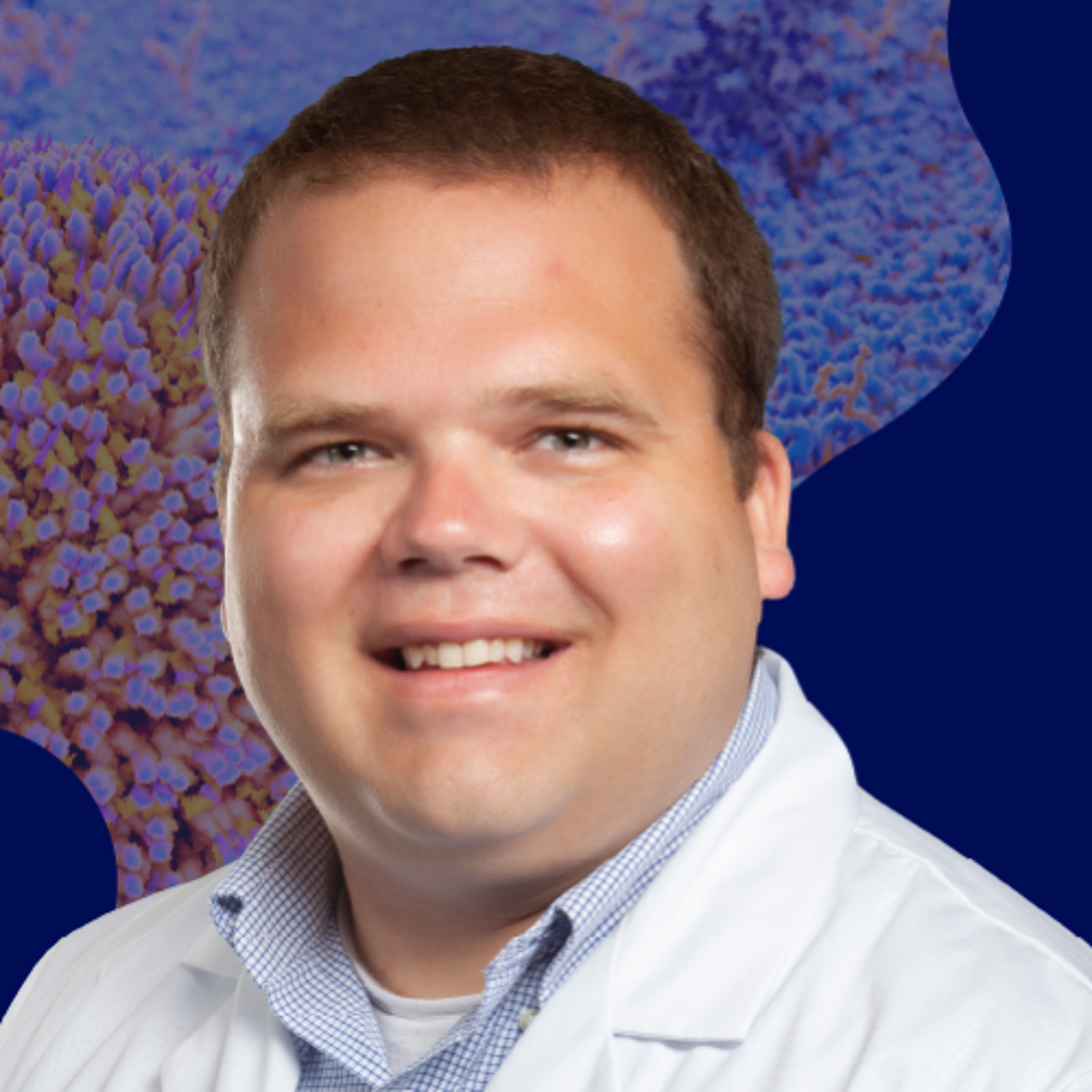 Robert “Nate” Helsley | Gene Expression and Lipid Profiling of Metabolically-driven Human Hepatocellular Carcinoma | Background: Metabolic dysfunction-associated steatotic liver disease (MASLD) is the fastest-growing etiology of hepatocellular carcinoma (HCC). This work identifies novel gene and lipid associations in human MASLD-driven HCC that may be exploited for therapeutic benefit. Methods: Human HCC tumor (n=8) and adjacent non-tumor samples (n=8) were obtained from the Biospecimen Procurement and Translational Pathology Shared Resource Facility at the University of Kentucky Markey Cancer Center. All patients met cardiometabolic MASLD criteria and were negative for viral hepatitis. Hematoxylin and eosin (H&E) staining was used for pathological determination of tumor and adjacent nontumor tissue. Lipids were extracted using a methyl-tert-butyl ether extraction method and subjected to lipidomics by the West Coast Metabolomics Center. RNA was isolated and used for bulk sequencing. Data were analyzed using paired nonparametric analyses via a Wilcoxon or Mann-Whitney test, as appropriate. Results: Histological analysis by H&E showed significant lipid vacuole accumulation in HCC tumors relative to nontumor tissue. Lipidomic analysis revealed significant increases in long-chain nonesterified monounsaturated fatty acids (MUFAs; C16:1, C18:1, C20:1) and MUFA-enriched phospholipids (PC30:1, PC32:1, PE32:1, and PC36:1) in tumors relative to nontumor tissue. No significant differences were observed in nonesterified polyunsaturated fatty acids (PUFAs; C18:2, C20:4, and C22:6), PUFA-enriched phospholipids (C36:4, C38:4, C38:6, C40:6), or in fatty acid esters of hydroxy fatty acids (FAHFAs; C38:2, C38:4, C38:6). However, both MUFA- (C14:1, C18:1) and PUFA-enriched acylcarnitines (C18:2, C18:3) were collectively reduced in human tumors. Differential analysis of RNA sequencing revealed fatty acid oxidation genes (CPT1A, CPT2, ACADL, ACADM, ACADS, HADHA) were significantly reduced in tumor versus nontumor tissue. Further, genes involved in de novo lipogenesis were largely dysregulated (e.g. no differences in SREBF1 or FASN; increases in ACLY, ACACA, and SCD1; decreases in ACSL1) in tumor versus nontumor tissue. Conclusions: These results suggest human HCC tumors exhibit a reduced capacity to undergo mitochondrial β-oxidation resulting in accumulation of free and esterified MUFAs with concomitant reductions in MUFA-carnitines. Current studies are underway to determine the mechanisms by which impairment of hepatic MUFA catabolism via FAO promotes the development of HCC in mice. | — | ||||||
| 9/12/25 | 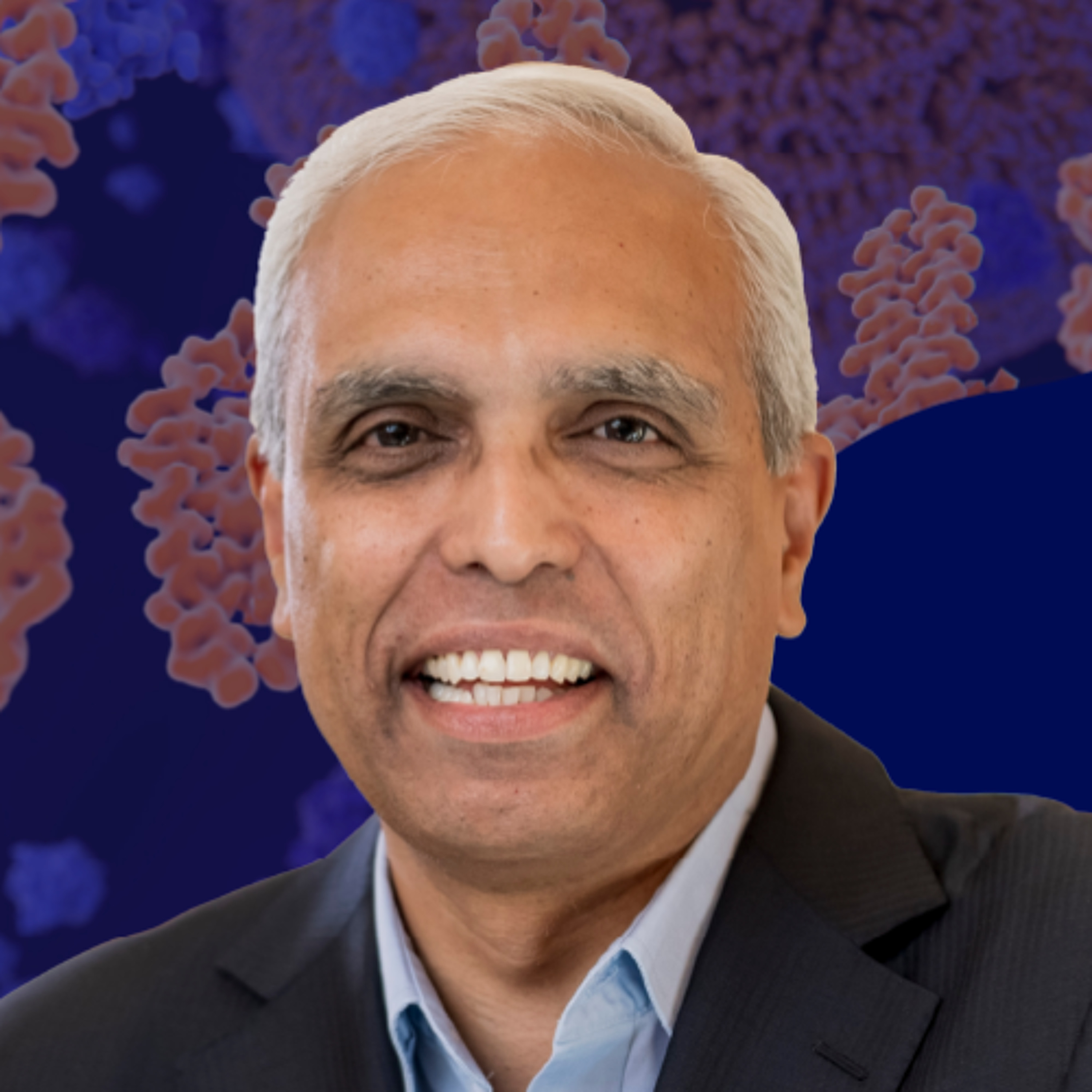 Rohit Pappu | Phase separation in cells: Insights from biophysical computations | Keynote presented by Rohit V. Pappu, Washington University in St. Louis, recipient of the 2025 ASBMB DeLano Award for Computational Biosciences. The ASBMB DeLano Award for Computational Biosciences is given to a scientist for accessible and innovative developments or applications of computation to enhance research in the life sciences at the molecular or cellular level. | — | ||||||
| 9/12/25 |  Vincent Tagliabracci | Expanding the kinome | My laboratory has made major contributions to our understanding of non-canonical functions for protein kinases by discovering diverse and unanticipated biochemical activities that are performed by this protein superfamily. Protein kinases have been studied for decades and play important roles in many physiological and pathological processes. The textbook view is that these enzymes transfer phosphate from ATP to protein substrates in a process termed phosphorylation. However, my laboratory has overturned this paradigm by discovering new catalytic activities of atypical protein kinases and pseudokinases. For example, we discovered that the predicted pseduokinases SelO, SidJ and nsp12 catalyze AMPylation, polyglutamylation and mRNA capping, respectively. These results have revealed important new insights into the cellular response to oxidative stress and the pathogenic mechanisms employed by bacterial and viral pathogens. Our work on eukaryotic, prokaryotic, and viral kinases has exposed the catalytic versatility of the protein kinase fold and suggests that pseudoenzymes should be analyzed for alternative catalytic activities. In this lecture, I will present our recent discovery of kinases responsible for isoprenoid salvage. | — | ||||||
| 9/12/25 |  Melissa Moore | Persistence and serendipity in science: A poker analogy | Success in poker requires taking risks based on incomplete information, reassessing as new information emerges, perseverance in the face of adversity, and a healthy dose of luck. The same is true in scientific research. I will speak to how persistence and serendipity helped define my career and why understanding poker fundamentals can up your scientific game. | — | ||||||
| 9/12/25 |  Richard Silverman | Novel GABA aminotransferase and ornithine aminotransferase inactivators as potential new treatments for epilepsy, pain and hepatocellular carcinoma | The rationale, design, and mechanism of GABA aminotransferase and ornithine aminotransferase inactivators will be presented as well as in vitro and in vivo efficacy and pharmacokinetic results, toxicology studies, and a clinical trial with one of the inactivators. | — | ||||||
| 6/5/25 |  In conversation with... Lou Stancato | In conversation with... Lou Stancato by ASBMB | — | ||||||
| 5/1/25 | In conversation with... Cindy Khuu | In conversation with... Cindy Khuu by ASBMB | — | ||||||
| 4/3/25 | In conversation with... Nisha Cavanaugh | In conversation with... Nisha Cavanaugh by ASBMB | — | ||||||
| 3/11/25 |  In conversation with... Shy Brown | In conversation with... Shy Brown by ASBMB | — | ||||||
| 2/6/25 | Introduction to In conversation with... | Introduction to In conversation with... by ASBMB | — | ||||||
| 2/6/25 | In conversation with... Tom Kiselak | In conversation with... Tom Kiselak by ASBMB | — | ||||||
Showing 25 of 75
Pitch Fit is a Pro feature
See how bookable this show is for guests, which brands already advertise, the per-episode ad value, and the best-fit guest and sponsor profile. The numbers are blurred on the free plan.
How readily this show books outside guests like you.
How proven this show is for host-read sponsorships.
For Guests
ProFor Advertisers
ProUpgrade to Pro to unlock guest cadence, sponsor categories, fit scores, and per-episode ad value for this show.