

Insights from recent episode analysis
Audience Interest
Podcast Focus
Publishing Consistency
Platform Reach
Insights are generated by CastFox AI using publicly available data, episode content, and proprietary models.
Most discussed topics
Brands & references
Total monthly reach
Estimated from 1 chart position in 1 market.
By chart position
- 🇵🇭PH · Technology#192500 to 3K
- Per-Episode Audience
Est. listeners per new episode within ~30 days
250 to 1.5K🎙 Weekly cadence·300 episodes·Last published 3mo ago - Monthly Reach
Unique listeners across all episodes (30 days)
500 to 3K🇵🇭100% - Active Followers
Loyal subscribers who consistently listen
150 to 900
Market Insights
Platform Distribution
Reach across major podcast platforms, updated hourly
Total Followers
—
Total Plays
—
Total Reviews
—
* Data sourced directly from platform APIs and aggregated hourly across all major podcast directories.
On the show
From 10 epsHosts
Recent guests
No guests detected in recent episodes.
Recent episodes
Maono Expands Creator Audio With Hybrid Mics and New Interfaces
Mar 2, 2026
10m 15s
Monster Expands Smart Lighting With New Indoor and Outdoor Designs
Mar 2, 2026
14m 02s
Stern Pinball Expands Its Lineup With Remasters and New Adventures
Mar 1, 2026
6m 50s
My Arcade Expands Retro Gaming With New Handhelds and Jukebox Gear
Mar 1, 2026
8m 50s
AIWA Brings Retro Audio Back to Life with Modern Bluetooth Speakers
Feb 26, 2026
5m 50s
Social Links & Contact
Official channels & resources
Official Website
Login
RSS Feed
Login
| Date | Episode | Topics | Guests | Brands | Places | Keywords | Sponsor | Length | |
|---|---|---|---|---|---|---|---|---|---|
| 3/2/26 |  Maono Expands Creator Audio With Hybrid Mics and New Interfaces✨ | creator audiomicrophones+4 | — | PD200W Hybrid MicrophoneMaono | — | Maonohybrid microphone+5 | — | 10m 15s | |
| 3/2/26 |  Monster Expands Smart Lighting With New Indoor and Outdoor Designs✨ | smart lightinghome décor+4 | — | smart lightingTwo-Sided Sconce+4 | — | smart lightinghome décor+4 | — | 14m 02s | |
| 3/1/26 |  Stern Pinball Expands Its Lineup With Remasters and New Adventures✨ | arcade gamespinball machines+3 | — | Insider ConnectedThe Walking Dead Remastered+3 | — | Stern PinballInsider Connected+3 | — | 6m 50s | |
| 3/1/26 | 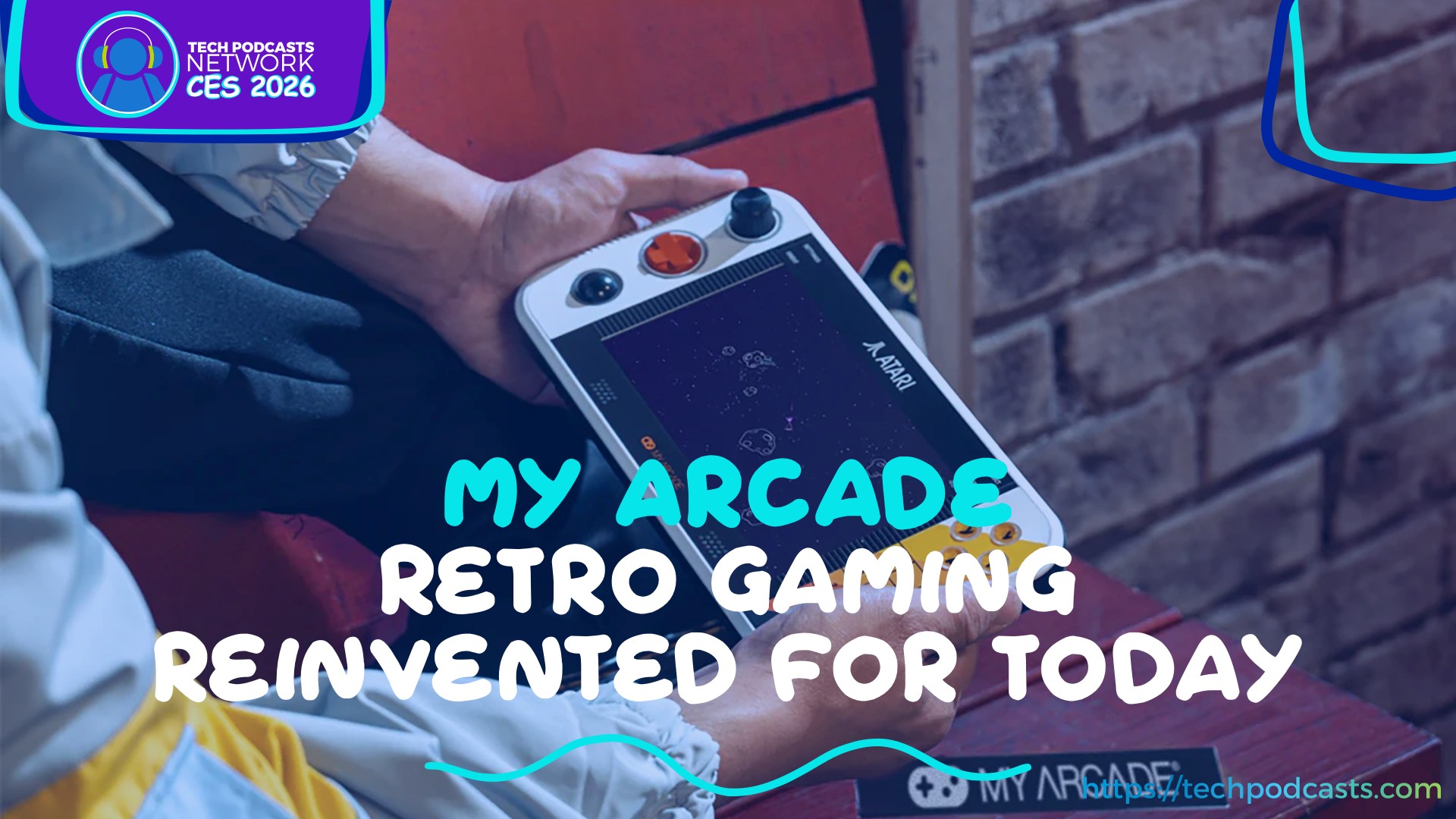 My Arcade Expands Retro Gaming With New Handhelds and Jukebox Gear✨ | retro gaminghandheld devices+4 | — | My ArcadeBandai Namco | — | My Arcaderetro gaming+5 | — | 8m 50s | |
| 2/26/26 | 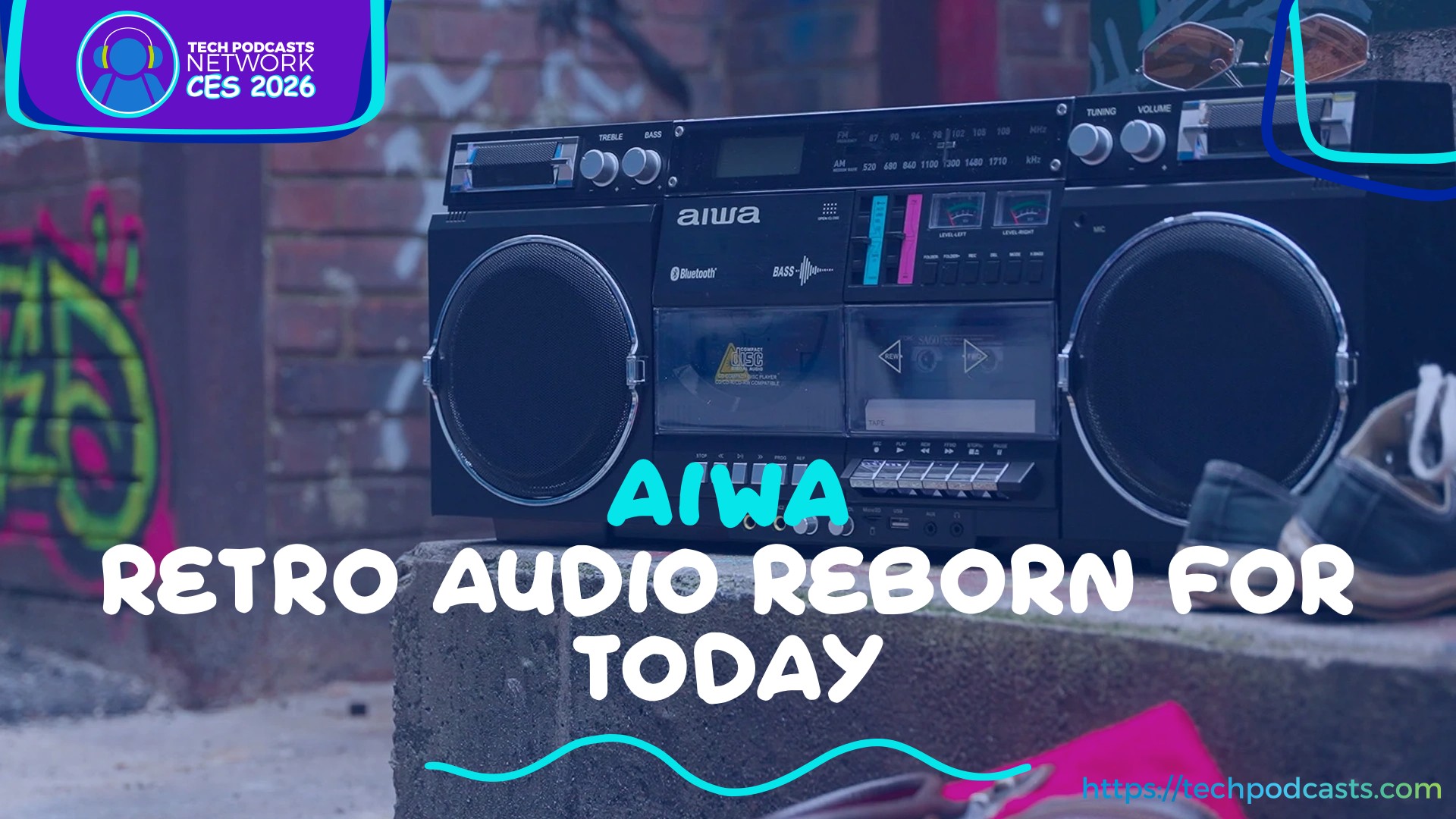 AIWA Brings Retro Audio Back to Life with Modern Bluetooth Speakers✨ | retro audioBluetooth speakers+3 | — | Bluetooth speakerscassette tapes+3 | — | AIWAretro audio+3 | — | 5m 50s | |
| 2/26/26 |  Edifier Elevates Home and Studio Sound with New Speaker Lineup✨ | consumer audiohigh-fidelity performance+4 | — | M90 Bookshelf SpeakersEdifier | — | EdifierM90 Bookshelf Speakers+6 | — | 7m 53s | |
| 2/26/26 | 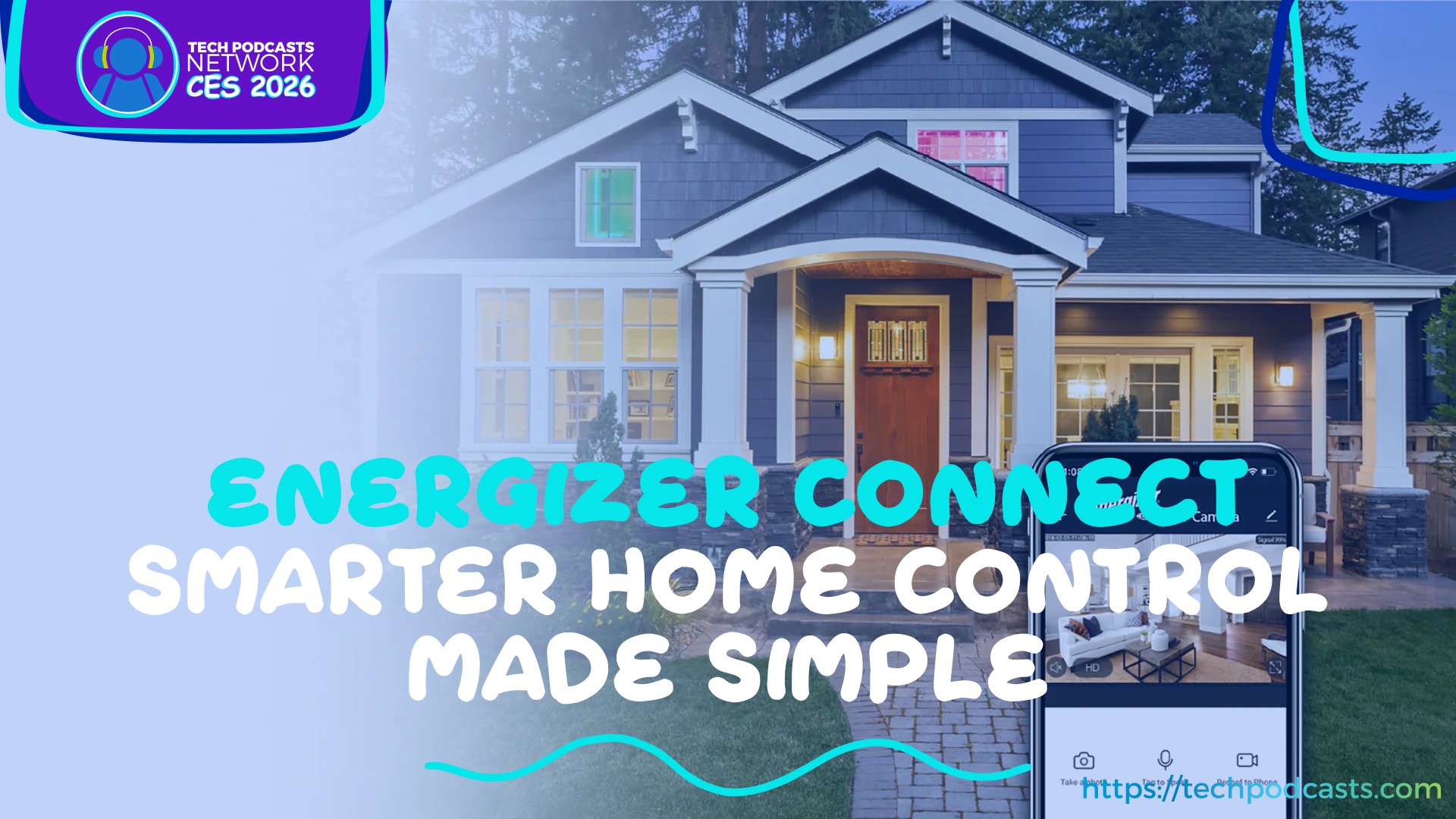 Smart Home Convenience Expanded with Energizer Connect Solutions✨ | smart home technologyDIY installation+3 | — | light-socket security camerasecurity cameras+4 | — | smart homeEnergizer Connect+3 | — | 8m 06s | |
| 2/26/26 |  Celebrating Innovation: Tech Podcasts Network Best of CES 2026 Awards✨ | innovationtechnology awards+3 | — | Commonwealth Fusion SystemsCoroflo | — | CES 2026Best of CES Awards+3 | — | 24m 05s | |
| 2/26/26 | 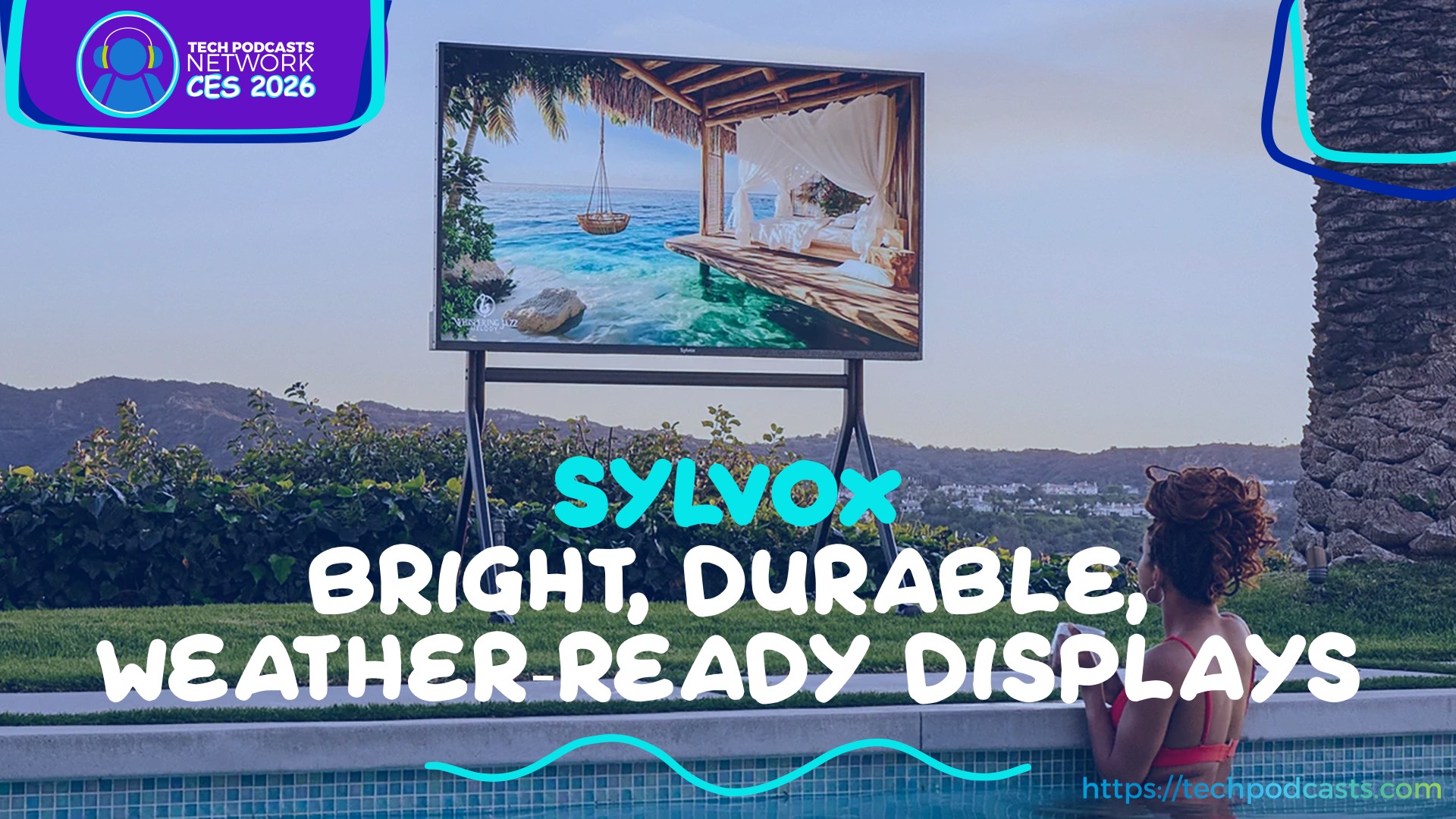 Outdoor Entertainment Elevated with Sylvox's New Frameless TV Series✨ | outdoor entertainmenttelevision technology+3 | — | frameless outdoor TV seriesbathroom TVs+4 | — | outdoor TVsdurability+3 | — | 11m 25s | |
| 2/26/26 | 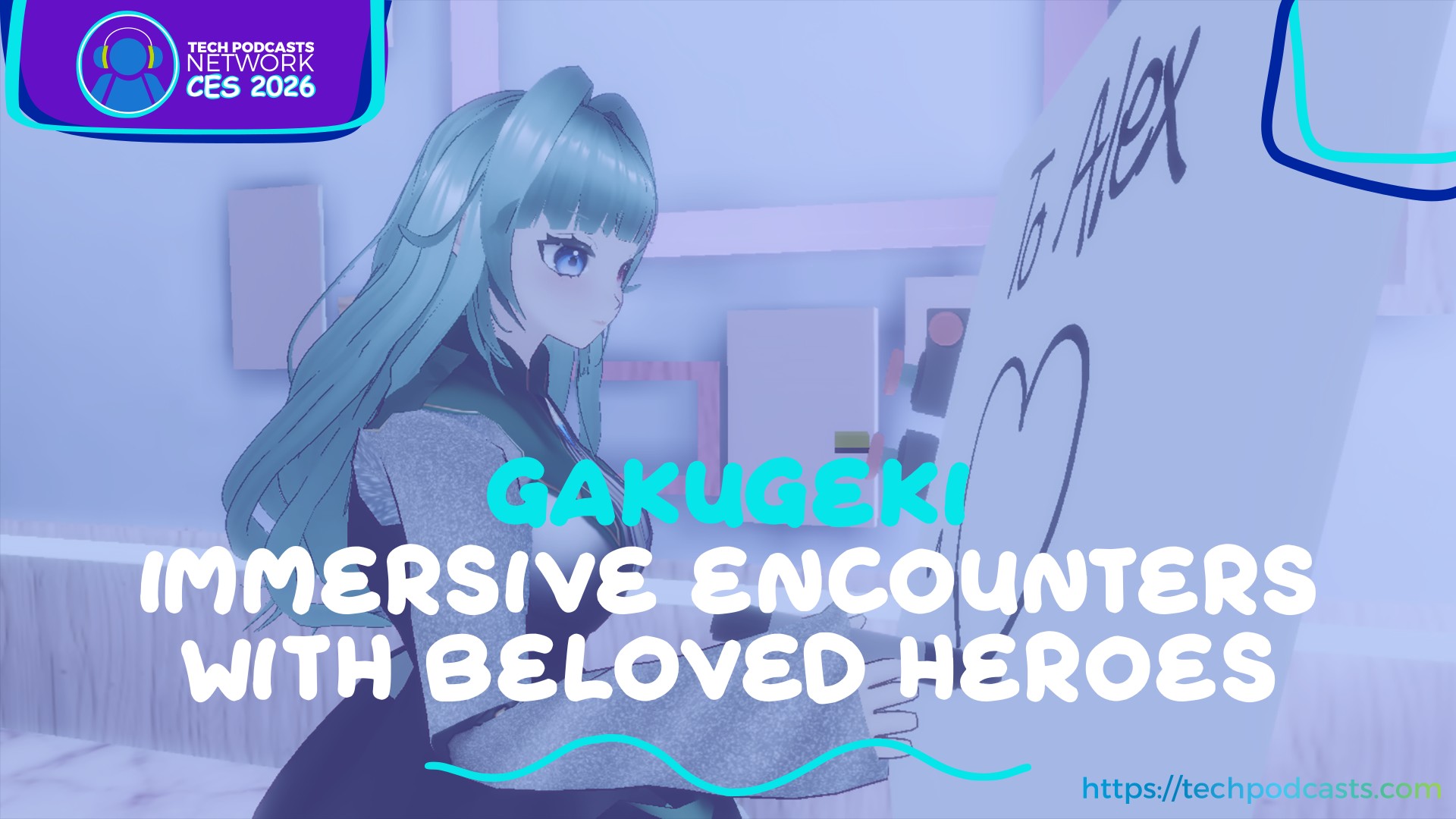 Immersive Anime Character Experiences Through Gakugeki's VR Platform✨ | virtual realityanime+3 | — | Meta QuestGakugeki+1 | — | Gakugekivirtual reality+3 | — | 11m 19s | |
Want analysis for the episodes below?Free for Pro Submit a request, we'll have your selected episodes analyzed within an hour. Free, at no cost to you, for Pro users. | |||||||||
| 2/23/26 | 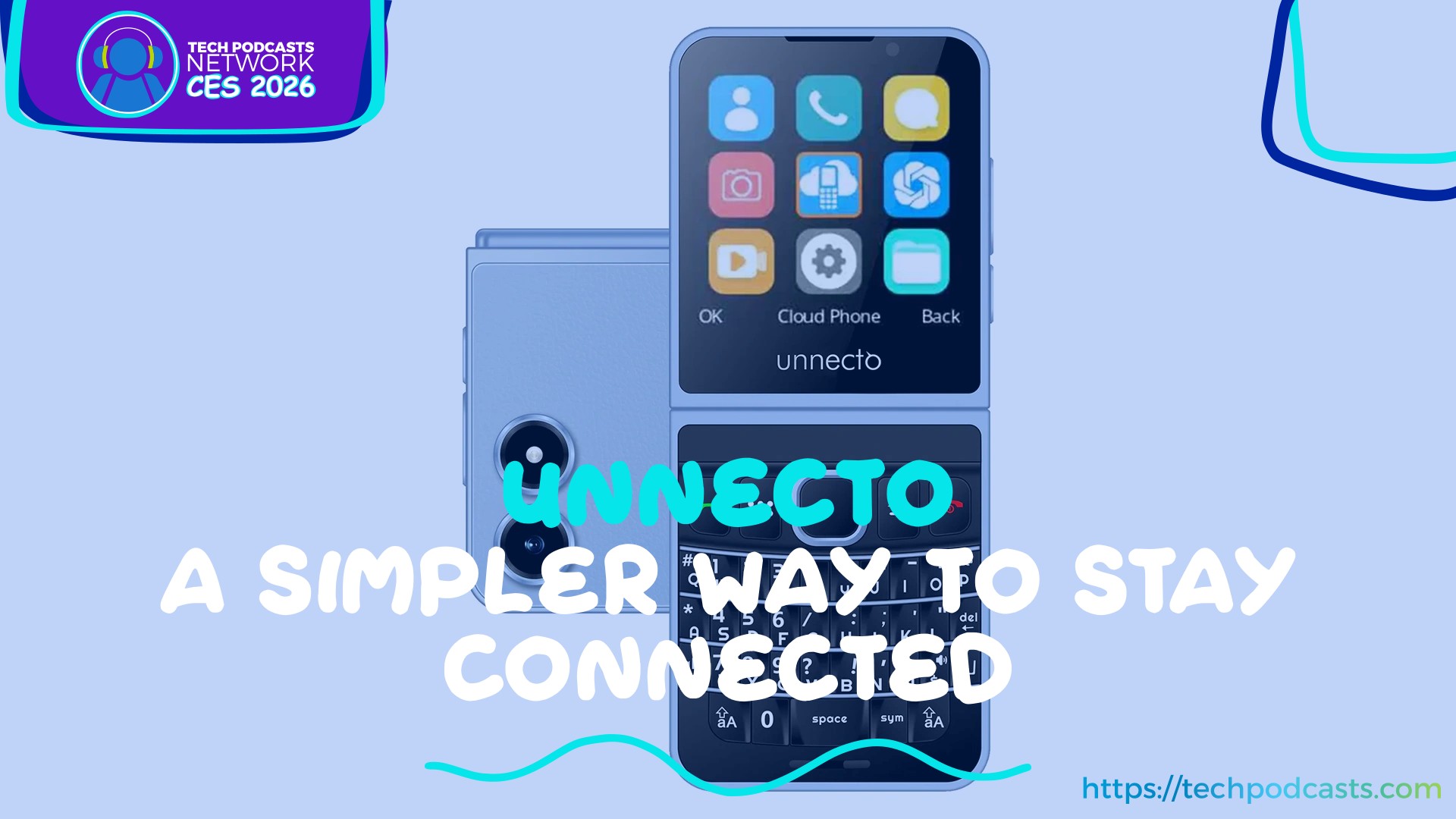 Value-Driven Mobile Design and Digital Simplicity from Unnecto | DescriptionThe mobile phone market is dominated by a small group of global brands, yet there remains a growing demand for devices that prioritize practicality, affordability, and simplicity. Unnecto focuses on value‑oriented mobile phones designed to deliver essential features without the cost or complexity associated with flagship devices. The company operates across the Americas, with a presence in the United States, South America, and the Caribbean, and develops products informed by direct feedback from local markets.Unnecto's strategy centers on creating devices that serve real‑world needs rather than competing in the high‑end specification race. This includes offering 5G connectivity, eSIM support, NFC, large batteries, and generous storage in its Android smartphones. The emphasis is placed on usability and reliability, ensuring that customers receive meaningful functionality rather than features that inflate cost without improving everyday experience.Meeting the Needs of Diverse MarketsIn South America and the Caribbean, Unnecto focuses on delivering accessible smartphones that balance performance and affordability. These markets often require durable devices with long battery life, strong connectivity, and practical features suited to daily communication and media use. Unnecto's local presence allows the company to adapt quickly to regional preferences and tailor devices to specific market conditions.In the United States, the company targets a different set of users. The market is heavily influenced by premium brands, making it challenging for new entrants to compete directly. Instead, Unnecto appeals to customers seeking alternatives to high‑priced smartphones, individuals transitioning to Android for the first time, and users who want a simpler, less distracting mobile experience. This includes consumers who are intentionally stepping back from constant notifications and app‑driven engagement.The Snap: A Modern Feature Phone with a Physical KeyboardOne of Unnecto's most distinctive products is the Snap, a foldable feature phone equipped with a physical QWERTY keyboard. The device is designed for users who prefer tactile typing or who want a streamlined communication tool without the distractions of a modern smartphone. The keyboard offers satisfying travel and responsiveness, creating a familiar experience reminiscent of earlier mobile devices while maintaining a compact, pocket‑friendly form factor.The Snap appeals to two primary groups. The first includes users who appreciate the nostalgia and efficiency of a physical keyboard. The second consists of younger consumers seeking digital balance. Many in this demographic are adopting simpler phones as secondary devices for nights out, travel, or periods of intentional disconnection. The Snap supports calling, texting, a basic camera, dual SIM functionality, and a microSD slot, but it does not include an app store or social media applications. This design encourages communication without the constant pull of algorithm‑driven content.Practicality, Affordability, and Everyday UseThe Snap's affordability is a key part of its appeal. Priced at around seventy dollars, it offers a durable build, a textured exterior for comfortable grip, and a hinge designed for repeated use. The device is available unlocked and compatible with T‑Mobile and its subsidiary carriers, as well as major online retailers. Its simplicity makes it suitable as a primary phone for users seeking minimalism or as a secondary device for situations where a high‑value smartphone may be impractical.Unnecto's broader product line follows the same philosophy: devices built to be functional tools rather than status symbols. By focusing on essential features, long battery life, and accessible pricing, the company provides alternatives for consumers who want reliable communication without unnecessary complexity.ConclusionUnnecto brings a practical, user‑focused perspective to the mobile phone market through value‑driven smartphones and thoughtfully designed feature phones. The Snap exemplifies this approach by offering a modern take on the classic QWERTY device, supporting communication while reducing digital noise. As consumers increasingly seek balance between connectivity and simplicity, Unnecto's products provide meaningful options that align with evolving expectations around mobile technology.Interview by Scott Ertz of F5 Live: Refreshing Technology.Sponsored by: Get $5 to protect your credit card information online with Privacy. Amazon Prime gives you more than just free shipping. Get free music, TV shows, movies, videogames and more. Secure your connection and unlock a faster, safer internet by signing up for PureVPN today.ParticipantsScott ErtzHost, Episode AuthorScott Ertz is a seasoned media professional whose dynamic presence spans broadcasting, journalism, and tech storytelling. As Editor-in-Chief of PLUGHITZ Live, he leads a multimedia platform that blends insightful reporting with engaging live coverage of major industry events. He's best known as the host of F5 Live: Refreshing Technology, a long-running show that demystifies emerging tech trends with clarity and charisma, and Piltch Point, where he collaborates with Avram Piltch to spotlight cutting-edge innovations. Scott's media journey began with a passion for connecting audiences to the pulse of technology. His work has taken him behind the scenes at CES, Collision Conference, and FIRST Robotics events, where he's interviewed industry leaders and captured the cultural impact of tech in real time. His on-camera style is both approachable and informed, making complex topics accessible to viewers across platforms. Beyond hosting, Scott is a developer and producer, shaping the technical backbone of PLUGHITZ Corporation's properties. His storytelling is rooted in authenticity, whether he's scripting historical segments or crafting social media narratives. With a background in gaming culture and community engagement, Scott brings a unique blend of nostalgia, innovation, and journalistic integrity to every broadcast. His voice is one of curiosity, connection, and creative leadership.InterviewPowered by Privacy | — | ||||||
| 2/23/26 | 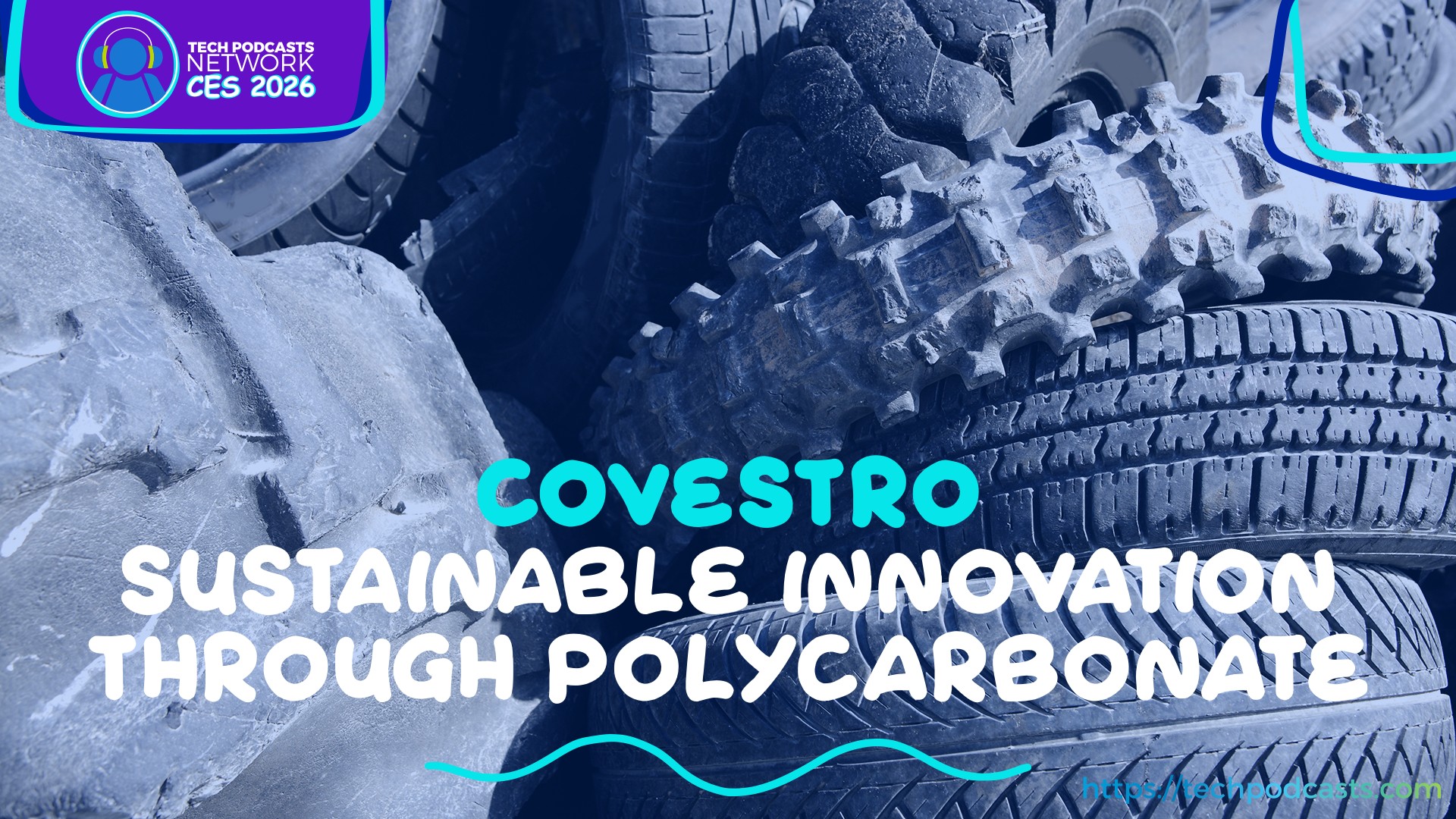 Sustainable Material Innovation Advancing Automotive Design at Covestro | DescriptionAs automotive design evolves, manufacturers increasingly rely on advanced materials to reduce weight, improve durability, and support sustainability goals. Covestro focuses on developing polycarbonate‑based solutions that replace heavier metals, enhance surface performance, and enable circular manufacturing practices. These innovations support automakers seeking to improve efficiency, reduce environmental impact, and deliver premium experiences to consumers.Material selection plays a critical role in modern vehicle engineering. Components must withstand demanding thermal, mechanical, and environmental conditions while meeting strict cost and performance requirements. Covestro's approach combines raw material expertise with process development, allowing the company to collaborate closely with OEMs and suppliers to create next‑generation components that are lighter, safer, and more sustainable.Lightweight Thermal‑Conductive PolycarbonateOne of Covestro's key developments is a thermally conductive polycarbonate designed to replace aluminum and magnesium heat sinks. While metals traditionally offer superior thermal conductivity, polycarbonate provides advantages in emissivity, enabling effective heat dissipation through alternative mechanisms. This balance allows the material to deliver comparable thermal performance while significantly reducing weight.The use of polycarbonate in heat‑management components supports improved energy efficiency in both automotive and electronic applications. Lighter parts contribute to reduced vehicle mass, which can enhance range and performance in electric vehicles. The material also supports cost reduction by simplifying manufacturing processes and lowering material expenses. These benefits demonstrate how material science can unlock new design possibilities without compromising functionality.Self‑Healing Coatings for Premium SurfacesCovestro has also developed a direct‑coating technology applied to polycarbonate lenses and exterior panels. This coating provides a high‑gloss, premium finish while offering self‑healing properties. When the surface is scratched, heat can be applied to restore its appearance, extending the lifespan of the component and maintaining a like‑new finish.This technology is already in production on vehicles such as the BMW i7, where it enhances both aesthetics and durability. The coating reduces the need for traditional painting or hard‑coating processes, lowering manufacturing costs and minimizing scrap caused by surface defects. By enabling repairability and long‑term visual quality, the solution supports both consumer satisfaction and sustainable manufacturing practices.Circular Materials Through Tire‑to‑Polycarbonate RecyclingA significant advancement in Covestro's sustainability portfolio is the chemical recycling of end‑of‑life tires. Through a specialized process, the rubber from used tires is broken down and converted into virgin‑quality polycarbonate. This material can then be used in applications requiring optical clarity, including headlamp lenses and other transparent components.The recycling process separates metal reinforcements, fabric layers, and contaminants, ensuring that only the usable rubber is transformed into new material. The high yield of this method makes it one of the most efficient recycling pathways for tires, addressing a long‑standing environmental challenge. By converting waste into high‑value polycarbonate, Covestro supports circularity and reduces reliance on fossil‑based raw materials.ConclusionCovestro advances automotive design through innovative polycarbonate materials, self‑healing coatings, and circular recycling technologies. By reducing weight, improving durability, and enabling sustainable manufacturing, the company provides solutions that align with the evolving needs of modern mobility. These developments demonstrate how material science can enhance performance while supporting environmental responsibility across the automotive value chain.Interview by Scott Ertz of F5 Live: Refreshing Technology.Sponsored by: Get $5 to protect your credit card information online with Privacy. Amazon Prime gives you more than just free shipping. Get free music, TV shows, movies, videogames and more. Secure your connection and unlock a faster, safer internet by signing up for PureVPN today.ParticipantsScott ErtzHost, Episode AuthorScott Ertz is a seasoned media professional whose dynamic presence spans broadcasting, journalism, and tech storytelling. As Editor-in-Chief of PLUGHITZ Live, he leads a multimedia platform that blends insightful reporting with engaging live coverage of major industry events. He's best known as the host of F5 Live: Refreshing Technology, a long-running show that demystifies emerging tech trends with clarity and charisma, and Piltch Point, where he collaborates with Avram Piltch to spotlight cutting-edge innovations. Scott's media journey began with a passion for connecting audiences to the pulse of technology. His work has taken him behind the scenes at CES, Collision Conference, and FIRST Robotics events, where he's interviewed industry leaders and captured the cultural impact of tech in real time. His on-camera style is both approachable and informed, making complex topics accessible to viewers across platforms. Beyond hosting, Scott is a developer and producer, shaping the technical backbone of PLUGHITZ Corporation's properties. His storytelling is rooted in authenticity, whether he's scripting historical segments or crafting social media narratives. With a background in gaming culture and community engagement, Scott brings a unique blend of nostalgia, innovation, and journalistic integrity to every broadcast. His voice is one of curiosity, connection, and creative leadership.InterviewPowered by Privacy | — | ||||||
| 2/23/26 | 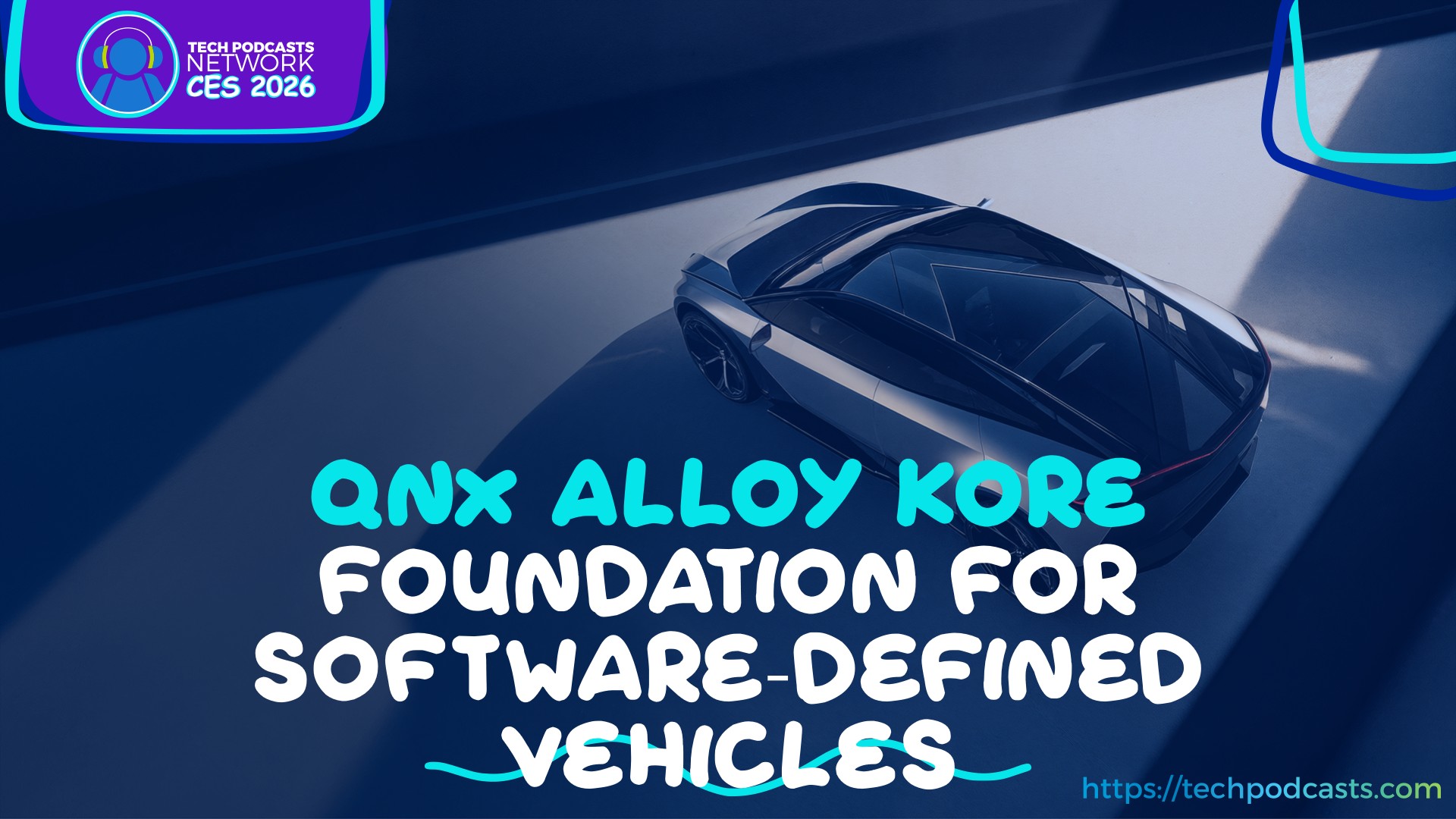 Building Stronger Vehicle Software on QNX's Alloy Kore Platform | DescriptionAs vehicles transition into software‑defined platforms, the complexity of integrating operating systems, middleware, and application layers has increased dramatically. QNX, a division of BlackBerry, focuses on solving these challenges through secure, reliable, and high‑performance embedded software. Its technology is deployed in hundreds of millions of vehicles worldwide, supporting systems that require stability, safety, and predictable behavior. With the introduction of Alloy Kore, QNX expands its role by offering a foundational software platform designed to streamline integration and accelerate development for modern automakers.The rise of software‑defined architectures has created new demands on engineering teams. Software now originates from multiple vendors, spans numerous domains, and must operate cohesively across the entire vehicle. This complexity has contributed to delayed vehicle programs, increased development costs, and a growing number of software‑related recalls. Alloy Kore was developed to address these challenges by providing a unified foundation that reduces fragmentation and supports consistent, reliable performance.Engineered for Integration and Long‑Term StabilityAlloy Kore serves as a foundational layer that manages the essential software infrastructure of the vehicle. It integrates the QNX operating system with automotive middleware from Vector, creating a cohesive environment that reduces the burden on automakers. Rather than stitching together disparate components, manufacturers can rely on a platform engineered specifically for integration, verification, and long‑term stability.This approach allows development teams to focus on the application layer, where user experience, personalization, and vehicle‑specific innovation occur. By offloading foundational complexity to a purpose‑built platform, automakers can allocate engineering resources more effectively and reduce the risk of delays caused by low‑level software issues. Alloy Kore supports the performance, safety, and security requirements expected in modern vehicles while providing a consistent base for future development.Supporting the Shift to Software‑Defined MobilityThe automotive industry is undergoing a significant transformation as vehicles become increasingly dependent on software for functionality, safety, and user experience. Alloy Kore supports this transition by offering a stable, scalable foundation that can evolve alongside new technologies. The platform is designed to accommodate the growing number of software components, sensors, and connectivity features that define next‑generation vehicles.By addressing integration challenges early in the development process, Alloy Kore helps reduce downstream issues that can lead to costly recalls or delayed launches. The platform's architecture supports predictable behavior, enabling automakers to build advanced features with confidence. This stability is essential as vehicles incorporate more complex driver‑assistance systems, connected services, and personalized digital experiences.Industry Adoption and Collaborative DevelopmentThe introduction of Alloy Kore has already gained traction within the automotive industry. Mercedes‑Benz has been announced as the first customer for the platform, demonstrating its relevance to manufacturers seeking to modernize their software strategies. The collaboration between QNX and Vector reflects a shared commitment to addressing industry‑wide challenges through a unified, purpose‑built solution.The platform's launch at CES highlights the growing recognition of software as a central component of vehicle development. Automakers increasingly view foundational software as a critical factor in achieving faster time‑to‑market, improved reliability, and enhanced user experience. Alloy Kore provides a structured path toward these goals by offering a stable base that supports innovation without compromising safety or performance.ConclusionQNX advances the future of automotive software through Alloy Kore, a foundational platform designed to simplify integration, improve reliability, and accelerate development. By combining secure operating system technology with automotive middleware, the platform addresses the complexity of modern vehicle software and supports the transition to software‑defined architectures. As automakers continue to innovate, solutions like Alloy Kore will play a central role in enabling efficient development and delivering the advanced features expected in next‑generation vehicles.Interview by Scott Ertz of F5 Live: Refreshing Technology.Sponsored by: Get $5 to protect your credit card information online with Privacy. Amazon Prime gives you more than just free shipping. Get free music, TV shows, movies, videogames and more. Secure your connection and unlock a faster, safer internet by signing up for PureVPN today.ParticipantsScott ErtzHost, Episode AuthorScott Ertz is a seasoned media professional whose dynamic presence spans broadcasting, journalism, and tech storytelling. As Editor-in-Chief of PLUGHITZ Live, he leads a multimedia platform that blends insightful reporting with engaging live coverage of major industry events. He's best known as the host of F5 Live: Refreshing Technology, a long-running show that demystifies emerging tech trends with clarity and charisma, and Piltch Point, where he collaborates with Avram Piltch to spotlight cutting-edge innovations. Scott's media journey began with a passion for connecting audiences to the pulse of technology. His work has taken him behind the scenes at CES, Collision Conference, and FIRST Robotics events, where he's interviewed industry leaders and captured the cultural impact of tech in real time. His on-camera style is both approachable and informed, making complex topics accessible to viewers across platforms. Beyond hosting, Scott is a developer and producer, shaping the technical backbone of PLUGHITZ Corporation's properties. His storytelling is rooted in authenticity, whether he's scripting historical segments or crafting social media narratives. With a background in gaming culture and community engagement, Scott brings a unique blend of nostalgia, innovation, and journalistic integrity to every broadcast. His voice is one of curiosity, connection, and creative leadership.InterviewPowered by Privacy | — | ||||||
| 2/22/26 | 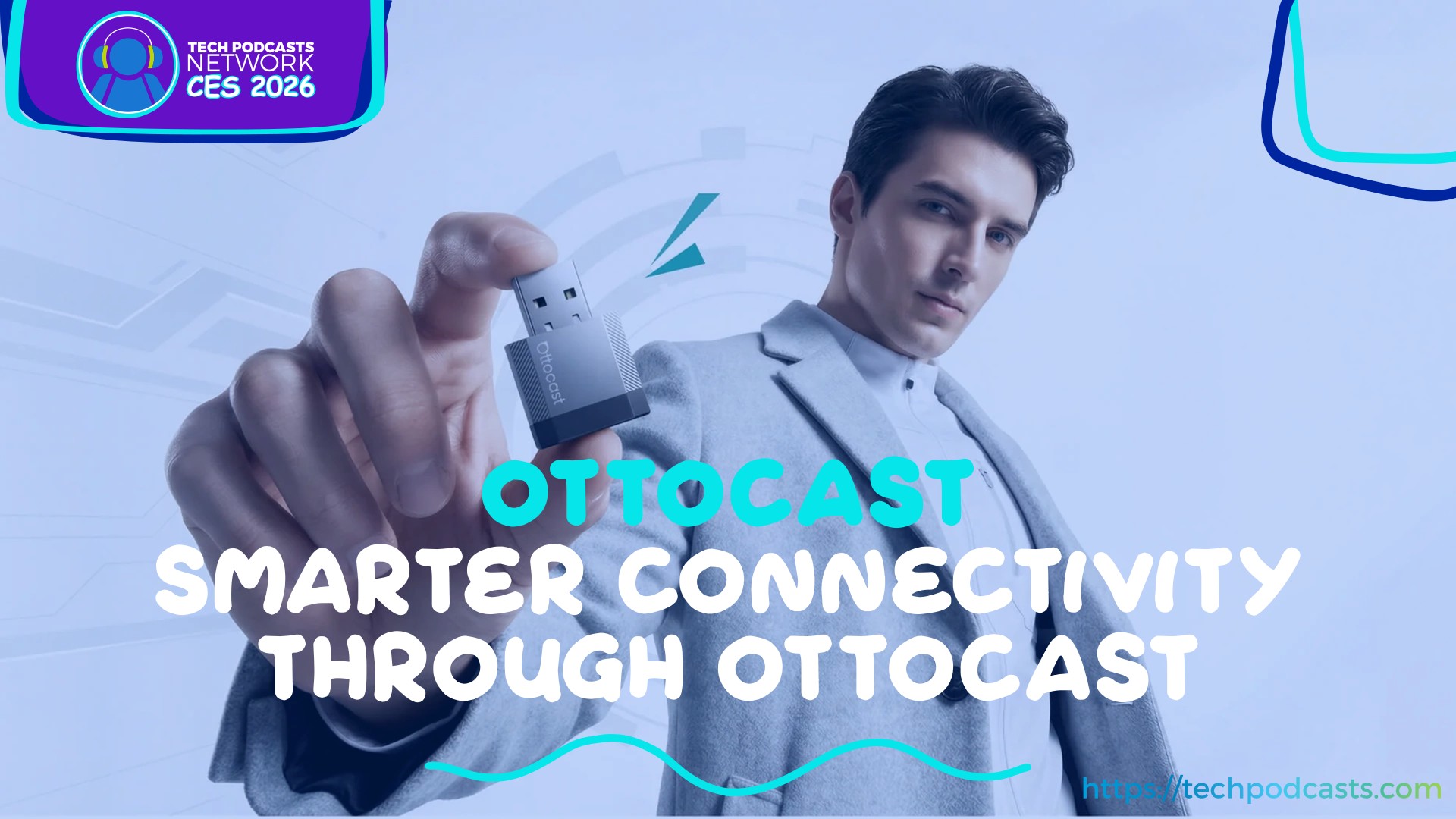 Wireless CarPlay Tech Advancing In-Car Connectivity with Ottocast | DescriptionIn‑car technology continues to evolve as drivers seek faster, simpler, and more seamless ways to connect their smartphones to their vehicles. Ottocast focuses on wireless CarPlay and Android Auto solutions designed to eliminate the need for cables and reduce the friction that often accompanies daily driving routines. The company develops compact plug‑and‑play devices that convert wired CarPlay systems into wireless experiences, supporting a more convenient and efficient workflow for drivers who rely on navigation, communication, and media throughout the day.The shift toward wireless connectivity reflects a broader trend in automotive technology, where drivers expect their vehicles to integrate smoothly with their digital lives. Many factory‑installed systems still require a physical cable to activate CarPlay or Android Auto, creating inconvenience for users who frequently enter and exit their vehicles. Ottocast addresses this gap by offering a device that plugs directly into the vehicle's USB port and establishes a wireless bridge between the car and the smartphone. Once paired, the system reconnects automatically each time the vehicle starts, eliminating repeated setup steps.Plug‑and‑Play Wireless ConnectivityThe wireless adapter developed by Ottocast uses Bluetooth for initial pairing and Wi‑Fi for ongoing data transmission, enabling low‑latency performance suitable for navigation, calls, and media playback. The device is designed to function as a transparent intermediary, allowing the vehicle to recognize the smartphone as if it were physically connected. This approach supports compatibility across a wide range of vehicles and mobile devices, making the solution accessible to drivers who want wireless functionality without upgrading their entire infotainment system.The convenience of wireless CarPlay and Android Auto is particularly valuable for drivers who rely on frequent stops, such as rideshare and delivery professionals. The ability to enter and exit the vehicle without repeatedly plugging and unplugging a cable reduces wear on ports, saves time, and supports a smoother workflow. The system also benefits everyday drivers who prefer a cleaner cabin environment without visible cables.Expanding the Platform with In‑Car Android SystemsBeyond wireless adapters, Ottocast has developed standalone in‑car Android systems that function as compact computing platforms. These devices plug into the vehicle and provide access to applications from the Google Play Store, enabling navigation, entertainment, and productivity tools directly through the vehicle's display. This approach transforms the infotainment system into a flexible, app‑driven environment that can be customized to the driver's needs.One of the company's recent additions includes a rear‑seat or rear‑facing camera designed to support families with infants or young children. The camera integrates with the in‑car display through picture‑in‑picture or split‑screen modes, allowing drivers to monitor a child safely without turning around. This feature reflects a growing emphasis on safety‑enhancing technologies that reduce distraction while maintaining situational awareness.Global Availability and User‑Focused DesignOttocast's products are available through the company's website and major online retailers, supporting global access to wireless connectivity solutions. The devices are designed for ease of use, requiring no technical expertise or installation services. The company conducts extensive compatibility testing across thousands of vehicle models to ensure reliable performance in diverse markets.The focus on convenience, safety, and user experience positions Ottocast as a contributor to the broader evolution of in‑car technology. As drivers continue to expect seamless integration between their vehicles and their digital ecosystems, solutions that simplify connectivity will remain essential.ConclusionOttocast advances in‑car connectivity through wireless CarPlay and Android Auto adapters, standalone Android systems, and safety‑enhancing camera integrations. By eliminating cables, simplifying setup, and expanding access to app‑driven experiences, the company supports a more convenient and modern driving environment. As automotive technology continues to evolve, wireless solutions like these play a key role in shaping the future of digital mobility.Ottocast devices are available today on Amazon and Ottocast's website.Interview by Scott Ertz of F5 Live: Refreshing Technology.Sponsored by: Get $5 to protect your credit card information online with Privacy. Amazon Prime gives you more than just free shipping. Get free music, TV shows, movies, videogames and more. Secure your connection and unlock a faster, safer internet by signing up for PureVPN today.ParticipantsScott ErtzHost, Episode AuthorScott Ertz is a seasoned media professional whose dynamic presence spans broadcasting, journalism, and tech storytelling. As Editor-in-Chief of PLUGHITZ Live, he leads a multimedia platform that blends insightful reporting with engaging live coverage of major industry events. He's best known as the host of F5 Live: Refreshing Technology, a long-running show that demystifies emerging tech trends with clarity and charisma, and Piltch Point, where he collaborates with Avram Piltch to spotlight cutting-edge innovations. Scott's media journey began with a passion for connecting audiences to the pulse of technology. His work has taken him behind the scenes at CES, Collision Conference, and FIRST Robotics events, where he's interviewed industry leaders and captured the cultural impact of tech in real time. His on-camera style is both approachable and informed, making complex topics accessible to viewers across platforms. Beyond hosting, Scott is a developer and producer, shaping the technical backbone of PLUGHITZ Corporation's properties. His storytelling is rooted in authenticity, whether he's scripting historical segments or crafting social media narratives. With a background in gaming culture and community engagement, Scott brings a unique blend of nostalgia, innovation, and journalistic integrity to every broadcast. His voice is one of curiosity, connection, and creative leadership.InterviewPowered by Privacy | — | ||||||
| 2/22/26 |  Mobile Recording Simplified Through HISONG Music Tech's Air Studio S1 | DescriptionContent creation continues to expand across music, social media, and mobile video, yet high‑quality audio remains one of the most persistent challenges for creators. HISONG Music Tech introduces the Air Studio S1, a mobile recording system designed to simplify the process of capturing clean, professional‑grade sound without the need for bulky equipment or complex setup. The device combines a condenser microphone with low‑latency wireless earbuds, creating a streamlined solution for musicians, performers, and mobile storytellers.The system addresses a common problem faced by creators who rely on smartphones for video production. Built‑in microphones often struggle with clarity, noise control, and tonal accuracy, while traditional recording setups require adapters, cables, and external power sources. The Air Studio S1 eliminates these barriers by offering a plug‑and‑record experience that connects directly to a mobile device through a USB‑C interface. Once connected, the microphone becomes immediately active, allowing creators to begin recording without pairing steps or configuration menus.Integrated Monitoring Through Low‑Latency EarbudsA defining feature of the Air Studio S1 is its integrated monitoring system. The device includes a pair of low‑latency Bluetooth earbuds stored within the microphone housing. These earbuds allow performers to hear their voice or instrument in real time as it is captured by the microphone. This capability is particularly valuable for musicians who rely on accurate monitoring to maintain pitch, timing, and expressive control during performance.The earbuds also support general audio playback, enabling creators to listen to reference tracks, backing music, or previously recorded material while working. The magnetic storage system ensures that the earbuds remain secure within the microphone body when not in use, supporting portability and ease of transport.Condenser Microphone Performance and ControlsThe Air Studio S1 by HISONG Music Tech uses a condenser microphone engineered to deliver clarity and detail suitable for vocals, acoustic instruments, and spoken content. The device includes onboard controls for volume adjustment and pickup sensitivity, allowing users to adapt the microphone to different environments and recording styles. Multiple pickup patterns can be selected to accommodate solo performance, interview formats, or directional capture in noisy settings.The microphone's ergonomic design supports handheld use while maintaining a lightweight feel suitable for extended sessions. The system operates for up to eight hours on a single charge, enabling creators to record throughout the day without interruption. Wired operation is also supported through USB‑C when continuous power is required.Designed for Modern CreatorsThe Air Studio S1 reflects a broader shift toward mobile‑first content creation. Musicians often capture ideas on the go, and creators frequently record interviews, commentary, or performance clips in dynamic environments. The ability to monitor audio, adjust microphone settings, and record high‑quality sound without additional equipment supports a more spontaneous and flexible creative process.The system is compatible with both iOS and Android devices, making it accessible to a wide range of users. Additional configurations are available for creators who wish to connect the microphone to cameras, speakers, or other recording systems, expanding its versatility across different production workflows.ConclusionHISONG Music Tech advances mobile audio capture through the Air Studio S1, a recording system that integrates a condenser microphone with low‑latency monitoring earbuds. By simplifying setup, improving sound quality, and supporting real‑time monitoring, the device offers a practical solution for musicians, performers, and mobile creators seeking professional‑grade audio without complex equipment. As mobile content continues to grow, tools that streamline the recording process play an increasingly important role in modern creative work.Interview by Don Baine, The Gadget Professor.Sponsored by: Get $5 to protect your credit card information online with Privacy. Amazon Prime gives you more than just free shipping. Get free music, TV shows, movies, videogames and more. Secure your connection and unlock a faster, safer internet by signing up for PureVPN today.ParticipantsScott ErtzEpisode AuthorScott Ertz is a seasoned media professional whose dynamic presence spans broadcasting, journalism, and tech storytelling. As Editor-in-Chief of PLUGHITZ Live, he leads a multimedia platform that blends insightful reporting with engaging live coverage of major industry events. He's best known as the host of F5 Live: Refreshing Technology, a long-running show that demystifies emerging tech trends with clarity and charisma, and Piltch Point, where he collaborates with Avram Piltch to spotlight cutting-edge innovations. Scott's media journey began with a passion for connecting audiences to the pulse of technology. His work has taken him behind the scenes at CES, Collision Conference, and FIRST Robotics events, where he's interviewed industry leaders and captured the cultural impact of tech in real time. His on-camera style is both approachable and informed, making complex topics accessible to viewers across platforms. Beyond hosting, Scott is a developer and producer, shaping the technical backbone of PLUGHITZ Corporation's properties. His storytelling is rooted in authenticity, whether he's scripting historical segments or crafting social media narratives. With a background in gaming culture and community engagement, Scott brings a unique blend of nostalgia, innovation, and journalistic integrity to every broadcast. His voice is one of curiosity, connection, and creative leadership.Don BaineNetwork HostInterviewPowered by Privacy | — | ||||||
| 2/22/26 | 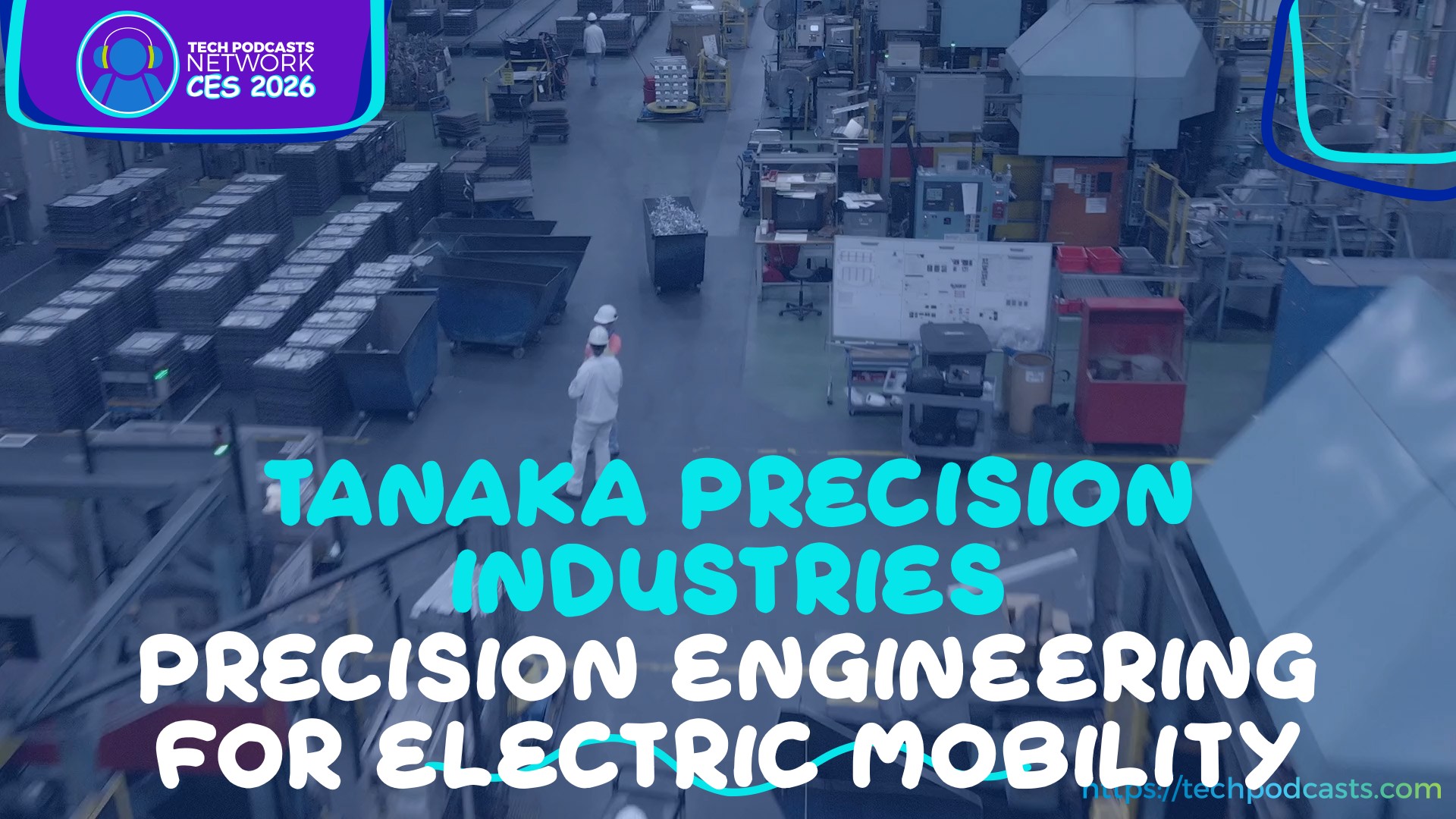 Lightweight EV Components Advancing Efficiency with Tanaka Precision | DescriptionElectric vehicle development continues to accelerate as manufacturers seek greater range, improved efficiency, and reduced production costs. Tanaka Precision Industries focuses on component innovation that supports these goals through advanced materials engineering and precision manufacturing. The company develops lightweight inverter cases and structural components designed to reduce overall vehicle mass, improve energy efficiency, and streamline assembly processes.Weight reduction remains one of the most effective ways to extend the driving range of electric vehicles. While battery chemistry receives much of the industry's attention, the structural components surrounding the powertrain also play a significant role in determining efficiency. By reducing the mass of these components, less energy is required to move the vehicle, allowing each charge to support longer distances. Tanaka Precision Industries approaches this challenge through material optimization and advanced casting techniques that maintain strength while reducing thickness.Ultra‑Thin Inverter Case TechnologyOne of the company's most notable developments is an inverter case engineered with significantly thinner walls than traditional designs. The component uses ADC12 aluminum and is manufactured at a thickness of approximately 1.5 millimeters, compared to the industry standard of around 2.5 millimeters. This reduction represents a meaningful decrease in weight while maintaining the structural integrity required for electric drivetrain systems.The thinner design also supports cost efficiency. By reducing material usage and optimizing the casting process, the component can be produced at a lower cost without compromising performance. These improvements contribute to more affordable electric vehicles and support broader adoption as manufacturers seek ways to balance performance with price.Advancing Assembly Through Friction WeldingIn addition to lightweight casting, Tanaka Precision Industries is exploring friction welding as an alternative to traditional fasteners. Bolts, nuts, and screws contribute more weight than many consumers realize, and they also add time and complexity to the assembly process. Friction welding allows two components to be joined without mechanical fasteners, creating a strong bond while reducing both weight and production time.Early evaluations suggest that friction welding may reduce cycle times and simplify manufacturing workflows. These improvements can scale significantly when applied to high‑volume production environments, supporting cost savings and operational efficiency. The combination of lightweight components and streamlined assembly reflects a holistic approach to improving electric vehicle manufacturing.A History of Precision ManufacturingTanaka Precision Industries has a long history of supplying components to major automotive manufacturers. The company began its North American operations in the mid‑1990s, supporting engine production for Honda before expanding into additional supply chains. Its experience in precision machining, casting, and component engineering provides a foundation for the development of next‑generation EV technologies.Research and development efforts are based in Japan, while North American production is positioned to support regional automotive partners. This structure allows the company to combine global engineering expertise with localized manufacturing capabilities, ensuring that components meet regional standards and supply chain requirements.ConclusionTanaka Precision Industries advances electric vehicle efficiency through lightweight inverter cases, friction‑welded components, and precision manufacturing techniques. By reducing material usage, lowering production costs, and improving assembly processes, the company supports the broader industry goal of creating more efficient, affordable, and sustainable electric vehicles. As EV adoption continues to grow, innovations in component engineering will remain essential to improving performance and expanding accessibility.Interview by Don Baine, The Gadget Professor.Sponsored by: Get $5 to protect your credit card information online with Privacy. Amazon Prime gives you more than just free shipping. Get free music, TV shows, movies, videogames and more. Secure your connection and unlock a faster, safer internet by signing up for PureVPN today.ParticipantsScott ErtzEpisode AuthorScott Ertz is a seasoned media professional whose dynamic presence spans broadcasting, journalism, and tech storytelling. As Editor-in-Chief of PLUGHITZ Live, he leads a multimedia platform that blends insightful reporting with engaging live coverage of major industry events. He's best known as the host of F5 Live: Refreshing Technology, a long-running show that demystifies emerging tech trends with clarity and charisma, and Piltch Point, where he collaborates with Avram Piltch to spotlight cutting-edge innovations. Scott's media journey began with a passion for connecting audiences to the pulse of technology. His work has taken him behind the scenes at CES, Collision Conference, and FIRST Robotics events, where he's interviewed industry leaders and captured the cultural impact of tech in real time. His on-camera style is both approachable and informed, making complex topics accessible to viewers across platforms. Beyond hosting, Scott is a developer and producer, shaping the technical backbone of PLUGHITZ Corporation's properties. His storytelling is rooted in authenticity, whether he's scripting historical segments or crafting social media narratives. With a background in gaming culture and community engagement, Scott brings a unique blend of nostalgia, innovation, and journalistic integrity to every broadcast. His voice is one of curiosity, connection, and creative leadership.Don BaineNetwork HostInterviewPowered by Privacy | — | ||||||
| 2/22/26 | 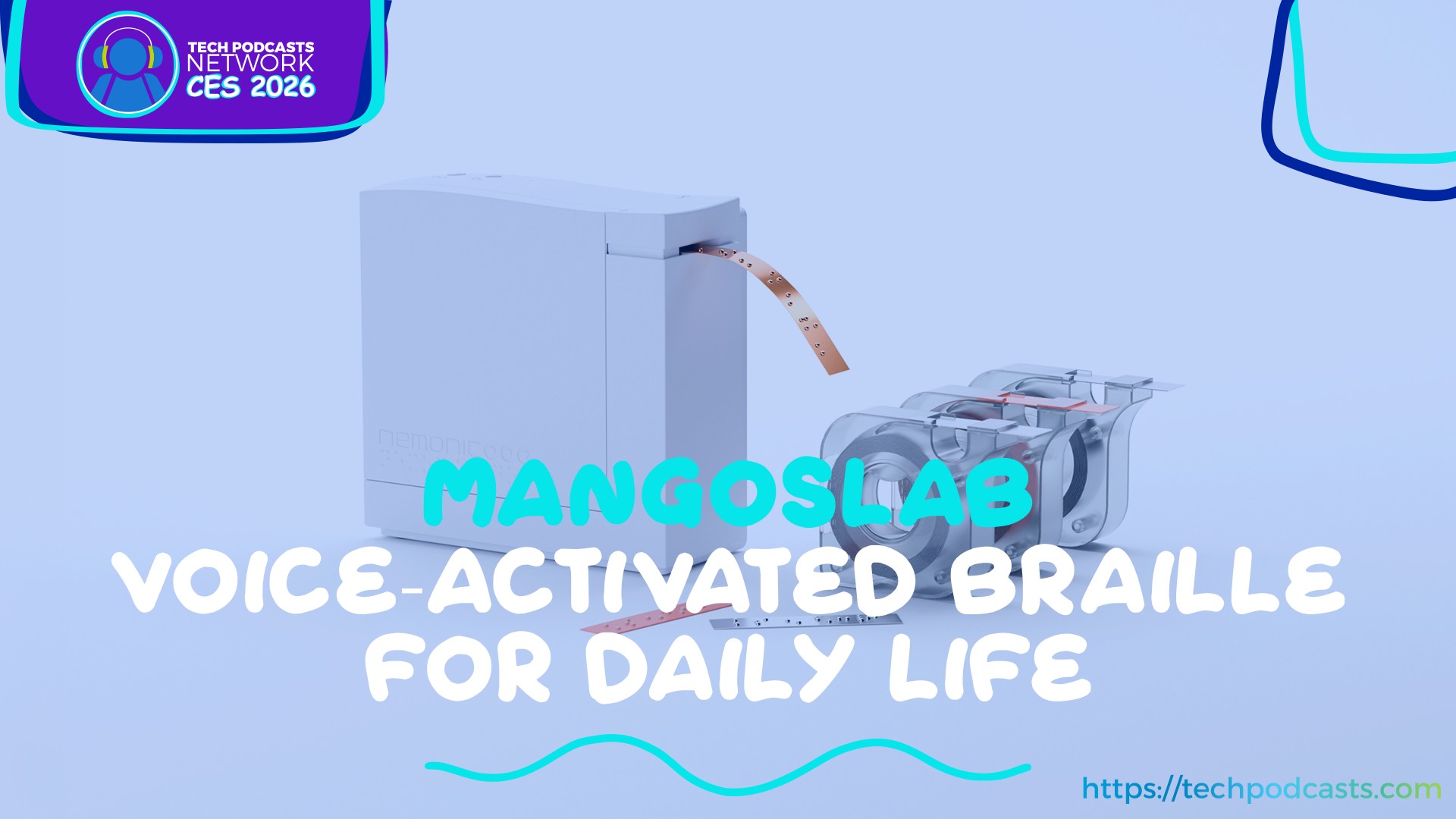 Voice-Activated Braille Printing Advancing Accessibility with Mangoslab | DescriptionAccessibility technology continues to evolve as companies explore new ways to support blind and low‑vision individuals in daily life. Mangoslab introduces a voice‑activated Braille printer designed to make labeling and identification more intuitive, immediate, and inclusive. The device converts spoken words into Braille labels, allowing users and their support networks to create tactile markers without requiring Braille literacy. This approach expands access to essential information and supports greater independence in home, school, and care environments.Traditional Braille printers often require specialized knowledge, manual input, or complex interfaces. Mangoslab's system removes these barriers by enabling anyone to generate Braille labels through simple voice commands. The result is a tool that supports both blind individuals and the people around them, including family members, caregivers, teachers, and healthcare professionals. By lowering the learning curve and reducing the time required to produce labels, the device helps integrate accessibility into everyday routines.Technology Designed for Practical UseThe printer uses speech recognition to convert spoken words into Braille patterns, which are then printed onto adhesive labels. These labels can be applied to household items, medications, food containers, school supplies, or any object that requires tactile identification. The system is designed for short words and key terms, making it ideal for quick labeling tasks that support daily organization and safety.The device supports more than one hundred languages through manual selection, allowing users around the world to generate Braille labels in their preferred language. This multilingual capability expands its reach and ensures that accessibility tools are not limited by regional or linguistic boundaries. The printer's compact form factor and straightforward interface make it suitable for home use, educational settings, and professional environments where rapid labeling is essential.Addressing Critical Needs in Medication and Daily LivingOne of the most significant applications of the device is medication identification. Many prescription bottles and over‑the‑counter products do not include Braille labeling, creating challenges for blind individuals who must distinguish between similar containers. The ability to generate accurate Braille labels at home supports safer medication management and reduces reliance on others for basic tasks.Beyond healthcare, the printer supports organization in kitchens, classrooms, offices, and shared spaces. Items such as spices, cleaning products, storage bins, and personal belongings can be labeled quickly, helping users maintain independence and confidence in their environment. The device also supports caregivers who may not know Braille but want to provide meaningful assistance.Innovation Rooted in Experience and CollaborationMangoslab originated as a spin‑off from Samsung Electronics and has spent years developing compact printing technologies. The company's experience in hardware design and user‑centered engineering contributed to the creation of a Braille printer that balances functionality, affordability, and ease of use. Collaboration with institutions and industry partners helped shape the device's focus on practical, everyday labeling rather than large‑format Braille printing.The company aims to make Braille labeling more accessible globally by offering the device at a price point below many traditional Braille printers. This commitment to affordability supports broader adoption and aligns with the goal of normalizing Braille usage in public and private spaces.ConclusionMangoslab advances accessibility through a voice‑activated Braille printer designed to support blind and low‑vision individuals in daily life. By converting spoken words into tactile labels, the device simplifies organization, enhances safety, and empowers users and caregivers alike. With multilingual support, practical design, and a focus on affordability, the system reflects a meaningful step toward more inclusive and accessible environments.Interview by Don Baine, The Gadget Professor.Sponsored by: Get $5 to protect your credit card information online with Privacy. Amazon Prime gives you more than just free shipping. Get free music, TV shows, movies, videogames and more. Secure your connection and unlock a faster, safer internet by signing up for PureVPN today.ParticipantsScott ErtzEpisode AuthorScott Ertz is a seasoned media professional whose dynamic presence spans broadcasting, journalism, and tech storytelling. As Editor-in-Chief of PLUGHITZ Live, he leads a multimedia platform that blends insightful reporting with engaging live coverage of major industry events. He's best known as the host of F5 Live: Refreshing Technology, a long-running show that demystifies emerging tech trends with clarity and charisma, and Piltch Point, where he collaborates with Avram Piltch to spotlight cutting-edge innovations. Scott's media journey began with a passion for connecting audiences to the pulse of technology. His work has taken him behind the scenes at CES, Collision Conference, and FIRST Robotics events, where he's interviewed industry leaders and captured the cultural impact of tech in real time. His on-camera style is both approachable and informed, making complex topics accessible to viewers across platforms. Beyond hosting, Scott is a developer and producer, shaping the technical backbone of PLUGHITZ Corporation's properties. His storytelling is rooted in authenticity, whether he's scripting historical segments or crafting social media narratives. With a background in gaming culture and community engagement, Scott brings a unique blend of nostalgia, innovation, and journalistic integrity to every broadcast. His voice is one of curiosity, connection, and creative leadership.Don BaineNetwork HostInterviewPowered by Privacy | — | ||||||
| 2/22/26 |  Expanding Global Access to Rapid Diagnostic Tests with Wondfo USA | DescriptionRapid diagnostics continue to play a critical role in global healthcare, and Wondfo USA focuses on expanding access to fast, reliable testing across clinical, consumer, and public health environments. The company develops point‑of‑care solutions designed to deliver accurate results within minutes, supporting early detection, timely treatment, and improved decision‑making. As healthcare systems worldwide shift toward decentralized testing, rapid diagnostics have become essential tools for both professionals and individuals seeking immediate insight into their health.Wondfo's portfolio spans multiple categories, including infectious disease screening, fertility and hormone monitoring, chronic condition management, and general wellness. These solutions are designed to be easy to use, portable, and accessible, allowing testing to occur in clinics, pharmacies, workplaces, and homes. The company's approach reflects a broader movement toward empowering individuals with actionable information without requiring complex laboratory infrastructure.Technology Designed for Speed and AccuracyThe foundation of Wondfo's diagnostic platform is built on rapid biochemical detection methods that convert biological markers into clear, readable results. These technologies are engineered to maintain high sensitivity and specificity while reducing the time required for analysis. The goal is to provide results that are both fast and trustworthy, supporting confident decision‑making in situations where timing is critical.Advancements in sensor design, reagent stability, and microfluidic control have enabled the company to expand the range of conditions that can be screened outside traditional laboratory settings. As global health demands continue to evolve, rapid diagnostics are increasingly relied upon for early identification of emerging illnesses, routine monitoring of chronic conditions, and support for reproductive health planning.Meeting Global Healthcare NeedsWondfo's solutions are used in diverse regions with varying levels of healthcare infrastructure. In areas where access to laboratories is limited, rapid testing provides a practical alternative that can significantly improve health outcomes. In more developed markets, these tools support convenience, speed, and patient‑centered care by reducing the need for appointments and long wait times.The company's global reach is supported by partnerships with healthcare providers, distributors, and public health organizations. These collaborations help ensure that diagnostic tools are available where they are needed most, whether for routine screening, emergency response, or community‑based health initiatives. The ability to scale production and adapt to changing health demands has positioned rapid diagnostics as a vital component of modern healthcare systems.Consumer Wellness and At‑Home InsightBeyond clinical environments, Wondfo develops consumer‑friendly testing solutions that allow individuals to monitor key aspects of their health at home. These products support fertility planning, hormone tracking, and general wellness monitoring. As consumers increasingly seek personalized insight into their health, at‑home diagnostics provide a convenient and private way to stay informed.The rise of digital health platforms has further expanded the value of rapid testing. When combined with mobile applications, test results can be tracked over time, shared with healthcare providers, or integrated into broader wellness programs. This connection between diagnostics and digital insight supports more proactive and informed health management.ConclusionWondfo USA advances global access to rapid diagnostics through technologies designed for speed, accuracy, and ease of use. By supporting point‑of‑care testing in clinics, pharmacies, workplaces, and homes, the company helps individuals and healthcare providers make timely, informed decisions. As demand for decentralized healthcare continues to grow, rapid diagnostics remain essential tools for improving outcomes, expanding access, and supporting a more responsive and patient‑centered approach to health.Interview by Don Baine, The Gadget Professor.Sponsored by: Get $5 to protect your credit card information online with Privacy. Amazon Prime gives you more than just free shipping. Get free music, TV shows, movies, videogames and more. Secure your connection and unlock a faster, safer internet by signing up for PureVPN today.ParticipantsScott ErtzEpisode AuthorScott Ertz is a seasoned media professional whose dynamic presence spans broadcasting, journalism, and tech storytelling. As Editor-in-Chief of PLUGHITZ Live, he leads a multimedia platform that blends insightful reporting with engaging live coverage of major industry events. He's best known as the host of F5 Live: Refreshing Technology, a long-running show that demystifies emerging tech trends with clarity and charisma, and Piltch Point, where he collaborates with Avram Piltch to spotlight cutting-edge innovations. Scott's media journey began with a passion for connecting audiences to the pulse of technology. His work has taken him behind the scenes at CES, Collision Conference, and FIRST Robotics events, where he's interviewed industry leaders and captured the cultural impact of tech in real time. His on-camera style is both approachable and informed, making complex topics accessible to viewers across platforms. Beyond hosting, Scott is a developer and producer, shaping the technical backbone of PLUGHITZ Corporation's properties. His storytelling is rooted in authenticity, whether he's scripting historical segments or crafting social media narratives. With a background in gaming culture and community engagement, Scott brings a unique blend of nostalgia, innovation, and journalistic integrity to every broadcast. His voice is one of curiosity, connection, and creative leadership.Don BaineNetwork HostInterviewPowered by Privacy | — | ||||||
| 2/22/26 | 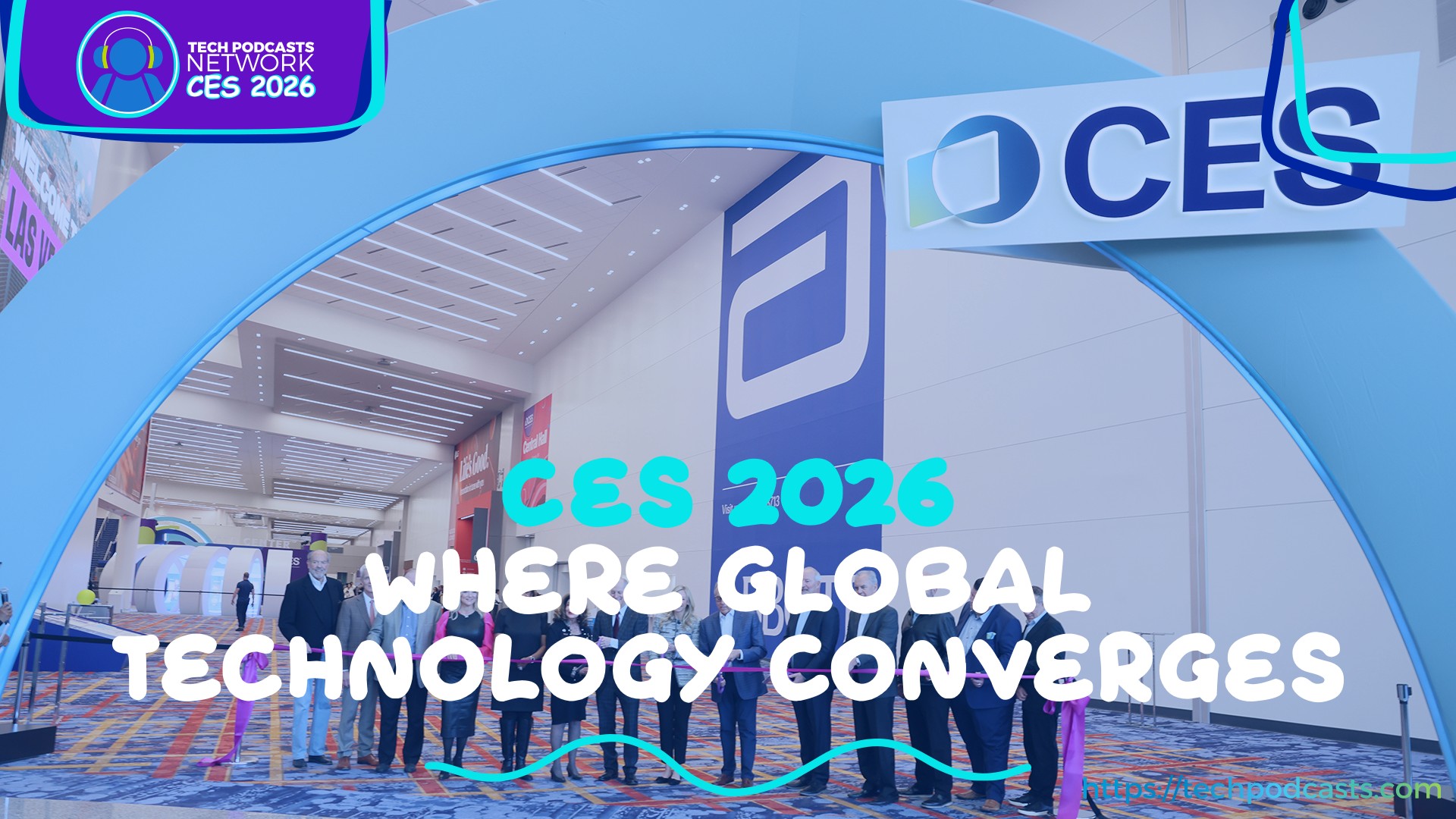 Insights on Innovation & Industry Growth from CTA's Allie Fried at CES | DescriptionCES continues to serve as one of the most influential technology events in the world, and few people understand its evolution better than CTA spokesperson Allie Fried. With two decades of experience supporting the show, she brings a unique perspective on how the event has grown, diversified, and reshaped the global technology landscape. Her role places her at the center of communications, media engagement, and industry coordination, offering a view into the scale and complexity required to operate an event of this magnitude.The show has expanded far beyond its origins as a showcase for consumer electronics. Today, it represents a cross‑industry gathering where technology intersects with health, education, mobility, sustainability, entertainment, and enterprise innovation. The presence of global companies, startups, researchers, and policymakers reflects a broader shift toward technology as a foundation for improving human life. This evolution is visible across every hall, from advanced robotics and AI‑driven health diagnostics to agricultural machinery, autonomous vehicles, and next‑generation accessibility tools.The Expanding Role of Technology in Human ExperienceA recurring theme throughout the show is the use of technology to enhance the human condition. Innovations supporting neurodivergent learners, real‑time translation tools, and accessibility devices demonstrate how technology is being applied to solve challenges that once seemed out of reach. Real‑time Braille translation, adaptive learning platforms, and AI‑enabled reading tools highlight a growing commitment to inclusivity and personalized support.Wellness and health technology continue to advance rapidly. Devices capable of analyzing biometrics, detecting early health risks, and providing real‑time coaching illustrate how consumer products are approaching medical‑grade accuracy. These tools shift healthcare from reactive treatment to proactive monitoring, giving individuals more control over their well‑being. The trend reflects a broader movement toward preventative care, supported by AI‑driven insights and continuous physiological tracking.AI as a Transformative ForceArtificial intelligence remains the dominant force shaping the direction of CES. Its presence spans nearly every category, from nutrition and fitness to robotics, logistics, and creative tools. AI is increasingly positioned not as a standalone feature but as a collaborative partner that enhances human capability. The shift from AI as a tool to AI as a teammate is evident in products that learn user behavior, adapt to personal goals, and provide real‑time guidance.Concerns about AI's impact on employment and society are acknowledged, yet the prevailing sentiment across the industry remains optimistic. New technologies historically create new roles, new industries, and new opportunities. The rapid expansion of AI‑enabled products suggests a future where human creativity, emotional intelligence, and problem‑solving remain essential, supported rather than replaced by intelligent systems.The Scale and Energy of CESThe scale of CES continues to grow, with thousands of exhibitors and well over a hundred thousand industry professionals attending from around the world. Startups occupy a significant portion of the show, demonstrating the strength of the innovation pipeline and the increasing accessibility of advanced technology development. Many of today's leading companies began as small booths in the startup area, illustrating the event's role as a launchpad for global success.The show's energy is driven by the diversity of industries represented and the serendipitous connections formed throughout the week. Partnerships, investment opportunities, and unexpected collaborations emerge as companies discover complementary technologies and shared goals. This environment reinforces CES as a global hub for innovation, strategy, and forward‑looking dialogue.ConclusionAllie Fried's perspective highlights the continued evolution of CES as a platform for global innovation. The event reflects the expanding role of technology in improving human life, the growing influence of AI across industries, and the importance of collaboration in shaping the future. As the show continues to grow in scale and impact, it remains a central gathering point for the ideas, products, and partnerships that define the next era of technological advancement.Interview by Don Baine, The Gadget Professor.Sponsored by: Get $5 to protect your credit card information online with Privacy. Amazon Prime gives you more than just free shipping. Get free music, TV shows, movies, videogames and more. Secure your connection and unlock a faster, safer internet by signing up for PureVPN today.ParticipantsScott ErtzEpisode AuthorScott Ertz is a seasoned media professional whose dynamic presence spans broadcasting, journalism, and tech storytelling. As Editor-in-Chief of PLUGHITZ Live, he leads a multimedia platform that blends insightful reporting with engaging live coverage of major industry events. He's best known as the host of F5 Live: Refreshing Technology, a long-running show that demystifies emerging tech trends with clarity and charisma, and Piltch Point, where he collaborates with Avram Piltch to spotlight cutting-edge innovations. Scott's media journey began with a passion for connecting audiences to the pulse of technology. His work has taken him behind the scenes at CES, Collision Conference, and FIRST Robotics events, where he's interviewed industry leaders and captured the cultural impact of tech in real time. His on-camera style is both approachable and informed, making complex topics accessible to viewers across platforms. Beyond hosting, Scott is a developer and producer, shaping the technical backbone of PLUGHITZ Corporation's properties. His storytelling is rooted in authenticity, whether he's scripting historical segments or crafting social media narratives. With a background in gaming culture and community engagement, Scott brings a unique blend of nostalgia, innovation, and journalistic integrity to every broadcast. His voice is one of curiosity, connection, and creative leadership.Don BaineNetwork HostInterviewPowered by Privacy | — | ||||||
| 2/22/26 |  Predictive Fertility Insights Through OTO Fertility's Diagnostic System | DescriptionFertility care is undergoing a significant shift as new diagnostic technologies offer deeper insight into reproductive health. OTO Fertility focuses on predicting the likelihood of IVF success before treatment begins, giving couples clarity at a stage where uncertainty has traditionally dominated the process. The system uses a wearable device that captures physiological signals and converts them into predictive metrics, offering a noninvasive method for understanding fertility readiness.The challenge addressed by this technology is substantial. IVF remains expensive, time‑consuming, and emotionally demanding, yet the success rate for a single transfer remains low. Many couples undergo multiple cycles without clear guidance on their likelihood of success. By providing predictive insight before treatment, the system aims to reduce unnecessary cycles, lower financial burden, and support more informed decision‑making.Physiological Monitoring and Predictive ModelingThe OTO Fertility device performs medical‑grade ECG and EEG measurements, capturing data from multiple physiological systems. These include cardiac activity, central and autonomic nervous system responses, hormonal regulation patterns, and energy supply indicators. Dozens of body signals are synthesized into a set of metrics that correlate with fertility outcomes. These metrics are then combined into a single index that reflects the couple's overall fertility readiness.Both partners participate in the process, allowing the system to evaluate male and female factors independently and together. This dual‑side approach supports a more complete understanding of fertility challenges, including those that may not be detected through traditional testing. The system also supports natural conception by identifying physiological patterns that can be optimized without clinical intervention.Personalized Guidance Through AIOnce the fertility index is generated, the system provides personalized recommendations designed to improve physiological readiness. These recommendations are based on lifestyle factors that influence fertility, including activity levels, rest, recovery, nutrition, sleep, and stress management. The guidance is tailored to each individual and delivered through the accompanying application, creating a structured pathway for improvement.The use of AI allows the system to adapt recommendations as new data is collected. Daily measurements support continuous monitoring, enabling couples to track progress and understand how their bodies respond to changes. This dynamic approach contrasts with traditional fertility diagnostics, which often rely on static snapshots taken at a single point in time.Broader Fertility Insights and Lifecycle SupportThe technology also provides insight into previously unexplained fertility challenges. A significant portion of infertility cases fall into the unexplained category, where standard tests show no clear cause. By analyzing physiological patterns across multiple systems, the device offers a new layer of understanding that can help clarify these cases.The system extends beyond conception, offering support during pregnancy and postpartum. This continuity allows couples to remain engaged with their physiological health throughout the entire fertility journey. The solution is delivered in partnership with treating physicians and virtual clinics, integrating seamlessly into existing care pathways.ConclusionOTO Fertility introduces a predictive diagnostic system designed to improve IVF outcomes and support natural conception through physiological monitoring and AI‑driven guidance. By providing insight into fertility readiness, offering personalized recommendations, and addressing both partners' health, the system creates a more informed and supportive pathway for couples seeking to build their families. As fertility challenges continue to rise globally, technologies that deliver clarity, personalization, and noninvasive insight are becoming essential components of modern reproductive care.Interview by Don Baine, The Gadget Professor.Sponsored by: Get $5 to protect your credit card information online with Privacy. Amazon Prime gives you more than just free shipping. Get free music, TV shows, movies, videogames and more. Secure your connection and unlock a faster, safer internet by signing up for PureVPN today.ParticipantsScott ErtzEpisode AuthorScott Ertz is a seasoned media professional whose dynamic presence spans broadcasting, journalism, and tech storytelling. As Editor-in-Chief of PLUGHITZ Live, he leads a multimedia platform that blends insightful reporting with engaging live coverage of major industry events. He's best known as the host of F5 Live: Refreshing Technology, a long-running show that demystifies emerging tech trends with clarity and charisma, and Piltch Point, where he collaborates with Avram Piltch to spotlight cutting-edge innovations. Scott's media journey began with a passion for connecting audiences to the pulse of technology. His work has taken him behind the scenes at CES, Collision Conference, and FIRST Robotics events, where he's interviewed industry leaders and captured the cultural impact of tech in real time. His on-camera style is both approachable and informed, making complex topics accessible to viewers across platforms. Beyond hosting, Scott is a developer and producer, shaping the technical backbone of PLUGHITZ Corporation's properties. His storytelling is rooted in authenticity, whether he's scripting historical segments or crafting social media narratives. With a background in gaming culture and community engagement, Scott brings a unique blend of nostalgia, innovation, and journalistic integrity to every broadcast. His voice is one of curiosity, connection, and creative leadership.Don BaineNetwork HostInterviewPowered by Privacy | — | ||||||
| 2/22/26 | 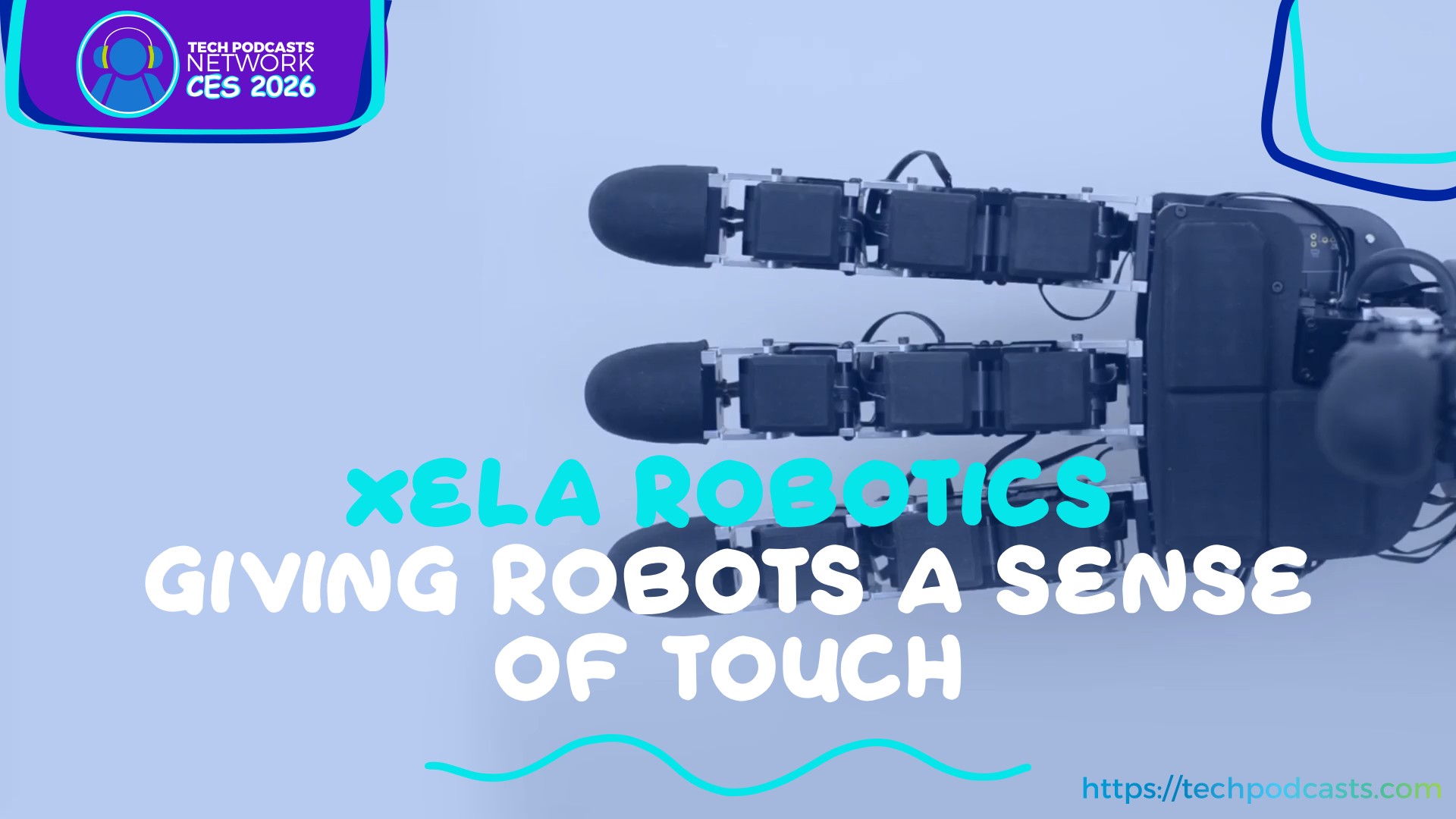 Advancing Robotic Touch Sensing with XELA Robotics Tech for Automation | DescriptionIndustrial and logistics automation continues to expand, yet many robots still struggle with tasks that humans perform effortlessly. A major limitation has been the absence of a true sense of touch. XELA Robotics focuses on tactile sensing technology that can be integrated into existing robot hands and grippers, giving machines the ability to feel pressure, contact, and subtle variations in objects. This capability allows robots to handle items more precisely, safely, and reliably in complex environments.Rather than manufacturing complete robotic arms, the company develops tactile sensor systems that are embedded into a wide range of end effectors. These sensors provide detailed feedback about contact forces, object position, and surface characteristics. With this information, robots can adjust their grip, detect misalignment, and avoid damaging delicate components. The result is a more human‑like interaction with physical objects, which is essential for advanced automation in factories and warehouses.Applications in Factory and Warehouse AutomationIn factory environments, many tasks require precise insertion, alignment, and handling of components. Visual systems alone can struggle with small tolerances or occluded parts. By adding tactile sensing from XELA Robotics, robots can detect whether a connector, memory module, or other component is properly aligned and seated. Force feedback enables fine adjustments during insertion, reducing the risk of damage and increasing process reliability. This is particularly valuable in electronics manufacturing and other high‑precision assembly operations.Warehouse automation presents a different set of challenges. Robots are often required to grasp items they have never encountered before, with varying shapes, weights, and textures. Tactile sensors allow a robot to feel how heavy an object is, how hard or soft it is, and whether it is slipping from its grasp. Grip forces can then be adjusted dynamically to prevent drops while avoiding excessive pressure. This adaptability supports more robust pick‑and‑place operations and enables automation of tasks that previously depended on human dexterity.Customization, Integration, and DeploymentXELA Robotics works with customers to integrate tactile sensors into specific robot hands and grippers. The process typically begins with an understanding of the target application, the type of end effector being used, and the performance requirements. Sensor modules are then selected or customized to fit the geometry and functional needs of the system. Software tools and interfaces are provided to make it easier to interpret tactile data and incorporate it into control strategies.Deployment timelines vary by use case but can often be achieved within a few months. During this period, testing and refinement are carried out to ensure that the tactile feedback is being used effectively. The company's ability to tailor solutions to individual applications is a key strength, allowing enterprises to address unique handling challenges without redesigning entire robotic platforms. The cost of the tactile sensing solution is positioned as a small fraction of the overall robot system, making it an attractive investment relative to the gains in automation and reliability.Economic Impact and Operational BenefitsMany of the tasks targeted by tactile sensing are still performed by human workers, particularly in warehouses and manual assembly lines. By enabling robots to handle more complex and delicate operations, companies can automate a larger share of their workflows. This can lead to significant labor savings, extended operating hours, and improved consistency. Automated systems can run around the clock, do not require sick leave, and reduce exposure to repetitive or ergonomically challenging tasks.Analytics derived from tactile data provide additional value. Robots can determine whether the correct number of items has been grasped, whether the right object has been picked, and how often certain motions occur. This information supports quality control, process optimization, and predictive maintenance. As product lines change, the same tactile sensors can be used to adapt to new items, reducing the need for frequent hardware changes.ConclusionXELA Robotics advances automation by giving robots a practical sense of touch through integrated tactile sensing technology. By enabling more precise handling, better alignment, and adaptive gripping, these systems expand what robots can reliably accomplish in factories and warehouses. The combination of customizable hardware, supporting software, and strong economic benefits positions tactile sensing as a foundational capability for the next generation of robotic automation.Interview by Don Baine, The Gadget Professor.Sponsored by: Get $5 to protect your credit card information online with Privacy. Amazon Prime gives you more than just free shipping. Get free music, TV shows, movies, videogames and more. Secure your connection and unlock a faster, safer internet by signing up for PureVPN today.ParticipantsScott ErtzEpisode AuthorScott Ertz is a seasoned media professional whose dynamic presence spans broadcasting, journalism, and tech storytelling. As Editor-in-Chief of PLUGHITZ Live, he leads a multimedia platform that blends insightful reporting with engaging live coverage of major industry events. He's best known as the host of F5 Live: Refreshing Technology, a long-running show that demystifies emerging tech trends with clarity and charisma, and Piltch Point, where he collaborates with Avram Piltch to spotlight cutting-edge innovations. Scott's media journey began with a passion for connecting audiences to the pulse of technology. His work has taken him behind the scenes at CES, Collision Conference, and FIRST Robotics events, where he's interviewed industry leaders and captured the cultural impact of tech in real time. His on-camera style is both approachable and informed, making complex topics accessible to viewers across platforms. Beyond hosting, Scott is a developer and producer, shaping the technical backbone of PLUGHITZ Corporation's properties. His storytelling is rooted in authenticity, whether he's scripting historical segments or crafting social media narratives. With a background in gaming culture and community engagement, Scott brings a unique blend of nostalgia, innovation, and journalistic integrity to every broadcast. His voice is one of curiosity, connection, and creative leadership.Don BaineNetwork HostInterviewPowered by Privacy | — | ||||||
| 2/19/26 |  Autonomous Delivery Expanding Urban Logistics with Neolix Technology | DescriptionAutonomous logistics continues to advance as cities seek safer, more efficient ways to move goods. Neolix Technology focuses on driverless vehicles designed for intracity delivery, offering a full solution that includes hardware, algorithms, and operational services. The company has deployed a large fleet of autonomous vehicles operating on public roads, supporting daily logistics needs across multiple regions. This approach reflects a shift toward automated systems capable of maintaining consistent service even in challenging conditions.The vehicles are designed to support e‑commerce, grocery delivery, retail replenishment, and warehouse‑to‑store transport. By removing the driver's cabin, the internal cargo space is expanded significantly, allowing more goods to be moved per trip. This design increases efficiency while reducing the operational costs associated with traditional delivery fleets. The technology supports continuous operation, including during extreme weather events, which helps maintain supply chains when human drivers may be unable to reach affected areas.Scalable Vehicle Platforms for Urban TransportNeolix offers a portfolio of autonomous vehicles ranging from compact one‑cubic‑meter units to larger models with twelve cubic meters of internal space. The mid‑sized platform, comparable in size to a traditional van, provides roughly fifty percent more cargo capacity due to the absence of a driver compartment. This range allows the system to support a variety of commercial applications, from small parcel delivery to larger retail and wholesale distribution.The vehicles are designed for intracity environments where frequent stops, short routes, and dense traffic patterns require precise navigation. The autonomous system manages routing, obstacle detection, and real‑time decision‑making, enabling consistent performance across diverse conditions. The technology is intended to support both scheduled deliveries and on‑demand logistics, creating flexibility for shippers and fleet operators.Global Expansion and Market PrioritiesNeolix focuses on regions experiencing driver shortages and strong interest in autonomous technology. Expansion has already begun in markets such as the United Arab Emirates, with additional pilot programs underway in Europe and Latin America. The long‑term vision includes widespread adoption of autonomous logistics across global urban centers, supported by both Neolix vehicles and similar systems developed by industry peers.The company's strategy emphasizes collaboration with shippers, fleet managers, and logistics providers. Partnerships with major delivery organizations support large‑scale deployment, while smaller fleet operators can integrate the vehicles into existing operations. The technology is positioned to support industries where hazardous environments, high labor demands, or extreme weather create challenges for traditional delivery methods.Maintenance, Support, and Operational InfrastructureA key component of Neolix's approach is the development of a support ecosystem that ensures reliable operation. The vehicles are designed with modular components, including a head module that can be replaced quickly by local service partners. Remote monitoring and teleoperation teams provide real‑time oversight, allowing issues to be diagnosed and addressed without requiring on‑site intervention in many cases. When physical support is needed, local partners are dispatched to perform repairs or maintenance.This infrastructure enables continuous operation and reduces downtime, which is essential for commercial logistics. The combination of modular hardware, remote diagnostics, and local service partnerships creates a scalable model that can be replicated across new markets as adoption grows.ConclusionNeolix Technology advances autonomous intracity logistics through a fleet of driverless vehicles designed for retail, e‑commerce, and warehouse distribution. With expanded cargo capacity, modular hardware, remote support systems, and global pilot programs, the company demonstrates how autonomous delivery can enhance reliability, reduce operational costs, and support safer logistics environments. As cities continue to modernize their transportation networks, autonomous delivery systems are positioned to play a central role in the future of urban logistics.Interview by Scott Ertz of PLUGHITZ Live.Sponsored by: Get $5 to protect your credit card information online with Privacy. Amazon Prime gives you more than just free shipping. Get free music, TV shows, movies, videogames and more. Secure your connection and unlock a faster, safer internet by signing up for PureVPN today.ParticipantsSurge VelazquezHostScott ErtzEpisode AuthorScott Ertz is a seasoned media professional whose dynamic presence spans broadcasting, journalism, and tech storytelling. As Editor-in-Chief of PLUGHITZ Live, he leads a multimedia platform that blends insightful reporting with engaging live coverage of major industry events. He's best known as the host of F5 Live: Refreshing Technology, a long-running show that demystifies emerging tech trends with clarity and charisma, and Piltch Point, where he collaborates with Avram Piltch to spotlight cutting-edge innovations. Scott's media journey began with a passion for connecting audiences to the pulse of technology. His work has taken him behind the scenes at CES, Collision Conference, and FIRST Robotics events, where he's interviewed industry leaders and captured the cultural impact of tech in real time. His on-camera style is both approachable and informed, making complex topics accessible to viewers across platforms. Beyond hosting, Scott is a developer and producer, shaping the technical backbone of PLUGHITZ Corporation's properties. His storytelling is rooted in authenticity, whether he's scripting historical segments or crafting social media narratives. With a background in gaming culture and community engagement, Scott brings a unique blend of nostalgia, innovation, and journalistic integrity to every broadcast. His voice is one of curiosity, connection, and creative leadership.InterviewPowered by Privacy | — | ||||||
| 2/19/26 |  Haptic Motorcycle Safety Advancing Rider Awareness with Viber Alert | DescriptionMotorcycle safety continues to evolve as new technologies are introduced to reduce distraction and improve rider awareness. Viber Alert focuses on a haptic interface designed to deliver essential information through vibration rather than visual cues. The system integrates vibrating motors into a motorcycle seat, allowing riders to receive alerts without looking away from the road. This approach addresses a significant safety challenge, as rider inattention contributes to a large portion of global road fatalities.The transcript notes that more than one million people lose their lives each year in road accidents, with a substantial percentage linked to distraction. Motorcyclists face an even greater risk because every glance at the dashboard removes attention from the road ahead. By shifting information delivery from visual to tactile, Viber Alert aims to reduce these moments of vulnerability and support safer riding conditions.How the Haptic Interface WorksThe Viber Alert system uses four vibration motors embedded in the seat. These motors are positioned at the four corners, allowing directional cues to be felt through the rider's body. When a turn signal remains active, a vibration is delivered on the corresponding side of the seat. When a vehicle approaches from behind or when another safety system detects a potential hazard, the vibration is delivered from the rear. The system translates dashboard information, navigation cues, and safety alerts into tactile patterns that can be understood without diverting attention.The interface connects directly to the motorcycle and communicates with onboard systems. For aftermarket use, a partnership with Corbin enables integration into replacement seats for a wide range of motorcycle models. Riders using the aftermarket version can connect through a proprietary app that provides haptic navigation, speed trap alerts, and hazard notifications. A button on the side of the saddle allows riders to report road hazards, creating a shared safety network among users.Expanding Access and Future ApplicationsThe technology is currently being integrated through OEM partnerships and aftermarket seat manufacturers. The Corbin collaboration allows riders to purchase seats with the haptic interface already installed, making the system accessible without requiring technical expertise. The app‑based navigation system supports turn‑by‑turn guidance through vibration, reducing reliance on visual map checks.The transcript also highlights potential insurance applications. Because the system collects data on rider behavior, such as harsh braking, aggressive turns, and speed compliance, future partnerships with insurance providers may create opportunities for premium discounts. These possibilities remain under exploration, but the data‑driven nature of the system supports long‑term potential in this area.The origin of the technology is rooted in personal experience. The co‑founder, Vincenzo, developed the system after experiencing a motorcycle accident, motivating the creation of a tool that could reduce risk for other riders. This background reinforces the system's focus on real‑world safety challenges and practical solutions.ConclusionViber Alert introduces a haptic safety interface designed to reduce distraction and improve rider awareness by delivering essential information through vibration. Through directional cues, hazard alerts, and haptic navigation, the system supports safer riding conditions without requiring visual attention. With OEM integration, aftermarket availability, and future insurance applications, the technology reflects a shift toward more intuitive and less distracting motorcycle safety systems.Interview by Scott Ertz of PLUGHITZ Live.Sponsored by: Get $5 to protect your credit card information online with Privacy. Amazon Prime gives you more than just free shipping. Get free music, TV shows, movies, videogames and more. Secure your connection and unlock a faster, safer internet by signing up for PureVPN today.ParticipantsSurge VelazquezHostScott ErtzEpisode AuthorScott Ertz is a seasoned media professional whose dynamic presence spans broadcasting, journalism, and tech storytelling. As Editor-in-Chief of PLUGHITZ Live, he leads a multimedia platform that blends insightful reporting with engaging live coverage of major industry events. He's best known as the host of F5 Live: Refreshing Technology, a long-running show that demystifies emerging tech trends with clarity and charisma, and Piltch Point, where he collaborates with Avram Piltch to spotlight cutting-edge innovations. Scott's media journey began with a passion for connecting audiences to the pulse of technology. His work has taken him behind the scenes at CES, Collision Conference, and FIRST Robotics events, where he's interviewed industry leaders and captured the cultural impact of tech in real time. His on-camera style is both approachable and informed, making complex topics accessible to viewers across platforms. Beyond hosting, Scott is a developer and producer, shaping the technical backbone of PLUGHITZ Corporation's properties. His storytelling is rooted in authenticity, whether he's scripting historical segments or crafting social media narratives. With a background in gaming culture and community engagement, Scott brings a unique blend of nostalgia, innovation, and journalistic integrity to every broadcast. His voice is one of curiosity, connection, and creative leadership.InterviewPowered by Privacy | — | ||||||
| 2/19/26 | 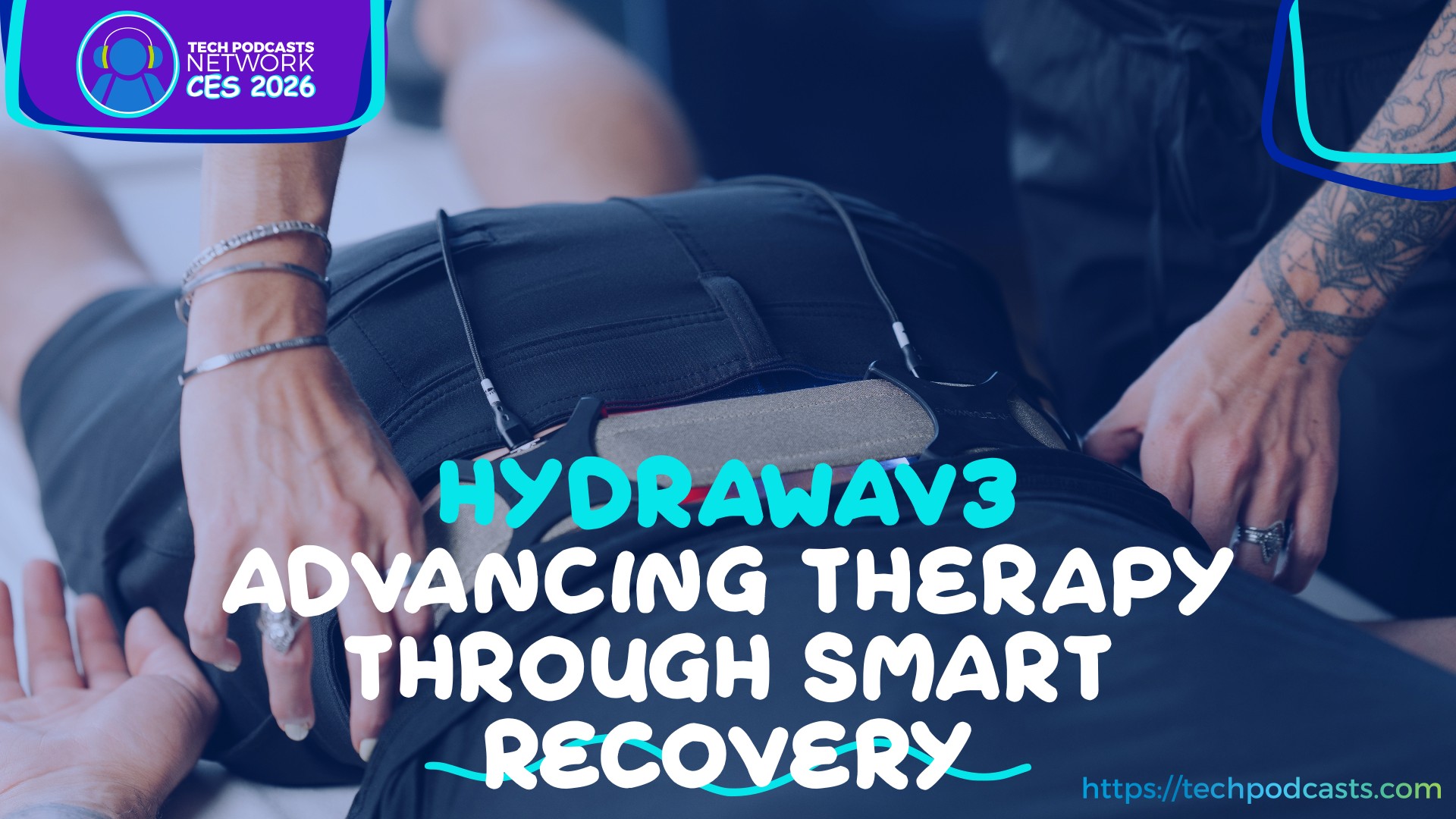 Wearable Recovery Technology Advancing Mobility Through Hydrawav3 | DescriptionRecovery tools used in physical therapy, chiropractic care, and sports rehabilitation are undergoing rapid transformation as wearable technologies become more capable and more accessible. Hydrawav3 introduces a system designed to support measurable mobility improvements within minutes, offering a hands‑off recovery option for practitioners and a future consumer pathway for personal use.The device is described as a wellness tool built for pre‑recovery and post‑recovery scenarios, particularly when traditional physical manipulation is too painful or not yet possible. By focusing on polarity, thermal therapy, and light‑based stimulation, the system aims to relax or activate muscles depending on the user's needs. This approach supports athletes, patients recovering from injuries, and individuals seeking faster mobility gains.Understanding Polarity and Multi‑Modal StimulationA central concept behind Hydrawav3 is the body's natural polarity. Sivakumar Palaniswamy, Founder and CEO, explains that a healthy body typically maintains warmer feet and a cooler head, while illness or inflammation can reverse this pattern. By interacting with these polarity shifts, the device is designed to reset muscles, reduce inflammatory responses, and support relaxation or activation.The system includes two primary components: a motherboard and wearable polar pads. These pads can be placed on various parts of the body using belts, allowing targeted support for areas such as the back, neck, hands, or legs. The pads incorporate multiple technologies, including mild cryotherapy, heat therapy, red and blue light, vibro‑mechanical stimulation, and crystal‑based programming.The pads are fanless, battery‑powered, and capable of producing cold within seconds, making them suitable for traveling nurses, mobile practitioners, and sports therapists. The device cycles through different modes to influence the parasympathetic nervous system, supporting relaxation, improved circulation, and reduced stiffness.Practical Applications for Therapy and SportsHydrawav3 is positioned as a tool that can be used before physical therapy sessions to loosen muscles and reduce discomfort, allowing practitioners to work more effectively. For individuals recovering from injuries, surgeries, or immobilization, the device offers a non‑invasive way to prepare the body for treatment.Athletes and sports rehabilitation centers are identified as early adopters, particularly those seeking rapid recovery between training sessions or during competition. The promise of measurable mobility within minutes aligns with the needs of high‑performance environments where downtime must be minimized.The professional version of the device is priced at $2,295 and includes an intelligent app that analyzes pain points and identifies potential root causes. A consumer edition is planned for release within two quarters, with pricing expected to fall within a few hundred dollars to support broader accessibility.Technology, Accessibility, and Insurance PathwaysPalaniswamy notes that insurance pathways may be available through CPT codes used by physical therapists and chiropractors. While the device is categorized as a wellness tool, practitioners may be able to administer sessions under existing mobility‑related codes.Hydrawav3 is developed and assembled in Arizona, with all R&D and production based in the United States. The company's direct‑to‑practitioner model supports immediate deployment, while the upcoming consumer edition aims to expand access to individuals seeking at‑home recovery tools.ConclusionHydrawav3 introduces a wearable recovery system designed to support faster mobility, reduced inflammation, and improved therapeutic outcomes. Through polarity‑based stimulation, thermal therapy, and multi‑modal light and vibration technologies, the device offers a hands‑off approach suitable for physical therapists, chiropractors, sports rehabilitation centers, and future consumer users. As recovery tools continue to evolve, this system reflects a shift toward more accessible, technology‑driven wellness solutions.Interview by Scott Ertz of PLUGHITZ Live.Sponsored by: Get $5 to protect your credit card information online with Privacy. Amazon Prime gives you more than just free shipping. Get free music, TV shows, movies, videogames and more. Secure your connection and unlock a faster, safer internet by signing up for PureVPN today.ParticipantsSurge VelazquezHostScott ErtzEpisode AuthorScott Ertz is a seasoned media professional whose dynamic presence spans broadcasting, journalism, and tech storytelling. As Editor-in-Chief of PLUGHITZ Live, he leads a multimedia platform that blends insightful reporting with engaging live coverage of major industry events. He's best known as the host of F5 Live: Refreshing Technology, a long-running show that demystifies emerging tech trends with clarity and charisma, and Piltch Point, where he collaborates with Avram Piltch to spotlight cutting-edge innovations. Scott's media journey began with a passion for connecting audiences to the pulse of technology. His work has taken him behind the scenes at CES, Collision Conference, and FIRST Robotics events, where he's interviewed industry leaders and captured the cultural impact of tech in real time. His on-camera style is both approachable and informed, making complex topics accessible to viewers across platforms. Beyond hosting, Scott is a developer and producer, shaping the technical backbone of PLUGHITZ Corporation's properties. His storytelling is rooted in authenticity, whether he's scripting historical segments or crafting social media narratives. With a background in gaming culture and community engagement, Scott brings a unique blend of nostalgia, innovation, and journalistic integrity to every broadcast. His voice is one of curiosity, connection, and creative leadership.InterviewPowered by Privacy | — | ||||||
| 2/18/26 |  Navigating Emotions: Limbico Can Help Us Understand Ourselves Better | DescriptionIn recent years, the importance of mental health has gained unprecedented attention, with a growing recognition of the need for innovative solutions to address emotional well-being. One such solution is the AI-driven emotional awareness app, Limbico, which aims to help users cultivate a better understanding of their emotional states through advanced technology. Founded by Nati, who experienced a personal tragedy related to mental health, Limbico represents a significant step forward in the integration of artificial intelligence and emotional awareness.The Concept Behind LimbicoAt its core, Limbico is designed to empower users by enhancing their emotional awareness. Nati's journey began after losing a close friend to mental health issues at a young age, which profoundly influenced his perspective on life and the importance of emotional health. Recognizing that emotions are transient and do not define a person, Limbico seeks to provide users with an understanding of their mental states, allowing them to navigate through feelings of anxiety, depression, and stress without labeling themselves by these emotions.Unlike conventional mental health solutions that often require specialized hardware or therapy sessions, Limbico leverages existing wearable technology and smartphones to create a seamless user experience. By connecting to devices such as Apple Watches and Garmins, the app collects data on users' physical activity, sleep patterns, and communication habits. This data serves as the foundation for assessing a user's mental state and providing personalized insights and recommendations.The Role of Artificial IntelligenceThe innovative use of artificial intelligence in Limbico sets it apart from other mental health applications. The app acts as a constant companion, akin to an empathetic friend who observes and interprets users' daily activities. For instance, if a user typically sends an average of 100 texts a week and suddenly drops to 10, the AI recognizes this behavioral change as a potential indicator of emotional distress. However, it is important to note that Limbico does not rely solely on one data point; it synthesizes various factors to form a comprehensive understanding of the user's mental health.The AI's capacity to analyze diverse data inputs allows it to generate tailored insights. For example, if the app detects an increase in heart rate variability or poor sleep quality, it can initiate a conversation with the user, offering support and suggesting activities that align with their current emotional state. This proactive approach aims to foster a deeper connection between users and their emotional well-being, encouraging them to recognize that their feelings are temporary and manageable.User Experience and EngagementLimbico's design philosophy emphasizes user engagement without demanding excessive attention. Recognizing the challenges posed by modern technology, particularly the addictive nature of social media and mobile devices, the app aims to provide support without overwhelming users. Instead of requiring users to log in and actively engage with the app for extended periods, Limbico operates in the background, sending timely notifications and messages based on real-time data analysis.This approach not only respects users' time but also aligns with the app's goal of promoting emotional awareness in a non-intrusive manner. Users can interact with the app at their convenience, receiving insights and support tailored to their unique situations. The absence of a prescribed time commitment allows for a more organic integration of emotional awareness into users' daily lives.Future DirectionsWhile Limbico currently focuses on user experience, there are plans to expand its functionality to include features beneficial for mental health professionals. The potential for therapists to receive insights from the app could enhance their understanding of patients' progress between sessions. By incorporating feedback mechanisms that allow users to share their emotional data with therapists, Limbico could bridge the gap between self-awareness and professional support.Moreover, as the app evolves, there is the possibility of customizing the AI's voice and interaction style to better suit individual preferences, making the experience even more personal and relatable.ConclusionThe emergence of AI-driven emotional awareness apps like Limbico marks a transformative shift in how we approach mental health. By harnessing technology to foster emotional understanding and support, Limbico offers a promising solution for individuals seeking to navigate their emotional landscapes. As society continues to prioritize mental health, innovations like Limbico will play a crucial role in empowering individuals to take charge of their emotional well-being, ultimately contributing to a healthier, more aware society.Interview by Marlo Anderson of The Tech Ranch.Sponsored by: Get $5 to protect your credit card information online with Privacy. Amazon Prime gives you more than just free shipping. Get free music, TV shows, movies, videogames and more. Secure your connection and unlock a faster, safer internet by signing up for PureVPN today.ParticipantsScott ErtzEpisode AuthorScott Ertz is a seasoned media professional whose dynamic presence spans broadcasting, journalism, and tech storytelling. As Editor-in-Chief of PLUGHITZ Live, he leads a multimedia platform that blends insightful reporting with engaging live coverage of major industry events. He's best known as the host of F5 Live: Refreshing Technology, a long-running show that demystifies emerging tech trends with clarity and charisma, and Piltch Point, where he collaborates with Avram Piltch to spotlight cutting-edge innovations. Scott's media journey began with a passion for connecting audiences to the pulse of technology. His work has taken him behind the scenes at CES, Collision Conference, and FIRST Robotics events, where he's interviewed industry leaders and captured the cultural impact of tech in real time. His on-camera style is both approachable and informed, making complex topics accessible to viewers across platforms. Beyond hosting, Scott is a developer and producer, shaping the technical backbone of PLUGHITZ Corporation's properties. His storytelling is rooted in authenticity, whether he's scripting historical segments or crafting social media narratives. With a background in gaming culture and community engagement, Scott brings a unique blend of nostalgia, innovation, and journalistic integrity to every broadcast. His voice is one of curiosity, connection, and creative leadership.Marlo AndersonNetwork HostMarlo is a serial entrepreneur, global speaker, futurist and founder of National Day Calendar. Trending over 450 times on Twitter last year and a Social Media reach in the hundreds of millions, National Day Calendar is followed daily by more than 20,000 media outlets including Elvis Duran, Ellen Degeneres, Fox & Friends and Good Morning America. National Calendar Day has appeared in many major newspapers from the Wall Street Journal to the Fargo Forum. When he's not celebrating every day, he is the host of the radio show "The Tech Ranch" where he is known as "The Guru of Geek." This unique platform has allowed him to gain deep knowledge in emerging technology trends and hardware.InterviewPowered by Privacy | — | ||||||
Showing 25 of 236
Pitch Fit is a Pro feature
See how bookable this show is for guests, which brands already advertise, the per-episode ad value, and the best-fit guest and sponsor profile. The numbers are blurred on the free plan.
How readily this show books outside guests like you.
How proven this show is for host-read sponsorships.
For Guests
ProFor Advertisers
ProUpgrade to Pro to unlock guest cadence, sponsor categories, fit scores, and per-episode ad value for this show.
Chart Positions
1 placement across 1 market.
Chart Positions
1 placement across 1 market.