
Podcast Notes Playlist: Startup
by Podcast Notes
Is this your podcast?Insights from recent episode analysis
Audience Interest
Podcast Focus
Publishing Consistency
Platform Reach
Insights are generated by CastFox AI using publicly available data, episode content, and proprietary models.
Most discussed topics
Brands & references
Est. Listeners
Insufficient chart data. Estimates will improve as the show charts.
- Per-Episode Audience
Est. listeners per new episode within ~30 days
N/A🎙 Weekly cadence·30 episodes·Last published 1w ago - Monthly Reach
Unique listeners across all episodes (30 days)
N/A - Active Followers
Loyal subscribers who consistently listen
N/A
Market Insights
Platform Distribution
Reach across major podcast platforms, updated hourly
Total Followers
—
Total Plays
—
Total Reviews
—
* Data sourced directly from platform APIs and aggregated hourly across all major podcast directories.
On the show
From 11 epsHosts
Recent guests
Recent episodes
Travis Kalanick, Founder of Uber & Atoms
Aug 22, 2026
1h 48m 54s
#408 How to Make a Few MORE Billion Dollars: Brad Jacobs
Jul 28, 2026
43m 14s
Mental Models That Change How You Think | Bill Gurley
Jul 27, 2026
1h 02m 19s
#424 Peter Thiel on How to Build a Creative Monopoly
Jul 19, 2026
53m 43s
Sell the Truth
May 16, 2026
27m 40s
Social Links & Contact
Official channels & resources
Official Website
Login
RSS Feed
Login
| Date | Episode | Topics | Guests | Brands | Places | Keywords | Sponsor | Length | |
|---|---|---|---|---|---|---|---|---|---|
| 8/22/26 | 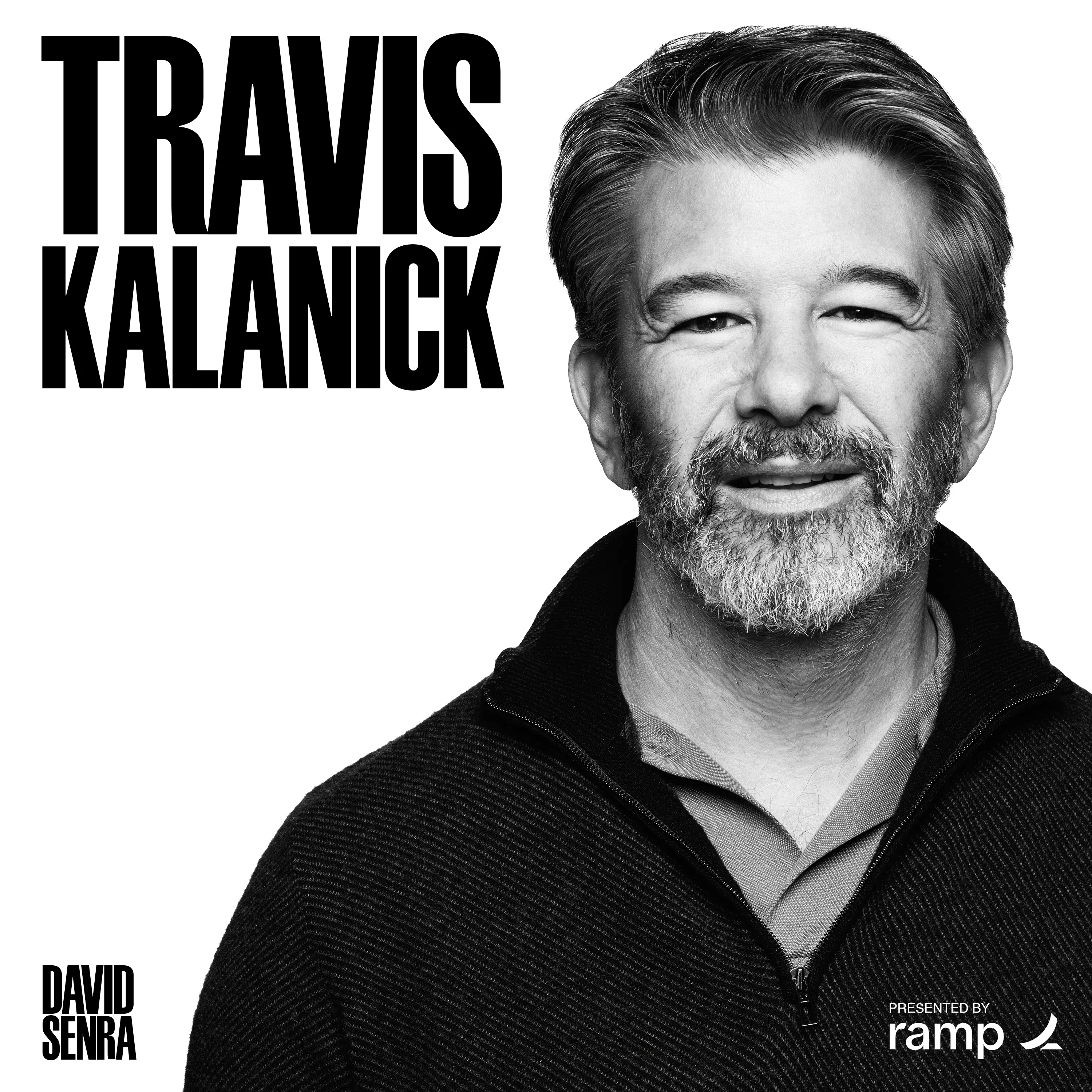 Travis Kalanick, Founder of Uber & Atoms | David Senra Key Takeaways Check out the episode page and show notesRead the full notes @ podcastnotes.orgTravis Kalanick is best known for co-founding Uber and building it into one of the world’s largest transportation platforms. Before Uber, he spent years building Red Swoosh under extreme financial pressure. He says he took no salary for its first four years, repeatedly ran out of money and lost much of his social life to the company before eventually selling it. He later invested much of the proceeds in friends’ startups, becoming the first investor in Expensify. Kalanick started Uber at 33 and carried the intensity of those earlier years into the company. He describes operating with “precision, perfection and obsession” and continued running Uber with the mentality of someone worried about making the next grocery bill even after the company had reached a valuation of roughly $70 billion. Under his leadership, Uber expanded rapidly across cities and countries, creating a new category of app-based transportation and challenging the entrenched taxi systems that controlled many local markets. Uber’s growth depended on empowering young operators to build markets from scratch while maintaining tight control over the decisions that mattered most. Kalanick personally participated in the pricing process for the company’s first 20 to 30 cities, using each launch to refine a playbook that could eventually operate without him. He describes this management philosophy as finding the line between order and chaos: using the fewest possible rules while preserving the structure required to move quickly at scale. After leaving Uber, he returned to company building within months. His current company, Atoms, is developing artificial intelligence and specialized robotics for industries including food, mining and transportation. Kalanick describes his role as “problem solver in chief,” focusing on the most consequential problems that are not already being solved and pursuing what he considers his broader calling: digitizing the physical world. Show notes: https://www.davidsenra.com/episode/travis-kalanick Made possible by Ramp: https://ramp.com AppLovin: https://applovin.com/senra Deel: https://deel.com/senra Chapters (00:00:00) Building Atoms & the Meta Problem of Management (00:03:51) The Appeal of Impossible Problems: Starting Over in China (00:12:19) Uber vs. Didi: Copycats, Hypergrowth & China's Rules (00:21:02) How Network Effects Become an Efficiency Fortress (00:31:48) Capitalism vs. the Taxi Cartel (00:44:05) The China War Goes Global & the Entrepreneur's Capacity for Pain (00:54:04) Life After Uber: Lawfare, Media Narratives & Reputation (00:58:21) What Founders Get Wrong About Venture Capital (01:08:35) The Fundraising Playbook: QED Storytelling & a Five-Room Auction (01:18:38) The Uber Coup, Radical Accountability & Outgrowing Fear (01:26:42) Why Specialized Robots Beat Humanoids at Industrial Scale (01:31:30) Finding Your Sport: Food, Mining & the Physical AI Stack (01:40:14) How to Build Many Companies Inside One Company (01:46:33) Entropy, Civilization & the Meaning of Progress Learn more about your ad choices. Visit megaphone.fm/adchoices | 1h 48m 54s | ||||||
| 7/28/26 |  #408 How to Make a Few MORE Billion Dollars: Brad Jacobs | Founders Key Takeaways “You’ve got to think extraordinarily big from day one. Nobody achieves massive success by thinking small and hoping to become big.” – Brad JacobsNegative and goal-based fuel sources can be depleted, you didn’t want to be poor, then you made X amount of money, and the tank is emptyA generative fuel source compounds instead: the drive creates more energy, more ideas, more momentum the more it’s used The act of creation becomes its own feedback loop instead of needing constant external validation from money, praise, or statusBrad and his teams have raised roughly $50 billion in total capital to fund M&A and organic growth, and in a matter of days or even hours he can raise hundreds of millions or even billionsTwo of QXO’s current top 20 shareholders had never heard of Brad until he was profiled on Founders, and they have since put $750 million into the companyDavid’s favorite sentence in the entire book: “The most consequential decision you’ll make in business and in life is who you surround yourself with”“If you’re not substantially improving the companies you buy, you’re just moving capital around”He negotiates unrestricted access to the company from the moment the agreement is signed, not the day the deal closes, and that is not commonplace in M&AEvery position gets categorized three ways: must have, nice to have, or what the hell, and they take a broom to that third categoryHe started Transcendental Meditation at 16 and has meditated twice a day for decades without missing a single day“When I stopped expecting flawlessness from myself and others, I could let go of frustration and put that energy to good use”Read the full notes @ podcastnotes.orgIn 2024 Brad Jacobs wrote the book How to Make a Few Billion Dollars. In the book Brad explains how he built 8 separate billion dollar companies and other lessons from his 40+ year career as an elite entrepreneur. In the two years since Brad has made a few MORE billion dollars and so the sequel to his first book is: How to Make a Few MORE Billion Dollars. In this episode I share some of Brad's ideas on raising tons of money (Brad has raised over $50 billion), mastering his integration playbook, ideas for organizational integration, org chart design, and how Brad keeps his mind centered and in a positive place to handle the inevitable ups and downs of building great companies. Episode sponsors: Ramp gives you everything you need to control spend, watch your costs, and optimize your financial operations —all on a single platform. Make history's greatest entrepreneurs proud by going to Ramp and learning how they can help your business control your costs and save time and money. https://ramp.com Automate compliance, security, and trust with Vanta. Vanta helps you win trust, close deals, and stay secure—faster and with less effort. Find out how increased security leads to more customers by going to Vanta. Tell them David from Founders sent you and you'll get $1000 off. https://vanta.com/founders Collateral transforms your complex ideas into compelling narratives. Collateral crafts institutional grade marketing collateral for private equity, private credit, real estate, venture capital, family offices, hedge funds, oil & gas companies, and all kinds of corporations. Storytelling is one of the highest forms of leverage and you should invest heavily in it. You can do that by going to https://collateral.com | 43m 14s | ||||||
| 7/27/26 |  Mental Models That Change How You Think | Bill Gurley | Knowledge Project Key Takeaways The dating site story is systems thinking in one anecdote: a large dating site hypothesized longer profiles would drive more engagement They tested it. It was true. They rolled it outMany, many months later they discovered it was negative for conversion — when people knew that much about each other, they converted lessThat is a second-derivative effect, and you only find it way after the factThe combination is the whole point: know the really old stuff (the history of your field, which signals passion) and really understand the new edge. Do both and you’re a power playerApplying for a marketing job at P&G or Pepsi? Know the legends of marketing and genuinely get TikTok. That’s a wildly differentiated candidateThe built-in filter: if learning the history of your field sounds tedious, you’re in the wrong lane. Tedium is the signal that the passion isn’t thereWall Street is the buyer of the product venture capitalists create, since liquidity is either M&A or an IPO and that’s where the price gets set — so even at two people on a PowerPoint, you’re asking whether this thing grown up is something that buyer gets excited aboutChina has roughly 10 good open source models and the farmer metaphor explains why that matters: two agricultural societies, in one the farmers come to market, sell goods, go home. In the other, they’re forced to share best practices with every other farmer. Which one evolves faster? They’re open sourcing weights and publishing the new techniques. Meanwhile a lot of US startups are quietly forking those modelsThe chart that tells the AI funding story: losses of the category-leading company before going cash flow positive. Amazon was two or three billion. Uber was around 15 billion. These AI companies will be way bigger than thatBurn rate used to be the risk metric: ten years ago a million a month was terrifying. Now companies burn five billion a year, over a hundred million a month, and at that speed it’s genuinely hard to know what your unit economics even areStablecoins are functionally a workaround for regulation the banks lobbied into existence. ACH takes three days, a same-day wire costs $25 and a page of forms, and credit cards charge 2 to 2.5% — “there’s zero reason why it should cost two or three percent, just zero” UK Faster Payments did instant bank-to-bank 20 years ago, Pix hit 60-70% of transactions within six years, and the US built FedNow but it went nowhereBill once asked Jeff Bezos how his angel portfolio was so successful given he has zero free time. The answer: when he meets an entrepreneur there is only one question he asks himself, is this person going to do this no matter what, come hell or high water?Benchmark made the partnership flat — no lead partner, no king, no president, just five equal partners, which makes recruiting easy, actually develops new partners, and eliminates all the annual comp politics. The one huge negative: with no CEO, nobody owns anything firm-wide, which is why the site is still a single splash page 15 years laterRead the full notes @ podcastnotes.orgBill Gurley spent years on Wall Street, built his career as a partner at Benchmark, worked through Uber’s hypergrowth era, and now serves on the board of the Santa Fe Institute, where he studies complexity and systems thinking. In this episode, Bill shares the mental models he returns to most, including systems thinking, second- and third-order effects, and the importance of understanding both the bedrock of your field and the bleeding edge. He explains what separates great founders, why storytelling and product instincts matter, how he uses AI across different models, and what he sees coming in open source, China, stablecoins, tokenization, payments, and venture capital.  ------ Timestamps: (00:00) Key Mental Models (02:02) Investing Journey and Key Players (05:21) Knowing the Bedrock of the Industry (08:50) Obsessive Learning in Founders (10:04) The Silent Edge (11:44) Surprising AI Use (13:13) The Future of AI Models (14:17) Global AI Regulation (18:12) Impacts of AI on Investing (19:53) Are There Limitations on Training AI Models? (23:04) Would You Sit in the Back Seat While Your Tesla Drives? (24:15) Non-Consensus Opinions (24:53) Are We Overfunding this Buildout? (29:40) The Role of Retail Investors and Tokenization (34:26) What is a Stablecoin? (37:58) Competitive Mode: Visa and Mastercard (39:55) AI and Debt Analysis (45:05) The Craft of Storytelling and Writing (48:07) Founder Advantage: Product Instinct (50:12) Real World Lessons from Working With Uber (52:10) Inside Benchmark’s Success (59:42) What is Success for You? ------ Newsletter: The Brain Food newsletter delivers actionable insights and thoughtful ideas every Sunday. It takes 5 minutes to read, and it’s completely free. Learn more and sign up at fs.blog/newsletter ------ Follow Shane Parrish: X: https://x.com/shaneparrish Insta: https://www.instagram.com/farnamstreet/ LinkedIn: https://www.linkedin.com/in/shane-parrish-050a2183/ Follow Bill Gurley LinkedIn: https://www.linkedin.com/in/billgurley/ X: https://x.com/bgurley?lang=en Check out Runnin’ Down a Dream: How to Thrive in a Career You Actually Love ------ Thank you to the sponsors for this episode: +CoinShares: Delivering Reason to Digital Asset Investing. https://coinshares.com/ +Granola AI, The AI notepad for people in back-to-back meetings: https://www.granola.ai/shane Check out the Granola Notes +HeyGen is a message-first AI video platform that helps people and AI agents turn ideas into professional video in minutes. Try for free at https://www.heygen.com/tkp +LMNT: My go-to zero sugar electrolytes — get a free LMNT Sample Pack here: DrinkLMNT.com/TKP Learn more about your ad choices. Visit megaphone.fm/adchoices | 1h 02m 19s | ||||||
| 7/19/26 | creative monopolystartups+3 | Peter Thiel | — | — | Peter ThielZero to One+4 | Ramp | 53m 43s | ||
| 5/16/26 | credibilityleadership+5 | — | USVCAngelList+1 | — | Naval Ravikantcredibility+6 | — | 27m 40s | ||
| 2/19/26 | startup challengesfounder evaluation+3 | Brian Halligan | HubSpotSequoia | — | foundersLOCKS framework+3 | SentryCODE | 1h 14m 37s | ||
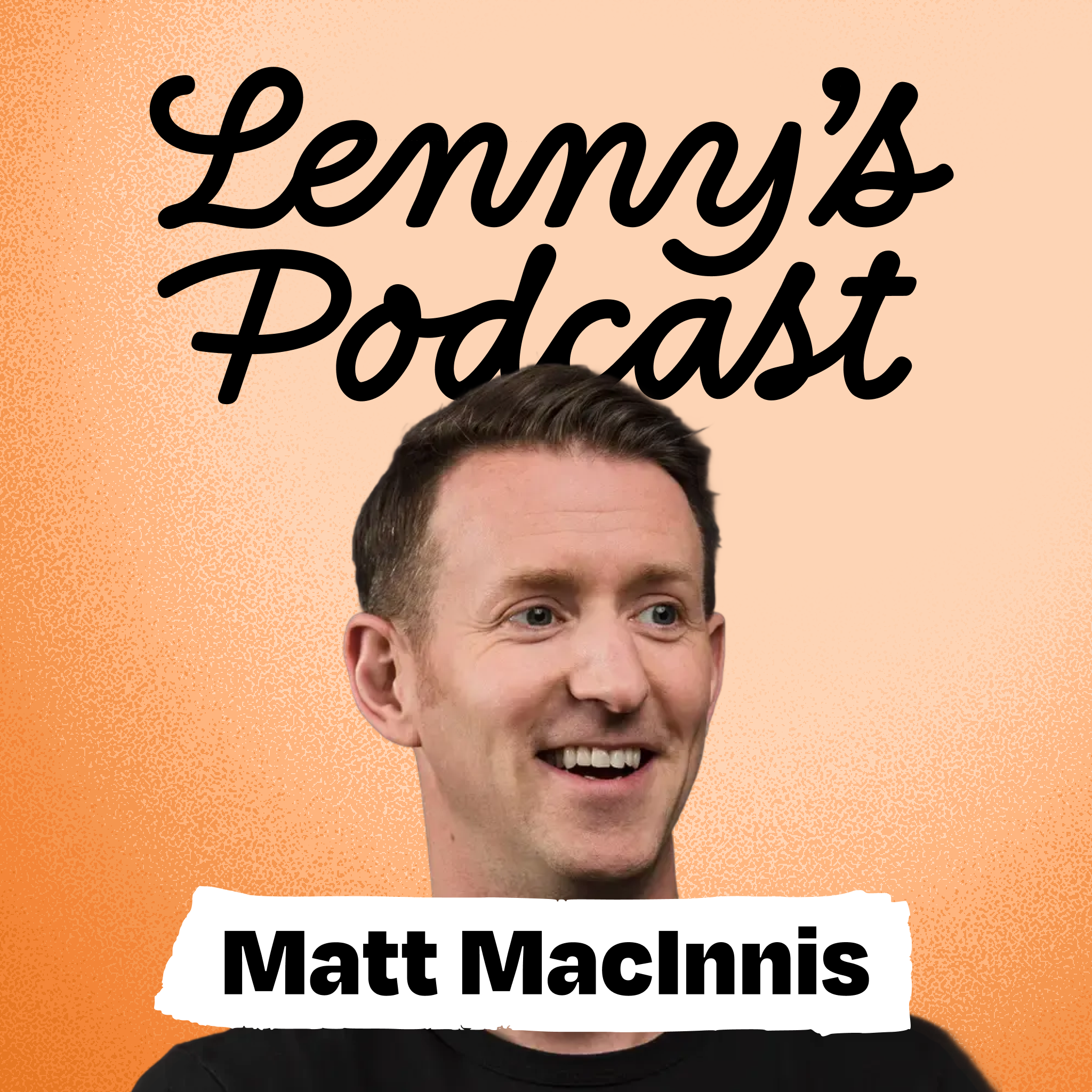
| 1/14/26 | leadershipstartup advice+4 | Matt MacInnis | Rippling | — | leadership truthsstartup+5 | — | 1h 36m 17s | ||
| 1/10/26 | stress managementweight loss+4 | — | NASAMind Pump | — | stressweight gain+5 | — | 1h 42m 01s | ||
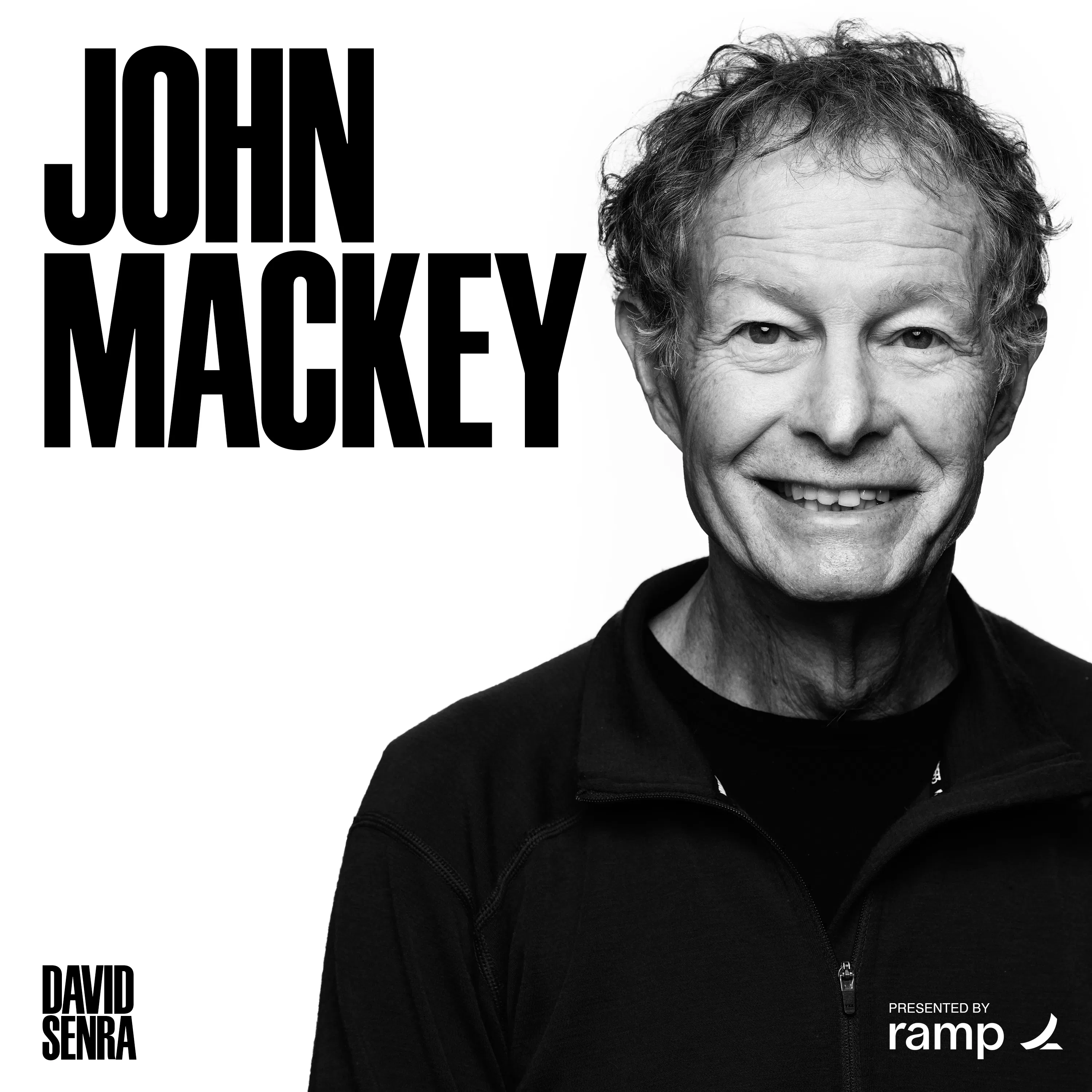
| 1/8/26 | acquisition strategycompetitive advantage+4 | John Mackey | Whole Foods Market | — | Whole Foodsacquisition+5 | — | 1h 41m 06s | ||
| 1/7/26 | teachinglove+4 | — | Podcast Notes | — | Jesusteaching+5 | — | 34m 39s | ||
Want analysis for the episodes below?Free for Pro Submit a request, we'll have your selected episodes analyzed within an hour. Free, at no cost to you, for Pro users. | |||||||||
| 1/7/26 | leadership lessonscommunication+4 | — | Podcast NotesHow to Take Over the World | — | leadershipcommunication+8 | — | 37m 45s | ||
| 12/21/25 | entrepreneurshipbusiness culture+3 | Bernie Marcus | Home DepotPodcast Notes | — | Home DepotBernie Marcus+5 | — | 1h 00m 47s | ||
| 11/21/25 | AI alignmentAGI development+3 | Emmett Shear | A16z | — | alignmentAGI+3 | — | 1h 10m 36s | ||
| 11/16/25 | entrepreneurshipbusiness strategy+3 | Todd Graves | Raising CanesPodcast Notes+2 | — | entrepreneurshipbusiness+6 | Ramp | 2h 01m 10s | ||
| 11/2/25 | I asked Cathie Wood the question no one else will | My First Million Key Takeaways Tesla as AI’s Largest Play: Tesla represents the world’s largest AI project, combining robotaxis ($8-10T opportunity, 50% platform capture) and humanoid robots ($26T opportunity in 7-15 years) Embodied AI (physical + digital) is severely underappreciated by marketsElon’s recent FSD breakthrough, solving “the last mile” problem, positions Tesla to dominate autonomous mobilityWright’s Law Investment Framework: Cost per unit falls by a constant percentage with every cumulative doubling of productionThis mathematical certainty drives exponential adoption in AI compute, EV batteries, robotics, and DNA sequencingEVs have unlimited doublings ahead; internal combustion engines have none—making legacy automotive “no shot” to compete long-termPortfolio Management Beyond Headlines: Selling Nvidia from early entry at $0.20 per share was not necessarily a mistake if proceeds were used to buy another stock that 10x’d in price Opportunity cost matters more than hindsight narrativesARK trades volatility thresholds around conviction holdings without thesis changesBull Market Discipline and Rebalancing: Top-performing stocks go crazy in bull runs; this requires active diversification and profit-taking End-point sensitivity in performance criticism ignores the fund timeframeHer future strategy: aggressive rebalancing guidance to counter fear/greed cycles inherent to retail investor behaviorRead the full notes @ podcastnotes.orgGet the free investing playbook to invest like Warren Buffet: https://clickhubspot.com/rme Episode 760: Shaan Puri ( https://x.com/ShaanVP ) talks to Cathie Wood ( https://x.com/CathieDWood ) about her fund’s performance, her biggest bets on AI, and the most misunderstood stock on earth. — Show Notes: (0:00) McDonald’s to Managing Billions (8:54) A day in the life of Cathie Wood (17:29) ARK’s Performance Review (30:00) Cathie’s #1 stock pick — Links: • ARK - https://www.ark-funds.com/ • The MFM Newsletter Challenge - https://www.beehiiv.com/application/mfm — Check Out Shaan's Stuff: • Shaan's weekly email - https://www.shaanpuri.com • Visit https://www.somewhere.com/mfm to hire worldwide talent like Shaan and get $500 off for being an MFM listener. Hire developers, assistants, marketing pros, sales teams and more for 80% less than US equivalents. • Mercury - Need a bank for your company? Go check out Mercury (mercury.com). Shaan uses it for all of his companies! Mercury is a financial technology company, not an FDIC-insured bank. Banking services provided by Choice Financial Group, Column, N.A., and Evolve Bank & Trust, Members FDIC — Check Out Sam's Stuff: • Hampton - https://www.joinhampton.com/ • Ideation Bootcamp - https://www.ideationbootcamp.co/ • Copy That - https://copythat.com • Hampton Wealth Survey - https://joinhampton.com/wealth • Sam’s List - http://samslist.co/ My First Million is a HubSpot Original Podcast // Brought to you by HubSpot Media // Production by Arie Desormeaux // Editing by Ezra Bakker Trupiano | 42m 33s | ||||||
| 10/29/25 |  My Conversation with Brad Jacobs | Founders I’ve started a new show where I have conversations with the greatest living Founders. The show is called David Senra. It will be on a separate podcast feed from Founders. So it is very important that you follow David Senra on Spotify, Apple Podcasts, YouTube, or wherever you're listening to this so you don't miss future episodes. Nothing is changing with Founders. I will never stop making Founders. | 2h 04m 39s | ||||||
| 10/26/25 | Marc Andreessen and Amjad Masad: English As the New Programming Language | A16z Podcast Key Takeaways In any domain of human effort in which there is a verifiable answer, AI will drive extremely rapid progress; it is about the concreteness of the problem, not the difficulty In fields with concrete true/false answers (math, coding, physics, genomics), AI will drive extremely rapid advancementThe difficulty matters less than the concreteness of the problemAI agents can now code autonomously for hoursUsing platforms like Replit, anyone can describe an app in plain English, and AI will build itAgents maintain coherence through verification loops that allow them to check their work and course-correct in real-timeThe definition of AI is always the next thing that the machine can’t do; AI scientists are always being judged against the next thing, as opposed to all the things they have already accomplished We may be hitting diminishing returns with frontier modelsGPT-5 showed improvements in verifiable domains, but didn’t advance much elsewhereTop models excel at synthesizing information but struggle with nuanced, abstract problems and original discovery“Functional AGI” may block true AGI: AI that’s “good enough” to automate most economically useful tasks could reduce incentives to pursue actual general intelligenceThe real AGI benchmark should be efficient continual learning and generalized reasoning acquisitionRead the full notes @ podcastnotes.orgAmjad Masad, founder and CEO of Replit, joins a16z’s Marc Andreessen and Erik Torenberg to discuss the new world of AI agents, the future of programming, and how software itself is beginning to build software.They trace the history of computing to the rise of AI agents that can now plan, reason, and code for hours without breaking, and explore how Replit is making it possible for anyone to create complex applications in natural language. Amjad explains how RL unlocked reasoning for modern models, why verification loops changed everything, whether LLMs are hitting diminishing returns — and if “good enough” AI might actually block progress toward true general intelligence. Resources:Follow Amjad on X: https://x.com/amasadFollow Marc on X: https://x.com/pmarcaFollow Erik on X: https://x.com/eriktorenberg Stay Updated: If you enjoyed this episode, be sure to like, subscribe, and share with your friends!Find a16z on X: https://x.com/a16zFind a16z on LinkedIn: https://www.linkedin.com/company/a16zListen to the a16z Podcast on Spotify: https://open.spotify.com/show/5bC65RDvs3oxnLyqqvkUYXListen to the a16z Podcast on Apple Podcasts: https://podcasts.apple.com/us/podcast/a16z-podcast/id842818711Follow our host: https://x.com/eriktorenbergPlease note that the content here is for informational purposes only; should NOT be taken as legal, business, tax, or investment advice or be used to evaluate any investment or security; and is not directed at any investors or potential investors in any a16z fund. a16z and its affiliates may maintain investments in the companies discussed. For more details please see a16z.com/disclosures. Stay Updated:Find a16z on XFind a16z on LinkedInListen to the a16z Show on SpotifyListen to the a16z Show on Apple PodcastsFollow our host: https://twitter.com/eriktorenberg Please note that the content here is for informational purposes only; should NOT be taken as legal, business, tax, or investment advice or be used to evaluate any investment or security; and is not directed at any investors or potential investors in any a16z fund. a16z and its affiliates may maintain investments in the companies discussed. For more details please see a16z.com/disclosures. Hosted by Simplecast, an AdsWizz company. See pcm.adswizz.com for information about our collection and use of personal data for advertising. | — | ||||||
| 10/26/25 | ![Karim Atiyeh - Building Ramp - [Invest Like the Best, EP.445] episode artwork](https://megaphone.imgix.net/podcasts/cae7f966-ae33-11f0-8236-4fd7e9c6dce4/image/0fb181429122f7588081e39bfdcb7fdb.jpg?ixlib=rails-4.3.1&max-w=3000&max-h=3000&fit=crop&auto=format,compress) Karim Atiyeh - Building Ramp - [Invest Like the Best, EP.445] | Invest Like the Best Key Takeaways Check out the episode pageRead the full notes @ podcastnotes.orgMy guest today is Karim Atiyeh. Karim is the co-founder and CTO of Ramp, the fastest-growing finance automation platform in history, reaching over $1 billion in revenue in just over five years. Ramp is, of course, also our presenting sponsor, so I’m obviously very biased in how highly I think about Ramp and about Karim. But, this interview was not part of that sponsorship, I simply view Karim as one of the best operators active today. Ramp is building what Karim calls "self-driving finance"—using AI agents to automate everything from expense policy enforcement to invoice processing, eliminating the bureaucratic waste that plagues modern businesses. Karim shares his framework for moving from using AI as a productivity tool to programming AI as your actual product, with policy agents that understand context better than humans and improve continuously. Our discussion captures the relentless iteration speed and technical depth required to build generational companies in the age of AI. We explore his systematic approach to building consumer-grade experiences for business software, the psychology behind his "divinely discontent" management style, and why he believes technical founders will dominate this era because they can see possibilities others miss. Please enjoy my conversation with Karim Atiyeh. For the full show notes, transcript, and links to mentioned content, check out the episode page here. ----- This episode is brought to you by Ramp. Ramp’s mission is to help companies manage their spend in a way that reduces expenses and frees up time for teams to work on more valuable projects. Go to Ramp.com/invest to sign up for free and get a $250 welcome bonus. – This episode is brought to you by Ridgeline. Ridgeline has built a complete, real-time, modern operating system for investment managers. It handles trading, portfolio management, compliance, customer reporting, and much more through an all-in-one real-time cloud platform. Head to ridgelineapps.com to learn more about the platform. – This episode is brought to you by AlphaSense. AlphaSense has completely transformed the research process with cutting-edge AI technology and a vast collection of top-tier, reliable business content. Invest Like the Best listeners can get a free trial now at Alpha-Sense.com/Invest and experience firsthand how AlphaSense and Tegus help you make smarter decisions faster. ----- Editing and post-production work for this episode was provided by The Podcast Consultant (https://thepodcastconsultant.com). Show Notes: (00:00:00) Welcome to Invest Like the Best (00:05:09) The Competitive Landscape and AI Advancements (00:07:27) Building Self-Driving Finance with AI (00:08:28) Policy Agents and Automation (00:12:14) Ramp's User Experience and Design Philosophy (00:23:10) Kareem's Background and Entrepreneurial Journey (00:28:06) Founding Paribus and Lessons Learned (00:41:57) The Birth of Ramp and Early Challenges (00:54:30) Nurturing Investor Relationships (00:57:10) Challenges in Fundraising (00:58:23) Customer Adoption and Product Evolution (01:01:55) Transition to SaaS Revenue Model (01:06:37) Marketing Innovations and Experiments (01:24:16) Recruiting for Spikiness and Speed (01:31:29) Future of Payments and Business Models (01:39:06) The Kindest Thing | 1h 45m 02s | ||||||
| 10/12/25 | Brainstorming $100M Ideas with the $1B+ King of Brands | My First Million Key Takeaways The Eric Ryan Entrepreneurial Playbook: Find categories drowning in a sea of sameness, spot the macro trend incumbents are missing, then build the solution in that gap.Relentlessly look for a cultural shift that a category has missed: The future is here, it is just not evenly distributed If a category appears to take itself too seriously, then it is probably hiding something, and likely an opportunity to take advantage of in that space The goal is to create an object of desire; take something that people have to buy and turn it into something that people want to buy The entrepreneurial sweet spot lives at the intersection of familiarity and novelty; finding these intersections is the art formThe Power of Consumer Auditions: When you sit down with buyers, instead of trying to prove yourself, try to improve yourself and invite their feedback into your creative process When building off a successful product, change one thing at a time – throw consumers one egg and they’ll catch it; throw three and they’ll drop them allThe Art of Simplification is the biggest hack in entrepreneurship: The best entrepreneurs take complex ideas and simplify them down; this makes it easy for the consumer to understand and for the team to execute against If what you are working on is giving you energy back, then you are probably working on the right thing Read the full notes @ podcastnotes.orgWant the guide to spot $100M+ Product Ideas? Get it here: https://clickhubspot.com/hre Episode 754: Sam Parr ( https://x.com/theSamParr ) and Shaan Puri ( https://x.com/ShaanVP ) brainstorm $100M ideas with Eric Ryan ( https://x.com/ericthomasryan ). — Show Notes: (0:00) My $1B product playbook (3:32) Look for a sea of sameness (9:31) Trend trips (15:27) Remix opposing ideas (22:46) Case Study: Olly (32:14) The State of Make (37:54) IDEA: A better Metamucil (44:34) IDEA: The SoulCycle of diners (55:57) IDEA: White label chicken (1:03:28) Holy Grail of Naming (1:06:23) IDEA: Gourmet Babybels (1:10:28) IDEA: fun shaped cheese (1:14:26) Commit and then figure ou — Links: • Method - https://methodhome.com/ • Olly - https://www.olly.com/ • Welly - https://www.getwelly.com/ — Check Out Shaan's Stuff: • Shaan's weekly email - https://www.shaanpuri.com • Visit https://www.somewhere.com/mfm to hire worldwide talent like Shaan and get $500 off for being an MFM listener. Hire developers, assistants, marketing pros, sales teams and more for 80% less than US equivalents. • Mercury - Need a bank for your company? Go check out Mercury (mercury.com). Shaan uses it for all of his companies! Mercury is a financial technology company, not an FDIC-insured bank. Banking services provided by Choice Financial Group, Column, N.A., and Evolve Bank & Trust, Members FDIC — Check Out Sam's Stuff: • Hampton - https://www.joinhampton.com/ • Ideation Bootcamp - https://www.ideationbootcamp.co/ • Copy That - https://copythat.com • Hampton Wealth Survey - https://joinhampton.com/wealth • Sam’s List - http://samslist.co/ My First Million is a HubSpot Original Podcast // Brought to you by HubSpot Media // Production by Arie Desormeaux // Editing by Ezra Bakker Trupiano | 1h 20m 36s | ||||||
| 10/10/25 | How Peter Lynch Became The Greatest Fund Manager Of All Time | The Compound and Friends Key Takeaways “Selling your winners and holding your losers is like cutting your flowers and watering the weeds.” “The real key to making money in stocks is to not get scared out of them.” Knowing what you own is the most important part of investing“Far more money has been lost by investors preparing for corrections, or trying to anticipate corrections, than has been lost in corrections themselves.” Economists have predicted 33 of the last 11 recessions “You get recessions, you get stock market declines. If you don’t understand that that’s going to happen, then you’re not ready and you won’t do well in markets.”There is no way to dance around the tumultuous times in the market; you have to learn how to live through them “If you spend more than thirteen minutes analyzing economic and market forecasts, you’ve wasted ten minutes.”“Behind every stock is a company. Find out what it’s doing.” Just because someone is a professional does not mean that they know more than you “In the long run, a portfolio of well-chosen stocks or mutual funds can outperform the most sophisticated investment strategy.”Read the full notes @ podcastnotes.orgOn episode 211 of The Compound and Friends, Downtown Josh Brown is joined by Peter Lynch, Vice Chairman of Fidelity Management and Research to discuss: Peter's legendary career, how individual investors can succeed in the market, the biggest investing mistakes, and much more! This episode is presented by Fidelity Investments and the all-new Fidelity Trader+, Fidelity’s most powerful trading platform yet. Learn more at: https://Fidelity.com/TraderPlus Sign up for The Compound Newsletter and never miss out: thecompoundnews.com/subscribe Instagram: instagram.com/thecompoundnews Twitter: twitter.com/thecompoundnews LinkedIn: linkedin.com/company/the-compound-media/ TikTok: tiktok.com/@thecompoundnews Investing involves the risk of loss. This podcast is for informational purposes only and should not be or regarded as personalized investment advice or relied upon for investment decisions. Michael Batnick and Josh Brown are employees of Ritholtz Wealth Management and may maintain positions in the securities discussed in this video. All opinions expressed by them are solely their own opinion and do not reflect the opinion of Ritholtz Wealth Management. The Compound Media, Incorporated, an affiliate of Ritholtz Wealth Management, receives payment from various entities for advertisements in affiliated podcasts, blogs and emails. Inclusion of such advertisements does not constitute or imply endorsement, sponsorship or recommendation thereof, or any affiliation therewith, by the Content Creator or by Ritholtz Wealth Management or any of its employees. For additional advertisement disclaimers see here https://ritholtzwealth.com/advertising-disclaimers. Investments in securities involve the risk of loss. Any mention of a particular security and related performance data is not a recommendation to buy or sell that security. The information provided on this website (including any information that may be accessed through this website) is not directed at any investor or category of investors and is provided solely as general information. Obviously nothing on this channel should be considered as personalized financial advice or a solicitation to buy or sell any securities. See our disclosures here: https://ritholtzwealth.com/podcast-youtube-disclosures/ Learn more about your ad choices. Visit megaphone.fm/adchoices | 56m 27s | ||||||
| 10/7/25 | ![Dylan Patel - Inside the Trillion-Dollar AI Buildout - [Invest Like the Best, EP.442] episode artwork](https://megaphone.imgix.net/podcasts/799253cc-9de9-11f0-8661-ab7b8e3cb4c1/image/d41d3a6f422989dc957ef10da7ad4551.jpg?ixlib=rails-4.3.1&max-w=3000&max-h=3000&fit=crop&auto=format,compress) Dylan Patel - Inside the Trillion-Dollar AI Buildout - [Invest Like the Best, EP.442] | Invest Like the Best Key Takeaways Today, the challenge is not to make the model bigger; the problem is knowing how best to generate and create data in useful domains so that the model gets better at them AIs do not have to get to digital god mode for AI to have an enormous impact on productivity and society: Even if AI does not become smarter than humans in the short term, the economic value creation boom will still be enormous“If we didn’t have the AI boom, the US probably would be behind China and no longer the world hegemon by the end of the decade, if not sooner.” – Dylan Patel The US is doing what China has done historically: dumping tons of capital into something, and then the market becomes If there is a sustained lag in model improvement, the US economy will go into a recession; this is the case for Korea and Taiwan, too On the AI talent wars: If these companies are willing to spend billions on training runs, it makes sense to spend a lot on talent to optimize those runs and potentially mitigate errors We actually are not dedicating that much power to AI yet; only 3-4% of total power is going to data centers He is more optimistic on Anthropic than OpenAI; their revenue is accelerating much faster because of their focus on the $2 trillion software market, whereas OpenAI’s focus is split between many thingsWhile Meta “has the cards to potentially own it all”, Google is better positioned to dominate the consumer and professional markets Read the full notes @ podcastnotes.orgMy guest today is Dylan Patel. Dylan is the founder and CEO of SemiAnalysis. At SemiAnalysis Dylan tracks the semiconductor supply chain and AI infrastructure buildout with unmatched granularity—literally watching data centers get built through satellite imagery and mapping hundreds of billions in capital flows. Our conversation explores the massive industrial buildout powering AI, from the strategic chess game between OpenAI, Nvidia, and Oracle to why we're still in the first innings of post-training and reinforcement learning. Dylan explains infrastructure realities like electrician wages doubling and companies using diesel truck engines for emergency power, while making a sobering case about US-China competition and why America needs AI to succeed. We discuss his framework for where value will accrue in the stack, why traditional SaaS economics are breaking down under AI's high cost of goods sold, and which hardware bottlenecks matter most. This is one of the most comprehensive views of the physical reality underlying the AI revolution you'll hear anywhere. Please enjoy my conversation with Dylan Patel. For the full show notes, transcript, and links to mentioned content, check out the episode page here. ----- This episode is brought to you by Ramp. Ramp’s mission is to help companies manage their spend in a way that reduces expenses and frees up time for teams to work on more valuable projects. Go to Ramp.com/invest to sign up for free and get a $250 welcome bonus. – This episode is brought to you by Ridgeline. Ridgeline has built a complete, real-time, modern operating system for investment managers. It handles trading, portfolio management, compliance, customer reporting, and much more through an all-in-one real-time cloud platform. Head to ridgelineapps.com to learn more about the platform. – This episode is brought to you by AlphaSense. AlphaSense has completely transformed the research process with cutting-edge AI technology and a vast collection of top-tier, reliable business content. Invest Like the Best listeners can get a free trial now at Alpha-Sense.com/Invest and experience firsthand how AlphaSense and Tegus help you make smarter decisions faster. ----- Editing and post-production work for this episode was provided by The Podcast Consultant (https://thepodcastconsultant.com). Show Notes: (00:00:00) Welcome to Invest Like the Best (00:05:12) The AI Infrastructure Buildout (00:08:25) Scaling AI Models and Compute Needs (00:11:44) Reinforcement Learning and AI Training (00:14:07) The Future of AI and Compute (00:17:47) AI in Practical Applications (00:22:29) The Importance of Data and Environments in AI Training (00:29:45) Human Analogies in AI Development (00:40:34) The Challenge of Infinite Context in AI Models (00:44:08) The Bullish and Bearish Perspectives on AI (00:48:25) The Talent Wars in AI Research (00:56:54) The Power Dynamics in AI and Tech (01:13:29) The Future of AI and Its Economic Impact (01:18:55) The Gigawatt Data Center Boom (01:21:12) Supply Chain and Workforce Dynamics (01:24:23) US vs. China: AI and Power Dynamics (01:37:16) AI Startups and Innovations (01:52:44) The Changing Economics of Software (01:58:12) The Kindest Thing | 1h 58m 15s | ||||||
| 10/4/25 |  Cheeky Pint: Marc Andreessen, John Collison & Charlie Songhurst on Tech’s Big Questions | A16z Podcast Key Takeaways Be dispositionally optimistic on technology and refuse false nostalgia about the past The best investors have an extremely open mind and believe they will run into the next big thing at any given moment In VC, Type 2 errors are catastrophically expensive: “It’s better to be in the game and wrong than not in the game at all.”Every new technology comes with a moral panic that it is going to ruin society The only comparison for AI is the creation of the computer itself The state of inflation: If there is a hole in your drywall, it is cheaper to put a flat-screen TV over it than to replace the actual drywall The Subsidy Spiral: Western democracies are trapped in a 50-year cycle where rising costs (housing, education, healthcare) trigger government subsidies that inflate prices further, and no politician can win by telling voters to stop voting for more subsidies – making the doom loop politically inevitable How to spot the next big trend: (1) What are nerds spending their time on during nights and weekends? (2) Pay attention to what ‘everyone’ thinks is a bad idea and (3) Run towards new technologies that foster internet cults The Elon Method of Management: Bypass all middle management, talk only to engineers who know the truth, and spend each week parachuting into the company’s single biggest bottleneck; stay up all night solving it with the team actually building things“I have found people willing to tolerate any level of chronic pain in order to avoid acute pain. People would much rather lose slowly over five years than have the conversation that involves a dramatic change to stop losing.” – Marc Andreessen Read the full notes @ podcastnotes.orgToday we’re sharing a feed drop from Cheeky Pint, where Stripe cofounder and president John Collison chats with legends in technology over a pint of Guinness.In this episode, John is joined by a16z cofounder Marc Andreessen and tech investor Charlie Songhurst for a candid conversation about bubbles, downturns, and the psychology of markets. They discuss what makes Silicon Valley so hard to replace, the deep history of the Valley’s ecosystem, and the future of media. From the lessons of the dot-com crash to the future of venture capital and startups, this is an inside look at how big cycles shape innovation and what it takes to build on the frontier. Timecodes: 0:00 Introduction 1:56 Marc Andreessen’s early internet stories3:10 Silicon Valley, risk, and downturns8:30 Marc Andreessen’s early internet days11:52 Investing across cycles16:30 Can you tell when you’re in a bubble?19:10 Trust, high-status VCs & preferential attachment27:00 Venture capital, startups, and investment cycles33:34 East Coast vs. West Coast: risk and culture44:00 High trust culture in Silicon Valley50:00 Why Silicon Valley, not Boston or Europe?55:00 Company tragedies and missed opportunities1:00:00 The internet boom, bubbles, and AI parallels1:15:00 AI’s impact: productivity, jobs, and society1:35:00 Crypto, stablecoins, and fintech1:50:00 Public vs. private markets & venture strategy2:00:00 Big companies, competition, and bureaucracy2:05:00 Boards, governance, and the Elon Musk method Resources: Watch more episodes from Cheeky Pint: https://www.youtube.com/@stripeListen to Cheeky Pint on Apple Podcasts: https://podcasts.apple.com/us/podcast/cheeky-pint/id1821055332Find John on X: https://x.com/collisionFind Charlie on LinkedIn: https://www.linkedin.com/in/charlessonghurst/Follow Marc on X: https://x.com/pmarcaMarc’s Substack: https://pmarca.substack.com/ Stay Updated: Find us on X: https://x.com/a16zFind us on LinkedIn: https://www.linkedin.com/company/a16zThis information is for general educational purposes only and is not a recommendation to buy, hold, or sell any investment or financial product. Any investments or portfolio companies mentioned, referred to, or described in this podcast are not representative of all a16z investments and there can be no assurance that the investments will be profitable or that other investments made in the future will have similar characteristics or results. A list of investments made by a16z is available at https://a16z.com/investment-list/. All investments involve risk, including the possible loss of capital. Past performance is no guarantee of future results and the opinions presented cannot be viewed as an indicator of future performance. Before making decisions with legal, tax, or accounting effects, you should consult appropriate professionals. Information is from sources deemed reliable on the date of publication, but a16z does not guarantee its accuracy. Stay Updated:Find a16z on XFind a16z on LinkedInListen to the a16z Show on SpotifyListen to the a16z Show on Apple PodcastsFollow our host: https://twitter.com/eriktorenberg Please note that the content here is for informational purposes only; should NOT be taken as legal, business, tax, or investment advice or be used to evaluate any investment or security; and is not directed at any investors or potential investors in any a16z fund. a16z and its affiliates may maintain investments in the companies discussed. For more details please see a16z.com/disclosures. Hosted by Simplecast, an AdsWizz company. See pcm.adswizz.com for information about our collection and use of personal data for advertising. | — | ||||||
| 10/1/25 | ![Ed Stack: Lessons from Dick’s Sporting Goods [Outliers] episode artwork](https://megaphone.imgix.net/podcasts/2e1ece1e-9418-11f0-a293-fbf26a5641f7/image/5c51133eb075360d9cd4d97da8567c15.png?ixlib=rails-4.3.1&max-w=3000&max-h=3000&fit=crop&auto=format,compress) Ed Stack: Lessons from Dick’s Sporting Goods [Outliers] | Knowledge Project Key Takeaways Ignorance can be a superpower; sometimes knowing too much kills action As an entrepreneur, the moment that you think you have it figured out, that is when your business starts to die The best insights often come not from getting what you want, but from watching closely when you don’tNever put yourself in a position to need the kindness of strangers The day you stop fearing competition is the day that competition stops fearing you Know who the decision-maker is; if you are in a big meeting and someone is sitting off in the corner in a suit, that’s probably the person you have to convince The most profitable decision on a spreadsheet can be the worst decision for a business: when the data point and anecdote differ, the anecdote is often right Every business that you see is the result of someone’s irrational dedication The outliers know every detail of their company; they do not make decisions nor operate from the spreadsheet Become someone people want to root for: Understand what you must do and how you approach life so that other people want you to succeed; having people rooting for your success is a powerful tailwind Most people explain away failure; the best dissect it like surgeons – the precision of your diagnosis proves the depth of your understanding What you get out of any effort is directly proportional to the effort that you put into it Read the full notes @ podcastnotes.orgEd Stack built Dick’s Sporting Goods from a struggling family store into an empire of more than 800 stores and billions in sales. Along the way he nearly lost everything. Multiple times. This episode is the story of what he did, how he did it, and the lessons you can learn. ----- Some of the things you'll learn in this episode: Never rely on the kindness of strangers. Your name is your biggest asset. The person who talks the least is usually the decision maker. Sometimes the most profitable decision on a spreadsheet is the worst decision for a business. Good businesses don’t need debt and bad ones can’t handle it. When the data and the anecdotes differ, you’re measuring the wrong thing. Trust isn’t earned in the easy times; it’s earned in the fire. People are rarely buying just your product. Give the underdog a chance. They want it more. Not knowing what you’re doing can be an asset. All money comes with strings. Your competition always has something to teach you. Always bet on yourself. Learn from mistakes, but don’t over-learn them. “The moment a business stops evolving, the moment its leaders sit back and think, ‘Everything’s good,’ that’s when it starts to fail.” Problems are opportunities to add value. Play the game to win. Become someone people want to help. Investment bankers are not your friends. Manically focus on the numbers. The recipe is boldness mixed with caution. What you get out of anything is directly proportional to what you put in. The spreadsheet is not the customer. Arguing teaches you how to think. If you go into a deal with a win-win mindset, it almost always works out. Clever excuses don’t make anything better. Every business is someone’s irrational dedication. The most important element of success is perseverance. Always let people keep their dignity. The cost of making others happy is losing yourself. Do right for the company. Do right for society. You can’t prosper unless the community around you prospers. Believing in someone before they believe in themselves changes everything. Learn more at: https://fs.blog/knowledge-project-podcast/outliers-ed-stack/ ----- Upgrade: Get a hand edited transcripts and ad free experiences along with my thoughts and reflections at the end of every conversation. Learn more @ fs.blog/membership ----- Newsletter: The Brain Food newsletter delivers actionable insights and thoughtful ideas every Sunday. It takes 5 minutes to read, and it’s completely free. Learn more and sign up at fs.blog/newsletter ----- Follow Shane Parrish X @ShaneAParrish Insta @farnamstreet LinkedIn Shane Parrish ----- This episode is for informational purposes only. Learn more about your ad choices. Visit megaphone.fm/adchoices | 1h 20m 14s | ||||||
| 9/10/25 | 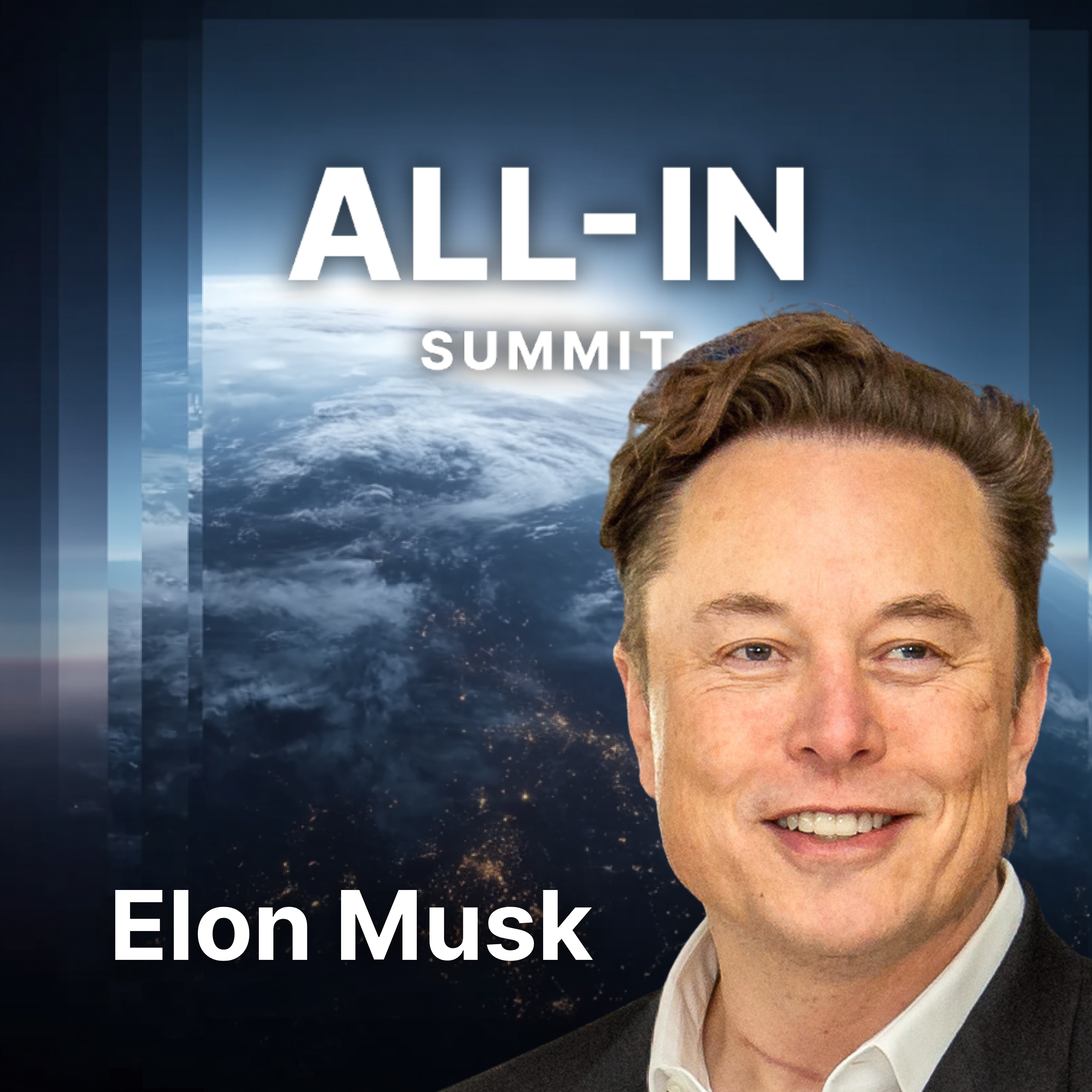 Elon Musk on DOGE, Optimus, Starlink Smartphones, Evolving with AI, Why the West is Imploding | All-In with Chamath, Jason, Sacks & Friedberg Key Takeaways We should not think of AI as a destination, but as an escalation of intelligence that we become more aware of Main lesson learned from government side quest: “If AI and robots don’t solve our national debt, we’re toast.”“I think it is accurate to say that, if successful, Optimus will be the biggest product ever.” – Elon We need the revival of a coherent philosophy that people can get excited about; fostering a curiosity about the nature of the universe will achieve this“I think that we might have AI smarter than any single human at anything as soon as next year. And in 2030, AI will probably be smarter than the sum of all humans.” – Elon We need an increase in the scope and scale of consciousness to know what is truly going on in our universe; this will lead to a better understanding of who we are and allow us to create a better future“Unless people have a sense of optimism and purpose about the future, suicide might be just what happens. Having a child is an act of optimism about the future.” – Elon Musk Getting to Mars is way easier than making it self-sustainable for human life; for example, we not only need to create a chip fab on Mars, but we can make one there Read the full notes @ podcastnotes.org(0:00) Introducing Elon Musk, and reflecting on his DOGE experience (2:47) Optimus: Progress and potential, the "hands problem" (12:20) Tesla: AI5 chips, impact on FSD (16:50) SpaceX: Vision for Starlink-enabled smartphones, $17B spectrum deal, Starship update (26:16) xAI: Next-gen Grok models, Colossus 2, scaling laws, "Grokipedia" (31:29) Evolving alongside AI, implosion of the West, the religion vacuum (37:36) Understanding the universe, going to the Moon, what happens on Mars? Thanks to our partners for making this happen! Solana - Solana is the high performance network powering internet capital markets, payments, and crypto applications. Connect with investors, crypto founders, and entrepreneurs at Solana's global flagship event during Abu Dhabi Finance Week & F1: solana.com/breakpoint. https://solana.com/ OKX - The new way to build your crypto portfolio and use it in daily life. We call it the new money app. https://www.okx.com/ Google Cloud - The next generation of unicorns is building on Google Cloud's industry-leading, fully integrated AI stack: infrastructure, platform, models, agents, and data. https://cloud.google.com/ IREN - IREN AI Cloud, powered by NVIDIA GPUs, provides the scale, performance, and reliability to accelerate your AI journey. https://iren.com/ Oracle - Step into the future of enterprise productivity at Oracle AI Experience Live. https://www.oracle.com/ Circle - The America-based company behind USDC — a fully-reserved, enterprise-grade stablecoin at the core of the emerging internet financial system. https://www.circle.com/ BVNK - Building stablecoin-powered financial infrastructure that helps businesses send, store, and spend value instantly, anywhere in the world. https://www.bvnk.com/ Polymarket: https://www.polymarket.com/ Follow Elon: https://x.com/elonmusk Follow the besties: https://x.com/chamath https://x.com/Jason https://x.com/DavidSacks https://x.com/friedberg Follow on X: https://x.com/theallinpod Follow on Instagram: https://www.instagram.com/theallinpod Follow on TikTok: https://www.tiktok.com/@theallinpod Follow on LinkedIn: https://www.linkedin.com/company/allinpod Intro Music Credit: https://rb.gy/tppkzl https://x.com/yung_spielburg Intro Video Credit: https://x.com/TheZachEffect | — | ||||||
| 8/29/25 | ![Joe Liemandt - Building Alpha School, and The Future of Education - [Invest Like the Best, EP.439] episode artwork](https://megaphone.imgix.net/podcasts/280e6dec-8223-11f0-97fc-afb1d278310c/image/2049c007697c3ea30383feccaaccc7bb.jpg?ixlib=rails-4.3.1&max-w=3000&max-h=3000&fit=crop&auto=format,compress) Joe Liemandt - Building Alpha School, and The Future of Education - [Invest Like the Best, EP.439] | Invest Like the Best Key Takeaways Personalized, mastery-based learning (driven by AI) can enable students to learn 10x faster, mastering material in just two hours a day and freeing up time for real-world skills, entrepreneurship, and personal interestsMotivation is essential: Kids must love school for it to be effective. The greatest motivator is giving students time back in their day, achieved by efficient mastery learning.Time-based, lecture-driven models leave knowledge gaps: Most U.S. students plateau in middle school, as traditional education pushes content too fast, resulting in a fragile “swiss-cheese” learning foundationAI’s transformational role: With generative AI, obsolete textbooks and one-size-fits-all instruction are replaced by continuous, adaptive, and personalized feedback, tailored to each learner’s interests and needs.Feedback and growth mindset are superpowers: Receiving and seeking feedback in school builds resilience, accelerates learning, and prepares students to thrive beyond the classroomHigh standards + high support = success and happiness: Kids grow most when challenged and held to ambitious goals with strong mentoring, even if the process is uncomfortable.Gamification and engagement: Applying video game design and motivation mechanics to education can make learning irresistible, turning hard tasks into meaningful and fun challengesNo one-size-fits-all: Multiple school types, customized daily schedules, and teaching entrepreneurship, leadership, and teamwork ensure education aligns with each child’s unique strengths and ambitions.“I think this is one of the coolest projects happening in America that people are just starting to learn about.” – Patrick O’Shaughnessy on Alpha School Read the full notes @ podcastnotes.orgMy guest today is Joe Liemandt. Joe is the Principal at Alpha School and the founder of Triliogy Software and ESW Capital. He became the youngest member of the Forbes 400 in the 1990s before vanishing from public view for two decades—only to emerge with a $1 billion bet that he can make kids learn 10x faster using AI. Joe has built an AI tutoring system so effective that students at his Alpha School literally beg not to take summer breaks, achieving 2x learning outcomes in just 2 hours with standardized test results that compete with the best of them. We dive deep into why this could be the most valuable product he's ever built, his contrarian thesis that traditional SaaS is facing AI-driven obsolescence, and how his experience buying 100+ software companies prepared him for this moonshot in a trillion-dollar market that hasn't innovated in 200 years. For investors, this is a masterclass in deploying patient capital to rebuild broken systems from first principles, with insights on everything from regulatory moats to the intersection of AI and human psychology. As your excited skeptic, I push hard on the technology readiness, parental adoption hurdles, and whether this audacious vision can actually scale to a billion kids. Additionally, in a Colossus Profile released last week, our editor-in-chief Jeremy Stern reported, for the first time, Joe as the product guy behind Alpha School in a can’t miss piece of writing. And now please enjoy my conversation with Joe Liemandt. Joe Liemandt’s Colossus Profile by Jeremy Stern. For the full show notes, transcript, and links to mentioned content, check out the episode page here. ----- This episode is brought to you by Ramp. Ramp’s mission is to help companies manage their spend in a way that reduces expenses and frees up time for teams to work on more valuable projects. Go to Ramp.com/invest to sign up for free and get a $250 welcome bonus. – This episode is brought to you by Ridgeline. Ridgeline has built a complete, real-time, modern operating system for investment managers. It handles trading, portfolio management, compliance, customer reporting, and much more through an all-in-one real-time cloud platform. Head to ridgelineapps.com to learn more about the platform. – This episode is brought to you by AlphaSense. AlphaSense has completely transformed the research process with cutting-edge AI technology and a vast collection of top-tier, reliable business content. Invest Like the Best listeners can get a free trial now at Alpha-Sense.com/Invest and experience firsthand how AlphaSense and Tegus help you make smarter decisions faster. ----- Editing and post-production work for this episode was provided by The Podcast Consultant (https://thepodcastconsultant.com). Show Notes: (00:00:00) Welcome to Invest Like the Best(00:06:08) How Alpha School Is Revolutionizing Learning(00:12:47) Personalized Tutoring with AI(00:19:59) Measuring the Impossible: 2x Learning Outcomes(00:25:39) All Educational Content Is Obsolete(00:35:51) Motivating Students: The Key to Success(00:42:06) Life Skills Workshops: Real-World Lessons(00:47:47) The Key to Happiness: High Standards(00:52:33) The Role of Guides and Coaches(00:58:22) Feedback Loops and AI in Education(01:04:20) The AI-Powered Classroom Experience(01:18:06) From Self-Doubt to Limitless Learning(01:28:20) Challenges in Public School Systems(01:41:56) Gamified Learning and Technology(01:49:46) From Trilogy to Trillion-Dollar Markets(01:55:05) Why Software Companies Fail(02:01:21) Trilogy University(02:10:39) Lessons from Mentors(02:17:25) Pushing Limits and Finding Passion(02:27:12) Joe's Kindest Thing | 2h 26m 32s | ||||||

![[Outliers] Bernie Marcus: The Home Depot Story episode artwork](https://megaphone.imgix.net/podcasts/33f78974-da28-11f0-922d-8fedbd7bbd6a/image/459cd297fd865ff17e963c9052a0b228.png?ixlib=rails-4.3.1&max-w=3000&max-h=3000&fit=crop&auto=format,compress)

Showing 25 of 30
Pitch Fit is a Pro feature
See how bookable this show is for guests, which brands already advertise, the per-episode ad value, and the best-fit guest and sponsor profile. The numbers are blurred on the free plan.
How readily this show books outside guests like you.
How proven this show is for host-read sponsorships.
For Guests
ProFor Advertisers
ProUpgrade to Pro to unlock guest cadence, sponsor categories, fit scores, and per-episode ad value for this show.