
Insights from recent episode analysis
Audience Interest
Podcast Focus
Publishing Consistency
Platform Reach
Insights are generated by CastFox AI using publicly available data, episode content, and proprietary models.
Most discussed topics
Brands & references
Est. Listeners
Insufficient chart data. Estimates will improve as the show charts.
- Per-Episode Audience
Est. listeners per new episode within ~30 days
N/A🎙 Daily cadence·180 episodes·Last published 4w ago - Monthly Reach
Unique listeners across all episodes (30 days)
N/A - Active Followers
Loyal subscribers who consistently listen
N/A
Market Insights
Platform Distribution
Reach across major podcast platforms, updated hourly
Total Followers
—
Total Plays
—
Total Reviews
—
* Data sourced directly from platform APIs and aggregated hourly across all major podcast directories.
On the show
From 12 epsHosts
Recent guests
Recent episodes
The Almighty Dollar: The Global History Behind America’s Money
May 26, 2026
1h 01m 49s
Fixing Democracy’s Bugs: Sam Wang on Gerrymandering, Ballot Design, and Congressional Bid
May 5, 2026
45m 08s
‘My State Senator is a Rocket Scientist’: A More Perfect Fusion
Apr 14, 2026
1h 06m 44s
Trading on Mars: How Global Imbalances Really Work with Michael Pettis
Apr 14, 2026
56m 57s
Search Isn’t Research: Digital Humanities with Meredith Martin
Apr 13, 2026
48m 20s
Social Links & Contact
Official channels & resources
Official Website
Login
RSS Feed
Login
| Date | Episode | Topics | Guests | Brands | Places | Keywords | Sponsor | Length | |
|---|---|---|---|---|---|---|---|---|---|
| 5/26/26 |  The Almighty Dollar: The Global History Behind America’s Money✨ | history of the dollarmonetary sovereignty+4 | Brendan Greeley | Financial TimesPrinceton University+1 | — | dollarmoney+6 | — | 1h 01m 49s | |
| 5/5/26 |  Fixing Democracy’s Bugs: Sam Wang on Gerrymandering, Ballot Design, and Congressional Bid✨ | democracygerrymandering+4 | Sam Wang | Princeton UniversityPrinceton Gerrymandering Project | New JerseyNew Jersey’s 12th District | democracygerrymandering+5 | — | 45m 08s | |
| 4/14/26 |  ‘My State Senator is a Rocket Scientist’: A More Perfect Fusion✨ | science policyenergy policy+4 | Andrew Zwicker | Princeton Plasma Physics Laboratory | New Jersey | fusion energyclean energy+4 | — | 1h 06m 44s | |
| 4/14/26 | 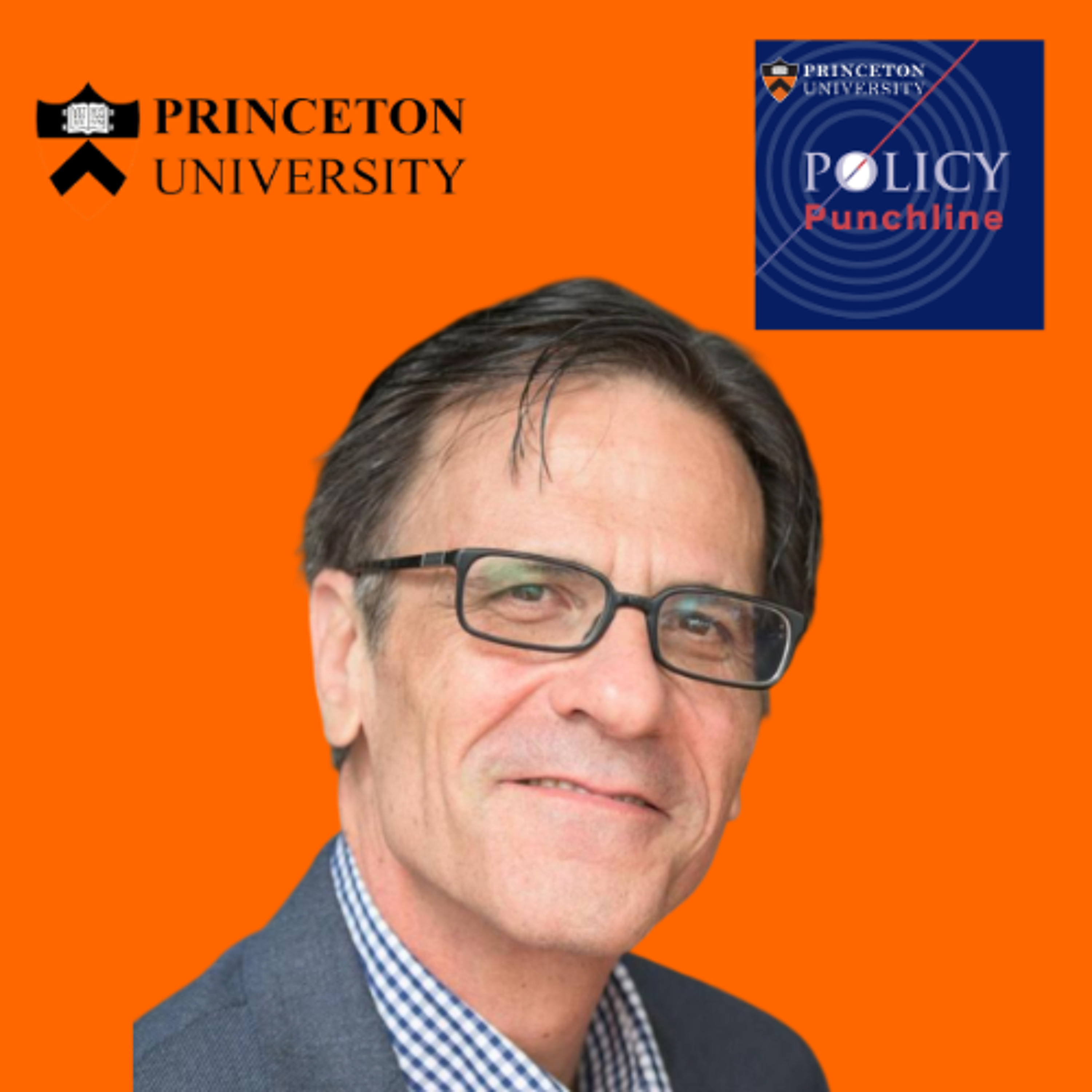 Trading on Mars: How Global Imbalances Really Work with Michael Pettis✨ | global tradecapital flows+4 | Michael Pettis | Princeton UniversityCarsick Cars | Beijing | global tradeeconomic imbalances+6 | — | 56m 57s | |
| 4/13/26 | 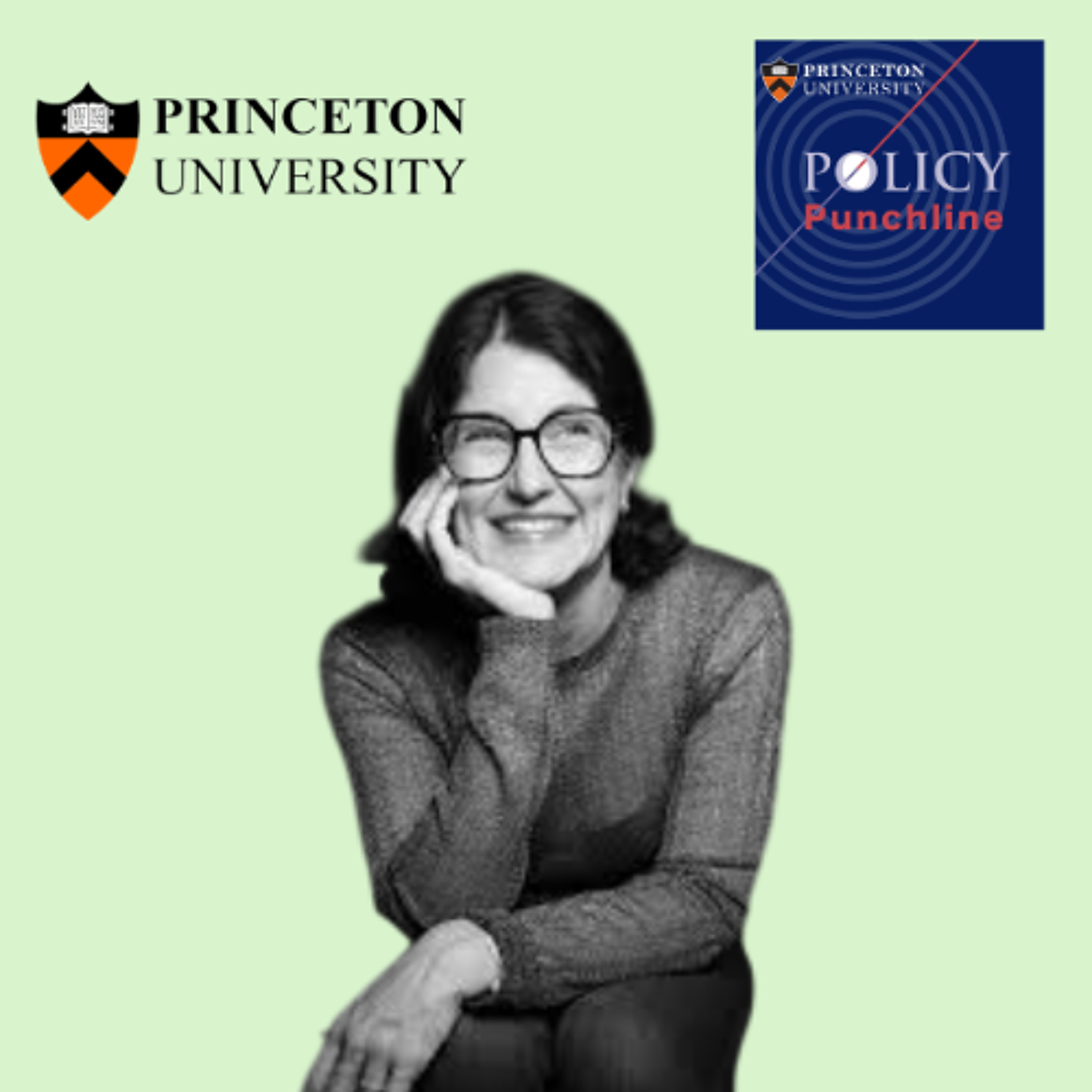 Search Isn’t Research: Digital Humanities with Meredith Martin✨ | Digital HumanitiesData Interpretation+4 | Meredith Martin | Princeton UniversityPrinceton’s Center for Digital Humanities+1 | — | Digital HumanitiesData-driven world+5 | — | 48m 20s | |
| 11/11/25 | 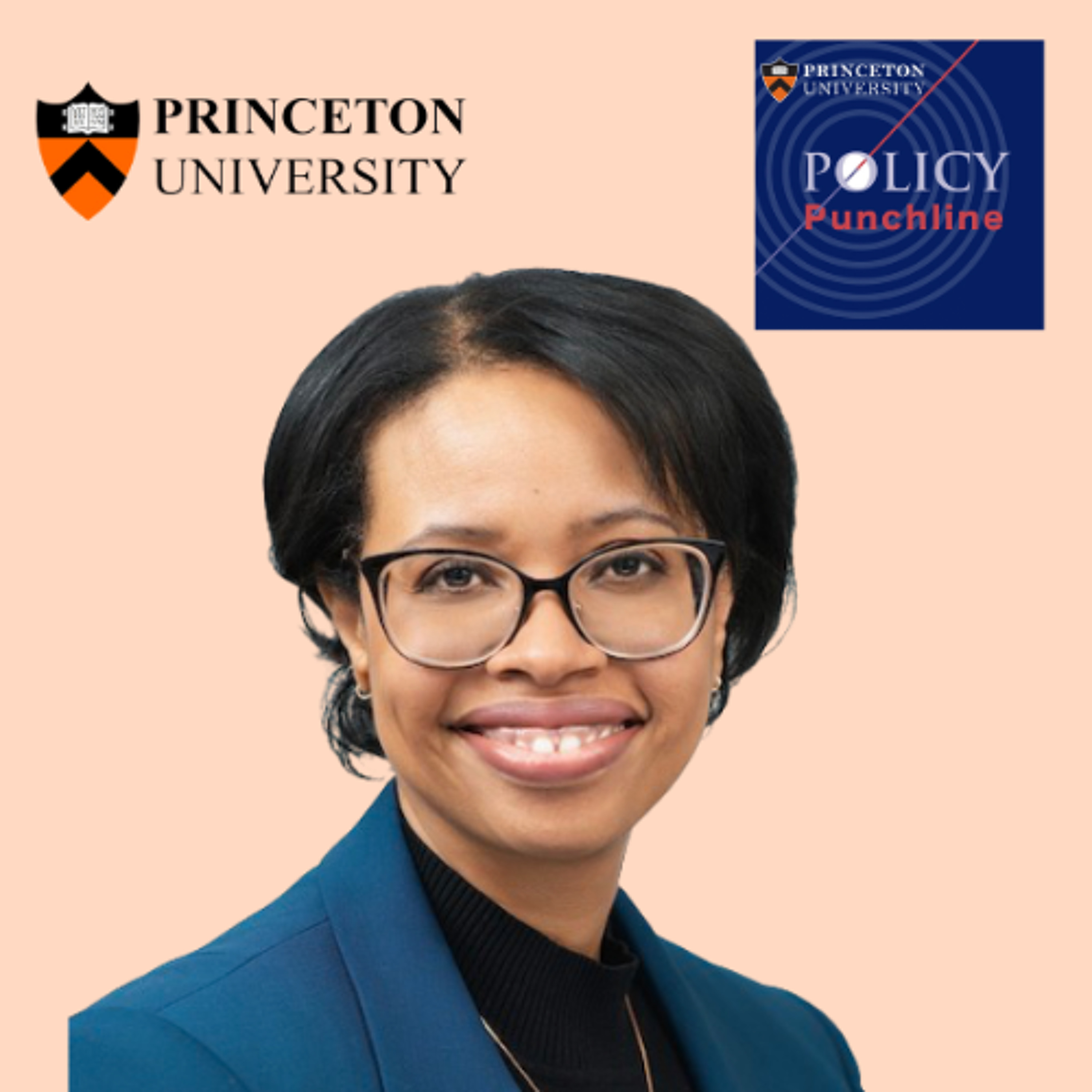 Inside America’s Health Engine: Expanding Access and Equity with Chiquita Brooks-LaSure✨ | health care accesshealth equity+4 | Chiquita Brooks-LaSure | CMSAffordable Care Act+1 | — | health careequity+8 | — | 40m 47s | |
| 10/22/25 | 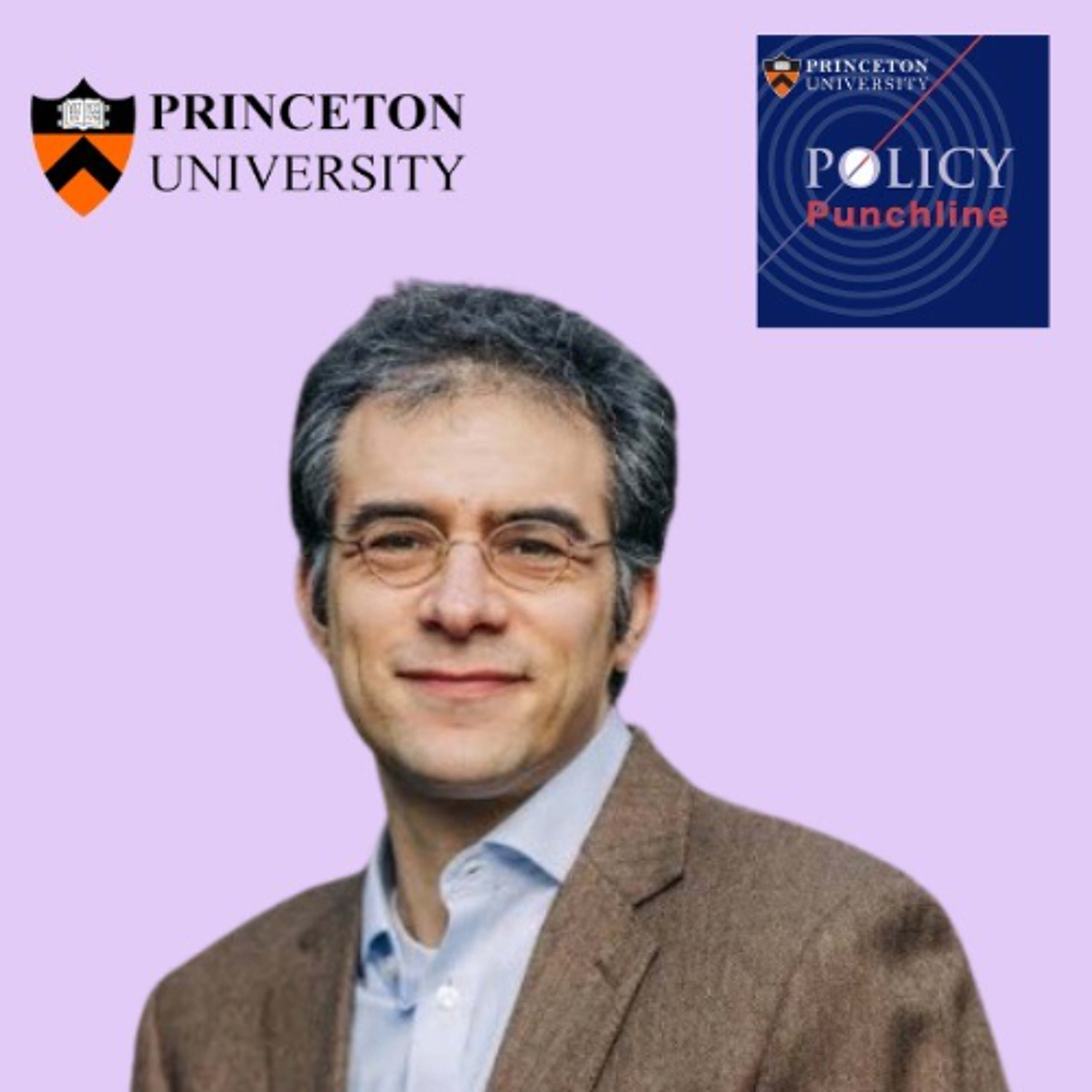 Voice Without a Veto: How to Bring Progress Back with Marc Dunkelman✨ | housingNIMBY politics+3 | Marc J. Dunkelman | Princeton UniversityWhy Nothing Works: Who Killed Progress—and How to Bring It Back | — | housingNIMBY+3 | — | 1h 06m 04s | |
| 11/24/24 |  Jason Furman Interview with Princeton's Policy Punchline✨ | economic policyfiscal stimulus+5 | Jason Furman | HarvardObama Administration+1 | — | economic policyfiscal stimulus+5 | — | 42m 30s | |
| 10/20/24 |  Acquired Podcast's David Rosenthal: The Art of the Long-Form✨ | business narrativespodcasting+4 | David Rosenthal | Acquired PodcastPrinceton University+1 | — | long-form storytellingpodcast creation+5 | — | 1h 11m 24s | |
| 3/27/24 |  Credit Scores, and Congress: the Front Lines of Financial Regulation✨ | financial regulationeconomic policy+4 | Aaron Klein | Brookings InstitutionPrinceton's School of Public and International Affairs+3 | — | financial regulationeconomic policy+5 | — | 1h 05m 56s | |
Want analysis for the episodes below?Free for Pro Submit a request, we'll have your selected episodes analyzed within an hour. Free, at no cost to you, for Pro users. | |||||||||
| 3/27/24 |  Making Sense of Globalization: The Past and Future of World Trade✨ | globalizationtrade liberalization+4 | Dr. Pinelope Goldberg | Yale UniversityWorld Bank Group+1 | Vietnam | globalizationtrade policy+5 | — | 47m 49s | |
| 3/27/24 | 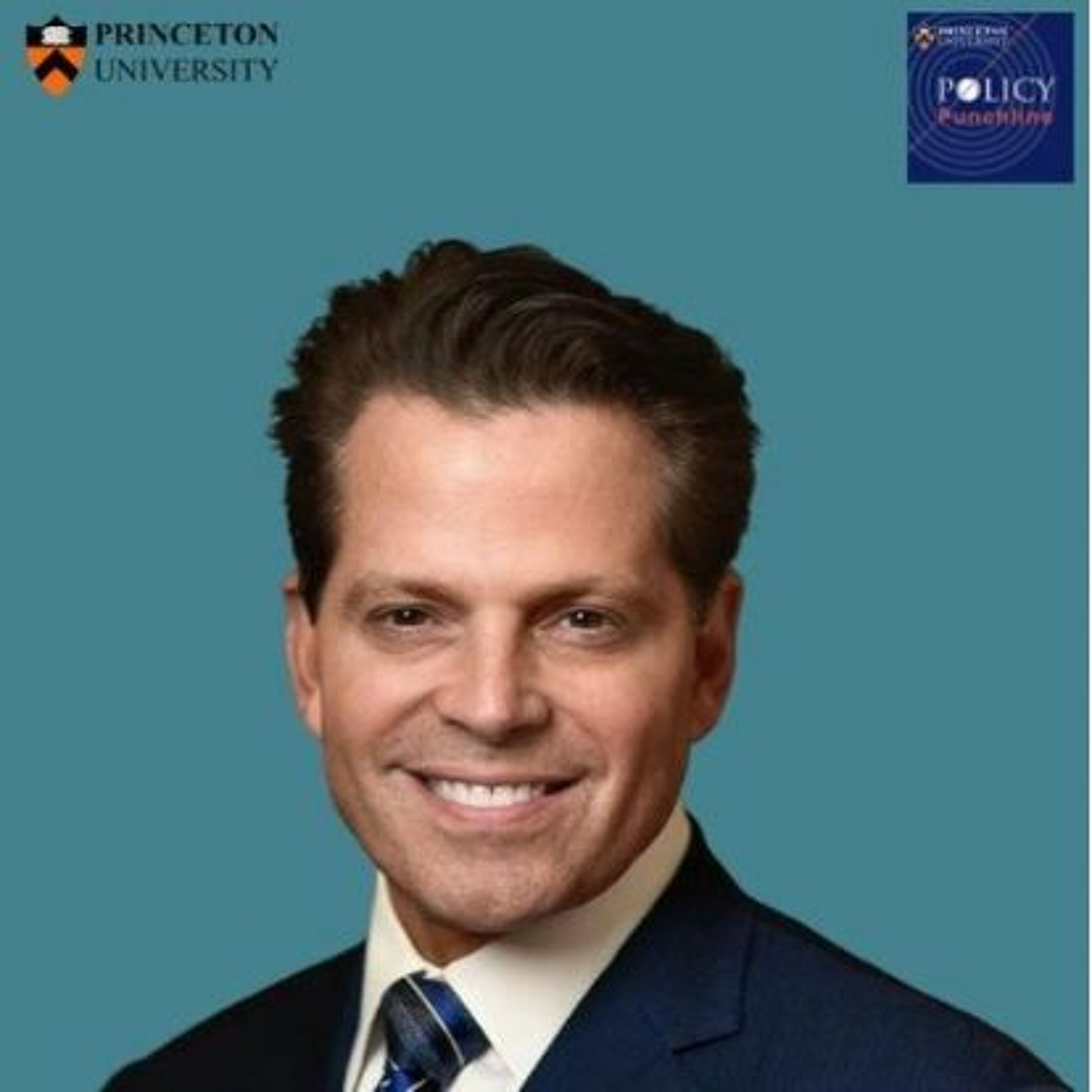 Wall Street to Washington and Back Again: Meeting the Mooch✨ | Anthony Scaramucci's careerTrump administration insights+5 | Anthony Scaramucci | cryptocurrencyblockchain technology+4 | Long IslandWashington+1 | Anthony ScaramucciTrump administration+8 | — | 52m 38s | |
| 3/27/24 | 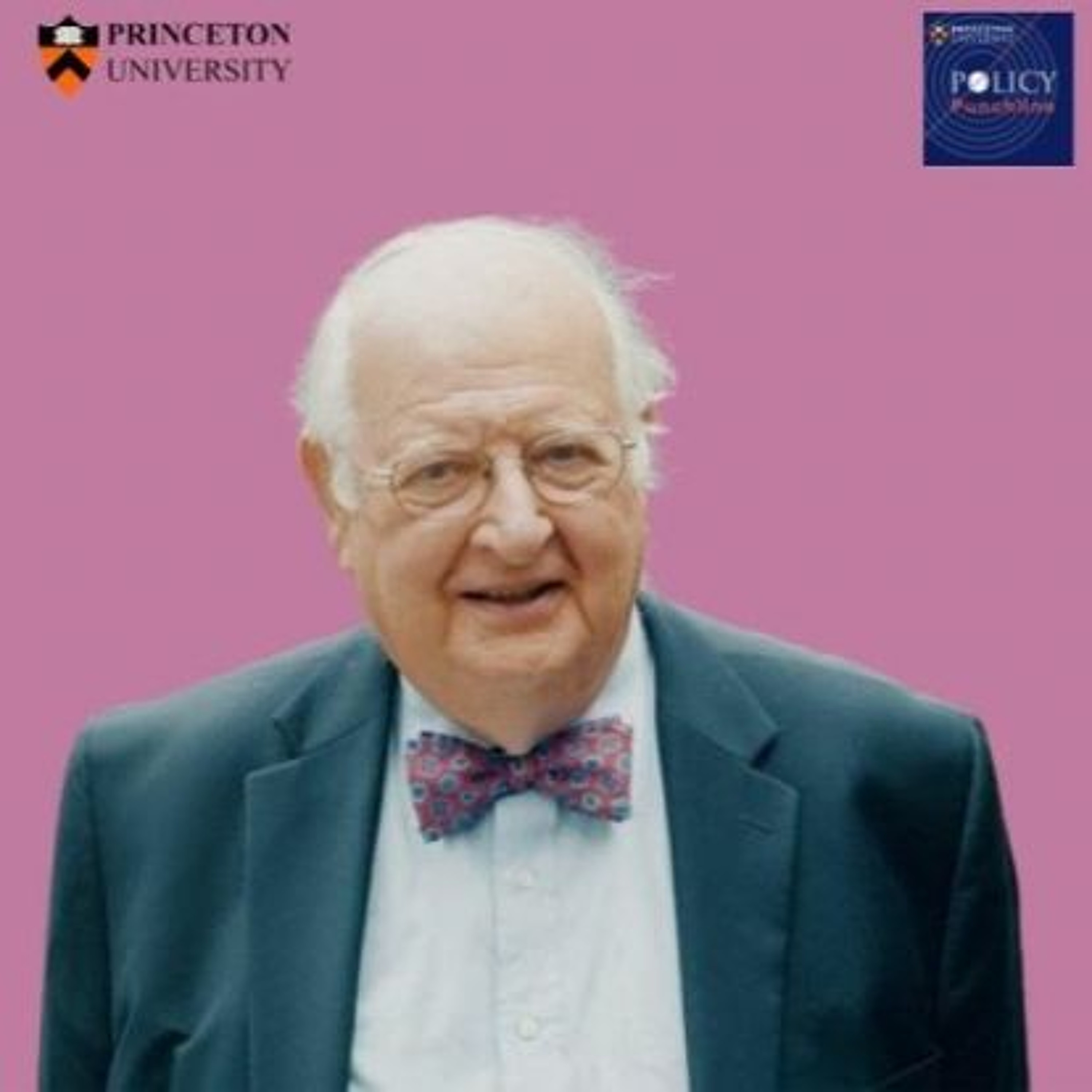 Economics in America and the World: Problems and Promise of the Profession | In this episode of Policy Punchline, we are honored to welcome Sir Angus Deaton, the esteemed British-American economist and recipient of the 2015 Nobel Memorial Prize in Economic Sciences. Sir Deaton discusses the dynamics of wealth, health, and inequality across the globe and, as per his latest book, Economics in America: An Immigrant Economist Explores the Land of Inequality, his adopted homeland. We discuss the "deaths of despair" framework developed by Anne Case and Professor Deaton as well as the recent refinement of the theory and popular critiques. We delve into his extensive research on income and health inequality, exploring the intricate relationship between economic prosperity and public health outcomes. He challenges conventional wisdom by emphasizing that inequality within nations can have profound effects on societal structures and individual lives, often leading to significant disparities in health as well as political resentment. We discuss his book "The Great Escape: Health, Wealth, and the Origins of Inequality," where Sir Deaton argues that miraculous levels of economic growth have lifted many out of poverty, while also leading to significant gaps in wealth and health that threaten to undermine the progress the world has made. He emphasizes the importance of understanding these disparities and focusing on challenges at home. Throughout the episode, Sir Deaton offers insights into global challenges and the less than ideal responses of economic elites and policymakers to those challenges. Issues such as the COVID-19 pandemic response, trade, automation and climate change, all required making tradeoffs. We consider whether establishment economics has erred in evaluating those tradeoffs, weighing the costs and benefits of policy, and selecting winners and losers. Sir Deaton is deeply concerned for the future relevance and legitimacy of his profession but he is also hopeful that a rising generation of young economists and policymakers may yet set it right. Join us on this episode to explore the profession of economics from every angle, as told by one of its Nobel Prize winners. | — | ||||||
| 1/22/24 | 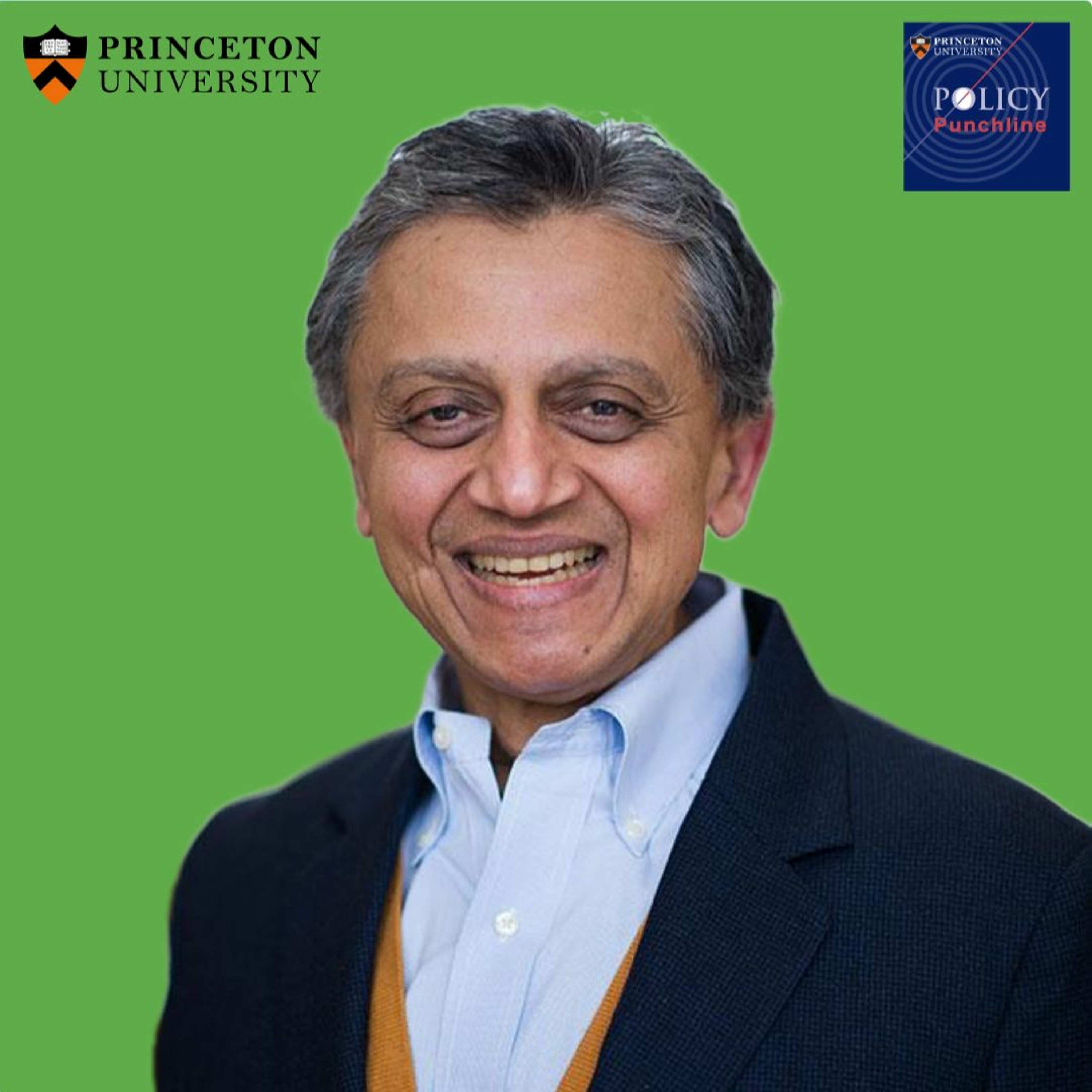 Is India Broken? An Interview with Ashoka Mody | In this episode, we are joined by Ashoka Mody, the Charles and Marie Robertson Visiting Professor in International Economy and Lecturer in Public and International Affairs at Princeton University. We discuss his latest book, India is Broken, and dive into some of the larger questions surrounding Indian economic development. Why has India’s development stalled in comparison to other Asian economies? What do the headline GDP growth numbers and international press coverage miss in their optimisim towards India? How can India address its ills including rampant political corruption and inadequate education? These are all questions that Mody answers through an examination of India through multiple lenses: economic, social, historical, and cultural. We join him on this journey and follow up on his arguments as constructed in India is Broken, while also taking them to new places, like the issue of climate change in the policies of Indian economic development. Join us for a conversation that takes a more skeptical view towards the optimism surrounding a “rising” India. | — | ||||||
| 12/4/23 | 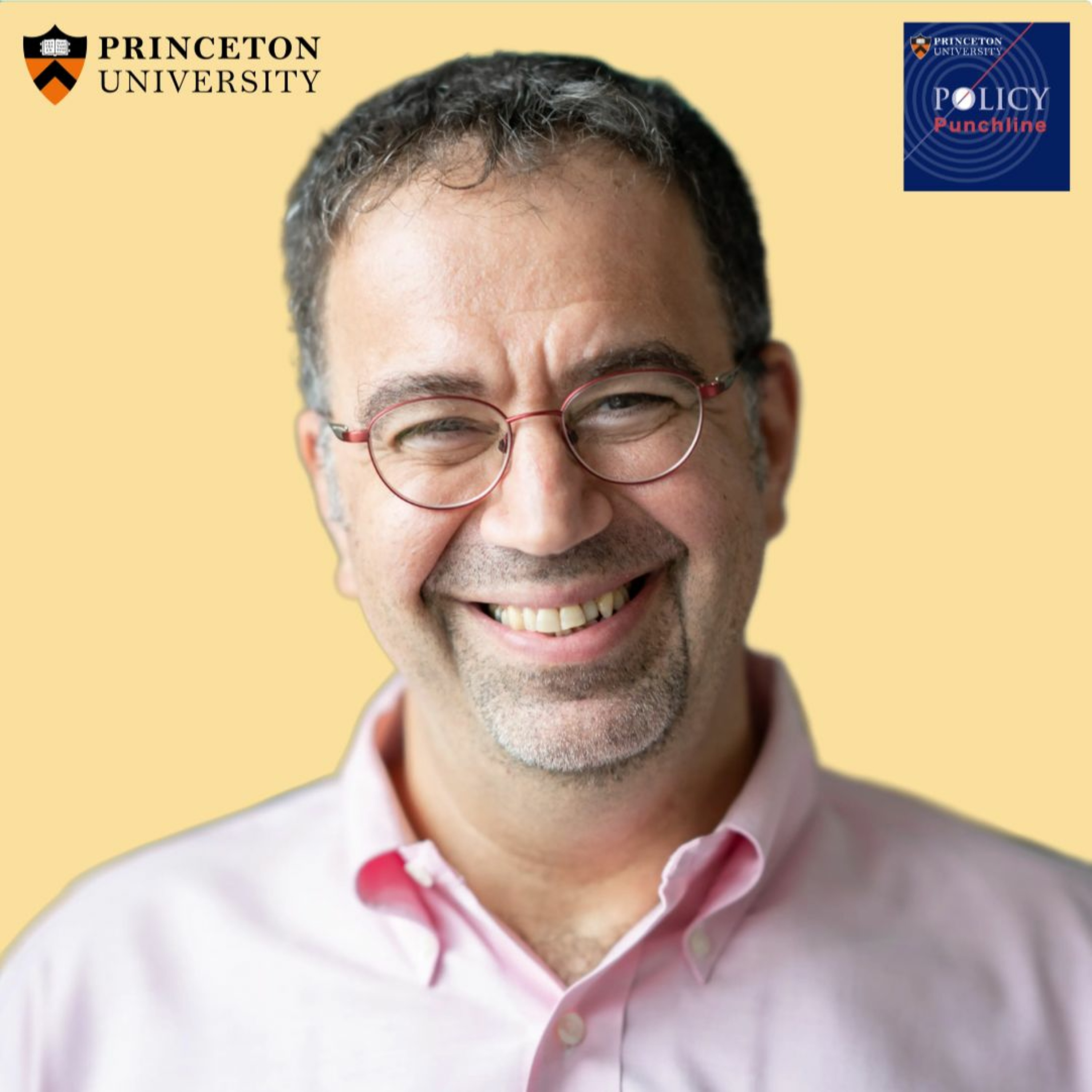 Daron Acemoglu: The Past and Future of Innovation in our Economy | In this episode of Policy Punchline, renown MIT economist Daron Acemoglu takes us through the tumultuous and fascinating history of new technologies and how they have reshaped the societies we live in. He takes us back to the pre-Industrial era, showing that as new technological systems of agriculture changed, exploitative economic systems did not. He busts common myths about the nature of economic growth in the Industrial Age, presenting a darker and more nuanced look at that explosion of economic development. He argues that the advent of the personal computer in the 1980s had a real cost for employment outcomes — not enough new jobs were generated to match the jobs that were replaced by this innovation. Looking back, he proposes that technology can either complement the value of labor, generating new tasks associated with them, or can displace existing workers by performing the same tasks they did. In many ways, the effect of technology one way or another is not inevitable — it is a policy decision up to us. Looking forward, he asks us to take lessons from the past to utilize AI most equitably, ensuring it augments rather than replaces us. From blue collar jobs in the U.S., labor-intensive tasks performed in the developing world to consulting and software engineering fields, the future of our work lies in our hands. In the era of Artificial Intelligence, Professor Acemoglu brings us the wisdom of economic history, a bold new paradigm for assessing technological change, and a lifetime of expertise, to help us make sense of this brave new world. | — | ||||||
| 5/22/23 | 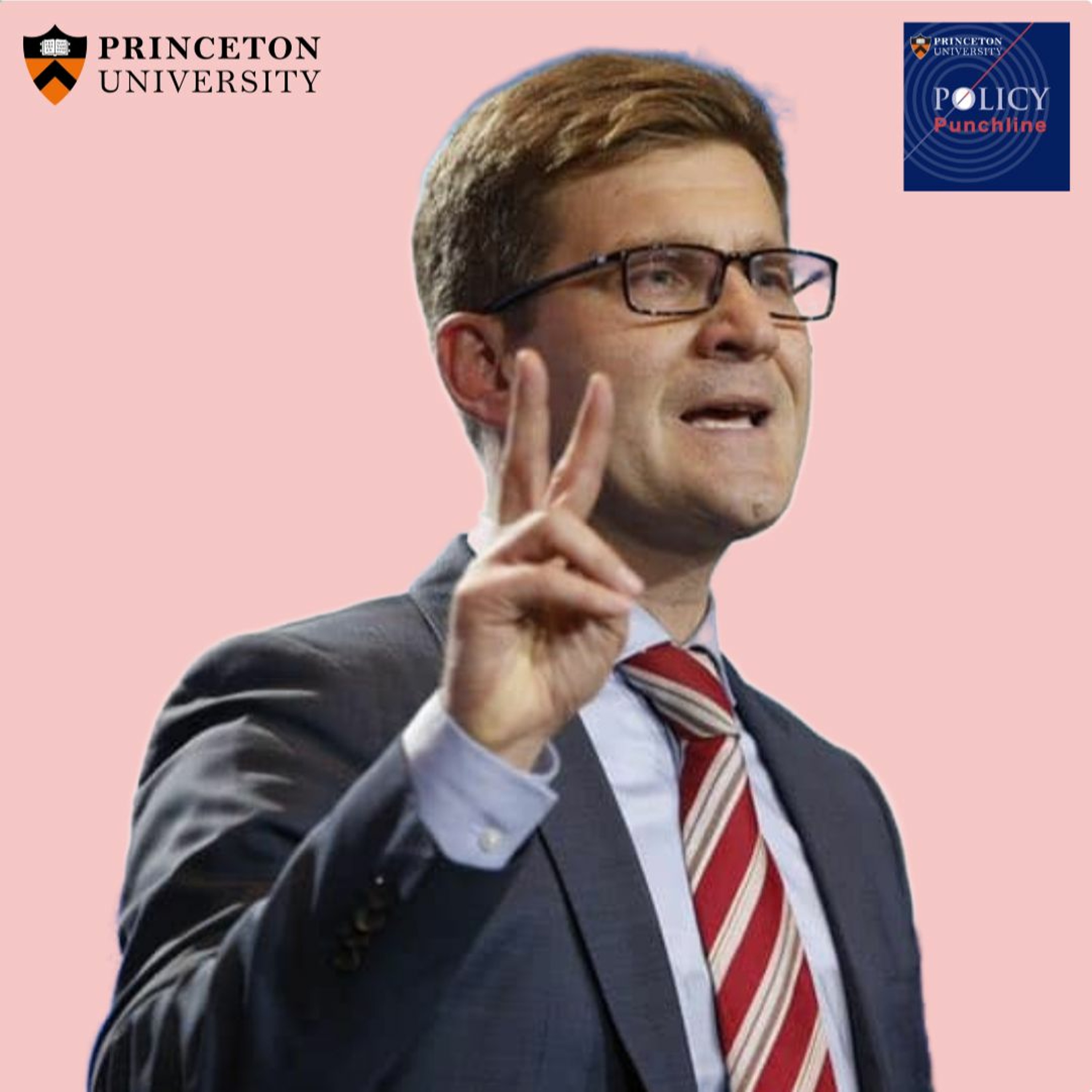 Marcin Piatkowski: Europe's Growth Champion | Marcin Piatkowski is a Professor of Economics at Kozminski University in Warsaw and Lead Economist at the World Bank in Washington, D.C. He holds a Ph.D. in Economics from Kozminski University and an MA in Finance and Banking from the Warsaw School of Economics. Professor Piatkowski began his career in Citibank Poland and Citigroup USA. He then served in various governmental and NGO roles, including as an economist in the European Department of the International Monetary Fund, Advisor to the IMF’s Executive Director, and Advisor to Poland’s Deputy Premier and Minister of Finance. Before he moved to the World Bank in 2008, he was Chief Economist and Managing Director of PKO BP, the largest bank in Central and Eastern Europe. In 2018, he released a book with Oxford University Press, called “Europe’s Growth Champion: Insights from the Economic Rise of Poland,” which was awarded the best book in economics in 2019 by the Polish Academy of Sciences. ——————————————————————————————————————————————————————— Interviewed by Sullivan Meyer '24 Edited by Marko Petrovic '24 | — | ||||||
| 2/6/23 | 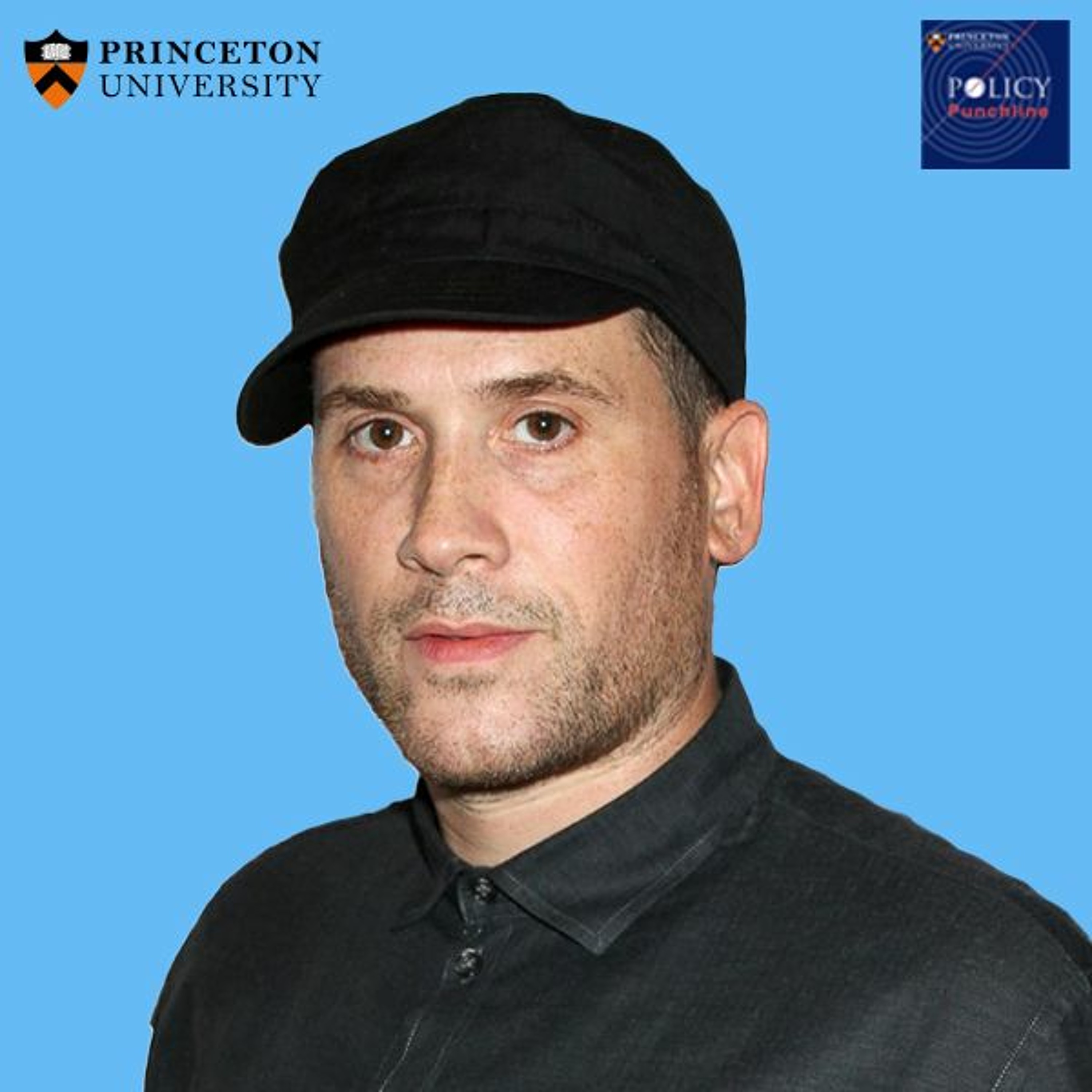 Marc Ecko: Bringing Creativity to Scale | Dr. Marc Ecko is a serial entrepreneur who has been one of the influential figures of the early 2000s in shaping culture, especially around hip-hop and streetwear. His brand — Ecko Unltd. — amalgamated the cultural elements of hip-hop with Dr. Ecko’s own fashion vision to create a worldwide brand with over a billion dollars in revenue. He then went on to found Complex magazine, one of the foremost media outlets for fashion, hip-hop, sports and popular culture today. Complex has roughly 100 million unique visitors per month and is considered one of the premier media companies, particularly in the digital space. Now, Dr. Ecko is involved with several philanthropic ventures, such as through his role at the XQ Institute, which is dedicated to improving high school education across the country, and the Emerson Collective, an impact investing organization dedicated to reform in the United States and abroad. In this episode, we discuss Dr. Ecko’s journey and how he preserved his own creative vision at scale, while also building a business that can truly shape American culture. For more insights from Dr. Ecko, read his book Unlabel: Selling You Without Selling Out. | — | ||||||
| 10/24/22 | 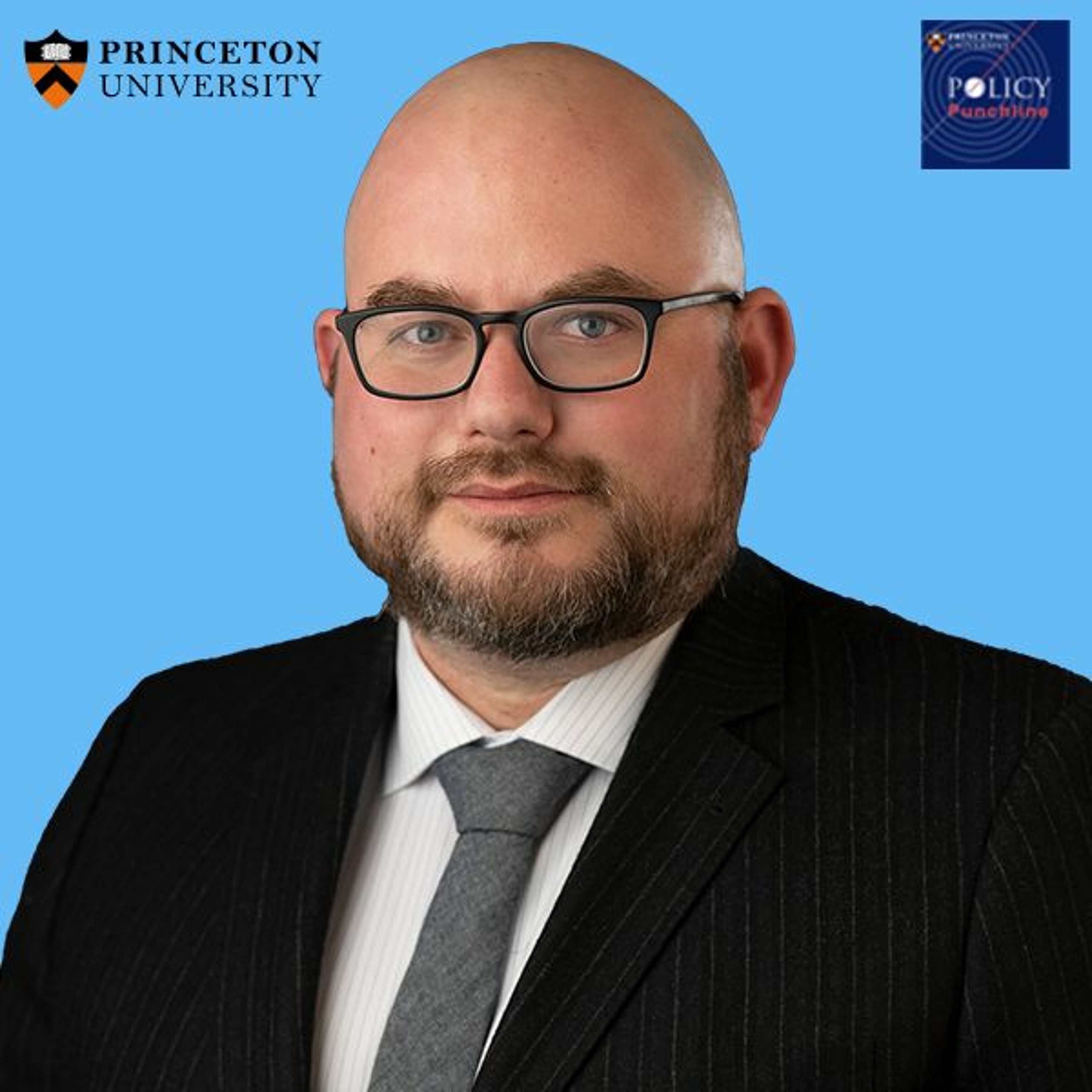 Matthew Yglesias: Discussing a Career in Political Media | Matthew Yglesias is a leading policy blogger and journalist, and has long pioneered what political media looks like on the internet. He has written about politics and public policy for a wide array of publications, including the American Prospect, the Atlantic, the Center for American Progress, and Slate. In 2014, Matt co-founded Vox with Ezra Klein and Melissa Bell, where he served as a senior correspondent. He left Vox in 2020 to start his own Substack, Slow Boring. Yglesias also released his third book in 2020, titled One Billion Americans: The Case for Thinking Bigger. More recently, Matt just launched his new podcast, ‘Bad Takes,’ which seeks to challenge extremely online political opinions. In our conversation, we seek to zoom out from the thrall of internet politics and look at Yglesias’ role in the current political media landscape. How does Matt use Twitter, and what does he think of its role in democratic discourse? What is the future of political media? What does the emergence of individualized media outlets, like Substack, suggest for that future? We transition briefly to some of the ideas that have arisen from our current political media landscape. In particular, how ‘real’ is the push for supply-side liberalism and the Abundance Agenda? Are online political pundits, bloggers, and analysts as responsible for its advent as it might seem? Finally, we ask Matt—a former college student—for his suggestions to current college students. How should they spend their time in school? And what careers should they look at afterward? | — | ||||||
| 6/6/22 | 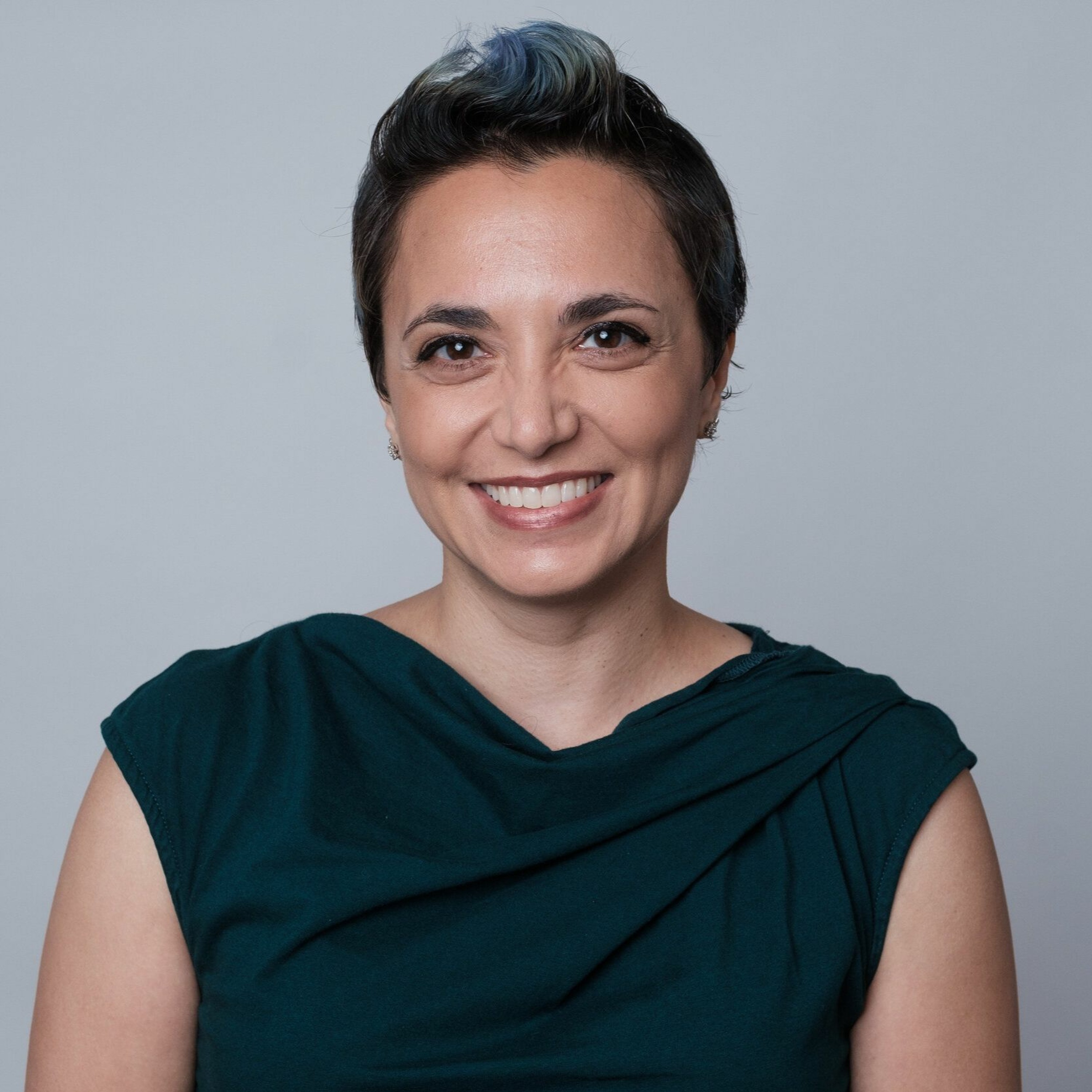 Tiffany Vora: Science Communication in the Post-COVID Era | (Disclaimer: This episode was originally recorded in July 2021.) Dr. Tiffany Vora is an educator, researcher, and entrepreneur who is the chair of medicine and digital biology at Singularity University. She does a huge amount of work in science communication, advising startup founders, and science writing. She studied molecular biology and chemistry at NYU and a PhD from Princeton. In “Science Communication in the Post-COVID era”, we talk about the pace of change in science communication. Given the timing of the interview, we also discuss in detail how the pandemic and being in the virtual/digital space has changed science communication. Dr. Vora believes that many brilliant scientific minds haven’t been trained in science communication, and that there is potential for so much progress in science communication if the gap between knowledge creation and distribution is bridged. Similarly, there is a lot of misinformation out there, and deciding which sources to trustworthy and getting the public to trust them can also be a challenge, especially when a lot of science has inherent uncertainty. On the education front, Dr. Vora has worked a lot with women and people of color. She believes that in every child there is a scientist and engineer, building and breaking things, asking questions, that the traditional educational system beats out of them and extinguishes their spark of curiosity. Finding a balance between ‘experiential learning’, which Dr. Vora believes can happen in a classroom, too, has a fundamentally different purpose than, say, watching Khan Academy for ‘knowledge acquisition’. Coming out of the pandemic, she hopes many hybrid models will start to embrace both types of learning. And it’s not as if scientific learning for children is gated by high barriers to entry like cost. She gives an example of a cheap microscope or Google Cardboard. While they might not be cutting-edge technology, they work and fulfill their role of instilling a sense of curiosity and excitement. We hope you enjoy listening to an episode on how similarities like those found between Minecraft and CAD are the ones we need to take the most advantage of to inspire future generations of scientists and engineers, and the future of science communication in the post-pandemic era. | — | ||||||
| 3/30/22 |  Ethan Nadelmann: Drug Policy's Past, Present, and Future | Dr. Ethan Nadelmann is one of the foremost experts on drug policy in the US and the world. Originally from New York City, he received his BA, JD, and PhD from Harvard, then his master’s degree in international relations from the London School of Economics. After teaching politics and public affairs at Princeton University from 1987 to 1994, he went on to found and direct the Lindesmith Center and the Drug Policy Alliance, and through them, has advocated for drug policy reform for almost thirty years. From pushing for marijuana legalization to fighting against the War on Drugs and policies like civil asset forfeiture, his work has impacted countless people both in the US and around the world. Today, he’s also the co-host of the boundary-pushing podcast PSYCHOACTIVE. In this interview, Ryan and Eliot talk to Dr. Nadelmann about lessons he’s learned from his career, possible solutions to current drug issues, and much more. | — | ||||||
| 1/17/22 | 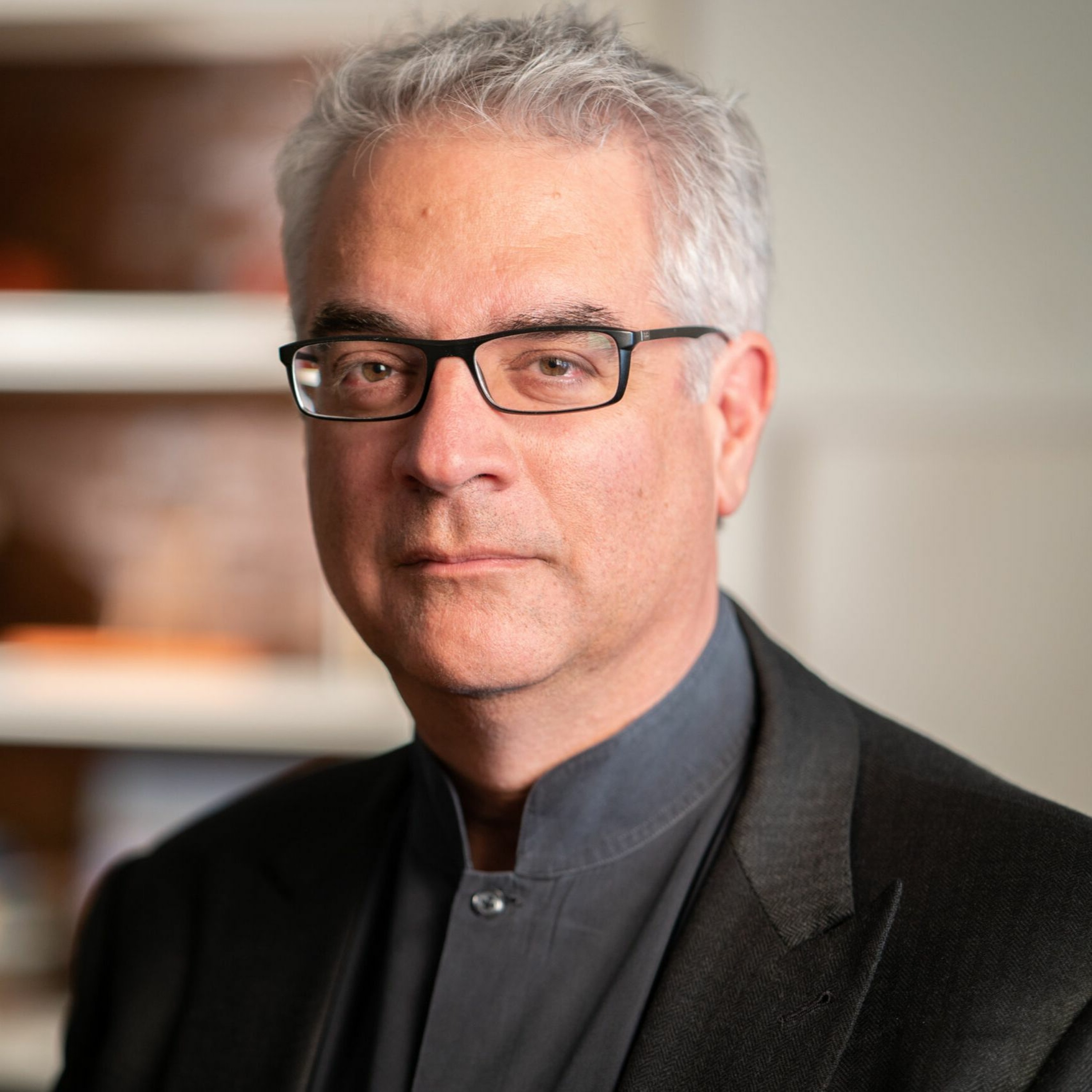 Nicholas Christakis: Understanding the Genetics of Social Networks | Professor Christakis is the Sterling Professor of Natural and Social Science at Yale University. His research is focused on understanding social networks through their biological and evolutionary determinants, which encompasses studying a broad range of topics from epidemiology and contagion to human behavior and psychology. Professor Christakis has been recognized for his contributions to the field of sociology, was named a member of the Time 100, and has published many articles and several renowned books relating to epidemiology and evolutionary genetics. In addition to his research, Professor Christakis has practiced medicine in the field of palliative care for many years and continues to advocate for academic freedom and free speech on college campuses. ---------------------------------------------------------------------------------------------------- Host: Neal Reddy Editor: Marko Petrovic | — | ||||||
| 1/12/22 | 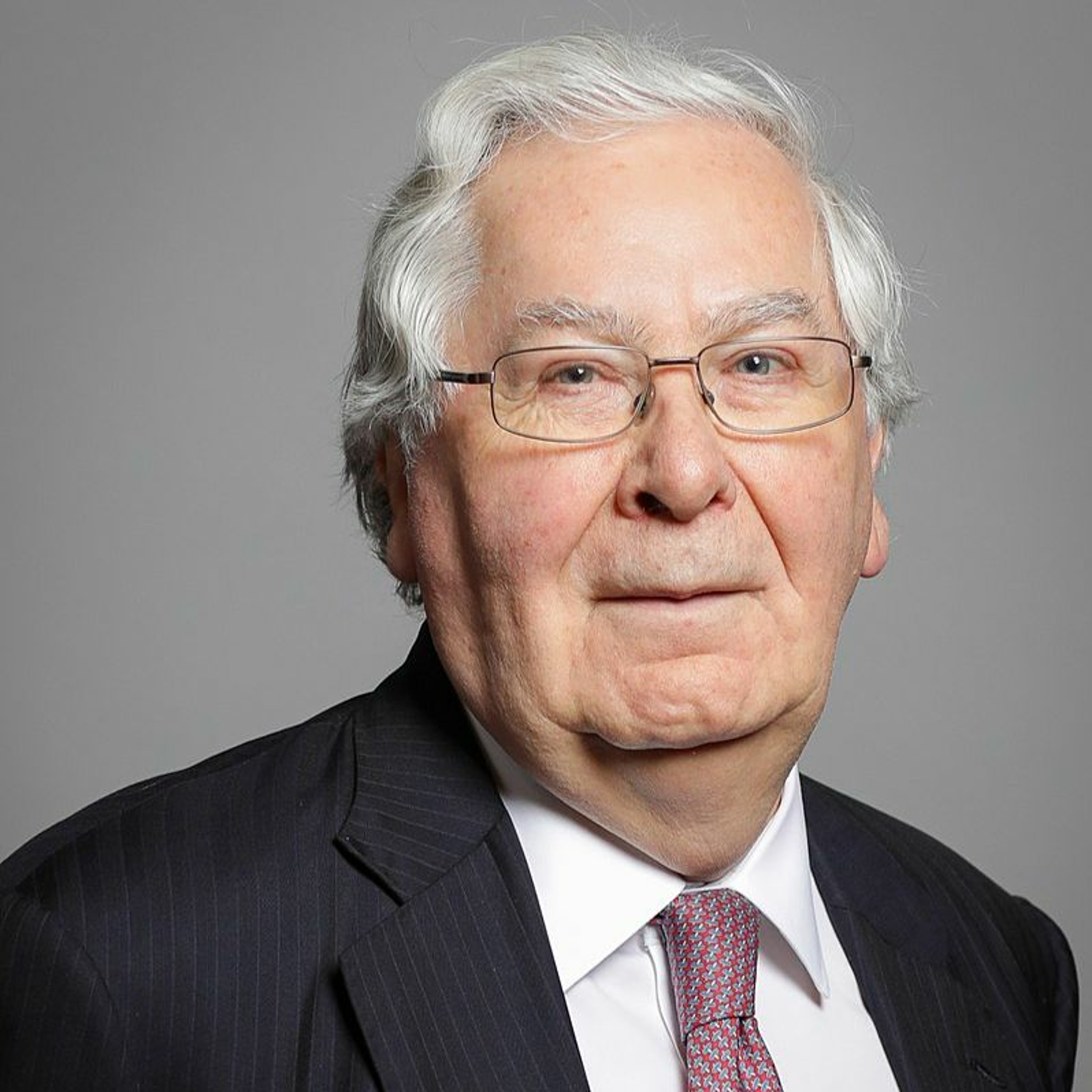 Lord Mervyn King: Radical Uncertainty | Lord Mervyn King is a professor of economics and law at the NYU Stern School of Business and the School of Law, and the former governor of the Bank of England. He served as Governor of the Bank of England and Chairman of its Monetary Policy Committee from 2003 to 2013. Lord King was knighted (GBE) in 2011, made a life peer in 2013, and appointed by the Queen a Knight of the Garter in 2014. Lord King’s most recent book, Radical Uncertainty, co-authored with John Kay, examines rationality, decision making under uncertainty, and the flaws with modern economic thinking. The book offers a powerful critique of the current state of economic scholarship and policymaking, arguing that the field of economics has developed an overreliance on fundamentally flawed models as well as misconceptions about risk and uncertainty. In this episode, we discuss Radical Uncertainty, touching on Lord King’s motivations in writing the book, its core ideas, and the implications of his critique on the future of economic policymaking. ------------------------------------------------------------------------------------------------- Host: Sam Lee Editor: Marko Petrovic | — | ||||||
| 1/3/22 | 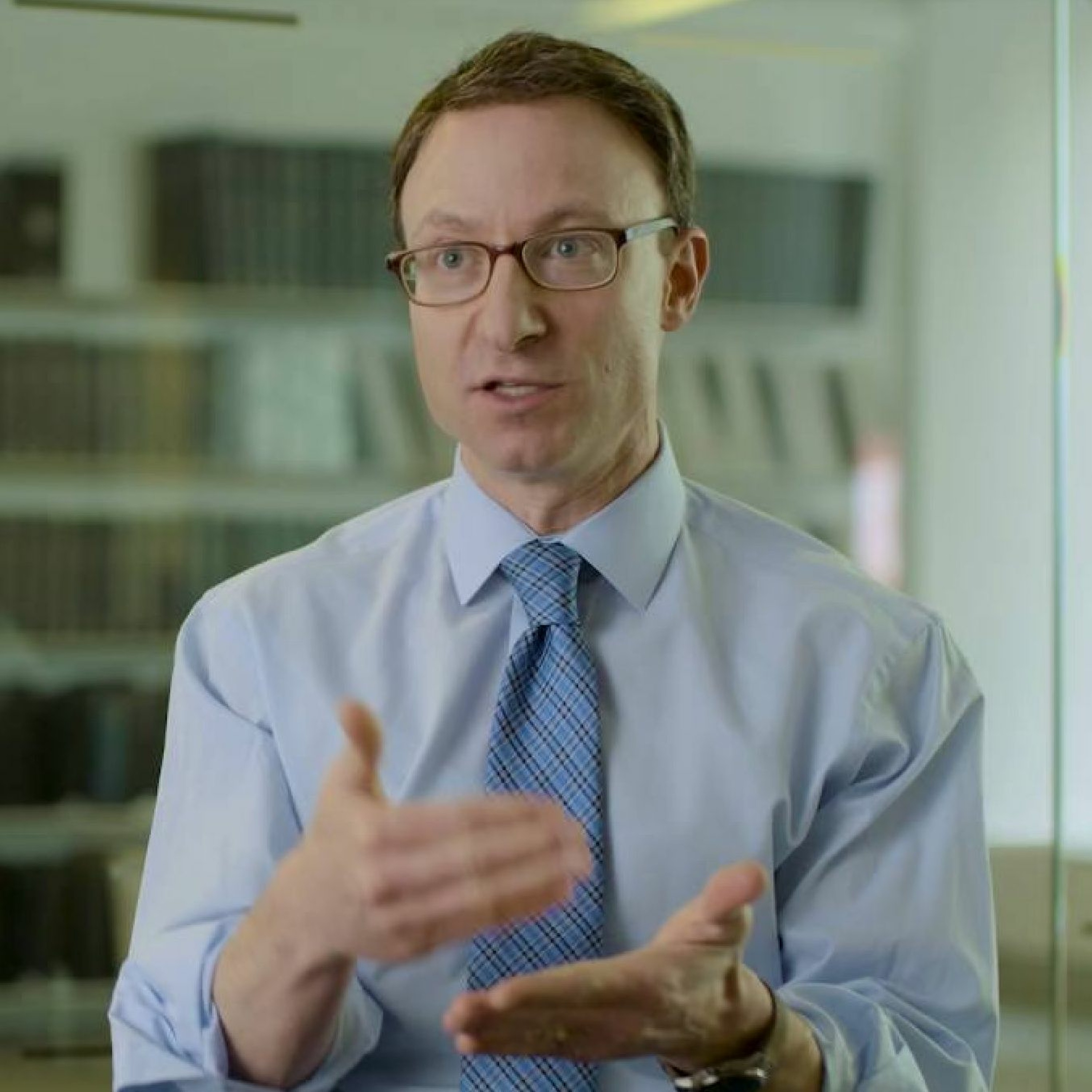 Gregory Zuckerman: A Shot to Save the World | Gregory Zuckerman is a nonfiction author and special writer at The Wall Street Journal. Before joining the Journal, Zuckerman was managing editor of Mergers and Acquisitions Reports, a trade publication of Investment Dealers’ Digest, and the New York Post as a media reporter. At the Journal, Zuckerman is an investigative reporter covering business and investing topics. He is a three-time winner of the Gerald Loeb Award, the highest honor in business journalism. He regularly appears on CNBC, Fox News, Yahoo Finance, Bloomberg Television, and more. Zuckerman’s works include The Man Who Solved the Market: How Jim Simons Launched the Quant Revolution, The Frackers: The Outrageous Inside Story of the New Billionaire Wildcatters, and his latest book, A Shot to Save the World: The Inside Story of the Life-or-Death Race for a COVID-19 Vaccine, covering mRNA vaccine development. A Shot to Save the World was longlisted for the Financial Times/McKinsey Business Book of the Year Award. In this episode, we hit a wide range of topics, starting with how Mr. Zuckerman wrote his book, and his experiences with the characters he writes about. We then discuss public policy and financing, and how the vaccine development process can be critiqued and updated. Finally, we talk about societal perception of science, and how it should change in response to the COVID-19 pandemic and vaccine development process. ———————————————————————————————————————————————————————————— Hosts: Sullivan Meyer and Neal Reddy Design: Ryan Vuono Editor: Marko Petrovic | — | ||||||
| 11/24/21 | 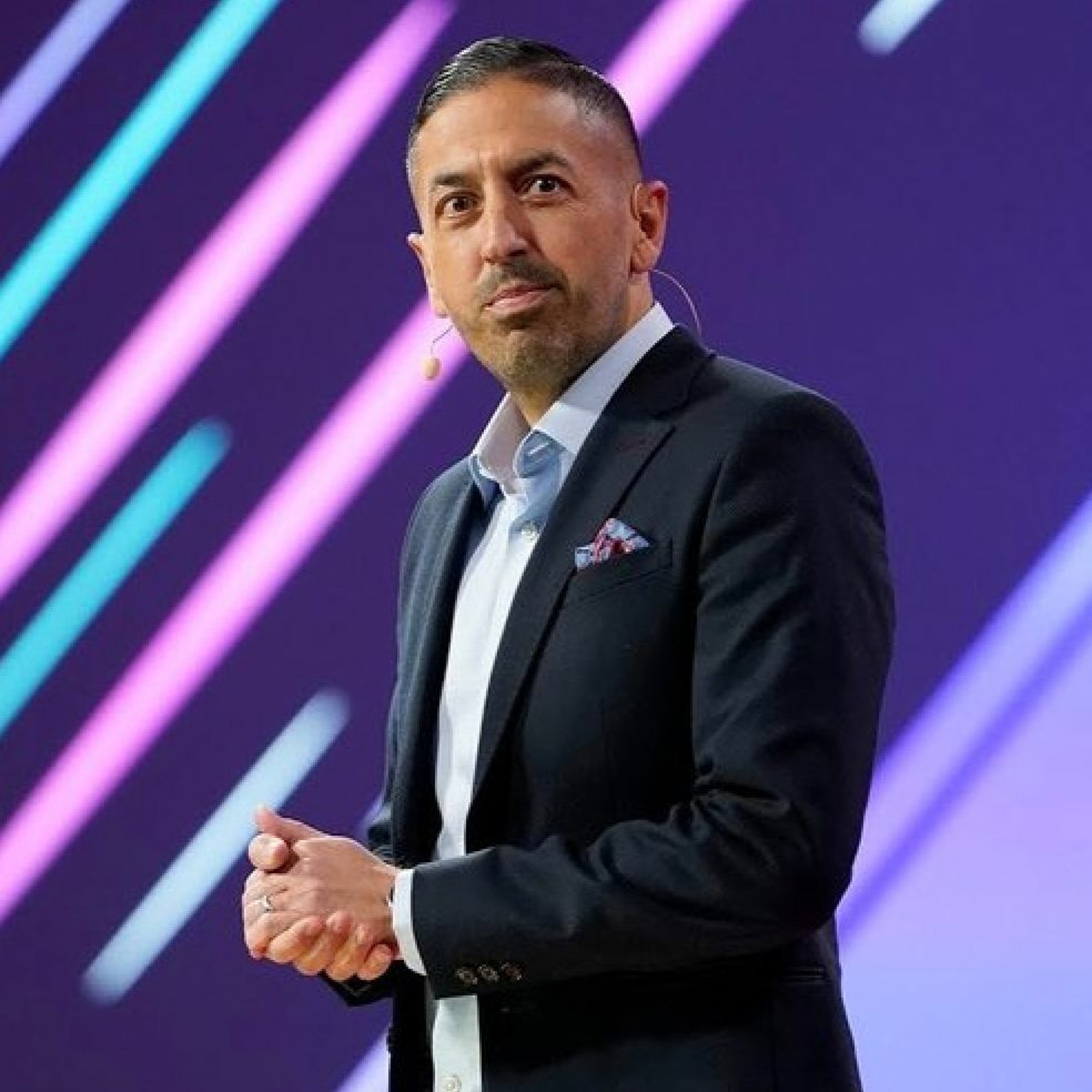 Sandro Galea: The Contagion Next Time | Professor Sandro Galea is a physician and epidemiologist who is dean and Robert A. Knox Professor at Boston University School of Public Health. His research is centered on the social factors that influence health and trauma, and his work is highly cited in the field of public health. Some of his most notable work relates to the ramifications of mass trauma after natural disasters and catastrophes, which his latest book, The Contagion Next Time addresses as it confronts the pivotal moment of the COVID-19 pandemic. In this interview, we start by discussing the concept of health itself. What qualifies as health? Are we too limited in our effort to make society healthier? We then move to Professor Galea’s scientific and moral critiques of public policy actions that according to him impact health negatively, from budgetary decisions to international relations. Despite Professor Galea’s critiques of public health policy, we end the interview on an optimistic note— Professor Galea observes that we are in an unprecedented position in history with regards to the medicine and wealth of our society, and with such tools in disposal, it is important to steer clear of pessimism. | — | ||||||
| 9/10/21 | 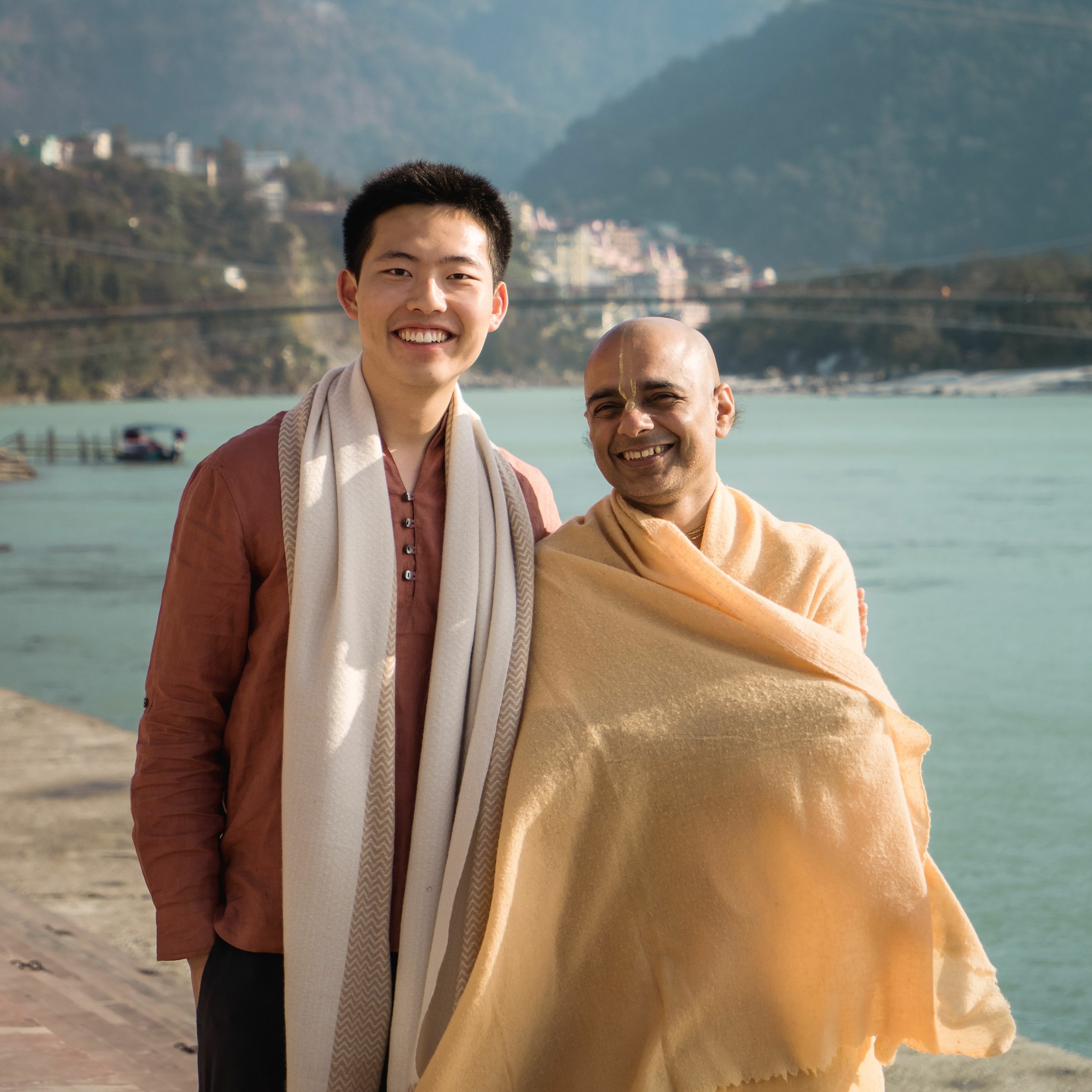 Tiger’s Last Interview - Prema Gauranga Das: Satsang on the Ganges and the Pursuit of Absolute Truth | This interview marks my last interview as the host of Policy Punchline. I will soon release another recording giving you an update about Policy Punchline’s future, but for now I just want to present to you the following conversation with Prema Gauranga Das. Over the last three years with Policy Punchline, I’ve interviewed more than 150 guests, mostly public intellectuals, policy makers, journalists, investors… but this is my only interview with a monk – a Hindu monk. Premji has been a resident monk at Sri Sri Radha Gopinath Temple in Mumbai with the International Society for Krishna Consciousness (also known as ISKCON) for the last 20 years. Like many of his peers, Premji completed his Bachelors degree in engineering from the University of Pune, a top university in India, and subsequently had a 4-year stint at India’s largest auto manufacturing company. But he quit his job to become a monk and to explore a more fulfilling and purposeful lifestyle, after being inspired by the teachings of His Divine Grace A.C. Bhaktivedanta Swami Prabhupada, and His Holiness Radhanath Swami. Currently he is one of the research and implementation leads for ISKCON’s flagship project, the Temple of Vedic Planetarium, and is compiling his research on the Bhagavata Cosmology. I conducted the interview in the winter of 2019, right before Covid hit the world. I went on a yoga and meditation trip to India with Princeton University’s Office of Religion Life, led by two fantastic mentors, Vineet and Angela, with a group of 15 students. We traveled for a month during Christmas vacation, visiting yoga institutes, temples, ashrams, and cultural sites. We were accompanied by Premji, who helped plan our trip and guide us through the country, and through many conversations he gradually became an important mentor. I was truly fortunate to have met Premji. He answered my questions on the Hindu faith, life, and my confusion about my own path forward. He was almost like a beacon of light, using simple principles to help me reason through some of the most difficult philosophical and religious questions that had puzzled me over the years: - Should we be pessimistic in light of the world’s unending sufferings? - Have we made progress as a humanity? - How flexible can one be with their spiritual and religious faiths? - What does it mean to be guided by God? Does one have to be guided by God or some form of greater power? - How do we control our desires? What does it mean to be happy? - What is one’s destiny and how do we discover our true calling? … Premji and I recorded this conversation towards the end of my trip. We were in Rishikesh, a city on the Ganges river and home to the famous Beatles Ashram. Overseeing sunset on the foothills of the Himalayas, we sat along the Ganges river and chatted for three hours. Hence we named the episode “Satsang on the Ganges,” where the word “Satsang” refers to the idea of group discussions or informal gatherings in hope to better understand the Vedic philosophy –– or, in essence, together pursuing the Absolute Truth. It’s never my goal to try to change people’s lives via this podcast –– that would be too condescending to think that I should do that –– but I would be honored if the following interview could open a small window for you to explore some of these ideas. You may reach out to Premji by emailing him at prem.gauranga.rns@gmail.com. You may learn more about ISKCON via https://www.iskcon.org/ and https://iskconchowpatty.com/. | — | ||||||
Showing 25 of 182
Sponsor Intelligence
Sign in to see which brands sponsor this podcast, their ad offers, and promo codes.