

Insights from recent episode analysis
Audience Interest
Podcast Focus
Publishing Consistency
Platform Reach
Insights are generated by CastFox AI using publicly available data, episode content, and proprietary models.
Most discussed topics
Brands & references
Est. Listeners
Insufficient chart data. Estimates will improve as the show charts.
- Per-Episode Audience
Est. listeners per new episode within ~30 days
N/A🎙 ~2x weekly·32 episodes·Last published 2w ago - Monthly Reach
Unique listeners across all episodes (30 days)
N/A - Active Followers
Loyal subscribers who consistently listen
N/A
Market Insights
Platform Distribution
Reach across major podcast platforms, updated hourly
Total Followers
—
Total Plays
—
Total Reviews
—
* Data sourced directly from platform APIs and aggregated hourly across all major podcast directories.
On the show
From 10 epsHosts
Recent guests
Recent episodes
Duke Dynasty: The Legacy of the American Tobacco Monopoly, Part Two
Jun 12, 2026
53m 37s
Duke Dynasty: The Legacy of the American Tobacco Monopoly
May 25, 2026
55m 32s
Class 1 Railroads with Matt Reustle of Business Breakdowns
Apr 28, 2026
54m 07s
The Ferguson Water Thesis with Todd Wenning
Apr 16, 2026
45m 05s
Veteran Analyst Mark Purdy on Nestlé
Mar 20, 2026
1h 05m 27s
Social Links & Contact
Official channels & resources
Official Website
Login
RSS Feed
Login
| Date | Episode | Topics | Guests | Brands | Places | Keywords | Sponsor | Length | |
|---|---|---|---|---|---|---|---|---|---|
| 6/12/26 | 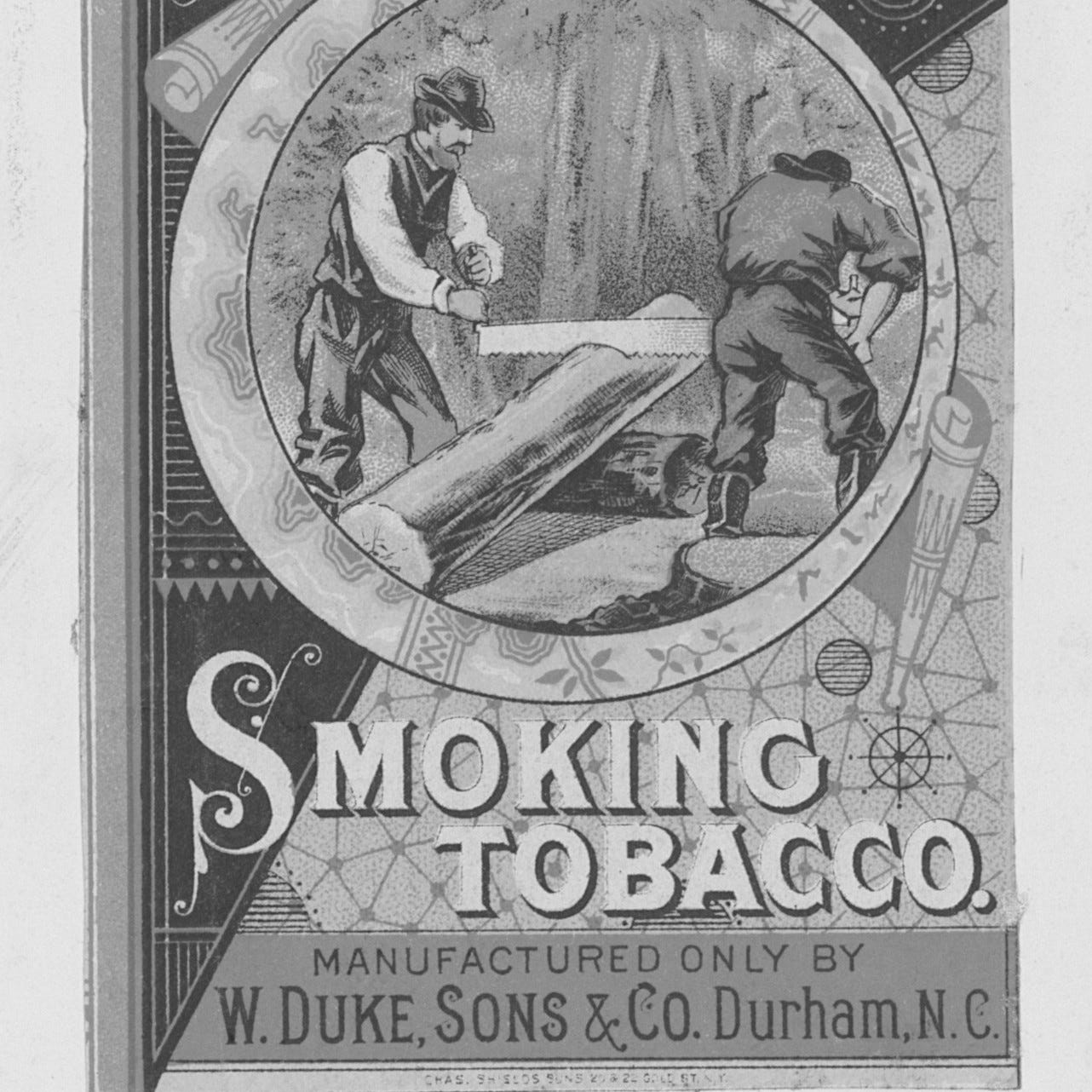 Duke Dynasty: The Legacy of the American Tobacco Monopoly, Part Two✨ | American Tobacco CompanyDuke family legacy+4 | — | American Tobacco CompanyDuke family+1 | — | American Tobacco CompanyBuck Duke+5 | — | 53m 37s | |
| 5/25/26 | 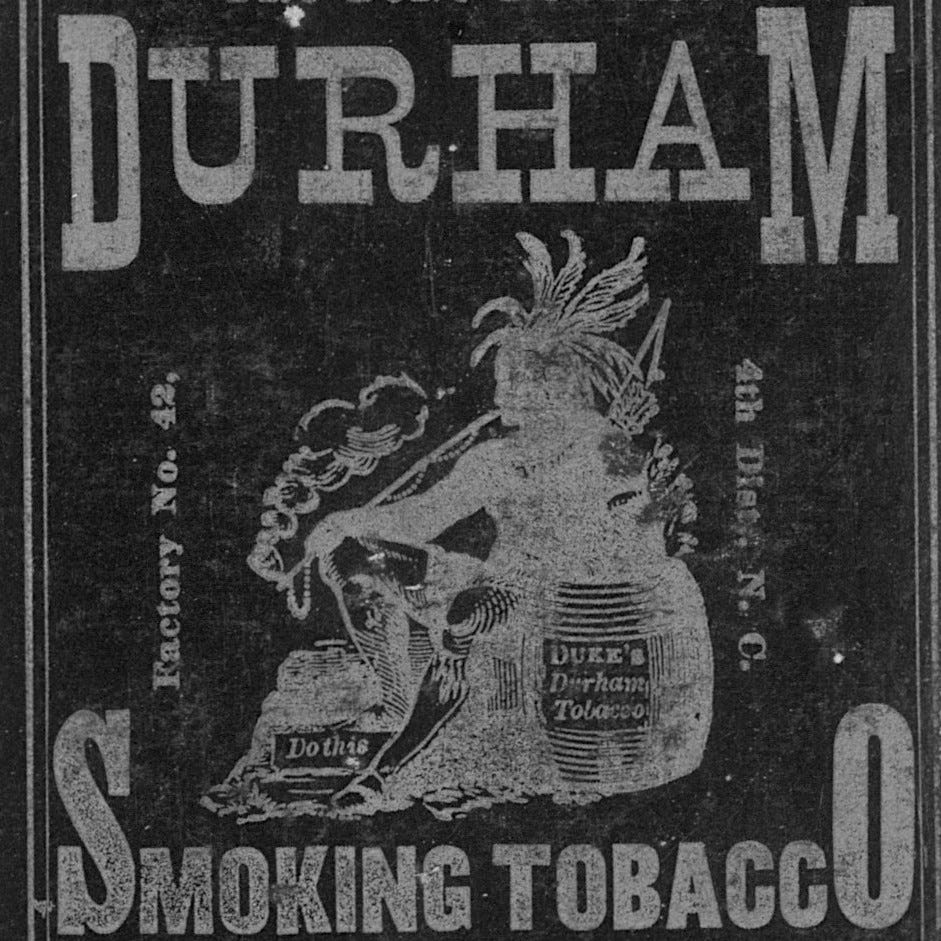 Duke Dynasty: The Legacy of the American Tobacco Monopoly✨ | Duke family historyAmerican tobacco industry+4 | — | American Tobacco CompanyThe Duke Endowment+4 | — | Duke familyAmerican Tobacco Company+7 | — | 55m 32s | |
| 4/28/26 | 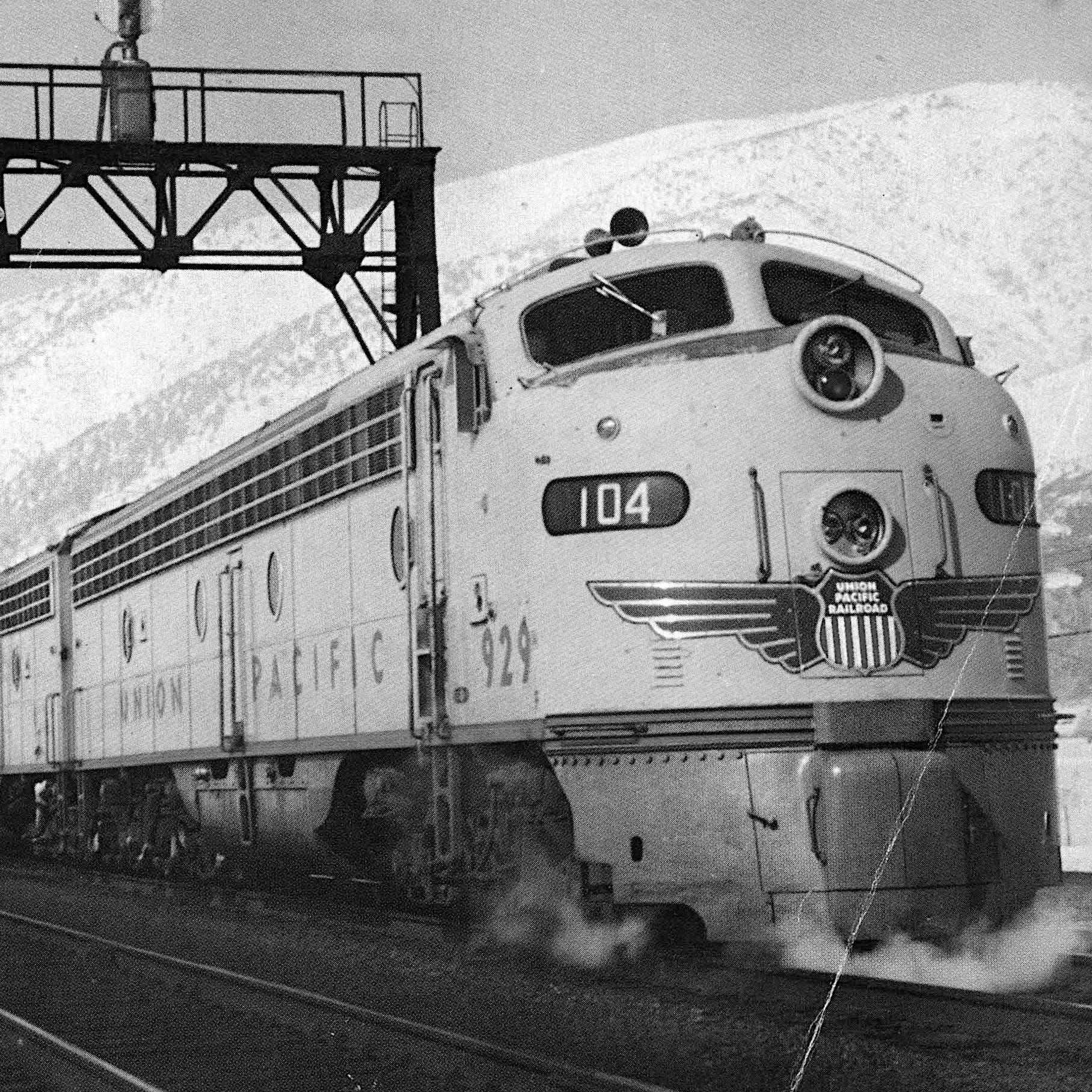 Class 1 Railroads with Matt Reustle of Business Breakdowns✨ | Class 1 Railroadsmergers+4 | Matt Reustle | Goldman SachsBusiness Breakdowns+5 | — | Class 1 RailroadsUnion Pacific+7 | — | 54m 07s | |
| 4/16/26 |  The Ferguson Water Thesis with Todd Wenning✨ | water thesisHVAC distribution+4 | Todd Wenning | Ferguson EnterprisesThe Motley Fool+5 | Ohio | Ferguson Enterpriseswater thesis+5 | — | 45m 05s | |
| 3/20/26 | 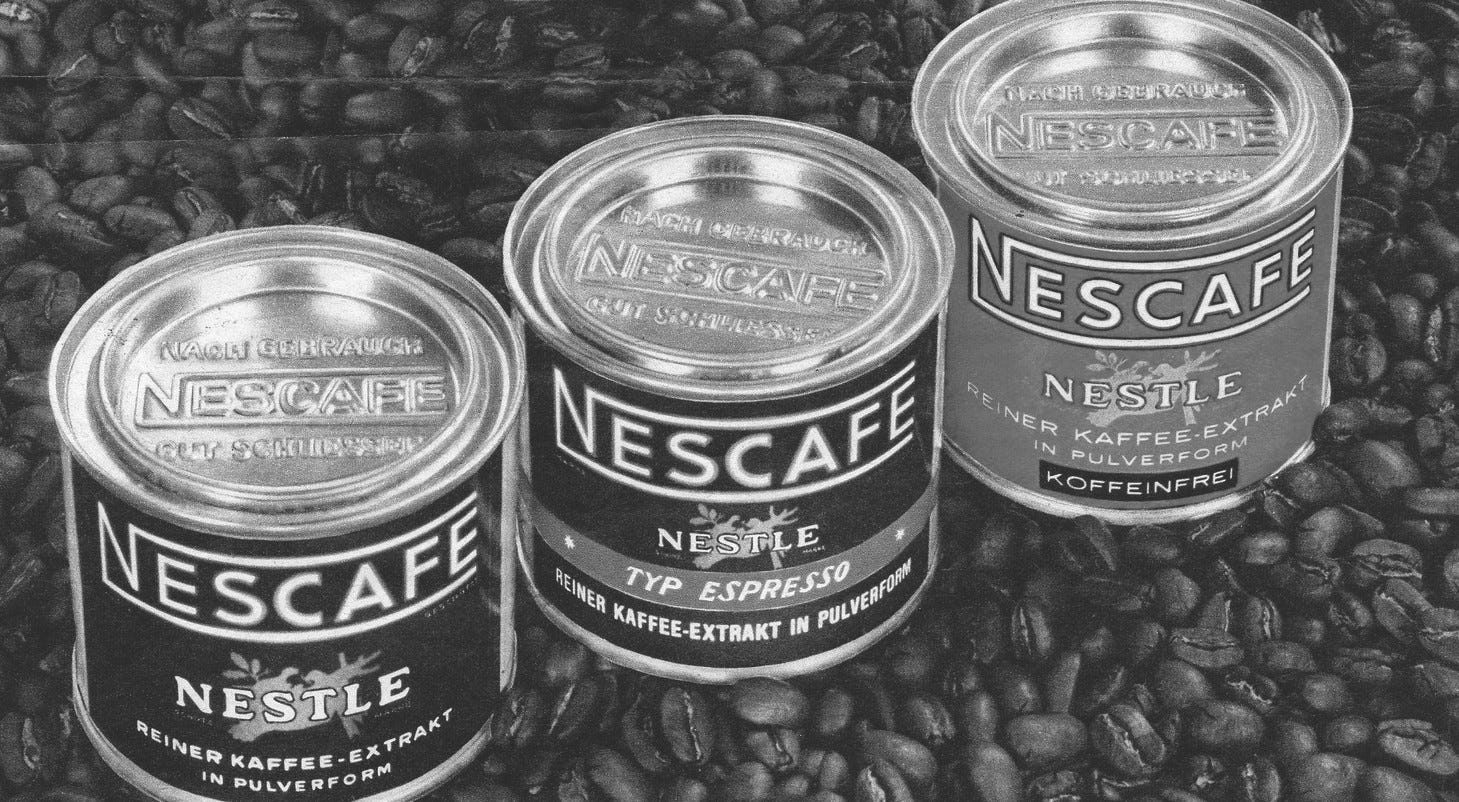 Veteran Analyst Mark Purdy on Nestlé✨ | Nestléconsumer staples+4 | Mark Purdy | NestléCalabria Park Advisors | — | NestléMark Purdy+7 | — | 1h 05m 27s | |
| 2/17/26 | 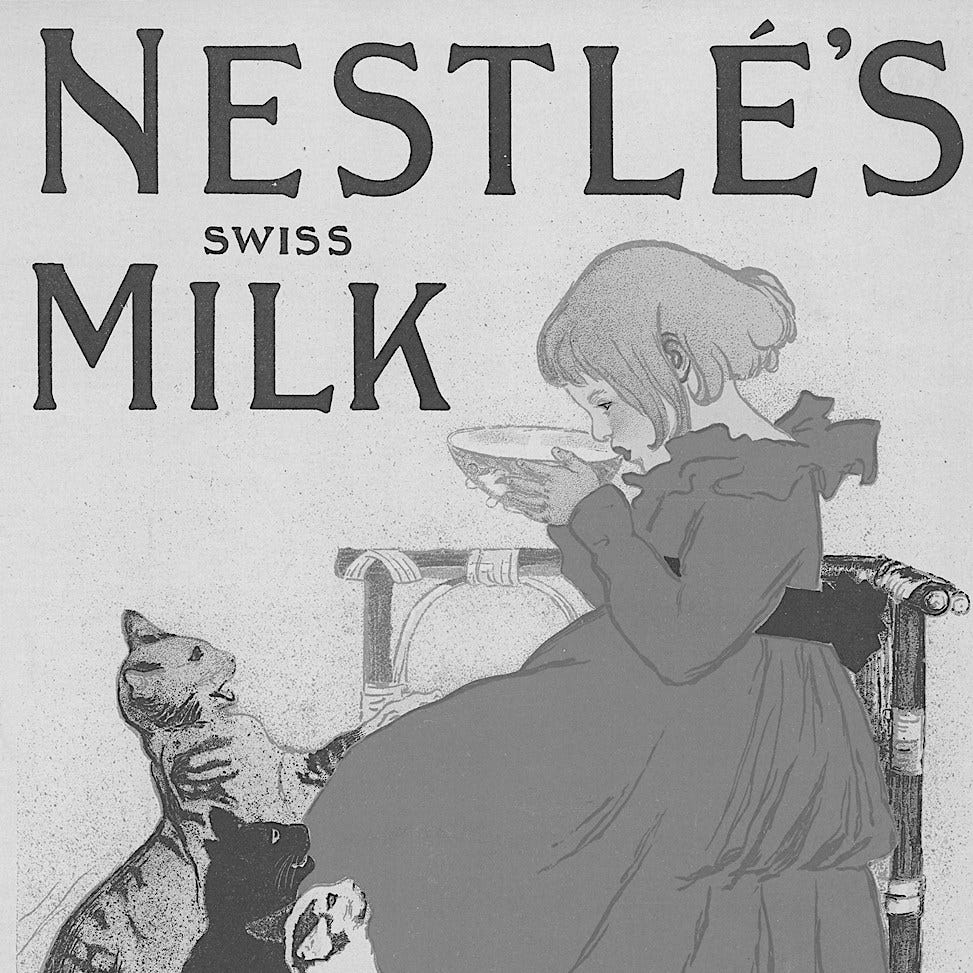 Nestlé: The Building of a Global Behemoth✨ | history of Nestlébusiness strategy+4 | — | NestléAnglo-Swiss Condensed Milk Company+5 | — | Nestlébusiness history+5 | — | 54m 23s | |
| 1/8/26 |  Forging a Family-Owned Legacy: The Story of Thompson Traders✨ | family-owned businessluxury home fixtures+4 | Clifford Thompson | Thompson TradersWSJ | — | Thompson Traderscopper sinks+6 | — | 59m 50s | |
| 12/5/25 |  David Gearhart's Journey in Building a Private Insurance Holding Company✨ | private insurancebusiness acquisition+4 | David Gearhart | Wilmington Holdings CorporationWilmington Insurance Company+1 | — | insurance businessacquisition process+5 | — | 46m 39s | |
| 11/21/25 |  A Primer on Salmon Farming with Nick Longhurst of Marathon Asset Management✨ | salmon farminginvestment philosophy+3 | Nick Longhurst | Marathon Asset ManagementPreferred Shares Podcast | London | salmon farminginvestment+3 | — | 50m 34s | |
| 11/6/25 |  Endurance: From the Track to the Cockpit, a B-2 Pilot's Story✨ | B-2 pilotAir Force training+4 | Lt. Col. Todd Moenster | Northrop GrummanGarmin+1 | — | B-2 stealth bomberAir Force pilot selection+4 | — | 1h 03m 03s | |
Want analysis for the episodes below?Free for Pro Submit a request, we'll have your selected episodes analyzed within an hour. Free, at no cost to you, for Pro users. | |||||||||
| 9/19/25 | 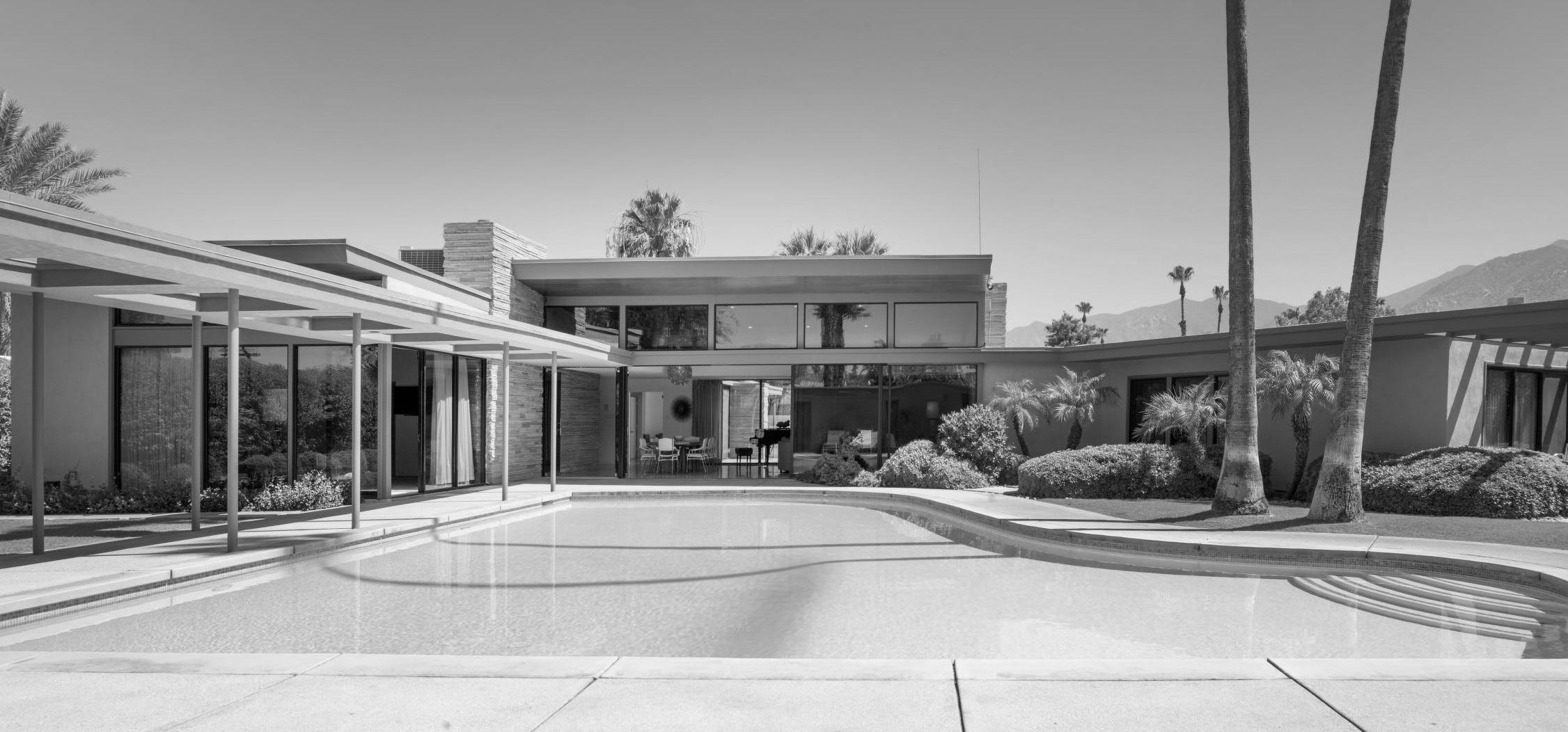 Pool Corp. (POOL) | Welcome to Episode 25 of the Preferred Shares Podcast.In this episode of the Preferred Shares podcast, Doug provides a brief history of Pool Corp. and an overview of the current business. The co-hosts discuss the pros and cons of the business and why it might be a “high quality cyclical” enterprise.In This Episode[01:11] Early History and Founding[06:22] Current Market Position and Business Model of Pool Corp[10:25] Growth Trends and Market Dynamics[13:39] Financial Performance and Revenue Breakdown[17:46] Management Structure and Company Culture[20:13] Competitive Landscape and Market Challenges[22:20] Investment Considerations and Future Outlook[26:31] Doug Gives His Elevator PitchAdditional Reading & ListeningDid you miss our series on Amphenol? Check it out below.Curious to see what else we’ve been working on? Check out some of the interesting things we’ve done recently:* Douglas Ott (Andvari Associates and @yesandnotyes) * Doug provides even more details, anecdotes, and financials on the early history of Amphenol.* 📖 The Story of Amphenol: 1932-1958* 📖 The Story of Amphenol: 1958-1971* 📖 The Story of Amphenol: 1971-1981* Lawrence Hamtil (Fortune Financial and @lhamtil)* 📖 Aerospace: After A Century of Growth; A Bright Future Ahead* Devin LaSarre (Invariant and @DevinLaSarre)* 📖 Per-Pouch Price Premium - Devin writes about the current state of the nicotine pouch market. Enjoy this episode? Share it with someone who loves business history as much as you do!You can also follow Preferred Shares, Devin, Doug, and Lawrence on Twitter.DisclaimerAll opinions expressed by Preferred Shares hosts and guests are solely their own opinions and do not reflect the opinions of their respective employers. This podcast is for informational and entertainment purposes only and should not be relied upon as a basis for investment decisions. None of the information contained in the podcast or this web site constitutes a recommendation that any particular security, portfolio of securities, transaction, or investment strategy is suitable for any specific person.Clients of Andvari and Fortune Financial may maintain positions in the securities discussed in this podcast. Furthermore, from time to time, the Hosts may hold positions or other interests in securities mentioned in the Podcast and may trade for their own accounts based on the information presented. The Hosts may also take positions inconsistent with the views expressed in its messages on the Podcast. This is a public episode. If you would like to discuss this with other subscribers or get access to bonus episodes, visit www.preferredsharespodcast.com | 33m 29s | ||||||
| 7/21/25 |  The Untold Story of Amphenol: Part II | Welcome to Episode 24 of the Preferred Shares Podcast.In this episode of the Preferred Shares podcast, hosts Devin, Doug, and Lawrence interview Will Kerwin, a senior equity analyst for Morningstar, to provide a current overview of Amphenol. In This Episode[01:17] Guest Introduction and Background[02:29] Exploring Amphenol’s History and Industry[04:27] Amphenol’s Market Position and Competitors[10:06] Amphenol’s Diverse End Markets[11:59] Aerospace and Defense Opportunities[14:05] Amphenol’s Unique Corporate Culture[16:31] Capital Allocation Strategies[17:53] Acquisition Strategies and Market Dynamics[20:16] Product Diversity and Co-Designing with Customers[25:55] Innovation and R&D Approaches[30:26] Pricing Power and Competitive Advantages[30:47] Talent Retention and Company Culture[32:43] Identifying Headwinds and Market Challenges[34:47] Long-Term Trends and Future Opportunities[38:46] Profitability and Margin Analysis[42:27] Supplier Relationships and Material Inputs[43:29] Future Risks and Succession Planning[47:11] Conclusion and Final ThoughtsAdditional Reading & ListeningWilliam Kerwin, CFA. Current coverage:Did you miss Part 1 of our series on Amphenol? Check it out below.Curious to see what else we’ve been working on? Check out some of the interesting things we’ve done recently:* Douglas Ott (Andvari Associates and @yesandnotyes)* 📖 The Story of Amphenol: 1932-1958 - Doug provides even more details, anecdotes, and financials on the early history of Amphenol.* Lawrence Hamtil (Fortune Financial and @lhamtil)* 📖 Aerospace: After A Century of Growth; A Bright Future Ahead* Devin LaSarre (Invariant and @DevinLaSarre)* 📖 The Nicotine Horizon Enjoy this episode? Share it with someone who loves business history as much as you do!You can also follow Preferred Shares, Devin, Doug, and Lawrence on Twitter.DisclaimerAll opinions expressed by Preferred Shares hosts and guests are solely their own opinions and do not reflect the opinions of their respective employers. This podcast is for informational and entertainment purposes only and should not be relied upon as a basis for investment decisions. None of the information contained in the podcast or this web site constitutes a recommendation that any particular security, portfolio of securities, transaction, or investment strategy is suitable for any specific person.Clients of Andvari and Fortune Financial may maintain positions in the securities discussed in this podcast. Furthermore, from time to time, the Hosts may hold positions or other interests in securities mentioned in the Podcast and may trade for their own accounts based on the information presented. The Hosts may also take positions inconsistent with the views expressed in its messages on the Podcast. This is a public episode. If you would like to discuss this with other subscribers or get access to bonus episodes, visit www.preferredsharespodcast.com | 53m 51s | ||||||
| 7/11/25 |  The Untold Story of Amphenol: Part I | Welcome to Episode 23 of the Preferred Shares Podcast.In this episode of the Preferred Shares podcast, hosts Devin, Doug, and Lawrence delve into the history and significance of Amphenol, a leading manufacturer of connectors. They explore the company’s evolution from its founding in the 1930s, its pivotal role during World War II, and its transition into the consumer electronics market. The discussion covers Amphenol’s IPO journey, acquisitions, and the influence of private equity firm KKR on its growth strategy. The episode concludes with insights into the company’s culture and the legacy of its founder, Arthur J. Schmidt, highlighting the importance of innovation and adaptability.In This Episode[01:15] Exploring Amphenol: A Company of Significance[01:57] The Fascinating History of Amphenol[03:22] Amphenol’s Role in World War II[08:00] Post-War Transition and Consumer Electronics[09:01] The IPO Journey of Amphenol[16:17] Acquisition by LPL and Challenges Ahead[20:12] KKR’s Influence and Growth Strategy[22:56] Amphenol’s Market Position and Strategy[26:45] Cultural Insights and Leadership at Amphenol[30:05] Legacy of Arthur J. Schmidt and Future OutlookImagesSourcesBooksSchaefer, Arthur J. Quest for Leadership: The Arthur J. Schmitt Story. Cathedral Publishing Company: Chicago, IL, 1985.Videos & PodcastsAdditional Reading & ListeningCurious to see what else we’ve been working on? Check out some of the interesting things we’ve done recently:* Douglas Ott (Andvari Associates and @yesandnotyes)* 📖 An even more detailed history of Amphenol* 📖 TransDigm: The Early Years* Lawrence Hamtil (Fortune Financial and @lhamtil)* 🎙️ The Future of Defense — The History, Advances, And Outlook* Devin LaSarre (Invariant and @DevinLaSarre)* 📖 Foiled: A thesis on a company facing a confluence of headwindsEnjoy this episode? Share it with someone who loves business history as much as you do!You can also follow Preferred Shares, Devin, Doug, and Lawrence on Twitter.DisclaimerAll opinions expressed by Preferred Shares hosts and guests are solely their own opinions and do not reflect the opinions of their respective employers. This podcast is for informational and entertainment purposes only and should not be relied upon as a basis for investment decisions. None of the information contained in the podcast or this web site constitutes a recommendation that any particular security, portfolio of securities, transaction, or investment strategy is suitable for any specific person.Clients of Andvari and Fortune Financial may maintain positions in the securities discussed in this podcast. Furthermore, from time to time, the Hosts may hold positions or other interests in securities mentioned in the Podcast and may trade for their own accounts based on the information presented. The Hosts may also take positions inconsistent with the views expressed in its messages on the Podcast. This is a public episode. If you would like to discuss this with other subscribers or get access to bonus episodes, visit www.preferredsharespodcast.com | 36m 34s | ||||||
| 7/3/25 | 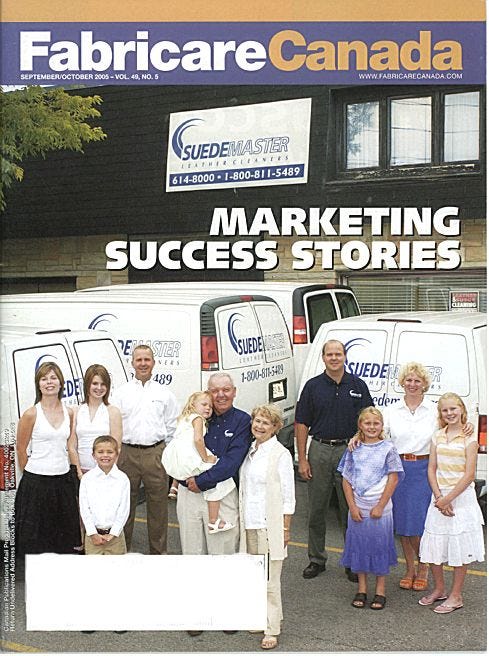 The Evolution of Dry Cleaning with GreenEarth Cleaning's Tim Maxwell | Welcome to Episode 22 of the Preferred Shares Podcast.In this episode, we explore the evolution of the dry cleaning industry. To guide us, we are joined by Tim Maxwell. Tim is an industry veteran, having started working at his parent’s wholesale suede and leather cleaning business at age twelve and eventually founding a company that would ultimately disrupt the dry cleaning space; GreenEarth Cleaning.In This Episode[02:12] Tim’s background, the family business, education, and partnering[03:05] The idea behind GreenEarth Cleaning[03:45] Exiting the family business to pursue the new opportunity in 1999[08:25] The dynamics of a durable, multi-generation family business[14:40] Changing technologies in the dry cleaning space[19:00] Industry headwinds, trends, and adaptation[27:30] Additional margin pressures[30:40] The rise of green cleaning methods[44:20] Production, logistics, and the idea of being a partner rather than a vendor[52:00] The ultimate winners and losers of industry evolutionBelow, the Maxwell family is featured on the cover of FabricareCanada in 2005 celebrating 30 years of the family’s ownership of SuedeMaster. Tim had already left the family business in 1999 for the GreenEarth Cleaning opportunity.Below is Tim Maxwell (center in green shirt) with a handful of GreenEarth Cleaning teammates.DataSources* GreenEarth Cleaning website* 2025 State of the Dry Cleaning Industry ReportArticles* “Clean and Green”, Washington Post, Nov. 9, 2000.* “Tim Maxwell is GreenEarth's Man in Canada”, Fabricare Canada, Sept/Oct 2000: 24.* “New Formulas and Machines are Sprucing Up Dry Cleaning”, CityBusiness, The Business Journal, February 4, 2002.* “How Kimco is helping dry cleaners replace perc with environmentally safe alternative”, Kimco Blog, April 2012.* “How Well Do You Know Jim Douglas?”, Cleaner and Launderer, July 26, 2019.* GreenEarth co-founder, Jim Douglas, was inducted into the Drycleaning & Laundry Institute Hall of Fame in 2024.Additional Reading & ListeningCurious to see what else we’ve been working on? Check out some of the interesting things we’ve done recently:* Douglas Ott (Andvari Associates and @yesandnotyes)* 📖 The Long Road From Metro-Tel to EVI Industries* Lawrence Hamtil (Fortune Financial and @lhamtil)* 🎙️ The Future of Defense — The History, Advances, And Outlook* Devin LaSarre (Invariant and @DevinLaSarre)* 📖 Nicotine in JapanEnjoy this episode? Share it with someone who loves business history as much as you do!You can also follow Preferred Shares, Devin, Doug, and Lawrence on Twitter.DisclaimerAll opinions expressed by Preferred Shares hosts and guests are solely their own opinions and do not reflect the opinions of their respective employers. This podcast is for informational and entertainment purposes only and should not be relied upon as a basis for investment decisions. None of the information contained in the podcast or this web site constitutes a recommendation that any particular security, portfolio of securities, transaction, or investment strategy is suitable for any specific person.Clients of Andvari and Fortune Financial may maintain positions in the securities discussed in this podcast. Furthermore, from time to time, the Hosts may hold positions or other interests in securities mentioned in the Podcast and may trade for their own accounts based on the information presented. The Hosts may also take positions inconsistent with the views expressed in its messages on the Podcast. This is a public episode. If you would like to discuss this with other subscribers or get access to bonus episodes, visit www.preferredsharespodcast.com | 58m 42s | ||||||
| 6/25/25 |  Beretta: 500 Years of Italian Exceptionalism | Welcome to Episode 21 of the Preferred Shares Podcast.This episode of the Preferred Shares podcast delves into the rich history of Beretta, a company that has been a significant player in the firearms industry for over 500 years. The hosts explore Beretta’s origins in Italy, its evolution through various historical conflicts, and its adaptation to changing markets. We discuss the company’s commitment to quality, innovation, and the dynamics of being a family-run business. Beretta’s resilience makes it one of the most fascinating case studies in all of business history.In This Episode[01:10] The Legacy of Beretta: A 500-Year Journey[03:30] The Rise of Gun Manufacturing in Italy[09:46] The Evolution of the Arms Industry[11:31] Beretta's Role in Historical Conflicts[17:45] The Impact of War and Plague on Beretta[22:07] Beretta's Growth and Adaptation in the 1700s[25:30] Modernization and Expansion in the 19th Century[29:49] Beretta in the 20th Century: War and Innovation[34:05] Beretta's Rise in the U.S. Market[38:44] The Shift in Revenue Sources[42:25] Quality Control and Artistry in Firearms[48:41] The Future of Beretta: Challenges and Innovations[56:07] Family Business Dynamics and LongevityPhotos, Ads and ChartsBelow is an advertisement for Beretta in the January 1893 issue of Folchetto. It translates as: “Hunters! If you want excellent weapons at very favorable prices, contact the Award-Winning Factory of PIETRO BERETTA in Gardone Valle Trompia…”SourcesBooks* Morin, Marco. Beretta: The World’s Oldest Industrial Dynasty. Acquafresca Editrice, 1980.* O’Hara, William T. Centuries of Success: Lessons from the World's Most Enduring Family Businesses. Avon, Mass.: Adams Media, 2004.* Wilson, R.L. World of Beretta: An International Legend. Chartwell Books, 2006.TGS Outdoors VideosA big shout out to Johnny Carter of TGS Outdoors for the fantastic videos of his tours of the Beretta factories.* “The Beretta Factory Tour”, TGS Outdoors, Dec. 4, 2022.* “Inside the Beretta Custom Shop - Beretta Due Factory Tour”, TGS Outdoors, Dec. 26. 2022.* “I was wrong about Beretta…”, TGS Outdoors, Aug. 31, 2023.* “Building my New Gun at the Beretta Custom Shop”, TGS Outdoors, Nov. 3, 2024.Other Videos* “Interviewing Franco Beretta: The President of Fabbrica d’Armi Beretta”, TFB TV, Jan. 1, 2023.Articles* Friedman, Alan. “Italian Engineering 2: Borrowing climate improves”, Financial Times, July 29, 1985.* Suro, Roberto. “In Italy, Business Is a Family Affair”, International Herald Tribune, June 8, 1987.* Muson, Howard. “How To Build a Dynasty”, Family Business, May 20, 1993.* Klebnikov, Paul and Morais, Richard. “Italy’s second Risorgimento”, Forbes, April 22, 1996.* “Italian designed, American made, Iraq deployed”, American Machinist, December 12, 2005.* Martin, Guy. “The House of Beretta”, Garden & Gun, December/January 2014.* “In the Field with Beretta”, International Institute for Management Development, 2020.* Lichtman, Sam. “Last Line of Defense: A History of the Beretta M9”, Marine Corps Association, March 15, 2023.* Bernet, Luzi. “The oldest company in the world: How does a company survive 500 years?”, NZZ, May 3, 2024.* Tognini, Giacomo. “How This 16th Century Gunmaker Keeps Reinventing Itself”, Forbes, March 25, 2025.Additional Reading & ListeningCurious to see what else we’ve been working on? Check out some of the interesting things we’ve done recently:* Douglas Ott (Andvari Associates and @yesandnotyes)* 📖 TransDigm: The Early Years* Lawrence Hamtil (Fortune Financial and @lhamtil)* 🎙️ The Future of Defense — The History, Advances, And Outlook* Devin LaSarre (Invariant and @DevinLaSarre)* 📖 Foiled: A thesis on a company facing a confluence of headwindsEnjoy this episode? Share it with someone who loves business history as much as you do!You can also follow Preferred Shares, Devin, Doug, and Lawrence on Twitter.DisclaimerAll opinions expressed by Preferred Shares hosts and guests are solely their own opinions and do not reflect the opinions of their respective employers. This podcast is for informational and entertainment purposes only and should not be relied upon as a basis for investment decisions. None of the information contained in the podcast or this web site constitutes a recommendation that any particular security, portfolio of securities, transaction, or investment strategy is suitable for any specific person.Clients of Andvari and Fortune Financial may maintain positions in the securities discussed in this podcast. Furthermore, from time to time, the Hosts may hold positions or other interests in securities mentioned in the Podcast and may trade for their own accounts based on the information presented. The Hosts may also take positions inconsistent with the views expressed in its messages on the Podcast. This is a public episode. If you would like to discuss this with other subscribers or get access to bonus episodes, visit www.preferredsharespodcast.com | 1h 10m 06s | ||||||
| 5/15/25 |  The Sweet, Storied Success of Lindt & Sprüngli | Welcome to Episode 20 of the Preferred Shares Podcast.We interviewed a special guest, Mark Purdy, about Lindt & Sprüngli, a Swiss chocolatier founded 180 years ago in 1845. Mark is a veteran investment analyst with a focus on consumer brands for the last forty years and is currently Portfolio Manager at Chelverton Asset Management’s Select Consumer Staples Fund.In This EpisodeHere are some highlights from the interview with Mark Purdy about Lindt:* 01:27 - Mark Purdy’s Background in Consumer Staples* 05:01 - Investment Metrics for Consumer Staples* 06:47 - Lindt’s Historical Success and Sales Growth* 10:37 - Lindt’s Premium Positioning and Market Strategy* 13:18 - Market Share Potential in the U.S. and Europe* 16:23 - Lindt’s Unique Retail Strategy and Store Performance* 19:12 - Sales Distribution Channels and Profitability* 22:30 - Acquisition Strategy and Capital Allocation* 25:22 - Buybacks and Dividend Policy* 29:37 - Long-Term Value and Consumer Staples Resilience* 33:31 - Economic Sensitivity and Market Performance* 36:22 - Navigating Economic Challenges: A Long-Term Perspective* 41:30 - Quality Over Short-Termism: The Lindt Philosophy* 44:20 - Cocoa Prices and Market Dynamics* 49:59 - Consumer Behavior and Premium Chocolate* 57:31 - Future Risks and Growth Opportunities for LindtAdditional Reading & ListeningCurious to see what else we’ve been working on? Check out some of the interesting things we’ve done recently:* Douglas Ott (Andvari Associates and @yesandnotyes) has been writing about the history of Booz Allen Hamilton as well as the recent board shake-up at CoStar Group* 📖 Patience Wanes with CoStar’s Residential Foray: A Continuing State of “Show Me the Money”* 📖 History of Booz Allen Hamilton: Part I* Lawrence Hamtil (Fortune Financial and @lhamtil) * 📖 Lessons from The Chocolate Wars* Devin LaSarre (Invariant and @DevinLaSarre) continues his coverage of several tobacco businesses and also wrote a retrospective on the brand mismanagement of Schlitz beer* 📖 Philip Morris International: Blasphemy* 📖 Schlitz’s SouringEnjoy this episode? Share it with someone who loves business history as much as you do!You can also follow Preferred Shares, Devin, Doug, and Lawrence on Twitter.DisclaimerAll opinions expressed by Preferred Shares hosts and guests are solely their own opinions and do not reflect the opinions of their respective employers. This podcast is for informational and entertainment purposes only and should not be relied upon as a basis for investment decisions. None of the information contained in the podcast or this web site constitutes a recommendation that any particular security, portfolio of securities, transaction, or investment strategy is suitable for any specific person.Clients of Andvari and Fortune Financial may maintain positions in the securities discussed in this podcast. Furthermore, from time to time, the Hosts may hold positions or other interests in securities mentioned in the Podcast and may trade for their own accounts based on the information presented. The Hosts may also take positions inconsistent with the views expressed in its messages on the Podcast. This is a public episode. If you would like to discuss this with other subscribers or get access to bonus episodes, visit www.preferredsharespodcast.com | 1h 12m 51s | ||||||
| 3/3/25 |  Texas Pacific Land Corporation: The Riches of Royalties | Welcome to Episode 19 of the Preferred Shares Podcast.We interviewed a special guest, Chadd Garcia, about Texas Pacific Land Corporation (TPL). Chadd is a veteran investment analyst, has worked in private equity, and is currently Vice President & Portfolio Manager at Ave Maria Mutual Funds.In This EpisodeHere are some highlights from the podcast episode about Texas Pacific Land Corporation (TPL):* [1:52] – Chadd explains how he became interested in TPL.* [2:53] – TPL’s early history* [4:48] – Oil was discovered in West Texas in the 1920s, but fracking in the 2010s significantly increased the value of the land.* [6:17] – TPL’s decision to get in the water business to support fracking.* [11:12] – TPL’s unique shareholder base, comprised of long-term investors and Texas families.* [14:11] – The reasons for internally handling the water business.* [16:54] – The best way to assess TPL’s valuation, considering its unique advantages and potential call options.* [18:07] – Discussion about the potential of data centers in the Permian Basin.* [23:00] – Chadd shares his view that management would be better off allocating capital to share repurchases.* [31:04] – Chadd is generally not a fan of TPL acquiring royalties.* [36:14] – Discussion of how and why TPL recently became a corporation after being a trust for over 130 years.* [38:09] – Chadd shares some concerns with management’s compensation structure.* [40:22] – Appropriate incentive schemes for royalty companies.Additional Reading & ListeningCurious to see what else we’ve been working on? Check out some of the interesting things we’ve done recently:* Lawrence Hamtil (Fortune Financial and @lhamtil) was recently interviewed by Paul Cerro of Cedar Grove Capital. They discussed military history and the defense industry.* 🎙️ IC #4: The Future of Defense — The History, Advances, And Outlook* Douglas Ott (Andvari Associates and @yesandnotyes) wrote about the recent results of Mettler-Toledo and CoStar Group * 📖 The Mighty Florance — CoStar Group FY2024 Results: Margins Up, Growth Continues* 📖 Mettler-Toledo FY2024 Results — A Return to Positive Revenue Growth with Highest Gross Margins Ever* Devin LaSarre (Invariant and @DevinLaSarre) was interviewed recently about Haypp Group and has written about the results of Philip Morris International* 🎙️ Planet MicroCap — Cleaning Up Unclean Stories, Numbers, Narratives, Nicotine Industry + Haypp Group with Devin LaSarre, Founder & Editor of Invariant* 📖 Philip Morris International: ConquestEnjoy this episode? Share it with someone who loves business history as much as you do!You can also follow Preferred Shares, Devin, Doug, and Lawrence on Twitter.DisclaimerAll opinions expressed by Preferred Shares hosts and guests are solely their own opinions and do not reflect the opinions of their respective employers. This podcast is for informational and entertainment purposes only and should not be relied upon as a basis for investment decisions. None of the information contained in the podcast or this web site constitutes a recommendation that any particular security, portfolio of securities, transaction, or investment strategy is suitable for any specific person.Clients of Andvari and Fortune Financial may maintain positions in the securities discussed in this podcast. Furthermore, from time to time, the Hosts may hold positions or other interests in securities mentioned in the Podcast and may trade for their own accounts based on the information presented. The Hosts may also take positions inconsistent with the views expressed in its messages on the Podcast. This is a public episode. If you would like to discuss this with other subscribers or get access to bonus episodes, visit www.preferredsharespodcast.com | 51m 16s | ||||||
| 2/17/25 |  Convair: The Rise and Fall of an Aerospace Titan - Part 2 | Welcome to Episode 18.In this episode, Doug picks up the story from where we left off in Part 1: its November 1941, when Consolidated Aircraft founder Reuben Fleet decides to sell his personal stake in the company. Doug then shares how Consolidated became Convair, was then acquired by General Dynamics, its disastrous foray into the commercial jetliner market, and its eventual demise in the mid-1990s.In This Episode* (01:26) Reuben Fleet and his decision to sell Consolidated Aircraft.* (03:43) Fleet sells his entire personal stake in 1941.* (07:53) In 1943, Consolidated merges with Vultee Aircraft and becomes Convair.* (09:51) Reasons behind the sale.* (13:01) Rapid growth and decline of the aviation industry during and after World War II.* (14:50) Floyd Odlum and Atlas Corporation acquire a significant stake in Convair.* (16:04) Convair’s success in the 1950s.* (17:40) The B-36 bomber's development during World War II and its features, including its long-range capabilities and large crew, are described.* (20:01) General Dynamics acquires Convair in a two-step process.* (25:56) Convair gambles with Howard Hughes and the development of the Convair 880 jetliner.* Hughes runs into financial trouble and causes delays.* Convair eventually declares the largest losses in business history in the early 1960s due to its failed efforts in the commercial jetliner business. * (37:51) Henry Crown takes charge of General Dynamics to address losses from the Convair program.* (38:35) Convair shifts focus and becomes a subcontractor for the big commercial jetliners and also concentrates on its rocket and missile businesses.* (39:56) The defense industry consolidation in the post-Cold War era.* (42:21) General Dynamics sells off pieces of its Convair business and eventually shuts it all down.* (53:06) Reflection on Convair’s decline.* (57:42) The difficulty for defense companies trying to venture into the commercial space.* (65:14) Upcoming episodes.ResourcesPeriodicals* Convairiety - 1950s* General Dynamics News - 1960s* General Dynamics World* Volume 21, Number 2, February 1991* Volume 22, Number 1, April 1992Articles* “So They Named It General Dynamics”, Fortune, April 1953.* “BOARDS APPROVE CONVAIR MERGER; General Dynamics to Step Up as Vast Defense Complex if Stockholders Concur”, NYT, March 2, 1954.* “Intercontinental Rocket Reported Being Built”, NYT, Dec. 16, 1954.* “SUPERSONIC B-58 FLIES FIRST TIME”, NYT, Nov. 12, 1956.* “American Raises Jet order by 50”, NYT, 7/31/1958.* “New Jet Passes Operation Tests; Convair 880 to Begin Flying Commercial Routes for Delta Line on May 15”, NYT, May 2, 1960.* “Jet Purchase Plan of TWA Approved”, NYT, June 25, 1960.* “CONVAIRS SLATED FOR T.W.A. LEASED; Northeast to Use Six Jets Idle Because of Hughes' Financial Problems”, NYT, Nov. 23, 1960.* “The Plane Makers Under Stress”, Forbes, June 1960.* “Defense Supplier Posts Loss for ‘60”, NYT, March 24, 1961.* Smith, Richard Austin. “How a Great Corporation Got Out of Control: Part 1”, Fortune, January 1962.* Smith, Richard Austin. “How a Great Corporation Got Out of Control: Part 2”, Fortune, February 1962.* “Lewis of Dynamics”, Fortune, March 1962.Books* Sweetman, William. A History of Passenger Aircraft. London: Hamlyn Publishing, 1979.* Steele, James B. Howard Hughes: His Life and Madness. New York: W.W. Norton, 1979Videos and Podcasts* “The Story of Willow Run” — Building the B-24 bomber during WWII* Convair CV-440 Metropolitan Promo Film - 1955* CONVAIR B-36 - Story of the Strategic Air Command's Masive Cold War Peacemaker!* “ON TARGET: THE ATLAS ICBM” — 1958 Convair Astronautics SM-65B Missile Launch documentaryAdditional Reading* Doug (Andvari’s Substack) writes more about Reuben Fleet in his post “Quality Over Quantity”, published December 2024.* Doug (Andvari’s Substack) also wrote Victor Emanuel of Aviation Corporation in his post “Victor Emanuel: Part 1, From Gilded Age Dealmaker to Turnaround Artist”, published January 26, 2025.* Devin (Invariant Substack) writes about the FY2024 results of Philip Morris in “Philip Morris International: Conquest”.* Lawrence (Fortune Financial) writes about “Exploring the Surprising Resilience of the Defense Industry”.Enjoy this episode? Share it with someone who loves business history as much as you do!You can also follow Preferred Shares, Devin, Doug, and Lawrence on Twitter.DisclaimerAll opinions expressed by Preferred Shares hosts and guests are solely their own opinions and do not reflect the opinions of their respective employers. This podcast is for informational and entertainment purposes only and should not be relied upon as a basis for investment decisions. None of the information contained in the podcast or this web site constitutes a recommendation that any particular security, portfolio of securities, transaction, or investment strategy is suitable for any specific person.Clients of Andvari and Fortune Financial may maintain positions in the securities discussed in this podcast. Lawrence Hamtil and clients of Fortune Financial owned the securities of Lockheed Martin and Martin Marietta at the time of this publication. Furthermore, from time to time, the Hosts may hold positions or other interests in securities mentioned in the Podcast and may trade for their own accounts based on the information presented. The Hosts may also take positions inconsistent with the views expressed in its messages on the Podcast. This is a public episode. If you would like to discuss this with other subscribers or get access to bonus episodes, visit www.preferredsharespodcast.com | 55m 25s | ||||||
| 2/5/25 |  Convair: The Rise and Fall of an Aerospace Titan | Welcome to Episode 17 of the Preferred Shares Podcast.In this episode, Doug shares his research on the early years of Consolidated Aircraft and its founder, Major Reuben Fleet. Consolidated became one of the major aircraft makers during World War II with its B-24 Liberator bomber and its Catalina flying patrol boat. This is a public episode. If you would like to discuss this with other subscribers or get access to bonus episodes, visit www.preferredsharespodcast.com | 56m 15s | ||||||
| 12/23/24 |  Tyler Technologies: Big Fish, Small Pond | Welcome to Episode 16 of the Preferred Shares Podcast.In this episode, Douglas Ott walks us through the origin story of Tyler Technologies to the present day.In this episodeIntroduction to Tyler Technologies [0:00-1:40]Tyler Technologies is described as a “big fish in a small pond,” focusing on software solutions for municipalities and state/local governments.The market is around $24 billion in total revenue, which is too small for larger tech companies but provides a good opportunity for Tyler.Tyler's competition is typically small, private, unscaled players.Early History as an Industrial Conglomerate [1:40-3:30]Tyler’s history began in the late 1960s with Joseph McKinney, who formed a venture capital business.McKinney formed Saturn Industries, acquiring several small businesses, then acquired Tyler Pipe in 1968, changing the company name to Tyler Corporation.Over two decades, Tyler acquired various businesses including a trucking company, an explosives company, a specialty chemicals company, and an electronics distributor.By 1987, Tyler reached $1 billion in revenues.Divestment of Holdings [3:30-4:30]In the late 1980s, McKinney started selling Tyler’s holdings, distributing over $400 million to shareholders by the mid-1990s.By 1995, none of the former companies remained at Tyler Corporation, leaving a cash shell holding company.Downturn and New Acquisitions [4:30-5:30]McKinney acquired Forest City Auto Parts and Institutional Financing, which were different from Tyler’s B2B industrial focus.These acquisitions performed poorly, leading to a $52 million write-down and McKinney’s departure by the end of 1996.New Leadership and Strategic Shift [5:30-6:30]Bruce Wilkinson was hired, aiming to return Tyler to its industrial roots.Louis Waters acquired a 10% stake in Tyler and advocated for a shift to software and information services.Louis Waters and Browning-Ferris Industries [6:30-9:30]Waters co-founded Browning-Ferris Industries (BFI), a waste management company, and saw similarities between the fragmented waste management industry and the software market for local governments.BFI grew rapidly through acquisitions due to new environmental regulations.Waters saw a similar opportunity in the software space for municipalities.Tyler’s Pivot to Software [9:30-11:00]Waters won the debate, Wilkinson resigned, and Tyler began acquiring software companies.By the end of 1997, Tyler acquired three software companies and stated its plan to consolidate the information industry for local governments.In 1998, they made four more acquisitions for $90 million.Tyler sold Forest City and Institutional Financing at a loss.Acquisition of Munis and Key Personnel [11:00-12:00]In 1999, Tyler acquired Munis, an ERP and land information management systems company.The acquisition of Munis also brought in John Marr, who became CEO of Tyler in 2004 and later executive chairman.Significant Acquisitions [12:00-14:00]New World Systems was acquired in 2015 for $670 million, providing software for dispatchers, first responders, and financial management for state and government agencies.Micropact was acquired in 2019 for $185 million, marking Tyler's foray into the federal customer segment.NIC was acquired in 2021 for $2.3 billion; NIC designed and implemented websites for states and their agencies and was a payment processor specializing in state government payments.Market Share and Financial Performance [14:00-15:00]Tyler’s market share is estimated to be in the low teens, with significant opportunity for growth.The company has experienced high-teen revenue growth and free cash flow compounding north of 20%.Recurring revenues are north of 80% based on subscriptions and maintenance.Market Dynamics [15:00-17:00]There are over 88,000 government entities in the US.These entities have similar service needs but different rules and processes.There is a constant need to modernize outdated software and IT systems.Population growth and new regulations drive additional transaction growth.Business Qualities [17:00-18:00]Tyler’s current market share is 15% of a $13 billion market, with a total addressable market of $24 billion.The market is highly fragmented, with many small, uncompetitive software companies.Tyler is the only publicly traded company focused on this government software niche.Countercyclical Nature [18:00-19:00]Government grants for modernization benefit companies like Tyler.The business is stable, funded by real estate taxes.Customer Base and Revenue [19:00-20:00]Tyler has a 98% client retention rate.There is a need to replace old software systems.Tyler replaced a 40-year-old court judicial system in Cook County, Illinois.Capital Allocation [20:00-23:00]Tyler has been selective and opportunistic with share repurchases.From 2002 to 2011, Tyler reduced its shares from 48 million to 30 million, but it is now back up to 43 million.They issued shares to fund acquisitions and attract/retain talent.Potential Threats [23:00-27:00]A major threat is prioritizing operating margins over customer service, which could lead to customer dissatisfaction.With cloud-based software, customers might find it easier to switch to competitors if not satisfied.Acquisition Strategy [27:00-30:00]Tyler tends to expand capabilities rather than consolidate specific niches, such as acquiring a jury selection software company that complements their existing court system products.They focus on smaller, bolt-on acquisitions, which are less risky than transformational ones.Comparison to Roper Technologies [30:00]Both Tyler and Roper were formerly industrial companies that transitioned into the software space.Tyler’s move was driven by Waters’ belief in the specific government software market, while Roper's was a longer evolution based on financial characteristics like recurring revenue.Risks: Mission Creep and Lack of Focus [31:00-33:00]A key risk is losing focus by pursuing growth in other areas rather than sticking to their niche.Trying to go too hard into the federal space could be a risk.Opportunities in Fragmented Market [33:00-35:00]Many small businesses in the space may be looking for a buyer.Constellation Software is also acquiring smaller niche businesses but has not taken a cohesive approach like Tyler.Private Equity Competition [35:00-36:00]Private equity firms have been in this space, but their high leverage could make them less stable competitors.Conclusion [36:00]Episode ResourcesTyler Technologies“Q1 2023 Letter: Tyler Technologies is Ready to Run”, Douglas Ott (Andvari Associates) published April 2023.“Tyler Technologies Q2 2024 Results”, Douglas Ott (Andvari Associates) published August 2024.Tyler Technologies - Investor OverviewBrowning-Ferris Industries“Salad Days in Garbage”, TIME, November 20, 1972.“Four-Father”, Waste 360, October 1, 2009.“Browning-Ferris Industries”, Texas State Historical Association, November 1, 1994.Additional ReadingCurious to see what else we’ve been working on? Below are some pieces we’ve written independently that we think you’d like:“Imperial Brands: Doubt-Driven”, Devin LaSarre (Invariant) published December 2024.“A Few Thoughts On Diversification Strategies”, Lawrence Hamtil (Fortune Financial) published October 2024. This is a public episode. If you would like to discuss this with other subscribers or get access to bonus episodes, visit www.preferredsharespodcast.com | 54m 33s | ||||||
| 10/28/24 | 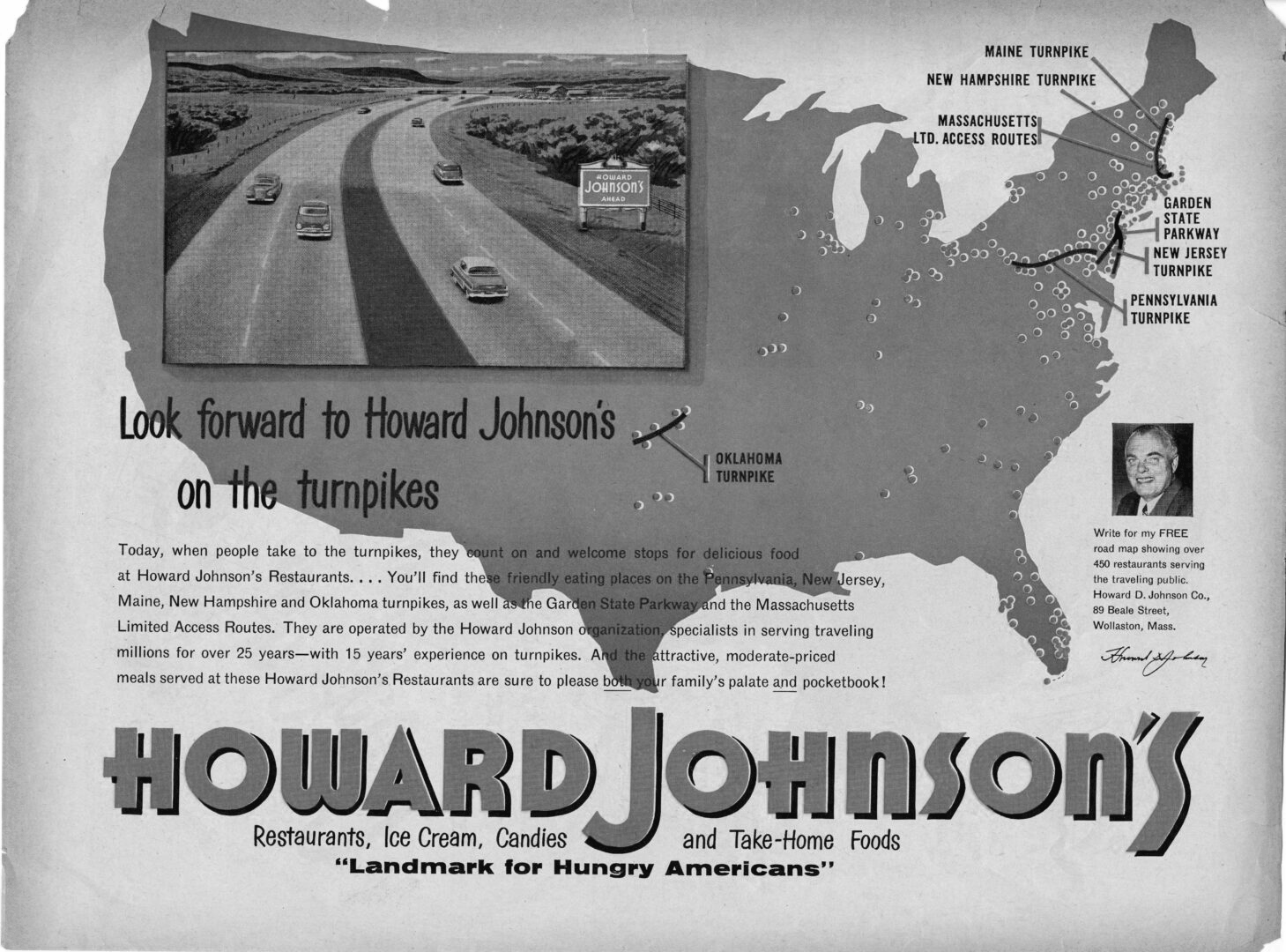 Chain Restaurants and the Interstate | Welcome to Episode 15 of the Preferred Shares Podcast.In this episode—another in our series on the beneficiaries of the spending on the interstate highway system of the United States—we take turns discussing Howard Johnson’s, McDonald’s, and KFC. In this episodeThe Johnson’s family cigar businessHoward Johnson quitting school at age 12Worked at a drug store until buying it out, expanding salesJohnson’s ice cream becomes hugely popularGreat Depression forces a pivot - franchisesWWII forces more changes1959 IPO and continued growth70’s struggles leading to an eventual buyout by Imperial Group PLC in 1979Imperial eventually sells to Marriott in 1985The first McDonald’sRevamps, simplifications, and innovationsRay Kroc’s entrepreneurial spiritKroc drops out of school at age 15Countless business ideas and odd jobsThe Silent Night club’s simplified menu leaves a lasting impressionBecoming a disposable cup salesmanCups leading Ray to Prince Castle and the MultimixerWWII almost killing the mixer industry due to copper constraintsThe Multimixer leading Ray to the McDonald brothersAn immediate realization of opportunityRapid expansion due to Harry Sonneborn, Franchise Realty Corp, mass marketing of automobiles, post-war suburbanization, the GI Bill, and the continued buildout of the interstate highway systemMcDonald’s 1965 IPO and beyondHarland Sanders tough upbringing in rural IndianaLeaving home at age 12A passion for cooking mixed with a a highway service stationSanders’ special way to make fried chickenInterstate 75 killing Sanders’ first restaurantAt age 66, Sanders starting over again to by creating franchises in a unique wayThe 1964 sale of KFC and then 1969 IPOAcquired by R.J. Reynolds, then RJR Nabisco, then sold to Pepsi in 1986KFC spun off in 1997, and KFC China spun off as Yum China in 2016Our takeawaysArcGIS Interactive map, Interstate Highway System, McDonalds Locations, Continental United StatesKFC, Kuwait City, 1980, Miranda KopetzkyColonel Sanders’ business card, late 1940sLife Magazine , 7/2/1951, Vol 32 no. 1Episode ResourcesGrinding It Out, Ray Kroc, 1977Roadside Empires, Stan Luxenberg, 1986McDonald’s Golden Empire, Storymaps, ArcGIS, 2021The Man Behind McDonald’s, David Holzel, BOSS, Fall/Winter 2016KFC’s sustainable competitive advantage in the international franchising, Kofi A. Bediako, Journal of Business Cases and Applications, 2018The First Giant Restaurant Chain: Howard Johnson’s: Rise and Fall, Gary Hoover, American Business History Center, 2021Howard Johnson’s Superfans Can’t Let Go, Jimmy Vielkind, Wall Street Journal, 2022America’s Eating Habits: Food Away From Home, USDA, Economic Research Service, 2018Kentucky Fried Chicken Corporation and Heublein Inc. Annual Reports, 1959–1982McDonald's Corporation Annual Reports: 1965–1967, 1969–1972, 1981, 1992, 1994–2012Additional ReadingCurious to see what else we’ve been working on? Below are some pieces we’ve written independently that we think you’d like:"Going South: Implications of Business and Population Migration", a whitepaper by Douglas Ott (Andvari Associates) and Lawrence Hamtil (Fortune Financial) published June 2024.A Few Thoughts On Diversification Strategies, Lawrence Hamtil (Fortune Financial) published October 2024.Enjoy this episode? Share it with someone who loves business history as much as you do!You can also follow Preferred Shares, Devin, Doug, and Lawrence on Twitter.DisclaimerAll opinions expressed by Preferred Shares hosts and guests are solely their own opinions and do not reflect the opinions of their respective employers. This podcast is for informational and entertainment purposes only and should not be relied upon as a basis for investment decisions. None of the information contained in the podcast or this web site constitutes a recommendation that any particular security, portfolio of securities, transaction, or investment strategy is suitable for any specific person.Clients of Andvari and Fortune Financial may maintain positions in the securities discussed in this podcast. Furthermore, from time to time, the Hosts may hold positions or other interests in securities mentioned in the Podcast and may trade for their own accounts based on the information presented. The Hosts may also take positions inconsistent with the views expressed in its messages on the Podcast. This is a public episode. If you would like to discuss this with other subscribers or get access to bonus episodes, visit www.preferredsharespodcast.com | 1h 17m 04s | ||||||
| 10/11/24 | 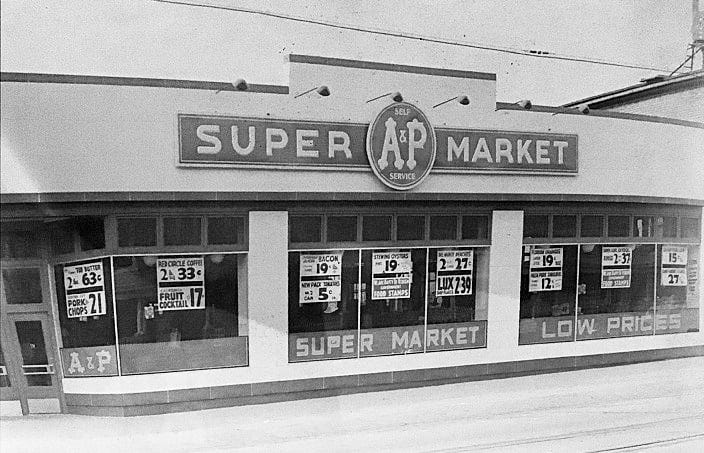 Marc Levinson on The Great A&P | Welcome to Episode 14 of the Preferred Shares Podcast.In this episode, Preferred Shares explores the evolution of grocery retailing in the United States with a focus on the rise of A&P, it becoming the largest retailer in the world, and the company’s ultimate demise. To help tell this story, there is no better expert than historian, author, and economist Marc Levinson, author of The Great A&P and the Struggle for Small Business in America. Levinson has authored several other books, including The Box: How the Shipping Container Made the World Smaller and the World Economy Bigger, and has contributed to reputable publications such as Time magazine, The Economist, Newsweek magazine, and Harvard Business Review.In this episodeA&P tea distributionThe grocery retail landscape in the late 19th centurySpices, baking powder, and the rise of branded goodsPackaging innovationsWholesaler influence and control over grocersKroger, Albertsons, and Grand Union all began as tea companiesPerishable vs stable goodsEarly store dimensions - 20 ft x 25 ftManufacturer-set pricing, markups and ‘fair pricing’Chain stores gaining bargaining powerA&P Economy stores - bare-bones, limited selection, rock-bottom pricesRethinking profitability, inventory turnover, margins versus returnsA&P’s vertical integration efforts, including dairies, canneries, macaroni and cocoa factories, and moreScaling bargaining powerWhat does ‘fair price’ mean? The counterargument that discounting is actually harmful to consumers over the long runAdvantages of private company vs. being publicLong-term perspectiveState and federal efforts aiming to crush chain storesFixed prices, scaling chain taxes, and targeted restrictionsWeighing regulation and innovationAnti-trust case again A&PPressures closing A&P’s discount gap and eroding its reputationStrain from a lack of distinct succession plan and ability to adaptPressures from being public to produce dividends rather than reinvest and reinvigorate the businessOur post-interview discussionEpisode ResourcesThe Great A&P and the Struggle for Small Business in America, Second EditionMarclevinson.net“When Washington Bailed Out Mom and Pop” – Marc Levinson discusses his book on December 15, 2011, at an event hosted by the Library of Congress.“How The A&P Changed The Way We Shop” – Marc Levinson discusses his book on August 23, 2011, on NPR’s Fresh Air show.“The Great A&P and the Struggle for the Soul of Antitrust”, 98 Iowa Law Review Bulletin 55 (2013).Additional ReadingCurious to see what else we’ve been working on? Below are some pieces we’ve written independently that we think you’d like:Book Review: The Great A&P and the Struggle for Small Business in America by Marc Levinson, Lawrence Hamtil, 4/1/2021“Excising the Old”, Part III in a three-part series on IBM’s electric typewriter and computer printer division, Douglas Ott, 10/6/2024Enjoy this episode? Share it with someone who loves business history as much as you do!You can also follow Preferred Shares, Devin, Doug, and Lawrence on Twitter.DisclaimerAll opinions expressed by Preferred Shares hosts and guests are solely their own opinions and do not reflect the opinions of their respective employers. This podcast is for informational and entertainment purposes only and should not be relied upon as a basis for investment decisions. None of the information contained in the podcast or this web site constitutes a recommendation that any particular security, portfolio of securities, transaction, or investment strategy is suitable for any specific person.Clients of Andvari and Fortune Financial may maintain positions in the securities discussed in this podcast. Furthermore, from time to time, the Hosts may hold positions or other interests in securities mentioned in the Podcast and may trade for their own accounts based on the information presented. The Hosts may also take positions inconsistent with the views expressed in its messages on the Podcast. This is a public episode. If you would like to discuss this with other subscribers or get access to bonus episodes, visit www.preferredsharespodcast.com | 1h 06m 55s | ||||||
| 9/27/24 | 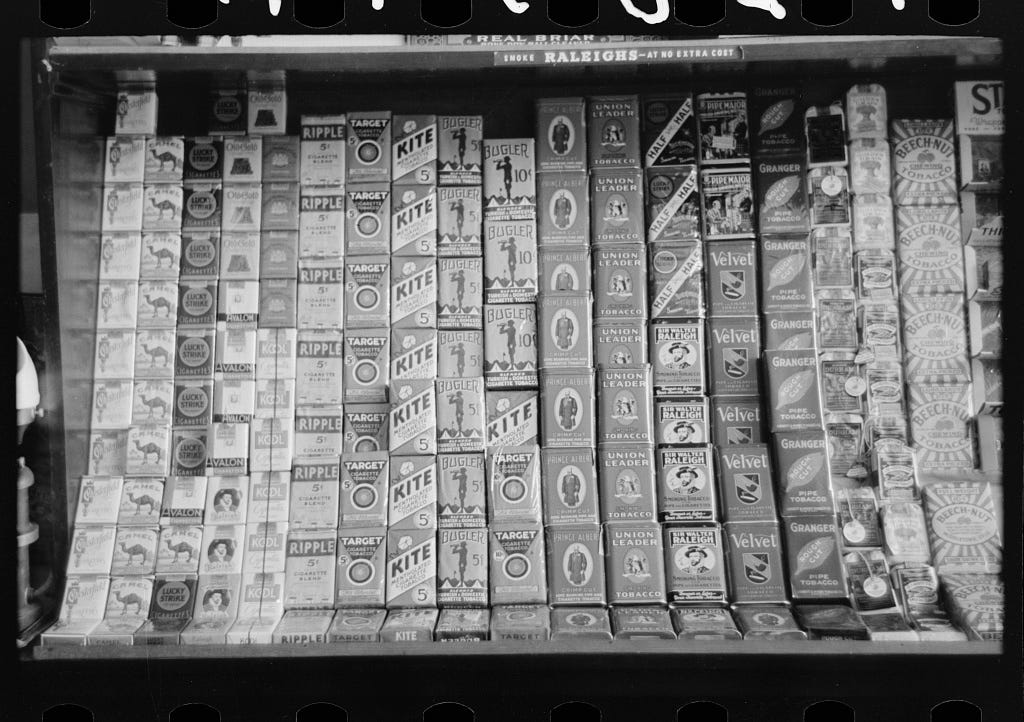 Rae Maile: A Lifetime in Tobacco | Welcome to Episode 13 of the Preferred Shares Podcast.We interviewed our friend and special guest, Rae Maile. Rae is a veteran analyst who has covered the tobacco industry for over 35 years. He has never held back his strong opinions, and always has the data to support them.In this episodeRae’s background in financial services, from junior analyst covering brewers and general retail to financials and tobaccoHow the tobacco industry has changed and stayed the sameThe perpetual lack of confidence about the tobacco industry - both from external analysts as well as industry executivesPopulation growth’s ‘denominator effect’ within price versus volumeNext-gen nicotine products in the industry landscapeGlobal demand for nicotine risingDifferences across markets and categories concerning barriers to entry, regulation, and adoptionThe anti-smoking lobby’s morphing into anti-nicotineTaxation, prohibition, and illicit tradeMoral zealotry battling against the individual’s choiceESG-based investing and idle threatsOver the last century, tobacco is the only industry that hasn’t had a negative 10-year period. What makes the industry so special?Should tobacco be placed next to other CPGs, or is it in a separate league?When it comes to tobacco, why do so many analysts obsess over volumes and disregard other critical variables?What distinguishes a great analyst? Skills needed and the psychology of marketsRae’s unique writing style. Finding your voice and filling your roleLessons from Marlboro Friday and price laddering modelsThe UK market post-BrexitPerpetual pessimism versus share repurchase programs, dividends versus share repurchases, and capital allocation frameworksThe industry’s history of poor diversification effortsSurrendering to the science, forgetting the consumerEpisode ResourcesLucy Page Gaston, founder of the Anti-Cigarette League of AmericaSir Martin Faulkner Broughton, previous Finance Director, CEO, and Chairman of BAT“PHILIP MORRIS AGREES TO BUY GENERAL FOODS”, Chicago Tribute, Sept. 1985.Additional ReadingCurious to see what else we’ve been working on? Below are some pieces we’ve written independently that we think you’d like:Discussing Going Down Tobacco Road with Gene Hoots, Lawrence Hamtil (Fortune Financial) published September, 2020Assessing Altria and Tobacco Fundamentals Five Years After the Peak, Lawrence Hamtil (Fortune Financial) published March, 2023The New Era of Nicotine, Devin LaSarre (Invariant) published July, 2022Imperial Brands: Looking Through the Noise, Devin LaSarre (Invariant) published October, 2023Altria: Back to the Race, Devin LaSarre (Invariant) published August, 2024Philip Morris International: More More More, Devin LaSarre (Invariant) published February, 2024Enjoy this episode? Share it with someone who loves business history as much as you do!You can also follow Preferred Shares, Devin, Doug, and Lawrence on Twitter.ShareSubscribe nowDisclaimerAll opinions expressed by Preferred Shares hosts and guests are solely their own opinions and do not reflect the opinions of their respective employers. This podcast is for informational and entertainment purposes only and should not be relied upon as a basis for investment decisions. None of the information contained in the podcast or this web site constitutes a recommendation that any particular security, portfolio of securities, transaction, or investment strategy is suitable for any specific person.Clients of Andvari and Fortune Financial may maintain positions in the securities discussed in this podcast. Furthermore, from time to time, the Hosts may hold positions or other interests in securities mentioned in the Podcast and may trade for their own accounts based on the information presented. The Hosts may also take positions inconsistent with the views expressed in its messages on the Podcast. This is a public episode. If you would like to discuss this with other subscribers or get access to bonus episodes, visit www.preferredsharespodcast.com | 1h 16m 29s | ||||||
| 7/9/24 | 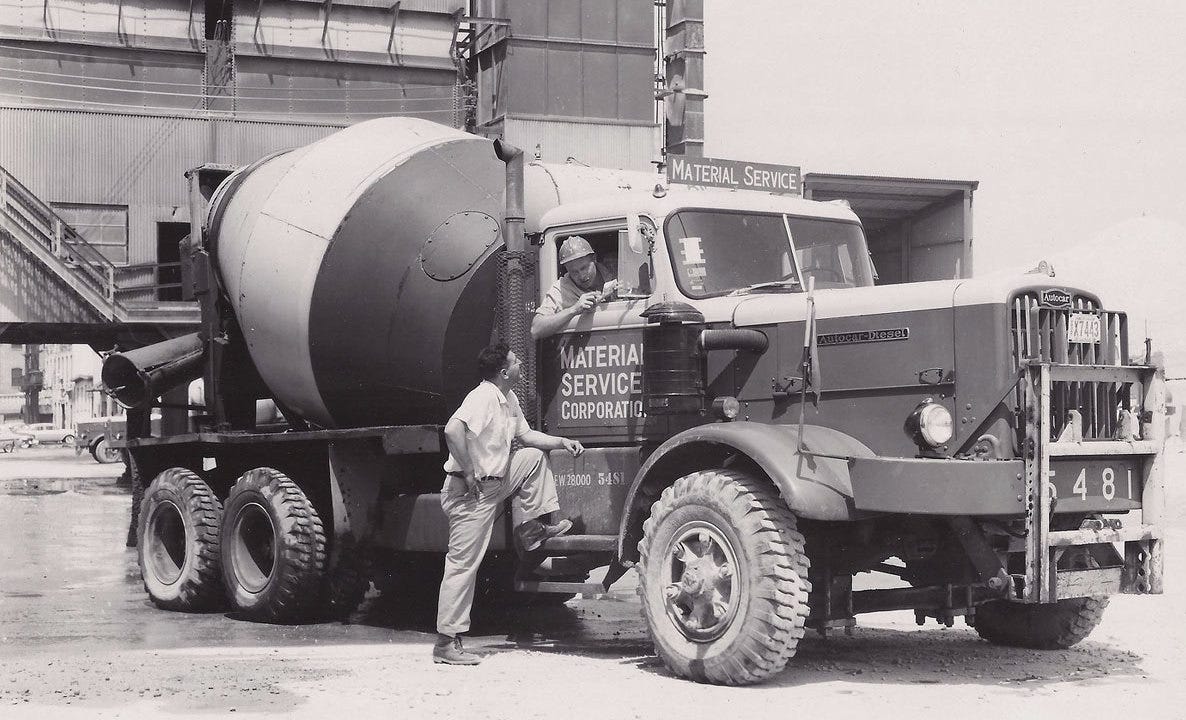 Henry Crown and Material Service Corporation | Welcome to Episode 12 of the Preferred Shares Podcast.In this episode—the third in our series on the beneficiaries of the spending on the interstate highway system of the United States—Preferred Shares does a deep dive into the life of businessman and investor, Henry Crown.In this episodeHenry Crown is born in Chicago in 1896 to a family of poor immigrants.Henry and his brother Sol started Material Service Corporation (MSC) in 1919.Henry enlists as a Lt. Colonel in the Army in WWII and is awarded the Legion of Merit at the end of the war.Three outstanding investments outside of MSC during the 1940s and 1950s: defaulted bonds of the Rock Island railroad; Hilton; and the Empire State building.Henry sells MSC to General Dynamics (GD) in 1959, is ousted from GD in 1966, and then acquires a 20% stake in GD in 1969 after GD’s share price tanks.Henry retires from GD’s board at the age of 89 in 1986.Henry dies in 1990 at the age of 94. The Crown family is worth billions.Episode Resources“Midwest Midas”, TIME, November 3, 1952.“Henry Crown: Sand, Gravel, and Money”, Fortune, April 1956.“Material Service Corporation to Become Dynamics Division”, Convairiety, July 8, 1959.“Personality: A Colonel Upholds Autonomy”, New York Times, Feb. 21, 1960.“The Clans of Vulcan”, Fortune, January 1960.“Crown to Get Seat at Dynamics”, New York Times, Feb. 26, 1970.“Taking Account of Henry Crown”, New York Times, Dec. 12, 1976.“Colonel Crown Greatly Influence the Development of General Dynamics”, General Dynamics World, May 1986.“Henry Crown, Industrialist, Dies; Billionaire, 94, Rose From Poverty”, New York Times, Aug. 16, 1990.“Col. Henry Crown, 1896-1990”, General Dynamics World, September 1990.“Ike’s Soldiers: Henry Crown”, Eisenhower Foundation.“Lester Crown – Full interview about Henry Crown (father)”, Toldot Yisrael, August 3, 2018.Additional ReadingCurious to see what else we’ve been working on? Below are some pieces we’ve written independently that we think you’d like:"Going South: Implications of Business and Population Migration", a whitepaper by Douglas Ott (Andvari Associates) and Lawrence Hamtil (Fortune Financial) published June 2024.DisclaimerAll opinions expressed by Preferred Shares hosts and guests are solely their own opinions and do not reflect the opinions of their respective employers. This podcast is for informational and entertainment purposes only and should not be relied upon as a basis for investment decisions. None of the information contained in the podcast or this web site constitutes a recommendation that any particular security, portfolio of securities, transaction, or investment strategy is suitable for any specific person.Clients of Andvari and Fortune Financial may maintain positions in the securities discussed in this podcast. Furthermore, from time to time, the Hosts may hold positions or other interests in securities mentioned in the Podcast and may trade for their own accounts based on the information presented. The Hosts may also take positions inconsistent with the views expressed in its messages on the Podcast. This is a public episode. If you would like to discuss this with other subscribers or get access to bonus episodes, visit www.preferredsharespodcast.com | 47m 09s | ||||||
| 5/29/24 |  The Rocks That Connect America | Welcome to Episode 11 of the Preferred Shares Podcast.In this episode—the second part in our series on the beneficiaries of the spending on the interstate highway system of the United States—Preferred Shares explores the aggregates industry. In particular, we go over the early history of Birmingham Slag, the family-owned business that evolved into Vulcan Materials Company (VMC).In this episodeInterstate Highway System background refresherThe unique qualities of the aggregates industryEarly Vulcan Materials historyRole of inheritance tax in driving industry consolidationState of the industry today: does a focus on aggregates drive premium valuations?Henry Crown, founder of Material Service Corp.How two large aggregates businesses were acquired by two defense contractorsDevin’s case study on FRP HoldingsWrapping up on key takeawaysEpisode ResourcesCruikshank, George M. A History of Birmingham and its Environs. Lewis Publishing, 1920.“Shipped Over Million Tons of Slag in 1923”, The Dixie Manufacturer, January 25, 1924.“Crush Million Tons of Stone For T.V.A.”, Rock Products, December 1941.“Slag Firm In Merger”, Rock Products, November 1956.“Invasion From the Deep South”, Business Week, Feb. 14, 1959.“Vulcan Materials acquires three N. C. quarries”, Rock Products, April 1959.“The Clans of Vulcan”, Fortune, January 1960.“Martin, Marietta Agree to Merger”, New York Times, June 24, 1961.“Materials in Use in U.S. Interstate Highways”, US Geological Survey, 2006.A History Written in Stone. Vulcan Materials Company, 2008.Additional ReadingCurious to see what else we’ve been working on? Below are some pieces we’ve written independently that we think you’d like:Rock Pile Riches, Lawrence Hamtil, 2/02/2024The Pits, Devin LaSarre, 1/8/2023DisclaimerAll opinions expressed by Preferred Shares hosts and guests are solely their own opinions and do not reflect the opinions of their respective employers. This podcast is for informational and entertainment purposes only and should not be relied upon as a basis for investment decisions. None of the information contained in the podcast or this web site constitutes a recommendation that any particular security, portfolio of securities, transaction, or investment strategy is suitable for any specific person.Clients of Andvari and Fortune Financial may maintain positions in the securities discussed in this podcast. Furthermore, from time to time, the Hosts may hold positions or other interests in securities mentioned in the Podcast and may trade for their own accounts based on the information presented. The Hosts may also take positions inconsistent with the views expressed in its messages on the Podcast. This is a public episode. If you would like to discuss this with other subscribers or get access to bonus episodes, visit www.preferredsharespodcast.com | 55m 12s | ||||||
Showing 25 of 35
Pitch Fit is a Pro feature
See how bookable this show is for guests, which brands already advertise, the per-episode ad value, and the best-fit guest and sponsor profile. The numbers are blurred on the free plan.
How readily this show books outside guests like you.
How proven this show is for host-read sponsorships.
For Guests
ProFor Advertisers
ProUpgrade to Pro to unlock guest cadence, sponsor categories, fit scores, and per-episode ad value for this show.