
Insights from recent episode analysis
Audience Interest
Podcast Focus
Publishing Consistency
Platform Reach
Insights are generated by CastFox AI using publicly available data, episode content, and proprietary models.
Most discussed topics
Brands & references
Est. Listeners
Insufficient chart data. Estimates will improve as the show charts.
- Per-Episode Audience
Est. listeners per new episode within ~30 days
N/A🎙 Daily cadence·52 episodes·Last published 1w ago - Monthly Reach
Unique listeners across all episodes (30 days)
N/A - Active Followers
Loyal subscribers who consistently listen
N/A
Market Insights
Platform Distribution
Reach across major podcast platforms, updated hourly
Total Followers
—
Total Plays
—
Total Reviews
—
* Data sourced directly from platform APIs and aggregated hourly across all major podcast directories.
On the show
From 10 epsHosts
Not detected.
Recent guests
Recent episodes
Apex Summer School Study Guide: A Complete Learning Support for Students
Jun 18, 2026
Unknown duration
Everything You Need to Know About Disposable and Multifocal Contact Lenses
Jun 16, 2026
Unknown duration
How Enterprise Security Teams Are Fighting AI Deepfake Fraud in 2026
Jun 12, 2026
Unknown duration
Where Should You Build Your Next App? Miami or Austin
Jun 12, 2026
Unknown duration
Top Best Dubai Real Estate Podcasts to Listen to in 2026
Jun 8, 2026
Unknown duration
Social Links & Contact
Official channels & resources
Official Website
Login
RSS Feed
Login
Resolving iTunes ID\u2026 if this persists, the podcast may not be indexed on Apple Podcasts.
| Date | Episode | Topics | Guests | Brands | Places | Keywords | Sponsor | Length | |
|---|---|---|---|---|---|---|---|---|---|
| 6/18/26 |  Apex Summer School Study Guide: A Complete Learning Support for Students | For students aiming to better their grades, align with the pace of the class, or deepen their knowledge, summer school is a wonderful opportunity. However, summer studying without a proper guidance and plan could sometimes be challenging. This is the reason why the Apex Summer School Study Guide is an ideal companion. It helps students organizing their assignments, grasping lessons, and carrying out their studies effectively during summer. What Is an Apex Summer School Study Guide? Apex Summer School Study Guide is a systematic learning aid designed especially for helping students in summer classes through Apex Learning. It offers notes, key points, activities, and revision assistance matching the curriculum. Summer school pace being faster makes it absolutely necessary that such a guide facilitate in presenting complex concepts easily to students. This is exactly why it is considered an excellent study guide because summer schools, generally being shorter and intensive, leave hardly any time for students to absorb. Why Students Use Summer School Study Guides For some students, enrolling for a summer school is a step to enhance their academic standings or to -earn lost credits. However, at times the quick pace of a summer course may be a bit challenging. An Apex Summer School Study Guide provides an avenue to monitor progress by presenting the subjects in small, understandable chunks. Apart from using study guides for the most effective and the most compact learning, students also resort to them as a tool for reducing stress. They can concentrate only on the areas of the subject that are the most important, and at the same time, they can make their revision very time-efficient too. All these lead to more assurance and readiness for tests, quizzes, and assignments. Benefits of the Apex Summer School Study Guide There is hardly any comparison to the purity of the knowledge a student derives from a well prepared study guide that is presenting one concept at a time. Therefore, it allows the student to tackle difficult ideas in a deep enough manner. Apex Summer School Study Guide is therefore an excellent resource for subjects like sciences, math, and English where sequential thinking is paramount. Besides that, time management is a skill that students need to develop during such short-term courses as summer school, which is one other function of the study guide. Through a guide, a student can easily pinpoint the areas that need more attention and proceed accordingly with their allocation of study time. Not only that, students having the Apex Summer School Study Guide can also get a sense of freedom how, when, and what to study as it provides study at your own pace type of- learning. That results in self-discipline and inculcates a habit of studying regularly. How It Helps in Academic Success Vertically, do not put the lid of the pot on the heat of the stove. Besides the hat on this goes for the time that a child needed to get used to the differences in heat when the lid is closed. Consistent trusty association with the Apex Summer School Study Guide would dramatically make a difference in a student’s academic journey. The students’ exposure organization and preparedness will improve as well as their confidence as subject matter experts as they continue to focus on their strengths and jack up their skill-set for the examination period and even successful completion of their summer school classes. Conclusion The Apex Summer School Study Guide helps students in getting most out of their educational opportunities during summer vacation. It is the clear exposition of the material, a study structure that is well-thought-out, and study tools that keep students on track and able to thrive even in fast-paced courses. If efficiently employed, this guide might turn a challenging summer of education which could have been seen as a single huge obstacle into one of growth and academic maturation. | — | ||||||
| 6/16/26 |  Everything You Need to Know About Disposable and Multifocal Contact Lenses | Contact lenses have also been a major form of vision correction for individuals who want to have vision correction without compromising on convenience, comfort or flexibility. The advent of new lens technology has made specialized choices available that meet various visual requirements and lifestyles. Some of the most popular options are disposable lenses and multifocal lenses. Disposable lenses prioritize convenience and hygiene, whereas multifocal lenses are meant to help people with vision at various distances. The Evolution of Modern Contact Lens Technology Contact lenses have evolved from the early models that were uncomfortable to wear and wore poorly, to today’s high-quality lenses that can be worn for extended periods without causing discomfort. Modern lenses are currently produced with improved materials to ensure greater oxygen flow, moisture retention Benefits of Daily Replacement Schedules There are numerous advantages of using daily contacts among which a person can say that he or she will have new contact lenses each morning. This means that there are no chances for accumulation of any dirt, bacteria, or other kinds of irritation. People who use daily contact lense state that they feel more at ease than others. The lenses themselves require no cleaning solutions or special cases, so they fit well into people’s busy schedules. Why Are Multifocal Lenses Growing in Popularity? The increasing demand for multifocal lenses results from the number of individuals suffering from visual disorders caused by aging eyes that require some flexibility to solve the issues. These lenses provide easy vision during the process of conducting activities at a distance, at close range, and looking at the computer screen. Common Mistakes Contact Lens Wearers Should Avoid Most lens complications arise from a lack of adherence to proper care practices by the wearer. This includes sleeping without removing contacts that have not been recommended for overnight use, skipping lens replacement schedules, and not washing one’s hands before putting on or removing the lenses. Choosing the Best Lens for Long-Term Satisfaction Choosing a pair of contact lenses does not imply the necessity to choose only those kinds of lenses that ensure proper vision. On the contrary, it is crucial to opt for those ones that will be easy for you to wear for a long time, secure from the damage to your eyes, and effective enough in order to provide high-quality vision. It goes without saying that choosing between daily disposable lenses and multifocal contact lenses depends on various factors. Conclusion All in all, disposable and multifocal contact lenses have certain advantages which may be beneficial for various people who wear lenses. Particularly, it is important to mention the benefits of comfort, hygiene, and safety, which are inherent to disposable contact lenses as well as the high effectiveness of multifocal contact lenses. Overall, taking into account the features of both types of contact lenses and your own vision requirements, it will be easy for you to choose the right type of lens. | — | ||||||
| 6/12/26 |  How Enterprise Security Teams Are Fighting AI Deepfake Fraud in 2026 | Deepfake attacks have moved out of social media headlines and into the places where businesses actually operate. Finance teams are getting calls from people who sound exactly like their CFO. Video interviews are being faked. Payment approvals are being manipulated over live video calls. Here are 10 platforms enterprise teams are deploying in 2026 to stay ahead. 1. Sensity AI Sensity AI detects manipulated visual content across images, videos, and audio using multimodal AI models. Beyond detection, it tracks how synthetic media spreads across platforms and networks after creation. It’s widely used in threat intelligence, corporate security, and media verification. 2. Diopter Diopter AI monitors live conversations across Teams, Zoom, Webex, Google Meet, and VoIP in real time, analyzing both synthetic media signals and the social engineering patterns that typically precede fraud. It scores each interaction continuously and gives fraud teams a live risk verdict before any payment, credential reset, or approval is acted upon. It’s built for fintech companies and enterprise security teams where high-value decisions happen over voice and video. 3. Reality Defender Reality Defender screens video, audio, and images in real time inside production pipelines, built for high-throughput environments like financial services onboarding. It catches AI-generated identity submissions before accounts are provisioned, without adding noticeable latency to the user experience. 4. Pindrop Security Pindrop analyzes acoustic signatures and behavioral patterns in voice calls to detect synthetic speech and voice cloning. It has over a decade of focus on telephony fraud and is a standard security layer in banking contact centers where voice authentication is still a front-line defense. 5. DeepTrust DeepTrust validates both identity documents and biometric media in a single workflow, closing the gap that lets attackers pair a real document with a synthetic face, or vice versa. It’s used in regulated industries where KYC compliance and fraud prevention need to work together. 6. GetReal Security GetReal Security applies forensic analysis to verify the authenticity of specific enterprise assets like executive video messages, legal recordings, and procurement media. It’s built for high-stakes situations where a probabilistic confidence score isn’t sufficient. 7. Sift Sift analyzes user behavior, device signals, and interaction patterns to identify anomalies associated with synthetic identity fraud and account takeovers. It works best as a complementary layer alongside media-based detection, covering what visual analysis alone cannot catch. 8. Hive Moderation Hive provides deepfake detection and content moderation via API for platforms managing large volumes of user-generated content. It’s optimized for coverage at scale rather than forensic depth, making it practical for social platforms and consumer marketplaces. 9. Intel FakeCatcher FakeCatcher detects deepfakes by analyzing blood flow patterns in facial skin rather than looking for visual artifacts. Since generative AI can’t yet reproduce these physiological signals, it catches high-quality deepfakes that are specifically engineered to pass standard screening. 10. Facia Facia combines facial recognition, liveness detection, and deepfake analysis in one platform for fintech and regulated financial services onboarding. The integration eliminates the handoff gaps between separate tools where fraud often slips through. Conclusion The common thread is clear: detection is moving closer to the moment a decision is made. Organizations that still have no coverage for live interactions are carrying the biggest gap in their fraud exposure right now. | — | ||||||
| 6/12/26 |  Where Should You Build Your Next App? Miami or Austin | Choosing where to build your next mobile app can feel a lot like choosing where to open a restaurant. You can have the perfect recipe, but location still matters. The right city can connect you with talent, innovation, investment, and opportunities that help your app succeed long after launch. For years, entrepreneurs automatically looked toward Silicon Valley when planning a technology project. Today, that mindset is changing. Cities across the United States are developing thriving technology ecosystems that offer unique advantages for startups and growing businesses. Among those cities, Miami and Austin are attracting significant attention. Businesses seeking digital innovation often explore partnerships with the TekRevol app development company in Miami because of the city’s growing startup culture and expanding technology network. At the same time, Austin continues to strengthen its reputation as one of the country’s most influential technology destinations. The question many founders are asking is simple. If you are investing time, money, and resources into building an app, which city gives you the best chance of success? The answer depends on your goals. Both Miami and Austin offer strong advantages, but they appeal to different types of businesses. Understanding those differences can help you make a smarter decision and position your app for long term growth. Miami Is Winning Attention Through Growth and Global Connections Miami has transformed dramatically over the past decade. Once known primarily for tourism and entertainment, it has become a serious contender in the technology space. Startups, investors, and entrepreneurs are increasingly choosing Miami as a place to launch and scale digital products. One major advantage is the city’s international reach. Miami serves as a gateway between North America, Latin America, and other global markets. Businesses planning to expand internationally often find this position extremely valuable. The city has also experienced an influx of entrepreneurs and technology professionals seeking new opportunities. This growing ecosystem creates an environment where innovation can flourish and partnerships can develop quickly. Many organizations choose the TekRevol mobile app development company in Miami because local teams understand how to build products for diverse audiences and competitive markets. They recognize the importance of creating scalable solutions that can support both regional and international growth. Miami also attracts investors looking for emerging opportunities. Access to funding remains a critical factor for startups, and the city’s expanding venture capital activity has helped strengthen its reputation as a technology destination. Another benefit is lifestyle. Many professionals are drawn to Miami because of its climate, culture, and quality of life. This has helped companies attract skilled talent while creating an environment that encourages creativity and collaboration. For businesses focused on rapid growth and international expansion, Miami presents a compelling case. Austin Continues to Lead Through Technology Expertise While Miami is rapidly growing, Austin has spent years building a strong technology foundation. The city has earned its reputation as a hub for innovation, attracting major technology companies alongside ambitious startups. Austin benefits from a deep pool of technical talent. Universities, research institutions, and established technology firms contribute to a workforce with extensive experience in software development and digital product creation. Companies often partner with the Mobile app development company in Austin because of the city’s strong engineering culture and focus on technical excellence. Businesses looking for complex solutions often appreciate the expertise available within Austin’s technology community. Another advantage is the collaborative nature of the local ecosystem. Startups, inves | — | ||||||
| 6/8/26 |  Top Best Dubai Real Estate Podcasts to Listen to in 2026 | The Dubai real estate market moves fast. The volume of transactions reached record levels in 2024 and continued similarly in 2025, with January 2026 recording AED 111 billion in transaction volumes alone. New projects are founded on a regular basis, rules change, and investor confidence mirrors global conditions. Hence, it is hard to stay informed via news articles. Podcasts provide expert analysis and on-the-ground commentary that you can listen to during your commute or gym session. Here are the top 5 Dubai real estate podcasts to listen to regularly in 2026… | — | ||||||
| 6/6/26 |  One Recording, Multiple Formats: Editing Podcasts Into Video With Subtitles And Clean Compression | A podcast episode no longer lives in just one place or one format. What once began as an audio-only medium has expanded into a multi-platform content engine, where a single recording can become a YouTube video, a short-form social clip, or a subtitled post for social feeds. This shift has changed how creators think about production from the very beginning of the recording process. The idea is simple but powerful: one recording should be flexible enough to serve multiple audiences. That flexibility comes from thoughtful editing, visual layering, subtitle generation, and compression techniques that ensure the final output is both engaging and easy to distribute. The New Life Cycle Of A Podcast Recording A podcast recording used to be treated as a finished product once the audio was edited and exported. Today, it is more accurate to think of it as raw material. That raw file can be shaped into multiple formats depending on where it will be published and who is meant to watch or listen. This shift reflects how modern audiences consume content across different platforms, often switching between audio, video, and short-form clips. This shift begins with planning. Creators increasingly record with video in mind, even if the original focus is audio. Multi-camera setups, screen captures, or even simple static visuals can turn an audio session into a video asset. This allows the same conversation to be reused across platforms without requiring a second recording session. It also increases the value of a single recording, since one piece of content can now serve multiple distribution channels. Once recorded, the editing stage becomes more complex but also more valuable. Instead of focusing only on removing filler words or balancing sound levels, creators begin structuring content into segments that can stand alone visually. A strong podcast moment can become a clip, while the full conversation becomes a long-form video episode. This makes post-production a creative process rather than just a technical cleanup stage. At this stage, the recording is no longer a single product. It becomes a collection of moments, each of which can be extracted, enhanced, and redistributed. This is where modern editing tools play a central role in transforming raw audio into a structured multimedia experience. One important step in this workflow is optimizing file size for different platforms, since high-quality video exports can become extremely large. Using a reliable video compressor helps creators reduce file size without sacrificing clarity, making it easier to upload, share, and repurpose podcast content across social media, streaming platforms, and websites. Why Video Has Become Essential For Podcasts Podcasting originally thrived on convenience. Listeners could tune in while commuting, working, or relaxing. However, audience behavior has changed significantly, with video platforms now acting as primary discovery engines for spoken content. As a result, podcasts that exist only in audio form risk being less visible. Video adds a layer of engagement that audio alone cannot provide. Facial expressions, gestures, and visual context help audiences connect more deeply with the conversation. Even simple waveform animations or static branded visuals can make an episode feel more dynamic when published on platforms like YouTube or social media feeds. There is also a practical advantage. Video content is more shareable and easier to clip into short-form highlights. These clips often serve as entry points, drawing new listeners back to the full podcast episode. This creates a feedback loop where video supports audio growth rather than replacing it. For creators, this means that video is no longer optional. It has become a parallel format that extends the lifespan and reach of every podcast recording. The challenge is not whether to use video, but how to integrate it efficiently into an existing workflow. Editing, Subtitles, And Accessibility In Practice Once a | — | ||||||
| 6/1/26 |  From Idea to Impact: How AI Presentation Makers and AI Image Generators Are Transforming Business Communication | Introduction Business communication has evolved dramatically over the past decade. Modern organizations operate in highly competitive environments where the ability to communicate ideas effectively can directly influence business outcomes. Whether it's securing investment, closing a sales deal, training employees, presenting quarterly reports, or launching a new product, presentations remain one of the most powerful communication tools available. Yet creating a high-quality presentation is often far more challenging than most people realize. A successful presentation requires: Well-structured content Clear messaging Professional design Engaging visuals Effective storytelling Audience-focused delivery Traditionally, creating these elements required significant time, creativity, and technical expertise. Professionals often spent hours building slide decks, searching for visuals, and organizing information before they could even begin practicing their presentation. Artificial intelligence is changing this process. Today, tools like QuillBot AI Presentation Maker and QuillBot AI Image Generator are helping individuals and organizations transform their ideas into polished, visually engaging presentations faster than ever. As AI continues to reshape workplace productivity, these tools are becoming essential assets for professionals seeking to communicate more effectively in an increasingly information-driven world. Why Presentations Still Matter in the Digital Age Despite the rise of video content, social media, and instant messaging, presentations remain a cornerstone of professional communication. Businesses rely on presentations for countless activities, including: Investor pitches Sales meetings Team updates Client proposals Product launches Employee onboarding Educational training Strategic planning The reason is simple. Presentations combine visual communication and storytelling in a way that helps audiences understand complex information quickly. When executed effectively, presentations can: Increase audience engagement Improve information retention Simplify complex concepts Strengthen persuasion Support better decision-making However, achieving these outcomes requires more than simply placing text onto slides. The Challenges of Traditional Presentation Creation Many professionals underestimate the amount of work involved in creating effective presentations. The process often includes: Research and Data Collection Gathering accurate information is usually the first step. Structuring Content Presenters must determine what information to include and how to organize it logically. Designing Slides Visual hierarchy, layout, typography, and consistency all influence presentation quality. Finding Images Relevant visuals can significantly enhance audience engagement, but sourcing them often takes considerable time. Revising and Refining Multiple iterations are frequently required before the final presentation is ready. For many professionals, these tasks become a major productivity challenge. In some cases, employees spend more time building presentations than analyzing the actual business problem they are presenting. This is where artificial intelligence offers significant value. The Rise of AI-Powered Business Communication AI is transforming the way professionals create and deliver information. Instead of starting with a blank slide deck, users can now leverage intelligent systems to assist with: Content generation Structure creation Visual design Image generation Story development These advancements help reduce repetitive work while allowing professionals to focus on strategy, insights, and communication. Two technologies are driving this transformation: AI Presentation Makers AI Image Generators Together, they create a modern workflow for presentation development. What Is an AI Presentation Maker? An AI Presentation Maker is a tool designed to simplify and accele | — | ||||||
| 5/29/26 |  The Transparent Guide to Dubai Yacht Rental Costs: How to Living Large on a Budget | I remember my first week in the city when a friend invited me out for a weekend cruise. I almost said no because I assumed it would cost me a month of rent. Everyone sees the shiny social media videos and assumes you need a billionaire net worth to step onto a deck in the Dubai Marina. You do not. If you know how the pricing works and how to organize your group, you can cruise past the Burj Al Arab without stressing over your bank statement. It comes down to knowing the base rates, the hidden fees, and the timing for yacht rental dubai. Here is the honest breakdown of what it actually costs and how to keep those expenses low. The Real Numbers: Hourly Rates Explained Yacht companies in Dubai do not usually charge per person for private bookings. They charge by the hour for the whole boat. The total price relies on the size of the vessel and the time of day you choose to sail. Based on market rates, you can break down the expected hourly costs into three main categories: Small Yachts (Up to 10 guests): Prices start around AED 600 to AED 850 per hour. These boats are perfect for small family outings or a casual afternoon with a few friends. Mid-Size Yachts (Up to 20 guests): These cost between AED 1,000 and AED 1,500 per hour. You get much more deck space, better sound systems, and room to move around. Premium Superyachts (Large groups): These start from AED 2,500 to AED 4,500 per hour. These are massive vessels meant for major events or corporate gatherings. Most operators require a minimum booking of two or three hours. If you book a mid-size boat for three hours at AED 1,000 per hour, your base cost is AED 3,000. If you split that among fifteen friends, you are paying AED 200 each. That is cheaper than a standard weekend brunch in downtown Dubai. You can check out live availability and specific boat sizes directly through a yacht booking dubai service to see how the fleet sizes change the final price. Smart Strategies to Keep Costs Down You do not need to compromise on the experience to save money. You just need to plan better than the average tourist. Avoid the Sunset Rush Everyone wants the sunset slot from 4:00 PM to 7:00 PM. Because demand is high, prices for these hours peak. If you book a morning cruise at 9:00 AM or 10:00 AM, the water is calm, the air is fresher, and companies are far more likely to offer you a discount or lower hourly rates. Bring Your Own Food and Drinks Catering packages can double your bill quickly. Most charter companies allow you to bring your own food and beverages for free. My friends and I usually hit a local supermarket for sliders, chips, and soft drinks before we head to the marina. The crew will gladly help you load your bags and even stock the onboard refrigerators for you. Watch Out for Seasonal Price Shifts The winter months from November to March represent peak season. If you want a cheaper deal, look at the shoulder months like April or October. The weather is still pleasant enough for a swim, but the booking calendars are less crowded, giving you room to negotiate. Understanding the Hidden Fees A cheap quote on WhatsApp can change by the time you get the invoice. To avoid surprises at the dock, you need to ask what the price includes before you pay a deposit. A transparent luxury yacht rental should always include the captain, the deck crew, fuel for standard coastal routes, safety gear, and basic refreshments like water and ice. Water sports like jet skis or flyboards are almost always extra. If you want a jet ski, ask for a combined package bundle beforehand. Do not try to rent one out on the open water from random jet ski operators, as you will pay a premium. Also, remember that a 5% Value Added Tax (VAT) applies to boat charters in the UAE. Check if your initial quote includes this tax so you do not face a sudden price jump at checkout. Selecting Your Ideal Route Your choice of route changes your experience, though it rarely changes the base price unless you request a lo | — | ||||||
| 5/27/26 |  Tips to Balance Productivity Monitoring and Privacy for a Healthy Workforce Morale | Work tracking is now part of daily work. Teams use tools to see output and time use. This can help planning and pay. It can also create stress if not handled with care. A balance is needed. This balance supports trust and keeps people engaged. Why balance matters Monitoring can show gaps in work. It can also help leaders plan work and set goals. At the same time, it can feel like control. When people feel watched all the time, they may hold back or lose trust. This can hurt morale. A clear plan can avoid this gap. Set clear purpose Start with a simple goal. Explain why monitoring exists. Link it to work goals and team needs. Keep the message direct. Avoid vague terms. When people know the reason, they can accept the system. State what data is used and how long it stays. Do not hide details. This step builds trust. It also sets a base for fair use. Define what to track Do not track all actions. Focus on work output and time on tasks. Avoid personal data that is not tied to work. This keeps the system within limits. You can choose two focus areas. One is task time. The other is output count. This keeps the model simple. It also avoids noise in data. Give control to employees Let people see their own data. This helps them check errors and plan work. It also gives a sense of control. Add a way to correct logs. This reduces conflict. Offer an opt-in model for some features. This can include screen capture or location. When people choose, they feel part of the process. Keep policies short and clear Write a short policy. Use plain language. Avoid legal terms where not needed. Share it with all staff. Ask for feedback and update it. Include two key parts. One is what is tracked. The other is who can view the data. This removes doubt and sets limits. Train managers Managers play a key role. They must use data with care. They must not use it as the only signal. They should combine it with direct talk. Train them to read trends, not single events. One bad day should not define a person. This keeps reviews fair and steady. Use tools with care Many tools offer deep tracking. Not all features are needed. Choose tools that match your plan. Keep the setup lean. Some vendors speak about balance in their message. Controlio explicitly positions itself as a tool that supports both tracking and respect for users. This shows that the market sees the need for balance. Also look at user feedback. Gartner Peer Insights reviews can show how real teams use these tools. This can help you pick a system that fits your values. Conclusion A fair balance between monitoring and privacy is possible. It needs clear goals, simple rules, and open talk. When done right, it supports both work and trust. This leads to steady output and a stable team. | — | ||||||
| 5/22/26 |  Turning Video Ideas Into Slides: A Review Of GammaApp.AI’s YouTube To PPT Flow | Video is often where useful knowledge gets trapped. A founder explains a roadmap on a webinar, a researcher gives a public talk, a teacher uploads a lesson, or a creator publishes a tutorial. The content is valuable, but it is not always convenient for meetings, classes, or internal documentation. That is why I was interested in GammaApp.AI's YouTube to PPT workflow. It is not just a presentation generator; it also tries to convert video content into structured slides. On the public page, the promise is direct: paste a YouTube URL and let AI analyze the video to generate a structured presentation. The page says the flow is powered by Gemini 3 Flash and Claude Opus 4.7, and it exposes options for model choice, language, and slide count. For anyone repurposing content, those controls are more important than decorative templates. They decide whether the result becomes a useful briefing, a class handout, or a rough outline that still needs heavy editing. Why A Video-To-Slides Workflow Is Useful The YouTube to PPT page starts with a URL input rather than a blank slide canvas. That is the correct mental model. The source material is already there; the work is extracting the key points, organizing them, and presenting them in a format that can be reviewed quickly. GammaApp.AI lists AI video analysis, smart slide generation, multi-language support, customizable options, real-time preview, and instant download as the main reasons to use the tool. This is especially useful for teams that reuse long-form content. A marketing team can turn a webinar into a sales enablement deck. A trainer can turn a recorded class into a review deck. A founder can turn a product demo video into a partner briefing. In all of those cases, the goal is not to preserve every word from the video. The goal is to extract structure. The page also states that public videos are required and that generation uses credits. That is a helpful limitation to show clearly. It sets expectations before someone assumes the tool can process private or restricted content. A good AI presentation generator should make those limits clear early, and this page does. The most practical detail is that the interface does not ask the user to prepare a transcript first. Many video repurposing workflows fail because they add another manual step before slide creation begins. Here, the visible action is simply pasting a video URL and configuring the deck. That keeps the workflow close to the user's real intent: "I have a video, now I need a presentation." From Extracted Points To A Presentation Narrative The public showcase deck gives a useful sense of what GammaApp.AI can produce after analysis. The "Multimodal AI Revolution" example includes a 12-slide structure, chapter dividers, source links, comparison slides, market numbers, and a closing takeaway. While this deck is not itself a YouTube conversion, it shows the same kind of outcome that matters for video repurposing: a linear story with sections, examples, and visual hierarchy. What stood out is that the generated deck is not just a stack of bullet points. It has a cover, context slide, chapter structure, section slides, industry applications, and a closing synthesis. That is the right pattern for converting video into presentations because videos often wander. A slide deck needs a clearer spine. For a reviewer, the assistant panel is also useful. It shows searches, source links, model usage, token counts, and slide creation progress. If I were using this workflow for a training or research deck, I would want that record because it helps me check whether the summary is grounded and whether important context was missed. That process visibility is also useful for editors. When a video becomes a deck, the first review question is usually "what did the system decide to i | — | ||||||
Want analysis for the episodes below?Free for Pro Submit a request, we'll have your selected episodes analyzed within an hour. Free, at no cost to you, for Pro users. | |||||||||
| 5/21/26 |  7 Best Free Tools for Student Creators in 2026: Writing, STEM, and Audio | I started a podcast halfway through my master’s program because I thought it’d be fun. It was, for about two weeks. Then I realized I was spending six hours a week just on audio editing and script prep, on top of weekly essays and a stats course that ate up every free evening. By the end of month one, I was seriously considering dropping either the show or the degree. Neither happened. What actually transpired was a long, sometimes painful journey of discovering the right free tools and tossing those that proved tedious and not useful. Over the first semester, I tested at least 30 different applications. Most of the UI icons were horrible, or the apps had hidden pay walls, or the features sounded wonderful in a blog post but would crash the second you utilized them. The seven that have lived to tell the tale. These are the ones I still use myself, and all I ever recommend to every student creator who asks me how I do both. 1. Audacity: The Ugly Workhorse I‘ll be honest: Audacity looks like it was coded in 2005. Which, it was. The user interface has that sort of ‘grey toolbar’ feeling, and first time you run it, you might think you downloaded the wrong program. And that‘s why it‘s still here: it works. It‘s free, free as in open source, free as in runs on Mac, Windows and Linux and it will multi-track edit without crashing. I‘ve cut and recorded more than 40 shows with it. Once you memorize about ten keyboard shortcuts and get a nice noise-reduction plug-in, and you‘re ready to go from raw recording to export-ready MP3 in less than 20 minutes. Less tempting are paid options, such as Adobe Audition or Logic pro, which just look a little more visually appealing! However when you are a student and have a “zero” operating budget “pretty” won‘t really go far. 2. TextToHuman Plagiarism Checker: Actually Free, Actually Useful This one uncovered a problem I didn‘t realize I had (until it came very close to biting me). I was authoring a very research-intensive episode script which was about the evolution of forensic science (drawing facts from journal articles, news book archives, and two textbooks). I had gotten a great script. And then, just for the heck of it, I ran it against a plagiarism checker just in case I submitted as part of the class assignment. Three full sentences were near-identical to a Wikipedia article I’d read the night before. I hadn’t copied anything on purpose. I’d just absorbed the phrasing while researching and reproduced it without realizing. That’s the thing about accidental plagiarism: it doesn’t care about your intentions. Purdue’s Online Writing Lab has a whole section on why this happens more than students think, especially when you’re juggling multiple sources. The online plagiarism checker by TextToHuman caught it before anyone else did. What I like about it compared to Scribbr or Grammarly’s checker: it doesn’t blur your results or lock the report behind a payment screen. You paste your text, it scans against Google Scholar, news sites, and the web, and it shows you the exact matching source URLs right there. Color-coded sentence by sentence: red for direct matches, yellow for close paraphrases, green for original text. No account needed. No signup form. You just paste and check. Heads up TextToHuman scans against publicly indexed sources. It won’t catch matches against private university databases the way Turnitin does. For most student creators checking podcast scripts or blog posts, that’s more than enough. 3. MathSolver: The Tut | — | ||||||
| 5/5/26 |  How to Launch Your Tech Podcast | It’s no secret that tech is the largest and most influential industry in the world right now. With the growth of the tech sector comes an even larger range of opportunities to make a living from it, like launching your tech podcast. Launching a tech podcast is a streamlined and cost-effective way for you to share your opinions and predictions, engage with tech leaders, and establish yourself as a thought leader in a rapidly developing market. Best part? Getting started is easier than you think. In this article, I’ll bring you up to speed on all the digital and tangible tools you need to successfully kick off your tech podcast. Choose your Niche The tech sector is highly diverse, and trying to focus on every development in every niche all at once may lead to burnout when starting. Instead, focus on one part of the tech industry, such as artificial intelligence or cybersecurity, to name a few. This will help narrow down your focus and clear a pathway into the industry. To choose the right one, go deep down into your interests and the potential growth and impact of various technologies. Analyze both these aspects and you’ll be able to make the right decision. Set Up a Fast and Reliable Internet Connection It goes without saying that the internet is the foundation of all your future efforts. Think about it, you’ll need to record, edit, and upload your podcast using a range of online platforms. You don’t want any delays here, and the key to keeping these processes efficient is a fast and reliable internet connection. If you’re looking for a solid provider, I’d suggest checking out Xfinity. In the four years I’ve been using this internet service, I’ve never faced any issues with speed or dropped connections. You can reach out to the Xfinity customer service if interested. Select a High-Quality Microphone A microphone helps deliver high-quality, clear, and professional audio to increase your chances of engaging your listeners. You’ll need to arrange more than one because while one can work, I doubt you’ll be able to repeatedly pass it to your guest speakers when you ask them for their opinions. I would suggest buying at least three microphones when you’re launching, as that’s probably the number of guests you’ll be featuring when starting out. When choosing, remember to focus on both affordability and performance without compromising either one. Noise cancellation is an especially important performance feature you want in your microphone, as this eliminates background noise to focus on your and your guests’ audio. Considering these factors, some models you might want to consider include the Samson Q2U, Rode PodMic, and Audio-Technica AT2040. Pick your Editing Software During a podcast, you or your guests may end up making mistakes, making long pauses, or using filler words such as “um” or “uh”, which may impact the professional quality of your entire conversation. Can’t blame anyone, we’re all human after all (love that song). To overcome the effects of these situations, you need the right editing software. These platforms can help you improve audio clarity, balance volume levels, add intro and outro music, and reduce background noise or turn audio into reels and shorts. When it comes to editing software, you want to aim for ease of use and automated features, especially if you don’t have editing experience. Some options that deliver on these aspects include the entirely free and simple Audacity. If you’re looking for a more advanced solution, you might want to consider Adobe Audition, which is an all-in-one solution for podcast editing. It offers advanced features that allow you to batch process, apply noise-reduction capabilities, and much m | — | ||||||
| 5/3/26 |  The Rise of Independent Living in Modern Healthcare | The shift from institutional settings to the home as the setting of aging/long-term recovery is changing healthcare. The majority of people want to age/recover at home. More than wanting to age/recover at home, they want to do so comfortably, with dignity, and with autonomy. While the desire to age/recover at home may be present, there is much more required than simply having a willingness. There is also a need for specialized technologies and professional supports to assist in the transition. Thus, the home is becoming a technologically advanced centre for long-term health and wellness. The emergence of home-based care represents a major advancement in the societal infrastructure of our country. Defining the home as a clinical sanctuary For many years, the home was viewed solely as a location for sleep and family dinners. Today, the home has evolved into a principal location for medical rehabilitation. This shift occurs primarily because patients generally heal better in environments they know. Families are purchasing equipment that mirrors what exists in hospitals. Beds designed specifically for medical use and various types of mobility devices enable families to easily transition from hospital care back to their private residences. Instead of cold, unpersonalized corridors, patients now enjoy the warmth of their private living space. In essence, technology has removed the conflict between safety and comfort. Technology assists in ensuring that “Independence,” does not equate to “risk.” Lighting systems that adjust automatically reduce the likelihood of falls when moving around later at night. Through voice commands, Smart home systems allow users to control their environment. Medication dispensers that automate dosage ensure that medications are always taken. Monitoring systems that permit remote tracking allow physicians to monitor patients’ progress while still off site. Overcoming obstacles relating to limited mobility Mobility is central to maintaining an independent lifestyle. When an individual lacks sufficient mobility to function independently, his/her world rapidly shrinks. Manual transfers are inherently risky due to limited strength. Mechanical assistance removes this obstacle for families seeking to create safe homes. Many families seek out patient lift rentals to address this issue. These lifts enable caregivers to transfer loved ones without straining themselves. By utilizing a mechanical lift, both the caregiver and the patient conserve their remaining energy reserves. Furthermore, mechanical lifting eliminates the skin irritation and bruises frequently associated with manual lifting. Sliding under most standard bed frames, U-shaped bases provide additional flexibility for lifts. Provided by padded slings, the user is provided with a safe and comfortable cradle to lie in. Lifting the user’s weight is done by hydraulic or electric motors on the lift. Emergency release valves provide protection in case of a power failure allowing the user to be lowered. Equipment options for short Term use Not all independent living arrangements are intended to be permanent. Some people may only require assistance for a short time (e.g., post-surgery) before returning to normal functioning. In such cases, renting highly specialized equipment is usually the most practical and financially savvy option. Renting a Hoyer lift enables families to obtain the highest level of care technology available today without being committed to owning it long Term. Rental comp | — | ||||||
| 4/25/26 | 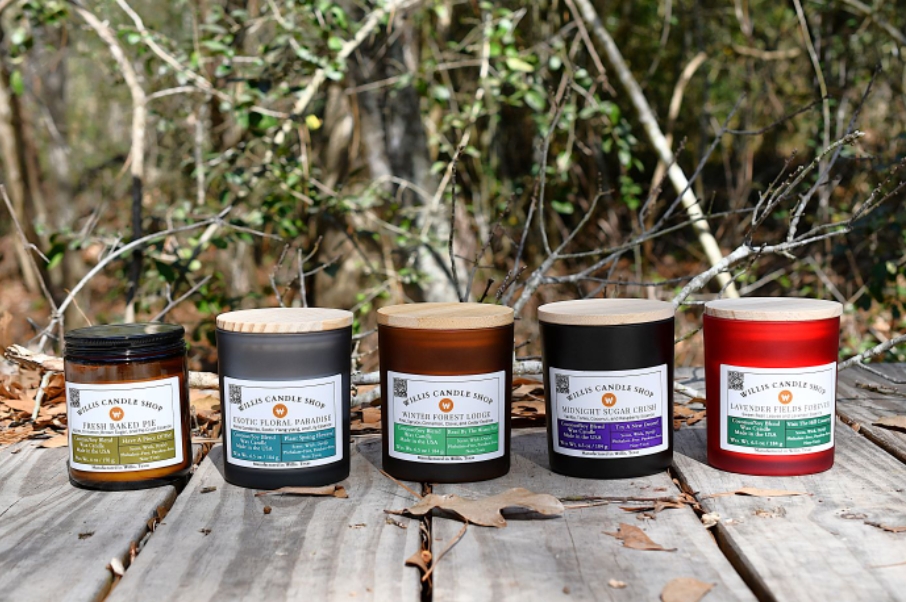 The Chemistry of Home Atmosphere: Auditing the Three Pillars of the Candle Industry | The establishment of a domestic sanctuary is often viewed through a sensory lens, yet the technical reality of home fragrance is rooted in material science. When we introduce a scented candle into a living space, we are initiating a thermochemical event that directly impacts the quality of the air we breathe. In the modern marketplace, three distinct segments have emerged: the petroleum-based industrial standard, the volatile organic model, and the engineered botanical approach. For the Willis Candle Shop, founded by retired FBI Special Agent and U.S. Marine Rob Woloszyn, navigating these sectors requires a forensic-level commitment to purity. By evaluating the molecular behavior of these mediums, consumers can move toward a more informed standard of atmospheric integrity. The Petroleum Audit: Paraffin and Incomplete Combustion The vast majority of mass-market candles utilize paraffin wax, a solid hydrocarbon derived from the petroleum refining process. From a manufacturing standpoint, paraffin is favored for its low cost and ease of processing, but its environmental profile is complex. As a byproduct of the refining process for fuels like gasoline and jet fuel, paraffin undergoes incomplete combustion when ignited. This results in the release of carbonaceous soot and volatile organic compounds (VOCs) such as benzene and toluene. These particulates are chemically comparable to those found in diesel exhaust. For a household focused on wellness, understanding that paraffin introduces industrial pollutants into a confined breathing zone is the first step in auditing the domestic environment. The Organic Paradox: Navigating Essential Oil Volatility In response to the petroleum industry, the “organic” candle segment often utilizes 100% essential oils as a primary fragrance source. While the term suggests inherent safety, scientific analysis reveals a phenomenon known as the Organic Paradox. Essential oils are plant-derived chemical compounds that are inherently volatile and not naturally stabilized for high-heat thermochemical reactions. To achieve a functional scent throw, manufacturers frequently utilize high oil loads that exceed the molecular capacity of the wax carrier. During the burn, this can lead to unregulated VOC release and the localized formation of ozone. True atmospheric integrity requires a balanced approach where botanical elements are securely bonded within a stable wax matrix rather than floating as free-radical particulates in the air. The Botanical Choice: Engineering Thermodynamic Stability The third industry segment focuses on engineered botanical matrices designed to overcome the limitations of both petroleum and unstable organic waxes. A common solution is a calculated botanical blend, such as a 79% soy, 19% coconut, and 2% natural beeswax ratio. In this configuration, the soy wax provides a clean-burning, high-density base. Coconut wax lowers the melting point to allow for a more efficient and even scent distribution, while the beeswax acts as a natural structural hardener. This synergy replaces the synthetic chemical stabilizers common in industrial products, resulting in a cleaner, slower, and more predictable burn rate. By balancing these agricultural components, the manufacturing process ensures that the candle functions as a reliable tool for atmospheric recovery. Technical Wick Architecture and Air Purity A critical factor in maintaining air purity is the architecture of the wick. Historically, industrial standards relied on lead or zinc cores to maintain rigidity in automated production lines. While modern regulations have addressed heavy metal usage, many high-speed factories still utilize synthetic fibers or chemical treatments. The advancement of | — | ||||||
| 4/25/26 |  Smarter Podcasting: Using AI to Find Guests and Scale Faster | Podcasting success isn’t just about what happens behind the mic. The real work happens before recording: researching guests, planning questions, and preparing content that stands out. For many podcasters, this process takes more time than the episode itself. That’s where AI tools are making a real difference. Smarter Guest Research in Less Time Strong interviews come from strong preparation. A host who understands a guest’s work, opinions, and unique angles can ask better, deeper questions. But traditionally, this meant hours of reading articles, watching past interviews, and piecing together insights. Now, AI simplifies this process. Instead of manually digging through endless sources, podcasters can use tools like AI Chat to quickly analyze a guest’s background, identify key themes, and uncover less obvious talking points. This allows hosts to focus on crafting meaningful questions rather than just gathering information. Better Episode Preparation AI isn’t about replacing creativity—it’s about enhancing it. With an AI Document Generator, podcasters can organize research, outline episode structures, and prepare talking points efficiently. For example, instead of starting from scratch, a host can input key ideas and get a structured outline within seconds. From there, they can refine questions, adjust tone, and ensure the episode flows naturally. This approach reduces preparation time while improving content quality. Discovering Unique Angles One of the biggest challenges in podcasting is avoiding repetitive conversations. Many guests have already answered the same questions multiple times on different shows. AI helps identify what hasn’t been explored yet. By analyzing previous interviews and content, it can highlight gaps, contradictions, or under-discussed topics. This gives podcasters a chance to create fresh, engaging conversations that stand out to listeners. Faster Content Repurposing Recording an episode is just the beginning. Each podcast can be turned into multiple content pieces—show notes, blog posts, social media clips, and newsletters. However, repurposing content consistently is time-consuming. AI tools make this easier by extracting key insights, summarizing discussions, and generating content drafts. A single transcript can quickly become multiple assets, helping podcasters stay active across platforms without extra workload. Improving Outreach and Guest Booking Booking quality guests often comes down to how well you pitch your show. Generic outreach emails rarely get responses. Personalized, well-researched pitches do. AI can assist in drafting these emails by turning research into clear, compelling messages. When combined with genuine insights about the show and guest, this leads to higher response rates and better booking opportunities. Maintaining Quality and Accuracy While AI speeds up workflows, it’s important to use it responsibly. Information generated by AI should always be verified, especially when referencing facts or quotes. Think of AI as a research assistant—not a final authority. The Bottom Line AI is helping podcasters remove the biggest bottleneck: preparation time. By streamlining research, improving organization, and simplifying content creation, tools like AI Chat and AI Document Generator allow creators to focus on what matters most—delivering valuable, engaging conversations. | — | ||||||
| 4/24/26 |  Navigating the Global Talent Frontier: A Comprehensive Guide to EOR, Compliance, and International Payroll✨ | global talentEmployer of Record+3 | — | Agent of RecordEU+3 | EuropeLatin America+5 | international workforcetax residency+3 | — | 2m 15s | |
| 4/22/26 |  From Vision to Spray: Jarsking’s Custom Perfume Packaging Design and Spray Bottle Collection✨ | custom perfume packagingfragrance design+2 | — | JarskingJarsking's | — | fragrancepackaging+2 | — | 2m 06s | |
| 4/17/26 | 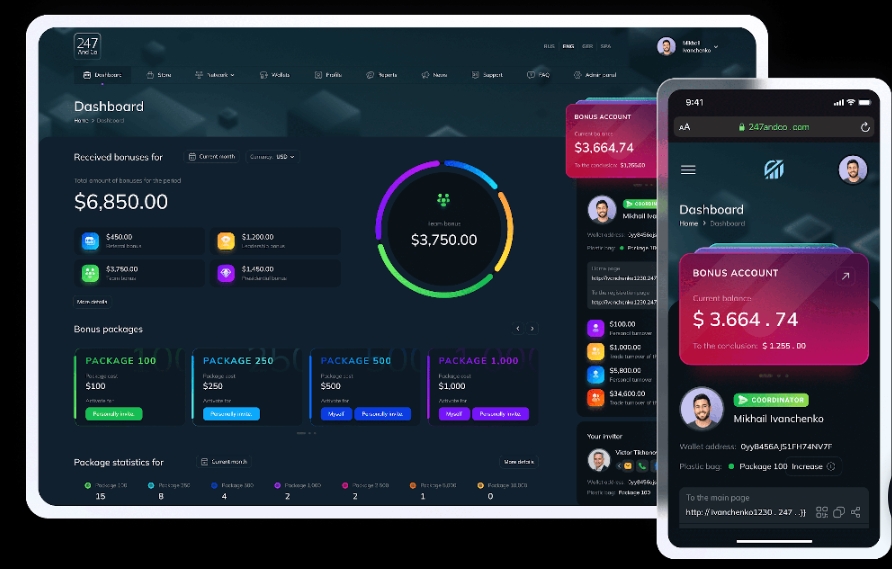 FlawlessMLM MLM Software: Binary, Unilevel & Matrix Infrastructure for 2026 Network Marketing✨ | MLM softwarenetwork marketing+3 | — | PostgreSQLmlm+8 | Estonia | FlawlessMLMcommission trails+3 | — | 2m 23s | |
| 4/15/26 |  The Home Crisis No One Podcasts About (But Should)✨ | home improvementbiohazard cleanup+3 | — | home decontamination servicesbiohazard cleanup services+5 | U.S.the United States | moldunattended death+3 | — | 2m 19s | |
| 4/7/26 |  What Makes a Social Media Post Actually Stop the Scroll✨ | social mediacontent creation+2 | — | InstagramFacebook+1 | — | scroll stoppingvisuals+2 | — | 2m 26s | |
| 3/29/26 |  Best Stock Market Podcasts 2026 and Why DailyForex Deserves Attention✨ | stock marketpodcasts+3 | — | DailyForexFederal Reserve+1 | — | interest ratesinflation+2 | — | 2m 23s | |
| 3/15/26 | 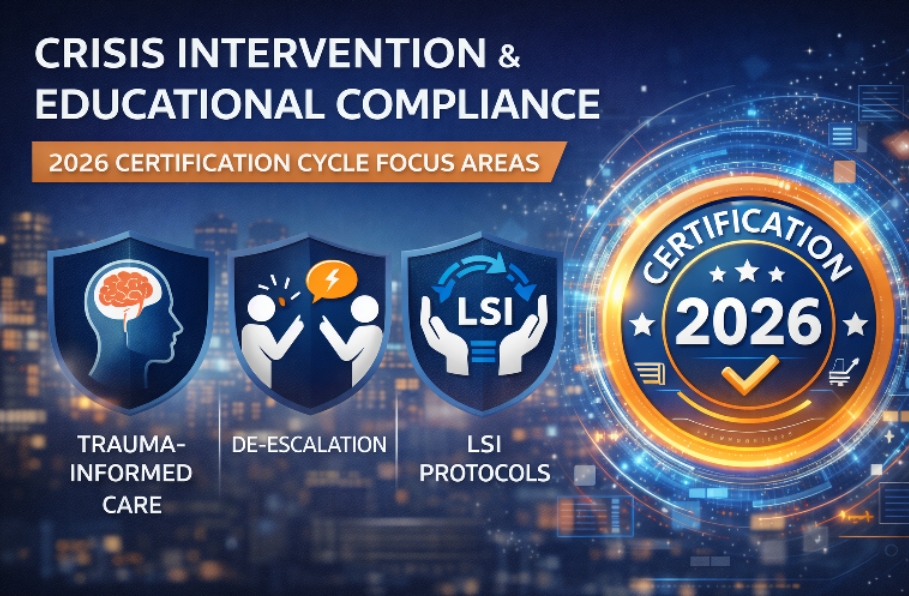 Guest Profile: Specialist in Crisis Intervention & Educational Compliance✨ | crisis interventioneducational compliance+3 | Specialist In Crisis Intervention Educational Compliance | Cornell University'sResidential Child Care Project | — | safety outcomestraining+2 | — | 2m 05s | |
| 3/7/26 |  What to Know Before Buying an Acrylic Bathtub✨ | acrylic bathtubhome improvement+2 | — | acrylic bathtub | — | bathtubacrylic+2 | — | 2m 09s | |
| 3/5/26 |  Exhibition Stand Contractor in Dubai: Complete Guide to Choosing the Right Partner✨ | exhibition stand contractortrade shows+3 | — | exhibition stand3D visualization tools | Dubai | exhibitioncontractor+3 | — | 2m 19s | |
| 2/23/26 | 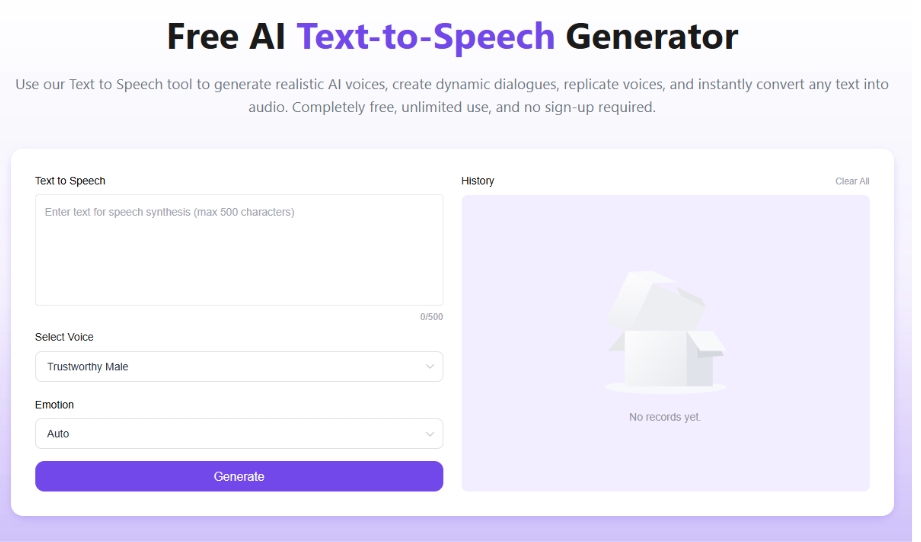 Free AI Text to Speech for Podcasters: Game-Changer Guide✨ | AI text to speechpodcasting+2 | — | AI text to speech | — | podcast productionvoice strain+2 | — | 2m 19s | |
Showing 25 of 69
Pitch Fit is a Pro feature
See how bookable this show is for guests, which brands already advertise, the per-episode ad value, and the best-fit guest and sponsor profile. The numbers are blurred on the free plan.
How readily this show books outside guests like you.
How proven this show is for host-read sponsorships.
For Guests
ProFor Advertisers
ProUpgrade to Pro to unlock guest cadence, sponsor categories, fit scores, and per-episode ad value for this show.