

Insights from recent episode analysis
Audience Interest
Podcast Focus
Publishing Consistency
Platform Reach
Insights are generated by CastFox AI using publicly available data, episode content, and proprietary models.
Total monthly reach
Estimated from 1 chart position in 1 market.
By chart position
- 🇺🇸US · Life Sciences#1905K to 30K
- Per-Episode Audience
Est. listeners per new episode within ~30 days
2.5K to 15K🎙 ~2x weekly·25 episodes·Last published 5d ago - Monthly Reach
Unique listeners across all episodes (30 days)
5K to 30K🇺🇸100% - Active Followers
Loyal subscribers who consistently listen
2K to 12K
Market Insights
Platform Distribution
Reach across major podcast platforms, updated hourly
Total Followers
—
Total Plays
—
Total Reviews
—
* Data sourced directly from platform APIs and aggregated hourly across all major podcast directories.
On the show
Recent episodes
It's Never Too Late: Bridging the Gap Between NASA Robotics and Backyard Birding with Barbra Sobhani
May 15, 2026
Unknown duration
Why I Ask My Research Subjects for Consent (Even the Ones with Trunks) with Dr. Michelle Szydlowski
May 1, 2026
Unknown duration
The Lion’s Mane and the Rainbow Tail with Katy Tanis
Apr 17, 2026
Unknown duration
The Heat-Trapping Blanket: Why the Earth Can’t Kick Its Foot Out with Kait Birghenthal
Apr 3, 2026
Unknown duration
The Rhinos That Sing and the Humans Who Listen: Keeping the Five Alive with Martha Parker
Mar 20, 2026
Unknown duration
Social Links & Contact
Official channels & resources
Official Website
Login
RSS Feed
Login
| Date | Episode | Description | Length | ||||||
|---|---|---|---|---|---|---|---|---|---|
| 5/15/26 | It's Never Too Late: Bridging the Gap Between NASA Robotics and Backyard Birding with Barbra Sobhani | Picture an autonomous rover navigating the vast, rolling terrain of the Great Sand Dunes in Colorado. It pauses, drills a sand core, and analyzes the sample—just like it would on the surface of Mars. It sounds purely like rocket science, but for Barbra Sobhani, it’s intimately connected to protecting life right here on Earth.When Barbra—who holds degrees in physics and geology—decided to pursue a master’s in biology, her friends were confused. But as the state director for the NASA Colorado Space Grant program, an Audubon Master Birder, and a botanical illustrator, she knows that exploring extreme environments in space is one of the best ways to understand climate resilience at home. From launching student-built atmospheric sensors to ground-truthing satellite data with community classrooms, Barbra proves that conservation and aerospace are two sides of the same coin.Tune in to hear:The Astrobiology Connection: How sending bacteria up on high-altitude weather balloons helps us understand species survival.The Art of Observation: Why drawing Darwin's finches in the Galapagos can cement your connection to a species.The Lifelong Learner: Why it's never too late to pivot your career, head back to school, and connect with a brand new community. | — | ||||||
| 5/1/26 | Why I Ask My Research Subjects for Consent (Even the Ones with Trunks) with Dr. Michelle Szydlowski | Imagine standing perfectly still as a multi-ton elephant leans in, pressing its forehead directly against yours. For Dr. Michelle Szydlowski, this wasn't a moment of terror, but one of profound communication. In the world of elephant tourism in Nepal, Michelle doesn't just study animals; she studies relationships. As an anthrozoologist, she explores the messy, beautiful, and often misunderstood bond between captive elephants and their "mahouts"—the caregivers whose lives are inextricably linked to theirs.Michelle breaks down the "sanctuary myth" and moves us past Western labels of "good" or "bad" to look at the ground-level reality of conservation. From building popsicle-stick slides for salamanders as a child to navigating the complex caste systems of Nepal as a researcher, Michelle’s journey is one of radical inclusion. She shares how her own neurodivergence became a "superpower" in the field, allowing her to read the non-verbal cues of elephants in a way others might miss.Tune in to hear:-- The "Consent" Protocol: How Michelle asks an elephant for permission before beginning her research.-- The Mahout Gap: Why a 4,000-year-old tradition is shifting from an elite calling to a low-wage, low-status job for untrained youth.-- Dogs vs. Cats: A surprisingly accurate field guide to the personalities of rhinos versus elephants. | — | ||||||
| 4/17/26 | The Lion’s Mane and the Rainbow Tail with Katy Tanis | Imagine a child opening a picture book to find a tiger, a sloth, and a zebra all sharing the same jungle floor. To most, it’s a colorful scene; to Katy Tanis, it’s a missed opportunity for "eco-literacy." Katy started by designing textiles for brands like Betsy Johnson, but she couldn’t shake the feeling that the animals on her fabrics deserved better representation.A graduate of Miami University’s Advanced Inquiry Program, Katy works to bridge the gap between "cute" and "correct." Whether she’s illustrating the real-life courtship rituals of same-sex animal pairs in her Love in the Wild series or debunking the myth that penguins and polar bears are neighbors, Katy proves that you don’t need to sacrifice style to teach science.Tune in to hear:-- The "Accuracy Gap" in Media: Katy highlights a significant lack of ecological literacy in children's products—from putting penguins in Scandinavia to calling chimpanzees "monkeys." She argues that if we don't accurately represent where animals live and how they behave, we undermine future conservation efforts.-- The Power of Stylized Science: You don't need a dry, botanical sketch to be accurate. Katy uses her fashion background to create vibrant, "trendy" art that serves as an entry point for kids (and adults) to learn about niche biodiversity, such as the LGBTQ+ behaviors observed across the animal kingdom.-- Diversity as a Hook: By showcasing the "rainbow" within animal families—like the many colors of bees or frogs—artists can break the "quintessential animal" mold and introduce the public to the 98% of species that usually get ignored by publishers. | — | ||||||
| 4/3/26 |  The Heat-Trapping Blanket: Why the Earth Can’t Kick Its Foot Out with Kait Birghenthal | Imagine lying in a bed with too many blankets piled on top of you. You’re sweltering, you’re uncomfortable, but unlike us on a hot summer night, the Earth can’t simply kick a foot out to cool down. This is the vivid, accessible world of Kait Birghenthal, President and Project Coordinator for NNOCCI (the National Network for Ocean and Climate Change Interpretation). Working from the front lines of The Marine Mammal Center in California, Kait is on a mission to dismantle the "spiral of silence" that keeps 75% of Americans from talking about the climate, even when they’re deeply concerned.Kait moves us away from the "doom and gloom" of traditional environmentalism—what she calls the heartbreaking "Sarah McLachlan commercial" effect—and toward a strategy of strategic framing and shared values. By connecting the survival of baby elephant seals to the way we talk over the dinner table, she proves that hope isn't just a feeling; it’s a tool for civic change.Tune in to hear:The Power of the Blanket: How a simple shift in metaphors—from "greenhouse effect" to "heat-trapping blanket"—can bridge the gap between scientific complexity and public understanding.Sentinels of the Sea: Why seals and sea lions are the "canaries in the coal mine" for our shared health, and how their survival is tied to our own communities.The "Jedi Mind Trick": Practical tips on "bridging and pivoting" to navigate difficult conversations without getting stuck in political polarization.Kait mentioned an 'On the Street' framing video when discussing climate change misconceptions, carbon dioxide, ozone layer etc:https://youtu.be/paCLWbze08c?si=TyKepNLhl4dKfjWNAnd, check out Kait's podcast, featuring some NNOCCI colleagues:Let's Sea: https://linktr.ee/letsseapodAnd, join NNOCCI!https://nnocci.org/ | — | ||||||
| 3/20/26 |  The Rhinos That Sing and the Humans Who Listen: Keeping the Five Alive with Martha Parker | Martha Parker grew up on 20 acres in rural New York, where a chance encounter with a displaced nest of baby bunnies sparked a lifelong obsession with wildlife. Today, she isn’t just saving rabbits; she is the Director of Grants & Partnership Development at the International Rhino Foundation, where she manages the complex "people work" required to save the world’s five remaining rhino species.From the "honeymoon paddocks" of Indonesia to the grasslands of India, Martha pulls back the curtain on the reality of modern conservation. It’s not all rugged jeeps and field binoculars—it’s about grant writing, human-centered design, and navigating the politics of shared spaces. Martha shares the enchanting (and loud) eating habits of the critically endangered Sumatran rhino and explains why, even in a world of habitat loss and poaching, she maintains a sense of "pragmatic hope." This episode is a masterclass in how individual passion can scale into global impact.Tune in to hear:-- The "Pizza Slice" Strategy: How semi-wild sanctuaries are saving species that are too shy to find their own mates.-- The "Singing" Rhino: A description of the unique, endearing vocalizations of the world’s smallest rhino. Hear their songs here:https://www.facebook.com/watch/?v=2706939102756892-- The Resilience of the "Native Garden": How a frost in Florida serves as a powerful metaphor for the future of conservation. | — | ||||||
| 3/6/26 |  The Snake Tattoo and the Spider in the Shower with Kathayoon Khalil | We’ve all been there: reading a headline about the few remaining rhinos or the melting ice caps and feeling a heavy, familiar sense of defeat. For decades, the "doom and gloom" approach was the primary tool in the conservation toolkit, but Dr. Kathayoon Khalil argues it might be doing more harm than good. When we lead with fear, we don't always spark action; often, we just spark a desire to look away.In this episode, Kevin Matteson sits down with Kathayoon, a conservation psychologist at the Columbus Zoo, to discuss why "saving the world" needs a rebranding centered on hope and empathy. From the power of naming a spider in your bathroom to why she wears a giant snake tattoo as a badge of honor for the misunderstood, Dr. Khalil breaks down the science of how we connect with nature. We explore the "social norm" of the zoo visit and how a simple shift in language—calling an animal "she" instead of "it"—can bridge the gap between human and specimen.Tune in to hear:-- Why "Debbie Downer" conservation messaging causes people to shut down and how to use hope as a motivator instead.-- The six best practices for building empathy, even for the "non-charismatic" creatures like snakes and wasps.-- How to handle the "science policeman" in your head when you hear someone misidentify an animal at the zoo. | — | ||||||
| 2/20/26 |  Designing a Neurodiverse Ecosystem with Grayson Ponti | By the time he was an adult, he had visited 150 different zoos and aquariums. He wasn’t a rugged outdoorsy kid camping in the woods; he was a child fascinated by the glass walls that allowed him to see into other worlds. For Grayson Ponti, nature wasn’t just a place to visit—it was a puzzle to understand, both biologically and socially.Today, Grayson is using that lifelong passion to challenge how conservation organizations welcome the public. As the founder of ZANE (Zoos and Aquariums for a Neurodiverse Ecosystem), he argues that true inclusivity goes beyond putting a "sensory friendly" sticker on the door. He joins Kevin to discuss how his background in English—not biology—helped him build a movement that celebrates neurodivergent strengths in the workplace and the wild.Tune in to hear:-- Why the "Golden Rule" is actually a bad framework for inclusivity.-- The concept of "Safe but Uncomfortable" and why it matters in field work.-- Why we should stop saying "Human-Wildlife Conflict" and start saying "Interaction."https://www.zanezoo.org/ | — | ||||||
| 2/9/26 | 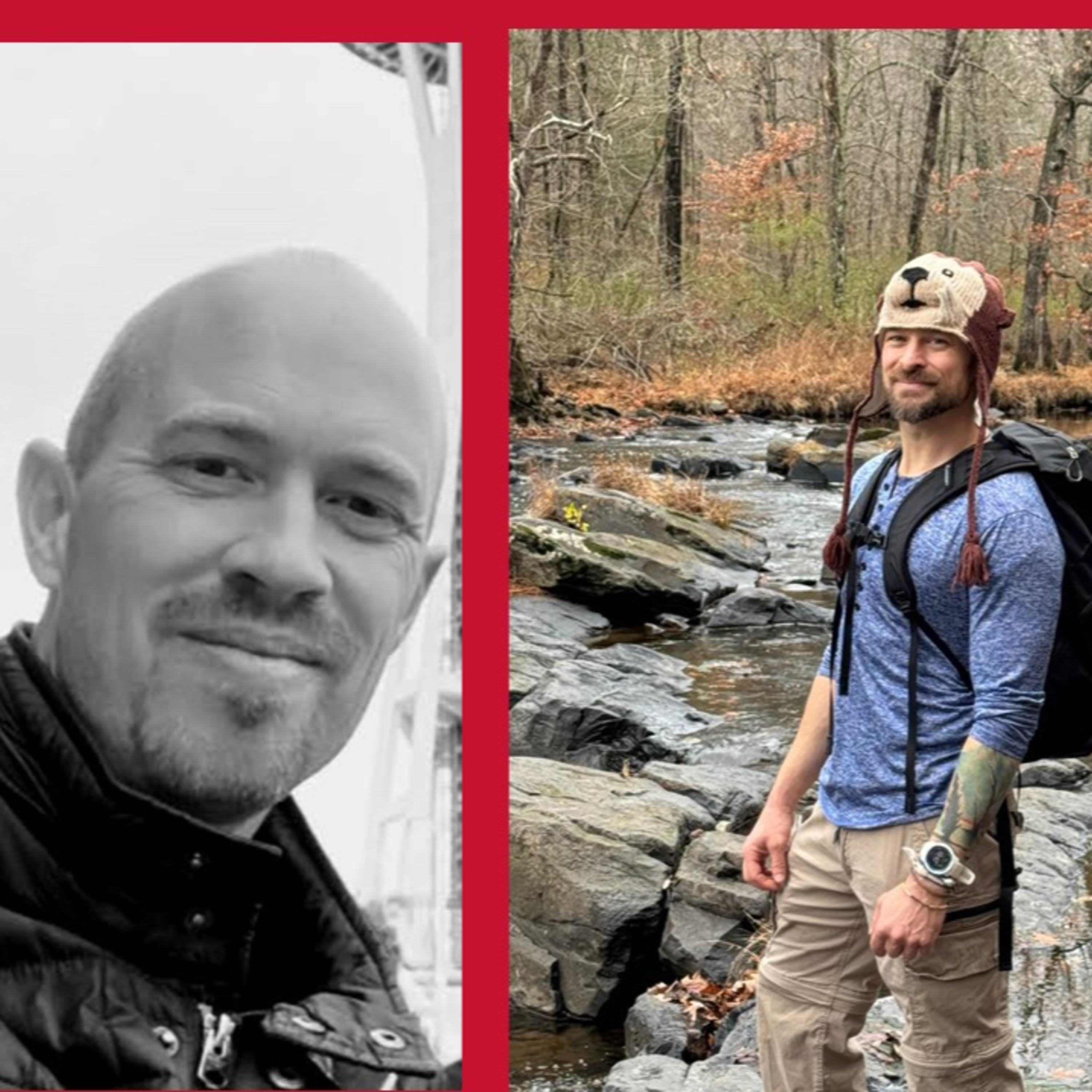 The Dungeon Master of Biology: Rolling for Science with Michael Haughwout | To Michael Haughwout, field science isn't just research—it's "real-life Dungeons & Dragons." Whether he is swimming with whale sharks in Baja or tracking diamondback terrapins in New Jersey, he approaches science with the spirit of an adventurer.A 2023 Global Field Program graduate, Michael is the first in his family to earn a Master’s degree. He brings that same sense of possibility to his AP Environmental Science classroom, where 20-sided dice are standard equipment and "I wonder..." is the most important phrase in the syllabus.In this episode, we discuss how to maintain passion as an educator even when the hard days come. Michael shares why he ditched traditional rubrics to help students find pride in their work, how he uses AI to support neurodivergent learners, and why he treats the pine barrens of NJ like the landscape of Legend of Zelda.Tune in to hear:- Why he brings D20 dice into the biology lab.- The science of the "baseball catcher stance" (and other student-led inquiries).- How to turn a lack of funding into innovation (building hovercrafts!).- Stories behind the elaborate tattoos mapping his travels from Namibia to the Galápagos. | — | ||||||
| 1/23/26 | 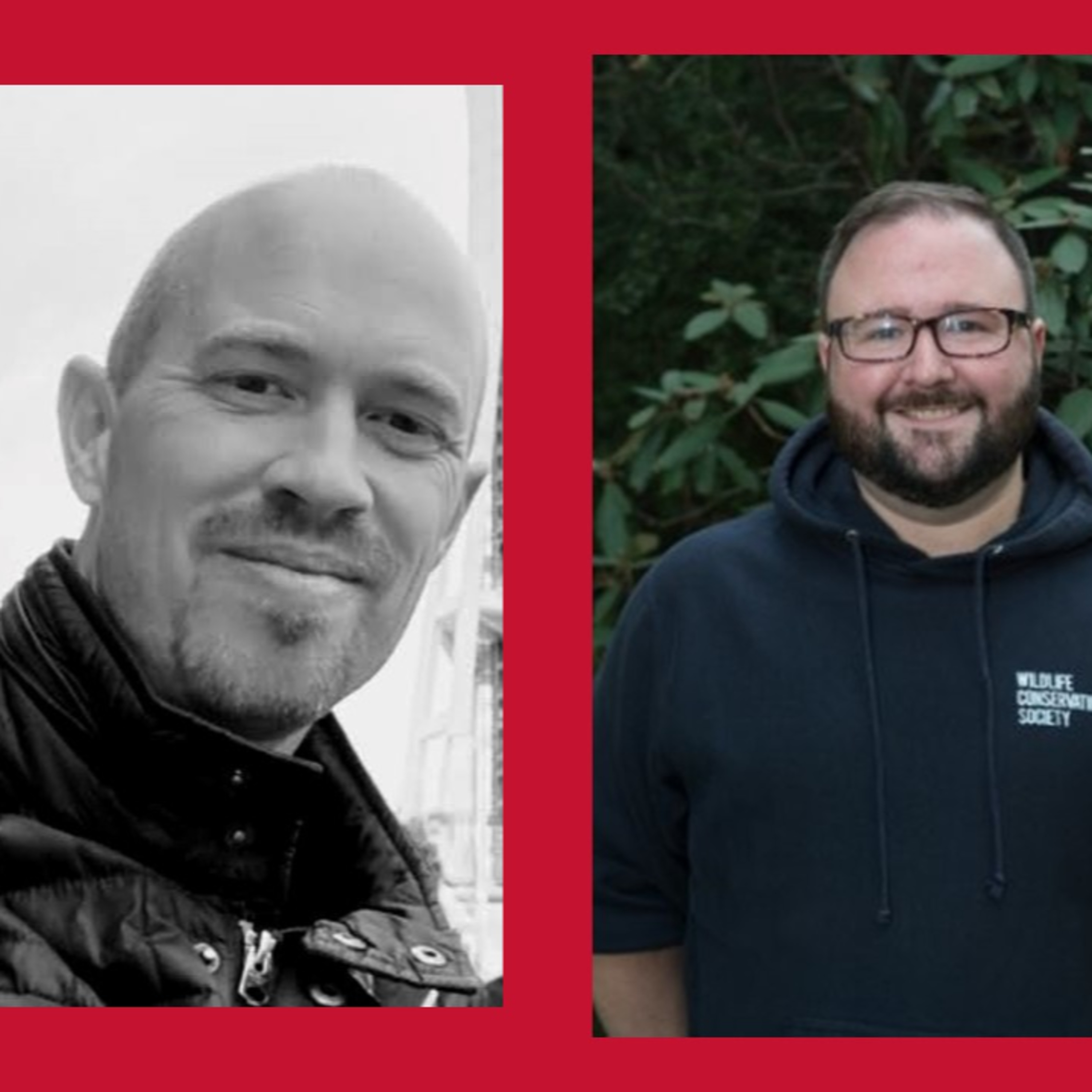 From the Bronx to Mongolia: Urban Ecology & The Power of Conservation Education with Dave Johnston | Imagine standing in chest-deep water, pulling a seine net full of marine life, while the traffic of the Brooklyn-Queens Expressway roars just behind you.For Dave Johnston, nature isn't something you have to leave the city to find. As the Director of Professional Development for the Wildlife Conservation Society (WCS) at the Bronx Zoo, Dave is rewriting the narrative on where conservation happens. Whether he is leading students through the gritty, biodiversity-rich wetlands of Jamaica Bay in New York City or driving across the vast Mongolian steppe with no GPS, Dave’s focus remains the same: people.In this episode, we explore why "social science" is the missing link in saving species and why an educator might be the most powerful conservationist in the room.Tune in to hear:The Urban Lab: Why New York City is actually a "city of islands" and a biodiversity hotspot.The Multiplier Effect: The math behind why Dave prioritizes training teachers over teaching children directly.Nomadic Hospitality: The cultural beauty of rolling up to a Mongolian ger (yurt) unannounced and being welcomed inside. | — | ||||||
| 1/9/26 | 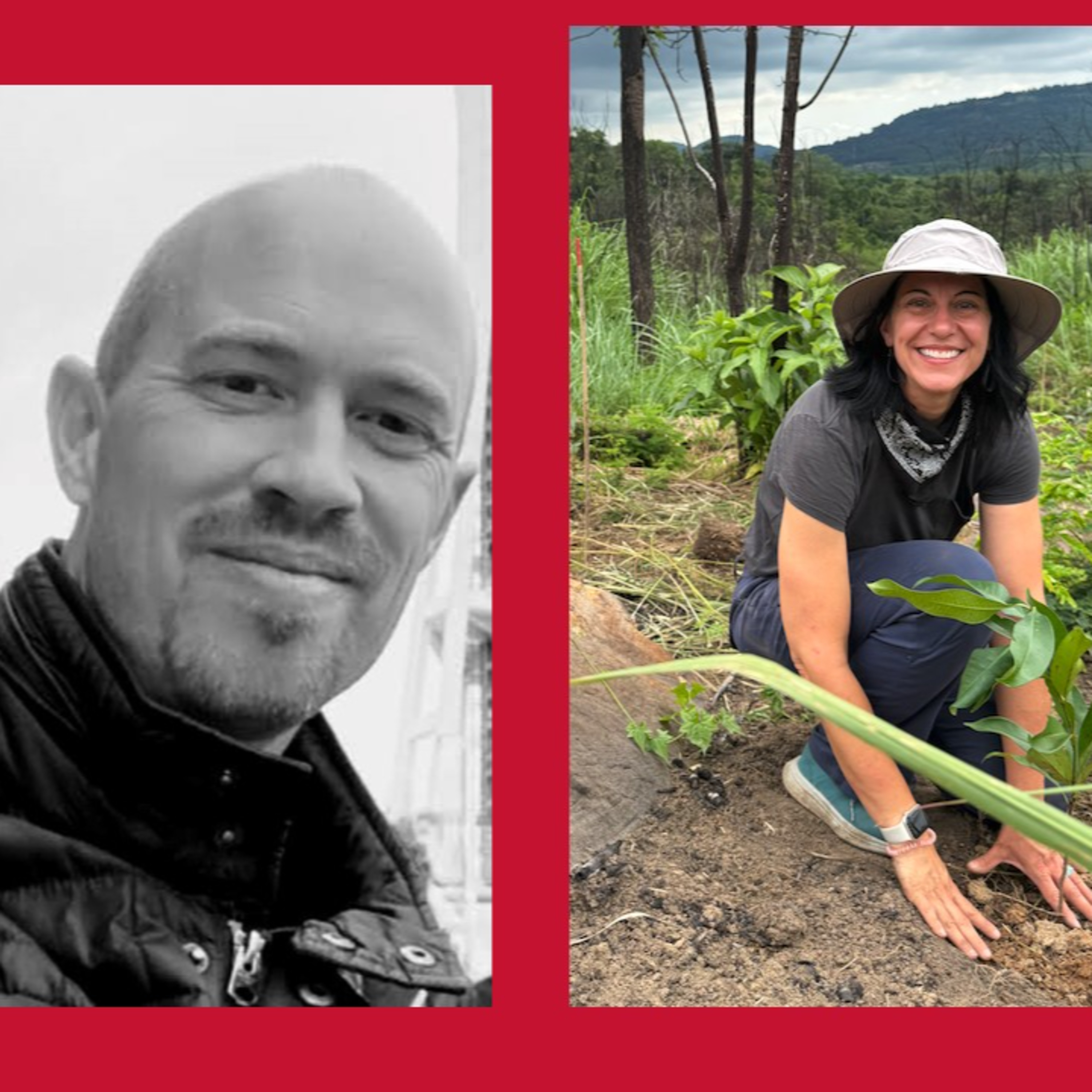 The Soul of a Place and the Triadic Framework with Jill Korach | Sitting in a cubicle at a high-tech semiconductor firm in Silicon Valley, Jill Korach realized something terrifying: there were 17,000 jobs at her company, and she didn't want a single one of them.That realization launched a global journey—from the strict discipline of Army ROTC to riding horses across the Mongolian steppes. Today, Dr. Jill Korach is a cornerstone of Project Dragonfly, where she uses her unique blend of logistics and empathy to lead Earth Expeditions. In this conversation, Jill dismantles the idea that a leader must be the expert in the room. Instead, she argues for the power of "shared vulnerability"—whether that’s struggling to meditate in a Thai hut or holding hands with a student who is terrified to swim.We also dive into her research on the "Triadic Framework," a new way to look at conservation that goes beyond biology to include our spiritual and emotional connections to the land.Tune in to hear:Why her training in Army ROTC was the perfect preparation for conservation leadership.How to balance "birthing a villager" (having a baby) while completing a PhD and traveling the world.The "Triadic Framework": Why saving a species requires understanding the deities and communities around it. | — | ||||||
Want analysis for the episodes below?Free for Pro Submit a request, we'll have your selected episodes analyzed within an hour. Free, at no cost to you, for Pro users. | |||||||||
| 12/19/25 | 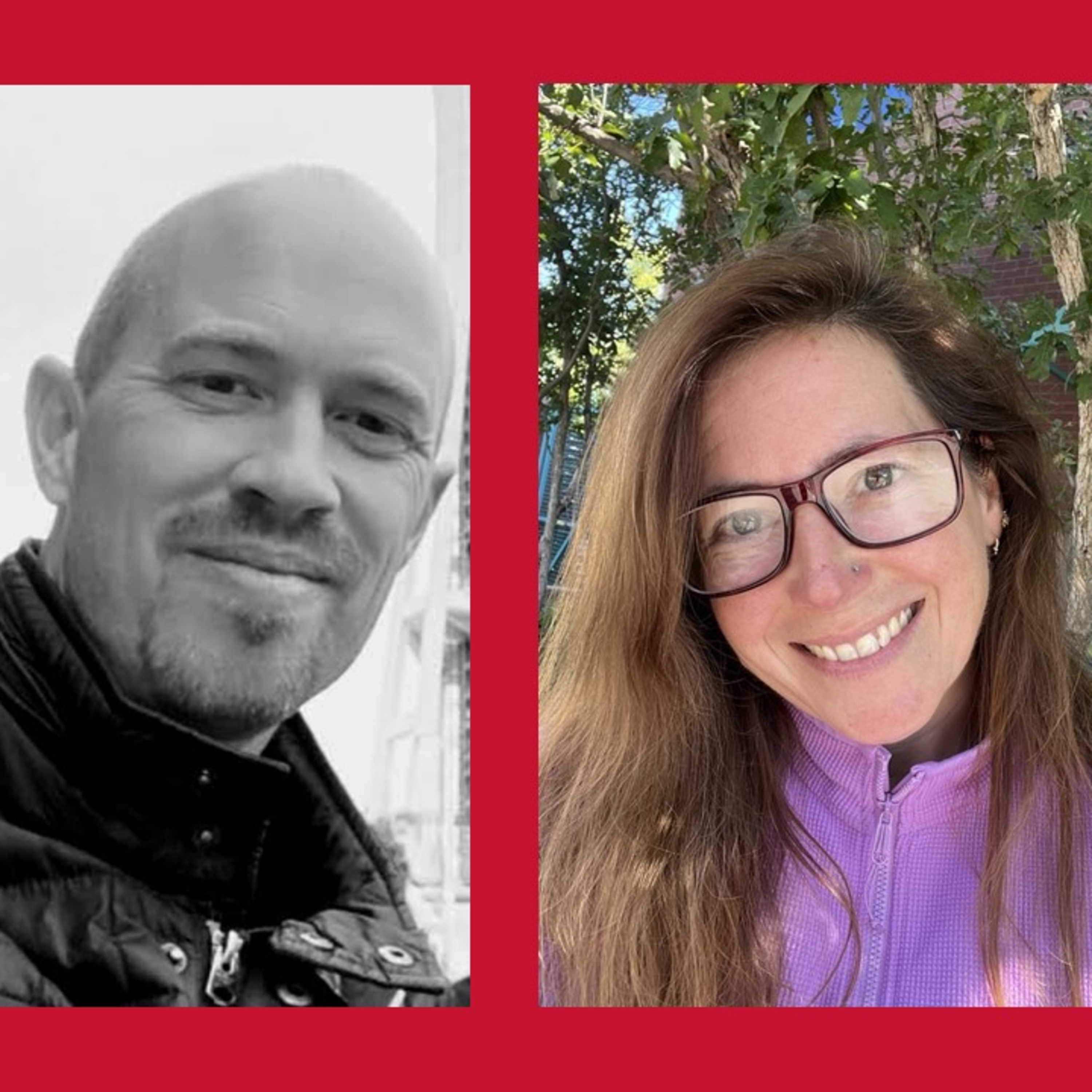 Conservation Perspectives and Leadership with Molly Maloy | Molly Maloy is the Graduate and Adult Programs Manager at Denver Zoo Conservation Alliance. She has overseen the AIP since it began at Denver Zoo Conservation Alliance in 2012. Molly has worked at Denver Zoo Conservation Alliance for 20 years in the fields of Conservation Education and Community Engagement. She also works with the Field Conservation department on Denver Zoo Conservation Alliance’s Botswana program and AZA’s African Vulture SAFE program. Molly recently was invited to be a member of the IUCN Vulture Specialist Group to assist in global conservation efforts for vultures. She has a great affinity for Africa and has lived in Zambia and worked with communities impacted by tourism and human wildlife conflict. Her favorite part of being a part of the AIP is being able to help adults harness their passion and help them create a path for conservation action. | — | ||||||
| 12/12/25 | 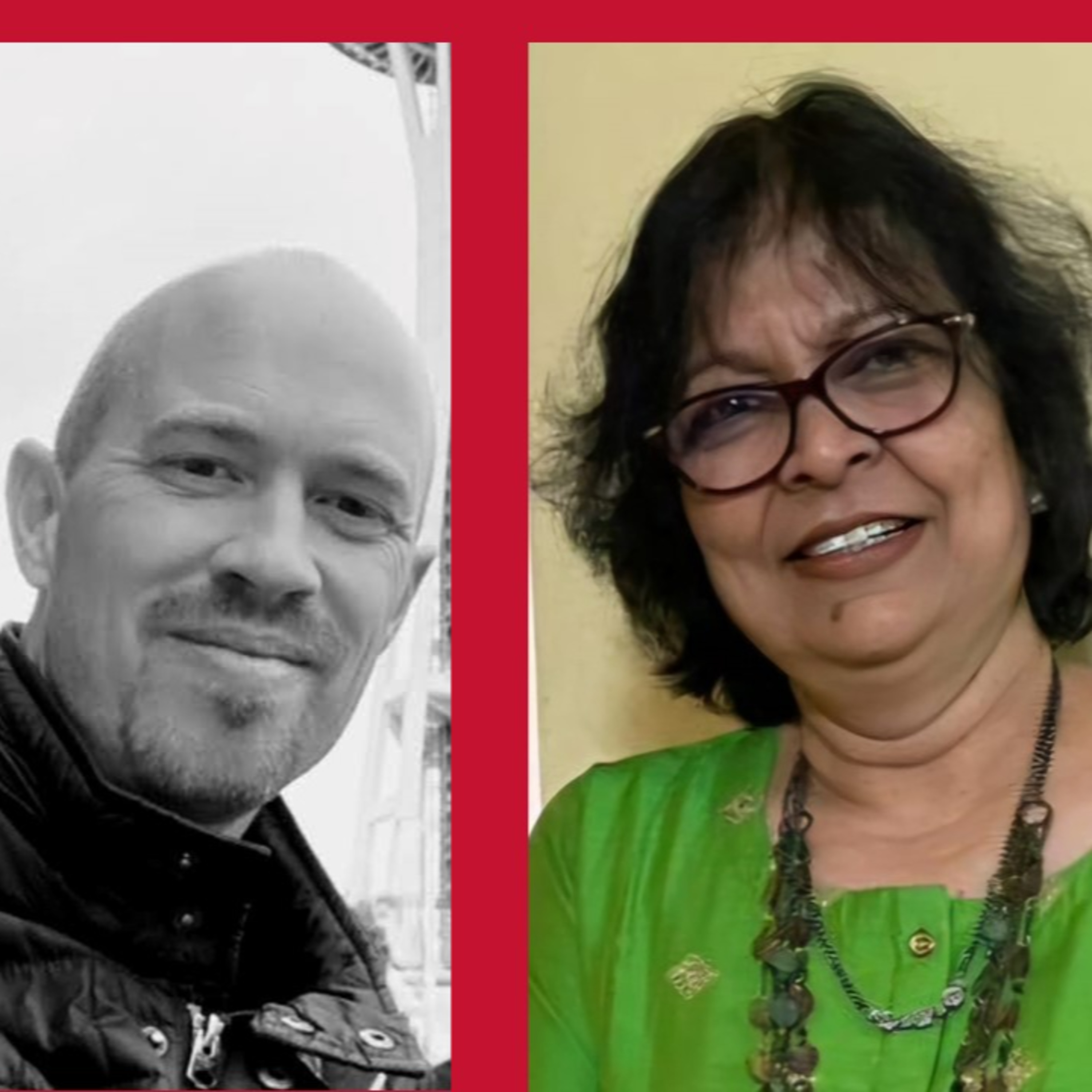 Conservation in India's Western Ghats with Archana Godoble | Dr. Archana Godbole is the Founder Director of the Pune-based NGO- Applied Environmental Research Foundation (AERF). https://www.aerfindia.org/She is also the in-country partner for Project Dragonfly's India Earth Expeditions course. https://miamioh.edu/cas/graduate-studies/project-dragonfly/earth-expeditions/courses-landing-pages/india.htmlA plant taxonomist and ethnobiologist by training, Archana has developed various programmes of AERF through the work on the ground for the last 28 years. She has been responsible for developing various programmes and initiatives of AERF, from protecting sacred groves and forests to conservation of hornbills and giant trees in the Western Ghats of India and beyond. | — | ||||||
| 12/5/25 | 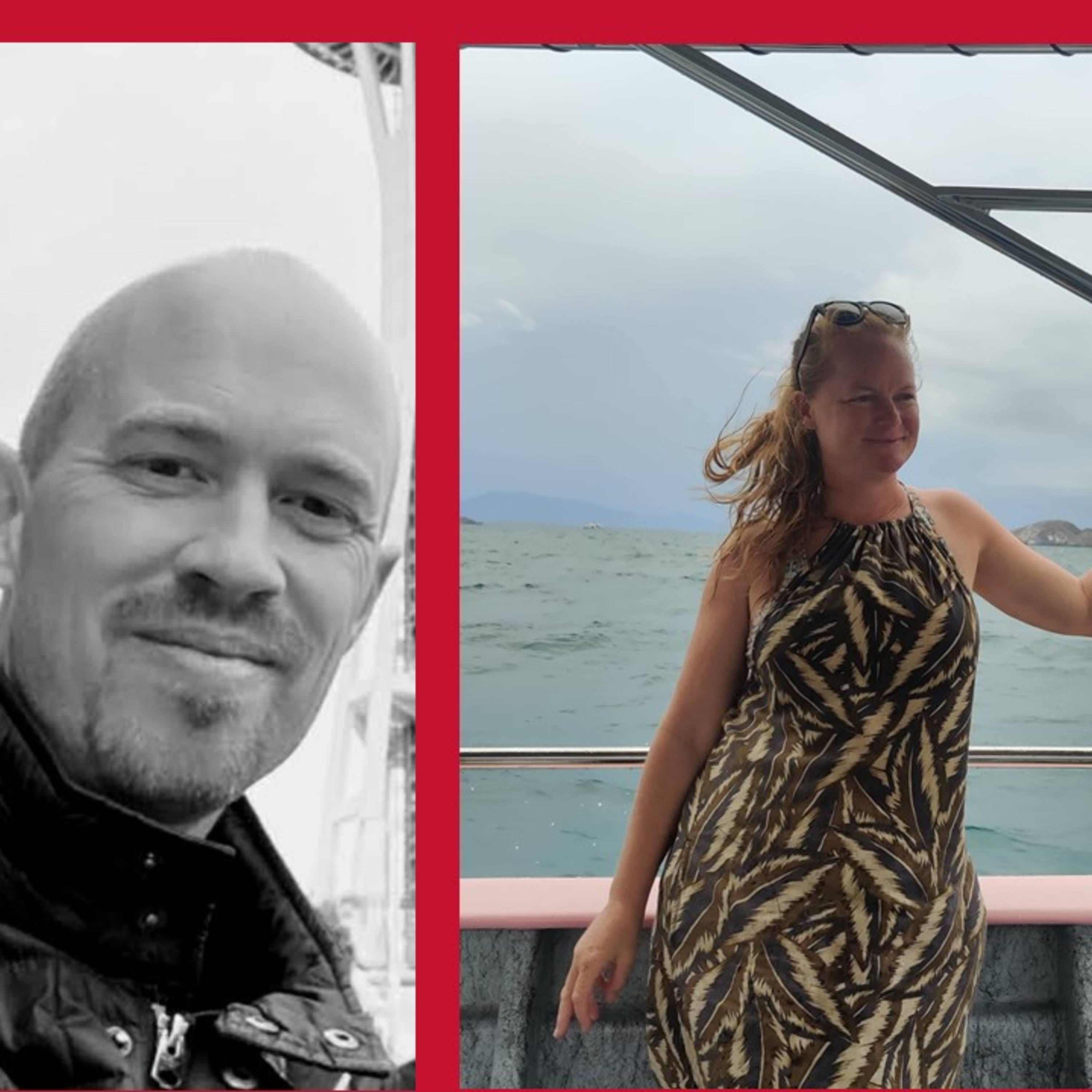 The Baja Experience with Meghann McDonald | Imagine feeling safer floating in pitch-black water than standing on dry land.For Meghann McDonald, the ocean isn't just a field site; it is a portal. While she technically holds the title of Executive Director at the Vermilion Sea Institute in Baja, she prefers to view herself as a bridge. Whether she is navigating the dusty roads of a fishing village or the complex emotions of a student panic-stricken by a snorkeling mask, Meghann's work is about dissolving the lines between "local" and "tourist," and between "fear" and "awe."In this conversation, Meghann takes us beyond the typical field study experience. She opens up about the "invisible barriers" that keep local children from the water in their own backyards and how she’s working to dismantle them. We also discuss the messy reality of caregiving, the power of "Blue Mind," and why true growth only happens when we are willing to get a little wet and a little uncomfortable.Tune in to hear:The "Scared vs. Awesome" Scale: A brilliant mental tool Meghann uses to help kids (and adults) navigate fear in real-time. The Legend of Puma: How a street dog became the most important emotional support staff member on Baja expeditions.The Mermaid Theory: Why some of us feel more human underwater, and the neuroscience that backs it up.A Special Note: Since the recording of this interview, Meghann's father, Lane McDonald, who we talk about in the episode, has passed away. Lane was a huge inspiration for the work done at VSI. Here is a link to the Institute’s tribute to his legacy (scroll down on page):https://vermilionseainstitute.org/mission-history/https://vermilionseainstitute.org/https://miamioh.edu/cas/graduate-studies/project-dragonfly/earth-expeditions/courses-landing-pages/baja.html | — | ||||||
| 11/12/24 | 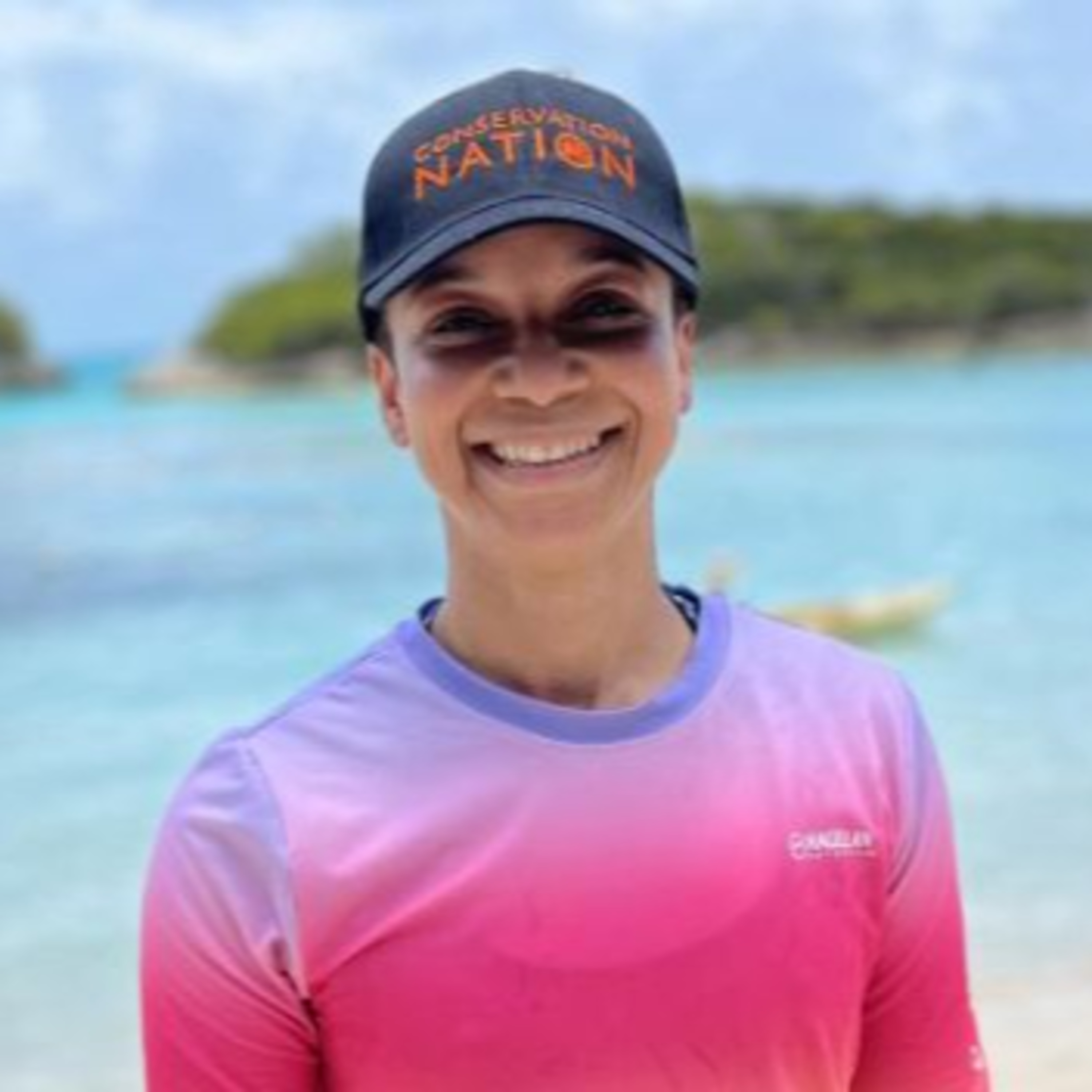 Cultivating a Wild Spark for Conservation with T'Noya Thompson | Born and raised in The Bahamas, T'Noya cultivated a profound affinity for the ocean, which inspired her career trajectory from an early age. She has had the opportunity to volunteer and work with many diverse organizations and communities throughout her 25-year career. Currently, T'Noya is a Ph.D. candidate studying organizational leadership at Southeastern University. Additionally, she owns Wild Spark Consulting, a consulting business dedicated to igniting and cultivating leadership in conservation organizations. Furthermore, she is a Coexistence Fellow with the Cincinnati Zoo & Botanical Garden and a Vermilion Sea Institute and Ecology Project International board member. She serves on the advisory council for A Rocha USA and Ecochallenge.org. Her academic credentials include a Bachelor of Science in Marine Biology and a Master of Arts in Biology from the Global Field Program at Miami University. A few of her favorite things are growing in her faith, spending time with her beautiful family, traveling the world, dancing to good music, and making new friends! | — | ||||||
| 5/24/24 | NASA Space Exploration and Conservation Education with Barbra Sobhani | Barbra Sobhani is the Director of the NASA Colorado Space Grant Program through University of Colorado Boulder and a Masters graduate from Project Dragonfly’s Adanced Inquiry Program through the Denver Zoo. She is an accomplished individual with dozens of publications and presentations on topics such as lunar network sensing and aerospace workforce development. | — | ||||||
| 5/17/24 | Native Plants and Backyard Wildlife with Doug Tallamy (Hosted by Aimee Kemp) | Dr. Doug Tallamy is an entomologist, conservationist, and professor in the Department of Entomology and Wildlife Ecology at the University of Delaware. He has written and co-authored over 140 papers and several books, notably Bringing Nature Home, and he is a founder of Homegrown National Park®, a grassroots call-to-action organization working to regenerate biodiversity and ecosystem function by planting native plants.Check out Aimee's website, created for her Biology in the Age of Technology course, (https://sites.google.com/miamioh.edu/pollinatorark/home) and YouTube channel (https://www.youtube.com/@pollinatorARK) (@pollinatorARK). | — | ||||||
| 5/10/24 | Pollinator Conservation and Urban Ecology with Kevin Matteson (hosted by Aimee Kemp) | This week, Aimee Kemp (AIP WCS) joins as a Guest Host interviewing Dr. Kevin Matteson. We discuss what people can do to promote wildlife in cities and their backyards, especially pollinators. Check out Aimee's website, created for her Biology in the Age of Technology course, (https://sites.google.com/miamioh.edu/pollinatorark/home) and YouTube channel (https://www.youtube.com/@pollinatorARK) (@pollinatorARK).Bee Quest (created by Dr. Kevin Matteson, Project Dragonfly/Miami University)-https://miamioh.edu/cas/graduate-studies/project-dragonfly/professional-development-courses/bee-quest/index.htmlHave an idea or want to contribute to the podcast? Email Kevin Matteson at matteskc@miamioh.edu. | — | ||||||
| 5/3/24 | Conservation Education and Art While Working with the National Park Foundation/Service with Susan Dorsey | Susan Dorsey is a Consultant and Liaison with the National Park Foundation and the National Park Service. In this role, she supports communications and collaborations across organizations to bolster program impact. As an artist and educator, Susan is inspired by the constant iteration, evolution, expansion, overlapping, and layering of systems in the natural world. She is passionate about developing collaborative partnerships, iterative processes, and opportunities for co-creation while maintaining a reflective practice informed by equity research and critical theory. Susan was selected as a 2023 National Geographic grantee, a 2020 Grosvenor Teacher Fellow with Lindblad Expeditions and National Geographic, received the 2019 Eastern Region Museum Educator Art Educator Award, and the 2017 Maryland Museum Art Educator of the Year Award.Publication: View of Sciencing Out, an informal STEM education program in Madagascar: A case-study (j-stem.net)https://www.j-stem.net/index.php/jstem/article/view/147Art Website: Susan J Dorsey Artworkshttps://www.susanjdorseyartworks.com/Susan Jennifer Dorsey | LinkedInhttps://www.linkedin.com/in/susan-jennifer-dorsey | — | ||||||
| 4/19/24 | Conservation and Education with the International Bird Rescue with Angie Trumbo | Angie Trumbo is a Project Dragonfly/Miami GFP graduate student. She is a Conservation and Education Specialist at the International Bird Rescue (IBR). For her work, she responds to oil spills and other wildlife emergencies and contributes to national literacy campaigns, including work in collaboration with Dawn Dish Soap. Angie has traveled extensively in Central and South America and has worked in China. Angie and her husband live in Salt Lake City where they enjoy birding and welcoming foster and guest dogs to their home they call the Hound Hotel. | — | ||||||
| 4/5/24 | 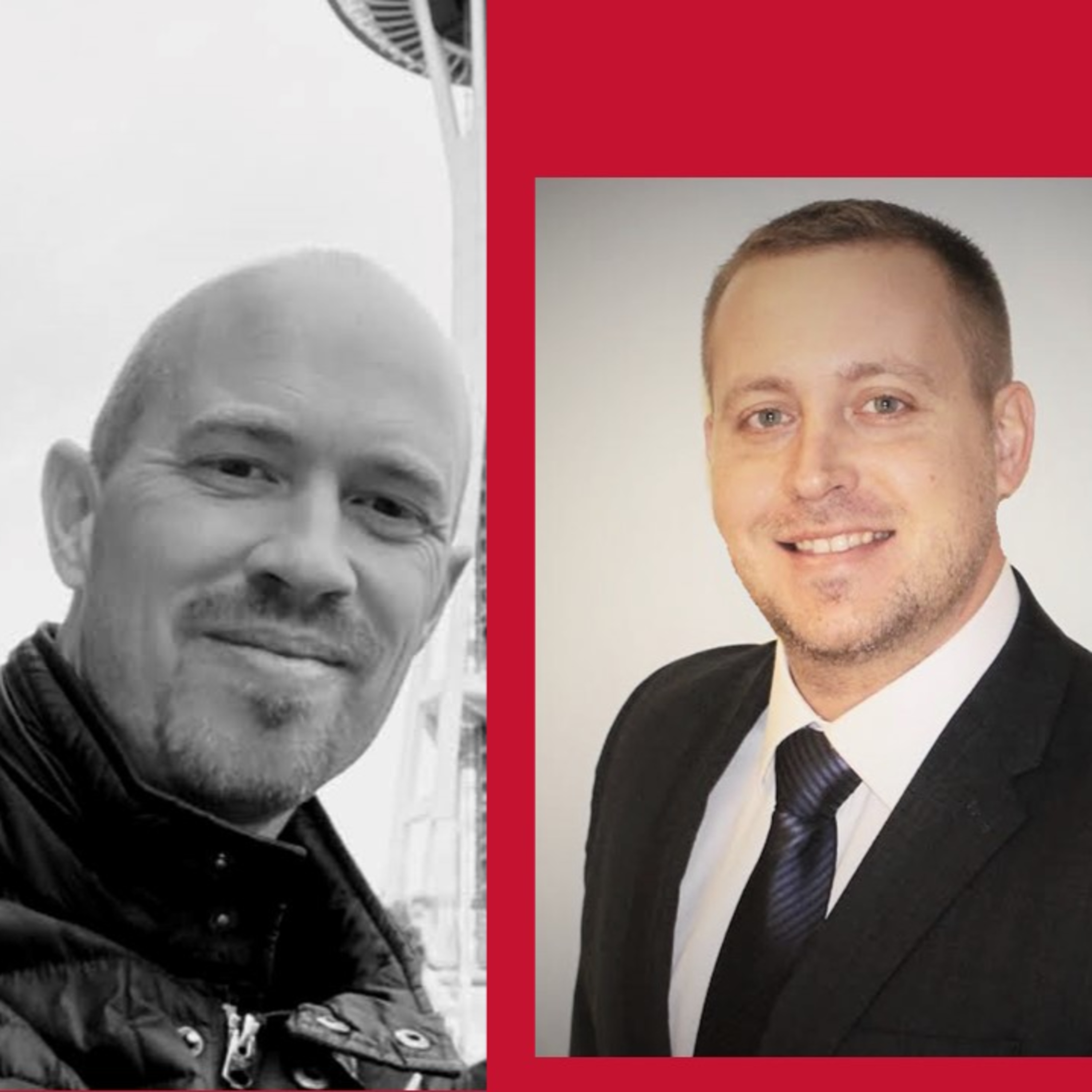 Conservation Leadership at the Turtleback Zoo with Adam Kerins | Adam Kerins is a 2022 graduate of Dragonfly’s Global Field Program who works as the Executive Director of the Turtleback Zoo in New Jersey, one of the fastest-growing zoos in the country. We discuss how he ended up in his role, his favorite Earth Expeditions, leadership, fundraising, and more. In addition to his Master of Arts from Project Dragonfly at Miami University, Adam holds an MBA from Fairleigh Dickinson University. Adam has received an Emerging Leadership award from the Center for Nonprofits, Lead N.J. | — | ||||||
| 3/22/24 | 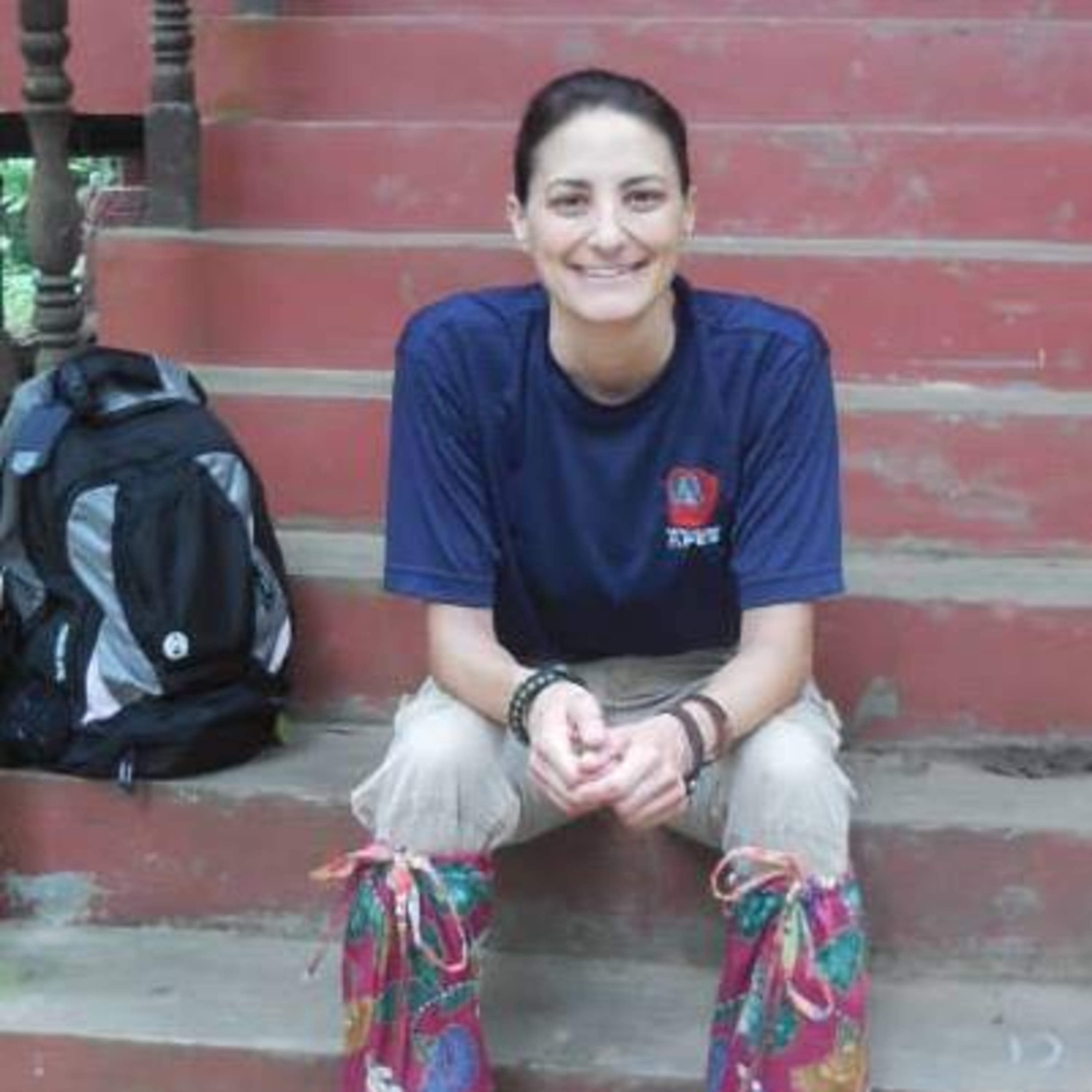 Orangutan Conservation, Career Transitions, and the Chicago Brookfield Zoo with Debbie Clemens | Debbie Clemens is a 2013 graduate of Dragonfly’s Advanced Inquiry Program. She completed her masters’ work through Chicago Zoological Society at Brookfield Zoo, which she identifies as her happy place. Debbie’s Master Plan focuses on orangutan conservation and she strives to educate others about the red apes and raise awareness about the plight of wild orangutans. Following graduation, Debbie took on the role of Sr. Coordinator of the Advanced Inquiry Program at Brookfield Zoo for 4 years. She then dove even further into the world of orangutan conservation and moved on to become the Outreach Coordinator for the U.S. based charity, Orangutan Outreach (www.redapes.org). Her role with the organization includes managing social media, fostering new and existing partnerships, and managing special campaigns and initiatives. Debbie would love to connect with any and all orangutan lovers. She can be reached at deb@redapes.org | — | ||||||
| 3/8/24 | Community Outreach, Engaging with the AZA, and Eastern Indigo Snakes with Trevor Mia | Trevor Mia is a GFP alum who has worked at the Alligator Farm in Florida creating innovative programs to reach the greater St. Johns County and North Florida communities. An avid ocean enthusiast, Trevor enjoys any activity near the water, including but not limited to kayaking, paddle boarding, snorkeling, and diving. Trevor is a lifelong learner whose passion for wildlife conservation spills into his everyday life. In his “spare time” he volunteers with AZA (Association of Zoos and Aquariums) programs as a member of the Conservation Education Committee, Education Advisor to the Eastern Indigo Snake SAFE program, and AZA Course Instructor for the Foundations of Education Course.Show Note Links:● Trevor on First Coast News - https://www.youtube.com/watch?v=WN53D_w5vqs● https://alligatorfarm.com/● Kathayoon Khalils book on “Practical Evaluation for Conservation Education and Outreach: Assessing Impacts & Enhancing Effectiveness”● AZA Professional Development Courses - https://www.aza.org/courses | — | ||||||
| 11/3/23 |  Brookfield Zoo Chicago Grad Education and 15 years of Dragonfly with Agnes Kovacs | Agnes Kovacs is the Senior Manager of Graduate Programs at Brookfield Zoo Chicago. Agnes has decades of educational experience, with her students ranging in age from elementary school groups, to teacher workshops, to graduate learners. As Project Dragonfly and Brookfield Zoo Chicago approach the fifteenth anniversary of the Advanced Inquiry Program, Agnes and Kevin discuss the uniqueness and flexibility of this degree, the guest speakers and field trips she facilitates for her classes, the value of urban rooftop gardens for insect biodiversity, and the real-world impact of students' master plans on conservation and sustainability both locally and globally. | — | ||||||
| 10/20/23 | 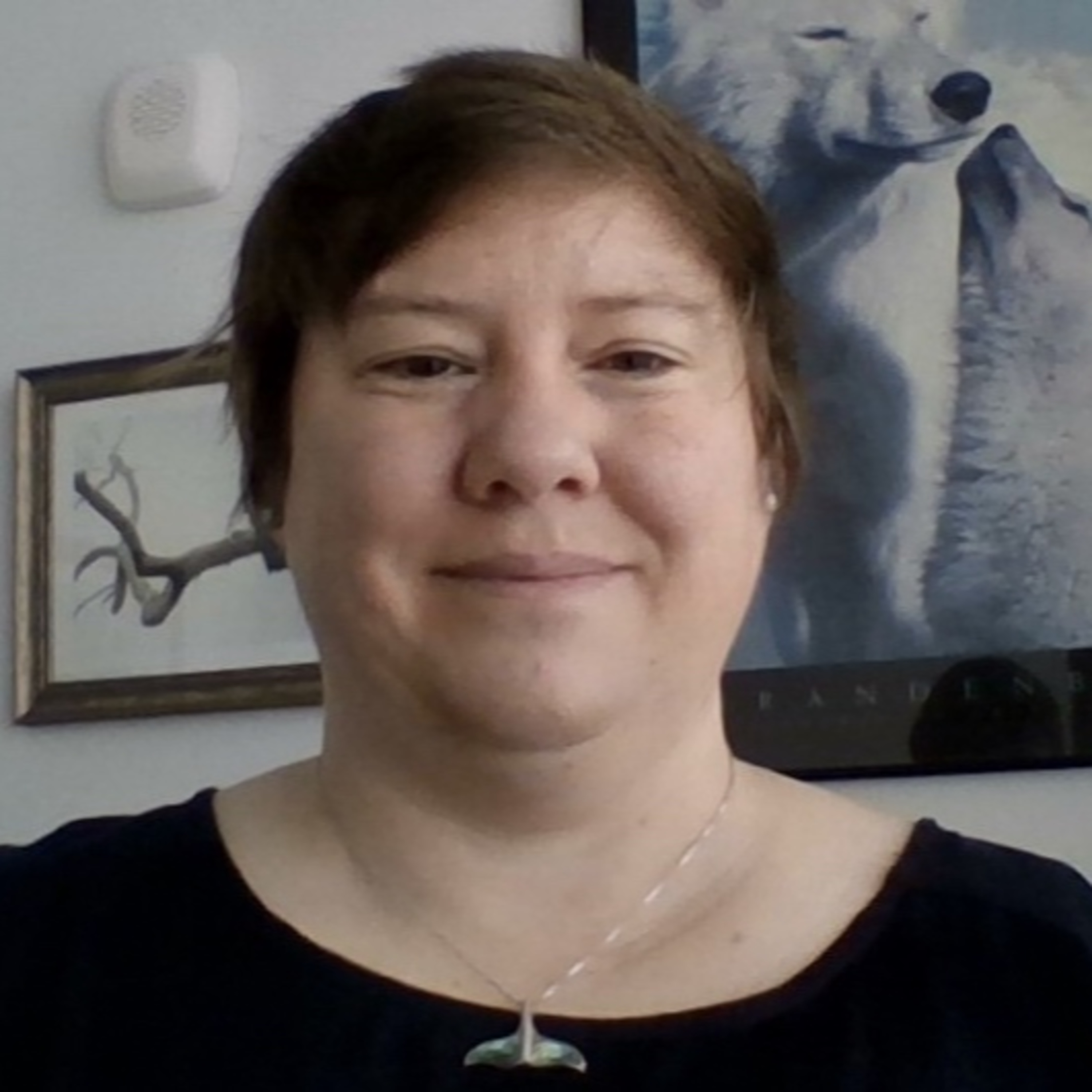 Life as a Teacher, Zookeeper, and Learning Coordinator with Julia Walz | Julia Walz is the Learning Coordinator for the Woodland Park Zoo in Seattle, Washington. Kevin recently visited with Julia and other Woodland Park Zoo staff to discuss regional conservation initiatives in the Northwest and human / predator interactions, including such species as bears, mountain lions, and orcas. In this episode, they explore Julia’s background as a high school science teacher and community college instructor, her experience as animal keeper (primarily working with primates), and her passion for hiking and the great outdoors. | — | ||||||
| 9/15/23 | 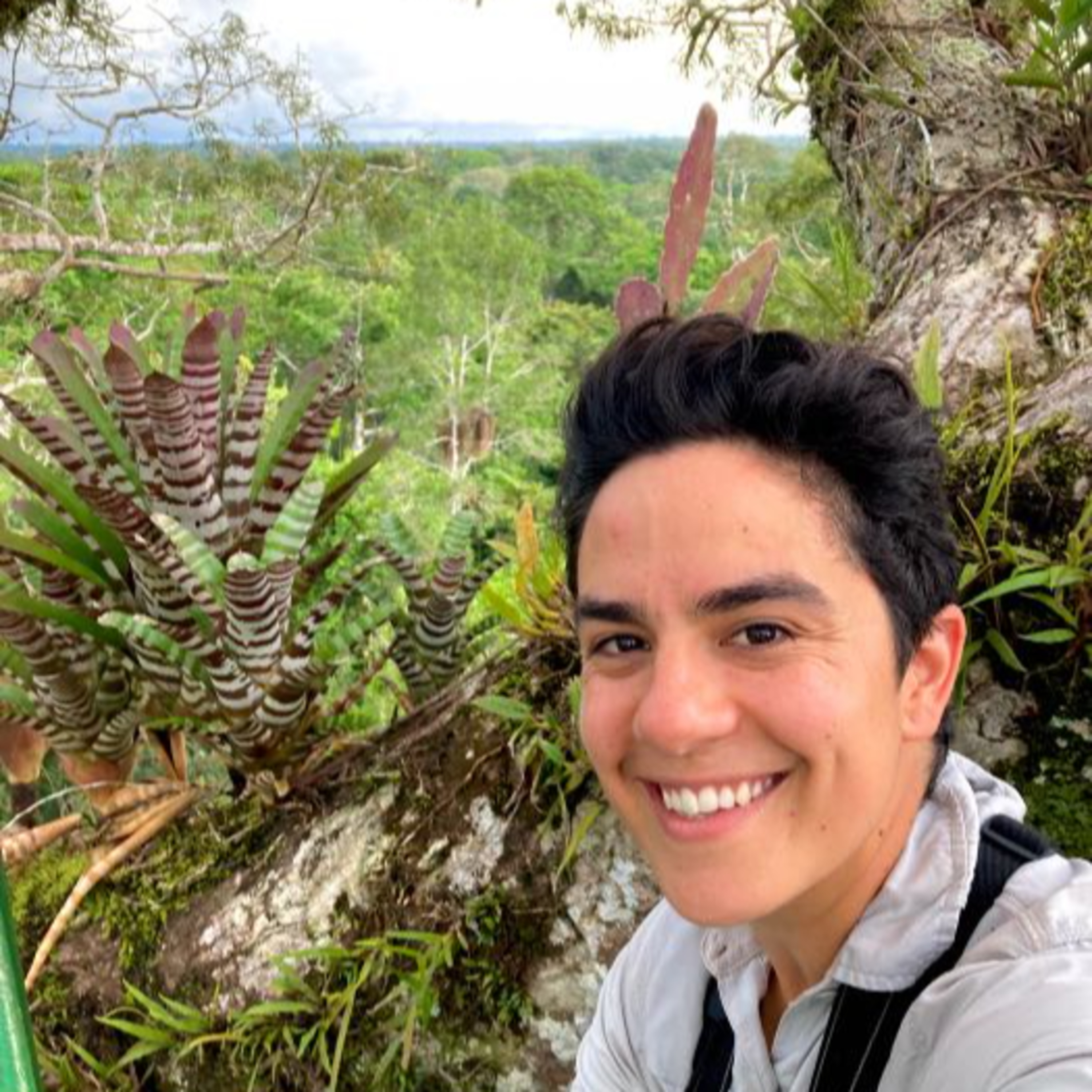 Anthropology, Primatology, and Wooly Monkeys with Laura Abondano | Dr. Laura Abondano is a Visiting Assistant Professor (VAP) with Project Dragonfly at Miami. She’s just wrapping up her first year and is now with Dragonfly working full time as an instructor. Originally from Colombia, Laura is a primatologist and received her PhD at the University of Texas at Austin. A lot is covered in this episode: her excitement over her first Earth Expeditions this past summer, the origins of her interest in anthropology and primatology, and her studies with spider monkeys and woolly monkeys. Laura discusses her research into the sexual behavior of woolly monkeys and how it has led her to question some of Darwin's assumptions about sexual selection as a factor in evolution. | — | ||||||
Showing 25 of 27
Sponsor Intelligence
Sign in to see which brands sponsor this podcast, their ad offers, and promo codes.
Chart Positions
1 placement across 1 market.
Chart Positions
1 placement across 1 market.