Insights from recent episode analysis
Audience Interest
Podcast Focus
Publishing Consistency
Platform Reach
Insights are generated by CastFox AI using publicly available data, episode content, and proprietary models.
Most discussed topics
Brands & references
Total monthly reach
Estimated from 2 chart positions in 2 markets.
By chart position
- 🇨🇦CA · Spirituality#5830K to 100K
- 🇩🇰DK · Spirituality#2710K to 30K
- Per-Episode Audience
Est. listeners per new episode within ~30 days
20K to 65K🎙 ~2x weekly·48 episodes·Last published 2d ago - Monthly Reach
Unique listeners across all episodes (30 days)
40K to 130K🇨🇦77%🇩🇰23% - Active Followers
Loyal subscribers who consistently listen
16K to 52K
Market Insights
Platform Distribution
Reach across major podcast platforms, updated hourly
Total Followers
—
Total Plays
—
Total Reviews
—
* Data sourced directly from platform APIs and aggregated hourly across all major podcast directories.
On the show
From 10 epsHost
Recent guests
Recent episodes
Blowing Your Life Up with Magic with Janie Roberts
Jul 8, 2026
Unknown duration
The Imbas Transmissions with Chaise Levy - Patreon Preview
Jun 24, 2026
Unknown duration
"The Good, the Bad, & the Faery" with Douglas Batchelor
Jun 11, 2026
Unknown duration
Poetry is an Entheogen with Chaise Levy
May 27, 2026
Unknown duration
Magical Camaraderie with CR Sanders and Robert Peter
May 13, 2026
Unknown duration
Social Links & Contact
Official channels & resources
Official Website
Login
RSS Feed
Login
| Date | Episode | Topics | Guests | Brands | Places | Keywords | Sponsor | Length | |
|---|---|---|---|---|---|---|---|---|---|
| 7/8/26 | Blowing Your Life Up with Magic with Janie Roberts | There's a common phrase in Occult circles that often precedes a cautionary tale: "blowing your life up with magic." The story goes something like this: a burgeoning magician, fresh off the armchair, skips a few steps or bites off more than they can chew. Sometimes this neophyte is drawn to a dark current that they aren't prepared for, or catfished by a parasitic entity. What tends to unfold is the practitioner's life unraveling, and often poorly applied magical remedies just dig them deeper into a hole. It's a common enough story that I find it fascinating, and would be lying if I said I didn't have some experiences that might qualify. On the one hand, this trope is plucked straight from the ancient tale "The Sorcerer's Apprentice" and can serve the common fairy-tale function of reinforcing the exoteric societal taboo that magic and the occult are not to be messed with. More interesting to me, though, is when blowing up your life with magic can be conceived of as an initiatory experience. When the spirits or the powers that be may be taking apart your life to build it back better. Is there a way to transition from a disenchanted world to one teeming with magic without undergoing a radical change? I'm so excited to explore this question today with the delightful Janie Roberts. Before that conversation, though, I just want to throw out a quick plug for the Radical Elphame Patreon page. There you will find extended interviews, exclusive essays, a private Discord server, and an entirely Patreon-exclusive podcast that I do with my friend Chaise Levy called The Imbas Transmissions. I've also got a free Substack that I'm particularly proud of, called The Foliate Head, where I have the opportunity to expand on the subjects we explore on this show through a different medium. Over on Substack, I've just released the sixth part of my ongoing essay series on the various theories surrounding the nature of faeries, which explores the relationship between faeries, time travel, and Pulp Fiction. If you like this show, I know you'll love this series. Without further ado, here's my chat with Janie Roberts. SHOW NOTES: Janie's Substack: Wild Horse Circle Janie's IG: @wherearethebigpeople Janie's Links: https://linktr.ee/wildhorsecircle | — | ||||||
| 6/24/26 | The Imbas Transmissions with Chaise Levy - Patreon Preview | Excited to bring you a new Patreon exclusive series I'll be doing with, friend of the pod, Chaise Levy of the Hagstone Podcast. For those who haven't fed the tip jar, the first one is free! We wanted to find a way to expand on some of the conversations we've been having behind the scenes and share them with the kind folks who support our respective Patreon and Substack pages. I think this spin-off show is very much a living thing that will likely grow, evolve, and change. This episode is us jamming on some possible directions it might take. SHOW NOTES: Theme Song: "Move it" by Dunham Chaise's Patreon Chaise's Substack: Inspiration, Move Me Brightly The Hagstone Podcast Outro Song: "Maiden Voyage / Everything In Its Right Place" - Robert Glasper | — | ||||||
| 6/11/26 | "The Good, the Bad, & the Faery" with Douglas Batchelor | Three years ago, Douglas Batchelor of the What Magic is This? podcast released a series that caught my attention. I had been a fan of his show for years and had come to expect his episodes to revolve around magical history, often with an emphasis on the ceremonial and evocatory variety. He called this series A Fistful o' Fairies, and over six episodes, he brought on an assortment of amazing guests to delve into different facets of the various interpretations of "who faeries actually are." As someone with a strange compulsion to explore this liminal realm and its denizens, this was a rare encounter with a podcast that didn't broach "fairies" as a one-off curio but rather gave the vast topic the searching consideration it demands. I loved this series, and after it ended, I asked myself, "What if that series spun off into an entire podcast?" Within a matter of months, Radical Elphame was born. In light of the monumental influence Douglas had on the inception of this show, it was a true honor to chat with him and explore what inspired him to go down the faerie rabbit hole in the first place, and where it has continued to lead him today. SHOW NOTES: What Magic is This? Podcast Douglas' Patreon Douglas' Website | — | ||||||
| 5/27/26 | Poetry is an Entheogen with Chaise Levy | Before I was a Witch, I was a cinephile. When I was younger, I subscribed to the "Auteur Theory" of film appreciation, which posits that the best movies are essentially a masterful reflection of a god's eye view, and that in the case of cinema, the director is god. The Auteur Theory of the director doesn't describe a dreamer or a collaborator, but a visionary master of their medium, who, prior to shooting, has already meticulously perfected their next film in their head. To the Auteur, the sets, actors, and film stock are all uncarved blocks for them to impress their vision upon. Interestingly, though, I don't think many of the great directors of the last century actually experienced filmmaking this way. I think the Auteur Theory is a story created by film critics living in an era dominated by the ontology of scientific materialism, trying to find a way to classify this new art form in ways that conform to these limited beliefs. If there is a poster child for the masterful Auteur, it has to be Stanley Kubrick. There's an entire feature-length documentary formed out of a collection of wild theories about the "hidden meanings" encoded in Kubrick's adaptation of The Shining, all of which hinge on the shared belief that he was such a meticulous genius that any odd or out-of-place props or unrealistic set geography must have been intentional clues to a mysterious puzzle that only they could solve. A common example of Kubrick's perfectionism was the often torturous number of takes he would demand of his actors, even for what seemed like less significant moments in the story. The presumption being that Kubrick needed so many takes to ensure he had captured his unshakable vision. In just the past few years, deep dives into Kubrick's creative process, through rare interviews with his closest collaborators, have burst this obsessive-genius bubble. His reputation for excessive takes, it turned out, was not an attempt to crystallize his inner vision, but rather giving the scene enough space for something he couldn't have scripted to manifest, no matter how long it took. This same porous approach to storytelling is why his film Dr. Strangelove went from being an existential thriller to a black comedy midway through development. After trying earnestly to adapt the novel Red Alert for months with its author, Peter George, at a certain point, they couldn't ignore the inherent absurdity of nuclear deterrence and mutually assured destruction, and just leaned into it, or learned to "stop worrying and love the bomb" as it were. A comedy "masterpiece" was born, completely by accident. Essentially, Kubrick was always just trying to "catch the big fish," as David Lynch would say, but he had such a difficult time doing it that his method became misconstrued as genius. Although certainly an "Auteur" in his own right, David Lynch never conformed to the Auteur Theory's conception of a master over his craft. Lynch unapologetically rejected "explaining" his often confounding films, to the ire of critics, not because he had ingeniously encoded them like a puzzle for the viewer to solve, but because his films were designed as thresholds for the viewer to cross and experience on an individual level. To Lynch, the meaning of his films was intentionally subjective, circumventing the intellectual interrogation of the critic, who usually seeks to explain and "rate" the work, à la the scientific materialist paradigm. To some, this made Lynch less of a "master" of his craft and more of a madman with a budget. It's this same use of art and imagination as a threshold state to engage with "The Other" that Chaise Levy sees in the works of William Blake and the Romantic movement he would go on to inspire. How might we see Blakean "Double Vision" as a form of seership? What can Romanticism teach us about animism? Chaise is here to tell us. SHOW NOTES: Join the Patreon! The Coven of Wider Inclusion Inspiration, Move Me Brightly Substack: Substack Chaise's Website: chaiselevy.com The Hagstone Podcast: Spotify Link Chaise's Instagram: @telluric_tounges Aidan Wachter's After the Fall: A Black Book Working | — | ||||||
| 5/13/26 | Magical Camaraderie with CR Sanders and Robert Peter | The inner experience of magic – the knowledge and gnosis gleaned from somatic responses and inner-eye eruptions – is a feature, not a bug, of engaging with these practices. When magic can be experienced fully, without doubt, it tends to draw us in and lead us to seek even deeper. The mystical applications of magic are a large part of what drew me to it in the first place. The utility of practical magic is important, sometimes even vital, but once your roads are open, your luck is drawn, and your boundaries are set, then these tools can help us ask the bigger questions. Sometimes, this inner exploration can draw practitioners into the hermitage or wizard's tower, and even lead them to retreat from life. Once you've plowed the depths of your shadow or returned from your katabsis or grounded from your celestial ascent, what are you to do with the boons of this experience? Hopefully, lead a richer and more fulfilling life. Today's show is a little different than usual. Rather than an interview with a magical expert or a deep dive into a tradition or technique, today, I enjoy the chance to catch up with some friends and let them regale us with all the ways magic can be used to have fun, to seek out some adventure, and foster new friendships. CR and Robert tell us about their chance encounter in the UK, the magical shenanigans they got up to, and CR describes how those same magical currents and spiritual support systems can also guide us through the trials of loss and grief. I thought it would be fun to share this chat with you all. It's very casual, but also heartening, and at times truly poignant. SHOW NOTES: C.R.'s Website: https://lalanomicon.com/ Alien Encounters: Fact or Fiction: HBO MAX IG: @misterxofer No Hand Path: Robert's Substack IG: @robertpeterservices | — | ||||||
| 4/30/26 | Reflection and Inversion in the Faery Courts with Morgan Daimler✨ | Faery Courtspolitical structures+4 | Morgan Daimler | The Fairy Courts | USEarly Modern Scotland | Faerymonarchy+6 | — | 1h 18m 09s | |
| 4/15/26 | The Cunning Farmer with Todd Elliott✨ | agriculturefolk magic+3 | Todd Elliott | Old Farmer's AlmanacNew Age+1 | — | Old Farmer's Almanacagricultural folk magic+3 | — | 1h 18m 28s | |
| 4/1/26 | Set Fire to the Construct with Anthony Miller and Sinéad Whelehan✨ | UFOsUAPs+3 | Anthony MillerSinéad Whelehan | — | — | UFOsUAPs+5 | — | 1h 21m 12s | |
| 3/18/26 | Heathenry in Diaspora with Robert L. Schreiwer, Michelle A. Jones, and Stacey Lynne Stewart✨ | HeathenryDiaspora+5 | Robert L. SchreiwerMichelle A. Jones+1 | Urglaawe.orgUrglaawe+3 | — | HeathenryDiaspora+8 | — | 1h 15m 38s | |
| 3/4/26 | The Fetch of the Land with Elyse Welles✨ | nature spiritsoccult+4 | Elyse Welles | Sacred Wild | — | nature spiritsoccult+6 | — | 1h 07m 53s | |
Want analysis for the episodes below?Free for Pro Submit a request, we'll have your selected episodes analyzed within an hour. Free, at no cost to you, for Pro users. | |||||||||
| 2/18/26 | The Mall is the New Crossroads with Celeste Mott✨ | paranormal investigationdocumentary analysis+3 | Celeste Mott | Hellier | — | Hellierparanormal+3 | — | 1h 08m 22s | |
| 2/4/26 | The Home Cultus with Briar✨ | unverified person gnosisspirituality+3 | Briar | ChristianityOld Testament+1 | — | UPGspirituality+3 | — | 1h 02m 56s | |
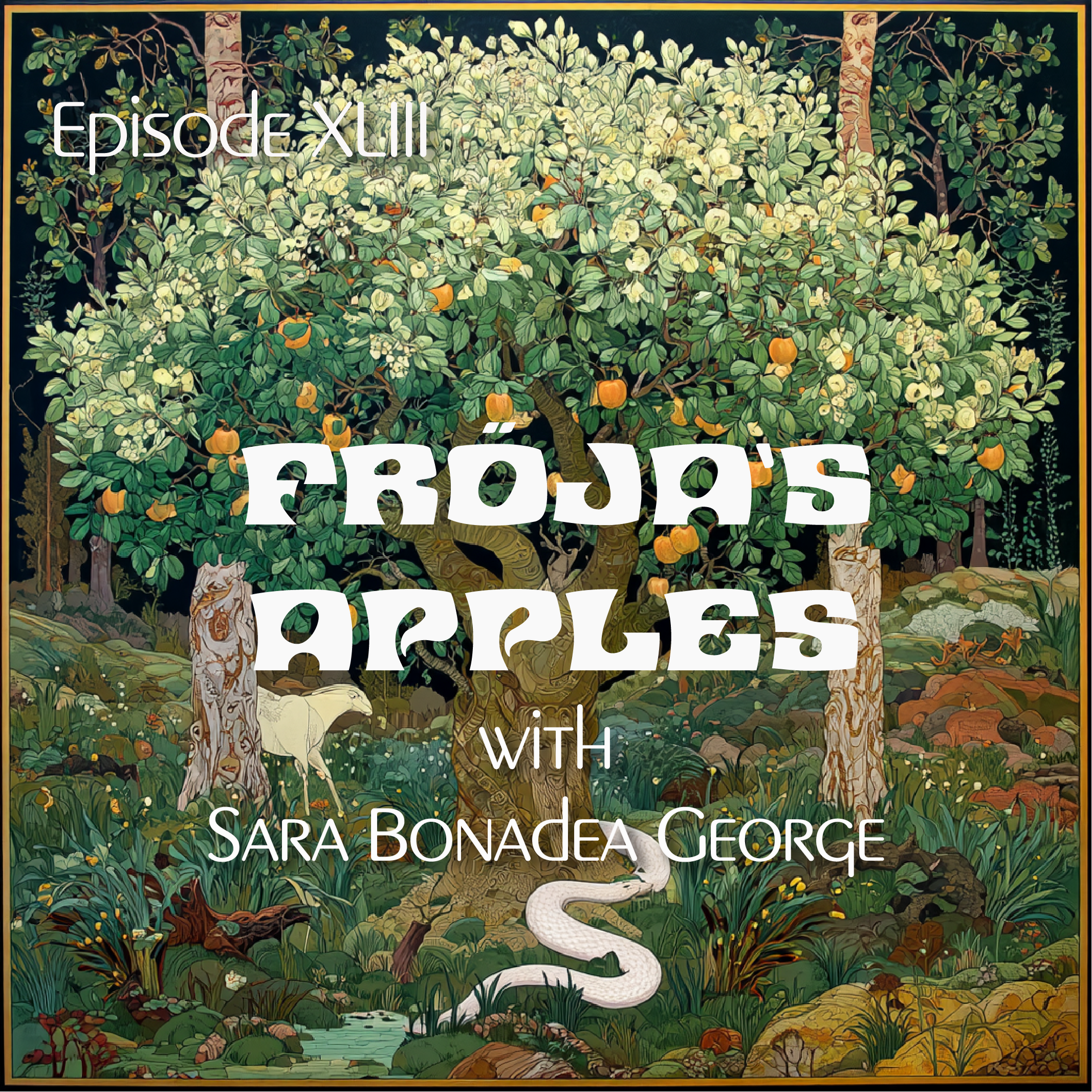
| 1/21/26 | Fröja's Apples with Sara Bonadea George✨ | folkloremythology+5 | Sara Bonadea George | Fröja's ApplesFlowers of Blood | — | Fröjanature spirit+8 | — | 53m 50s | |
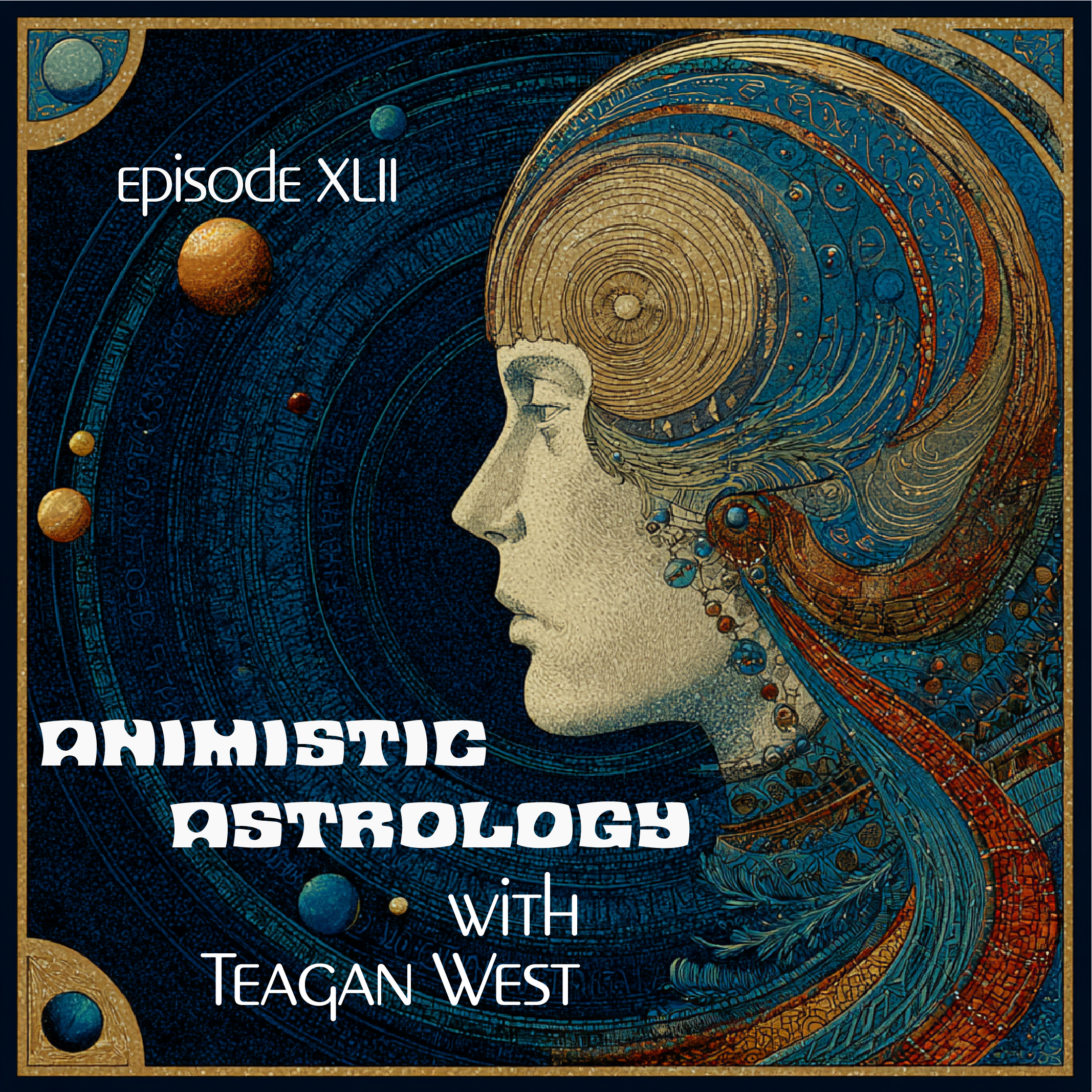
| 1/7/26 | Animistic Astrology with Teagan West✨ | astrologyself-reflection+4 | Teagan West | Hellenic astrologyelectional astrology | — | astrologyself-care+5 | — | 1h 02m 45s | |
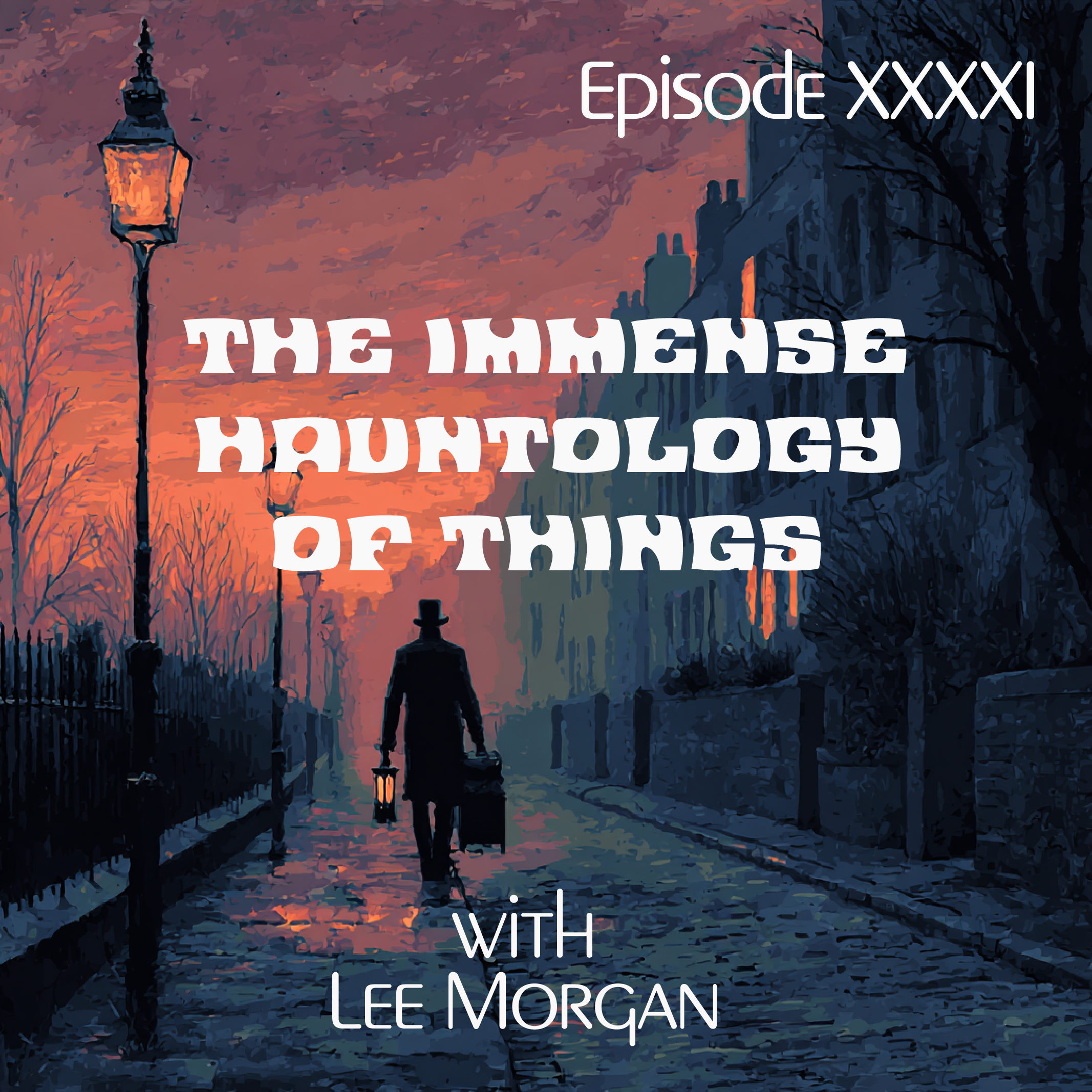
| 12/24/25 | The Immense Hauntology of Things with Lee Morgan✨ | Witchcraftoccult+4 | Lee Morgan | Chaos MagicWitchTok+2 | — | Witchcraftoccult+5 | — | 59m 58s | |
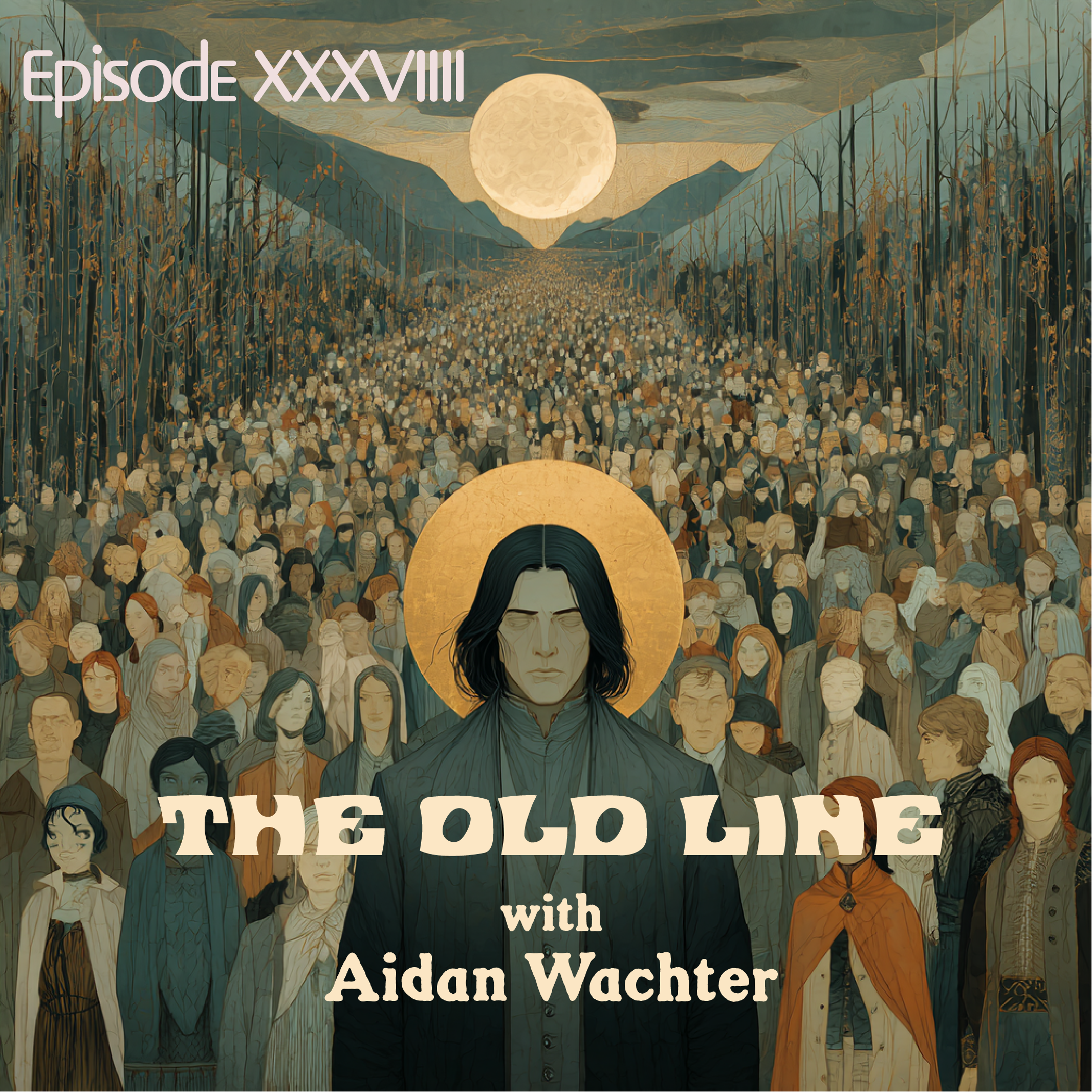
| 12/10/25 | The Old Line with Aidan Wachter | When you look at the oldest and most intact spiritualities around the world, you will find that, at the center of their practice, is ancestral veneration. For many of us who were raised in less intact spiritualities and in cultures with a tendency to mold prevailing religions to the will of Empire, venerating our ancestors can feel complicated, to say the least. The same cultures that tend to mold religions to the will of Empire, also have a habit of tainting our ancestral line. It doesn't take long tracing back the family trees of many of us to run into the stains and wounds of colonialism, racism, and patriarchy. I think for many of us in this situation, not interested in inviting these influences into our spiritual lives, it's easy to feel like ancestor veneration just "isn't for us." Aidan Wachter is one of my favorite thinkers on the subject of sitting with the trouble of working with ancestors, and the actionable techniques they've developed to productively navigate these practices are unrivaled, in my opinion. On top of offering unique methods to heal and remediate more negative aspects of our ancestral lines, Aidan also has another very interesting solution for those of us who might face this spiritual conundrum in our own practice. Aidan has a name for the ancestors that come to us from the deep and distant past, and whose insights and motivations seem to bypass much of the taint of Empire. Aidan calls them the "Old Lines," and they are regularly explored on their invaluable Patreon platform as well as the focus of their upcoming book: Spirit & Stone: Animism and the Old Lines. In our chat today, Aidan and I go deep into the Old Lines, considering how this kind of ancestor work is unique from what we typically encounter when exploring the subject, and also how we might begin working with spirits from the Old Line that come to us with no ancestral ties. Speaking of "invaluable Patreon platforms," I probably don't plug mine enough, but to hear my extended conversation with Aidan, you can find it and many other additional bonus interviews on our Raidcal Elphame Patreon page. In my bonus chat with Aidan, we dive into a fascinating new area of focus for them that they're still exploring and unraveling. I can't recommend it enough. SHOW NOTES: Aidan's Website: aidanwachter.com Aidan's Patreon: https://www.patreon.com/aidanwachter Aidan's upcoming conference appearances: Between-the-Worlds | — | ||||||
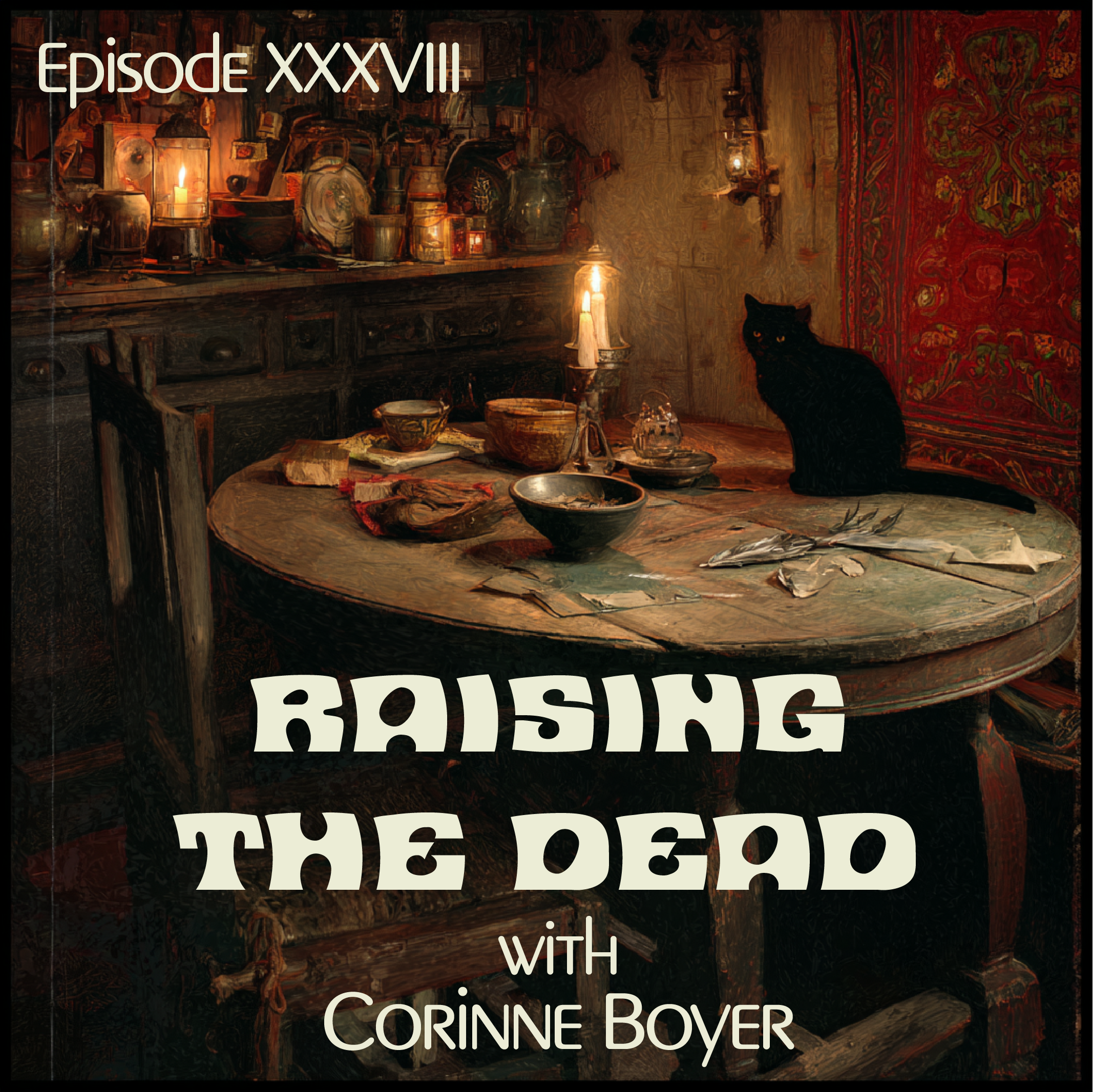
| 11/26/25 | Raising the Dead with Corinne Boyer | Folk magic has a powerful pull. It can express complex metaphysical ideas that, for most of us practicing today, had once felt like the purview of the "New Age." Magical ideas that once seemed fantastical, through the lens of folk magic, can suddenly feel earthy and vital. Techniques that once felt silly can begin to feel ancestral. The source texts go from channeled writings, to myths and folktales, and academic papers. There's an artistry and intelligence grouped in with modern-day practitioners of folk magic that give the disenchanted "Western" mind permission to think differently. Coupled with the aesthetic power and the engrossing scholarship inherent in the modern-day study of folk magic, can sometimes be a cold distance and a whiff of a larp. Can the practices of people alive during the Witch Trials, people who might scry entrails, or bleed their cattle on fairy hills to propiciate the Good Neighbors, ever truly be unlocked for a person in a contemporary world so removed from this archaic way of life? Even as someone with a podcast that focuses on folk magic, I often feel like there can be something missing in translation when I encounter many of these antiquated and esoteric beliefs and practices, especially when sifted through and untangled from primary sources. I am extremely lucky to have just returned from an intensive workshop with Corinne Boyer in Washington State. There are many great things I can say about studying under Corinne, but paramount for me is how alive she can make the folkloric practices and beliefs, which in less capable hands might feel like mere relics or curios. Rooted in her deep study of the folk beliefs surrounding plants, trees, the dead, and wider metaphysics, Corinne has that rare ability to re-enchant and unlock a worldview and way of life that otherwise may have vanished completely. Corinne's almost playful willingness to test drive and experiment with the folkways of our ancestors felt like it summoned them to the room and made them feel at home and welcomed in our world. SHOW NOTES: Sign up for Classes with Corinne: Maple Mist Wood Corinne's Bibliography: Books IG: @maplemistwood | — | ||||||
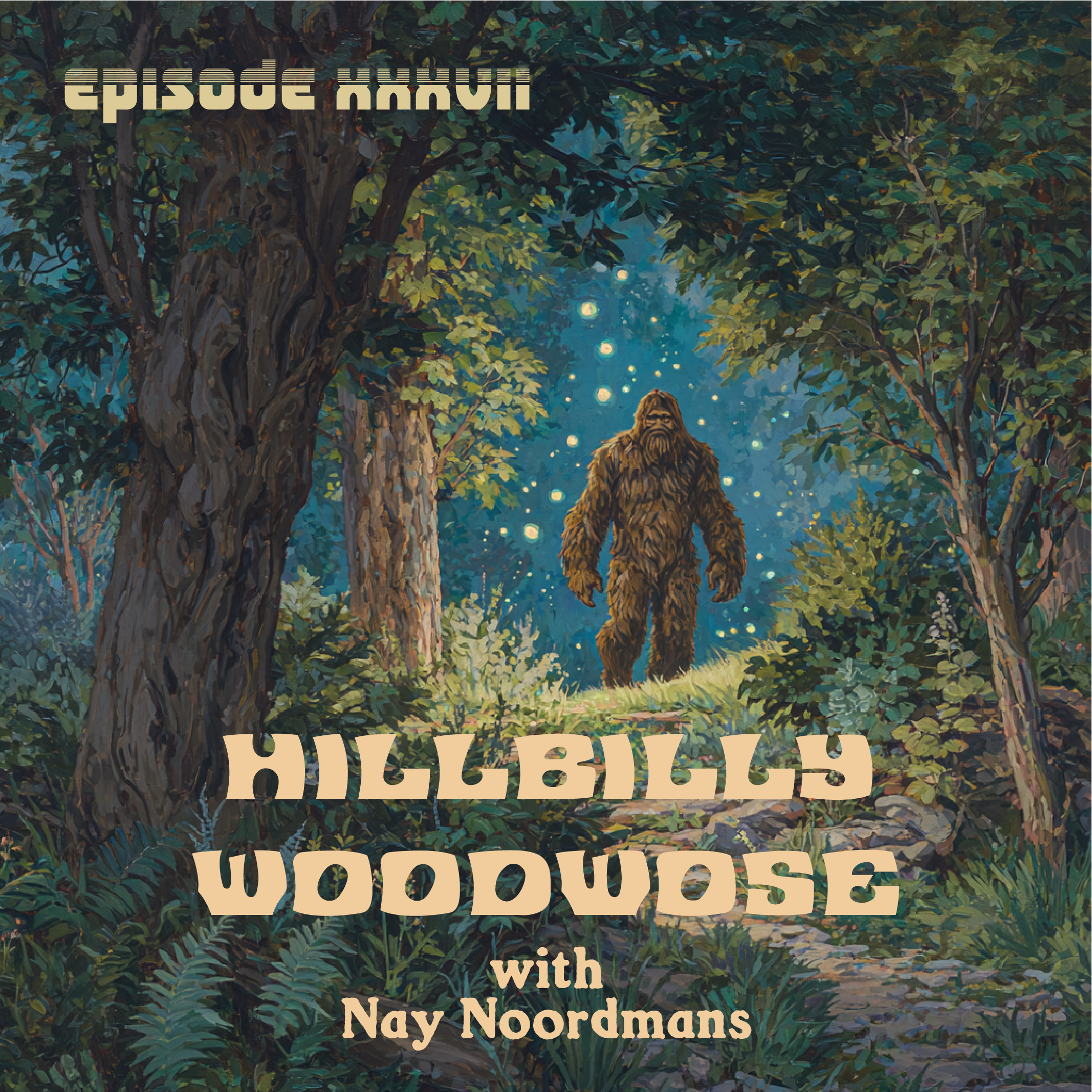
| 11/14/25 | Hillbilly Woodwose with Nay Noordmans | They're on bumper stickers, they're on bags of jerky, they're on bars of soap, and if you're not seeing an ancient alien on the History Channel, you're almost certainly seeing someone searching for them in the woods. Big Foot, Sasquatch, Oh Mah, Sunk Ape – they go by many names, and are spotted throughout North America, and beyond. For some, they are a myth; for some, a monster; and for the rest, a mascot. The loudest amongst their fans will tell you they are a flesh and blood relic hominid, and describe their migration patterns, their use of infrasound to evade capture, and, of course, their pendulous breasts. So what, then, does "Big Foot" have to do with the mythic Woodwose of European folklore? The sometimes therianthropic wild man you find in the art and literature of Medieval Europe, and sometimes even in the hagiographies of Saints. What could this mysterious European archetype have in common with America's most popular cryptid? The real question may be, what don't they have in common? Both Bigfoot and the Woodwose exist as symbols of the uncivilized natural world, its dangers, and the faint familiarity with a time in the distant past when this was also our home. Both display supernatural-seeming abilities. Both challenge us and inspire us. Both have no hard scientific evidence of existing. The callous skeptic would conclude that this comparison perfectly illustrates why belief in Bigfoot is absurd. To the Occultist, the Animist, the Magician, however, such clear deliniations between reality and fantasy are never to be trusted. What the skeptic forgets are the beliefs of the native inhabitants of Turtle Island, who all speak of these creatures in the same breath as bears, deer, and coyotes. To Indigenous People of this land, creatures that we now call Bigfoot are very real, and they also have more in common with nature spirits than gorillas. Nay Noodmans gave a fantastic presentation at this year's Salem Witchcraft and Folklore Festival, exploring all of these ideas and many more. I'm so excited to have her back on the show to chat about the history of the Woodwose, how the Magician should reconsider Bigfoot, and of course we make time to swap personal stories about life in Far Northern California's Bigfoot Country. SHOW NOTES: House of Gnomi: https://www.instagram.com/houseofgnomi/ Nay's Links: https://linktr.ee/houseofgnomi Salem Witchcraft & Folklore Festival: Salemwitchfest | — | ||||||
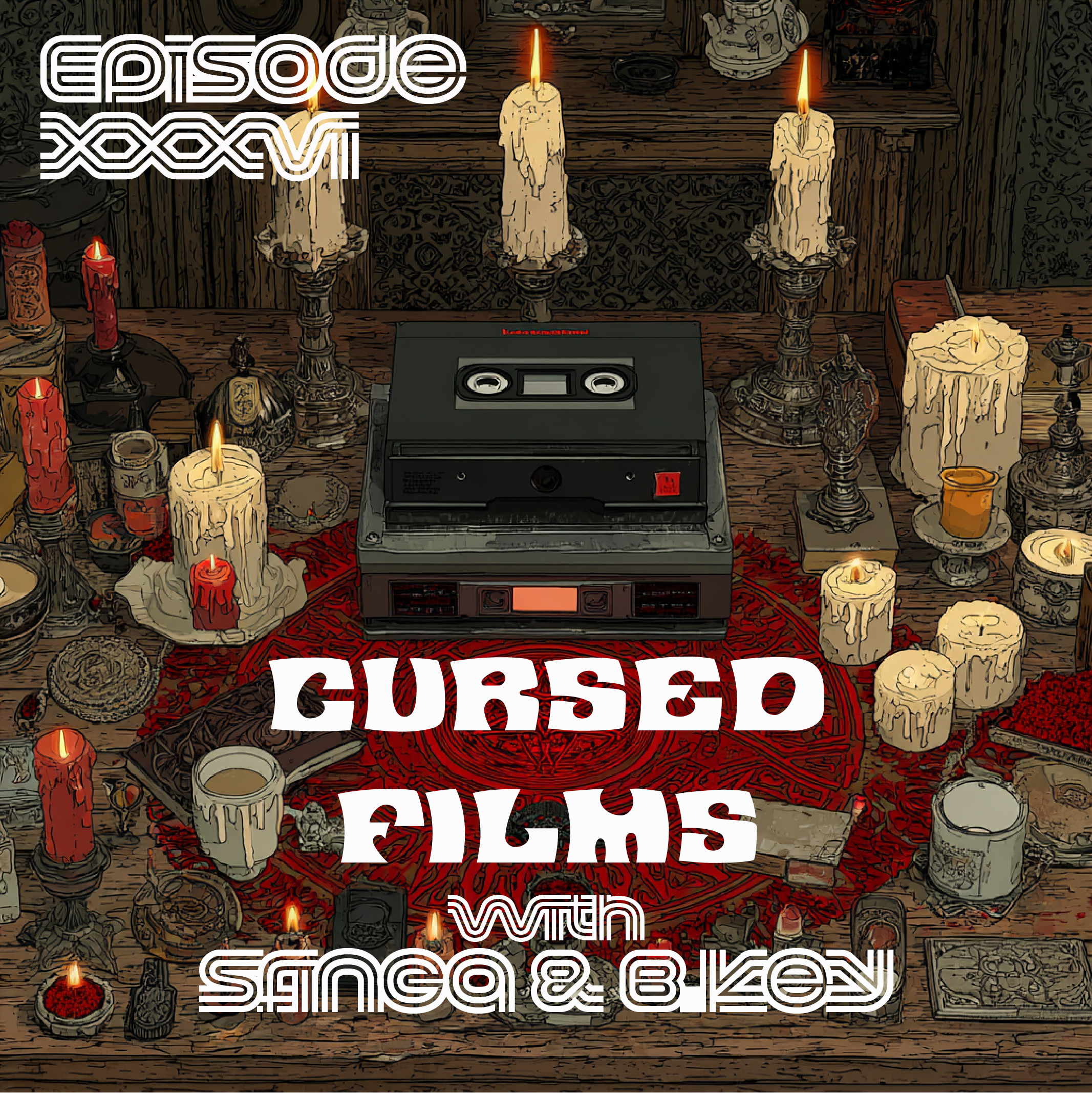
| 10/31/25 | Cursed Films with Sfinga & B. Key | What is it that draws occultists to horror films, when by in large, the history of horror cinema is essentially anti-occult propaganda? Despite what can seem like a counterintuitive interest on the part of practitioners, the fact remains that the horror genre is the last bastion of regular engagement with the spirit world left in contemporary media, and therefore a natural draw for people who see the spiritual as fundamental to everyday life. Another consideration is the cathartic embrace of the shadow on display in horror, and often staring death right in the face. Both things our culture in the West tries to aggressively sterilize out of how we do life, but that practitioners know we can't escape. In the spirit of the spooky season, I wanted to take a closer look at the horror film, and in particular, our relationship to it as people who make magic and dabble in the occult. And what is scarier than a horror film? A cursed horror film! To navigate the complex metaphysics that might be lurking behind the legends of these supposedly cursed films, and to try to understand what makes a curse in the first place, I knew I had to have on B. Key and Sfinga from the essential The Frightful Howls You May Hear podcast and With Cunning & Command blog. Sfinga and Key bring to the show a wide-ranging perspective on why horror films matter so much to the magical folks of the world, and how the nature of curses that can take hold in any part of life can easily find a home in the media we produce. Join the Patreon for an even deeper dive into the nature of cursed media, and some tips for how one might go about making a cursed film … if they so desired. SHOW NOTES: Sfinga and Key's website: With Cunning and Command Website Sfinga and Key's Podcast: The Frightful Howls You May Hear Sfinga's IG: Dragoncunning B. Key's IG: Barnowl.key | — | ||||||
| 10/22/25 | The Black Book of Norah Fornario - an Audio Essay | I had to reschedule an interview for the first half of this month, but I didn't want to leave you hanging this week, so I recorded an essay I put out on our Foliate Head Substack recently for your listening pleasure. Nora Fornario has always been a deep fascination of mine, whom I find to be misunderstood and often explored in ways that ignore her most interesting aspects in favor of a more lurid true-crime bent. This essay is less focused on the infamous death of Nora Fornario, but rather a deep dive into what we can speculate about her own ideas and magical practice. The TL;DR is Witchcraft. Back to the regularly scheduled program next week. SHOW NOTES: Check out our Substack Here: The Foliate Head | — | ||||||
| 10/1/25 | 28 Moons Later with J.M. Hamade | When we think about the Otherworld, we tend to do so from the perspective of this world. What is this hidden world that seems to operate so differently from our own? Who are the beings who dwell there, and what do they want with us? In J. M. Hamade's fascinating book, Procession of the Night Theater, they explore the "night side" of astrology, offering a poetic vision of the Lunar Stations, not to be defined or calculated so much as dreamed with. It's this study of the nocturnal side of things, the hidden side of things, that not only eloquently elucidates the ancient art of working with the Lunar Mansions but also weaves expertly into the tapestry of J's many other occult and appropriately "otherworldly" interests. The lunar stations – and working with them to divine or make talismans (or even just pair with horror movies) – opens the practitioner up to considering how understanding both "daytime" and "nighttime" approaches to magic and astrology can teach us about the visible and hidden (the exoteric and esoteric) aspects of ourselves, the world, and what is beyond. As J points out in our conversation, the Muslim name for those who dwell in the Otherworld is Jinn, which translates to being hidden, and also in something of a state of change or flux. Furthermore, J mentions a fascinating hot take from the 13th century Sufi Mystic Ibn Arabi, who interpreted humans and Djinn as exoteric and esoteric counterparts to one another. When we take a cross cultural view of being like the Jinn – the Aos-Sidhe of the Gaels, the Elves of the Norse, the Víla of the Balkans, the Lamiak of the Basque (just to name a few) – it's fascinating to notice how as these cultures transition to more structured monotheistic cosmologies, their perspective on these "esoteric" beings becomes increasingly antagonistic. I would be remiss to try to whitewash or philosophically domesticate these beings of the Otherworld. I could hardly imagine a less morally delineated dimesion, similar to how nothing about ourselves is ever really "black or white." But if doing this show has taught me anything, it's that understanding this realm, if not working with it directly, is still a meaningful pursuit. When you examine groups on the fringes of these monotheistic religions and cultures, that exist within this larger cosmology but navigate it differently, you often encounter spiritual relics from the dinstant past. Sects and like the Zār of North East Africa, the Šojmanka of Eastern Serbia, and religions such as Quimbanda in Brazil, all incorporate trance possession by beings that would be considered Jinn in the wider Middle East. What are we to make of this vastly different view both of these beings, and why and how one might engage with them? J's books and insights have had a deep impact on how I consider big questions like these, and helped to shape many of my own ideas about what we can really know about the Otherworld and its role in this world. SHOW NOTES: J's Patreon: astarnightdwell J's Podcast: A Starnight Dwell J's Book on the Lunar Stations: Procession of the Night Theatre | — | ||||||
| 9/9/25 | Magical Community IRL with Austin Fuller + Chaise Levy | After years of thinking that the only path for building a community around the fringe pursuits of witchcraft, folk magic, or the occult were relegated to the grace of internet, two friends in vastly different parts of the country have boldly presented a proof of concept for big tent approaches to "in real life" magical communities that are fostering a inspirational alternative to more dogmatic and mainstream spiritual destinations. Austin Fuller started Occulture Tampa as a home for Witches, Occultists, and Seekers, hosted at a beloved taxidermy and oddities shop in the vibrant Ybor District in Tampa, Florida. Chaise Levy is a founding member of Animist West County, seeking to build a community around the multifaceted concept of animism in the North Bay Area of California. I wanted to bring Austin and Chaise together for a conversation about the importance of building "in real life" magical communities during these interesting times we're living through. They share their inspirations, describe the challenges of starting and maintaining these groups, and talk about the biggest surprises and rewards along the way. On a similar note, in the spirit of hoping to foster more magical community, after a year and a half of producing Radical Elphame, I'm starting a Patreon. Follow the link in the episode description bio for an extra hour of conversation with Austin and Chaise, and join The Coven of Wider Inclusion: my own "big tent" approach to a magical community, ripe for exploration, experimentation, and co-creation. If you appreciate the work we're doing on Radical Elphame and want to see it not only continue, but grow and develop, we would deeply appreciate your patronage. Along the way, we hope to not only foster a deeper connection with our audience, but rather to thin the veil between the project's creation and consumption. Come for the show you love, and stay for the bonus episodes, audio essays, experimental group rituals, horror movie nights, and more. SHOW NOTES: Join the Patreon! The Coven of Wider Inclusion Chaise's Website: chaiselevy.com Northern Spirit House Podcast: Spotify Link Northern Spirit House Substack: Substack Chaise's Instagram: @telluric_tounges Southern Bramble Podcast: Spotify Link Austin's Site: https://www.banexbramble.com/ Austin's Links: https://linktr.ee/Banexbramble | — | ||||||
| 8/29/25 | Alpine Witchery with Christian Brunner | When it comes to exploring animism and the magic of and with place, I like to borrow a term from the world of wine: terroir. Terroir is generally understood in the wine world as the sense of place – soil, geography, seasonality, and even culture – that can be expressed in a glass of wine. When it comes to "magical terroir," we are referring to how all of those same factors develop into unique and co-creative spiritual practices. There are many unique features to the land I'm living on that converge to form a magical sense of place. A crow's fly away from Mount Shasta, I live in the middle of a rain shadow that divides the region into dense mountainous forests and desolate prairielands. Although abused and unforgivably wounded, the native tribes of the region are deeply present with strength and resilience. The Shasta, Karuk, Wintu, and Modoc are very much alive, telling stories and carrying traditions that were co-created with this place over millennia. Although Mount Shasta is more often thought of as a UFO hotspot, it was also arguably the birthplace of Neo-Paganism in the United States on May Day in 1915, when the self-proclaimed Druid, Ella Young, brought the notion of the "wheel of the year" along with other Celtic Revival reconstructions with her from her native Ireland to her newly founded Fellowship of Shasta. An hour to the North and fifteen years later, in Ashland, OR, Victor Anderson (who co-founded the uniquely American Traditional Witchcraft Tradition called Feri) was initiated into a secretive group called the Harpy Coven, which would profoundly influence the foundation of his own order. Zooming in on my personal home, backyard, and the bioregion it is situated in, reveals the distinct influence of an alpine terroir. We live in a valley on the edge of a forest of cedar, fir, pine, and maple. Jutting 5,000 feet above us are the Marble Mountains, which are some of the last to give off snowmelt each year that flow into – sometimes rugged and sometimes bucolic – creeks and streams that eventually feed the Klammath River Basin. In the darkest months of winter, the snow lingers in our valley sometimes weeks longer than in the neighboring valley just twenty minutes away. The summer begins with morels and wild dogwoods in bloom, and gives way to a foraging season of Elder flowers and Elder berries, feverfew, mugwort, blackberries, and rum cherries. All this is to say that my magic is deeply influenced by this alpine land and the spirits that inhabit it. One of my favorite magical rabbit holes is looking into the folk magic practices of other Alpine cultures to find ideas and inspiration that I can fold into the mystical soup of these California Alps. Christian Brunner has made it a personal project to translate and collate the magical terroir of the European Alps and share it with the rest of the world. In his new book, Alpine Witchery, Christian dives deep into the witch trial records of the Alps – which he translated himself – to mine for the lore, ritual, and spirituality that paints a fascinating picture of the folk magic of its day, and possibly exposes elements of the survival of an even older and deeper Alpine magical terroir to explore. SHOW NOTES: Get the book: Alpine Witchery Christian's Website: Services and Author Page Christian's IG: @christianfbrunner_author | — | ||||||
| 8/8/25 | Here for Heresy with Joanna Tarnawska | One of my key takeaways from the conversation I had with Joanna Tarnawska, was the way she articulated her own definition of what makes a practice fundamentally "witchcraft" as opposed to other strains of magic, mysticism, and pagan spirituality. The key to witchcraft, she suggests, is heresy. I've heard similar distinctions elsewhere regarding witchcraft, but Joanna's definition of heresy went further than I've encountered before, and articulated something for me that I think is essential. As Joanna describes it, the core heresy of witchcraft is not solely in relation to a specific form of religion, but rather an ideological and magical subversion of the taboos, doctrines, and preconceived ideas of any given society the witch finds herself in…or maybe just outside of. As a person living in the US in 2025, myself, the most potent taboos I sense are less about religious affiliation and more often tied to questioning capitalism. As the late Mark Fisher summarized eloquently, crystallizing the bizarre malaise of our hopeless compliance to the capitalism hoisted upon us, "it is easier to imagine the end of the world than the end of capitalism." Opposing Capitalism is not heretical in and of itself. However, believing that the myth of Capitalism's moral mandate as "the worst economic system, except for all the others" is fundamentally a propaganda tool used to exploit the working class is a heretical stance. This idea is heretical where I live, because it subverts the current widely agreed-upon economic system and its moral justifications, suggesting that, on an ethical level, what we think is right, may actually be wrong. Another taboo I sense far less in the magical community, but I do feel in my personal and professional life, is speaking out about the genocide happening right now in Gaza. For many who even feel strongly about the plight of Gaza internally, to do so openly, publicly, loudly can seem like a modern-day heresy. To support the innocent Palestinians being killed in Gaza is to support Hamas, so says the ideological opposition. To challenge the Zionist order that the Israeli military has assured us "the ends justify the means" in defending, is apparently to be outing yourself as an anti-semite – they would say. Interestingly, the term anti-semite has come to mean anti-Jewish, and there's no word for being anti-Palestinian, even though they are also a Semitic people. To challenge the political movement of Zionism, which seeks to empower an oppressed people, by pointing out that it is, in turn, oppressing another people, is heretical to the widely held political beliefs of the US today. When I asked Joanna Tarnawska at the end of this episode if there was anything she would like to plug, she said that in this moment, she only wants to say "Free Palestine." To honor that sentiment, which is as vital right now as ever, I thought I would dedicate this intro to speaking up about the genocide taking place in Gaza at the hands of Benjamin Netanyahu and the IDF, who are committing war crimes and unthinkable atrocities, and brazenly broadcasting them for all to see. The ideology behind Zionism seeks to right very real wrongs inflicted on Jewish people in the past. Still, the senseless murders of tens of thousands of innocent men, women, and children have completely eroded any noble causes that Zionism may have once stood for. To say this is not to diminish the rights or safety of Jewish people, or to downplay the horrifying events of October 7th 2023, carried out by Hamas. To quote Ezra Klein on the deep political rut this genocide is driving between Jewish people of the diaspora here in the US, where I live, "For decades, American Judaism, built on the liberalism of the diaspora, has been interwoven with Zionism. What happens when the ideals of the one become incompatible with the reality of the other?" The death and destruction Palestinian's are experiencing in Gaza is unimaginable for me. It can feel insignificant, but I sincerely think speaking out is essential right now. Merely acknowledging that there is a genocide taking place before our eyes should not be controversial at this point, but it still is for many. If you are in the US, your tax dollars are funding war crimes. Please contact your member of Congress and call for an arms embargo on Israel and humanitarian access for Gaza. No matter where you are, speak out. Hold corporations accountable for their role in violating the rights of Palestinians in Gaza. In the show notes, I've also included links to do so, as well as to donate and send aid to Palestinians who are literally being starved in Gaza right now. Included in the show notes is a link to the Palestine World Food Program seeking donations, as well as more information on how to divest from corporations that are complicit in facilitating this genocide. Free Palestine. SHOW NOTES: Send Aid to Gaza: https://www.wfp.org/emergencies/palestine-emergency Hold Corporations Accountable for IDF support: AFCS Joanna's Youtube Channel: Polish Folk Witch Joanna's IG: @polishfolkwitch Pre-Order Joanna's Book: Polish Folk Magic | — | ||||||
| 7/18/25 | Rabbit Hole Pot Luck with Darragh Mason & C.R. Sanders | Why start a podcast about magic? Prior to the internet, in real life, these topics were typically at best niche and eccentric, and at worst, dangerous. As a millennial, for most of my adult life, magic was the subject of fiction, and anyone who couldn't understand that seemed mostly harmless, but not exactly the company you keep. When the imaginary boundaries between philosophy, spirituality, and magic were finally revealed to me for what they really were – imaginary – my compulsion to explore magic became insatiable. What, then, is one to do when the topic of real magic is verboten in the "enlightened" polite society of their day? Where to congregate? Where to converse? How to find others who share this passion, who don't need a conceptual disclaimer recitation at the top of any conversation? If there is one good thing I can say about the internet, it's that it has become this place. A shortcut to magical community in the modern era. I started a podcast about magic to have the kind of conversations that I can't, for the most part, in my normal life. And to meet people who wanted to join in, inform, and stress-test my own ideas. Today, I'm thrilled to bring you a conversation with two friends I've made along the way. Darragh Mason is the writer of the excellent book Song of the Dark Man, and the host of the Spirit Box Podcast, whose influence and approach to exploring and normalizing a wide breadth of magical and mystical topics was fundamental to the creation of this show. C.R. Sanders is the producer of the Discovery show Alien Encounters: Fact or Fiction, and a passionate traveler and magical seeker. He was also one of the first online magical connections that I had the opportunity to hang out with in real life. I love that this show can serve as a platform for me to interview writers and practitioners about their work and practices. I think that way we can all learn more together, and deepen the web of communication in the way we hunger to. I also love that I get to have the opportunity to have folks on to catch up with, shoot the shit, and share the rabbit holes we might otherwise be going down alone. SHOW NOTES: Darragh's Website: https://www.darraghmason.com/index The Song of the Dark Man: https://www.innertraditions.com/author/darragh-mason Spirit Box Podcast: https://podcasts.apple.com/us/podcast/spirit-box/id1504757824 The Sigil Engine: https://www.sigilengine.com C.R.'s Website: https://lalanomicon.com/ Alien Encounters: Fact or Fiction: HBO MAX | — | ||||||
Showing 25 of 54
Pitch Fit is a Pro feature
See how bookable this show is for guests, which brands already advertise, the per-episode ad value, and the best-fit guest and sponsor profile. The numbers are blurred on the free plan.
How readily this show books outside guests like you.
How proven this show is for host-read sponsorships.
For Guests
ProFor Advertisers
ProUpgrade to Pro to unlock guest cadence, sponsor categories, fit scores, and per-episode ad value for this show.
Chart history for Radical Elphame
Peaked at #27 in Denmark, currently #27 in Denmark.
| Market | Genre | Peak | Current | Trend |
|---|---|---|---|---|
| Denmark | — | #27 | #27 | — |
| Canada | — | #58 | #58 | — |
| Denmark | — | #107 | #107 | — |
Chart Positions
3 placements across 2 markets.
Chart Positions
3 placements across 2 markets.