

Insights from recent episode analysis
Audience Interest
Podcast Focus
Publishing Consistency
Platform Reach
Insights are generated by CastFox AI using publicly available data, episode content, and proprietary models.
Most discussed topics
Brands & references
Total monthly reach
Estimated from 1 chart position in 1 market.
By chart position
- 🇯🇵JP · Social Sciences#8510K to 30K
- Per-Episode Audience
Est. listeners per new episode within ~30 days
5K to 15K🎙 Weekly cadence·31 episodes·Last published 7mo ago - Monthly Reach
Unique listeners across all episodes (30 days)
10K to 30K🇯🇵100% - Active Followers
Loyal subscribers who consistently listen
3K to 9K
Market Insights
Platform Distribution
Reach across major podcast platforms, updated hourly
Total Followers
—
Total Plays
—
Total Reviews
—
* Data sourced directly from platform APIs and aggregated hourly across all major podcast directories.
On the show
From 1 epsHost
Recent guests
Recent episodes
What Protests Want, With Yuting Jiang
Nov 26, 2025
20m 23s
Takahiro Anno: Fixing Bugs in Democracy
Nov 11, 2025
Unknown duration
Max Semenchuk: Digital Democracy, War & Resilience
Nov 7, 2025
Unknown duration
Jonathon Keats: Experimental Philosopher
May 16, 2025
Unknown duration
J.H.H. Weiler: Academic & Professor at NYU Law
Mar 16, 2025
Unknown duration
Social Links & Contact
Official channels & resources
Official Website
Login
RSS Feed
Login
| Date | Episode | Topics | Guests | Brands | Places | Keywords | Sponsor | Length | |
|---|---|---|---|---|---|---|---|---|---|
| 11/26/25 |  What Protests Want, With Yuting Jiang✨ | protestsdemocracy+3 | Yuting Jiang | Agora Citizen NetworkRadicalxChange | France | protestsAgora+5 | — | 20m 23s | |
| 11/11/25 |  Takahiro Anno: Fixing Bugs in Democracy | Executive Director Jess Scully speaks with Takahiro Anno, an AI engineer, science fiction writer and newly elected member of Japan's House of Councillors. Anno shares his remarkable journey from software engineer to politician, driven by a desire to "fix the bugs" in society and democracy.Anno's political rise has been rapid. In his first-ever campaign for Tokyo Governor in July 2024, Anno received over 150,000 votes, an unprecedented milestone for a candidate in their 30s with no prior political experience. Following this success, he founded Team Mirai in May 2025 and, just months later, won a seat in Japan's national parliament with 2% of the vote, securing a six-year term.The conversation explores his innovative "broad listening" approach, which challenges the traditional "broadcasting" model of politics. Anno treated his campaign like an open-source software project, publishing policies on GitHub and openly accepting "pull requests" from citizens. During the Tokyo campaign, his team received over 100 proposals and merged more than 80, continuously updating their 100-page policy book just like open-source software.Anno also details the technology that made this possible. His team created "AI Anno," an AI avatar hosted on YouTube Live that could engage voters 24/7, bypassing legal restrictions limiting human campaigning to 8 a.m. to 8 p.m. The avatar enabled two-way communication: citizens could see each other's questions, making it easier to participate, while Anno's team analyzed conversation logs to identify and address common concerns.For his national campaign, Anno's team scaled participation dramatically using Model Context Protocol (MCP). Citizens could simply converse with an AI, which would automatically generate GitHub pull requests on their behalf, removing technical barriers entirely. This approach gathered over 10,000 proposals, 100 times more than his first campaign in Tokyo.Critically, Anno made all of these tools open source, embracing openness as a core value and the most practical way for a small party to create systemic change. Politicians from other parties have already committed to using these tools in future campaigns.Jess and Anno discuss his mission for the next six years: using technology to enable large-scale deliberative democracy. While many fear AI's potential to erode democracy through deepfakes and misinformation, Anno provides a powerful, working example of how these tools can make democracy more transparent, participatory, and responsive to citizens' voices.Host: Jess ScullyGuest: Takahiro AnnoProducer: Jack Henderson Feedback or ideas for future episodes? Email us at info@radicalxchange.org. Connect with RadicalxChange Foundation:WebsiteXYouTubeLinkedInDiscordBlueSky | — | ||||||
| 11/7/25 |  Max Semenchuk: Digital Democracy, War & Resilience | Max Semenchuk, Program Director of Ukraine's Web3 Institute, discusses how his country rose from 57th to 1st globally in digital democracy while facing full-scale war, building platforms like Diia, Prozorro, and Dream that use decentralized technology to strengthen democratic resilience and create a future worth returning to. He shares his journey from software entrepreneur to civic technologist and explains how Web3 principles are being translated into government practice to engage Ukraine's declining population and growing diaspora. | — | ||||||
| 5/16/25 | 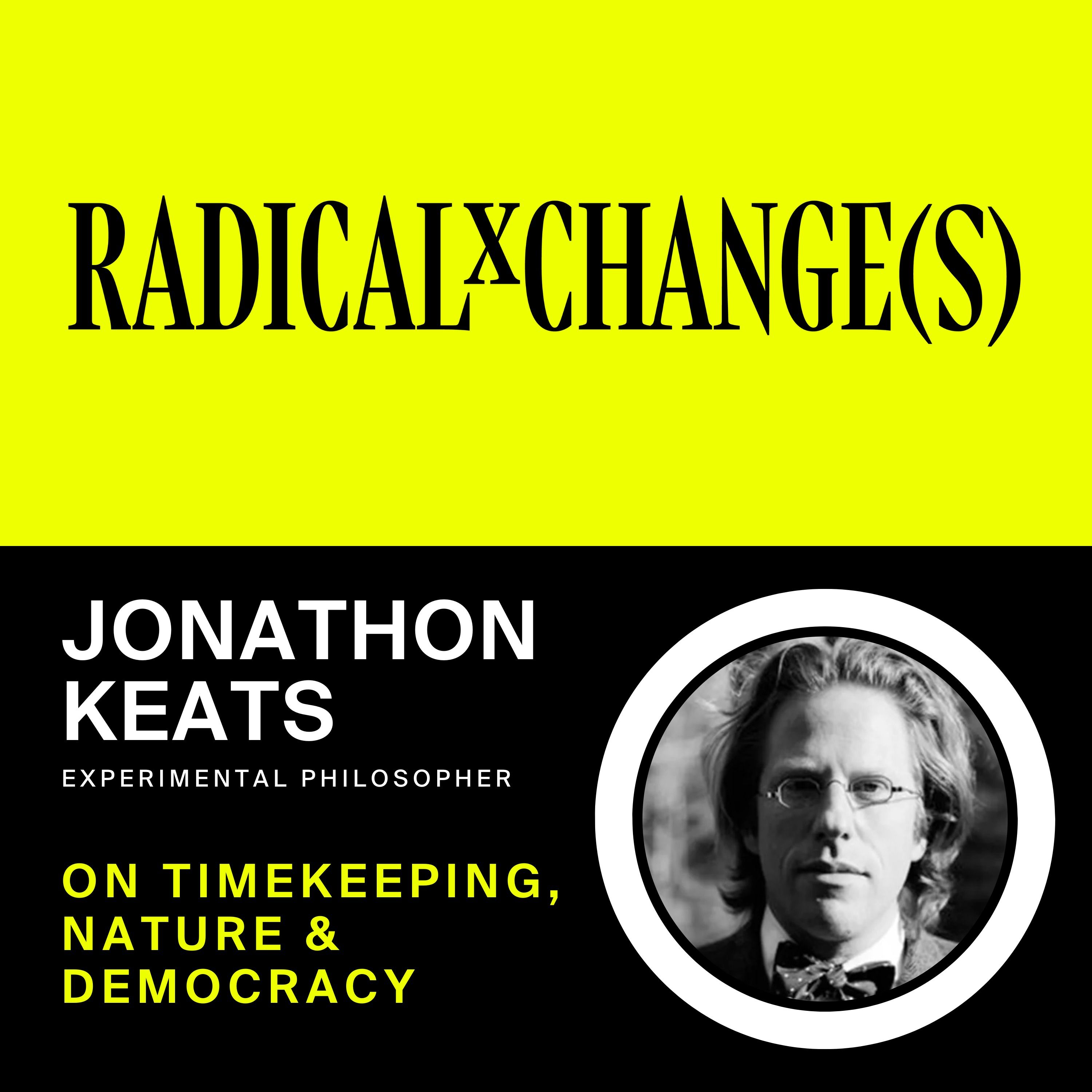 Jonathon Keats: Experimental Philosopher | In this conversation Matt and Jonathon discuss the philosophy of timekeeping. They consider the connectedness and the alienation of being on universal atomic time, the promise of alternative systems such as the river clock, and how different notions of timekeeping influence our understanding of democracy and nature. | — | ||||||
| 3/16/25 |  J.H.H. Weiler: Academic & Professor at NYU Law | In today’s episode, renowned academic and legal scholar Professor Joseph H.H. Weiler speaks with Matt about The Trial of Jesus – connecting the historical event as a lens for understanding justice, religious pluralism, and democracy. The examination leads us through the limits of state neutrality in matters of faith, the balance between freedom of and from religion, and the evolving role of digital platforms. Professor Weiler shares perspectives from his extensive legal scholarship while reflecting on the intersection of theology, democracy, and technological change in our modern world. An incredibly poignant episode that is a must-listen. Note: This episode was recorded in Dec 2024. | — | ||||||
| 3/11/25 |  Audrey Tang: On Becoming a "Good Enough Ancestor" | In this episode, Matt Prewitt sits down with Audrey Tang, Taiwan’s Cyber Ambassador-at-large and 1st Digital Minister, as well as the star of the new short documentary Good Enough Ancestor. It is a fascinating conversation exploring the profound intersections of technology, spirituality, and democracy. | — | ||||||
| 1/30/25 |  Gary Zhexi Zhang: Artist & Writer | Matt Prewitt and Gary Zhexi Zhang discuss Chinese cybernetics, focusing on pioneer Qian Xuesen and how the field developed differently in China versus the West. They explore how Chinese cybernetics emerged as a practical tool for nation-building, examining its scientific foundations, political context, and broader cultural impact. Together, they discuss key concepts like information control systems while highlighting the field's interdisciplinary nature and its evolution from thermodynamic to information-based approaches. | — | ||||||
| 12/6/24 |  Joe Edelman: Co-Founder of Meaning Alignment Institute | What happens when artificial intelligence starts weighing in on our moral decisions? Matt Prewitt is joined by Meaning Alignment Institute co-founder Joe Edelman to explore this thought-provoking territory in examining how AI is already shaping our daily experiences and values through social media algorithms. They explore the tools developed to help individuals negotiate their values and the implications of AI in moral reasoning – venturing into compelling questions about human-AI symbiosis, the nature of meaningful experiences, and whether machines can truly understand what matters to us. For anyone intrigued by the future of human consciousness and decision-making in an AI-integrated world, this discussion opens up fascinating possibilities – and potential pitfalls – we may not have considered. | — | ||||||
| 9/11/24 |  Janine Leger & Timour Kosters: Co-Founders of Edge City | Join host Matt Prewitt in an inspiring conversation with Edge City co-founders Janine Leger and Timour Kosters, as they dive into the transformative world of pop-up villages and cities. Discover the story behind Edge City's latest experiment, Edge Esmeralda, and learn how temporary communities are reshaping the way we live and work. Janine and Timour share their passion for experimentation, collaboration, co-creation, and their vision for building healthier, more dynamic environments. From the Whole Earth Catalog to the Chautauqua movement, this episode explores the rich history of pop-up communities while introducing groundbreaking ideas like community currencies ("∈dges") and iterative social technologies. Tune in for an engaging and forward-thinking discussion that reveals fresh perspectives on the future of community building, collaboration, and social innovation. Don’t miss this illuminating discussion! | — | ||||||
| 7/28/24 |  Frank McCourt: Founder of Project Liberty (Part II) | In this episode, Project Liberty Founder Frank McCourt joins Matt for a second round to discuss the challenges and opportunities presented by rapidly developing AI technologies. Building on their previous chat about digital infrastructure, they explore whether AI will exacerbate social media, digital advertising, and data centralization issues, or fundamentally change them. McCourt emphasizes fixing the internet’s design flaws to ensure AI benefits society, advocates for returning data ownership to individuals and stresses the need for political engagement to align AI with democratic values. Tune in for this enlightening conversation and what we can do moving forward. | — | ||||||
Want analysis for the episodes below?Free for Pro Submit a request, we'll have your selected episodes analyzed within an hour. Free, at no cost to you, for Pro users. | |||||||||
| 5/28/24 | 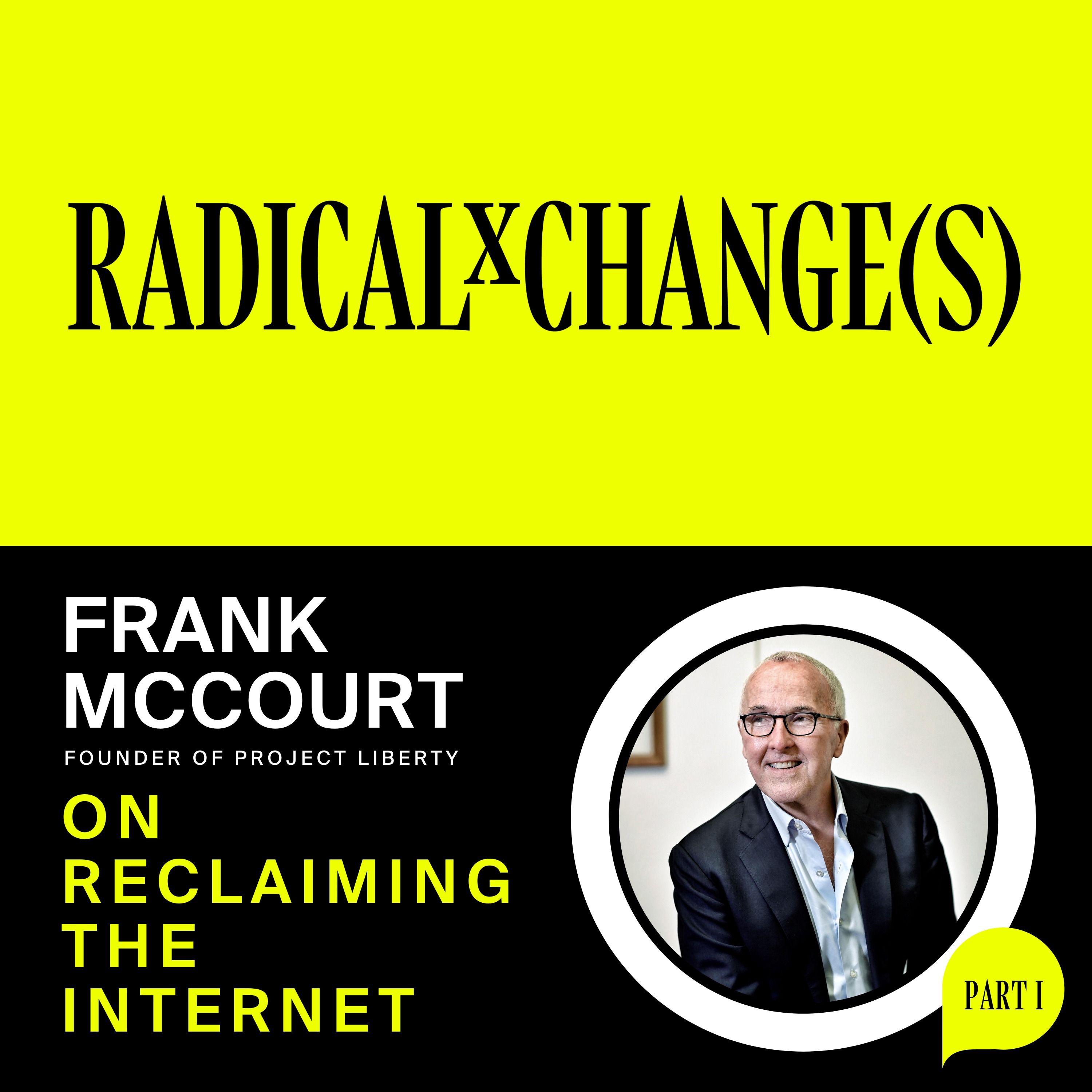 Frank McCourt: Founder of Project Liberty (Part I) | Today, in Part I of a two-episode conversation, Matt Prewitt is joined by civic entrepreneur and Founder of Project Liberty, Frank McCourt, who is on a mission to reclaim the internet and prioritize human rights in our digital landscape. Drawing parallels between the early public oversight of television and the current state of the internet, Frank highlights the commodification of our data and identities online. He advocates for new protocols and a movement inspired by historical fights against oppression to secure genuine data rights and agency online. As we look to the future, Project Liberty's endeavors may play a crucial role. This interview is a fantastic opportunity to hear more about Frank's thinking. | — | ||||||
| 4/30/24 |  Tahir Amin: Co-Founder & CEO of I-MAK | In today’s episode, Matt Prewitt engages in a thought-provoking dialogue with Tahir Amin, the Co-Founder and CEO of the Initiative for Medicines, Access, and Knowledge (I-MAK). Together, they delve into the history of the patent and trademark systems – flaws and all, especially within the pharmaceutical realm. Tahir, drawing from his experience as a former intellectual property lawyer turned reform advocate, sheds light on how these systems have been manipulated by large corporations to prolong monopolies rather than foster invention. He proposes substantial reforms to address these systemic issues, advocating for a fundamental restructuring of the patent system. This insightful conversation highlights the complexities and challenges within the patent system and the quest for a more just and equitable approach to intellectual property. | — | ||||||
| 4/27/24 |  Indy Johar: Architect and Co-Founder of Dark Matter Labs | In this final episode of our short series, host Matt Prewitt speaks with Indy Johar, architect and co-founder of Dark Matter Labs. Together they discuss the topic of ownership through the lens of theories of governance. Indy advocates for decentralized protocols in property governance, emphasizing complex contributions and contextual responsiveness – moving away from control-oriented systems towards ennobling frameworks that empower individuals and foster deeper engagement. RadicalxChange has been working with Indy Johar and Dark Matter Labs, together with Margaret Levi and her team at Stanford, on exploring and reimagining the institutions of ownership. This episode is part of a short series exploring the theme of What and How We Own: Building a Politics of Change. | — | ||||||
| 4/15/24 |  Matt Prewitt: Lawyer, Writer, & President of RadicalxChange Foundation | In today’s episode, guest host Margaret Levi interviews Matt Prewitt, President of RadicalxChange Foundation. With the tables turned from our last episode, Margaret interviews Matt on rethinking property rights. Beginning with a reflection on the state of political liberalism, Matt dives into the mechanics of Partial Common Ownership (also known as “Plural Property”) and it being part of the solution to manage assets in a fairer, more efficient way and how experimentation like PCO can lead toward a politics of change. RadicalxChange has been working with Margaret Levi and her team at Stanford, together with Dark Matter Labs, on exploring and reimagining the institutions of ownership. This episode is part of a short series exploring the theme of What and How We Own: Building a Politics of Change. | — | ||||||
| 1/7/24 |  Margaret Levi: Political Scientist, Author, & Professor at Stanford University | In our first episode of the year, Matt speaks with Margaret Levi, distinguished political scientist, author, and professor at Stanford University. They delve into Margaret and her team’s groundbreaking work of reimagining property rights. The captivating discussion revolves around their approach's key principles: emphasizing well-being, holistic sustainability encompassing culture and biodiversity, and striving for equality. RadicalxChange has been working with Margaret Levi and her team at Stanford, together with Dark Matter Labs, on exploring and reimagining the institutions of ownership. This episode is part of a short series exploring the theme of What and How We Own: Building a Politics of Change. | — | ||||||
| 10/4/23 |  Barry Threw: Executive & Artistic Director of Gray Area | In this episode of RadicalxChange(s), host Matt Prewitt engages in a deep and thoughtful conversation with Barry Threw, Executive & Artistic Director of Gray Area. They explore Barry's diverse career integrating art, technology, and humanities for economic, social, and ecological regeneration, and examine the cultural shifts in the San Francisco Bay Area. Barry and Matt saunter through anecdotes from Burning Man to Joan Didion to the technocratic molding of the Silicon Valley phenomenon — an exciting pathway of cultural importance to walk along. | — | ||||||
| 5/2/23 | 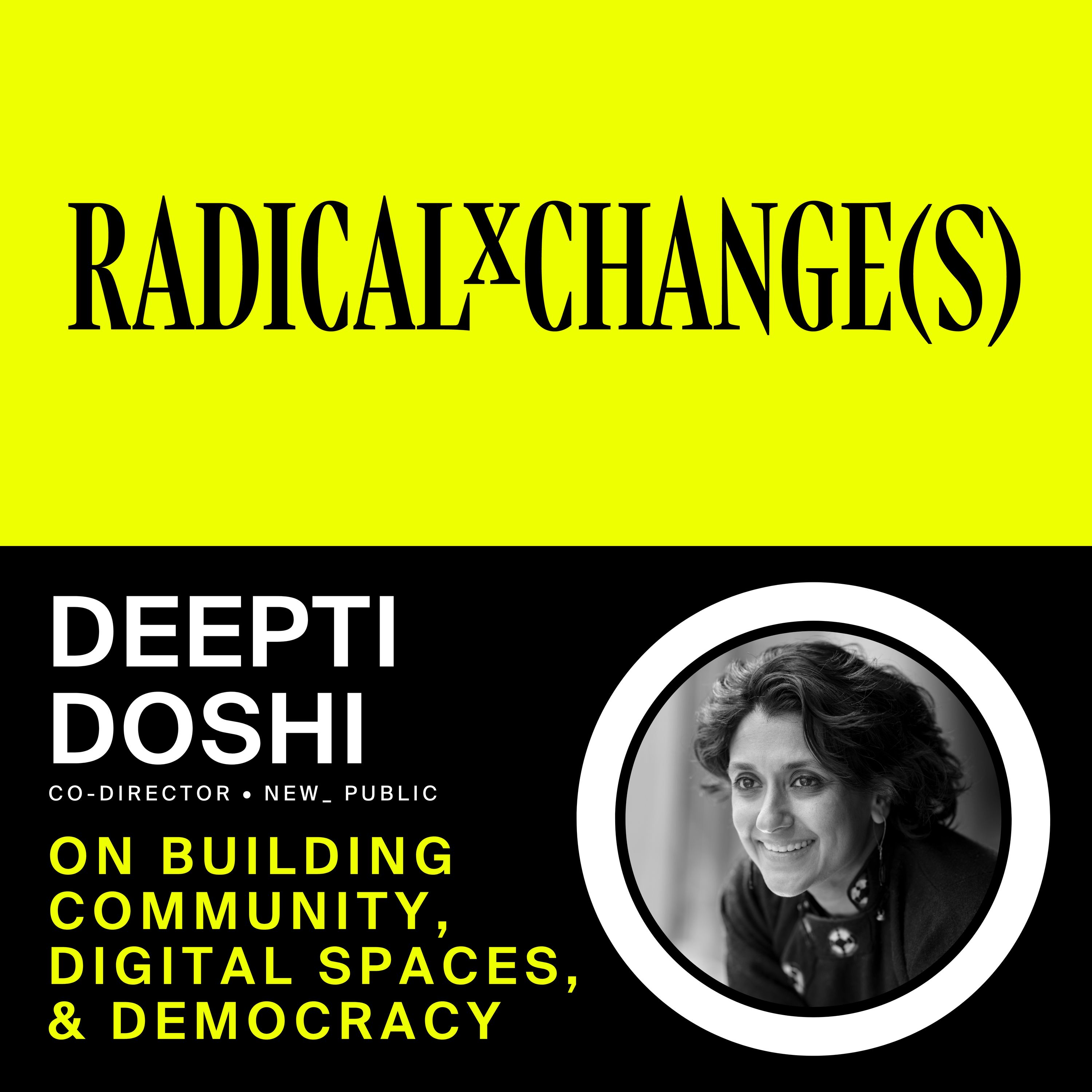 Deepti Doshi: Co-Director of New_ Public | In today’s episode, Deepti Doshi, Co-Director of New_ Public (and leader in the intersection of social media, community organizing, and leadership development) speaks with Matt Prewitt on how to create online spaces that foster interconnection, mutual dependency, and democratic outcomes. Together, they explore the need for socio-technical expertise and community stewards to work together to design a healthier and more equitable digital ecosystem. They give consideration to the role of technology and tools in creating democratic spaces, and the potential impact of generative AI on social spaces and democracy. They share a hopeful and exciting outlook for building a more democratic political economy online. | — | ||||||
| 4/15/23 |  Victoria Ivanova: R&D Strategic Lead at Serpentine Arts Technologies | In today’s ep, Matt Prewitt speaks with Victoria Ivanova, R&D Strategic Lead of Serpentine Arts and curator-strategist-writer, about the role art and culture have in society in preserving democratic ideals while offering critical and actionable solutions for the emerging technological era. They delve into the historical and present significance of art, its crisis of meaning in the age of accelerationism and powerful AI, and the potential for Plural Property (Partial Common Ownership) to create a more fair and dynamic market for art; thereby rethinking art ownership and promoting a more equitable future. This conversation and the collaboration between RadicalxChange and Serpentine Arts offer new perspectives on the intersection of art, technology, and society. | — | ||||||
| 3/24/23 |  Shrey Jain: Applied Scientist at Microsoft Research Special Projects | Shrey Jain, an applied scientist at Microsoft Research Special Projects, speaks with Matt Prewitt on a very timely and topical subject: AI and – more specifically – the dangers it poses to the nature of natural human communication (“context collapse”). They take a deep dive into the current threats to privacy by expanding beyond the often discussed cryptographic sense into “privacy as contextual integrity”, and the immediate opportunity to embed ethical guardrails into this ever-changing realm of generative AI through possible solutions of designated verified signatures in “plural publics”. Shrey’s recently published paper co-authored with Divya Siddarth and E. Glen Weyl “Plural Publics” is linked in the episode notes. | — | ||||||
| 2/10/23 | Partial Common Ownership/Plural Property: In Conversation with Will Holley, Graven Prest, Kevin Seagraves | In today's episode, Will Holley (Founder of 721 Labs), Graven Prest (Co-Founder of the Geo Web project), and Kevin Seagraves (CEO of NiftyApes) are three mission-focused entrepreneurs who join host Matt Prewitt in a roundtable discussion on the topic of Plural Property — RadicalxChange's umbrella term for Partial Common Ownership, Harberger Taxation, Self-Assessed Licenses Sold via Auction or SALSA, and Common Ownership Self-Assessed Tax or COST. | — | ||||||
| 11/22/22 |  A New Era of Democracy Ep. 3 | Zizi Papacharissi | In today’s episode, we welcome Professor of Communications and Political Science Zizi Papacharissi who discusses her latest book, After Democracy with host Matt Prewitt. In this thought-provoking conversation, they examine how social media affects our culture, our relationships, and consequently our democratic processes, while exploring potential ways to imagine new and better forms of democracy by “living with technology, not through technology.” | — | ||||||
| 7/21/22 | Christine Lemmer-Webber: CTO of Spritely Institute, ActivityPub Co-Editor, and User Freedom Activist | In this exciting episode, Matt Prewitt speaks with the inquisitive and captivating Christine Lemmer-Webber, who is CTO of the Spritely Institute and whose lifelong work focuses on advocating user freedom. This philosophical and technical discussion focuses on the many ways to look at ethical methods of building technology without usurping the free agency of others; a pluralistic view of examining technical design with different lenses. | — | ||||||
| 4/7/22 |  A New Era of Democracy Ep. 2 | Anasuya Sengupta | Lauded poet, author, and activist Anasuya Sengupta joins Matt Prewitt on this episode to discuss the culture of Wikipedia, the embedded power dynamics of digital technologies, and how plurality plays a role in empowering the global South's presence on the internet. | — | ||||||
| 2/23/22 |  A New Era of Democracy Ep. 1 | Audrey Tang and Jo Guldi with Rosa O’Hara | Rosa O’Hara moderates a discussion between Audrey Tang and Jo Guldi on Taiwan’s expeditious response to the COVID-19 pandemic, the history of the g0v movement, the democratic power of embracing new forms of civic technology, and more. | — | ||||||
| 8/10/21 | James Evans: Computational Social Scientist, Knowledge Lab Director, and Professor at UChicago | In this conversation with James A. Evans, we examine the relationship between artificial intelligence and democracy, the tradeoffs between hybridization and speciation, and much more. | — | ||||||
Showing 25 of 31
Pitch Fit is a Pro feature
See how bookable this show is for guests, which brands already advertise, the per-episode ad value, and the best-fit guest and sponsor profile. The numbers are blurred on the free plan.
How readily this show books outside guests like you.
How proven this show is for host-read sponsorships.
For Guests
ProFor Advertisers
ProUpgrade to Pro to unlock guest cadence, sponsor categories, fit scores, and per-episode ad value for this show.
Chart Positions
1 placement across 1 market.
Chart Positions
1 placement across 1 market.