Reasonably Optimistic
by The Washington Post
Is this your podcast?Insights from recent episode analysis
Audience Interest
Podcast Focus
Publishing Consistency
Platform Reach
Insights are generated by CastFox AI using publicly available data, episode content, and proprietary models.
Most discussed topics
Brands & references
Total monthly reach
Estimated from 31 chart positions in 31 markets.
By chart position
- 🇺🇸US · News Commentary#6530K to 100K
- 🇨🇦CA · News Commentary#1585K to 30K
- 🇦🇺AU · News Commentary#1705K to 30K
- 🇮🇹IT · News Commentary#7710K to 30K
- 🇮🇳IN · News Commentary#8610K to 30K
- Per-Episode Audience
Est. listeners per new episode within ~30 days
54K to 191K🎙 Daily cadence·135 episodes·Last published 1mo ago - Monthly Reach
Unique listeners across all episodes (30 days)
179K to 636K🇺🇸16%🇵🇭16%🇵🇪16%+28 more - Active Followers
Loyal subscribers who consistently listen
54K to 191K
Market Insights
Platform Distribution
Reach across major podcast platforms, updated hourly
Total Followers
—
Total Plays
—
Total Reviews
—
* Data sourced directly from platform APIs and aggregated hourly across all major podcast directories.
On the show
From 34 epsHost
Recent guests
Recent episodes
Lonely Gen Z needed this wake-up call
Jul 17, 2026
32m 37s
This actor drove 10,000 miles to ask men about loneliness
Jul 15, 2026
33m 46s
The problem with ‘Tax the rich!’
Jul 10, 2026
21m 09s
How populists turn distrust into power
Jul 8, 2026
31m 11s
Why Europeans are falling in love with America
Jul 3, 2026
18m 05s
Social Links & Contact
Official channels & resources
RSS Feed
Login
| Date | Episode | Topics | Guests | Brands | Places | Keywords | Sponsor | Length | |
|---|---|---|---|---|---|---|---|---|---|
| 7/17/26 | lonelinessGen Z+4 | Emma Camp | Wall Street JournalLoneliness Is for Cowards | — | lonelinessGen Z+5 | — | 32m 37s | ||
| 7/15/26 | male friendshiploneliness+3 | Andrew McCarthy | The Washington PostWho Needs Friends: An Unscientific Examination of Male Friendship Across America | — | friendshiploneliness+3 | 3DayBlindsOPTIMISTIC | 33m 46s | ||
| 7/10/26 | wealth taxbillionaires+3 | — | The Washington Post | — | tax the richbillionaire wealth+3 | — | 21m 09s | ||
| 7/8/26 | populismpolitics+4 | Richard Hanania | The Washington PostKakistocracy | — | populismpolitics+5 | — | 31m 11s | ||
| 7/3/26 | American cultureEuropean perspective+3 | — | — | AmericaEuropeans | EuropeansAmerica+5 | — | 18m 05s | ||
| 7/1/26 | online shoppingfashion industry+3 | Shawn Grain Carter | Fashion Institute of TechnologyBloomingdale’s+2 | — | fashiononline shopping+5 | — | 32m 01s | ||
| 6/26/26 | migrationeconomic forces+4 | — | The Washington Post | South | Southmigration+5 | — | 17m 39s | ||
| 6/24/26 | modern datingdating apps+3 | Kat Rosenfield | How to Survive in the Woods | — | datingromance+3 | — | 37m 20s | ||
| 6/19/26 | politicsvoter behavior+3 | — | The Washington Post | — | voterspoliticians+3 | — | 13m 16s | ||
| 6/17/26 | empathysociety+3 | Gad Saad | University of MississippiSuicidal Empathy | AmericaWest | empathyGad Saad+4 | — | 35m 42s | ||
| 6/12/26 | Gen Zcooking+4 | — | The Washington Post | Gen Z | Gen Zcooking+4 | — | 20m 57s | ||
| 6/10/26 | alien lifeastrophysics+3 | Adam Frank | The Little Book of Aliens | — | aliensastrophysicist+4 | — | 37m 04s | ||
| 6/5/26 | weddingscost+4 | — | — | — | wedding costsaverage wedding price+3 | — | 18m 39s | ||
| 6/3/26 | wealth inequalityhousing affordability+4 | Ed Elson | The Washington Post | — | Gen Zwealth inequality+4 | — | 38m 48s | ||
| 5/29/26 | peptideswellness+4 | Dr. Leana Wen | The Washington Post | — | peptideswellness+4 | — | 28m 46s | ||
| 5/27/26 | public healthEbola+4 | Leana S. Wen | The Washington Post | Central Africa | Ebolahantavirus+5 | — | 23m 30s | ||
| 5/22/26 | quality of lifeEurope vs America+4 | — | — | EuropeAmerica | EuropeAmerica+5 | — | 13m 01s | ||
| 5/20/26 | gender divideeducation+4 | Richard Reeves | The Washington PostOf Boys and Men | — | men's issuesgender equality+5 | — | 34m 29s | ||
| 5/15/26 | celebrity politiciansparasocial relationships+3 | — | — | — | celebrity candidatesTrump+3 | — | 17m 39s | ||
| 5/13/26 | prediction marketsforecasting+3 | Robin Hanson | The Washington Post | — | prediction marketsforecasting+5 | — | 34m 19s | ||
| 5/8/26 | taxationurban decline+3 | Zohran Mamdani | The Washington Post | New York | tax the richNew York mayor+3 | — | 18m 45s | ||
| 5/6/26 | social mediaanger+4 | Keith Humphreys | StanfordThe Washington Post | — | angeraddiction+4 | — | 36m 44s | ||
| 5/1/26 | nostalgiahistory+5 | — | The Washington Post | — | nostalgiahistory+5 | — | 17m 03s | ||
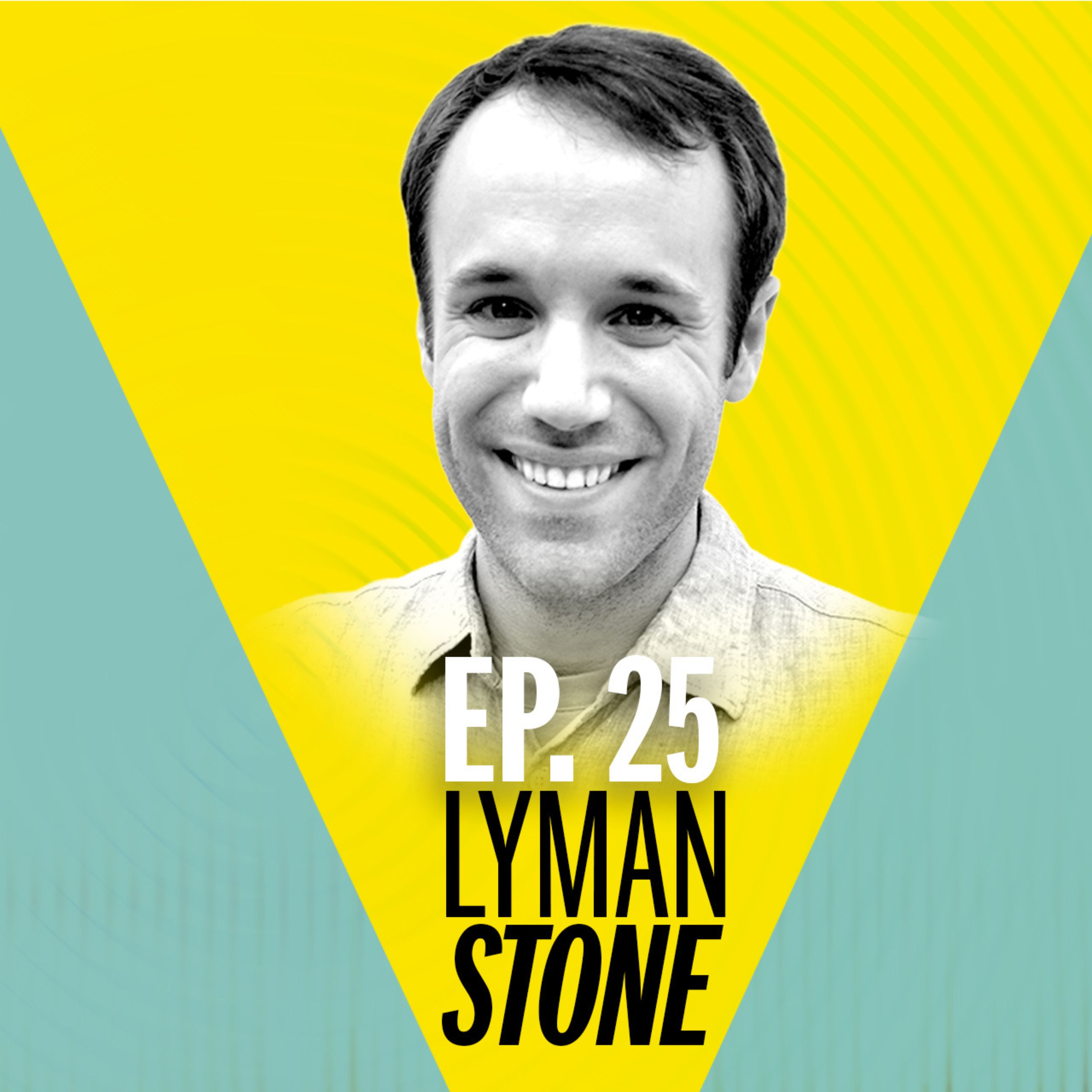
| 4/29/26 | birth ratedemography+3 | Lyman Stone | The Washington Post | — | birth ratedecline+4 | — | 33m 52s | ||
| 4/24/26 | influencer culturesocial media+3 | — | — | — | influencerplastic surgery+3 | — | 14m 00s |























Showing 25 of 25
Pitch Fit is a Pro feature
See how bookable this show is for guests, which brands already advertise, the per-episode ad value, and the best-fit guest and sponsor profile. The numbers are blurred on the free plan.
How readily this show books outside guests like you.
How proven this show is for host-read sponsorships.
For Guests
ProFor Advertisers
ProUpgrade to Pro to unlock guest cadence, sponsor categories, fit scores, and per-episode ad value for this show.
Similar Audience Demographics
Podcasts that attract a similar listener profile




Chart history for Reasonably Optimistic
Peaked at #7 in PH, top 10 in 1 of 32 tracked markets, currently #7 in PH.
| Market | Genre | Peak | Current | Trend |
|---|---|---|---|---|
| PH | — | #7 | #7 | — |
| PE | — | #17 | #17 | — |
| Norway | — | #37 | #37 | — |
| AE | — | #41 | #41 | — |
| SA | — | #54 | #54 | — |
| Ireland | — | #57 | #57 | — |
| PH | — | #60 | #60 | — |
| VN | — | #62 | #62 | — |
| United States | — | #65 | #65 | — |
| IS | — | #70 | #70 | — |
| Italy | — | #77 | #77 | — |
| RO | — | #82 | #82 | — |
| India | — | #86 | #86 | — |
| CO | — | #86 | #86 | — |
| PL | — | #95 | #95 | — |
| South Korea | — | #98 | #98 | — |
| PT | — | #104 | #104 | — |
| Finland | — | #113 | #113 | — |
| Japan | — | #114 | #114 | — |
| Denmark | — | #127 | #127 | — |
Chart Positions
32 placements across 31 markets.
Chart Positions
32 placements across 31 markets.