Insights from recent episode analysis
Audience Interest
Podcast Focus
Publishing Consistency
Platform Reach
Insights are generated by CastFox AI using publicly available data, episode content, and proprietary models.
Most discussed topics
Brands & references
Total monthly reach
Estimated from 1 chart position in 1 market.
By chart position
- 🇰🇷KR · How To#1561K to 10K
- Per-Episode Audience
Est. listeners per new episode within ~30 days
500 to 5K🎙 ~2x weekly·85 episodes·Last published 3d ago - Monthly Reach
Unique listeners across all episodes (30 days)
1K to 10K🇰🇷100% - Active Followers
Loyal subscribers who consistently listen
400 to 4K
Market Insights
Platform Distribution
Reach across major podcast platforms, updated hourly
Total Followers
—
Total Plays
—
Total Reviews
—
* Data sourced directly from platform APIs and aggregated hourly across all major podcast directories.
On the show
From 1 epsHosts
Recent guests
Recent episodes
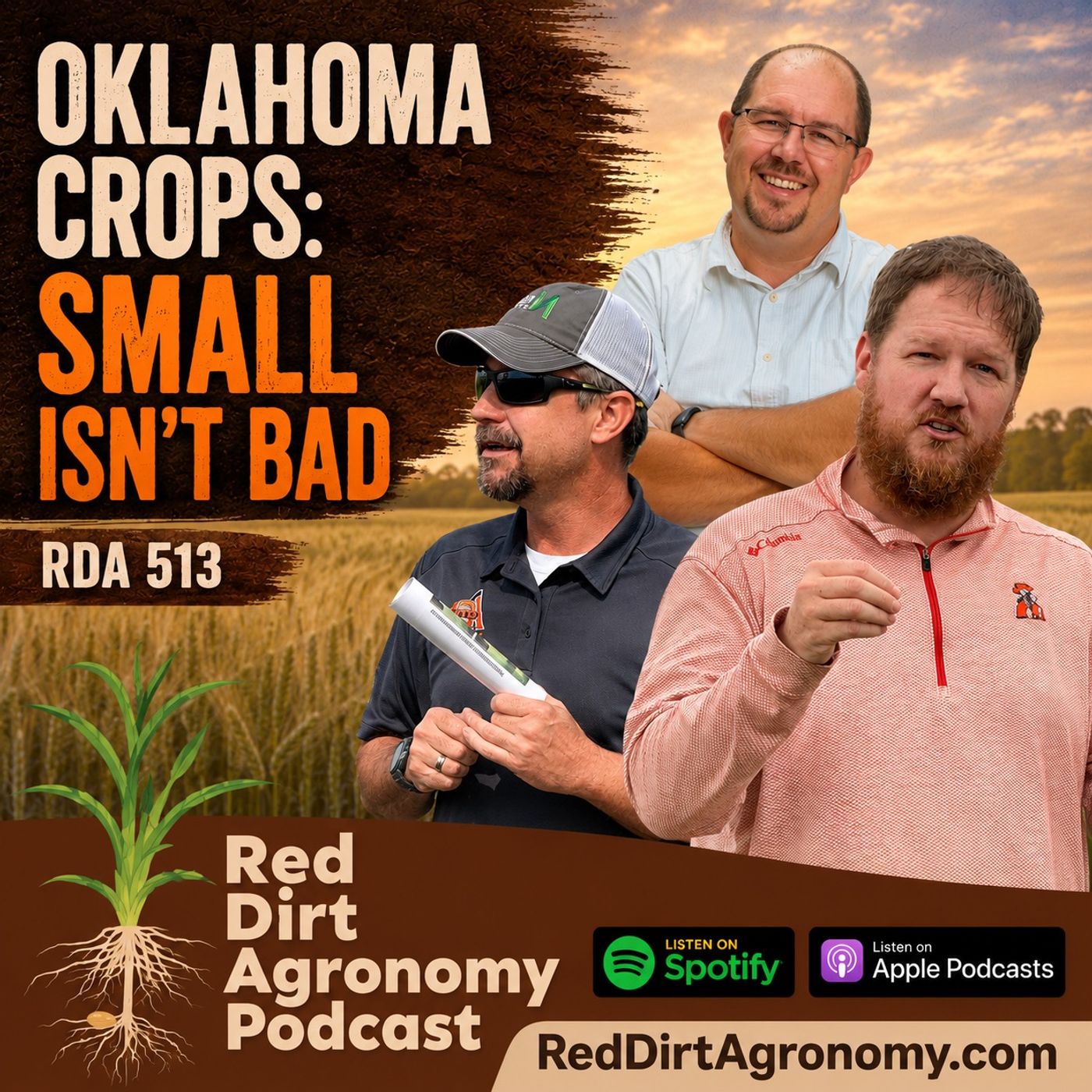
Oklahoma Crops: Small Isn’t Bad
Jun 24, 2026
Unknown duration
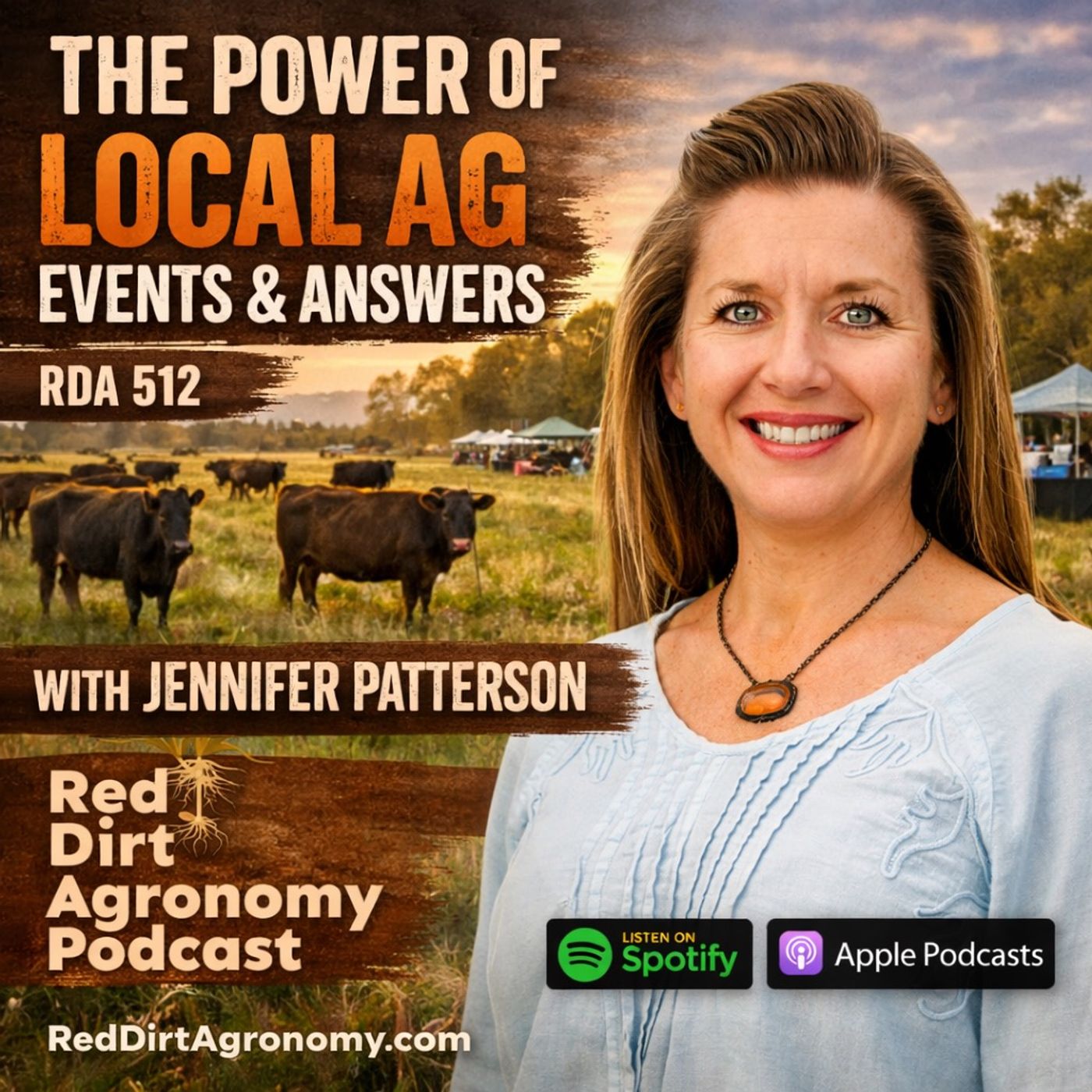
The Power of Local Ag Events & Answers - RDA 512
Mar 31, 2026
33m 10s
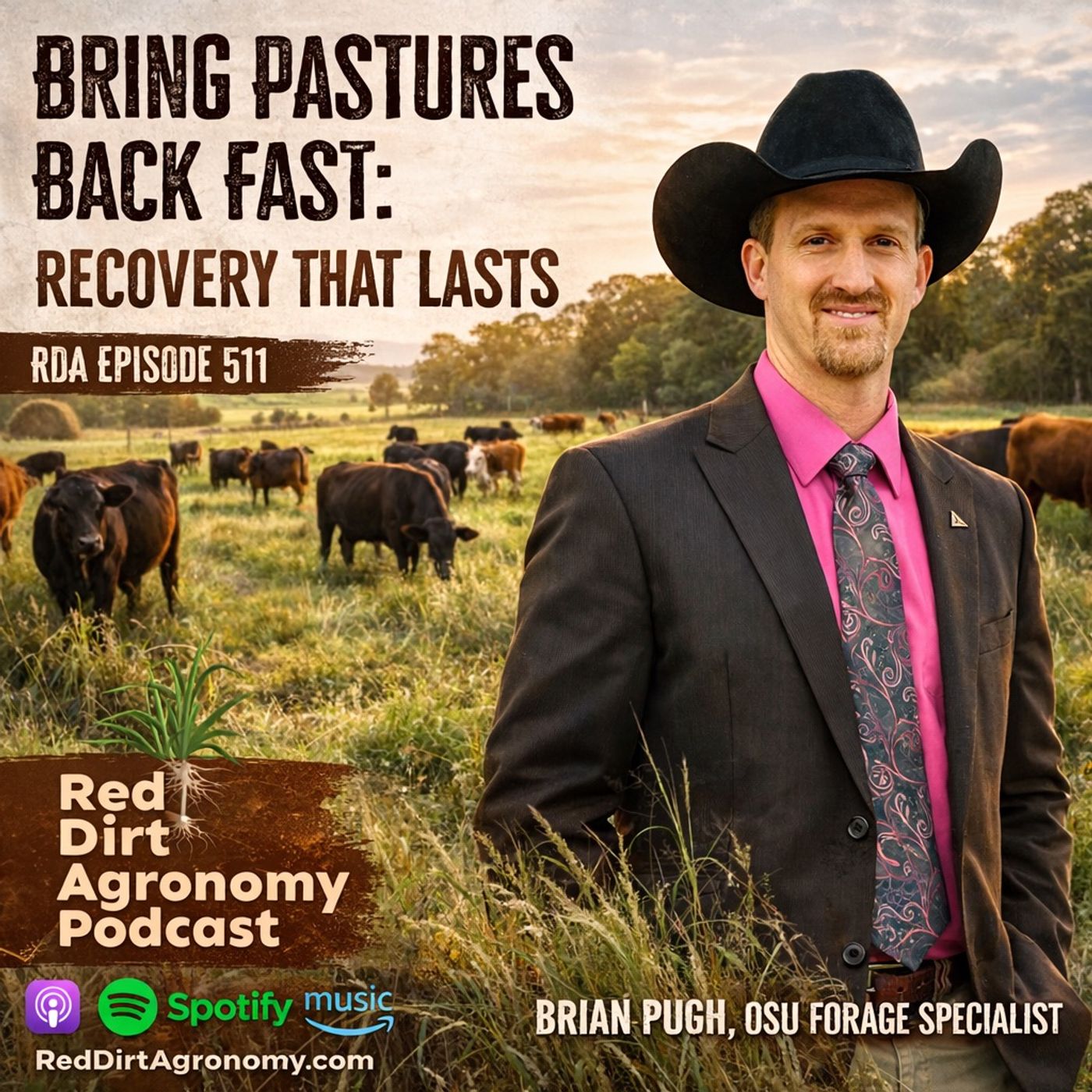
Bring Pastures Back Fast: Recovery That Lasts - RDA 511
Mar 25, 2026
Unknown duration
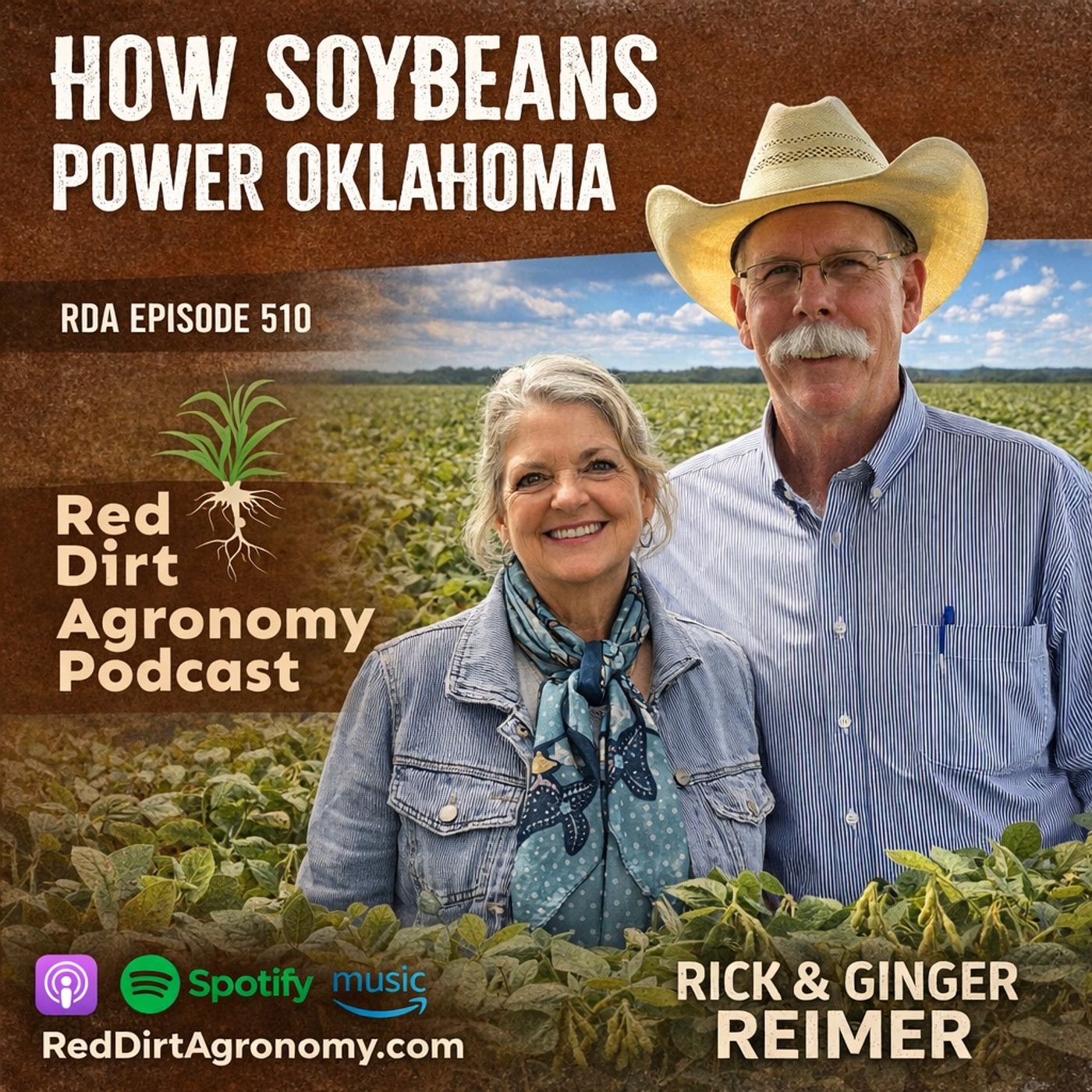
How Soybeans Shape Oklahoma - RDA 510
Mar 18, 2026
Unknown duration
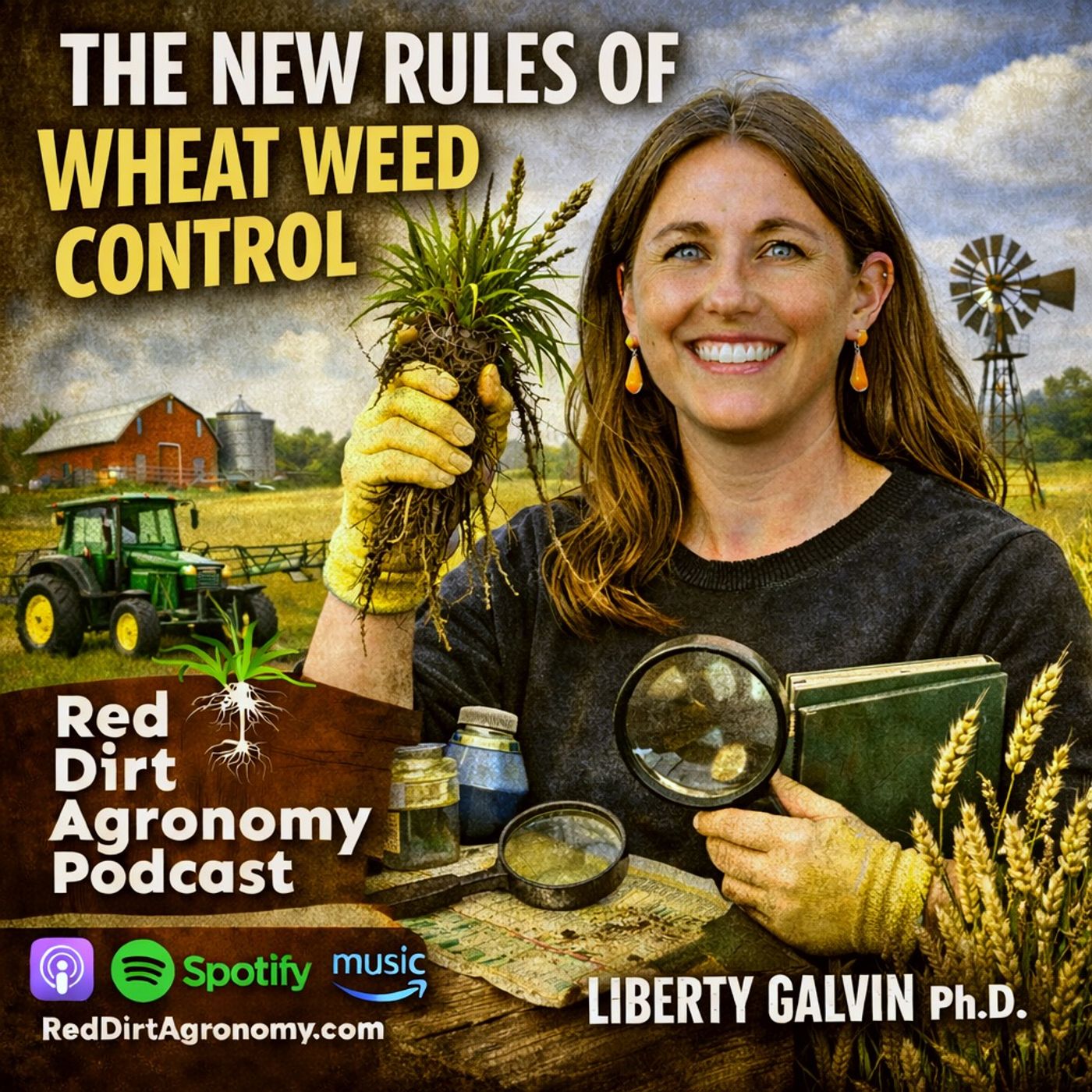
The New Rules Of Wheat Weed Control - RDA 509
Mar 10, 2026
Unknown duration
Social Links & Contact
Official channels & resources
Official Website
Login
RSS Feed
Login
| Date | Episode | Topics | Guests | Brands | Places | Keywords | Sponsor | Length | |
|---|---|---|---|---|---|---|---|---|---|
| 6/24/26 | ![]() Oklahoma Crops: Small Isn’t Bad | After a dry start to the season, June rain and cooler weather have changed the outlook for Oklahoma summer crops. In this episode of the Red Dirt Agronomy Podcast, Dave Deken checks in with Brian Arnall, Ph.D., and Josh Lofton, Ph.D., on soybean size, corn pollination, sorghum development, double crop decisions after early wheat harvest, forage needs, and where fertility dollars may make the most sense right now. Josh explains why smaller soybean and sorghum plants may not be a bad thing in Oklahoma dryland systems, especially if July turns hot and dry. Brian walks through nitrogen, phosphorus, potassium, lime, and fertilizer market considerations, then shares observations from a recent agronomy trip to Brazil. The group also previews the Chickasha Summer Crop Demo Day, a hands-on OSU Extension event focused on scouting, soil pits, spray nozzles, nitrate testing, summer crops, and practical field decisions. | — | ||||||
| 3/31/26 | ![]() The Power of Local Ag Events & Answers - RDA 512✨ | local agricultureExtension programming+3 | Jennifer Patterson | Payne County Extension | Central OklahomaOklahoma | agriculturecattle+6 | — | 33m 10s | |
| 3/25/26 | ![]() Bring Pastures Back Fast: Recovery That Lasts - RDA 511 | In this episode of the Red Dirt Agronomy Podcast, the crew sits down with OSU forage specialist Brian Pugh at the Central Oklahoma Cattle Conference to talk pasture recovery, forage management, and what cattle producers need to rethink in today’s market. The discussion covers why many operations are still stocked for a low-input era that no longer exists, how native and introduced forages recover differently, and why pasture should be managed with the same attention producers give a crop. From resting native grasses after July 10 to rebuilding bermudagrass with fertility, weed control, and reduced pressure, this episode is packed with practical advice for producers trying to balance cattle prices, input costs, and long-term pasture productivity. | — | ||||||
| 3/18/26 | ![]() How Soybeans Shape Oklahoma - RDA 510 | In this episode of Red Dirt Agronomy, Dave Deken and Brian Arnall sit down with Rick and Ginger Reimer of the Oklahoma Soybean Board to talk about the many ways soybeans impact Oklahoma agriculture beyond the field. From producer-funded research and soybean checkoff investments to teacher workshops, student outreach, virtual reality learning, and consumer education, this conversation shows how one crop can connect farming, livestock, classrooms, and communities across the state. The episode also explores soybean production trends in Oklahoma, the crop’s expanding footprint, and why building agricultural understanding with future voters matters just as much as agronomic progress. Learn more at RedDirtAgronomy.com | — | ||||||
| 3/10/26 | ![]() The New Rules Of Wheat Weed Control - RDA 509 | When wheat weeds start outrunning the old game plan, what should producers change first? In this episode of Red Dirt Agronomy, the crew sits down with Oklahoma State University’s Liberty Galvin at AgriFest in Enid to talk about what is actually working right now in wheat weed control. From pre-emergent herbicides and burndown programs to delayed planting and variety selection, this episode digs into the choices that can make herbicides work better instead of harder. The conversation also goes beyond spray recommendations and into weed biology, seedbanks, no-till challenges, competitive canopies, and even fire as a possible post-harvest tool. It is a practical, Oklahoma-focused discussion for producers trying to keep wheat clean, protect yield, and think more strategically about long-term weed management. | — | ||||||
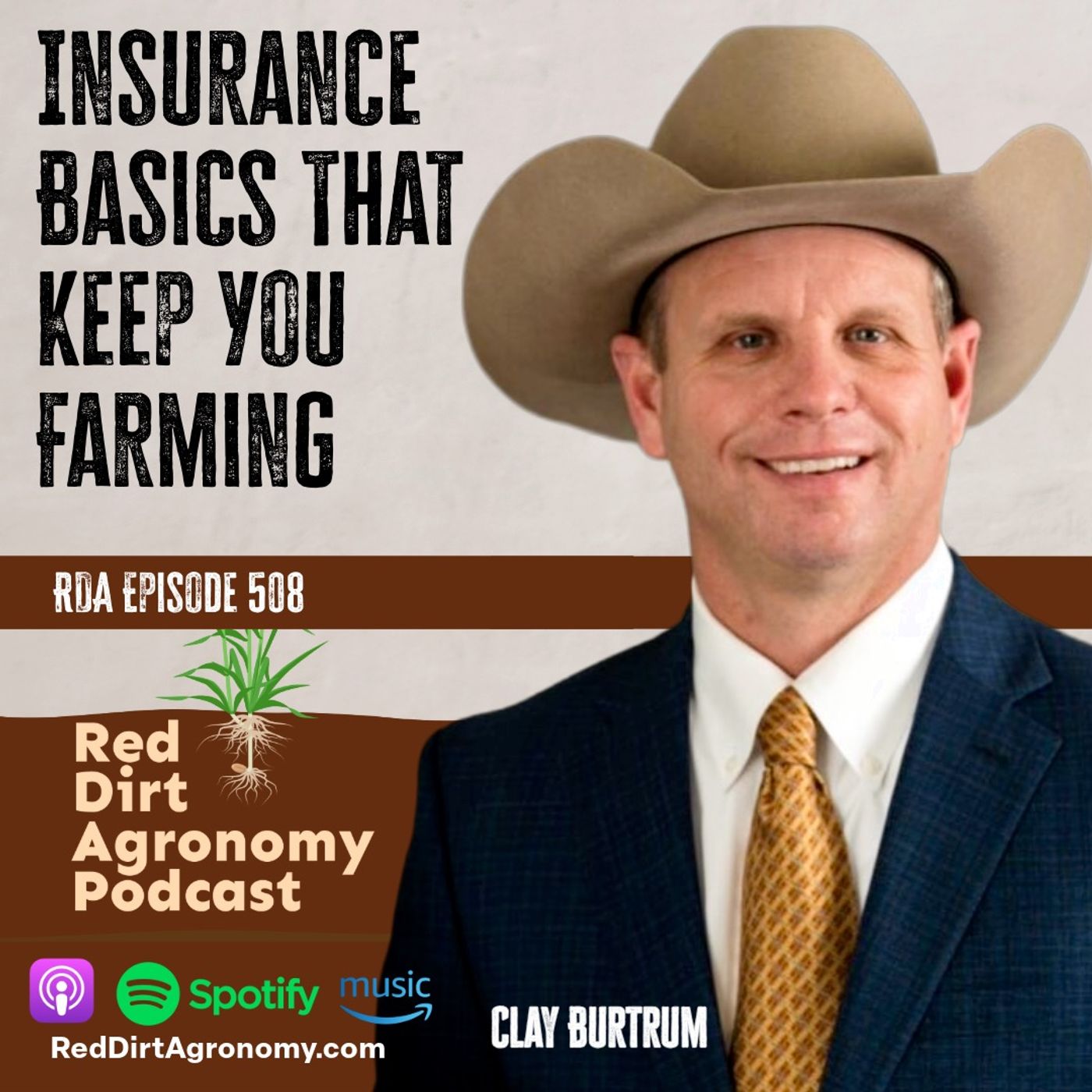
| 3/3/26 | ![]() Insurance Basics That Keep You Farming - RDA 508 | Commodity prices are squeezing margins, and “hoping for the best” isn’t a business plan. In Episode 508, the team sits down with Clay Burtrum of Farm Data Services at the Central Oklahoma Cattle Conference to talk real-world risk—market swings, weather variability, and the insurance tools producers are using to stay bankable. Clay breaks down Livestock Risk Protection (LRP) in plain language, shares what producers commonly misunderstand (including how coverage works and what you must document), and explains why deadlines on the crop side can sneak up fast—especially the March 15 sales closing date in our area. If you’re running wheat, cattle, pasture, or all of the above, this episode is a practical roadmap for protecting margins in a year where every decision counts. | — | ||||||
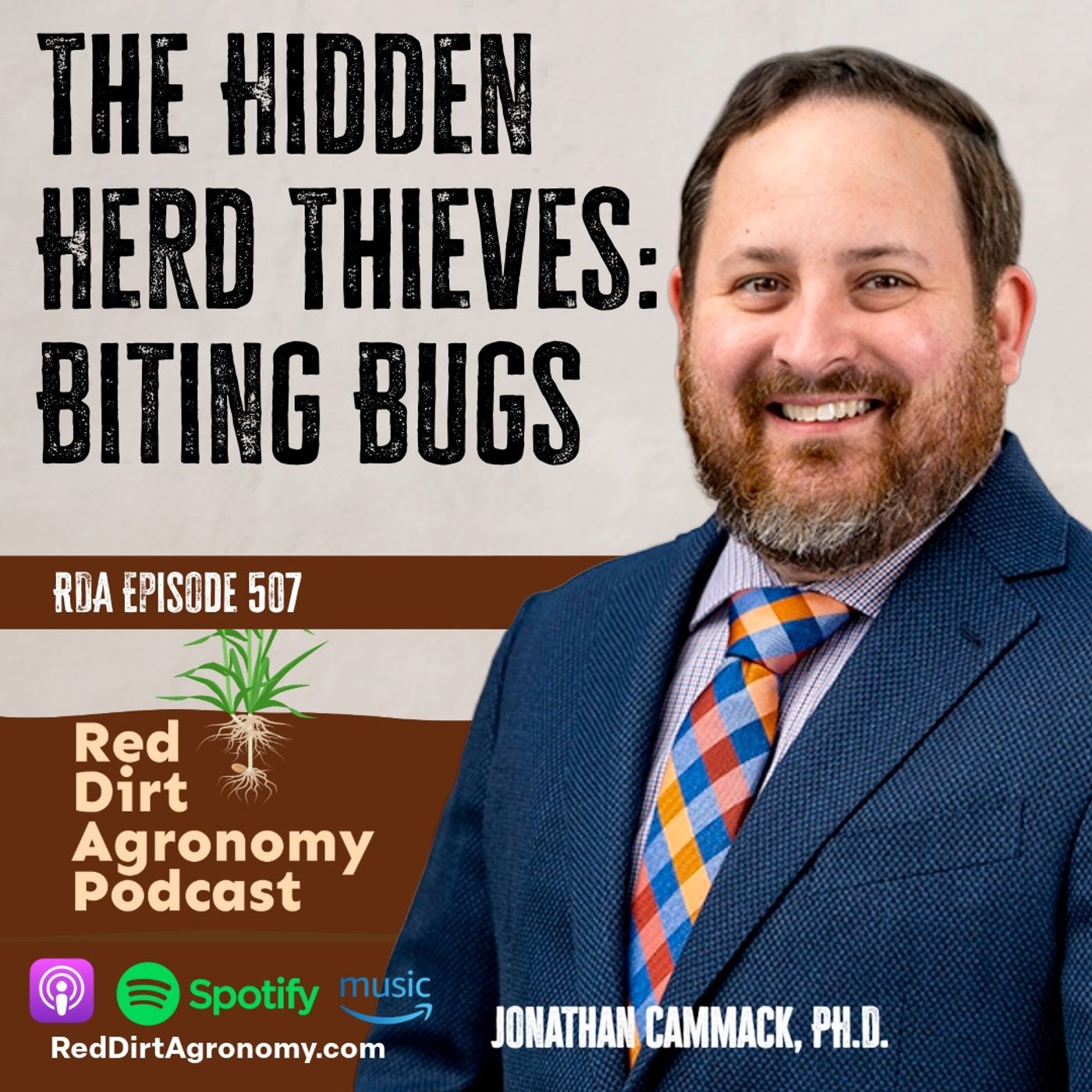
| 2/24/26 | ![]() The Hidden Herd Thieves: Biting Bugs - RDA 507 | Flies, ticks, and parasites can quietly drain cattle performance—and your checkbook. From the Central Oklahoma Cattle Conference in Stillwater, the Red Dirt Agronomy Podcast crew sits down with Oklahoma State University Extension livestock entomology and parasitology specialist Jonathan Cammack to talk real-world pest pressure. The conversation covers horn flies and why they stress cattle, the latest screwworm concerns and how fast infestations can start, plus the invasive Asian longhorned tick now found in Oklahoma and why its “asexual” reproduction can make numbers explode. Producers will leave with a simple theme: steady observation, smart prevention, and fast action beat panic every time. | — | ||||||
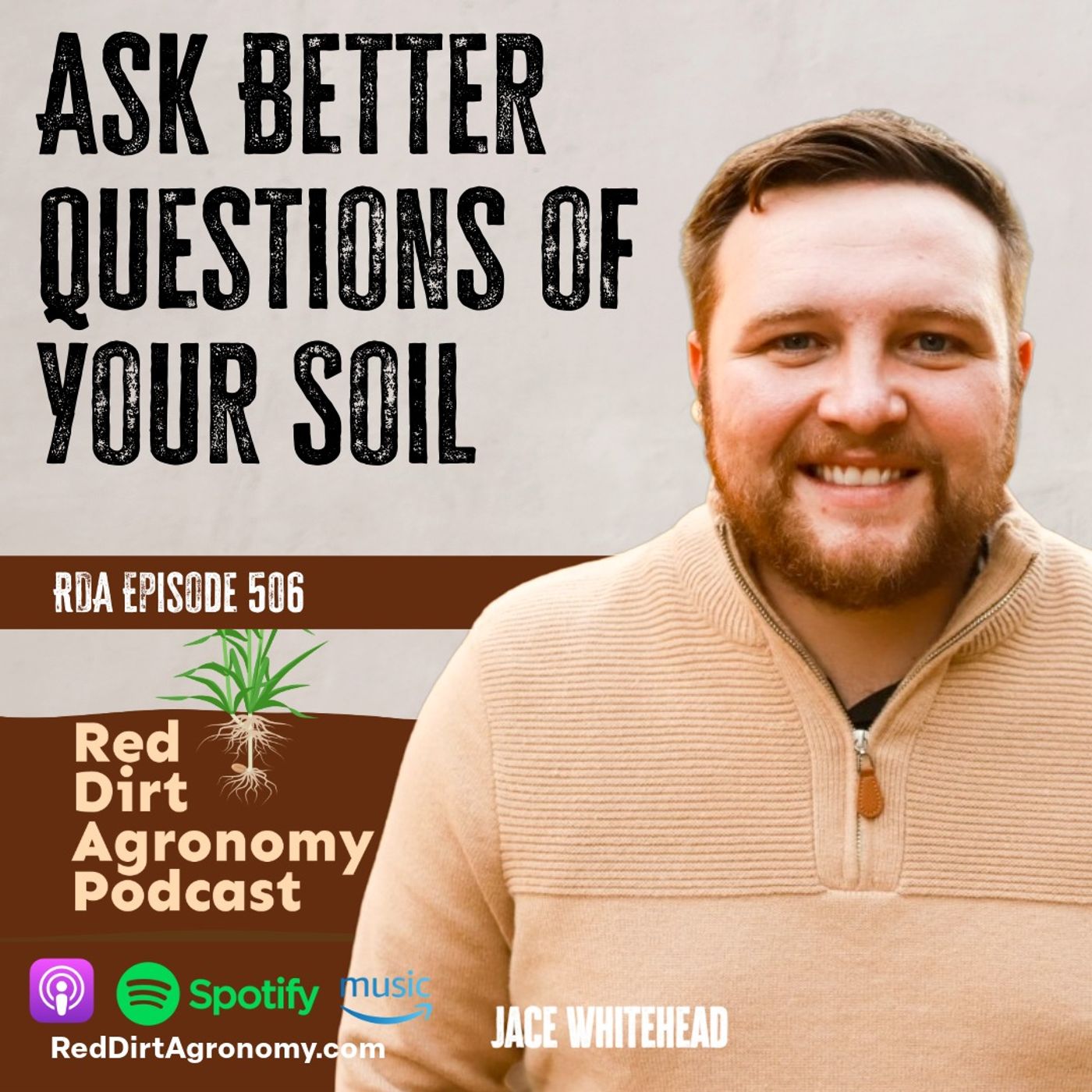
| 2/17/26 | ![]() Ask Better Questions of Your Soil - RDA 506 | In Episode 506, the Red Dirt Agronomy crew opens with a crop update from the Oklahoma Cattle Conference in Stillwater—where wheat and canola are starting to move, moisture is “patchy,” and the big theme is staying flexible with fertility decisions until weather and markets give clearer signals. Then the episode shifts into a soil-nerd deep dive from the Oklahoma Wheat Commission booth at AgriFest: OSU Extension’s Brian Arnall and Josh Lofton visit with Jace Whitehead of EnviroAg Laboratories, a 2017 OSU Plant & Soil Sciences graduate who built a soil testing lab back home and now serves producers across the region. The conversation breaks down what soil test “extractions” really are, why phosphorus results can look wildly different between Mehlich-3 and Bray (especially in acidic soils), and why “saturated paste” is less like math and more like mixing the perfect brownie batter. They also tackle common buzzwords—base saturation, calcium-magnesium ratios, and micronutrient hype—and bring it back to what pays: solid sampling, trusted advisors, and understanding your soil’s rooting depth and limitations before you chase shiny add-ons. | — | ||||||
| 2/10/26 | ![]() How Farmers Keep A Seat At The Table - RDA 505 | Recorded in the Oklahoma Wheat Commission booth at KNID AgriFest in Enid, the Red Dirt Agronomy crew welcomes Jeff Hickman—producer and ag association leader with deep experience in state and national policy—to talk about what’s next for rural Oklahoma agriculture. Jeff explains why commodity and industry groups matter more than ever, how they keep small organizations viable, and why regulations can shape agriculture just as much as legislation. The conversation covers trade, farm policy, consumer perceptions, and why grower engagement—sometimes as simple as joining an association—helps protect your operation while you’re busy running it. RedDirtAgronomy.com | — | ||||||
| 2/3/26 | ![]() Nitrogen Know-How From A Teen Agronomist - RDA 504 | Episode 504 is a fun one: a father-son promise turns into a podcast feature after Brayden Arnall earns a National FFA Agriscience Fair win. Recorded live at the Oklahoma Wheat Commission's booth at KNID's AgriFest in Enid, the crew digs into how Brayden Arnall took a research idea from a controlled barn setup to the national spotlight. Brayden breaks down the Agriscience process, then walks through his project comparing tilled vs. no-till conditions and how nitrogen stabilizers affect ammonia volatilization (plus nitrate in leachate). The surprising takeaway: in his setup, no-till showed more loss, likely tied to urea interacting with residue rather than soil. He also shares what’s next—new wheat-focused research, leadership goals in FFA, and a speech topic on See & Spray technology. | — | ||||||
Want analysis for the episodes below?Free for Pro Submit a request, we'll have your selected episodes analyzed within an hour. Free, at no cost to you, for Pro users. | |||||||||
| 1/27/26 | ![]() Hands in the Dirt, Minds on the Future - RDA 503 | In this special on-the-road episode of the Red Dirt Agronomy Podcast, we catch up with Dr. Kent Martin at the 2026 KNID AgriFest in Enid, Oklahoma. Recently joining Northwestern Oklahoma State University in Alva, Kent brings his deep well of experience—from farming and crop consulting to academic and national leadership roles. He shares insights into his hands-on teaching approach, the importance of agronomy education, and how students benefit from real-world exposure to soils, crops, and decision-making processes. This episode is more than just a conversation—it's a heartfelt look into the evolving role of agricultural educators, the challenges of transitioning into the classroom, and the enduring importance of mentorship and leadership development in rural communities. The crew also dives into stories about past students, the power of seeing students grow into leaders, and why growers and professionals at all levels should step up and share their voice. Whether you’re checking cattle in the cold or sitting down with coffee, this is one you don’t want to miss! | — | ||||||
| 1/20/26 | ![]() Oklahoma Wheat: Research, Markets, & Rural Life - RDA 502 | Recorded live at the 2026 AgriFest in Enid, Episode 502 features Kay County producer Tom Cannon—fresh on the Oklahoma Wheat Commission board—joining Dave Deken and Dr. Brian Arnall for a down-to-earth conversation about where wheat checkoff dollars go and why it matters. From research investments that sharpen wheat quality and performance to export promotion that keeps grain moving, Tom shares what he’s learned stepping into leadership and listening to producer feedback (even the “what do y’all even do?” questions). This episode also digs into the “why wheat” side of the story: how residue protects soil, slows evaporation, improves infiltration, and helps Oklahoma no-till systems survive the tough years. The crew talks rotation realities—especially wheat paired with cotton—plus what modern farm innovation looks like with aerial seeding and a cooperative “drone posse” vision. If you’ve ever wondered how wheat supports your farm, your town, and your state’s ag economy, this one connects the dots. | — | ||||||
| 1/13/26 | ![]() The Big Debate: Stress vs. Deficiency In Crops - RDA 501 | Episode 501 kicks off Red Dirt Agronomy’s fifth season with a live, laugh-out-loud “around the table” conversation from KNID AgriFest in Enid—right next to the Oklahoma Wheat Commission’s famous cinnamon rolls. The crew shares what they’re seeing across Oklahoma: a dry stretch, unseasonably warm conditions, and some surprising reports like armyworms running in wheat and early disease confirmations (tan spot, rust, powdery mildew) in the southwest. From there, the “doctors of dirt” dig into practical management: what canola and wheat should look like right now, why green-up moisture matters, and how to think about wheat topdress timing without donating nitrogen to the wind—especially on dry soil with dew/humidity and warm, breezy days. Then the episode turns into a masterclass debate: managing the plant you don’t see (primordia), how early stress differs from true deficiency, and why the “right” decision depends on your goal (forage vs grain) and your risk tolerance (yield loss vs input cost). | — | ||||||
| 11/19/25 | ![]() Growing Agronomists, Not Just Crops - RDA 427 | In this episode of the Red Dirt Agronomy Podcast, the crew sits down with Dr. Beatrix Haggard, associate professor in Oklahoma State University’s Department of Plant and Soil Sciences. Dr. Haggard teaches many of the core plant science courses in the Ferguson College of Agriculture, including a 600-student intro class, applied plant science, crops judging, and senior seminar. She shares how her path ran from FFA land judging and soil science to a Delta research station in Louisiana, and then to a teaching-focused, tenure-track role at OSU. The conversation digs into how today’s students learn, why judging teams are about much more than trophies, and how OSU’s agronomy program now draws students from across Oklahoma, the West Coast and the Midwest—many without traditional farm backgrounds. Along the way, you’ll hear about creative memory tricks (like “all cats manage kittens ammonium naturally”), 15-hour van rides, first flights for students heading to contests, and why “learning how to learn” may be the most important skill OSU graduates carry back to farms, ranches and ag businesses across the region. | — | ||||||
| 11/4/25 | ![]() Digging Deeper: Rethinking Irrigation In A New Era - RDA 426 | In this episode, the Red Dirt Agronomy guys sit down with Dr. Sumit Sharma, Oklahoma State University’s irrigation specialist, to talk about one of the most pressing challenges in western agriculture: how to grow more with less water. From managing well capacity and cotton maturity to restoring pastures and using technology smarter, this episode digs into practical, research-backed ways to keep rural Oklahoma farming sustainably. | — | ||||||
| 10/20/25 | ![]() Wheat Pasture, Feedlots, and the Future Herd - RDA 425 | Cattle prices are at record highs, but the U.S. cow herd is at a 70-year low. In this episode, Oklahoma State University Extension Livestock Marketing Specialist Dr. Derrell Peel breaks down what’s behind the tight supply, how drought shaped the market, and why it may take the rest of the decade to rebuild. From cheap corn to expensive beef, hear why producers are walking a fine line between opportunity and caution. | — | ||||||
| 10/8/25 | ![]() Purity, Progress, and the Power of Good Seed - RDA 424 | How does wheat seed get from a breeder’s handful to the certified sacks you load at planting? Jeff Wright, manager of Oklahoma Foundation Seed, walks us through the pipeline—breeder → foundation → registered → certified—and the obsessive cleaning, paperwork, and logistics required to keep varieties pure. He recounts a chaotic harvest season that still yielded ~5% sprout damage and 56‑lb test weight on a key field, plus the roadside reality of backing a combine down I‑44 after a trailer failure. We also look at the tech leap from old gleaners that took all day to clean to a Kincaid research combine you can tear down and clean in about an hour. Then we get practical: launching lines from 10–15 pounds with a research planter, using wide-row/skip-row patterns, and targeting ~500,000 seeds/acre without compromising yield. Jeff shares how Foundation Seed coordinates with K‑State, what happens when a variety fades, why OSU keeps small lots in cold storage, and a quick peek at what’s brewing in the Wheat Improvement Team—purple wheats, higher fiber, CoAXium trait lines, and more. Recorded live at High Plains Journal Live in Wichita, this episode is a nuts‑and‑bolts tour of the seed system that feeds the Plains. | — | ||||||
| 9/9/25 | ![]() Sowing Innovation: The Future of Kansas Wheat - RDA 423 | In this episode, the Red Dirt Agronomy team hits the road to High Plains Journal Live in Wichita, Kansas, and sits down with Aaron Harries, Vice President of Research and Operations for Kansas Wheat. Aaron delves into the history and future of wheat in the Central Plains, offering fascinating insights into wheat’s role in shaping communities, the evolution of breeding programs, and the strategic innovations underway to secure wheat’s place in modern agriculture. From railroads and Mennonite settlers to double-haploid breeding and gene editing, it’s a wide-ranging and enlightening conversation. Aaron also shares how Kansas Wheat is educating stakeholders through programs like Wheat Rx, advocating for crop system benefits with the "Beyond the Value of the Grain" campaign, and tackling threats like wheat streak mosaic virus with the "Fight the Mite" initiative. Whether you're a wheat producer, ag educator, or just fascinated by crop science and rural resilience, this episode is packed with knowledge, humor, and forward-thinking. Tune in for the past, present, and future of wheat in one compelling conversation. | — | ||||||
| 9/3/25 | ![]() How Wheat is Getting Smarter & Faster to Market - RDA 422 | What if you could take the long, slow process of wheat breeding—and cut it in half? In this episode, we dive headfirst into the fascinating world of double haploid technology, a game-changing tool that’s helping breeders create pure, stable wheat lines faster than ever. You’ll hear how techniques like corn pollination, speed breeding, and controlled-environment growth are reshaping the way we develop new crop varieties—and why that matters to producers around the world. To help unpack all this, we’re joined by Dusti Gallagher, CEO of Heartland Plant Innovations, who breaks down the science in a way that’s both accessible and compelling. Dusti explains how these tools—while not genetically modified—still deliver the kind of precision and efficiency once thought impossible in traditional breeding. From accelerating yield and disease resistance traits to managing the rollout of HB4 wheat, the first deregulated biotech trait in the U.S., this conversation is a must-listen for anyone curious about the future of wheat. | — | ||||||
| 8/26/25 | ![]() Strip Till, Smart Tech, Soil Health Innovation - RDA 421 | In this special on-the-road episode recorded at High Plains Journal Live in Wichita, Kansas, the Red Dirt Agronomy crew catches up with a true trailblazer in conservation and irrigation innovation: Ray Flickner of Flickner Innovation Farm. Ray shares his insights as a fifth-generation farmer operating 1,000 acres of mostly irrigated land north of Wichita. With a mix of humor and hard-earned experience, Ray dives into his unique crop rotation strategy, including how he juggles corn, soybeans, wheat, and cover crops in an area where livestock are scarce and water is precious. He breaks down his evolving philosophy on “living roots” versus traditional cover cropping and talks about managing moisture and weed control without sacrificing yield. The conversation takes a tech-forward turn as Ray introduces listeners to the Rain360—a revolutionary mobile drip irrigation system that maximizes efficiency in odd-shaped fields with limited water resources. From the challenges of strip tilling and subsurface drip to the practicalities of integrating new tech on a working farm, Ray’s transparent and practical approach offers a wealth of knowledge for producers across the Southern Plains. If you’ve ever wanted to hear how cutting-edge ideas are applied with boots-on-the-ground wisdom, this is the episode for you. | — | ||||||
| 8/18/25 | ![]() The World Wants Wheat And Oklahoma Delivers - RDA 420 | The Red Dirt Agronomy Podcast heads north to Wichita, Kansas, for a lively episode recorded at High Plains Journal Live. Mike Schulte, Executive Director of the Oklahoma Wheat Commission, shares timely insights into the challenges and innovations shaping the wheat industry today. From tackling diseases like wheat streak mosaic to expanding Oklahoma wheat’s global footprint, Mike breaks down how research and producer-driven support are making an impact. Listeners get an inside look at how OSU’s public wheat breeding program is leading the charge in developing varieties suited for grain, grazing, and improved human health. With topics like gluten sensitivities, end-use quality, and emerging international markets on the table, this episode offers valuable perspectives for anyone growing or baking with Oklahoma wheat. | — | ||||||
| 8/12/25 | ![]() Farm Assets, Family Futures, and Federal Policy - RDA 419 | The Red Dirt Agronomy Podcast hits the road for Episode 419, recorded live at High Plains Journal Live in Wichita, Kansas. Host Dave Deken and the “Dream Team of Dirt” welcome Dr. Shannon Ferrell from Oklahoma State University to discuss farm transition planning, the impacts of the “One Big Beautiful Bill” on agriculture, renewable energy trends, and the future of transmission infrastructure. From farm kid vs. city kid succession challenges to tax code updates, Dr. Ferrell delivers timely insights for farm families navigating big asset decisions. The conversation also explores the explosive growth of solar energy, the economics of battery storage, and the looming phase-out of renewable energy tax credits. Dr. Ferrell offers a forward-looking perspective on transmission easements, encouraging policies that incentivize landowners to host infrastructure. It’s a lively, informative episode full of practical takeaways, expert commentary, and just the right amount of humor from the road. | — | ||||||
| 7/29/25 | ![]() Oklahoma Gardening: Growing Strong for Five Decades - RDA 418 | This week on Red Dirt Agronomy, we dig into the legacy of Oklahoma Gardening with its beloved host, Casey Hentges. Celebrating the show’s 50th anniversary, Casey walks us through her unique career path, shares what it’s like to helm one of Oklahoma’s most enduring TV programs, and discusses how the team keeps gardening advice timely, practical, and grounded in science. From Bermuda grass trials to battling backyard myths, Casey’s passion for education shines through. She also reflects on how the show pivoted during the COVID-19 pandemic to continue growing with its audience and highlights community efforts, such as the "Plant a Row" campaign, which helps put fresh produce in local food banks. Don’t miss details about their tiller giveaway, commemorative Eskimo Joe’s t-shirt, and how Oklahoma Gardening continues to bloom for future generations of green thumbs. | — | ||||||
| 7/14/25 | ![]() Rain, Wind, and Wheat: Resilience in Action - RDA 417 | In Episode 417 of the Red Dirt Agronomy Podcast, the team catches up on Oklahoma’s adventurous 2025 wheat season. Despite extreme weather conditions, parts of the state delivered impressive yields, thanks in large part to strategic crop management and resilient wheat varieties. Dr. Amanda Silva shares early insights from variety trials and discusses how planting date and population are impacting productivity. Listeners also learn about a new, hands-on sorghum field event slated for July 29 near Dacoma, Oklahoma. This unique experience encourages growers and agronomy professionals to get into the field, break down plants, and learn practical scouting techniques. Whether you're managing wheat, sorghum, or cotton, this episode is full of timely advice and practical takeaways for Oklahoma's producers. | — | ||||||
| 7/2/25 | ![]() The Grass Is Greener On The Other Side, When It's Turf - RDA 416 | As summer tees off in Oklahoma, Episode 416 of the Red Dirt Agronomy Podcast dives into the turf beneath our feet with Dr. Charles Fontanier, Associate Professor of Turfgrass Science at Oklahoma State University. This episode is a must-listen for golf course superintendents, sports turf managers, and homeowners alike as we explore OSU's impactful turfgrass breeding program. Dr. Fontanier breaks down the unique challenges of growing Bermuda grass in Oklahoma’s transition zone, tackling issues from winterkill to drought stress and the science behind high-performance sports fields. From the development of elite turf varieties like Latitude 36, NorthBridge, and Tahoma 31, to innovative strategies for traffic tolerance, shade management, and even NFL-grade sod transport, this episode showcases OSU’s role in revolutionizing the turfgrass industry. You will learn about how these grasses are selected, tested, and distributed—and why turfgrass management is about much more than keeping it green. | — | ||||||
Showing 25 of 86
Pitch Fit is a Pro feature
See how bookable this show is for guests, which brands already advertise, the per-episode ad value, and the best-fit guest and sponsor profile. The numbers are blurred on the free plan.
How readily this show books outside guests like you.
How proven this show is for host-read sponsorships.
For Guests
ProFor Advertisers
ProUpgrade to Pro to unlock guest cadence, sponsor categories, fit scores, and per-episode ad value for this show.
Chart Positions
1 placement across 1 market.
Chart Positions
1 placement across 1 market.