
Insights from recent episode analysis
Audience Interest
Podcast Focus
Publishing Consistency
Platform Reach
Insights are generated by CastFox AI using publicly available data, episode content, and proprietary models.
Total monthly reach
Estimated from 1 chart position in 1 market.
By chart position
- 🇺🇸US · Parenting#1135K to 30K
- Per-Episode Audience
Est. listeners per new episode within ~30 days
1.5K to 9K🎙 Daily cadence·42 episodes·Last published 5d ago - Monthly Reach
Unique listeners across all episodes (30 days)
5K to 30K🇺🇸100% - Active Followers
Loyal subscribers who consistently listen
2K to 12K
Market Insights
Platform Distribution
Reach across major podcast platforms, updated hourly
Total Followers
—
Total Plays
—
Total Reviews
—
* Data sourced directly from platform APIs and aggregated hourly across all major podcast directories.
On the show
Recent episodes
Real Parent Questions: Autism Accommodations, PDA, Team Sports & Young Adults Who've Checked Out
May 27, 2026
19m 03s
Why Your Autistic Child's Doctor Just Prescribes More Meds (And What Parents Can Do About It)
May 20, 2026
12m 41s
Should You Avoid ABA? | Autism Parents Confront the $600M Fraud
May 13, 2026
19m 34s
Autism Moms Across Generations: Waiting Rooms, Waitlists & the Fight for Services
May 6, 2026
57m 35s
What Autism Parents Really Think About Love on the Spectrum (Netflix)
Apr 29, 2026
23m 09s
Social Links & Contact
Official channels & resources
Official Website
Login
RSS Feed
Login
| Date | Episode | Description | Length | ||||||
|---|---|---|---|---|---|---|---|---|---|
| 5/27/26 |  Real Parent Questions: Autism Accommodations, PDA, Team Sports & Young Adults Who've Checked Out | Julianna Scott and Kelley Jensen open up the social media mailbag for one of their most popular episode formats — real questions from parents, answered with the candor and hard-won experience that Refrigerator Moms is known for. This week's questions span the full arc of the parenting journey: a parent of a nine-year-old convinced they already know the diagnosis before the psychiatrist has said a word; a family watching their child struggle with what looks like panic attacks; a mom navigating conflicting advice about PDA (Pathological Demand Avoidance); and a volunteer baseball coach at a complete loss while an unsupported autistic child disrupts every practice.They talk about the problem with self- and parent-diagnosis, why depression is so often missed in high-functioning young adults, and why "he's autistic, deal with it" isn't a plan. They also revisit SPACE therapy, the limits of radical acceptance, and how to think about matching a child's actual skill level to the activities and environments you put them in.Whether you're new to this journey or deep in it, this episode delivers the kind of straight talk that helps you take the next step — whatever that looks like for your family.🔗 Learn More:Website: refrigeratormoms.comInstagram: https://www.instagram.com/refrigeratormoms/LinkedIn: https://www.linkedin.com/company/refrigeratormomsFacebook: https://www.facebook.com/refrigeratormoms/TikTok: https://www.tiktok.com/@RefrigeratorMomsRefrigerator Moms is sponsored by Brain Performance Technologies, a specialty mental health clinic that offers neuromodulation treatments including SAINT (Stanford Accelerated Intelligent Neuromodulation Therapy) for treatment-resistant depression and major depressive disorder, as well as MeRT (Magnetic e-resonance therapy) for autistic people aged three or older. Learn more at https://brainperformancetechnologies.com00:00 Intro: social media Q&A episode00:17 Julianna's nerves about the format00:36 Q1: Seeing a psychiatrist for first time02:27 Intake process explained04:04 Takeaway: don't parent-diagnose05:12 HIPAA & adult child context06:04 Sponsor: Brain Performance Technologies06:31 Q2: Meltdowns escalating to panic attacks06:47 Panic attacks need professional help07:08 Q3: High-functioning, unmotivated young adult08:54 Screen for depression first09:19 Small steps & realistic expectations10:23 Sponsor: SAINT treatment overview11:09 Q4: Conflicting PDA advice12:04 Know your child's specific circumstances12:23 SPACE therapy reference13:08 Be willing to pivot strategies13:23 Q5: Autistic child on baseball team14:01 Coach's role & league support14:38 Parents need to be involved15:30 Group sports vs. solo sports for autism16:09 Parents can't just say "deal with it"17:04 What does the child actually learn?17:24 Lack of post-diagnosis support for parents17:42 Outro & disclaimer | 19m 03s | ||||||
| 5/20/26 |  Why Your Autistic Child's Doctor Just Prescribes More Meds (And What Parents Can Do About It) | America has a psychiatric care crisis — and most families are living it without knowing why. Kelley Jensen and Julianna Scott dig into their new Refrigerator Paper, Psyched Out: No Appointments Available, to answer one of the most common questions they hear: "Why haven't I heard of TMS?" The answer, it turns out, starts long before a patient ever walks into a clinic.With only about 60,000 practicing psychiatrists in the country — and nearly half of Americans living in officially designated mental health shortage areas — access to care is shrinking just as demand explodes. Half of all lifetime mental illnesses begin by age 14, millions are entering the system earlier than ever, and a retirement wave is projected to remove tens of thousands more psychiatrists from the workforce by 2030. Meanwhile, only 5–10% of psychiatrists prescribe TMS, even though it's covered by insurance and backed by clinical evidence. The result? Medication becomes the default — including for autistic children — simply because it's the only tool most practitioners are trained to use.Kelley and Julianna aren't just naming the problem — they're making the case for real solutions: expanding GP accreditation for TMS, loosening restrictions on psychiatric nurse practitioners, and recruiting the next generation of psychiatrists. Most importantly, they're calling on families and consumers to demand more. If you've ever been handed a prescription and wondered whether there was another option, this one's for you.🔗 Learn More:Website: refrigeratormoms.comInstagram: https://www.instagram.com/refrigeratormoms/LinkedIn: https://www.linkedin.com/company/refrigeratormomsFacebook: https://www.facebook.com/refrigeratormoms/TikTok: https://www.tiktok.com/@RefrigeratorMomsRefrigerator Moms is sponsored by Brain Performance Technologies, a specialty mental health clinic that offers neuromodulation treatments including SAINT (Stanford Accelerated Intelligent Neuromodulation Therapy) for treatment-resistant depression and major depressive disorder, as well as MeRT (Magnetic e-resonance therapy) for autistic people aged three or older. Learn more at https://brainperformancetechnologies.com(00:00) - Introduction & episode overview (00:29) - What is "Psyched Out" paper about? (01:17) - Scale of the mental health crisis (02:06) - Sponsor: Brain Performance Technologies (02:33) - How few psychiatrists are there? (03:39) - Psychiatrists retiring & the funding gap (04:16) - How to become a psychiatrist (05:15) - Psychiatric nurse practitioners (05:38) - The coming retirement wave by 2030 (06:00) - Mental health shortage areas (06:37) - Sponsor: SAINT protocol explained (07:19) - Medication as the default for autism (08:12) - GPs filling the prescription gap (08:41) - 42% of antidepressants from GPs (09:33) - Why TMS remains underutilized (10:23) - What you can do about it (11:22) - Closing thoughts (11:24) - Subscribe & find resources (11:46) - Disclaimer | 12m 41s | ||||||
| 5/13/26 |  Should You Avoid ABA? | Autism Parents Confront the $600M Fraud | ABA therapy is under fire — and autism families deserve the full story. Kelley Jensen and Julianna Scott dig into the federal fraud audits targeting ABA providers, with up to $600 million in improper Medicaid payments identified by the Department of Health and Human Services. They walk through how ABA earned its status as a covered benefit, how private equity exploited that coverage, and what fraudulent billing actually looks like in practice.This episode is paired with the Refrigerator Moms paper "ABA: As Easy as ABC," which gives families a comprehensive resource for understanding and navigating ABA therapy. Kelley and Julianna share their own experiences navigating the ABA world as autism parents and give concrete steps families can take right now to vet providers, monitor therapy delivery, and protect themselves from fraud without walking away from a therapy that — done right — can still make a real difference.Bottom line: don't throw the baby out with the bathwater. The fraud is real and it's serious, but so is the value of quality, evidence-based ABA. Your job as a parent is to be an informed, engaged consumer — and this episode tells you exactly how.🔗 Learn More: Website: refrigeratormoms.com Instagram: https://www.instagram.com/refrigeratormoms/ LinkedIn: https://www.linkedin.com/company/refrigeratormoms Facebook: https://www.facebook.com/refrigeratormoms/ TikTok: https://www.tiktok.com/@RefrigeratorMomsRefrigerator Moms is sponsored by Brain Performance Technologies, a specialty mental health clinic that offers neuromodulation treatments including SAINT (Stanford Accelerated Intelligent Neuromodulation Therapy) for treatment-resistant depression and major depressive disorder, as well as MeRT (Magnetic e-resonance therapy) for autistic people aged three or older. Learn more at https://brainperformancetechnologies.com00:00 Fraud and disabled people00:33 ABA fraud audits overview01:12 ABA history and insurance coverage02:00 Parents fought for ABA benefits03:02 Sponsor: Brain Performance Technologies03:40 Private equity enters the ABA space04:57 Bankruptcies and billing fraud05:34 Federal audit findings: $600M06:36 Industry credibility takes a hit07:08 Types of fraud: billing, credentials08:02 Should you still pursue ABA?08:53 Step 1: Decide if ABA fits your family09:07 What ABA actually looks like09:53 Range of ABA applications10:18 Step 2: Verify provider credentials10:47 Filing complaints with insurers11:53 Sponsor: SAINT protocol12:35 Step 3: Understand the therapy plan13:19 Step 4: Research provider reputation13:42 University programs as a resource14:32 High therapist turnover — what to do15:40 Step 5: Monitor therapy delivery15:58 In-home vs. center-based therapy16:39 Step 6: Review billing and claims16:57 Step 7: Stay informed and advocate17:10 Consumer power and whistleblowing17:40 Step 8: Balance caution with access17:54 Most ABA providers are ethical18:03 Closing thoughts | 19m 34s | ||||||
| 5/6/26 | 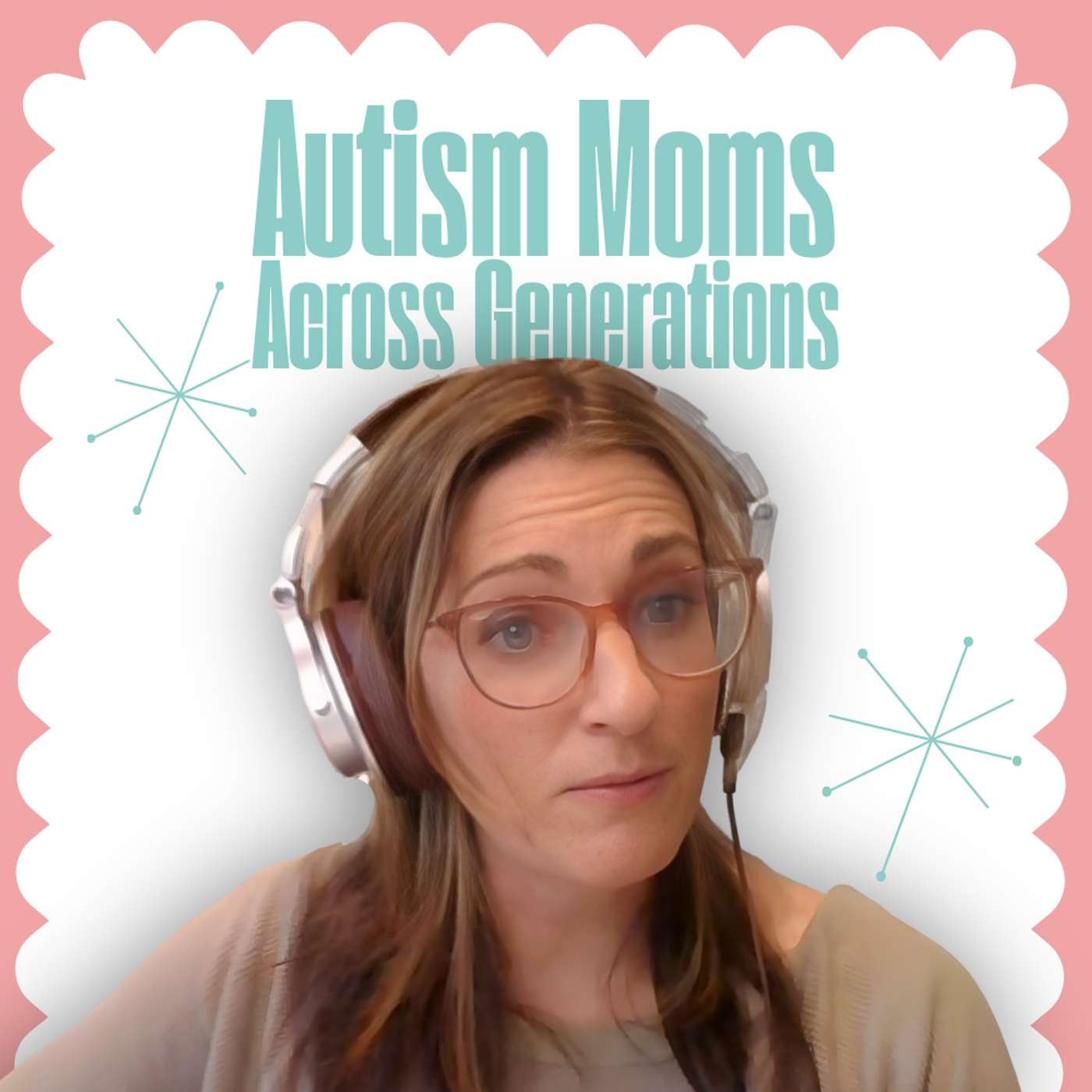 Autism Moms Across Generations: Waiting Rooms, Waitlists & the Fight for Services | Julianna Scott and Kelley Jensen sit down with Jean Mayer — Texas-based disability advocate, school board trustee, co-host of Moms Talk Autism, and mother of a 12-year-old autistic son — for a candid cross-generational conversation about what has and hasn't changed in the autism parenting journey. From the early days of dial-up internet and therapy waiting rooms to today's social media overwhelm and policy battles, the three moms compare experiences, swap hard-won wisdom, and get real about guilt, grief, advocacy, and the long game of raising a child with complex needs.Key Takeaways:The nucleus of the autism parenting experience — love, fear, guilt, and responsibility — remains constant across generations, even as systems, language, and access points shift.Therapy waiting rooms once served as an unplanned but vital community hub for autism families; that informal peer connection has largely disappeared.Information overload today can be as harmful as the information dearth of the early 2000s; discernment and curating a small, trusted circle matters more than volume.Navigating a fragmented medical and educational system often turns parents into "reluctant experts" — managing treatment plans, insurance denials, and IEP meetings without a roadmap.Policy is the upstream driver of access: understanding the difference between school practice and actual written policy is a powerful tool for parents.Lived experience is inherently subjective and should not be the sole basis for policy decisions, even though it is an essential voice in advocacy.Transition planning for autistic young adults should remain flexible and evolving, not fixed — and parents building themselves as trusted resources (not just caretakers) is underrated advice.Loneliness in disability housing is a growing and underaddressed crisis; intentional community models deserve more attention.The coming DSM-6 changes are already creating fatigue among behavioral health professionals and uncertainty for families still building identity around shifting diagnostic criteria.Finding your people — even just a very small circle — is more protective and actionable than scrolling social media for answers.🔗 Learn More: Website: refrigeratormoms.com Instagram: https://www.instagram.com/refrigeratormoms/ LinkedIn: https://www.linkedin.com/company/refrigeratormoms Facebook: https://www.facebook.com/refrigeratormoms/ TikTok: https://www.tiktok.com/@RefrigeratorMomsRefrigerator Moms is sponsored by Brain Performance Technologies, a specialty mental health clinic that offers neuromodulation treatments including SAINT (Stanford Accelerated Intelligent Neuromodulation Therapy) for treatment-resistant depression and major depressive disorder, as well as MeRT (Magnetic e-resonance therapy) for autistic people aged three or older. Learn more at https://brainperformancetechnologies.com00:00 Introduction & guest welcome00:53 Jean introduces her family01:50 From hospitality career to autism mom04:13 Who told you to pivot careers?06:43 The acute vs. forever reality of autism07:23 Comparing generations of autism parents08:34 The guilt that never erodes08:58 Then vs. now: information dearth vs. glut09:55 The early internet & dial-up days10:40 The value of therapy waiting rooms11:19 How waiting rooms built community14:22 When connection was hard even in person15:02 The phone problem in waiting rooms today16:54 Safe spaces where everyone understands17:33 Navigating today's information overload18:03 Leaving toxic Facebook groups for Instagram20:08 Finding your people online21:24 Drowning in information & needing a lifeline21:49 Lived experience vs. policy22:34 How advocacy began with insurance denials24:55 Policy gaps & IEP meetings in Texas26:31 Walking in the dark: the early autism era27:14 Autism as emerging industry27:37 The DSM shifts & changing diagnosis29:27 What will DSM-6 change?30:35 How Jean's advocacy evolved step by step33:57 The looming fear: what happens after I'm gone?35:57 School board, lobbying & statewide impact40:27 What the next generation of autism parents faces41:18 Transition planning for autistic adults42:13 Kelley's son: evolving transition & loneliness in housing43:33 Julianna's son: independent living & losing control45:42 Being a trusted resource vs. caretaker47:08 Speed round begins47:19 Greatest extravagance47:54 When do you cry?49:03 What do you deplore most about autism?49:44 What have you learned to love?50:10 What are you reading right now?51:31 Upward Bound & Moms Talk Autism shoutout53:31 Closing & thank you55:27 Legal disclaimer & outro | 57m 35s | ||||||
| 4/29/26 | What Autism Parents Really Think About Love on the Spectrum (Netflix) | Julianna Scott and Kelley Jensen share their candid, sometimes conflicted reactions to Netflix's Love on the Spectrum. Julianna, who watched every season, brings enthusiasm and nuance; Kelley, who watched two episodes before tapping out, brings the perspective of a parent for whom the show hits painfully close to home. Together they explore whether the show humanizes or infantilizes its cast, the tension between heartwarming moments and lived-in autism parenting reality, and the underexplored question of neurodivergent people dating neurotypical partners. They also shout out Inclusion Fusion, a Las Vegas-based social program for autistic adults that Logan from this season attends.Key TakeawaysCast members who've participated largely report positive experiences and say they don't feel exploitedThe show has responded to audience feedback by adding LGBTQ+ couples and greater cultural and socioeconomic diversity over its seasonsFor autism parents, the show can be genuinely difficult to watch because it mirrors real anxieties about their child's futureReality TV packaging (upbeat soundtrack, quick-cut "special interest" intros) risks infantilizing its cast, even when intentions are goodAll cast members are matched with other neurodivergent people, leaving the experience of dating neurotypical partners largely unexploredMasking is a major, underaddressed factor in how autistic people navigate romantic relationships with neurotypical partnersInclusion Fusion (Las Vegas) is highlighted as a model social program offering consistent Friday-night hangouts for autistic adults -- masks off, fun firstBreakups and long-term relationship struggles after filming rarely make it into the show's narrativeThe show sparks broader conversations about sexuality, reproduction, and long-term partnership for autistic adults"Flowers growing through concrete" -- the show's emotional core resonates differently depending on whether you're watching from the outside or living it🔗 Learn More:Website: refrigeratormoms.comInstagram: https://www.instagram.com/refrigeratormoms/LinkedIn: https://www.linkedin.com/company/refrigeratormomsFacebook: https://www.facebook.com/refrigeratormoms/TikTok: https://www.tiktok.com/@RefrigeratorMomsRefrigerator Moms is sponsored by Brain Performance Technologies, a specialty mental health clinic that offers neuromodulation treatments including SAINT (Stanford Accelerated Intelligent Neuromodulation Therapy) for treatment-resistant depression and major depressive disorder, as well as MeRT (Magnetic e-resonance therapy) for autistic people aged three or older. Learn more at https://brainperformancetechnologies.com00:00 Intro00:14 Kelley's shoutout: Inclusion Fusion01:24 Logan and Inclusion Fusion01:34 What Inclusion Fusion offers02:45 Need for programs like this03:23 Sponsor: Brain Performance Technologies03:52 Diving into Love on the Spectrum04:01 Reviews and audience reactions05:34 Is the show exploitative?06:41 Cast members' own perspectives07:22 Showrunners listening to feedback07:42 Kelley's take: wholesome but hard to watch08:35 When it hits too close to home09:25 Julianna's personal conflict watching10:07 Fear for their children's futures10:25 Dating, safety, and vulnerability11:23 Breakups and real-life outcomes12:26 Dating struggles aren't unique to autism13:08 Not enough actionable takeaways14:00 Sexuality and marriage on the show14:19 Documentary vs. reality TV14:57 Sponsor: Brain Performance Technologies15:10 "It's so cute" -- the outsider view16:05 Humanizing or infantilizing?17:09 Why only neurodivergent couples?18:19 Masking before and after commitment19:28 Who stood out: Logan and Connor20:27 Fan favorite couple Abbey and David broke up21:22 Ending on a positive: the dogs22:13 Outro and disclaimer | 23m 09s | ||||||
| 4/22/26 | What The Pitt Gets Wrong About Autistic Adults & Sexual Health | Julianna Scott and Kelley Jensen dig into a storyline from the hit medical drama The Pitt, where autistic character Becca is treated for a UTI and her sister Dr. Mel invokes "supported decision making." The hosts applaud the show for raising the topic — then spend the episode unpacking everything it glossed over. From the legal mechanics of conservatorship to the near-total absence of guidance around reproductive health for disabled adults, Julianna and Kelley get into the weeds so the show didn't have to. Kelley also shares the surprisingly sweet story of securing conservatorship for her own son before his 18th birthday.HighlightsThe Pitt introduced "supported decision making" to a mainstream audience — a real legal framework worth understandingNo state in the U.S. allows anyone to make reproductive decisions on behalf of another adult, including through conservatorshipConservatorship varies significantly by state and comes in different categories: financial, healthcare, and moreSupported decision making lets the individual retain final authority while supporters explain options and consequences — but it raises many unanswered questionsSexual and reproductive health for disabled adults is one of the least-guided, most legally complex areas of disability careConservatorship can be suspended or revoked if circumstances change — it's not necessarily permanentStart conversations about conservatorship and reproductive health at puberty, not at age 18Loop in your child's pediatrician early — documented conversations can help you advocate laterDon't use Britney Spears as your benchmark for conservatorship — her case was extreme and atypicalInformal supported decision making is something many autism families are already practicing without realizing it🔗 Learn More: Website: refrigeratormoms.com Instagram: https://www.instagram.com/refrigeratormoms/ LinkedIn: https://www.linkedin.com/company/refrigeratormoms Facebook: https://www.facebook.com/refrigeratormoms/ TikTok: https://www.tiktok.com/@RefrigeratorMomsRefrigerator Moms is sponsored by Brain Performance Technologies, a specialty mental health clinic that offers neuromodulation treatments including SAINT (Stanford Accelerated Intelligent Neuromodulation Therapy) for treatment-resistant depression and major depressive disorder, as well as MeRT (Magnetic e-resonance therapy) for autistic people aged three or older. Learn more at https://brainperformancetechnologies.com00:00 Intro & The Pitt recap01:09 Becca's UTI storyline explained01:36 Sponsor: Brain Performance Technologies02:08 More questions than answers02:14 When representation oversimplifies03:15 Becca's consent & boyfriend Adam03:55 UTIs, protection & unanswered questions04:11 Becca's living situation05:05 Sexual health & disability: no guidance05:28 What is supported decision-making?05:37 What is conservatorship?06:07 Ad: Brain Performance Technologies07:10 Conservatorship & reproductive rights07:56 Supported decision-making explained08:18 Where does supported decision-making fall short?08:34 Pregnancy, responsibility & legal gaps09:16 Kelley's son's conservatorship story10:47 The judge says "Granted"11:10 When independence IS possible11:42 Advice: don't use Britney as your benchmark12:47 Start at puberty, not at 1813:06 Document with your pediatrician13:10 Julianna's son & informal supported decisions14:23 Autonomy, complexity & The Pitt's value15:01 Outro & disclaimer | 15m 56s | ||||||
| 4/15/26 | Why This Viral Autism Book Has Us Asking Hard Questions About Facilitated Communication | Upward Bound by Woody Brown is getting major media buzz — a New York Times review, a spot on Jenna Bush Hager's Today Show book club — but Julianna Scott and Kelley Jensen aren't satisfied with the surface-level conversation. They dig into what makes this debut novel both powerful and complicated: its unflinching portrait of broken adult day programs, the real systemic failures facing profoundly autistic adults, and the thorny science (and ethics) of facilitated communication. They celebrate the book's important message while pushing back on the mainstream coverage that missed the bigger story.Key Takeaways:Upward Bound is being celebrated as inspiration porn, but its deeper value is as a critique of broken systems for profoundly autistic adultsFacilitated communication is a pseudoscience — studies consistently show the facilitator, not the autistic person, drives the outputThe "ideomotor effect" (think Ouija board) explains how facilitators can unconsciously influence responses without intending toAAC devices build independence; facilitated communication never can — and that distinction matters enormouslyFacilitated communication has a documented dark side, including cases of false abuse accusations and, in extreme cases, criminal exploitationThe most important stories in this book are about the staffers, the systemic underfunding, and the "cliff" autistic adults fall off of after age 22 — not just Woody's individual storyMainstream media coverage (including the Today Show interview) failed to ask critical questions about the system the book is actually indictingParents of profoundly autistic children develop remarkable communication shorthand with their kids — that's a feature, not a bug, but it's different from facilitated communicationThe book is worth reading and sharing — just go deeper than the inspiration porn framing and let it spark the harder conversations🔗 Learn More: Website: refrigeratormoms.com Instagram: https://www.instagram.com/refrigeratormoms/ LinkedIn: https://www.linkedin.com/company/refrigeratormoms Facebook: https://www.facebook.com/refrigeratormoms/ TikTok: https://www.tiktok.com/@RefrigeratorMomsRefrigerator Moms is sponsored by Brain Performance Technologies, a specialty mental health clinic that offers neuromodulation treatments including SAINT (Stanford Accelerated Intelligent Neuromodulation Therapy) for treatment-resistant depression and major depressive disorder, as well as MeRT (Magnetic e-resonance therapy) for autistic people aged three or older. Learn more at https://brainperformancetechnologies.com(00:00) - Welcome & Autism Acceptance Month (00:27) - Introducing Upward Bound by Woody Brown (01:02) - What is inspiration porn? (01:18) - Did Woody write this book? (02:05) - The plot: adult day programs explained (02:57) - Vignettes & multiple perspectives (03:35) - Who this book is for (04:01) - Should you send it to autism families? (04:45) - Systemic failures & the real story (06:02) - Camp Cammie & the "place for me" question (06:19) - Getting kicked out of special needs spaces (07:00) - The Temple Grandin movie reference (07:52) - Why coverage missed the system story (08:12) - Facilitated communication: the elephant (08:54) - 3 questions that debunk FC (09:39) - What is facilitated communication? (10:19) - How FC works in practice (12:43) - Why the facilitator is the real author (13:05) - Watching the Today Show interview (13:31) - Woody at Columbia: what it means (14:35) - Kudos & the real intention of the book (15:46) - How the book was supposedly generated via FC (17:02) - Parents as creative translators (17:56) - AAC devices vs. facilitated communication (18:28) - FC vs. AAC: independence is the goal (19:28) - What media coverage left out (19:59) - The Anna Stubblefield case (21:06) - Why parents are justifiably upset (22:28) - Red flags in the text (23:49) - Thomas the Tank Engine & other tells (24:57) - Perspective-taking & authorship clues (26:52) - It's a love story — but who's telling it? (27:57) - Shame on coverage; kudos to the book (28:07) - The r-word & editorial choices (29:34) - Acknowledge the facilitator; read the book (30:40) - The system conversation we need (31:02) - Outro & disclaimer | 32m 35s | ||||||
| 4/8/26 | Why Won't My Kid Behave at His Own Birthday? Autism Parents Get Real | Julianna Scott and Kelley Jensen dig into real questions posted by autism and special needs parents on social media. They tackle a mom's hurt and embarrassment when her teen's anxiety derailed his own birthday celebration, share sport and activity ideas that blend neurotypical and autistic kids without the pressure of forced socializing, unpack the root cause behind panic attacks (fear, not just breathing), and offer a frank conversation about young adult depression and burnout. They also discuss verbal loops and repetitive questioning, explaining how to decode what a child is really trying to communicate.Key TakeawaysWhen a child's anxiety disrupts a planned birthday celebration, the loss is real for both parent and child. Holding onto what went well (like a successful outing with friends) matters.Adjusting expectations is an ongoing process. Rather than blaming, revisit the plan together before the next event."Alone together" activities like bowling, skiing, skating, or hockey let autistic kids build confidence and social connection without heavy verbal demands.Mixed-ability sports programs can be a gateway to lasting friendships and skills that carry into adulthood.Panic attacks are rooted in fear. Managing the moment is useful, but identifying and addressing the trigger is essential for reducing frequency.If panic attacks are frequent, consult a doctor and use behavioral tools like ABCs to track what precedes them.Young adult depression and burnout should be treated as a chronic condition requiring ongoing management, not a phase that will pass.Interventional psychiatry, SAINT, ketamine, TMS, and traditional therapy can all play a role in treating treatment-resistant depression.Kelley's son, who has had depression since childhood, experienced roughly 80% improvement after completing the SAINT protocol.Verbal loops in autistic individuals are often anxiety in disguise. Redirect toward the underlying concern rather than repeating the loop.00:00 Welcome & episode intro00:39 Q1: Birthday meltdown02:11 Birthdays are hard03:03 Adjust expectations & replanning03:37 Sponsor: Brain Performance Technologies05:05 Wackiest comment reaction05:45 Q2: Mixed activities for neurodiverse kids07:10 Kelley's sons & skating/hockey story08:14 "No downside to trying"08:29 Q3: Panic attacks in a 10-year-old09:24 Panic attacks are fear10:15 Address the trigger, not just the moment11:05 ABCs & seeing a doctor11:42 Managing vs. preventing panic attacks12:07 No substitute for a professional12:23 Sponsor: Brain Performance Technologies12:57 Q4: Young adult depression & burnout13:51 Not something amateurs should handle14:07 Treat depression as a chronic condition15:25 Interventional psychiatry & fast-acting options15:47 Kelley's son: SAINT treatment update16:55 80% improvement after SAINT18:01 Try all the tools18:34 Q5: Verbal loops & repetitive talk19:33 Redirect to the underlying anxiety20:31 Holiday loops & visualizing the plan21:16 OCD loops vs. autism anxiety loops22:13 Antecedent: find the trigger22:44 Sign-off & disclaimer | 23m 39s | ||||||
| 4/1/26 | Why Autism & Perfectionism Go Hand in Hand — What Every Parent Needs to Know | Kelley Jensen and Julianna Scott get personal about perfectionism — and it turns out both hosts scored high on the assessment. They unpack the difference between adaptive and maladaptive perfectionism, why autistic kids are especially prone to perfectionist thinking, and how rigid standards and fear of failure can quietly fuel anxiety, burnout, and even disordered eating. From Tiger Moms to Snowplow parents, helicopter tendencies to procrastination, this episode covers the full landscape. They close with a practical to-do list for recovering perfectionists — parents and kids alike — anchored by the mantra: don't compare, don't compete.Key TakeawaysPerfectionism is not a diagnosis, but it can quickly become maladaptive — leading to anxiety, depression, and burnoutThere are two types: adaptive (high standards that drive healthy achievement) and maladaptive (unrealistic standards that lead to paralysis and shame)Procrastination is often rooted in perfectionism — if you can't do it perfectly, you put it offAutistic kids are especially prone to perfectionism due to black-and-white thinking, rigidity, and identity tied to performanceAdjusting expectations isn't the same as lowering them — "high standards" should be calibrated to what your child is actually capable ofSnowplow and lawnmower parenting removes obstacles but leaves kids unable to handle real-world failureAppearance perfectionism and socially prescribed standards are fueling disordered eating, particularly in girls on the spectrumParents can unintentionally reinforce perfectionism through excessive praise tied to performance outcomesThe "what if" exercise — following a worry all the way to its logical end — is a powerful tool for anxiety and perfectionist thinkingCore strategies: reframe failures as learning, model self-acceptance, set attainable goals, and embrace "good enough"Website: refrigeratormoms.com Instagram: https://www.instagram.com/refrigeratormoms/ LinkedIn: https://www.linkedin.com/company/refrigeratormoms Facebook: https://www.facebook.com/refrigeratormoms/ TikTok: https://www.tiktok.com/@RefrigeratorMomsRefrigerator Moms is sponsored by Brain Performance Technologies, a specialty mental health clinic that offers neuromodulation treatments including SAINT (Stanford Accelerated Intelligent Neuromodulation Therapy) for treatment-resistant depression and major depressive disorder, as well as MeRT (Magnetic e-resonance therapy) for autistic people aged three or older. Learn more at https://brainperformancetechnologies.com00:00 Welcome & Episode Intro00:28 "Perfection Is the Enemy of Progress"01:02 When Perfectionism Turns Maladaptive01:27 Perfectionism in Autism Parenting01:49 Taking the Perfectionism Assessments02:49 Frost Multidimensional Scale Overview03:11 Parental Approval & the Assessments04:11 Kelley's Results: Adaptive Perfectionism05:26 Julianna's Results: Maladaptive Patterns05:35 Ad Break: Brain Performance Technologies (MeRT)06:30 Julianna Scores — The Full Picture07:07 Procrastination as Perfectionism08:37 Autism Diagnosis & Letting Go of the Fantasy09:15 High Standards vs. Impossible Standards10:34 Rigidity, Control & Black-and-White Thinking11:42 Self-Oriented, Other-Oriented & Social Perfectionism13:18 Appearance Perfectionism & Disordered Eating14:52 Autism, Rigidity & Big Problem/Small Problem16:03 Identity, Achievement & Fear of Failure18:25 Kids Redoing Work & Recognizing the Signs21:19 Parenting Styles: Tiger, Lawnmower & Snowplow Moms22:27 Ad Break: Brain Performance Technologies (SAINT)23:42 What Would We Do? Practical Strategies25:38 Helping a Spouse Who Doesn't See Their Perfectionism28:08 The To-Do List for Recovering Perfectionists34:39 Resilience, Learned Helplessness & Wrap-Up35:22 Don't Compare, Don't Compete35:40 Closing & Five-Star Reminder | 37m 18s | ||||||
| 3/25/26 | The Words We Use to Describe Autism — And Why They're So Controversial | Kelley Jensen and Julianna Scott dig into one of autism's most charged debates: language. From "nonverbal" versus "non-speaking" to the ADA's definition of disability, to person-first versus identity-first language, the hosts weigh what these distinctions actually mean in practice. They explore who benefits from these word choices, who gets left behind when semantics overshadows real advocacy, and how cultural, academic, and personal identity factors all shape the conversation. With their trademark candor, Kelley and Julianna push back on word policing while acknowledging when precision in language genuinely matters.Key Takeaways"Nonverbal" vs. "non-speaking" is a meaningful distinction in research and classroom settings, but word-policing mid-conversation can derail real advocacyNon-speaking individuals may have full language comprehension even without speech — but that assumption shouldn't be applied universallyThe severe autism community is often sidelined when advocacy focuses on semantics rather than servicesThe ADA defines disability broadly as any physical or mental impairment substantially limiting one or more major life activitiesSocial Security defines disability as inability to engage in substantial gainful activity due to a medically determinable impairment lasting at least 12 monthsDisability definitions have shifted from a medical model toward a civil rights/social model over time"Person first" language (a child with autism) was once the standard; "identity first" (an autistic person) is now preferred by many autistic adultsA 2023 study found autistic adults overwhelmingly preferred identity-first language, while professionals still default to person-firstA 2024 analysis found person-first language still dominates academic and scholarly literatureBoth hosts agree: Gently correct if a word matters to you, but don't police others or make it the centerpiece of every conversation🔗 Learn More:Website: refrigeratormoms.comInstagram: https://www.instagram.com/refrigeratormoms/LinkedIn: https://www.linkedin.com/company/refrigeratormomsFacebook: https://www.facebook.com/refrigeratormoms/TikTok: https://www.tiktok.com/@RefrigeratorMomsRefrigerator Moms is sponsored by Brain Performance Technologies, a specialty mental health clinic that offers neuromodulation treatments including SAINT (Stanford Accelerated Intelligent Neuromodulation Therapy) for treatment-resistant depression and major depressive disorder, as well as MeRT (Magnetic e-resonance therapy) for autistic people aged three or older. Learn more at https://brainperformancetechnologies.com(00:00) - Introduction: Words & semantics in autism (01:48) - Nonverbal vs. non-speaking explained (02:51) - Non-speaking: language ability vs. speech (04:35) - Severe autism & assumptions of comprehension (05:05) - Who benefits from language corrections? (06:10) - When precise language matters (research, school) (07:57) - The word "disabled" and its definitions (08:24) - ADA definition of disability (09:06) - When is someone considered disabled? (09:20) - Social Security disability definition (09:50) - How autism diagnosis affects benefits (09:58) - From medical model to civil rights model (10:30) - Person first vs. identity first language (11:04) - Kelley's take: Labels don't matter, help does (11:39) - Philosophy behind person-first language (12:07) - The pendulum swings to identity-first (13:08) - What the research says (2023, 2024 studies) (13:39) - It's personal: Do what feels right (14:00) - Language policing & need for control (14:27) - Wrap-up & disclaimer | 15m 22s | ||||||
Want analysis for the episodes below?Free for Pro Submit a request, we'll have your selected episodes analyzed within an hour. Free, at no cost to you, for Pro users. | |||||||||
| 3/18/26 | Stop Trying to Fix Everything: How Autism Taught Us to Live With the Unknown | Julianna Scott and Kelley Jensen tackle a concept that hits close to home for autism families: Intolerance of Uncertainty (IU) — the tendency to react negatively on emotional, cognitive, and behavioral levels to unpredictable situations. They explore how autism parenting puts this into overdrive, from diagnosis-day fears to hypervigilance and the endless "fix it" mindset. Drawing on personal stories, research, and a recommendation for The Healing Power of Resilience, they offer practical strategies: plan only 3–5 years out, measure progress in "inch stones," find joy in small moments, and treat uncertainty tolerance as a muscle you build — not a problem you solve once.Key TakeawaysIntolerance of uncertainty (IU) is a defined psychological tendency to react negatively to unpredictable situations — and autism parents often experience it intenselyAutism can be an unexpected teacher: it forces a crash course in living with the unknownThe "only until age six" therapy panic is a myth — your child is on their own trajectoryPlan no more than 3–5 years ahead; don't catastrophize about the distant futureYour anxiety is not invisible — your child can sense when it's contributing to theirsHypervigilance is the flip side of uncertainty: constantly scanning for threats fuels more anxiety, not lessExcessive research can actually increase anxiety — know when to turn it offProgress for autistic kids should be measured in "inch stones," not milestonesResilience is a practice, not a destination — build it like a muscle through community, connection, and self-compassionLook for joy in unexpected moments; small shared experiences can quiet the noise of uncertainty🔗 Learn More: Website: refrigeratormoms.com Instagram: https://www.instagram.com/refrigeratormoms/ LinkedIn: https://www.linkedin.com/company/refrigeratormoms Facebook: https://www.facebook.com/refrigeratormoms/ TikTok: https://www.tiktok.com/@RefrigeratorMomsRefrigerator Moms is sponsored by Brain Performance Technologies, a specialty mental health clinic that offers neuromodulation treatments including SAINT (Stanford Accelerated Intelligent Neuromodulation Therapy) for treatment-resistant depression and major depressive disorder, as well as MeRT (Magnetic e-resonance therapy) for autistic people aged three or older. Learn more at https://brainperformancetechnologies.com(00:00) - Introduction & IU defined (01:00) - One gift of autism: living with the unknown (01:51) - Sponsor: Brain Performance Technologies (SAINT) (02:30) - Hypervigilance & the diagnosis experience (03:08) - Plan only 3–5 years out (03:30) - What diagnosis can't predict (03:57) - The "only until age 6" myth (04:23) - Your anxiety affects your child (05:03) - Sponsor: Brain Performance Technologies (MeRT) (05:30) - Research on IU and anxiety (06:22) - When to stop researching (06:39) - Letting go of "fix it" mode (07:12) - Predictions that turned out to be wrong (07:59) - Inch stones & measuring small progress (08:13) - Finding joy in unexpected moments (08:48) - Hypervigilance: the perpetual anxiety loop (09:37) - Don't pack the schedule on hard days (09:50) - Resilience & The Healing Power of Resilience (11:12) - Resilience as a daily practice (11:47) - Keep going — we're all in it (11:57) - Disclaimer & closing | 12m 48s | ||||||
| 3/11/26 | How Autism Looks Different in Girls — And Why Doctors Keep Missing It | Autism has long been defined by male behavior patterns — and girls have been paying the price. Julianna and Kelley dig into the research of British neurobiologist Gina Rippon, whose book Off the Spectrum: Why the Science of Autism Has Failed Women and Girls exposes how diagnostic tools normed on boys have systematically overlooked autistic females for decades. From camouflaging and masking to misdiagnoses of anxiety, depression, and eating disorders, the hosts explore why autistic girls tend to "fly under the radar" — and what's finally changing in research, diagnostics, and the broader conversation around female autism.Key TakeawaysAutism diagnostic tools like the ADOS were primarily normed on male participants, causing systematic underdiagnosis in girls.Autistic girls are more likely to internalize distress and camouflage symptoms rather than display the externalizing behaviors clinicians look for.Girls' special interests (animals, celebrities, fictional characters) often mirror typical female interests, so they don't raise clinical red flags.Masking in autistic girls is survival-driven, not situational — unlike neurotypical "impression management," it is exhausting and constant.Autistic girls are more commonly misdiagnosed with anxiety, depression, eating disorders, or personality disorders instead of autism.Adolescence is the breaking point — as social demands increase, masking becomes harder to sustain and mental health crises emerge.Even families who already have a child with autism may miss the signs in their daughters.The DSM-5 now acknowledges autism may not become apparent until social demands exceed coping capacity — a meaningful philosophical shift.Research is beginning to develop girl-sensitive diagnostic tools that include camouflaging, social exhaustion, and gendered interests.Autistic girls and women are increasingly raising their own voices through social media and research participation, driving real change.🔗 Learn More: Website: refrigeratormoms.com Instagram: https://www.instagram.com/refrigeratormoms/ LinkedIn: https://www.linkedin.com/company/refrigeratormoms Facebook: https://www.facebook.com/refrigeratormoms/ TikTok: https://www.tiktok.com/@RefrigeratorMomsRefrigerator Moms is sponsored by Brain Performance Technologies, a specialty mental health clinic that offers neuromodulation treatments including SAINT (Stanford Accelerated Intelligent Neuromodulation Therapy) for treatment-resistant depression and major depressive disorder, as well as MeRT (Magnetic e-resonance therapy) for autistic people aged three or older. Learn more at https://brainperformancetechnologies.com(00:00) - Intro: Autism Is Not a Boys Club (00:17) - Meet the "Autism Barbie" guest (00:31) - Why girls are overlooked (00:37) - Gina Rippon's research explained (02:04) - Lining up Barbies — nobody notices (02:36) - Sponsor: SAINT therapy (03:18) - Male-normed diagnostic tools (ADOS) (04:24) - How diagnostic questions fail girls (05:33) - What Kelley sees in the clinic (05:53) - Misdiagnosed: anxiety, depression, EDs (06:25) - Language development & early diagnosis (07:46) - Two forces hiding autistic girls (08:54) - Camouflaging & masking behaviors (09:28) - Girls understand their social impact (09:39) - Empathy & the will to assimilate (10:18) - Fear of bullying drives masking (10:40) - Sponsor: MeRT therapy (11:33) - Masking versus impression management (11:53) - Girls' fragile friendships explained (12:29) - Special interests that "look normal" (13:21) - Sensory issues & DSM-5 changes (13:55) - Adolescence as the breaking point (14:28) - How assessments are finally changing (15:16) - Autistic girls finding their voices (15:50) - Clinic perspective & key lesson (16:21) - Even autism families miss the signs (16:49) - Closing: Barbie belongs (16:55) - Outro & disclaimer | 17m 48s | ||||||
| 3/4/26 | Autistic Kids & Food Struggles: From Goldfish to Grilled Cheese | Food struggles are one of the most common — and emotionally charged — challenges in autism parenting. Kelley Jensen and Julianna Scott break down the full spectrum of disordered eating, from picky eating to food selectivity to ARFID (Avoidant Restrictive Food Intake Disorder), a DSM-5 diagnosis that affects the majority of autistic children. Drawing on their own parenting experiences, they tackle the "safe foods" conversation, introduce practical strategies like food chaining, and offer a compassionate long-game perspective for families who feel like they're failing at mealtimes.Key TakeawaysARFID versus picky eating versus food selectivity — these are distinct, and knowing the difference matters for getting the right support.Food selectivity is defined as eating 20 or fewer foods in a single month — a bar many autistic children fall below.Sensory issues (texture, temperature, flavor, presentation) are often the root cause of food refusal — treat it through a sensory lens, not a food lens."Safe foods" aren't always safe — if a child's preferred foods are causing cavities, constipation, or nutritional deficits, it's worth asking who is defining "safe" and in what sense.Food chaining — scaffolding from a known safe food to a similar new one (goldfish → Cheez-It → Ritz → grilled cheese) — is a gentler, more effective path than forcing new foods.Anxiety drives a lot of food refusal — managing your own mealtime anxiety is one of the most impactful things parents can do.Involve your child in the process — grocery lists, meal planning, food prep, and knife skills all give kids agency and reduce mealtime power struggles.Growth spurts are strategic windows — hunger can override rigidity, making them great opportunities to introduce new foods.Play the long game — food habits take years, not weeks, to change. Day-to-day failures are not the measure of success.When to bring in professionals — if you're seeing rotting teeth, chronic constipation, or signs of a clinical eating disorder, a pediatrician, nutritionist, or eating disorder specialist should be involved.🔗 Learn More: Website: refrigeratormoms.com Instagram: https://www.instagram.com/refrigeratormoms/ LinkedIn: https://www.linkedin.com/company/refrigeratormoms Facebook: https://www.facebook.com/refrigeratormoms/ TikTok: https://www.tiktok.com/@RefrigeratorMomsRefrigerator Moms is sponsored by Brain Performance Technologies, a specialty mental health clinic that offers neuromodulation treatments including SAINT (Stanford Accelerated Intelligent Neuromodulation Therapy) for treatment-resistant depression and major depressive disorder, as well as MeRT (Magnetic e-resonance therapy) for autistic people aged three or older. Learn more at https://brainperformancetechnologies.com | 39m 38s | ||||||
| 2/25/26 | Is the MAHA Movement Good for Autistic People? We Tracked the Timeline | Julianna Scott and Kelley Jensen break down everything that has happened since HHS Secretary RFK Jr. took office, tracking a timeline of claims, policy changes, and appointments that affect the autism community. From the WHO reaffirming no causal link between vaccines and autism, to the quiet removal of FDA web pages warning against dangerous treatments like chelation therapy, to the stacking of the Interagency Autism Coordinating Committee with anti-vaccine activists — the hosts follow the facts and the money. Along the way, they address Lucavorin, ultra-processed food rhetoric, and what "buyer beware" really means for autism families right now.Key TakeawaysThe WHO reviewed 31 studies from multiple countries and reaffirmed no causal link between vaccines and autism spectrum disorder.An FDA page warning against dangerous autism "treatments" — including chelation and stem cell therapy — was quietly removed.A Lancet study confirmed Tylenol use during pregnancy does not increase autism risk; there was no public HHS response.Lucavorin (leucovorin calcium) was FDA-approved only for a rare hereditary disorder — not autism — and off-label use at high doses can be dangerous.The Interagency Autism Coordinating Committee was reconstituted with 21 new members, largely anti-vaccine activists, excluding established scientific and advocacy leadership.Mercury was removed from childhood vaccines in 2000–2001, yet several new committee members continue to cite mercury as a cause of autism.Kennedy's "Take Back America" tour criticized ultra-processed food while taking no regulatory action against the food industry.NIH funding is shifting away from universities in blue states; a significant portion is expected to fund anti-vaccine studies.RFK Jr. has numerous vested financial interests, including potential legal referral fees, MAHA trademark filings, and ties to the $6.3 trillion wellness industry.The hosts credit Kennedy for stating on record that screen time does not cause autism and that health decisions should be made with physicians.🔗 Learn More: Website: refrigeratormoms.com Instagram: https://www.instagram.com/refrigeratormoms/ LinkedIn: https://www.linkedin.com/company/refrigeratormoms Facebook: https://www.facebook.com/refrigeratormoms/ TikTok: https://www.tiktok.com/@RefrigeratorMomsRefrigerator Moms is sponsored by Brain Performance Technologies, a specialty mental health clinic that offers neuromodulation treatments including SAINT (Stanford Accelerated Intelligent Neuromodulation Therapy) for treatment-resistant depression and major depressive disorder, as well as MeRT (Magnetic e-resonance therapy) for autistic people aged three or older. Learn more at https://brainperformancetechnologies.com(00:00) - Introduction & our stance on RFK Jr. (01:26) - Timeline begins: late 2024 recap (01:48) - WHO reaffirms vaccines don't cause autism (03:04) - FDA removes chelation therapy warning (03:48) - Sponsor: Brain Performance Technologies (SAINT) (04:30) - Lancet study clears Tylenol; no HHS response (05:03) - The Autism Industrial Complex (06:07) - Big wellness & the MAHA movement (07:50) - Lucavorin: what it is & what it isn't (09:28) - Parents vs. the research gap (11:16) - Interagency Autism Coordinating Committee (12:05) - Who's on the new committee? (13:31) - Sponsor: Brain Performance Technologies (MeRT) (14:00) - Mercury & vaccines: still not true (15:21) - Discredited vs. silenced (17:00) - NIH funding & anti-vaccine studies (17:29) - Kennedy's Take Back America tour (18:38) - Keto diets & autism: the real picture (19:49) - Credit where it's due: screens & autism (20:22) - NIH director on vaccines (21:14) - RFK Jr.'s vested financial interests (22:48) - Buyer beware (23:06) - The cocaine confession (23:41) - Final thoughts | 24m 47s | ||||||
| 2/18/26 | From Vodka to Therapy Conflicts: Tough Situations for Autism Parents | Julianna Scott and Kelley Jensen tackle controversial parenting scenarios from autism Facebook groups, exploring real dilemmas that leave parents stumped. When a 13-year-old autistic child steals vodka to share with friends, is it a consequence problem or a safety issue? The hosts dissect problematic advice about validating risky behavior and discuss why understanding a child's developmental level matters more than imposing consequences. They also address therapy conflicts when ABA and speech therapy clash, the pressure around "please and thank you," navigating gift-giving with family members, dealing with spouses who won't adapt their parenting approach, and the non-negotiable priority of keeping children safe from danger.Key Takeaways:When an autistic child doesn't understand stealing, start with teaching the concept rather than imposing consequencesAutistic teens are vulnerable to peer manipulation and may take dangerous risks to fit in with friendsBefore implementing consequences, assess the child's developmental level and what they're actually capable of understandingTeam meetings are essential when different therapists use conflicting approaches for the same childSocial norms like "please and thank you" should be taught when developmentally appropriate, not forced prematurelyGet ahead of gift-giving situations by preparing family members and considering opening presents privatelyWhen safety is at stake, parents have permission to stop dangerous behavior first and teach laterSpouse alignment on autism parenting is critical; validate concerns while working toward solutions togetherConsider whether peer relationships are healthy or exploitative when children engage in risky behaviorsNot all autism parenting advice from online groups is appropriate, even from moderators🔗 Learn More: Website: refrigeratormoms.com Instagram: https://www.instagram.com/refrigeratormoms/ LinkedIn: https://www.linkedin.com/company/refrigeratormoms Facebook: https://www.facebook.com/refrigeratormoms/ TikTok: https://www.tiktok.com/@RefrigeratorMomsRefrigerator Moms is sponsored by Brain Performance Technologies, a specialty mental health clinic that offers neuromodulation treatments including SAINT (Stanford Accelerated Intelligent Neuromodulation Therapy) for treatment-resistant depression and major depressive disorder, as well as MERT (Magnetic e-resonance therapy) for autistic people aged three or older. Learn more at https://brainperformancetechnologies.com(00:00) - Introduction (00:40) - Teen Steals Vodka Scenario (03:15) - Dangerous Advice from Groups (04:12) - Understanding Stealing Concept (04:48) - Peer Pressure & Manipulation (09:24) - Who Are These Friends? (10:16) - Severity Level Matters (11:56) - Conflicting Therapy Methods (12:41) - Please & Thank You Debate (14:17) - Gift Giving Strategies (16:35) - Prepping Family Members (17:22) - Spouse Disagreements (19:12) - Dangerous Behavior Dilemma (20:32) - Closing Thoughts | 21m 33s | ||||||
| 2/11/26 | An Inconvenient Study Review: How Fear Mongering Fuels the Autism Industrial Complex | Julianna and Kelley dissect "An Inconvenient Study," a documentary from the creators of Vaxxed that claims 54% of American children have chronic illnesses caused by vaccines. The film features Del Bigtree's undercover footage of a Henry Ford Health researcher who conducted a flawed retrospective study comparing vaccinated and unvaccinated children. The hosts connect this documentary's rhetoric to RFK Jr's current HHS proposals for similar Medicare/Medicaid studies, explaining why retrospective designs cannot establish causation and are vulnerable to bias. They emphasize the importance of consulting pediatricians rather than falling for fear-based messaging.Key Takeaways:"An Inconvenient Study" claims all childhood vaccines cause chronic illness in 54% of childrenThe documentary centers on a retrospective study that Henry Ford Health rejected for not meeting methodological standardsRetrospective studies look at existing data but cannot prove causation and are vulnerable to biasRFK Jr is proposing similar retrospective studies using Medicare/Medicaid data, which isn't a representative populationThe documentary uses the same rhetoric Kennedy employs about "balance" and hearing anti-vaccine voicesScaling up a flawed study design doesn't fix its fundamental problemsThe film is part of the autism industrial complex fear mongeringAnti-vaccine movement is gaining traction by creating skepticism about settled scienceParents should consult their pediatricians about vaccine decisions, not documentaries🔗 Learn More: Website: refrigeratormoms.com Instagram: https://www.instagram.com/refrigeratormoms/ LinkedIn: https://www.linkedin.com/company/refrigeratormoms Facebook: https://www.facebook.com/refrigeratormoms/ TikTok: https://www.tiktok.com/@RefrigeratorMomsRefrigerator Moms is sponsored by Brain Performance Technologies, a specialty mental health clinic that offers neuromodulation treatments including SAINT (Stanford Accelerated Intelligent Neuromodulation Therapy) for treatment-resistant depression and major depressive disorder, as well as MERT (Magnetic e-resonance therapy) for autistic people aged three or older. Learn more at https://brainperformancetechnologies.com | 11m 37s | ||||||
| 2/4/26 | Autism Plus: Understanding Comorbid Diagnoses Over Time | Getting an autism diagnosis can feel like the end of a journey, but it's actually the starting line. Kelley and Julianna walk through the full diagnostic process, from the first red flags to navigating medical diagnoses versus educational evaluations, and why each step matters. They share their own early experiences, break down the difference between screening and formal evaluation, and explain why self-diagnosis simply isn't enough. The conversation covers comorbid diagnoses, disclosure decisions, and practical first steps every family needs to take after receiving a diagnosis.Key TakeawaysThe three steps of autism diagnosis are monitoring, screening, and formal assessment. Don't skip any of them.Self-diagnosis and online quizzes are a starting point only. A formal evaluation by a trained professional is essential.A medical autism diagnosis does not automatically qualify a child for school-based services under IDEA. Eligibility is determined by a team.70% of individuals with ASD have at least one comorbid psychiatric disorder; 40% have two or more.Comorbid diagnoses like anxiety, OCD, and ADHD often surface over time and need to be revisited regularly.Late diagnosis as a teen or adult can provide meaningful self-understanding and relief.Treat the post-diagnosis process like a second job. Stay organized, maintain files, and collect every evaluation.Have more than one person fill out developmental questionnaires to get a fuller picture of your child.Disclosure is a personal decision with no single right answer. Do what works for your child and your family.Speed to acceptance and learning to manage anxiety are not one-time tasks. They run through every stage of this journey.🔗 Learn More: Website: refrigeratormoms.com Instagram: https://www.instagram.com/refrigeratormoms/ LinkedIn: https://www.linkedin.com/company/refrigeratormoms Facebook: https://www.facebook.com/refrigeratormoms/ TikTok: https://www.tiktok.com/@RefrigeratorMomsRefrigerator Moms is sponsored by Brain Performance Technologies, a specialty mental health clinic that offers neuromodulation treatments including SAINT (Stanford Accelerated Intelligent Neuromodulation Therapy) for treatment-resistant depression and major depressive disorder, as well as MERT (Magnetic e-resonance therapy) for autistic people aged three or older. Learn more at https://brainperformancetechnologies.com | 39m 07s | ||||||
| 1/29/26 | Autism Barbie & The Autism Industrial Complex: What Parents Need to Know | Julianna and Kelley examine the "Autism Industrial Complex" through the lens of Mattel's new Autistic Barbie doll. Drawing from a 2022 book, they break down how autism has become a multi-billion dollar business driven by hope, fear, and claims of science. The hosts critique how ABA therapy, genetic research, and products like Autistic Barbie perpetuate this system while often excluding severely autistic individuals from the conversation. They discuss vaccination fearmongering, corporate tokenism, and whether interventions are truly helpful or just profitable. With their signature honesty, they challenge listeners to question what's driving autism advocacy and research.Key Takeaways:The Autism Industrial Complex operates on three pillars: hope, fear, and truth (science rhetoric)ABA therapy evolved from acknowledging limitations to promising normalizationAutism Awareness Month shifted to Autism Acceptance Month, reflecting changing narrativesAnti-vaccination movements exploit fear to drive the autism prevention industrySeverely autistic individuals are consistently excluded from autism advocacy conversationsAutistic Barbie was developed with the Autism Self Advocacy Network over 18 monthsMattel donated only 1,000 Autism Barbies to children's hospitalsThe book suggests avoiding diagnosis and interventions to escape the industrial complexParents shouldn't bankrupt themselves pursuing interventions driven by hope or fearBeing part of the autism conversation inevitably makes you part of the industrial complex🔗 Learn More: Website: refrigeratormoms.com Instagram: https://www.instagram.com/refrigeratormoms/ LinkedIn: https://www.linkedin.com/company/refrigeratormoms Facebook: https://www.facebook.com/refrigeratormoms/ TikTok: https://www.tiktok.com/@RefrigeratorMomsRefrigerator Moms is sponsored by Brain Performance Technologies, a specialty mental health clinic that offers neuromodulation treatments including SAINT (Stanford Accelerated Intelligent Neuromodulation Therapy) for treatment-resistant depression and major depressive disorder, as well as MeRT (Magnetic e-resonance therapy) for autistic people aged three or older. Learn more at https://brainperformancetechnologies.com | 12m 38s | ||||||
| 1/21/26 | Practical Autism Parenting: Bath Time Wins, Vaccine Boundaries, and Roblox Limits | Julianna and Kelley tackle three critical parenting challenges from social media questions. They explore practical solutions for hygiene resistance, including making bath time fun rather than punitive. The hosts address inappropriate vaccination questions directed at autism parents, discussing timing, sensitivity, and respect. They examine the growing concern around Roblox addiction, sharing evidence that unlimited screen time approaches are failing. The episode emphasizes building positive routines early, avoiding battles that create trauma, and recognizing when popular platforms pose genuine risks to children's regulation and safety.Key TakeawaysMake hygiene routines fun and collaborative rather than battlesStart positive bath/shower habits early, before adolescenceVaccination questions to autism parents are insensitive and inappropriateUnlimited screen time philosophy is proving problematicRoblox shows clear addictive patterns in many autistic childrenPlaying games together provides better oversight than unrestricted accessPlatform safety concerns extend beyond just content to user demographicsRegulation tools like showers can benefit autistic children long-term🔗 Learn More: Website: refrigeratormoms.com Instagram: https://www.instagram.com/refrigeratormoms/ LinkedIn: https://www.linkedin.com/company/refrigeratormoms Facebook: https://www.facebook.com/refrigeratormoms/ TikTok: https://www.tiktok.com/@RefrigeratorMomsRefrigerator Moms is sponsored by Brain Performance Technologies, a specialty mental health clinic that offers neuromodulation treatments including SAINT (Stanford Accelerated Intelligent Neuromodulation Therapy) for treatment-resistant depression and major depressive disorder, as well as MeRT (Magnetic e-resonance therapy) for autistic people aged three or older. Learn more at https://brainperformancetechnologies.com | 26m 46s | ||||||
| 1/14/26 | Why Dads of Autistic Kids Struggle Silently (And How to Help Them) | Hosts Kelley Jensen and Julianna Scott explore the overlooked mental health struggles of fathers raising autistic children. While extensive research exists on mothers' mental health, fathers remain understudied with only small sample sizes available. The conversation reveals how dads often take a backseat to their partners' needs, struggle with stigma around seeking help, and approach autism acceptance differently than mothers. The episode emphasizes the importance of communication between spouses and practical strategies for supporting fathers' wellbeing.Key Takeaways:• Very limited research exists on fathers' mental health compared to mothers • Fathers often prioritize their partner's mental health needs over their own • Men typically become more goal-oriented after accepting their child's diagnosis • Fathers focus on long-term independence goals while mothers handle daily challenges • Stigma around men's mental health prevents fathers from seeking support • Communication and validation between spouses is crucial for both partners • Fathers can benefit from participating in their child's therapy sessions • Waiting room connections with other dads provide valuable informal support🔗 Learn More: Website: refrigeratormoms.com Instagram: https://www.instagram.com/refrigeratormoms/ LinkedIn: https://www.linkedin.com/company/refrigeratormoms Facebook: https://www.facebook.com/refrigeratormoms/ TikTok: https://www.tiktok.com/@RefrigeratorMomsRefrigerator Moms is sponsored by Brain Performance Technologies, a specialty mental health clinic that offers neuromodulation treatments including SAINT (Stanford Accelerated Intelligent Neuromodulation Therapy) for treatment-resistant depression and major depressive disorder, as well as MeRT (Magnetic e-resonance therapy) for autistic people aged three or older. Learn more at https://brainperformancetechnologies.com | 13m 26s | ||||||
| 1/7/26 | Is Screen Time the New Smoking? Autism Parenting in the Digital Age | Screens have become an unavoidable part of modern parenting, but what happens when unlimited screen time becomes the default for autistic children? Julianna and Kelley explore why screen time is being compared to smoking, examining the advice circulating in PDA communities that promotes unlimited screen access as emotional regulation. They break down the neurological impact of constant digital stimulation, discuss why screens interfere with critical skill development, and share practical strategies for establishing healthier boundaries. From parental modeling to age-appropriate limits, they offer actionable steps to help families navigate screen use without falling into the addiction trap.Key Takeaways:Screen addiction trains developing brains to expect immediate gratification, undermining patience and emotional regulation skills.PDA resources often promote unlimited screen time publicly but recommend removal when addiction develops.Text-based communication prevents autistic children from practicing crucial emotional recognition and social skills.Online friendships pose safety risks and don't provide the real-world social practice children need.Parents must model healthy screen habits before expecting children to develop them.Starting with zero screen time before age two creates the strongest foundation for healthy limits.Curating content, using time-limiting apps, and removing phones from bedrooms are essential strategies.Screens can be valuable tools for specific purposes like FaceTime with relatives or educational content.Earned screen time should be the highest value reward in your parenting toolkit.Managing screen time is a lifetime skill that requires ongoing parental guidance.🔗 Learn More: Website: refrigeratormoms.com Instagram: https://www.instagram.com/refrigeratormoms/ LinkedIn: https://www.linkedin.com/company/refrigeratormoms Facebook: https://www.facebook.com/refrigeratormoms/ TikTok: https://www.tiktok.com/@RefrigeratorMomsRefrigerator Moms is sponsored by Brain Performance Technologies, a specialty mental health clinic that offers neuromodulation treatments including SAINT (Stanford Accelerated Intelligent Neuromodulation Therapy) for treatment-resistant depression and major depressive disorder, as well as MERT (Magnetic e-resonance therapy) for autistic people aged three or older. Learn more at https://brainperformancetechnologies.com | 36m 36s | ||||||
| 12/31/25 | Profound Autism Needs 24/7 Care: The Crisis No One's Talking About | Julianna and Kelley discuss the National Council on Severe Autism's position statement advocating for severe or profound autism to be recognized as its own diagnosis, separate from the broader autism spectrum. They explore the evolution from DSM-IV's three-tier classification system to DSM-5's umbrella approach, examining how this change has impacted service allocation and representation. The conversation highlights the tension between neurodiversity advocacy and the needs of profoundly autistic individuals requiring 24/7 care, addressing housing crises, caregiver shortages, and the dominance of higher-functioning voices in autism discourse. The episode concludes with a lighthearted exploration of "outroverts."Key TakeawaysThe National Council on Severe Autism advocates for severe/profound autism to be its own diagnosis, distinct from the broader spectrumDSM-5's umbrella approach consolidated previous categories (Asperger's, PDD-NOS, classic autism) into one autism spectrum disorder with levels 1-3Severe autism is qualitatively different, not merely a matter of degree on a linear scaleIndividuals with severe autism typically have significant social communication impairments, cognitive deficits, challenges with basic living skills, sensory dysregulation, and need 24/7 supervisionParents of profoundly autistic individuals feel the conversation is dominated by higher-functioning voices and disability advocacy focused on independenceCompetition for limited services creates challenges when level 1 and level 3 individuals are competing for the same therapists and resourcesPopular culture representation of high-functioning autism has positive aspects but can overshadow the needs of the severe autism communityCurrent group home options are inadequate, and alternative housing solutions face practical barriers including housing and care worker shortagesRefrigerator Moms is sponsored by Brain Performance Technologies, a specialty mental health clinic that offers neuromodulation treatments including SAINT (Stanford Accelerated Intelligent Neuromodulation Therapy) for treatment-resistant depression and major depressive disorder, as well as MERT (Magnetic e-resonance therapy) for autistic people aged three or older. Learn more at https://brainperformancetechnologies.com🔗 Learn More: Website: refrigeratormoms.com Instagram: https://www.instagram.com/refrigeratormoms/ LinkedIn: https://www.linkedin.com/company/refrigeratormoms Facebook: https://www.facebook.com/refrigeratormoms/ TikTok: https://www.tiktok.com/@RefrigeratorMoms | 23m 19s | ||||||
| 12/24/25 | Cold Hard Truths: The Holidays with Autism | Julianna Scott and Kelley Jensen tackle the unique challenges of holiday celebrations with autistic children. From routine disruptions to the complexity of Santa Claus traditions, the hosts share personal stories of aggression, anxiety, and family adjustments. They discuss practical strategies including one-on-one visits, managing expectations, and creating new traditions that prioritize peace over perfection. The conversation offers honest insights into traveling with autistic children and the liberating reality that families can define their own holiday experiences without conforming to traditional expectations.Key TakeawaysHolidays break routines, which can trigger challenging behaviors in autistic children including aggression and anxiety.One-on-one interactions often work better than large family gatherings for autistic children.The concept of Santa can be particularly difficult for autistic children who need facts, proof, and concrete information.Pre-revealing gifts can reduce anxiety around uncertainty and unmet expectations.Test travel limits gradually during non-holiday times rather than attempting new challenges during high-stress periods.Social stories and therapist support can help prepare children for holiday travel and events.Give Santa an "expiration date" (such as age 8) to manage the transition away from the tradition.Avoid comparing your family's holiday experience to idealized versions—create traditions that work for your unique situation.Utilize airport sensory-friendly rooms and other available resources when traveling.It's liberating to prioritize what works for your family over traditional holiday expectations.🔗 Learn More: Website: refrigeratormoms.com Instagram: https://www.instagram.com/refrigeratormoms/ LinkedIn: https://www.linkedin.com/company/refrigeratormoms Facebook: https://www.facebook.com/refrigeratormoms/ TikTok: https://www.tiktok.com/@RefrigeratorMomsRefrigerator Moms is sponsored by Brain Performance Technologies, a specialty mental health clinic that offers neuromodulation treatments including SAINT (Stanford Accelerated Intelligent Neuromodulation Therapy) for treatment-resistant depression and major depressive disorder, as well as MERT (Magnetic e-resonance therapy) for autistic people aged three or older. Learn more at https://brainperformancetechnologies.com | 14m 20s | ||||||
| 12/17/25 | Cold Hard Truths: Why Haven't I Heard of This? | Kelley and Julianna explore transcranial magnetic stimulation (TMS) as a breakthrough treatment for autism-related mental health conditions. Kelley shares her professional journey working in a TMS clinic and how she discovered this drug-free, non-invasive therapy when seeking OCD treatment for her son. The hosts discuss why innovative treatments like TMS remain under-marketed despite proven effectiveness and introduce the concept of twice-exceptional (2E) children—intellectually gifted kids with learning disabilities like autism, ADHD, or dyslexia. They emphasize the importance of researching comorbidities to expand treatment options beyond traditional approaches.Key TakeawaysTMS is FDA-cleared for depression (ages 15+) and OCD, with studies expanding to younger ages.MeRT protocol offers personalized magnetic stimulation for autistic people aged 3+.Twice-exceptional (2E) children show intellectual gifts alongside learning disabilities.Research comorbidities to discover alternative treatment options beyond standard therapies.Many effective treatments lack marketing visibility compared to pharmaceutical options.Off-label treatments are common in autism care due to limited approved options.Brain stimulation therapies offer drug-free alternatives worth investigating.Educational support through IEPs may be needed for 2E children.Professional referrals from trusted providers can guide treatment decisions.🔗 Learn More: Website: refrigeratormoms.com Instagram: https://www.instagram.com/refrigeratormoms/ LinkedIn: https://www.linkedin.com/company/refrigeratormoms Facebook: https://www.facebook.com/refrigeratormoms/ TikTok: https://www.tiktok.com/@RefrigeratorMoms | 8m 47s | ||||||
| 12/10/25 | Cold Hard Truths: Disinformation: The Refrigerator Mother Theory and the Anti-Vax Movement | Julianna Scott and Kelley Jensen explore the disturbing history behind their podcast name, tracing the "refrigerator mother theory" from Leo Kanner and Bruno Bettelheim through the 1970s. The hosts examine how mothers were blamed for causing autism through cold, detached parenting—a theory used to institutionalize autistic children. They connect this historical scapegoating to modern vaccine misinformation, discussing Andrew Wakefield's fraudulent research and RFK Jr.'s anti-vaccine activism. The conversation addresses the real-world consequences of misinformation, from rising vaccine exemptions to measles outbreaks, while emphasizing the importance of evidence-based treatment and critical evaluation of information sources.Key TakeawaysThe refrigerator mother theory blamed cold, educated mothers for causing autism from the 1940s to the 1970s.Bruno Bettelheim compared autistic children's home environments to concentration camps, with mothers as commandants.The theory was used to justify removing children from homes and placing them in institutions.Bernard Rimland's 1964 research began shifting understanding toward biological causes of autism.Andrew Wakefield's fraudulent 1998 study linking vaccines to autism has been thoroughly debunked and retracted.Wakefield lost his medical license but continues producing anti-vaccine content.RFK Jr. has championed Wakefield and anti-vaccine messaging despite overwhelming scientific evidence against it.Austin School District saw vaccine exemptions rise from less than 1% (2019) to 23% recently.Two children died from measles in recent outbreaks linked to declining vaccination rates.Parents should focus energy on evidence-based therapies rather than unproven "cures" and detox protocols.🔗 Learn More: Website: refrigeratormoms.com Instagram: https://www.instagram.com/refrigeratormoms/ LinkedIn: https://www.linkedin.com/company/refrigeratormoms Facebook: https://www.facebook.com/refrigeratormoms/ TikTok: https://www.tiktok.com/@RefrigeratorMoms | 33m 53s | ||||||
Showing 25 of 48
Sponsor Intelligence
Sign in to see which brands sponsor this podcast, their ad offers, and promo codes.
Chart Positions
1 placement across 1 market.
Chart Positions
1 placement across 1 market.