
Insights from recent episode analysis
Audience Interest
Podcast Focus
Publishing Consistency
Platform Reach
Insights are generated by CastFox AI using publicly available data, episode content, and proprietary models.
Total monthly reach
Estimated from 1 chart position in 1 market.
By chart position
- 🇯🇵JP · Technology#1731K to 10K
- Per-Episode Audience
Est. listeners per new episode within ~30 days
500 to 5K🎙 ~2x weekly·196 episodes·Last published 1w ago - Monthly Reach
Unique listeners across all episodes (30 days)
1K to 10K🇯🇵100% - Active Followers
Loyal subscribers who consistently listen
400 to 4K
Market Insights
Platform Distribution
Reach across major podcast platforms, updated hourly
Total Followers
—
Total Plays
—
Total Reviews
—
* Data sourced directly from platform APIs and aggregated hourly across all major podcast directories.
On the show
Recent episodes
Why PCB Revision Errors Are a Hidden Reliability Risk With Mehdi Nahali - Episode 192
May 9, 2026
39m 07s
Why Maintenance Is Finally Getting a Seat at the Table With Limble's Paul Ross - Episode 191
Apr 24, 2026
1h 00m 24s
Predict, Prevent, Produce: RoviSys' Bryan DeBois on Manufacturing's Al Future Episode 190
Apr 14, 2026
59m 12s
From the Factory Floor to System Design: Why Women in STEM Matter with Kristen Eckart - Episode 189
Mar 24, 2026
41m 21s
An Academic Look at Al in Electronics Manufacturing: Where It Works, Fails, & Why It Matters - # 187
Mar 10, 2026
53m 53s
Social Links & Contact
Official channels & resources
Official Website
Login
RSS Feed
Login
| Date | Episode | Description | Length | ||||||
|---|---|---|---|---|---|---|---|---|---|
| 5/9/26 | 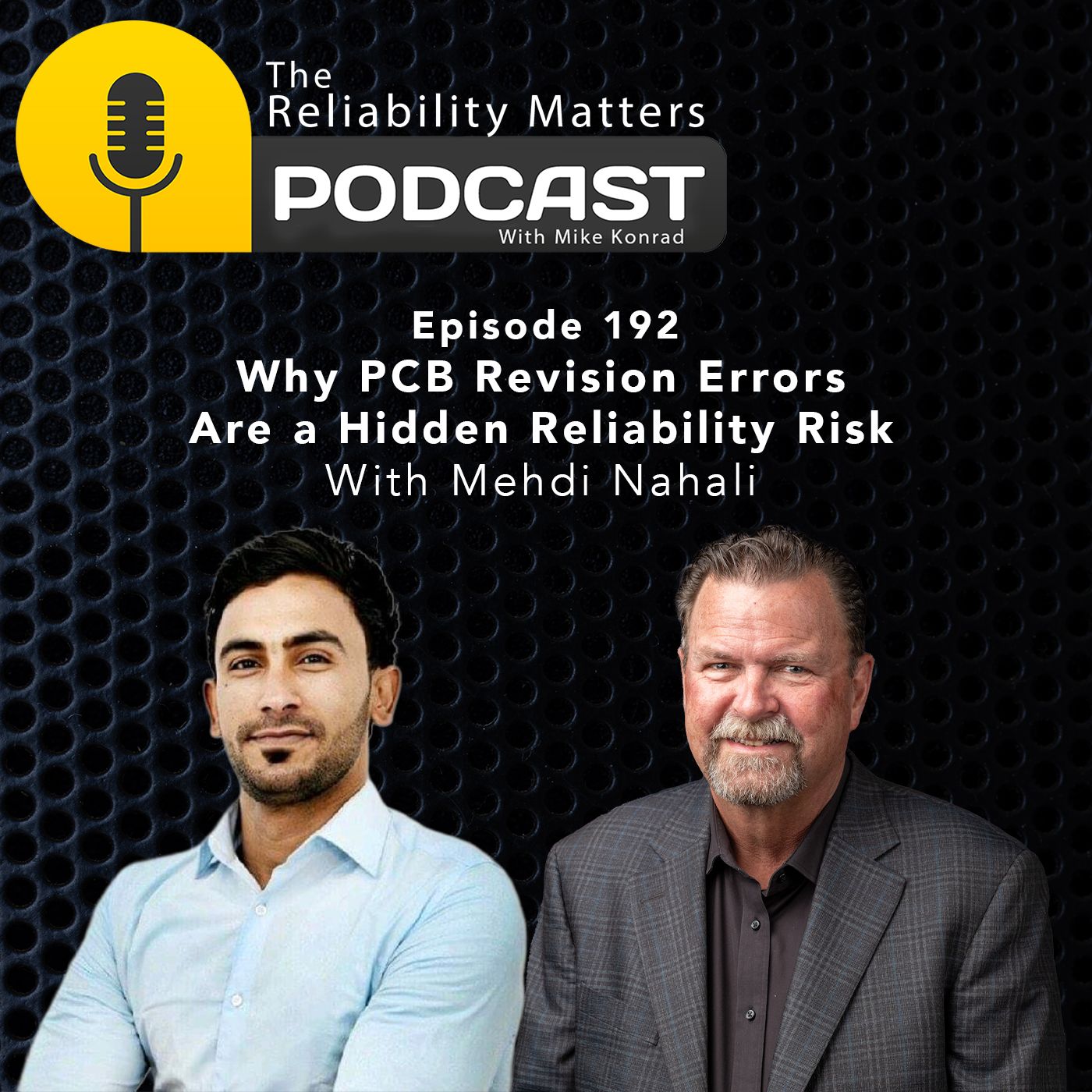 Why PCB Revision Errors Are a Hidden Reliability Risk With Mehdi Nahali - Episode 192 | Today, we’re going to explore a topic that doesn’t always get the attention it deserves, but has a direct impact on product quality and long-term reliability.I’m joined by Mehdi Nahali, founder of PCB Revision Control PRO. His platform is designed to replace spreadsheets, emails, and disconnected systems with a centralized approach to PCB revision lifecycle management and factory intelligence. We’re going to talk about how revision control, data integrity, and process discipline impact reliability, and where manufacturers are still getting it wrong.PCB Revision Control Prohttps://www.pcbrevisionpro.com | 39m 07s | ||||||
| 4/24/26 | 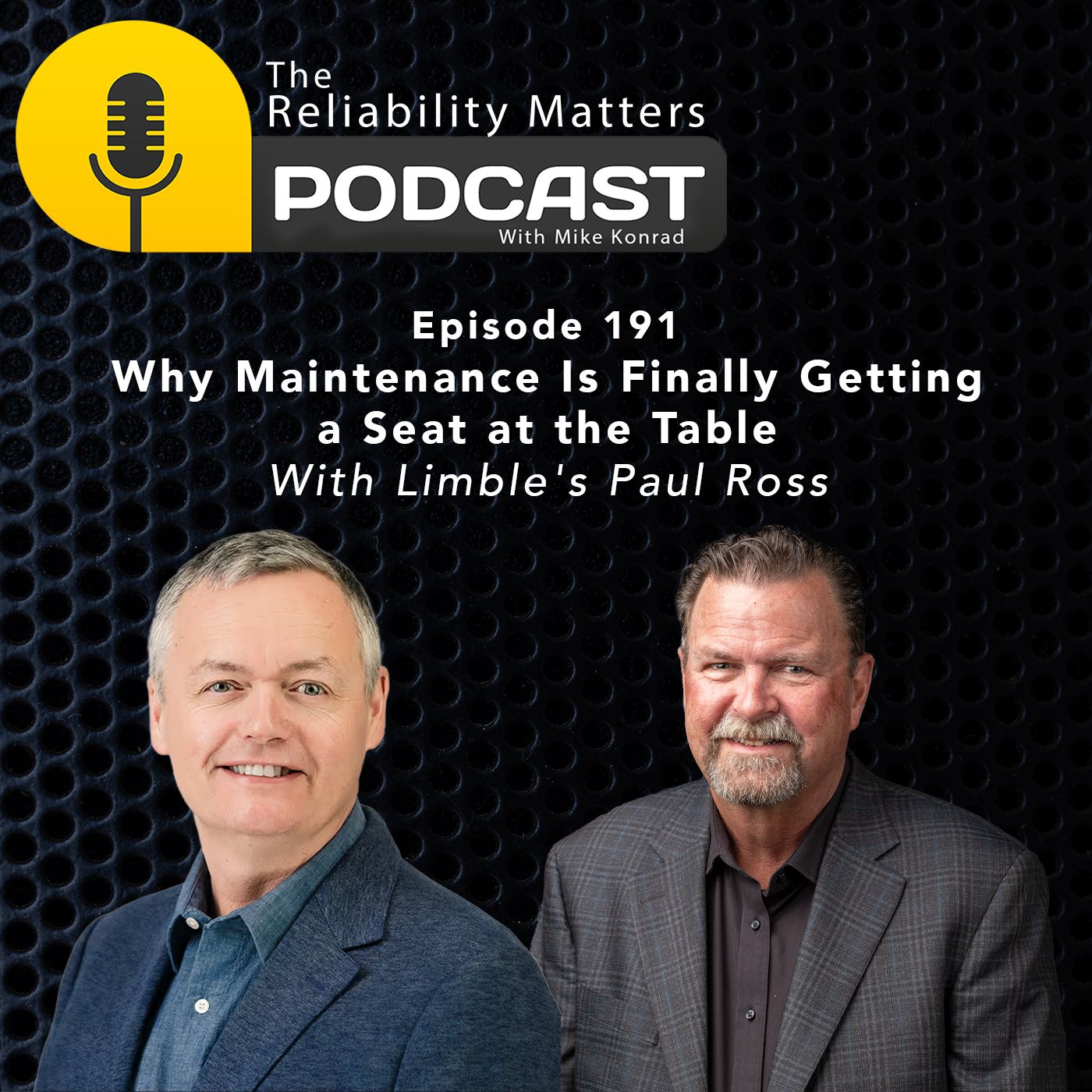 Why Maintenance Is Finally Getting a Seat at the Table With Limble's Paul Ross - Episode 191 | Today’s episode is going to resonate with anyone responsible for uptime, efficiency, and ultimately, product reliability. Because whether we’re talking about circuit assemblies, manufacturing lines, or entire facilities, reliability doesn’t start at inspection. It starts with maintenance.My guest today is Paul Ross, Chief Marketing Officer at Limble, a company providing modern maintenance and asset management solutions to thousands of organizations worldwide. With more than 25 years of experience in enterprise and high-growth software companies, Paul has spent his career helping organizations leverage data, systems, and strategy to improve performance.Today, we’re going to explore how maintenance has evolved from a reactive necessity to a strategic driver of reliability, what companies are still getting wrong, and how modern tools are changing the game.Limble:https://limble.com | 1h 00m 24s | ||||||
| 4/14/26 | 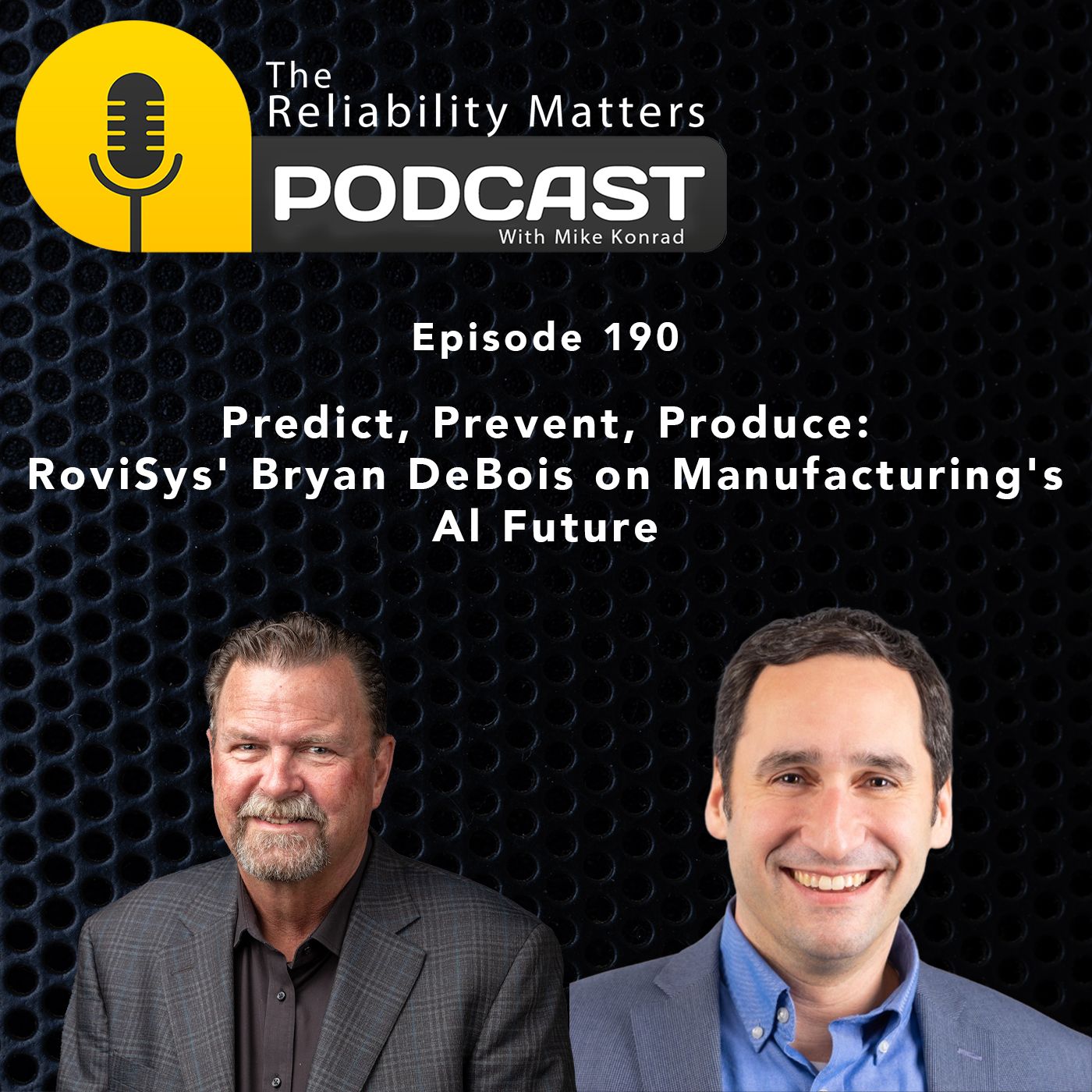 Predict, Prevent, Produce: RoviSys' Bryan DeBois on Manufacturing's Al Future Episode 190 | What if your factory could predict failures before they happen, capture decades of human expertise, and make better decisions than ever before—without replacing the people who run it?Today’s guest sits right at the intersection of innovation and industry. Bryan DeBois, Director of Industrial AI at RoviSys, is helping reshape what manufacturing looks like in the age of intelligent machines.From predictive analytics that catch problems before they happen, to data-driven systems that optimize production in real time, Bryan’s work is transforming how factories think, learn, and produce. But this isn’t about replacing people, it’s about amplifying human expertise and capturing decades of industrial knowledge before it disappears.In this episode, we’ll explore how smart factories are changing the game, what it really takes to begin a digital transformation, and why trust and transparency are just as critical as algorithms and code.What stands out most is Bryan’s ability to make advanced technology practical. He’s not talking about theory, he’s helping real manufacturers integrate AI in ways that improve safety, efficiency, and sustainability.I speak with Bryan about how artificial intelligence is redefining manufacturing, the challenges of digital transformation, and the future of smart factories.RoviSyshttps://www.rovisys.com | 59m 12s | ||||||
| 3/24/26 | 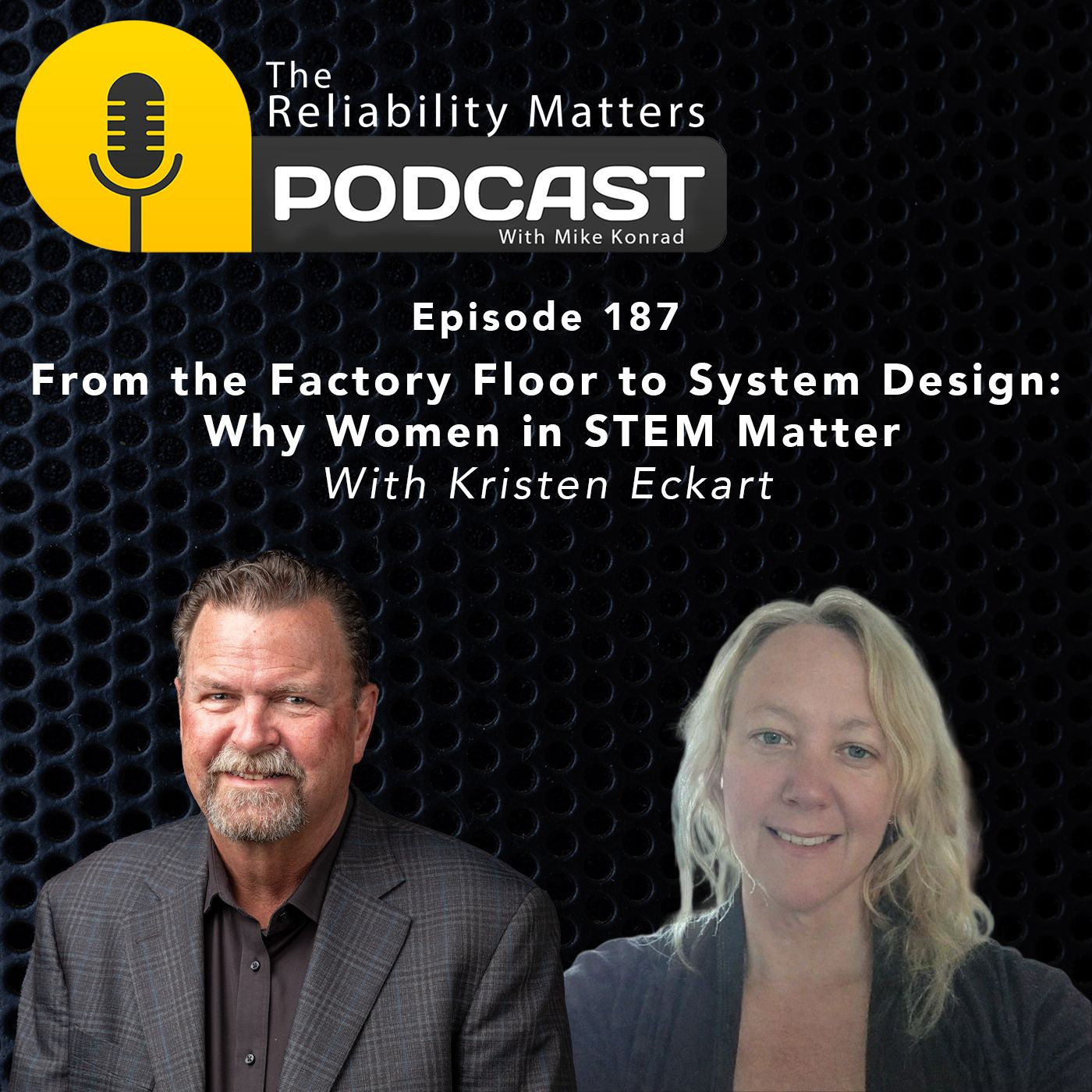 From the Factory Floor to System Design: Why Women in STEM Matter with Kristen Eckart - Episode 189 | When we talk about reliability, we usually focus on materials, processes, test methods, and standards. But what if one of the most overlooked reliability risks is who is not at the table when engineering decisions are made?Today’s episode focuses on women in STEM, Science technology engineering and mathematics, and why this conversation extends far beyond mere representation. It impacts how problems are defined, how risks are identified, and how resilient our technologies ultimately become. My guest is Kristen Eckart, an accomplished engineer whose career includes working in high-reliability environments at Lockheed Martin.While Kristen’s background includes complex systems where failure is not an option, this conversation is not about any specific product or program. Instead, it is about the broader experience of women in engineering, the barriers that still exist, and why attracting and retaining women in STEM is essential to the future of technology and manufacturing.For those of you working in electronics manufacturing, quality, reliability, or engineering leadership, this discussion connects directly to how teams make better decisions, reduce risk, and design systems that perform reliably in the real world.This is a conversation about engineering excellence, opportunity, and why who we include ultimately matters. | 41m 21s | ||||||
| 3/10/26 | 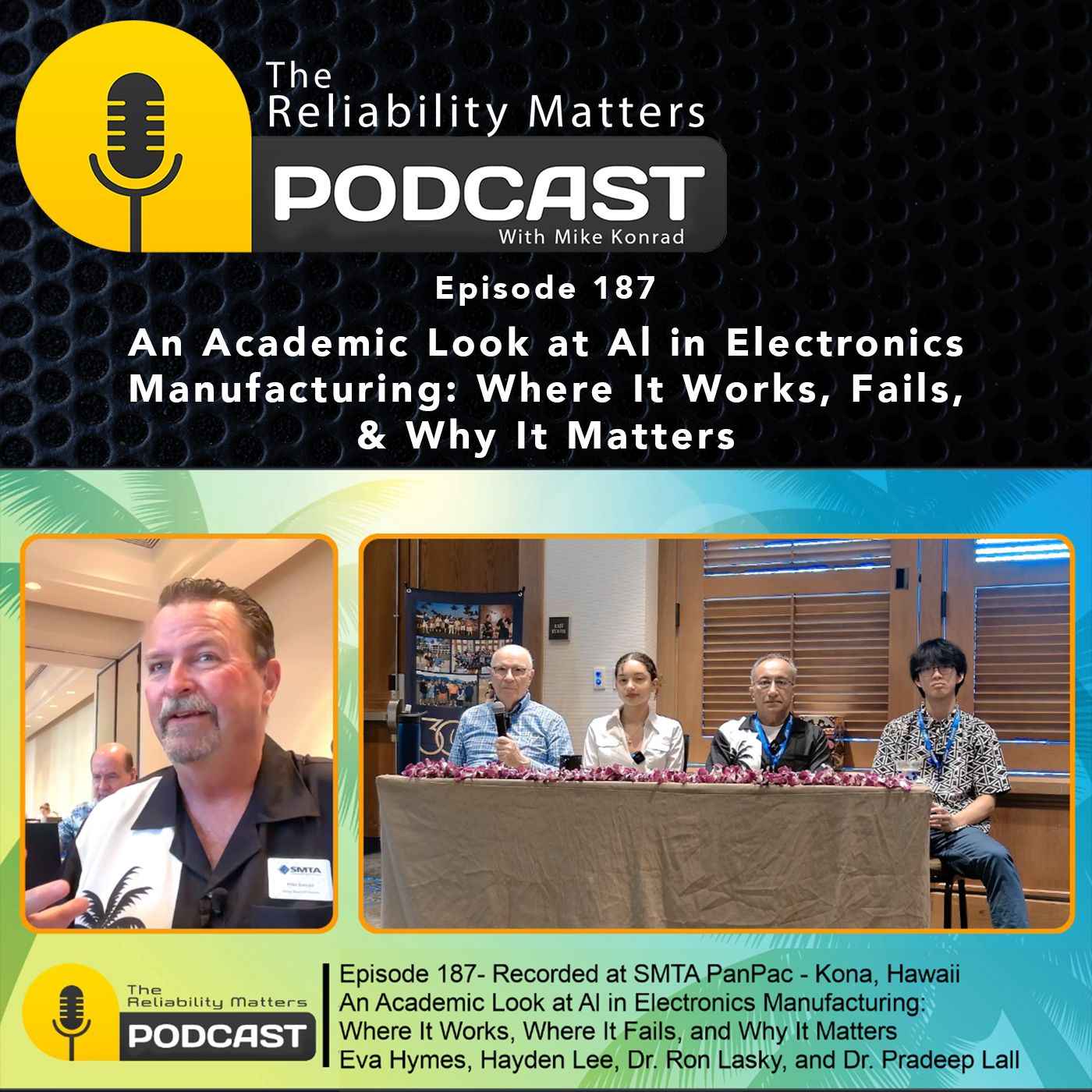 An Academic Look at Al in Electronics Manufacturing: Where It Works, Fails, & Why It Matters - # 187 | Artificial intelligence is being promoted as the next revolution in electronics manufacturing, but what happens when the people evaluating it aren’t traditional AI experts, aren’t software vendors, and aren’t selling anything? Today’s conversation brings together engineers and professors who live at the intersection of education, reliability, and real-world manufacturing to separate meaningful progress from speculation.Each episode brings together engineers, researchers, and industry leaders to examine best practices, emerging technologies, and real-world lessons, always with a focus on data, physics, Best practices, and long-term performance.Today’s episode is a little different—and the setting couldn’t be better. I’m recording live from the Big Island of Hawaii, in Kona, at the SMTA Pan Pacific Strategic Electronics Symposium, better known as PanPac.At PanPac, academia meets industry in a way that’s truly unique. Leading international universities join forces with CEOs, inventors, senior engineers, and decision-makers from around the world. This is where the brightest research collides with the most pressing industry challenges — and sparks solutions that drive the future of electronics. I’m honored to be the conference chair, especially on this 30th anniversary of PanPac.This episode is all about “AI in Action: Progress, Pitfalls, and the Future of Electronics.”Artificial intelligence is becoming a frequent topic in electronics manufacturing—from inspection and process optimization to predictive maintenance and reliability modeling. But rather than approaching this conversation from the standpoint of AI evangelists or software developers, we’re taking a different path.My panelists are: Eva Hymes, Hayden Lee, Dr. Ron Lasky, Dr. John Evans, and Dr. Pradeep Lall. None of today’s panelists claim to be AI experts. Instead, they are engineers and professors who sit at the intersection of education, engineering, and real-world manufacturing challenges. Their perspective is grounded in physics, data, reliability science, and decades of experience teaching the next generation of engineers—many of whom will be working alongside AI-driven tools whether they choose to or not.Because all of our panelists come from academia, this conversation intentionally steps back from hype and buzzwords. We’ll focus on how AI is actually being used, where it shows promise, where it introduces risk, and where critical gaps still exist—especially in high-reliability electronics manufacturing. And because PanPac serves the electronics manufacturing community, we’ll keep this discussion connected to the factory floor, workforce readiness, education, and long-term product reliability. We’ll also touch on broader societal questions, including how AI is shaping engineering education and professional intuition.So if you’re looking for a grounded, thoughtful discussion on AI—one rooted in engineering reality rather than marketing claims—this episode is for you. | 53m 53s | ||||||
| 2/24/26 | 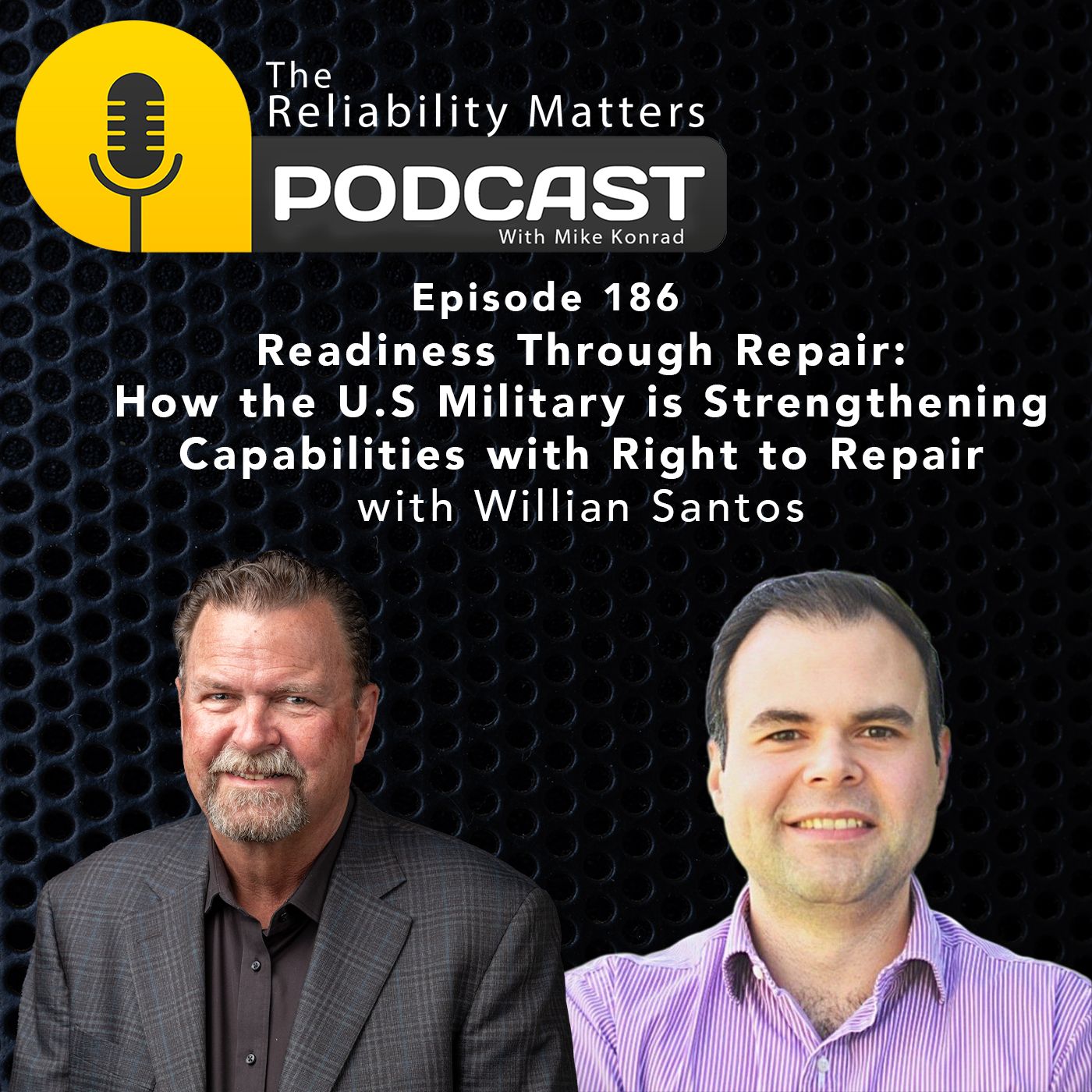 Readiness Through Repair: How the U.S Military is Strengthening Capabilities with Right to Repair - Episode 186 | If a $26,000 drone repair can be done in the field—but policy says it has to be shipped back to the manufacturer, do you really have a reliability problem… or a repair access problem?Today on the show, I’m joined by William Santos, International Sales Manager at ABI Electronics and a global advocate for the Right to Repair movement.William recently wrote a compelling article titled “Readiness Through Repair: How the U.S. Military is Strengthening Capabilities with Right to Repair,” where he explores how repair access—or the lack of it—directly impacts mission readiness, lifecycle cost, and operational resilience within the U.S. military.For decades, highly trained military technicians have been prevented from repairing mission-critical equipment due to restricted access to diagnostic tools, software, and spare parts. That model is now being challenged. In April 2024, the U.S. Army announced plans to embed Right-to-Repair provisions into both new and existing contracts—a major shift with enormous implications for reliability, sustainment, and cost control.Today, we’ll unpack what this policy change really means, why repair capability is inseparable from readiness, and what lessons commercial industry can learn from the military’s pivot toward repair empowerment.Willian's Posts:Exposing the Myths and Truths of the Repair Industry!https://tinyurl.com/mr47r33pReadiness Through Repair: How the US Military is Strengthening Capabilities with Right to Repairhttps://tinyurl.com/4pytbvcsABI Electronicshttps://www.abielectronics.co.ukRepair Don't Waste Podcasthttps://tinyurl.com/du8skcxk | 58m 50s | ||||||
| 2/10/26 | 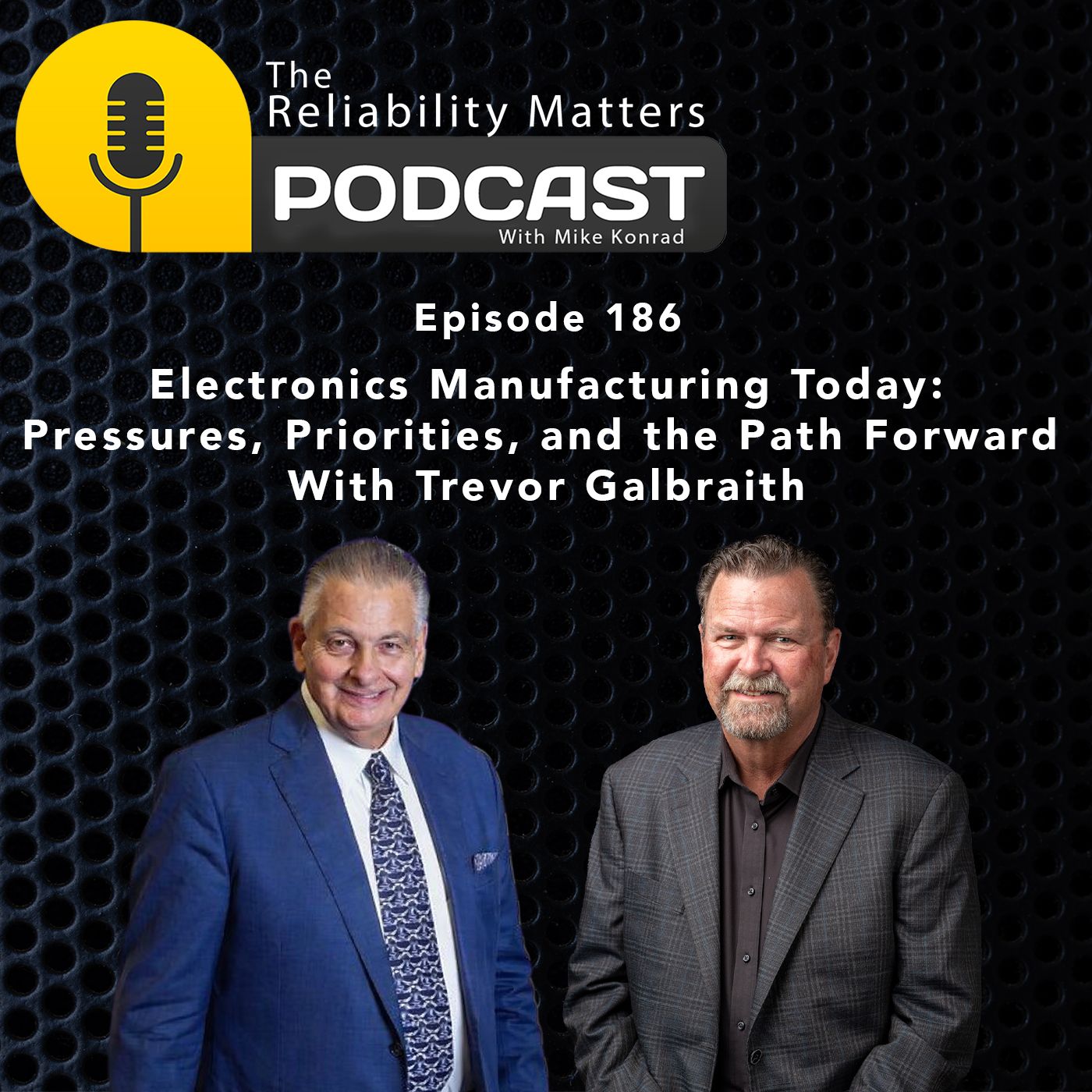 Electronics Manufacturing Today: Pressures, Priorities, and the Path Forward With Trevor Galbraith - Episode 186 | When you talk to one manufacturer, you hear a story. When you talk to hundreds, patterns emerge. Today, we step back and examine what those patterns tell us about the real state of electronics manufacturing.Today’s episode takes a step back from individual processes and technologies to look at the electronics manufacturing industry through a broader, editorial lens. My guest is Trevor Galbraith, publisher of Global SMT & Packaging—one of the industry’s valuable trade publications.As a publisher, Trevor speaks with manufacturers, suppliers, technologists, and industry leaders from around the world. That gives him a unique vantage point—not just on where the industry is investing, but where it’s struggling, where expectations and reality diverge, and how issues like reliability, workforce challenges, supply chain pressure, automation, and standards are truly playing out on the factory floor.In this Meet-the-Press–style conversation, we’ll explore the current state of electronics manufacturing, how reliability is being prioritized—or deprioritized—amid cost and speed pressures, whether manufacturing processes are keeping pace with design complexity, and what Trevor sees ahead for the industry over the next five to ten years.This episode isn’t about promoting solutions. It’s about understanding the landscape, asking hard questions, and gaining perspective from someone who hears unfiltered voices across the entire electronics manufacturing ecosystem.Global SMT & Packaging Magazinehttps://www.globalsmt.net | 55m 31s | ||||||
| 1/28/26 | 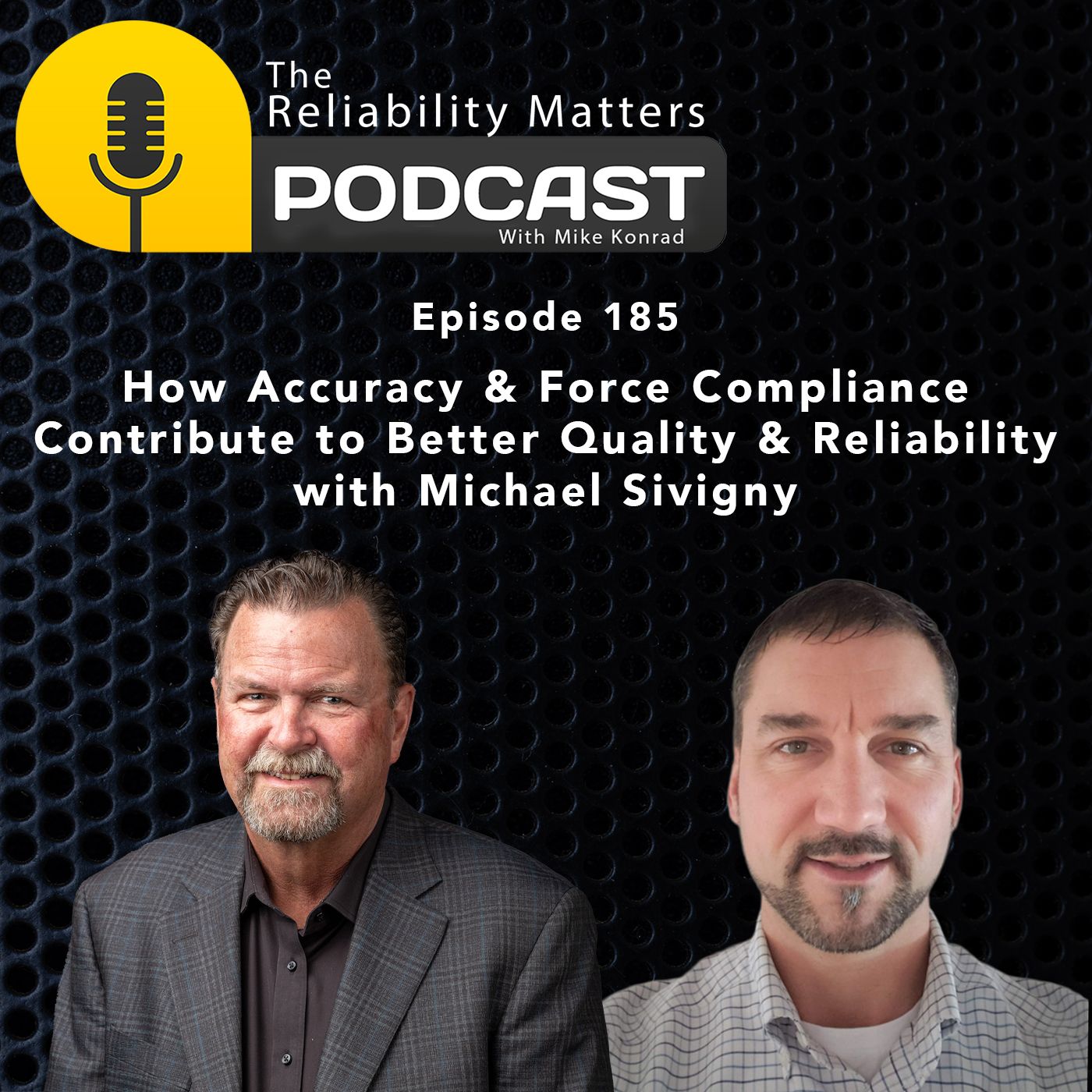 How Accuracy & Force Compliance Contribute to Better Quality & Reliability with Michael Sivigny | In electronics manufacturing, defects don’t usually announce themselves. They happen in milliseconds, far faster than human perception, and often long before anyone realizes a process has drifted out of control. By the time failures show up in test, inspection, or worse, in the field, the root cause may be buried deep inside machine behavior that no one thought to question.When machines are assumed to be accurate instead of proven to be accurate, and when force is set but not verified, hidden variation creeps in. That variation can translate directly into cracked components, misalignment, latent damage, and long-term reliability risk.My guest today is Michael Sivigny, SMT Productivity & Profit Strategist and owner and General Manager CeTaQ Americas, a company that has spent decades doing what most factories don’t, objectively measuring machine performance under real production conditions. Michael’s work has repeatedly shown that even well-maintained, recently serviced equipment can operate outside of specification, quietly generating defects at high speed.In this conversation, we’ll dig into how accuracy validation and force measurement expose problems traditional troubleshooting misses, why OEM calibration alone is no longer enough for today’s miniaturized electronics, and how statistically sound measurement practices improve not only yield and uptime, but long-term product reliability.If you believe reliability starts long before functional test, this is a conversation you won’t want to miss.CeTaQ Americashttps://cetaq-americas.commsivigny@cetaq-americas.com | 48m 14s | ||||||
| 1/13/26 | 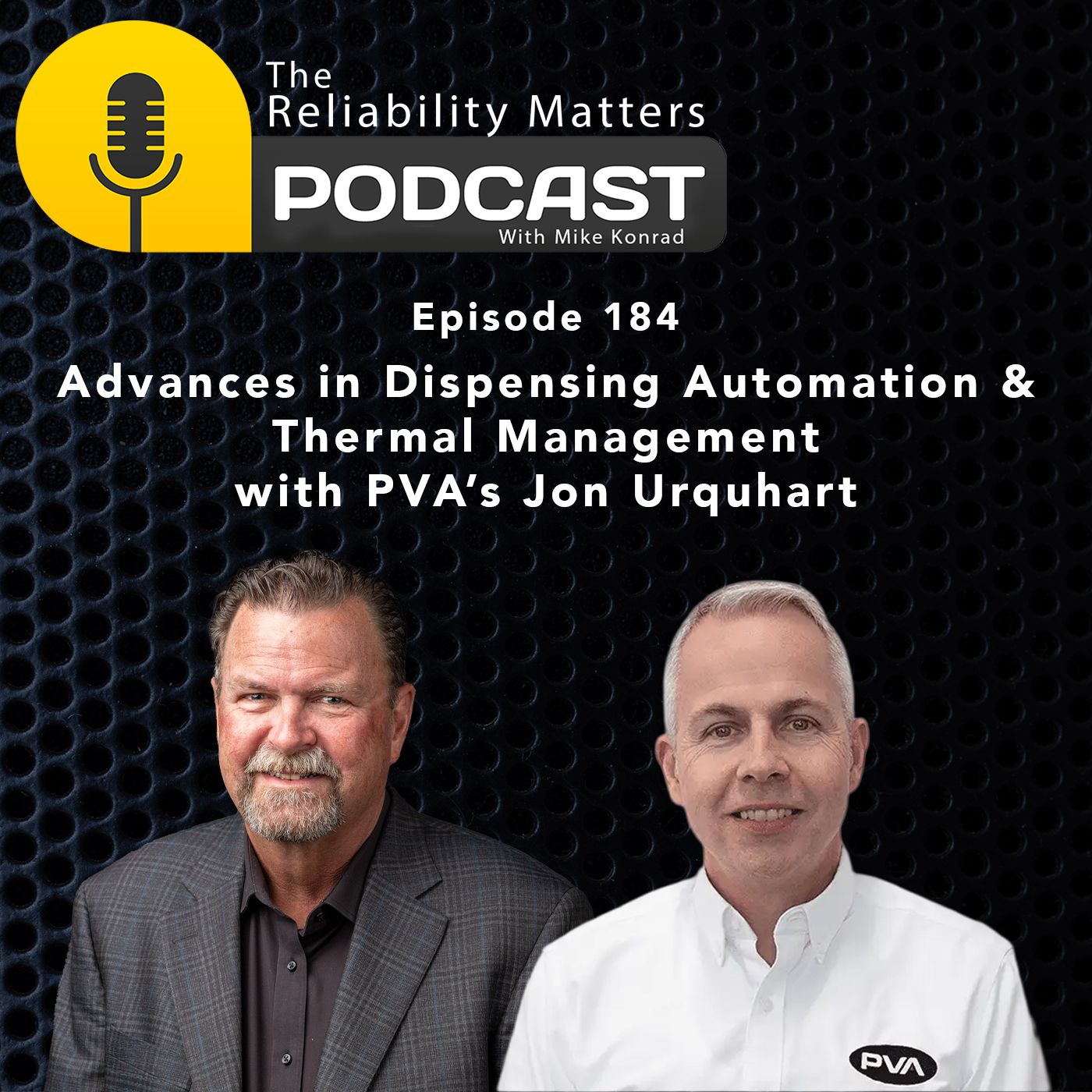 Advances in Dispensing Automation and Thermal Management with PVA’s Jon Urquhart - Episode 184 | Today, I’m joined by someone who has spent more than three decades at the intersection of materials science, automation, and high-reliability manufacturing. Jon Urquhart is the Director of Global Applications Engineering at Precision Valve and Automation — one of the world’s leading developers of dispensing, coating, and industrial motion-automation systems. Since joining PVA in 1993, Jon has become widely recognized for his expertise in fluid material processing, precision dispensing, and the engineering-to-manufacturing handoff that so often makes or breaks product reliability.Jon holds multiple patents and has helped shape advanced processes used in industries where the stakes couldn’t be higher — from aerospace and EV battery systems to semiconductor packaging, medical devices, and high-density electronics assembly. His work spans everything from protective coatings that safeguard electronics in extreme environments, to next-generation thermal interface material (TIM) deposition, to automation strategies that reduce human error, improve consistency, and dramatically scale production.We’ll discuss the real-world challenges of protecting critical electronics and batteries, the latest advances in TIM materials and deposition, sustainable precision-coating techniques, and the power of a strong collaboration model between vendors, manufacturers, and lab technicians.PVA Website:https://www.pva.netJon Urquhart:jurquhart@pva.net | 49m 47s | ||||||
| 12/23/25 |  Preserving Knowledge,Advancing Reliability: A Reliability Matters Podcast Year-End Reflection - #183 | Since 2018, Reliability Matters has been building a knowledge vault, capturing the wisdom of industry experts for engineers everywhere. In this special year-end episode, we celebrate the journey, the growth, and the community that made it possible. | 9m 59s | ||||||
Want analysis for the episodes below?Free for Pro Submit a request, we'll have your selected episodes analyzed within an hour. Free, at no cost to you, for Pro users. | |||||||||
| 12/9/25 | 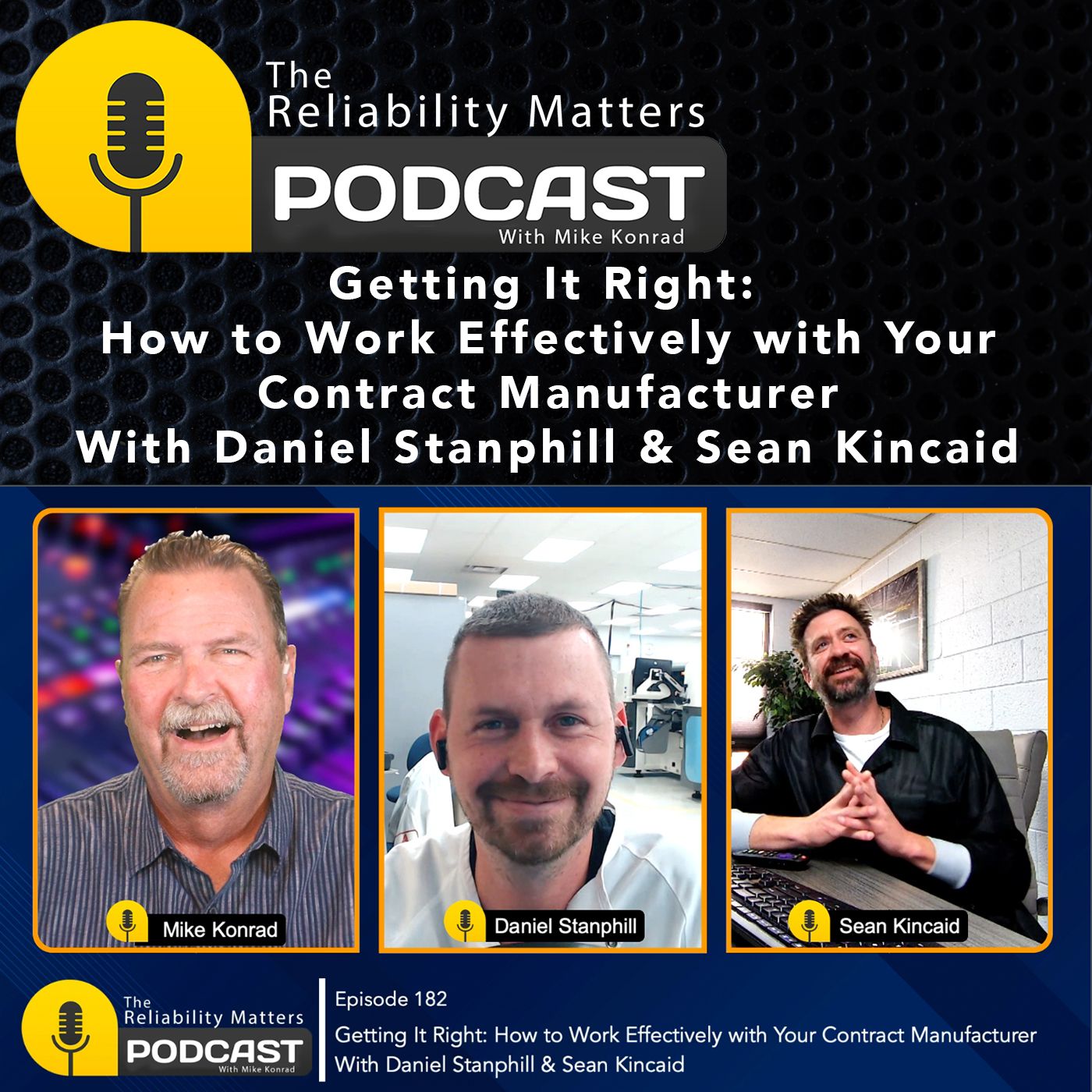 Getting it Right: How to Work Effectively with your CM - With Daniel Stanphill & Sean Kincaid | Today, we’re continuing our dive into the world of contract manufacturing—a vital piece of the electronics ecosystem.Joining me are two industry leaders who know this space inside and out. First, we have Daniel Stanphill, SMT Process Engineer at Aurora Boardworks, and alongside him, Sean Kincaid, President of K & F Electronics. Both Daniel and Sean represent companies that provide contract manufacturing services to a wide range of customers, helping turn design concepts into dependable, production-ready circuit assemblies.In this conversation, we’ll explore what makes for a successful relationship between contract manufacturers and their customers. We’ll talk about the types of customers they look for, the challenges they face in today’s manufacturing environment, and the common mistakes that can derail a project if not addressed early on. Most importantly, we’ll dig into best practices that can help customers and manufacturers work together more effectively.You may recognize Daniel and Sean. In addition to their day jobs, Daniel and Sean, along with Elias Malfavon Jr. are also co-hosts of the d-code podcast, where they share candid conversations and insights from across the electronics industry. We’ll hear what inspired them to launch the show and how it ties into their mission of building stronger connections in this field.So whether you’re an engineer, a buyer, or anyone working with contract manufacturers, this episode is packed with advice to help you navigate the process with confidence. Daniel is an SMT Process Engineer at:Aurora Boardworkshttps://auroraboardworks.comSean is President of:K & F Electronicshttps://www.circuitboards.com | 1h 05m 54s | ||||||
| 11/25/25 | 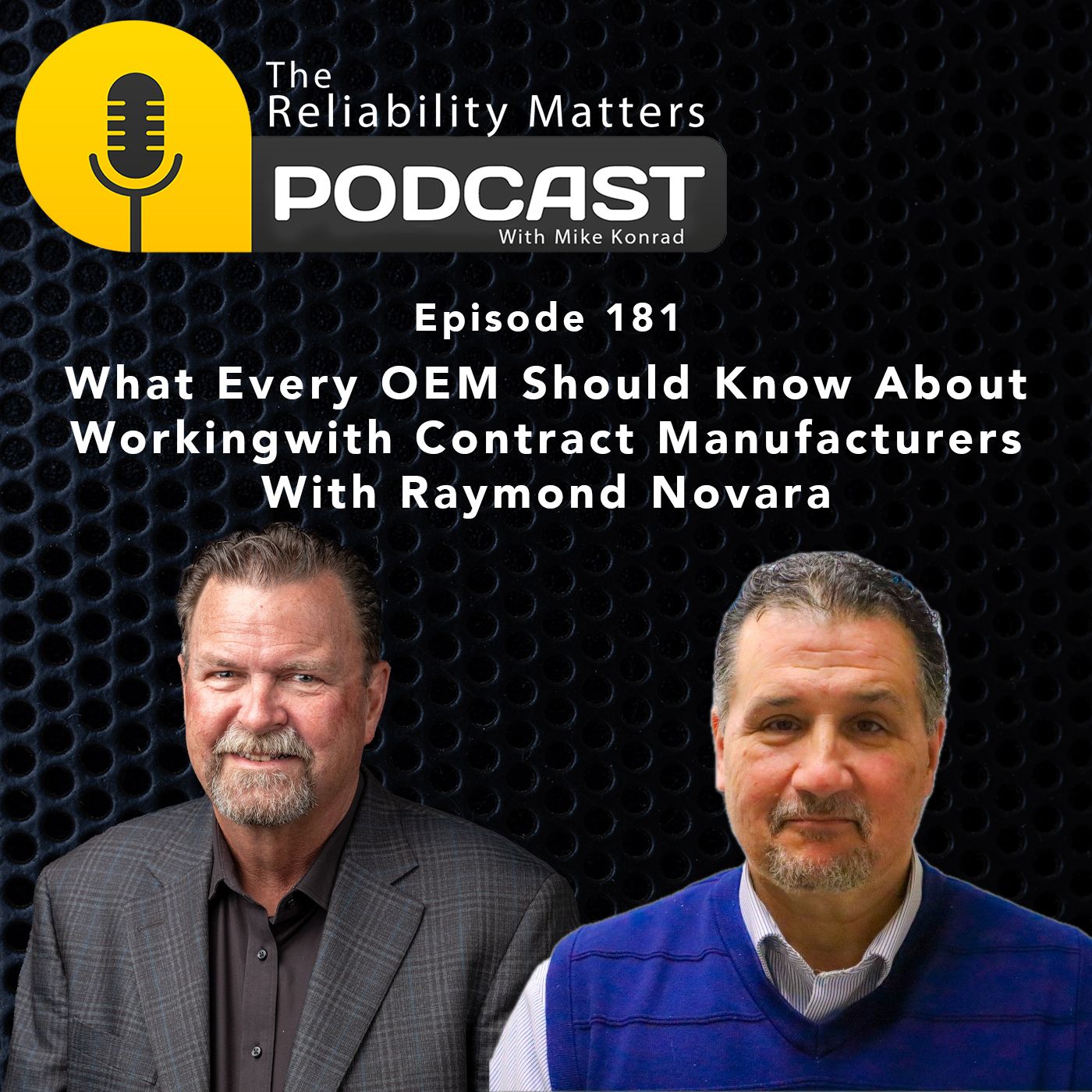 What Every OEM Should Know About Working with Contract Manufacturers - With Raymond Novara | The next two episodes will be all about contract manufacturing, an area that can make or break the reliability and success of a product. My guest on this episode is Raymond Novara, founder and owner of East End Assemblies, a U.S.-based contract manufacturer recognized for its focus on quality, customer service, and compliance with AS9100 and IPC standards.During our conversation, I’ll be asking Raymond some key questions that every OEM should be considering:What are the best practices for selecting a contract manufacturer?What common mistakes do companies make when working with a CM—especially in communication and hand-offs?How can design-for-manufacturability feedback prevent problems down the road?What should customers know about transitioning from prototypes to volume production?And how can contract manufacturers help ensure long-term product reliability, not just passing initial tests?If you’re an OEM evaluating partners, an engineer preparing to hand off a design, or someone interested in how contract manufacturers contribute to product reliability, this episode is packed with insights.Raymond Novara's Company:East End Assemblieshttps://eastendassemblies.com | 58m 22s | ||||||
| 11/11/25 | 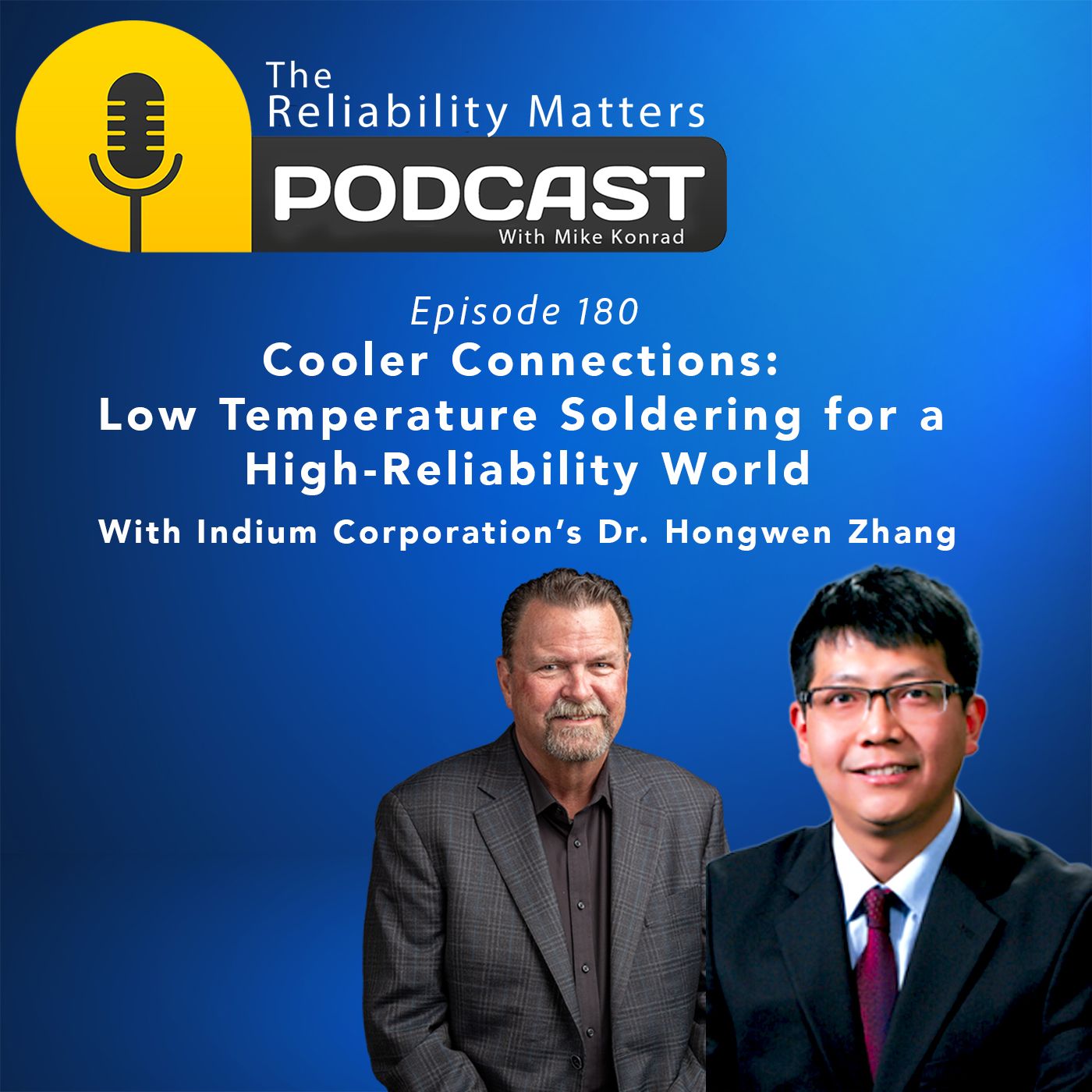 Cooler Connections: Low Temp Soldering for a High-Reliability World With Indium’s Dr. Hongwen Zhang | This is the fourth of four episodes on the subject of soldering materials.Today, we're diving into a topic that's reshaping how we think about thermal management, energy efficiency, and long-term performance in electronics manufacturing—low temperature soldering.Joining me is Dr. HongWen Zhang, Principal Metallurgist and R&D Manager of the Alloy Group at Indium Corporation. Dr. Zhang is not only a seasoned materials scientist with a Ph.D. in materials science and engineering, a Master’s degree in materials science and engineering and in mechanical engineering and a Bachelor’s degree in metallurgical physical chemistry he’s also the co-inventor of Durafuse, a groundbreaking family of solder alloys that are redefining what's possible at low reflow temperatures—which, reportedly, does not compromise reliability. In this episode, we’ll explore how low temperature solders are helping manufacturers lower energy consumption, protect heat-sensitive components, and still meet the rigorous mechanical and environmental demands of today’s electronics—from wearables to wafer-level packaging.We’ll also talk about the challenges of brittleness, drop shock resistance, activation and encapsulation of no clean activators, and how cutting-edge materials research is solving problems that used to be considered trade-offs.Whether you’re a reliability engineer, a process expert, or just solder-curious, this episode is packed with insights you won’t want to miss.Indium's Website:https://www.indium.comDurafuse ®:https://www.indium.com/products/alloys/solder-alloys/durafuse-lt/ | 52m 36s | ||||||
| 10/28/25 | 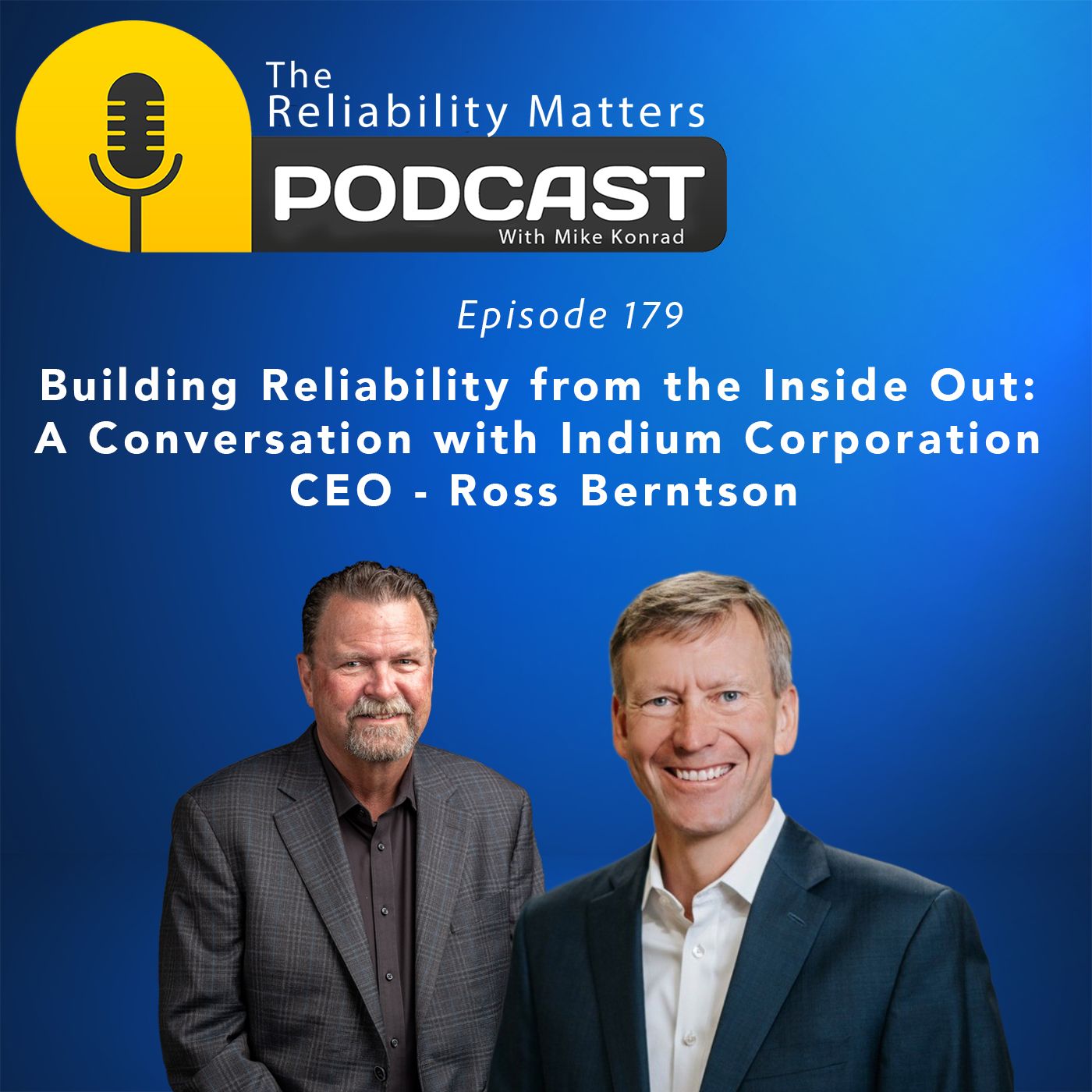 Building Reliability from the Inside Out: Indium's CEO’s on Innovation & Reliability with Ross Berntson | This is the third of four episodes on the subject of soldering materials.Today, we’re continuing our deep dive into the world of soldering materials, from advanced alloys and flux chemistries to global manufacturing strategy and materials innovation, with one of the industry’s most respected leaders. Joining me is Ross Berntson, President and CEO of Indium Corporation. Ross has been with Indium Corporation for nearly 30 years, starting as a product specialist and rising through the ranks with leadership roles in product management, technical support, and international operations. He even spent time leading Indium’s Asia Holdings while based in Singapore, strengthening the company’s presence across Southeast Asia. In his current role as CEO, Ross sets the strategic direction for a global materials powerhouse, one that’s known not only for its high-performance soldering products but for its commitment to innovation, collaboration, and engineering support through the company’s “One Engineer to Another” philosophy.Ross holds degrees in chemistry, teaching, and an MBA from Cornell University, where he earned several prestigious academic awards. He’s also deeply engaged in both the electronics industry and his community, serving on multiple boards and leading with a strong emphasis on culture, opportunity, and respect, the core of what Indium calls “The Indium Way.” In this episode, we’ll discuss how soldering materials are evolving to meet the demands of modern electronics, from miniaturization and harsh environments to UHDI and advanced packaging. We’ll also talk about Indium’s unique positioning in the industry, the challenges of global supply chains, and what the future of soldering looks like from the vantage point of a company that’s helped shape it.Indium Corporation:https://www.indium.comThe book Ross recommended:Range: Why Generalists Triumph in a Specialized World Paperback By David Epsteinhttps://tinyurl.com/3tjvj34n | 1h 03m 41s | ||||||
| 10/14/25 | 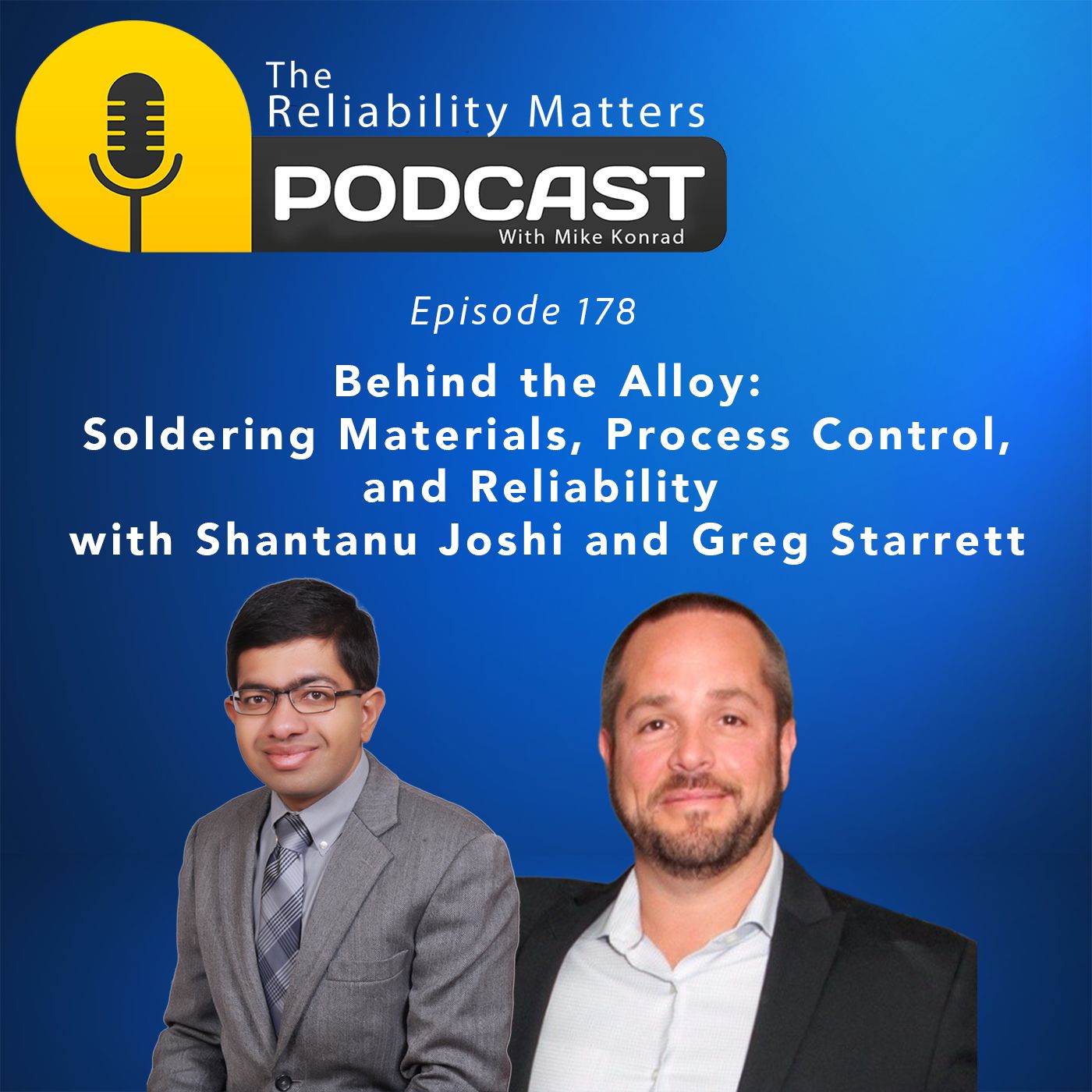 Behind the Alloy: Soldering Materials, Process Control, & Reliability Shantanu Joshi & Greg Starrett | This is the second of four episodes on the subject of soldering materials.In today’s episode, continuing the subject of soldering materials, diving deep into the science, strategy, and subtleties behind one of the most foundational elements of electronic assembly: soldering materials. Joining me are two experts from KOKI Solder—Shantanu Joshi, Head of Customer Solutions and Operational Excellence, and Greg Starrett, General Manager of North American Operations. Together, they bring decades of experience in solder chemistry, process engineering, and real-world reliability. We’ll explore how soldering materials influence long-term performance, how material and process decisions interact, and what assemblers should consider when aiming for high-reliability outcomes.From surface finishes and flux residues to void mitigation and future trends in solder formulation, this episode offers practical insights that go well beyond the datasheet.So whether you’re on the factory floor, in the lab, or managing quality and reliability at scale—this conversation is for you.Shantanu JoshiHead of Customer Solutionsshantanu@kokiamerica.comGreg StarrettNational Sales Managergreg@kokiamerica.com | 57m 42s | ||||||
| 9/24/25 | 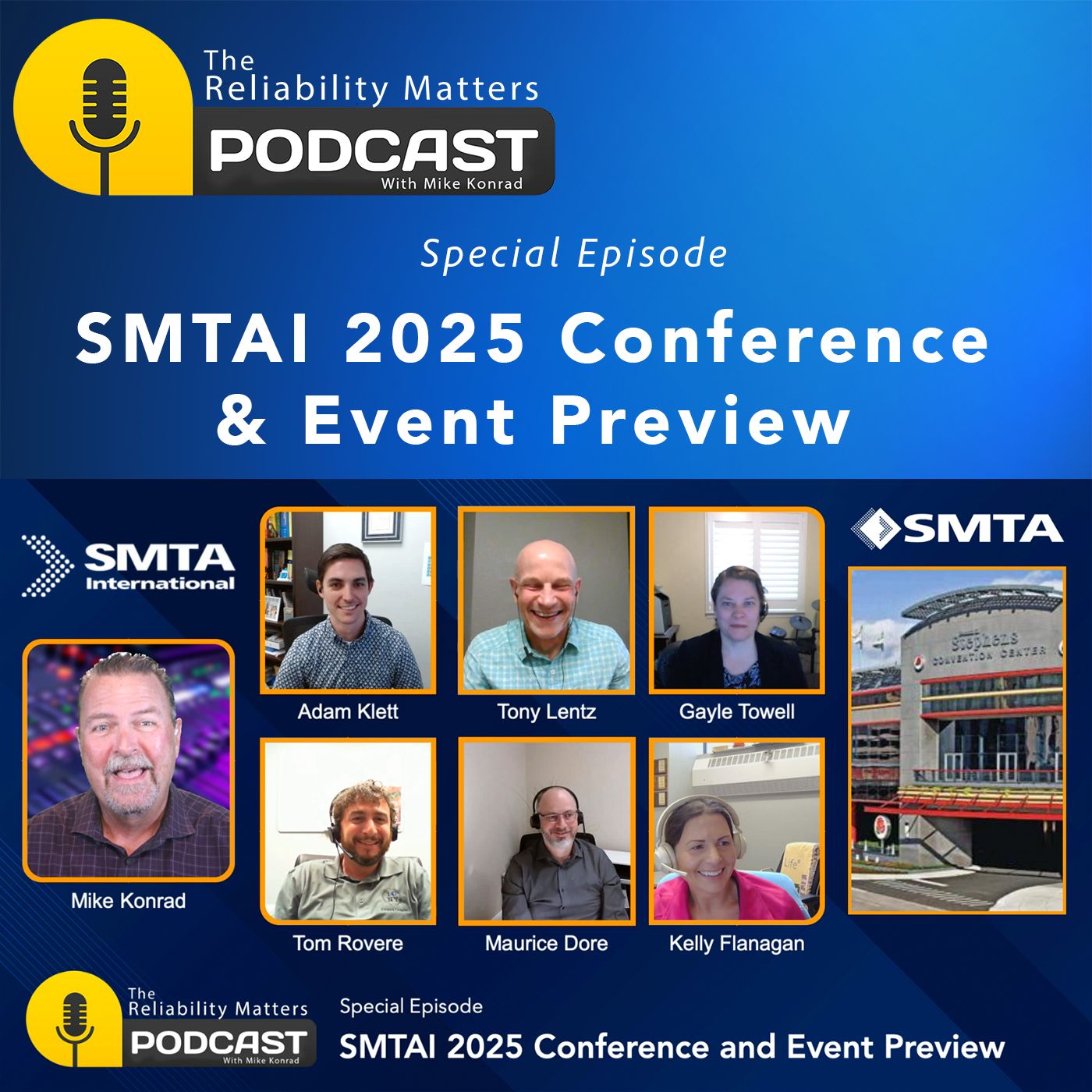 SMTAI 2025 Conference & Event Preview - Special Episode | This episode is all about SMTAI, surface mount Technology International, taking place OCTOBER 19 - 23, 2025 at the DONALD E. STEPHENS CONVENTION CENTER in ROSEMONT, ILLINOIS. SMTA International is the premier gathering for innovation and collaboration in electronics assembly, surface mount technology, and advanced manufacturing.This year, SMTAI is more than just a conference and expo. It’s an opportunity for experts, newcomers, industry leaders, and rising professionals to come together, exchange ideas, showcase breakthroughs, and shape the future of electronics manufacturing. Over several days, you’ll see deep-technical sessions, the latest research, hands-on exhibits, and, co-located with the assembly show, you can expect a bustling expo floor where solution providers and attendees connect on everything from process optimization to next-generation materials.To talk more about the technical conference, I’ve invited members of the conference committee to share some highlights of the conference.Tony Lentz from FCT AssemblyGayle Towell from Aim SolderTom Rovere from Lockheed MartinMaurice Dore from ValeoKelly Flanagan from RockwellAnd, although not a member of the Technical Committee but a member of the SMTA Global Board of Directors and Chair of the Students and Young Professionals committee, Dr. Adam Klett of Kyzen Corporation.More information on SMTAI is available here:https://www.smtai.org | 1h 02m 30s | ||||||
| 9/23/25 | 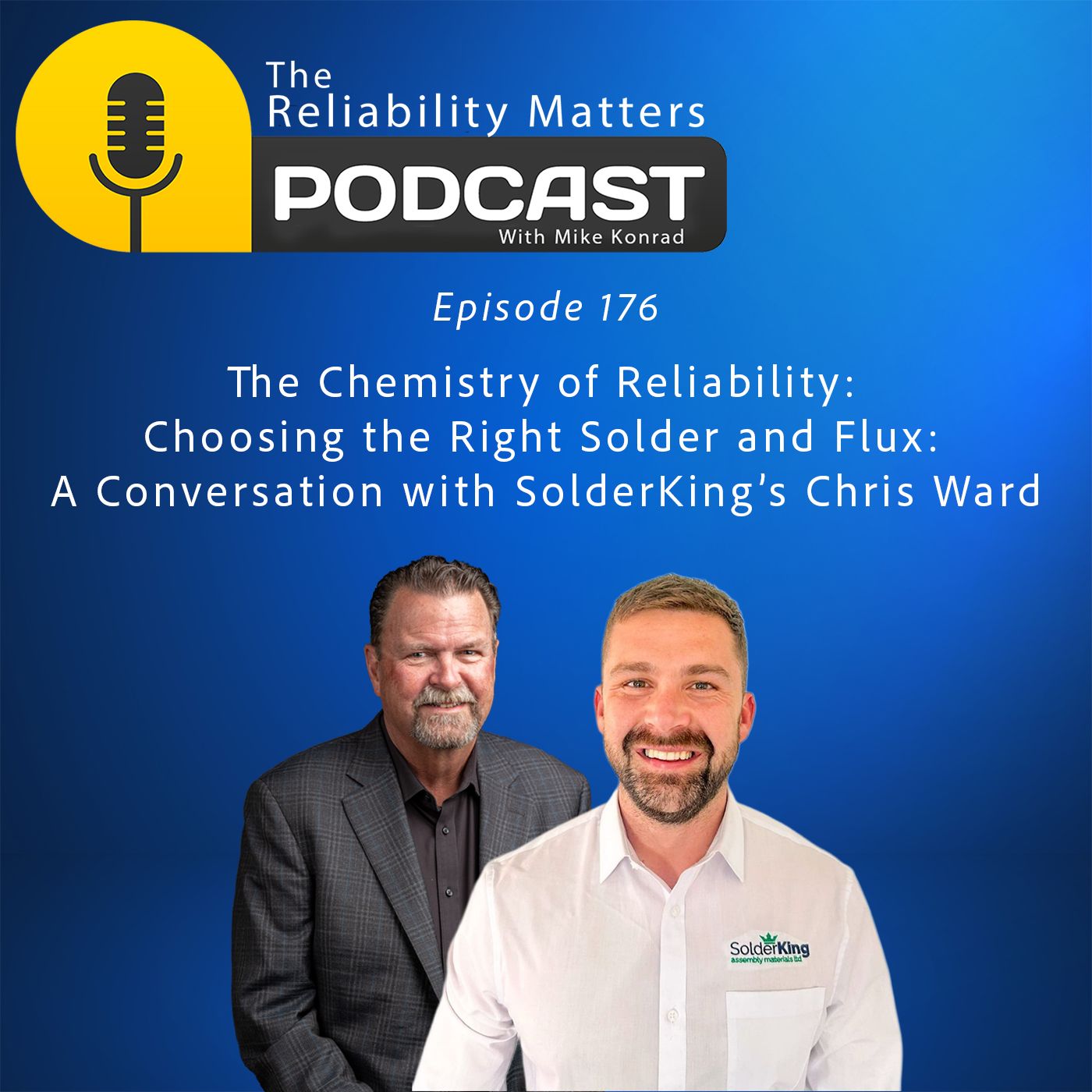 The Chemistry of Reliability: Choosing the Right Solder and Flux: A Conversation with Chris Ward | This is the first of four episodes on the subject of soldering materials.In this episode, I’m joined by Chris Ward, founder and Managing Director of Solderking Assembly Materials Limited, a UK-based manufacturer of solders and chemical consumables for electronic, electrical, and engineered assemblies.Chris brings decades of experience in soldering materials and chemical formulations—and he’s built a company committed to performance, consistency, and innovation.Earlier this year, Chris and his company were honored with the prestigious King’s Award for Enterprise in International Trade, recognizing their exceptional export growth. That recognition earned him an invitation to Windsor Castle, where he had the distinct honor of meeting King Charles III.Today, we’ll explore the evolving world of soldering materials—from the realities behind “no-clean” flux, to reliability challenges in harsh environments, to innovations in solder chemistry that support today’s miniaturized and mission-critical electronics.Whether you're on the production floor, in the design lab, or managing quality and reliability, this is a conversation that brings valuable insight into the materials behind the mission.SolderKing:https://solderking.com | 44m 25s | ||||||
| 9/9/25 |  Humidity: Small Cause, Huge Reliability Risk with Viktoria Rawinski - Episode 177 | On this episode of Reliability Matters, we’re diving into a deceptively simple but incredibly important topic, humidity, and the massive impact it can have on electronic assembly reliability.Joining me is Viktoria Rawinski, a seasoned expert in materials science and reliability engineering, whose career spans decades of hands-on experience in failure analysis, process optimization, and design-for-reliability practices. Viktoria is not only a respected voice in the industry, but also a passionate educator, known for breaking down complex technical issues into actionable insights.In her two-part LinkedIn technical series, “Humidity – A Small Cause with a Huge Effect,” Viktoria explores how environmental moisture, often overlooked or underestimated, can trigger serious failure mechanisms in circuit assemblies, especially as devices become smaller and more complex. From solder mask absorption to electrochemical migration, we'll unpack the hidden risks that can jeopardize product performance and long-term reliability.Whether you're in design, manufacturing, or quality assurance, this is a conversation you won’t want to miss.Viktoria's Websitewww.rawinski.de | 48m 23s | ||||||
| 8/26/25 | 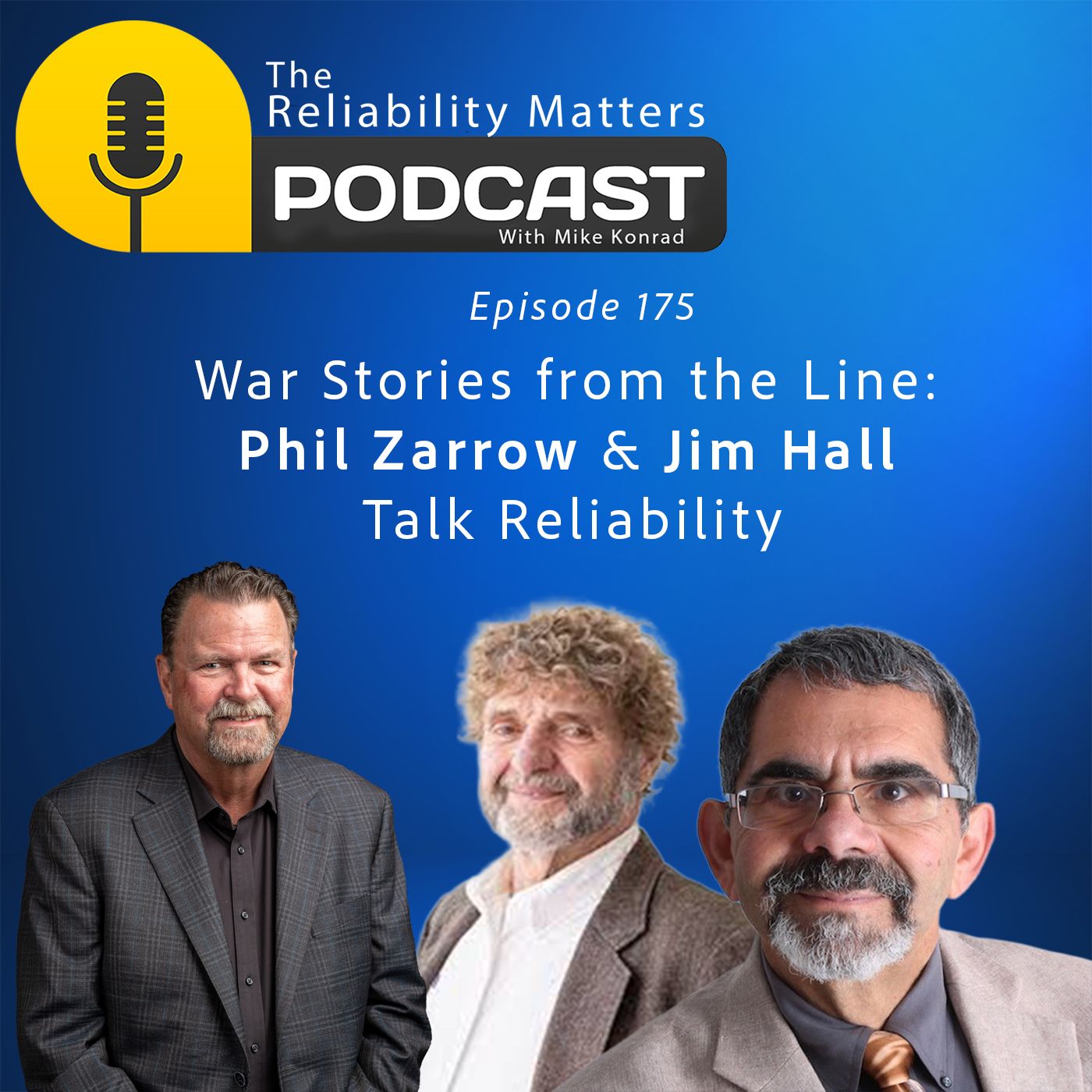 War Stories from the Line: Phil Zarrow & Jim Hall Talk Reliability - Episode 175 | Today, I’m joined by two of the most respected names in the electronics manufacturing industry, Phil Zarrow and Jim Hall. Together, they bring decades of hands-on experience and unparalleled insight into the challenges and solutions within our field.Jim and Phil are the driving forces behind ITM Consulting, where they help manufacturers around the world improve processes, solve complex problems, and build more reliable products. Whether it’s soldering, cleaning, reflow profiling, process control, or failure analysis, these two have seen it all, fixed it all, and taught it all.In this episode, we tackle some of the most pressing issues facing the industry today, from the challenges of miniaturization, the reality of voiding, to the rise of electronics deployed into harsh environments, to IPC standards, and the role of process control in ensuring long-term reliability.Whether you're a process engineer, a quality manager, or simply passionate about electronics manufacturing, this is a conversation you won’t want to miss.ITM Consulting:https://itmconsulting.com | 58m 15s | ||||||
| 8/12/25 | 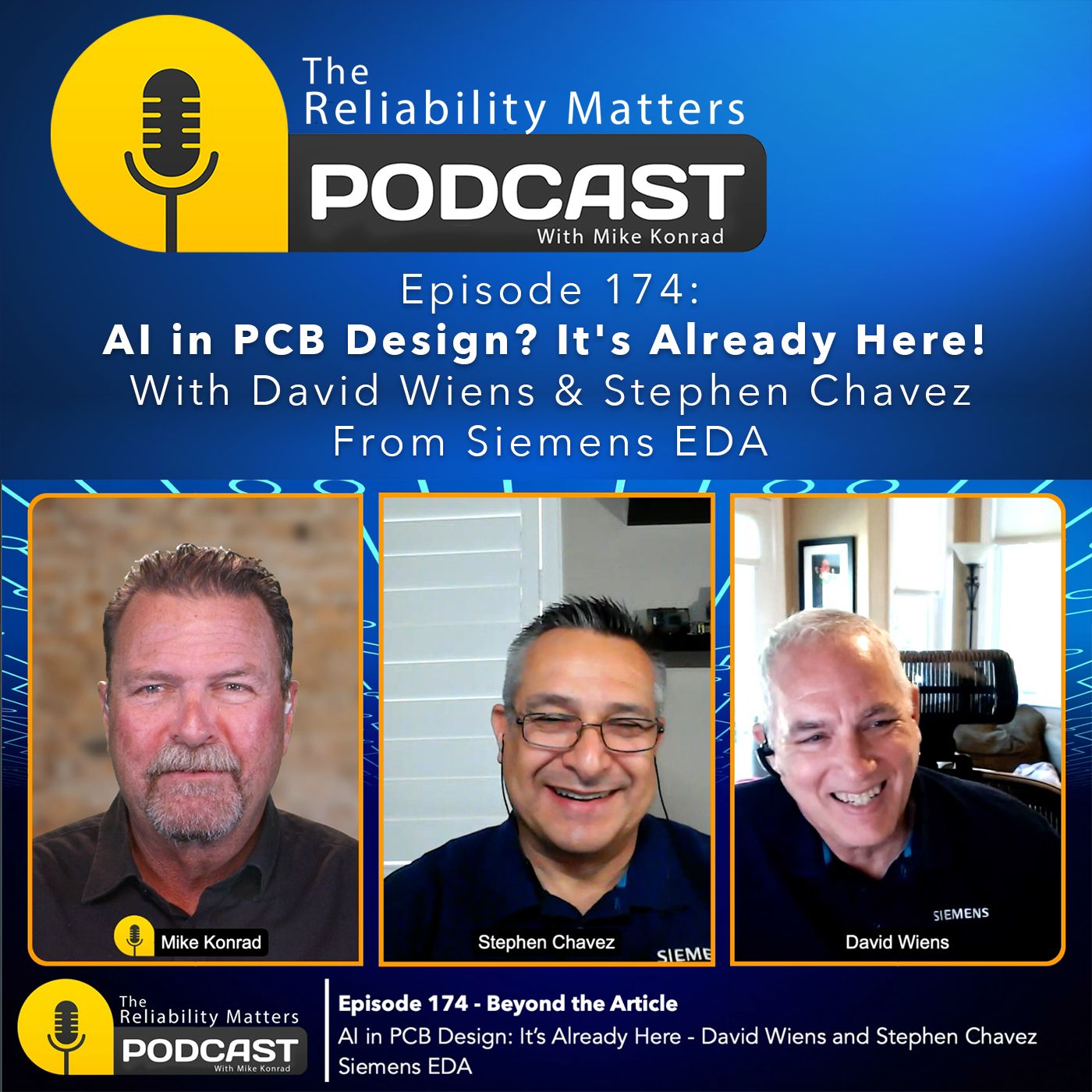 AI in PCB Design - It's Already Here! With David Wiens & Stephen Chavez, Siemens EDA. Episode 174 | In this episode, we’re diving into a topic that’s rapidly reshaping our industry: Artificial Intelligence in PCB Design. Far from a futuristic concept, AI is already being integrated into advanced design tools—improving efficiency, reducing design iterations, and helping engineers tackle increasing design complexity with shrinking timelines.Joining me today are two thought leaders who are at the forefront of this transformation:First, we welcome back Stephen Chavez, a senior printed circuit engineer with more than 30 years of experience. Stephen serves as a Senior Product Marketing Manager at Siemens EDA, where he helps drive AI adoption in PCB design workflows. He’s also the Chairman of the Printed Circuit Engineering Association (PCEA) and a PCEA and IPC Certified Master Instructor Trainer. Stephen recently authored the article “AI in PCB Design: It’s Already Here”, which forms the foundation of today’s discussion.Also joining us is Dave Wiens, Product Marketing Manager for the Xpedition Enterprise portfolio at Siemens EDA. With decades of experience in electronic design automation, Dave is a recognized expert in digital transformation and design innovation. He brings deep insight into how AI-driven tools are streamlining everything from system-level design to manufacturability, while empowering engineers to focus on innovation rather than repetition.We’ll unpack the practical applications of AI in PCB workflows—covering predictive design, simulation acceleration, and how these advancements are improving both reliability and time-to-market.If you're wondering what AI really means for the future of design—and what it doesn’t—you’ll want listen to this episode! | 1h 03m 09s | ||||||
| 7/22/25 | 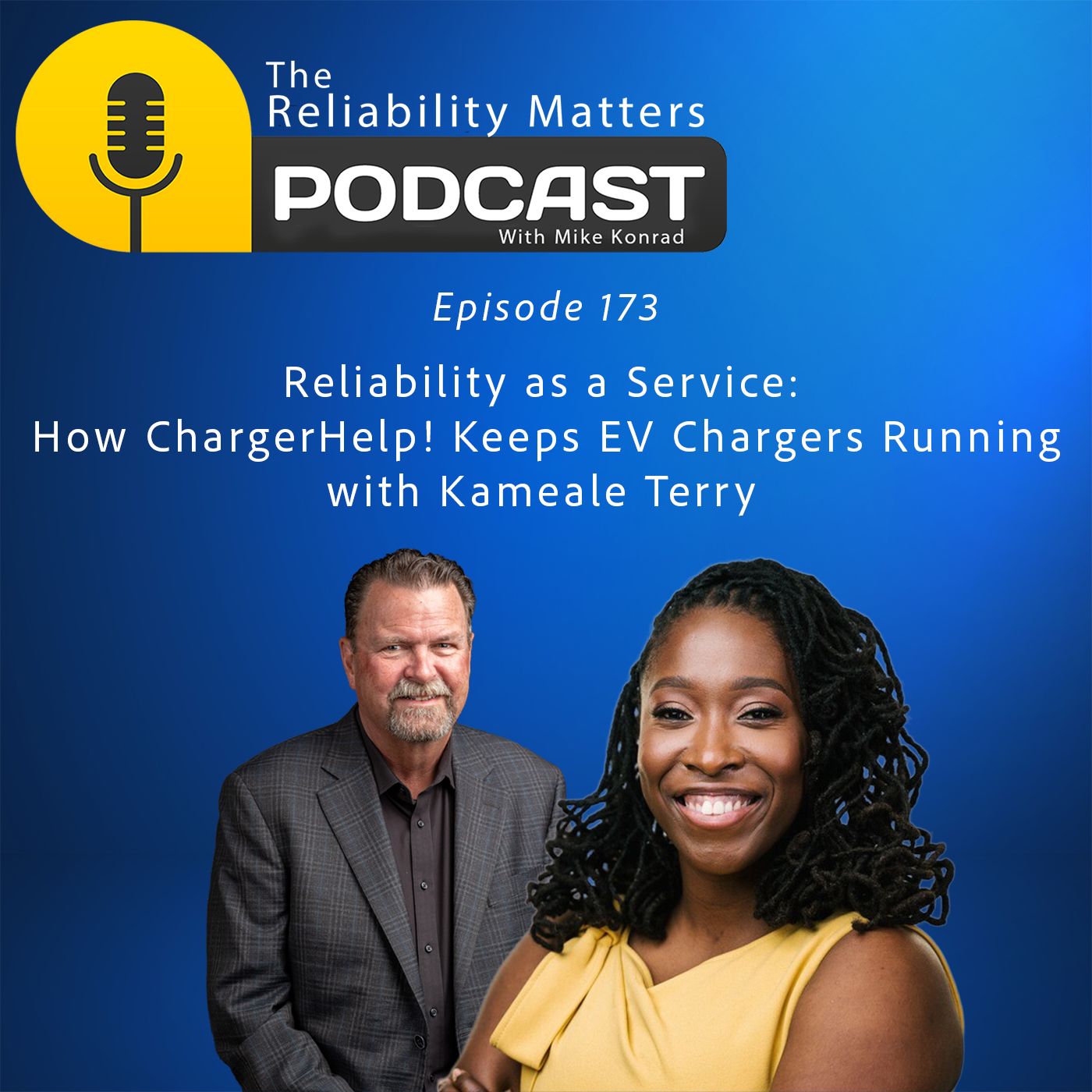 Improving the Reliability of Public EV Chargers with ChargerHelp! Co-Founder & CEO, Kamale Terry | As the electric vehicle market accelerates, the reliability of the charging infrastructure becomes increasingly vital. Chargers that are down or malfunctioning can hinder adoption and erode consumer confidence. But who ensures these chargers stay up and running?Today, we're diving into that very topic with a trailblazer in the EV service space. My guest is Kameale Terry, co-founder and CEO of ChargerHelp!, a company revolutionizing how we think about EV charger maintenance and reliability. Under her leadership, ChargerHelp! has pioneered Reliability as a Service, developed a highly trained and diverse technician workforce, and shaped industry policies aimed at improving charger uptime.Kameale’s journey is as inspiring as it is innovative, leading a national movement for a more reliable and equitable EV charging network. With backgrounds in workforce development, clean tech, and digital operations, she’s uniquely positioned to tackle the challenges facing this growing industry.In this episode, we’ll explore the common causes of EV charger failures, the role data plays in predictive maintenance, the impact of new regulations like the National Electric Vehicle Infrastructure (NEVI) standards, and how ChargerHelp! is creating pathways into the clean energy economy for workers from all walks of life.If you've ever wondered how reliability translates to the EV world, or how technology and workforce innovation go hand in hand, you won’t want to miss this conversation.Kameale’s Company:ChargerHelp!https://www.chargerhelp.com | 47m 50s | ||||||
| 7/8/25 | 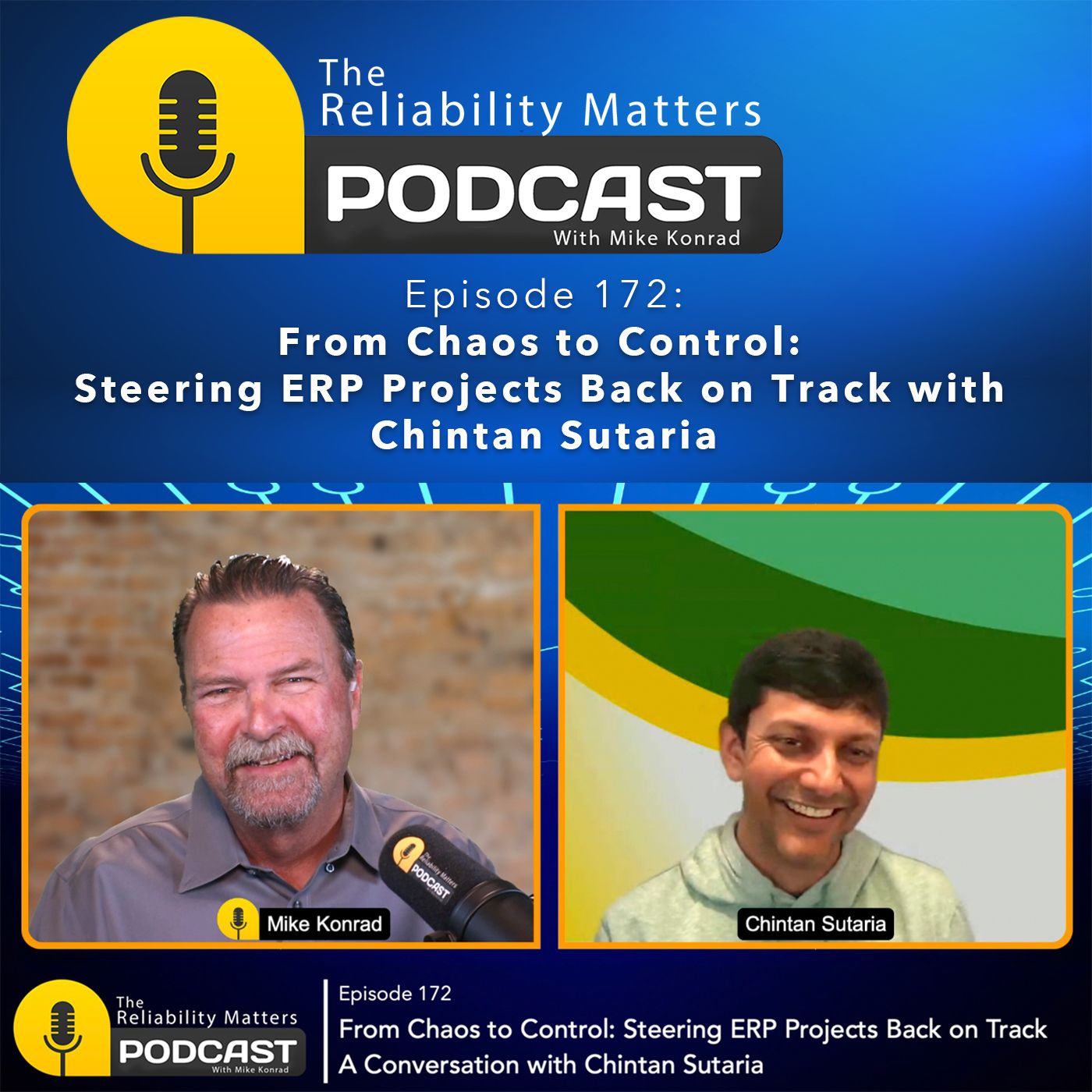 Episode 172: From Chaos to Control: Steering ERP Projects Back on Track with Chintan Sutaria | Today we're diving into a topic that keeps many executives awake at night—ERP implementations. More specifically, why so many of them fail and, perhaps more importantly, how to fix them midstream before they derail your operations.Joining me today is someone who knows this space inside and out—Chintan Sutaria. Chintan grew up working in an EMS business from a young age, gaining firsthand experience in the unique challenges of our industry. His career path took him into the world of business process consulting at some of the largest Big 5 firms, and he has since worked with numerous EMS companies on a wide range of projects.Many of you may recognize Chintan as the founder and former CEO of CalcuQuote, a well-known supply chain management software solution for the EMS industry. Recently, he founded, OpenJar, a consultancy dedicated to helping electronics manufacturers navigate complex business challenges—including ERP implementations.We’ll discuss his new company as well as his recent blog post, "Why Your ERP Implementation Failed (and How to Fix It Midstream)", explore common pitfalls, and uncover strategies to steer your ERP project back on course.Chintan's CompanyOpenJarhttps://openjartech.com | 46m 41s | ||||||
| 6/24/25 | 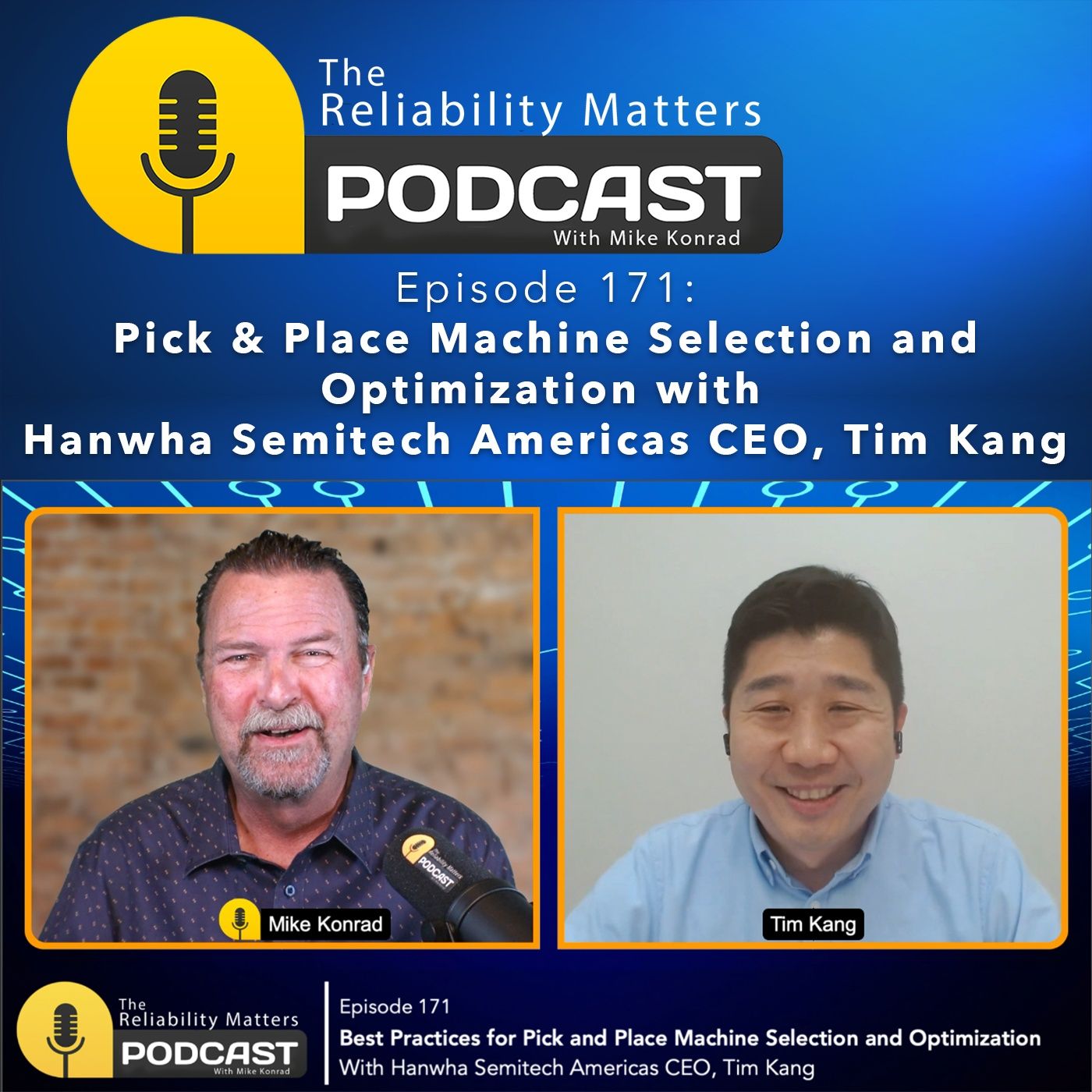 Pick & Place Machine Selection and Optimization with Hanwha Semitech Americas CEO, Tim Kang - Episode #171 | Today we're turning our attention to a cornerstone of modern electronics manufacturing: pick and place technology.Joining me is Tim Kang, CEO of Hanwha Semitech Americas. With nearly two decades of experience in the electronics manufacturing space—starting as a mechanical engineer and now leading one of the top pick and place equipment providers—Tim brings a wealth of insight into what it takes to build reliable assemblies.In this episode, we’re covering best practices for selecting the most appropriate pick and place machine, how to get the most out of your equipment, and the common mistakes that can compromise productivity and long-term reliability.Whether you’re a process engineer, a line operator, or anyone involved in electronics manufacturing, this conversation is packed with practical advice you can use right away.Hanwha's Website:https://www.hanwha-pm.com/en/product/smt/index.asp | 52m 38s | ||||||
| 6/13/25 | 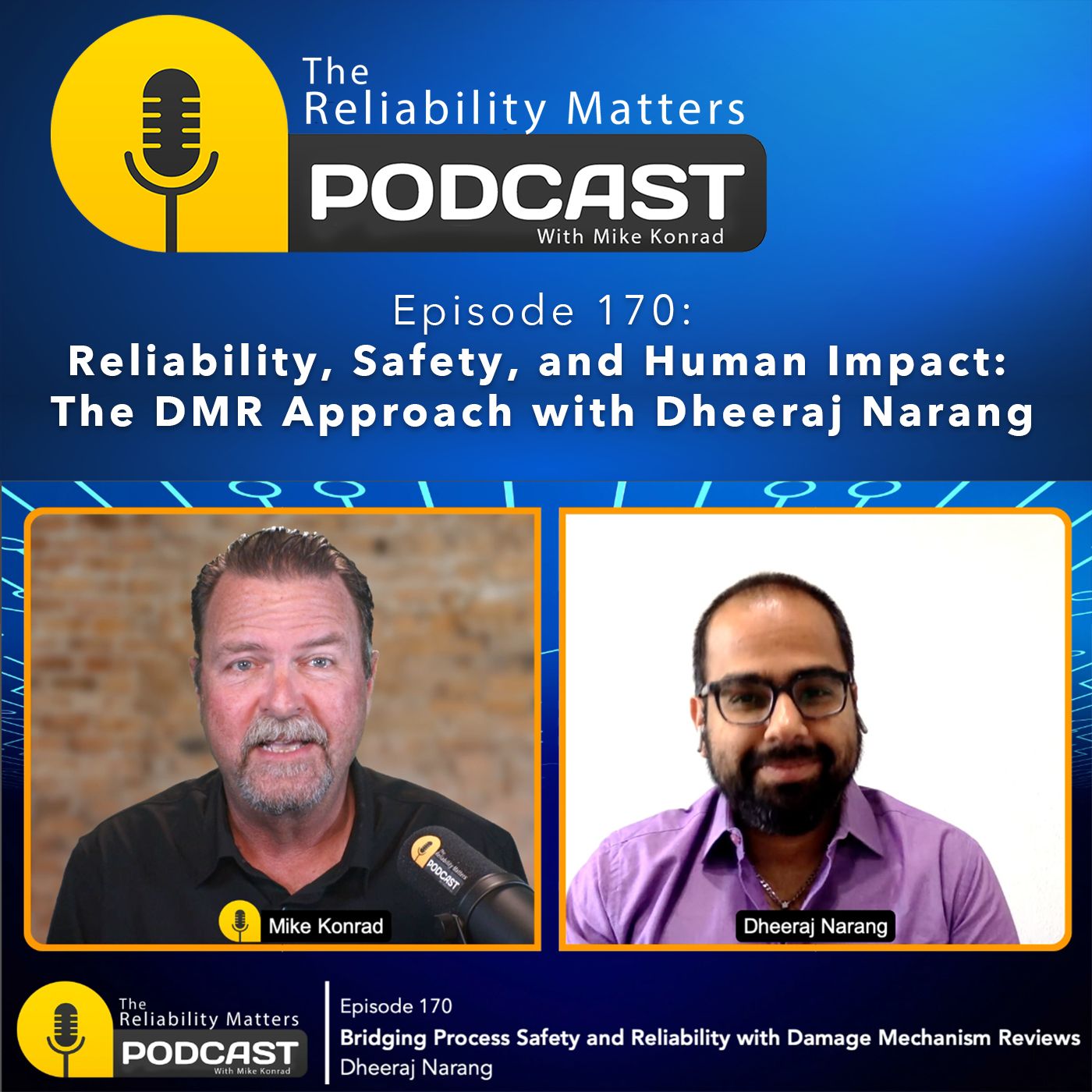 Episode 170: Reliability, Safety, and Human Impact: The DMR Approach with Dheeraj Narang | Today we're exploring a concept that has deep roots in process safety and infrastructure management, but also has meaningful applications in electronics manufacturing: Damage Mechanism Reviews, or DMRs.My guest today is Dheeraj Narang, a corrosion and reliability engineering specialist, process safety activist, and digital innovation researcher with an impressive track record across the energy sector.Dheeraj has spent his career developing and implementing asset integrity programs for more than nine global energy companies across the U.S., India, and the Middle East.He’s also a visionary advocate for using advanced technologies, industry best practices, and safety standards to uplift regions and workers where such systems are still under development. Whether it's through his service on global conference committees or his contributions to cutting-edge digital initiatives, Dheeraj is on a mission to blend technology, safety, and human rights into a unified vision of operational excellence.In this episode, we’ll discuss:What Damage Mechanism Reviews are and why they matter.How DMRs tie into reliability programs like FMECA.How DMR thinking could benefit industries outside of oil and gas—including electronics manufacturingand how emerging technologies like AI and machine learning can amplify the impact of these reviews.Whether you're in energy, electronics, or any industry where reliability and safety are paramount, this is a conversation you won’t want to miss.Dheeraj's Contact Info:dnarang1@my.harrisburgu.eduReferences:Narang, D. Dual Benefits of Damage Mechanism Reviews. 2024 AiCHE Spring Meeting and 20th Global Congress on Process Safety, New Orleans, LA, March 25-27, 2024.Narang, D. Application of FMECA Methodology in Reliability Assessment of Complex Assets in Process Plant Industries. Reliability, Maintenance & Managing Risk Conference (RMMR) by American Society of Quality (ASQ), Pittsburgh-PA, July 25-26, 2024.Narang, D. Feature Selection Methodology for Developing a Supervised Machine Learning Model for Risk Based Inspection Study on Process Plant Assets. 79th Instrumentation and Automation Symposium, Mary Kay O’Connor Safety & Risk Conference, College Station-TX, October 22-24, 2024.Narang, D. Application of Machine Learning Concepts in Inspection Data Management System at Process Plant Facilities. 27th Process Safety International Symposium, Mary Kay O’Connor Safety & Risk Conference, College Station-TX, October 22-24, 2024. | 40m 45s | ||||||
| 5/27/25 | 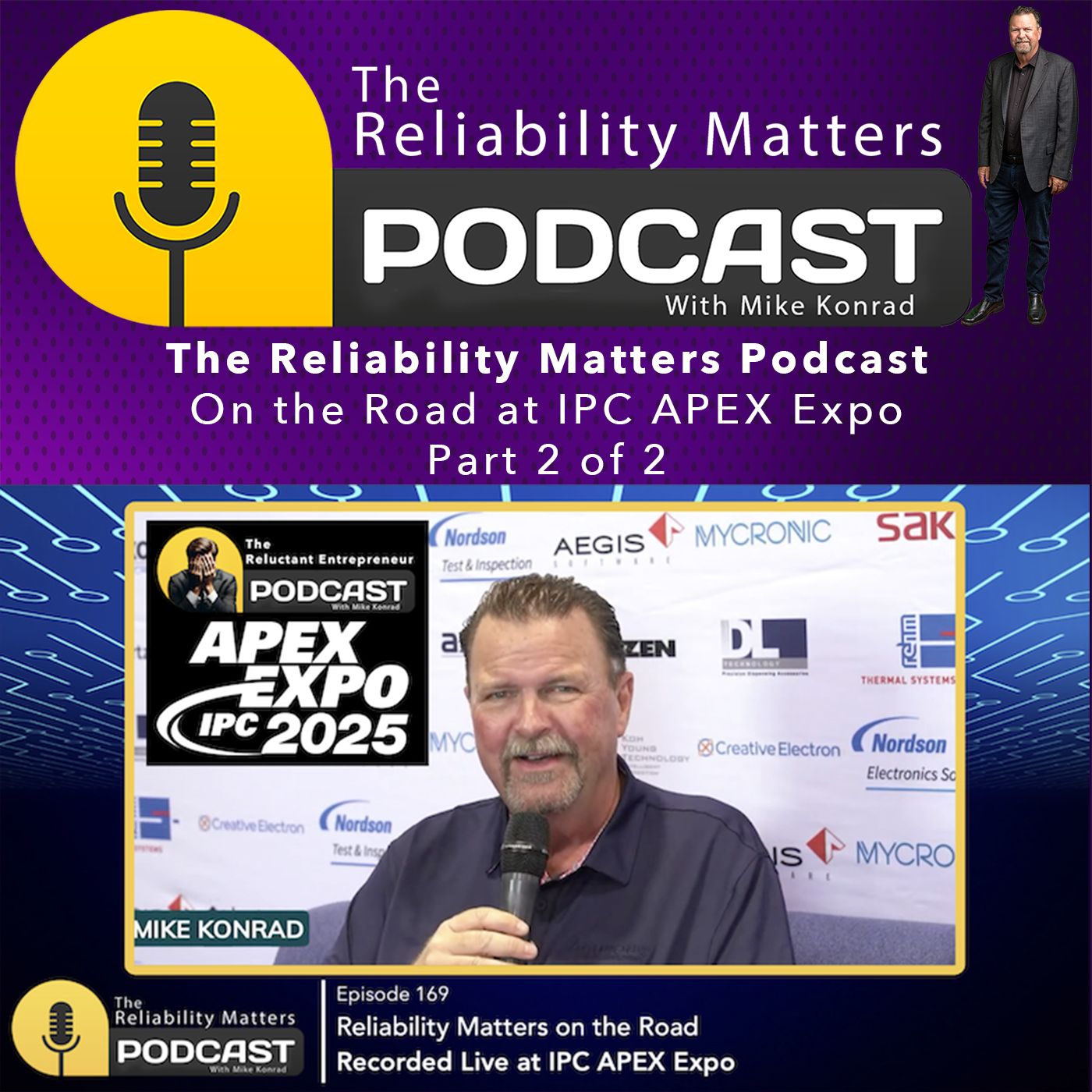 Reliability Matters on the Road in Anaheim California at the IPC APEX Expo - Episode 169 | On this episode of the Reliability Matters podcast, I left my usual studio for the IPC APEX Expo in Anaheim California.I interviewed two subject matter experts on topics related to electronic assembly.My guests are:Gerald Gardner, Global Product Manager at Weller, a manufacturer of hand soldering equipment fume extraction systems, and precision tools.Mike Young – CEO OF SASinno Americas, a manufacturer of wave and selective soldering equipment.More information on my guest's companies is available here:SASinno Americashttps://www.sasinnoamericas.comWellerhttps://www.weller-tools.com/us/en | 29m 33s | ||||||
Showing 25 of 198
Sponsor Intelligence
Sign in to see which brands sponsor this podcast, their ad offers, and promo codes.
Chart Positions
1 placement across 1 market.
Chart Positions
1 placement across 1 market.