
Insights from recent episode analysis
Audience Interest
Podcast Focus
Publishing Consistency
Platform Reach
Insights are generated by CastFox AI using publicly available data, episode content, and proprietary models.
Most discussed topics
Brands & references
Total monthly reach
Estimated from 1 chart position in 1 market.
By chart position
- 🇫🇮FI · Film Reviews#179500 to 3K
- Per-Episode Audience
Est. listeners per new episode within ~30 days
250 to 1.5K🎙 Weekly cadence·163 episodes·Last published today - Monthly Reach
Unique listeners across all episodes (30 days)
500 to 3K🇫🇮100% - Active Followers
Loyal subscribers who consistently listen
150 to 900
Market Insights
Platform Distribution
Reach across major podcast platforms, updated hourly
Total Followers
—
Total Plays
—
Total Reviews
—
* Data sourced directly from platform APIs and aggregated hourly across all major podcast directories.
On the show
From 10 epsHost
Recent guests
No guests detected in recent episodes.
Recent episodes
Why J-Drama Structures Its First Episode Like a Short Film and What That Does to the Rest of the Series
Jun 26, 2026
Unknown duration
The Pilot Episode That Lied to You: TV's First Impression Problem
Jun 25, 2026
Unknown duration
Shoplifters Won the Palme d'Or and Western Critics Still Couldn't Explain What It Was About
Jun 24, 2026
Unknown duration
The Black Filmmaker in the British Industry: What the Statistics Don't Say
Jun 23, 2026
Unknown duration
The Logline Problem: Why British TV Keeps Commissioning the Idea Instead of the Story
Jun 22, 2026
Unknown duration
Social Links & Contact
Official channels & resources
Official Website
Login
RSS Feed
Login
| Date | Episode | Topics | Guests | Brands | Places | Keywords | Sponsor | Length | |
|---|---|---|---|---|---|---|---|---|---|
| 6/26/26 | Why J-Drama Structures Its First Episode Like a Short Film and What That Does to the Rest of the Series | Yesterday's episode made the case that Western TV pilots lie — that they're persuasion documents built for commissioners rather than honest first chapters built for audiences. Today is the answer. J-drama structures its first episode like a complete short film — establishing emotional register before plot, tone before event, the specific texture of who these people are before anything happens to them. This episode explains the structural reason why, what it produces in the shows that follow, and why it creates a fundamentally different contract between audience and story.Required Watching is your curriculum for cinematic literacy. We deconstruct the art and craft of filmmaking to help you become a sharper storyteller.▶️ Subscribe for new video essays every week: ▶️ Website▶️ Twitter/X▶️ Instagram▶️ Letterboxd Hosted on Acast. See acast.com/privacy for more information. | — | ||||||
| 6/25/26 | The Pilot Episode That Lied to You: TV's First Impression Problem | The TV pilot has one job: make you come back. The problem is that job has become structurally disconnected from the show that follows. Pilots front-load everything — spectacle, mystery, emotional hook — in ways that make for compelling first hours and then have nothing left to sustain the series behind them. This episode makes the structural case for why the pilot format is lying to you, which pilots told the truth, and what the ones that lied reveal about how Western TV gets made.Required Watching is your curriculum for cinematic literacy. We deconstruct the art and craft of filmmaking to help you become a sharper storyteller.▶️ Subscribe for new video essays every week: ▶️ Website▶️ Twitter/X▶️ Instagram▶️ Letterboxd Hosted on Acast. See acast.com/privacy for more information. | — | ||||||
| 6/24/26 | Shoplifters Won the Palme d'Or and Western Critics Still Couldn't Explain What It Was About | Shoplifters won the Palme d'Or at Cannes in 2018. The reviews were glowing. The words "found family" and "poverty" appeared in almost all of them. And most of them described a film that is significantly less interesting than the one Kore-eda actually made. This episode makes the case that Western criticism landed on the warmth and missed the argument — and that the argument, which is cold and specific and directed at the Japanese state, is the reason the film is essential.Required Watching is your curriculum for cinematic literacy. We deconstruct the art and craft of filmmaking to help you become a sharper storyteller.▶️ Subscribe for new video essays every week: ▶️ Website▶️ Twitter/X▶️ Instagram▶️ Letterboxd Hosted on Acast. See acast.com/privacy for more information. | — | ||||||
| 6/23/26 | The Black Filmmaker in the British Industry: What the Statistics Don't Say | The British film industry produces diversity reports. It has standards, targets, tick-box initiatives, and annual announcements about progress. And the structural situation for Black filmmakers — in development, in commissioning, in creative control — has barely moved. This episode isn't another recitation of the numbers. It's about what the numbers can't capture: the specific texture of how exclusion works in a system that has learned to perform inclusion without delivering it. And what it looks like to decide not to wait.Required Watching is your curriculum for cinematic literacy. We deconstruct the art and craft of filmmaking to help you become a sharper storyteller.▶️ Subscribe for new video essays every week: ▶️ Website▶️ Twitter/X▶️ Instagram▶️ Letterboxd Hosted on Acast. See acast.com/privacy for more information. | — | ||||||
| 6/22/26 | The Logline Problem: Why British TV Keeps Commissioning the Idea Instead of the Story | Somewhere in the British TV development process, the logline became the product. Not the story. Not the characters. The pitch. The elevator concept that sounds clean in a commissioning meeting and then struggles to hold together past episode two. This episode makes the case that British TV has built a development culture that selects for ideas that are easy to explain — and what that's costing us in the actual television being made.Required Watching is your curriculum for cinematic literacy. We deconstruct the art and craft of filmmaking to help you become a sharper storyteller.▶️ Subscribe for new video essays every week: ▶️ Website▶️ Twitter/X▶️ Instagram▶️ Letterboxd Hosted on Acast. See acast.com/privacy for more information. | — | ||||||
| 6/17/26 | Aladdin | SummaryIn this episode,we discuss the profound impact of Disney's 1992 film Aladdin on the animation industry and its cultural significance. He highlights how Aladdin redefined Disney's approach to animated musicals through innovative storytelling, memorable music, and the introduction of a relatable protagonist. The film's humor, particularly through Robin Williams' iconic performance as the Genie, attracted a broader audience and set a precedent for celebrity voice casting in animation. Epps also emphasizes the film's legacy in shaping future Disney films and its role in cementing Disney's place in pop culture during the 1990s.Chapters00:00 The Impact of Aladdin on Disney's Animation05:38 Cultural Significance and Legacy of AladdinRequired Watching is your curriculum for cinematic literacy. We deconstruct the art and craft of filmmaking to help you become a sharper storyteller.▶️ Subscribe for new video essays every week: ▶️ Website▶️ Twitter/X▶️ Instagram▶️ Letterboxd Hosted on Acast. See acast.com/privacy for more information. | — | ||||||
| 6/17/26 | The King Of Comedy | Required Watching is your curriculum for cinematic literacy. We deconstruct the art and craft of filmmaking to help you become a sharper storyteller.▶️ Subscribe for new video essays every week: ▶️ Website▶️ Twitter/X▶️ Instagram▶️ Letterboxd Hosted on Acast. See acast.com/privacy for more information. | — | ||||||
| 6/14/26 | 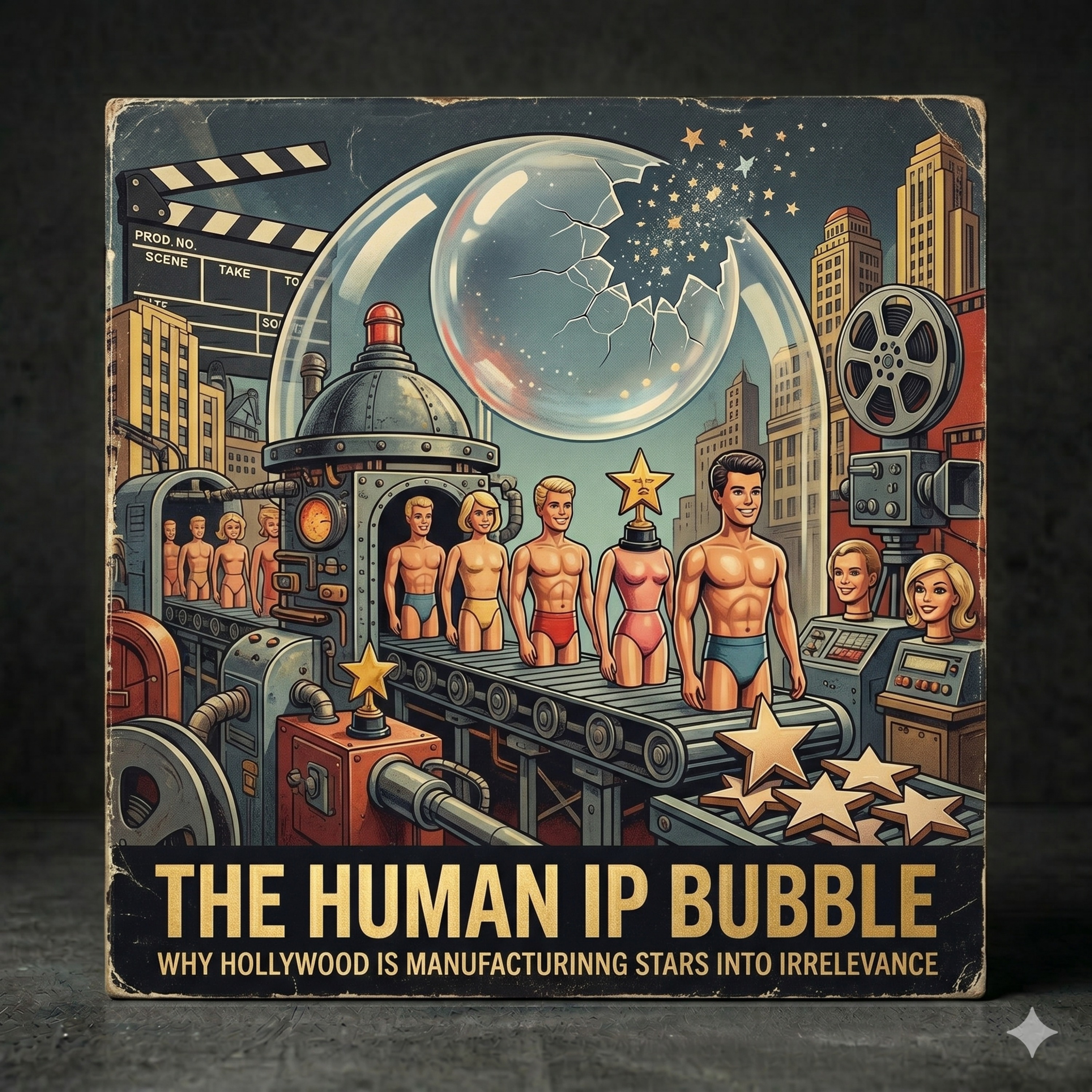 The Human IP Bubble: Why Hollywood Is Manufacturing Stars Into Irrelevance | You're tired of actors you actually like. That's not an accident — it's a business model. Hollywood is treating talent as intellectual property and audiences as brand targets, casting for TikTok engagement rather than craft. This episode breaks down the human IP factory, why it's going to collapse, and what Song Kang-ho and Paul Mescal's careers tell us about what's actually worth watching.Required Watching is your curriculum for cinematic literacy. We deconstruct the art and craft of filmmaking to help you become a sharper storyteller.▶️ Subscribe for new video essays every week: ▶️ Website▶️ Twitter/X▶️ Instagram▶️ Letterboxd Hosted on Acast. See acast.com/privacy for more information. | — | ||||||
| 6/13/26 | The Lion King and the Most Perfectly Constructed Protagonist Desire Arc in Animation History✨ | protagonist desireemotional craft+3 | — | The Lion King | — | The Lion Kingprotagonist desire+3 | — | 8m 04s | |
| 6/12/26 | 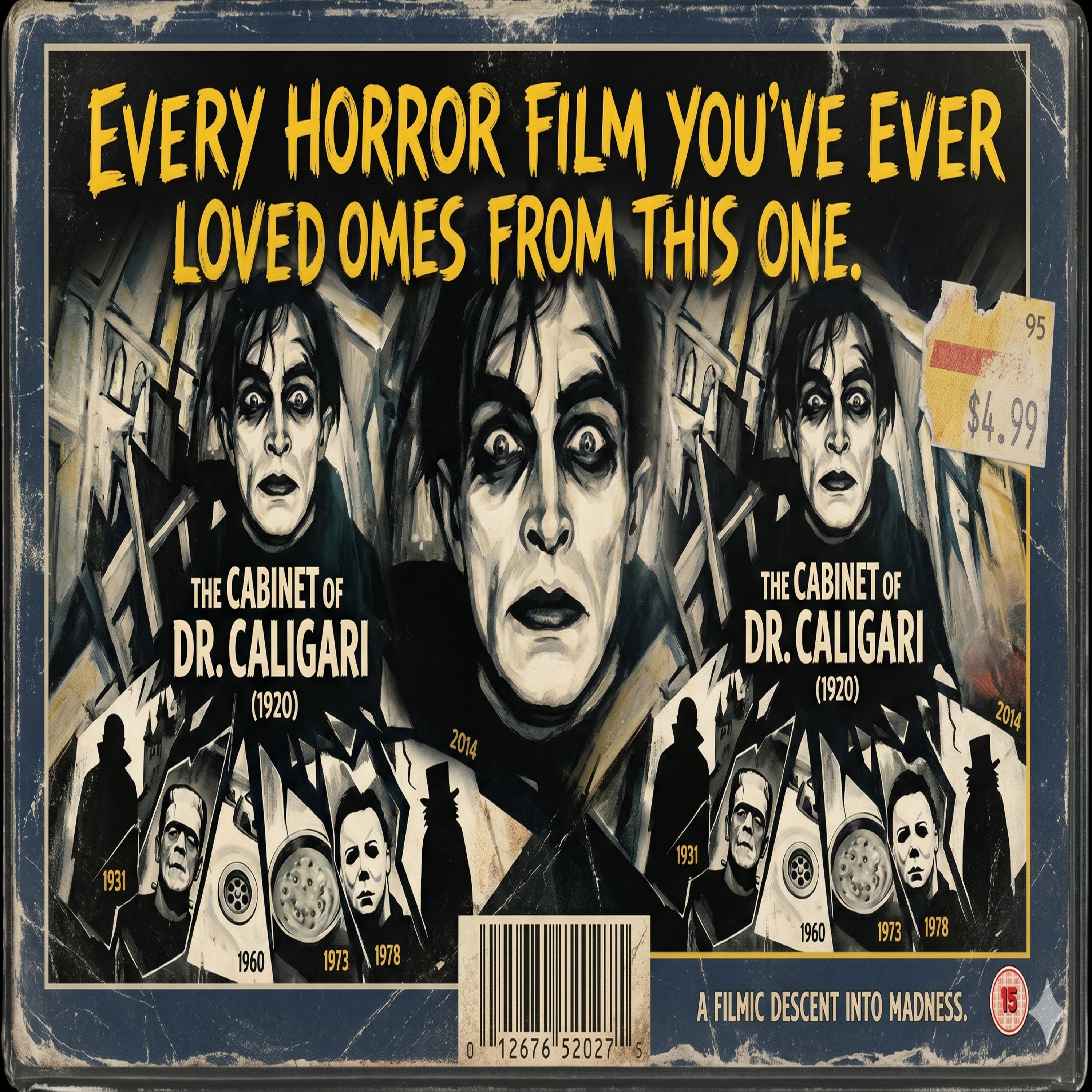 The Cabinet of Dr. Caligari Is Where Horror's DNA Begins — And Nobody Talks About It✨ | horrorfilm history+3 | — | The Cabinet of Dr. Caligari | Germany | horrorfilm noir+3 | — | 7m 51s | |
Want analysis for the episodes below?Free for Pro Submit a request, we'll have your selected episodes analyzed within an hour. Free, at no cost to you, for Pro users. | |||||||||
| 6/11/26 |  Chennai Express and the Mid-Budget Movie Hollywood Decided It Was Too Good to Make Anymore✨ | mid-budget filmsBollywood+3 | — | HollywoodChennai Express | — | Chennai Expressmid-budget movies+5 | — | 7m 40s | |
| 6/10/26 |  Twisters and the Real Disaster: When Blockbusters Are Scared of Themselves✨ | film analysiscinematic literacy+3 | — | Twisters | — | TwistersDaisy Edgar-Jones+4 | — | 5m 24s | |
| 6/9/26 | The Kevin Hart Problem: What Does the Biggest Star in Hollywood Actually Want?✨ | Kevin Hartaction star+4 | — | Die Hart | — | Kevin HartDie Hart+4 | — | 6m 42s | |
| 6/8/26 | 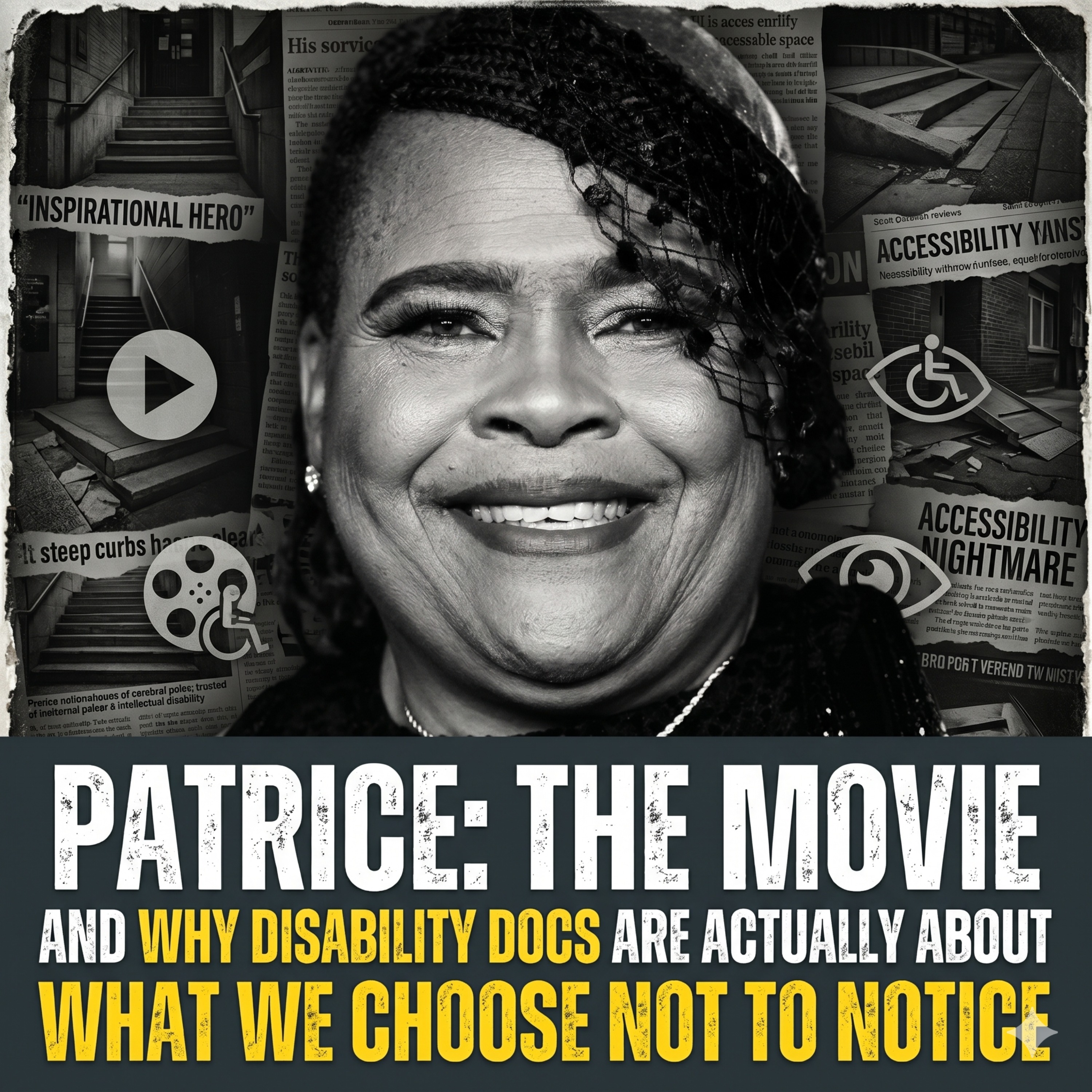 Patrice: The Movie and Why Disability Docs Are Actually About What We Choose Not to Notice✨ | disabilitymarriage+4 | — | Patrice: The Movie | UK | disabilitydocumentary+5 | — | 6m 55s | |
| 6/1/26 | 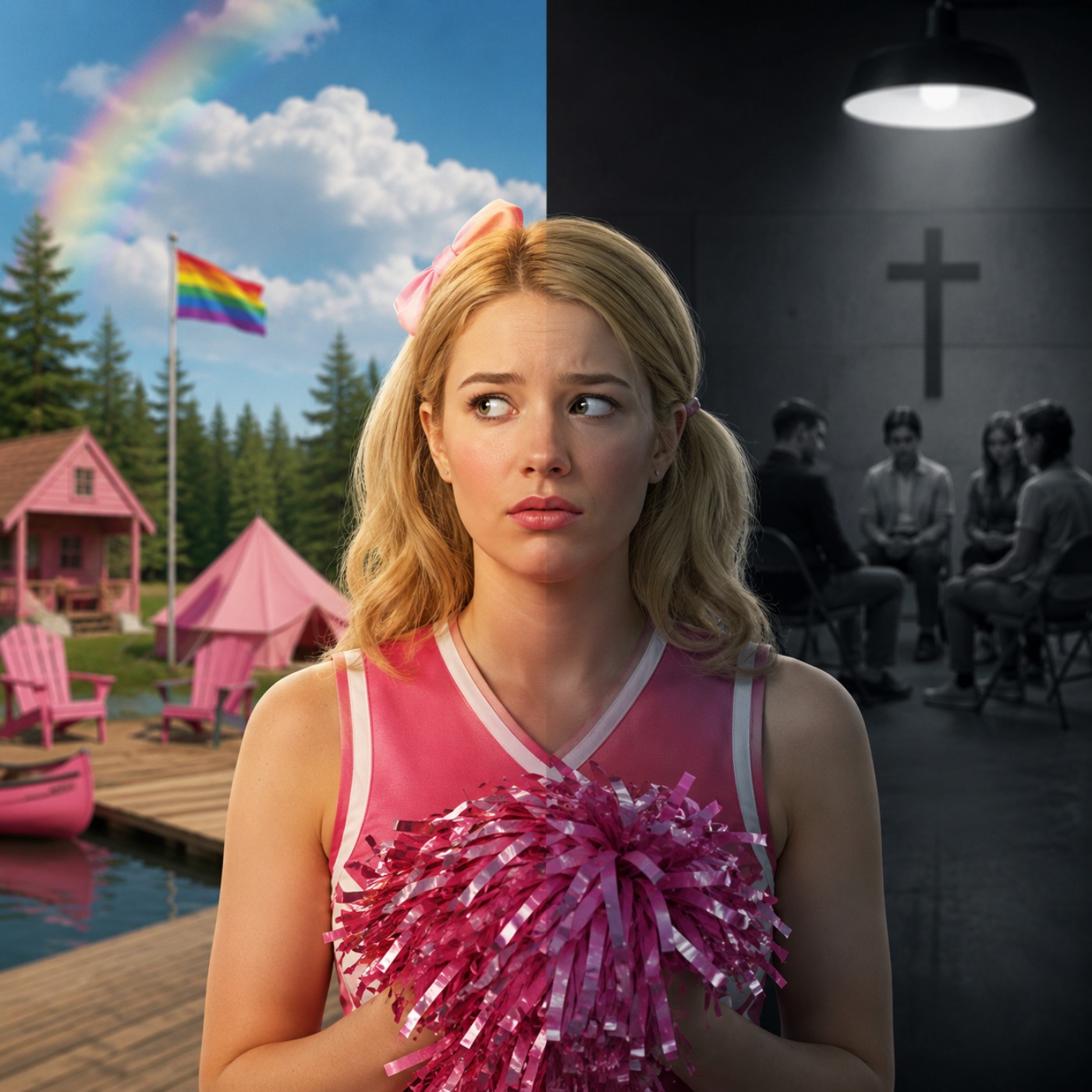 But I’m a Cheerleader | Camp, Colour & Conversion Therapy✨ | conversion therapycamp aesthetics+4 | — | Jamie BabbittBut I’m a Cheerleader | — | conversion therapycamp+5 | — | 7m 27s | |
| 2/26/26 | What Black Cinema Taught Me About Storytelling✨ | Black cinemastorytelling+3 | — | Black cinema | — | Black cinemastorytelling+5 | — | 8m 11s | |
| 2/25/26 | Why These Films Were ‘Too Early’ for the Industry✨ | film historycultural criticism+4 | — | Criterion CollectionDo the Right Thing+2 | — | film analysiscinema+5 | — | 7m 22s | |
| 2/17/26 | Why Western Audiences Struggle With African Films✨ | African filmsWestern audiences+3 | — | Required WatchingAcast | — | African cinemafilm reviews+3 | — | 10m 45s | |
| 2/11/26 | Watching Black British Cinema as a Black American | In this personal episode of the Required Watching podcast, I'm exploring what happens when Black cinema crosses borders. As a Black American living in the UK, I didn't grow up with these stories. I came to them later, and that distance changed how I heard them.This isn't about explaining Black Britain. It's about the profound shift that happens when you stop expecting art to sound like home.CHAPTERS (The Four Acts):Act I: ArrivalAct II: Contrast, Not ComparisonAct III: What Shifted in MeAct IV: Why This Matters for FilmmakersASKED & ANSWERED IN THIS EPISODE:What is it like watching Black British film as a Black American?Analysis of Steve McQueen's Small Axe.What are the differences between UK and US Black cinema?How does national identity shape filmmaking?What can filmmakers learn from different cultural styles?To see the formal analysis that inspired this reflection, watch our video "The Grammar of Black British Cinema"Required Watching is your curriculum for cinematic literacy. We deconstruct the art and craft of filmmaking to help you become a sharper storyteller.▶️ Subscribe for new video essays every week: ▶️ Website▶️ Twitter/X▶️ Instagram▶️ Letterboxd Hosted on Acast. See acast.com/privacy for more information. | — | ||||||
| 2/6/26 | Why Black Film History Was Never Taught Like This | This is a deep dive into the mechanics of how history is written, how "canons" are formed, and what we lose when we erase the origin stories of pioneering artists.DISCUSSED IN THIS EPISODE:- The Question: Why Don't We Learn This in School?- What is "The Canon" and Who Decides?- The Four Filters: Archives, Academia, Criticism, and Commerce- The Cost of Erasure: What We Lose- What Early Black Cinema Teaches Us TodayASKED & ANSWERED IN THIS EPISODE:Why isn't early Black film history taught in film schools?How does a film become a classic?What is the film canon and who creates it?Why are so many early Black films lost?What can modern filmmakers learn from Oscar Micheaux?To understand the history we're discussing, watch our video on the pioneers of Black cinemaRequired Watching is your curriculum for cinematic literacy. We deconstruct the art and craft of filmmaking to help you become a sharper storyteller.▶️ Subscribe for new video essays every week: ▶️ Website▶️ Twitter/X▶️ Instagram▶️ Letterboxd Hosted on Acast. See acast.com/privacy for more information. | — | ||||||
| 1/28/26 | The Things We Can’t Say, So We Cook – Food, Family, and Emotional Fluency in Film | In this episode of Required Watching, Tray Epps explores the theme of emotional fluency through cooking in cinema. He discusses three films—'Eat Drink Man Woman', 'Pieces of April', and 'The Farewell'—highlighting how food serves as a medium for expressing complex emotions and familial connections. The conversation delves into how these films illustrate the power of meals in conveying love, grief, and intimacy without the need for words, emphasizing the significance of rituals and the kitchen as a stage for emotional expression.Required Watching is your curriculum for cinematic literacy. We deconstruct the art and craft of filmmaking to help you become a sharper storyteller.▶️ Subscribe for new video essays every week: ▶️ Website▶️ Twitter/X▶️ Instagram▶️ Letterboxd Hosted on Acast. See acast.com/privacy for more information. | — | ||||||
| 1/21/26 | Family, Fantasy, and Feeling – How Global Cinema Makes the Personal Universal | In this episode of Required Watching, host Tray Epps delves into the emotional depths of family dramas through the lens of three films: 'Kapoor and Sons', 'Painted Skin', and 'The Jacksons'. He discusses how personal stories can resonate universally by focusing on specific emotions and experiences. Epps emphasizes the importance of authenticity in storytelling, the power of silence, and the legacy of trauma that shapes family dynamics. The conversation highlights that the core of compelling narratives lies in the emotional truths they convey, regardless of cultural context.Required Watching is your curriculum for cinematic literacy. We deconstruct the art and craft of filmmaking to help you become a sharper storyteller.▶️ Subscribe for new video essays every week: ▶️ Website▶️ Twitter/X▶️ Instagram▶️ Letterboxd Hosted on Acast. See acast.com/privacy for more information. | — | ||||||
| 1/14/26 | How to Outline a Screenplay: A Guide to the Scene Card Method | Required Watching Toolkit | You have a great idea for a movie. You have a compelling character, a killer ending, maybe even a few memorable scenes. But how do you get from a jumble of brilliant ideas to a rock-solid, 110-page script with a beginning, a middle, and an end that all connect? You don't just start writing. You build it, one scene at a time.In this episode of the RW Toolkit, we're getting analog. We're breaking down one of the most powerful, flexible, and time-tested outlining tools used by professional writers: the Scene Card Method. Using simple, cheap index cards, you can build, rearrange, and stress-test your story's architecture before you ever write a single line of dialogue. It’s the secret weapon used by everyone from Aaron Sorkin to the writers at Pixar.We'll walk you through the entire process, from creating your first card to laying out your entire film on your floor or wall. This is a practical, step-by-step guide to making your story's structure tangible, manageable, and powerful.Resources Mentioned:Our "Canon" video essay on the perfect structure of Chinatown3x5 Index Cards (any brand will do)Book: Save the Cat! by Blake Snyder (a beat sheet that works well with this method)A great corkboard for your wallRequired Watching is your curriculum for cinematic literacy. We deconstruct the art and craft of filmmaking to help you become a sharper storyteller.▶️ Subscribe for new video essays every week: ▶️ Website▶️ Twitter/X▶️ Instagram▶️ Letterboxd Hosted on Acast. See acast.com/privacy for more information. | — | ||||||
| 1/9/26 | The Blank Page: 3 Ways to Start Your Screenplay | In this episode of the Required Watching podcast, host Tray Epps discusses the challenges of screenwriting, particularly the fear of the blank page. He presents three practical methods to overcome this fear: the high concept approach, character-driven storytelling, and the final image technique. Each method offers a unique way to spark creativity and develop compelling narratives. Epps emphasizes the importance of understanding character desires and the emotional core of a story, ultimately guiding writers to find their unique voice and direction in filmmaking.Required Watching is your curriculum for cinematic literacy. We deconstruct the art and craft of filmmaking to help you become a sharper storyteller.▶️ Subscribe for new video essays every week: ▶️ Website▶️ Twitter/X▶️ Instagram▶️ Letterboxd Hosted on Acast. See acast.com/privacy for more information. | — | ||||||
| 1/1/26 | My Top 10 Films of 2025 | In this comprehensive review of the year in film, Tray Epps explores the trends, triumphs, and disappointments of 2025. He presents a definitive list of the top 10 films that are expected to resonate for years to come, while also addressing notable disappointments in filmmaking. The conversation emphasizes the importance of storytelling, the emotional depth of cinema, and the evolving landscape of the film industry.Required Watching is your curriculum for cinematic literacy. We deconstruct the art and craft of filmmaking to help you become a sharper storyteller.▶️ Subscribe for new video essays every week: ▶️ Website▶️ Twitter/X▶️ Instagram▶️ Letterboxd Hosted on Acast. See acast.com/privacy for more information. | — | ||||||
Showing 25 of 178
Pitch Fit is a Pro feature
See how bookable this show is for guests, which brands already advertise, the per-episode ad value, and the best-fit guest and sponsor profile. The numbers are blurred on the free plan.
How readily this show books outside guests like you.
How proven this show is for host-read sponsorships.
For Guests
ProFor Advertisers
ProUpgrade to Pro to unlock guest cadence, sponsor categories, fit scores, and per-episode ad value for this show.
Chart Positions
1 placement across 1 market.
Chart Positions
1 placement across 1 market.