
Insights from recent episode analysis
Audience Interest
Podcast Focus
Publishing Consistency
Platform Reach
Insights are generated by CastFox AI using publicly available data, episode content, and proprietary models.
Total monthly reach
Estimated from 1 chart position in 1 market.
By chart position
- 🇳🇿NZ · Technology#122500 to 3K
- Per-Episode Audience
Est. listeners per new episode within ~30 days
250 to 1.5K🎙 Weekly cadence·8 episodes·Last published 11mo ago - Monthly Reach
Unique listeners across all episodes (30 days)
500 to 3K🇳🇿100% - Active Followers
Loyal subscribers who consistently listen
150 to 900
Market Insights
Platform Distribution
Reach across major podcast platforms, updated hourly
Total Followers
—
Total Plays
—
Total Reviews
—
* Data sourced directly from platform APIs and aggregated hourly across all major podcast directories.
On the show
Recent episodes
Episode 8: Nishita Gill
Jun 16, 2025
36m 05s
Episode 7: Tim Toy
Jun 9, 2025
33m 27s
Episode 6: Behzod Sirjani
Jun 2, 2025
35m 49s
Episode 5: Noel Lamb
May 26, 2025
32m 02s
Episode 4: Ned Dwyer
May 19, 2025
30m 21s
Social Links & Contact
Official channels & resources
Official Website
Login
RSS Feed
Login
| Date | Episode | Description | Length | |
|---|---|---|---|---|
| 6/16/25 | 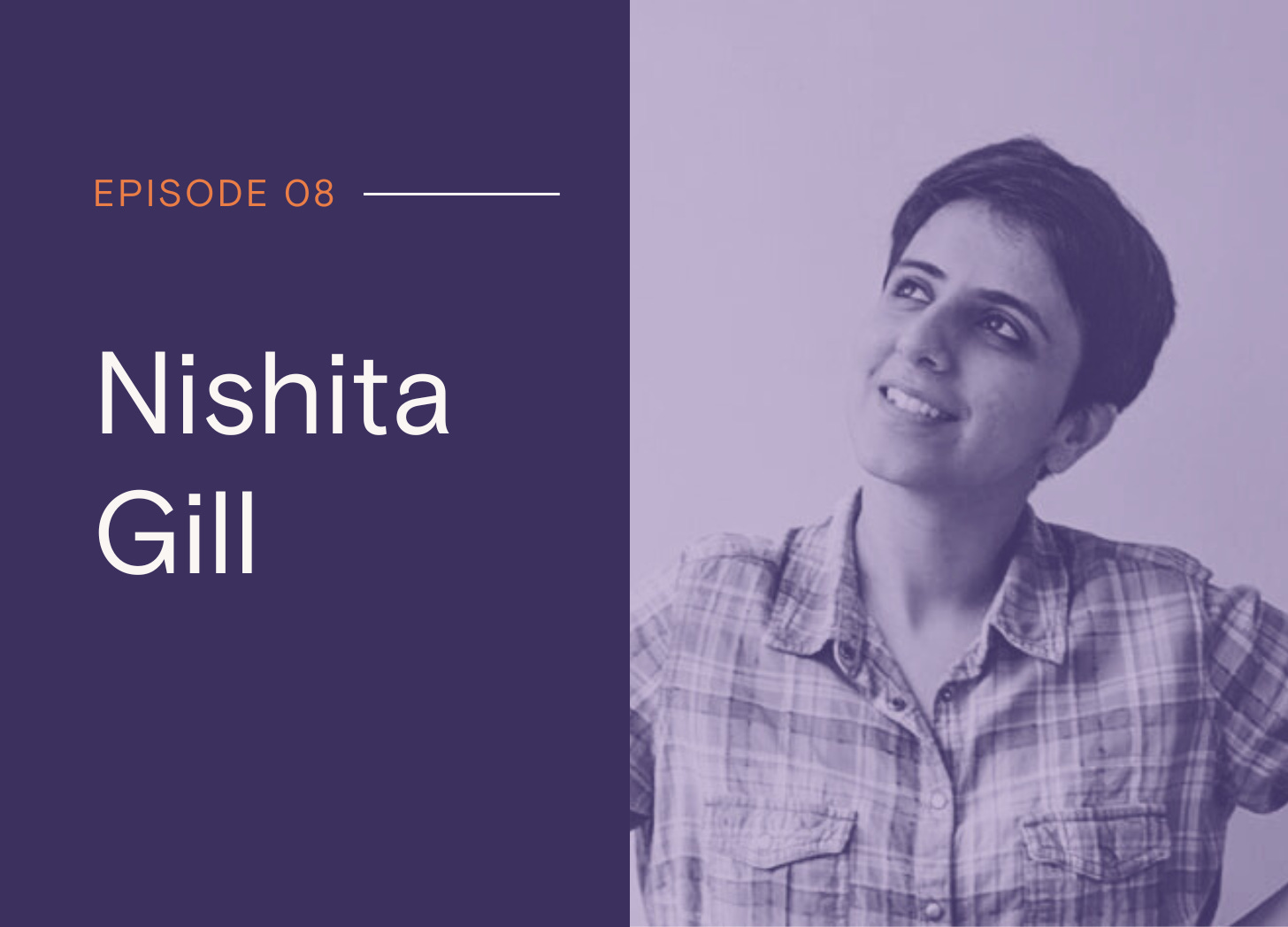 Episode 8: Nishita Gill | Research That Scales is a nine-part podcast series inspired by my book, Research That Scales: A Research Operations Handbook (Rosenfeld, 2024). In each thirty-minute episode, I speak with a brilliant research mind, weaving in voice notes and sound design to bring their stories to life. Together, we explore what scaling research means, beyond the platitudes and jargon, and what it takes to turn the vision of scalable, impactful research into a robust reality.“We need to reconfigure what we thought of as a researcher, and what is really valuable. Because we have been gifted with the fluidity of skills to understand human behaviour and deliver it across many mediums.”—Nishita GillIn this episode, I speak with Nishita Gill, founder of the strategic design agency Treemouse, and now a behavioural strategist for the Clinton Health Access Initiative. Nishita offers a refreshing and inspiring perspective on scaling research, arguing that real scalability requires rethinking how research is valued, structured, and operationalised within organisations.We explore how scaling research is not about bigger studies or larger headcounts, but about building systems that are predictable, proportional, and measurable. Nishita and I discuss the parallels between research systems and orchestral compositions, the need for leaders to write the 'sheet music' before operations can orchestrate it, and how behavioural science models can support nimble but lasting research infrastructures. Expect musical analogies throughout!This conversation is a reminder that scaling research isn’t just a technical or operational challenge—it’s a cultural one. We talk about the shifts needed for researchers to embrace broader, more fluid roles and the importance of building calm, trust-based environments to enable learning and insight.Things Mentioned* Research That Scales: A Research Operations Handbook (Rosenfeld, 2024)* Treemouse, the Delhi-based strategic design agency founded by Nishita* Clinton Health Access Initiative* Irrational Labs, a behavioural science consultancy* Busara, a behavioural science consultancy based in Nairobi, Kenya* Richard Thaler, a Nobel Prize-winning behavioural economistScaling & Systematising Research–a One-Day MasterclassThis year, I'm running in-person masterclasses for research, product, design, operations, and marketing leaders in Europe, the UK, and Australia. If you want to transform research into a scalable insights-generating engine, this masterclass is for you. ThanksThanks, Glenn Familton, for being a reviewer and co-producer, and Avec Audio Visual for audio engineering. This is a public episode. If you would like to discuss this with other subscribers or get access to bonus episodes, visit katetowsey.substack.com | 36m 05s | |
| 6/9/25 | 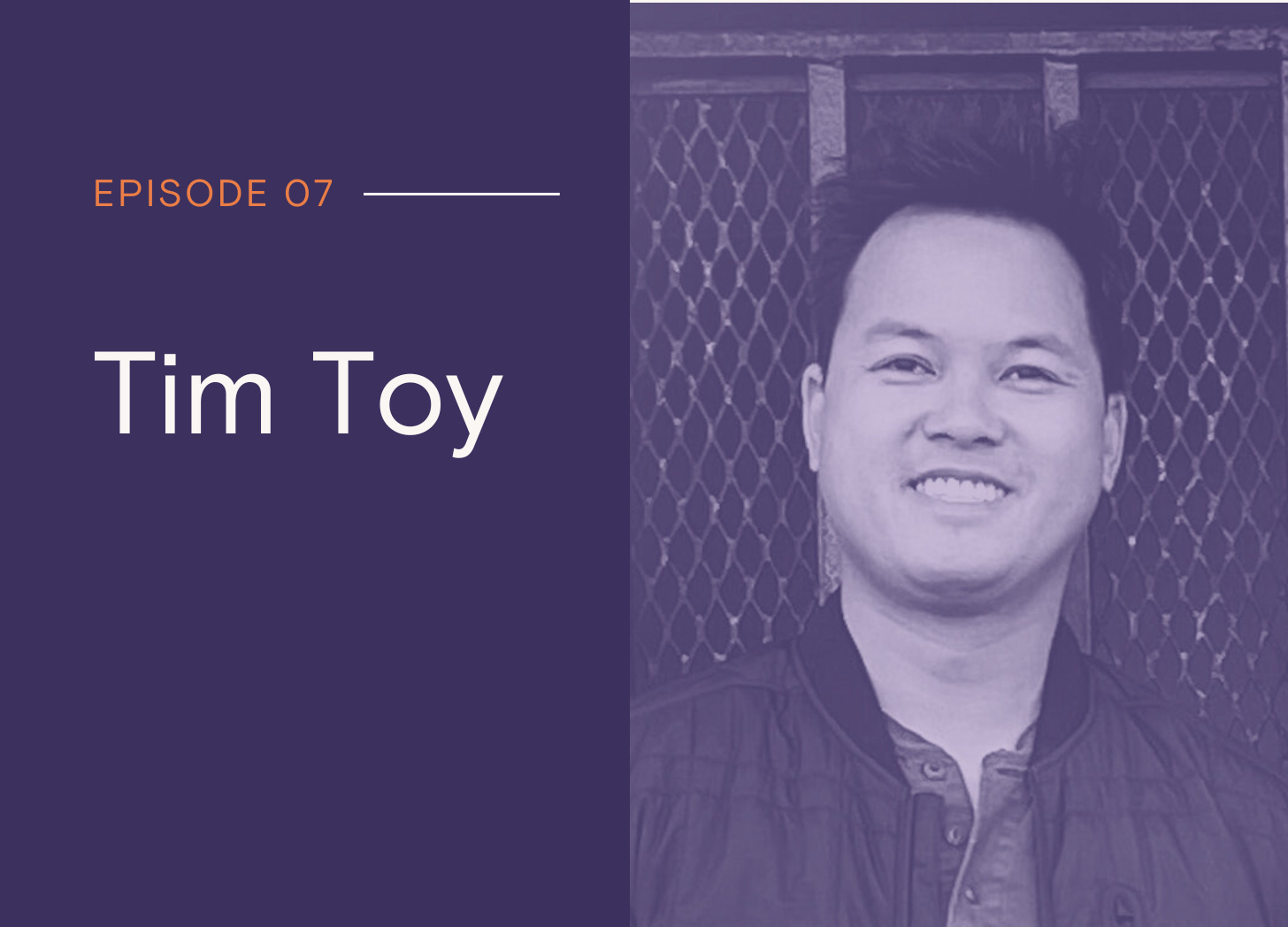 Episode 7: Tim Toy | Research That Scales is a nine-part podcast series inspired by my book of the same name, Research That Scales: A Research Operations Handbook (Rosenfeld, 2024). In each thirty-minute episode, I speak with a brilliant research mind, weaving in voice notes and sound design to bring their stories to life. Together, we explore what scaling research means, beyond the platitudes and jargon, and what it takes to turn the vision of scalable, impactful research into a robust reality."I love how your book talks about how research operations is a part of research strategy because I don't think a lot of people think about that. I think a lot of people think of research operations as, “Oh, you called some people or you sent a survey out to some people, now we have participants.” But the way you build your research operations… determines what your researchers' experience will be and then what that dynamic between ResearchOps and research will be as well."—Tim ToyIn this episode, I speak with Tim Toy, a pioneering leader in the ResearchOps field and Senior ResearchOps Lead at Adobe. We explore the evolving definition of ResearchOps and discuss how equity and proportionality play crucial roles in successfully scaling research across organisations.Tim shares valuable insights from his hard-won experience, highlighting the importance of strategic alignment between research and research operations teams. We delve into the significance of thoughtful system design, avoiding common pitfalls such as under-resourced operations teams and bureaucratic bottlenecks.Tim and I also reflect on the growing maturity of the ResearchOps discipline, considering its expanding global presence and the emerging second generation or 'Gen2' of ResearchOps professionals. He offers practical advice on effectively communicating the value of research operations through clear metrics and advocacy.Whether you're aiming to scale research capabilities, enhance organisational impact, or build a resilient research operations team, this episode provides essential insights and strategic guidance.Things Mentioned* Research That Scales: A Research Operations Handbook (Rosenfeld, 2024)* Adobe* Cha Cha Club—a member's club for full-time ResearchOps professionals.* The Eight Pillars of User Research by Emma Boulton* Research That Scales, Chapter 10, “Money and Metrics”, page 232* Research That Scales, Chapter 11, “Getting Priorities Straight”, page 270* ‘Judo’ approach to operations—maximum efficiency with minimum effort (Research That Scales, Chapter 10, “Money and Metrics”, page 249)Scaling & Systematising Research–a One-Day Masterclass This year, I'm running in-person masterclasses for research, product, design, operations, and marketing leaders in Europe, the UK, and Australia. If you want to transform research into a scalable insights-generating engine, this masterclass is for you. Thanks Thanks, Glenn Familton, for being a reviewer and co-producer, and Avec Audio Visual for audio engineering. This is a public episode. If you would like to discuss this with other subscribers or get access to bonus episodes, visit katetowsey.substack.com | 33m 27s | |
| 6/2/25 | 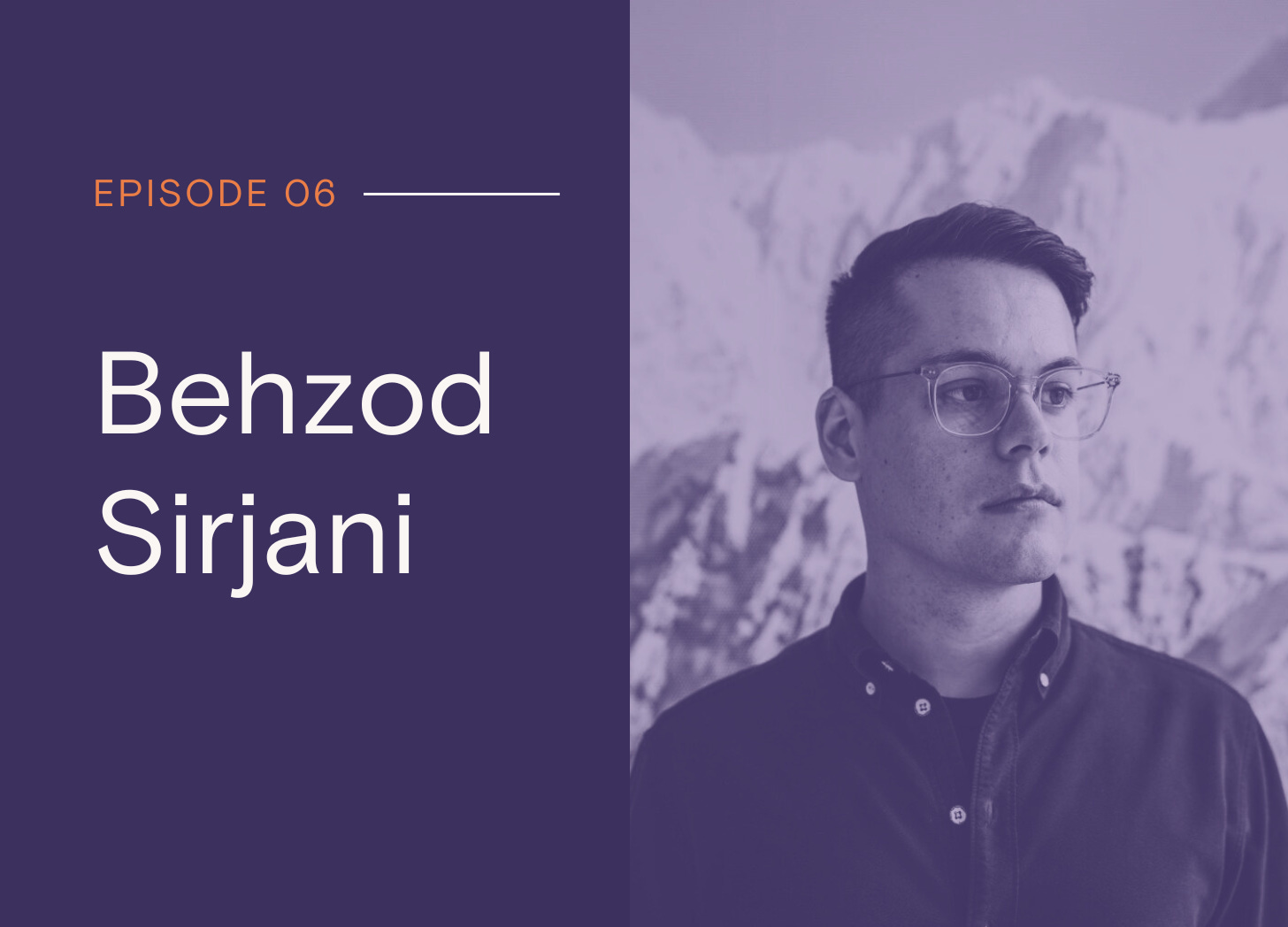 Episode 6: Behzod Sirjani | Research That Scales is a nine-part podcast series inspired by my book, Research That Scales: A Research Operations Handbook (Rosenfeld, 2024). In each thirty-minute episode, I speak with a brilliant research mind, weaving in voice notes and sound design to bring their stories to life. Together, we explore what scaling research means, beyond the platitudes and jargon, and what it takes to turn the vision of scalable, impactful research into a robust reality.“Scaling research is the work of building and supporting whatever it takes to gather and synthesise more evidence to make better decisions in service of our customers.”—Behzod SirjaniIn this episode, I speak with Behzod Sirjani, consultant, advisor, and founder of Yet Another Studio. Since recording, Behzod has taken up the role of Chief of Staff for Product and Engineering at Vercel.We explore how scaling research isn't just about volume; it’s about creating thoughtful systems that enable better decision-making across an organisation. We talk about research operations as flowing water: flexible, human-centred, and shaped through collaboration rather than control. Our conversation is zen! We discuss why organisational anthropology—understanding the fabric of teams and culture—is vital to thoughtfully scaling research. Researchers must harness their skills to understand internal audiences. From partnerships with customer success teams to reflections on service design, the conversation offers a wide-ranging, practical, and inspiring perspective on how research and operations can drive lasting impact.Things Mentioned* Research That Scales: A Research Operations Handbook (Rosenfeld, 2024)* Yet Another Studio: Behzod's consultancy* Rosenfeld Media's Advancing Research Conference, 2025* Good Strategy/Bad Strategy: The Difference and Why It Matters by Richard Rumelt* Unreasonable Hospitality: The Remarkable Power of Giving People More Than They Expect by Will GuidaraScaling & Systematising Research–a One-Day MasterclassThis year, I'm running in-person masterclasses for research, product, design, operations, and marketing leaders in Europe, the UK, and Australia. If you want to transform research into a scalable insights-generating engine, this masterclass is for you.ThanksThanks, Glenn Familton, for being a reviewer and co-producer, and Avec Audio Visual for audio engineering. This is a public episode. If you would like to discuss this with other subscribers or get access to bonus episodes, visit katetowsey.substack.com | 35m 49s | |
| 5/26/25 | 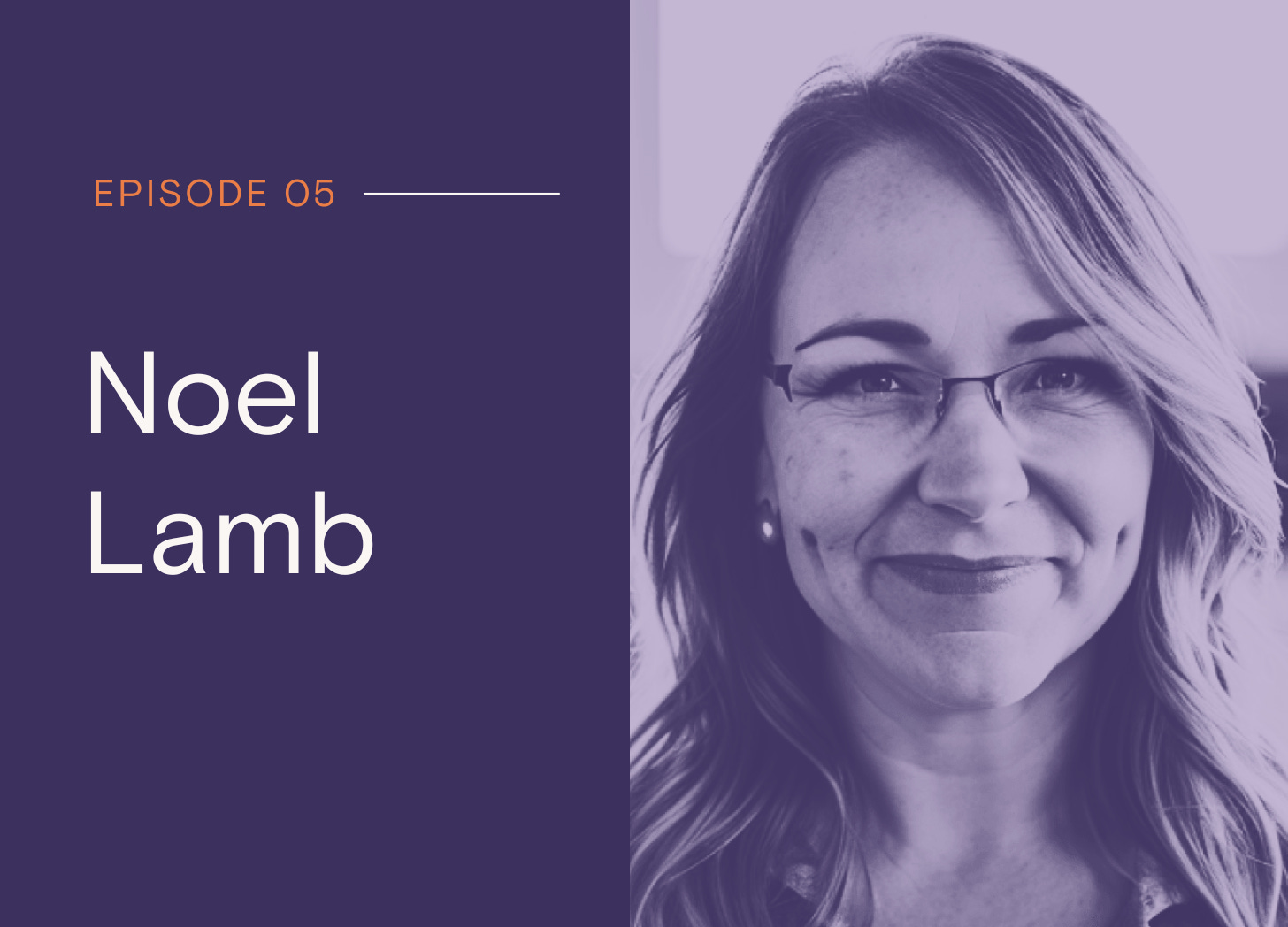 Episode 5: Noel Lamb | Research That Scales is a nine-part podcast series inspired by my book, Research That Scales: A Research Operations Handbook (Rosenfeld, 2024). In each thirty-minute episode, I speak with a brilliant research mind, weaving in voice notes and sound design to bring their stories to life. Together, we explore what scaling research means, beyond the platitudes and jargon, and what it takes to turn the vision of scalable, impactful research into a robust reality.“… a lot of people forget that there is a human on the other side of the participant number. Their time is valuable. Their experience is important. We're a customer-facing team… I mean, we say this is human-centred design, right? And we have to show that and we have to be that and live that and breathe that, you know, it's not just flashy language."—Noel LambIn this episode, I speak with Noel Lamb, a ResearchOps trailblazer and ServiceNow's Senior Research Operations Manager. Noel shares stories from her thirteen-plus years in research operations, including developing sophisticated participant management systems at Salesforce that enabled lightning-fast recruitment while maintaining a human connection.We explore why scaling research requires thoughtful systems design that balances automation with participant experience, and why resilient, scalable systems must be built with proportionality in mind. Noel also reflects on the importance of creating operational metrics that demonstrate value, provide confidence, and reveal trends that can help you anticipate and prepare for future needs.Finally, we discuss the critical role of documentation and new-staff onboarding protocols, referencing two metaphors from my book: navigation signage and park rangers. Both provide the right information at the right time rather than overwhelming onboarders with everything all at once.Things Mentioned* Research That Scales: A Research Operations Handbook (Rosenfeld, 2024)* “Be a Park Ranger: Give People a Map", page 154, Chapter 7, “Seamless Support”, Research That Scales* ServiceNow* Salesforce* Yosemite National ParkScaling & Systematising Research–a One-Day MasterclassThis year, I'm running in-person masterclasses for research, product, design, operations, and marketing leaders in Europe, the UK, and Australia. If you want to transform research into a scalable insights-generating engine, this masterclass is for you.ThanksThanks, Glenn Familton, for being a reviewer and co-producer, and Avec Audio Visual for audio engineering. This is a public episode. If you would like to discuss this with other subscribers or get access to bonus episodes, visit katetowsey.substack.com | 32m 02s | |
| 5/19/25 | 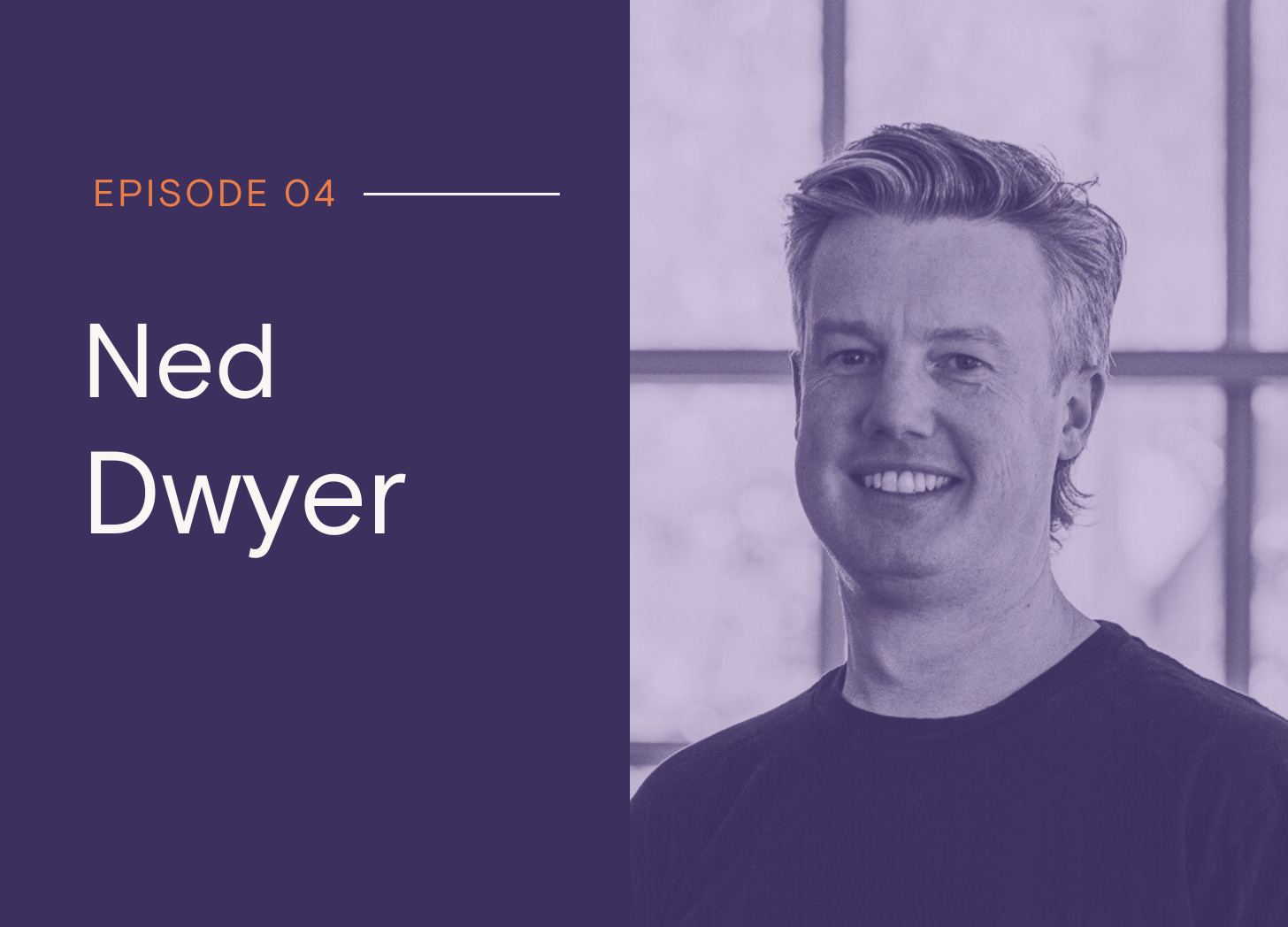 Episode 4: Ned Dwyer | Research That Scales is a nine-part podcast series inspired by my book, Research That Scales: A Research Operations Handbook (Rosenfeld, 2024). In each thirty-minute episode, I speak with a brilliant research mind, weaving in voice notes and sound design to bring their stories to life. Together, we explore what scaling research means, beyond the platitudes and jargon, and what it takes to turn the vision of scalable, impactful research into a robust reality.“Scaling research isn’t just about hiring more researchers—it’s about empowering the entire organisation to make informed, customer-centric decisions.”—Ned DwyerIn this episode, I speak with Ned Dwyer, co-founder and CEO of Great Question. We dive deep into the topic of democratizing research, discussing how companies can empower teams to make truly customer-centric decisions without losing control or creating unnecessary bottlenecks.Ned shares real-world examples of successful, scaled-up research democratisation practices and highlights key learnings from less successful scenarios. Drawing on analogies from stadium and traffic design, we explore the importance of thoughtful system design to efficiently manage research demand, even at very large scales.Whether you’re scaling insights, building infrastructure, or shifting company culture, this episode offers invaluable insights on operationalising research for maximum impact.Things Mentioned* My book, Research That Scales: A Research Operations Handbook (Rosenfeld, 2024)* Great Question: Ned Dwyer’s company* Brex: a financial technology company, and a democratisation case study mentioned by Ned* Strategic Services Simple Sabotage Field Manual: an infamous CIA guide discussed by NedScaling & Systematising Research–a One-Day MasterclassThis year, I'm running in-person masterclasses for research, product, design, operations, and marketing leaders in Europe, the UK, and Australia. If you want to transform research into a scalable insights-generating engine, this masterclass is for you.Find out more: katetowsey.com/masterclassesThanksThanks, Glenn Familton, for being a reviewer and co-producer, and Avec Audio Visual for audio engineering. This is a public episode. If you would like to discuss this with other subscribers or get access to bonus episodes, visit katetowsey.substack.com | 30m 21s | |
| 5/12/25 | 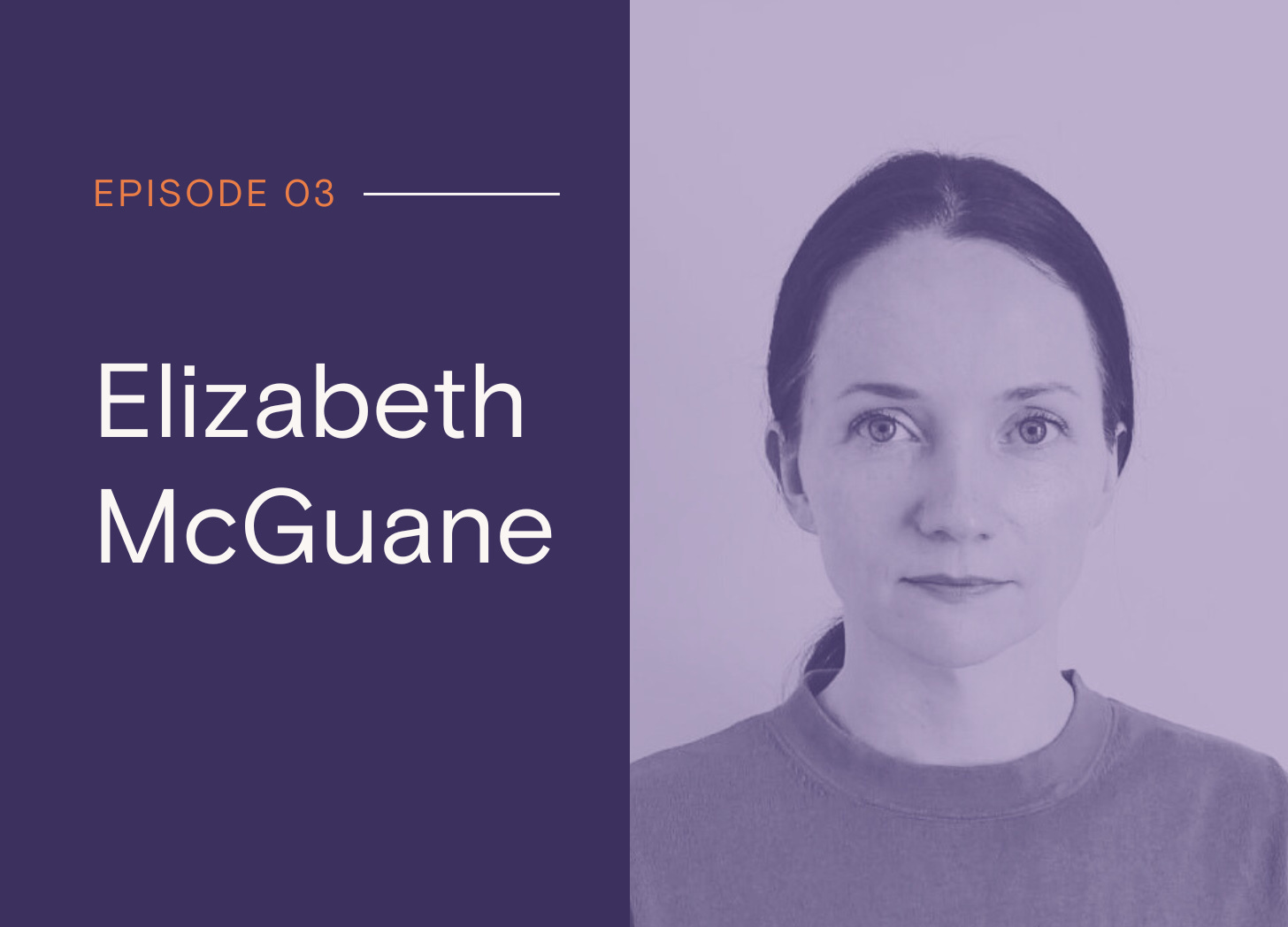 Episode 3: Elizabeth McGuane | Research That Scales is a nine-part podcast series inspired by my book, Research That Scales: A Research Operations Handbook (Rosenfeld, 2024). In each thirty-minute episode, I speak with a brilliant research mind, weaving in voice notes and sound design to bring their stories to life. Together, we explore what scaling research means, beyond the platitudes and jargon, and what it takes to turn the vision of scalable, impactful research into a robust reality.“Scale itself has diminishing returns: the more you scale things without any sense of impact or value, and only thinking about the size of the thing, the size of the organisation.”—Elizabeth McGuaneIn this episode of Research That Scales, I speak with Elizabeth McGuane, UX Director at Shopify and author of Design by Definition (A Book Apart, 2023). We explore the dangers of scaling headcount without scaling influence and why expanding research impact requires strategic thinking, trust, autonomy, and creativity. We also reflect on the need for organisations to treat research not as an executional service, but as a critical, strategic asset. Finally, we discuss the current shifts in the tech world (and the world at large), the power of user behaviour to reshape industries, and why research has a pivotal role to play in uncertain times.Things Mentioned* My book, Research That Scales: A Research Operations Handbook (Rosenfeld, 2024)* Design by Definition by Elizabeth McGuane (A Book Apart, 2023)* Good Strategy/Bad Strategy by Richard Rumelt (referenced in conversation)* SAS Rogue Heroes: A TV Series* emcguane.com (coming soon)Scaling & Systematising Research–a One-Day MasterclassThis year, I'm running in-person masterclasses for research, product, design, operations, and marketing leaders in Europe, the UK, and Australia. If you want to transform research into a scalable insights-generating engine, this masterclass is for you.ThanksThanks, Glenn Familton, for being a reviewer and co-producer, and Avec Audio Visual for audio engineering. This is a public episode. If you would like to discuss this with other subscribers or get access to bonus episodes, visit katetowsey.substack.com | 35m 07s | |
| 5/4/25 | 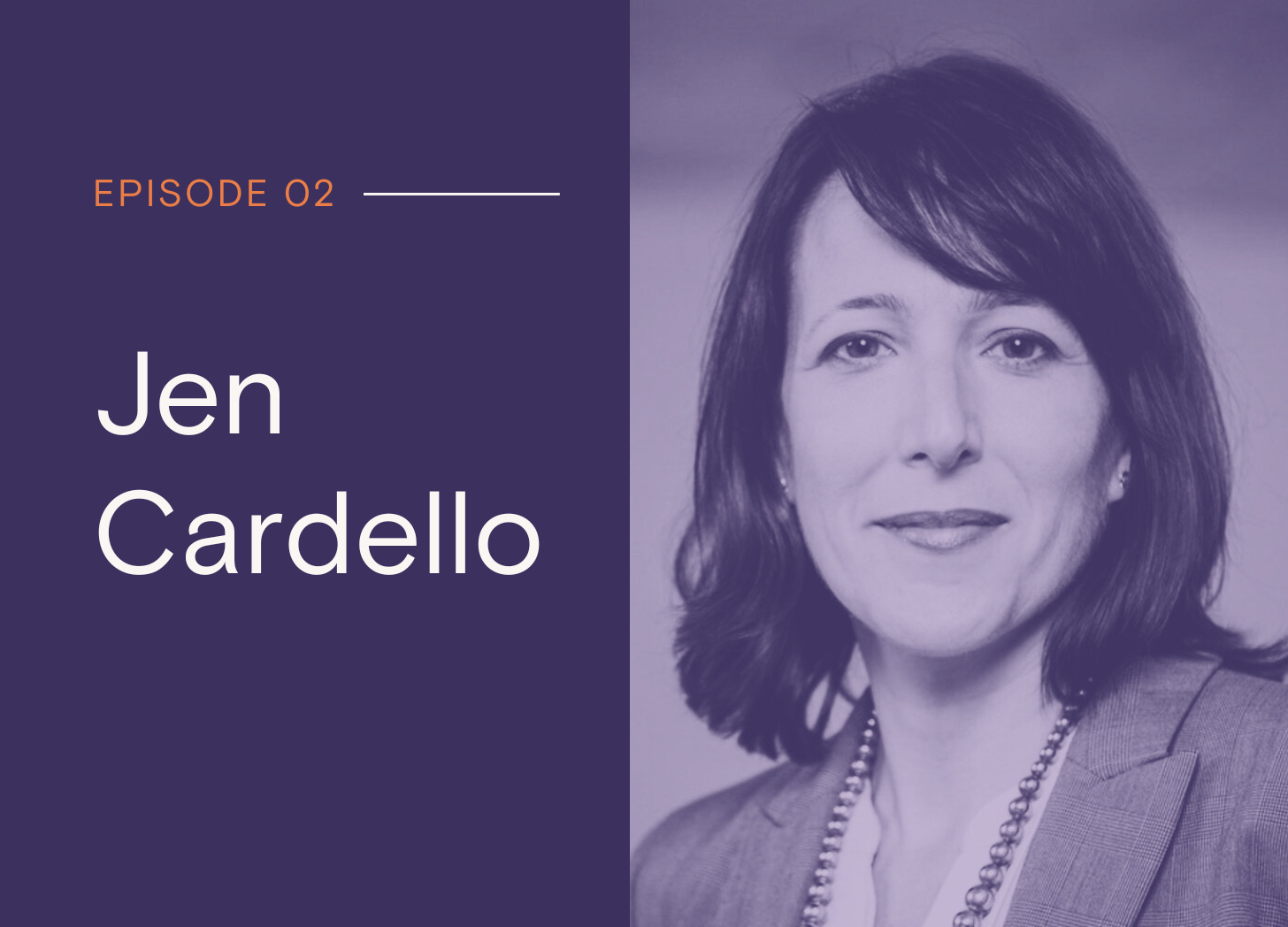 Episode 2: Jen Cardello | “Instead of thinking in terms of just bespoke discrete research studies that kind of litter the space, it’s how do these things click together.”—Jen CardelloIn this episode of Research That Scales, I speak with Jen Cardello, MVP of Design Research and Operations at Capital One. We discuss why scaling research is not about growing headcount, but about building systems that scale value across the organisation. Jen shares how a systems mindset, rather than a service mindset, is essential for scaling research. We explore why getting the fundamentals right—asking the right research questions, establishing sound operational frameworks, and focusing on business value—is critical before scaling.We cover the importance of research leaders evolving into business leaders to drive real impact, and strategies for creating research systems that support cumulative insights, foster stronger cross-disciplinary collaboration, and encourage organisations to think beyond individual research studies towards broader, lasting knowledge.Whether you're leading a research team, building research infrastructure, or scaling research practices, this episode is packed with practical wisdom and strategic insight.Things Mentioned* Research That Scales: A Research Operations Handbook (Rosenfeld, 2024)* Capital One Careers* Inspired, Empowered, and Transformed: Marty Cagan's books about product management* Just Enough Research: A Seminal Book by Erika Hall* Eight Pillars of User Research by Emma BoultonScaling & Systematising Research–a One-Day MasterclassThis year, I’m running in-person masterclasses for research, product, design, operations, and marketing leaders in Europe, the UK, and Australia. If you want to transform research into a scalable insights-generating engine, this masterclass is for you.AcknowlegementsThanks, Glenn Familton, for being a reviewer and co-producer, and Avec Audio Visual for audio engineering. This is a public episode. If you would like to discuss this with other subscribers or get access to bonus episodes, visit katetowsey.substack.com | 35m 36s | |
| 4/28/25 | 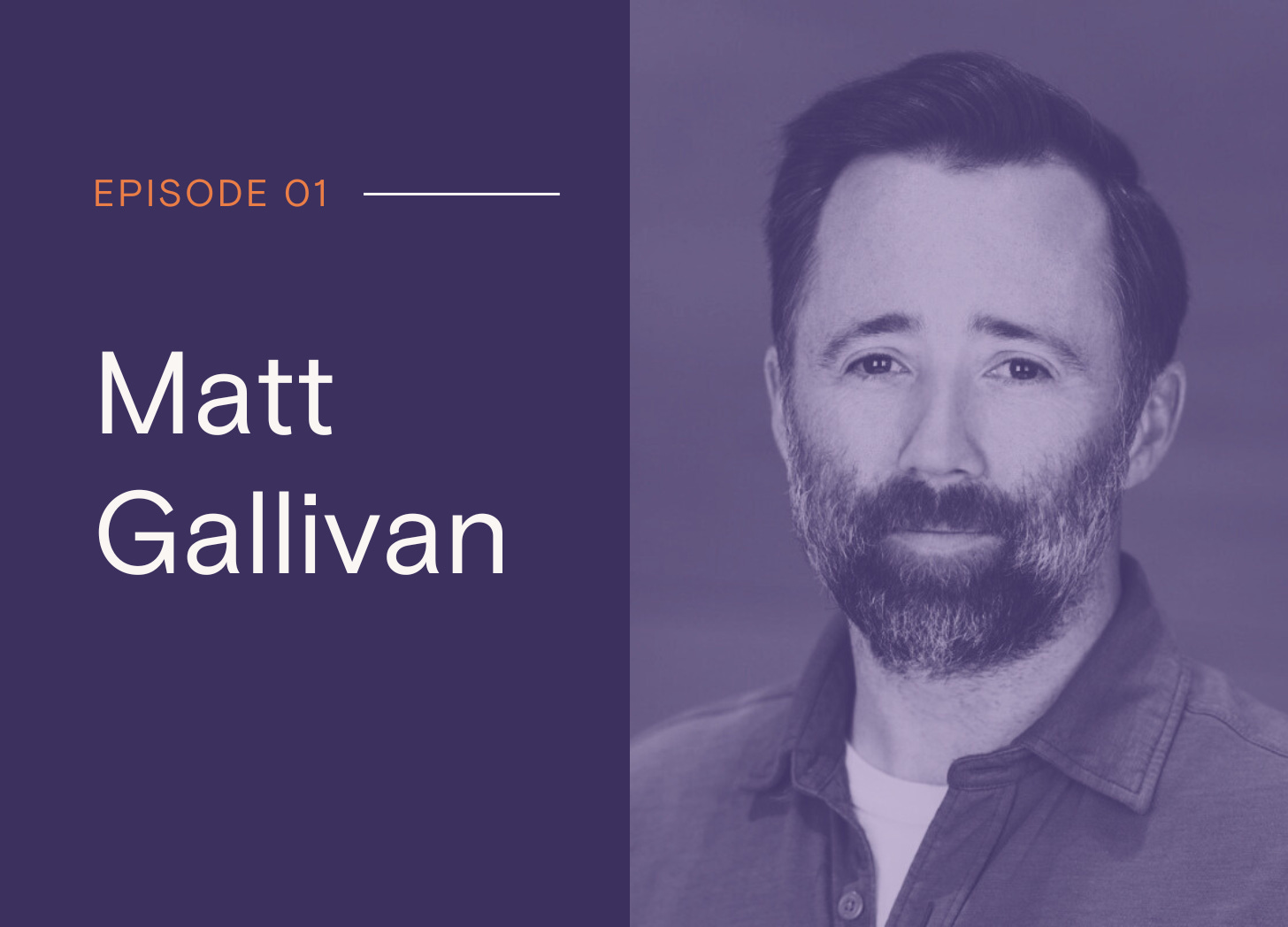 Episode 1: Matt Gallivan | “I tend to think of scaling as being more focused on efficiency rather than growth and volume.”—Matt GallivanIn this first episode of Research That Scales, I speak with Matt Gallivan, a research leader who’s led research teams at Meta, Airbnb, and Slack. Matt is also the voice behind The Understanders, a Substack exploring the evolution of AI.We cover the cultural impact of the research systems we build. What happens when you make a system too frictionless, for instance? We also talk about why research leaders and ResearchOps working as co-conspirators is gold, and how this partnership can foster an invaluable culture of knowledge.Things Mentioned* Research That Scales: A Research Operations Handbook (Rosenfeld, 2024)* The Understanders by Matt GallivanScaling & Systematising Research–a One-Day MasterclassThis year, I’m running in-person masterclasses for research, product, design, operations, and marketing leaders in Europe, the UK, and Australia. If you want to transform research into a scalable insights-generating engine, this masterclass is for you.AcknowledgementsThanks, Glenn Familton, for being a reviewer and co-producer, and Avec Audio Visual for audio engineering. This is a public episode. If you would like to discuss this with other subscribers or get access to bonus episodes, visit katetowsey.substack.com | 25m 27s |
Showing 8 of 8
Sponsor Intelligence
Sign in to see which brands sponsor this podcast, their ad offers, and promo codes.
Chart Positions
1 placement across 1 market.
Chart Positions
1 placement across 1 market.