
Insights from recent episode analysis
Audience Interest
Podcast Focus
Publishing Consistency
Platform Reach
Insights are generated by CastFox AI using publicly available data, episode content, and proprietary models.
Most discussed topics
Brands & references
Total monthly reach
Estimated from 3 chart positions in 3 markets.
By chart position
- 🇪🇸ES · Nature#6100K to 300K
- 🇮🇳IN · Nature#1731K to 10K
- 🇰🇪KE · Nature#4510K to 30K
- Per-Episode Audience
Est. listeners per new episode within ~30 days
56K to 170K🎙 Weekly cadence·67 episodes·Last published 1mo ago - Monthly Reach
Unique listeners across all episodes (30 days)
111K to 340K🇪🇸88%🇰🇪9%🇮🇳3% - Active Followers
Loyal subscribers who consistently listen
33K to 102K
Market Insights
Platform Distribution
Reach across major podcast platforms, updated hourly
Total Followers
—
Total Plays
—
Total Reviews
—
* Data sourced directly from platform APIs and aggregated hourly across all major podcast directories.
On the show
From 10 epsHosts
Recent guests
Recent episodes
Follow Your Current: Rivers, Resilience, and When to Swim Upstream
May 25, 2026
1h 09m 17s
Coffee’s Powerful Nudge: Caffeine, Crisis, and the Regenerative Solution
Apr 28, 2026
54m 51s
Evolving Your Armor in an Ever-Changing World: What Pangolins Teach Us About Updating Protection and Accepting Help
Jan 14, 2026
1h 04m 55s
Go With the FLOE: How Polar Bears Stay Steady When Life Keeps Shifting Beneath Them
Dec 17, 2025
1h 02m 22s
Awakening Our Soulful Intelligence: What the Octopus — and Sy Montgomery — Know
Dec 3, 2025
1h 10m 41s
Social Links & Contact
Official channels & resources
Official Website
Login
RSS Feed
Login
| Date | Episode | Topics | Guests | Brands | Places | Keywords | Sponsor | Length | |
|---|---|---|---|---|---|---|---|---|---|
| 5/25/26 |  Follow Your Current: Rivers, Resilience, and When to Swim Upstream✨ | riversresilience+3 | Matthew BestDavid Stormer | Riverkeeper | Hudson River | riversresilience+5 | — | 1h 09m 17s | |
| 4/28/26 |  Coffee’s Powerful Nudge: Caffeine, Crisis, and the Regenerative Solution✨ | coffeeresilience+4 | Etelle HigonnetSebastian Nielsen+1 | Coffee WatchSlow Forest+1 | — | caffeinecoffee industry+4 | — | 54m 51s | |
| 1/14/26 |  Evolving Your Armor in an Ever-Changing World: What Pangolins Teach Us About Updating Protection and Accepting Help✨ | wildlife traffickingpangolins+4 | Tim Santel | U.S. Fish & Wildlife ServiceFocused Conservation | — | pangolinwildlife trafficking+5 | — | 1h 04m 55s | |
| 12/17/25 |  Go With the FLOE: How Polar Bears Stay Steady When Life Keeps Shifting Beneath Them✨ | resiliencepolar bears+4 | Daniel J. Cox | Polar Bears International | — | polar bearsresilience mindset+5 | — | 1h 02m 22s | |
| 12/3/25 |  Awakening Our Soulful Intelligence: What the Octopus — and Sy Montgomery — Know✨ | soulful intelligenceoctopus+4 | Sy Montgomery | The Soul of an Octopus | Northern PacificPacific kelp forest | octopussoulful intelligence+5 | — | 1h 10m 41s | |
| 11/24/25 |  A Thanksgiving of Appreciation: Resilience Takes Root When We Honor One Another✨ | Thanksgivingresilience+4 | Rob Avis | Three Sisters | — | Thanksgivingresilience+4 | — | 1h 05m 02s | |
| 11/13/25 |  Marta Mendonca – Lessons from Wisdom of the Vines✨ | resiliencenature+4 | Marta Mendonça | The Porto Protocol | — | vineyardspruning+5 | — | 35m 22s | |
| 10/28/25 |  From Ick to Wow: How Worms and Composting Teach Resilience✨ | compostingresilience+4 | Tim Steckel | The Compost Marketing Agency | — | compostingresilience+6 | — | 43m 03s | |
| 10/11/25 |  From Venom to Victory: Resilience Lessons from Dragons and Survivors✨ | resiliencecommunity support+4 | — | Lighthouse Dragonsblue sea dragon+1 | Florida | resilienceLighthouse Dragons+6 | — | 57m 34s | |
| 9/24/25 |  Rainforest Resilience: Rhett Ayers Butler on Connection, Awe & Action✨ | rainforest resiliencebiodiversity+3 | Rhett Ayers Butler | Mongabay | Amazon rainforestGabon | rainforestbiodiversity+5 | — | 47m 09s | |
Want analysis for the episodes below?Free for Pro Submit a request, we'll have your selected episodes analyzed within an hour. Free, at no cost to you, for Pro users. | |||||||||
| 9/10/25 |  Mother Trees and Mothers: What The Woods Can Teach Us (And Our Kids) | What if screen time could become a bridge for curiosity instead of a battle at the dinner table?In t... | — | ||||||
| 9/10/25 |  The Wood Wide Web: Mother Trees and the Hidden Science of Resilience, Part 1 | Have you ever wondered how ancient forests teach us about resilience, connection, and care?In this e... | — | ||||||
| 9/3/25 |  The Parrotfish Sleep Bubble: Lessons in Rest, Resilience, and Renewal, with guest Dr. John Lesku, Part 2 | In part 2 of our episode on the extraordinary parrotfish, Jessica and Kai take a deeper look at the parrotfish’s remarkable sleep bubble and its metaphor for resilience. | — | ||||||
| 9/3/25 | 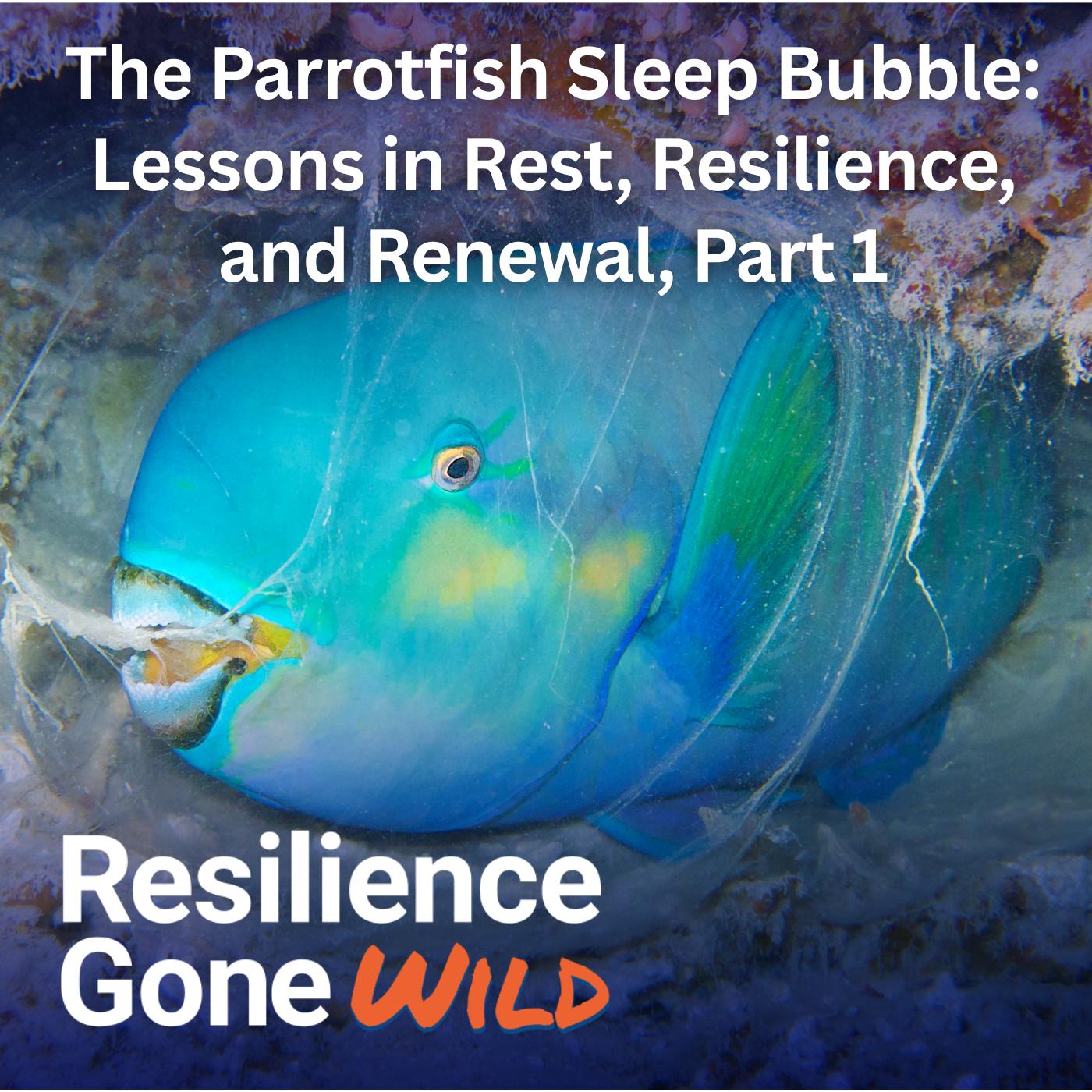 The Parrotfish Sleep Bubble: Lessons in Rest, Resilience, and Renewal, Part 1 | What can a parrotfish’s nighttime bubble teach us about resilience, health, and rest?In this episode of Resilience Gone Wild, Jessica Morgenthal explores how nature’s most unusual sleep strategies, like the parrotfish’s mucus cocoon, offer profound lessons for humans on stress management, brain health, and creating protective boundaries. Listeners will walk away with practical insights for building their own “sleep bubble” to restore balance and thrive.What You’ll Learn:* Why parrotfish build protective “sleep cocoons” and what this reveals about resilience* Four critical reasons sleep is non-negotiable for brain, body, and emotional health* How to identify “sleep predators” (external disruptions) and “sleep parasites” (internal worries)* Simple, science-backed tools for creating a healthy nighttime routine* The surprising links between ocean conservation, resilience, and human flourishingEpisode Highlights:* 00:00 – Why parrotfish and their sleep bubble matter for resilience* 03:10 – How the mucus cocoon protects against parasites, predators, and infection* 06:25 – Four essential reasons humans need restorative sleep for resilience* 09:40 – “Sleep predators” vs. “sleep parasites”: identifying external and internal disruptors* 13:05 – Practical tools: gratitude, journaling, mindfulness, and bedtime rituals* 16:45 – Final insights: what parrotfish teach us about protecting both sleep and ecosystemsTools, Frameworks, or Strategies Mentioned:* Sleep Bubble Framework: predators vs. parasites metaphor for identifying barriers to rest* Gratitude Practice + Journaling as tools to calm internal chatter before bed* Mindfulness Techniques: progressive muscle relaxation, breathing, visualization | — | ||||||
| 8/27/25 | 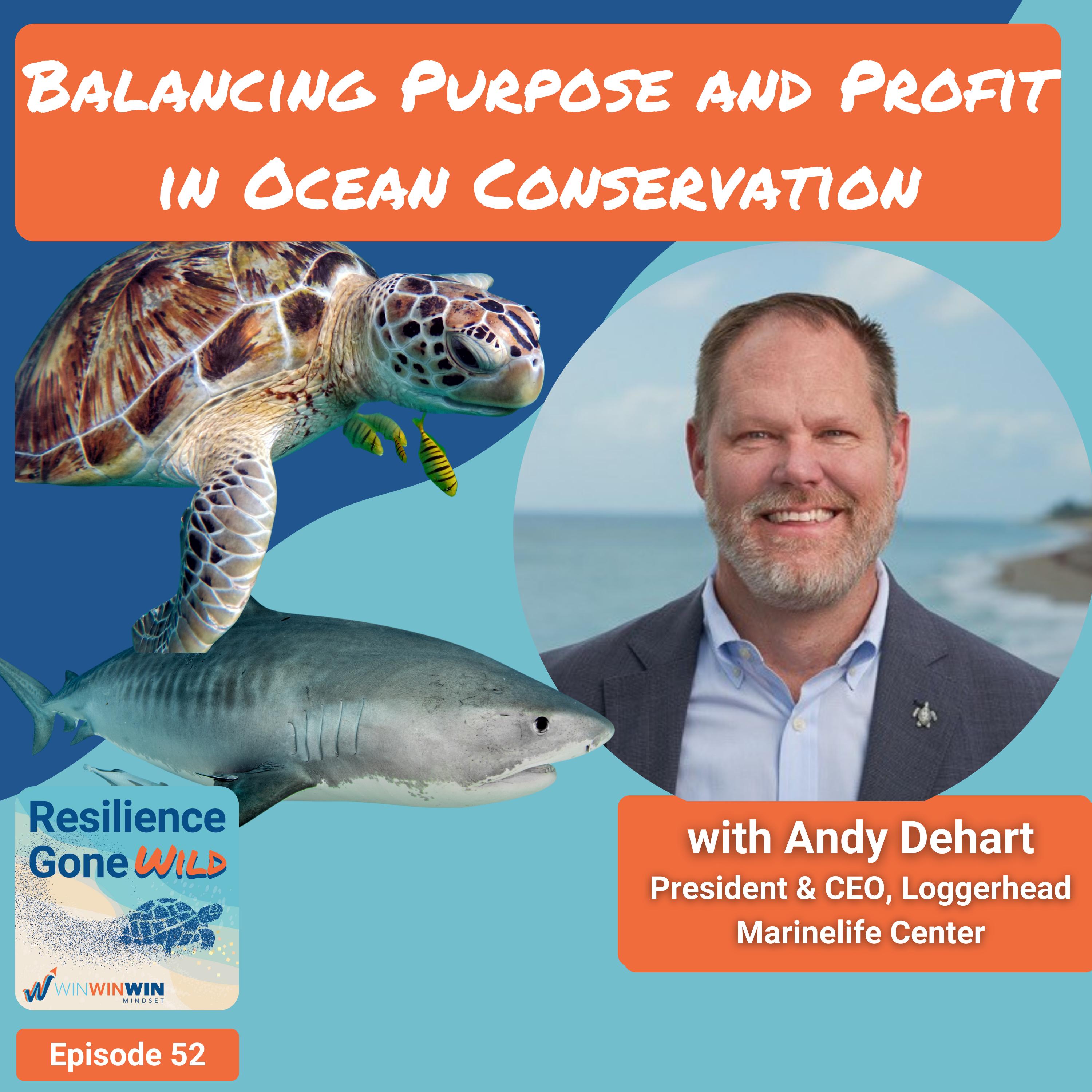 Balancing Purpose and Profit in Ocean Conservation with Andy Dehart Part 1 | What do sharks, sea turtles, and coral reefs teach us about resilience?In this powerful conversation, Andy Dehart, shark biologist turned CEO of Loggerhead Marinelife Center, shares lessons from the ocean that apply as much to human resilience as they do to marine ecosystems. From tiger sharks’ unique feeding strategies to sea turtles’ fight for survival, this episode uncovers how risk, adaptation, and purpose drive conservation success.What You’ll Learn:* Why sea turtles embody resilience by balancing risk, survival, and adaptation* How aquariums fuel conservation and education, connecting communities to ecosystems they may never see firsthand* The real threats facing coral reefs and marine life, including plastics, disease, and climate-driven heat stress, and the innovative solutions being tried* Why purpose-driven organizations must operate with business discipline to remain financially sustainable* Inspiring animal encounters that reveal the emotional and cognitive depth of marine speciesEpisode Highlights:* 03:18 – How tiger sharks have adapted to hunt sea turtles, and how turtles outsmart them* 09:42 – Lessons in risk and reward from sea turtles’ foraging, and Andy’s own career journey* 16:09 – Why aquariums are essential for sparking conservation in communities far from the ocean* 24:51 – Coral reef challenges: heat stress, disease, and innovative rescue strategies* 33:05 – Balancing purpose-driven missions with business-minded funding models* 41:12 – A personal story: bonding with a tiger shark and the surprising intelligence of sharks* 49:20 – Loggerhead’s future: education, underserved community access, and immersive ocean technologyMeet the Guest:Andy Dehart is the CEO of Loggerhead Marinelife Center, a world-renowned sea turtle hospital and conservation hub. With decades of experience in aquariums, shark research, and marine science communication, he has appeared on Discovery Channel and National Geographic, inspiring global audiences with his deep commitment to ocean conservation. | — | ||||||
| 8/27/25 | Balancing Purpose and Profit in Ocean Conservation Part 2 | In part 2 of our episode on the importance of balancing purpose with profit in ocean conservation, Jessica and Kai take a deeper look at the extraordinary resilience of mama sea turtles and the lessons they offer humans about mistakes, growth, and adaptability. Through vivid storytelling, we explore how nesting behavior connects to themes of resilience, mindset, and conservation, and why reframing mistakes as learning opportunities is essential for both nature and people. What You’ll Learn: Why labeling choices as “mistakes” can block creativity and growth How mama sea turtles adapt nesting strategies to increase survival odds The connection between resilience, imperfection, and psychological safety Practical steps for reframing errors into teachable moments How sea turtles maintain balance in marine ecosystems and why they need protection Episode Highlights: 00:00 – Why calling something a mistake damages resilience 02:15 – A July morning on Singer Island: the awe of mama sea turtles nesting 05:42 – How sea turtles navigate thousands of miles back to their birthplace 08:10 – The Herculean labor of nesting and the miracle of hatchling survival 11:05 – Hot chicks and cool dudes: temperature and turtle sex ratios 13:20 – Lessons from false crawls: why there’s no such thing as a mistake 15:45 – Four choices when things go wrong: blame, ignore, or reframe 17:30 – Sea turtles as teachers of resilience, wisdom, and adaptability Tools, Frameworks, or Strategies Mentioned Five steps for shifting from mistake to teachable moment Psychological safety and growth mindset in resilience practice Loggerhead Marinelife Center & conservation advocacy resources Closing Insight “Next time you think you’ve made a mistake, picture the mama sea turtle on the beach, resilient, persistent, and always learning.” Listen on Apple: https://podcasts.apple.com/us/podcast/resilience-gone-wild-winwinwin-mindset/id1765376951 Listen on Spotify: https://open.spotify.com/show/67dhrI6rX4o1hX0Qf2HPAU?si=24d3d984bf974eb9 Subscribe to our YouTube Channel: https://www.youtube.com/@ResilienceGoneWild Website: https://resiliencegonewild.com Facebook: https://www.facebook.com/profile.php?id=61565572327566 LinkedIn: https://www.linkedin.com/showcase/104957749/admin/dashboard/ Subscribe to our newsletter: https://mailchi.mp/resiliencegonewild/resilience-gone-wild-newsletter | — | ||||||
| 8/20/25 | The Honey Badger’s Guide To Courage, Part 1 | What can the fearless honey badger teach us about courage and resilience in everyday life? In this episode of Resilience Gone Wild, host Jessica Morgenthal explores how nature’s most determined survivor embodies the lessons we need to rise after setbacks, face challenges head-on, and inspire resilience in others. Through vivid storytelling, Jessica reveals how the honey badger’s adaptability, persistence, and grit offer a natural blueprint for building courage muscles that help us thrive in the wilds of work, relationships, and personal growth. What You’ll Learn: The key differences between bravery (a flash of action) and courage (a steady flame). Why resilience is built through small, repeated acts of courage rather than one big leap. How the honey badger’s adaptability mirrors our own need for flexibility in uncertain times. Why setbacks are not failures but essential steps in the resilience journey. How acts of courage ripple outward to inspire communities, families, and teams. Episode Highlights: 03:12 – The fearless nature of honey badgers and what it teaches us about resilience. 08:45 – Bravery vs. courage: why one fades quickly while the other endures. 14:20 – Daily practices to strengthen your “courage muscle.” 19:05 – Ripple effects: how personal courage inspires resilience in others. 25:33 – Honey badger conservation and why protecting resilience in the wild matters. 32:10 – Closing reflections: applying nature’s courage lessons to your own life. Tools, Frameworks, and Concepts: Functional Resilience – Courage as a daily, practiced skill. Courage Ripple Effect – One act of courage multiplies across communities. Resilience Muscle – Built through repeated acts of persistence and adaptability. Nature as Teacher – Using wildlife as metaphors for personal transformation. Memorable Quotes: “True courage isn’t the absence of fear; it’s the willingness to rise again and again, no matter how hard the fall.” — Jessica Morgenthal “Bravery is a flash. Courage is a flame that never goes out.” — Jessica Morgenthal “Courage isn’t about giant leaps. It’s about steady, deliberate movement, like the honey badger advancing through the wild.” — Jessica Morgenthal “By embodying courage, we inspire those around us to do the same, creating waves of resilience that reach far beyond our own lives.” — Jessica Morgenthal Closing Insight: Like the honey badger, we can thrive not by avoiding challenges but by stepping into them with persistence and adaptability. Every small act of courage strengthens resilience—for ourselves and for those around us. Subscribe to our YouTube Channel: https://www.youtube.com/@ResilienceGoneWild Website: https://resiliencegonewild.com Facebook: https://www.facebook.com/profile.php?id=61565572327566 LinkedIn: https://www.linkedin.com/showcase/104957749/admin/dashboard/ Subscribe to our newsletter: https://mailchi.mp/resiliencegonewild/resilience-gone-wild-newsletter | — | ||||||
| 8/20/25 | The Honey Badger’s Guide To Courage, Part 2, with guest Oliver Dauert | How do resilience, adaptability, and courage come together when life feels most uncertain? In Part 2 of Episode 51 of Resilience Gone Wild, host Jessica Morgenthal dives deeper into the lessons from nature’s most fearless survivor: the honey badger. This continuation expands on Part 1 by exploring how courage becomes contagious, how resilience grows through setbacks, and how small, deliberate acts of adaptability help us face our own “wild” with strength and purpose. What You’ll Learn: Why the resilience muscle grows stronger through daily practice. How courage and adaptability create ripple effects in families, communities, and organizations. What the honey badger’s behavior teaches us about confronting challenges without hesitation. Why setbacks are essential to building long-term resilience. How nature offers a living blueprint for cultivating courage in human life. Episode Highlights: 02:50 – Why resilience requires adaptability in the face of the unexpected. 07:18 – The ripple effect of courage: how one person’s bravery inspires many. 11:42 – Lessons from the honey badger on persistence through setbacks. 17:30 – How small, repeated acts of courage shape long-term resilience. 23:55 – Nature as teacher: why observing wildlife transforms our perspective on resilience. 27:40 – Final reflections on courage, adaptability, and thriving in uncertainty. Tools, Frameworks, and Concepts: Functional Resilience – Built through adaptability and persistence. Courage Ripple Effect – How one act inspires others to follow. Resilience Muscle – Strengthened by repeated acts of courage. Nature as Teacher – Using wildlife metaphors to understand human growth. Adaptability Blueprint – Lessons from animals on thriving in uncertainty. Memorable Quotes: “Resilience is not built in a single moment—it’s built through the steady rhythm of courage repeated daily.” — Jessica Morgenthal “Adaptability is resilience in motion, the way we adjust when life throws us into the wild.” — Jessica Morgenthal “Every setback is not an ending—it’s part of the resilience blueprint.” — Jessica Morgenthal Closing Insight: Courage is contagious. Like the honey badger, we can embody persistence and adaptability so fully that our resilience doesn’t just change our lives—it ripples out to strengthen those around us. Subscribe to our YouTube Channel: https://www.youtube.com/@ResilienceGoneWild Website: https://resiliencegonewild.com Facebook: https://www.facebook.com/profile.php?id=61565572327566 LinkedIn: https://www.linkedin.com/showcase/104957749/admin/dashboard/ Subscribe to our newsletter: https://mailchi.mp/resiliencegonewild/resilience-gone-wild-newsletter | — | ||||||
| 8/8/25 | 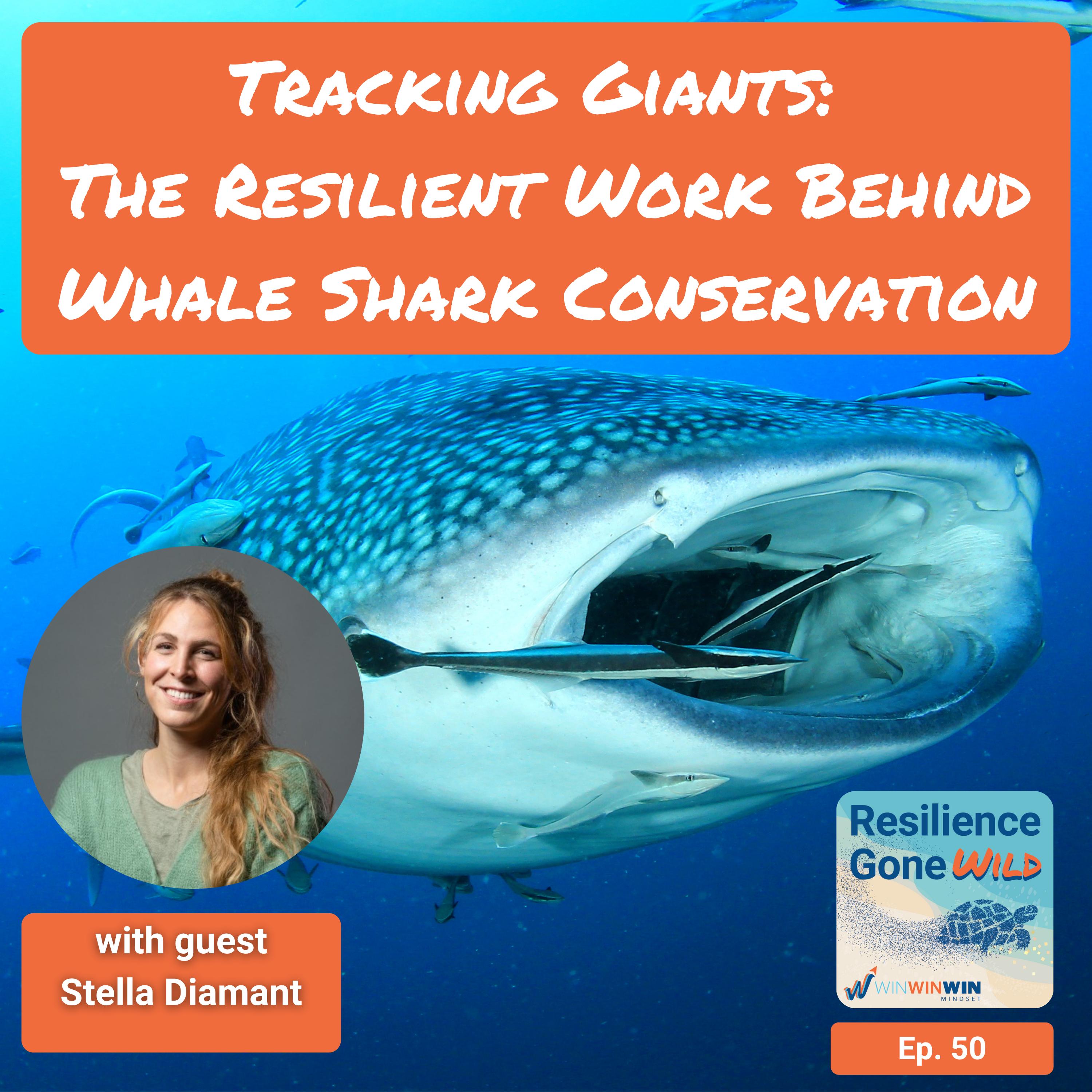 Tracking Giants: The Resilient Work Behind Whale Shark Conservation | What can a gentle ocean giant teach us about leadership, adaptability, and resilience in the face of uncertainty? | — | ||||||
| 7/25/25 | 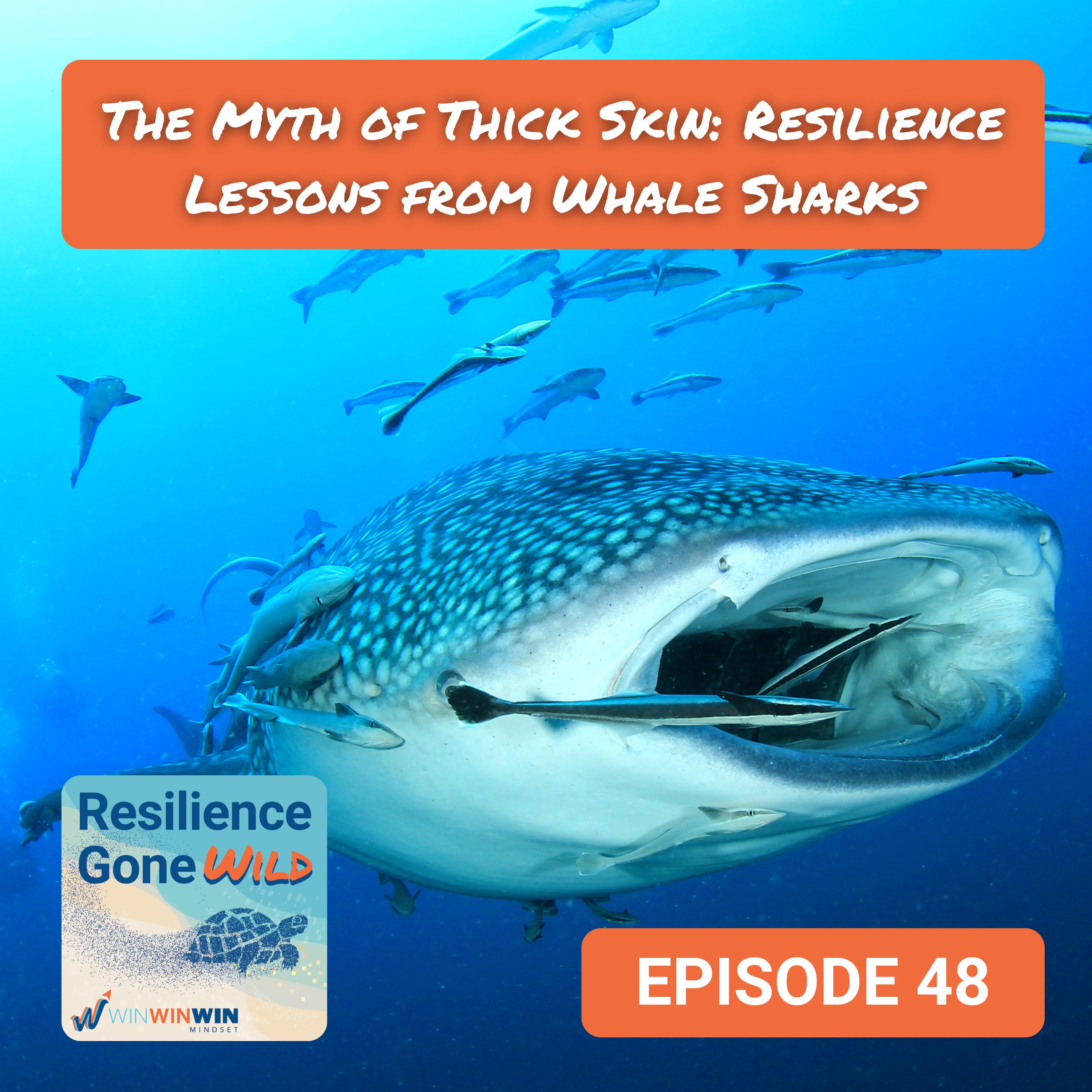 Shark Week Part 3 – The Myth of Thick Skin: Resilience Lessons from Whale Sharks (Episode 49) | Welcome back to Shark Week! This is Part 3 in the series which follows insightful guest episodes with Rare Shark Guy David Ebert and Marine Life and Shark Artivist Francesca Page. In this episode, host Jessica Morgenthal explores the fascinating wor... | — | ||||||
| 7/16/25 | 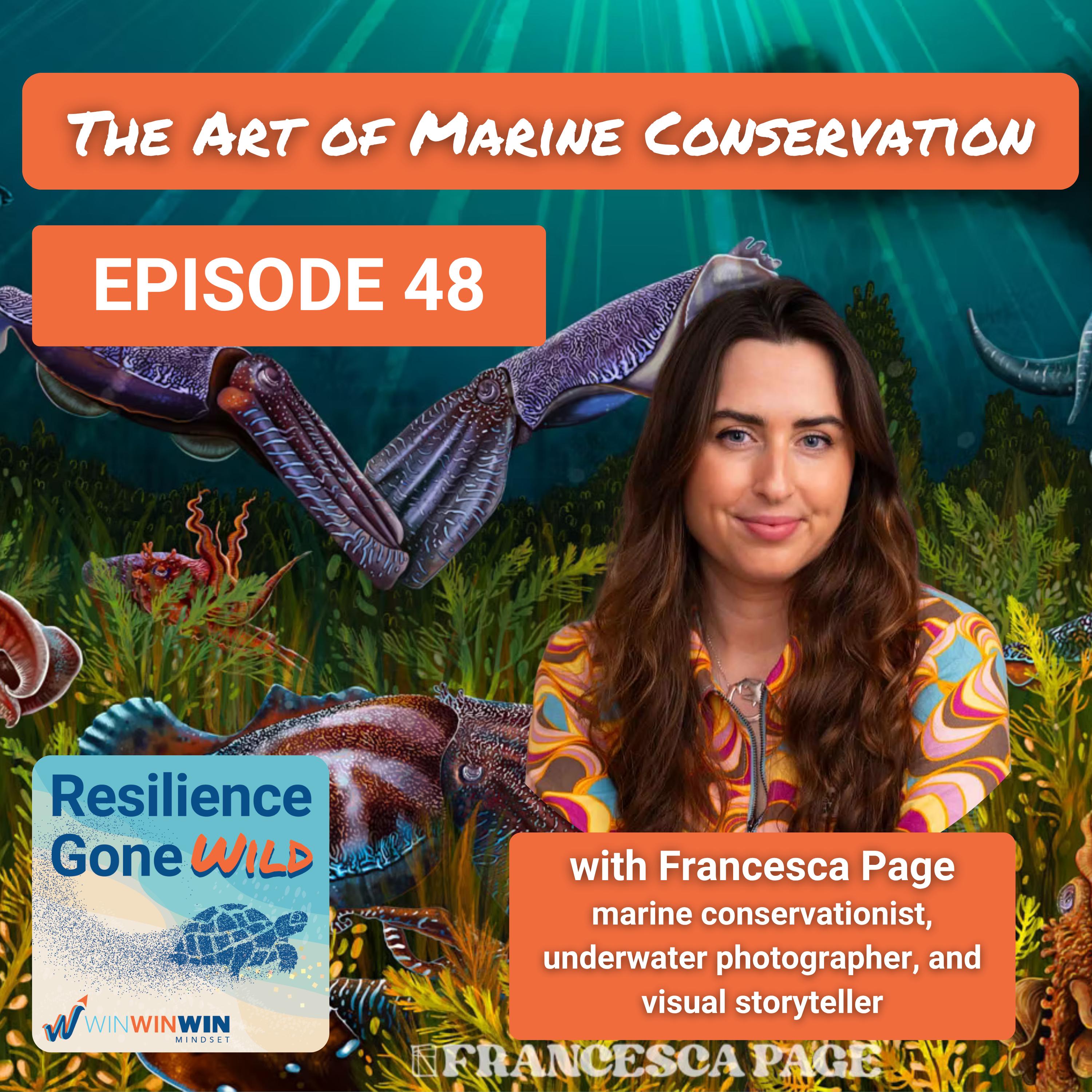 Shark Week Part 2 – The Art of Saving the Oceans and Marine Life with Francesca Page (Episode 48) | This episode is Part 2 of our special Shark Week celebration on Resilience Gone Wild. Host Jessica Morgenthal talks with Francesca Page — marine conservationist, underwater photographer, and visual storyteller — about her inspiring journey from fearing the ocean to becoming one of its most passionate defenders. Francesca explores how art and storytelling can shift public perceptions about sharks, highlight the impact of bycatch, and drive community action for healthier oceans. She also shares her groundbreaking 200 Sharks initiative and the importance of finding your unique way to contribute to our planet’s wellbeing.Key Takeaways* Art is a universal language that helps connect people to conservation.* Overcoming fear can open doors to deep, meaningful work.* Sharks are essential for ocean health and biodiversity.* Bycatch remains a major threat to marine life.* Storytelling and visual art can make complex issues relatable.* Community involvement is key to sustainable conservation.* Francesca’s 200 Sharks project brings awareness to sharks’ vital role.* Compassion and understanding strengthen conservation work.* Everyone has unique skills to contribute to protecting the planet.* Turning your passion into action can make real change.Sound Bites* “Art is this universal language.”* “Fear was all in the mind.”* “Compassion is key in conservation.”Resources Mentioned:Francesca Page LinkedIn: https://www.linkedin.com/in/francesca-page-056580317/ (https://www.linkedin.com/in/francesca-page-056580317/)Francesca Page Website: https://www.francescapageart.com/ (https://www.francescapageart.com/)Francesca Page YouTube: https://www.youtube.com/@francescapageart (https://www.youtube.com/@francescapageart)Award Winning Photo: https://www.francescapageart.com/photography?pgid=m09s3850-fe3ff6c7-d262-4510-9dfe-b84d33d5515c (https://www.francescapageart.com/photography?pgid=m09s3850-fe3ff6c7-d262-4510-9dfe-b84d33d5515c)Brian Skerry, Francesca’s Mentor: https://brianskerry.com/ (https://brianskerry.com/)Francesa Page Instagram: https://www.instagram.com/francescaapage?igsh=Zzl5cTN2dmNpYnox (https://www.instagram.com/francescaapage?igsh=Zzl5cTN2dmNpYnox)* "I used to be scared of the ocean..." https://www.instagram.com/reel/DGvvUdit_rH/?igsh=eHN4aHg0OGp5Y3A1 (https://www.instagram.com/reel/DGvvUdit_rH/?igsh=eHN4aHg0OGp5Y3A1)* 200 Sharks Project:Whale Sharks https://www.instagram.com/reel/DGLud-TN3i0/?igsh=MXRpbHAxbHQ4b3cxNA== (https://www.instagram.com/reel/DGLud-TN3i0/?igsh=MXRpbHAxbHQ4b3cxNA==)Thresher Sharks https://www.instagram.com/reel/DCzW5EVtXYt/?igsh=cWd6MWJiZWQyODU5 (https://www.instagram.com/reel/DCzW5EVtXYt/?igsh=cWd6MWJiZWQyODU5)Smoothnosed Wedgefish https://www.instagram.com/reel/DGvvUdit_rH/?igsh=eHN4aHg0OGp5Y3A1 (https://www.instagram.com/reel/DGvvUdit_rH/?igsh=eHN4aHg0OGp5Y3A1)Connect With UsSubscribe to Resilience Gone Wild wherever you listen to podcasts, and let’s grow stronger together: https://pod.link/J4yd77 (https://pod.link/J4yd77)Connect with your host Jessica Morgenthal: jessica@ResilienceGoneWild.com (mailto:jessica@ResilienceGoneWild.com)Connect with your producer Kai M Sorensen: kai@balancinglifesissues.com (mailto:kai@balancinglifesissues.com)Visit us online: | — | ||||||
| 7/9/25 | 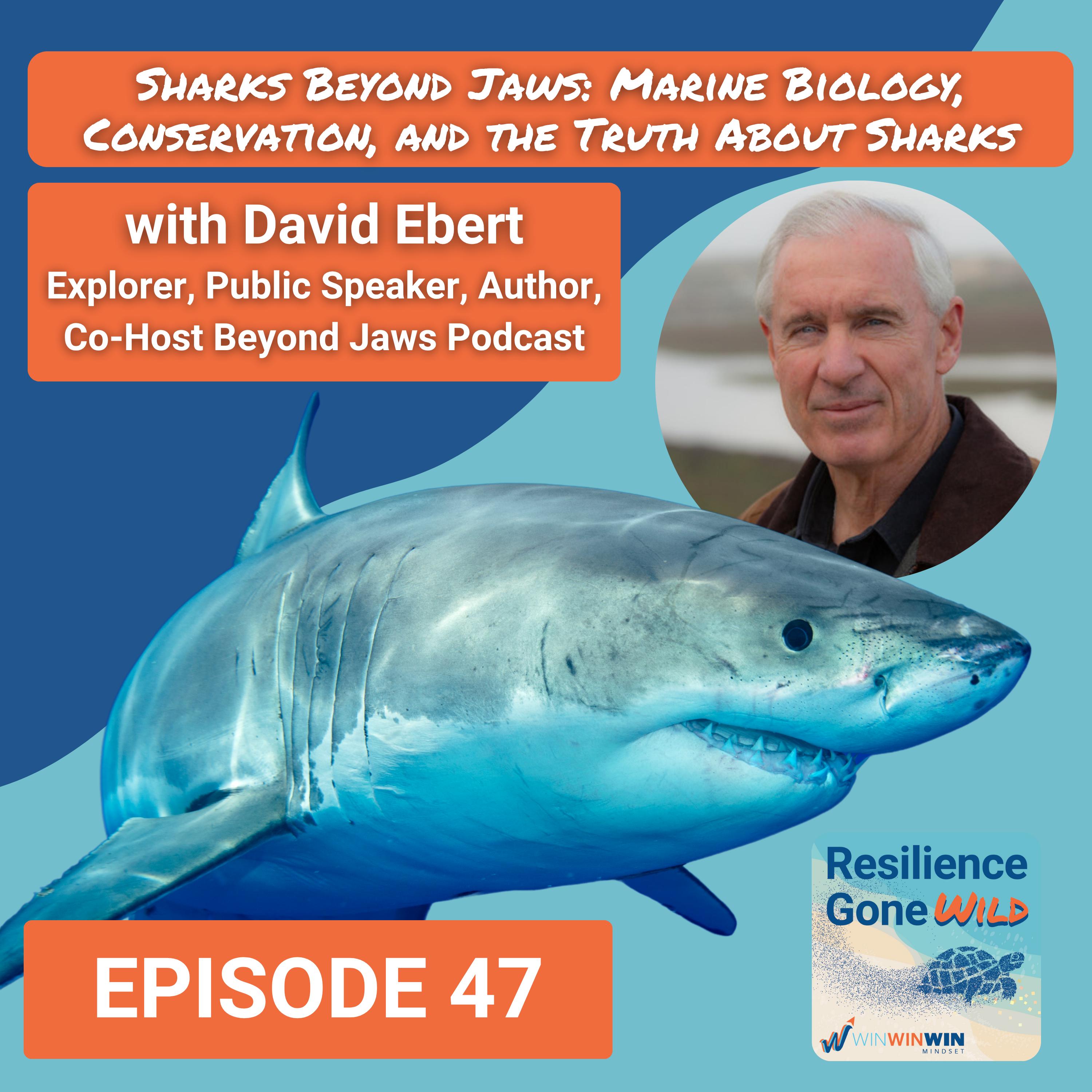 Shark Week Part 1 – Beyond Jaws: Marine Biology, Conservation & Shark Truths with Dave Ebert (Ep. 47) | In this very special SHARK WEEK episode of Resilience Gone Wild, host Jessica Morgenthal dives deep with renowned shark scientist David Ebert, exploring how sharks have been misunderstood for decades, espec... | — | ||||||
| 7/2/25 | 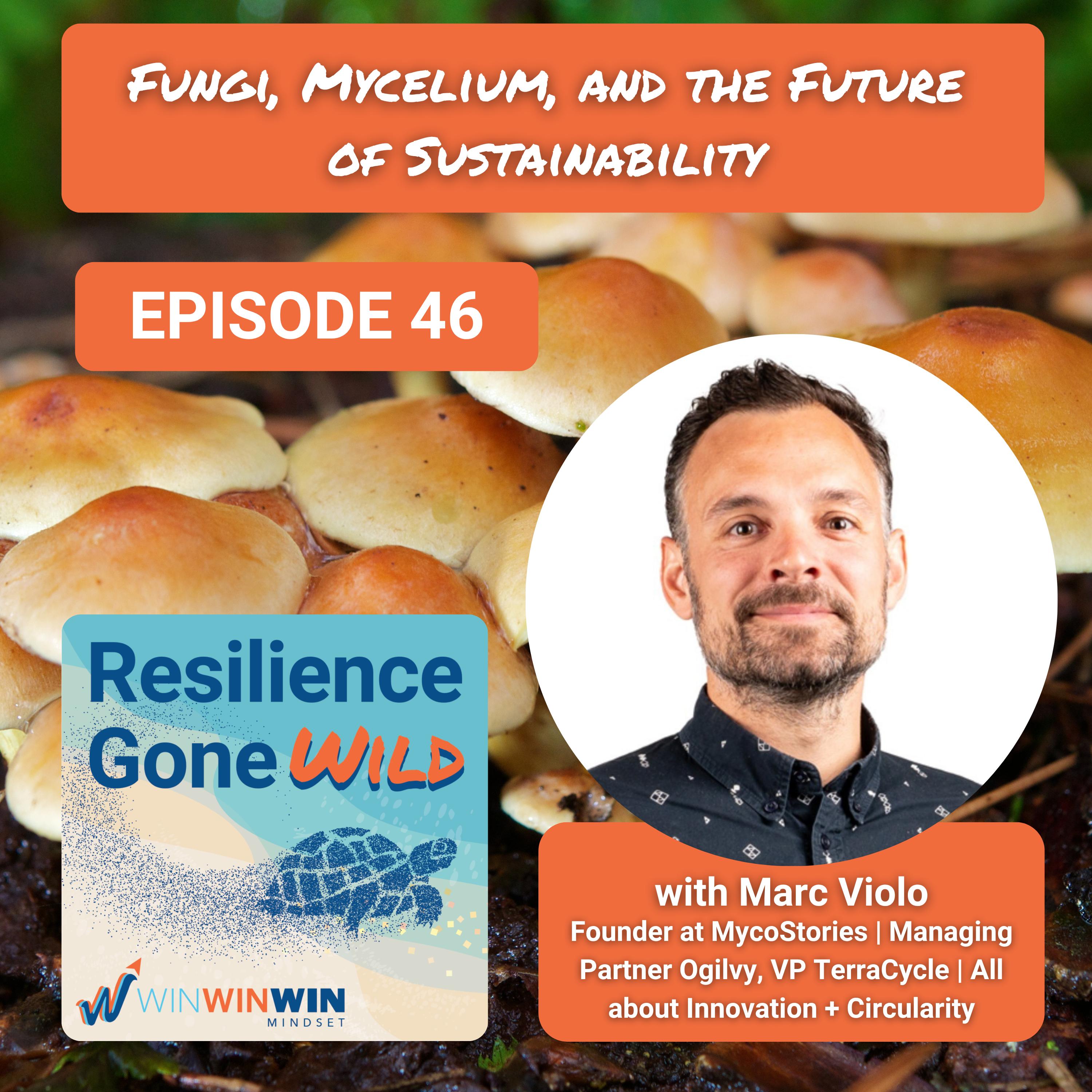 The Power and Potential of Fungi with Marc Violo (Episode 46) | In this episode of Resilience Gone Wild, host Jessica Morgenthal speaks with fungi enthusiast and circular economy advocate Marc Violo about the hidden potential of fungi across multiple sectors. From agriculture and pest control to sustainable materials and healthcare, Marc unpacks the extraordinary power of fungi and the vital role of mycelium networks in plant communication. He shares his personal journey into mycology in China, India and across the globe and emphasizes how storytelling can shift cultural attitudes and drive innovation in fungal science. This conversation explores the circular economy as a blueprint for sustainable living, the need for greater conservation efforts, and how policy must evolve to support fungal research. If you’ve ever been curious about the future of mushrooms beyond the dinner plate, this episode is for you.Takeaways:* Fungi are an entirely separate biological kingdom from plants, with immense environmental value.* Fungi and flora are highly dependent on each other* The circular economy promotes designing systems and products with sustainability and reusability in mind.* Fungi are powerful allies in agriculture, offering natural solutions for pest management.* Mycelium networks connect plants and aid in ecological communication and nutrient sharing.* Fungi contain bioactive compounds with promising applications in healthcare and medicine.* Cultural narratives shape how we understand and utilize fungi—storytelling can break barriers.* Conservation policies must expand to protect fungal biodiversity and ecosystem contributions.* Innovation in fungal materials could reshape packaging, fashion, and building industries.Sound Bites:* "Fungi are a separate kingdom from plants."* "Mycelium networks help plants communicate and thrive."* "Fungi play a crucial role in agriculture and sustainability."* "The future of fungi lies in innovation and circular design."* "Storytelling helps people connect with the fungal world."Resources & Links:* Marc Violo LinkedIn (https://www.linkedin.com/in/marcviolo/)* MycoStories LinkedIn page: https://www.linkedin.com/company/mycostories/posts/?feedView=all (https://www.linkedin.com/company/mycostories/posts/?feedView=all)* MycoStories website: Mushroom, Mycelium, Fungi Innovation | MycoStories (https://www.mycostories.com/)* MycoStories showcases businesses and entrepreneurs in the field of fungi, mushrooms and mycelium to address the ... (https://www.mycostories.com/)* https://www.spun.earth/ (https://www.spun.earth/)* The Telepathy Tapes (https://podcasts.apple.com/us/podcast/the-telepathy-tapes/id1766382649)* Fungi, Technology, and Global Exploration: The Marc Viola Journey (https://www.youtube.com/watch?v=ZP4RNNc9hok)* MycoStories Newsletter: https://mycostories.substack.com/ (https://mycostories.substack.com/)* MycoStories Instagram: https://www.instagram.com/mycostories/?hl=en (https://www.instagram.com/mycostories/?hl=en)* Tocco Interview with Marc Violo: Mycelium magic, as told by Mycostories | tocco (https://tocco.earth/article/mycelium-as-material-mycostories/)* Dive into the transformative potential of mycelium as a groundbreaking material through the lens of MycoStories. (https://tocco.earth/article/mycelium-as-material-mycostories/)* | — | ||||||
| 6/25/25 |  Tails of Resilience Part 2: Saving the Tasmanian Devil with Dean Reid (Episode 45) | This is Part 2 of our deep dive into the world of Tasmanian devils with Aussie Ark’s Dean Reid. In this follow-up conversation, Dean shares even more insight into breeding programs, marsupial behavior, and the critical role community involvement plays in preserving Australia's unique wildlife. We explore the impact of introduced predators, the power of celebrity influence in raising awareness, and the sustainable management strategies that keep Aussie Ark running. Dean also discusses how understanding animal behavior can foster deeper human-wildlife connections and emphasizes that conservation is a collective responsibility. Whether you're passionate about protecting biodiversity or just curious about Taz, Tasmanian devils or marsupials, this episode is filled with practical wisdom, inspiring stories, and hopeful solutions.Takeaways:* The Tasmanian devil’s name reflects its loud vocalizations and nocturnal habits that scared Europeans into naming them devils.* Breeding programs are vital to restoring devil populations impacted by facial tumor disease and are successfully saving the devils.* Possums, the only North American marsupial, are misunderstood and play key positive roles in local ecosystems.* Aussie Ark serves as a sanctuary for Tasmanian devils and other endangered wildlife.* Dean Reid embraced nature and conservation later in life when he needed a way to literally save him, proving it’s never too late to change your life and make a difference.* Human introduction of non-native species for a narrow goal so often threaten the survival of native flora and fauna and drove devils in mainland Australia to extinction.* Celebrity support has helped raise global awareness for Aussie Ark’s efforts.* Aussie Ark is managed strategically for long-term resilience with a three-year planning cycle and financing.* Every individual—through education, donations, or habitat creation—can help save species.Sound Bites:"Possums are very good breeders and misunderstood contributors to the ecosystem.""You never know what can happen. It's all about working with nature.""Introduced species have changed the game—we're trying to catch up.""Every little bit helps, and the community is a big part of our success."Keywords:Tasmanian devils, wildlife conservation, Aussie Ark, marsupials, breeding programs, endangered species, animal behavior, introduced species, genetic diversity, community involvement, nature education, ecosystem balance, habitat protection, fundraising for conservation, Dean Reid, Aussie Ark, wildlife sanctuaries, conservation tourism, Australian wildlife, biodiversityResources:* Learn more about Aussie Ark (https://www.aussieark.org.au/) and partner Australian reptile Park https://www.reptilepark.com.au/ (https://www.reptilepark.com.au/)* Connect with Dean Reid on Instagram https://www.instagram.com/ranger_dean/ (https://www.instagram.com/ranger_dean/) and Facebook: https://www.facebook.com/dean.reid.31 (https://www.facebook.com/dean.reid.31)* Tasmanian Devil (https://kids.nationalgeographic.com/animals/mammals/facts/tasmanian-devil) (National Geographic Kids)* New York Times: Video: Tasmanian Devils Born in Australia for First Time in 3,000 Years (https://www.nytimes.com/video/world/australia/100000007785990/tasmanian-devils-australia.html)* ABC News about Tim Faulkner: | — | ||||||
| 6/18/25 | Tails of Resilience: How Tasmanian Devils Store Strength for Hard Times (Episode 44) | In this episode of Resilience Gone Wild, host Jessica Morgenthal explores the extraordinary resilience of the Tasmanian devil, one of Australia’s most iconic and misunderstood marsupials. Known for their fierce vocalizations and scavenging habits, Tasmanian devils are also masters of survival. One of their most fascinating adaptations is how they store fat in their thick, muscular tails, an evolutionary strategy that allows them to survive long periods without food by relying on these reserves. Jessica dives into this natural design and what it teaches us about preparing for life’s lean times and the many types of resilience we would benefit from building up. The episode also sheds light on the devastating impact of devil facial tumor disease (DFTD), the power of conservation, and how organizations like Aussie Ark (https://www.aussieark.org.au/) are fighting to protect this resilient species. This is a powerful reflection on what we can learn from wildlife about adaptability, endurance, and the quiet strength of preparing for uncertainty.Takeaways:* Tasmanian devils store fat in their tails, a key survival mechanism during times of food scarcity.* Their tail condition is a visible indicator of overall health and resilience.* The behavior and biology of Tasmanian devils demonstrate how nature prepares for uncertainty.* Human resilience can mirror nature's resilience by building up eight different types of wellness reserves.* Devil facial tumor disease has led to a dramatic decline in wild populations, making conservation efforts critical.* Wildlife conservation relies on public awareness and evolving perceptions of misunderstood species.Keywords:Tasmanian devil, Aussie Ark, resilience, tail fat storage, wildlife conservation, devil facial tumor disease, energy reserves, animal survival strategies, biodiversity, nature adaptation, marsupials, stress response, environmental awareness, sustainability, financial resilience, emotional resilience, occupational resilience, spiritual resilience, physical resilience, social resilience, intellectual resilience, environmental resilienceSound Bites:"Prepare for lean times when the scent of food fades.""Building resilience by building up reserves.""Nature has already mapped out how to survive the hard times.""The Tasmanian devil reminds us that strength is often quiet and steady.""Resilience doesn't need a spotlight."Resources & Further Reading:* Aussie Ark – Tasmanian Devil Conservation (https://www.aussieark.org.au/our-animals/tasmanian-devil/)* National Geographic – Tasmanian Devils (https://www.nationalgeographic.com/animals/mammals/facts/tasmanian-devil)* Tasmanian devil whiskers hold the key to protecting these super-scavengers (https://theconversation.com/tasmanian-devil-whiskers-hold-the-key-to-protecting-these-super-scavengers-201468)* From the dingo to the Tasmanian devil - why we should be rewilding carnivores (https://theconversation.com/from-the-dingo-to-the-tasmanian-devil-why-we-should-be-rewilding-carnivores-199879)* Bite of the Tasmanian Devil | National Geographic (https://www.youtube.com/watch?v=iyvPjn2m240)* Welcoming two Tasmanian devils to Auckland! (https://www.youtube.com/watch?v=_gZIUH6zLqk)* Looney Tunes | Classic Tasmanian Devil Compilation | Warner Classics (https://www.youtube.com/watch?v=AbWD44i_gQ4)* | — | ||||||
Showing 25 of 69
Sponsor Intelligence
Sign in to see which brands sponsor this podcast, their ad offers, and promo codes.
Chart Positions
4 placements across 3 markets.
Chart Positions
4 placements across 3 markets.