

Insights from recent episode analysis
Audience Interest
Podcast Focus
Publishing Consistency
Platform Reach
Insights are generated by CastFox AI using publicly available data, episode content, and proprietary models.
Most discussed topics
Brands & references
Total monthly reach
Estimated from 1 chart position in 1 market.
By chart position
- 🇭🇺HU · Technology#147500 to 3K
- Per-Episode Audience
Est. listeners per new episode within ~30 days
250 to 1.5K🎙 Weekly cadence·246 episodes·Last published 2mo ago - Monthly Reach
Unique listeners across all episodes (30 days)
500 to 3K🇭🇺100% - Active Followers
Loyal subscribers who consistently listen
200 to 1.2K
Market Insights
Platform Distribution
Reach across major podcast platforms, updated hourly
Total Followers
—
Total Plays
—
Total Reviews
—
* Data sourced directly from platform APIs and aggregated hourly across all major podcast directories.
On the show
From 10 epsHosts
Recent guests
Recent episodes
Inside Tensor's Truly Self-Driving Robocar (w/ Tensor COO Jewel Li)
Apr 14, 2026
47m 54s
Inside DoorDash's Adorable 20mph Delivery Robot (w/ DoorDash VP of Autonomy Ashu Rege)
Oct 13, 2025
57m 51s
Inside The Biggest Robotaxi Deal To Date (w/ Nuro COO Andrew Chapin)
Aug 17, 2025
36m 30s
Transforming The World With Lidar (w/ Ouster CEO Angus Pacala)
Jul 12, 2025
47m 39s
The Rise of Autonomous Racing (w/ AIPEX's Ed Bernardon)
Jun 30, 2025
1h 18m 07s
Social Links & Contact
Official channels & resources
Official Website
Login
RSS Feed
Login
| Date | Episode | Topics | Guests | Brands | Places | Keywords | Sponsor | Length | |
|---|---|---|---|---|---|---|---|---|---|
| 4/14/26 | 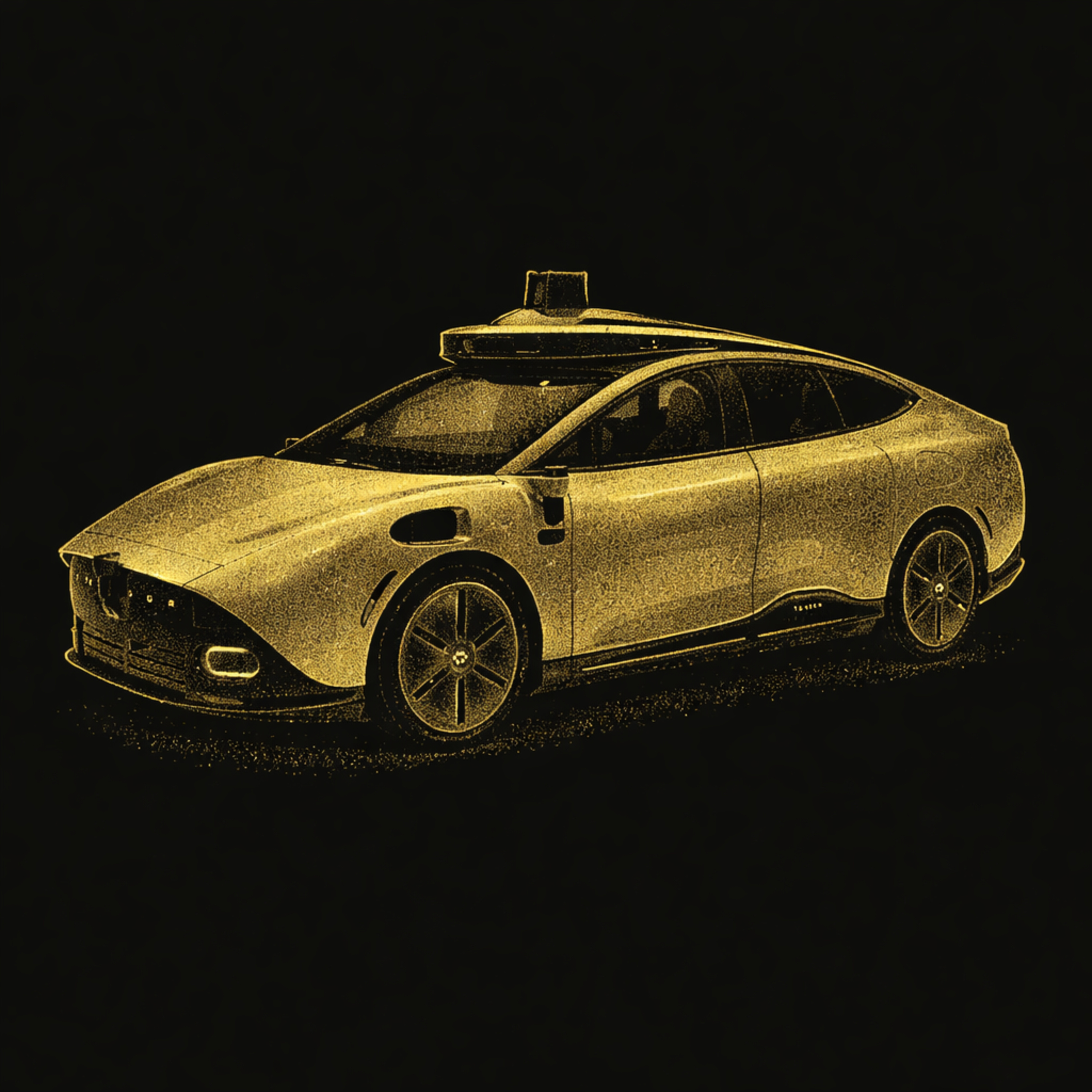 Inside Tensor's Truly Self-Driving Robocar (w/ Tensor COO Jewel Li)✨ | self-driving vehiclestechnology+3 | Jewel Li | Tensor RobocarTensor | — | self-drivingTensor+3 | — | 47m 54s | |
| 10/13/25 | 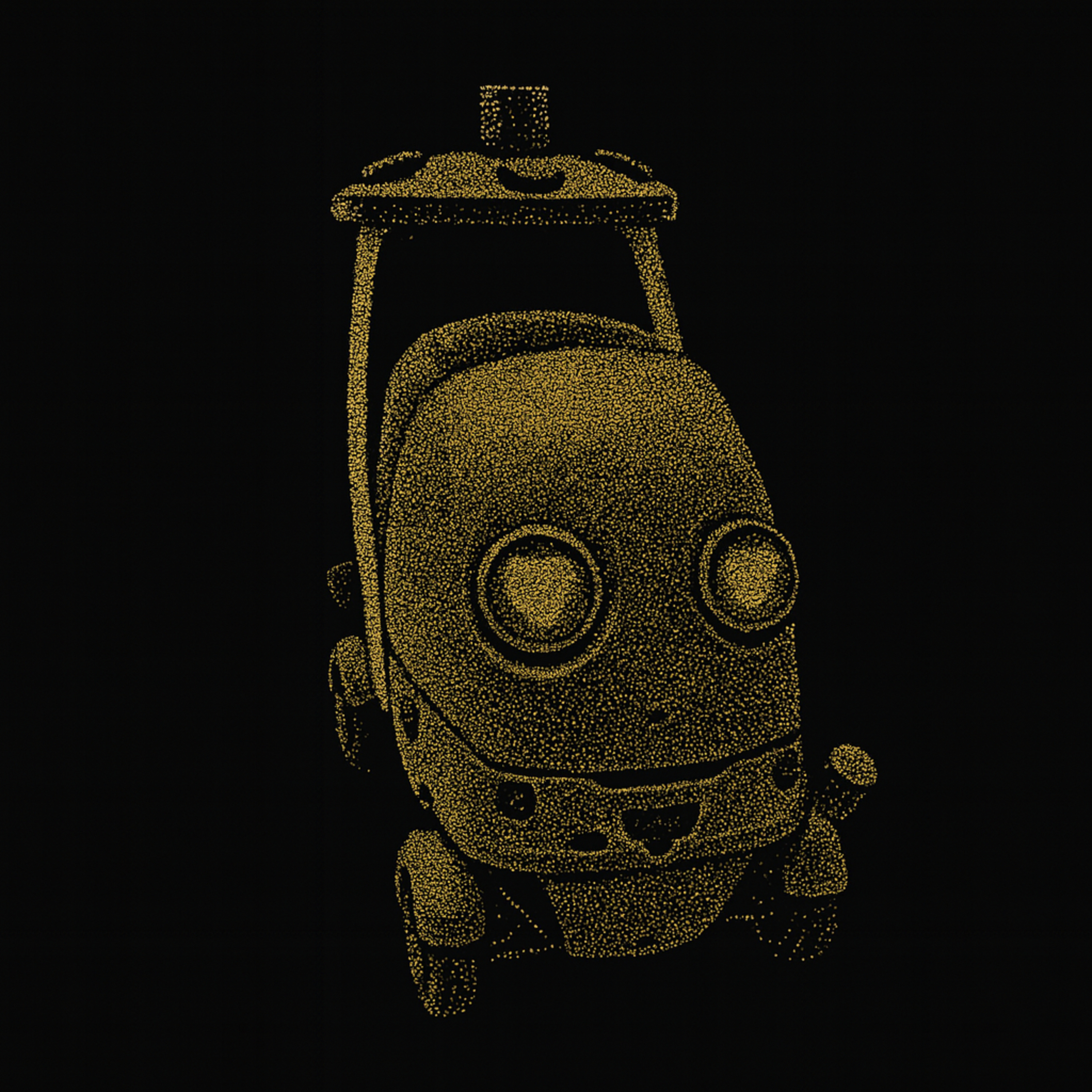 Inside DoorDash's Adorable 20mph Delivery Robot (w/ DoorDash VP of Autonomy Ashu Rege)✨ | delivery robotsautonomy+3 | Ashu Rege | DotDoorDash | — | DoorDashdelivery robot+5 | — | 57m 51s | |
| 8/17/25 |  Inside The Biggest Robotaxi Deal To Date (w/ Nuro COO Andrew Chapin)✨ | robotaxiUber+4 | Andrew Chapin | UberLucid+1 | — | robotaxiUber+5 | — | 36m 30s | |
| 7/12/25 |  Transforming The World With Lidar (w/ Ouster CEO Angus Pacala)✨ | lidarurban traffic+3 | Angus Pacala | Ouster | — | lidarsensors+4 | — | 47m 39s | |
| 6/30/25 |  The Rise of Autonomous Racing (w/ AIPEX's Ed Bernardon)✨ | autonomous racingAI technology+4 | Ed Bernardon | AIPEX Racing | — | autonomous vehiclesAIPEX+4 | — | 1h 18m 07s | |
| 5/28/25 | 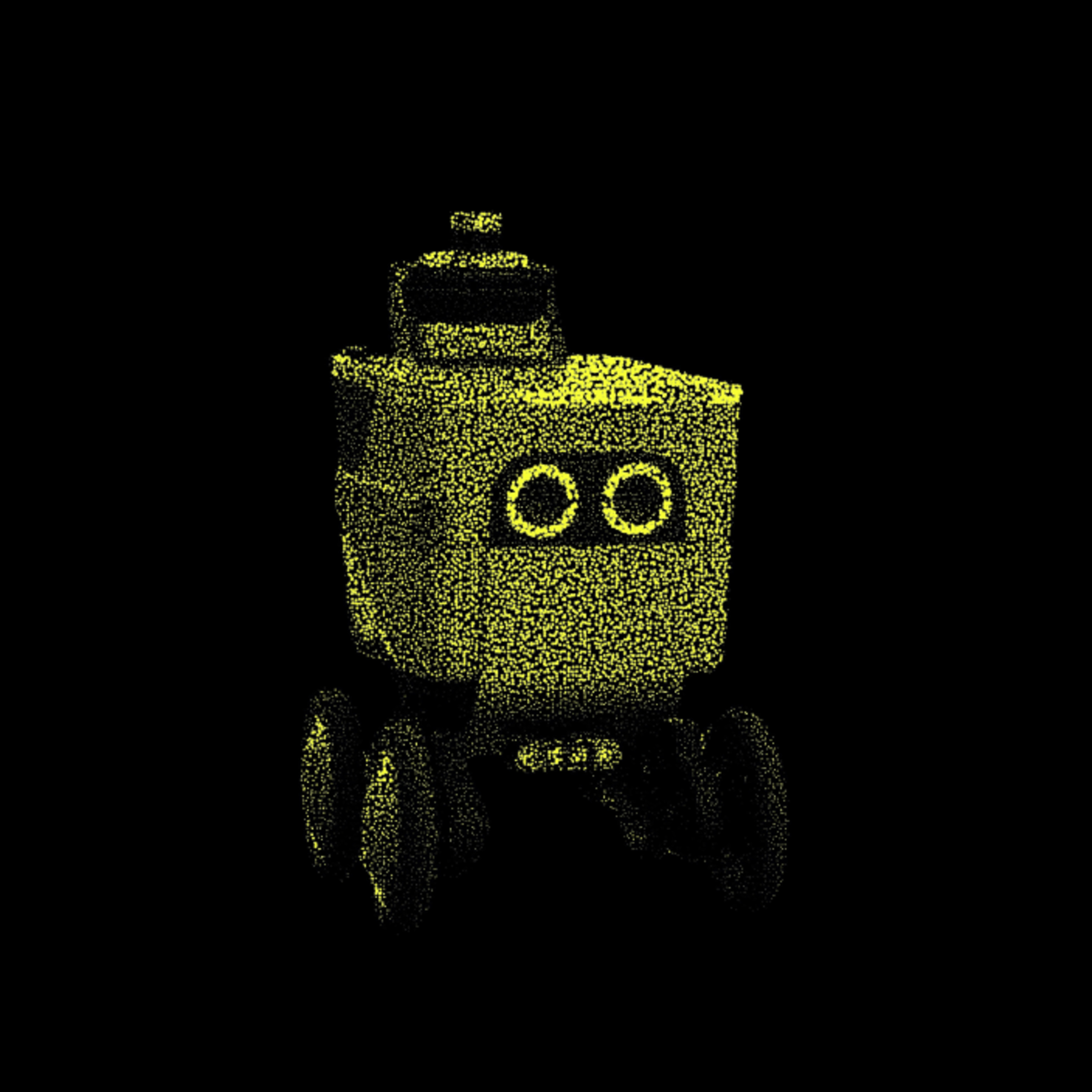 Delivering the Future with Ali Kashani of Serve Robotics✨ | AI-powered deliverylast-mile logistics+4 | Ali Kashani | Serve Robotics | DallasMiami+2 | delivery robotsServe Robotics+5 | — | 42m 14s | |
| 5/8/25 |  Inside Lyft’s Autonomous Vehicle Strategy (w/ Jeremy Bird, EVP of Driver Experience)✨ | autonomous vehiclesrideshare+5 | Jeremy Bird | LyftMobileye+2 | — | Lyftautonomous vehicles+7 | — | 32m 42s | |
| 4/28/25 |  Navigating the Gig Economy (w/ Ryan Green of Gridwise)✨ | gig economyautonomous vehicles+3 | Ryan Green | Gridwise | — | gig economyautonomous vehicles+3 | — | 44m 50s | |
| 4/23/25 |  Cost Per Mile and the Road to Autonomous Trucking (w/ Xiaodi Hou of Bot Auto)✨ | autonomous truckinglogistics+3 | Xiaodi Hou | Bot Auto | — | autonomous truckinglogistics+3 | — | 39m 19s | |
| 4/15/25 |  The Full Spectrum Challenge of Deploying Robotaxis with Vishay Nihalani of Waymo✨ | robotaxisautonomous mobility+3 | Vishay Nihalani | Waymo | — | robotaxisWaymo+4 | — | 20m 26s | |
Want analysis for the episodes below?Free for Pro Submit a request, we'll have your selected episodes analyzed within an hour. Free, at no cost to you, for Pro users. | |||||||||
| 4/9/25 |  Bringing ADAS to the Mainstream with Nimrod Nehushtan of Mobileye | In this episode, Ed Niedermeyer sits down with Nimrod Nehushtan, EVP of Strategy and Business Development at Mobileye, to unpack the company’s push to bring ADAS to the mainstream. From Mobileye’s new partnership with Volkswagen and Valeo—bringing hands-free Level 2+ driving to EVs priced under $30K—to the rollout of Supervision, Chauffeur, and REM-based technologies, the conversation dives deep into Mobileye’s evolving product stack, regulatory tailwinds, and vision for scalable autonomy. | — | ||||||
| 3/12/25 |  What to Expect at the First Ride AI Summit (with Ed Niedermeyer & Timothy B. Lee) | The first Ride AI summit, an intimate gathering of top leaders in driving automation technology and related AI-empowered hardtech, is taking place on April 2 at Neuehouse in Hollywood, California. In this episode, our hosts, Edward Niedermeyer and Timothy B. Lee, preview the aspects of the event program they are most excited about. We already have an amazing group of speakers lined up, including Amnon Shashua of Mobileye, Gill Pratt of TRI, and other top decision makers from Waymo, Zoox, Wayve, Apollo Go, Nuro, and more. There's a ton of excitement around the fact that this will be the first event of its kind that people will be able to take a fully driverless Waymo robotaxi to, making it the perfect opportunity to inaugurate the second chapter of this technological space. The on-stage conversations will be focused on this shift, from experiments and ideas to delivering real-world realities, and how to reboot conversations with stakeholders in the public sector, capital markets, media, and beyond.Tickets are currently on sale here. Space is limited. | — | ||||||
| 1/15/25 | End-to-End AI for Autonomy (w/ Alex Kendall of Wayve) | Alex Kendall, founder and CEO of Wayve, shares how Wayve's unique end-to-end AI approach allows their self-driving system to generalize across different countries and driving cultures—from London to California. The discussion explores how Wayve (which recently raised $1 billion from Softbank and others) combines vision, language, and action to create more intuitive human-AI interactions, why synthetic data matters for safety testing, and how their lean hardware strategy could make autonomous technology more accessible to automakers worldwide. | — | ||||||
| 12/20/24 |  Aurora’s Road to Driverless Freight (with Sterling Anderson) | The AV trucking company Aurora is spending the final days of 2024 busily getting ready to start hauling freight without humans on board, a long-awaited milestone. On the eve of this potentially historic launch, our host Timothy B. Lee catches up with co-founder Sterling Anderson about the long road of technological innovation that led here. Sterling shares his journey from leading Autopilot at Tesla to starting Aurora in late 2016. The conversation covers the technical and strategic decisions behind Aurora's development, emphasizing their shift from robotaxis to autonomous trucking. Sterling highlights key partnerships with OEMs and others that have allowed Aurora scale their operations efficiently. Tim and Sterling discuss Aurora's unique approach of verifiable AI to ensure safety and reliability compared to end-to-end monolithic systems. Finally, Sterling explains the critical regulatory aspects Aurora is navigating as they aim for a driverless trucking launch between Dallas and Houston by April 2025. | — | ||||||
| 10/11/24 |  On Cybercab (w/ Timothy B. Lee) | Timothy B. Lee of the Understanding AI newsletter joins Ed Niedermeyer to unpack Tesla’s flashy robotaxi unveil. | — | ||||||
| 9/29/24 | The Unsung Success of Parking Automation with Steer Tech’s Anuja Sonalker | In this episode of the Ride AI podcast, host Ed Niedermeyer interviews Anuja Sonalker, CEO of Steer Tech, to discuss a lesser-known success story in mobility technology. Anuja shares how Steer Tech, founded in 2016, specializes in low-speed, autonomous vehicle operations within geofenced areas like parking lots and depots. She explains that while parking automation was initially underestimated, it presents complex challenges requiring high precision and intelligence. Steer Tech developed the first fully autonomous Level 4 parking solution and has since expanded into broader vehicle orchestration systems. Their lean, customer-driven approach allowed them to achieve cashflow positivity by focusing on practical applications in fleet management, emphasizing operational efficiency, safety, and sustainability. Unlike many companies in the autonomous vehicle space, Steer Tech avoided big venture capital funding, choosing instead a more sustainable business model that balances innovation with profitability. | — | ||||||
| 7/1/24 | The Future of Autonomous EV Charging Robots (with Crijn Bouman) | In this episode of Ride AI, recorded live at Micromobility Europe in Amsterdam, we delve into the evolving landscape of EV charging and automation with Crijn Bouman, founder of ROCSYS. Crijn shares his extensive journey in e-mobility, starting from his university days influenced by a friend's self-built electric bike, to founding ROCSYS, a company that develops autonomous EV charging robots for robotaxis, human-driven fleets, and more. He explores the critical advancements in EV fast-charging, the role of robotics in automating EV charging, and the broader implications for mobility and infrastructure. | — | ||||||
| 5/14/24 | Navigating Insurance & Risk in the Age of Autonomous Vehicles (with Michael Wagner) | On the latest episode of the Ride AI podcast, we dive into insurance, risk management, and driving automation with Michael Wagner, CEO of Edge Case Research. With autonomous vehicles poised to revolutionize transportation, understanding the risks and liabilities associated with this technology is paramount. Unlike traditional auto insurance, where policies are based on factors like driver history and vehicle usage, insuring self-driving vehicles requires a deeper understanding of the technology itself. Edge Case Research aims to fill this gap by providing risk assessment technology tailored specifically for autonomous cars and trucks. Michael sheds light on how this nascent industry is developing new insurance solutions that address the unique challenges of AVs, while incentivizing safe practices and fostering trust. | — | ||||||
| 4/30/24 | Lessons from V1 AV (with Stefan Seltz-Axmacher) | The latest Ride AI podcast episode features Stefan Seltz-Axmacher, the former founder of Starsky Robotics and current founder and CEO of Polymath Robotics, discussing his experiences in the self-driving truck industry. Stefan reflects on the challenges faced by Starsky Robotics, particularly the overconfidence in machine learning and the belief in a one-size-fits-all solution for autonomy, and how this experience informs Polymath Robotics, his new venture focused on building a generalized navigation layer for off-road vehicles. Stefan reflects on the history of self-driving trucks and the challenges faced during his time at Starsky Robotics, including the overconfidence in machine learning and the misconception that data collection alone would lead to successful autonomous driving. He highlights the difficulty in raising funds for a more focused approach compared to competitors' broader promises. Stefan discusses the need for a more grounded understanding of robotics and AI, emphasizing the importance of addressing specific problems rather than chasing general solutions. Polymath Robotics aims to democratize automation by reducing the upfront costs and complexity, allowing smaller players and seed-funded startups to compete effectively. Stefan emphasizes the parallels between the evolution of the automotive and smartphone industries, indicating a similar maturation process in robotics hardware. | — | ||||||
| 4/24/24 | EV Winter? (with Tyson Jominy) | On the latest episode of the Ride AI podcast, our host Ed Niedermeyer talks to Tyson Jominy, VP of Data & Analytics for J.D, Power, about the recent dynamics in the car market. They touch on COVID, the EV market, the prospect of another truck/SUV slowdown, and how these are all related. Discussion on the cyclicality of the auto industry and recent turbulence due to COVID-19: undersupply situation, excess savings leading to increased demand, and supply chain disruptions. Pricing dynamics in the EV market: oversupply of EVs in the $50-60k price range leading to price cuts. Fleet sales and their impact on EV market dynamics, including potential risks to resale value and pricing stability (Hertz struggled with high repair bills and consumer dissatisfaction with EV rentals, prompting them to unwind their EV-focused strategy.) Tesla's decision not to pursue a low-cost model raises questions about the industry's focus and the challenges of making EVs profitable. The auto industry seems to be retreating to familiar corners, like focusing on SUVs, hybrids, and high-margin segments, rather than investing heavily in lower-cost EVs. EVs face challenges in consumer perception and understanding of total cost of ownership, compared to hybrids, which have been around for a while but still face low adoption rates. The auto industry's struggle to make EVs profitable raises concerns about the future of EV adoption and the profitability of traditional segments like trucks and SUVs. There's uncertainty about the trajectory of EV adoption and whether there will be a "EV winter" where growth stalls. Regulatory factors still incentivize automakers to invest in EVs despite profitability challenges. | — | ||||||
| 4/9/24 | Climbing the Slope of Enlightenment (with Mike Ramsey) | For the inaugural episode of the new Ride AI podcast, author and analyst Ed Niedermeyer discusses the hype and disillusionment surrounding several new mobility technologies—namely autonomous vehicles—with Mike Ramsey, a vice president at Gartner. Ramsey explains the five parts of a hype cycle, including the innovation trigger and the trough of disillusionment, and provides historical analysis for where he believes autonomy is today on the road to mass adoption. Ed and Mike discuss the concept of the five-part "hype cycle" in technology adoption: innovation trigger, peak of inflated expectations, trough of disillusionment, slope of enlightenment, and plateau of productivity. The "slope of enlightenment" is explained as the phase where technologies become useful and start to see real-world applications. Autonomy in vehicles, while not profitable yet, is advancing (especially in robotaxis) Meanwhile autonomous technology is diffusing into other industries like agriculture, mining, and construction, where simple design domains allow for easier implementation. Despite challenges, significant investment in autonomy has advanced technologies like vision systems and edge AI. The hype surrounding autonomy is similar to that of other emerging technologies like generative AI, which may have significant impacts but will likely manifest in smaller, more practical applications initially. Media attention tends to focus on hype, but the most significant advancements often occur quietly, requiring deliberate effort to discover and understand. ⌲ Subscribe to our free newsletter to stay on the forefront of the intersection of AI and mobility 👉 https://rideai.beehiiv.com/ | — | ||||||
| 1/3/24 | The History of the US Bike Business with Arnold Kamler, CEO of Kent International | Arnold Kamler, CEO of Kent International, discusses the evolution of his family's three generations of the bicycle business from its inception in 1906 to the present day. The journey includes the transition from retail to wholesale, adapting to market trends like racing and mountain bikes, overcoming challenges during the financial crisis and COVID-19, manufacturing in the US, moving it to Europe, then to Chin and then back to the US all the while remaining resilient in a dynamic industry that has now gone electric. Timeline: 🚴 1906: Arnold's grandfather arrives in the U.S. and opens up his first bike shop in the Lower East Side. 🛠️ Early 1920s: The family moves the business to New Jersey. 📈 1947: Post-WWII, Arnold's father shifts the business from retail to wholesale. 🌎 1950s-60s: The company adapts to changing markets, beginning to import bikes from Europe and then Asia. 🏁 1970s: Kent International experiences a boom with the popularity of racing/road bikes, starting in California. 🚵♂️ 1990s: The company adapts to the mountain bike craze and faces the challenges of globalization and competition from China. 💸 2008: The financial crisis impacts the business, leading to strategic pricing and inventory adjustments. 🌐 2010s: Kent International focuses on e-commerce and begins exploring the electric bike market. 📉 2020-21: The COVID-19 pandemic causes a surge and then a sudden drop in demand, impacting inventory management. 🌿 Present Day: Kent International remains a resilient player in the bicycle industry, adapting to current market trends and consumer needs. Other Highlights: 🌍 Global Expansion: Kent International's strategic shift to importing and later manufacturing in China. 🚀 Growth: Significant growth in the 1970s, reaching new heights in the 2000s with major retail partnerships. 🛠️ Manufacturing Innovations: Experimentation with different bike designs and materials, adapting to changing consumer preferences. 🛍️ Retail Shifts: Adjusting strategies to cope with the rise of e-commerce and direct-to-consumer sales. 🚲 Industry Trends: Continuous adaptation to industry trends like electric bikes and changing consumer habits. | — | ||||||
| 12/22/23 | Bird Goes Bankrupt. What Company Will Blink Next? | In an emergency podcast episode of Ride On!, James Gross and guest Prabin Joel Jones discuss the Chapter 11 bankruptcy of Bird, one of the high flying shared micromobility companies over the last 5 years.. They delve into the financial challenges and strategic missteps of Bird and other companies in the shared micromobility space, considering the broader implications for the industry. They then turn their attention to how you could build a shared micromobility company today and the opportunities that are now present as capital and some of the existing industry heads for the exit. | — | ||||||
| 12/20/23 | The Story of Upway and Their Plan to Help You Sell or Buy a Used Electric Bike | Oliver Bruce is back for this episode! Upway is an innovative company in the e-bike marketplace, specializing in the refurbishment and resale of electric bikes. Founded in 2021 and headquartered in Paris, France, Upway has made significant strides in the e-bike industry. Toussaint Wattinne, the CEO and co-founder of Upway, along with co-founder Stéphane Ficaja, have backgrounds in leading roles at Uber Eats, bringing their expertise in tech-driven business models to the e-bike industry. The company is notable for refurbishing and certifying a vast array of electric bikes, offering customers a wide selection of over 400 brands. As of March 2023, Upway had refurbished and certified more than 20,000 electric bikes, showcasing its commitment to providing quality and sustainable transportation options. The company has successfully expanded its services beyond France, with availability in Belgium, Germany, the Netherlands, and the United States. This expansion is a testament to the growing demand for sustainable and affordable mobility solutions. Upway's approach to e-bike sales centers around a seamless ordering and delivery process, ensuring that the bikes and their batteries are of high quality and safe for use. This business model has attracted notable investors like Sequoia Capital, Global Founders Capital, Exor Seeds, and Origins, contributing to Upway's impressive total funding of $60.6 million. Highlights 🚲 Upway, a company specializing in selling refurbished electric bikes, has successfully raised over $30 million in Series B funding. 🌍 Founded in 2021 and based in Paris, Upway has expanded to Belgium, Germany, the Netherlands, and the United States. 🔄 They have refurbished over 20,000 electric bikes from more than 400 brands, offering up to 35% discount compared to new bikes. 🛠️ Upway's business model focuses on rebuilding trust in the used ebike market by refurbishing bikes to a high standard and offering a one-year warranty. 📈 Despite initial skepticism, the market demand for used ebikes has been strong, with Upway receiving high customer satisfaction ratings. 🤝 Upway collaborates with over 1500 retailers and ebike dealers, using trading software for customer trade-ins and managing returns for D2C manufacturers. 📊 The business mix varies by region, with a significant portion of sourcing in Europe coming from dealers, while in the US, direct consumer purchases and manufacturer returns play a larger role. | — | ||||||
| 12/14/23 | Melvin Lian of Voro Motors discusses moving to Los Angeles after Singapore shut down his business | Melvin Lian is the Founder and CEO of @VoroMotors . He discusses his company's journey, from its beginnings in Singapore to its current base in Los Angeles. Melvin detailed the challenges he faced in Singapore, including strict regulations that culminated in an overnight ban on scooters. Melvin also talks about the company's innovations in seated scooters, its distribution of Kaboo and Dualtron scooters, as well as its own EMOVE line of vehicles. Highlights - 🛴 Melvin Lim, founder and CEO of Voro Motors, explained how the firm began in Singapore due to the city's need for convenient and portable e-scooters. - ⚖️ He explained the various laws in Singapore that gradually constrained scooter usage, leading to an unexpected overnight ban on scooters in 2019. - 🖊️ Following this, Melvin made the decision to move operations to Los Angeles where he believed the desire for e-scooter use was increasing. - 🚀 In L.A. they primarily sold their own models, the Emove Cruiser and the Emove Touring, however consumer demand led to them also distributing dula motor scooters by other brands like Kaboo and Dualtron. - 🌍 Despite the challenges from strict regulations and sudden changes in operating environments, Voro Motors has successfully adapted and grown, serving different customer bases with varied products. | — | ||||||
Showing 25 of 240
Pitch Fit is a Pro feature
See how bookable this show is for guests, which brands already advertise, the per-episode ad value, and the best-fit guest and sponsor profile. The numbers are blurred on the free plan.
How readily this show books outside guests like you.
How proven this show is for host-read sponsorships.
For Guests
ProFor Advertisers
ProUpgrade to Pro to unlock guest cadence, sponsor categories, fit scores, and per-episode ad value for this show.
Chart Positions
1 placement across 1 market.
Chart Positions
1 placement across 1 market.