
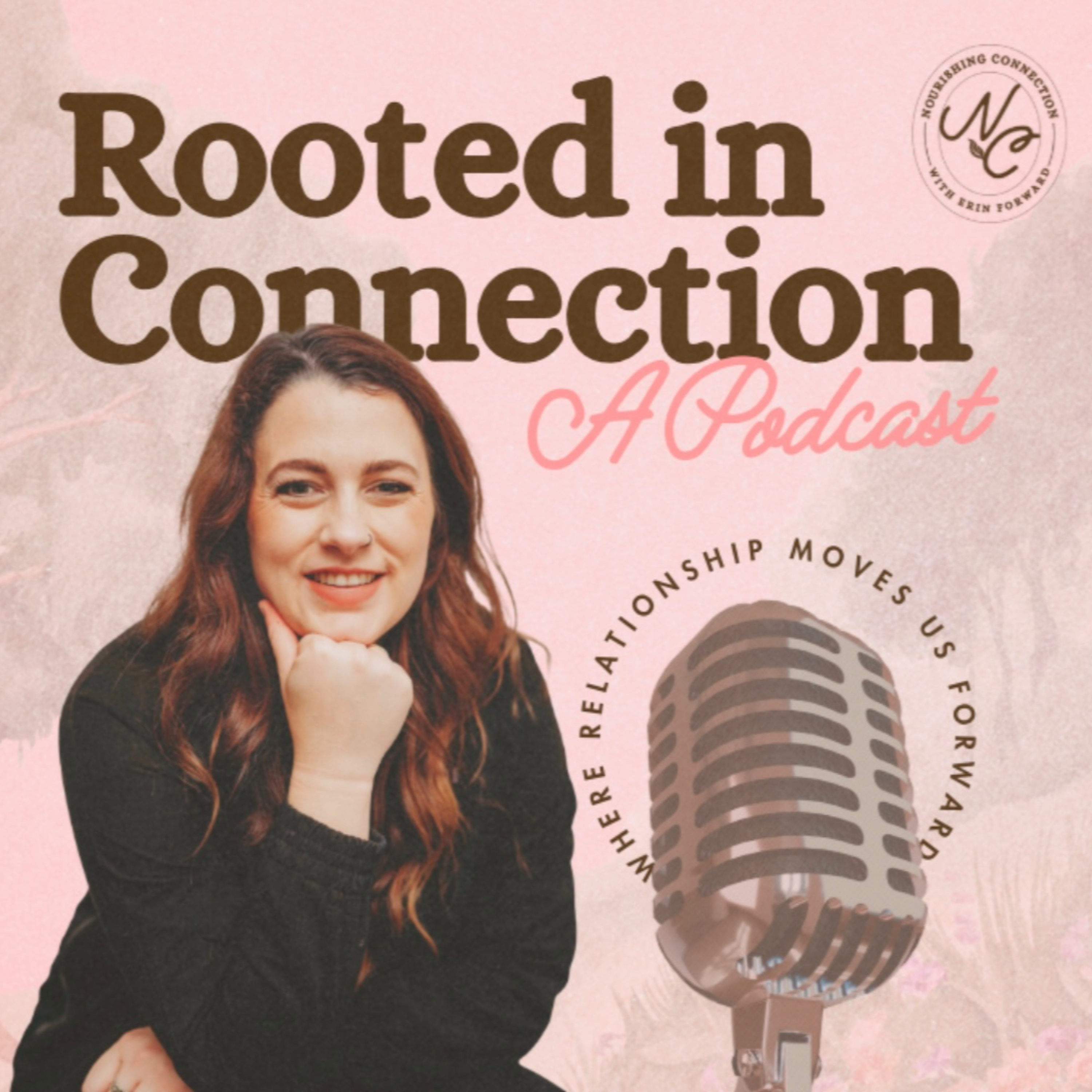
Rooted in Connection: Where Relationship Moves us Forward
by Erin Forward, MSP, CCC-SLP, CLC
Is this your podcast?Insights from recent episode analysis
Audience Interest
Podcast Focus
Publishing Consistency
Platform Reach
Insights are generated by CastFox AI using publicly available data, episode content, and proprietary models.
Total monthly reach
Estimated from 1 chart position in 1 market.
By chart position
- 🇦🇺AU · Courses#1945K to 30K
- Per-Episode Audience
Est. listeners per new episode within ~30 days
1.5K to 9K🎙 Daily cadence·15 episodes·Last published 3w ago - Monthly Reach
Unique listeners across all episodes (30 days)
5K to 30K🇦🇺100% - Active Followers
Loyal subscribers who consistently listen
2K to 12K
Market Insights
Platform Distribution
Reach across major podcast platforms, updated hourly
Total Followers
—
Total Plays
—
Total Reviews
—
* Data sourced directly from platform APIs and aggregated hourly across all major podcast directories.
On the show
Recent episodes
ARFID, Neurodiversity, and Lived Experience: A Conversation on Feeding, Connection, and Self-Advocacy
Jun 1, 2026
Unknown duration
Humor, Humanity & Feeding Therapy with Deborah Brooks
May 20, 2026
Unknown duration
When the Body Speaks: Understanding Pain Through Safety and Attunement
Apr 15, 2026
Unknown duration
What We Carry: Living With OCD
Apr 9, 2026
Unknown duration
Relationships Shape the Brain: Why Safety Drives Regulation, Learning, and Resilience with Dr. Gillian Boudreau
Mar 30, 2026
Unknown duration
Social Links & Contact
Official channels & resources
Official Website
Login
RSS Feed
Login
| Date | Episode | Description | Length | ||||||
|---|---|---|---|---|---|---|---|---|---|
| 6/1/26 | ARFID, Neurodiversity, and Lived Experience: A Conversation on Feeding, Connection, and Self-Advocacy | In this episode, Erin sits down with friend and colleague Rachel Conrad for an honest conversation about ARFID, neurodiversity, self-advocacy, and the profound impact relationships have on our growth and well-being. Drawing from both professional expertise and lived experience, Rachel shares her own journey navigating ARFID and how understanding her neurodivergence helped her make sense of challenges that once felt isolating.Together, they explore the complexities of feeding, sensory processing, attachment, and diagnosis while challenging the idea that progress comes from rigid protocols or compliance-based approaches. Instead, they discuss the importance of safety, connection, curiosity, and creating environments where children, families, and clinicians can feel understood and supported.This conversation is a reminder that feeding is never just about food. Whether you're a clinician, caregiver, or someone navigating your own neurodivergent journey, you'll walk away with a deeper appreciation for the role of relationships, self-understanding, and authentic connection in fostering meaningful growth. | — | ||||||
| 5/20/26 | Humor, Humanity & Feeding Therapy with Deborah Brooks | In this episode, Erin sits down with speech therapist and feeding specialist Deborah Brooks for an honest conversation about confidence, connection, humor, and what it really means to support children and families in a relational way. Deborah shares her unique journey from advertising and comedy into pediatric feeding and speech therapy, and how those experiences shaped the way she communicates with both caregivers and clients.Together, they explore the importance of trusting yourself as a clinician, navigating imposter syndrome, and learning how confidence is built through experience, reflection, and authentic connection rather than perfection. The conversation also dives into the realities of social media in the therapy world, the pressure many clinicians feel online, and the value of long-form conversations that allow for nuance and deeper understanding.Throughout the episode, Deborah emphasizes responsive, attachment-based feeding approaches that prioritize relationship, observation, and the child’s autonomy. Erin and Deborah discuss the importance of seeing children beyond labels or diagnoses, embracing imperfect progress, and creating safety for both children and caregivers throughout the feeding journey.This episode also highlights Deborah’s upcoming course, Feeding Babies with Confidence, which focuses on developmentally appropriate, relationship-centered feeding strategies rooted in attachment and trust.Whether you’re a therapist, caregiver, or professional navigating your own confidence and growth, this conversation offers a thoughtful reminder that connection is often the foundation for meaningful progress.Deborah Brooks’ Course: Feeding Babies with Confidence | — | ||||||
| 4/15/26 | When the Body Speaks: Understanding Pain Through Safety and Attunement | In this episode, Erin sits down with physical therapist and craniosacral practitioner Joanna Ferreri to explore what it really means to listen to the body.Together, they unpack the relationship between pain, safety, and somatic awareness—shifting away from viewing pain as something to fix, and toward understanding it as a meaningful signal. Joanna shares her journey from traditional physical therapy into more holistic, relationship-based approaches, and how this shift transformed the way she understands both the body and healing.This conversation weaves through pain neuroscience, trauma, and the role of attunement, especially when working with children and individuals who may not communicate through words. Erin and Joanna reflect on the importance of consent, safe touch, and honoring the body’s cues, while also challenging some of the limitations of traditional clinical models.Joanna Ferrer Bio Joanna Ferreri, DPT, is a physical therapist working with children by day and with adults as a holistic bodywork practitioner by night. Over her 12 years of experience working in a variety of physical therapy settings ranging the full human experience quite literally from birth to death, she began to notice something missing: despite all the clinical training and experience, there was little space for the deeper internal, intuitive, and often unacknowledged forces that truly guide recovery. She founded a bodywork practice to bridge that gap. By integrating spiritual traditions with scientific understanding, she offers a holistic approach to chronic pain and chronic stress treatment. Utilizing connection through touch, she facilitates body-led wellness, where the client learns to trust their own inner wisdom to guide their own healing from an empowered lens.Instagram @rootsunboundbodyworks | — | ||||||
| 4/9/26 | What We Carry: Living With OCD | In this episode, Erin sits down with her friend and fellow SLP, Julia McMichael, MS, CCC-SLP, for a truly open and honest conversation about living with obsessive-compulsive disorder (OCD) and neurodivergence. Together, they share their personal stories, reflect on their diagnoses, and explore how these experiences shape them both as humans and as clinicians.Throughout the conversation, they discuss how individual differences, including neurodivergence, are deeply woven into how we experience the world. Erin and Julia explore the grief that can come with an OCD diagnosis, the self-compassion they’ve learned along the way, and the strengths they’ve come to recognize within their lived experiences. Self Acceptance and authenticity are a theme throughout this conversation.This episode aims to deepen understanding of what OCD is (and what it isn’t) while challenging common misconceptions. It also offers insight into how we can create safer, more supportive spaces for individuals living with OCD and other forms of neurodivergence.Sticky Thoughts: about mind, health, wellness, and more by Jean-Luc MommaertsNOOCD: https://www.treatmyocd.com/https://www.nimh.nih.gov/health/topics/obsessive-compulsive-disorder-ocdContact: Erin: erin.forward.slp@gmail.comJulia: bearcreekspeech@msn.com | — | ||||||
| 3/30/26 | Relationships Shape the Brain: Why Safety Drives Regulation, Learning, and Resilience with Dr. Gillian Boudreau | In this episode of Rooted in Connection, Erin Forward sits down with Dr. Gillian Boudreau to explore how relationships quite literally shape the brain, and why safety is the foundation for regulation, learning, and resilience.Together, they unpack what it means to create true emotional safety for children and the caregivers supporting them. This conversation moves beyond strategies, highlighting how connection, non-judgment, and authenticity are what actually support growth and healing.Erin and Jillian also vulnerably share their own experiences as children who weren’t always easily understood, and how those moments shaped the way they now show up in relationships, both personally and professionally. From the idea that “a safe brain is a smart brain” to the reminder that “adults are basically tall children,” this episode weaves together lived experience and clinical insight in a deeply human way.This is a conversation about being seen, about repairing what wasn’t always held with care, and about the power of relationships to change the trajectory of a child and an adult.In this episode, we cover:How relationships shape the brain and influence developmentWhy safety is the foundation for regulation and learningSupporting caregivers as a pathway to supporting childrenThe impact of non-judgment, authenticity, and presenceReparenting, emotional growth, and relational healingHow our own childhood experiences shape the way we show upResources Gillian Boudreau (she/her) is a licensed clinical psychologist in practice in Portland,Oregon with a focus on children families adults and couples at the intersection of autism, adhd anxiety and trauma. Dr. Boudreau's work is about understanding and addressing our human need for attachment, connection, and effective communication in such a way that can help individuals, family systems, school systems, and larger organizations to support all brains and hearts. She is a national speaker on topics including psychological safety and emotional intelligence, offers many courses and trainings on fear in institutional systems, trauma, neurodiversity and mindfulness, and provides ongoing consultation for multiple school districts and organizations. Dr. Boudreau co-hosts two podcasts: "I Hate You. What's For Dinner?" With a focus on parenting and being parented, as well as "Stance of Curiosity" with a focus on school psychology. Dr. Boudreau offers content and resources related to emotional safety and connection on instagram at @clearconnectionpsychology | — | ||||||
| 3/24/26 | Authenticity Isn’t Unprofessional: Building Community as a Clinician & Advocate | In this episode of Rooted in Connection, Erin Forward sits down with her friend and colleague, speech-language pathologist and advocate Colleen Ashford for a deeply honest conversation about what it really means to show up as both a clinician and a human.Together, they explore the tension between professionalism and authenticity, and how social media, storytelling, and lived experience can become powerful tools for connection, advocacy, and change, and truly what it means to be a neighbor.This conversation dives into the complexity of holding boundaries while still being relational, the role of intersectionality in clinical practice, and the courage it takes to challenge systems that were never designed with everyone in mind.Erin and Colleen also speak candidly about navigating IEP systems, building a private practice, and learning to trust your voice, even before you feel fully “ready.”At its core, this episode is a reminder: you don’t have to be perfect to be impactful. Growth, humility, and connection are the work.In this episode, we explore:How social media can foster safe spaces and meaningful communityThe balance between authenticity, vulnerability, and professional boundariesWhy storytelling deepens trust with clients and familiesThe impact of intersectionality on clinical decision-making and advocacyChallenging traditional ideas of “professionalism” in healthcare spacesNavigating systemic barriers within IEP and therapy systemsStarting a private practice with intention (and embracing mistakes along the way)Building your clinical identity through lived experience, reflection, and growthThe importance of joy, regulation, and celebrating small momentsColleen's Bio: Colleen Ashford is a bilingual speech-language pathologist and non-attorney special-education advocate serving families in San Diego County through her mobile and virtual private practice. She began her career as a public school SLP in a bilingual elementary program, where her commitment to culturally responsive practice and improving her Spanish first took root. After relocating to California, she worked in multidisciplinary clinics, learning from OTs and PTs in ways that continue to shape her holistic, sensory-informed approach.Now in her own private practice, Colleen focuses on AAC, Childhood Apraxia of Speech, and early-intervention parent coaching, with a passion for supporting Spanish-speaking families in her community. As an IEP advocate, she equips parents with clear information about their educational rights and guides them through the IEP process. Through her Instagram page @theadvocate.slp she also brings accessible insights on IDEA, policy, and advocacy to school-based SLPs and teachers. A lot of those insights will be available in a downloadable guide January 2026. Colleen loves to dig into a great conversation with parents and professionals who sit around the IEP table, and does so on her podcast, Unfiltered IEPs. Tune in to Season Two in early 2026! | — | ||||||
| 3/4/26 | Raising a Self-Advocate with Type 1 Diabetes: He Makes me Feel Brave | In this heartfelt conversation, Erin Forward sits down with speech therapist and mother Marlee Brandon to talk about navigating her son’s Type 1 diabetes diagnosis at just 12 months old. Marlee shares the emotional realities of receiving a life-changing diagnosis, learning to manage insulin and food with a toddler, and the unexpected ways the experience reshaped her perspective as both a parent and clinician.Together, they explore how trauma-informed communication, connection, and including children as part of the care team can build confidence and self-advocacy, even in the face of chronic illness. Marlee also discusses how sharing her family’s journey on social media has helped educate others, challenge misconceptions about Type 1 diabetes, and build community for families navigating similar experiences.This conversation is an honest look at parenting through uncertainty, the power of advocacy, and the resilience that can grow when children are invited to be active participants in their own care. | — | ||||||
| 2/25/26 | You Are Your Child’s Expert: Autism & Building the Right Support Team | Navigating autism services can feel overwhelming, especially when you’re both the parent and the professional.In this episode of Rooted in Connection, Erin Forward sits down with Casey Quinn-Daly to talk about what it really feels like to support a child with developmental delays and autism while navigating speech therapy, provider recommendations, and complex healthcare systems.At the center of this conversation is one powerful truth: you are your child’s expert.Together, we explore:How to build the right autism and speech therapy support teamWhat collaborative, neurodiversity-affirming care actually looks likeHow to advocate without burning outThe questions to ask therapistsWhy flexibility and real connection matter more than rigid plansCasey shares her personal journey of finding the right providers for her son and the emotional weight of holding both clinical knowledge and maternal instinct. We talk honestly about systemic challenges, provider transparency, and the courage it takes to trust your gut when something doesn’t feel right.If you’re a caregiver navigating services, or a therapist who wants to better understand the parent experience, this episode will remind you that connection changes every session, and empowered caregivers change outcomes. | — | ||||||
| 2/17/26 | Practicing Trauma-Informed Care (Beyond the Buzzword): With Rachel Archambault | Today on Rooted in Connection, Erin Forward sits down with friend and trailblazer in the trauma-informed space, Rachel Archambault, to talk about what trauma-informed care actually means in practice.Awareness of trauma-informed care is growing, which is needed, but it’s also so much more than a buzzword. Rachel and Erin vulnerably explore their therapeutic use of self, how they show up in sessions, and the small shifts clinicians, caregivers, and humans can make to help children feel truly safe.In this conversation we talk about recognizing our own triggers as providers, how language can unintentionally create or reduce safety, removing compliance-based or harmful phrasing, supporting regulation in the moment, and why trust is built through relationship rather than technique. We also discuss cultural humility, community responsibility, and the role systems and policies play in trauma-informed care.This conversation matters deeply to both of us, and we hope you enter it with an open mind, curiosity, and plenty of grace for yourself. | — | ||||||
| 2/10/26 | Where You’re Rooted: Understanding DIR/Floortime and Why It Matters | In this first episode of Where You’re Rooted, Erin shares her journey into DIR/Floortime and explores why this relationship-based model became central to how she understands development, communication, and feeding.Erin breaks down the foundations of DIR/Floortime, shares clinical stories, and reflects on how connection, emotional safety, and individual differences shape growth in children. This episode invites listeners to look beyond strategies and consider how relationships influence learning, regulation, and meaningful engagement.If you are curious about DIR/Floortime and want to learn more head to ICDL.com | — | ||||||
Want analysis for the episodes below?Free for Pro Submit a request, we'll have your selected episodes analyzed within an hour. Free, at no cost to you, for Pro users. | |||||||||
| 1/26/26 | Advocacy Is a Relationship: Navigating IEPs Through Connection, Collaboration, and Trust | In this episode of Rooted in Connection, Erin Forward sits down with Brooke Nutting to explore a relationship-based approach to advocacy for children with disabilities, especially within the IEP process.Brooke shares her journey from mental health professional to caregiver advocate and reflects on how relationships, vulnerability, and collaboration shape meaningful change. Together, they unpack why advocacy is not about conflict or perfection, but about connection: with educators, clinicians, caregivers, and communities.This conversation dives into navigating IEP meetings with clarity and confidence, understanding evidence-based practices, and building partnerships that truly support children’s individual needs. Erin and Brooke also discuss the emotional weight caregivers carry, the challenges within education systems, and how empowerment begins when caregivers feel seen, informed, and supported.Whether you’re a caregiver, clinician, or educator, this episode offers practical insights and grounding reminders that advocacy works best when it’s rooted in trust, communication, and human connection. Topics include:Navigating IEPs through relationship-based advocacyBuilding collaborative relationships with educatorsThe role of vulnerability in effective advocacyEmpowering caregivers and children to use their voicesCommunity resources and systems-level changeBecause advocacy isn’t a battle. It’s a relationship. | — | ||||||
| 1/13/26 | Pouring From Empty: Rebuilding Your Nervous System After Burnout | In this episode of Rooted in Connection, Erin Forward sits down with Angelyn Franks for a deeply human conversation about burnout, identity, and what it means to keep showing up for others when your own nervous system is depleted. Together, they explore the emotional and physiological cost of caring, the ways professional roles can quietly overtake our sense of self, and how stress and exhaustion show up in our bodies and relationships.This episode invites listeners to slow down and reflect on their core values, boundaries, and the stories they tell themselves about who they are supposed to be. Erin and Angelyn talk honestly about self-awareness, personal growth, and the importance of reconnecting with ourselves in order to truly connect with others; both personally and professionally.If you’ve ever felt like you’re pouring from empty, this conversation offers validation, language, and gentle reminders that you are more than what you produce, and that tending to your own nervous system is not selfish. It’s essential for sustainable, meaningful connection. | — | ||||||
| 1/8/26 | Care Beyond the Cart, Part 2: Supporting Families Through Complex Pediatric GI and Feeding Care | In Part 2 of Care Beyond the Cart, Erin and pediatric gastroenterologist Dr. Jordan Whatley move beyond relationship-building to explore what it means to remain attuned when feeding care is emotionally heavy and outcomes are uncertain.This conversation centers on humility in medicine and therapy, the power of saying “I don’t know,” acknowledging when feeding is genuinely hard, and resisting the urge to fix or reassure prematurely. Dr. Whatley reflects on supporting families navigating medical complexity, feeding tubes, and long-term care, and how honesty and presence can foster trust more deeply than answers alone.Together, they discuss how emotional safety, collaboration, and shared humanity shape pediatric GI and feeding relationships, particularly during moments of grief, overwhelm, or decision fatigue. This episode invites clinicians to consider how sitting with discomfort, naming hard truths, and staying connected can be just as meaningful as clinical expertise. | — | ||||||
| 12/29/25 | Care Beyond the Chart (Part 1): Building Relationships in Pediatric GI and Feeding Therapy | In this first part of a two-part conversation, Erin Forward sits down with pediatric gastroenterologist Dr. Jordan Whatley . Not just as a colleague, but as a trusted collaborator and friend.This episode is rooted in shared values: humility, curiosity, and the belief that healthcare works best when it is relational. Jordan speaks openly about his journey through medicine and podcasting, offering honest reflections on learning, making mistakes, and the responsibility providers carry when families place their trust in us. Together, Erin and Jordan explore what it means to be approachable in medical spaces, especially when families are navigating fear, uncertainty, and complex feeding and GI concerns. We hope this episode opens the door of more approachable and collaborative conversations between clinicians. providers, and caregivers. What stands out most in this conversation is Jordan’s willingness to be vulnerable, to name the emotional weight of pediatric care, the limits of any one discipline, and the power of interdisciplinary collaboration when providers truly listen to one another and to families. This episode honors the reality that parents are experts on their children, that dignity and respect matter, and that simple moments of affirmation — “we’re here with you” — can profoundly shape a family’s experience of care.Part 1 lays the foundation for a deeper exploration of collaboration and relationship-building in pediatric GI and feeding therapy, reminding us that before treatment plans and protocols, there is always a human relationship , and that relationship is where care begins. | — | ||||||
| 12/15/25 | Caring in Crisis: What Emergency Medicine Teaches Us About Connection | In this episode of Rooted in Connection, host Erin Forward, MS, CCC-SLP, CLC, is joined by her oldest friend, Julie, an emergency medicine physician assistant, for an honest conversation about connection in high-stress healthcare environments. They explore emergency medicine, caregiver burnout, anxiety in healthcare professionals, the importance of listening to patients, and the role of self-care in sustaining compassionate care.This episode offers insight for healthcare providers, caregivers, therapists, and anyone navigating emotionally demanding work. Through personal stories and reflection, Erin and Julie discuss how relationships, communication, and human connection remain essential—even in moments of crisis.Topics include:• Emergency medicine and emotional resilience• Anxiety and mental health in healthcare• Compassion fatigue and burnout• The importance of listening and communication• Friendship, self-care, and staying human in high-pressure roles | — | ||||||
| 12/8/25 | The Heart of Therapy: Why Relationships Heal More Than Techniques | In this episode of Rooting Connection, host Erin Forward explores the foundational role of relationships in therapy and why true healing requires more than techniques. It requires authenticity, vulnerability, and attuned connection. Erin discusses how trauma shapes the therapeutic process, how family dynamics influence behavior, and why recognizing individual differences is essential for meaningful care.She also dives into the realities many caregivers and therapists face behind the scenes, including secondary trauma, emotional overwhelm, and burnout in healthcare. Erin shares practical reflections on navigating rupture and repair in therapeutic relationships, maintaining boundaries, and advocating for yourself in professional environments that don’t always support emotional well-being.Whether you’re a therapist, caregiver, healthcare provider, or someone curious about the relational side of healing, this episode offers grounded guidance, compassion, and insight. It sets the foundation for future conversations about connection, co-regulation, resilience, and the heart-centered work of supporting others. | — | ||||||
| 12/2/25 | Starting at the Root: An Introduction | In this introductory episode, host Erin Forward, relationship-based speech and feeding therapist, CLC, and educator, shares why Rooted in Connection was created and why relationships sit at the center of everything we do.Erin reflects on how the most meaningful learning comes through people, stories, and connection. She explores how our clients, colleagues, caregivers, and communities shape us — and how this podcast will be a safe space to learn from each other and about ourselves.This episode sets the tone for honest, relational conversations about feeding, communication, child development, neurodiversity-affirming care, and the human experiences that connect us all. | — | ||||||
Showing 17 of 17
Pitch Fit is a Pro feature
See how bookable this show is for guests, which brands already advertise, the per-episode ad value, and the best-fit guest and sponsor profile. The numbers are blurred on the free plan.
How readily this show books outside guests like you.
How proven this show is for host-read sponsorships.
For Guests
ProFor Advertisers
ProUpgrade to Pro to unlock guest cadence, sponsor categories, fit scores, and per-episode ad value for this show.
Chart Positions
1 placement across 1 market.
Chart Positions
1 placement across 1 market.