
Route2Reading
A step-by-step roadmap guides you through a reader's journey—at every level. This podcast was made for you if you're ready to, get clear on what structured literacy is and the science behind it. Join me to learn precisel...
Insights from recent episode analysis
Audience Interest
Podcast Focus
Publishing Consistency
Platform Reach
Insights are generated by CastFox AI using publicly available data, episode content, and proprietary models.
Total monthly reach
Based on 1 signal.
Built from
By chart position
- 🇦🇺Australia · How To#200107 to 564
- 🇦🇪AE · How To#10955 to 291
- Per-Episode Audience
Est. listeners per new episode within ~30 days
162 to 855🎙 Weekly cadence·89 episodes·Last published 3d ago - Monthly Reach
Unique listeners across all episodes (30 days)
323 to 1.7K🇺🇸71%🇦🇺19%🇦🇪10% - Active Followers
Loyal subscribers who consistently listen
178 to 940
Market Insights
Platform Distribution
Reach across major podcast platforms, updated hourly
Total Followers
—
Total Plays
—
Total Reviews
—
* Data sourced directly from platform APIs and aggregated hourly across all major podcast directories.
| Date | Episode | Description | Length | ||||||
|---|---|---|---|---|---|---|---|---|---|
| 10/18/26 |  From Struggling Readers to Engaged Readers: Rethinking Decodable Text with Sue Marasciulo | What makes a decodable text effective—and does "decodable" have to mean boring? In this episode, I sit down with author and educator Sue Marasciulo to talk about her journey from the classroom to creating Pat & Pals, a graphic novel series designed to give developing readers the practice they need without sacrificing engaging stories. We talk about what Sue learned from working with struggling readers and students with dyslexia, why she chose graphic novels as the format for her decodable books, and what teachers should really be looking for when choosing and using decodable texts. CLICK HERE FOR FULL SHOW NOTES | 32m 01s | ||||||
| 9/21/26 |  Are Reading Levels Holding Students Back? with Tim Shanahan | For years, teachers have been told to meet students where they are—find their instructional reading level, put them in a just-right text, and group them with other students reading at a similar level. But what if that approach is actually limiting how much students can learn? In this episode of Route2Reading, I sit down with literacy researcher and author Dr. Tim Shanahan to talk about reading levels, small-group instruction, grade-level text, and what the research actually tells us about supporting struggling readers. Tim brings nearly 60 years of experience in reading education to this conversation—as a classroom teacher, reading specialist, professor, researcher, and former Director of Reading for Chicago Public Schools. CLICK HERE FOR FULL SHOW NOTES | 48m 07s | ||||||
| 8/25/26 |  The Science We Know, The Change We Still Need: A Conversation with Louisa Moats | In this episode, I sit down with Dr. Louisa Moats, one of the leading voices in reading research and literacy education, to talk about her journey from feeling completely unprepared to teach students with reading difficulties to becoming a lifelong advocate for science-based reading instruction. Dr. Moats shares the experiences that shaped her work—from her early years as a teacher and psychologist to her doctoral research, work with leading reading researchers, and the development of LETRS Professional Development. We talk about what we already know about how children learn to read, why that knowledge still hasn't consistently made its way into teacher preparation and classrooms, and what it will take to move education toward becoming a true profession driven by science. We also get practical as Louisa shares what she would look for if she walked into a primary classroom tomorrow, why spelling deserves far more attention, and the advice she would give to teachers entering the profession for the first time. CLICK HERE FOR FULL SHOW NOTES | 43m 08s | ||||||
| 8/10/26 |  Using Data to Make Better Instructional Decisions with Brennan Chandler | In this episode, I sit down with Dr. Brennan Chandler, Assistant Professor of Dyslexia at Georgia State University, to talk about how schools can move beyond simply collectingliteracy data and actually use it to make better instructional decisions. We dig into what a meaningful data deep dive looks like—from looking at schoolwide benchmark data to identifying grade-level patterns, examining specific subtests, and ultimately determining what instruction students actually need. CLICK HERE FOR FULL SHOW NOTES | 46m 14s | ||||||
| 6/22/26 |  Stop Planning Activities. Start Building Systems. | Why do so many literacy initiatives start with excitement but struggle to produce lasting results? In this episode, I dive into one of the most common literacy mistakes happening in schools today: disconnected instruction. Too often, Tier 1 instruction, small groups, intervention, tutoring, and progress monitoring all operate as separate systems. Teachers are working incredibly hard, but when instruction isn't aligned, students are left trying to navigate different routines, expectations, and approaches throughout the day. The problem usually isn't a lack of effort—and it isn't always the program. The problem is often the system. Join me as I explore why alignment matters more than effort, how consistent instructional routines support struggling readers, and what schools can do to create a more cohesive approach to literacy instruction. CLICK HERE FOR FULL SHOW NOTES | 22m 14s | ||||||
| 6/8/26 |  Repeatable Instructional Routines that Matter | Before you start buying new resources, rewriting your literacy block, or planning every detail of next year, there is one thing that matters more than all of it: reflection. In this episode, I share why the most effective teachers don't begin summer planning by searching for new programs or activities. Instead, they start by examining what actually worked, what didn't, and which instructional routines truly supported student growth throughout the year. If you've ever felt pressure to completely reinvent your literacy instruction every summer, this episode will help you step back, simplify, and focus on what matters most. CLICK HERE FOR FULL SHOW NOTES | 18m 14s | ||||||
| 5/25/26 |  Building Stronger Family-School Partnerships in Literacy with Maya Smart | In this episode of the Route2Reading Podcast, I sit down with Maya Smart to explore how we can build stronger, more meaningful partnerships between schools and families to support early literacy. Maya brings a powerful parent perspective to this conversation, helping us rethink how we communicate with families, what parents truly need to know, and how we can better invite them into the literacy process. We talk about shifting from "sending work home" to building real partnerships, simplifying communication, and helping parents understand not just what to do—but why it matters. CLICK HERE FOR FULL SHOW NOTES | 32m 51s | ||||||
| 5/11/26 |  How Parents Can Support Reading at Home (Without Overwhelm) with Pryor Rayburn | In this episode of the Route2Reading Podcast, I sit down with Pryor (Orton Gillingham Mama) to talk about how parents can support their young readers at home using simple, effective, and realistic strategies. Drawing from her experience as both an Orton-Gillingham educator and a mom, Pryor shares what actually makes a difference—and what doesn't—when it comes to helping children learn to read. We break down what parents need to understand about how reading develops, how to make the most of just 10 minutes a day, and how to support children emotionally when reading feels hard. If you're a parent, or you work with families who want to help but aren't sure how, this episode will give you clear, doable next steps. CLICK HERE FOR FULL SHOW NOTES | 34m 56s | ||||||
| 4/27/26 |  From Sounds to Words: Fixing the Missing Link in Early Reading Instruction with Katie Pace Miles | In this episode of the Route2Reading Podcast, I sit down with Katie Pace Miles to unpack one of the biggest challenges in early literacy—why phonemic awareness and phonics instruction don't always translate into real reading and spelling success for struggling readers. Katie shares insights from her extensive work in literacy research, teacher education, and intervention, along with the development of her program, Reading Ready. We dig into what's often missing in classroom instruction, how to intentionally build transfer from sounds to words, and what effective, efficient instruction actually looks like in real classrooms. CLICK HERE FOR FULL SHOW NOTES | 37m 53s | ||||||
| 4/13/26 |  Literacy Across the Globe: What We Can Learn From International Classrooms with Treasa Bowe | In this episode, I sit down with Treasa Bowe, an educator from Ireland, to talk about literacy instruction across countries. We unpack the differences between Ireland and the U.S., what's contributing to teacher overwhelm, and what actually matters most when it comes to supporting students. This conversation is a good reminder that we don't need to do more—we need to be more intentional with what we choose to focus on. CLICK HERE FOR FULL SHOW NOTES | 39m 48s | ||||||
Want analysis for the episodes below?Free for Pro Submit a request, we'll have your selected episodes analyzed within an hour. Free, at no cost to you, for Pro users. | |||||||||
| 3/31/26 |  Why Writing Feels So Hard and What Actually Helps with Barbara Friedlander | If you've ever thought, "My students just can't write," this episode is for you. Writing is one of the most misunderstood parts of literacy instruction — and often one of the most frustrating for teachers and students alike. In today's conversation with Barbara Friedlander, we unpack what's really happening beneath the surface when students struggle with writing — and what actually makes a difference. CLICK HERE FOR FULL SHOW NOTES | 51m 26s | ||||||
| 3/15/26 |  Making the Shift to Structured Literacy with Educators from PS152Q | This week on the podcast, I'm joined by educators from PS152Q in Queens to talk about what it really looks like to shift a school toward structured literacy. We dive into how their team moved away from practices that weren't serving all students and began building a literacy block grounded in explicit phonics, intentional routines, and strong Tier 1 instruction. What makes this conversation so powerful is that it's not theoretical—it's the story of teachers and leaders doing the hard work in real classrooms, navigating challenges, analyzing data, and watching students begin to thrive as instruction becomes clearer and more aligned. CLICK HERE FOR FULL SHOW NOTES | 1h 04m 46s | ||||||
| 3/2/26 |  Moving Beyond Syllable Rules: Helping Students Decode Multisyllabic Words with Flexibility with Devin Kearns | If your students can decode CVC words but completely shut down when they see fantastic or instruction, this episode is for you. In today's conversation, we dig into what really helps students read multisyllabic words — and it's not just memorizing syllable types. CLICK HERE FOR FULL SHOW NOTES | 34m 52s | ||||||
| 2/16/26 |  What Spelling Errors Reveal and Why They Matter with Sydney Bassard | In this episode, I sit down with speech-language pathologist Sydney Bassard to unpack one of the most powerful (and often misunderstood) tools in literacy instruction: spelling error analysis. Together, we explore how spelling, reading, and writing are deeply interconnected—and why looking beyond percent correct can completely change how we support students. Whether you're a classroom teacher, literacy coach, interventionist, or SLP, this conversation will help you see student spelling errors not as mistakes, but as meaningful data. CLICK HERE FOR FULL SHOW NOTES | 31m 47s | ||||||
| 2/2/26 |  Small Groups, Big Results with Julia Lindsay | In this episode, I'm joined by literacy researcher, former classroom teacher, and author Julia Lindsay for a powerful conversation about small group reading instruction—what works, what doesn't, and how we can rethink small groups in a way that actually supports students and teachers. Julia shares insights from her brand-new book, Small Groups, Big Results, and brings clarity to one of the most debated topics in literacy right now. CLICK HERE FOR FULL SHOW NOTES | 42m 07s | ||||||
| 1/19/26 |  Choosing a Reading Curriculum with Dr. Maria Murray, Founder & CEO of The Reading League | In today's episode, I sit down with the incredible Dr. Maria Murray, founder and CEO of The Reading League, to talk about one of the most consequential decisions schools make: choosing a reading curriculum. If you've ever felt overwhelmed by programs, sales pitches, reviews, or state requirements, this conversation is a breath of fresh air. Dr. Murray shares her story—from researcher to reading scientist to starting The Reading League—and explains why knowledge-building and ongoing support are essential for schools implementing evidence-aligned reading instruction. Together, we unpack what curriculum decision-makers really need to know, what red flags to watch for, and why implementation matters just as much as the curriculum itself. CLICK HERE FOR FULL SHOW NOTES | 46m 03s | ||||||
| 1/5/26 |  Resetting your Literacy Block for the New Year with Lindsay Kemeny | In this episode, we talk about what it really takes to turn the Science of Reading into daily classroom practice. From observing other teachers, to tightening routines, to managing time inside overloaded programs, this conversation is all about building a literacy block that actually works. CLICK HERE FOR FULL SHOW NOTES | 35m 41s | ||||||
| 12/29/25 |  Supporting Struggling Readers: What Schools, Teachers, and Families Need to Know | In This Episode, We Cover Understanding Dyslexia and Misconceptions What dyslexia actually is Why eligibility labels alone are not enough How co-occurring needs (like ADHD) influence support Why early identification matters What Effective Support Looks Like Why intervention is not one-size-fits-all The myth of relying on brand-name programs instead of strong interventionists How to individualize minutes, intensity, and instructional needs Why waiting is the most damaging "intervention" CLICK HERE FOR FULL SHOW NOTES | 29m 44s | ||||||
| 12/22/25 |  Bringing Everyone to the Table: How The Teachers Table Is Transforming Teacher Support | Today, I am joined by the brilliant and beloved Elise Lovejoy, author of Express Readers, creator of high-quality decodables, longtime classroom teacher, and founder of The Teachers Table — a growing professional learning platform designed to give every educator access to vetted, practical, research-based literacy support. In this episode, Elise shares her journey from classroom teacher to curriculum creator to entrepreneur, and opens up about the moment she realized teachers needed more than scattered resources and social media tips — they needed a trusted, community-centered space where research meets real classrooms. CLICK HERE FOR FULL SHOW NOTES | 28m 25s | ||||||
| 12/8/25 |  Strengthening Early Writing Through Foundational Skills with Amy Siracusano | In this episode, we sit down with writing expert and longtime educator Amy Siracusano to unpack what early writing instruction should look like—and why so many teachers struggle with it. From handwriting and stroke formation to moving students from oral language to letters, words, and eventually sentences, Amy brings clarity to a process that often feels overwhelming in K–2 classrooms. Together, we explore why writing has been left out of the Science of Reading conversation, how foundational skills set students up for success, and practical ways teachers can support young writers without frustration or shutdowns. Amy shares actionable steps, classroom routines, and scaffolds that make writing more accessible, especially for multilingual learners and students who need more explicit support. CLICK HERE FOR FULL SHOW NOTES | 38m 02s | ||||||
| 11/24/25 | 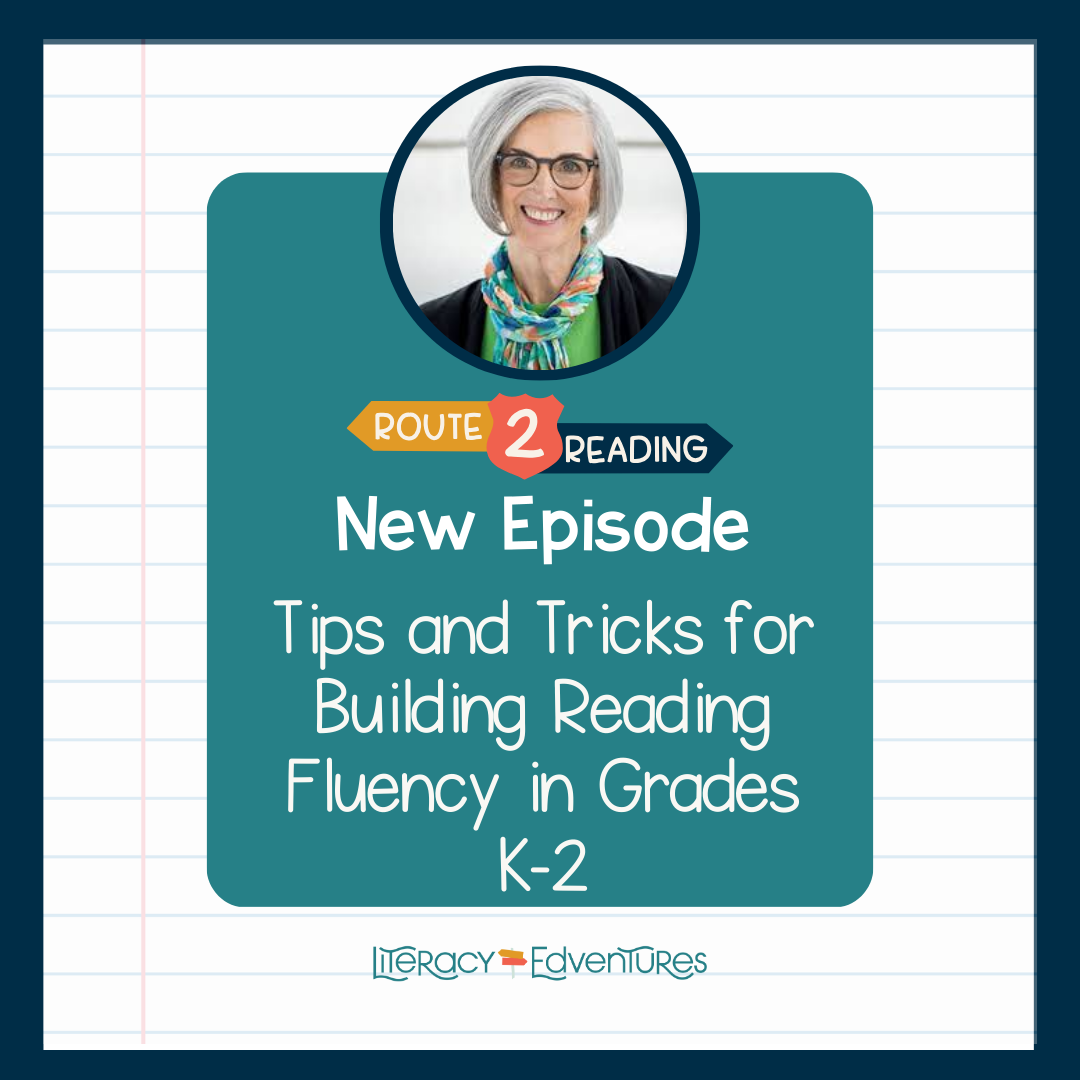 Tips and Tricks for Building Reading Fluency in Grade K- 2 with Jan Hasbrouck | In today's episode, I sit down with literacy legend Dr. Jan Hasbrouck — researcher, author, consultant, and co-creator of the widely used Oral Reading Fluency (ORF) norms. Known for her unmatched expertise in reading fluency, assessments, instructional coaching, and dyslexia, Dr. Hasbrouck brings decades of wisdom to this powerful conversation. Together, Jan and I unpack myths about learning to read, the truth behind the "95% of kids can learn to read" statistic, what dyslexic learners really need, how fluency develops, and why teachers are essentially performing "brain surgery by instruction." This episode is packed with clarity, encouragement, and inspiration for educators at every level. CLICK HERE FOR FULL SHOW NOTES | 50m 40s | ||||||
| 11/10/25 |  Writing Your Own Decodables with Brooke Vitale: Turning Research Into Engaging Stories | Have you ever wondered what it takes to write your own decodable books—or how to make them both phonics-aligned and fun to read? In this episode of the Route2Reading Podcast, Amie sits down with Brooke Vitale, former children's book editor turned author and co-creator of Charge Mommy Books, to talk about how she began writing decodable texts during the pandemic and what she's learned along the way. Brooke shares her journey from working with top publishers like Penguin and Disney to creating her own line of decodable readers that blend phonics progression, story engagement, and authentic language. Together, Amie and Brooke unpack practical tips for teachers who want to fill gaps in their phonics sequence or even try writing their own decodables. CLICK HERE FOR FULL SHOW NOTES | 25m 58s | ||||||
| 10/20/25 |  6 Common Mistakes Teachers Make with Decodable Texts (and How to Fix Them) | Are you using decodable books the right way? In this episode, we're breaking down six of the most common mistakes teachers make with decodable texts—and how to fix them. You'll learn how to align books to your phonics lessons, prep students before reading, balance decoding with meaning, and know when it's time to move beyond decodables. Practical, honest, and grounded in the Science of Reading—with insights from experts like Wiley Blevins, Heidi Anne Mesmer, and Jeanne Chall. READ FULL SHOW NOTES HERE | 12m 54s | ||||||
| 9/29/25 | 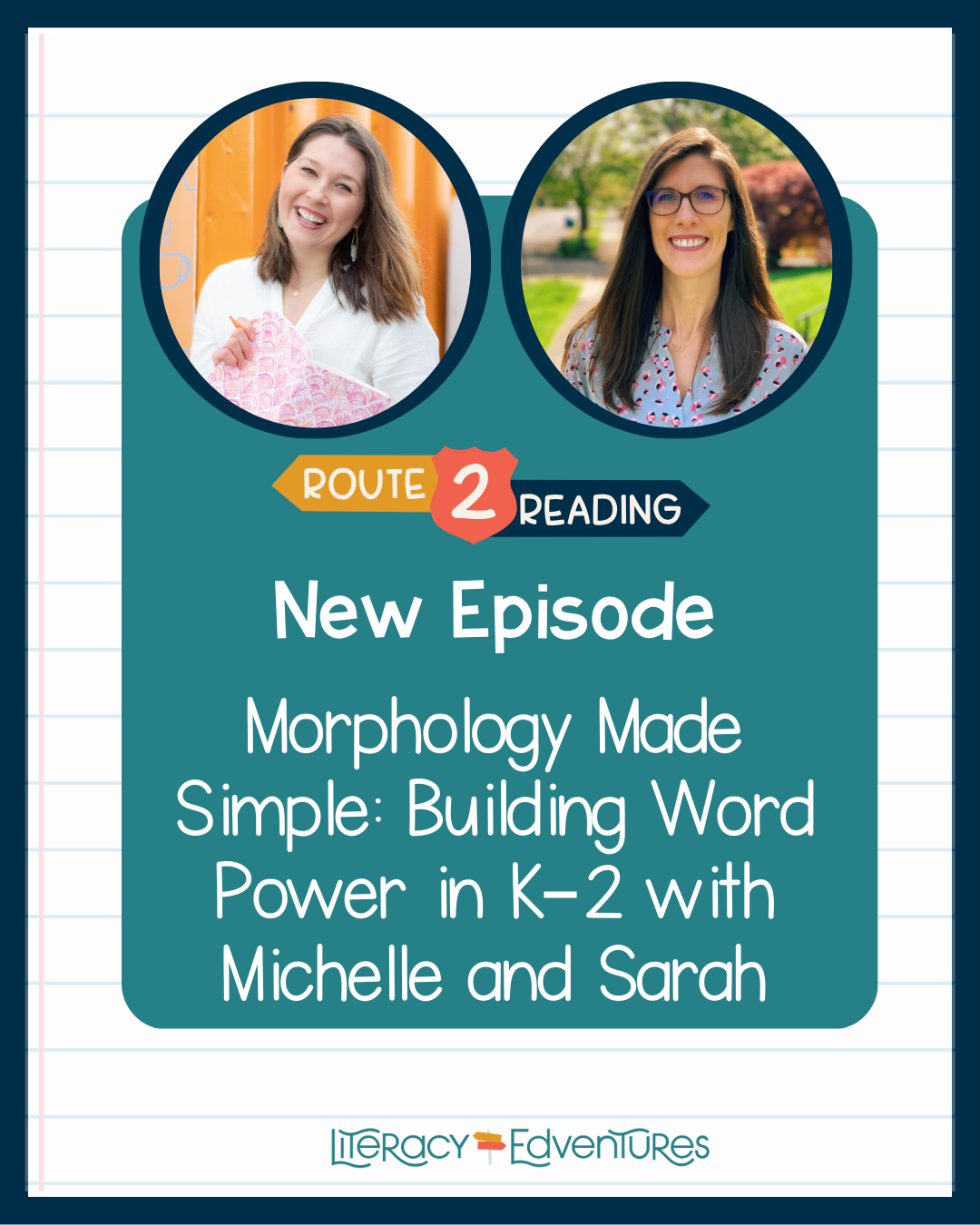 Morphology Made Easy: Building Word Power in K- 2 with Michelle and Sarah | What if I told you morphology isn't too advanced for young readers—it's actually the missing piece that makes decoding, spelling, and vocabulary stick? In this episode, I'm joined by two of my favorite literacy leaders, Michelle Sullivan and Sarah Paul, to talk all things morphology. We unpack what it is, why it matters from the very start of reading instruction, and how to make it engaging and approachable for even our youngest students. CLICK HERE FOR FULL SHOW NOTES | 50m 34s | ||||||
| 9/15/25 | 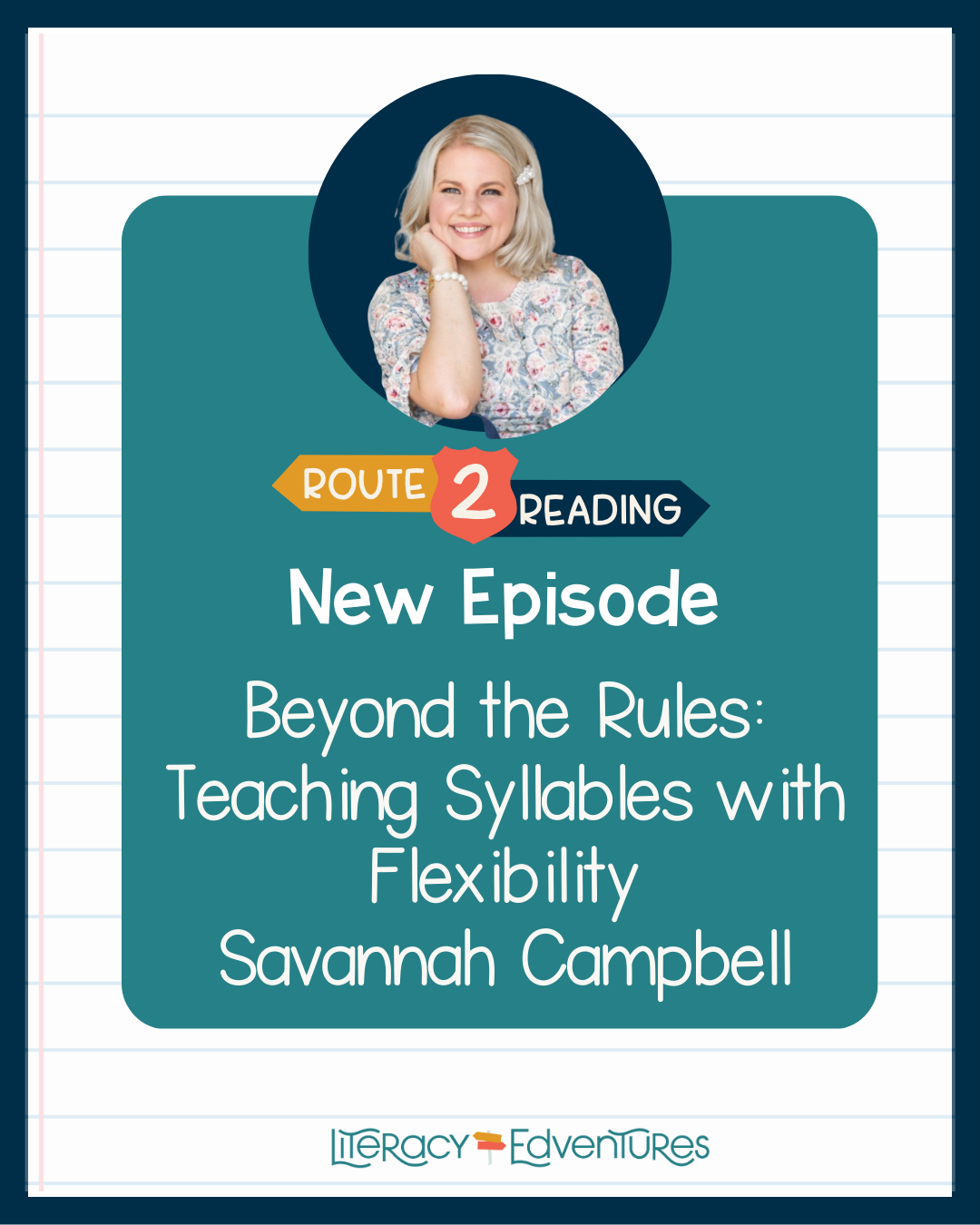 Beyond the Rules: Teaching Syllables with Flexibility with Savannah Campbell | Syllables can feel "big" or confusing—but they don't have to be. In this episode, I chat with reading specialist Savannah Campbell (Campbell Creates Readers) about how to make syllable instruction clear, doable, and effective from k–5. We cover the six syllable types, how (and whether) to teach division patterns, set-for-variability, and simple multisensory tools that help kids read and spell multisyllabic words with confidence. FULL SHOW NOTES HERE | 30m 44s | ||||||
Showing 25 of 89
Pitch Fit is a Pro feature
See how bookable this show is for guests, which brands already advertise, the per-episode ad value, and the best-fit guest and sponsor profile. The numbers are blurred on the free plan.
How readily this show books outside guests like you.
How proven this show is for host-read sponsorships.
For Guests
ProFor Advertisers
ProUpgrade to Pro to unlock guest cadence, sponsor categories, fit scores, and per-episode ad value for this show.
Similar Audience Demographics
Podcasts that attract a similar listener profile

Literacy in Color: A Science of Reading Aligned Podcast for Educators
Michelle Sullivan • Literacy Coach & Science of Reading Advocate

Reach All Readers
Anna Geiger

Melissa & Lori Love Literacy ® | Science of Reading for Teachers
Supported by Great Minds
Science of Reading: The Podcast
Amplify Education

Chalk & Talk
Anna Stokke
Literacy Talks
Reading Horizons

The Cult of Pedagogy Podcast
Jennifer Gonzalez
Chart history for Route2Reading
Peaked at #109 in AE, currently #109 in AE.
| Market | Genre | Peak | Current | Trend |
|---|---|---|---|---|
| AE | — | #109 | #109 | — |
| Australia | — | #200 | #200 | — |
Chart Positions
2 placements across 2 markets.
Chart Positions
2 placements across 2 markets.