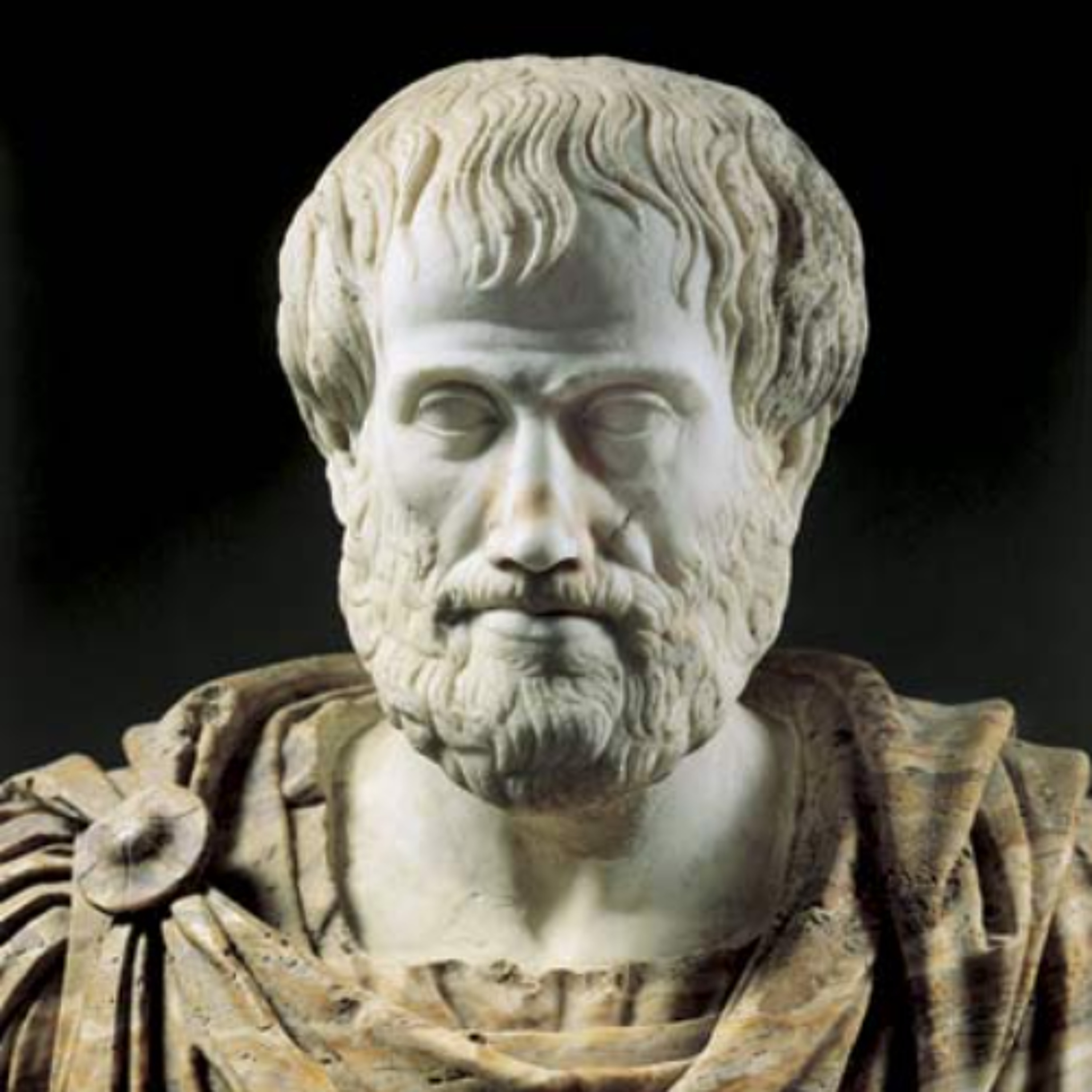
Aristotle, On Interpretation - Indefinite Subjects And Predicates - Sadler's Lectures
About this episode
This lecture discusses Aristotle's work, On Interpretation, focusing on indefinite subjects and predicates and their implications for interpretation.
This lecture discusses the ancient Greek philosopher Aristotle' work, On Interpretation, focusing on his discussion of what he calls propositions that contain "indefinite" subjects or predicates. These can be ambiguous and create problems for interpretation that do not arise when propositions are made universal or particular by using universal terms such as "all," "every" "no", "none", or when singling out a particular or using "some". To support my ongoing work, go to my Patreon site - www.patreon.com/sadler If you'd like to make a direct contribution, you can do so here - www.paypal.me/ReasonIO You can find over 4,000 philosophy videos in my main YouTube channel - www.youtube.com/user/gbisadler Purchase Aristotle's On Interpretation - amzn.to/3nS55ud
People in this episode
Host: Gregory B. Sadler
Topics covered
- Aristotle
- On Interpretation
- indefinite subjects
- predicates
- philosophy
- interpretation
- ambiguity
Keywords
- Aristotle
- On Interpretation
- indefinite subjects
- predicates
- philosophy
- interpretation
- ambiguity
Mentioned in this episode
Books & works: On Interpretation
Explore listener stats, chart rankings, contacts and more on the Sadler's Lectures podcast page.