Safety Stripes by Mighty Line Floor Tape - The Best Workplace Safety podcast talking NFPA, EHS & Warehouse Safety Tips!
by Wes Wyatt, Mighty Line Floor Tape
Is this your podcast?Insights from recent episode analysis
Audience Interest
Podcast Focus
Publishing Consistency
Platform Reach
Insights are generated by CastFox AI using publicly available data, episode content, and proprietary models.
Most discussed topics
Brands & references
Total monthly reach
Estimated from 2 chart positions in 2 markets.
By chart position
- 🇦🇺AU · Management#5830K to 100K
- 🇹🇭TH · Management#190500 to 3K
- Per-Episode Audience
Est. listeners per new episode within ~30 days
9.2K to 31K🎙 Daily cadence·343 episodes·Last published 2d ago - Monthly Reach
Unique listeners across all episodes (30 days)
31K to 103K🇦🇺97%🇹🇭3% - Active Followers
Loyal subscribers who consistently listen
12K to 41K
Market Insights
Platform Distribution
Reach across major podcast platforms, updated hourly
Total Followers
—
Total Plays
—
Total Reviews
—
* Data sourced directly from platform APIs and aggregated hourly across all major podcast directories.
On the show
From 10 epsHost
Recent guests
No guests detected in recent episodes.
Recent episodes
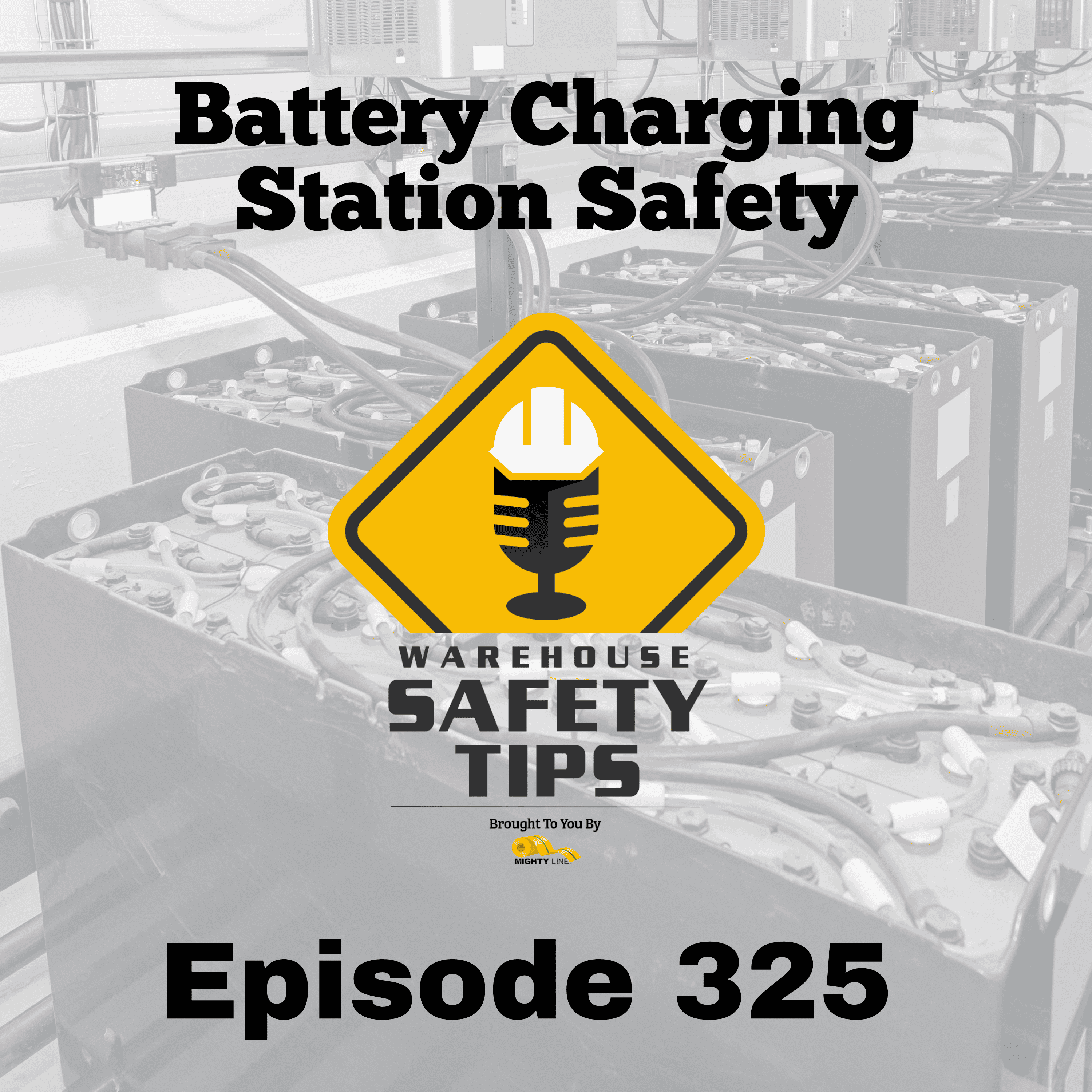
S6 Ep325: Battery Charging Station Safety | Warehouse Safety Tips | Episode 325
May 13, 2026
5m 25s
S6 Ep324: Lockout/Tagout Basics | Warehouse Safety Tips | Episode 324
May 6, 2026
5m 20s
S6 Ep323: High-Traffic Zone Awareness and Blind Spot Prevention | Warehouse Safety Tips | Episode 323
Apr 29, 2026
5m 57s
S6 Ep322: Mastering Pedestrian Right-of-Way | Warehouse Safety Tips | Episode 322
Apr 22, 2026
4m 28s
S6 Ep321: Managing Mobile Device Hazards and Distractions | Warehouse Safety Tips | Episode 321
Apr 15, 2026
4m 28s
Social Links & Contact
Official channels & resources
Official Website
Login
RSS Feed
Login
| Date | Episode | Topics | Guests | Brands | Places | Keywords | Sponsor | Length | |
|---|---|---|---|---|---|---|---|---|---|
| 5/13/26 | ![]() S6 Ep325: Battery Charging Station Safety | Warehouse Safety Tips | Episode 325 | https://jo.my/0tifisBattery Charging Station SafetyA battery charging station can look quiet. A charger hums. A pallet jack sits parked. A forklift waits for the next shift. But behind that quiet setup, real hazards can build fast. Hydrogen gas. Acid splash. Damaged connectors. Blocked eyewash stations. Small misses can turn into big injuries.Good safety culture means we don’t wait for smoke, sparks, or a burn to start caring. We build habits before the trouble shows up. That’s how a facility protects its people, its equipment, and its production schedule.Here are a few tips to assist you with Battery Charging Station Safety: Keep ventilation working and clear. Lead-acid batteries can release hydrogen gas during charging. That gas can collect near ceilings or tight corners. Make sure the charging area has proper airflow, that vents are not blocked, and that fans or exhaust systems operate as required by your facility’s safety guidelines. Control ignition sources. No smoking, open flames, grinding, or sparking tools near charging stations. Hydrogen gas can ignite quickly. Fast. Dangerous. Preventable. Keep signs visible and keep the area free from anything that could start a fire. Wear the right PPE every time. Battery acid can burn skin and eyes. Use the required face shield, safety goggles, acid-resistant gloves, apron, and proper footwear when handling batteries, acid, or connectors. Don’t rush this step. PPE only works if you wear it before the splash. Inspect connectors and cables before use. Look for cracked insulation, loose plugs, frayed wires, corrosion, or signs of overheating. A damaged connector is more than an equipment issue. It can shock, burn, or start a fire. Report problems right away and remove damaged equipment from service. Keep eyewash stations ready. An eyewash station must be easy to reach and use, and free from boxes, pallets, trash, or parked equipment. Check the flow, cleanliness, and access as required by your facility. In an acid splash, seconds matter. As always, these are potential tips. Please be sure to follow the rules and regulations of your specific facility.A safe battery-charging area doesn’t happen by chance. It happens because people respect the hazard, follow the process, and speak up when something looks wrong. That’s the kind of culture that keeps crews whole and facilities moving.So take the extra minute. Check the airflow. Put on the PPE. Clear the eyewash path. These are simple actions, but they carry serious weight. The best safety wins are the ones nobody sees because the injury never happened.Thank you for being part of another episode of Warehouse Safety Tips. Until we meet next time - have a great week, and STAY SAFE!#Safety #SafetyCulture #StaySafe #SafetyFirst #SafetyTips #StayAlert #SafetyAwareness #PPE BatteryChargingSafety #ElectricalSafety #EyewashStation | 5m 25s | ||||||
| 5/6/26 | ![]() S6 Ep324: Lockout/Tagout Basics | Warehouse Safety Tips | Episode 324✨ | Lockout/TagoutWarehouse Safety+3 | — | Mighty Line Floor TapeLockout/Tagout Basics | — | Lockout/Tagoutsafety tips+3 | — | 5m 20s | |
| 4/29/26 | ![]() S6 Ep323: High-Traffic Zone Awareness and Blind Spot Prevention | Warehouse Safety Tips | Episode 323✨ | warehouse safetyhigh-traffic zones+3 | — | — | — | warehouse safety tipshigh-traffic zones+4 | — | 5m 57s | |
| 4/22/26 | ![]() S6 Ep322: Mastering Pedestrian Right-of-Way | Warehouse Safety Tips | Episode 322✨ | warehouse safetypedestrian right-of-way+3 | — | Mighty Line Floor Tape | — | warehouse safetypedestrian safety+5 | — | 4m 28s | |
| 4/15/26 | ![]() S6 Ep321: Managing Mobile Device Hazards and Distractions | Warehouse Safety Tips | Episode 321✨ | mobile device hazardswarehouse safety+3 | — | — | — | safety tipsmobile devices+5 | — | 4m 28s | |
| 4/8/26 | ![]() S6 Ep320: Avoiding Floor Blindness and Equipment Accidents | Warehouse Safety Tips | Episode 320✨ | warehouse safetyfloor blindness+3 | — | Mighty Line Floor Tape | — | floor blindnesswarehouse safety tips+3 | — | 5m 15s | |
| 4/1/26 | ![]() S6 Ep319: Recognizing Safety Efforts That Build a Stronger Safety Culture | Warehouse Safety Tips | Episode 319✨ | safety culturewarehouse safety+3 | — | Mighty Line Floor Tape | — | safety recognitionwarehouse safety tips+3 | — | 5m 31s | |
| 3/25/26 | ![]() S6 Ep318: Safety-First Habits, Routines & Mindfulness | Warehouse Safety Tips | Episode 318✨ | warehouse safetysafety culture+4 | — | — | — | safety-first mindsetwarehouse safety tips+4 | — | 5m 15s | |
| 3/18/26 | ![]() S6 Ep317: Empowering Employees to Build a Safety-First Mindset | Warehouse Safety Tips | Episode 317✨ | employee empowermentwarehouse safety+3 | — | Mighty Line Floor Tape | — | safetyemployee empowerment+3 | — | 5m 25s | |
| 3/11/26 | ![]() S6 Ep316: Role of Leaders and Supervisors in a Safety-First Culture | Warehouse Safety Tips | Episode 316✨ | safety cultureleadership+3 | — | Mighty Line Floor Tape | — | safety cultureleadership+6 | — | 5m 49s | |
Want analysis for the episodes below?Free for Pro Submit a request, we'll have your selected episodes analyzed within an hour. Free, at no cost to you, for Pro users. | |||||||||
| 3/4/26 | ![]() S6 Ep315: Building A Safety-First Culture | Warehouse Safety Tips | Episode 315✨ | safety culturewarehouse safety+3 | — | Mighty Line Floor Tape | — | safety culturewarehouse safety+5 | — | 5m 21s | |
| 2/25/26 | ![]() S6 Ep314: Building Hand Safety Awareness | Warehouse Safety Tips | Episode 314 | https://jo.my/m7nlmyBuilding Hand Safety AwarenessHand safety sounds simple until you see how fast it can go wrong. One quick reach into a rack. One loose glove near a moving part. One pinched finger between a pallet and a guard rail. Cuts, pinches, and caught-in hazards are some of the most common hand injury risks in a facility. They also tend to happen during “normal” work. That’s the tricky part.The goal this week is awareness you can feel. You should be able to spot a hand hazard the same way you spot a spill. Fast. Automatic. If you’ve ever finished a shift with sore knuckles or a small slice you ignored, that’s your warning sign. Small injuries are often the precursor.Here are a few tips to assist you with hand safety and reduce cuts, pinches, and caught-in hazards:Build quick hand safety talks into the start of shifts. Keep it short. Two minutes. Pick one task for the day and ask, “Where could hands get hurt here?” Then name the control. Guarding, tool use, spacing, or gloves.Get workers involved in hazard spotting. The people doing the job see the risks first. Ask for one caught-in hazard per area each week. Think conveyors, dock plates, pallet jacks, shrink wrap, and racking. Write it down. Fix it. Report back.Use real stories to make it real. Share a short incident or near-miss from your facility or industry. What was the task? Where were the hands? What should’ve happened instead? People remember stories more than rules.Make personal accountability non-negotiable. Keep hands out of pinch points. Use push sticks, hooks, or tools instead of fingers. If you can’t see your hands, stop. Reposition. Don’t “feel around” near moving parts.Recognize safe hand habits out loud. Call out the person who paused to lock out the equipment. Or the team that added a spacer on a load. Public recognition builds the kind of culture that sticks.As always, these are potential tips. Please be sure to follow the rules and regulations of your specific facility.Keep your hands in the safe zone.Hand safety is a daily choice, not a poster on the wall. Look for tight gaps. Listen for movement. Feel the vibration in the equipment. Those are signals. Slow down before the risky moment, not after it.If you see a cut hazard, fix the edge or cover it. If you see a pinch point, create space or change the path. If you see a caught-in risk, stop the motion and control the energy. Simple thinking. Strong habits.Thank you for being part of another episode of Warehouse Safety Tips.Until we meet next time - have a great week, and STAY SAFE!#Safety #SafetyCulture #StaySafe #SafetyFirst #SafetyTips #StayAlert #HandSafety #CaughtInHazards #PinchPointSafety #CutPrevention #NearMissReporting #PPE #SafetyAwareness | 5m 02s | ||||||
| 2/18/26 | ![]() S6 Ep313: Tool and Machine Hazards | Warehouse Safety Tips | Episode 313 | https://jo.my/pde2pqTool and Machine HazardsHand safety is one of those things people assume they’ve “got.” Until a quick job turns into a bandage, a pinch, or a scary near-miss with moving parts. Week 3 focuses on tool and machine hazards. Cuts, pinches, and caught-in hazards don’t always come from big mistakes. They come from small shortcuts. A dull blade. A missing guard. A jam you “just want to clear real quick.”Think about how often your hands are at risk. Box cutters. Strapping tools. Conveyor points. Pallet jacks. Dock plates. Even a simple drill can bite when it binds. Hands heal slowly, and grip strength matters at work and at home. So let’s keep your fingers where they belong. Attached. Working. Pain-free.Quick ways to prevent cuts, pinches, and caught-in injuriesHere are a few tips to assist you with hand safety around tools and machines:Use the tool as intended.No screwdriver as a chisel. No knife as a pry bar. Tools slip when they’re doing the wrong job. That’s when the blade finds your hand instead of the box.Keep tools in good shape, or tag them out.Dull blades take more force. Loose handles twist. Worn grips slide. If it’s damaged, don’t “make it work.” Swap it out. Report it. Simple fix. Big payoff.Keep hands out of pinch points and moving parts.If it rolls, spins, pulls, or cycles, it can grab you. Use push sticks, clamps, or the right handling points. If you can see a gap closing, don’t test it with your fingers.Lockout/tagout before clearing a jam or servicing equipment.“Off” isn’t the same as “safe.” Stored energy, gravity, or an auto-start can bring a machine back to life. Take the extra minute. Control the energy. That’s not a suggestion. That’s a safety rule.Use guards and barriers every time. Don’t bypass them.Guards are there because someone would have been hurt without them. If a guard doesn’t fit right or slows down the job, call it out. Fix the root issue. Don’t remove the protection.As always, these are potential tips. Please follow the rules and regulations of your specific facility.Make hand safety part of how the job feels.A solid safety culture means we notice the little things before they bite. You can often feel a hazard coming. The tool doesn’t sit right. The machine sounds off. The jam keeps happening. Listen to that.Take a quick pause before you reach in. Ask yourself, “If this moves right now, where does my hand go?” Build that habit, and it becomes automatic. If you see someone about to make a risky reach, speak up. A quick callout can save weeks of recovery.Thank you for joining another episode of Warehouse Safety Tips.Until we meet next time - have a great week, and STAY SAFE!#Safety #SafetyCulture #StaySafe #SafetyFirst #StayAlert #HandSafety #CaughtInHazards #PinchPointSafety #CutPrevention #ToolSafety #MachineGuarding #LockoutTagout #MaterialHandlingSafety #NearMissPrevention | 5m 02s | ||||||
| 2/11/26 | ![]() S6 Ep312: Warehouse Safety Tips | Episode 312 | Glove Selection And Use | https://jo.my/yduneyGlove Selection And UseWhy glove selection matters for hand safetyToday’s focus is on selecting and using hand safety gloves. Cuts, pinches, and caught-in hazards show up fast in a busy facility. A torn carton edge. A sharp banding strap. A pallet shift that grabs your finger. It only takes one slip.Gloves help, but only when you choose the right pair and wear them correctly. The wrong glove can be a problem in its own right. Too loose and it snags. Too thin and it fails. Too bulky, and you lose grip. That’s when hands get hurt.Common glove mistakes that lead to injuriesI’ve seen people grab the “closest pair” and call it good. That’s how you end up using light-duty gloves on a sharp task. Or wearing coated gloves while handling chemicals. Or keeping the same pair for weeks because “they still look fine.” Meanwhile, the fingertips are worn down, and the liner is ripped. You can’t see every weakness until it’s too late.Glove selection and use you can trustHere are a few tips to assist you with glove selection and use for hand safety: Match the glove to the hazard. Cut-resistant gloves for blades and sharp edges. Chemical-resistant gloves for liquids. Heat gloves for hot parts. If you’re unsure, ask. Guessing doesn’t protect you. Check gloves before every use. Look for holes, tears, thinning spots, and split seams. Flip them over. Check the fingertips. A glove with damage is a glove that won’t do its job. Replace gloves when they’re compromised. Don’t “stretch” glove life. If the grip coating is worn, the liner is frayed, or the glove has been soaked in a chemical, replace it. No debate. Take the gloves off safely. Peel them off so the dirty outside doesn’t come into contact with your skin. Keep used gloves out of break areas and off work surfaces. Contamination travels. Know when not to wear gloves. Some rotating tools and moving equipment can grab a glove and pull your hand in. That’s a caught-in hazard. Follow your facility rules for tasks where bare hands and guards are the safer choice. “As always, these are potential tips. Please be sure to follow the rules and regulations of your specific facility.”Build better habits around gloves and hand safetyHand safety glove selection isn’t a one-time choice. It’s a routine. Grab the right glove. Check it. Use it. Replace it. Simple. Consistent.And stay alert to the task change. If you switch from box handling to chemical wipe-down, your gloves should change too. Your hands tell the story of your work. Let’s keep that story injury-free.Thank you for being part of another episode of Warehouse Safety Tips.Until we meet next time - have a great week, and STAY SAFE!#Safety #SafetyCulture #StaySafe #SafetyFirst #HandSafety #GloveSelection #CutProtection #PinchPointSafety #PPE #MaterialHandlingSafety #FacilitySafety | 5m 11s | ||||||
| 2/4/26 | ![]() S6 Ep311: Warehouse Safety Tips | Episode 311 | The Most Common Hand Injuries & Causes | https://jo.my/k7u1jrThe Most Common Hand Injuries And CausesYour hands are your most valuable tools. In a warehouse, they’re constantly at risk. From sharp edges to pinch points and fast-moving machinery, one wrong move can lead to serious injury. That’s why this week, we’re focusing on hand safety—and more specifically, how to avoid cuts, pinches, and caught-in hazards.Most hand injuries don’t come out of nowhere. They build up from small oversights. Grabbing debris without gloves. Reaching into a jammed conveyor. Wearing a loose hoodie near a rotating shaft. These aren’t just bad habits—they’re dangerous ones. The goal is simple: protect your hands before an injury forces you to stop using them.Here are a few ways to keep your hands out of harm’s way:1. Watch for pinch, crush, and cut points.Anywhere metal moves, shifts, or presses—assume there’s a danger zone. Conveyor rollers, dock plates, loading bays, lift gates. Keep your hands out unless you’ve locked out the equipment and confirmed it's safe.2. Never clear jams by hand.Tempting? Sure. But that shortcut can cost you fingers. Use proper lockout/tagout procedures. And always use tools—not hands—to remove material that’s stuck or jammed.3. Skip the loose clothing and jewelry.That oversized hoodie, drawstring, or metal watch? It might seem harmless—until it catches on a rotating shaft or pallet jack chain. Keep sleeves snug and accessories off the floor.4. Stay alert around moving parts.Rotating belts. Chain drives. Live rollers. These parts don’t stop just because you’re nearby. Give machinery space, even if it looks idle. Always assume it could start back up.5. Don’t ignore small cuts or blisters.Even minor scrapes can turn into infections or worse if untreated. Clean and cover wounds. Report them. Letting a small cut fester is never the smart move.As always, these are potential tips. Please be sure to follow the rules and regulations of your specific facility.A strong safety culture isn’t built on luck. It’s built on small decisions, repeated daily. Every time you choose gloves over bare hands, or back away instead of reaching in, you’re protecting more than just yourself. You’re setting the tone for your whole team.Hand injuries are some of the most common incidents in the warehouse. But here’s the thing—they’re also some of the most preventable. With awareness, a little patience, and the right habits, you can keep your hands safe and working as hard as you do.Thank you for being part of another episode of Warehouse Safety Tips.Until we meet next time - have a great week, and STAY SAFE!#Safety #SafetyCulture #StaySafe #HandSafety #InjuryPrevention #CaughtInHazards #WorkplaceSafety #StayAlert #HealthAndSafety | 5m 07s | ||||||
| 1/28/26 | ![]() S6 Ep310: Warehouse Safety Tips | Episode 310 | Recognizing and Responding to Heart Attacks in the Workplace | https://jo.my/yqudjkRecognizing and Responding to Heart Attacks in the WorkplaceHeart attack awareness might not be the first thing that comes to mind when talking warehouse safety—but it should be. I know this firsthand. After 309 straight weekly episodes of Warehouse Safety Tips, I hit a wall. Not one, but two heart attacks. Ten days apart. I never missed a week until then. That streak ended, but it gave me a wake-up call that I want to share with you.Heart attacks don’t care how strong you are or how dedicated you feel. They can hit in the breakroom, behind the wheel of a forklift, or right in the middle of your shift. The key is knowing what to look for and what to do—fast.Here are a few ways to stay alert and ready if heart trouble shows up on the floor:Know the signs.Pressure or tightness in the chest. Pain that spreads to the arm, jaw, neck, or back. Cold sweat. Shortness of breath. Lightheadedness or nausea. These are the red flags. If you feel any of them—or notice them in someone else—act fast.Don’t downplay symptoms.Many people brush it off as indigestion or fatigue. Don’t. If it feels “off,” speak up. Seconds matter. That false alarm you’re worried about? Worth it. Every time.Call for help immediately.Dial 911. Alert your on-site emergency contact or supervisor. Get an AED if one is available, and you’re trained to use it. Don’t wait for someone else to step in. Be the one.Keep calm and don’t move the person unless necessary.If it’s you, sit down. If it’s a coworker, help them stay calm and still. Moving too much can make things worse. Loosen tight clothing. Stay with them until help arrives.Make wellness part of your safety culture.Heart health isn't just a personal issue—it’s a workplace safety issue. Encourage regular breaks. Promote hydration. Support stress management and physical wellness. A few simple shifts can prevent bigger problems later.As always, these are potential tips. Please be sure to follow the rules and regulations of your specific facility.One of the top priorities of a solid Safety Culture is protecting the people who show up and give it their all every day. That includes looking out for medical emergencies like heart attacks—especially when they’re silent or easy to miss. You don’t have to be a medic to save a life. Just be alert. Act fast. And never second-guess speaking up.Your actions could be the difference between a close call and a tragedy. Believe me—I’ve lived it.Also, being safe and heart attack awareness isn't only for the workplace. If you're in any of the states that receive heavy snow, keep the following in mind. On average, about 11,500 people wind up in U.S. ERs annually due to snow-shoveling-related injuries or medical emergencies, with roughly 100 deaths representing the gravest result. Don’t be one of them!Thank you for being part of another episode of Warehouse Safety Tips.Until we meet next time—have a great week, and STAY SAFE!#Safety #SafetyCulture #StaySafe #HeartAttackAwareness #EmergencyPreparedness #SafetyFirst #StayAlert #AED #HealthAndSafety | 5m 22s | ||||||
| 11/19/25 | ![]() S6: Warehouse Safety Tips | A Mighty Year in Review | Welcome to the Warehouse Safety Tips Podcast, where we share insights, ideas, and innovations that help facilities stay safe and efficient! Today’s episode is a special one — “A Mighty Year in Review.” We’re looking back at an incredible year for Mighty Line and the entire warehouse safety community. This year, Mighty Line experienced tremendous momentum — growth that exceeded expectations and set new company benchmarks. And it’s all thanks to you: A Moment for Our Friend, Wes WyattWe also want to take a heartfelt moment for someone very close to our Mighty Line family — our good friend, Wes Wyatt.Wes is taking some personal time off this week. We invite everyone listening to please keep Wes in your thoughts and prayers.Wes has been a passionate leader, a powerful voice for safety, and a positive force in everything we do. Wes, if you’re listening — we’re all behind you. Take your time, and know you’re in our hearts. | 1m 45s | ||||||
| 11/12/25 | ![]() S6 Ep309: Warehouse Safety Tips | Episode 309 | Safe Stacking and Load Limits | https://jo.my/n6khdjMaterial Storage & Racking Safety: Safe Stacking and Load LimitsKeeping a warehouse running efficiently depends on more than just fast movement and good organization. One often overlooked area is how materials are stacked and stored. Improper stacking doesn’t just lead to wasted space—it can also set the stage for serious injuries, product damage, and even structural failure. That’s why load limits and stacking guidelines matter.This week, we’re focusing on Safe Stacking and Load Limits—and how following a few fundamental principles can prevent significant problems. Whether you're placing pallets, loading a rack, or relocating inventory, it all comes down to making safety-first decisions. A solid safety culture means we don’t just trust the racking system—we understand how to use it properly and effectively.Here are a few ways to make sure your stacking practices stay safe and consistent:Know the weight capacity of your racking system. This isn’t a guesswork situation. Look for the posted limits—or ask if you’re unsure. Overloading racks can cause them to buckle or collapse, and even a single mistake can trigger a chain reaction.Stack materials evenly and symmetrically. Off-balance loads are just waiting to tip. Make sure items are placed with even weight distribution and sit flat against the pallet. Leaning stacks? Not safe.Respect height limits. Those limits are there for a reason. Stacking too high makes it harder to see, increases the risk of tipping, and creates extra stress on the lower levels of your rack.Use only good-quality pallets. Broken boards, missing corners, or sagging wood can lead to spills, equipment damage, and injuries. Check before you stack. If a pallet looks bad, it probably is.Never use racks as ladders or shortcuts. They're designed to hold inventory, not people. If you need to reach something, use a proper lift or ladder. Climbing the rack may seem quicker—but it’s never worth the risk.As always, these are potential tips. Please be sure to follow the rules and regulations of your specific facility.Safe stacking isn’t just a checklist item. It’s part of building a warehouse environment where people can do their jobs without second-guessing the stability of what’s above or around them. When stacks are neat, balanced, and within limits, everyone can focus on the task at hand—without worrying about what might fall next.This might sound basic, but that’s exactly the point. The safest systems are often built on habits so solid that you don’t even have to think twice. Make those habits your standard.Thank you for joining us for another episode of Warehouse Safety Tips.Until we meet next time - have a great week, and STAY SAFE!#Safety #SafetyCulture #StaySafe #StorageHazards #MaterialHandling #RackingSafety #SafeStacking #PalletSafety #LoadLimits | 5m 09s | ||||||
| 11/5/25 | ![]() S6 Ep308: Warehouse Safety Tips | Episode 308 | Storage Hazards | https://jo.my/d8kka3Material Storage & Racking Safety: Storage Hazards in WarehousesWhether you’re working third shift or early mornings, there’s one thing every warehouse has in common—stuff. And a lot of it. From raw materials to finished goods, pallets to parts, every inch counts. But how and where things are stored? That makes all the difference between a safe workspace and a ticking time bomb.Storage hazards can sneak up fast. You stack a few boxes a little too high. Squeeze one more pallet in a tight spot. Before you know it, you've blocked an exit, buried a fire extinguisher, or created a toppling hazard. It happens. But it doesn’t have to. A strong safety culture means staying ahead of these risks before they become problems.Here are a few ways to keep storage safe and controlled in your facility:Don’t block emergency equipment.You can’t afford to lose time during an emergency. Always keep exits, fire extinguishers, eye wash stations, and control panels fully visible and accessible. Not just “mostly clear”—completely clear.Keep heavy items low.Heavy boxes and materials should be placed on the bottom racks or the floor—not at eye level or higher. If it falls, it’s a serious injury waiting to happen. Use proper lifting techniques and get help when needed. Gravity doesn’t give warnings.Secure stored goods.Shrink wrap. Safety straps. Pallet locks. Use whatever it takes to keep stored items stable and secure. If something looks off-balance, it is off-balance. Take the extra time to fix it. That’s not a suggestion. That’s a safety rule.Keep aisles and walkways clear.Don’t stack, store, or park anything where people need to walk or work. Blocked walkways create trip hazards, slow down response times, and cause congestion. A clean path is a safe path.Watch for pests and water damage.Leaky pipes and hidden pests can quietly ruin inventory—and your racking system. Keep an eye out for soggy boxes, rust, signs of nesting, or chew marks. If something smells off, there’s probably a reason.As always, these are potential tips. Please ensure that you follow the rules and regulations of your specific facility.Creating a safer warehouse doesn’t require new equipment or complex systems. Most of the time, it simply requires awareness, consistency, and a bit of extra effort. That pallet that’s leaning sideways? Fix it now. That box on the top shelf? Bring it down where it belongs. Everyone plays a role in maintaining a safe and efficient workspace. Because in the end, proper material storage isn’t just about keeping things in order—it’s about keeping people protected.Thank you for joining us for another episode of Warehouse Safety Tips.Until we meet next time – have a great week, and STAY SAFE!#Safety #SafetyCulture #StaySafe #StorageHazards #MaterialHandling #RackingSafety #ClearAisles | 5m 32s | ||||||
| 10/29/25 | ![]() S6 Ep307: Warehouse Safety Tips | Episode 307 | Tools for Root Cause Analysis | https://jo.my/3ew2xhIncident Reporting & Root Cause Analysis: Tools for Root Cause AnalysisIf something goes wrong in your facility, how you respond matters just as much as what happened. That’s where incident reporting and root cause analysis come in. These two things help us figure out why incidents happen—and more importantly, how to stop them from happening again.It’s not just paperwork. It’s prevention. Reporting gives us the facts. Root cause analysis provides us with the fix. When done right, they work hand in hand to build a safer warehouse for everyone on the floor.Here’s the thing: incidents don’t always scream for attention. Sometimes it’s a small slip, a near miss, or a pattern that’s just starting to form. Spotting it early and digging into the root cause can keep the next one from being a serious injury.Here are a few ways to strengthen how your facility handles incident reporting and root cause analysis:Start with the 5 Whys.If something seems off, ask “Why?”—five times in a row. Sounds simple, but it helps peel back the layers. For example, A worker trips. Why? There was a cord in the walkway. Why? It wasn’t secured. Why? The cable cover was missing. You get the idea. You’re not just treating the symptom—you’re chasing down the source.Use a fishbone diagram for bigger problems.When it’s not clear-cut, bring in a fishbone diagram—also known as the Ishikawa method. It maps out possible causes like equipment, process, people, or environment. Great for breaking down multi-layer issues without getting overwhelmed.Write it down. All of it.Don’t rely on memory. Document what happened, what was found, and what was done to fix it. Include who was involved, when it was reported, and any immediate actions taken. If it’s not written, it didn’t happen.Look for trends over time.One-off incidents are one thing. But if the same kind of issue keeps showing up? That’s a red flag. Reviewing reports monthly or quarterly can reveal patterns before they lead to bigger problems.Share what you learn.Don’t keep it locked in one department. If a root cause is found and corrected, others can benefit too. Post it on a safety board. Bring it up at shift meetings. Use those lessons to raise the bar across the entire warehouse.As always, these are potential tips for you. Please be sure to follow the rules and regulations of your specific facility.Incident reporting and root cause analysis aren’t just for when something goes wrong. They’re tools to keep things going right. When you treat every incident or near miss like a clue—and not just a checkbox—you’re building real safety awareness.The more eyes on the process, the better. Everyone in the warehouse can help spot hazards, flag concerns, and push for fixes that last. It’s how you stop repeat problems before they start.Thank you for being part of another episode of Warehouse Safety Tips.Until we meet next time—have a great week, and STAY SAFE!#Safety #SafetyCulture #IncidentReporting #RootCauseAnalysis #WorkplaceSafety #StaySafeAtWork | 5m 27s | ||||||
| 10/22/25 | ![]() S6 Ep306: Warehouse Safety Tips | Episode 306 | Digging Past “Human Error” to Find Root Causes | https://jo.my/hmhxo0Incident Reporting & Root Cause Analysis: Digging Past “Human Error” to Find Root CausesIn safety, the phrase “human error” gets tossed around a lot. A pallet falls. A worker trips. A forklift crashes into a rack. The quick conclusion? “Someone messed up.” But stopping there doesn’t fix the issue. It just points fingers.Week 4 of our Incident Reporting & Root Cause Analysis focus is all about looking deeper. Not just what went wrong, but why it went wrong—and how to stop it from happening again. That’s where the difference between surface cause and root cause matters.Surface causes are usually what’s visible right away. Root causes are often buried in procedures, training gaps, or system failures. If we want long-term fixes, we need to go past the obvious.Here are a few ways to shift your focus from surface cause to actual root cause:1. Don’t accept “human error” as the final answer.It’s rarely that simple. Human error is usually a symptom, not the disease. What caused the mistake? Was there a lack of training? Confusing instructions? An unrealistic production deadline?2. Ask “Why?” more than once.One “why” barely scratches the surface. Ask it five times if needed. Each answer should bring you closer to what really caused the issue. Example: “Why did they fall?” leads to “Why wasn’t the area clear?” leads to “Why wasn’t housekeeping done?” and so on.3. Review systems, not just people.Blaming a person doesn’t change a system. Look at processes. Were checklists skipped? Were shortcuts taken because of time pressure? Is the layout making safe work harder?4. Don’t rush to patch it—solve it.Putting cones around a spill after a fall is fine—for now. But why did the spill happen in the first place? Surface fixes are temporary. Root cause fixes are lasting.5. Track repeated incidents.If you keep seeing the same near-misses or injuries, the issue isn’t random. Look for patterns. That’s where root causes tend to hide.As always, these are potential tips. Please be sure to follow the rules and regulations of your specific facility.Getting to the root cause isn’t about assigning blame. It’s about building a safer facility from the inside out. A strong Safety Culture doesn’t just react—it investigates, adapts, and improves. When we fix the system, we protect the people.And remember—if you ever feel like something “just isn’t right,” trust your instincts. Speak up. Report it. Safety isn’t about silence. It’s about action.Thank you for being part of another episode of Warehouse Safety Tips.Until we meet next time - have a great week, and STAY SAFE!#Safety #SafetyCulture #SafetyFirst #RootCauseAnalysis #IncidentReporting #PreventInjuries #AskWHY #HumanError | 5m 38s | ||||||
| 10/15/25 | ![]() S6 Ep305: Warehouse Safety Tips | Episode 305 | How To Report An Incident Properly | https://jo.my/vkgjpdIncident Reporting & Root Cause Analysis: How To Report An Incident ProperlyIf something goes wrong in your facility — whether it's a near miss, property damage, or an injury - how quickly and clearly you report it can make a massive difference. This process isn't just about paperwork. It's about preventing repeat incidents, protecting your team, and keeping the facility running safely and smoothly.A strong Safety Culture starts with strong communication. When incidents get reported the right way, everyone wins. The issue gets addressed quickly. Hazards get removed. And most importantly, people stay safe. That's the point.Here are a few ways to keep your incident reporting process transparent and compelling:Report it immediately.If something happens —even if it seems small —report it right away. Don't wait until the end of your shift. Don't assume someone else will say something. Reporting delays can worsen the situation or cause details to be lost. Speak up fast.Be specific.Make sure your report answers the question: Who was involved? What exactly happened? When and where did it happen? How did it occur? If it helps, think like a detective. The clearer and complete your report is, the easier it'll be to take the right action.Document the scene—if it's safe to do so.If you can safely snap a few photos or jot down notes, do it. This process helps capture what happened before anything gets cleaned up or moved. Visuals can go a long way in understanding the whole picture. Just make sure it's safe before you do anything.Know the reporting system.Every facility has its own way of doing things. It could be a paper form or a digital tool. You could notify your supervisor first. Know the process. If you're not sure, ask before something happens—don't wait until you're in the middle of a situation.Always follow up.Reporting an incident is step one. But don't stop there. Check to ensure your Safety Coordinator or Maintenance has taken action. Did the hazard get removed? Was the issue corrected? Following up shows you're part of the solution—and it helps prevent future problems.As always, these are potential tips. Please be sure to follow the rules and regulations of your specific facility.Proper reporting isn't about getting someone in trouble. It's about learning from what went wrong and making the warehouse a safer place for everyone. One missed report can leave a risk in place. But one accurate, timely report? That could be the reason someone makes it home safely.And if you're ever unsure whether something should be reported—do it anyway. Overreporting is always safer than silence.Thank you for being part of another episode of Warehouse Safety Tips.Until we meet next time—have a great week, and STAY SAFE!#Safety #SafetyCulture #IncidentReporting #RootCauseAnalysis #FacilitySafety #ReportItRight #SafetyFirst | 5m 04s | ||||||
| 10/8/25 | ![]() S6 Ep304: Warehouse Safety Tips | Episode 304 | Overcoming the Fear of Speaking Up | https://jo.my/eaywefIncident Reporting & Root Cause Analysis: Overcoming the Fear of Speaking UpOne of the strongest signs of a healthy safety culture is when team members feel confident enough to speak up and express their concerns. Not just about significant hazards—but also the small things. Loose cords. Leaky hoses. Unsafe stacking. If people remain quiet, minor issues can quickly escalate into substantial risks.But here's the thing—fear often keeps people silent. Fear of blame. Fear of looking weak. Fear of retaliation. That's a problem because silence and safety don't mix. Creating a facility where people feel safe to speak up is key to preventing injuries and improving operations.Here are a few ways to help build that kind of environment:Start by removing the fear of blame.Mistakes happen. Addressing what happened is more important than focusing on who did it. Please make it clear that the goal is learning and preventing, not punishment.Keep communication open—literally.An open-door policy doesn't mean much unless it's real. Leaders should be visible. In the aisles. On the floor. Make time to check in, ask questions, and listen. Safety conversations shouldn't just happen after an incident.Back up your words with action.If someone raises a concern and it goes unaddressed, they will likely refrain from bringing up the next one. Show people that their voice matters by acting on what they report—or at least explaining why something can't be done immediately.Offer anonymous options for reporting.Not everyone's comfortable talking face-to-face. That's okay. Having an anonymous box, hotline, or digital form gives everyone a voice, regardless of their comfort level. Make sure those reports don't collect dust.Reframe what speaking up means.Some folks still think raising concerns makes them look like complainers. Flip that thinking. Reinforce that calling out a hazard or unsafe practice shows strength, awareness, and leadership.As always, these are suggested tips for you. Please ensure that you follow the specific facility's rules and regulations.A facility is only as strong as the people inside it. And people are more likely to stay safe when they know their voice matters. When speaking up is encouraged, listened to, and acted on, safety becomes something everyone owns—not just the folks wearing the vests or holding the clipboards.Build trust. Support your team. And remember—silence doesn't prevent accidents. Speaking up does.Thank you for joining us for another episode of Warehouse Safety Tips.Until we meet next time – have a great week, and STAY SAFE!#Safety #SafetyCulture #SpeakUpForSafety #IncidentReporting #RootCauseAnalysis #NoBlameCulture #StaySafeAtWork | 4m 56s | ||||||
| 10/1/25 | ![]() S6 Ep303: Warehouse Safety Tips | Episode 303 | Why Incident Reporting Matters | https://jo.my/vto7icIncident Reporting & Root Cause Analysis: Why Reporting MattersAccidents don’t just happen out of nowhere. They’re usually the result of a missed warning sign, a skipped step, or a hazard that someone noticed—but never reported. That’s why incident reporting is one of the most critical safety tools we have in any warehouse.Whether it’s a near-miss, a minor injury, or just something that doesn’t look right, every report matters. It’s not about pointing fingers. It’s about getting ahead of the next issue before someone gets hurt worse.Here are a few ways solid reporting helps keep the entire warehouse safer: Reporting helps us prevent a problem from recurring. If one person trips over a broken pallet, someone else will likely do the same. Near-misses are gold. They show us where close calls are happening, even if no one got injured—yet. It builds trust. When everyone knows they can speak up without getting blamed, people are more likely to share what they see. Hidden hazards don’t stay hidden forever. They grow. A small leak today could be a full-blown slip hazard tomorrow. Transparent reporting shapes a strong safety culture. When people know that their input makes a difference, they take safety more seriously. The goal isn’t to fill out more paperwork. The goal is to spot weak links before they break.Here are a few tips to assist you with incident reporting and root cause analysis: Report it right away. Waiting until the end of the shift (or forgetting altogether) puts others at risk. Be specific. “I almost slipped” is helpful—but “I almost slipped by the dock door where water was pooling” is even better. Don’t minimize the little things. A loose railing, a flickering light, a missing label—tiny issues can trigger significant accidents. Ask “why” at least five times. That’s a proven method in root cause analysis. It gets you past the obvious and into the fixable. Reevaluate. Once a fix is made, verify that it actually works. Reporting isn’t complete until the loop is closed. As always, these are potential tips. Please ensure that you follow the specific facility's rules and regulations.Here’s the truth: every unreported incident is a missed chance to make the warehouse safer. One of the top priorities of a solid safety culture is ensuring the well-being of everyone—especially when that means learning from near misses.Speak up. Share what you see. And remember—no report is too small if it prevents someone else from getting hurt.Thank you for joining us for another episode of Warehouse Safety Tips.Until we meet next time - have a great week, and STAY SAFE!#Safety #SafetyCulture #SafetyFirst #IncidentReporting #NearMiss #RootCauseAnalysis #PreventInjuries | 5m 07s | ||||||
| 9/24/25 | ![]() S6 Ep302: Warehouse Safety Tips | Episode 302 | Keep Respirators Clean And Safe | https://jo.my/le58llRespiratory Protection & Airborne Hazards: Keep It Clean, Keep It SafeLet's talk about something you don't see—but definitely feel. Airborne hazards. Dust. Fumes. Mists. Vapors. The stuff that hangs in the air and messes with your lungs if you're not protected. That's where your respirator comes in. But a respirator's only as good as the condition it's in.Week 4 is all about Cleaning, Storage, and Responsibility when it comes to respiratory protection. We're not just throwing on a mask and calling it good. You've got to take care of your gear if you want it to take care of you.Here are a few things to lock in when dealing with respirators on the floor:1. Clean it after each use. Sweat, dust, oils—your respirator collects a lot during the day. Always clean it according to the manufacturer's instructions. Use mild soap and warm water. Skip the harsh chemicals. They'll damage the material and reduce protection.2. Store it the right way. Don't toss it in your locker or throw it on a dusty shelf—store respirators in a sealed container or bag. Keep them dry, away from direct sunlight, chemicals, or anything that might cause contamination or damage.3. Replace filters regularly. You'll know when it's time. Breathing starts to feel harder, or you're catching more odors than usual. Don't wait until you're gasping—swap filters out based on the schedule your facility recommends, or sooner if needed.4. Check your gear—every time. Before each use, do a quick check. Look for cracks, dry rot, worn straps, or missing valves. If something feels off—it probably is. Please don't use it.5. Take foul gear out of the game. If a respirator is damaged, expired, or in any way—tag it, report it, and remove it from service. No exceptions.As always, these are potential tips. Please be sure to follow the rules and regulations of your specific facility.Respiratory protection isn't just about what you wear—it's how you care for it. A clean, well-maintained respirator means you're getting the whole level of protection every time you put it on. It means fewer health risks and more time getting the job done right.A strong Safety Culture depends on personal responsibility. That means keeping your gear clean, storing it safely, and replacing it when needed. And knowing that your health depends on the steps you take before your shift even starts.Thank you for being part of another episode of Warehouse Safety Tips.Until we meet next time – have a great week, and STAY SAFE!#Safety #SafetyCulture #RespiratoryProtection #PPE #AirborneHazards #SafetyFirst #CleanYourGear | 4m 50s | ||||||
Showing 25 of 347
Sponsor Intelligence
Sign in to see which brands sponsor this podcast, their ad offers, and promo codes.
Chart Positions
2 placements across 2 markets.
Chart Positions
2 placements across 2 markets.