SalesTV Live Podcast
by SalesTV.live
Is this your podcast?Insights from recent episode analysis
Audience Interest
Podcast Focus
Publishing Consistency
Platform Reach
Insights are generated by CastFox AI using publicly available data, episode content, and proprietary models.
Most discussed topics
Brands & references
Est. Listeners
Insufficient chart data. Estimates will improve as the show charts.
- Per-Episode Audience
Est. listeners per new episode within ~30 days
N/A🎙 Daily cadence·112 episodes·Last published 2mo ago - Monthly Reach
Unique listeners across all episodes (30 days)
N/A - Active Followers
Loyal subscribers who consistently listen
N/A
Market Insights
Platform Distribution
Reach across major podcast platforms, updated hourly
Total Followers
—
Total Plays
—
Total Reviews
—
* Data sourced directly from platform APIs and aggregated hourly across all major podcast directories.
On the show
From 11 epsHosts
Recent guests
Recent episodes
Why Discovery Calls Fail Before They Begin
Jun 30, 2026
31m 58s
Why Good Salespeople Keep Losing
Apr 14, 2026
29m 37s
Most Sales Leaders Confuse Coaching and Mentoring
Apr 7, 2026
23m 25s
Why Great Salespeople Walk Away from Deals
Apr 1, 2026
22m 42s
How To Communicate With Confidence In Sales Conversations
Mar 24, 2026
23m 06s
Social Links & Contact
Official channels & resources
Official Website
Login
RSS Feed
Login
| Date | Episode | Topics | Guests | Brands | Places | Keywords | Sponsor | Length | |
|---|---|---|---|---|---|---|---|---|---|
| 6/30/26 | discovery callssales methodology+3 | Rob DurantMatthew Nicolle | Solution SellingSalesTV | — | discovery resistancesales performance+3 | — | 31m 58s | ||
| 4/14/26 | risk in salesdecision-making+4 | — | — | — | salespeoplerisk aversion+4 | — | 29m 37s | ||
| 4/7/26 | coachingmentoring+3 | James Barton | Mentor GroupInfinite Selling | — | sales coachingmentoring vs coaching+3 | — | 23m 25s | ||
| 4/1/26 | sales qualificationpipeline management+3 | Matt Webb | Mentor GroupSalesTV | — | sales dealsqualification questions+3 | — | 22m 42s | ||
| 3/24/26 | communicationsales+5 | Joe Pelissier | University of Oxford | — | sales communicationconfidence+5 | — | 23m 06s | ||
| 3/19/26 | Sales standardsTraining+5 | Helga SaraivaMatthew Nicolle+1 | SalesTVSalesTV.live | — | Salesstandards+5 | — | 32m 39s | ||
| 3/17/26 | B2B sales negotiationtransparent sales environment+3 | Todd Caponi | SalesTV | — | negotiationtransparency+3 | — | 25m 37s | ||
| 2/24/26 | sales performanceanalytical skills+4 | Dr. Peter Kerr | University of New BrunswickLinkedIn | — | salespeopleAI era+5 | — | 22m 35s | ||
| 1/28/26 | B2B salesbuyer decision-making+4 | Marcus Cauchi | Principled SellingThe Ally Method | — | buyer risksales anxiety+4 | — | 31m 24s | ||
| 1/20/26 | trust in salesnegotiation strategies+3 | Dr. Keld Jensen | SalesTVSalesTV.live | — | trustnegotiation+5 | — | 23m 12s | ||
Want analysis for the episodes below?Free for Pro Submit a request, we'll have your selected episodes analyzed within an hour. Free, at no cost to you, for Pro users. | |||||||||
| 1/14/26 | sales performanceCRM data+4 | Paul King | Salesforce | — | sales performancereal-time data+6 | — | 29m 43s | ||
| 12/23/25 |  Why Over Reliance on Sales Scripts and Automation Erodes Judgment | In this episode of SalesTV, we examine how over-reliance on sales scripts, automation, and quota-driven thinking can quietly erode judgment, trust, and effectiveness. Rather than rejecting structure or technology, the conversation explores where systems help - and where they begin to replace human thinking instead of supporting it. Deepak draws on decades of experience across enterprise sales, sales operations, and leadership to explain why scripts feel safe but fail at critical moments, how automation can scale broken behavior, and why numbers often distort decision-making when they become the primary focus. He challenges sales leaders to rethink how quotas are framed, how tools are used, and how judgment is developed over time. The discussion goes deep into why experienced sales professionals are especially vulnerable to mechanical thinking, how tools create false confidence, and why structure, rhythm, and behavior - not more activity - drive sustainable performance. Deepak also reframes AI as augmented intelligence, arguing that sales leaders must keep humans at the center while using technology to sharpen thinking rather than outsource it. This episode is for sales leaders and experienced professionals who want to plan what’s next without surrendering judgment to scripts, dashboards, or automation - and who believe the future of sales depends on thinking better, not just moving faster. Chapters 00:00 Intro – Why Scripts and Automation Erode Judgment 01:04 Why Scripts Feel Helpful but Fail in Real Sales Moments 02:23 Judgment Rhythm vs Scripted Selling 03:12 When Automation Starts Scaling Broken Behavior 04:45 Why Process Problems Come Before Automation 05:35 Why Top Salespeople Don’t Start With Numbers 06:46 Selling the Future vs Selling the Moment 07:52 How Quotas Encourage Bad Behavior 09:32 Pressure Fear and the Loss of Sales Judgment 11:43 What to Ask Before Planning Next Year 12:03 Structure Rhythm and Scalable Performance 14:46 Why Quota Math and Forecast Models Fail 16:14 Methodologies Tools and Human Judgment 18:46 Tools Data and the Illusion of Control 21:06 Context Switching and Cognitive Burn 22:41 The Inverted U of CRM Productivity 24:54 AI Tools Team Effectiveness and Data Leakage 25:06 The ONE Thing – Not anti-automation. Pro judgment! In this episode, we asked… * Why do scripts feel helpful at first but make experienced salespeople worse over time? * At what point does automation stop helping and start replacing judgment? * Why don’t top salespeople start with quota numbers? * How does selling the future change behavior and discipline? * Why does quota pressure encourage poor sales behavior? * What should sales professionals evaluate before planning next year? * How can leaders tell when tools are supporting performance versus undermining it? * Why does more data often reduce clarity instead of improving it? * How should sales leaders think about AI without losing human judgment? Key Takeaways * Scripts create comfort but fail when judgment and context are required. * Automation scales broken behavior if fundamentals are not fixed first. * Top salespeople plan around behavior and rhythm, not quota math. * Quotas motivate but also distort behavior under pressure. * Tools often create the illusion of control without improving outcomes. * Data encourages pattern-seeking even when patterns don’t exist. * CRM productivity drops after a certain point of usage. * Sales effectiveness depends on structure that supports thinking. * AI should augment judgment, not replace it. * Human decision-making remains the core advantage in sales. The ONE Thing Deepak Bhootra wants you to take away –Sales leaders should treat AI and automation as augmented intelligence, keeping humans at the center and ensuring technology supports judgment rather than automating broken thinking. About SalesTVSalesTV.live is a weekly talk show created by salespeople, for salespeople. Each episode explores sales, sales training, networking, and social selling, bringing together sales leaders, enablement professionals, and practitioners from across the globe. About the Institute of Sales ProfessionalsThe Institute of Sales Professionals (ISP) is the world’s only body dedicated to raising standards in sales. Through its Sales Capability Framework, certifications, and global member community, the ISP works to elevate sales to the level of a recognized profession. @SalesTVlive @InstituteofSalesProfessionals #Riseup #ModernSelling #SalesEffectiveness #FutureOfSales #Sales #SalesLeadership #LinkedInLive #Podcast This is a public episode. If you would like to discuss this with other subscribers or get access to bonus episodes, visit salestv.substack.com | 30m 23s | ||||||
| 12/16/25 | 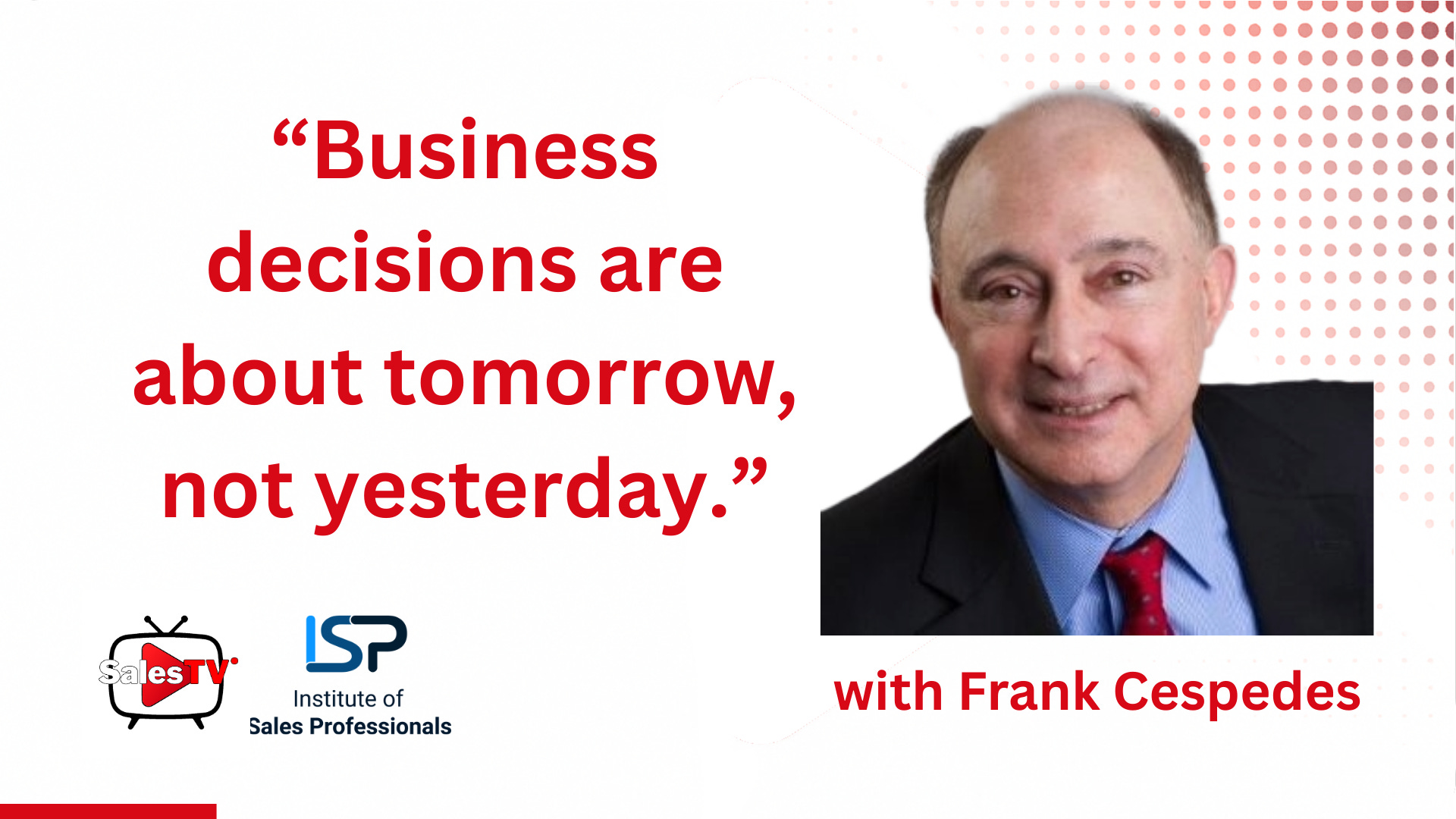 The Future of Sales Leadership Is More Human Than You Think | In this episode of SalesTV, Harvard Business School Senior Lecturer Frank Cespedes explores what changes - and what does not - as selling evolves. He explains why leadership clarity, performance management, and alignment between strategy and frontline behavior matter more as technology advances. Rather than outsourcing judgment to dashboards or AI tools, effective sales leaders must understand the sales strategy, develop people through feedback and coaching, and ensure that daily activity reflects strategic priorities. Sales leaders are operating in an environment defined by uncertainty, automation, and pressure for profitable growth. As AI absorbs more administrative and transactional sales work, the role of leadership is not diminishing - it is becoming more important. The future of sales is not about replacing people with technology, but about refocusing leaders on the human work that drives performance. Chapters 00:00 Intro - Why business decisions are about tomorrow not yesterday 01:05 Using judgment when metrics only show past performance 02:48 Aligning strategy with frontline sales behavior 06:41 Why the basics matter more as technology advances 07:48 How sales leaders should prepare for AI and automation 10:38 Increasing customer contact time to drive productivity 11:46 Why performance feedback cannot be outsourced to AI 13:04 What performance reviews really reveal about buying 17:20 The skills sales leaders need as selling evolves 18:10 Why the bar keeps rising in sales performance 19:41 Leading sales teams through uncertainty and change 22:26 The ONE Thing - Sales managers must manage In this episode, we asked… * How do Sales Leaders prepare their teams for a future where AI automates more of the selling process? * When uncertainty becomes permanent, how do Sales Leaders strengthen judgment and decision-making? * How should Sales Leaders align strategy with frontline behavior to improve execution? * What leadership skills matter most as administrative sales work disappears? * Why does performance feedback become more important as automation expands? *What happens when leaders try to outsource management responsibilities to technology? Key Takeaways * AI changes how sales work gets done, not who is responsible for results * Automation raises the importance of human judgment, not its relevance * Strategy fails without alignment to frontline behavior * Performance management is a leadership skill, not an HR process * Coaching and feedback cannot be outsourced to dashboards or tools * Leaders who focus only on past results struggle to prepare teams for the future The ONE Thing Frank Cespedes Wants You to Take Away Sales managers must manage. As AI removes routine work, leadership responsibility increases especially for performance feedback, coaching, and judgment. The essentials of leadership matter more, not less. About SalesTV SalesTV.live is a weekly talk show created by salespeople, for salespeople. Each episode explores sales, sales training, networking, and social selling, bringing together sales leaders, enablement professionals, and practitioners from across the globe. About the Institute of Sales Professionals The Institute of Sales Professionals (ISP) is the world’s only body dedicated to raising standards in sales. Through its Sales Capability Framework, certifications, and global member community, the ISP works to elevate sales to the level of a recognized profession. @SalesTVlive @InstituteofSalesProfessionals #MoreHuman #FutureOfSales #PerformanceManagement #AISales #Sales #SalesLeadership #LinkedInLive #Podcast This is a public episode. If you would like to discuss this with other subscribers or get access to bonus episodes, visit salestv.substack.com | 25m 17s | ||||||
| 12/9/25 | 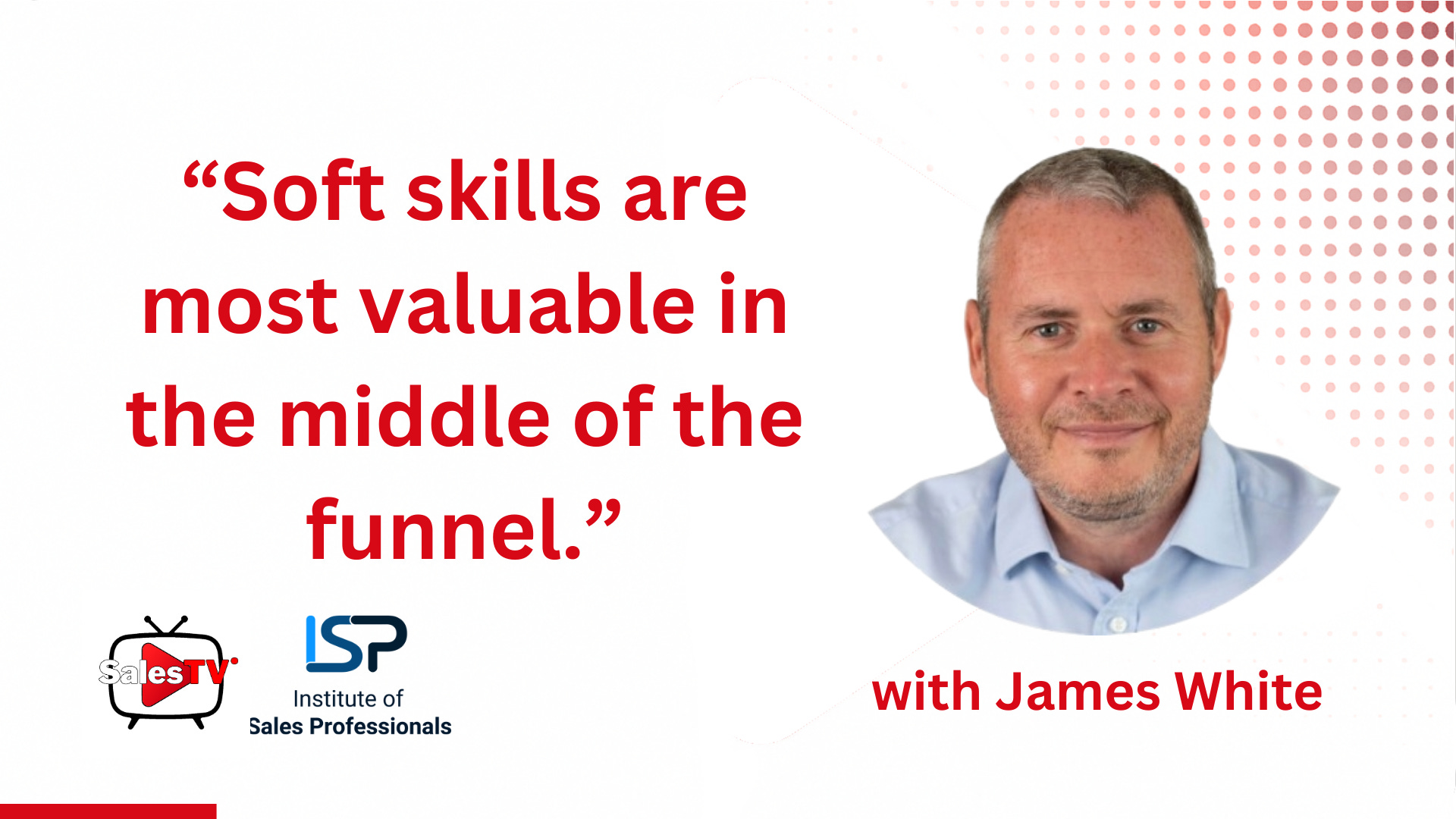 Why Human Skills Will Define the Future of Sales | Why Human Skills Will Define the Future of Sales In this episode of SalesTV, sales veteran and coach James White joins us to explore why human skills have become the defining capability for modern sellers and why Sales Leaders must rethink how they prepare their teams for an AI-enabled sales environment. While AI tools increasingly support outreach, research, and operational tasks, James explains that the most decisive moments in selling still depend on the ability of a human seller to read tone, recognize buyer signals, show authentic curiosity, and adapt in real time during a live conversation. Drawing from decades of experience leading sales teams, building outbound programs, and coaching B2B sellers across software, IT, and service-based industries, James breaks down the practical skills sellers must master in the middle of the funnel - where interest turns into opportunity, where buyers share their real concerns, and where emotional intelligence matters more than any tool or script. He explains why sellers who rely too heavily on automation or templated messaging weaken their own capability, and why Sales Leaders must develop conversational discipline, reflective practice, and stronger coaching rhythms to help their teams perform where it matters most. Chapters 00:00 Intro – Why Human Skills Matter More Than Ever 01:12 What AI Can and Cannot Do in Real Sales Work 03:18 The Limits of Scripted Outreach 04:52 Why Sellers Must Learn to Read Buyer Signals 06:41 The Moments Where Deals Are Really Won 08:16 Why the Middle of the Funnel Is the New Differentiator 10:04 Teaching Sellers to Listen Instead of Perform 12:22 How AI Changes the Seller’s Role 14:19 Building Soft Skills That Drive Commercial Outcomes 16:03 Helping Sellers Ask Better Questions 17:44 The Risk of Over-relying on Technology 19:26 What Modern Buyers Expect in Conversations 21:14 Coaching Sellers to Adapt in Real Time 23:32 Developing Human Capability as a Leadership Priority 25:41 The ONE Thing - Build emotional sales intelligence In this episode, we asked… * How can Sales Leaders prepare sellers for the parts of selling that AI cannot do? * How can sellers read tone, emotion, and buyer signals more effectively? * What makes the middle of the funnel the most human and high-impact stage of selling? * How can leaders coach sellers to listen, adapt, and probe more effectively? * How should Sales Leaders rethink capability development in an AI-enabled environment? * What causes sellers to sound scripted or robotic, and how can they avoid it? * How can leaders strengthen the soft skills that drive real commercial outcomes? Key Takeaways * The middle of the funnel is becoming the defining moment for sales differentiation. * AI can assist outreach, but human skills determine whether opportunities advance. * Sellers must learn to read tone, recognize signals, and respond adaptively. * Generic outreach and scripted messaging weaken seller capability. * Emotional intelligence has become a core commercial skill, not a nice-to-have. * Sales Leaders must coach listening, questioning, and signal interpretation more intentionally. * Future-ready teams focus on conversation quality, not volume of activity. The ONE Thing James White wants you to take away – Sellers must build emotional sales intelligence — the ability to understand tone, emotion, and buyer signals — because these human skills decide the outcome of real sales conversations. About SalesTV SalesTV.live is a weekly talk show created by salespeople, for salespeople. Each episode explores sales, sales training, networking, and social selling, bringing together sales leaders, enablement professionals, and practitioners from across the globe. About the Institute of Sales Professionals The Institute of Sales Professionals (ISP) is the world’s only body dedicated to raising standards in sales. Through its Sales Capability Framework, certifications, and global member community, the ISP works to elevate sales to the level of a recognized profession. @SalesTVlive @InstituteofSalesProfessionals #SoftSkills #FutureOfSales #SalesCapability #HumanSelling #AIinSales #ModernSelling #Sales #SalesLeadership #LinkedInLive #Podcast This is a public episode. If you would like to discuss this with other subscribers or get access to bonus episodes, visit salestv.substack.com | 23m 55s | ||||||
| 12/2/25 |  How AI Is Transforming Sales and Commercial Excellence in 2026 | In this episode of SalesTV, Mikhail Belov, Global Sales & Commercial Learning and Competency Manager at SLB, shares two years of hands-on experience deploying AI across a global commercial training function delivering 200–300 classes per year to thousands of learners. Mikhail reveals the AI capabilities that deliver immediate value and the ones that still feel too mechanical. He explains why AI role plays have become the most mature and impactful AI use case in sales training, earning a 100% Net Promoter Score in SLB’s internal pilot - while uncovering surprising behavioral differences between new and experienced sellers. He also breaks down how AI reduced curriculum design effort by roughly 30%, accelerated content development from months to hours, and lowered cost per learner by 30% through better scheduling and delivery planning. We explore how SLB uses AI to analyze thousands of lines of learner feedback, identify skill gaps, and improve the relevance of every program. Mikhail explains why AI’s value is highest in high-volume, structured tasks, and why human expertise remains irreplaceable for judgment, nuance, and customer context. He also details the mindset shift leaders must model to foster experimentation, reduce fear, and build a culture where innovation can take root. Chapters 00:00 Intro – How AI Is Transforming Sales 01:12 Where AI Is Making a Real Impact 02:22 Turning Learner Feedback into Insights 03:20 Cutting Curriculum Design Time with AI 04:26 From Months to Hours – AI for Content Creation 06:07 Reducing Cost per Learner with AI Planning 07:35 Why AI Role Plays Are the Most Mature Use Case 09:49 From Training to Sales Operations – Role Plays in Action 12:00 Where AI Still Falls Short Today 14:00 What Remains Human in Sales 15:24 Risks, Misconceptions, and Evaluating AI Tools 16:56 Measuring Impact in Simple vs Complex Sales 20:06 Leadership, Innovation Culture, and KPO 22:28 The ONE Thing – Rethink Everything You Do In this episode, we asked… * How is AI reshaping sales training, content development, and commercial excellence today? * What AI use cases deliver the most immediate and measurable value? * Where does AI still feel too mechanical in a sales context? * How does AI reduce cost, streamline operations, and improve program scheduling? * Why are AI role plays outperforming traditional role plays? * What remains uniquely human in sales, even as AI expands? * How should leaders evaluate AI tools without getting lost in the noise? * What risks and misconceptions should organizations avoid when adopting AI? * How can leaders build a culture that encourages experimentation and innovation? Key Takeaways * AI creates the most value in repeatable, high-volume processes such as curriculum design, content creation, and scheduling. * Role plays are the most mature AI use case - earning unanimous learner approval in SLB’s pilots. * AI can accelerate content development cycles from months to hours with the right review workflow. * Cost per learner can drop by 30% when AI supports scheduling, delivery planning, and resource allocation. * Human judgment, customer nuance, and trust-building cannot be automated - AI enhances, but doesn’t replace, expertise. * Leaders must model innovation, reduce fear, and make space for experimentation to foster adoption. * AI’s weakest areas remain emotional nuance, coaching quality, and complex consultative interactions. * Adoption varies across experience levels - new sellers often adapt fastest to AI-driven practice environments. * AI tool evaluation should focus on real business outcomes, not feature lists or vendor hype. * Organizational pressure (“KPO”) alone doesn’t drive innovation - culture and leadership behavior do. The ONE Thing Mikhail Belov wants you to take away – Rethink everything. Start experimenting. Explore AI role plays. Look for the small, practical steps that create value - and build from there. About SalesTV SalesTV.live is a weekly talk show created by salespeople, for salespeople. Each episode explores sales, sales training, networking, and social selling, bringing together sales leaders, enablement professionals, and practitioners from across the globe. About the Institute of Sales Professionals The Institute of Sales Professionals (ISP) is the world’s only body dedicated to raising standards in sales. Through its Sales Capability Framework, certifications, and global member community, the ISP works to elevate sales to the level of a recognized profession. @SalesTVlive @InstituteofSalesProfessionals #CommercialExcellence #SalesEnablement #AIinSales #SalesTransformation #SalesPlanning2026 #Sales #SalesLeadership #LinkedInLive #Podcast This is a public episode. If you would like to discuss this with other subscribers or get access to bonus episodes, visit salestv.substack.com | 24m 22s | ||||||
| 11/25/25 | 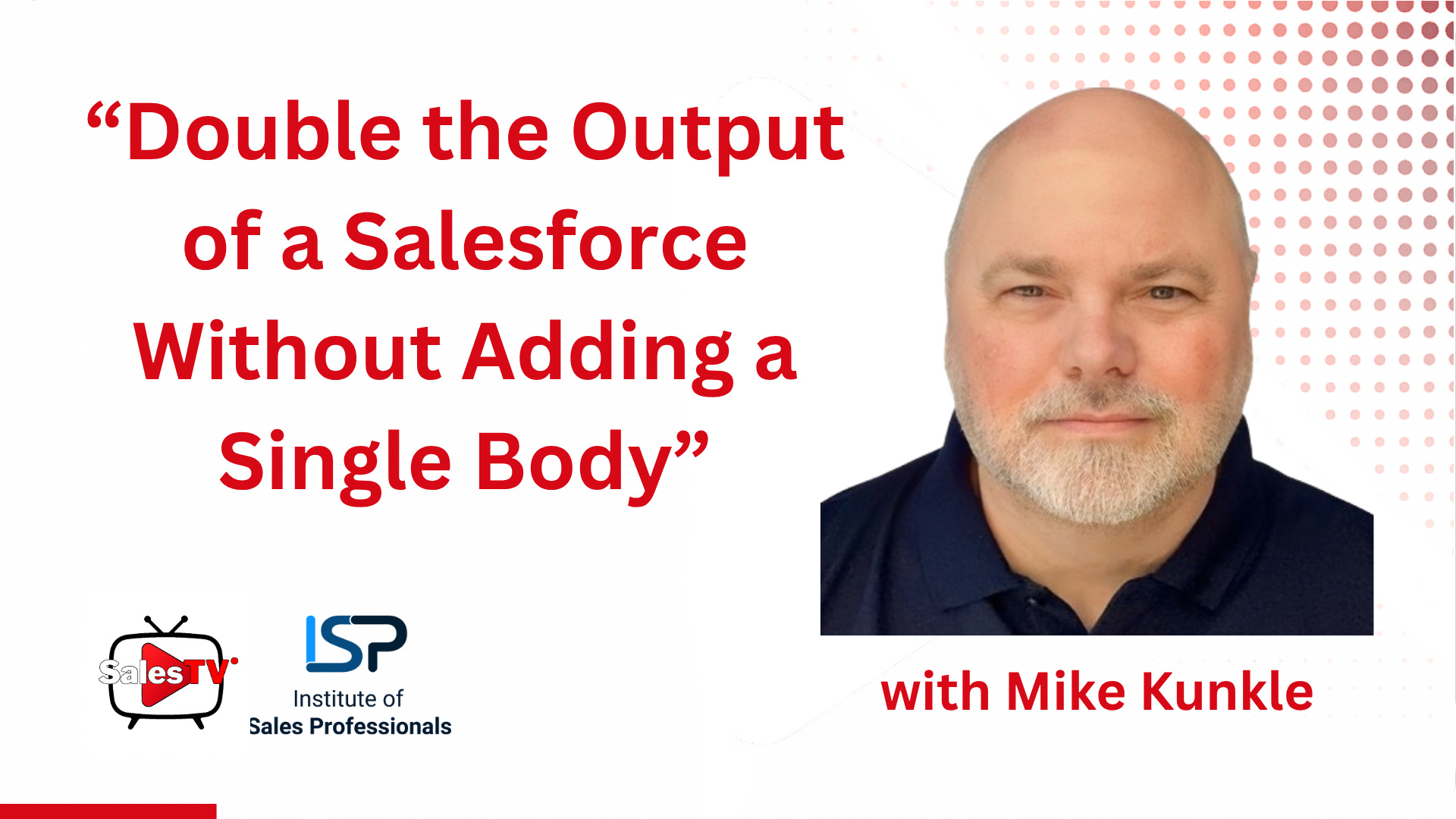 What Sales Leaders Must Rethink | In this episode of SalesTV, sales enablement industry stalwart Mike Kunkle returns to break down the performance levers, leadership behaviors, and enablement disciplines that truly drive seller effectiveness. Rather than focusing on “more activity,” “more pipeline pressure,” or “more tools,” Mike uncovers the deeper structural issues that create friction inside revenue organizations. He explains why so many sales systems unintentionally work against sellers, why most methodologies never take hold, and why frontline managers - not dashboards - are the real force multipliers. Chapters 00:00 Intro – What Sales Leaders Must Rethink Today 01:25 The Harder–Faster–Louder Problem 03:14 The Building Blocks of Sales Enablement 04:46 Efficiency vs. Effectiveness 06:08 Systems, Managers, and the Real Performance Levers 07:16 Sales as a Complex System 08:47 Buyer Acumen & COIN-OP Model 12:02 Personalizing Targeting & Account-Based Execution 14:18 Why Without Buyer Understanding GTM Fails 15:32 What to Retire - Tech Stacking & “Do More” Management 18:08 Studying True Top Performers 19:35 Methodology Chaos & Why It Fails Organizations 23:54 Is Sales Art or Science? 27:06 The ONE Thing - Buyer Centricity In this episode, we asked… *How can leaders diagnose the real constraints limiting sales performance? * What does true buyer acumen look like, and how can teams develop it? * Why do sales methodologies fail, and what actually drives adoption? * How can leaders move beyond activity-based efficiency to true sales effectiveness? * What capabilities and rhythms make frontline managers the biggest performance multiplier? * How can enablement evolve from “content delivery” to “behavior change”? * What does a buyer-aligned sales system look like in practice? Key Takeaways * Buyer acumen is the most underdeveloped and high-impact skill in sales. * Systems, not sellers, cause most inconsistent performance. * Methodology without adoption is meaningless - coaching and workflow matter more. * Frontline managers drive the majority of sales outcomes. * Enablement maturity is measured by behavior change, not content volume. * Activity metrics often create false confidence. * Buyer-aligned systems outperform seller-centric systems every time. The ONE THING Mike Kunkle wants you to take away - Be Buyer centric. As Zig Ziglar taught us, “We can get everything we want in life if only we’ll help enough others get what they want.” About SalesTV SalesTV.live is a weekly talk show created by salespeople, for salespeople. Each episode explores sales, sales training, networking, and social selling, bringing together sales leaders, enablement professionals, and practitioners from across the globe. About the Institute of Sales Professionals The Institute of Sales Professionals (ISP) is the world’s only body dedicated to raising standards in sales. Through its Sales Capability Framework, certifications, and global member community, the ISP works to elevate sales to the level of a recognized profession. @SalesTVlive @InstituteofSalesProfessionals #ModernSalesLeadership #RevenueLeadership #GoToMarket #SalesStrategy #SalesEnablement #2026Planning #Sales #SalesLeadership #LinkedInLive #Podcast This is a public episode. If you would like to discuss this with other subscribers or get access to bonus episodes, visit salestv.substack.com | 33m 35s | ||||||
| 11/18/25 |  You Call It Coaching, But It's Just Managing Deals | You Call It Coaching, But It’s Just Managing Deals In this episode of SalesTV, we speak with Steve Radford, Founder of the Greater Sales Company and author of How to Sell. Steve brings 25+ years of experience training frontline salespeople and developing the managers who lead them. Through his Four Hats Model - Instructor, Teacher, Mentor, Coach - he explains why most leaders wear the wrong hat at the wrong time, and how to choose the hat that truly develops performance. Sales coaching is among the most misunderstood skills in sales leadership. Many managers believe they’re coaching when they are actually performing sales management, deal review, or problem solving. In this conversation, we explore the connection between mindsets, knowledge, skills, behaviors, and KPIs, and how leaders can develop stronger, more self-sufficient salespeople. If you’re searching for guidance on coaching vs managing, developing sales capability, how to coach a sales team, or how to create a coaching culture, this episode provides the frameworks and examples sales leaders need to elevate team performance. Chapters 00:00 – Intro - You Call It Coaching… 00:47 – What looks like coaching but isn’t 02:07 – The Four Hats Framework 03:47 – Instructor: tell + nurture 04:52 – Teacher: interactive tell 05:40 – Mentor: ask + guide 05:55 – Coach: ask + challenge 06:40 – How to know when you’re wearing the wrong hat 07:35 – Turning one-on-ones into coaching conversations 08:34 – When to coach vs teach vs mentor vs instruct 11:19 – Balancing targets with development 17:47 – Creating a coaching culture 18:54 – The ONE Thing – Take a beat In this episode, we asked… * What’s happening in conversations that makes them feel like coaching but actually isn’t? * What is the Four Hats Model - and how does it help sales managers develop people? * How do I know when I’m wearing the wrong hat? * How do I turn my one-on-ones from pipeline updates into real coaching conversations? * When should a sales leader coach, and when should they teach, mentor, or instruct? * How do I measure whether coaching is actually improving performance? * What’s the right balance between hitting a target and developing people? * What does a genuine coaching conversation sound like? * How do I know when my team is ready for more challenge - or still needs support? * How do you create a coaching culture across a sales organization? * What’s the first small change I can make tomorrow to start coaching better? Key Takeaways * Most “coaching” is really managing deals, not developing capability. * True coaching is ask-focused and challenge-focused, not tell-focused. * The Four Hats Model helps leaders choose the right development approach. * Capability building follows a pathway: Instruct → Teach → Mentor → Coach. * You can’t coach someone out of a skill gap - you must teach first. * Coaching conversations mirror great sales conversations: explore before advising. * Leaders must balance short-term numbers with long-term capability. * A coaching culture starts with a shared model and consistent language. The ONE THING Steve Wants You to Take Away Take a beat before every coaching conversation. Diagnose where the rep is, decide which hat to wear, and approach the conversation intentionally - not reactively. About SalesTV SalesTV.live is a weekly talk show created by salespeople, for salespeople. Each episode explores sales, sales training, networking, and social selling, bringing together sales leaders, enablement professionals, and practitioners from across the globe. About the Institute of Sales Professionals The Institute of Sales Professionals (ISP) is the world’s only body dedicated to raising standards in sales. Through its Sales Capability Framework, certifications, and global member community, the ISP works to elevate sales to the level of a recognized profession. @SalesTVlive @InstituteofSalesProfessionals #SalesStrategy #SalesCoaching #SalesManagement #SalesCapability #SalesEnablement #Sales #SalesLeadership #LinkedInLive #Podcast This is a public episode. If you would like to discuss this with other subscribers or get access to bonus episodes, visit salestv.substack.com | 20m 51s | ||||||
| 11/11/25 | 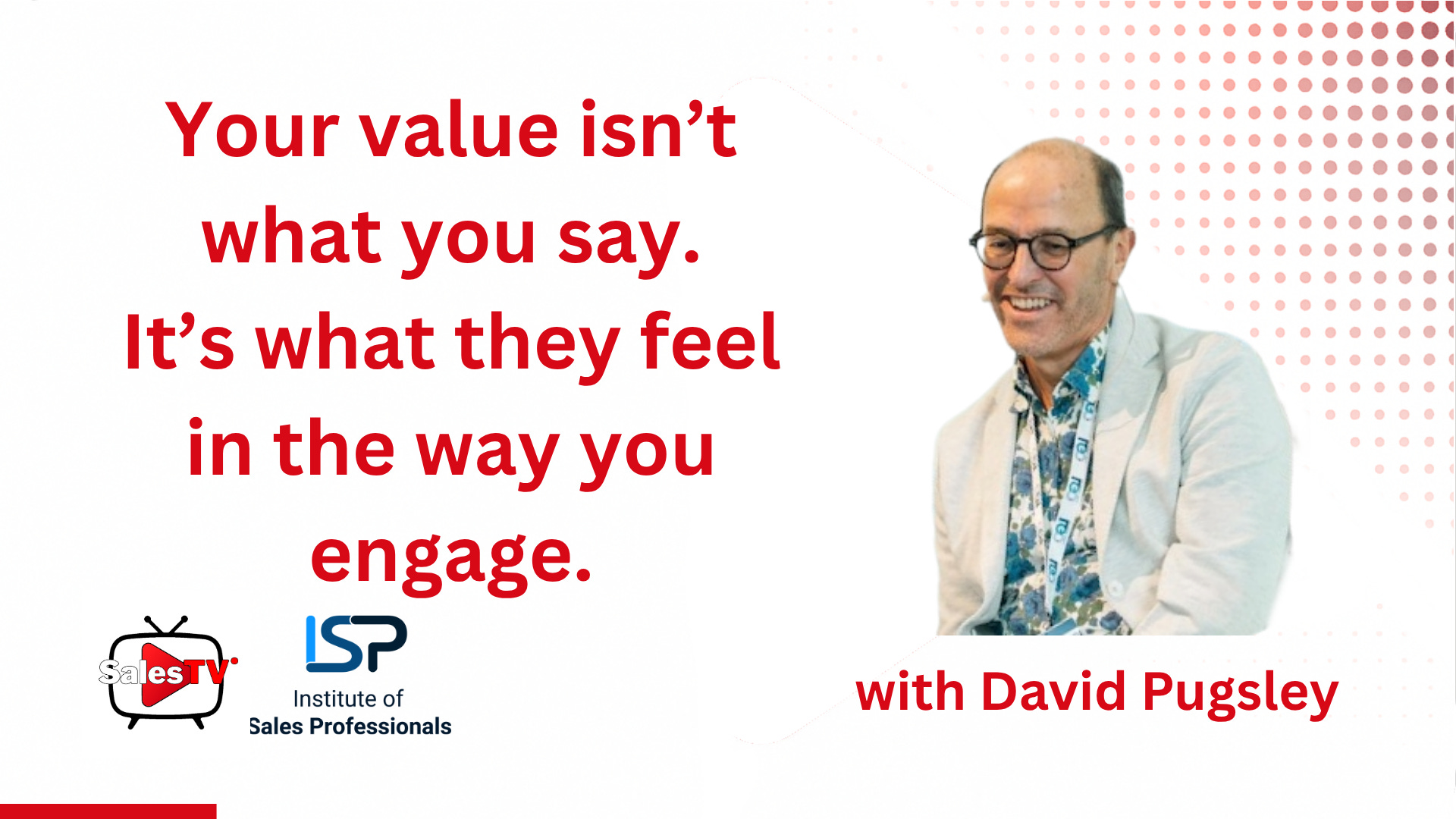 Buyers Don’t Want Volume - They Want Value | Buyers Don’t Want Volume They Want Value In this episode of SalesTV, Salesforce’s David Pugsley shares how authenticity, consistency, and genuine curiosity turn outreach into opportunity. Sales leaders keep pushing for more - more calls, more emails, more automation. But buyers aren’t counting your touchpoints. They’re judging your relevance. Value-based selling doesn’t start with a pitch. It starts with being real. We explore what it really means to sell on value in 2025, and why this shift matters more now than ever. It’s not about discounts or following a new script - it’s about changing the mindset behind every sales interaction. The focus moves from chasing transactions to creating trust. From reciting product information to delivering personal relevance. From counting outreach to earning outcomes. Chapters 00:00 – Intro - Why “doing more” isn’t working 02:45 – The human side of sales outreach 06:00 – What authenticity looks like in professional selling 10:45 – Social presence that builds trust, not vanity metrics 13:40 – Multichannel vs meaningful connection 17:00 – Authenticity as the foundation of credibility 21:00 – How being yourself becomes your superpower 23:30 – The false promise of sales efficiency 27:00 – The new definition of value in sales 29:00 – The ONE THING - Authenticity is the foundation of value. In this episode, we asked… * How do you create value in a conversation - not just in your proposal? * Why do buyers stop responding when sellers focus on volume? * What does “value-based selling” actually look like in practice today? * How can you demonstrate relevance without relying on discounts or deals? * What makes buyers trust one salesperson over another? * How do you shift from cold outreach to conversations that earn attention? * What role does authenticity play in building credibility with modern buyers? * How can you measure success by alignment, not activity? * How do you humanize the sales process in a world full of automation? * What’s the mindset difference between sellers who win and sellers who burn out? Key Takeaways * Build credibility by leading with insight, not product information * Translate buyer priorities into value outcomes they can feel * Shift from cold outreach to meaningful engagement that earns trust * Balance professionalism with humanity and authenticity in your approach * Protect margins by reducing the need to discount through perceived value * Redefine success metrics around alignment, not activity * Use social presence to open doors without being “salesy” The ONE THING David Pugsley wants you to take away –Authenticity is the foundation of value. You can’t sell value unless buyers believe you’re being real with them. About SalesTV SalesTV.live is a weekly talk show created by salespeople, for salespeople. Each episode explores sales, sales training, networking, and social selling, bringing together sales leaders, enablement professionals, and practitioners from across the globe. About the Institute of Sales Professionals The Institute of Sales Professionals (ISP) is the world’s only body dedicated to raising standards in sales. Through its Sales Capability Framework, certifications, and global member community, the ISP works to elevate sales to the level of a recognized profession. @SalesTVlive @InstituteofSalesProfessionals #TalkValue #ValueSelling #ModernSelling #SalesConversation #Sales #SalesLeadership #LinkedInLive #Podcast This is a public episode. If you would like to discuss this with other subscribers or get access to bonus episodes, visit salestv.substack.com | 29m 38s | ||||||
| 11/4/25 |  Why Price Doesn’t Equal Value | In this episode of SalesTV, Todd Snelgrove - author of “Value First Then Price” - explains why sellers who compete on price lose margin, while those who quantify value win trust and profit. Drawing on decades leading global value-selling programs for major industrial and technology companies, Todd shows how to prove the measurable impact of your solutions in financial terms buyers respect. Together we explore how to equip champions with business cases that resonate with procurement, what makes ROI stories believable, and why the most profitable companies buy and sell based on the best value, not the lowest price. Chapters 00:00 – Introduction - Price doesn’t equal Cost doesn’t equal Value 04:30 – From Total Cost of Ownership to Total Profit Added™ 05:00 – Showing measurable value to procurement 07:00 – Mistakes sellers make with ROI 10:30 – Aligning sales and marketing to prove value 13:00 – Quantifying non-financial value drivers 15:10 – Teaching teams to defend margin confidently 19:00 – When to walk away from price-driven buyers 21:40 – Tools to calculate Total Profit Added™ 22:52 – The ONE THING - Know your value In this episode we asked… * What do you mean when you say price doesn’t equal cost doesn’t equal value? * How can sellers prove value to procurement, not just users? * What are the biggest mistakes salespeople make when talking about ROI? * How do you teach a team to defend margin with confidence? * When should you walk away from a price-driven buyer? * What metrics and tools help calculate Total Profit Added™? Key Takeaways * Price doesn’t equal Cost which doesn’t equal Value. Understand the difference and communicate it clearly. * Quantify your value in the buyer’s language using financial outcomes. * Equip champions with a credible, concise business case they can defend. * Defend margin with belief - your confidence in value drives buyer confidence. * Value-based companies are 36% more profitable than price-driven competitors. Todd Snelgrove breaks down how value selling helps organizations reduce discounting and build credibility with procurement. He introduces the concept of Total Profit Added™ (TPA) - an evolution of Total Cost of Ownership - to help sellers connect their offering to measurable business impact. Todd shares proven frameworks for quantifying value, building ROI models, and aligning sales and marketing to document outcomes. Learn how to navigate sales negotiations by trading value, not margin, and how to create case studies that reinforce your story long after the sale. The ONE THING Todd Snelgrove wants you to take away… Know your value. Then prove the difference to your buyer. About SalesTV SalesTV.live is a weekly talk show created by salespeople, for salespeople. Each episode explores sales, sales training, networking, and social selling, bringing together sales leaders, enablement professionals, and practitioners from across the globe. About the Institute of Sales Professionals The Institute of Sales Professionals (ISP) is the world’s only body dedicated to raising standards in sales. Through its Sales Capability Framework, certifications, and global member community, the ISP works to elevate sales to the level of a recognized profession. @SalesTVlive @InstituteofSalesProfessionals #ValueFirst #ValueSelling #SalesNegotiation #SalesStrategy #SalesEnablement#Sales #SalesLeadership #LinkedInLive #Podcast This is a public episode. If you would like to discuss this with other subscribers or get access to bonus episodes, visit salestv.substack.com | 26m 09s | ||||||
| 10/28/25 | 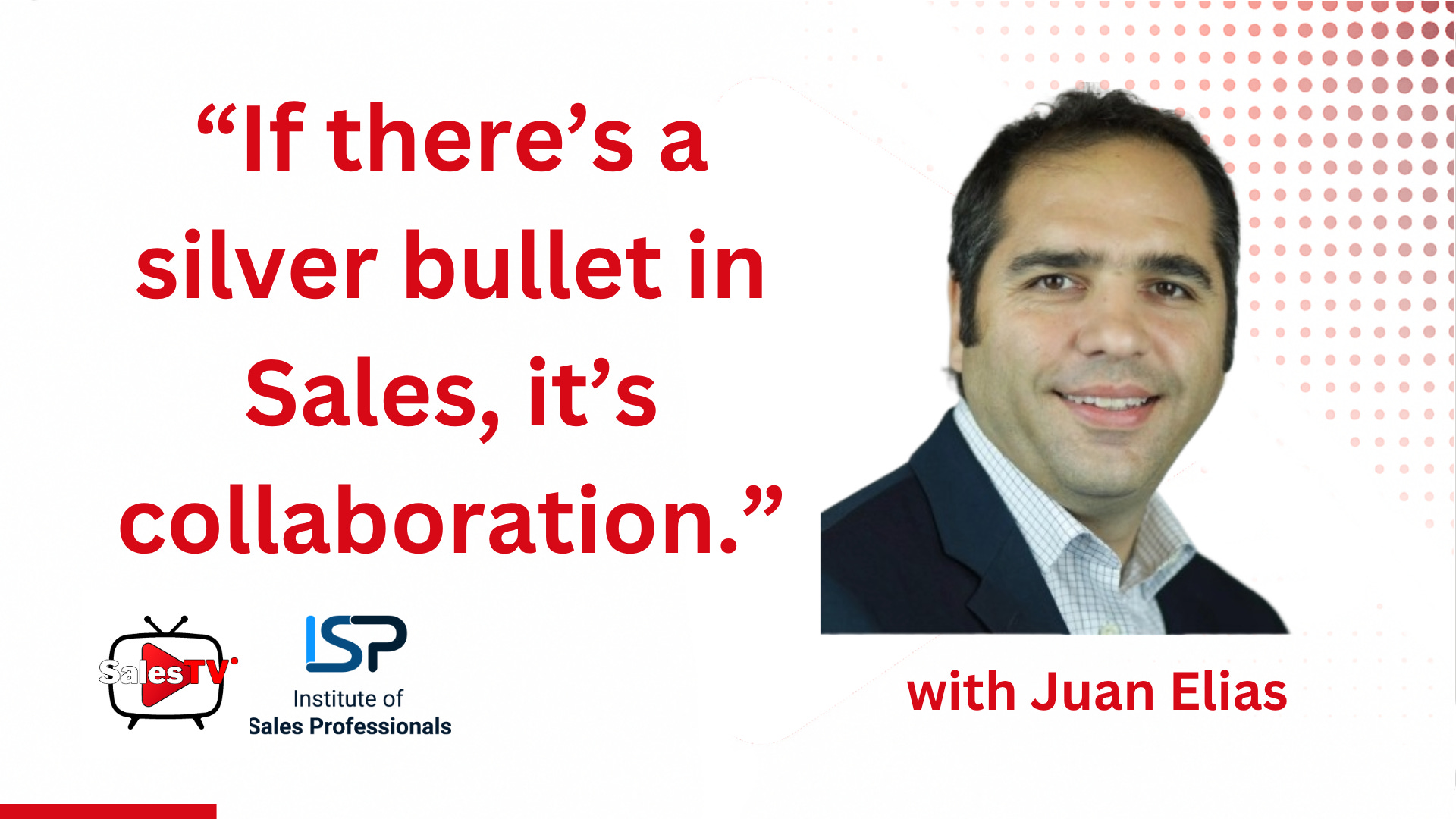 Unlocking the Hidden Value of Sales | In this episode of SalesTV, Juan Elias, author of “From Strategy to Revenue: Turning GTM Planning, Sales Execution, and Enablement into Measurable Growth”, shares with us how collaboration transforms sales from a numbers game into a business-driving function. Together, they examine what happens when strategy, enablement, and execution finally align - and why sales leaders who master collaboration see stronger teams, better customer partnerships, and long-term measurable growth. Chapters 00:00 – Intro - Unlocking the Hidden Value of Sales 00:51 – Collaboration Is the Silver Bullet in Sales 02:24 – The Hidden Value of Sales Beyond Revenue 04:04 – Why Sales Teams Fail to Capture Full Impact 06:21 – Cross-Functional Collaboration in Sales Performance 08:34 – Proving the Strategic Value of Sales Leadership 12:37 – Reframing Revenue: How Sales Leaders Measure Value 14:54 – Sales Enablement and Measurable Growth 17:41 – Building Collaboration Across Sales, Marketing, and Product 20:07 – Embedding Collaboration Without Slowing Sales Down 24:19 – The ONE THING - Collaboration is the Engine of Growth In this episode, we asked… * What is the hidden value of sales beyond revenue? * How does cross-functional collaboration increase sales performance? * How can sales leaders prove the strategic value of their function? * What’s the link between sales enablement and measurable growth? * Why do sales teams fail to capture their full business impact? * How do I reframe my sales team’s metric from revenue to value? * How do I build collaboration between sales, product, marketing, and customer success? * What are examples of sales relationships delivering business impact beyond the initial deal? * Why does chasing only revenue undermine long-term growth? * How do I embed collaboration into my sales process without slowing it down? Key Takeaways * Revenue is a lagging indicator; collaboration is the multiplier that drives it. * Cross-functional clarity creates consistent sales execution and customer trust. * Sales enablement connects strategy to measurable outcomes — not just content. * The hidden value of sales lies in orchestrating alignment across teams and buyers. Modern selling demands more than hitting targets - it demands alignment. This conversation breaks down the connection between sales collaboration, enablement, and measurable growth. Learn why the most effective sales organizations measure value, not just revenue, and how cross-functional clarity drives better outcomes for customers and the business. Featuring real examples from enterprise environments, this episode uncovers what it takes to transform sales into a strategic engine for growth and credibility. The ONE THING Juan Elias wants you to take away - “If there’s a silver bullet in sales, it’s collaboration.” About SalesTV SalesTV.live is a weekly talk show created by salespeople, for salespeople. Each episode explores sales, sales training, networking, and social selling, bringing together sales leaders, enablement professionals, and practitioners from across the globe. About the Institute of Sales Professionals The Institute of Sales Professionals (ISP) is the world’s only body dedicated to raising standards in sales. Through its Sales Capability Framework, certifications, and global member community, the ISP works to elevate sales to the level of a recognized profession. @SalesTVlive @InstituteofSalesProfessionals #MeasurableGrowth #SalesCollaboration #SalesEnablement #RevenueGrowth #Sales #SalesLeadership #LinkedInLive #Podcast This is a public episode. If you would like to discuss this with other subscribers or get access to bonus episodes, visit salestv.substack.com | 25m 49s | ||||||
| 10/23/25 | 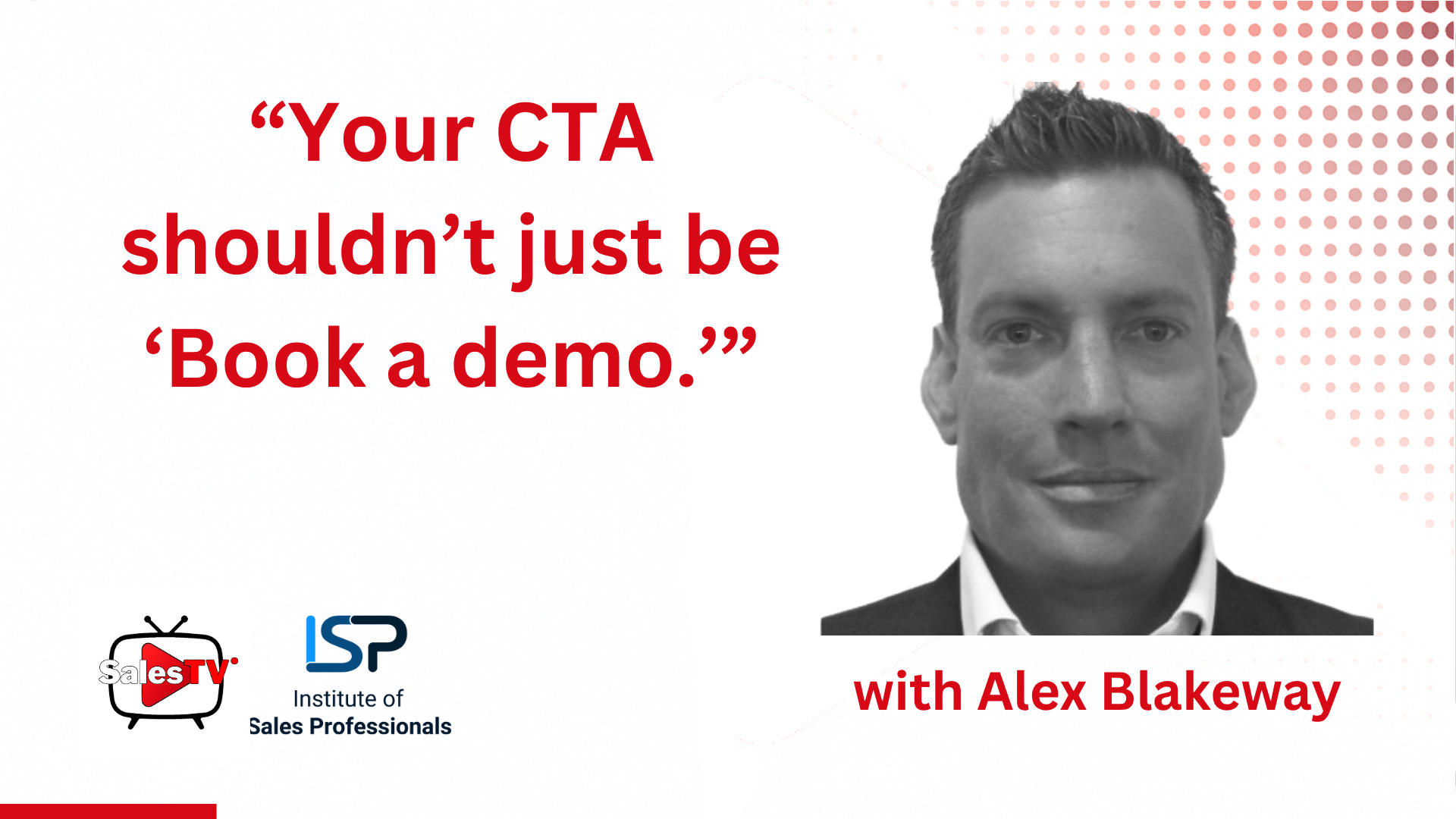 Demos Don’t Close Deals | In this episode of SalesTV, we sat down with Alex Blakeway, VP of Sales Transformation at Forterro and author of “Blueprint to Sales Mastery”, to explore what really moves modern buyers. Alex shares how today’s best sellers are replacing demos with dialogue, leading with education, and building stronger customer relationships through collaboration, credibility, and continuous learning.Sales isn’t about demos anymore. It’s about teaching, trust, and transformation. Learn how modern sales leaders help buyers see value before they buy - and why education wins over persuasion. Chapters 00:00 Intro - Sales hasn’t changed, but buyers have 02:30 Why “Book a Demo” no longer works 06:30 Lead with education, not persuasion 09:00 Long-game selling & relationship building 11:30 Collaboration across customer success, delivery, and sales 15:00 Mentorship & self-learning in modern sales 19:00 The 1 Percent Formula - marginal = monumental gains 23:30 Sustaining motivation & building habits 26:20 The ONE THING – Lead with learning In this episode, we asked… * Why don’t demos close deals - and what actually does? * How do I help buyers see value before they buy? * What makes buyer education the new sales advantage? * How can sales and marketing align around shared buyer learning? * How can sales insights improve forecasting and product strategy? * What’s the best way to build trust across the buying journey? Key Takeaways * Education builds trust. Buyers engage longer and buy faster when they learn something new. * Sales drives collaboration. Cross-functional communication between sales, marketing, and customer success creates business intelligence that drives growth. * Relationship is greater than Revenue. Long-term success depends on customer health, not just quarterly numbers. * Lead with learning. The sellers who teach, guide, and align are the ones who win repeat business and internal advocacy. The conversation reframes sales as a strategic connector inside the business - not just a revenue engine. Buyers expect insight, context, and value long before a proposal. By teaching instead of pitching, sales teams become trusted advisors who drive alignment between marketing, product, finance, and leadership. This is the essence of Sales Mastery: transforming every sales conversation into an opportunity for learning and collaboration. When Sales equips buyers to make smarter decisions, the entire organization benefits - forecasts stabilize, retention improves, and revenue grows through trust, not pressure. The ONE THING Alex Blakeway wants you to take away - “If you lead with learning and lead with helping, you’ll always stand out - because buyers remember the people who taught them something valuable.” About SalesTV SalesTV.live is a weekly talk show created by salespeople, for salespeople. Each episode explores sales, sales training, networking, and social selling, bringing together sales leaders, enablement professionals, and practitioners from across the globe. About the Institute of Sales Professionals The Institute of Sales Professionals (ISP) is the world’s only body dedicated to raising standards in sales. Through its Sales Capability Framework, certifications, and global member community, the ISP works to elevate sales to the level of a recognized profession. @SalesTVlive @InstituteofSalesProfessionals#SalesMastery #SalesStrategy #BuyerEnablement #SalesEnablement #SalesCollaboration #Sales #SalesLeadership #LinkedInLive #Podcast This is a public episode. If you would like to discuss this with other subscribers or get access to bonus episodes, visit salestv.substack.com | 26m 55s | ||||||
| 10/23/25 | 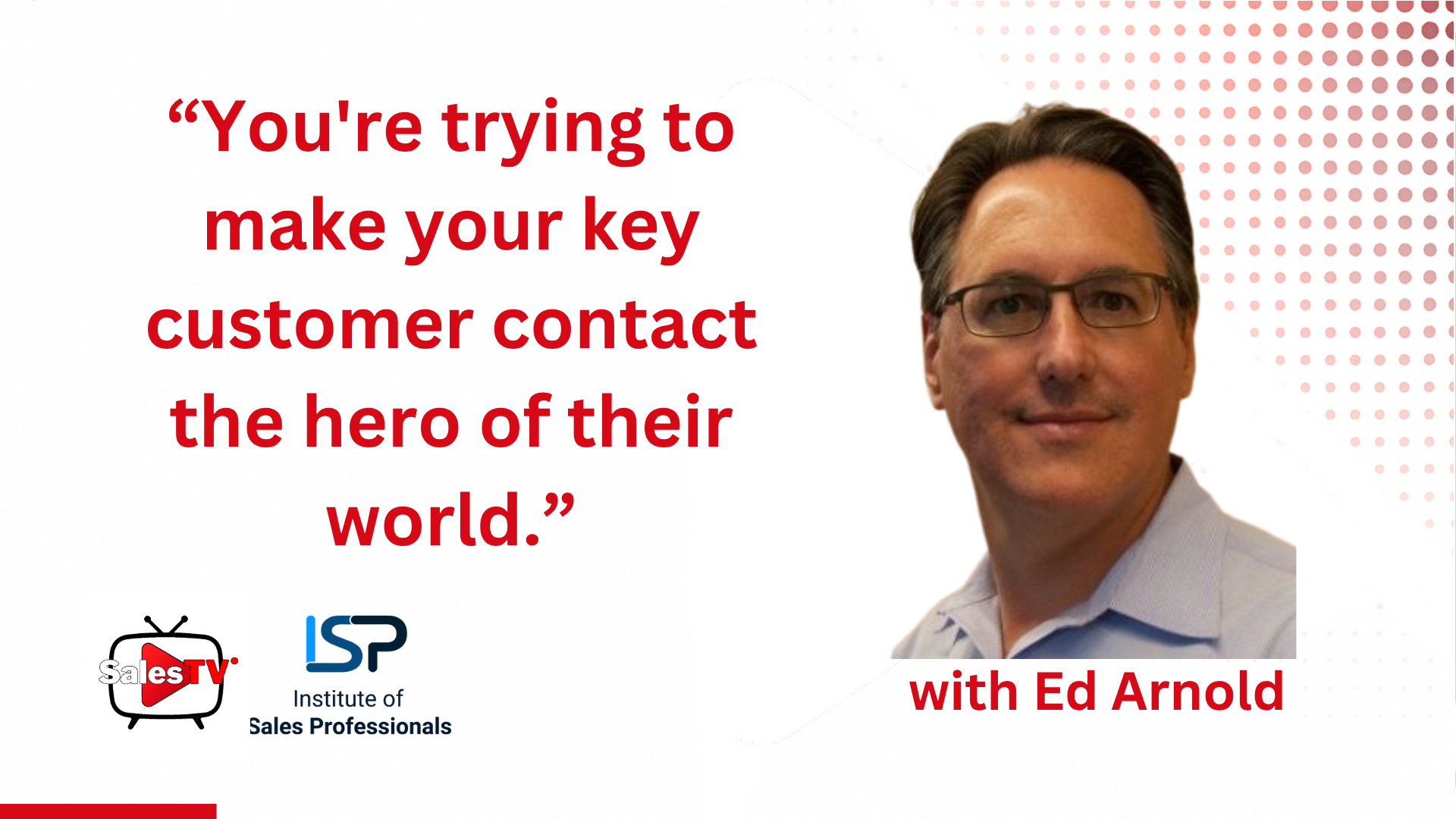 Stop Selling. Start Collaborating. | Stop Selling Start Collaborating In this episode of SalesTV, Ed Arnold - co-founder of LeveragePoint and Value Coach at The Valorizer - explains how to make your customer the hero of their story, build stronger business cases, and eliminate “no-decision” outcomes by quantifying what truly matters. In today’s sales environment, closing deals isn’t the finish line; it’s the starting point for creating real business value. The best salespeople don’t pitch harder - they collaborate smarter, aligning across teams and with customers to uncover the value hidden inside every deal. Chapters 00:00 Intro – Stop Selling Start Collaborating 00:45 Making the customer the hero 05:00 Value discovery and storytelling 10:30 Quantifying productivity and ROI 15:00 Avoiding “no decision” outcomes 20:00 Discounts vs. real value 26:00 The One Thing - Know Your Customer’s Value In this episode we asked: * How do I help my customer become the hero in their story? * What does “selling with” a customer look like in real life? * Why do so many deals die in “no decision”? * How do I quantify customer value and prove ROI? * What’s the difference between value selling and selling on value? * How do productivity and collaboration create hidden value in sales? Key Takeaways: * The real hero of every sales story is the customer, not the product. * Value selling starts with discovery and collaboration, not a demo. * Intangible value isn’t imaginary - it’s just unmeasured. * Helping your buyer build a solid business case reduces discounting pressure. * Confidence, not price, decides most B2B deals. Ed Arnold reveals how value-based selling transforms the entire buying journey. By collaborating with marketing, product, and customer-success teams, sales leaders can quantify ROI, reduce discounting, and improve win rates. The episode dives into practical examples of how automation, productivity gains, and better business-case storytelling uncover the hidden value of sales. Learn why alignment across departments isn’t optional - it’s the engine of modern sales performance. The ONE THING Ed wants you to take away:Know your customer’s value. Value comes from use, not features, and it’s different for every customer. About SalesTV SalesTV.live is a weekly talk show created by salespeople, for salespeople. Each episode explores sales, sales training, networking, and social selling, bringing together sales leaders, enablement professionals, and practitioners from across the globe. About the Institute of Sales Professionals The Institute of Sales Professionals (ISP) is the world’s only body dedicated to raising standards in sales. Through its Sales Capability Framework, certifications, and global member community, the ISP works to elevate sales to the level of a recognized profession. @SalesTVlive @InstituteofSalesProfessionals #ValueSelling #SalesCollaboration #SalesStrategy #Sales #SalesLeadership #LinkedInLive #Podcast This is a public episode. If you would like to discuss this with other subscribers or get access to bonus episodes, visit salestv.substack.com | 27m 51s | ||||||
| 10/21/25 | 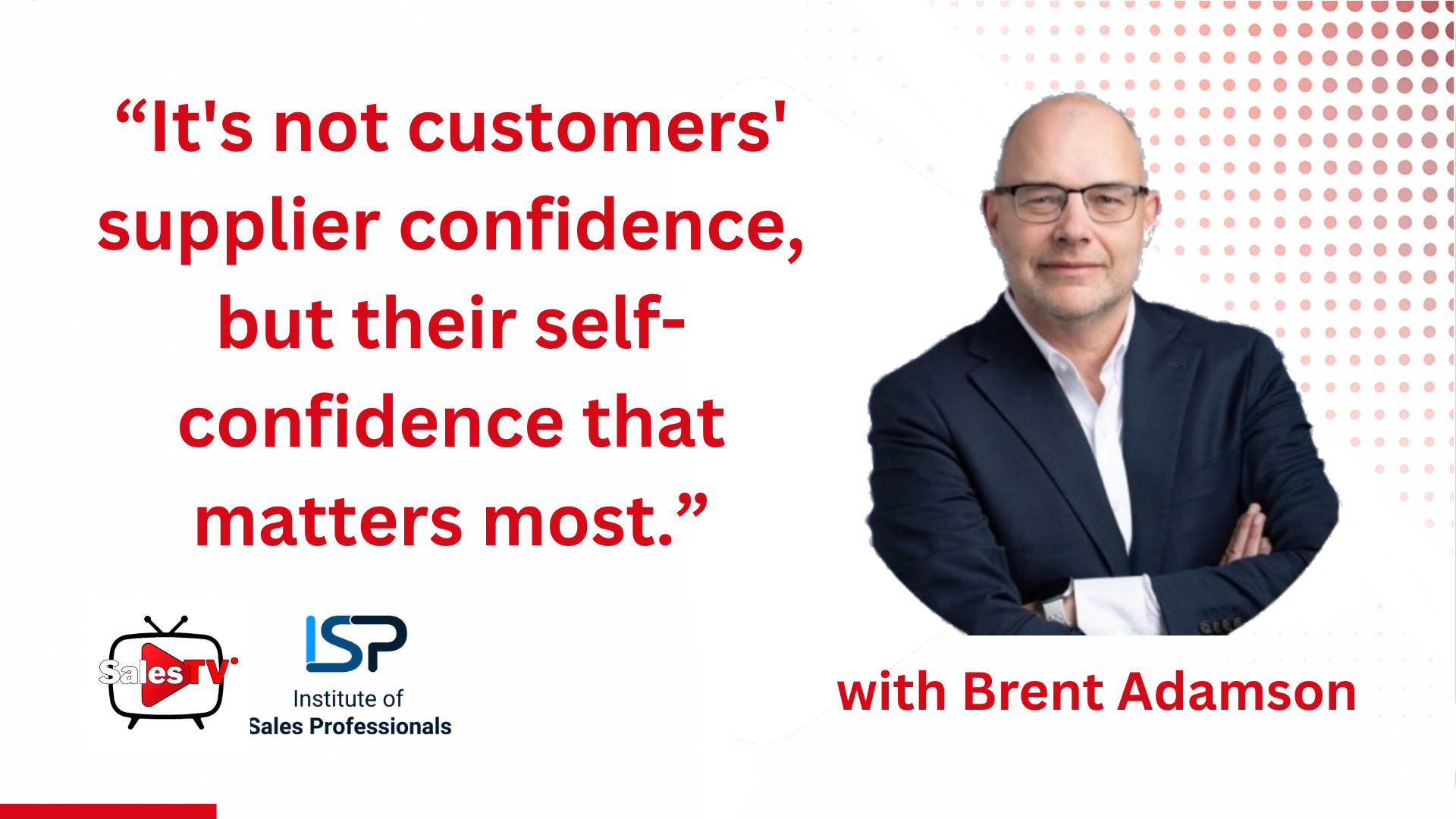 Why Sales Needs Framemakers to Drive Strategic Value | In this episode of SalesTV, Brent Adamson - co-author of “The Challenger Sale”, “The Challenger Customer”, and “The Framemaking Sale” – sits down with Rob Durant to explain why sales teams must become Framemakers - helping customers simplify complexity, reduce decision friction, and build confidence in themselves. Brent shares how sales leaders can drive strategic value by shifting from supplier confidence to building buyer decision confidence. In this conversation, Brent and Rob explore what happens when B2B buyers are overloaded with information yet unsure how to move forward. They reveal how sellers who coach customers through their own uncertainty become indispensable business partners - not just vendors. Chapters 00:00 Intro – Why Sales needs Framemakers 01:11 From Revenue to Strategic Value 04:23 Decision Confidence - The Key to High-Quality Deals 09:05 Supplier Confidence vs Self-Confidence 13:03 The Three E’s of Framemaking - Establish, Engage, Execute 18:28 AI and the Rep-Free Experience 24:05 The Human Side of Sales - Empathy and Relationships 28:06 The ONE THING - Your biggest opportunity In this episode we asked… * How can sales teams drive strategic value beyond closing deals? * What does it mean to be a Framemaker in modern B2B sales? * How does Decision Confidence lead to better business outcomes? * Why should sellers focus on customer self-confidence, not supplier credibility? * How can empathy, access, and social proof turn sales into a strategic function? * What can AI never replace about human connection in sales? Key Takeaways * The biggest driver of high-quality, low-regret deals is Decision Confidence - customers’ confidence in themselves, not in the supplier. * “It’s not customers’ supplier confidence, but their self-confidence that matters most.” - Brent Adamson * Sales professionals deliver strategic value by guiding customers through complexity, not pushing solutions. * Social proof (“In working with other customers like you…”) is the language of confidence. * AI can’t replace empathy - human connection remains the differentiator. * Doing what’s right for sales and what’s right for humanity are now aligned. Brent Adamson redefines what it means to sell in a world where B2B buyers are overwhelmed and 75% prefer a rep-free experience. His new book, The Framemaking Sale, introduces the concept of the Framemaker Mindset - sellers who help customers simplify complex choices and make confident decisions. This episode explores how to transform sales from a transactional revenue engine into a strategic business function that strengthens collaboration, builds relationships, and accelerates growth. Learn how Decision Confidence drives better outcomes, why sales strategy must evolve, and what it takes to become the one seller your customers want to talk to. The ONE THING Brent Adamson wants you to take away - Your biggest opportunity isn’t changing how customers think about you - it’s helping them change how they think about themselves. Confidence closes more deals than persuasion ever will. About SalesTV SalesTV.live is a weekly talk show created by salespeople, for salespeople. Each episode explores sales, sales training, networking, and social selling, bringing together sales leaders, enablement professionals, and practitioners from across the globe. About the Institute of Sales Professionals The Institute of Sales Professionals (ISP) is the world’s only body dedicated to raising standards in sales. Through its Sales Capability Framework, certifications, and global member community, the ISP works to elevate sales to the level of a recognized profession. @SalesTVlive @InstituteofSalesProfessionals#StrategicValue #DecisionConfidence #FramemakingSale #BrentAdamson #SalesProfessionals #Sales #SalesLeadership #LinkedInLive #Podcast This is a public episode. If you would like to discuss this with other subscribers or get access to bonus episodes, visit salestv.substack.com | 32m 02s | ||||||
| 10/21/25 | 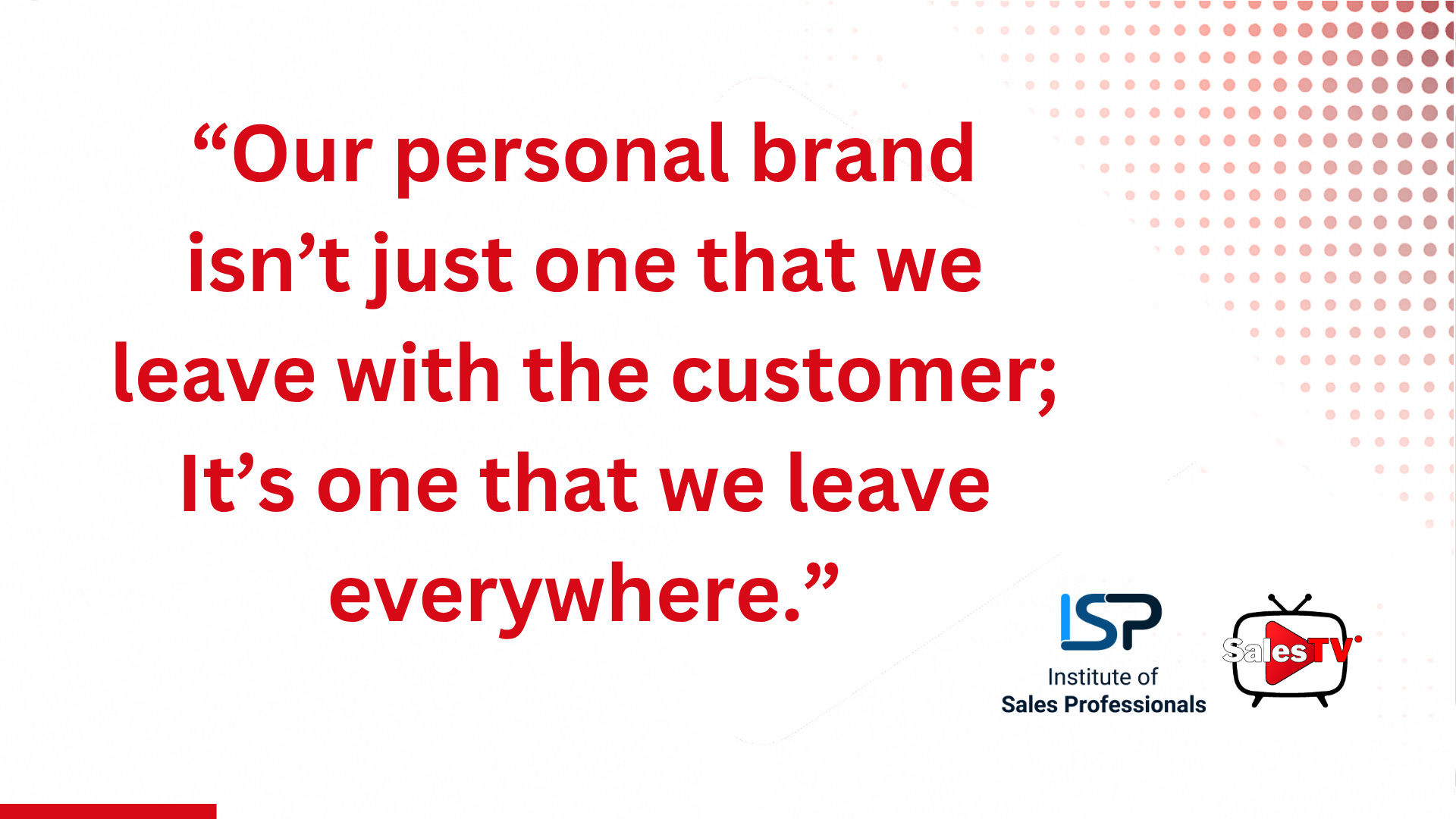 Personal Brand Drives Sales Trust | Personal branding in sales is more than polish-it’s proof. Discover how authenticity, ethics, and trust define your credibility as a sales professional in this exclusive SalesTV + ISP panel. Through our partnership with the Institute of Sales Professionals, SalesTV gives you access to a conversation usually reserved for ISP members. Leaders from across generations explore how authenticity, preparation, and values shape the way salespeople are seen-and how professionalism turns credibility into opportunity. Chapters 00:00 Introduction – What defines a professional brand? 04:00 Building trust through authenticity 09:00 Ethics, standards, and the ISP’s role 18:00 Balancing KPIs with meaningful conversations 22:00 Technology, AI, and the future of authenticity 28:00 Hard work, credibility, and legacy in sales In this episode we asked - * What does it mean to build a personal brand as a sales professional? * How do you show people you are worthy of trust before they’ve worked with you? * What are the challenges of building and amplifying your brand in sales? * What has changed in sales over time, and what fundamentals remain the same? Key Takeaways * A personal brand built on authenticity drives lasting trust and reputation. * Professional standards and ethics are the foundation of credibility. * Meaningful conversations matter more than KPIs-they define how you’re perceived. * Technology and AI can enhance reach, but only integrity sustains relationships. * Sales success is still rooted in curiosity, preparation, and care. Personal branding in sales isn’t about polish-it’s about proof. In this discussion, the panel explores how sales professionals can develop authentic brands that build trust and credibility. From aligning with professional standards to balancing technology and human connection, discover how ethics, preparation, and emotional intelligence set true professionals apart. Whether you’re a sales leader, sales enablement specialist, or early-career seller, this conversation reveals how to strengthen your reputation and elevate the profession of sales. The ONE THING the ISP wants you to take away - You can work for years to build your personal brand, but you can lose it in a minute by doing the wrong thing. About SalesTV SalesTV.live is a weekly talk show created by salespeople, for salespeople. Each episode explores sales, sales training, networking, and social selling, bringing together sales leaders, enablement professionals, and practitioners from across the globe. About the Institute of Sales Professionals The Institute of Sales Professionals (ISP) is the world’s only body dedicated to raising standards in sales. Through its Sales Capability Framework, certifications, and global member community, the ISP works to elevate sales to the level of a recognized profession. @SalesTVlive @InstituteofSalesProfessionals#PersonalBrand #SalesTrust #Professionalism #SalesIntegrity #Sales #SalesLeadership #LinkedInLive #Podcast This is a public episode. If you would like to discuss this with other subscribers or get access to bonus episodes, visit salestv.substack.com | 38m 47s | ||||||
| 10/20/25 | 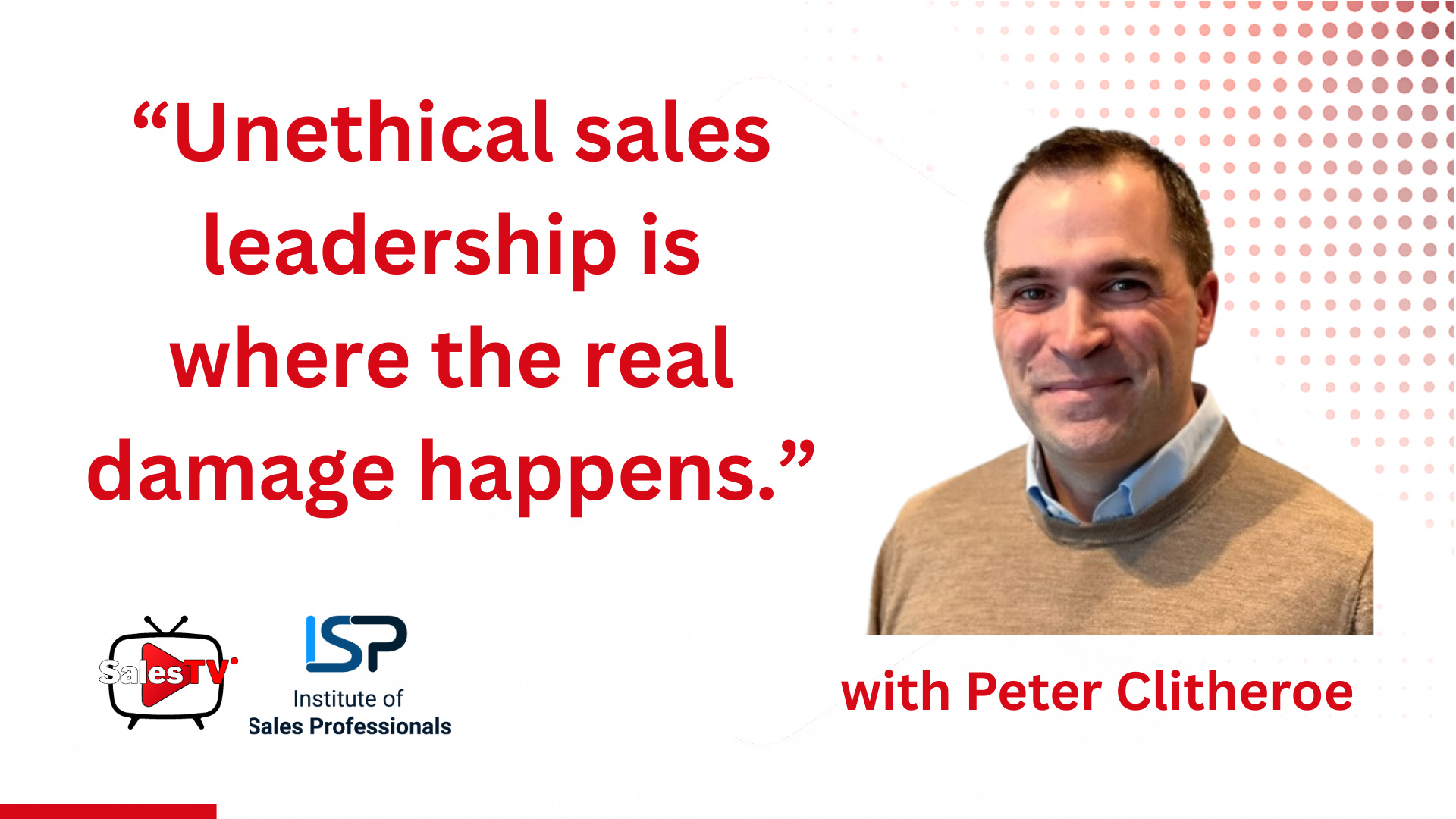 How Do Unethical Sales Practices Keep Happening | In this episode of SalesTV, doctoral researcher and VP of Sales Peter Clitheroe shares insights from more than 500 hours of study on sales ethics, leadership culture, and organizational behavior. Together we unpack why sales ethics fail not because of “bad reps,” but because of systems and cultures that reward short-term revenue over professional integrity. Chapters00:00 Intro – How Do Unethical Sales Practices Keep Happening?01:00 Tone at the Top – Leadership Cascade and Culture04:00 How Unethical Sales Practices Start Inside Organizations06:45 Ethics vs Unethical Behavior – Defining the Line09:50 Balancing Quota and Ethics in Sales13:40 Building Trust and Integrity in Sales Teams17:00 Peter’s PPRI Framework for Ethical Sales Leadership23:00 How Middle Managers Should Respond to Unethical Practices26:20 The ONE THING – Behavior Is the Outcome of Culture In this episode we asked -* What drives unethical sales practices to persist in organizations?* Why do companies still tolerate unethical sales tactics from top performers?* How do leaders align incentives with ethical selling?* How can middle managers respond when they see unethical sales practices? Key Takeaways include:* Tone at the top matters. Leadership behavior sets the ethical climate.* Compensation systems drive culture. Quotas and bonuses shape ethical or unethical behavior.* Framework for prevention. Peter introduces his PPRI framework - Culture, Leadership Styles, and Manager Capability - to help organizations reduce unethical sales practices.* Managers must not stay silent. Speaking up and rewarding ethical behavior build trust and sustain sales integrity. Unethical sales practices can damage brand reputation, destroy customer trust, and erode long-term growth. Research shows that organizational culture, not any one individual, sustains these behaviors. When leaders fail to reinforce ethical norms, sales teams fill the void with their own rules. Middle managers play a critical role in breaking that cycle by modeling ethical leadership, coaching with integrity, and balancing quota and ethics in sales. If you’re a sales leader or middle manager looking to strengthen your sales culture and integrity, this conversation will help you recognize how leadership culture shapes every deal-and what you can do to build a more ethical sales organization. The ONE THING Peter Wants You to Take Away“Unethical sales practices persist because culture sustains them, not because sellers don’t know better.” About SalesTVSalesTV.live is a weekly talk show created by salespeople, for salespeople. Each episode explores sales, sales training, networking, and social selling, bringing together sales leaders, enablement professionals, and practitioners from across the globe. About the Institute of Sales ProfessionalsThe Institute of Sales Professionals (ISP) is the world’s only body dedicated to raising standards in sales. Through its Sales Capability Framework, certifications, and global member community, the ISP works to elevate sales to the level of a recognized profession. @SalesTVlive @InstituteofSalesProfessionals#SalesEthics #SalesCulture #EthicalSelling #SalesIntegrity #SalesProfession#Sales #SalesLeadership #LinkedInLive #Podcast This is a public episode. If you would like to discuss this with other subscribers or get access to bonus episodes, visit salestv.substack.com | 29m 03s | ||||||
Showing 25 of 113
Pitch Fit is a Pro feature
See how bookable this show is for guests, which brands already advertise, the per-episode ad value, and the best-fit guest and sponsor profile. The numbers are blurred on the free plan.
How readily this show books outside guests like you.
How proven this show is for host-read sponsorships.
For Guests
ProFor Advertisers
ProUpgrade to Pro to unlock guest cadence, sponsor categories, fit scores, and per-episode ad value for this show.