Science Friday
Covering the outer reaches of space to the tiniest microbes in our bodies, Science Friday is the source for entertaining and educational stories about science, technology, and other cool stuff.
AI overview.Science Friday, produced by WNYC Studios, is renowned for its engaging approach to science communication. With a focus on breaking down complex topics, it serve…
Insights from recent episode analysis
Audience Interest
- space exploration
- microbiology
Podcast Focus
- science stories
- technology discussions
Publishing Consistency
- weekly episodes
- active for five years
Platform Reach
- available on major platforms
- potential for broad audience
Insights are generated by CastFox AI using publicly available data, episode content, and proprietary models.
Total monthly reach
Based on 3 signals.
Built from
By chart position
- 🇺🇸United States · Life SciencesHOME#21.1M to 5.7M
- 🇨🇦Canada · Life Sciences#175K to 396K
- 🇬🇧United Kingdom · Life Sciences#440K to 212K
- 🇦🇺Australia · Life Sciences#326K to 139K
- 🇮🇳India · Life Sciences#523K to 123K
- Per-Episode Audience
Est. listeners per new episode within ~30 days
1.5M to 7.7M🎙 Daily cadence·1,000 episodes·Last published yesterday - Monthly Reach
Unique listeners across all episodes (30 days)
4.8M to 26M🇺🇸74%🇨🇦5%🇬🇧3%+13 more - Active Followers
Loyal subscribers who consistently listen
2.7M to 14M274K real followers tracked across platforms
Market Insights
Platform Distribution
Reach across major podcast platforms, updated hourly
Total Followers
—
Total Plays
—
Total Reviews
—
* Data sourced directly from platform APIs and aggregated hourly across all major podcast directories.
Resolving iTunes ID\u2026 if this persists, the podcast may not be indexed on Apple Podcasts.
| Date | Episode | Description | Length | ||||||
|---|---|---|---|---|---|---|---|---|---|
| 10/27/26 | 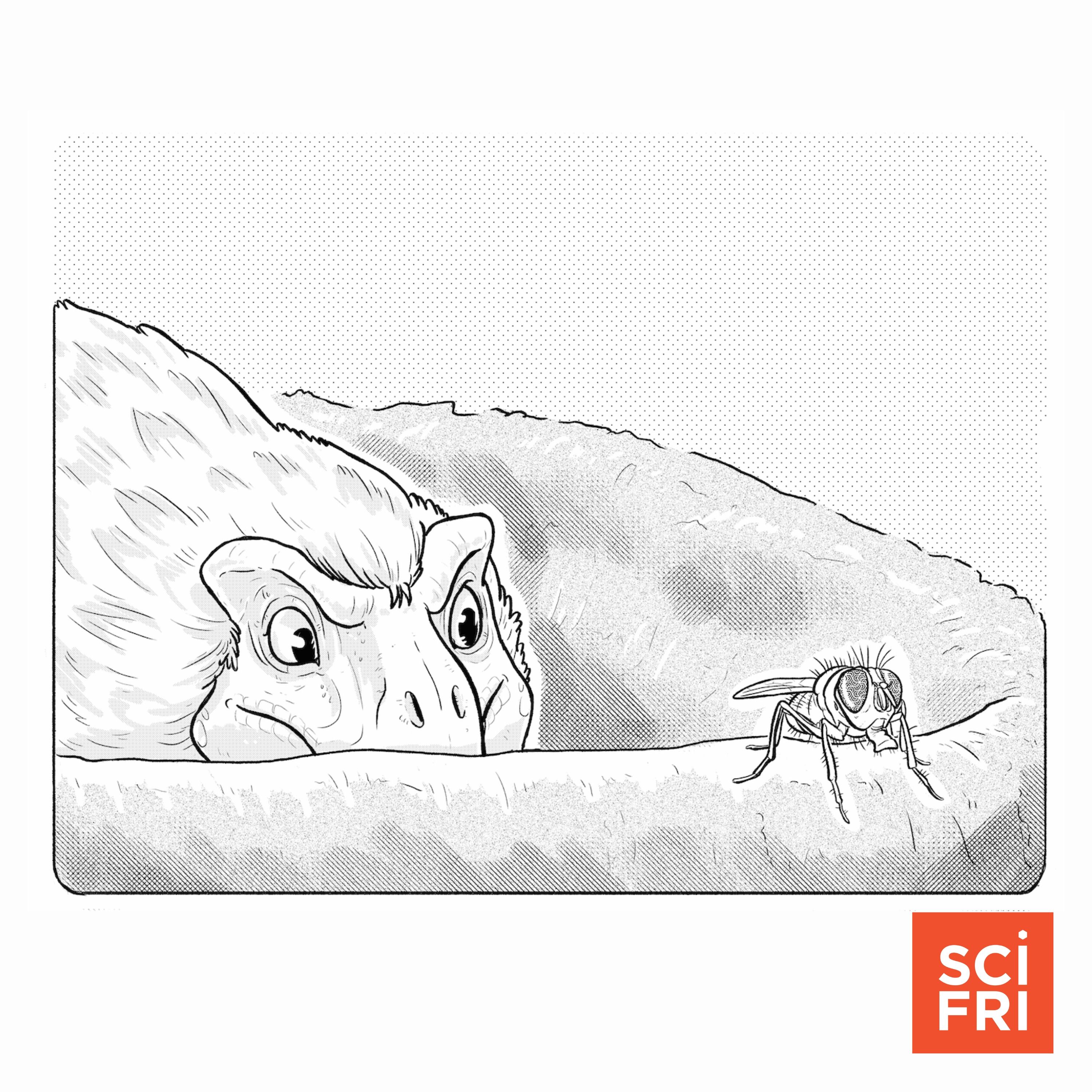 What was life like for Tyranossaurus rex? | T. rex may be the most famous prehistoric predator, but life wasn’t always bone-snapping chomps and food chain scaremongering. | 18m 00s | ||||||
| 10/26/26 | 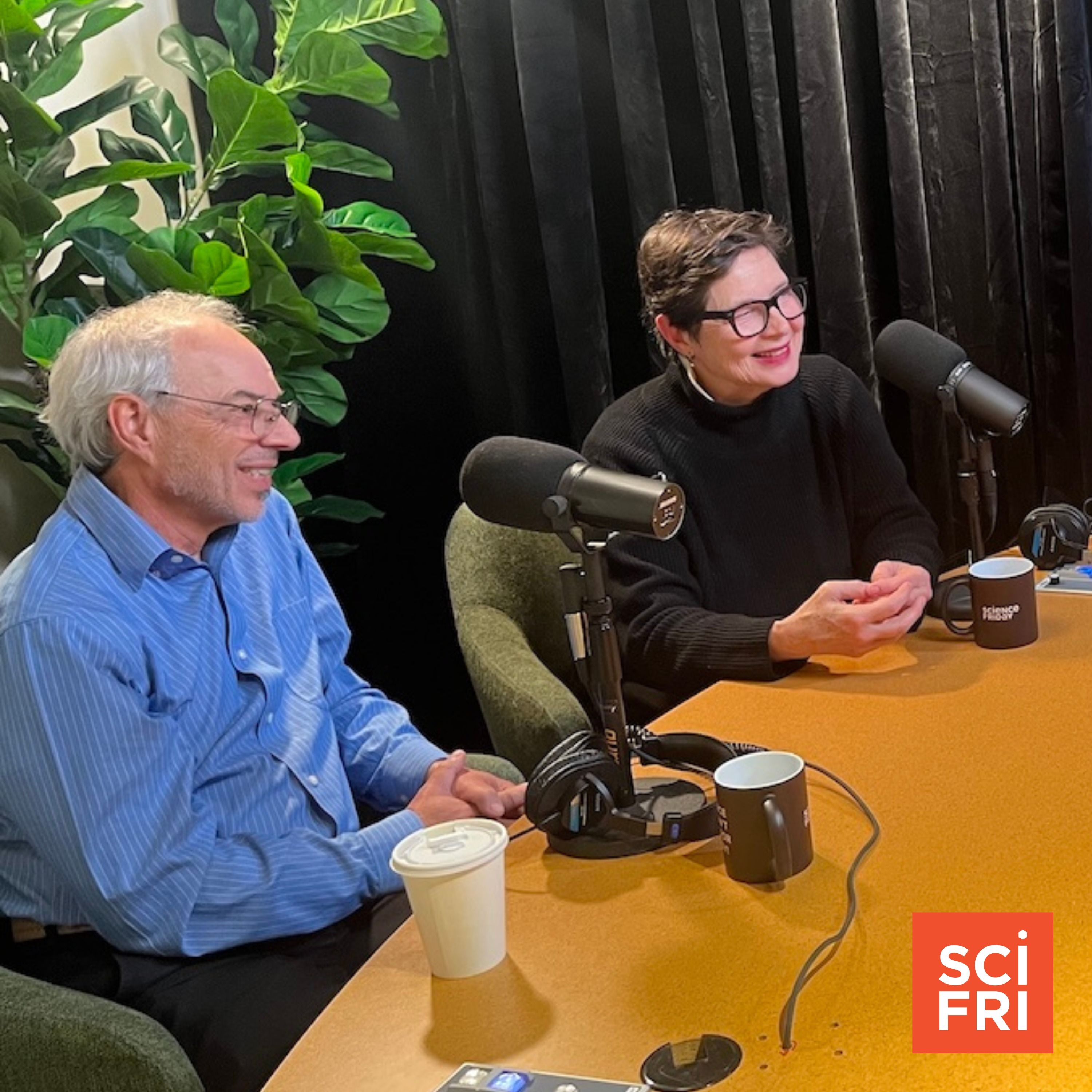 Isabella Rossellini on how acting connects to animal cognition | Should we anthropomorphize animals or not? An actor and an ecologist share what they’ve learned about animal cognition. | 19m 33s | ||||||
| 10/24/26 |  Why are we changing the way we keep time? | Timekeeping scientists around the world voted to stop using leap seconds, but what does this mean for us? | 14m 03s | ||||||
| 10/23/26 | 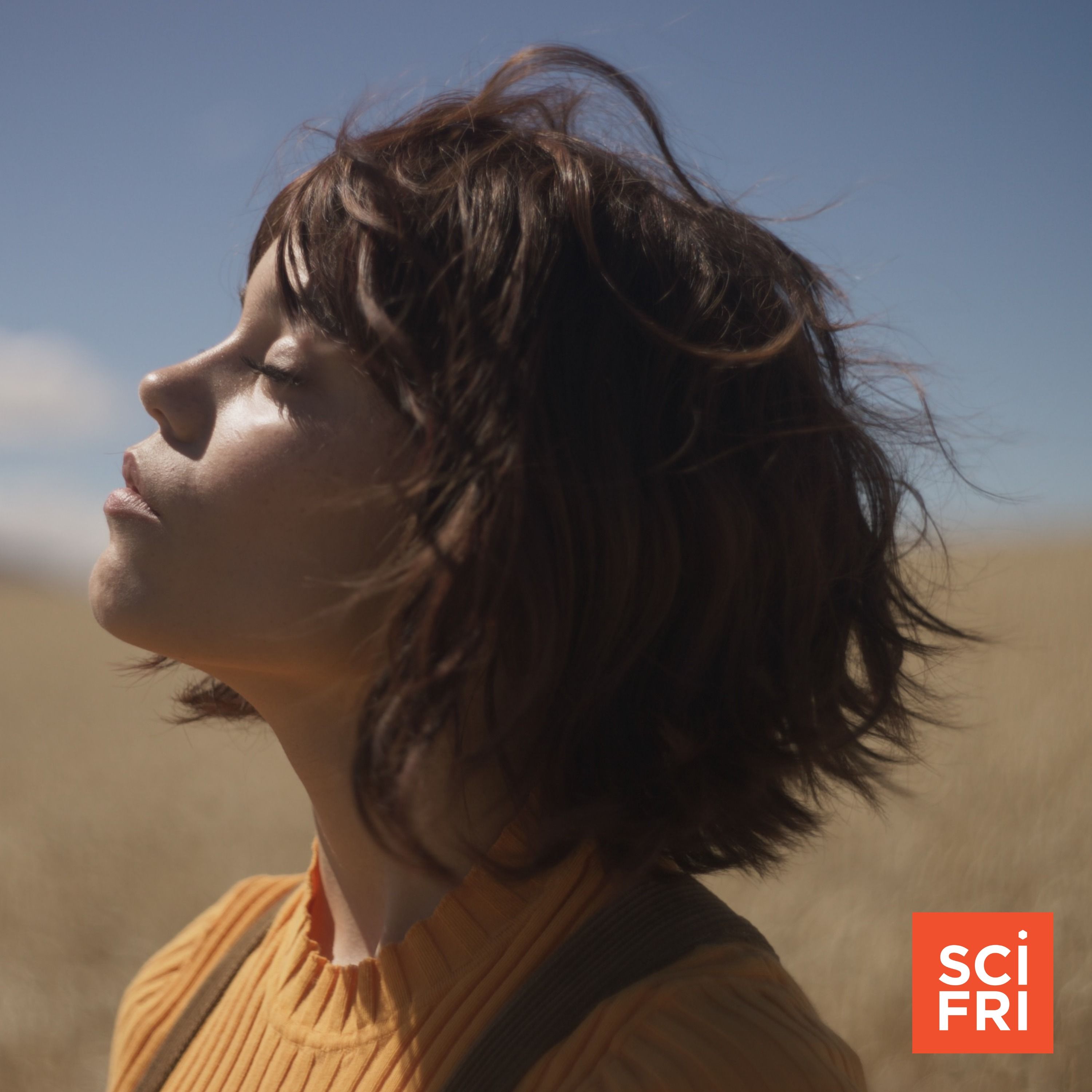 Kazuo Ishiguro on emotional truth in sci-fi and in our AI reality | Five years after “Klara and the Sun” was published, the film adaptation exists in an entirely different AI landscape. | 25m 08s | ||||||
| 10/22/26 | 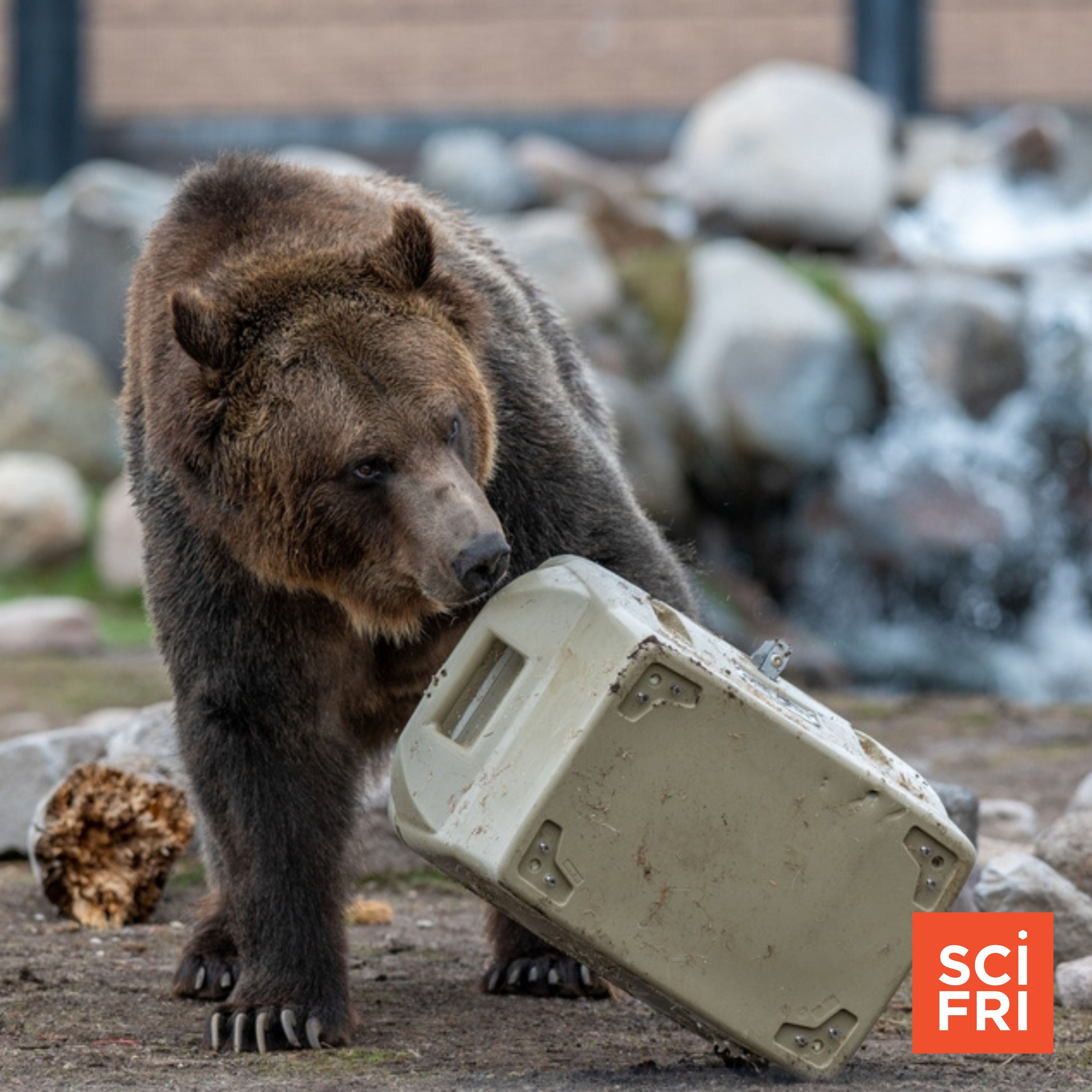 Is that garbage can bear resistant? These bears will find out | In the name of safety, test engineers turn pill bottles over to kids, launch dead chickens through jet engines, and let bears loose on coolers. | 18m 39s | ||||||
| 10/21/26 | 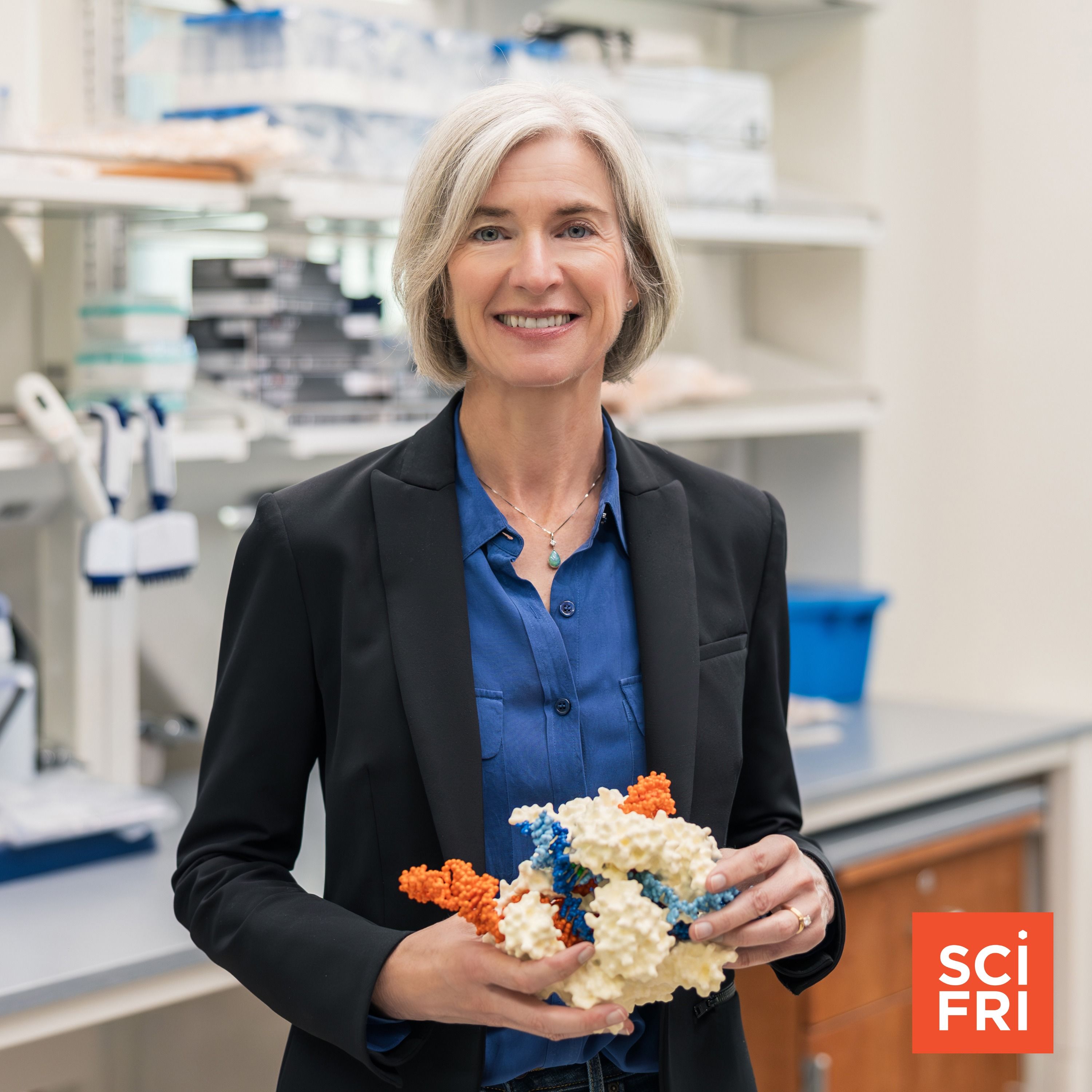 Jennifer Doudna on what it takes to be a good scientist | CRISPR pioneer Jennifer Doudna on the evolution of gene-editing technology, her own path, and what it takes to be a good scientist. | 29m 38s | ||||||
| 10/20/26 | 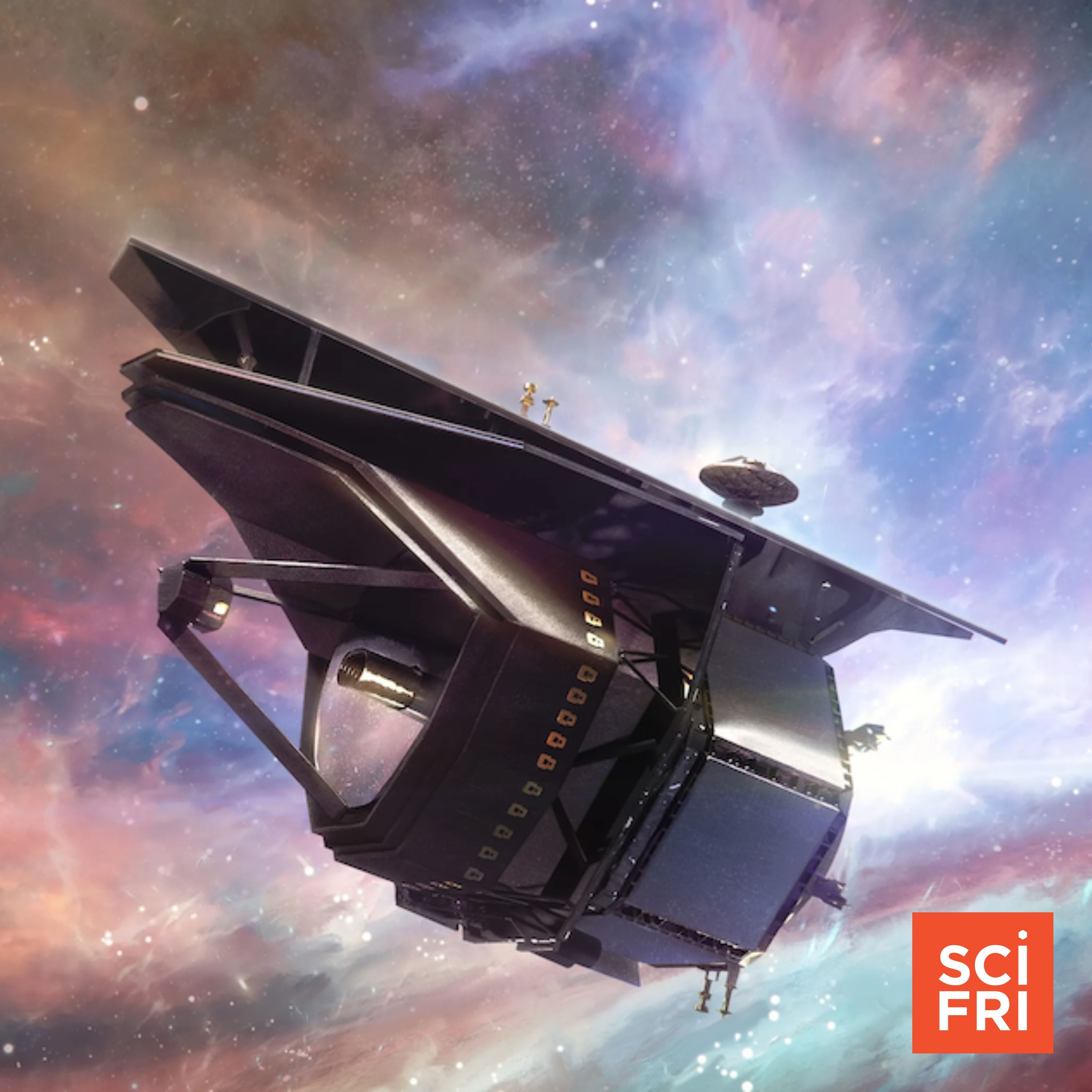 Getting the billion-dollar PRIMA space telescope off the ground | The proposed PRIMA space telescope just entered Phase B of its development. What does that mean? | 15m 42s | ||||||
| 10/19/26 |  Ayana Elizabeth Johnson on making climate action cool | Climate leader Ayana Elizabeth Johnson reflects on this moment of the climate movement and why climate action should be fun. | 12m 04s | ||||||
| 10/16/26 | 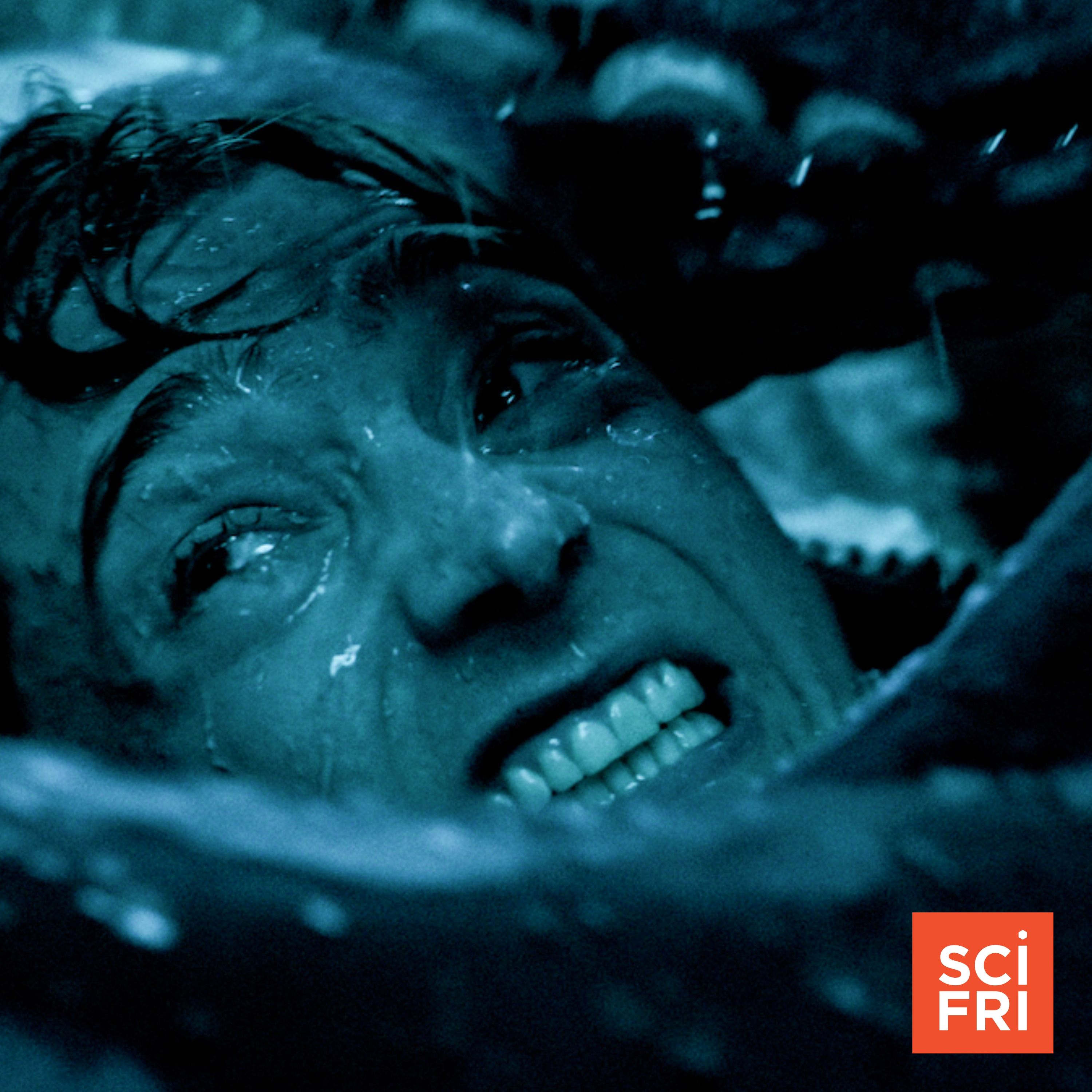 Could a whale swallow a human, 'Whalefall' style? | "Whalefall" is a race against time, and sperm whale digestion. We get into the gooey gut science and what it took to bring it to the big screen. | 18m 18s | ||||||
| 10/15/26 |  Why do politicians talk like that? | A linguist weighs in on how "politician speak" has changed over the past century, and what it says about what we want from our leaders. | 18m 15s | ||||||
Want analysis for the episodes below?Free for Pro Submit a request, we'll have your selected episodes analyzed within an hour. Free, at no cost to you, for Pro users. | |||||||||
| 10/14/26 | 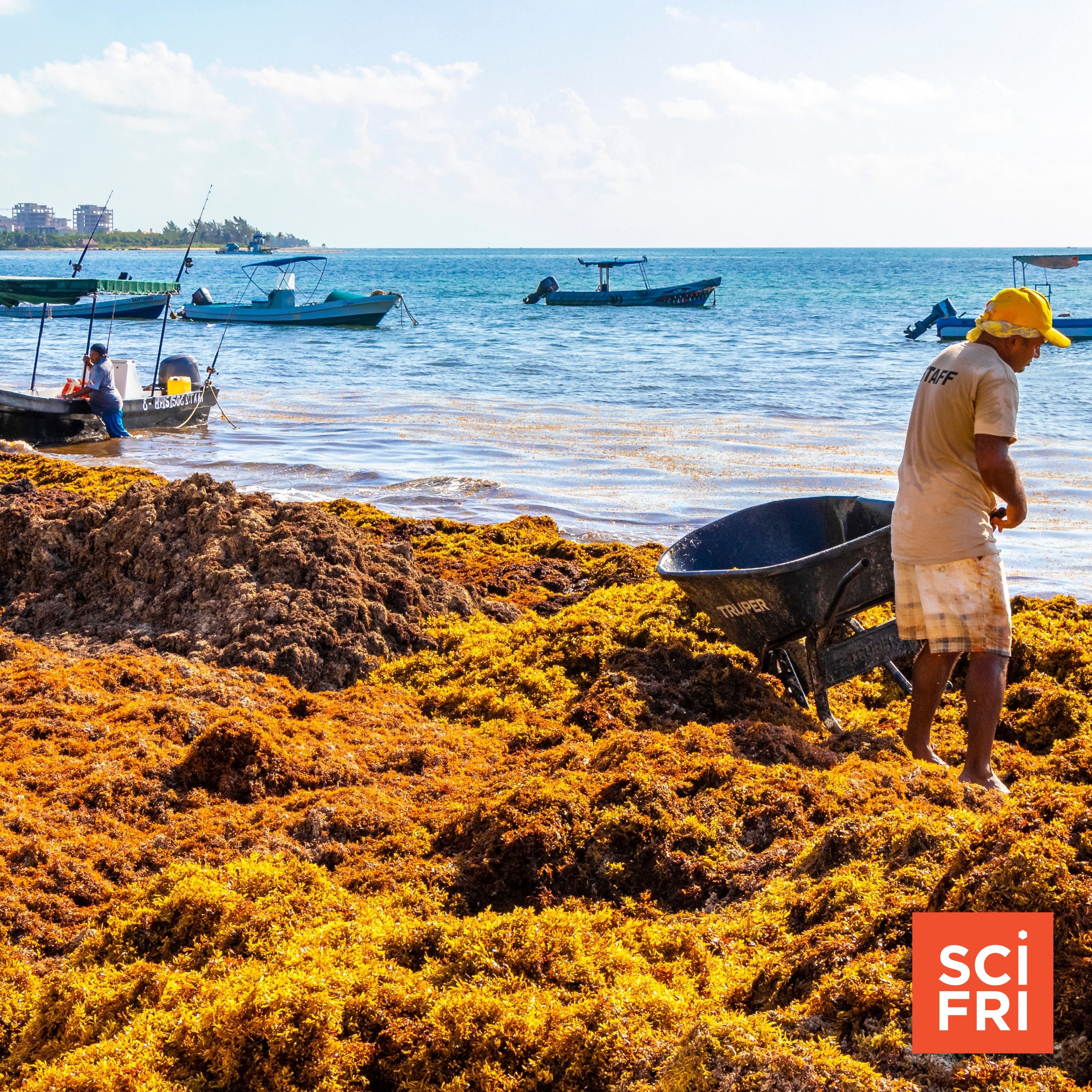 Sargassum superblooms are choking coastlines around the Atlantic | A free-floating seaweed called sargassum is exploding in the Atlantic ocean, clogging up coastlines from West Africa to the Caribbean. | 12m 41s | ||||||
| 10/13/26 | 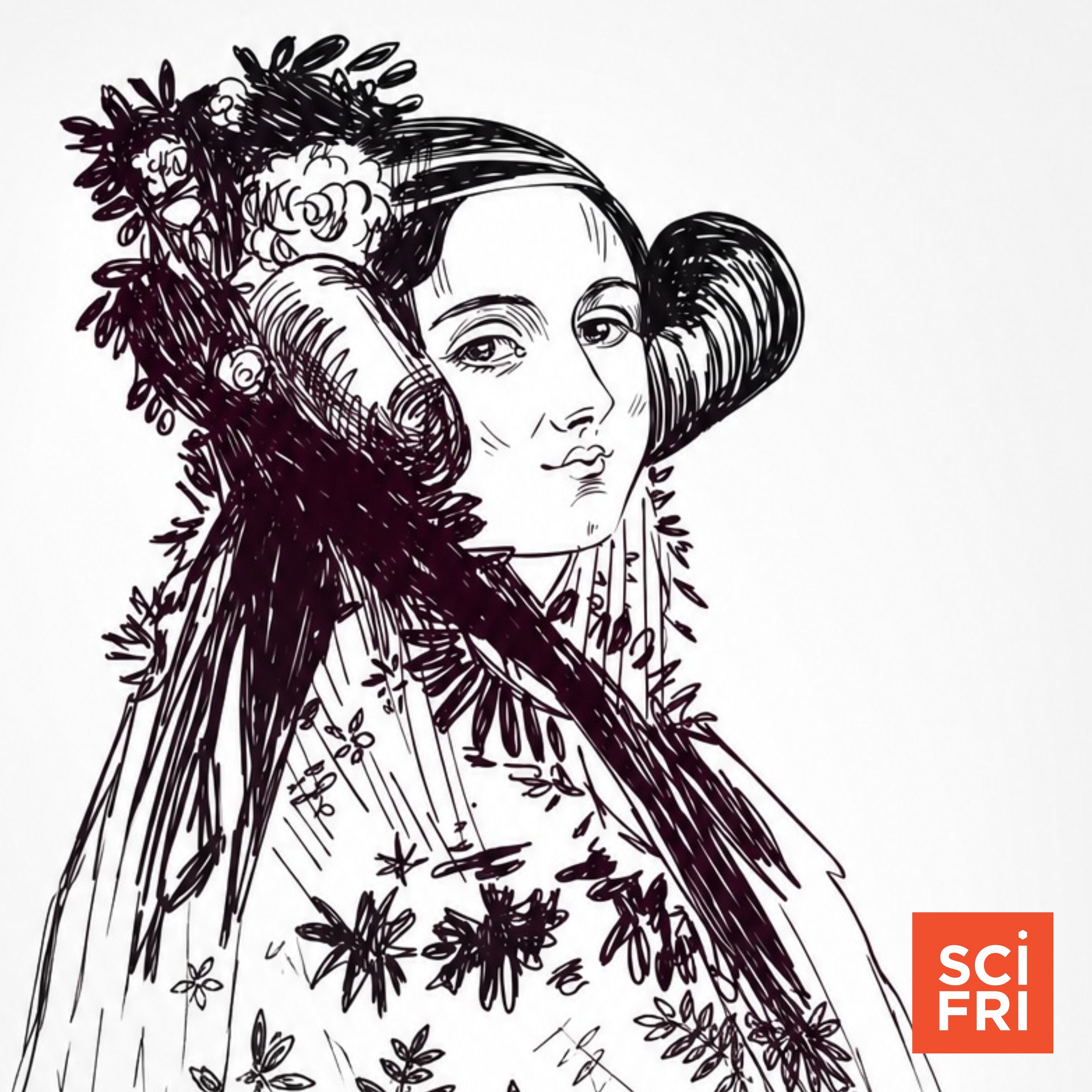 Celebrating Ada Lovelace Day and the women who made the internet | For Ada Lovelace Day, our 2018 story about the women who made the internet, with the author of "Broad Band" and the founder of EchoNYC. | 17m 30s | ||||||
| 10/12/26 |  Are attachment styles more than a social media trend? | Attachment styles have taken off as a way to understand relationships. But does the science behind it line up with popular interpretations? | 17m 42s | ||||||
| 10/10/26 | 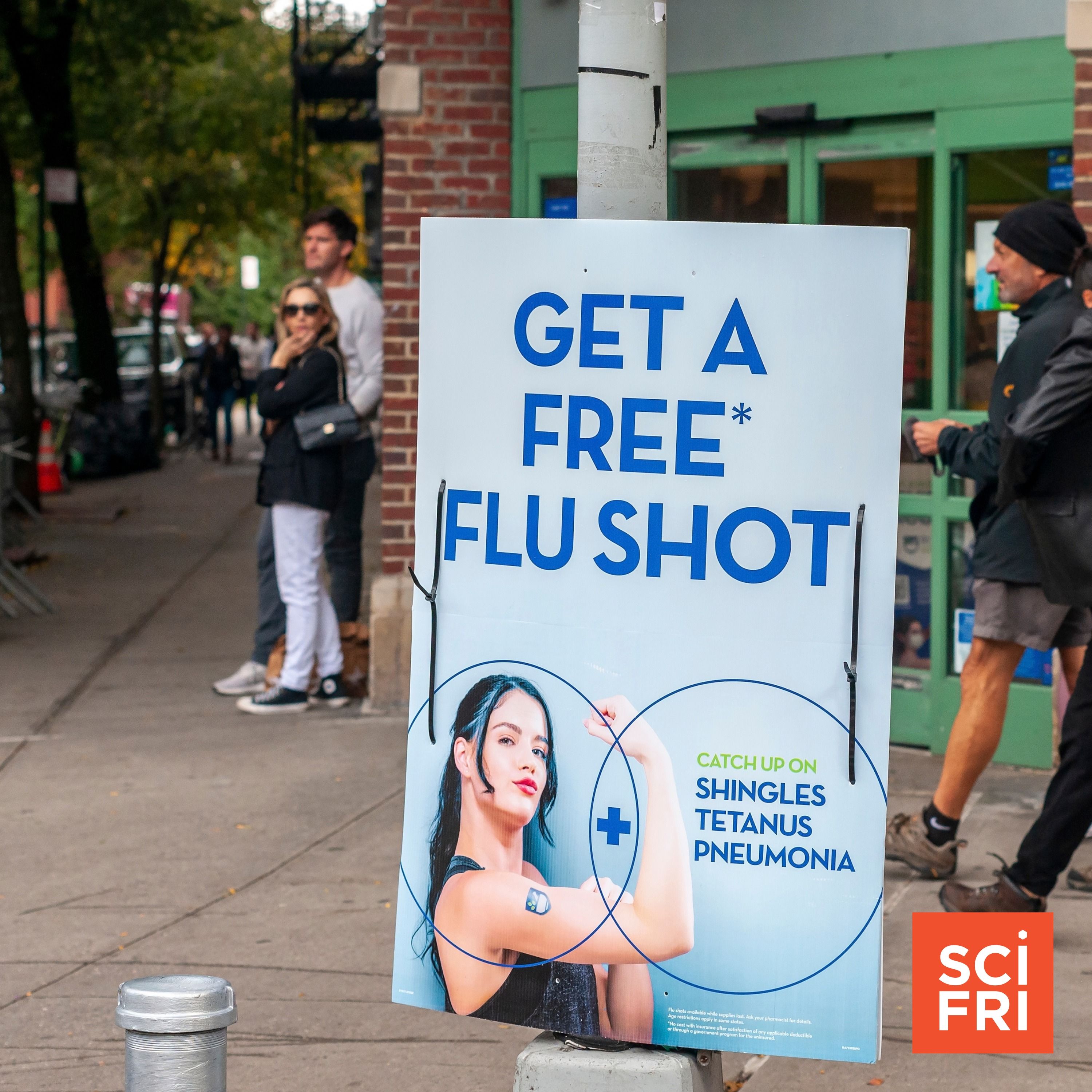 The science and politics of the new mRNA flu vaccine | A new mRNA flu vaccine promises a closer match to circulating flu strains. But dysfunction at federal health agencies is complicating rollout. | 12m 08s | ||||||
| 10/9/26 | 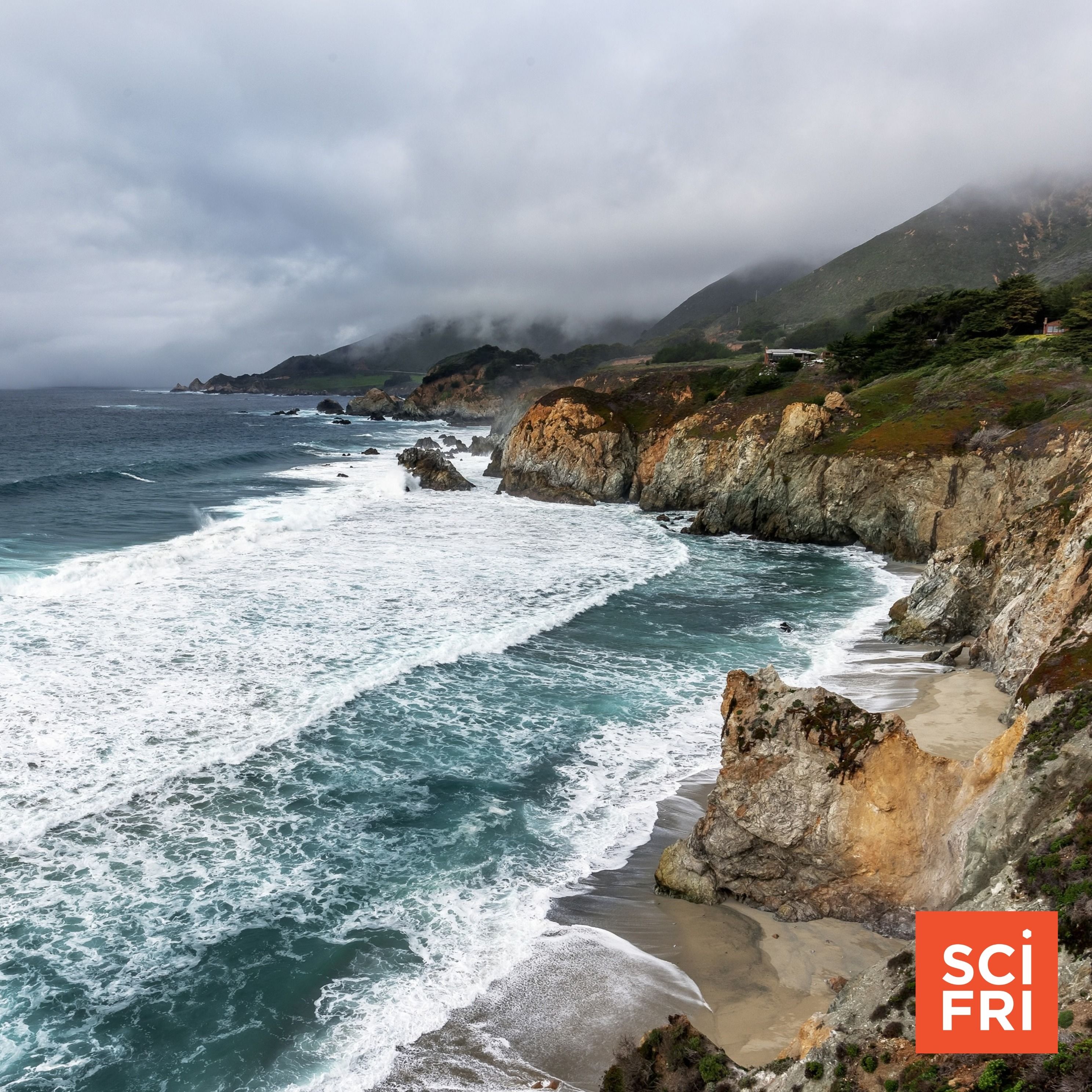 What is the Kelvin wave on the West Coast? | El Niño is driving a Kelvin wave up the West Coast, raising sea levels. What is it, and how does it work? | 12m 35s | ||||||
| 10/8/26 | 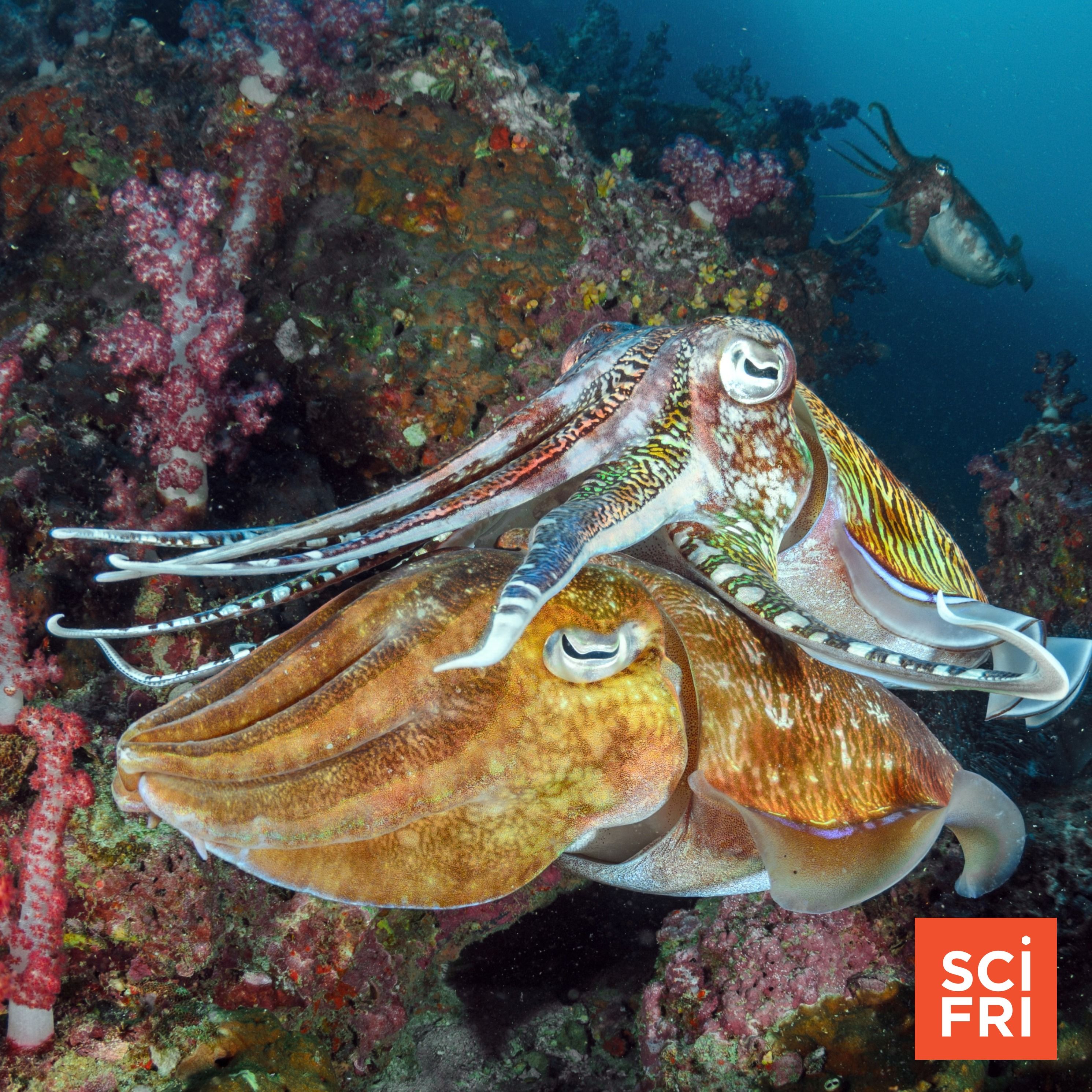 The punk rock life of cephalopods | This Cephalopod Week, we’re talking death spirals, cannibalism, and giant squid dissection. | 18m 16s | ||||||
| 10/7/26 | 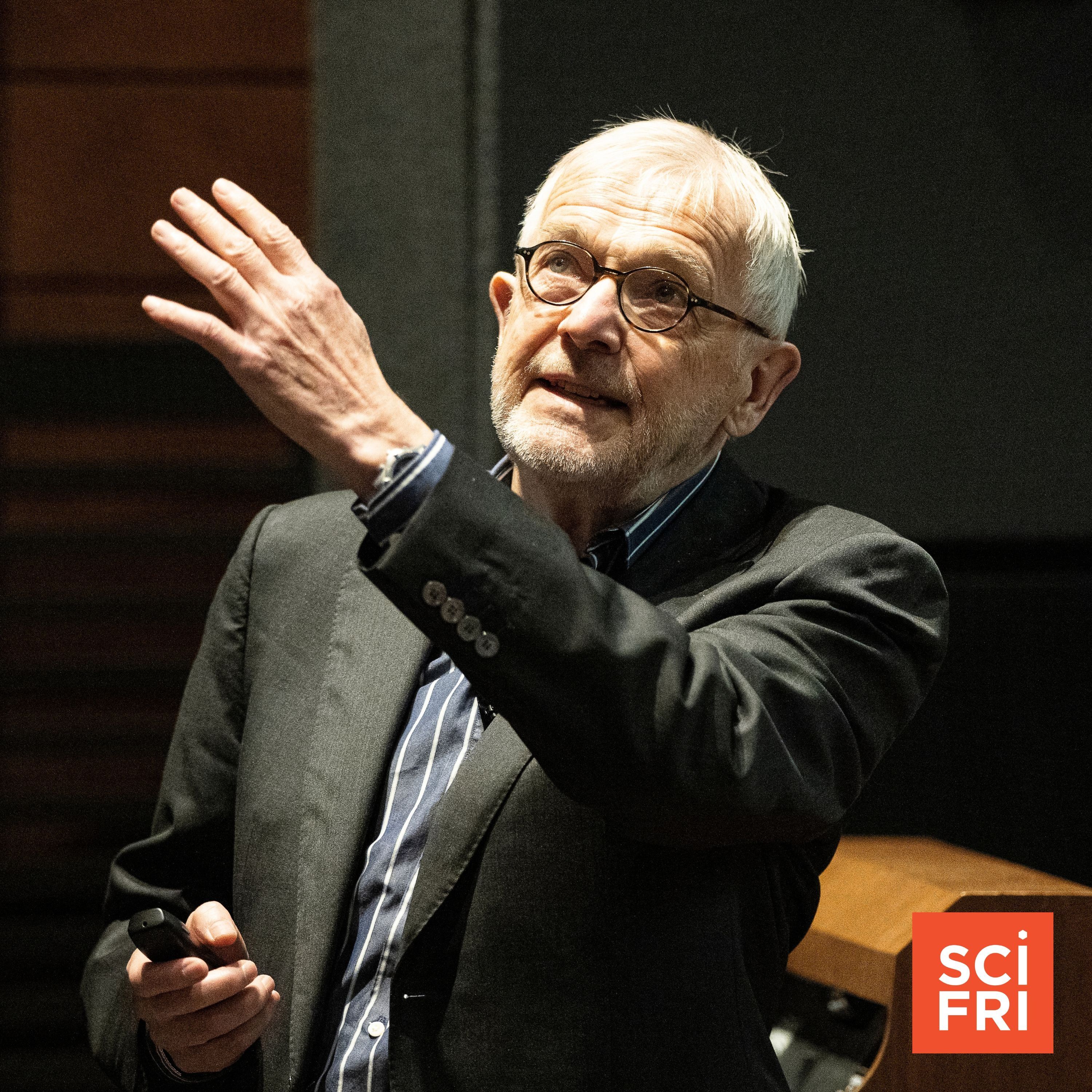 The Nobel winner searching for deep-space neutrinos in Antarctica | In 2013, Frances Halzen spoke with Ira about the IceCube Neutrino Observatory. This week, Halzen won the Nobel Prize. | 13m 06s | ||||||
| 10/6/26 | 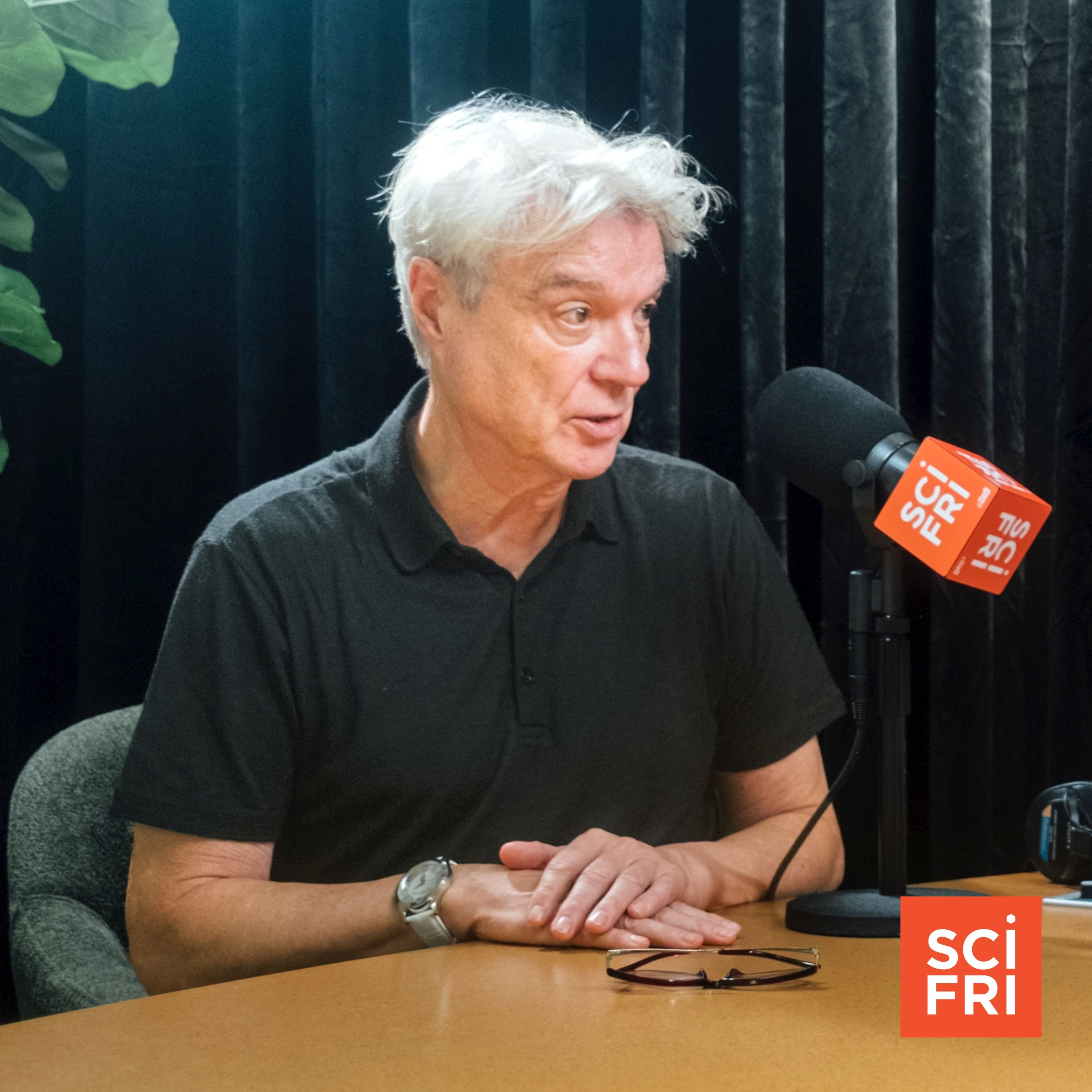 How important ideas get reawakened, with David Byrne | Why do some breakthroughs go dormant—and then wake up? Artist David Byrne writes about these sleeping beauties in his new book. | 16m 17s | ||||||
| 10/5/26 | 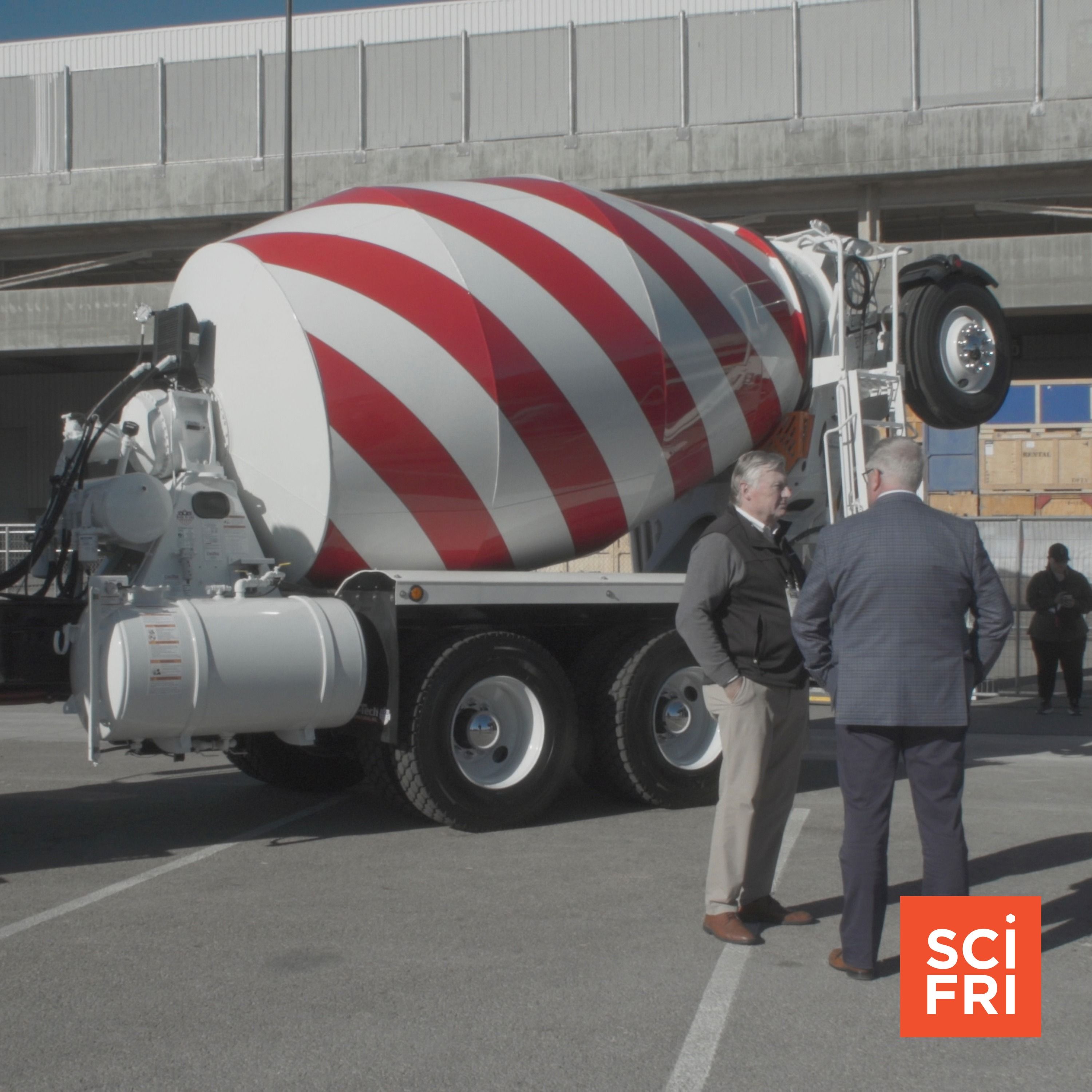 'The History of Concrete' with John Wilson | John Wilson’s latest feature film, “The History of Concrete” is an idiosyncratic journey about more than just concrete. | 15m 22s | ||||||
| 10/2/26 | 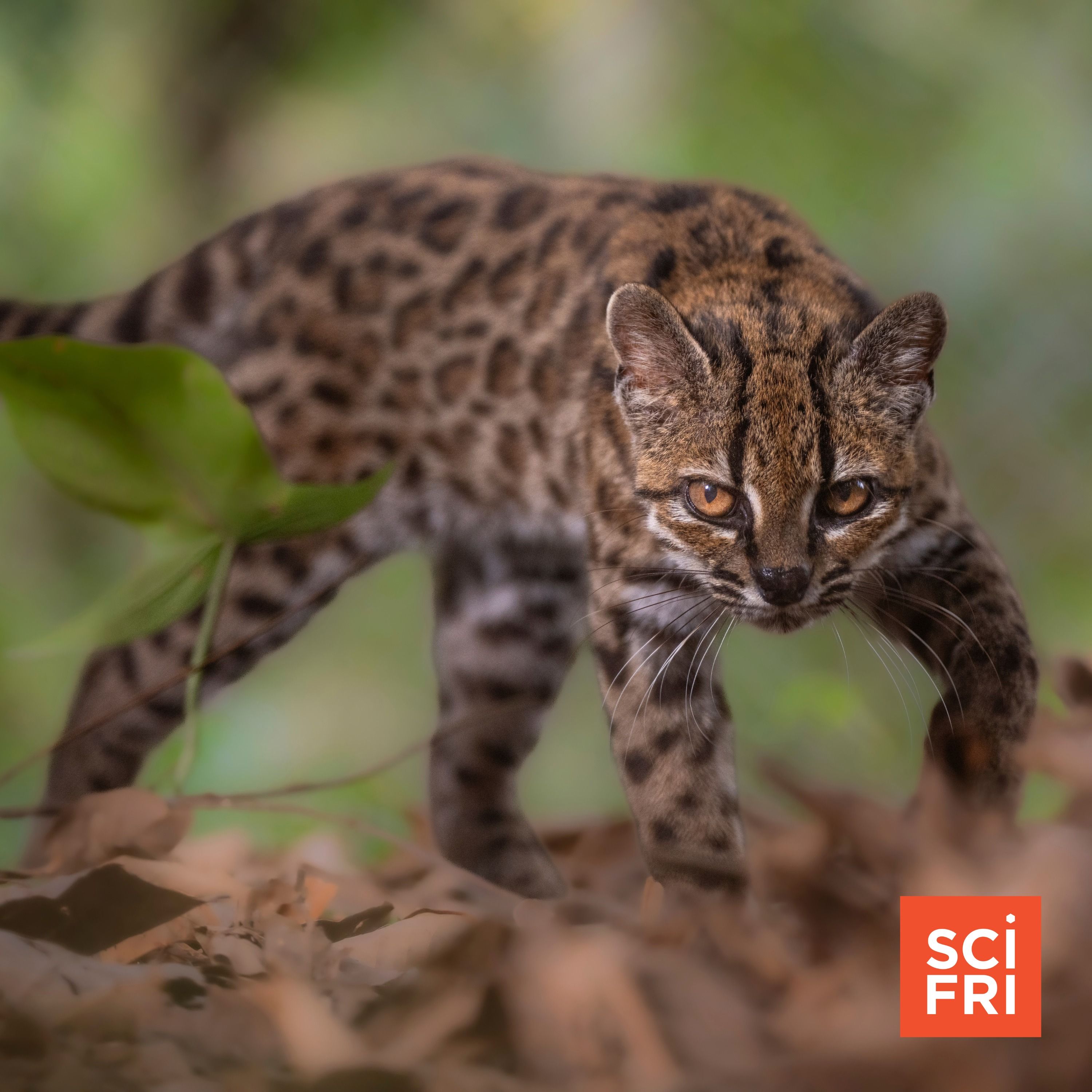 The tilcayo is the new wild cat on the block | The tiny, three-pound tilcayo is the first cat species to be described in a century, and, yes—it is as cute as you’d think. | 12m 45s | ||||||
| 10/1/26 | 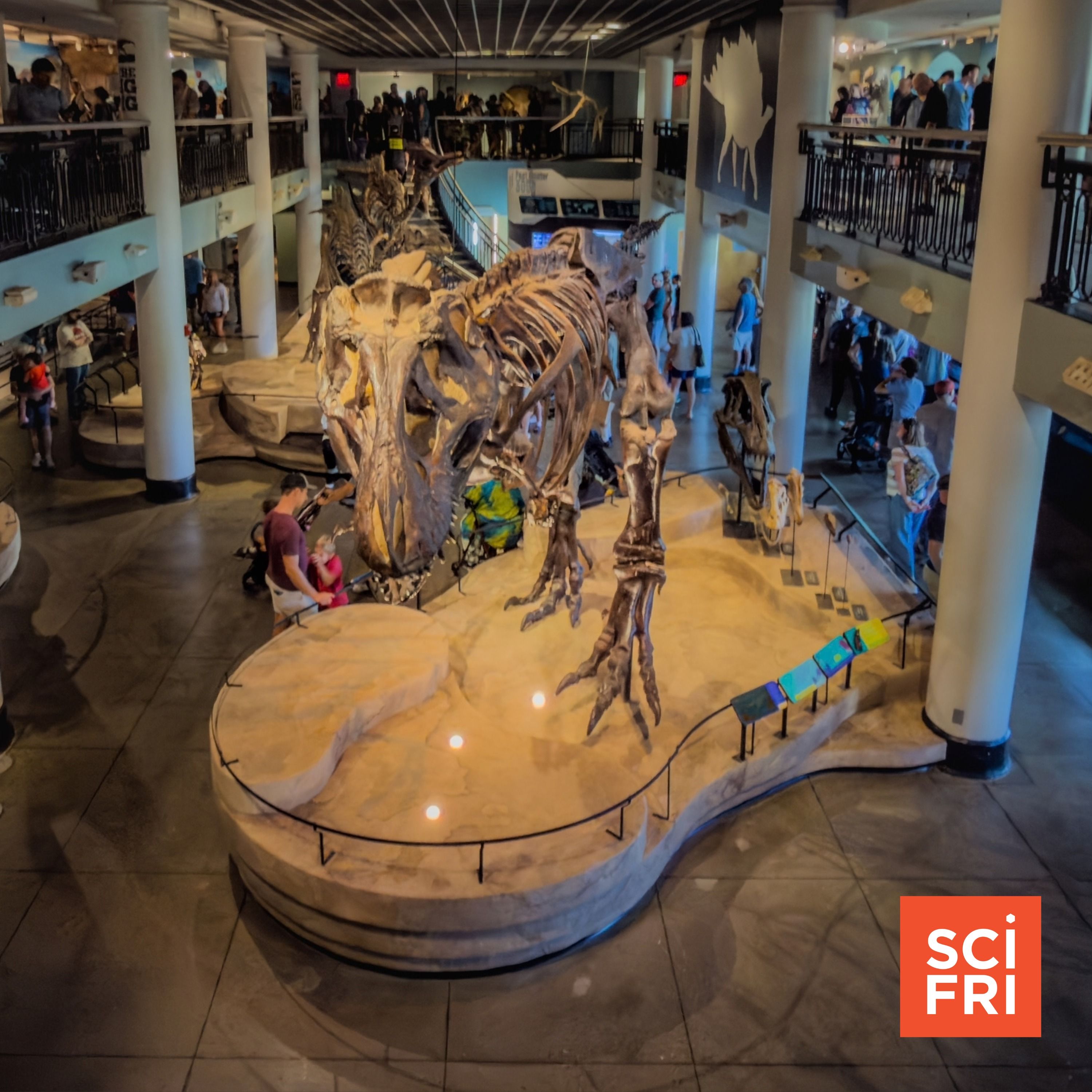 Are natural history museums going extinct? | The country’s oldest natural history museum, in Philadelphia, has closed its doors to visitors. Will other museums follow? | 17m 37s | ||||||
| 9/30/26 | 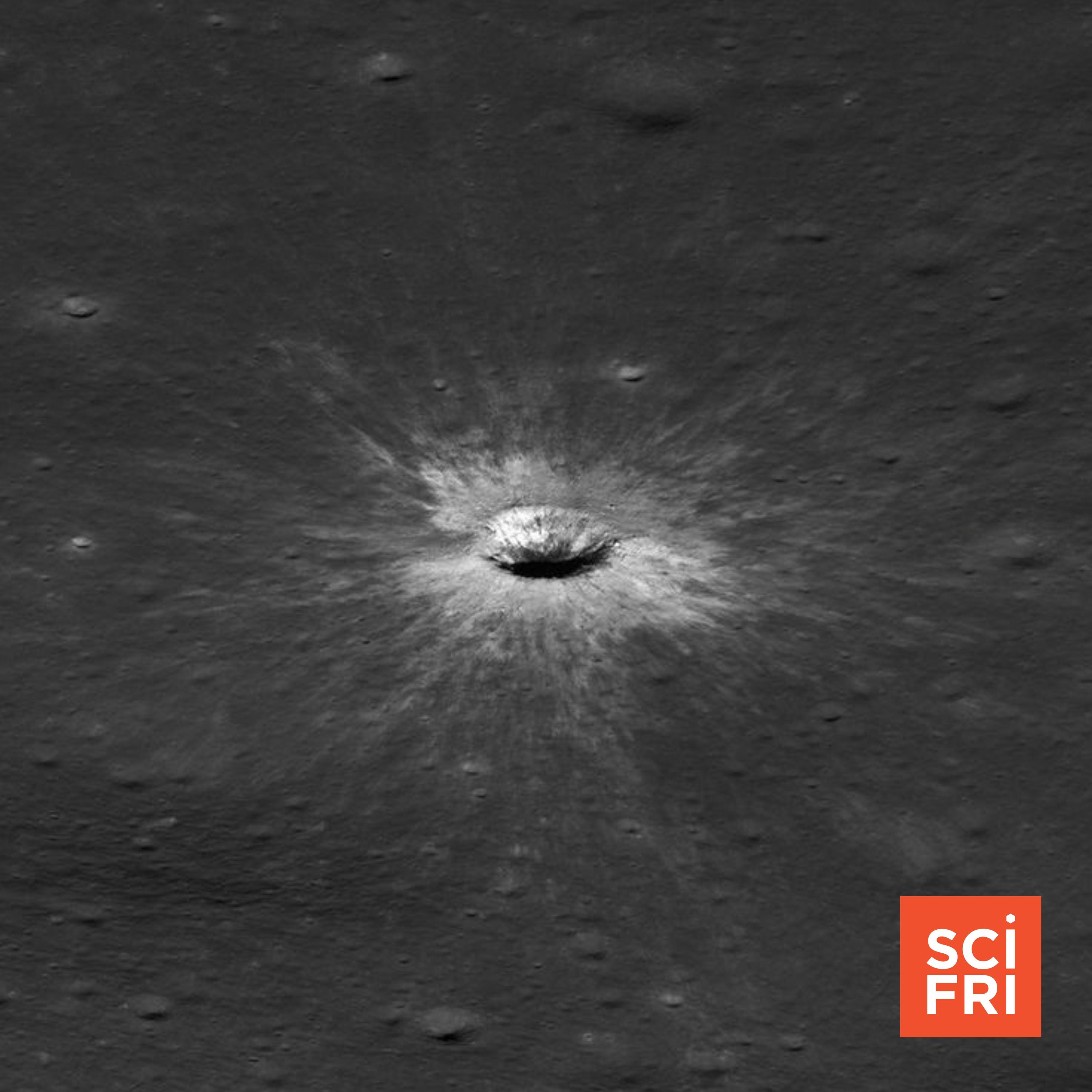 Examining a new lunar crater + searching for signs of alien technology | Scientists are learning more about a recent impact crater on the moon. Plus, hunting for extraterrestrial life through technological clues. | 18m 11s | ||||||
| 9/29/26 |  Did the COVID pandemic stunt kids’ development? | The pandemic interrupted the lives of millions of kids. Researchers are studying the impact on their social and emotional development. | 21m 52s | ||||||
| 9/28/26 | 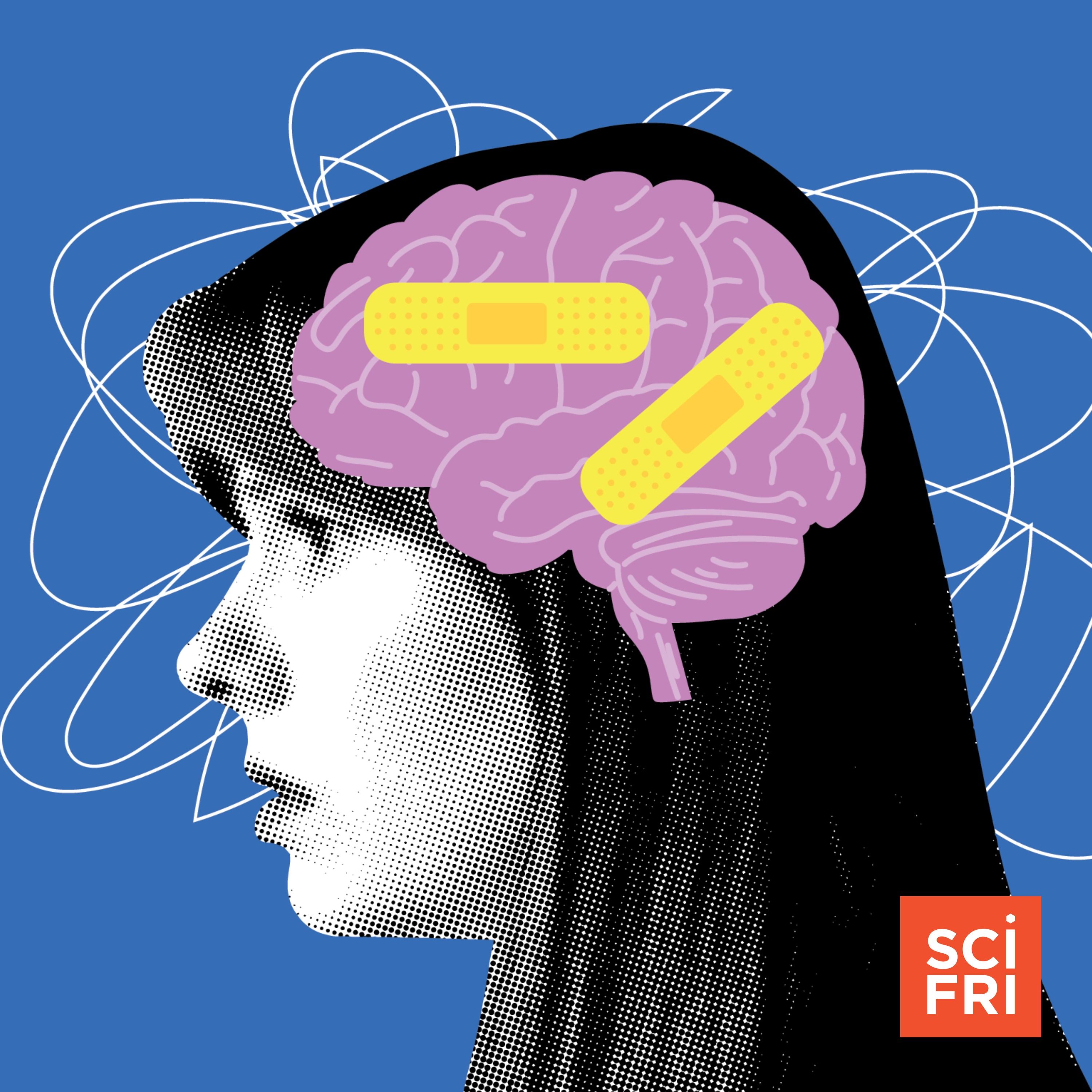 How do concussions affect the brain? | The latest scientific understanding of concussions is upending treatment recommendations for recovery. | 18m 05s | ||||||
| 9/25/26 | 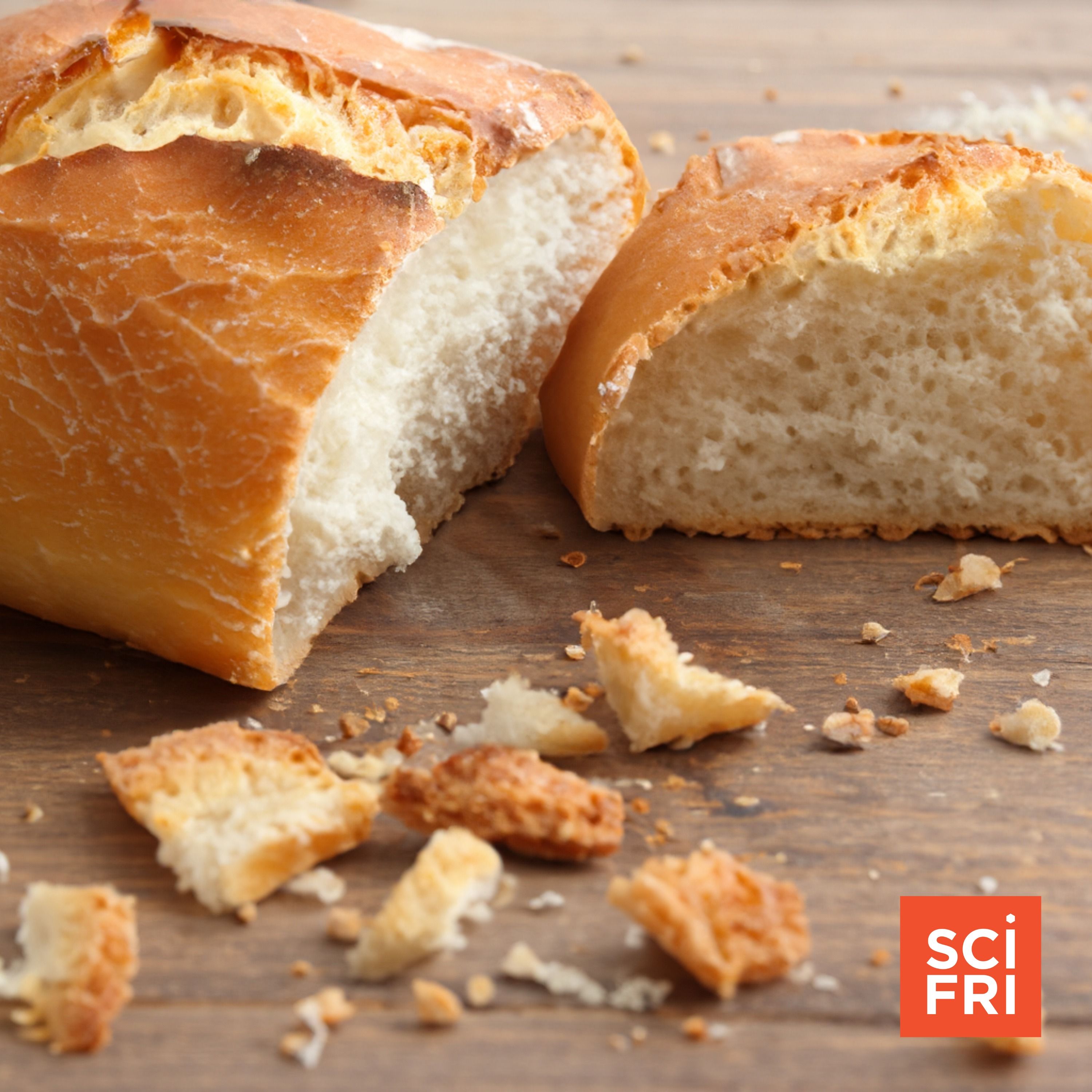 Are new treatments for celiac disease on the horizon? | More than 3 million Americans suffer from celiac disease, an illness with no current treatment. Is help on the way? | 11m 30s | ||||||
Showing 25 of 1000
Pitch Fit is a Pro feature
See how bookable this show is for guests, which brands already advertise, the per-episode ad value, and the best-fit guest and sponsor profile. The numbers are blurred on the free plan.
How readily this show books outside guests like you.
How proven this show is for host-read sponsorships.
For Guests
ProFor Advertisers
ProUpgrade to Pro to unlock guest cadence, sponsor categories, fit scores, and per-episode ad value for this show.
Distribution & Reach
About the show, platforms, and key insights.
Distribution & Reach
About the show, platforms, and key insights.
Science Friday, produced by WNYC Studios, is renowned for its engaging approach to science communication. With a focus on breaking down complex topics, it serves as a bridge between scientific research and the general public, making science accessible and entertaining. WNYC is a prominent public radio station known for high-quality storytelling and educational content. The podcast uniquely spans a vast array of subjects, from the cosmos to microbiology, delivering entertaining and informative stories. Its format often includes expert interviews, listener questions, and discussions that foster curiosity about the natural world and technological advancements, appealing to a wide audience interested in science and its impact on daily life. Listeners, estimated between 6.2 million and 19 million, are drawn to Science Friday for its ability to make science relatable and relevant. The value lies in its educational content, which empowers audiences to understand complex scientific issues and encourages a lifelong curiosity about the world around them.
By the numbers
- Total followers: 482K
- Total plays: 49M
- Total reviews: 6.2K
Platforms
TuneIn
- Followers: 99K
Castbox
- Followers: 156K
- Plays: 4.4M
- Reviews: 155
YouTube
- Subscribers: 208K
- Views: 45M
- Videos: 919
Podcast App
- Followers: 6.5K
- Reviews: 6.0K
Podcast Republic
- Followers: 13K
- Reviews: 27
Audience
professionals
Key insights
What the show covers
- science stories
- technology discussions
- natural phenomena
- educational content
Audience interests
- space exploration
- microbiology
- science education
- technology advancements
Platform reach
- available on major platforms
- potential for broad audience
- distributed by WNYC Studios
- growing listener base
Publishing consistency
- weekly episodes
- active for five years
- 1000 episodes produced
- reliable schedule
Chart history for Science Friday
Peaked at #1 in Canada, top 10 in 40 of 50 tracked markets, currently #1 in Canada.
| Market | Genre | Peak | Current | Trend |
|---|---|---|---|---|
| Canada | — | #1 | #1 | — |
| Ireland | — | #1 | #1 | — |
| Finland | — | #1 | #1 | — |
| United States | — | #2 | #2 | — |
| Sweden | — | #2 | #2 | — |
| Norway | — | #2 | #2 | — |
| HU | — | #2 | #2 | — |
| ID | — | #2 | #2 | — |
| Australia | — | #3 | #3 | — |
| Netherlands | — | #3 | #3 | — |
| South Korea | — | #3 | #3 | — |
| TH | — | #3 | #3 | — |
| PE | — | #3 | #3 | — |
| United Kingdom | — | #4 | #4 | — |
| CH | — | #4 | #4 | — |
| HK | — | #4 | #4 | — |
| MY | — | #4 | #4 | — |
| Spain | — | #5 | #5 | — |
| Denmark | — | #5 | #5 | — |
| IL | — | #5 | #5 | — |
Chart Positions
50 placements across 44 markets.
Chart Positions
50 placements across 44 markets.