
Science History Podcast
by Frank A. von Hippel
Is this your podcast?Insights from recent episode analysis
Audience Interest
Podcast Focus
Publishing Consistency
Platform Reach
Insights are generated by CastFox AI using publicly available data, episode content, and proprietary models.
Most discussed topics
Brands & references
Total monthly reach
Estimated from 23 chart positions in 23 markets.
By chart position
- 🇺🇸US · Chemistry#9300K to 1M
- 🇨🇦CA · Chemistry#12300K to 1M
- 🇬🇧GB · Chemistry#16300K to 1M
- 🇦🇺AU · Chemistry#27100K to 300K
- 🇩🇪DE · Chemistry#28100K to 300K
- Per-Episode Audience
Est. listeners per new episode within ~30 days
1.2M to 3.7M🎙 ~2x weekly·100 episodes·Last published 3w ago - Monthly Reach
Unique listeners across all episodes (30 days)
2.4M to 7.4M🇺🇸14%🇨🇦14%🇬🇧14%+20 more - Active Followers
Loyal subscribers who consistently listen
720K to 2.2M
Market Insights
Platform Distribution
Reach across major podcast platforms, updated hourly
Total Followers
—
Total Plays
—
Total Reviews
—
* Data sourced directly from platform APIs and aggregated hourly across all major podcast directories.
On the show
From 13 epsHost
Recent guests
Recent episodes
Episode 105. Curie's Elements: Dava Sobel
Aug 10, 2026
Unknown duration
Episode 104. Pugwash: John Holdren
Jul 11, 2026
2h 16m 41s
Episode 103. Astronomy: Sarah Alam Malik
Jun 16, 2026
1h 06m 04s
Episode 102. Chemicals & Children's Health: Tracey Woodruff
May 14, 2026
1h 17m 32s
Episode 101. Longitude: Emily Akkermans
Apr 10, 2026
1h 23m 26s
Social Links & Contact
Official channels & resources
Official Website
Login
RSS Feed
Login
| Date | Episode | Topics | Guests | Brands | Places | Keywords | Sponsor | Length | |
|---|---|---|---|---|---|---|---|---|---|
| 8/10/26 |  Episode 105. Curie's Elements: Dava Sobel | Marie Curie was one of the most remarkable scientists in history. She was the first woman to win a Nobel Prize, the first person to win two, and the only person ever to earn Nobel awards in separate fields of science. Today we explore the life and legacy of Marie Curie with the science writer Dava Sobel. Dava is the author of prominent and best-selling science history books, including Longitude, Galileo's Daughter, The Planets, A More Perfect Heaven, and The Glass Universe. Today's conversation is based on Dava's latest book, entitled, The Elements of Marie Curie, How the Glow of Radium Lit a Path for Women in Science. | — | ||||||
| 7/11/26 | nuclear disarmamentPugwash Conferences+3 | John Holdren | Pugwash Conferences on Science and World AffairsNobel Peace Prize | Pugwash, Nova Scotia | nuclear weaponsBertrand Russell+3 | — | 2h 16m 41s | ||
| 6/16/26 | ancient astronomyCopernicus+5 | Sarah Alam Malik | Large Hadron ColliderA Brief History of the Universe (and our place in it) | — | astronomydark matter+5 | — | 1h 06m 04s | ||
| 5/14/26 | chemical exposureschild development+3 | Tracey Woodruff | Stanford UniversityUCSF/Stanford Environmental Research and Translation for Health Center+1 | — | chemical exposureschild health+3 | — | 1h 17m 32s | ||
| 4/10/26 | longitudeexploration+3 | Emily Akkermans | Royal Museums Greenwich | Royal Observatory GreenwichBritain | longitudeexploration+4 | — | 1h 23m 26s | ||
| 3/11/26 | Niels Bohrlegacy+5 | Tomas Bohr | Technical University of DenmarkRoyal Danish Academy of Sciences and Letters | — | Niels BohrTomas Bohr+6 | — | 1h 53m 19s | ||
| 2/11/26 | societal collapseEaster Island+4 | Mike Pitts | BBCThe Times+14 | Easter IslandRapa Nui | Easter IslandRapa Nui+5 | — | 1h 54m 32s | ||
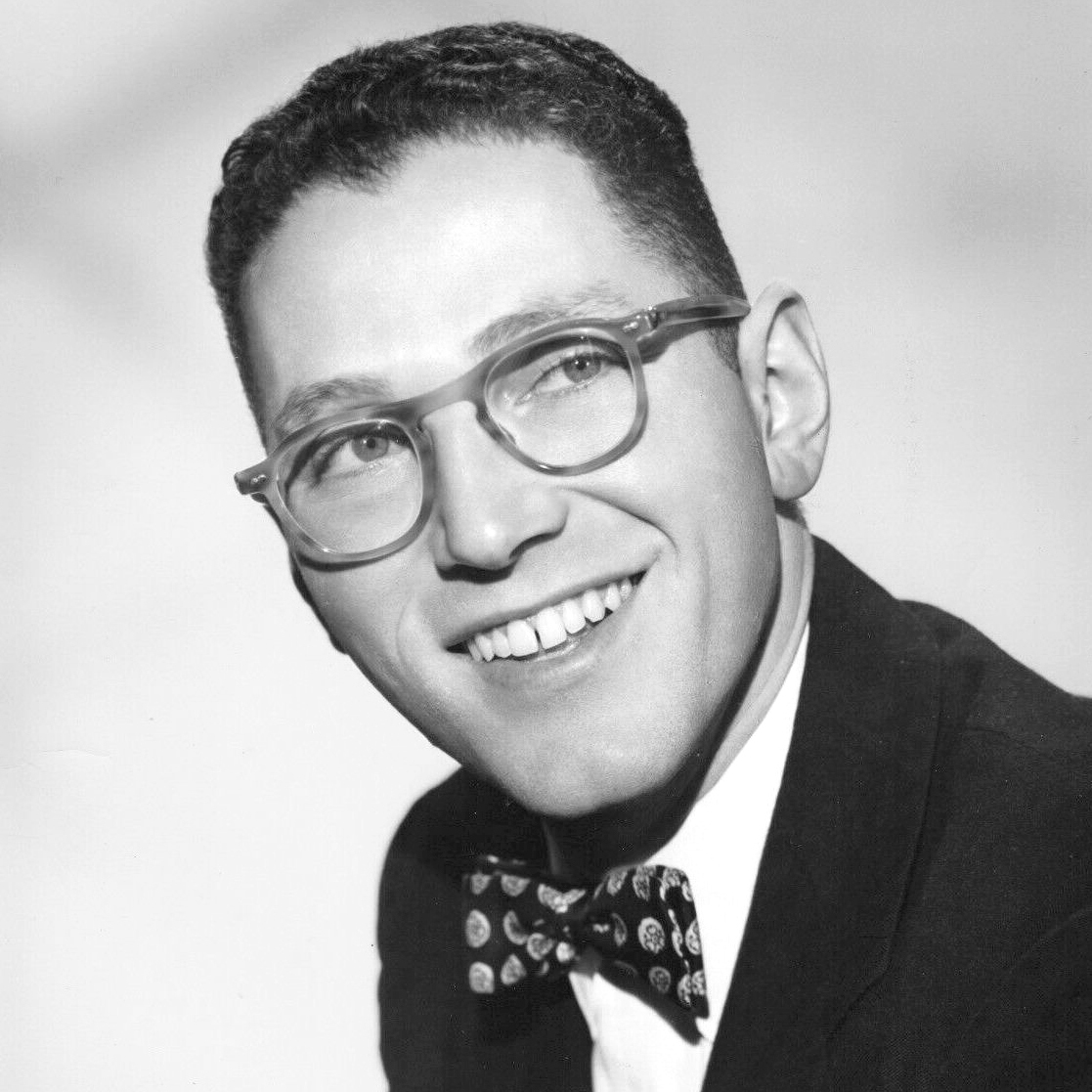
| 1/10/26 | musical satireTom Lehrer+3 | — | — | — | Tom Lehrermusical satire+5 | — | 1h 12m 26s | ||
| 12/10/25 | PFASforever chemicals+4 | Sharon Udasin | University of PennsylvaniaColumbia Journalism School+4 | Colorado | PFASforever chemicals+5 | — | 56m 53s | ||
| 11/11/25 | weatherscience history+4 | Simon Winchester | HarperCollinsThe Breath of the Gods+6 | — | weatherscience+6 | — | 1h 03m 40s | ||
Want analysis for the episodes below?Free for Pro Submit a request, we'll have your selected episodes analyzed within an hour. Free, at no cost to you, for Pro users. | |||||||||
| 10/11/25 | Winston ChurchillJames Muller+5 | James Muller | University of Alaska AnchorageInternational Churchill Society+4 | — | James MullerWinston Churchill+6 | — | 1h 24m 24s | ||
| 9/11/25 | lead poisoningenvironmental health+3 | Bruce Lanphear | U.S. federalEpisode 94 | — | lead poisoningenvironment+4 | — | 1h 17m 22s | ||
| 8/11/25 | university researchTrump Administration+3 | Claudia Polsky | University of California, BerkeleyTrump Administration | — | university researchTrump Administration+3 | — | 1h 03m 14s | ||
| 7/12/25 | community healthenvironmental protection+3 | Jaimi Dowdell | ReutersATSDR+2 | — | ATSDRJaimi Dowdell+5 | — | 58m 44s | ||
| 6/11/25 | 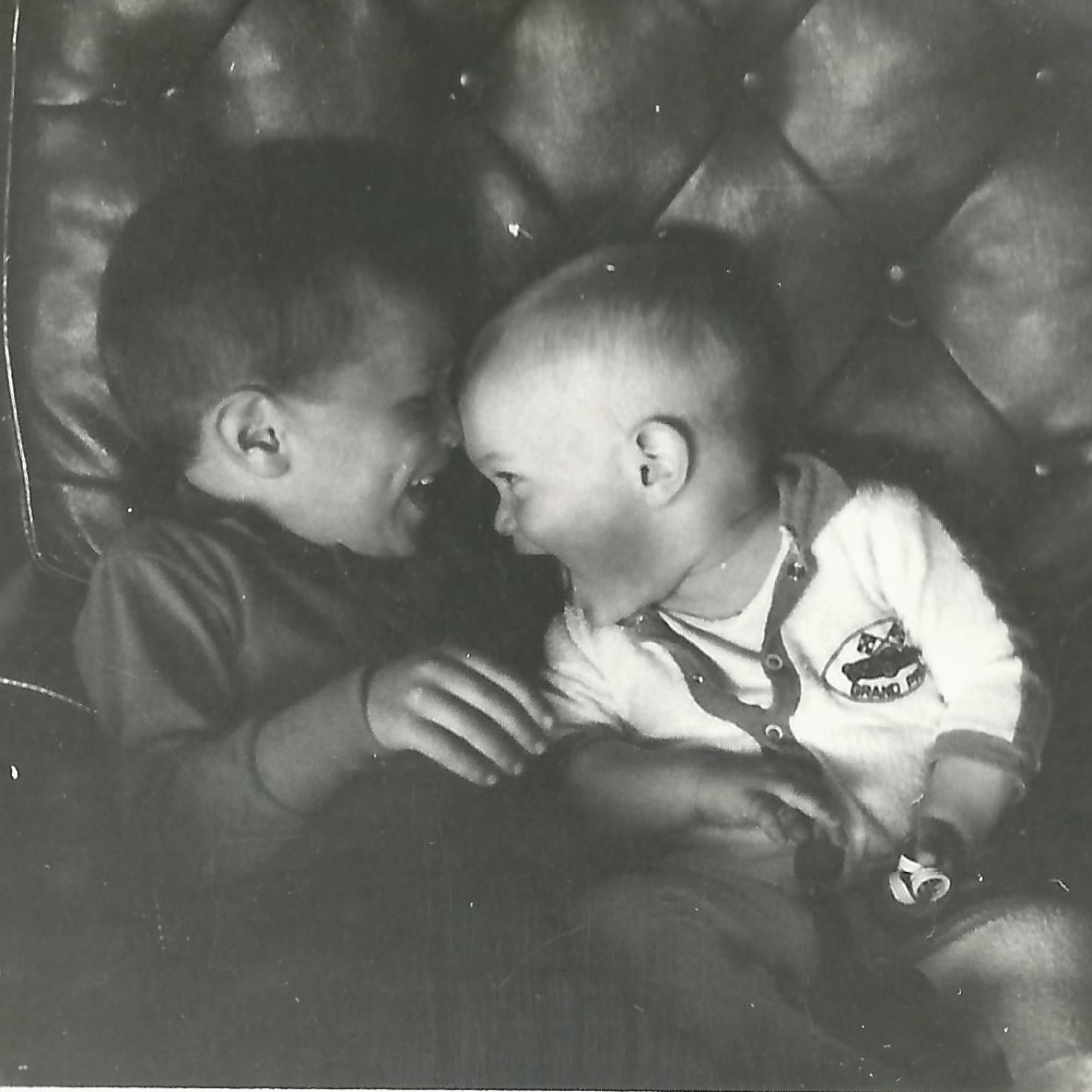 Episode 91. Political Bias: Bill von Hippel | In prior episodes, we examined political interference and bias in science in a few contexts, including episode 3 on the history of U.S. congressional attacks on science, episode 57 on types of bias, episode 65 on ideology and science, and episode 84 on the academy's ideological march to the left and antisemitism on American college campuses. Since those episodes, America went back to the future with the election for the second time of Donald Trump, and the Trump Administration has attacked elite American universities such as Columbia and Harvard with historic intensity. These attacks are motivated by the right's revulsion with the dominance of leftist bias on these universities. We do not know what the outcome of these battles will be. Indeed, as of this recording, Harvard University is challenging the Trump Administration in the American courts, while many other universities are trying to placate the administration or avoid its gaze. However, the fundamental complaint by the right, that elite universities have become bastions of the left and lack diversity of thought, warrants an examination. In today's episode, I explore this topic with my brother Bill. We discuss how political bias distorts the science produced in universities, especially in the social sciences, and we discuss the implications. Bill is the author of over 150 articles in psychology, as well as the books The Social Leap, published in 2018, and The Social Paradox, published in 2025, both by Harper Collins Publishers. | — | ||||||
| 5/12/25 | 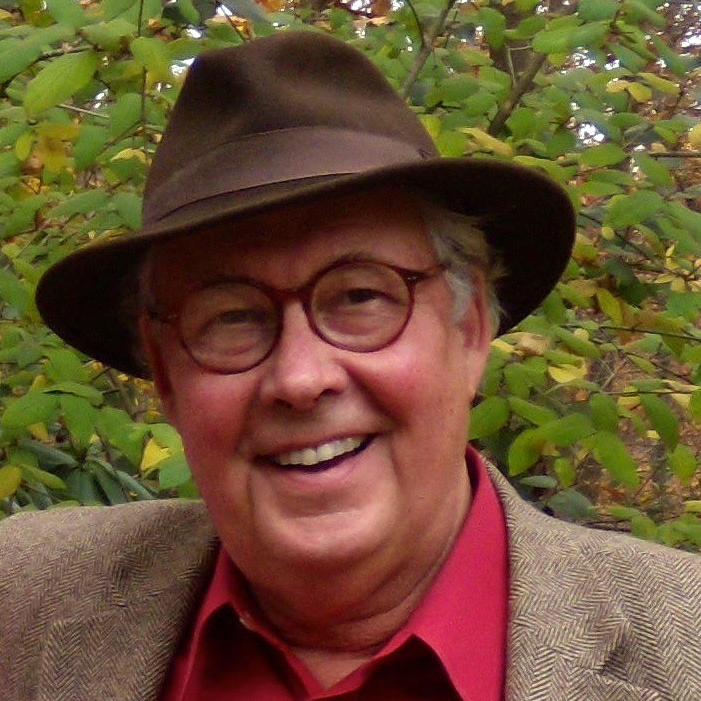 Episode 90. Physicists as Biologists: William Lanouette | In prior episodes, I have interviewed many people about the history of physics and physics-adjacent topics such as nuclear disarmament. Many of the physicists we have discussed also made forays into biology. Today I explore this transition of physicists working in biology with William Lanouette. Bill is a writer and public policy analyst who has specialized in the history of nuclear energy and nuclear weapons. | — | ||||||
| 4/10/25 | 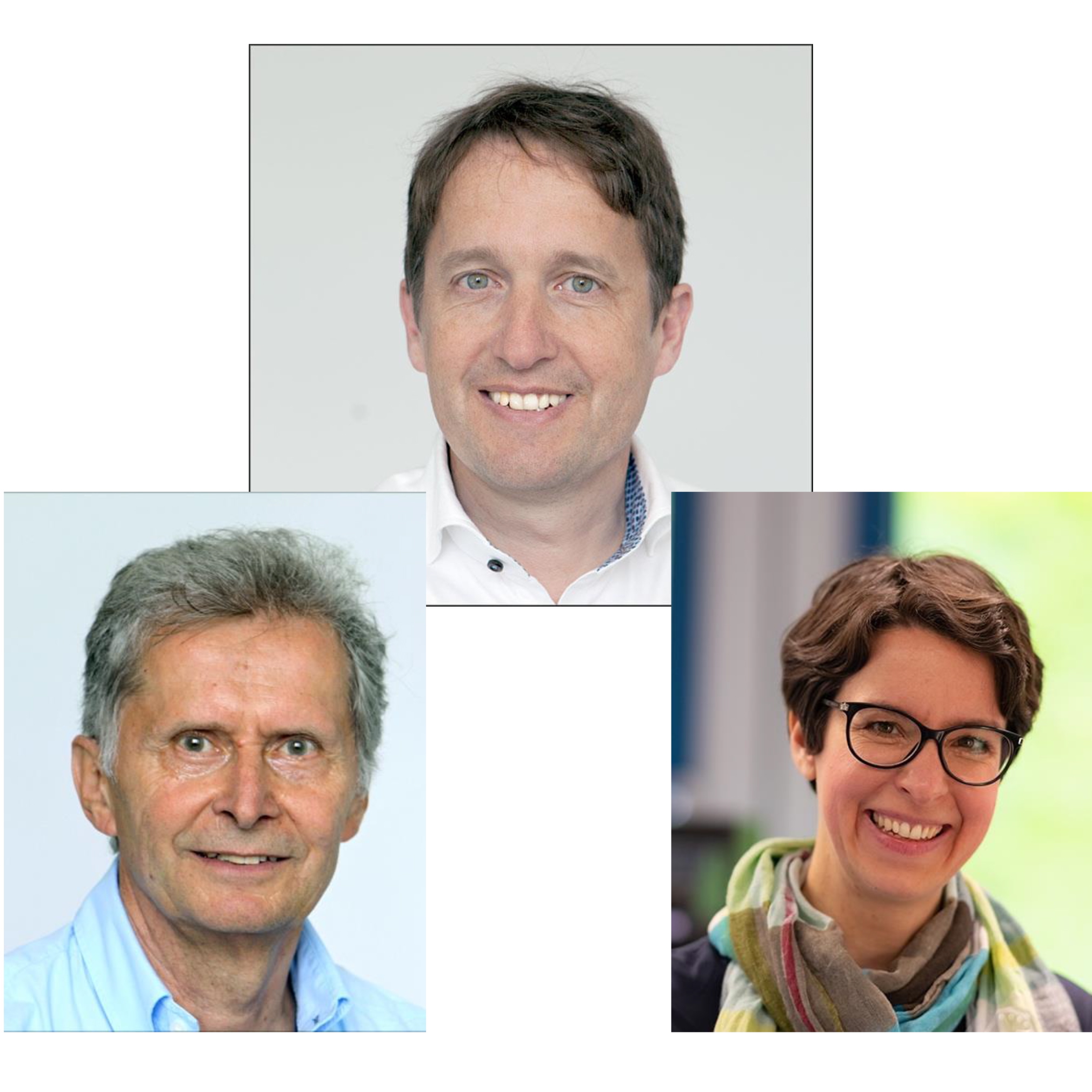 Episode 89. Göttingen Physics: Tim Salditt, Kurt Schönhammer, & Sarah Köster | Prior to the rise of Nazism, the University of Göttingen hosted most of the top physicists in the world, either as resident or visiting scientists. With us to discuss the history of physics in Göttingen are Tim Salditt, Kurt Schönhammer, and Sarah Köster. In this conversation over tea at the University of Göttingen, we discuss how Göttingen became a focal point of physics, key moments and people during the decades that Göttingen hosted discovery after discovery, and what happened to the assembly of scholars in Göttingen as Germany descended into the abyss of fascism. Tim Salditt and Sarah Köster are both professors of experimental physics in the Institute for X-Ray Physics, and Kurt Schönhammer is a retired Professor from the Institute for Theoretical Physics. | — | ||||||
| 3/10/25 |  Episode 88. Polymerase Chain Reaction: Henry Erlich | The history of science is punctuated by moments of technological innovation that produce a paradigm shift and a subsequent flurry of discovery. A recent technological innovation that generated diverse discoveries, ranging from a profound shift in our understanding of the origin of humanity to a seismic change in the criminal justice system, is the polymerase chain reaction, or PCR. With us to discuss the history of PCR is one of its innovators, Henry Erlich. As Director of the Human Genetics Department at Cetus Corporation and later as Director of Human Genetics and Vice President of Exploratory Research at Roche Molecular Systems, Henry led developments in diagnostic applications for infectious and autoimmune diseases, forensic genetics, and organ transplantation. His laboratory performed the first forensic DNA case in the United States in 1986 and the first DNA-based post-conviction exoneration. Henry has published over 450 journal articles and three books, which include PCR Technology: Principles and Applications for DNA Amplification, Silent Witness: Forensic DNA Analysis in Criminal Investigations and Humanitarian Disasters, and Genetic Reconstruction of the Past: DNA Analysis in Forensics and Human Evolution. Henry has received numerous awards, including the Association for Molecular Pathology Award for Excellence (2000) and the Profiles in DNA Courage Award (National Institute of Justice, 2005). | — | ||||||
| 2/10/25 |  Episode 87. Meitner's Atom: Marissa Moss | Lise Meitner was the most important female physicist of the 20th century. She made fundamental discoveries on the atom, including, most famously, being the first to discover the idea of fission. This she did as she puzzled over experimental results generated by her colleague Otto Hahn. Hahn, but not Meitner, received the Nobel Prize in Chemistry for this monumental discovery. More generally, Meitner overcame profound obstacles facing women in science to become a central figure in physics during its heyday as she worked with the likes of Niels Bohr and Albert Einstein to understand the atom, and hence the universe. With us to discuss the life and legacy of Lise Meitner is Marissa Moss. Marissa is the award-winning author and illustrator of over 70 books for children and young adults, including the book we discuss today, The Woman Who Split the Atom: The Life of Lise Meitner. | — | ||||||
| 1/12/25 |  Episode 86. Quantum Mechanics: Jim Baggott | Humanity's understanding of the universe radically altered with the advent of quantum mechanics in the early 20th century. The theory of quantum mechanics describes how nature behaves at or below the scale of atoms, and the road to that theory was littered with seemingly insurmountable obstacles. With us to discuss the development of quantum mechanics, and the major schools of thought represented by Neils Bohr and Albert Einstein, is Jim Baggott. Today we discuss many of the key players in the development of quantum mechanics, including Bohr, Einstein, Wolfgang Pauli, Werner Heisenberg, Erwin Schrödinger, Max Planck, and Max Born. | — | ||||||
| 12/12/24 |  Episode 85. SWOPSI: Joel Primack & Robert Jaffe | Societal problems big and small typically have a scientific element, often in a central way, yet most scientists are not directly involved in policy. My guests sought to change that in 1969 when they created the Stanford Workshops on Social and Political Issues, or SWOPSI. SWOPSI was founded by three students, two of whom are with us today: Joel Primack and Robert Jaffe. The third student was Joyce Kobayashi. Also with us today is my uncle Frank, who worked on some of the early SWOPSI initiatives. In this episode, I ask Joel, Bob and Frank: How did they hack Stanford's rules for course credit to create workshops run by graduate students? What were the goals of SWOPSI? How effective were the workshops in tackling local vs. national or international problems? How did SWOPSI help to create programs for scientists to advise Congress on technical issues? Why did SWOPSI perish as an institution at Stanford? How has US military-sponsored research evolved since the Second World War? And is SWOPSI a good model for young scientists today who want to solve societal problems? | — | ||||||
| 11/11/24 | 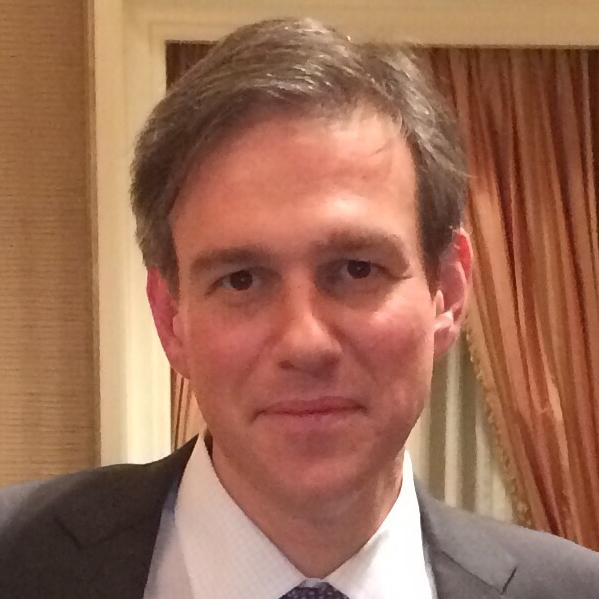 Episode 84. Antisemitism and the Academy: Bret Stephens | Institutions of higher education, especially in the United States, have received a great deal of attention over the past two generations regarding their ideological march to the left, and the impacts, real or imagined, on society at large. Criticism of American universities has sharpened since Oct. 7, 2023, as the Hamas attack on Israel was closely followed by campus protests against Israel. The ensuing turmoil resulted in the temporary closure of campuses, the resignations of college presidents, the cancellations of speakers and commencement ceremonies, and congressional investigations. How did American universities get to this moment? What are the implications for free speech, social cohesion, and democracy? And what are the repercussions for scholarship and science? My guest, Bret Stephens, has written extensively on the state of American universities, illiberalism, and antisemitism. Bret worked as an assistant editor at Commentary magazine from 1995-1996, after which he moved to the Wall Street Journal. From 2002-2004, Bret served as the editor-in-chief of The Jerusalem Post, where he oversaw the most comprehensive overhaul of the paper's content in its 70-year history. He then returned to the Wall Street Journal, where he won the 2013 Pulitzer Prize for Commentary. Bret moved to The New York Times in 2017, where he writes as an opinion columnist. He is also a contributor to NBC News and MSNBC, a contributing editor for Commentary magazine, and the editor-in-chief of SAPIR: A Journal of Jewish Conversations. | — | ||||||
| 10/11/24 |  Episode 83. Hebrew: Shalom Goldman | What was the Western World's understanding of the origins of humanity prior to the Enlightenment? Why did Christopher Columbus have a Hebrew speaker on his voyages of exploration? Why did the American universities founded before the Revolution have Hebrew in their curriculum? What role did linguistics play in the late 19th century modernization of the Hebrew language? What does the literary critic Edmund Wilson have to do with the science of archeology? Finally, and unrelated to science, how did the soft power of the arts - including music, theater, dance, film, literature, and television - help to shape the relationship between the United States and Israel? With us to answer this eclectic set of questions is Shalom Goldman. Shalom is the Pardon Tillinghast Professor of Religion at Middlebury College. | — | ||||||
| 9/11/24 |  Episode 82. Jerusalem Archeology: Jodi Magness | Archeology is the science that most directly connects us with our past, and no city in the world has been subject to more archeological interest than Jerusalem. With us to explore the archeology of Jerusalem is Jodi Magness. Jodi is a member of the American Academy of Arts and Sciences. Since 2002, she has been the Kenan Distinguished Professor for Teaching Excellence in Early Judaism in the Department of Religious Studies at the University of North Carolina at Chapel Hill. Jodi's research interests focus on Palestine in the Roman, Byzantine, and early Islamic periods, and Diaspora Judaism in the Roman world. She has studied ancient pottery, ancient synagogues, Jerusalem, Qumran and the Dead Sea Scrolls, and the Roman army in the East. Today we discuss her most recent book, Jerusalem Through the Ages: From Its Beginnings to the Crusades, published in 2024 by Oxford University Press. | — | ||||||
| 8/11/24 |  Episode 81. Nuclear Disarmament: Steve Fetter | Today I speak with Steve Fetter about his work on a variety of nuclear disarmament efforts, including the Black Sea Experiment, nuclear archeology, the risks associated with a single person having the ability to start a nuclear war, ballistic missile defense, the weaponization of space, nuclear energy, and climate change. Steve received an SB in physics from MIT in 1981 and a PhD in energy and resources from the University of California, Berkeley in 1985. Steve has been a professor in the School of Public Policy at the University of Maryland since 1988. Steve also served in government, including five years in the White House Office of Science and Technology Policy during the Obama administration, where he led the national security and international affairs division and the environment and energy division. Steve is a fellow of the American Physical Society and a recipient of their Leo Szilard Lectureship Award, as well as the Joseph A. Burton Forum Award, the Federation of American Scientists' Hans Bethe Science in the Public Service award, and the Secretary of Defense Medal for Outstanding Public Service. | — | ||||||






Showing 25 of 100
Pitch Fit is a Pro feature
See how bookable this show is for guests, which brands already advertise, the per-episode ad value, and the best-fit guest and sponsor profile. The numbers are blurred on the free plan.
How readily this show books outside guests like you.
How proven this show is for host-read sponsorships.
For Guests
ProFor Advertisers
ProUpgrade to Pro to unlock guest cadence, sponsor categories, fit scores, and per-episode ad value for this show.
Chart history for Science History Podcast
Peaked at #1 in Netherlands, top 10 in 9 of 25 tracked markets, currently #1 in Netherlands.
| Market | Genre | Peak | Current | Trend |
|---|---|---|---|---|
| Netherlands | — | #1 | #1 | — |
| PT | — | #2 | #2 | — |
| Japan | — | #3 | #3 | — |
| AE | — | #4 | #4 | — |
| New Zealand | — | #6 | #6 | — |
| SG | — | #7 | #7 | — |
| IL | — | #8 | #8 | — |
| United States | — | #9 | #9 | — |
| Sweden | — | #9 | #9 | — |
| Ireland | — | #11 | #11 | — |
| Canada | — | #12 | #12 | — |
| CH | — | #14 | #14 | — |
| United Kingdom | — | #16 | #16 | — |
| Spain | — | #17 | #17 | — |
| South Africa | — | #21 | #21 | — |
| Italy | — | #22 | #22 | — |
| Denmark | — | #22 | #22 | — |
| India | — | #25 | #25 | — |
| Australia | — | #27 | #27 | — |
| Germany | — | #28 | #28 | — |
Chart Positions
25 placements across 23 markets.
Chart Positions
25 placements across 23 markets.