
On the show
From 34 epsHosts
Recent guests
Recent episodes
Is your boss watching you? The rise of AI surveillance at work
Oct 15, 2026
17m 45s
The surprising psychology of morbid curiosity
Oct 13, 2026
17m 00s
All the news and science from the 2026 Nobel prizes
Oct 7, 2026
23m 21s
Today in Focus: Should we be worried about a plague outbreak?
Oct 6, 2026
13m 42s
Narcolepsy: why you’ve been thinking about it all wrong
Oct 6, 2026
16m 57s
Insights from recent episode analysis
Audience Interest
Podcast Focus
Publishing Consistency
Platform Reach
Insights are generated by CastFox AI using publicly available data, episode content, and proprietary models.
Most discussed topics
Brands & references
Total monthly reach
Blended from 1 signal.
Built from
By chart position
- 🇬🇧United Kingdom · Science#166.2K to 39K
- 🇺🇸United States · ScienceHOME#1326.0K to 38K
- 🇮🇳India · Science#193.8K to 24K
- 🇦🇺Australia · Science#391.3K to 7.9K
- 🇲🇾MY · Science#7924 to 5.8K
- Per-Episode Audience
Est. listeners per new episode within ~30 days
31K to 196K🎙 Daily cadence·296 episodes·Last published 4d ago - Monthly Reach
Unique listeners across all episodes (30 days)
104K to 653K🇬🇧20%🇺🇸19%🇮🇳12%+30 more - Active Followers
Loyal subscribers who consistently listen
42K to 261K
Market Insights
Platform Distribution
Reach across major podcast platforms, updated hourly
Total Followers
—
Total Plays
—
Total Reviews
—
* Data sourced directly from platform APIs and aggregated hourly across all major podcast directories.
Social Links & Contact
Official channels & resources
Official Website
Login
RSS Feed
Login
| Date | Episode | Topics | Guests | Brands | Places | Keywords | Sponsor | Length | |
|---|---|---|---|---|---|---|---|---|---|
| 10/15/26 |  Is your boss watching you? The rise of AI surveillance at work | Workers have always been monitored by their bosses, first through output targets, and then via computer software labelled ‘bossware’. But AI is transforming the capabilities of these systems, processing huge volumes of data to provide minute-by-minute accounts of activity, and productivity. To find out more, Ian Sample hears from UK technology editor Robert Booth. He explains which sectors are adopting this approach, why they are doing it, and how it could end up being counterproductive.. Help support our independent journalism at theguardian.com/sciencepod | 17m 45s | ||||||
| 10/13/26 |  The surprising psychology of morbid curiosity | US defence secretary Pete Hegseth’s plan to livestream the execution of Nidal Malik Hasan has incurred condemnation from human rights groups and politicians on all sides. But according to Coltan Scrivner, an author and psychologist at Arizona State University and expert on morbid curiosity, people are still likely to watch in large numbers. He explains why we are drawn to dark and disturbing content, and Madeleine Finlay tells Ian Sample how consuming this kind of material can harm observers’ mental health. Help support our independent journalism at theguardian.com/sciencepod | 17m 00s | ||||||
| 10/7/26 | 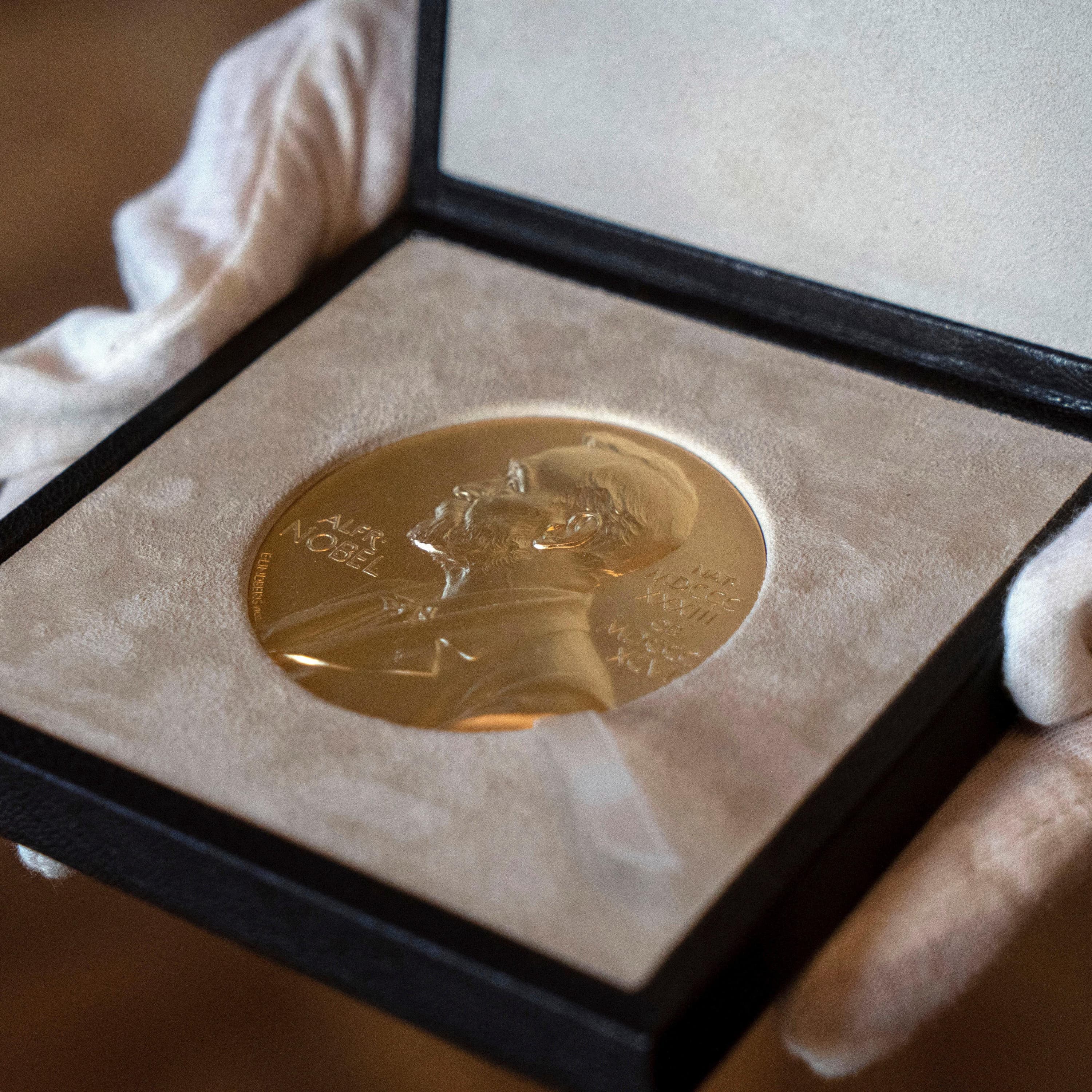 All the news and science from the 2026 Nobel prizes | This year’s Nobel prizes in chemistry, physics and physiology or medicine have celebrated work that has been used to develop countless drugs and transform modern medicine, allowed physicists to observe one of the most mysterious particles, and provided a tool that could act as an on/off switch for brain cells. To find out more, Madeleine Finlay talks to our science editor, Ian Sample, and correspondents Nicola Davis and Linda Geddes. Help support our independent journalism at theguardian.com/sciencepod | 23m 21s | ||||||
| 10/6/26 |  Today in Focus: Should we be worried about a plague outbreak? | Several hospitals in eastern Russia are under quarantine after a lab worker fell ill at a plague research centre following a reported accident and died. Russia’s health watchdog has said Darya Shipilova, 28, died of ‘pneumonia of unknown aetiology’, but there is speculation about a possible plague infection. Science Weekly co-host Madeleine Finlay tells Lucy Hough, the host of Today in Focus: The Latest, how concerned we should be. Help support our independent journalism at theguardian.com/sciencepod | 13m 42s | ||||||
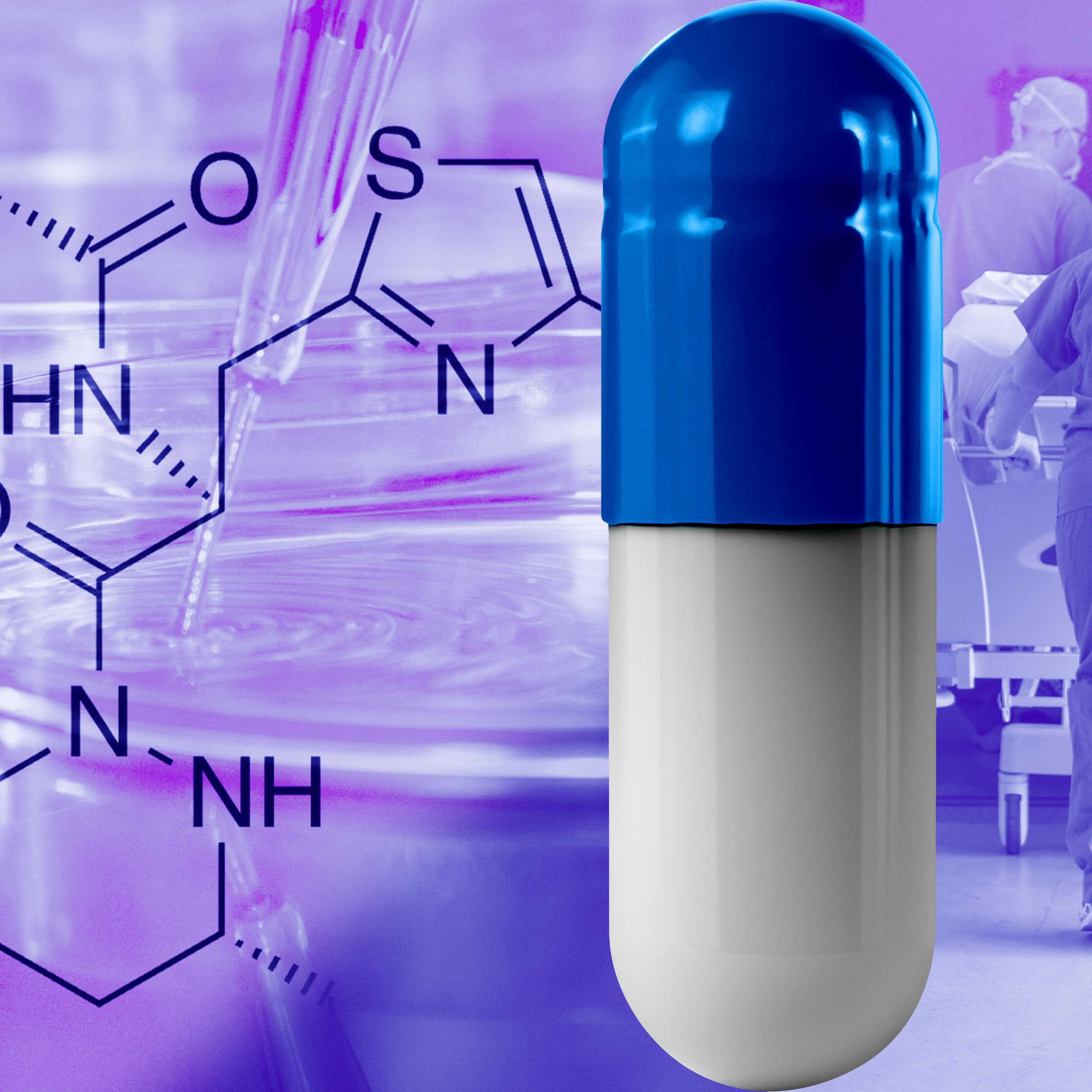
| 10/6/26 |  Narcolepsy: why you’ve been thinking about it all wrong | The sleep disorder has been the butt of jokes and a comedic plot point, but the reality of living with narcolepsy is anything but funny. Things could be about to change for people with the condition though, after the US Food and Drug Administration (FDA) approved the first ever drug to treat narcolepsy itself, rather than just its symptoms. Madeleine Finlay tells Ian Sample how the scientific breakthrough came about, and Julie Flygare, who has narcolepsy and founded the non-profit Project Sleep, explains what it is like to live with the condition and how the drug could be gamechanger. Help support our independent journalism at theguardian.com/sciencepod | 16m 57s | ||||||
| 10/1/26 | 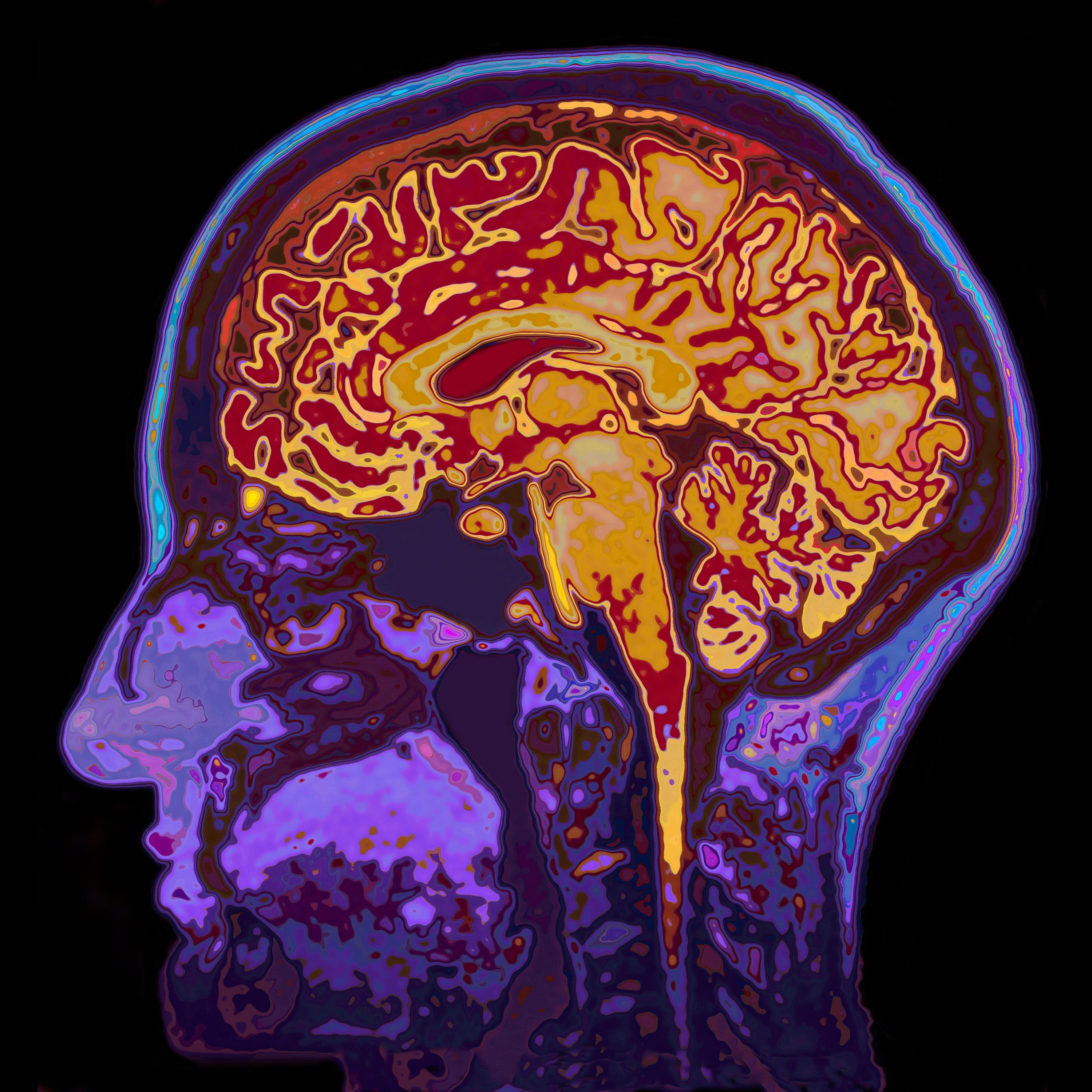 The incredible science of memory manipulation | Madeleine Finlay hears from Steve Ramirez, an associate professor of psychological and brain sciences at Boston University, whose book How to Change a Memory was shortlisted for this year’s Royal Society Trivedi science book prize. He explains how scientists have been able to locate memories in the brains of rodents, trigger them artificially and even remove them, and reveals what the practical applications of this science could one day be for humans.. Help support our independent journalism at theguardian.com/sciencepod | 20m 58s | ||||||
| 9/29/26 |  Are household cleaning products damaging our health? | Our use of cleaning products has increased since the pandemic, but do we understand what they could be doing to our health? The journalist Rebecca Seal recently wrote for the Guardian about the potential impacts of the many chemicals we now use in our homes. She tells Madeleine Finlay how social media has also played a role in transforming our cleaning habits, why the impact of indoor air pollution is so hard to study, and what the current evidence is that cleaning products may be causing harm. Help support our independent journalism at theguardian.com/sciencepod | 17m 51s | ||||||
| 9/24/26 | 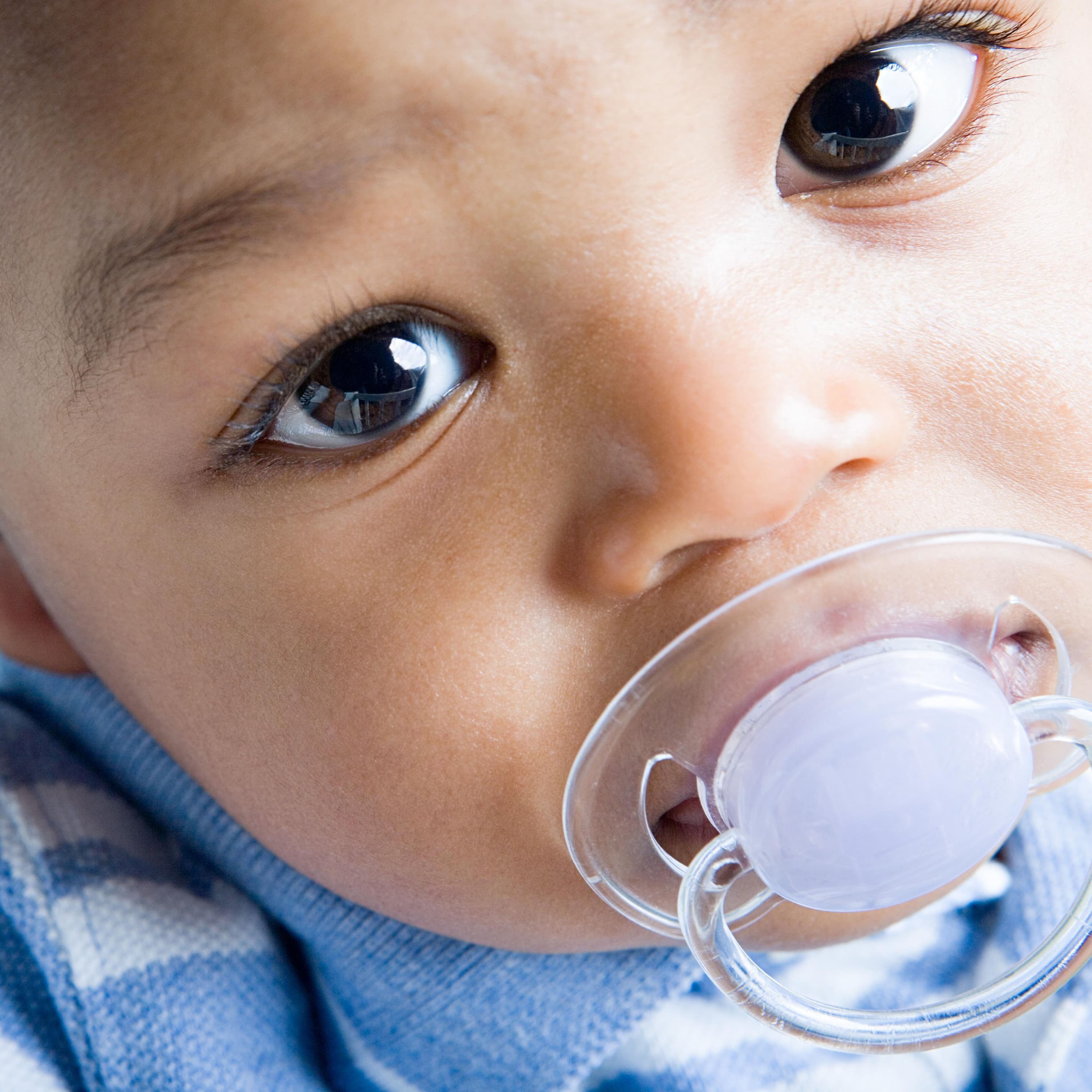 Are baby girls more sociable? Super El Niño, meningitis outbreak explained | Madeleine Finlay sits down with her co-host and Guardian science editor, Ian Sample, to discuss three science stories from the week, including a study that offers a clue in the age-old debate about whether sex differences are present from birth or a product of socialisation. Also on the agenda is the super El Niño, which is predicted to lead to 450,000 deaths in the next six months, and an answer to why the UK’s meningitis outbreak earlier this year was so big.. Help support our independent journalism at theguardian.com/sciencepod | 22m 28s | ||||||
| 9/22/26 | 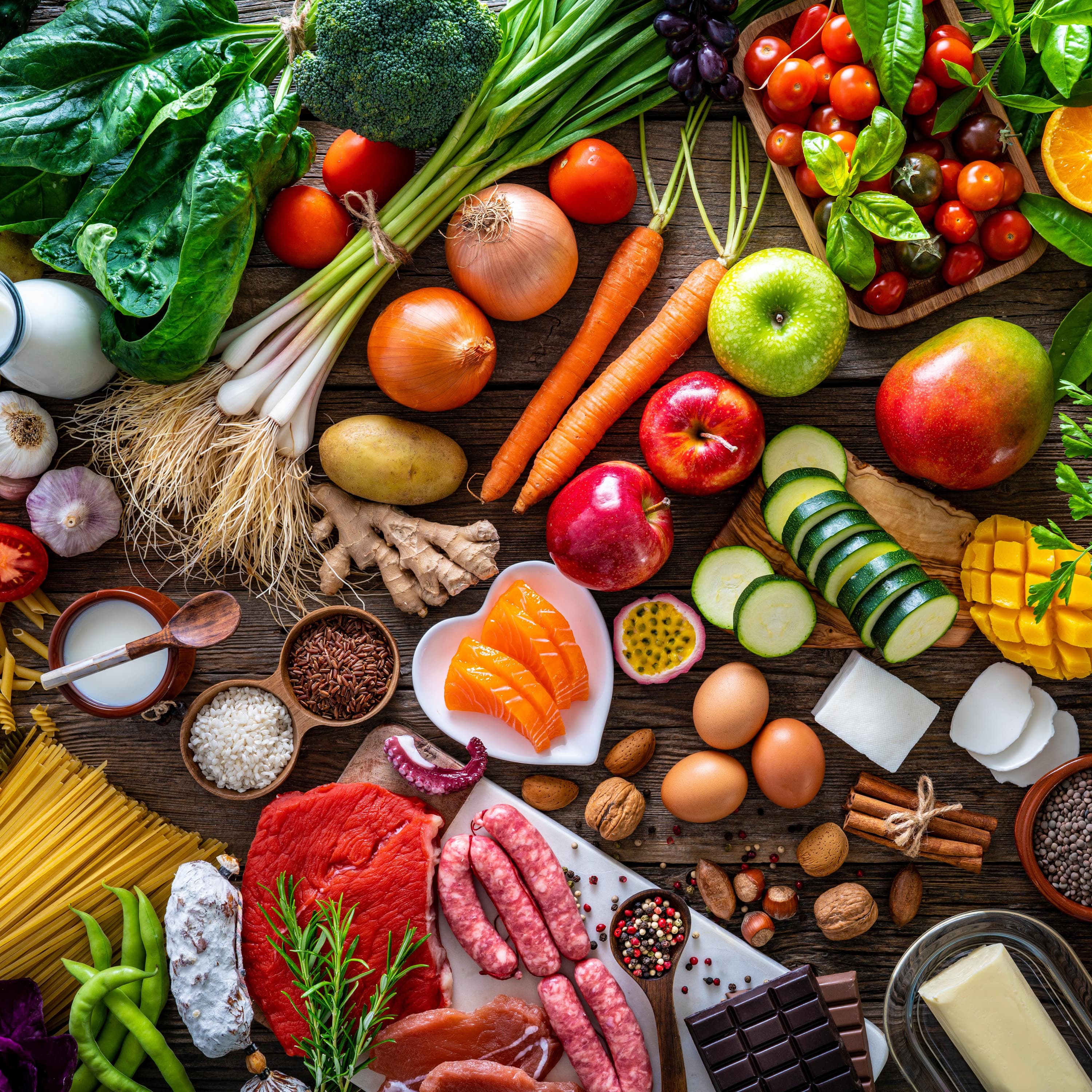 From paleo to intermittent fasting: are any diets actually good for us? | As diet trends proliferate on social media, it can be hard to work out which are backed by science and which should be ignored. From paleo to keto, raw food to intermittent fasting, each attracts a tribe of ardent followers. Now Daniel Lieberman, professor of biological sciences at Harvard University, has written a book to try to cut through the noise. In Fed Up, he uses his background as an evolutionary anthropologist to scrutinise the evidence, turning himself into a guinea pig in the process and trying various diets. In this podcast, he tells Ian Sample which one has remained part of his routine. Help support our independent journalism at theguardian.com/sciencepod | 17m 24s | ||||||
| 9/17/26 |  The week that changed maths for ever | In early September, OpenAI announced it had solved a major mathematics problem that has stumped humans for nearly a century. The news left mathematicians reeling, and many expressed concern over what will be left for humans as AI becomes ever more adept at unravelling complex problems. Now 25 recipients of the Fields medal – often called the Nobel prize for maths – have signed an open letter expressing their fears of a ‘severe misalignment’ between AI companies and their field. To find out how AI is likely to upend maths – and how mathematicians might respond – Ian Sample speaks to Colva Roney-Dougal, professor of pure mathematics at the University of St Andrews. Help support our independent journalism at theguardian.com/sciencepod | 15m 46s | ||||||
Want analysis for the episodes below?Free for Pro Submit a request, we'll have your selected episodes analyzed within an hour. Free, at no cost to you, for Pro users. | |||||||||
| 9/15/26 |  Is collagen all hype? | Collagen powders, gummies and pills have boomed in popularity in recent years boosted by claims that they smooth wrinkles, promote glossy hair and help with joint pain. Amid the noise it can be hard to figure out whether there’s any actual science behind the promise of looking younger for longer. Luckily Dr Xand van Tulleken has spent the past three years writing Make me well: a quest to understand the confusing world of wellness, and his chapter on collagen dives deep into the evidence. He tells Madeleine Finlay what collagen does in the body, how we can get it without splashing out on expensive supplements, and why getting to the truth behind wellness claims can be so hard. Help support our independent journalism at theguardian.com/sciencepod | 18m 54s | ||||||
| 9/13/26 |  Live episode: how AI is reshaping our minds | In this episode of Science Weekly, recorded in front of an audience at the London podcast festival on 3 September, Ian Sample hears from Michael Safi, the host of the Guardian’s chart-topping podcast about artificial intelligence, Black Box. In series two, Black Box: the chatbots, Michael meets people who have become convinced they have made scientific breakthroughs, cured diseases or invented new technologies using AI chatbots. Ian, Michael and Science Weekly’s co-host Madeleine Finlay explore the phenomenon labelled ‘AI psychosis’ and ask what it reveals about a technology now used by more than a billion people. Help support our independent journalism at theguardian.com/sciencepod | 1h 22m 51s | ||||||
| 9/10/26 |  ‘One of the biggest discoveries in science’: have scientists found dark matter? | For decades physicists have been puzzling over the enigma of dark matter. We think it makes up 85% of the matter in the universe, but the mysterious substance cannot be seen or detected, and we know about it mainly through observations of the gravitational effects it has on other things. But now scientists believe they may be a step closer to detecting it. Science editor Ian Sample explains to Madeleine Finlay why, if confirmed, the finding could completely transform our understanding of the universe. And Dr Samuel Eriksen, senior research associate at the University of Bristol, and first author of the research paper, explains how the finding has been received in the physics community. Help support our independent journalism at theguardian.com/sciencepod | 16m 50s | ||||||
| 9/8/26 |  Are rich people really worse behaved? Here’s the science | Who’s more likely to steal sweets from a child? According to science, it’s the rich. A study seemingly confirming our suspicions about the moral behaviour of the wealthy was one of the winners of the 2026 Ig Nobel prizes, which honour research that makes you laugh and then think. Science editor Ian Sample tells Madeleine Finlay what the researchers think could be behind the phenomenon, and they explore some of the other awards, including one for a surprising quality we look for in our friends and another for a biomechanical definition of kissing. Help support our independent journalism at theguardian.com/sciencepod | 18m 01s | ||||||
| 9/6/26 |  Introducing Black Box: The Chatbots | From the Guardian Investigates team: Across the world, hundreds of people have come to believe they have made extraordinary scientific discoveries with AI chatbots such as ChatGPT, Claude and Gemini. Others say their AI has ‘awakened’ or is leading them to a higher spiritual realm. The Guardian journalist Michael Safi begins investigating a phenomenon labelled ‘AI psychosis’, travelling to the US to meet two people who have been on weird journeys with their chatbots. Help support our independent journalism at theguardian.com/sciencepod | 39m 45s | ||||||
| 9/3/26 |  There’s a quick way to slow climate change. Why isn’t everyone doing it? | Methane is a potent greenhouse gas that traps more than 80 times as much heat than carbon dioxide over a 20-year period and causes 25% of global heating today. We definitely don’t want this gas spewing needlessly into the atmosphere, but in 2023 that’s exactly what environment editor Damian Carrington found was happening when he reported on 1,000 super-emitting methane leaks across the globe. Now Turkmenistan, the worst country for mega-leaks, has begun to plug them. Damian tells Madeleine Finlay why some experts call stopping leaks the climate ‘emergency brake’ and reveals which countries are still failing to act. Help support our independent journalism at theguardian.com/sciencepod | 13m 47s | ||||||
| 9/1/26 | 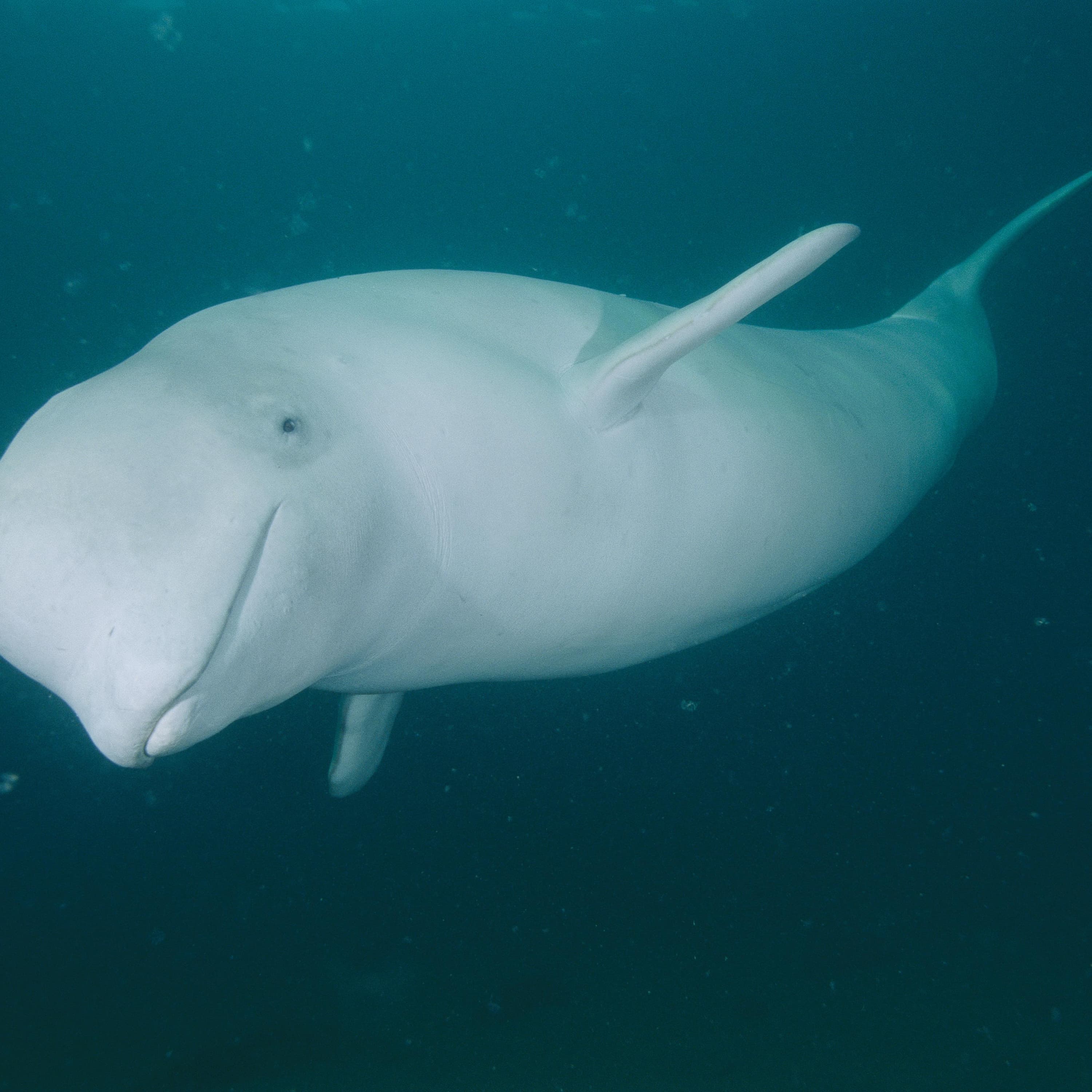 Could humans ever communicate with whales? | Ever since the earliest known recording of whale song was made in 1949, researchers have been captivated by the wails, rumbles, clicks, grunts and squeals of their communication. As technology improves, scientists are decoding the intricate patterns that make different species’ vocalisations distinctive. Madeleine Finlay hears from Emma Bryce, a journalist who has spent months investigating human efforts to understand whale song. She explains how this knowledge could help us better protect whales from human-made harms. Credits: 1. Copyright 1978 National Geographic Society and 1977 Capitol Records, Inc. Commentary by Dr Roger Payne 2. Valeria Vergara/Raincoast Conservation Foundation 3. Footage courtesy of Raincoast Conservation Foundation - Obtained for research under SARA permit XMMS 4 2026 4. Video by Amanda Cotton/Project CETI 5. Footage courtesy of Valeria Vergara and GREMM. Obtained for research under SARA permits QUE-MM02-2016 and QUE-LEP-001-2018 6. Project CETI 7. Project CETI. Help support our independent journalism at theguardian.com/sciencepod | 17m 23s | ||||||
| 8/27/26 |  Everyone hates datacentres. Do we really need them? | AI companies have promised us world-shifting technology. But there’s a cost: loud, unsightly datacentres that drain environmental resources. As the government pushes their rapid growth, can local communities do anything to push back? Madeleine Finlay speaks to the Guardian’s global technology reporter Aisha Down about the backlash to datacentres across the UK and around the world. Help support our independent journalism at theguardian.com/sciencepod | 16m 55s | ||||||
| 8/25/26 |  Creatine: is there truth behind the hype? | Creatine has become the go-to supplement for anyone wanting to give their fitness a boost and build muscle. It’s even made it out of the gym, with influencers touting its cognitive benefits. But what’s the science behind creatine, and does the evidence stack up? Madeleine Finlay hears from science editor Ian Sample and Dr Justin Roberts, professor of nutritional physiology at Anglia Ruskin University. Help support our independent journalism at theguardian.com/sciencepod | 15m 38s | ||||||
| 8/20/26 |  It’s finally raining. Will it be enough to end the drought? | After a summer that has seen England and Wales experience the driest July since records began, rain is finally on the horizon. But with reservoirs at ‘exceptionally low’ levels, will there be enough rain to replenish stocks? Madeleine Finlay hears from Dr Anna Murgatroyd, a lecturer in hydrology at Newcastle University, about how much rain we need to see us through next summer, why we’re now at increased risk of floods, and what we can all be doing to take better care of our water supplies. Help support our independent journalism at theguardian.com/sciencepod | 15m 57s | ||||||
| 8/18/26 | 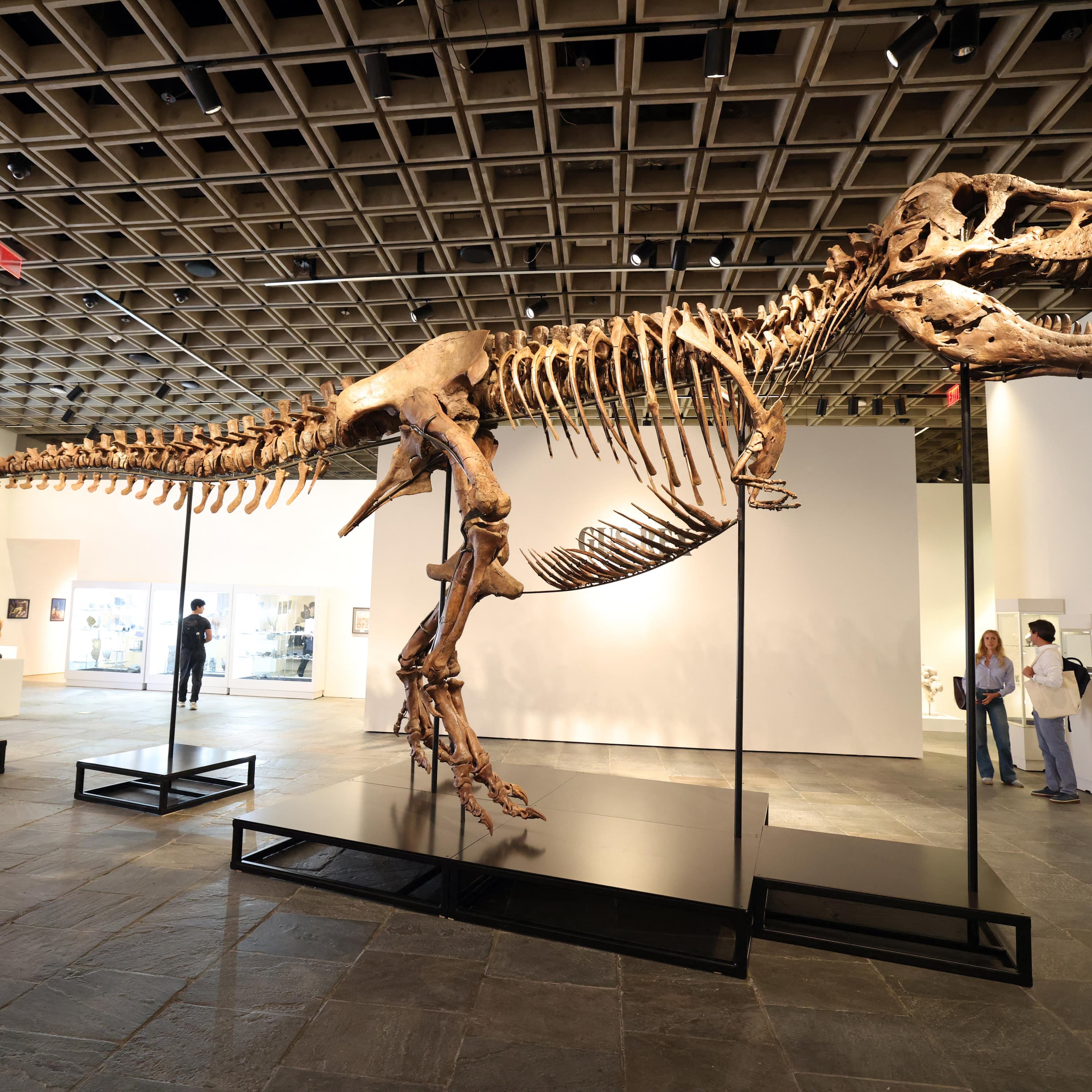 The ultra rich are collecting fossils, and that’s bad for science | One of the UK’s best fossil collections has been sold overseas in what experts have called a loss to the nation. The collection, which is now on display at the Natural History Museum in Abu Dhabi, was gathered on Dorset’s Jurassic Coast. As dinosaur fossils sell to private collectors for increasingly large sums, scientists are worried that domestic museums are being priced out of the market, and in turn scientists are missing out on the opportunity to make new observations. To find out how fossils became big business and what it could mean for research, Madeleine Finlay hears from science correspondent Nicola Davis. Help support our independent journalism at theguardian.com/sciencepod | 14m 56s | ||||||
| 8/13/26 | 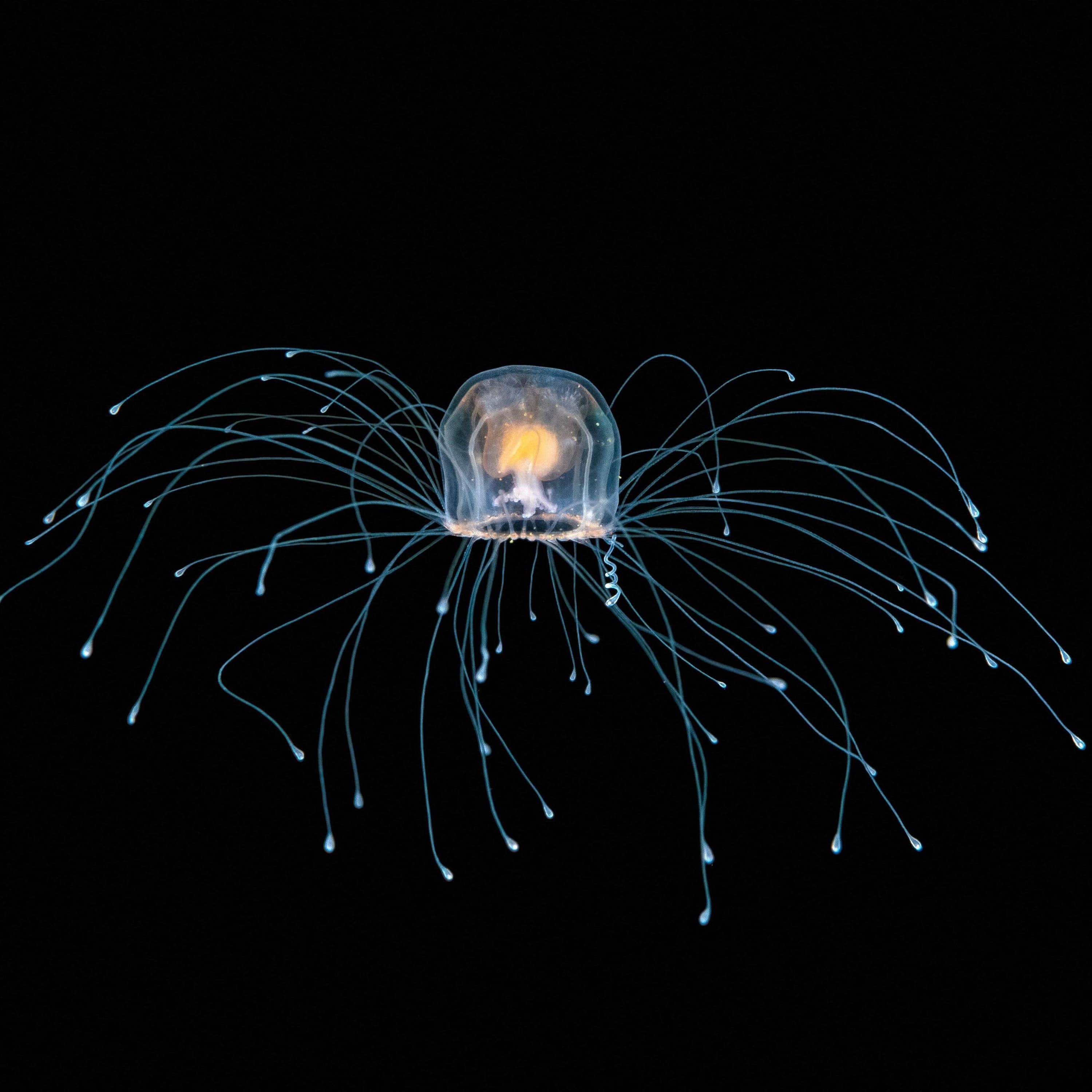 The immortal jellyfish and other mindblowing invertebrates | Each year the Guardian runs a competition to find the invertebrate of the year. To find out more about the 2026 nominees science editor Ian Sample hears from climate reporter Petra Stock, environment reporter Oliver Milman and Science Weekly co-host Madeleine Finlay. They each nominate an incredible invertebrate that you might never have heard of, and argue why their choice should be crowned the winner. Vote for your favourite now and the winner will be crowned on 17 August. Help support our independent journalism at theguardian.com/sciencepod | 15m 27s | ||||||
| 8/11/26 |  We’re reading less. And it’s making us stupid | Books have never been trendier, but studies show that as more and more things compete for our frazzled attention spans, we’re reading less and less. This is a problem because reading has a wealth of cognitive benefits that we’re in danger of missing out on. To find out why declining literacy could affect everything from memory to IQ, Madeleine Finlay speaks to the Guardian’s science editor, Ian Sample. She also hears from Prof Falk Huettig, an experimental psychologist at the Max Planck Institute for Psycholinguistics and author of The Perks of Being a Bookworm. Help support our independent journalism at theguardian.com/sciencepod | 19m 58s | ||||||
| 8/6/26 |  Four types of thinker, the cyclosporiasis outbreak, and the UK’s biggest telescope threatened | Madeleine Finlay is joined by Ian Sample, Guardian science editor, to discuss three eye-catching science stories including an investigation that has identified four distinct types of thinker. Also on the agenda is the unprecedented cyclosporiasis outbreak in the US which has now been linked to two fatalities, and the funding cuts that threaten the iconic Jodrell Bank world heritage site, home to the Lovell telescope. Help support our independent journalism at theguardian.com/sciencepod | 22m 11s | ||||||
| 8/4/26 | 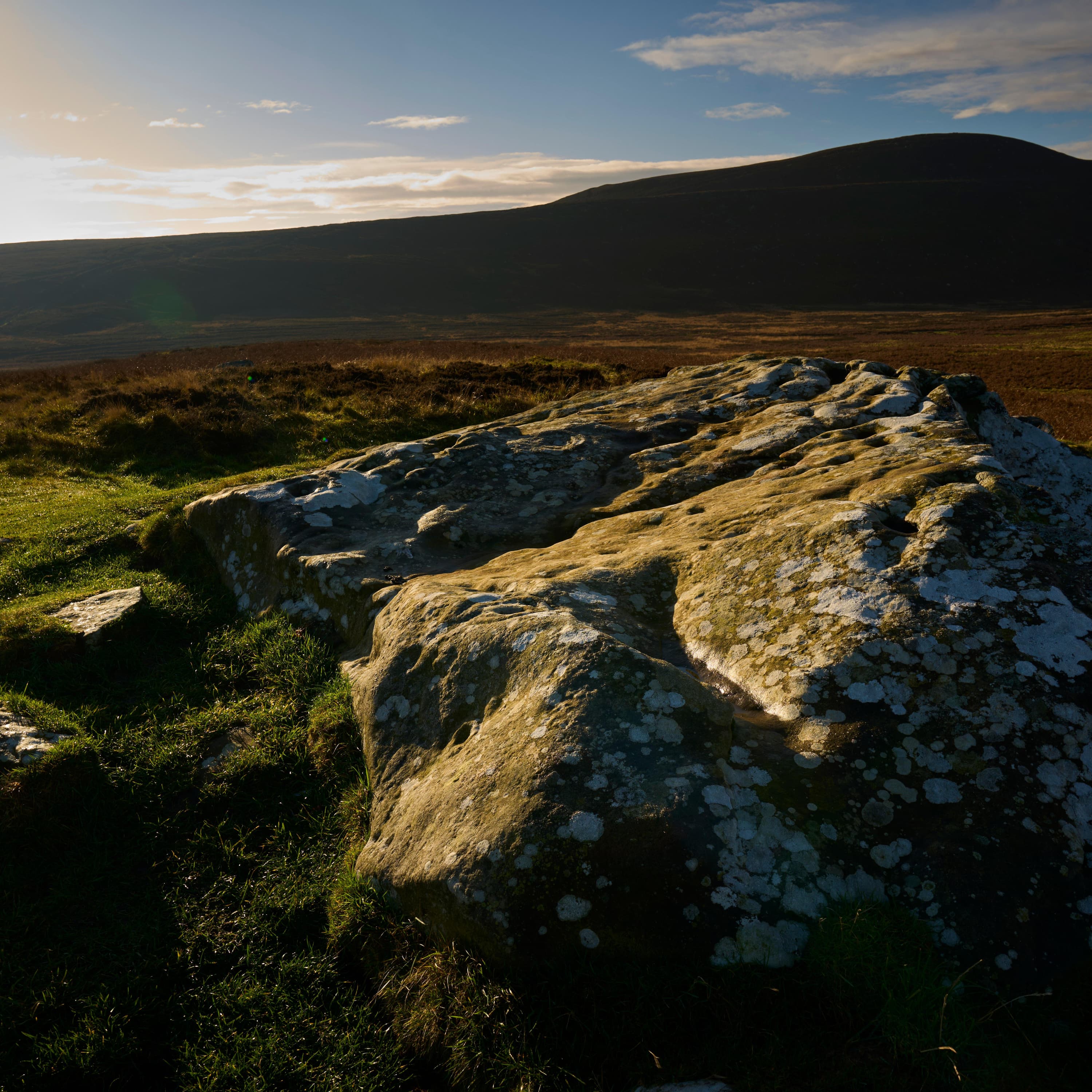 The fight to save a historic English landscape | Madeleine Finlay travels to the Rothbury estate in Northumberland, in north-east England. It’s a piece of land that has been in the same family for 700 years, but now it has been put up for sale and the UK’s Wildlife Trusts are trying to raise £30m to secure it intact. To find out what makes the area so special, Madeleine speaks to Katy Barke, the head of nature recovery for Northumberland Wildlife Trust. She also hears from Sam Turner, a professor of archaeology at Newcastle University, who is trying to work out how the land has been used across the centuries. This work will inform the strategy for nature recovery on the site. And Rosie Pearce, a farm liaison officer, explains how the project could bring more wildlife-friendly farming practices to the estate. Help support our independent journalism at theguardian.com/sciencepod | 16m 55s | ||||||
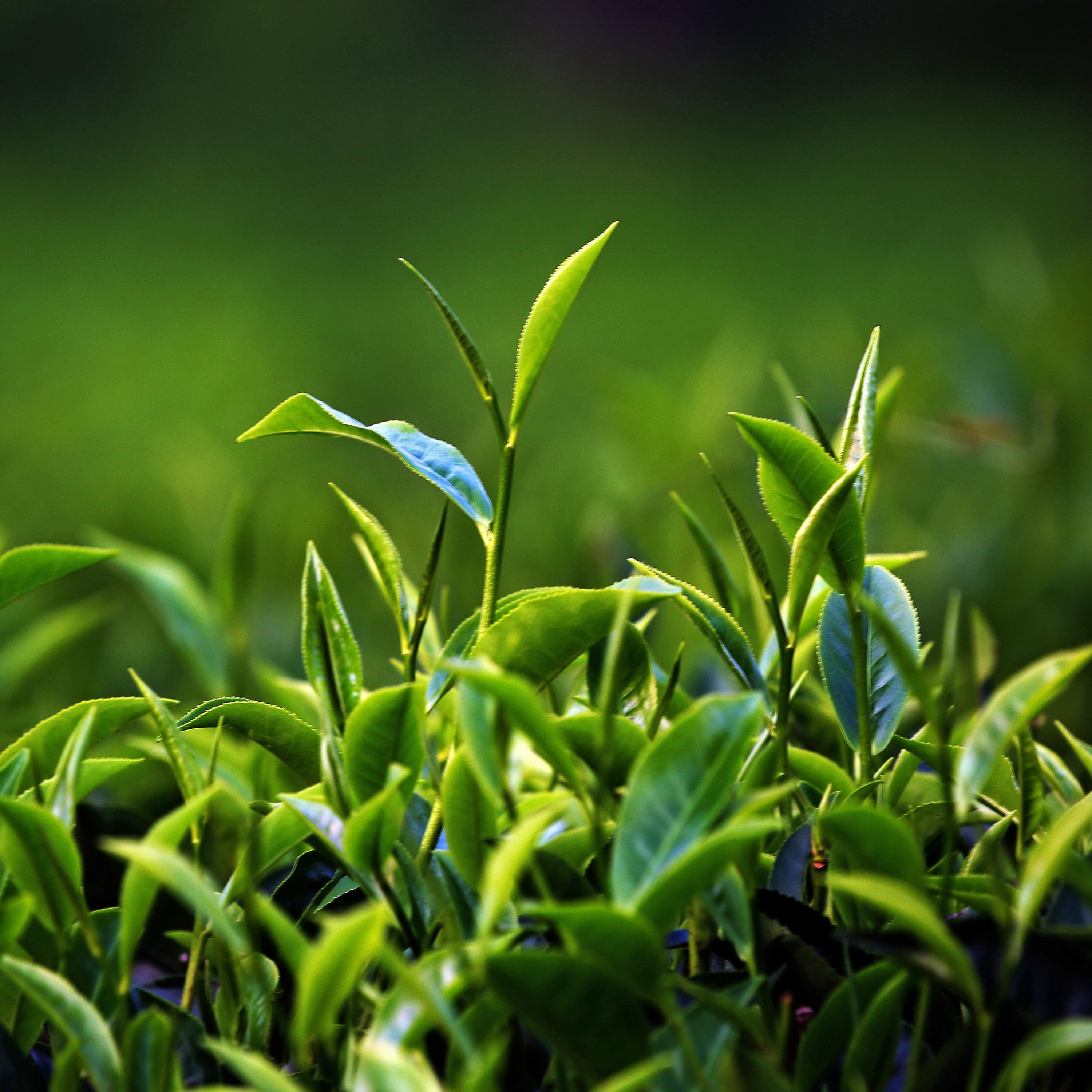
| 7/21/26 | tea cultivationScotland+3 | — | The Guardian | Scotland | teaScotland+5 | — | 22m 29s | ||
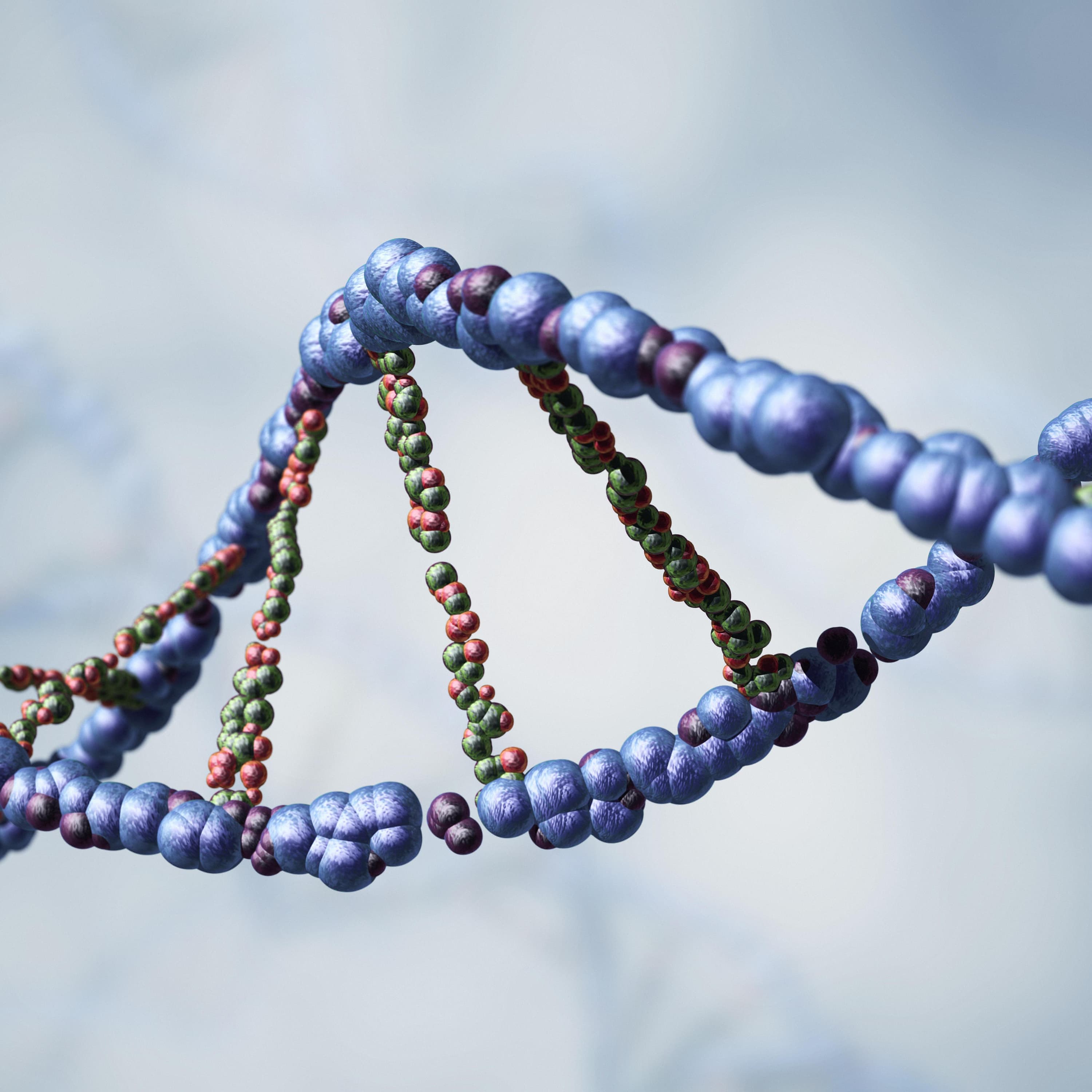
| 7/16/26 | gene therapyageing+3 | Ian SamplePaul Knoepfler | University of California, Davis | — | gene therapyageing+3 | — | 18m 29s | ||
| 7/14/26 | fungienvironment+3 | Dr Toby Kiers | Society for the Protection of Underground NetworksMacArthur fellowship+2 | Palmyra Atoll | fungienvironmental science+3 | — | 16m 29s | ||
| 7/9/26 | testosteronemale fertility+5 | Hannah Devlin | The Guardiansociety+1 | — | testosteronefertility crisis+5 | — | 14m 00s | ||
| 7/7/26 | birdingGen Z+4 | Robert MacfarlaneJess Painter | British Trust for OrnithologyRSPB | — | birdingGen Z+4 | — | 16m 43s | ||
| 7/2/26 | synthetic biologycreation of life+3 | Kate Adamala | University of Minnesota | — | synthetic lifeDNA+3 | — | 16m 53s | ||
| 6/30/26 | algae bloomsecology+4 | Madeleine FinlayDr Linda May | UK Centre for Ecology & Hydrology | Washington DCLincoln Memorial | algaeLincoln Memorial+6 | — | 16m 19s | ||
| 6/25/26 | geneticsbehavior+3 | Kathryn Paige Harden | University of Texas at AustinOriginal Sin | — | genesbehavior+5 | — | 19m 53s | ||
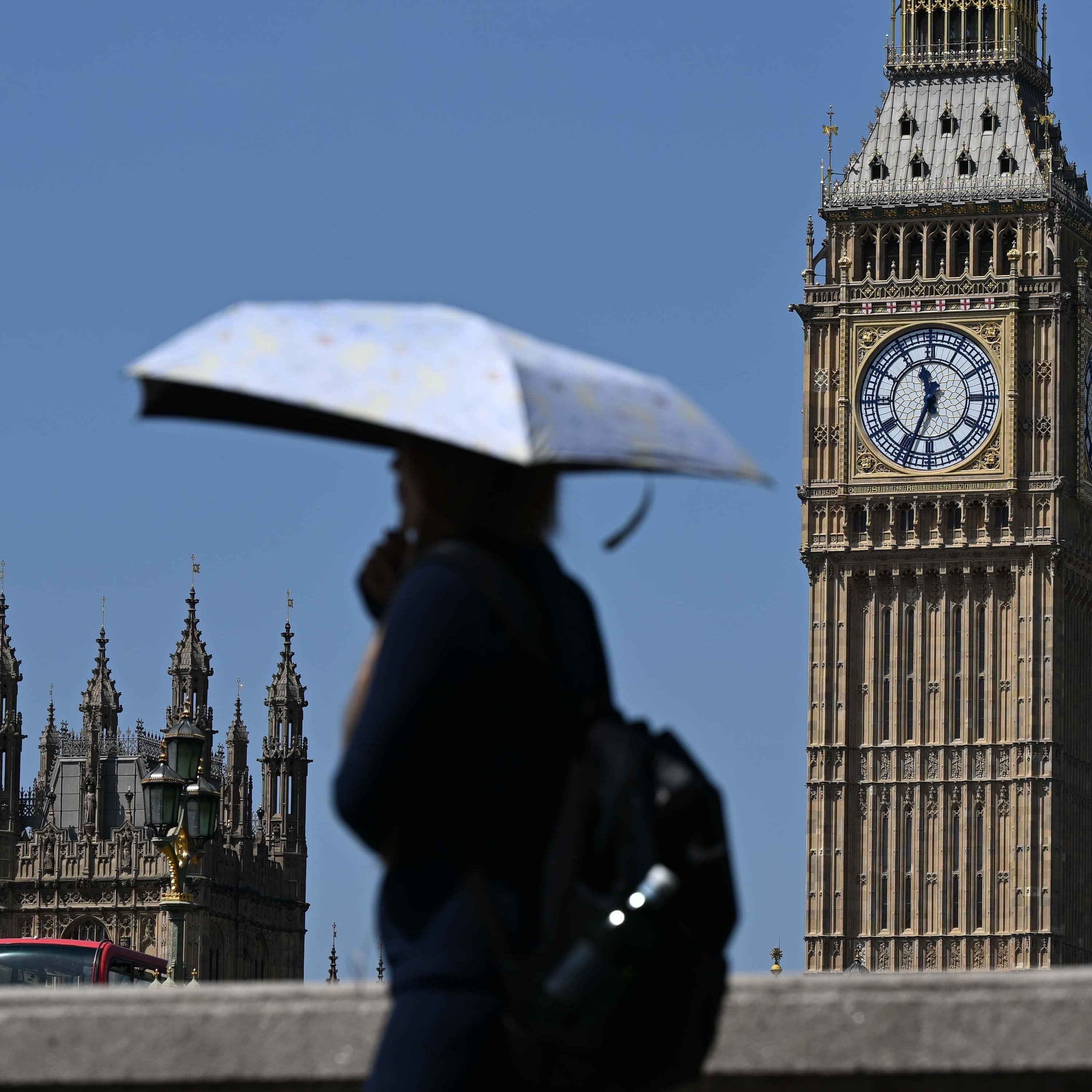
| 6/23/26 | extreme heatclimate change+4 | Ajit Niranjan | Met Office | EnglandEurope+1 | 40Cheatwave+5 | — | 14m 41s | ||
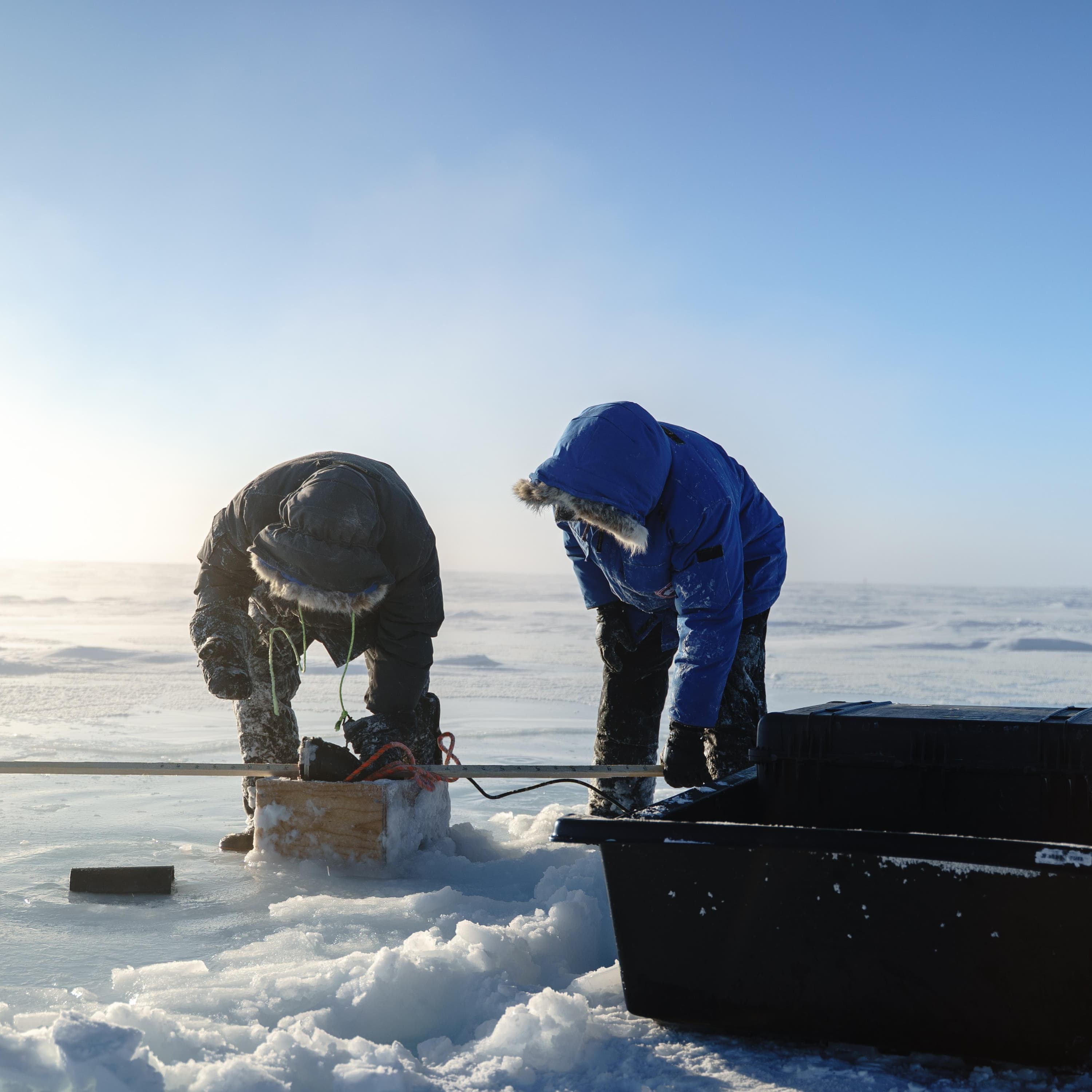
| 6/18/26 | climate changeArctic+3 | Damian Carrington | The Guardian | — | Arcticrefreeze+3 | — | 16m 22s | ||
| 6/11/26 | cancer treatmentclinical trials+4 | Prof Naureen Starling | daraxonrasibRoyal Marsden hospital | world | daraxonrasibcancer+5 | — | 14m 54s | ||
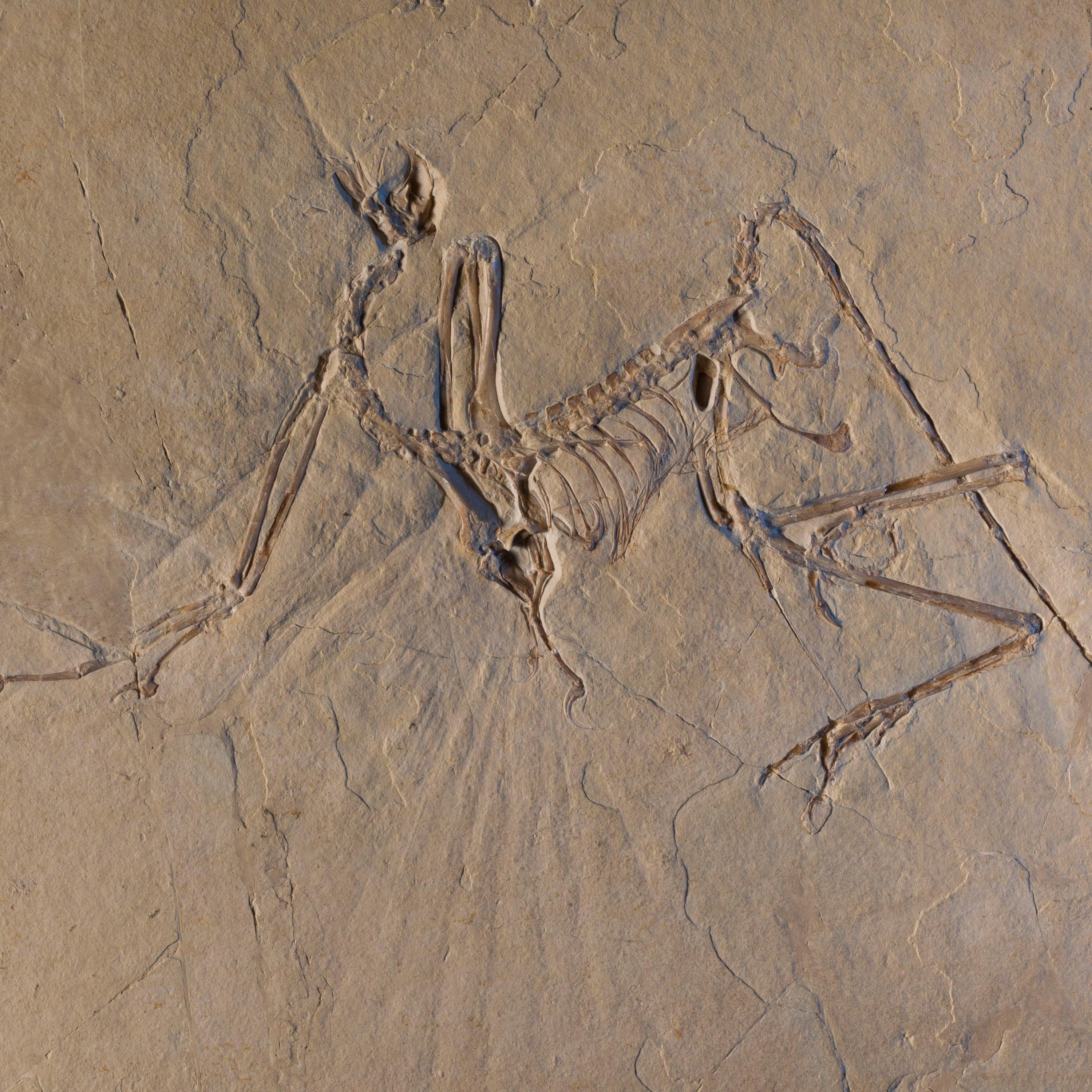
| 6/9/26 | dinosaursbirds+3 | Prof Steve Brusatte | University of EdinburghThe Story of Birds | — | dinosaursbirds+5 | — | 17m 15s | ||
| 6/4/26 | World Cupheatstroke+4 | Ian Sample | FifaBrunel University | — | World Cupheatstroke+5 | — | 20m 48s | ||
| 6/2/26 | sleepbrain+4 | Maiken Nedergaard | The Guardian | — | sleepbrain+5 | — | 14m 53s | ||
| 5/28/26 | robotsAI+4 | Amy HawkinsNathan Lepora | The Guardian | ChinaBeijing | robotsAI+5 | — | 17m 07s | ||
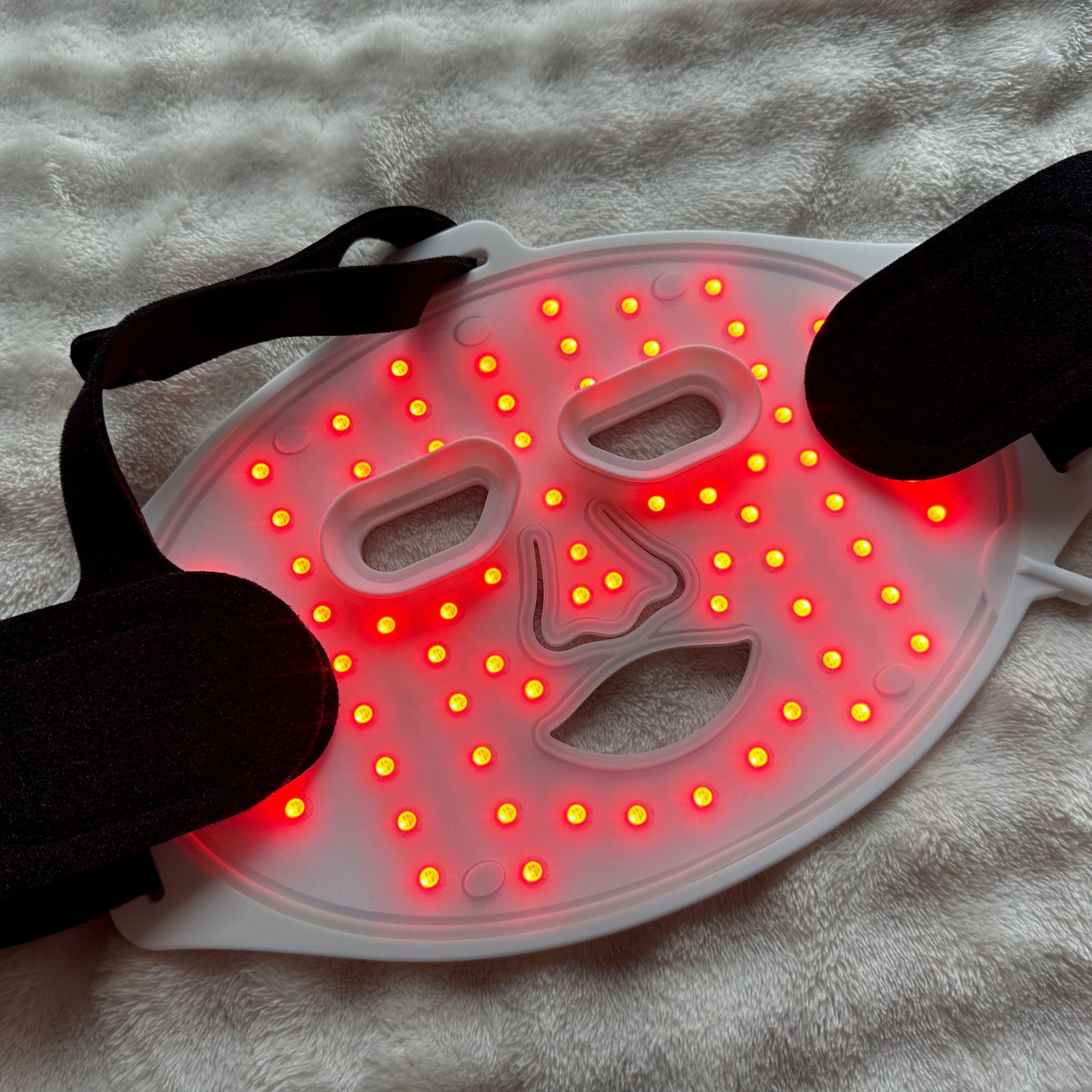
| 5/26/26 | red-light therapyanti-aging+3 | Madeleine FinlayDr Jonathan Kentley | The Guardian | — | red-light maskswrinkles+3 | — | 14m 25s | ||
| 5/23/26 | abortion pillslegal battle+3 | Carter ShermanDr Angel Foster | Massachusetts Medication Abortion Access ProjectUS supreme court | US | abortionpills+6 | — | 42m 35s | ||
| 5/21/26 | PCOShealth+4 | Nicola DavisRachel | VerityThe Guardian | — | PCOSpolyendocrine metabolic ovarian syndrome+5 | — | 16m 11s | ||
| 5/18/26 | Ebolaoutbreak containment+3 | Daniela Manno | London School of Hygiene and Tropical Medicine | Democratic Republic of CongoUganda | Ebolaoutbreak+5 | — | 13m 50s | ||
| 5/16/26 | Voting RightsRedistricting+4 | Stacey Abrams | US Supreme CourtVoting Rights Act | LouisianaGeorgia+2 | Voting Rights ActStacey Abrams+5 | — | 35m 38s | ||
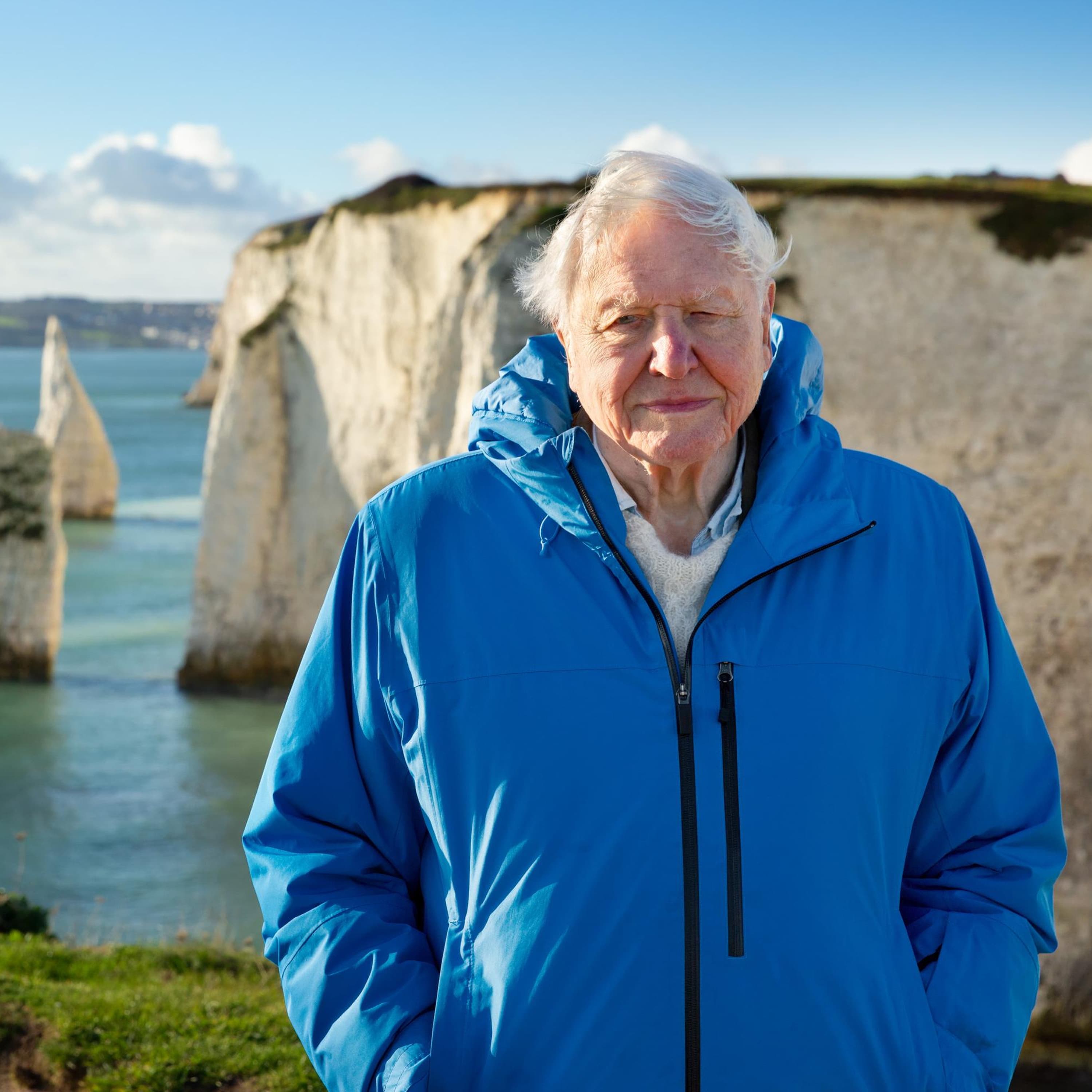
| 5/7/26 | David Attenboroughnatural history+3 | Patrick Barkham | The Guardian | — | David Attenboroughnatural history+3 | — | 20m 51s | ||
| 5/5/26 | hantavirustransmission+3 | Prof Jonathan Ball | World Health Organization | ArgentinaCape Verde | hantavirustransmission+5 | — | 13m 29s | ||
| 5/5/26 | renewable energyfossil fuels+3 | Jon Watts | The Guardian | Santa MartaColombia | renewable energyfossil fuels+3 | — | 14m 40s | ||
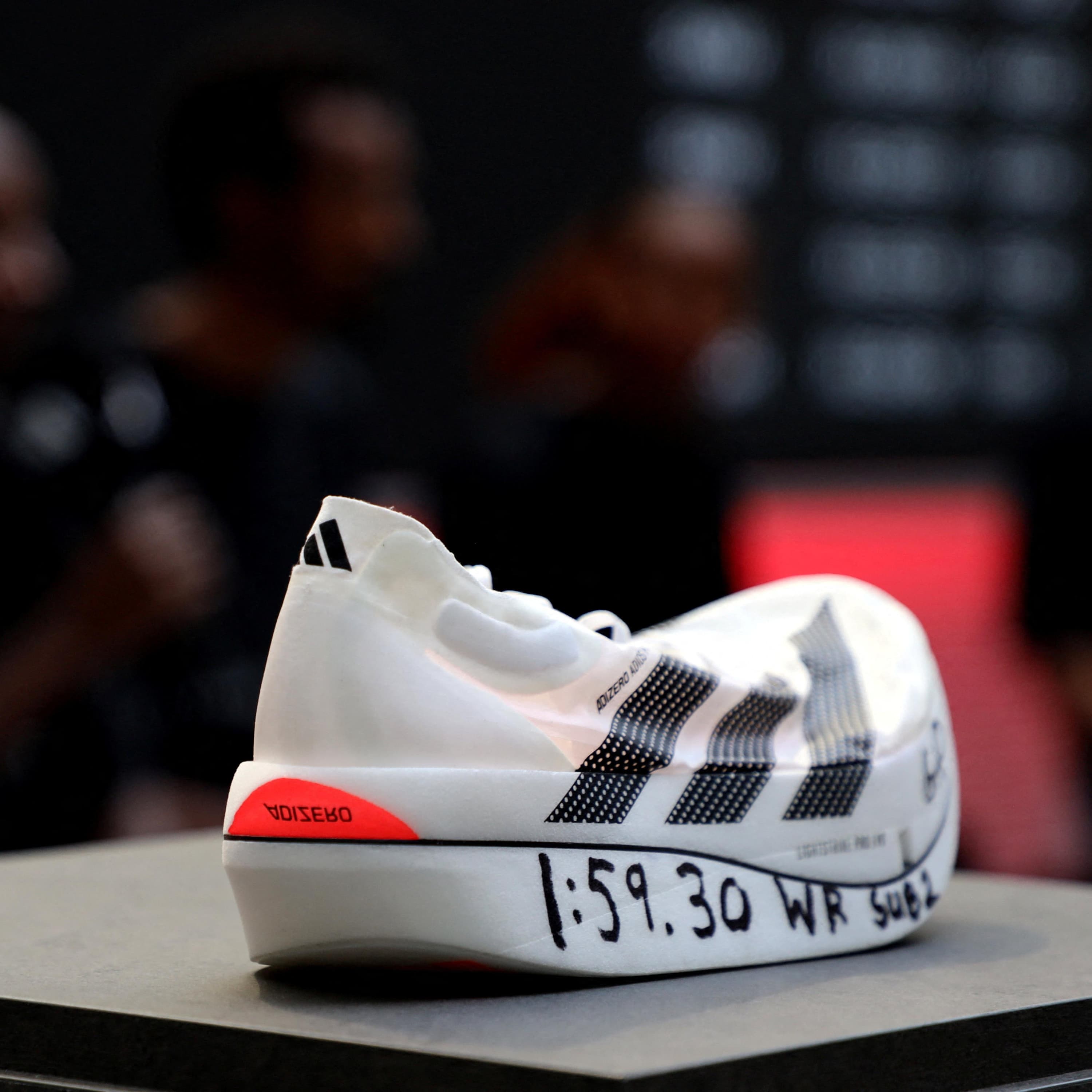
| 4/30/26 | health declinemarathon running+4 | Ian Sample | The Guardian | UK | UK healthmarathon+4 | — | 19m 34s | ||
| 4/28/26 | food intolerancehealth+3 | Rebecca Seal | The GuardianIrritated: The Allergy Epidemic and What We Can Do About It | — | food intolerancesymptoms+3 | — | 17m 50s | ||
| 4/23/26 | Breakthrough Prizegene therapy+3 | Ian Sample | Breakthrough PrizeFDA | LA | Breakthrough Prizegene therapy+5 | — | 16m 19s | ||
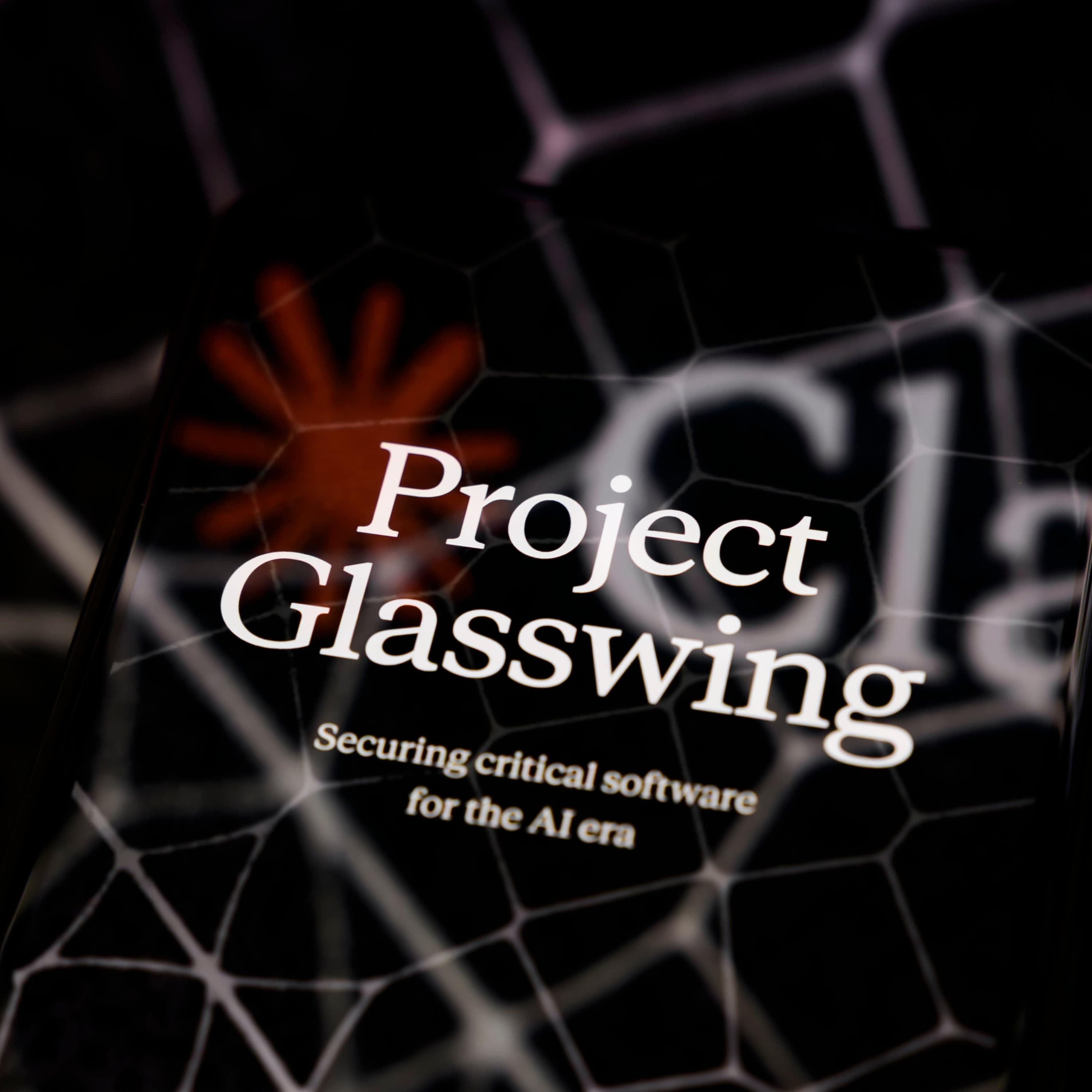
| 4/21/26 | AItechnology+4 | Aisha Down | Mythos PreviewAnthropic | Guardian | AI modelAnthropic+5 | — | 15m 50s | ||
| 4/16/26 | Alzheimer's researchsuper El Niño+3 | Ian Sample | Alzheimer’s drugThe Guardian | — | Alzheimer'ssuper El Niño+3 | — | 20m 45s | ||
| 4/14/26 | heliumAI+4 | Madeleine FinlaySophia Hayes | MRI machinesLarge Hadron Collider+1 | strat of Hormuz | heliumAI+5 | — | 16m 19s | ||
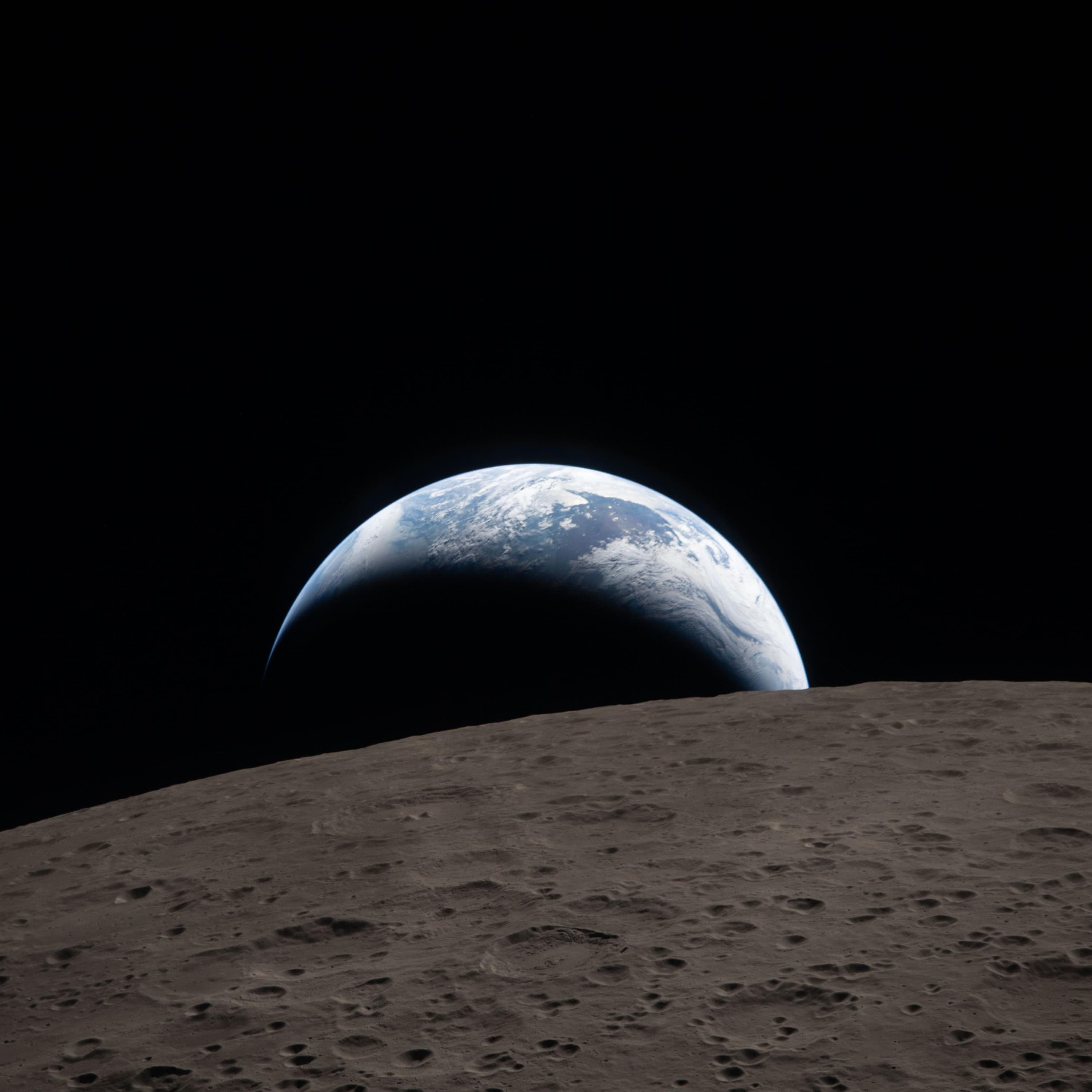
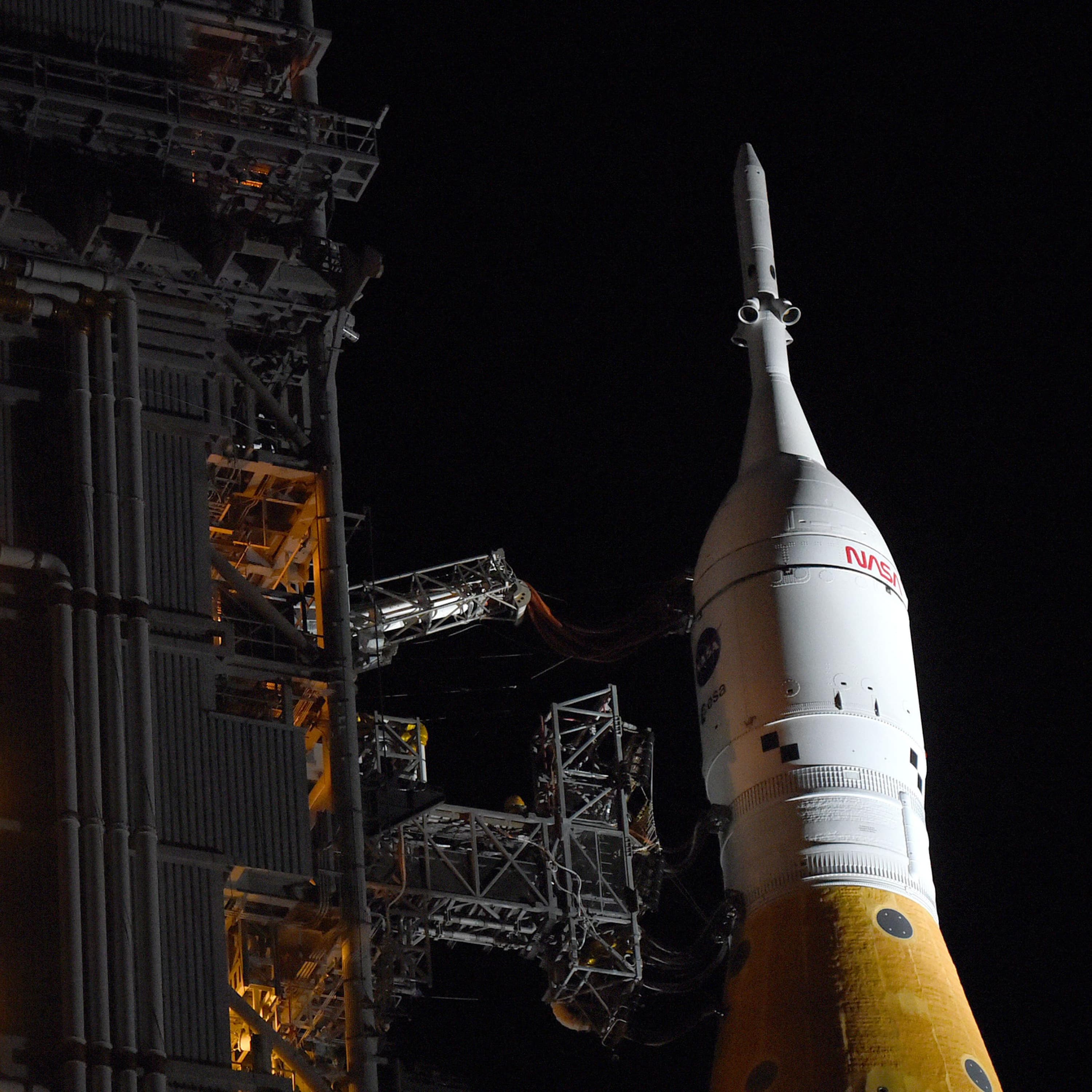
| 4/9/26 | Artemis IIspace travel+4 | Ian Sample | — | — | Artemis IIApollo 13+4 | — | 19m 04s | ||
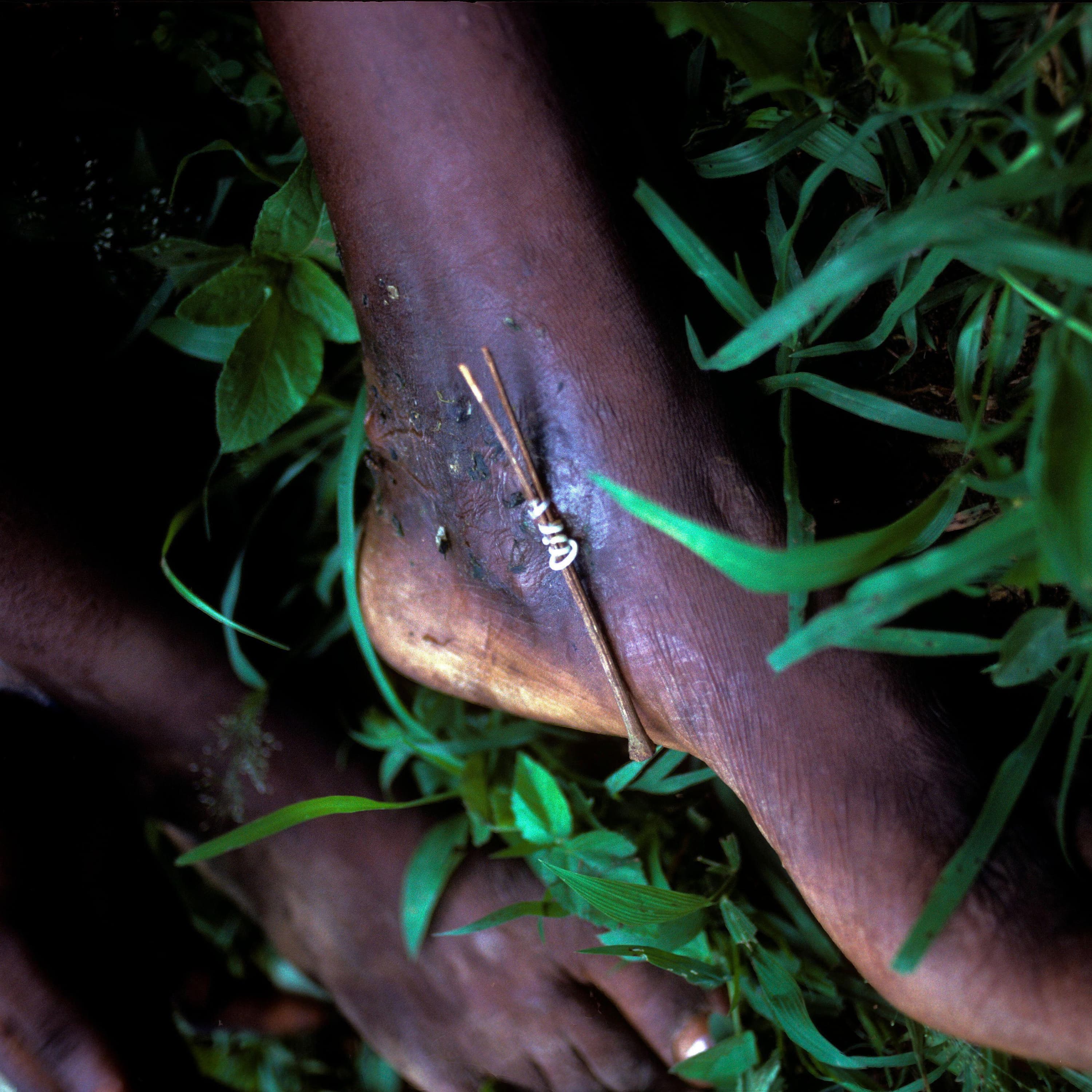
| 4/7/26 | guinea wormdisease eradication+3 | Madeleine FinlayDavid Molyneux | Carter CentreLiverpool School of Tropical Medicine | US | guinea wormdisease eradication+3 | — | 15m 37s | ||
| 4/2/26 | saunacold plunge+3 | Dr Heather Massey | University of Portsmouth | UK | saunacold plunge+3 | — | 16m 36s | ||
| 3/31/26 | moon explorationArtemis II+3 | Ian SampleRoss Andersen+1 | NasaEuropean Space Agency+1 | — | moonArtemis II+5 | — | 19m 36s | ||
| 3/26/26 | antimattertransportation+3 | Ian SampleDr Christian Smorra | CernThe Guardian | — | antimattertransport+4 | — | 15m 48s | ||














Showing 59 of 296
Pitch Fit is a Pro feature
See how bookable this show is for guests, which brands already advertise, the per-episode ad value, and the best-fit guest and sponsor profile. The numbers are blurred on the free plan.
How readily this show books outside guests like you.
How proven this show is for host-read sponsorships.
For Guests
ProFor Advertisers
ProUpgrade to Pro to unlock guest cadence, sponsor categories, fit scores, and per-episode ad value for this show.
Similar Audience Demographics
Podcasts that attract a similar listener profile





Chart history for Science Weekly
Peaked at #7 in MY, top 10 in 3 of 49 tracked markets, currently #7 in MY.
| Market | Genre | Peak | Current | Trend |
|---|---|---|---|---|
| MY | — | #7 | #7 | — |
| VN | — | #9 | #9 | — |
| Ireland | — | #10 | #10 | — |
| HU | — | #11 | #11 | — |
| SG | — | #11 | #11 | — |
| HK | — | #11 | #11 | — |
| United Kingdom | — | #16 | #16 | — |
| India | — | #19 | #19 | — |
| New Zealand | — | #23 | #23 | — |
| IS | — | #28 | #28 | — |
| PH | — | #28 | #28 | — |
| PE | — | #28 | #28 | — |
| NG | — | #29 | #29 | — |
| TR | — | #30 | #30 | — |
| South Korea | — | #33 | #33 | — |
| South Africa | — | #34 | #34 | — |
| Netherlands | — | #35 | #35 | — |
| Finland | — | #35 | #35 | — |
| Australia | — | #39 | #39 | — |
| Spain | — | #40 | #40 | — |
Chart Positions
49 placements across 49 markets.
Chart Positions
49 placements across 49 markets.