
Insights from recent episode analysis
Audience Interest
Podcast Focus
Publishing Consistency
Platform Reach
Insights are generated by CastFox AI using publicly available data, episode content, and proprietary models.
Total monthly reach
Estimated from 28 chart positions in 28 markets.
By chart position
- 🇦🇺AU · Astronomy#15300K to 1M
- 🇬🇧GB · Astronomy#23100K to 300K
- 🇺🇸US · Astronomy#25100K to 300K
- 🇨🇦CA · Astronomy#41100K to 300K
- 🇩🇪DE · Astronomy#6030K to 100K
- Per-Episode Audience
Est. listeners per new episode within ~30 days
716K to 2.3M🎙 ~2x weekly·26 episodes·Last published 5d ago - Monthly Reach
Unique listeners across all episodes (30 days)
1.4M to 4.5M🇦🇺22%🇬🇧7%🇺🇸7%+25 more - Active Followers
Loyal subscribers who consistently listen
572K to 1.8M
Market Insights
Platform Distribution
Reach across major podcast platforms, updated hourly
Total Followers
—
Total Plays
—
Total Reviews
—
* Data sourced directly from platform APIs and aggregated hourly across all major podcast directories.
On the show
Recent episodes
Back to the Moon with Artemis
Jun 7, 2026
Unknown duration
Voyager: Beyond the Solar System (Probes Episode #3)
May 31, 2026
Unknown duration
Journey to the Gas Giants (Probes Episode #2)
May 24, 2026
Unknown duration
Race to the Terrestrial Planets (Probes Episode #1)
May 17, 2026
Unknown duration
The Final Age of the Solar System (Part 2)
May 10, 2026
Unknown duration
Social Links & Contact
Official channels & resources
Official Website
Login
RSS Feed
Login
| Date | Episode | Description | Length | ||||||
|---|---|---|---|---|---|---|---|---|---|
| 6/7/26 | 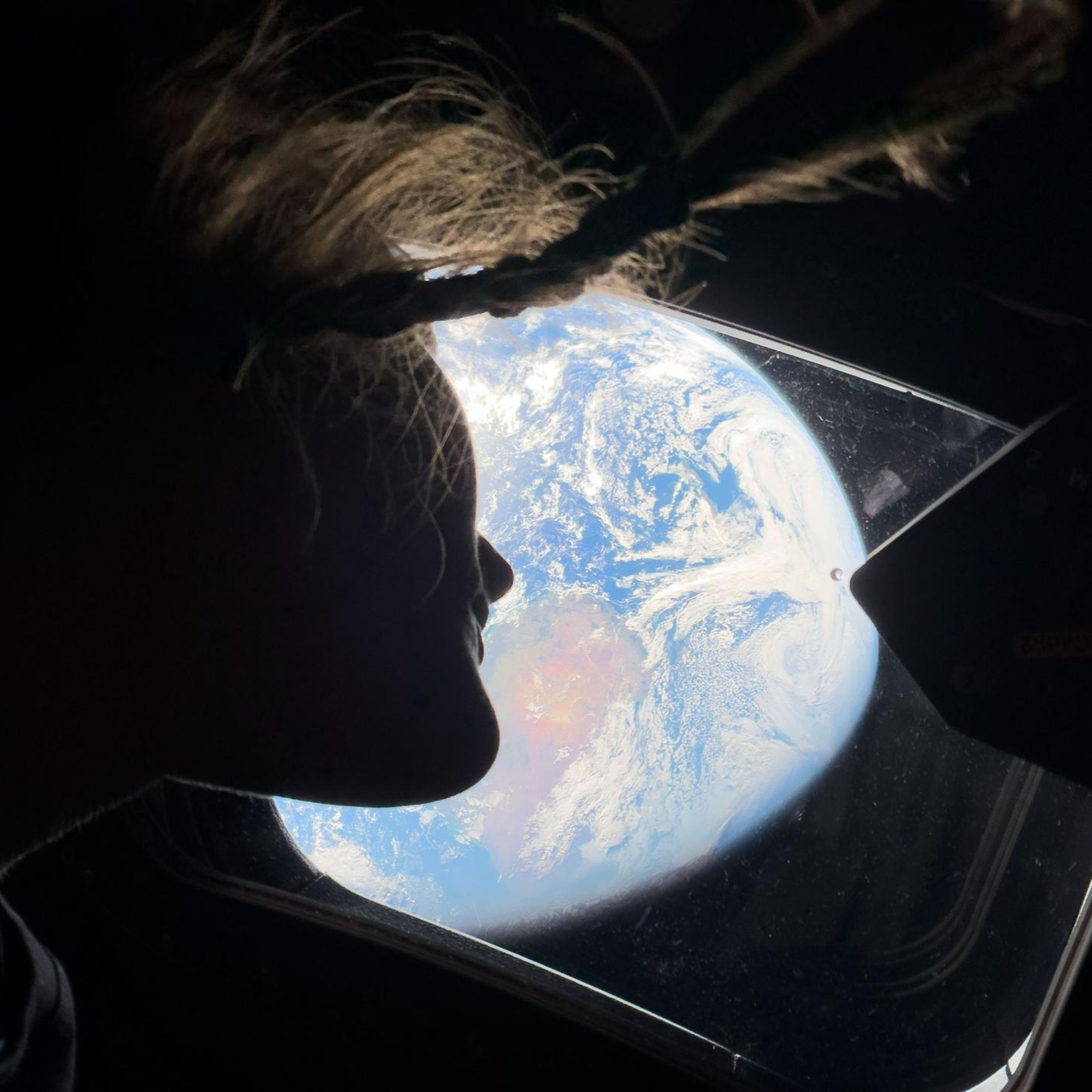 Back to the Moon with Artemis | It's been more than half a century since humans last went to the Moon. But we will return before the decade is up, through NASA's revolutionary Artemis Program. But unlike its ancestral Apollo Program, Project Artemis is about more than just landing astronauts on the lunar surface. Its endgame is to enable us to stay there, and keep going back to a semi-permanent surface habitat- all in preparation for NASA's yet more ambitious, daunting endeavour of the 2030s- to reach the Red Planet, Mars. SOUNDTRACK: "Finding Direction" - CO.AG Music(https://www.youtube.com/watch?v=Xptr7cYeDBA)"Her Smile Feeding the Cold Earth" - CO.AG Music (https://www.youtube.com/watch?v=G7gX08Ww6lY)"Are You in Here With Us?" - CO.AG Music (https://www.youtube.com/watch?v=68e7Yqt0q_Q)"Floating Through Black" - Boomer (Storyblocks Media)"Echoes" - Enzo Orefice (Storyblocks Media)"Nightlife" - CO.AG Music (https://www.youtube.com/watch?v=9PE2XxNWj0M)"Enchanted Winds" - Humans Win (Storyblocks Media)"Still" - Humans Win (Storyblocks Media)"Meditation Yoga Ambient" - Watermello (Storyblocks Media)CO.AG's Channel: https://www.youtube.com/@co.agmusicCHAPTERS: 00:00: Artemis II 02:15: Road to the Moon Landing 07:09: The Apollo Program 13:31: The New Space Race18:00: The Artemis Program 21:32: Artemis III23:22: Artemis IV: The Next Moon Landing26:04: Moon to Mars | — | ||||||
| 5/31/26 | 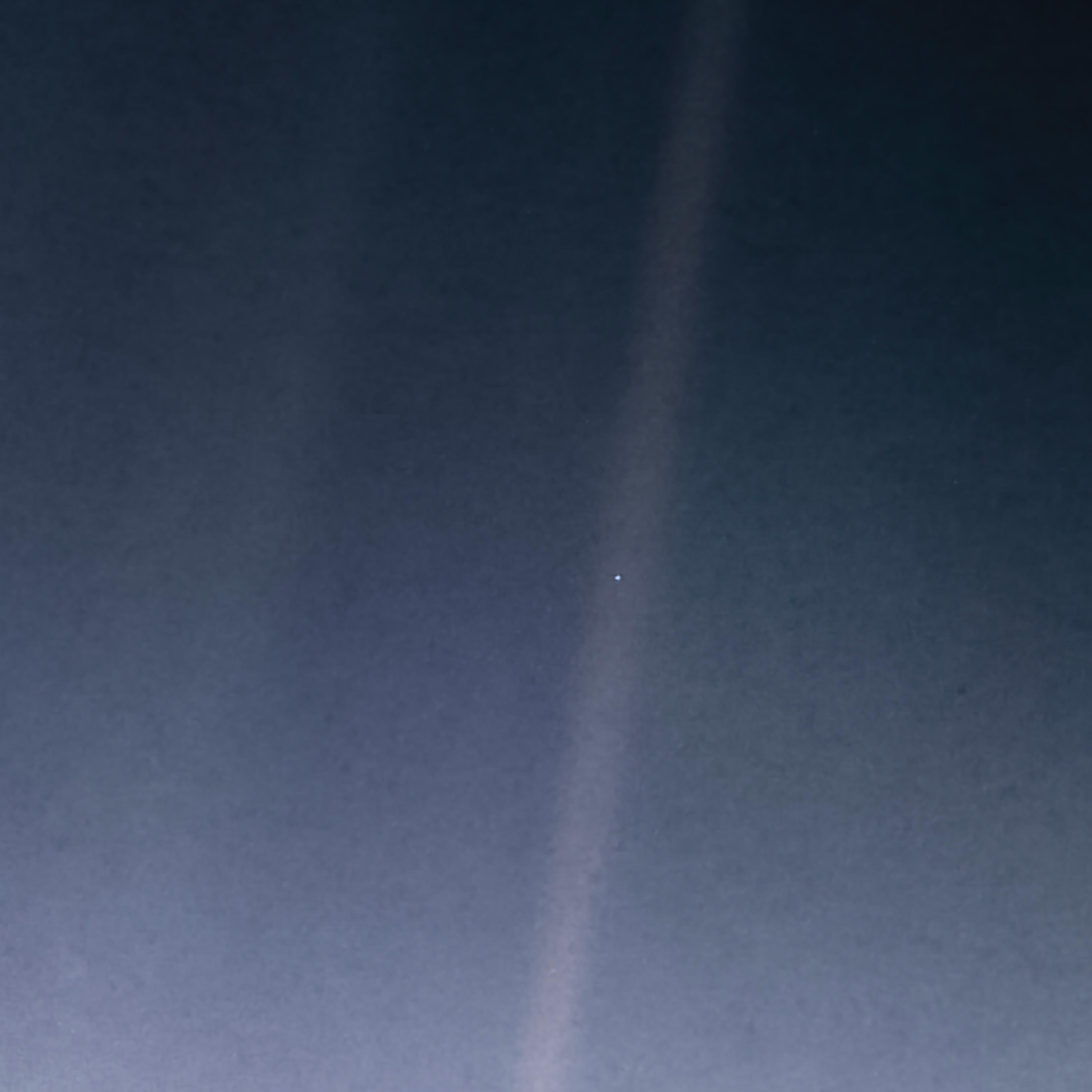 Voyager: Beyond the Solar System (Probes Episode #3) | Of all the spacecraft to have visited other worlds, there are two which have travelled further than any other, discovering more about the Solar System than their inventors ever could have imagined. They are the legendary pair of Voyager Probes- still the only spacecraft ever to have visited the Ice Giant planets, Uranus and Neptune. The story of their 40 years in space makes up the topic of our video today- from the gas giants, to the ice worlds, and then out into the depths of interstellar space...SOUNDTRACK: - Just a Shadow | CO.AG Music (https://youtu.be/pRDzXIV5yKg?si=Z4ooBaD1wZmV_Y7B) - Deep Sleep | Amber Waldron (Storyblocks)- Beyond This Earth to the Stars | CO.AG Music(https://youtu.be/aPQl1d96_Bk?si=sLbl_gG8oqhcwuW0)- Contemplative | Amber Waldron (Storyblocks)- Spa Go | Gushito (Storyblocks) - Descend Into Horror 5 | CO.AG Music(https://youtu.be/Ev49l2ZGFmg?si=Cj4CUoob2wRCjSaQ)- Guitar Drone Meditation | Humans Win (Storyblocks)- SpaceShip | Jayson Wayne Brown (Storyblocks)CO.AG's Channel: https://www.youtube.com/@co.agmusicCHAPTERS00:00: Welcome Back01:31: The Grand Tour 06:00: Voyager-1's Gas Giants Mission09:40: Voyager-1's Titan Flyby12:27: The Pale Blue Dot14:30 Voyager-2's Gas Giant Mission18:15: Voyager-2's Uranus Encounter 21:24: Voyager-2's Neptune Encounter25:00: Exiting the Heliosphere 29:19: The Interstellar Mission 34:04: One Final World... (Pluto)37:05: New Horizons Kuiper Belt Mission42:48: An Unconventional Signature... | — | ||||||
| 5/24/26 | 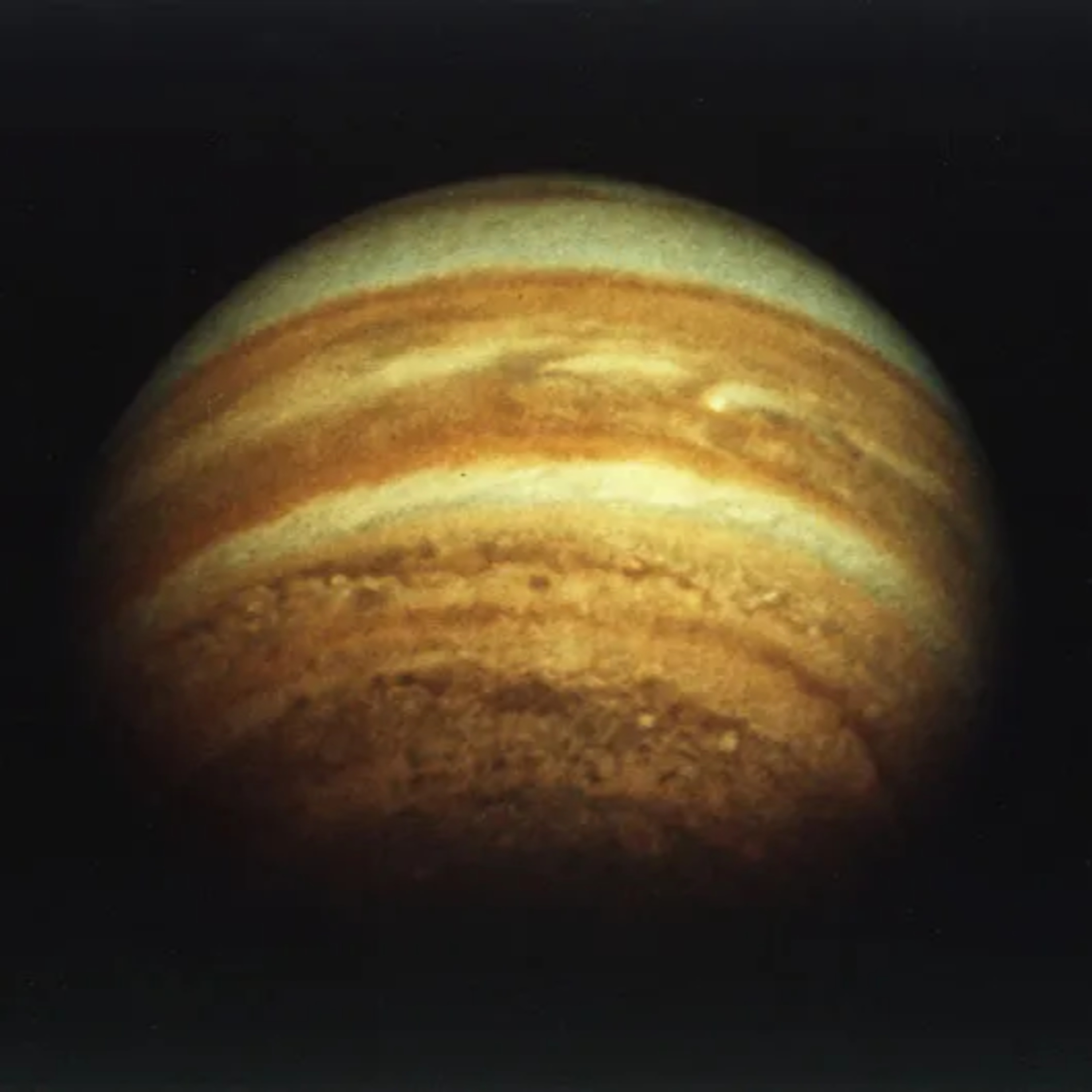 Journey to the Gas Giants (Probes Episode #2) | Far beyond the reaches of the four rocky planets, we find our Solar System's showpiece worlds- the two gas giants, Jupiter and Saturn. As the two largest planets, they both make tantalising targets for probes exploring the planetary neighbourhood, but both lie significantly further from the sun than the Earth and its terrestrial neighbours. But early in the 1970s, the technology for deep space voyages was primed, and missions to both Jupiter and Saturn ensued. Those missions make up the topic of our video today, in this second episode of our trilogy of Probes that Studied the Solar System. CHAPTERS:00:00: Welcome Back 01:52: The Gas Giants 04:11: When Planets Align 08:15: Pioneer 10's Journey to Jupiter12:46: Pioneer 11's Jupiter Journey 15:10: Pioneer 11's Saturn Encounter16:59: A Postcard from Humanity 18:46: The Galileo Spacecraft 24:27: Cassini-Huygens Spacecraft29:11: Landing on Titan 32:14: Enceladus' Underground Ocean33:55: Other Studies: Rings & Storms36:52: Cassini's Grand Finale38:38: Future Missions to the Gas Giants42:33: To be Continued... | — | ||||||
| 5/17/26 | 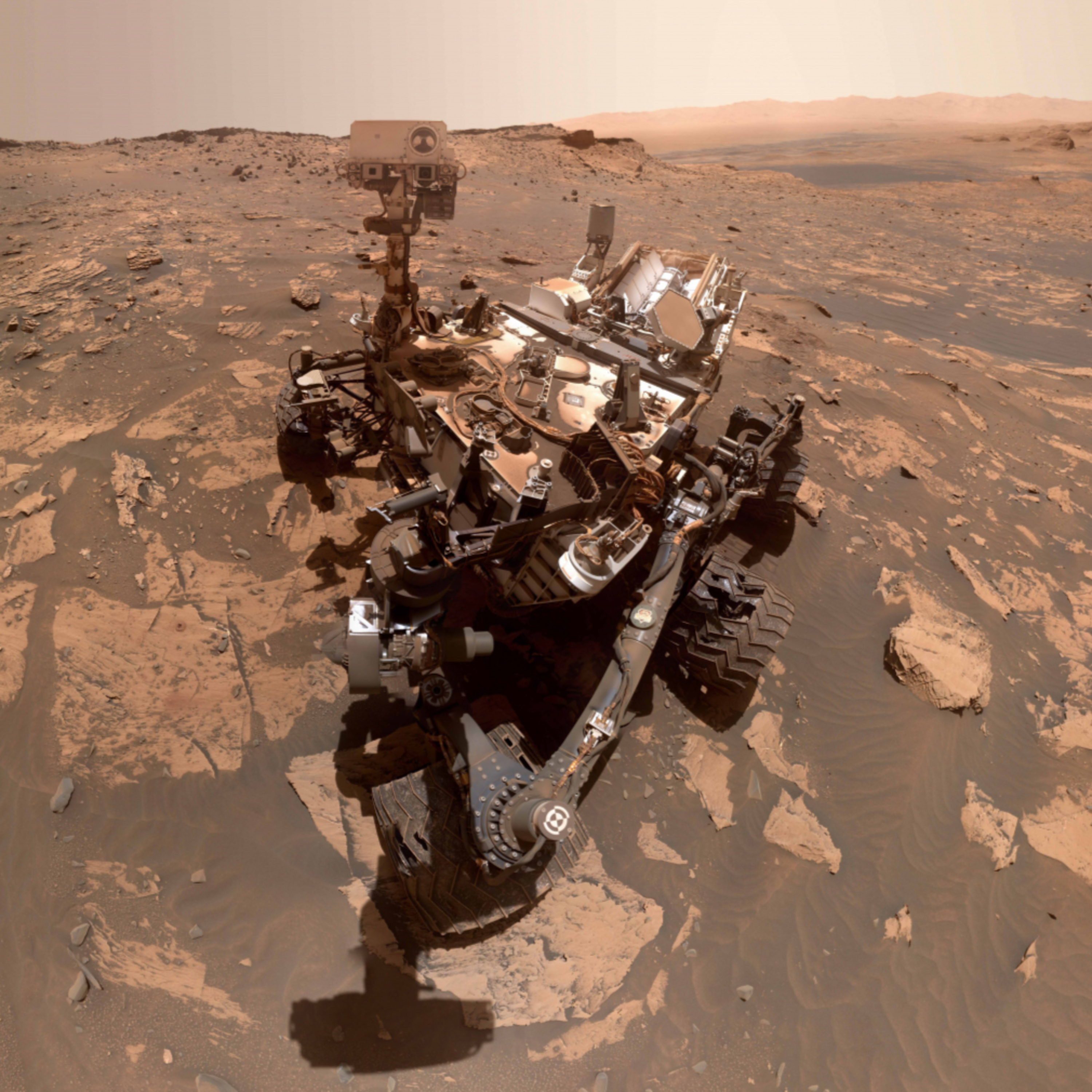 Race to the Terrestrial Planets (Probes Episode #1) | From studying the dusty surface of Mars, to plunging into the atmosphere of Venus, over the last 60 years, we've launched hundreds of probes into space on trajectories to visit each of the terrestrial planets. But for all the fascinating discoveries made on the way, humanity's journey towards the stars started out in a much darker place- a battlefront between the world's then two great competing superpowers. And in this first episode on my new series on probes, we will revisit this space race, and the major milestones on route to visiting each of the terrestrial planets.CHAPTERS:00:00: Introduction02:32: The Space Race 04:48: Pioneer Probes07:32: Mariner Probes09:55: Mariner 4 Mars Mission12:27: Mariner 6 & 714:27: Mars Orbiters17:05: Landing on Mars 18:57: Landing on Venus 21:30: The Viking Probes26:12: Mercury Missions33:00: Mars Rover Missions 38:16: To be Continued... | — | ||||||
| 5/10/26 | 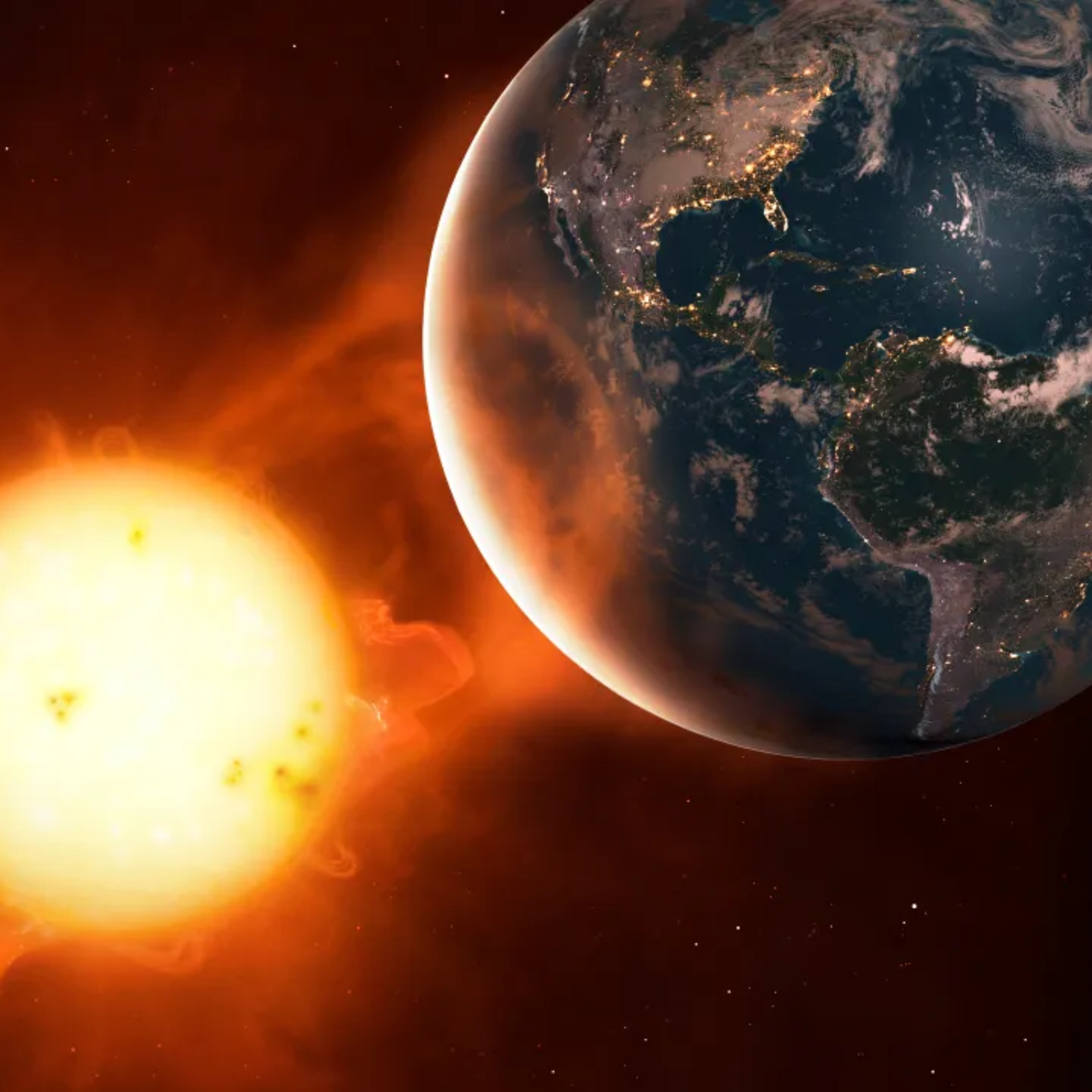 The Final Age of the Solar System (Part 2) | Earth is a success story, a thriving world that has hosted life for almost 4 billion years. But, no matter how peaceful things are now, a new age is coming for the Solar System. An age of change, destruction and evolution. A place for new worlds and new stories, but one in which the Earth has no place.MUSIC:- Dreamscape - Density & Time - The Unknown - CO.AG Music - https://youtu.be/IFYTGVE1aRs- Sunrise on Mars - Audionautix- As Prevent You Do - pATCHES - At the Foot of the Sphinx - Twin Musicom - It Maintains, Eyes Change - Puddle of Infinity - Growing Space - Astron - The Blue Pearl - Jesse Gallagher - Kallimachou - Dan Bodan Sunrise on Mars by Audionautix is licensed under a Creative Commons Attribution 4.0 license.https://creativecommons.org/licenses/by/4.0/Artist: http://audionautix.com/CHAPTERS: 00:00: Welcome Back00:15: The Next Billion Years 06:10: Milkdromeda Collision08:03: The Red Giant Branch13:12: Habitable Moons16:27: Titan 21:00: Titan's Prospects for Life23:24: Horizontal and Asymptotic Giant Branch26:52: The White Dwarf Sun29:19: The Solar System's Last Day | — | ||||||
| 5/3/26 |  The Birth of the Solar System (Part 1) | The Solar System is vast and diverse, home to eight large planets, including one which gave rise to life. While humanity was born too late to witness the events that occurred at the birth of the Solar System first-hand, by peering into the surroundings of others stars, we are starting to piece together the events that unfolded at the birth of our own Solar System. Today, we shall explore the culmination of these decades of research, as we tell the story of the birth of the Solar System.MUSIC: - In the Throes - Asher Fulero- Song of Sadhana - Jesse Gallagher - Lord of the Dawn - Jesse Gallagher - Cylinder Three - Chris Zabriskie- Let Your Enemies Feel the Weight of Your Burdens - Chris Zabriskie - Lost Kingdom - CO.AG Music - Underwater Exploration - Godmode- The Sky is on Fire - CO.AG - I Am Running a Marathon - Chris Zabriskie- Somnolent - The TidesCO.AG's can be found on his YouTube channel:https://www.youtube.com/channel/UCcavSftXHgxLBWwLDm_bNvAAll songs by Chris Zabriskie are licensed under a Creative Commons 4.0 Attribution License. https://creativecommons.org/licenses/by/4.0/Artist: http://chriszabriskie.com/CHAPTERS:00:00: Introduction 01:11: The Solar System 04:44: The Nebular Hypothesis 07:27: Star Formation 11:54: Planetary Formation Window 18:20: The Story of the Solar System 21:34: Rise of the Gas Giants 25:23: The Terrestrial Planets 30:46: Three Water Worlds | — | ||||||
| 4/26/26 | 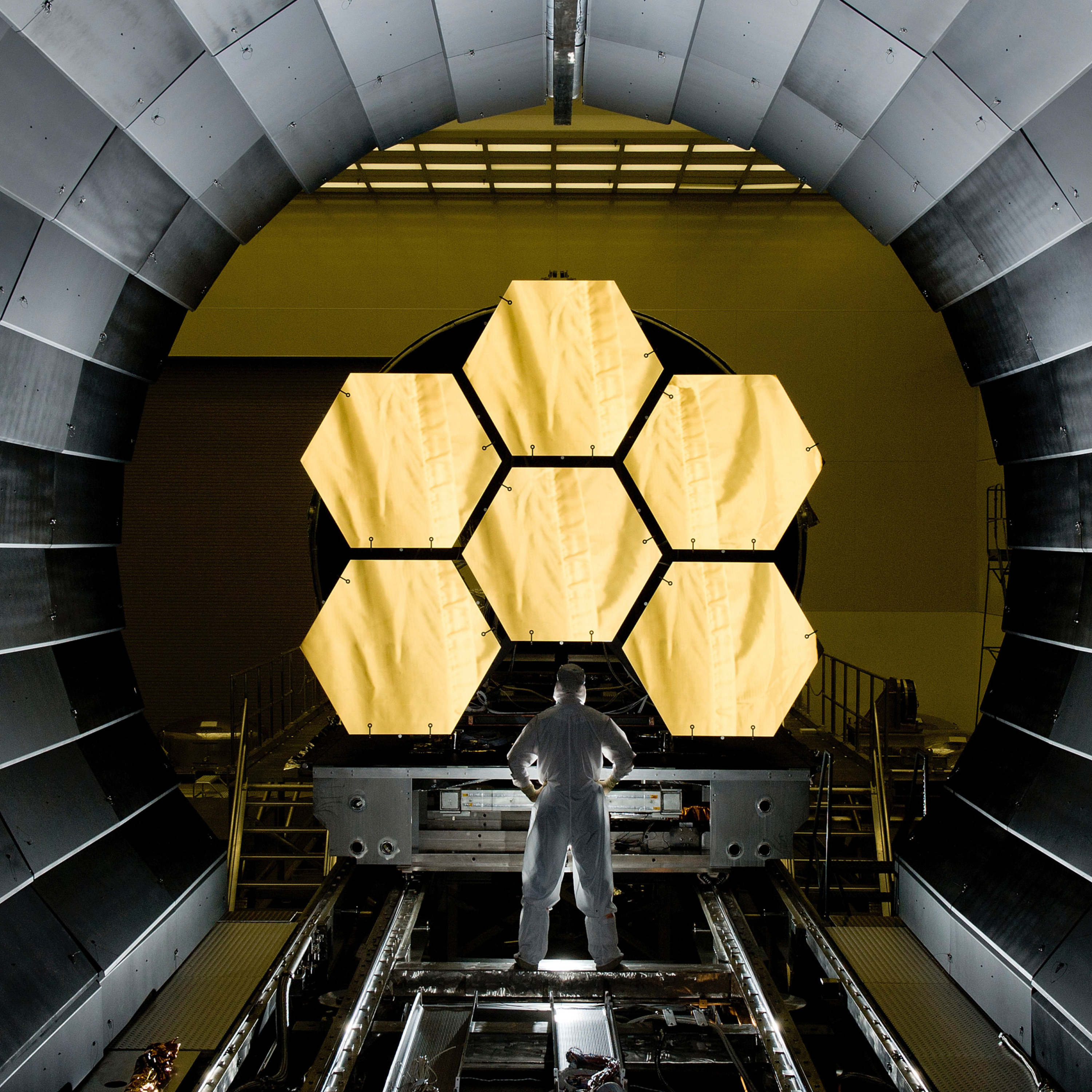 The James Webb Telescope (2022 Version) | On December 25th, 2021, NASA's most sophisticated, ground-breaking and expensive observatory ever blasted off from the Earth. The James Webb Telescope is an infrared observatory, capable of looking back all the way to the universe's first light. In this video, we will explore how this initiative came to be, and what the future holds in this exciting new age of astronomy. SOUNDTRACK:- Valhalla [Long Version] - CO.AG Music - Show Me the New Way - CO.AG Music - The Deep [Long Version] - CO.AG Music- I Am Blessed - CO.AG Music - Is This The Way It Ends - CO.AG Music- The Young & Old Know Love - Puddle of Infinity (YouTube Audio Library)CO.AG Music's Channel: https://www.youtube.com/channel/UCcavSftXHgxLBWwLDm_bNvACHAPTERS:00:00: Lift-off! 01:39: Background03:55: Webb's Troubled Development08:17: Webb's Mirrors10:48: Surveying in Infrared 13:51: Webb's Sunshield & Orbit16:52: Deployment Phase 22:06: The Cosmic Dawn24:14: Light from the First Stars 28:02: Search for Habitable Exoplanets30:46: Other Uses for Webb | — | ||||||
| 4/19/26 | 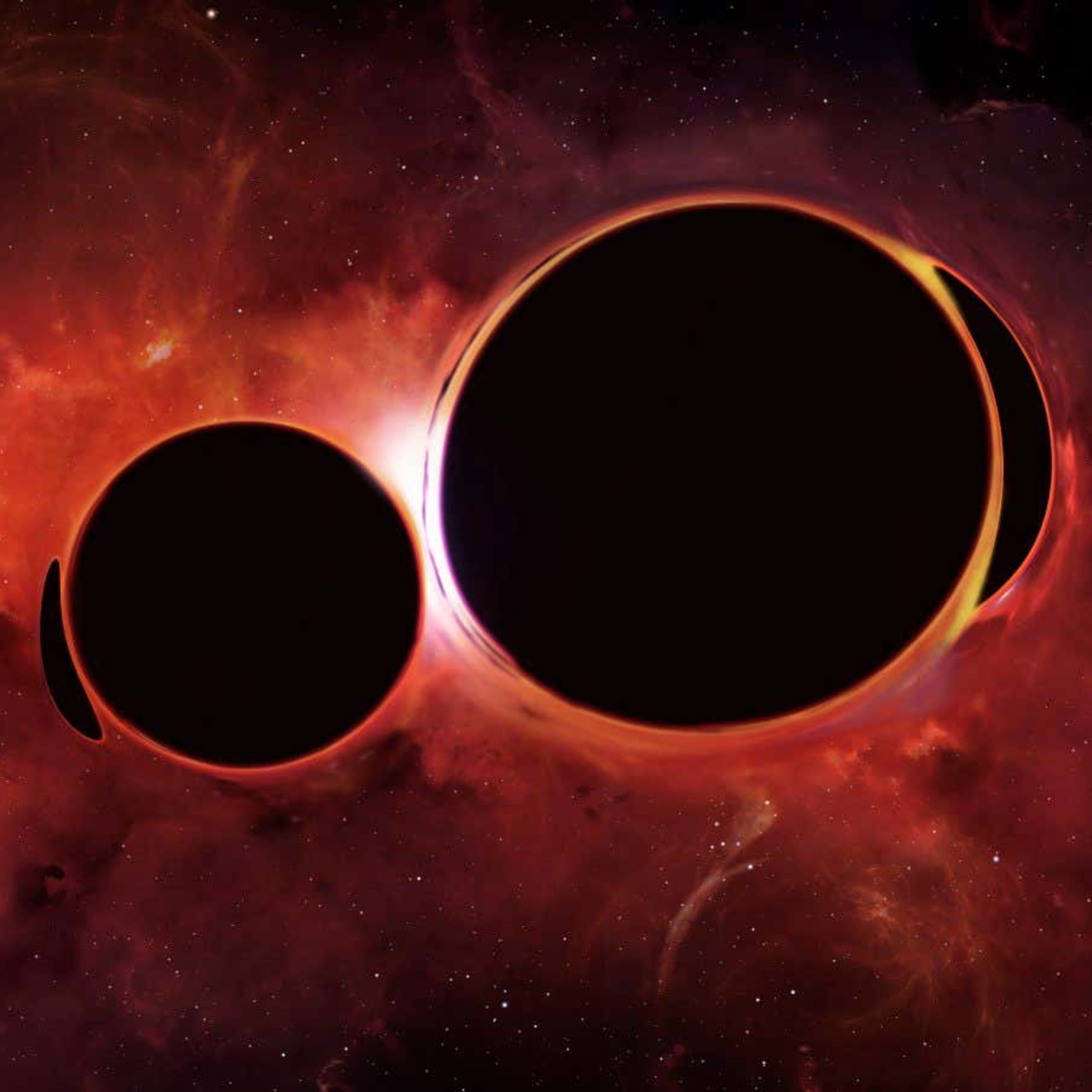 When Black Holes Collide | Black holes are fascinating in so many ways- especially when you put two of them together. Their resonance and orbit physically ripples space itself, emitting waves that can travel through space for billions of years. Since 2016, we have been able to detect these gravitational wave events, and earlier this month, we detected a record-breaking one. SOUNDTRACK:- Wander - Emitt Fenn (YouTube Audio Library)- A Slow Dream - Emily A. Sprague (YouTube Audio Library)- Nexus Dawn - CO.AG: https://www.youtube.com/watch?v=oTrZx2KM6JA&t- Last Night I Dreamt I Saw True Love In Your Eyes - Chris Zabriskie: https://soundcloud.com/chriszabriskie/last-night-i-dreamt-i-saw-true- Passing a Foreign Moon - I Think I Can Help You (YouTube Audio Library)- Thin Places - Jesse Gallagher (YouTube Audio Library)- Running Out of Time - CO.AG: https://www.youtube.com/watch?v=P13lnycYaeI- Sound of the Earth EM White Noise: https://www.youtube.com/watch?v=QB2AK-odiocCO.AG's Channel: https://www.youtube.com/channel/UCcavSftXHgxLBWwLDm_bNvAAll tracks by Chris Zabriskie licensed under a Creative Commons Attribution license (https://creativecommons.org/licenses/by/4.0/)Artist: http://chriszabriskie.com/CHAPTERS:00:00: Introduction01:08: What is a Black Hole?04:07: Types of Black Hole05:26: Misconceptions About Black Holes08:46: Anatomy of Black Holes12:26: Inside the Black Hole14:09: Intermediate Mass Black Holes15:17: Black Hole Mergers17:09: Gravitational Wave Signals 19:12: The Pair Instability Gap23:03: The Big Crunch | — | ||||||
| 4/12/26 | 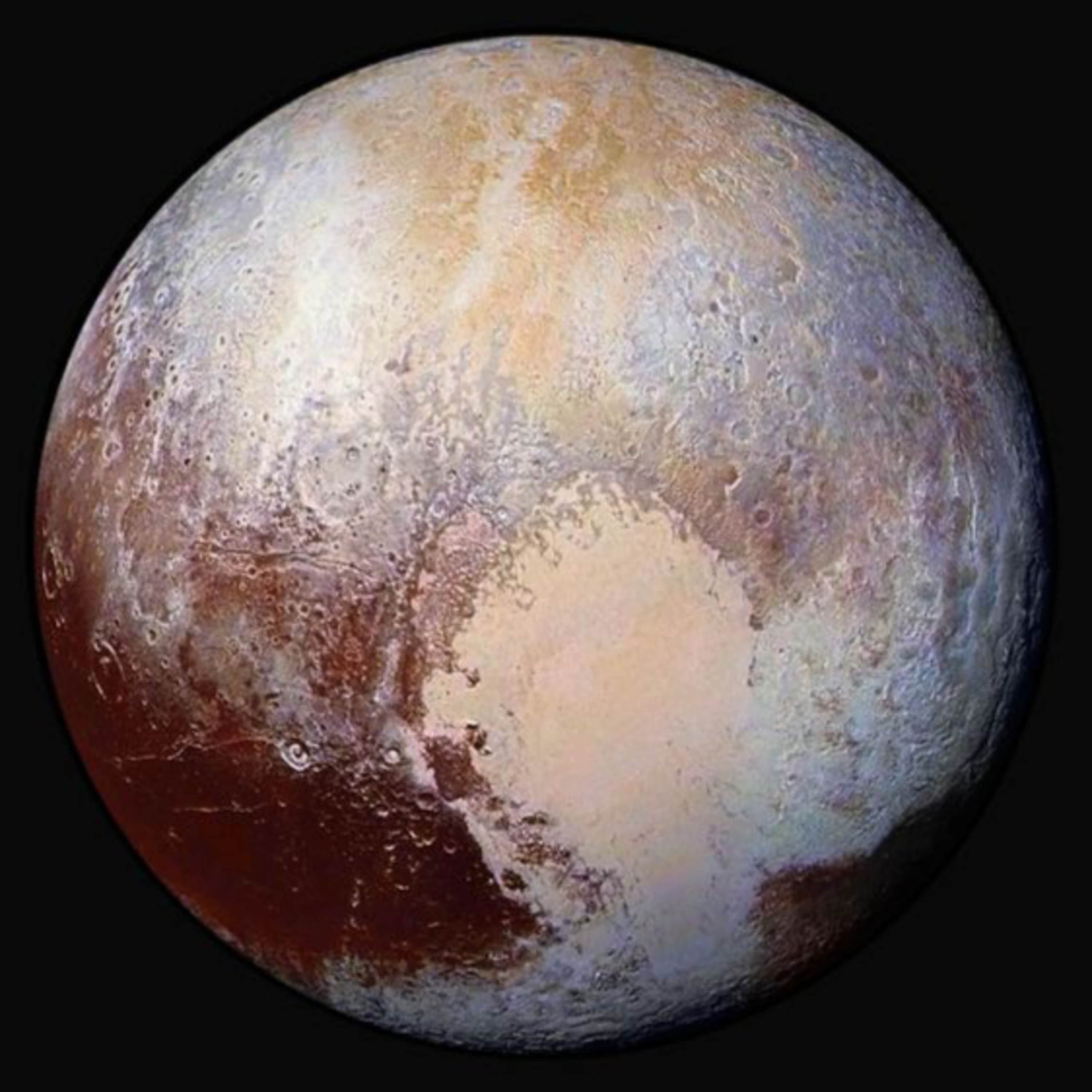 Dwarf Planets: Lesser Worlds | The Solar System is home to eight principal planets, but this is far from the full picture. Hidden beyond the orbit of Neptune are dozens of small, icy worlds, known as Dwarf Planets, or Minor Planets! The best example is Pluto, but there are dozens more orbiting within the same band of material in the outer Solar System. Today, we will visit these frozen, far out worlds first hand.MUSIC:- Mist - Odonis Odonis- Lucid Haze - Amulets - Shallow Depths - jAde Wii - At the Foot of the Sphinx - Twin Musicom - Length of Light - Amulets - Crystaline - Amulets - Doll Dancing - Puddle of Infinity - I Am Running Down the Long Hallway - Chris Zabriskie- Jesu, Joy of Man's Desiring - Kevin MacLeodAt the Foot of the Sphinx by Twin Musicom is licensed under a Creative Commons Attribution 4.0 licence. https://creativecommons.org/licenses/by/4.0/Artist: http://www.twinmusicom.org/I Am Running Down the Long Hallway of Viewmont Elementary by Chris Zabriskie is licensed under a Creative Commons Attribution 4.0 licence. https://creativecommons.org/licenses/by/4.0/Source: http://chriszabriskie.com/honor/Artist: http://chriszabriskie.com/Jesu, Joy of Man's Desiring by Kevin MacLeod is licensed under a Creative Commons Attribution 4.0 licence. https://creativecommons.org/licenses/by/4.0/Source: http://incompetech.com/music/royalty-free/index.html?isrc=USUAN1100189Artist: http://incompetech.com/CHAPTERS:00:00: Introduction01:52: Minor Planets 05:34: Ceres 09:15: The Kuiper Belt 11:49: Pluto16:43: Why the IAU Demoted Pluto 17:46: Eris 20:17: Haumea 22:08: Makemake 24:24: Arrokoth | — | ||||||
| 4/5/26 |  The Oort Cloud: The Solar System's Shell | What lies at the edge of the Solar System? Far beyond the orbit of Neptune and the Kuiper Belt, deep into interstellar space, we find a vast, thick shell of icy space debris. We have never seen it directly, but we know it exists- because it is the source of the most distant comets that we see entering the Solar System. So why is it there? Today we'll find out.All background songs in this video were sourced from the royalty and attribution-free YouTube Audio Library. CHAPTERS:00:00: Introduction 02:01: The Oort Cloud 05:18: The Scale of the Cloud06:47: Formation of the Oort Cloud 09:33: The Source of All Comets13:17: The Hills Cloud14:40: Sedna16:12: The Outer Oort Cloud17:13: Siding Spring, Hale Bopp, Lovejoy19:20: Future Missions to the Oort Cloud 21:46: Extra-solar Oort Clouds | — | ||||||
Want analysis for the episodes below?Free for Pro Submit a request, we'll have your selected episodes analyzed within an hour. Free, at no cost to you, for Pro users. | |||||||||
| 3/29/26 | 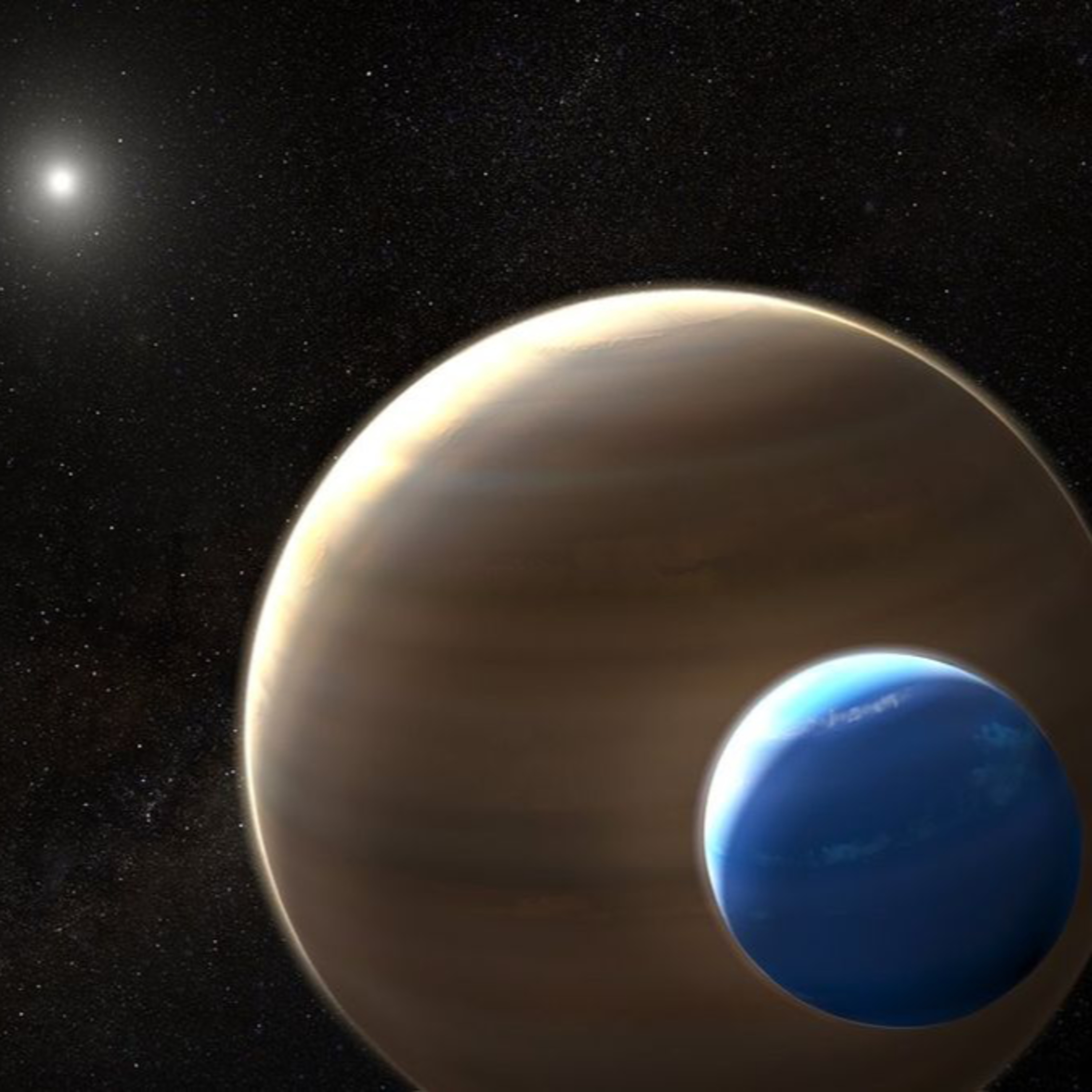 Moons Beyond the Solar System | Most large planets have moons. We have discovered almost 200 in our Solar System alone, and so we expect that the Milky Way is teeming with many more- perhaps even outnumbering planets and stars. With so many moons, it adds a plethora of additional holdouts in the galaxy capable of supporting life, and thus they are tantalising targets for scientists. However, extra-Solar moons are so insanely distant and dark against the backdrop of space, that them is a tremendous challenge. In this episode, we will cover its story so far.SOUNDTRACK:- Satya Yuga | Jesse Gallagher (YouTube Audio Library) - The Sleeping Prophet | Jesse Gallagher (YouTube Audio Library) - Where in Literally | pATCHES (YouTube Audio Library) - The Golden Present | Jesse Gallagher (YouTube Audio Library) CHAPTERS:00:00: Introduction 01:09: Exomoons04:26: How We Find Exomoons08:53: Kepler 1625 b-i 13:28: Other Exomoon Candidates | — | ||||||
| 3/22/26 | 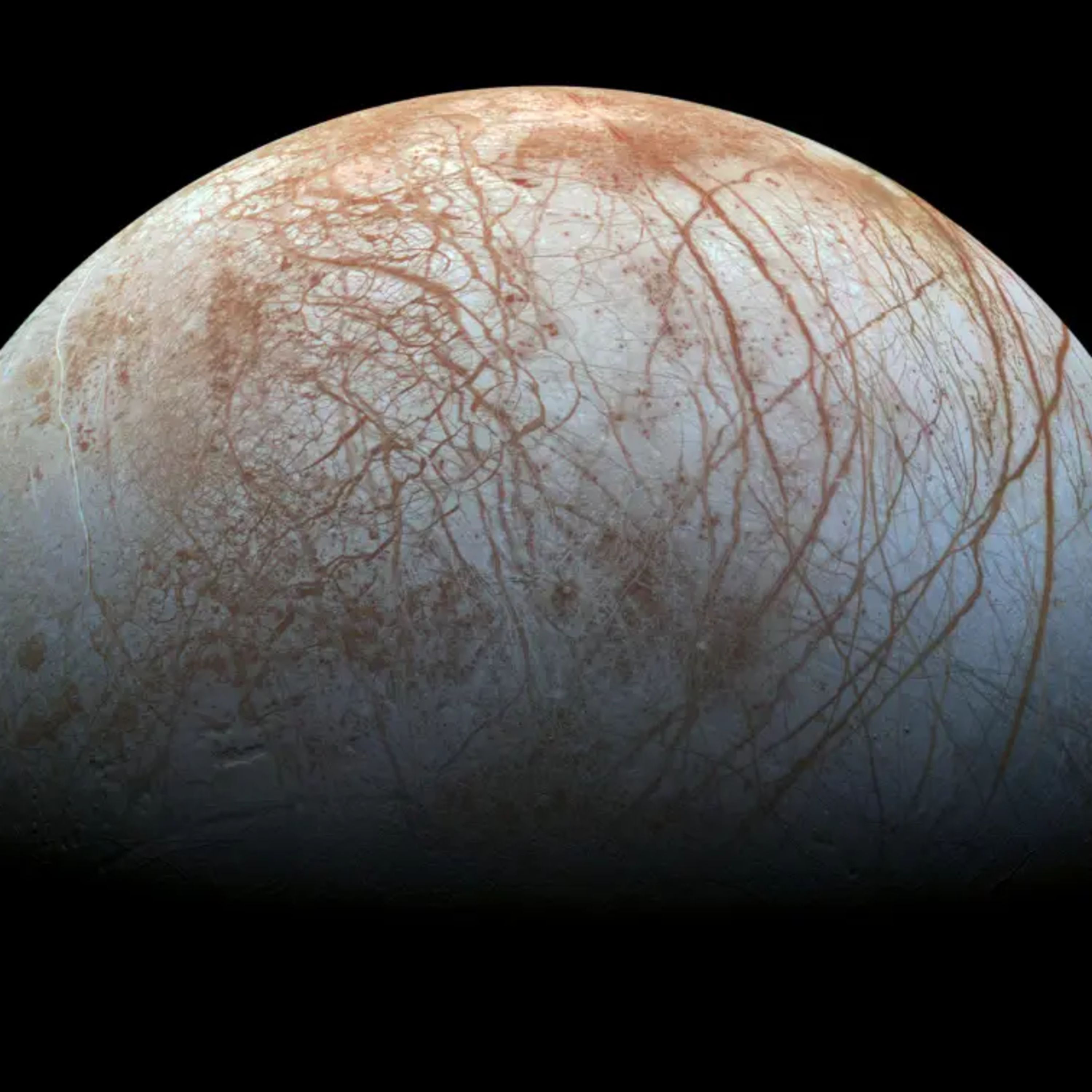 Europa: A Frozen Oasis | Europa is a fascinating moon, which is thought to be hiding a global ocean below its frozen surface. This makes it a hotspot for research and missions, with the ultimate goal being to identify an independent life source. In this video, we will go over this iconic satellite of Jupiter by the numbers, as we blow its perplexing mysteries wide open.All background music came from the Royalty-Free & Attribution-Free YouTube Audio LibraryCHAPTERS:00:00 Introduction00:58: Facts About Europa 04:22: Europa’s Ice Sheet06:52: Missions to Europa09:29: The Subsurface Ocean11:19: Tidal Heating 13:44: Europa's Prospects for Life 18:15: Future Missions to Europa | — | ||||||
| 3/15/26 | 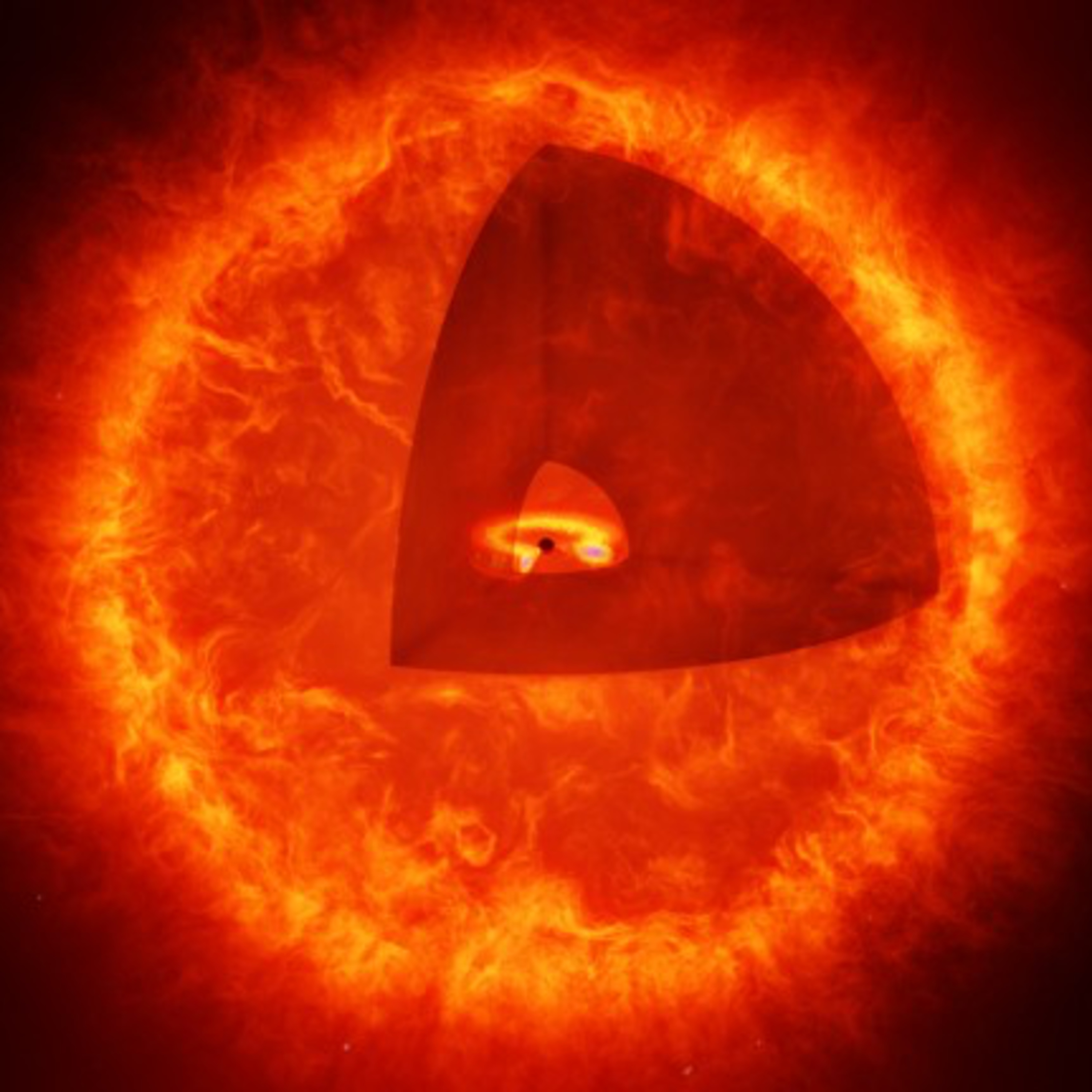 Corrupted Stars: Hypothetical Stars that Defy Explanation | Not every star in the universe can be seen shining brightly in the night sky. There are dozens of types of fascinating hypothetical stars, which are characterised by their extreme behaviour. Today, we will be taking a look at a few of these corrupted stars, from the start of the universe right up until the end. MUSIC TRACKS: - Passing a Foreign Moon - I Think I Can Help You (YouTube Audio Library)- The Shadow Self - I Think I Can Help You (YouTube Audio Library)- The Bardo - I Think I Can Help You (YouTube Audio Library)- To Have To In Least Water - pATCHES (YouTube Audio Library)- Surviving the Asteroid Belt - I Think I Can Help You (YouTube Audio Library)- Wander - Emmit Fenn (YouTube Audio Library)- Because for Everything There Is Someone - pATCHES (YouTube Audio Library)- Adrift - ELPHNT (YouTube Audio Library)- Verve - Benjamin Martins (YouTube Audio Library)- Hollows - Houses of Heavens (YouTube Audio Library)- Meeting Again - Emily A Sprague (YouTube Audio Library)CHAPTERS:00:00: Introduction01:29: Population III Stars 04:50: Quasi Stars 07:42: Thorne-Zytkow Objects 10:37: Q-Stars and Exotic Matter 14:02: Quark Stars 15:51: Electroweak Stars 17:39: Strange Matter and Strange Stars20:13: White Dwarfs21:54: Frozen Stars 22:37: Black Dwarfs23:18: Iron Stars | — | ||||||
| 3/8/26 | 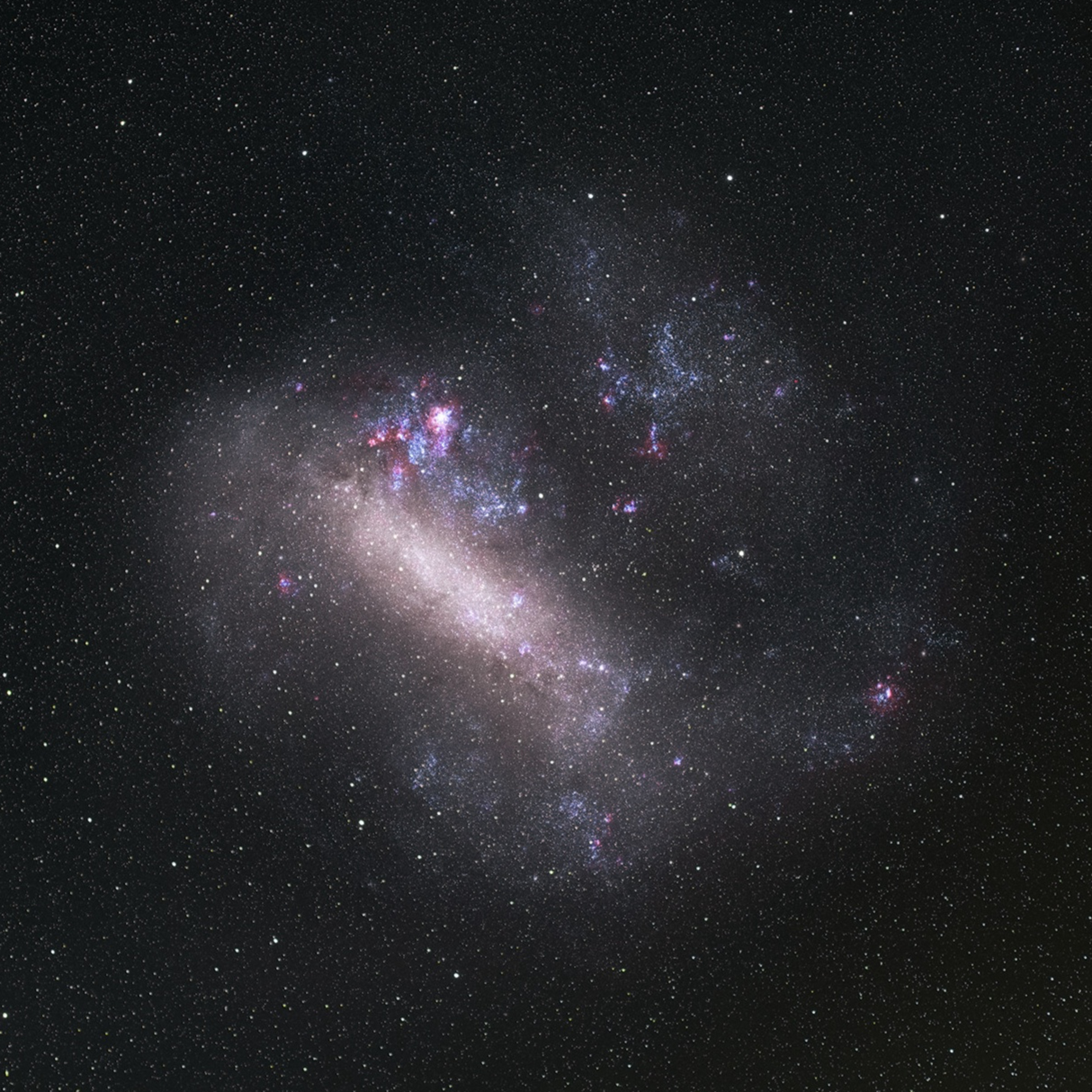 Ghost Galaxies | Not every galaxy is a fully formed spiral or elliptical galaxy. Some are much smaller, and orbit larger galaxies as well as each other, like ghosts. Today, we will examine these ghost galaxies- the satellites of the Milky Way and Andromeda. SOUNDTRACK:- The Sun is Scheduled to Come Out Tomorrow - Chris Zabriskie - Cylinder Four - Chris Zabriskie- I Can't Imagine Where I'd Be Without It - Chris Zabriskie - Cylinder Two - Chris Zabriskie All tracks by Chris Zabriskie licensed under a Creative Commons Attribution license(https://creativecommons.org/licenses/by/4.0/)Artist: http://chriszabriskie.com/00:00: Antlia 2: A Ghost Galaxy02:16: Dwarf Galaxies 06:14: Types of Dwarf Galaxy08:00: Case Studies 09:14: Magellanic Clouds 12:35: The Triangulum Galaxy | — | ||||||
| 3/1/26 | 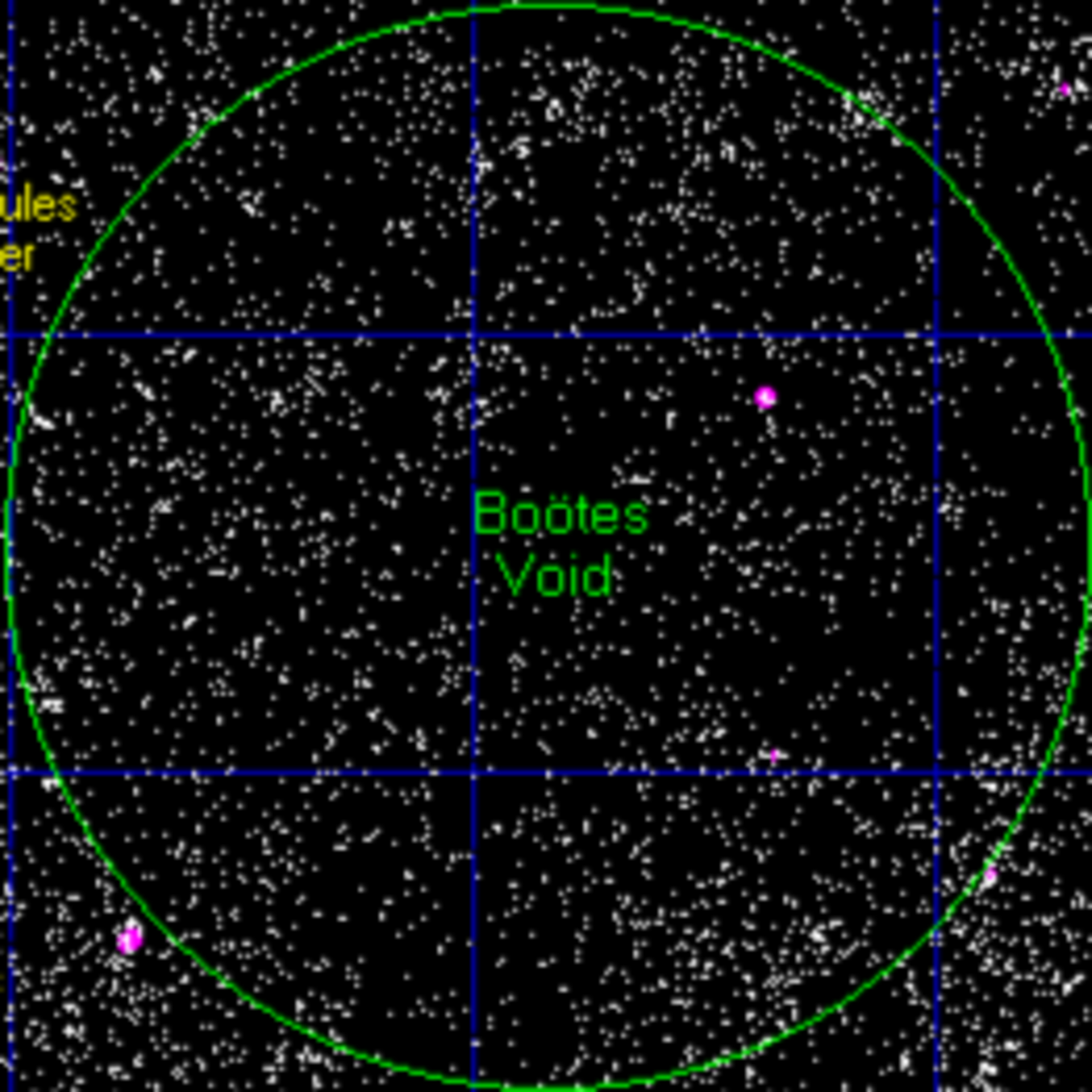 The Mind-Blowing Scale of Voids & Supervoids | Supervoids are the enormous, empty spaces between galaxy clusters and galaxy filaments. But just because they are empty, doesn't mean they can't be filled with fascinating science! They have taught us a great deal about both galaxy structures in the early universe, and how they grow in the present. And today we'll be venturing into a few of the biggest!MUSIC: - Long Walks [Emily A Sprague] - YouTube Audio Library - Fairy Meeting [Emily A Sprague] - YouTube Audio Library - A Slow Dream [Emily A Sprague] - YouTube Audio Library - Devoid [ELPHNT] - YouTube Audio Library- Rain Cloud Music [Emily A Sprague] - YouTube Audio Library CHAPTERS: 00:00: Emptiness in Space02:04: Defining a Void 03:52: Mapping Voids Around Us04:38: How Voids Form 07:05: The Bootes Void 09:16: Voids and Dark Energy 10:33: The Cold Spot 12:10: The KBC Void | — | ||||||
| 2/22/26 | 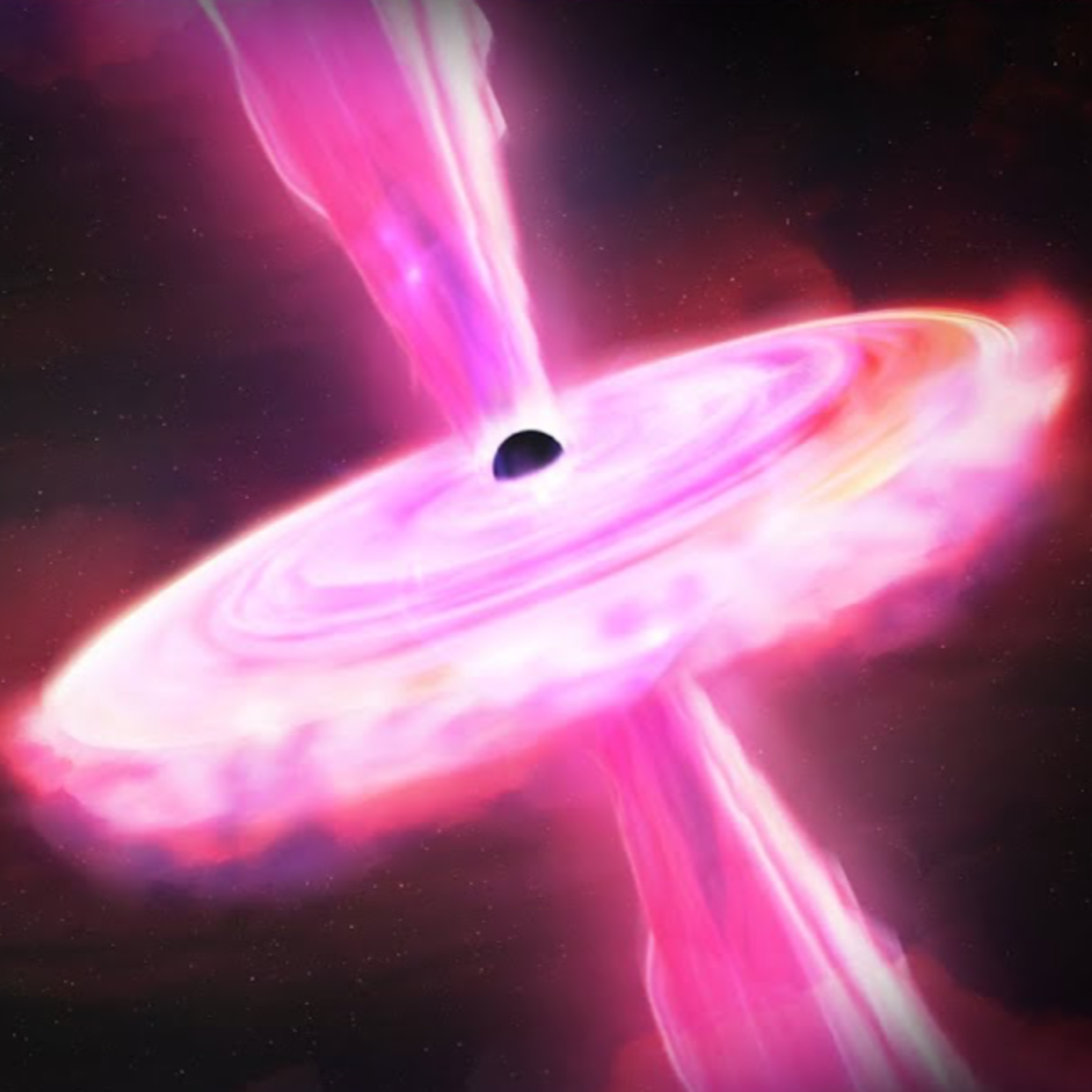 Large Quasar Groups | Quasars are the brightest phenomenon in the entire universe, able to outshine any type of star, and even entire galaxies containing hundreds of billions of them. They are the product of monster black holes at the centres of large galaxies, and so when we find multi-billion light year clusters of quasars dotted around the early universe, we are forced to reconsider some of our most fundamental assumptions of cosmology.BACKGROUND MUSIC:- Cylinder One - Chris Zabriskie - Descent - The Tower of Light (YT Audio Library)- Dreaming Blue - Sextile (YT Audio Library)- Turn - The Tower of Light (YT Audio Library)- There Are Many Different Kinds of Love - Chris Zabriskie- Retro Dreamscape - Twin Musicom (YT Audio Library)- Flecks of Light - The Tower of Light (YT Audio Library)- Clouded - Public Memory (YT Audio Library)- Trickling Up - Godmode (YT Audio Library)Songs by Chris Zabriskie are licensed under Creative Commons 4.0 Licence: - Artist: http://chriszabriskie.com/- Source: http://chriszabriskie.com/cylinders/00:00: Introduction02:00: What is a Quasar?09:46: The Peak Quasar Epoch11:50: The Search for Quasars20:39: Large Quasar Groups22:15: Cosmic Structures & the Cosmological Principle24:35: The Largest LQGs27:34: Seeing Patterns In Noise | — | ||||||
| 2/15/26 |  The Largest Star (2021 Version) | Stars come in a wide range of sizes, but how do we calculate a star's size to determine which is the largest? In this episode, we will find out how stars are measured to determine their mind-boggling sizes, and above all, which of them are the biggest of all.PLEASE NOTE: This one is an older video of mine, back in 2021 when it was thought that the largest known star was Stephenson 2-18. It has since been reassessed as most likely not a member of the Stephenson-2 Cluster, and thus not amongst the candidates for the largest star. I plan to remake this video some time in 2026.SOUNDTRACK: Two songs in this video were made by Chris Zabriskie. (http://chriszabriskie.com/)- Abandon Babylon (Album from which the songs came: https://chriszabriskie.bandcamp.com/album/abandon-babylon)Dark Fog & Ice Demon by Kevin MacLeod are both licensed under a Creative Commons Attribution 4.0 licence.Source: http://incompetech.com/music/royalty-free/index.html?isrc=USUAN1300031 , http://incompetech.com/music/royalty-free/index.html?isrc=USUAN1200061Artist: http://incompetech.com/All other music provided by the YouTube Audio LibraryCHAPTERS:00:00: Introduction01:04: What Are Stars?05:40: How Stars Get Big09:38: Problems with Direct Measurements 11:31: Parallax 13:01: Indirectly Measuring Stars 15:33: VY Canis Majoris 18:30: UY Scuti 22:59: Stephenson 2-18 | — | ||||||
| 2/8/26 |  The Great Attractor | No matter where you are, you are always moving. The Earth orbits the sun, while the sun moves round the galaxy. But what makes the galaxy move? That is the topic of our video today. Everything in our local galaxy supercluster, Laniakea, is being dragged towards a high concentration of mass obscured by the opaque clouds of our galaxy, but what is it? It has all the ingredients for an epic cosmic mystery, the mystery of the Great Attractor.Background Songs by CO.AG Music: https://www.youtube.com/channel/UCcavSftXHgxLBWwLDm_bNvATranscending Ambient Chill Out Music: https://www.youtube.com/watch?v=aAp5ecwlU7MThe Deep: https://www.youtube.com/watch?v=e9TJrLeqnhwAll other tracks are from the YouTube Audio LibraryCHAPTERS:00:00: Introduction02:13: Galaxies 04:04: Our Local Universe06:56: The Laniakea Supercluster09:00: The Great Attractor 10:03: The Zone of Avoidance11:45: History of Great Attractor Observations13:56: Surveying the Great Attractor Region18:39: Dark Flow 20:27: The Dipole Repeller 22:16: CIZA Search 23:37: The Shapley Supercluster 26:03: The Vela Supercluster 27:30: A Mystery Solved? | — | ||||||
| 2/1/26 |  The Cosmic Scale | How large is the universe? Where does it begin and end? How does it expand? These are some of the biggest questions of astronomy- and while humanity is so small that we may never be able to fully understand the universe's true scale, advancements in technology are helping us to look ever-deeper into space, towards the edge of our observable universe known as the Cosmic Horizon. Today, we will get to know our universe, its laws, and its awe-inspiring scale above all.SOUNDTRACK:Special thanks to Lombus, who allowed me to use his song Doppler Shores in the title screen:https://lombus.bandcamp.com/track/doppler-shoresSongs by Chris Zabriskie are licensed under a Creative Commons Attribution 4.0 licence (https://creativecommons.org/licenses/by/4.0/ )- The Theatrical Poster...: http://chriszabriskie.com/vendaface/- Unfoldment, Revealment... http://chriszabriskie.com/reappear/- Cylinder Five: http://chriszabriskie.com/cylinders/- Take Off and Shoot a Zero: http://chriszabriskie.com/stuntisland/ - Oxygen Garden: http://chriszabriskie.com/divider/Artist: http://chriszabriskie.com/Other songs are from the YouTube Audio Library CHAPTERS:(00:00) Introduction(02:23) Defining the Universe (06:51) The Big Bang(09:12) The Observable Universe (10:53) The Hubble Telescope(11:46) The Hubble Deep Field(16:49) Cosmic Expansion(19:40) Redshift (21:48) The Cosmic Horizon and the Unobservable Universe(25:36) Accelerating Expansion(28:29) Dark Energy(30:14) The End of the Universe | — | ||||||
| 1/25/26 |  Beyond the Observable Universe | What we perceive to be the edge of our universe is not the actual edge of the universe, with most scientists in agreement that more space lies hidden beyond what we're able to see. Last time out, we travelled to the very edge of our observable universe. But today, we will be going even farther, as we wade out into the darkness of the unobservable universe. Soundtrack by CO.AG Music: https://www.youtube.com/@co.agmusic1823- Taboo-Inspired Intro Track: https://youtu.be/YA3yfPh38mc- Strange Days Ahead: https://youtu.be/QaGsRzO-2EA- The Last Breath: https://youtu.be/AekcHz0ZdjU- The Monolith: https://youtu.be/XK_iQLGpId0- ESP Background Track: https://youtu.be/rT2ONCrdtVU- Encounter: https://youtu.be/vxdlSXZvxL0- Direct Space: https://youtu.be/G7-3crlxDDE- Do You Understand: https://youtu.be/BXmPuHqXUzc- Phonon: https://youtu.be/2Mgk6jem7Zg- Dark Enigma 13: https://youtu.be/mGFxASTdnhc- Book of the Dead: https://youtu.be/6X3RYrOy1RECHAPTERS:(00:00) Welcome Back (01:50) Beyond the Cosmic Horizon (05:42) The Shape of the Universe (07:45) Universal Curvature(12:35) Critically Dense Flat Universe(15:18) Drawing Triangles on the CMB (18:52) The Flatness Problem(22:19) Multiply Connected Universe (27:19) 4D Hyper Torus(29:17) Curved on a Large Scale? (31:50) Cosmic Inflation (37:09) Closing Statements | — | ||||||
| 1/18/26 | 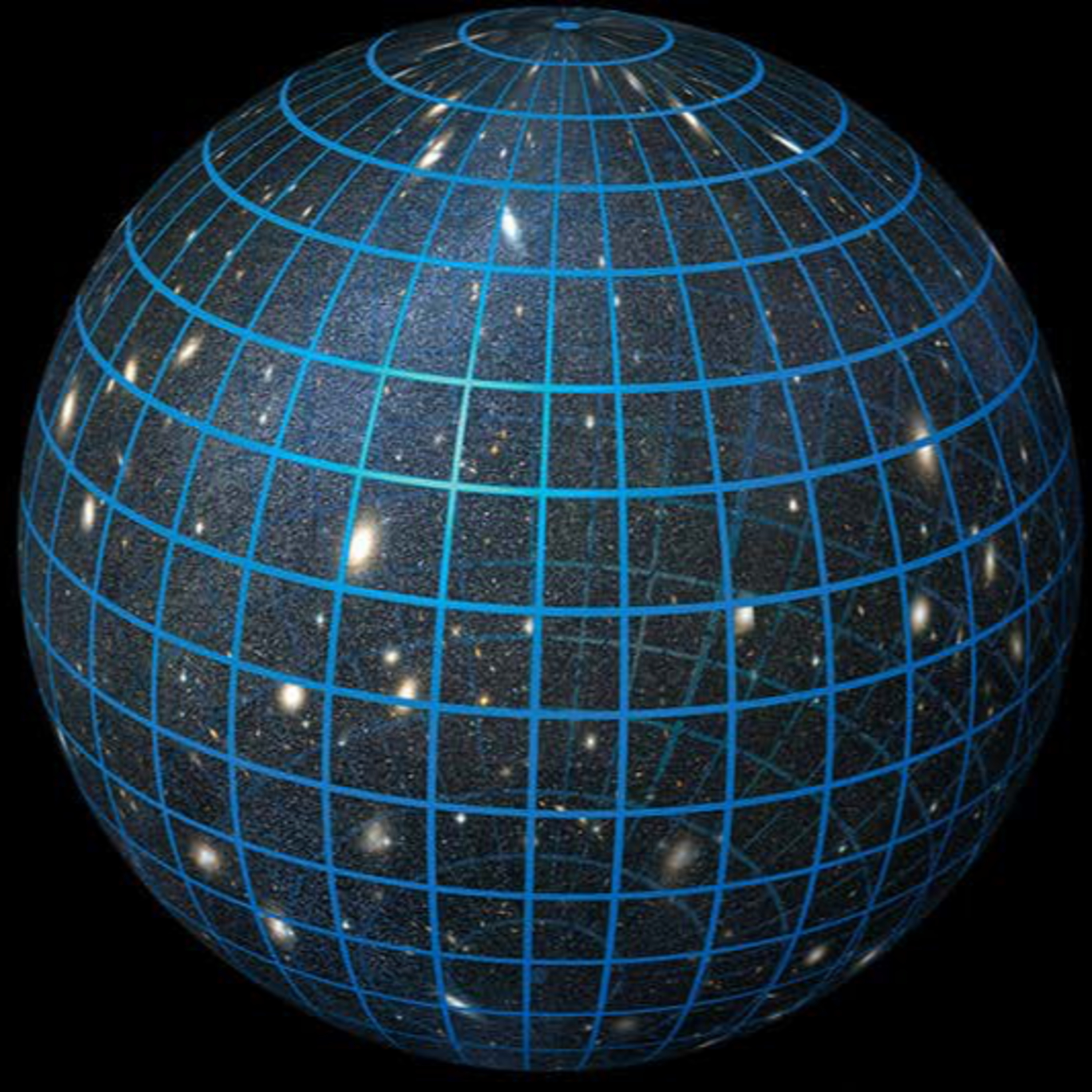 Journey to the Edge of the Universe | Ever wonder what it would be like to fly all the way to the edge of space? Well in this video, we'll be doing just that. Using beautiful images snapped by the Hubble and James Webb telescopes, we will embark on a tour of our universe- venturing deep into the darkness, and uncovering the most jaw-dropping landmarks along the way. This is our journey to the edge of the universe.SOUNDTRACK [In order of appearance]:- MindHunter (CO.AG): https://youtu.be/72JbdVDg3q0- 11:11 at Smith - Ninth Street (Chris Zabriskie)- Catafalque (CO.AG): https://youtu.be/Bf_24aUbaQ4- Satanic (CO.AG): https://youtu.be/E_gQrAMVK8U- Dark Enigma 11 (CO.AG): https://youtu.be/VVbH2gU8TvA- It Will Make You Feel Better (Chris Zabriskie)- Dark Enigma 9 (CO.AG): https://youtu.be/rkZg2FCRcjg- I Refuse to Accept There's Nothing I Can Do About it (Chris Zabriskie): - Lower Third Hall (Chris Zabriskie)- Omen (CO.AG): https://youtu.be/C_ejkBhmmJETracks by CO.AG Music and Chris Zabriskie. Songs by Chris Zabriskie are licensed under a Creative Commons Re-use Licence. Check out his new album, which was featured in this video: https://chriszabriskie.bandcamp.comCheck out CO.AG's channel, where he uploads loads of cool ambient tracks: https://www.youtube.com/channel/UCcavSftXHgxLBWwLDm_bNvAFOOTAGE:The space scenes in this video were captured using SpaceEngine Pro, a virtual universe simulator:http://spaceengine.org/Images of space and scientific visualisations are public domain content, and can be downloaded from NASA's GSFC Visualisation Studio: https://www.nasa.gov/goddardOther visualisations and images of space provided by the European Southern Observatory [ESO]: https://www.eso.org/public/Graphic of the Virgo Supercluster by Ethylice4: https://www.deviantart.com/ethylice4Stock footage sequences provided by Vecteezy.com . Pro License Holder: https://www.vecteezy.com/members/sea-media-stockCHAPTERS:(00:00) Welcome(01:32) What is the Observable Universe?(05:15) The Local Volume(10:20) Laniakea Supercluster(14:24) Sloan Great Wall(16:30) Active Galactic Nuclei(19:53) Quasars(23:00) Quasar Groups in the Deep Universe(25:55) Hercules-Corona Borealis Great Wall (28:14) Cosmic High Noon (31:44) Re-ionization(33:35) Farthest Galaxies (36:35) The Dark Age (39:19) The Edge of the Universe | — | ||||||
| 1/11/26 | 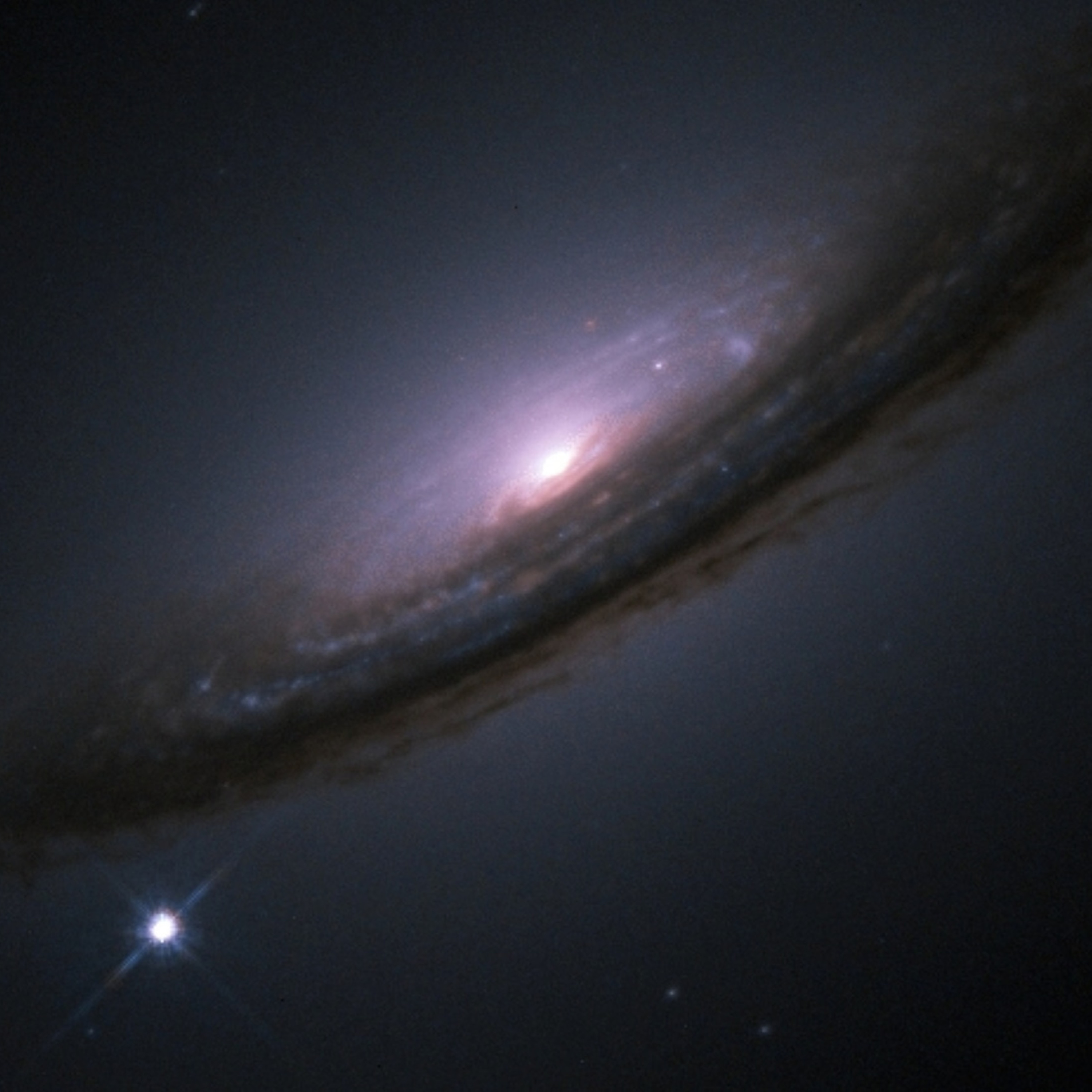 The Dark Energy Mystery | In 1998, two teams of scientists measured the universe's rate of expansion, expecting to find it slowing down on route to a collapse. But instead, they found the opposite- the universe's expansion appears to be accelerating, having expanded more in the latter half of its life. In attempting to explain this mysterious behaviour, they revived one Einstein's long-since-forgotten ideas. Thank you to SpaceWave - Cosmic Relaxation for yet another amazing soundtrack! If you liked this video's music, check it out below: Dark Energy Soundtrack: https://www.youtube.com/channel/UCj3460Ylt4JEcEiW6PxCH9QSpaceWave's Channel: https://youtu.be/XntDsSR38qUCHAPTERS:(00:00) Introduction(02:27) Accelerating Expansion(05:09) Einstein's Greatest Blunder (08:26) How Space Expands (12:11) Redshift & Standard Candles (17:03) Type 1a Supernova Searching (19:25) Λ-CDM(22:08) Baryonic Acoustic Oscillations (26:27) Future Missions to Study Dark Energy(28:46) Vacuum Fluctuations (32:29) Quintessence (34:43) Phantom Energy(37:17) The Big Rip | — | ||||||
| 1/4/26 | 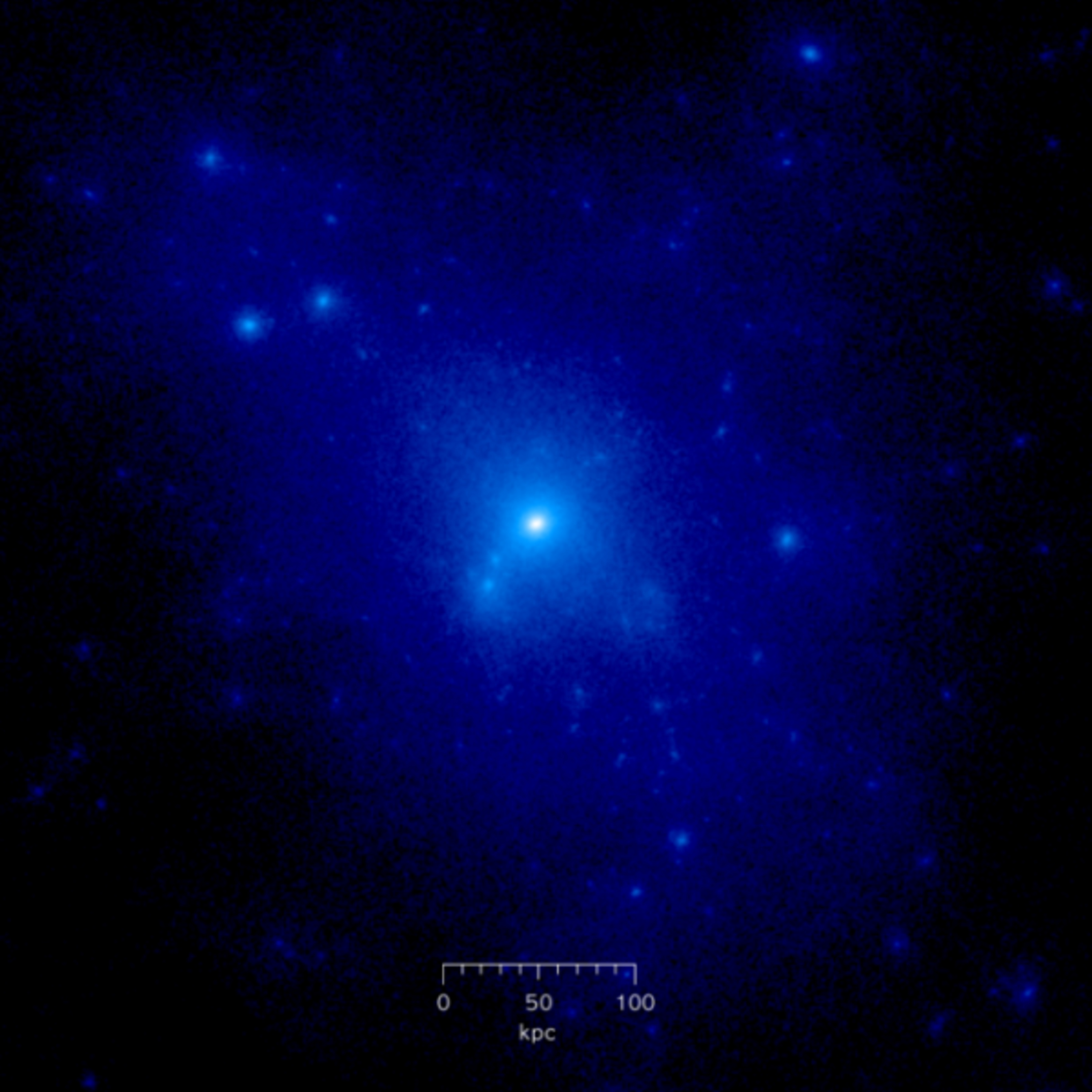 The Dark Matter Mystery | Dark Matter is a theoretical form of invisible mass, which has never been definitively detected. You've probably heard of it before, as it makes up a large part of the physics you find in textbooks. But how can something that's never been seen have so much scientific confidence behind it? Furthermore, if we can't see it, how do we know that it is really there? And if it's not, what are the alternative explanations? These are the questions we will be aiming to answer, as we delve into the Dark Matter mystery. The soundtrack was created by SpaceWave - Cosmic Relaxation.Listen to the full 2-hour Soundtrack: https://youtu.be/ZDjXSOkThzkI listen to his ambient music while I write and was keen to bring him on board. Thank you SpaceWave! Check out his Channel: https://www.youtube.com/channel/UCj3460Ylt4JEcEiW6PxCH9QCHAPTERS:(00:00) Introduction(01:53) What is Dark Matter? (05:00) Signs of Missing Mass (08:21) Lambda-Cold Dark Matter Model(11:21) The Early Universe(14:12) Dark Matter Structures(20:22) The Bullet Cluster(24:23) Weakly Interacting Massive Particles(26:20) Search for Dark Matter(31:00) Alternative Theories(32:57) Modified Gravity(35:31) Entropic Gravity (38:06) Dark Energy? | — | ||||||
| 12/28/25 | 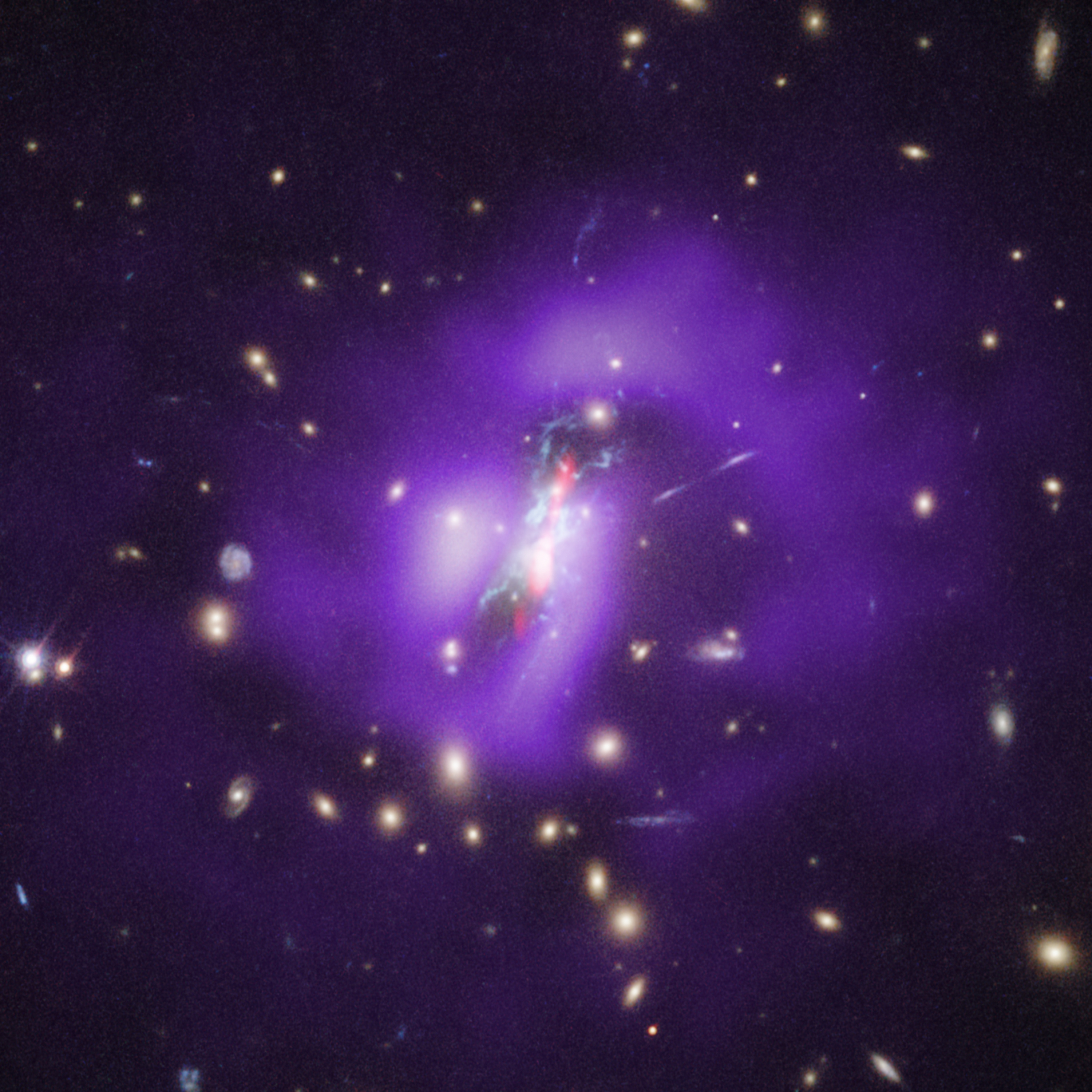 In Search of the Largest Black Holes | Lately, there has been talk of a new largest black hole, named Phoenix A*, which is said to have a mass greater than 100 billion times the mass of the sun! This is much larger than the previous record holder, TON-618. But can we really rely on this prediction? And if not, then what is the largest black hole out there, and how do we know its true size? These are the questions we will answer in search of the universe's biggest black holes.Soundtrack: CO.AG Music: https://www.youtube.com/@co.agmusic1823- Old Radio Transmission: https://youtu.be/1O8to3C5rM4- Oprahme: https://youtu.be/2nliN0RbIyw- Long Relaxation Mix: https://youtu.be/8TRjdzXJ5-M- The Earth is Screaming: https://youtu.be/38P0cv_0z5M- Welcome to Somethink: https://youtu.be/R73ZWEDSiM4- What’s Left: https://youtu.be/Qlp7DmhU1KM- The Fallen Angel: https://youtu.be/U0YL-4yDKJM- Watch My World Burn: https://youtu.be/ejMf7HtsYWw- A Deep Digital Dream: https://youtu.be/Kou0UzcFd8Q- Advanced Technology Mix: https://youtu.be/dG7J2HZYqpM- A Slow End: https://youtu.be/FVbGDg-pjNECHAPTERS:00:00: Start 01:50: Stellar Black Holes 05:00: Intermediate & Supermassive Black Holes07:09: IC 1101*09:39: TON-61812:45: The Phoenix Cluster 15:34: Phoenix A 18:18: X-Ray Cavities & Eruptions20:28: Phoenix A* Black Hole22:26: Is Phoenix A* the Largest Black Hole?25:33: Other Ultramassive Black Hole Candidates | — | ||||||
| 12/21/25 |  The Oldest Map in the Universe | The Cosmic Microwave Background (CMB) is the oldest light in the universe that we can see or detect. It was emitted only 380,000 years after the universe was born, back when it was a much more chaotic place. This microwave-band static is fundamentally linked to the Big Bang, and if we map it precisely enough, we can discover a wealth of information about the age, composition and structure of the universe. MUSIC:- Deep Static: https://youtu.be/WB5jmdJvQeU- Cosmic Microwave Background Noise: https://youtu.be/YkE8d2vrWI0- I Knew My Way Downtown - Chris Zabriskie - Everyone Will Notice, No One Will Say Anything - Chris Zabriskie - You Fiddle, I'll Burn Rome - Chris Zabriskie - God be with You til we Meet Again - Chris Zabriskie - A Million Thoughts - CO.AG Music: https://youtu.be/nOSPuq64ORQ- A Person That They Will All Fear - CO.AG Music: https://youtu.be/NccLZFUIxlM- Haunted - CO.AG Music: https://youtu.be/T0WjL4phiuk- We Can Rebuild Your World - CO.AG Music: https://youtu.be/pe_mx7YiPwMAll songs by Chris Zabriskie are licensed under a Creative Commons 4.0 License (re-use allowed)I Made This While You Were Asleep (Album): https://chriszabriskie.bandcamp.com/album/i-made-this-while-you-were-asleepChris Zabriskie's Website: https://www.chriszabriskie.comCO.AG's Channel: https://www.youtube.com/channel/UCcavSftXHgxLBWwLDm_bNvACHAPTERS:00:00: Static01:48: The Big Bang04:58: The CMB: The Final Photons08:16: History of Background Radiation Observations10:58: Missions to Map the CMB (COBE, WMAP, Planck)13:09: What Does the Map Show Us?15:17: Cosmic Inflation17:04: The Cold Spot21:15: Hawking Points26:17: The End? | — | ||||||
Showing 25 of 34
Sponsor Intelligence
Sign in to see which brands sponsor this podcast, their ad offers, and promo codes.
Chart Positions
32 placements across 28 markets.
Chart Positions
32 placements across 28 markets.