
Insights from recent episode analysis
Audience Interest
Podcast Focus
Publishing Consistency
Platform Reach
Insights are generated by CastFox AI using publicly available data, episode content, and proprietary models.
Total monthly reach
Estimated from 2 chart positions in 2 markets.
By chart position
- 🇳🇿NZ · Careers#130500 to 3K
- 🇵🇭PH · Careers#188500 to 3K
- Per-Episode Audience
Est. listeners per new episode within ~30 days
500 to 3K🎙 ~2x weekly·35 episodes·Last published 4d ago - Monthly Reach
Unique listeners across all episodes (30 days)
1K to 6K🇳🇿50%🇵🇭50% - Active Followers
Loyal subscribers who consistently listen
400 to 2.4K
Market Insights
Platform Distribution
Reach across major podcast platforms, updated hourly
Total Followers
—
Total Plays
—
Total Reviews
—
* Data sourced directly from platform APIs and aggregated hourly across all major podcast directories.
On the show
Recent episodes
DMW Contract Explained — What Every Filipino Seafarer Must Understand Before Signing
May 22, 2026
Unknown duration
RightShip: More Than Ratings—A Safer Voyage for Seafarers
May 2, 2026
Unknown duration
Same Truth, Different Outcome
Mar 29, 2026
Unknown duration
Your Voice On Board: The Promotion You Don’t See Coming
Mar 21, 2026
Unknown duration
SEA vs DMW — Which Contract Really Protects You?
Feb 25, 2026
Unknown duration
Social Links & Contact
Official channels & resources
Official Website
Login
RSS Feed
Login
| Date | Episode | Description | Length | ||||||
|---|---|---|---|---|---|---|---|---|---|
| 5/22/26 |  DMW Contract Explained — What Every Filipino Seafarer Must Understand Before Signing | Have you ever signed your DMW Contract without fully reading it because your deployment was already moving fast?In this episode of Seafarers Way, Capt. Rommel explains the DMW Contract in a practical and easy-to-understand way for Filipino seafarers. We break down what the contract means, why it matters before joining a vessel, and what every crew member should check before signing.From rank, vessel name, contract duration, wages, allotment, CBA coverage, medical provisions, and repatriation terms — this episode is a reminder that your contract is not just paperwork. It is your written protection.Whether you are a cadet, rating, officer, or returning seafarer, this episode will help you understand your rights, responsibilities, and the importance of keeping proper records before sailing.Seafarers Way — guiding every seafarer to sail professionally, protect their rights, and come home with dignity.Hosted by Capt. Rommel. | — | ||||||
| 5/2/26 |  RightShip: More Than Ratings—A Safer Voyage for Seafarers | Are you sailing on a vessel that truly meets safety standards—or just one that looks compliant on paper?In this episode of Seafarers Way, Capt. Rommel breaks down the real role of RightShip and how it directly impacts life onboard. From safer working conditions and better-maintained vessels to reduced pressure on crews to cut corners, this isn’t just about ratings—it’s about your safety, your workload, and your career at sea.Understand how external vetting systems influence ship operations, why they matter to every seafarer, and what you can do onboard to stay aligned with international standards like SOLAS, STCW, and MLC.This is not just an industry discussion—it’s a practical look at how safety systems shape your everyday reality at sea.⚓ Stay informed. Stay compliant. Sail safer—with Seafarers Way. | — | ||||||
| 3/29/26 |  Same Truth, Different Outcome | How Words Onboard Can Destroy or ElevateAt sea, communication is not just about being right.It’s about being effective.In this episode of Seafarers Way, Capt. Rommel explores a powerful reality onboard ships:the same truth—when expressed differently—can either build respect or create resistance.From the bridge to the engine room, from cadets to captains, words shape culture more than we realize.Through real maritime scenarios, we break down how communication changes across three critical levels:⚓ Peer to Peer⚓ Speaking to a Superior⚓ Leading a SubordinateYou will hear practical examples of how a simple shift in wording can transform:• Conflict into cooperation• Criticism into coaching• Authority into leadershipIn an industry governed by standards from the International Maritime Organization, and conventions like SOLAS and STCW Convention, technical competence is expected.But communication…That is what defines real professionals.Because onboard a vessel,there is no escape from poor communication—only consequences.🎯 Whether you are a cadet, officer, or master,this episode will help you lead better, speak better, and build a stronger onboard culture.• Why tone matters more than content onboard• How to deliver truth without damaging relationships• The difference between attacking a person vs addressing a problem• How leaders use words to develop—not destroy—future seafarers• A simple 5-step mental checklist before speaking onboardThe sea is already harsh.Let your words not add waves.For more real-world maritime insights, leadership lessons, and onboard truths:👉 Follow Seafarers Way on Spotify👉 Share this episode with your fellow seafarers👉 Tag a shipmate who needs to hear this🔑 KEY TAKEAWAYS⚓ FINAL THOUGHT📣 FOLLOW SEAFARERS WAY | — | ||||||
| 3/21/26 |  Your Voice On Board: The Promotion You Don’t See Coming | Most seafarers believe that promotion comes from sea time, exams, and certificates.But onboard… that’s only half the truth.In this episode of Seafarers Way, Capt. Rommel shares a powerful reality from years at sea and in operations:👉 Promotion often starts with something you don’t see…👉 Something you don’t measure…👉 Something you use every single day—your voice.How you speak under pressure.How you report problems.How you respond to your superiors and lead your juniors.These moments quietly build your reputation long before your next rank.Through real onboard scenarios, practical communication frameworks, and leadership insights, this episode will help you understand:⚓ Why some seafarers get promoted faster than others⚓ The three types of voices on board—and which one you are⚓ How simple communication changes can elevate your career⚓ A proven way to speak like a future officer—even as a cadetBecause onboard a vessel…Your voice is not just communication.It is your identity.It is your leadership.It is your promotion—before it even happens.🎧 Listen now and start speaking like the officer you are meant to become. | — | ||||||
| 2/25/26 | 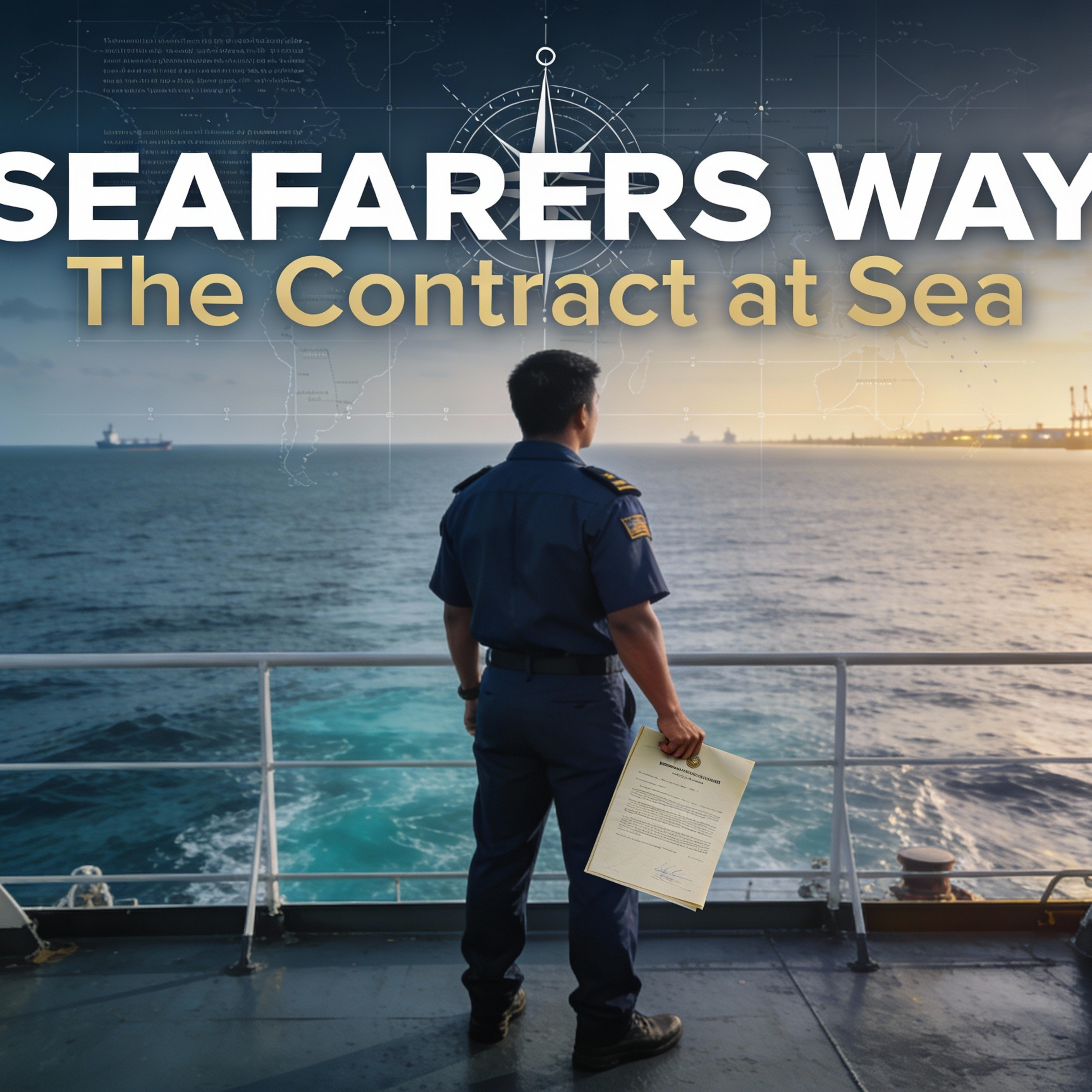 SEA vs DMW — Which Contract Really Protects You? | Before a Filipino seafarer boards a vessel, two contracts are quietly shaping the journey ahead — the Seafarer’s Employment Agreement (SEA) and the DMW Standard Employment Contract (formerly POEA).Many focus on the SEA because it states the salary, rank, and contract duration. But when illness, injury, disability, or repatriation issues arise, a deeper question emerges:Which contract carries greater legal weight?In this episode of Seafarers Way, Captain Rommel breaks down the relationship between the SEA and the DMW contract — clearly, calmly, and without blame.You will understand:• The difference between company-issued SEA terms and government-mandated protections• Why the DMW Standard Employment Contract sets the minimum legal floor• When SEA provisions can apply — and when they cannot• How misunderstandings about contracts lead to unnecessary disputes• Why clarity before boarding prevents problems after repatriationThis episode is not about attacking companies.It is not about creating fear.It is about understanding protection — professionally.Because contracts do not begin when problems happen.They begin the moment you sign.And clarity protects careers.Seafarers WayBetween ship and shore — through understanding. | — | ||||||
| 2/21/26 | 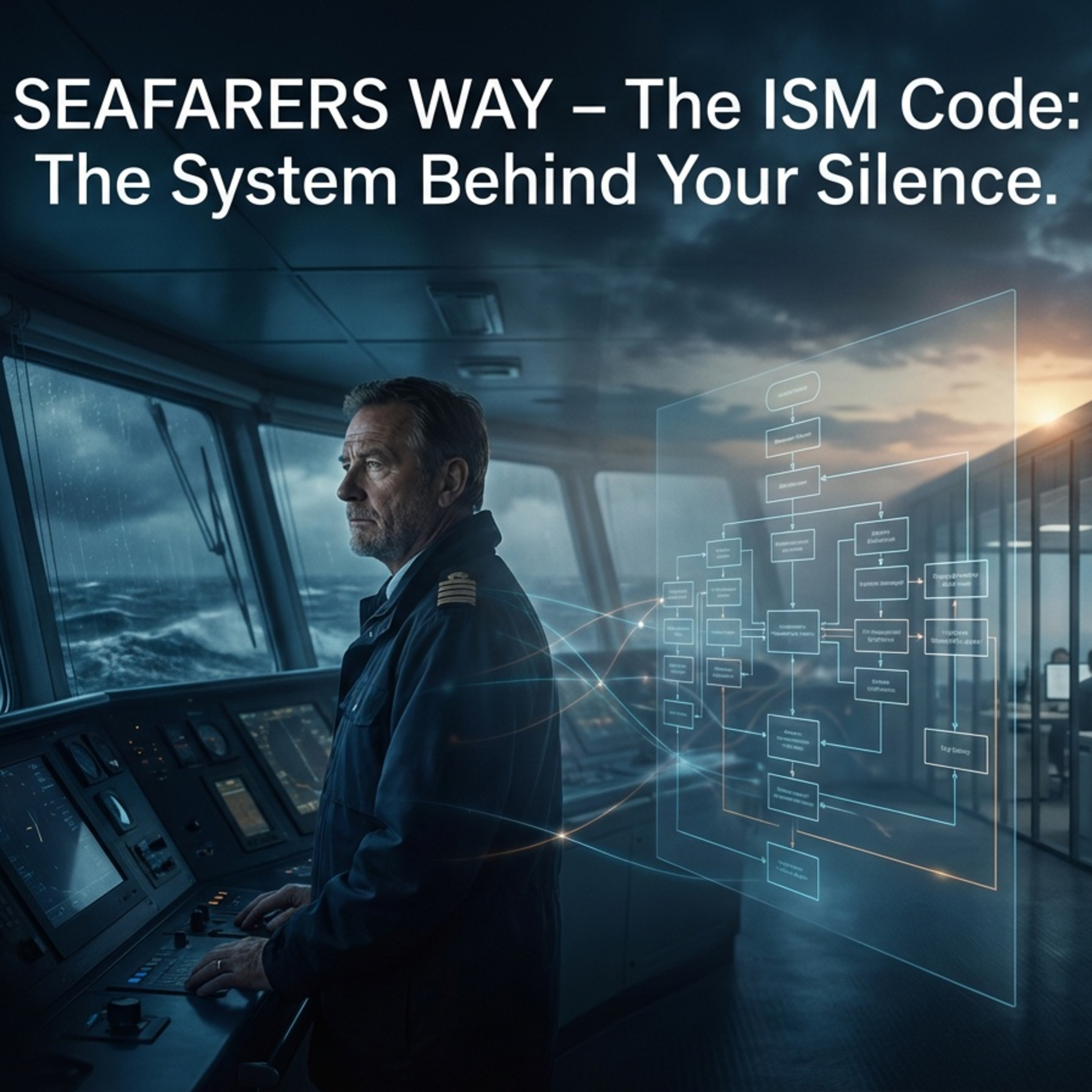 The ISM Code Is Not a Book. It Is a Promise. | Before a vessel sails…Before an alarm rings…Before an investigation begins…there is already a system at work.In this episode of Seafarers Way, Captain Rommel reflects on the ISM Code — not as a compliance requirement, but as a promise.A promise that safety does not depend on one tired officer.A promise that responsibility does not stop at the gangway.A promise that when pressure rises, someone ashore is accountable too.This is not an audit discussion.This is a conversation about fatigue, authority, silence, and courage.Because the real test of the ISM Code is not during calm seas.It is in that quiet moment…when a seafarer asks himself,“Should I speak up?”If you are at sea —or supporting those at sea —this episode is for you.— Capt. RommelSeafarers Way | — | ||||||
| 2/17/26 | 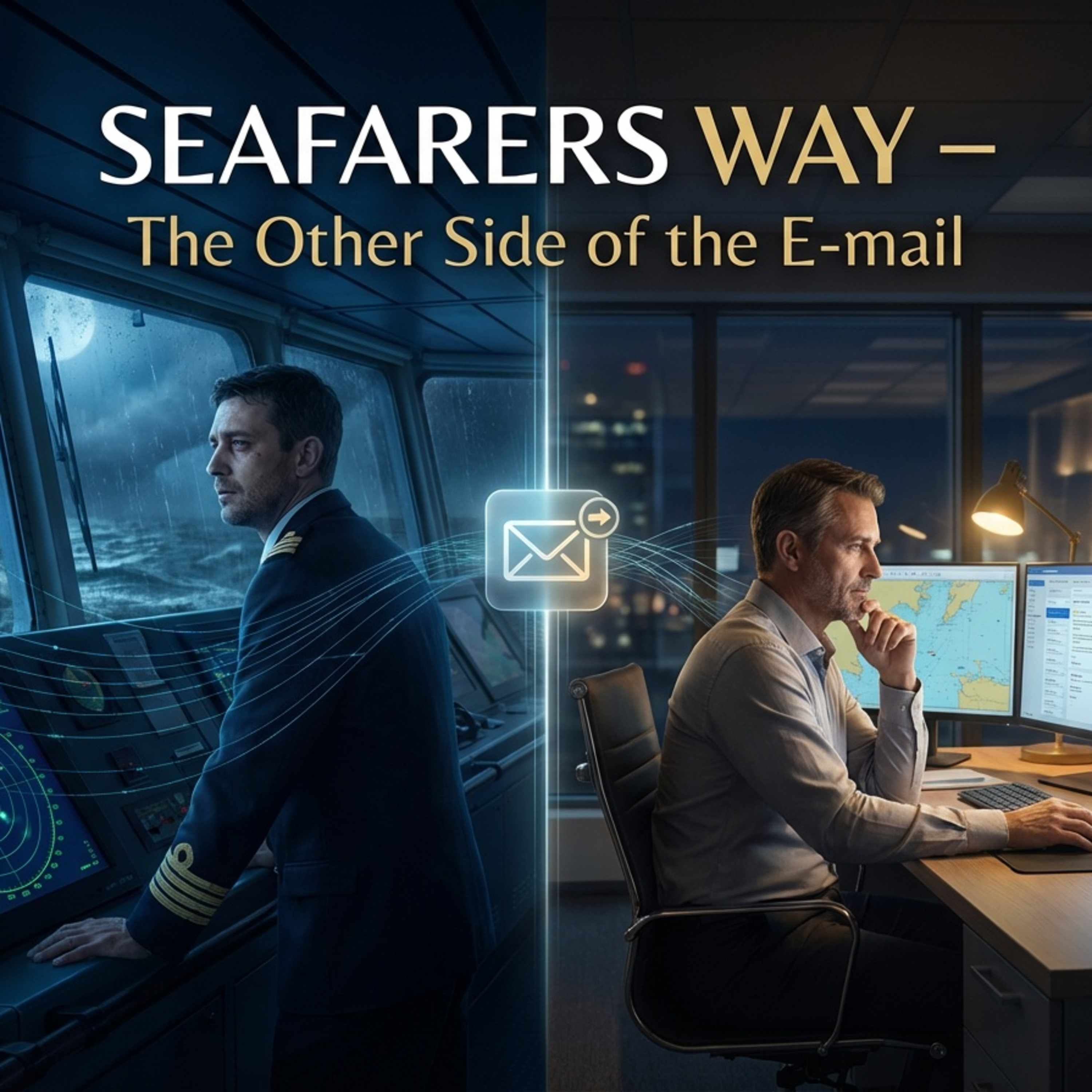 The Other Side of the E-mail: Understanding Ship Managers | Behind every email marked “URGENT”…Behind every reminder about drills, documentation, or compliance…There is a system working to protect the vessel — and the people on board.In this episode of Seafarers Way, Capt. Rommel explores the perspective of the Ship Manager — not as “the office,” but as the team responsible for technical operations, crew management, safety implementation, audit readiness, and commercial coordination.Why do ship managers sound strict?Why do they push for documentation even when the crew is exhausted?Who do they answer to?And most importantly — how does proper ship management actually benefit the seafarer?Grounded in international maritime practice and global standards such as:International Maritime OrganizationISM CodeSOLASSTCW ConventionMaritime Labour ConventionThis episode does not discuss any specific company, vessel, or incident.It focuses on general international shipping practices and shared operational realities.If you are a seafarer who has ever felt frustrated by shore-based instructions — this episode will help you understand the pressures on the other side.If you are a superintendent, crew manager, or shore professional — this episode is a reminder of where you came from.Because between ship and shore…understanding is stronger than blame.🎙 Hosted by Capt. Rommel📌 Follow Seafarers Way on Spotify & Apple Podcasts🔁 Share this episode with one crewmate — and one colleague ashore | — | ||||||
| 2/10/26 |  STCW - What it truly says. | STCW – The Standard Behind Every SeafarerBefore a seafarer boards a ship…Before the first watch…Before the first order is given on the bridge or in the engine room…There is already a standard at work.In this episode of Seafarers Way, Captain Rommel breaks down STCW – the Standards of Training, Certification, and Watchkeeping—not as a legal document, not as a checklist of courses, but as what it truly is:the global foundation of competence, safety, and life at sea.Many seafarers know STCW only through certificates and renewals.But few understand why it exists, what it protects, and who it is really for.This episode explains:Why STCW was created and why it became a global standardWhat training, certification, and watchkeeping really mean in practiceWhy rest hours and fatigue are central to safetyWhat STCW guarantees—and what it does notHow STCW quietly works in the background of every voyageSTCW is not about paperwork.It does not promise employment or promotion.It demands competence—because the sea does not forgive shortcuts.This episode is for:Cadets trying to understand their first certificatesOfficers renewing and upgrading their licensesRatings standing long watchesAnd shore personnel who once sailed and should never forget life onboardSTCW is written from lessons learned the hard way.And every time you stand a watch at 2 a.m., it is there—protecting the ship, the crew, and your chance to come home safely.This is Seafarers Way.Real talk. Real standards. Real life at sea. | — | ||||||
| 2/9/26 |  THE CONTRACT AT SEA - "When Health, Life and Family Are Involved" | When Health, Life, and Family Are InvolvedSome parts of the contract are meant to be understood long before they are ever needed.In the final episode of SEAFARERS WAY – The Contract at Sea, Captain Rommel discusses the most serious provisions of the POEA/DMW Standard Terms and Conditions—those covering injury, illness, disability, death, and occupational diseases.This episode covers:What makes an injury or illness work-relatedMedical treatment and sickness allowanceThe importance of post-employment medical reportingDisability grading and compensationBenefits for death and dependentsOccupational diseases and long-term health risksThis episode is not meant to create fear.It is meant to create understanding—for seafarers, families, and those working ashore.Because when something serious happens,the contract becomes the seafarer’s voice. | — | ||||||
| 2/8/26 |  THE CONTRACT AT SEA - "Signing Off, Termination, and Repatriation Part 2" | Every seafarer signs on—but signing off is where questions often begin.In this episode of SEAFARERS WAY – The Contract at Sea, Captain Rommel explains how the POEA/DMW Standard Terms and Conditions govern termination of employment, sign-off, and repatriation, and why ending a contract is not always as simple as finishing a tour.This episode covers:When a contract normally ends and why arrival at the point of hire mattersSign-off due to medical reasonsTermination due to shipwreck, vessel sale, lay-up, or change of principalWhat wages and benefits are due when termination is not the seafarer’s faultWhy clarity at the end of a contract protects both sidesThis episode is not about disputes or blame.It is about understanding how contracts are meant to end—fairly, clearly, and with dignity.Because how a voyage ends matters just as much as how it begins. | — | ||||||
Want analysis for the episodes below?Free for Pro Submit a request, we'll have your selected episodes analyzed within an hour. Free, at no cost to you, for Pro users. | |||||||||
| 2/8/26 |  THE CONTRACT AT SEA - "Signing Off, Termination, and Repatriation" | Every seafarer signs on—but signing off is where questions often begin.In this episode of SEAFARERS WAY – The Contract at Sea, Captain Rommel explains how the POEA/DMW Standard Terms and Conditions govern termination of employment, sign-off, and repatriation, and why ending a contract is not always as simple as finishing a tour.This episode covers:When a contract normally ends and why arrival at the point of hire mattersSign-off due to medical reasonsTermination due to shipwreck, vessel sale, lay-up, or change of principalWhat wages and benefits are due when termination is not the seafarer’s faultWhy clarity at the end of a contract protects both sidesThis episode is not about disputes or blame.It is about understanding how contracts are meant to end—fairly, clearly, and with dignity.Because how a voyage ends matters just as much as how it begins. | — | ||||||
Showing 11 of 11
Sponsor Intelligence
Sign in to see which brands sponsor this podcast, their ad offers, and promo codes.
Chart Positions
2 placements across 2 markets.
Chart Positions
2 placements across 2 markets.