Insights from recent episode analysis
Audience Interest
Podcast Focus
Publishing Consistency
Platform Reach
Insights are generated by CastFox AI using publicly available data, episode content, and proprietary models.
Most discussed topics
Brands & references
Total monthly reach
Estimated from 1 chart position in 1 market.
By chart position
- 🇬🇧GB · Science#1085K to 30K
- Per-Episode Audience
Est. listeners per new episode within ~30 days
2.5K to 15K🎙 ~2x weekly·53 episodes·Last published today - Monthly Reach
Unique listeners across all episodes (30 days)
5K to 30K🇬🇧100% - Active Followers
Loyal subscribers who consistently listen
2K to 12K
Market Insights
Platform Distribution
Reach across major podcast platforms, updated hourly
Total Followers
—
Total Plays
—
Total Reviews
—
* Data sourced directly from platform APIs and aggregated hourly across all major podcast directories.
On the show
From 13 epsHost
Recent guests
Recent episodes
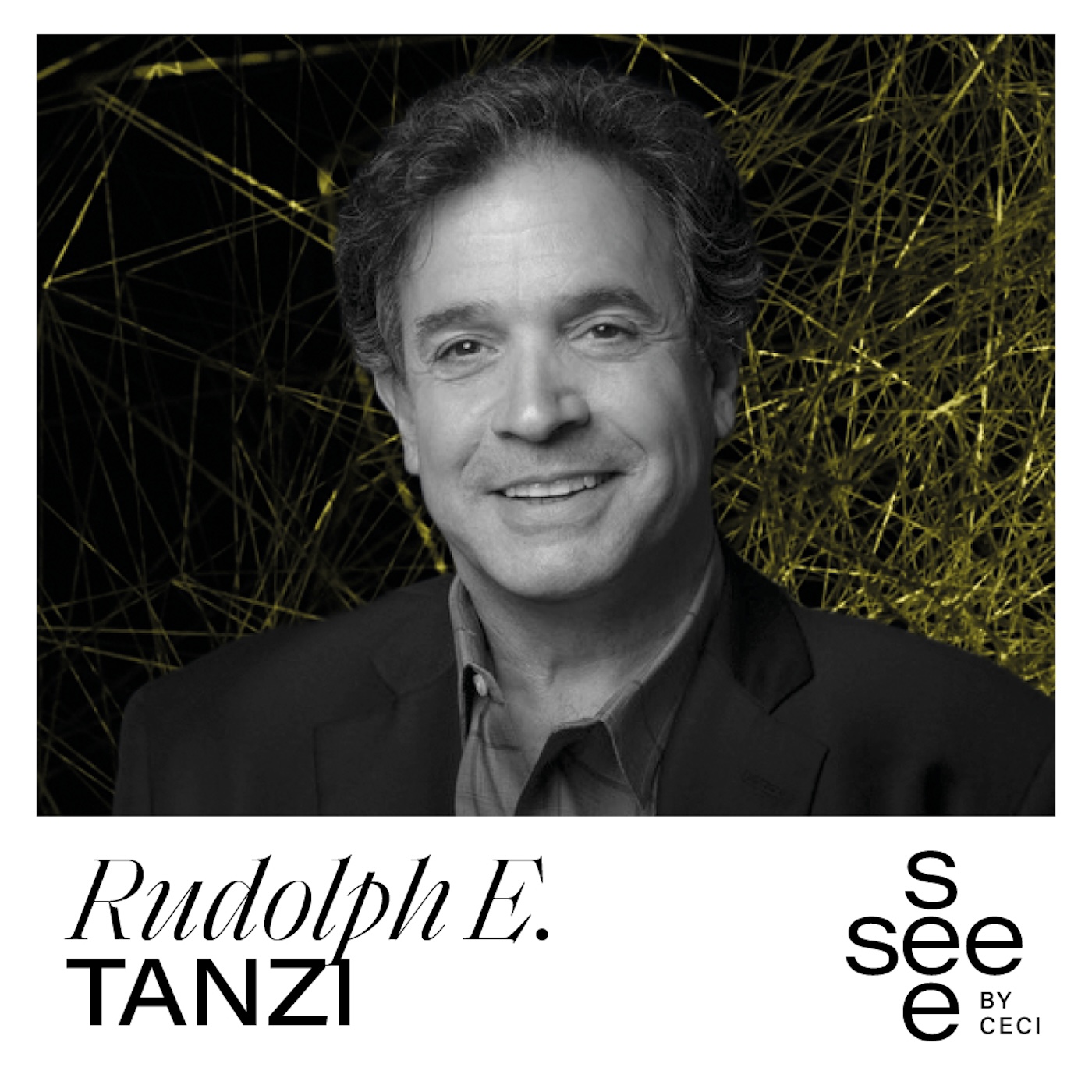
The Tapestry of Consciousness and the Self: Winning Over Alzheimer’s with Rudolph E. Tanzi
Jun 24, 2026
1h 41m 00s
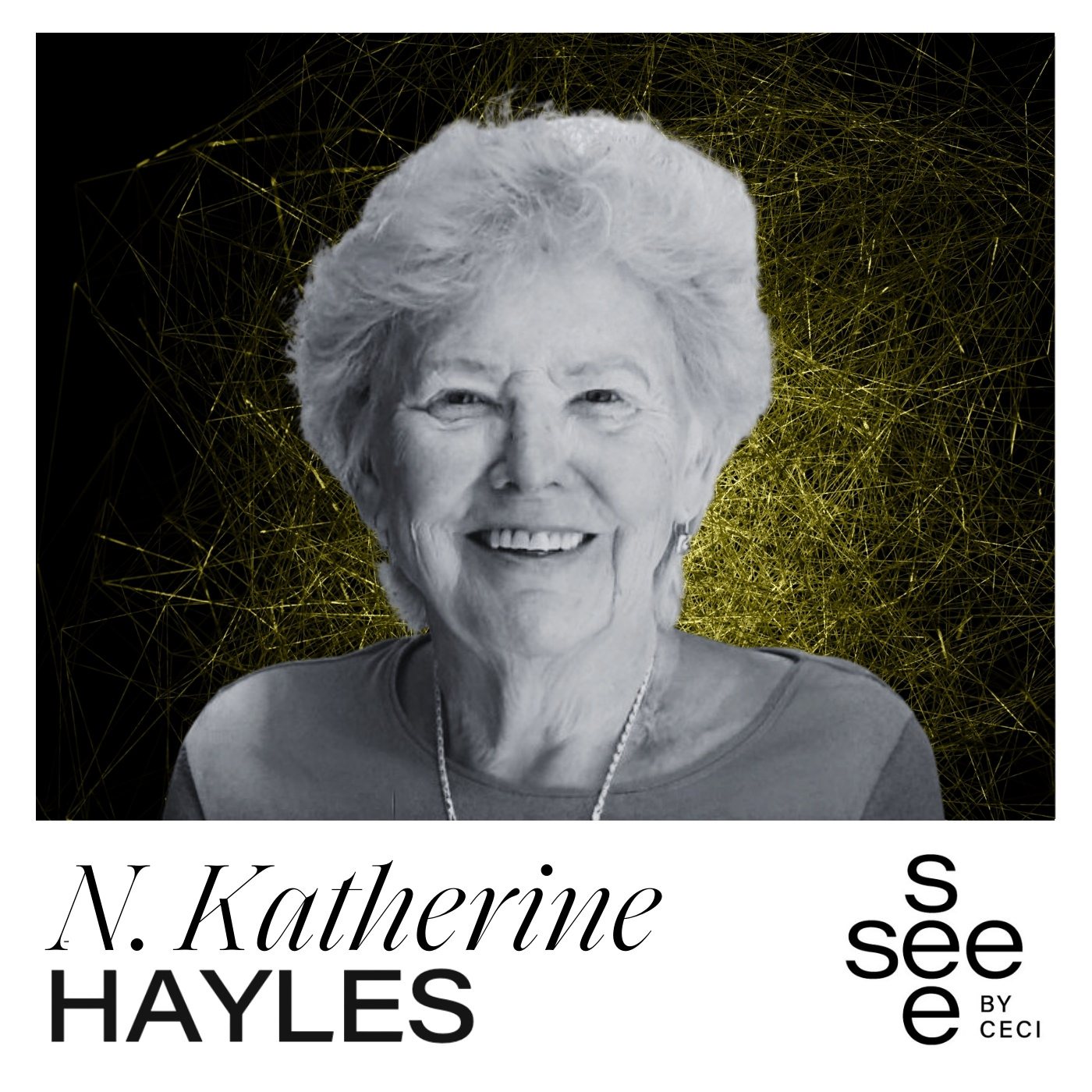
The Posthuman Mind Uncoupled: From Bacteria to AI with N. Katherine Hayles
Jun 10, 2026
1h 26m 30s
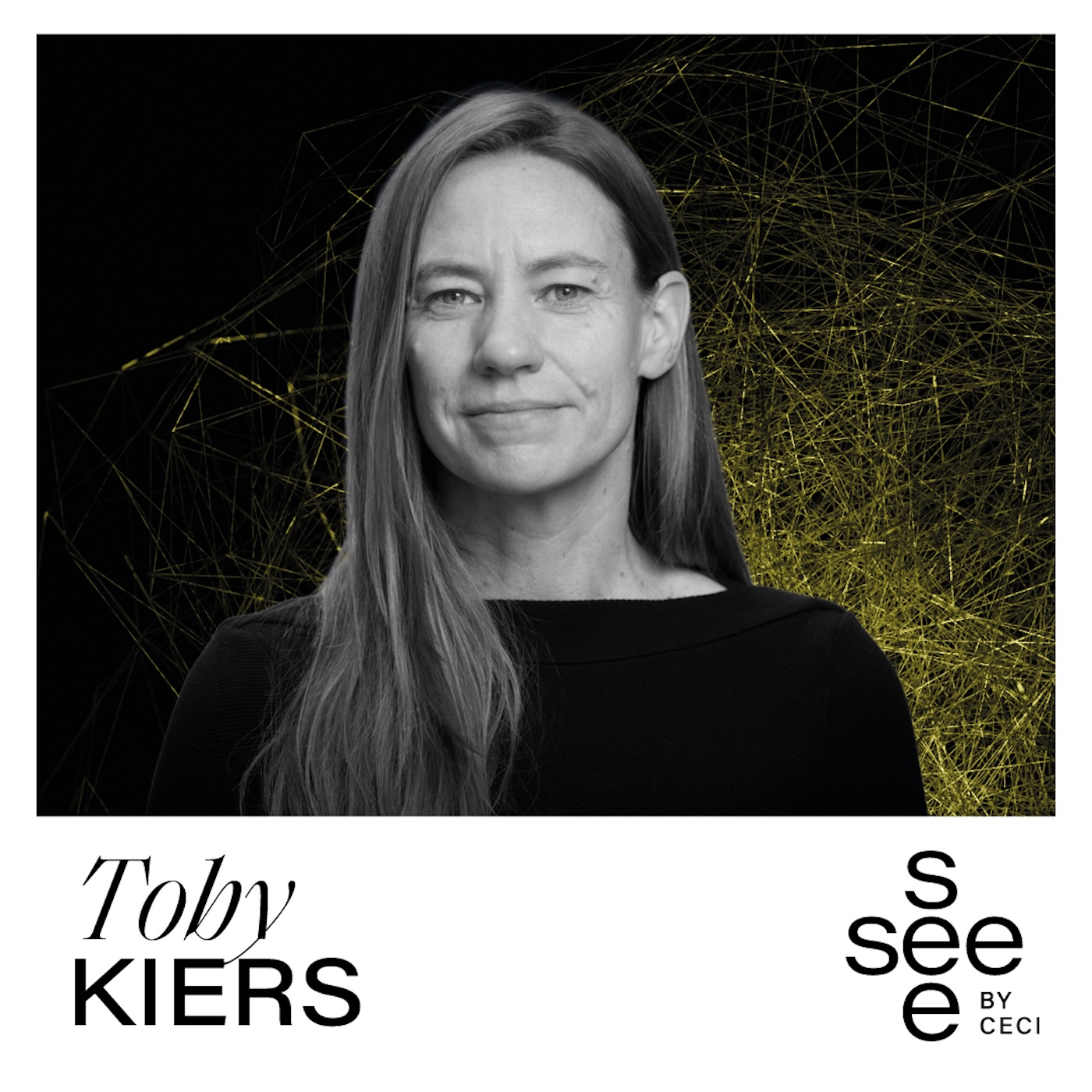
Intelligence Without Brains with Toby Kiers
May 27, 2026
1h 40m 24s
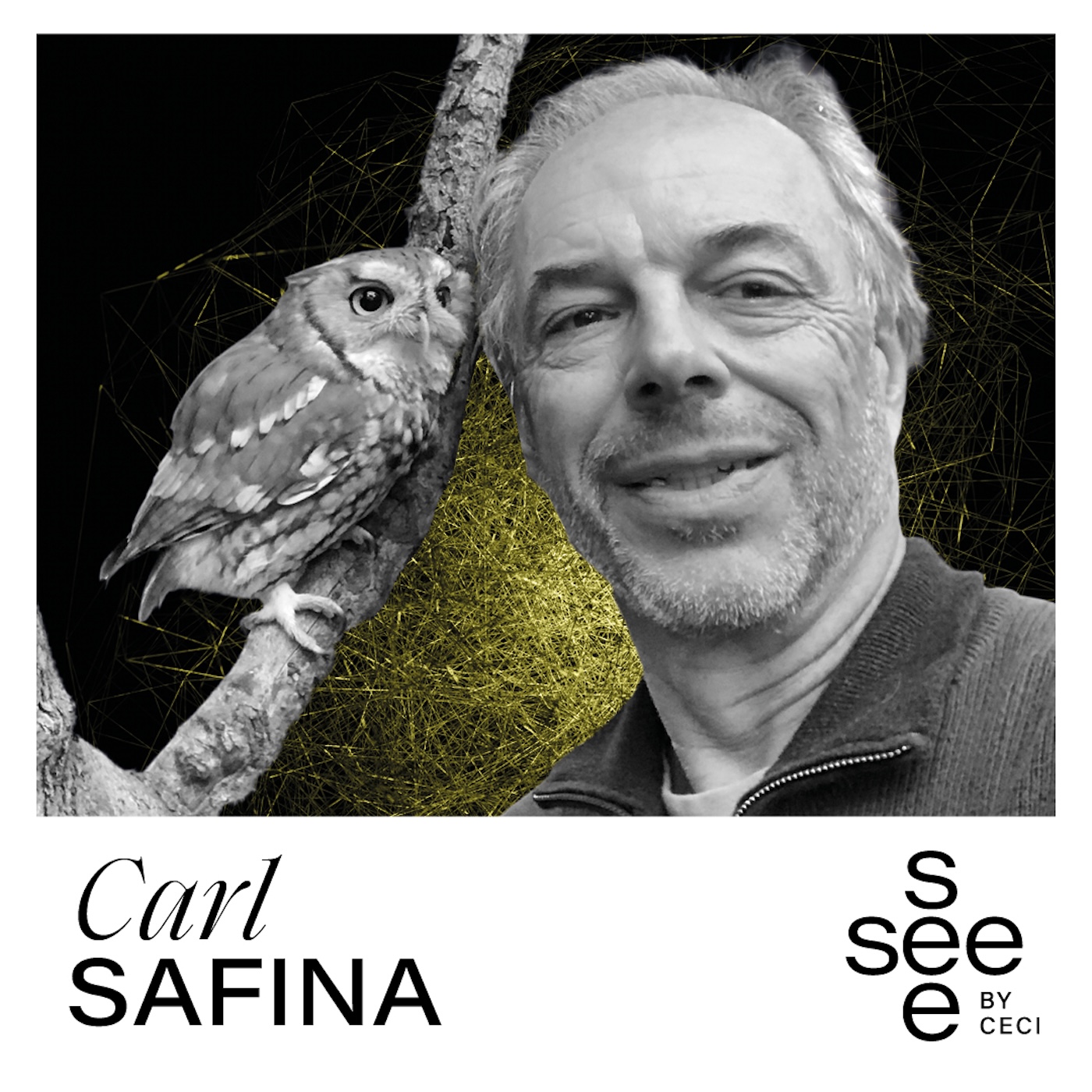
Beautiful Wild Minds with Carl Safina
May 13, 2026
1h 38m 05s
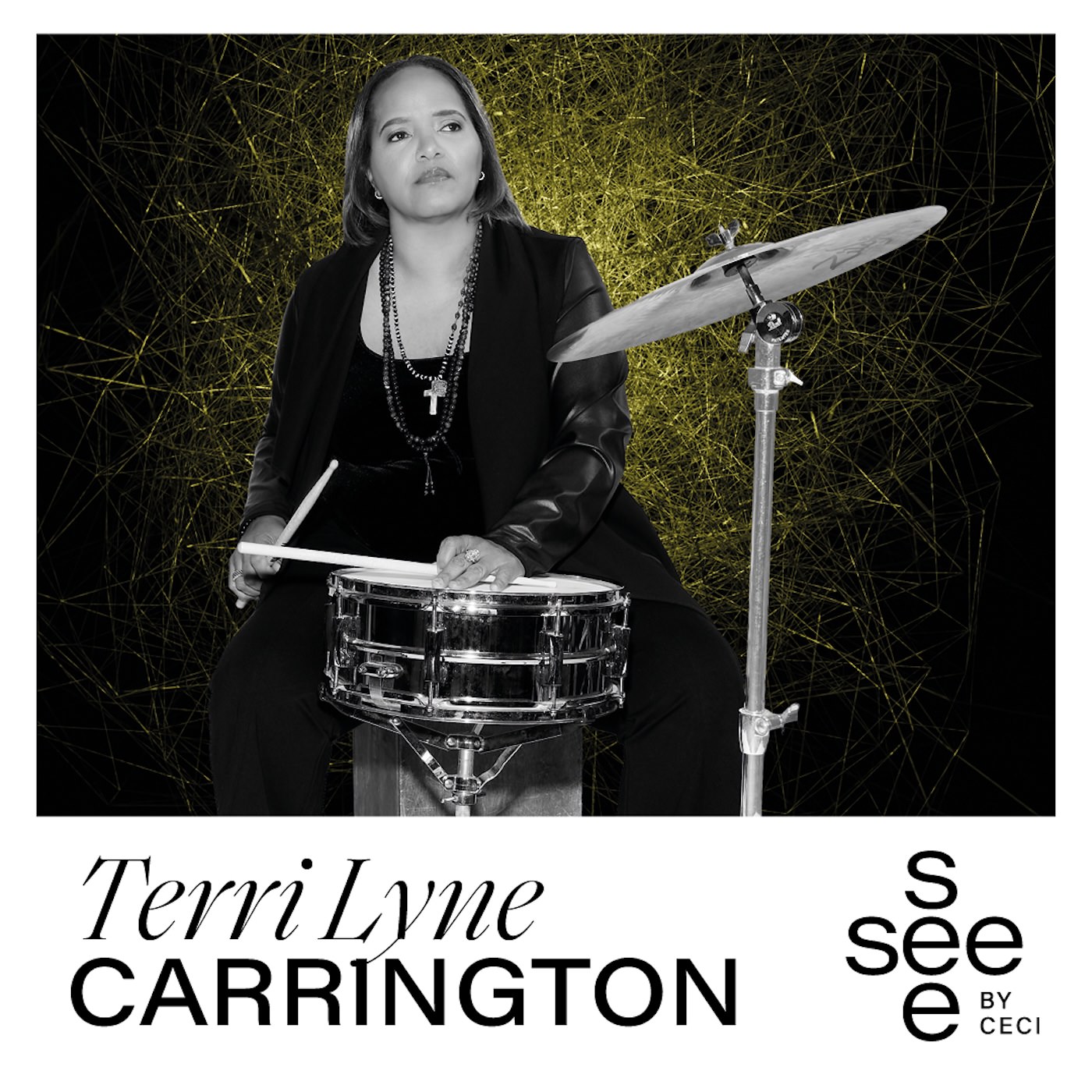
Mind’s Ancestral Gatekeepers with Terri Lyne Carrington
Apr 29, 2026
1h 28m 24s
Social Links & Contact
Official channels & resources
Official Website
Login
RSS Feed
Login
| Date | Episode | Topics | Guests | Brands | Places | Keywords | Sponsor | Length | |
|---|---|---|---|---|---|---|---|---|---|
| 6/24/26 | ![]() The Tapestry of Consciousness and the Self: Winning Over Alzheimer’s with Rudolph E. Tanzi | In this episode of See See by Ceci, Rudolph Tanzi, one of the world’s most influential neuroscientists, takes us inside the mind as it builds, and as it begins to come undone. Joseph P. and Rose F. Kennedy Professor of Neurology at Harvard Medical School, director of the Genetics and Aging Research Unit and co-director of the McCance Center for Brain Health at Massachusetts General Hospital, co-founder of the Cure Alzheimer’s Fund, and named by TIME one of the 100 most influential people in the world, Tanzi co-discovered the very first Alzheimer’s genes and helped create the groundbreaking “Alzheimer’s in a Dish” model that has transformed the search for a cure. In this luminous and deeply human conversation, Tanzi traces the disease from its first description by Alois Alzheimer in 1906 (the strange plaques and tangles no one believed could cause a mind to slip away), to the golden age of treatment now within reach. He walks us through the three pathologies of plaques, tangles and inflammation; the genes he discovered and the blood test that can now see the disease coming; the brain’s housekeeper cells, the microglia, and their Macbeth-like turn from caretakers to killers; and the kitchen-sink logic of the drugs his lab is racing to trials: turn off the tap, unclog the drain, stop the overflow. He shares SHIELD, his lifestyle plan for brain health, and the gut–brain axis that lets food become medicine for the mind. And then the conversation goes deep. Tanzi reflects on memory as a tapestry woven from a hundred billion neurons; on the hippocampus, the little seahorse that gives the world its context; on why music memory survives when almost everything else is gone. He speaks, with rare openness, about awareness and the self, about lucid dreaming and terminal lucidity, about the feelings of beauty, awe and love that he believes AI may mimic but never be, and finally about his conviction that everything is, ultimately, consciousness. Along the way we hear neuroscientist John Cryan on the gut microbiome and the food that feeds the brain; Cognitive neuropsychologist and Harvard Professor Alfonso Caramazza on prosopagnosia and the emotion that endures when recognition fails; four-time Grammy winner Terri Lyne Carrington and the documentary Alive Inside; photographer Domingo Milella on water, minerals and the camera obscura; parapsychology researcher Dean Radin on the taboo edges of mind; and a chorus of artists, Gregory Halpern, Marina Viotti, Andrei Ioniță, Cecilia Rivera and Kerem Hassan, on creativity, flow, and the blurring of time and space, a current that runs through Tanzi himself, a prolific musician who has recorded and performed with the likes of Aerosmith, Joe Perry and Johnny Depp. This is an episode about a terrifying disease, and about the relentless creativity, courage and compassion working to defeat it. About what memory is, what the self is, and what remains when both are taken. And about a scientist who insists, against one of the cruellest diseases of our time, now assures us: "I'm seeing the light at the end of the tunnel." | 1h 41m 00s | ||||||
| 6/10/26 | ![]() The Posthuman Mind Uncoupled: From Bacteria to AI with N. Katherine Hayles✨ | cognitionartificial intelligence+4 | N. Katherine Hayles | UCLADuke+3 | — | cognitionartificial intelligence+6 | — | 1h 26m 30s | |
| 5/27/26 | ![]() Intelligence Without Brains with Toby Kiers✨ | evolutionary biologyfungi+4 | Toby Kiers | Vrije Universiteit AmsterdamSPUN+1 | EcuadorDutch laboratory | fungal networkssymbiosis+7 | — | 1h 40m 24s | |
| 5/13/26 | ![]() Beautiful Wild Minds with Carl Safina✨ | animal consciousnessenvironmental science+4 | Carl Safina | Stony Brook UniversitySafina Center+3 | — | animal intelligencewhales+6 | — | 1h 38m 05s | |
| 4/29/26 | ![]() Mind’s Ancestral Gatekeepers with Terri Lyne Carrington✨ | rhythmfreedom+4 | Terri Lyne Carrington | Berklee Institute of Jazz and Gender Justicejazz | — | rhythmfreedom+5 | — | 1h 28m 24s | |
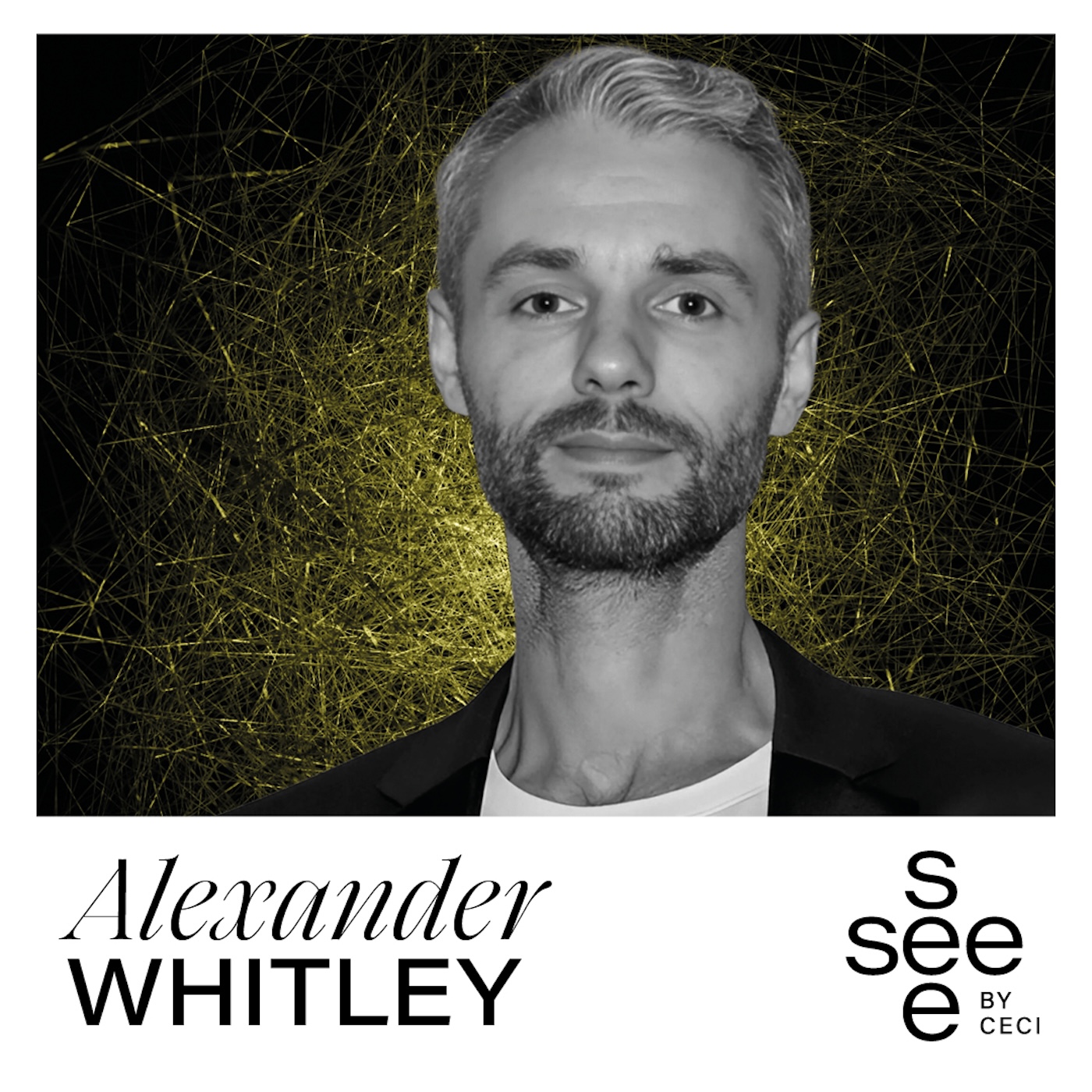
| 4/14/26 | ![]() Digital Body: Mind, Tension, and Perception with Alexander Whitley✨ | movement and consciousnesstechnology and perception+5 | Alexander Whitley | Alexander Whitley Dance CompanyAntibody+3 | — | choreographydigital technology+6 | — | 1h 25m 52s | |
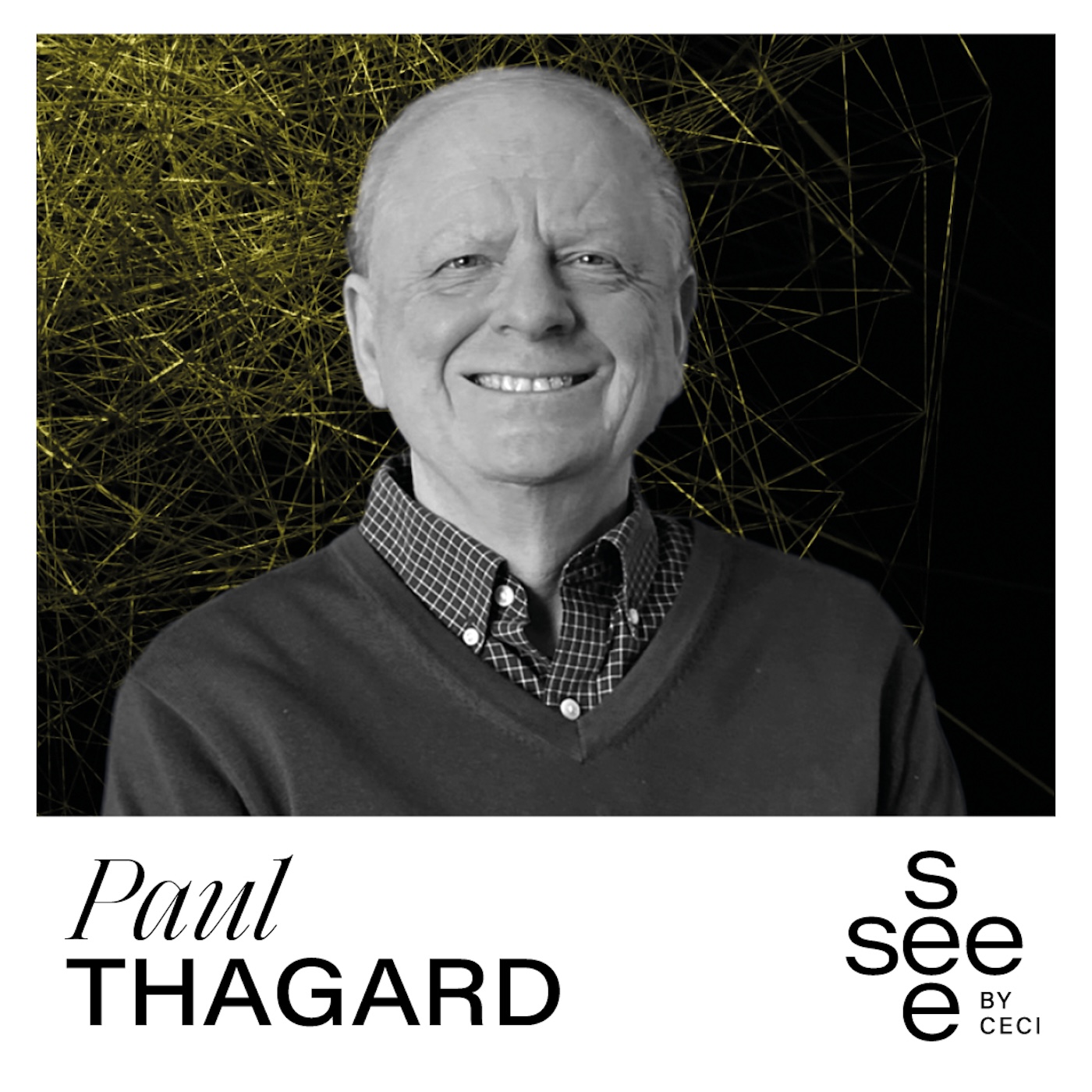
| 3/25/26 | ![]() Mind is Matter: Function and Emotion with Paul Thagard✨ | philosophypsychology+5 | Paul Thagard | University of WaterlooRoyal Society of Canada+1 | — | human mindexplanatory coherence+6 | — | 1h 44m 55s | |
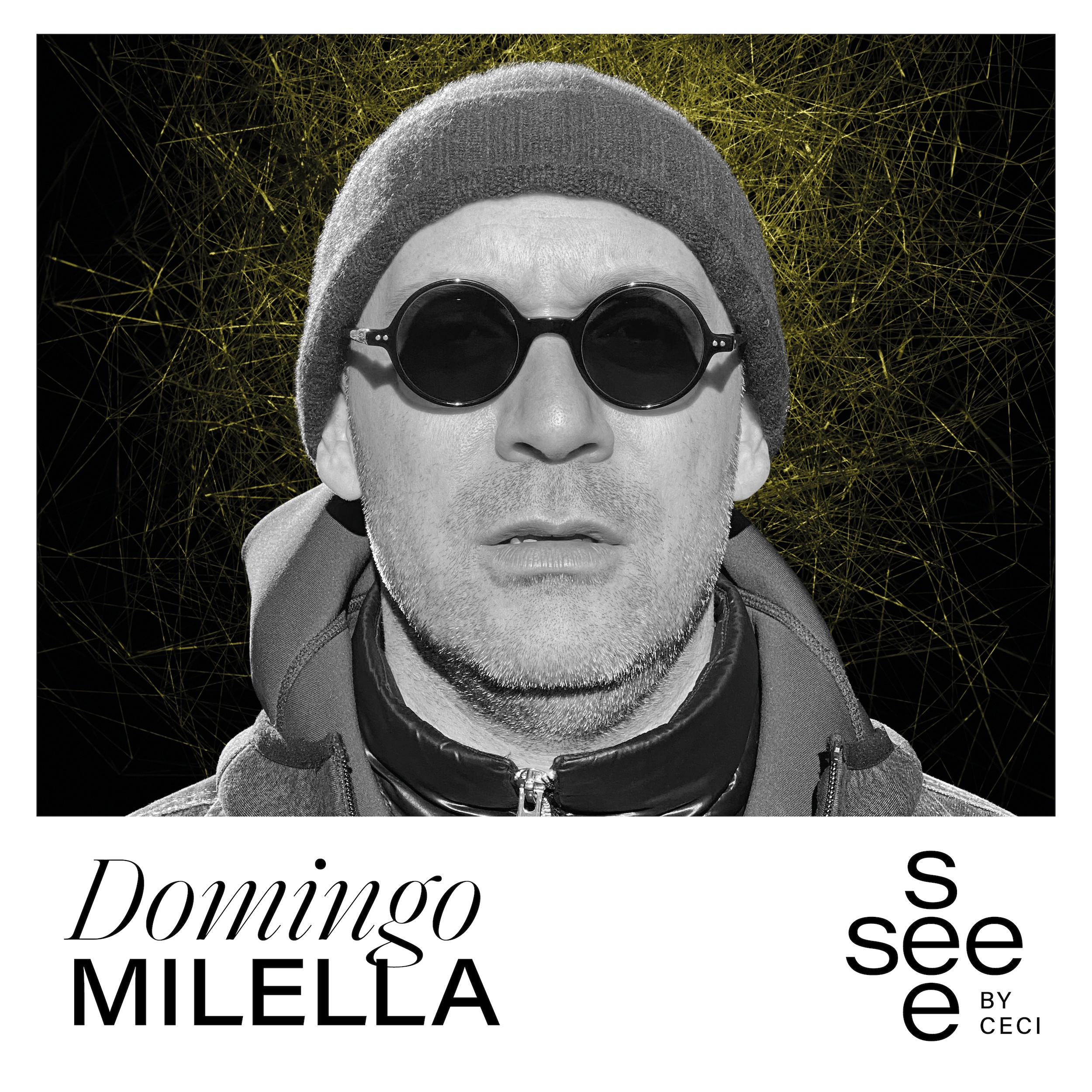
| 3/4/26 | ![]() Timeless Mind Space with Domingo Milella✨ | photographyart+4 | Domingo Milella | Moby Dick | PugliaPetra+3 | photographyprehistoric caves+5 | — | 1h 40m 32s | |
| 2/18/26 | ![]() Embodied Cognition: The Music Within with Vijay Iyer✨ | embodied cognitionmusic+4 | Vijay Iyer | Harvard UniversityThe New York Times | — | embodied cognitionmusic+7 | — | 1h 37m 42s | |
| 2/4/26 | ![]() The First Leap to Consciousness with Paul Bahn & Elle Clifford✨ | prehistoric rock artIce Age culture+4 | Paul BahnElle Clifford | Society of AntiquariesImages of the Ice Age | — | consciousnessIce Age+6 | — | 1h 56m 45s | |
Want analysis for the episodes below?Free for Pro Submit a request, we'll have your selected episodes analyzed within an hour. Free, at no cost to you, for Pro users. | |||||||||
| 1/21/26 | ![]() Trailer Season 4 (Mind)✨ | consciousnessmental health+5 | Rudolph TanziIain McGilchrist+14 | — | — | consciousnessmental health+8 | — | 3m 54s | |
| 5/9/25 | ![]() Beyond Matter: Science, Awareness and Real Magic with Dean Radin✨ | parapsychologypsi phenomena+4 | Dean Radin | Institute of Noetic SciencesCalifornia Institute of Integral Studies+1 | — | parapsychologytelepathy+7 | — | 1h 46m 23s | |
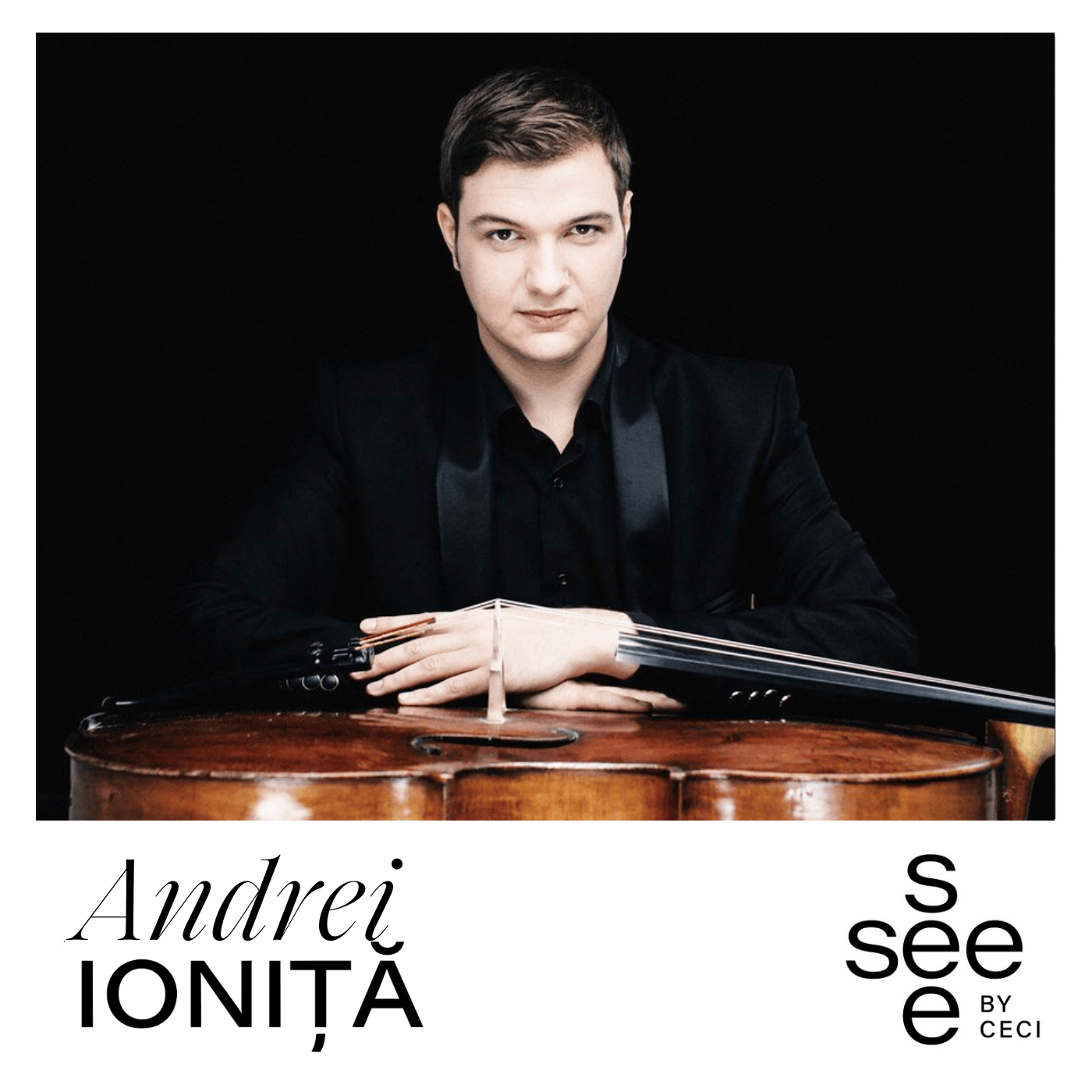
| 4/17/25 | ![]() Music Played from the Core with Andrei Ioniță✨ | musiccultural identity+4 | Andrei Ioniță | International Tchaikovsky CompetitionBach | Romania | celloAndrei Ioniță+6 | — | 1h 08m 53s | |
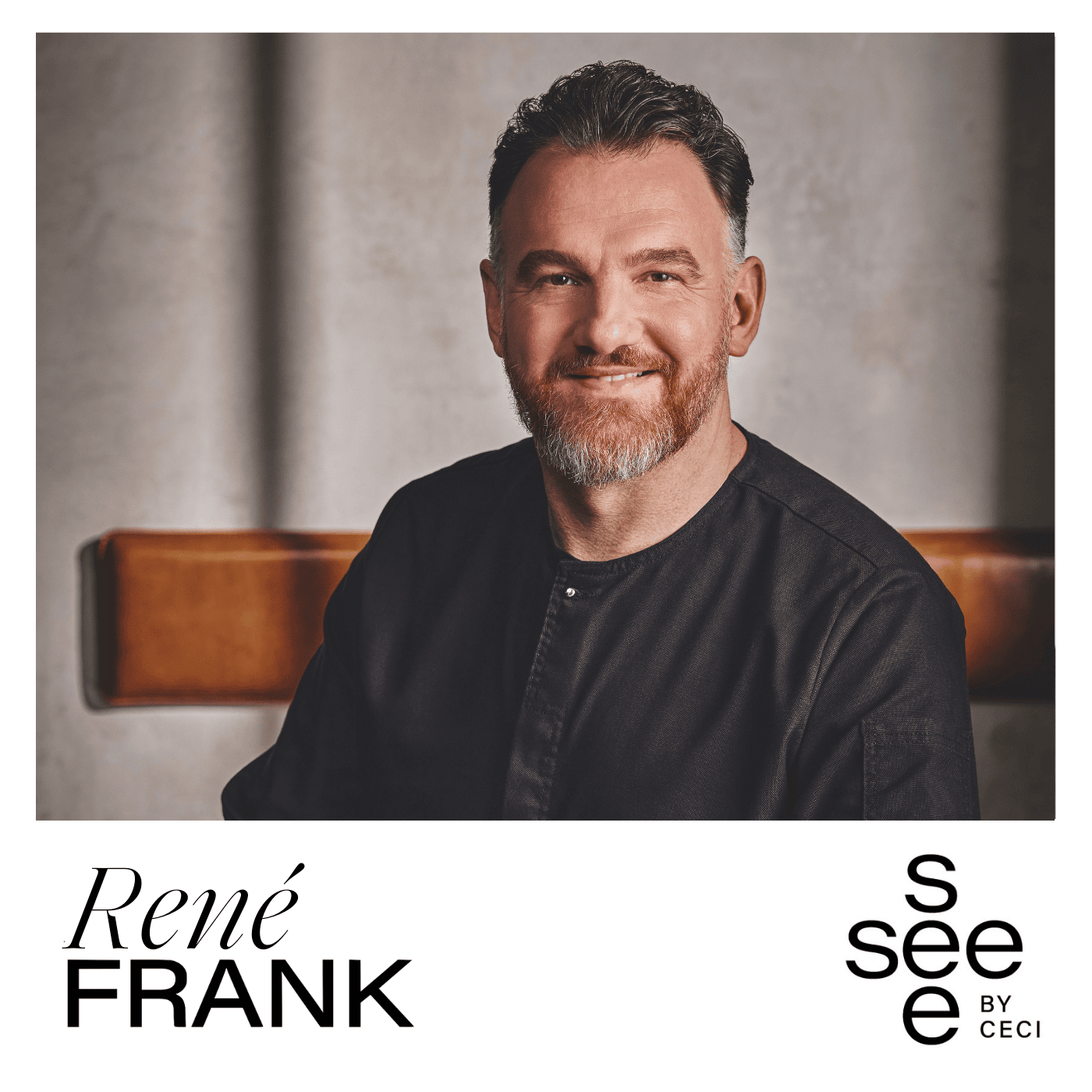
| 4/3/25 | ![]() Sweet Revolution with René Frank✨ | foodcreativity+4 | René Frank | Gault & MillauRolling Pin+1 | Berlin | pastry chefdesserts+3 | — | 1h 03m 43s | |
| 3/21/25 | ![]() Food Politics & Social Justice with Marion Nestle | Why is the fight for better food, at its heart, a fight for social justice? This episode will challenge the way you think about food, from what's on your plate to the powerful forces behind it. Before you take your next bite, listen to this eye-opening conversation with one of the world's most influential voices on food and health policy, Marion Nestle, renowned nutritionist, scientist, activist and award-winning author. Marion Nestle is the Paulette Goddard Professor Emerita of Nutrition, Food Studies and Public Health at New York University and a visiting professor of nutritional sciences at Cornell University. Her groundbreaking work has changed public health policy worldwide and opened our eyes to how food industry marketing uses manipulative and subtle tactics to influence our dietary choices long before we ever set foot in a supermarket. It also exposes the dangers of ultra-processed foods and the major public health problems they cause, such as obesity and diabetes - diseases fuelled not just by what we eat, but how much we eat. In this episode, the bestselling author of Food Politics: How the Food Industry Influences Nutrition and Health" and "What to Eat", shares her personal journey into food policy advocacy and the social justice victories she has fought for, leading to public awareness and healthier food systems through public policy not only in the US but around the globe. *Marion Nestle is also author of other bestsellers such as Safe Food: The Politics of Food Safety (2003); Soda Politics: Taking on Big Soda (and Winning) (2015); and her latest book Slow Cooked: An Unexpected Life in Food Politics (October 2022) | 59m 14s | ||||||
| 3/7/25 | ![]() Into the Guts of Criminal Behavior with David Canter | Have you ever pondered the potential of psychology to facilitate the apprehension of serial killers and rapists? Or the manner in which behavioral patterns exhibited by criminals can serve as crucial evidence that leads investigators to the perpetrator's doorstep? In today's episode, we are delighted to have the privilege of hosting Professor David Canter, a globally renowned applied social psychologist and the pioneering figure behind the field of investigative psychology. This episode promises a deep dive into the mind of a criminal, the psychology behind some of the world's most notorious cases. So, grab a pen, your notebook and follow Professor David Canter through the dark alleys of the minds of serial offenders as he sheds light on how their behavior is mapped and tracked. We'll go back in time to the streets of London as we examine famous cases such as Jack the Ripper, and travel back to the 1980s to learn about Operation Hart, the Metropolitan Police's investigation into the infamous 'Railway Rapist', which Professor Canter played a key role in solving. We will delve into the heart of criminal behavior as we learn about Quantico and the FBI's Behavioral Science Unit, and the truth about criminal profiling. We'll also talk about his revolutionary development of geographical profiling, the study of criminal behavior patterns across locations, the importance of information classification and investigative methods that lead to an arrest, and how these pieces of the puzzle led to the creation of his software, DRAGNETK. But that's not all - Prof Canter will also share his thoughts on why the United States has such a high incidence of brutal shootings and serial killings compared to other nations, and what happens when crime goes unpunished. A pioneer and creator of investigative psychology, Professor Canter is Emeritus Professor at the University of Liverpool and a visiting professor at Liverpool Hope University and Bucks New University. He's also the man responsible for introducing environmental psychology to the UK and Europe in the 1960s, studying how spaces such as offices, schools and hospitals affect our behavior. Professor Canter recently completed a PhD in Music composition. | 1h 20m 20s | ||||||
| 2/21/25 | ![]() Criminal Appetite: The Dark Side of Poor Nutrition with Stephen J. Schoenthaler | Have you ever wondered if there’s a link between what we eat and how we behave? Could the food we consume influence mental health issues—or even contribute to criminal behavior? Today, we’re exploring these questions with a true pioneer in this field—Stephen Schoenthaler, Distinguished Professor Emeritus of Sociology and Criminal Justice at California State University, Stanislaus. With over 50 years of groundbreaking research, Schoenthaler has been at the forefront of discovering how our diet impacts not only our mental health but also behaviors associated with criminality and aggression. In this episode, we’ll hear about his extraordinary experiences teaching at Attica Correctional Facility, where his interactions with inmates made a huge impact on his life at a professional and personal level. You will also discover how diet affects social behavior, how food insecurity plays a role in juvenile delinquency, and why junk food and sugar can lead to behavioral disturbances. Professor Schoenthaler will also shed light on how nutrition influences cognitive skills, anxiety, and antisocial behaviors in children and young adults. We’ll talk about the essential benefits of avoiding ultra-processed foods and examine the holistic role nutrition plays in children’s and young adults’ overall well-being, including mental health. Get ready for a compelling conversation that will challenge the way you think about food, behavior, and the deeper factors shaping the world’s criminal justice system —and how conscious nourishment can help us create a more empathetic and connected world. | 1h 09m 31s | ||||||
| 2/7/25 | ![]() From the Gut: Love, Food and Redemption with Eric Vildgaard | Three-Michelin-starred Danish chef Eric Vildgaard is a remarkable character whose journey from a life of crime to culinary greatness is an inspiring story of true courage. Once trapped in a world of poverty and gang violence, Eric found himself lost in a turbulent, dark alley of drugs and chaos. But in the depths of his struggles, he discovered cooking as a refuge - a safe haven where he could channel his emotions and creativity. Yet it was not this realization that set him on a transformative path to redemption, but love, the simplest and, he says, the best decision he ever made. In this episode, we invite you into the kitchen of the world's third-best chef, ranked by The Best Chef Awards (2024), as he lights the fire and talks about using his senses, instinct and the sound of burning pans, the true meaning of cooking, his holistic approach and the many ways his relentless drive and passion for cooking have rewarded him in life. Listen as he shares his insights on letting the ingredients shine while keeping his ego in check, and how he has turned his kitchen into a school of life, a place that fosters joy and connection, where he mentors younger generations and helps them find their way. A man of true courage, Chef Vildgaard has chosen not to deny his past, as it has helped him to gain a healthy self-awareness and a better understanding of who he is, while keeping his feet on the ground: a conviction embodied in the Danish word Jordnær, the name of his three Michelin star restaurant. Eric is a titan and living proof that it takes guts, love and fire to create and turn your life around and be able to transform yourself and those around you. | 1h 09m 37s | ||||||
| 1/24/25 | ![]() Gut Microbiome: Unraveling the Gut-Brain-Axis with John Cryan | In this episode, we embark on a fascinating journey to explore one of the most groundbreaking areas of science - the gut-brain axis! Leading the way is none other than world-renowned neuroscientist Professor John Cryan of University College Cork, whose pioneering work has helped uncovered the powerful link between the gut microbiome and mental health and behaviour. Co-hosted by one of Europe's leading neurosurgeons, Peter Vajkoczy, this is one episode you won't want to miss. So, sit back and buckle up as we navigate the neural pathways that connect our gut to our brain, and discover how this connection plays a critical role in a wide range of conditions, from mental disorders to degenerative diseases. We'll delve into Professor Cryan's cutting-edge research, exploring the diseases his team in Cork are targeting and the innovative delivery systems they're developing to make genetic changes in the brain. You'll also hear about the forces that shape our microbiota throughout our lives, from the importance of vaginal birth and breast milk to the relationship between stress, dementia and depression, and the impact of diet on social behaviour, cognitive decline and aging, and mental health. We'll also explore the exciting new field of psychobiotics, which Cryan covers in his bestselling book, “The Psychobiotic Revolution: Mood, Food and the New Science of the Gut-Brain Connection”. Prepare to be amazed by the potential future treatments for neurological and mental health conditions through the lens of microbiota and neuroscience. Join us for an unforgettable episode as microbes and neurons bring us closer to understanding a shared universe of the gut and the brain! *Professor John F. Cryan is Vice-President for Research and Innovation at University College Cork (UCC), Professor in the Department of Anatomy and Neuroscience, and Principal Investigator at the APC Microbiome Ireland Institute. His pioneering research concentrates on the gut-brain axis and the impact of gut microbes on stress, psychiatric and immune disorders, as well as their influence on mental health. He is a leading figure in this field, with numerous influential publications and significant contributions to scientific research and public understanding of the microbiome. He has published over 600 peer-reviewed articles and has served as co-editor for several books. Additionally, he currently serves as Editor-in-Chief of Neuropharmacology and Neurobiology of Stress, and is a member of the editorial boards of 15 other scientific journals. **This episode is cohosted by Prof. Peter Vajcokzy. He has been Head of Neurosurgery at Charité-Universitätsmedizin in Berlin since 2007. He leads 5,000 brain surgeries a year, 800 of which he performs. He is a full professor at Charité and an associate professor at Heidelberg. He treats cerebrovascular disorders, brain tumours, skull base tumours and performs minimally invasive spine and peripheral surgery. He also performs functional neurosurgery and pain management procedures. His research focuses on brain cancer and the mechanisms of brain tumours. He also studies the monitoring of neocortically ill patients after vessel occlusion. | 54m 15s | ||||||
| 1/17/25 | ![]() The Gut, A Peculiar, Emotional, Storyteller with Dr. Elsa Richardson (Part 2) | Submerge in the fascinating history of the human gut. Distinguished historian, academic and acclaimed author of Rumbles, Elsa Richardson invites us to a thought-provoking exploration of the cultural and historical significance of digestion in Western society. From ancient beliefs about the power of the stomach to modern-day obsessions with gut health, she helps us uncover the ways in which our digestive systems have shaped not only our understanding of health but also our emotions, identities, and societies. Profit from her analytical lens and brilliant humor, as she incites us to jump into the gut’s metaphors of noise and sensations and delve into how the digestive system has been understood, feared, and medicalized over time. A fantastic storyteller herself, she weaves together elements of science, philosophy, and social history, examining how gut health has influenced ideas about the self, emotion, good manners and even morality. Use this opportunity to glance at the gut’s role in shaping human identity and health and let yourself be challenged to rethink about what lies beneath the surface of everyday bodily functions. Dr. Richardson holds a Chancellor's Fellowship in the History of Health and Wellbeing at the Centre for the Social History of Health and Healthcare at the University of Strathclyde Glasgow. She specializes in the intersection of medical and cultural history, examining the relationship of heterodox practices, beliefs and movements to mainstream society and culture, with a particular focus on the interaction between medicine and the imagination, science and the supernatural, psychology and the occult. Her current research explores the history of diet, vegetarianism, other alternative food cultures, mental stress and stomach disorders in late nineteenth and early twentieth century Britain. | 41m 52s | ||||||
| 1/10/25 | ![]() The Gut, A Peculiar, Emotional, Storyteller with Dr. Elsa Richardson (Part 1) | Submerge in the fascinating history of the human gut. Distinguished historian, academic and acclaimed author of Rumbles, Elsa Richardson invites us to a thought-provoking exploration of the cultural and historical significance of digestion in Western society. From ancient beliefs about the power of the stomach to modern-day obsessions with gut health, she helps us uncover the ways in which our digestive systems have shaped not only our understanding of health but also our emotions, identities, and societies. Profit from her analytical lens and brilliant humor, as she incites us to jump into the gut’s metaphors of noise and sensations and delve into how the digestive system has been understood, feared, and medicalized over time. A fantastic storyteller herself, she weaves together elements of science, philosophy, and social history, examining how gut health has influenced ideas about the self, emotion, good manners and even morality. Use this opportunity to glance at the gut’s role in shaping human identity and health and let yourself be challenged to rethink about what lies beneath the surface of everyday bodily functions. Dr. Richardson holds a Chancellor's Fellowship in the History of Health and Wellbeing at the Centre for the Social History of Health and Healthcare at the University of Strathclyde Glasgow. She specializes in the intersection of medical and cultural history, examining the relationship of heterodox practices, beliefs and movements to mainstream society and culture, with a particular focus on the interaction between medicine and the imagination, science and the supernatural, psychology and the occult. Her current research explores the history of diet, vegetarianism, other alternative food cultures, mental stress and stomach disorders in late nineteenth and early twentieth century Britain. | 46m 33s | ||||||
| 1/1/25 | ![]() Riders and Horses, Instincts and Gut Feelings with Nicolás Pizarro Suarez | Jumping fences, performing precise maneuvers and galloping at high speeds require a fearless attitude and willingness to take risks. The willingness to rely on each other's instincts and abilities is crucial to success in avoiding fatal accidents. It takes "guts" for both rider and horse to trust each other implicitly, especially when faced with daunting obstacles or demanding routines. But how does your instinct work when a complication arises out of the blue? In this episode, take the opportunity to get in the saddle and ride with Latin America's top showjumper, Nicolás Pizarro Suarez, to learn about the importance of discipline, intuition and instinct in showjumping. We'll enter his stables and talk about gut feeling and how both rider and horse must show courage and daring when navigating challenging courses. We'll also hear about the horses' own personalities, the thrill of the showjumping arena and how friendship with an animal and a strong emotional bond between rider and horse can make the minds and hearts of both horse and rider tune up in a fraction of a second when problems arise in completing a course. Nicolás Pizarro is an Olympic showjumping rider highly regarded figure in the equestrian community, admired for his personal qualities as well as his expertise in training and mentoring. He is recognized as one of the world's top riders and has a proven track record in developing talented and dedicated riders into international champions. | 1h 00m 53s | ||||||
| 12/17/24 | ![]() Intuition: Decoding Decision-Making with Dr. Gary A. Klein (Part 2) | We invite you to join us as we embark on an exploration of the art of decision-making with Dr. Gary Klein, a leading figure in the field of psychology and a pioneer in the domain of Naturalistic Decision Making (NDM). Over the course of his career, Dr. Klein has conducted extensive research, which has significantly impacted our understanding of decision-making under pressure. His work draws upon the experiences of military commanders, firefighters, doctors, and pilots who have demonstrated the ability to remain calm and make critical choices under stress. This episode is essential listening for anyone seeking to enhance their decision-making abilities and leverage the potential of expert thinking. It offers an opportunity for listeners to gain insight into how Dr. Klein's innovative methods facilitate the development of expertise amongst professionals, encourage the transformation of human error into valuable insights, and cultivate an environment of openness and transparency within organizational structures. Don´t miss the opportunity to learn from one of the most esteemed figures in psychology, praised by the late Nobel laureate Daniel Kahneman, who wrote "There should be more psychologists like him" and see for yourself why Malcolm Gladwell, author of Outliers and Blink, makes perfect sense when he says: "I know of no one who combines theory and observation – intellectual rigor and painstaking observation of the real world – so brilliantly and gracefully as Gary Klein". *Dr. Gary A. Klein is a distinguished researcher and thought leader in the field of decision-making. He currently holds the position of Senior Scientist at MacroCognition LLC and is the Founder and Chief Scientist at Shadow Box LLC. | 46m 38s | ||||||
| 12/12/24 | ![]() Intuition: Decoding Decision-Making with Dr. Gary A. Klein (Part 1) | We invite you to join us as we embark on an exploration of the art of decision-making with Dr. Gary Klein, a leading figure in the field of psychology and a pioneer in the domain of Naturalistic Decision Making (NDM). Over the course of his career, Dr. Klein has conducted extensive research, which has significantly impacted our understanding of decision-making under pressure. His work draws upon the experiences of military commanders, firefighters, doctors, and pilots who have demonstrated the ability to remain calm and make critical choices under stress. This episode is essential listening for anyone seeking to enhance their decision-making abilities and leverage the potential of expert thinking. It offers an opportunity for listeners to gain insight into how Dr. Klein's innovative methods facilitate the development of expertise amongst professionals, encourage the transformation of human error into valuable insights, and cultivate an environment of openness and transparency within organizational structures. Don´t miss the opportunity to learn from one of the most esteemed figures in psychology, praised by the late Nobel laureate Daniel Kahneman, who wrote "There should be more psychologists like him" and see for yourself why Malcolm Gladwell, author of Outliers and Blink, makes perfect sense when he says: "I know of no one who combines theory and observation – intellectual rigor and painstaking observation of the real world – so brilliantly and gracefully as Gary Klein". *Dr. Gary A. Klein is a distinguished researcher and thought leader in the field of decision-making. He currently holds the position of Senior Scientist at MacroCognition LLC and is the Founder and Chief Scientist at Shadow Box LLC. | 45m 58s | ||||||
| 11/28/24 | ![]() Mysteries of the Liver in Art and Medicine with Prof. Thomas M. van Gulik | The Talmud teaches us that neither man nor beast can survive without a liver. In his lamentations, Jeremiah laments, "My eyes are tired of weeping, my intestines are burning, my liver has been spilled over the earth." In Greek mythology, the liver was considered to be the seat of life for both gods and humans. It is said that Prometheus, who was punished by Zeus for giving mankind the Olympic fire, had his liver eaten daily by an eagle. However, it is also said that his liver grew back every night. It would seem that the Greeks did not fully comprehend the regenerative properties of the liver, yet they were able to encapsulate its essence symbolically. Similarly, it is thought that Etruscan oracles could 'read' the future in a sheep's liver. In art, the suffering of Christ is often depicted with a wound on the right side, which is where the liver is located. This symbolism is thought to represent the duality of salvation, associated with the qualities of good and evil. "Indeed, it would appear that the right side was chosen in order to fulfil the prophecy of the Old Testament." All of this is documented in the book "Prometheus and the Liver through Art and Medicine", a fascinating multidisciplinary publication co-authored by Thomas M. van Gulik, a highly esteemed hepatobiliary surgeon and researcher globally, who is currently Professor Emeritus of Surgery at the Amsterdam University Medical Center in the Netherlands. We are honored to have him as our guest for this remarkable episode. You are warmly invited to join us for an enlightening session with Professor van Gulik. We will have the privilege of learning from him about liver resection and regeneration, as well as exploring other wonders of the human liver and the latest advances produced by science. From ancient times, the myth of Prometheus has held a special place in the collective imagination. From the humours of Hippocrates to Vesalius, the story has continued to resonate, inspiring scientists and artists alike. As Professor van Gulik notes, the tale reminds us of the regenerative power of the liver and the enduring significance of Prometheus' fate in motivating us to advance, create and serve humanity. | 1h 18m 13s | ||||||
Showing 25 of 58
Pitch Fit is a Pro feature
See how bookable this show is for guests, which brands already advertise, the per-episode ad value, and the best-fit guest and sponsor profile. The numbers are blurred on the free plan.
How readily this show books outside guests like you.
How proven this show is for host-read sponsorships.
For Guests
ProFor Advertisers
ProUpgrade to Pro to unlock guest cadence, sponsor categories, fit scores, and per-episode ad value for this show.
Chart Positions
1 placement across 1 market.
Chart Positions
1 placement across 1 market.