
Insights from recent episode analysis
Audience Interest
Podcast Focus
Publishing Consistency
Platform Reach
Insights are generated by CastFox AI using publicly available data, episode content, and proprietary models.
Est. Listeners
Based on iTunes & Spotify (publisher stats).
- Per-Episode Audience
Est. listeners per new episode within ~30 days
1 - 1,000 - Monthly Reach
Unique listeners across all episodes (30 days)
1 - 5,000 - Active Followers
Loyal subscribers who consistently listen
1 - 500
Market Insights
Platform Distribution
Reach across major podcast platforms, updated hourly
Total Followers
—
Total Plays
—
Total Reviews
—
* Data sourced directly from platform APIs and aggregated hourly across all major podcast directories.
On the show
Recent episodes
An insight into parole with the Hon James Wood AO KC
May 21, 2023
40m 24s
Aboriginal people and the criminal justice system with Magistrate Douglass
Apr 30, 2023
38m 56s
Circle Sentencing with Maree Jennings
Apr 3, 2023
31m 53s
Sentencing Aboriginal offenders on the Walama List with Justice Dina Yehia
Mar 26, 2023
52m 29s
Exploring victims’ rights and experiences in sentencing with Professor Tracey Booth
Mar 19, 2023
39m 43s
Social Links & Contact
Official channels & resources
Official Website
Login
RSS Feed
Login
| Date | Episode | Description | Length | ||||||
|---|---|---|---|---|---|---|---|---|---|
| 5/21/23 | 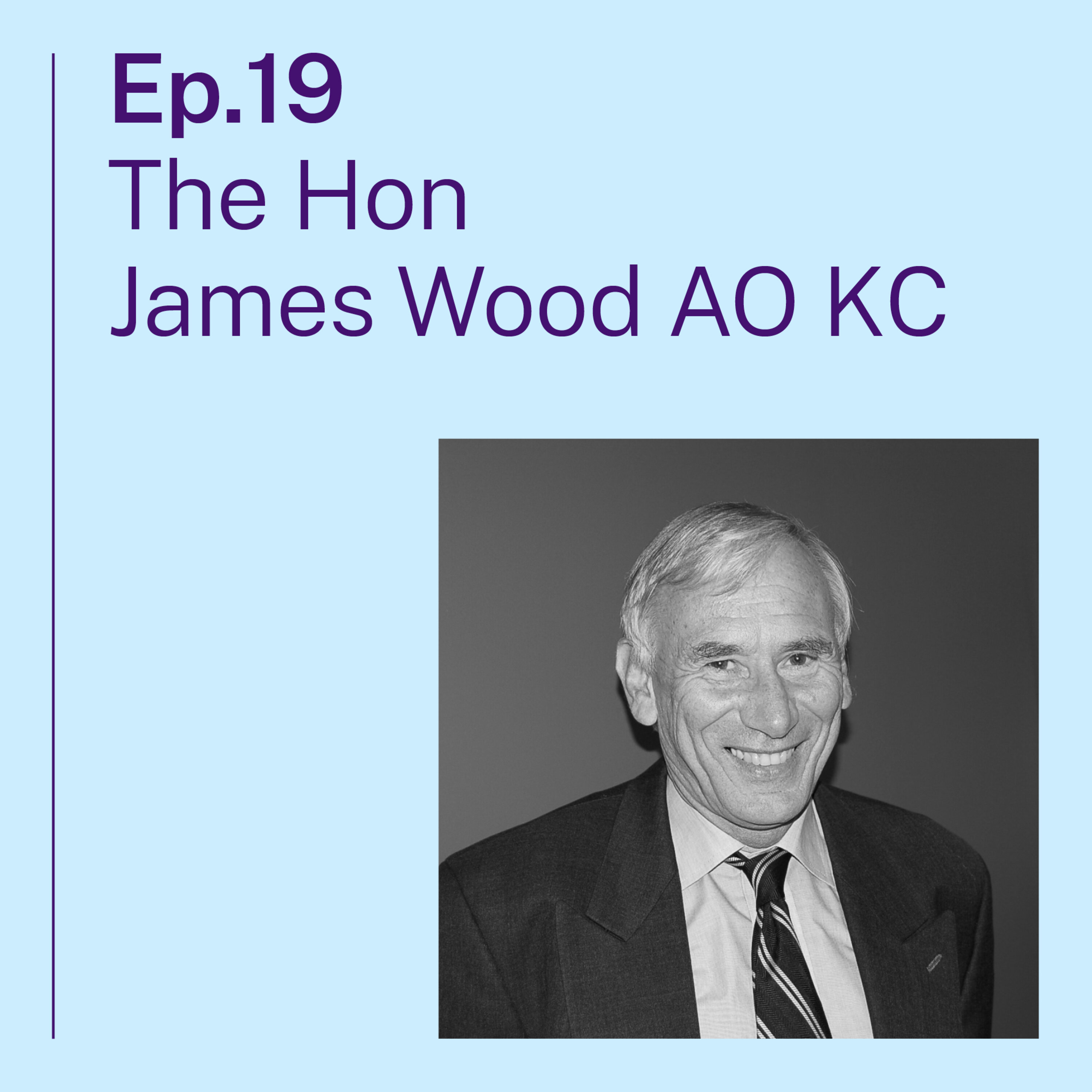 An insight into parole with the Hon James Wood AO KC An insight into parole with the Hon James Wood AO KC | Parole is an important part of our criminal justice system. It provides offenders with a path to rehabilitation as they transition from the prison system back into the community. But how does parole work? In this episode, Peter is joined by the Honourable James Wood AO KC. Mr Wood has had a long career in the law, including as the former Chair of the State Parole Authority. They discuss how parole decisions are made, what happens when an offender breaches a parole condition and whether parole actually does reduce re-offending.See omnystudio.com/listener for privacy information. | 40m 24s | ||||||
| 4/30/23 |  Aboriginal people and the criminal justice system with Magistrate Douglass Aboriginal people and the criminal justice system with Magistrate Douglass | In this episode, we are joined by Magistrate Mark Douglass to talk about his experiences as an Aboriginal magistrate and his perspective on Aboriginal people and the criminal justice system. Magistrate Douglass discusses how he overcame early life challenges to reach his current position. He shares his hope that the criminal justice system is changing, including through the expansion of culturally-specific processes and his work as Chair of the Local Court’s First Nations Committee. Please note this episode contains content that some listeners may find distressing, including mentions of domestic violence, sexual assault and suicide. If you want to avoid this content, skip from 1:41 to 3:07 and from 22:35 to 23:36. If you need support, you can contact these services free of charge: Beyond Blue: call support services on 1300 22 4636 or visit www.beyondblue.org.au Lifeline: call the 24-hour crisis line on 13 11 14 or visit lifeline.org.au FullStop Australia: call 1800 424 017 or visit www.fullstop.org.au National Sexual Assault, Family and Domestic Violence Counselling Service: call 1800RESPECT or 1800 737 732,or visit www.1800respect.org.au See omnystudio.com/listener for privacy information. | 38m 56s | ||||||
| 4/3/23 | 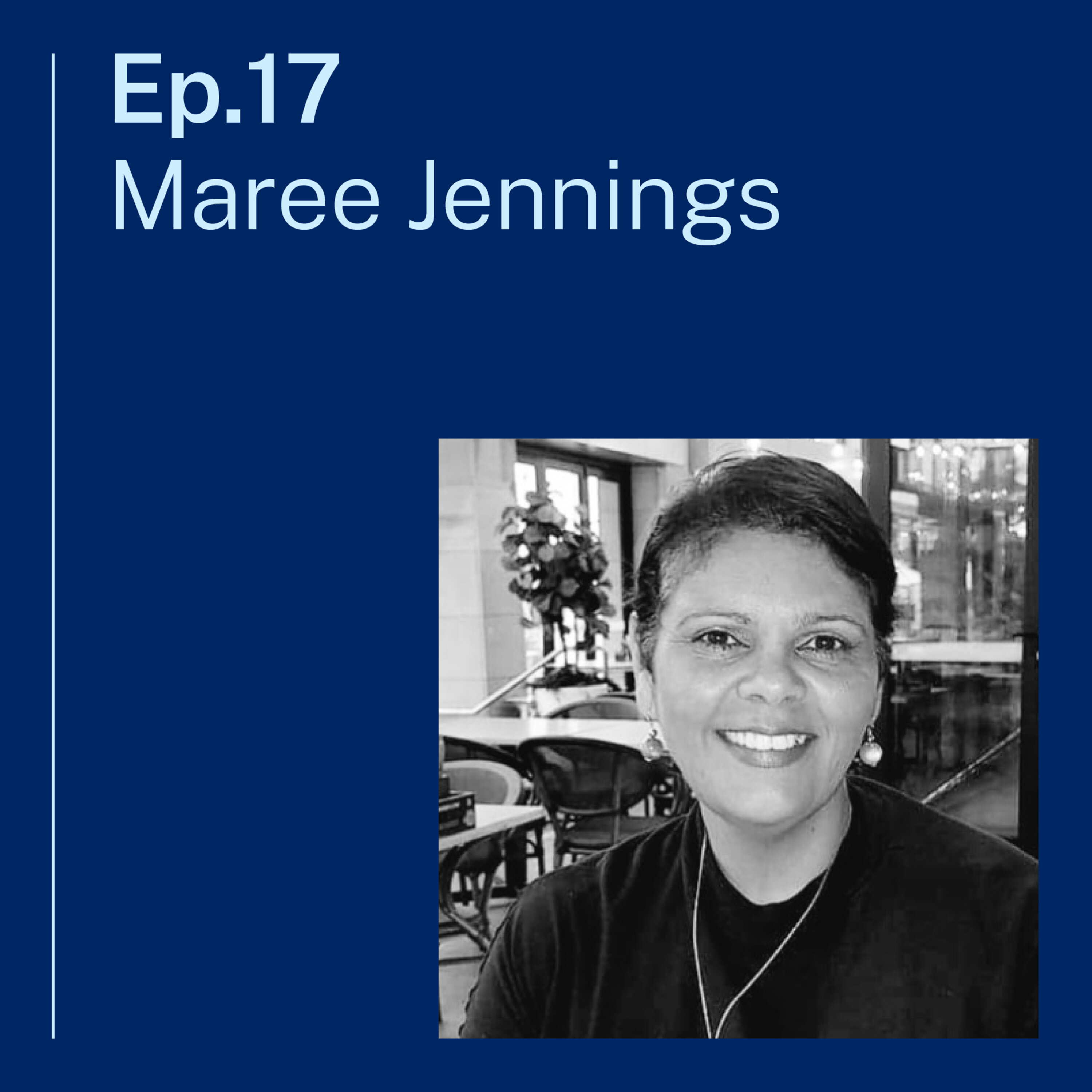 Circle Sentencing with Maree Jennings Circle Sentencing with Maree Jennings | In this episode we are joined by Darumbal and Gunggari woman Maree Jennings to talk about the Circle Sentencing program. A former community panel member and Project Officer in Circle Sentencing, Maree now works on the operational side of the program with the Department of Communities and Justice. Listen in to hear about Maree’s experience sitting on Circles, how Circle Sentencing works and why she thinks the program is making a difference to Aboriginal people’s lives.See omnystudio.com/listener for privacy information. | 31m 53s | ||||||
| 3/26/23 | 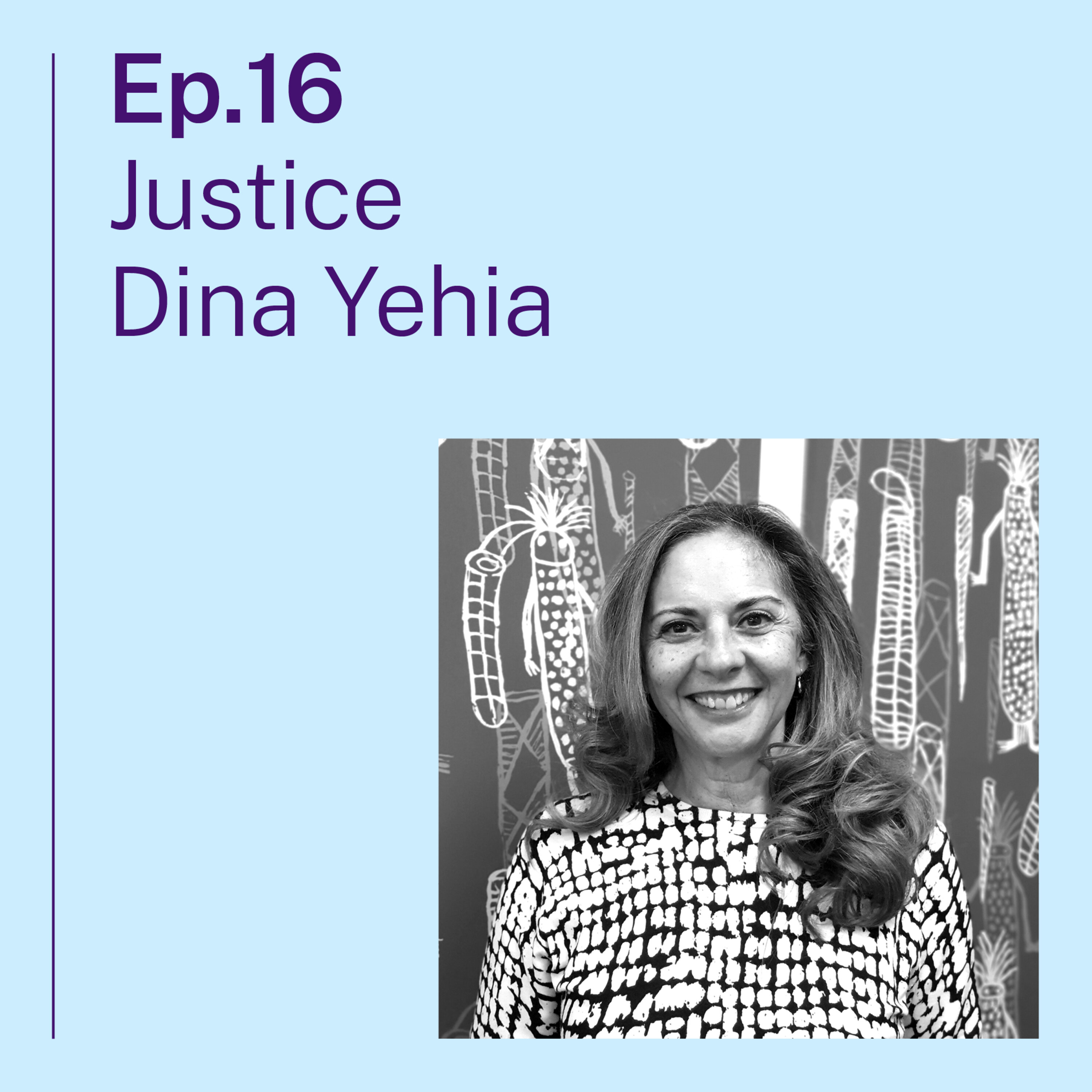 Sentencing Aboriginal offenders on the Walama List with Justice Dina Yehia Sentencing Aboriginal offenders on the Walama List with Justice Dina Yehia | In this episode, we have the privilege of being joined by Justice Dina Yehia SC. Justice Yehia was recently appointed to the Supreme Court from the District Court, where she played a key role in setting up the Walama List. The Walama List is a sentencing procedure in the District Court for eligible Aboriginal and Torres Strait Islander offenders. Listen in to hear how the Walama List differs from the regular sentencing process and why Justice Yehia found the experience so rewarding.See omnystudio.com/listener for privacy information. | 52m 29s | ||||||
| 3/19/23 | 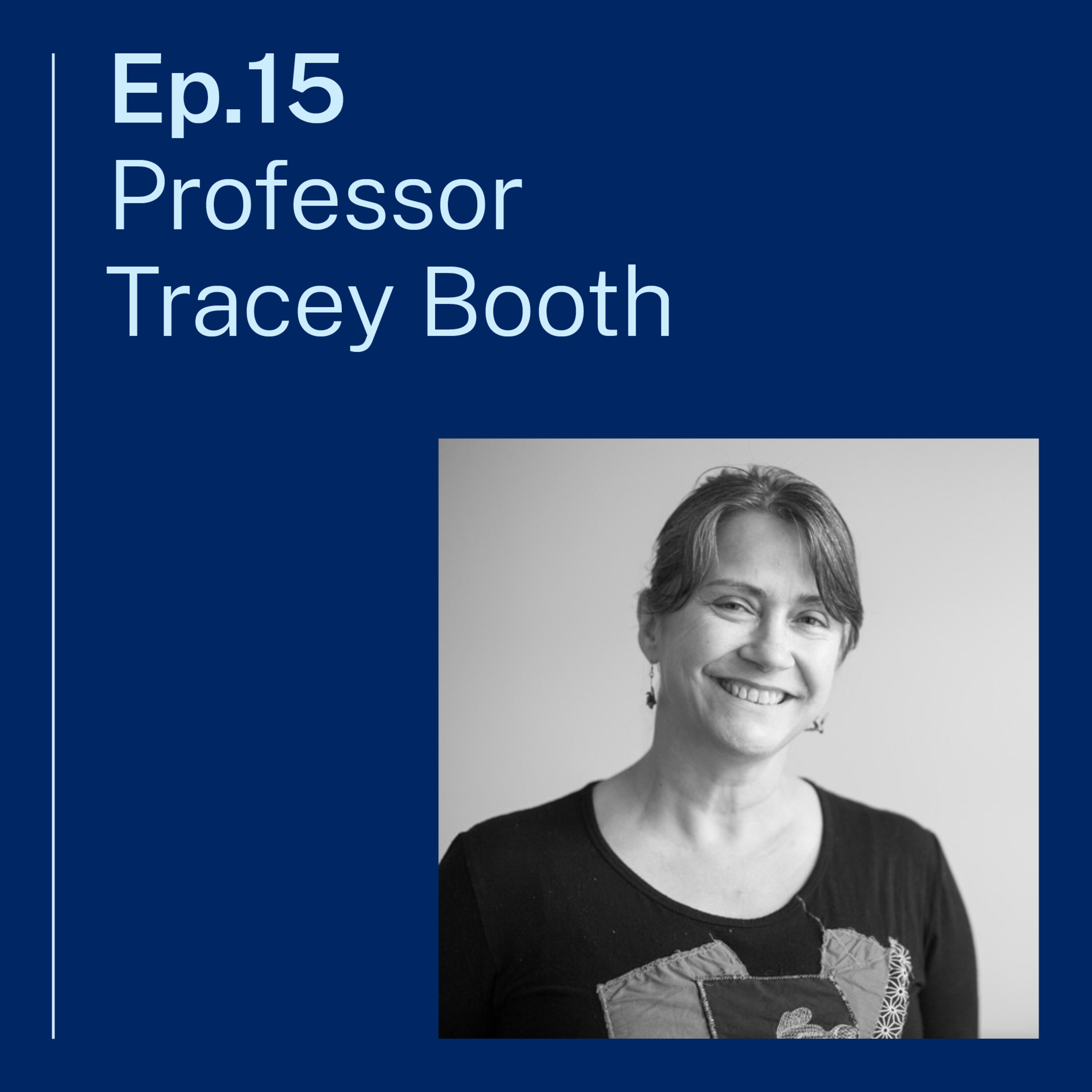 Exploring victims’ rights and experiences in sentencing with Professor Tracey Booth Exploring victims’ rights and experiences in sentencing with Professor Tracey Booth | Did you know that victims are not a party in criminal proceedings, but are actually witnesses? This week we are joined by Professor Tracey Booth, who is an expert in victim impact statements and victims’ role in sentencing. In this episode Professor Booth explains how the role of victims in the courtroom has changed over time, and talks about the importance of trauma-informed courts. Listen in to find out what rights victims have in sentencing, and how victim impact statements work.See omnystudio.com/listener for privacy information. | 39m 43s | ||||||
| 3/12/23 | 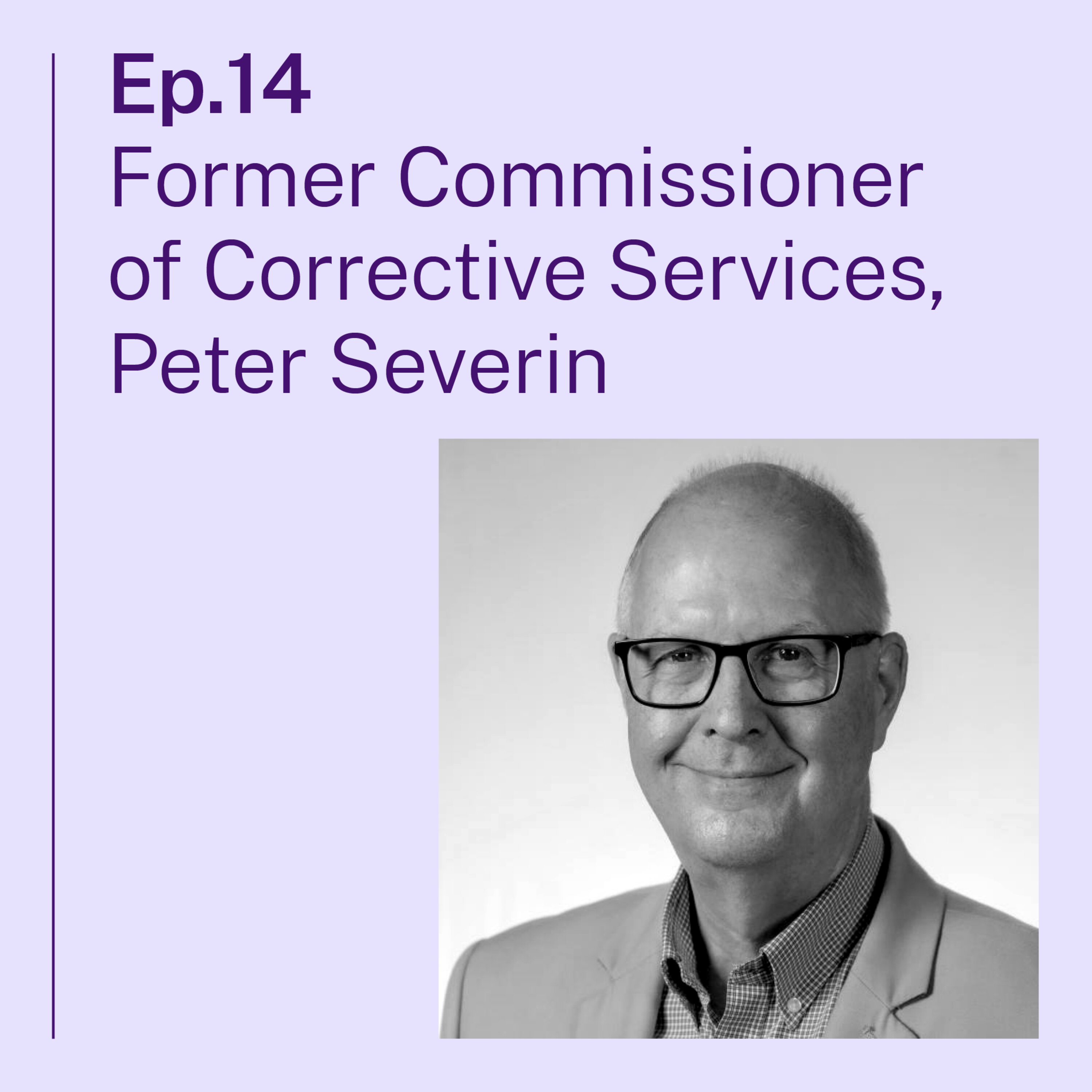 Prison and community corrections with retired Commissioner of Corrective Services Peter Severin Prison and community corrections with retired Commissioner of Corrective Services Peter Severin | What happens when someone is sentenced to prison? What education programs are available to prisoners? What does the day-to-day life of a prisoner look like? In this episode of Sentencing Explained, we sit down with retired Commissioner of Corrective Services and current Sentencing Council member Peter Severin. Listen in to find out what happens after someone is sentenced to prison – from when they leave the courtroom to their release back into the community. Former Commissioner Severin also takes us through the prison classification system and discusses how the system responds to prisoner issues and needs.See omnystudio.com/listener for privacy information. | 56m 44s | ||||||
| 3/5/23 |  Spotlight on the appeals process with Justices Robert Beech-Jones and Derek Price Spotlight on the appeals process with Justices Robert Beech-Jones and Derek Price | What happens when someone appeals their sentence? In this episode we are joined by Justice Robert Beech-Jones, Chief Judge at Common Law in the Supreme Court, and Justice Derek Price, Chief Judge of the District Court, to find out. Our guests talk about when a decision can be appealed, the different types of appeals and the options available to courts when considering an appeal.See omnystudio.com/listener for privacy information. | 41m 01s | ||||||
| 2/26/23 | 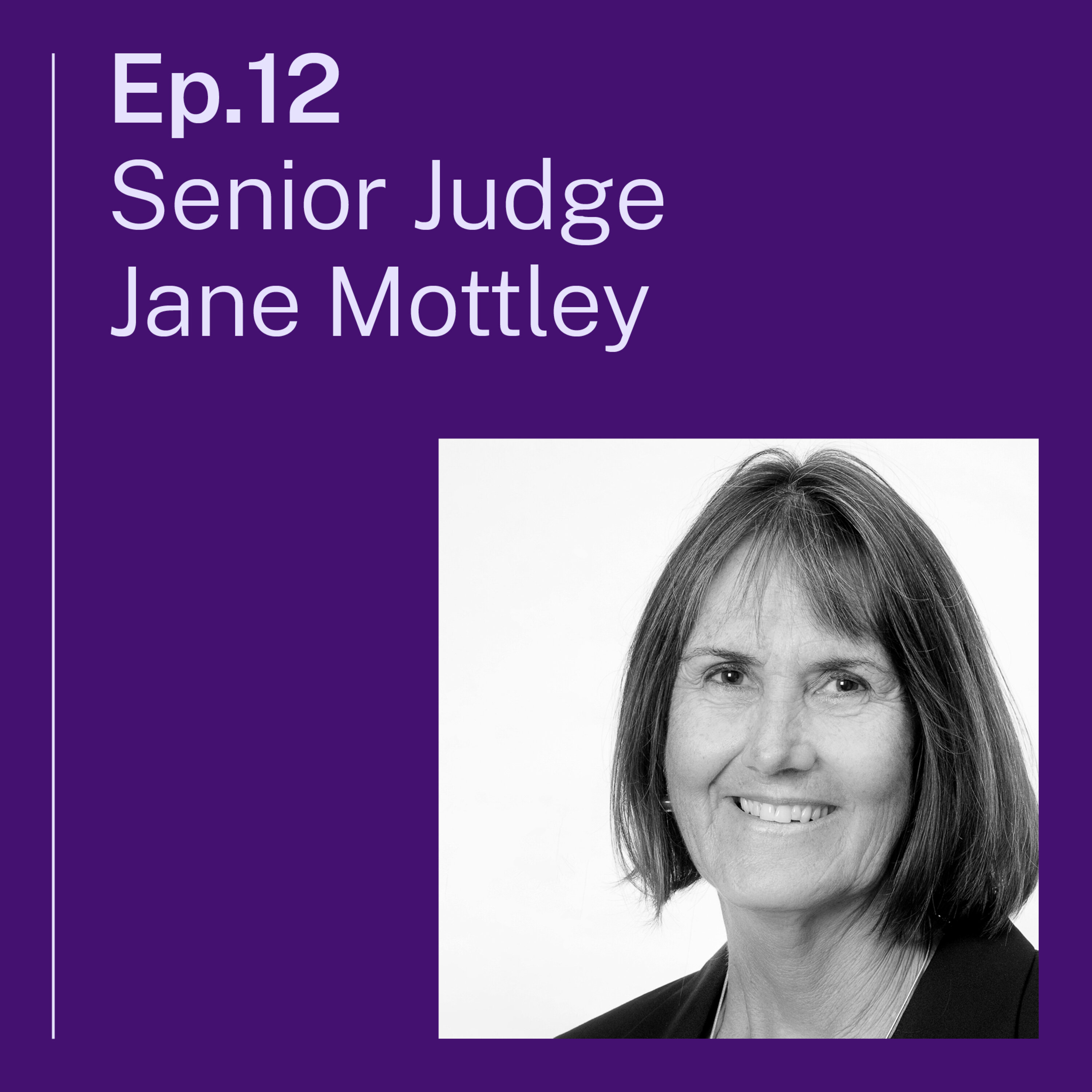 Delving into the Drug Court with Senior Judge Jane Mottley Delving into the Drug Court with Senior Judge Jane Mottley | Would it surprise you to learn the NSW Drug Court was established to steer drug-dependent offenders away from prison? As Senior Judge Jane Mottley explains, the program is no walk in the park for participants. But it gives them an invaluable opportunity to receive expert support for their drug dependency and take steps towards rehabilitation. Judge Mottley joins Peter in this episode of Sentencing Explained to discuss the Drug Court and the story behind its success.See omnystudio.com/listener for privacy information. | 1h 04m 03s | ||||||
| 2/19/23 | 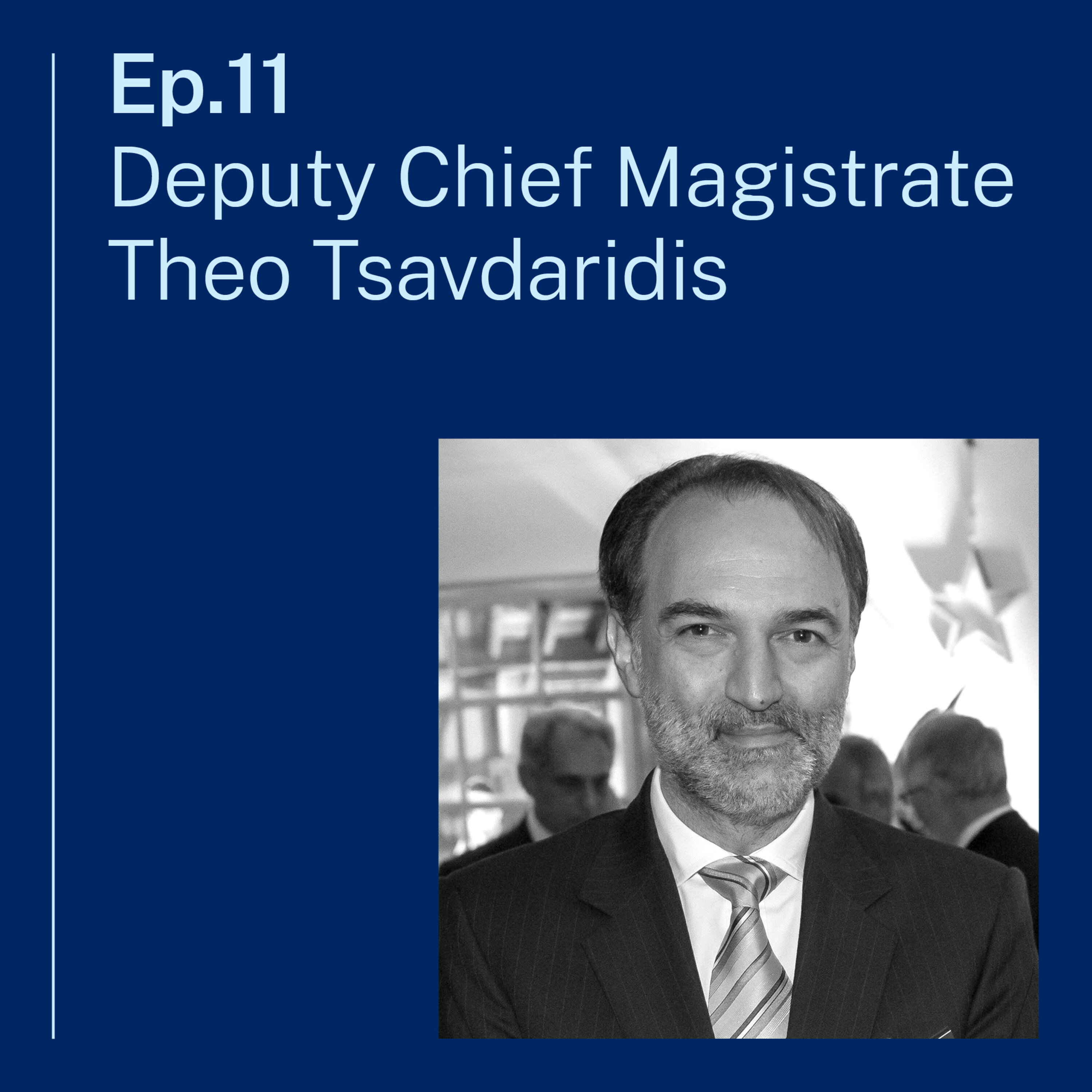 Sentencing in the Local Court with Deputy Chief Magistrate Theo Tsavdaridis Sentencing in the Local Court with Deputy Chief Magistrate Theo Tsavdaridis | Did you know around 90 per cent of the state’s criminal matters begin and end in the Local Court? In this episode, Peter is joined by Deputy Chief Magistrate Theo Tsavdaridis to break down sentencing in the Local Court. They discuss sentencing options available to the Court, and unpack how the age, health and character of an offender can affect the final sentencing outcome. Listen in to learn more.See omnystudio.com/listener for privacy information. | 47m 05s | ||||||
| 2/12/23 | 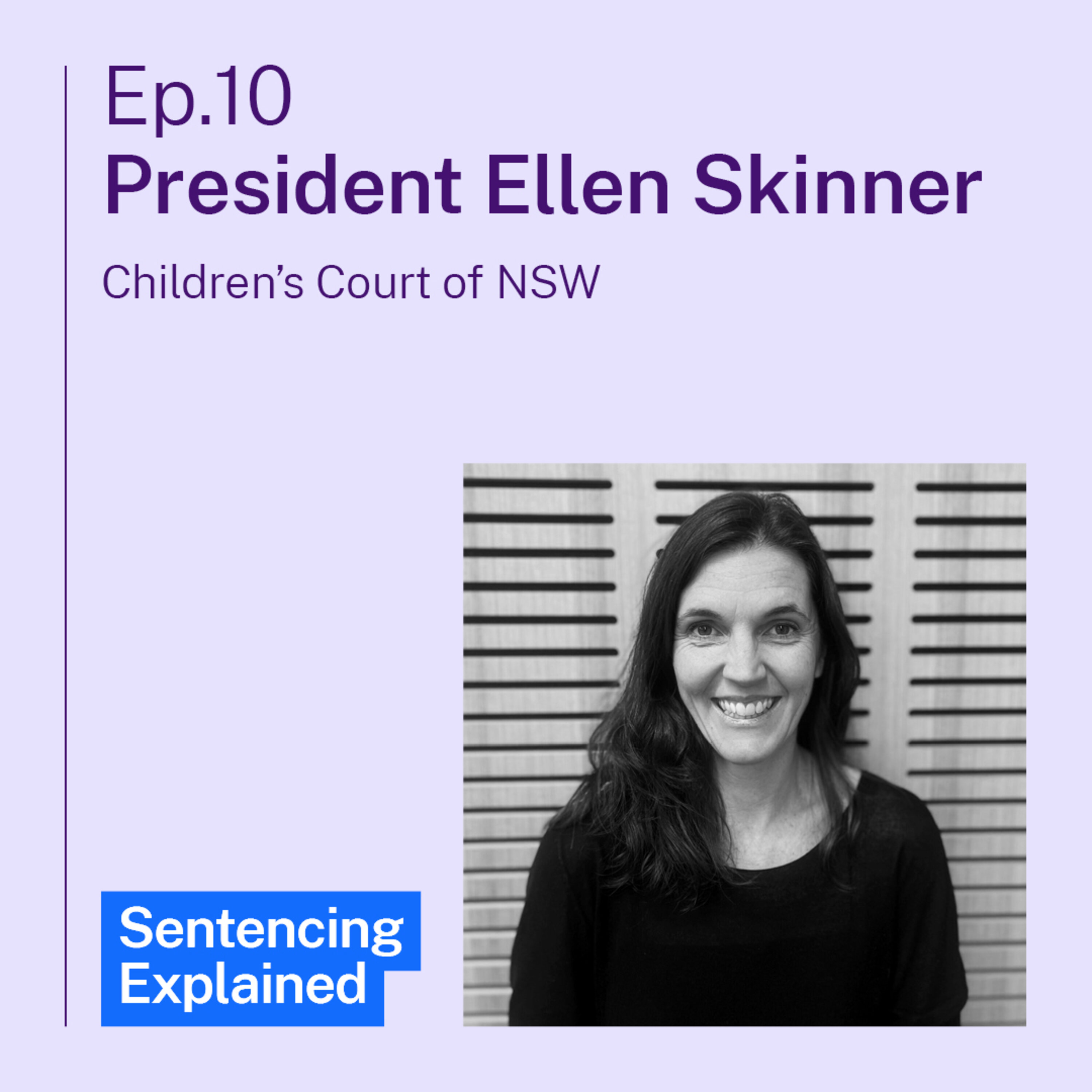 Youth justice and sentencing with Children’s Court President Ellen Skinner Youth justice and sentencing with Children’s Court President Ellen Skinner | When a young person breaks the law, there are different considerations at play. The President of the Children’s Court, Judge Ellen Skinner, aims to help young people who come before the Court to get back on the right track. Peter sits down with President Skinner in this episode to talk about options available to the Children’s Court to reduce reoffending and motivate good behaviour. They touch on youth justice conferences, unique sentencing options available for children and the Court’s approach to youth justice.See omnystudio.com/listener for privacy information. | 49m 56s | ||||||
Want analysis for the episodes below?Free for Pro Submit a request, we'll have your selected episodes analyzed within an hour. Free, at no cost to you, for Pro users. | |||||||||
| 2/5/23 | 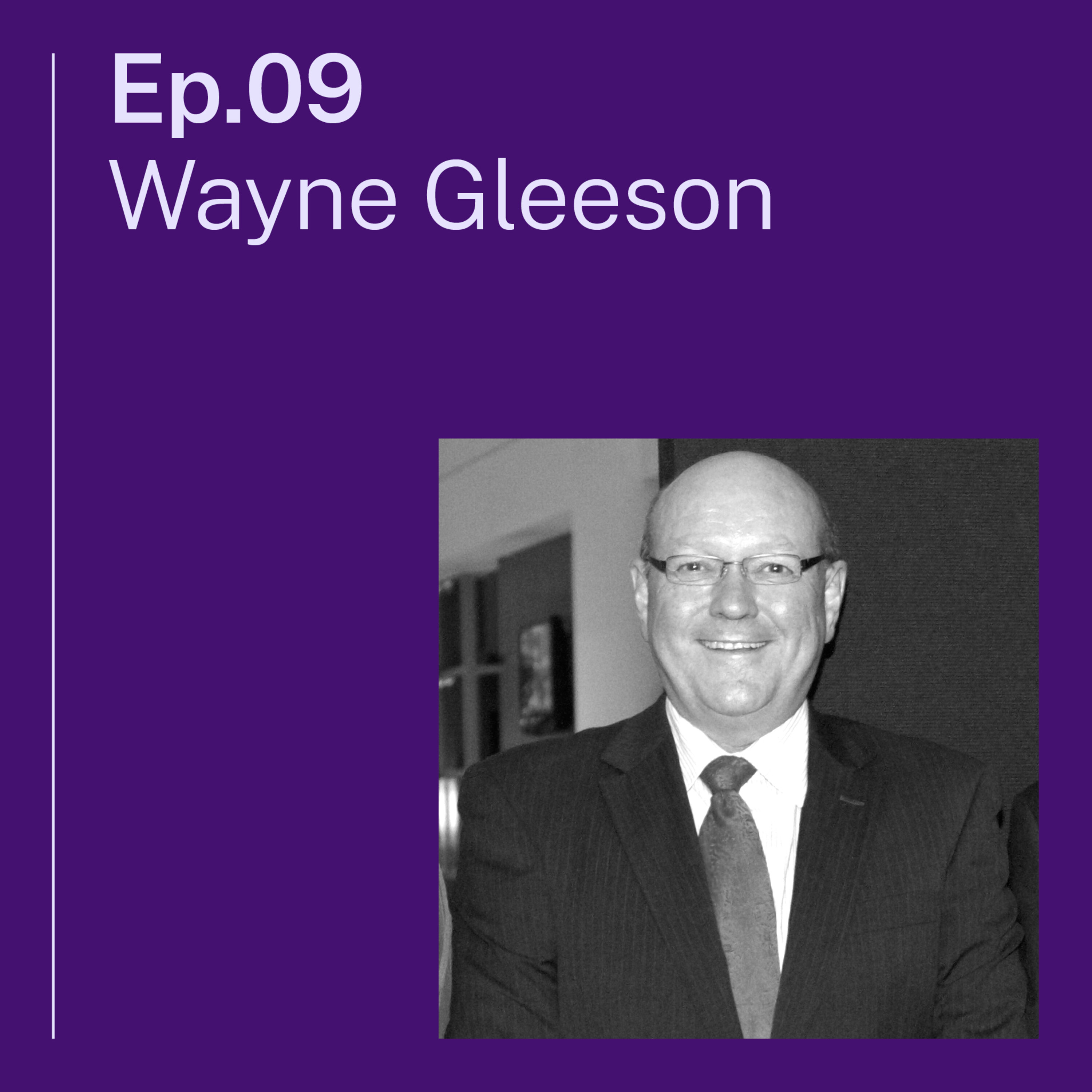 Talking sentencing law, education and society with Wayne Gleeson Talking sentencing law, education and society with Wayne Gleeson | An understanding of the legal system is fundamental to being an effective member of our community. Learning how the law works, its role in society, and how laws are made and changed, can be empowering for students. In this episode, Peter talks with Council member, retired Legal Studies teacher, and self-confessed “law junkie”, Wayne Gleeson. They explore the important work of the Council, including its Council’s involvement in recent sentencing reforms for fire offences and assaults on emergency services workers. They also discuss the significant role Wayne played in developing the Legal Studies syllabus, and how students “grow” when they study this course.See omnystudio.com/listener for privacy information. | 31m 09s | ||||||
| 12/11/22 | 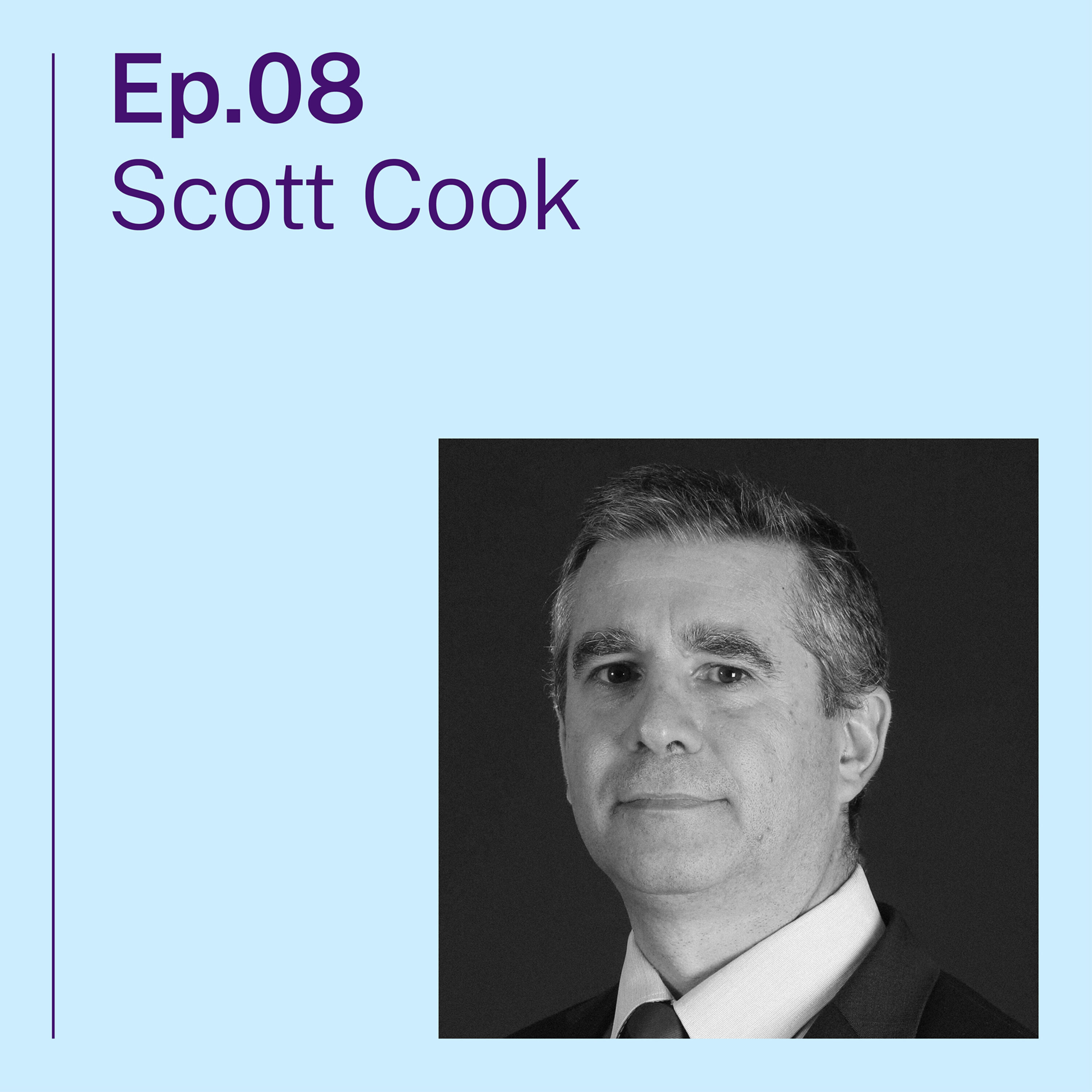 Police, sentencing and alternative pathways Police, sentencing and alternative pathways | Police prosecutors work in the Local Court and the Children’s Court across NSW, prosecuting a broad range of offences. But police also have options to keep people out of the court system in some situations. In this episode of Sentencing Explained, Peter is joined by Assistant Commissioner of the NSW Police State Intelligence Command, Scott Cook. They talk about a range of topics, including police powers in relation to juvenile offenders and the role of police prosecutors in criminal trials and sentencing. Hear why Assistant Commissioner Cook believes discretion is a crucial part of policing, and the importance of alternative pathways within the criminal justice system. Let us know what you think about the podcast in this quick survey: surveymonkey.com/r/sentencing_explained Check out the episode study guide on our website: sentencingcouncil.nsw.gov.au/podcastSee omnystudio.com/listener for privacy information. | 34m 45s | ||||||
| 12/4/22 | 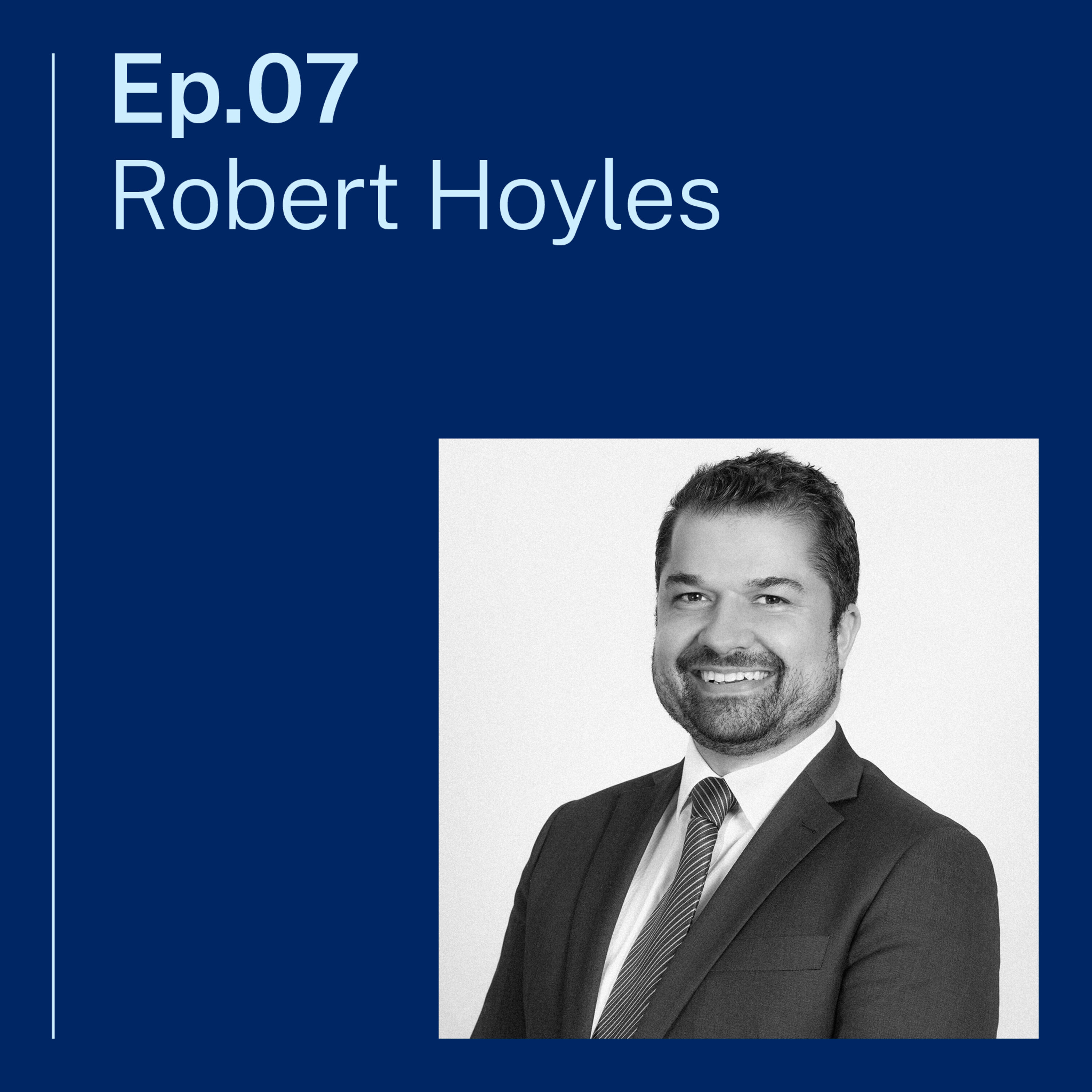 A look at Legal Aid and sentencing with Director Robert Hoyles A look at Legal Aid and sentencing with Director Robert Hoyles | Legal Aid NSW represents some of the most disadvantaged people in our society when they are charged with crimes. Funded by the government, Legal Aid plays an important role in access to justice for people who otherwise could not afford legal representation. In this episode of Sentencing Explained, Peter delves into the role of Legal Aid in sentencing by speaking with its Director of Criminal Law, Robert Hoyles. Robert is responsible for Legal Aid’s criminal practice across NSW. Let us know what you think about the podcast in this quick survey: surveymonkey.com/r/sentencing_explained Check out the episode study guide on our website: sentencingcouncil.nsw.gov.au/podcastSee omnystudio.com/listener for privacy information. | 41m 30s | ||||||
| 11/27/22 |  Determining a sentence in the District Court with Judge Donna Woodburne Determining a sentence in the District Court with Judge Donna Woodburne | Judge Donna Woodburne SC understands the importance of sentencing in the criminal justice process. She has worked in the District Court for 11 years. It’s here where most serious criminal matters are dealt with, with some exceptions (including murder). Sentencing can involve difficult decisions and, as Judge Woodburne says “every decision weighs very heavily.” In this episode, Peter and Judge Woodburne discuss mitigating and aggravating factors that a judge must balance when determining a sentence. They also look at the law in relation to parole, and special circumstances that can impact a sentencing decision. Listen in to hear how Judge Woodburne arrives at a sentence. Let us know what you think about the podcast in this quick survey: surveymonkey.com/r/sentencing_explained Check out the episode study guide on our website: sentencingcouncil.nsw.gov.au/podcastSee omnystudio.com/listener for privacy information. | 47m 15s | ||||||
| 11/20/22 |  Stepping through sentencing with Supreme Court Judges Stepping through sentencing with Supreme Court Judges | What factors do judges consider important when determining a sentence? Does it matter if the offender shows remorse or not? Exactly how long do judges sit and think about a sentence before delivering it? As we’ve learnt so far, sentencing is no easy task. It requires careful consideration and the decision weighs on everyone, including the judge. In this episode of Sentencing Explained, Peter speaks with Justices Christine Adamson and Robert Hulme to find out what it’s like to be a judge on the Supreme Court – one of the most senior positions in the NSW justice system. Let us know what you think and want to see next in this quick survey: surveymonkey.com/r/sentencing_explained Check out the episode study guide on our website: sentencingcouncil.nsw.gov.au/podcastSee omnystudio.com/listener for privacy information. | 40m 28s | ||||||
| 11/13/22 | 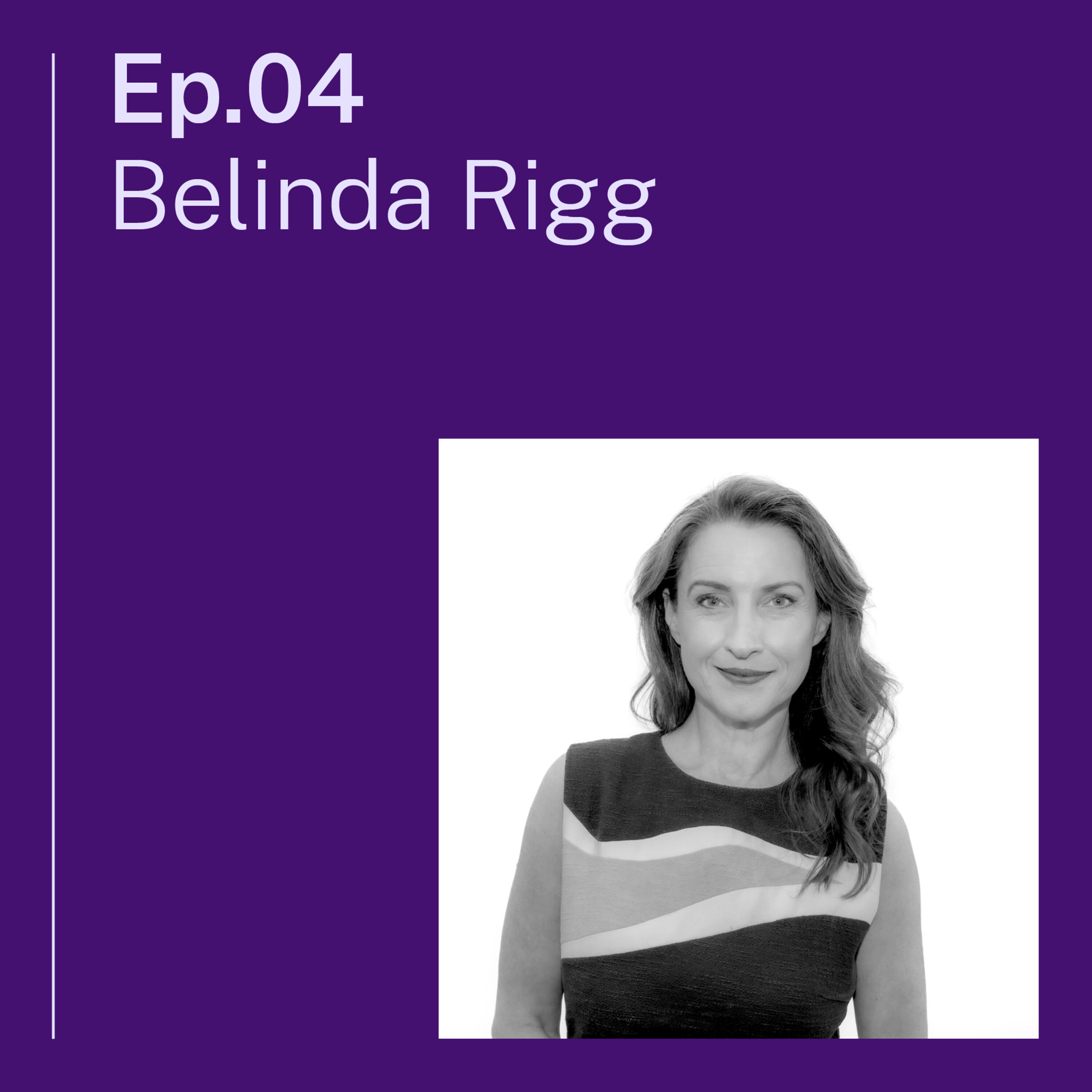 The role and duty of defence counsel: How do you argue a case for a serious offender? The role and duty of defence counsel: How do you argue a case for a serious offender? | How can you represent people who have committed heinous crimes? This is a question often asked of Public Defenders like Belinda Rigg SC. As a Public Defender, Belinda is a salaried barrister who works for people charged with serious criminal offences who have been granted legal aid. She defends some of the most vulnerable people in society. Unlike many other lawyers, Belinda didn’t spend any time as a solicitor. In fact, she was so motivated to get into the courtroom that, with the support of her mentors and colleagues, she went straight to the Bar. Listen in to find out why Belinda chooses to work in one of the most publicly scrutinised roles in criminal law. Let us know what you think about the podcast in this quick survey: surveymonkey.com/r/sentencing_explained Check out the episode study guide on our website: sentencingcouncil.nsw.gov.au/podcastSee omnystudio.com/listener for privacy information. | 38m 11s | ||||||
| 11/6/22 | 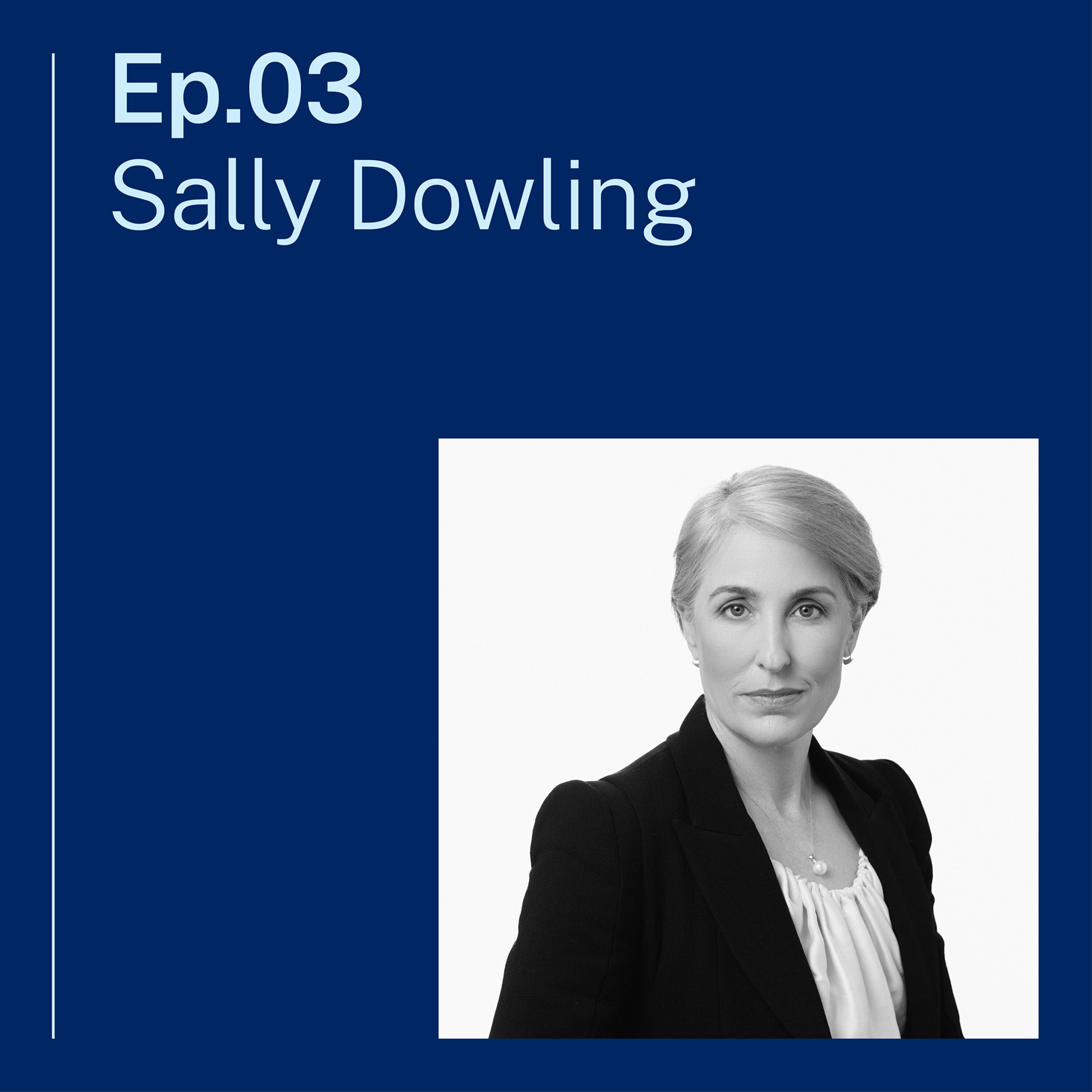 The role and duty of a prosecutor with Director Sally Dowling The role and duty of a prosecutor with Director Sally Dowling | Sally Dowling SC joined the bar 25 years ago and is the first woman to hold the position of NSW Director of Public Prosecutions. Sally’s team is responsible for the prosecution of serious crimes in the District Court and Supreme Court. Sally joins Peter in this week’s episode to discuss the demands of the role, the evolution of victims’ involvement in the sentencing process and the Crown’s capacity to appeal verdicts. They also look at some of the more special powers of the Crown, including its ability to take matters to the High Court. Listen in to learn more. Let us know what you think about the podcast in this quick survey: surveymonkey.com/r/sentencing_explained Check out the episode study guide on our website: sentencingcouncil.nsw.gov.au/podcastSee omnystudio.com/listener for privacy information. | 32m 02s | ||||||
| 10/30/22 | 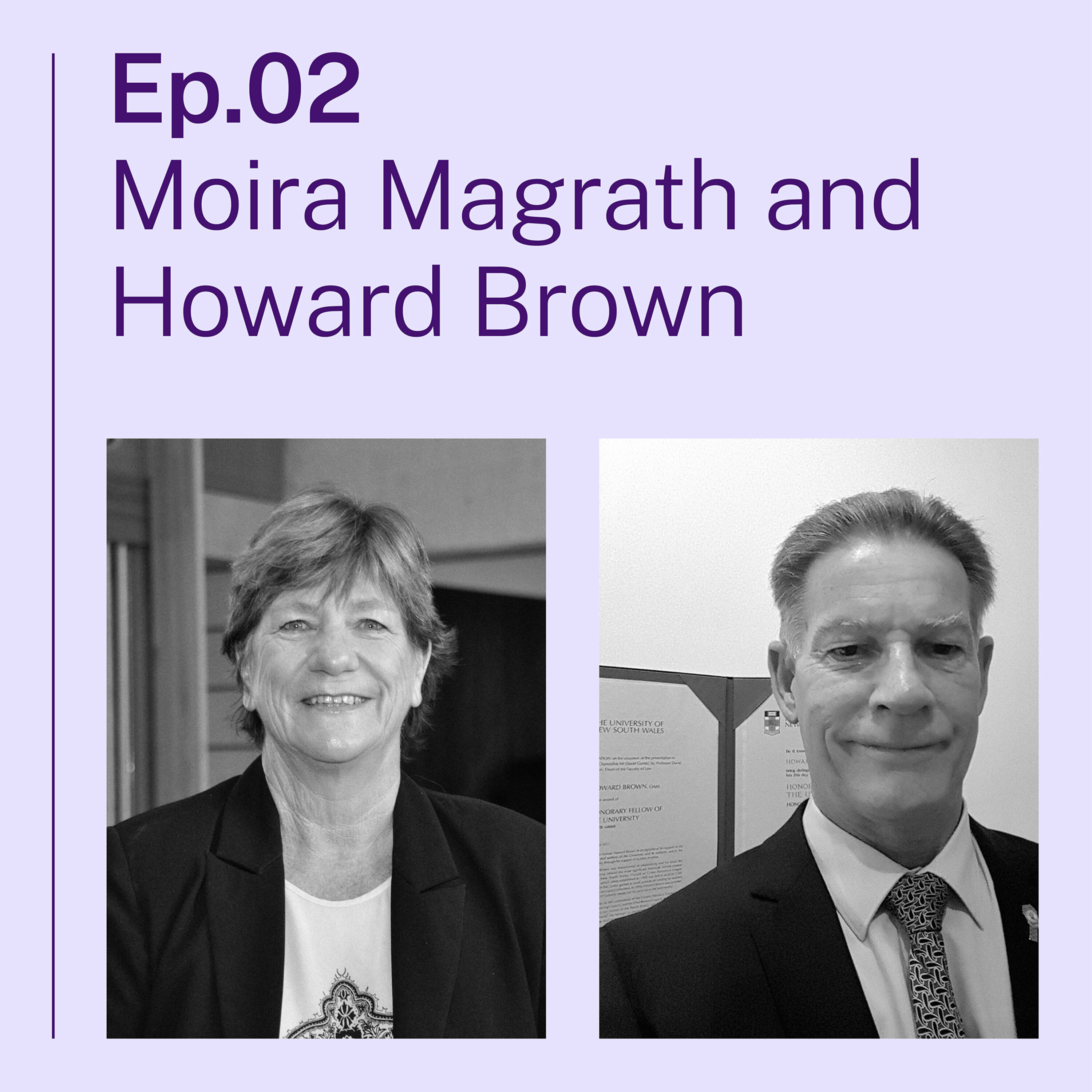 Perspectives on the Sentencing Council Perspectives on the Sentencing Council | Sentencing is a complex process. It has to consider the circumstances of the offender, and it needs a sense of justice to be felt by the victim and the wider community. How do you strike that balance?In this episode of Sentencing Explained, we talk with two former community members of the Sentencing Council, Howard Brown and Moira Magrath, about the challenges and benefits of being on the Council. They reflect on how their respective backgrounds in victims’ advocacy and corrective services helped shape their work with the Council. They also consider key issues in sentencing, such as the implications of mandatory sentencing and the need to avoid overregulation. Let us know what you think about the podcast in this quick survey: surveymonkey.com/r/sentencing_explained Check out the episode study guide on our website: sentencingcouncil.nsw.gov.au/podcastSee omnystudio.com/listener for privacy information. | 46m 33s | ||||||
| 10/21/22 | 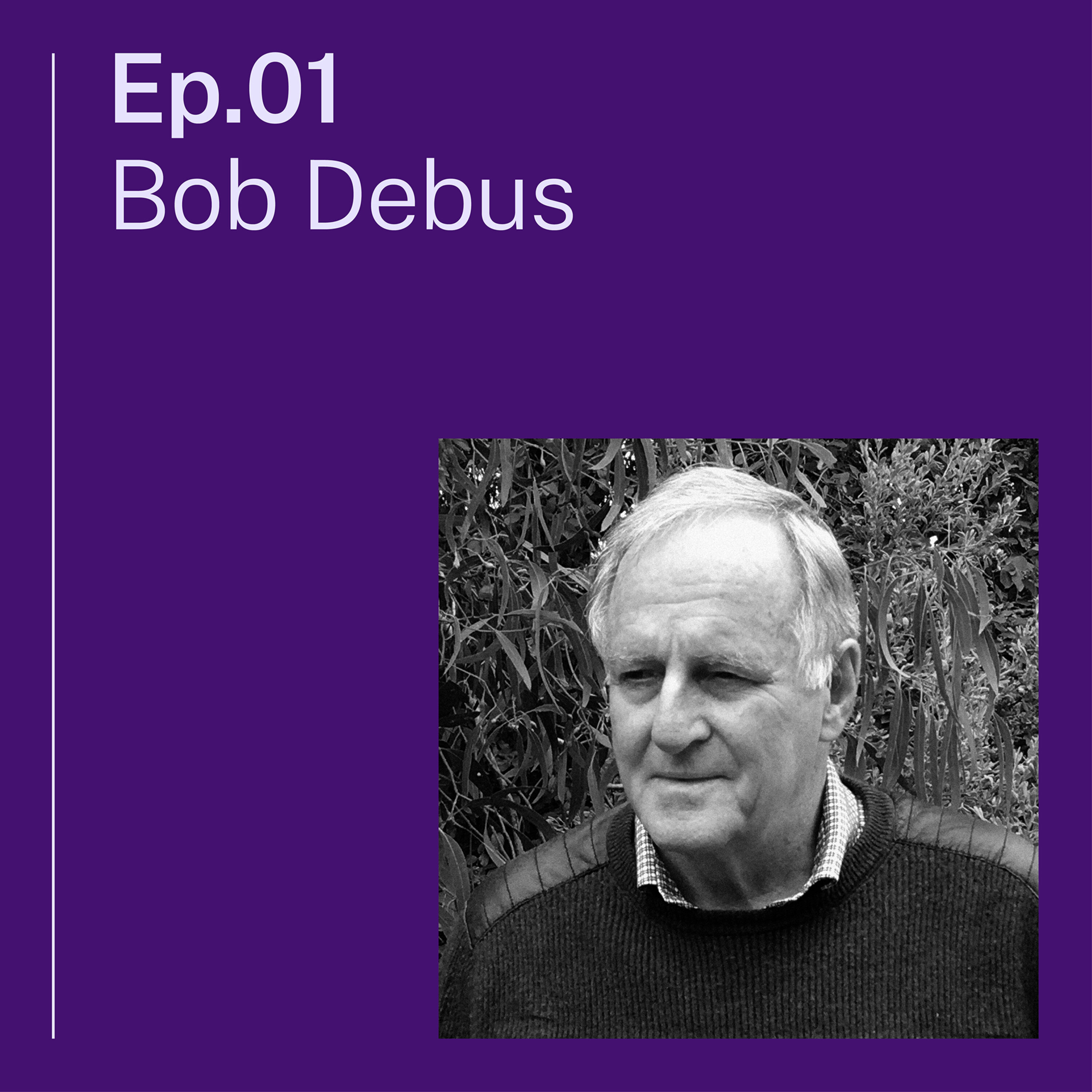 Insights into sentencing reform with the Hon Bob Debus AM Insights into sentencing reform with the Hon Bob Debus AM | Welcome to the very first episode of Sentencing Explained! Join podcast host and Chair of the Sentencing Council, Peter McClellan AM KC, for a discussion with former NSW Attorney General, Bob Debus. They revisit the tense political climate that led to major reforms in sentencing law and the Council’s establishment in 2003. The public had an increasing interest in the sentencing process and a perception that the government and judges were soft on crime. Bob provides insight into how politicians were keen to shift this view. He unpacks how courts maintained judicial discretion while law-and-order politics – aka ‘the war on crime’ – was taking hold. Listen in to find out more. Let us know what you think about the podcast in this quick survey: surveymonkey.com/r/sentencing_explained Check out the episode study guide on our website: sentencingcouncil.nsw.gov.au/podcastSee omnystudio.com/listener for privacy information. | 30m 28s | ||||||
| 10/14/22 |  Sentencing Explained - Trailer Sentencing Explained - Trailer | Sentencing is a controversial topic. You often hear complaints that a sentence is too low, especially when the offender is guilty of a violent or sexual crime. This podcast 'Sentencing Explained' is brought to you by the New South Wales Sentencing Council. In this podcast series is we will talk with a number of judges of different New South Wales courts who will discuss the statutory framework for sentencing and how judges go about their tasks. We will also talk to prosecutors, defence counsel and discuss imprisonment and the parole system. We hope you will find the podcast interesting and informative.See omnystudio.com/listener for privacy information. | 0m 52s | ||||||
Showing 20 of 20
Sponsor Intelligence
Sign in to see which brands sponsor this podcast, their ad offers, and promo codes.
Chart Positions
1 placement across 1 market.
Chart Positions
1 placement across 1 market.