SEO in 2026
SEO is continuing to change at an alarming pace. And yet, in some sense, the principles of good SEO remain the same.Hello, and welcome to SEO in 2026 – a significant repository of current thinking from many of the world’...
Insights from recent episode analysis
On the show
- Irwin Hau1 ep
- Jean-Marc Courtiade1 ep
- Astley Cervania1 ep
Also: Sara Warneryd, Daisy Shevlin, Brett Farmiloe, Claudia Constantin, Joey Randazzo, Jason Kramer, Will Rice
Audience Interest
Podcast Focus
Publishing Consistency
Insights are generated by CastFox AI using publicly available data, episode content, and proprietary models.
Most discussed topics
Brands & references
Total monthly reach
Based on the show's feed history.
Built from
By chart position
- 🇳🇴NO · Marketing#155.6K to 68K
- 🇦🇺Australia · Marketing#643.9K to 47K
- 🇭🇺HU · Marketing#133.4K to 42K
- 🇳🇱Netherlands · Marketing#661.6K to 19K
- 🇮🇳India · Marketing#168723 to 8.9K
- Per-Episode Audience
Est. listeners per new episode within ~30 days
16K to 196K🎙 ~2x weekly·500 episodes·Last published 1w ago - Monthly Reach
Unique listeners across all episodes (30 days)
32K to 392K🇺🇸71%🇳🇴10%🇦🇺7%+5 more - Active Followers
Loyal subscribers who consistently listen
18K to 216K
Market Insights
Platform Distribution
Reach across major podcast platforms, updated hourly
Total Followers
—
Total Plays
—
Total Reviews
—
* Data sourced directly from platform APIs and aggregated hourly across all major podcast directories.
| Date | Episode | Topics | Guests | Brands | Places | Keywords | Sponsor | Length | |
|---|---|---|---|---|---|---|---|---|---|
| 10/14/26 |  Never treat localization as the last step - Kseniya Dvarakouskaya | Kseniya Dvarakouskaya says that the biggest mistake in international SEO in 2026 is treating localization as the last step — real ranking growth in new markets starts with local keyword research from scratch, not translating what already works in English. Talking points include: Why translation is not localization when it comes to SEO — and where teams lose ranking potential - What local keyword research actually looks like (native speakers, local SERPs, market-specific search intent) - Cultural differences in search behavior — examples from Japanese, Korean, German, Spanish markets - Common mistakes: word-for-word translation of English keywords, ignoring local competitors, mixing Simplified and Traditional Chinese, using LATAM Spanish for Spain - Real case: what changes when the localization team is involved from day one vs at the end of the launch - How localization teams and SEO teams should collaborate in practice | 16m 02s | ||||||
| 10/7/26 |  Misinformation isn't just an SEO problem — it's a user safety problem - Sean Barber | In YMYL spaces like health, misinformation isn't just an SEO problem — it's a user safety problem. Macmillan Cancer Support shares how they proactively fight misinformation while staying visible in an AI-driven, zero-click search world. Talking points include: - Why is misinformation especially dangerous in YMYL sectors like health? - How does Macmillan approach content strategy proactively rather than reactively? - Which E-E-A-T signals matter most for building trust at scale? - How do you issue corrections without undermining user confidence? - How do you stay visible in AI-summarised, zero-click results? - What tools help you catch misinformation trends early? Read the full transcript of Sean's interview at https://majestic.com/seo-in-2026/additional-insights/sean-barber | 19m 46s | ||||||
| 9/30/26 | 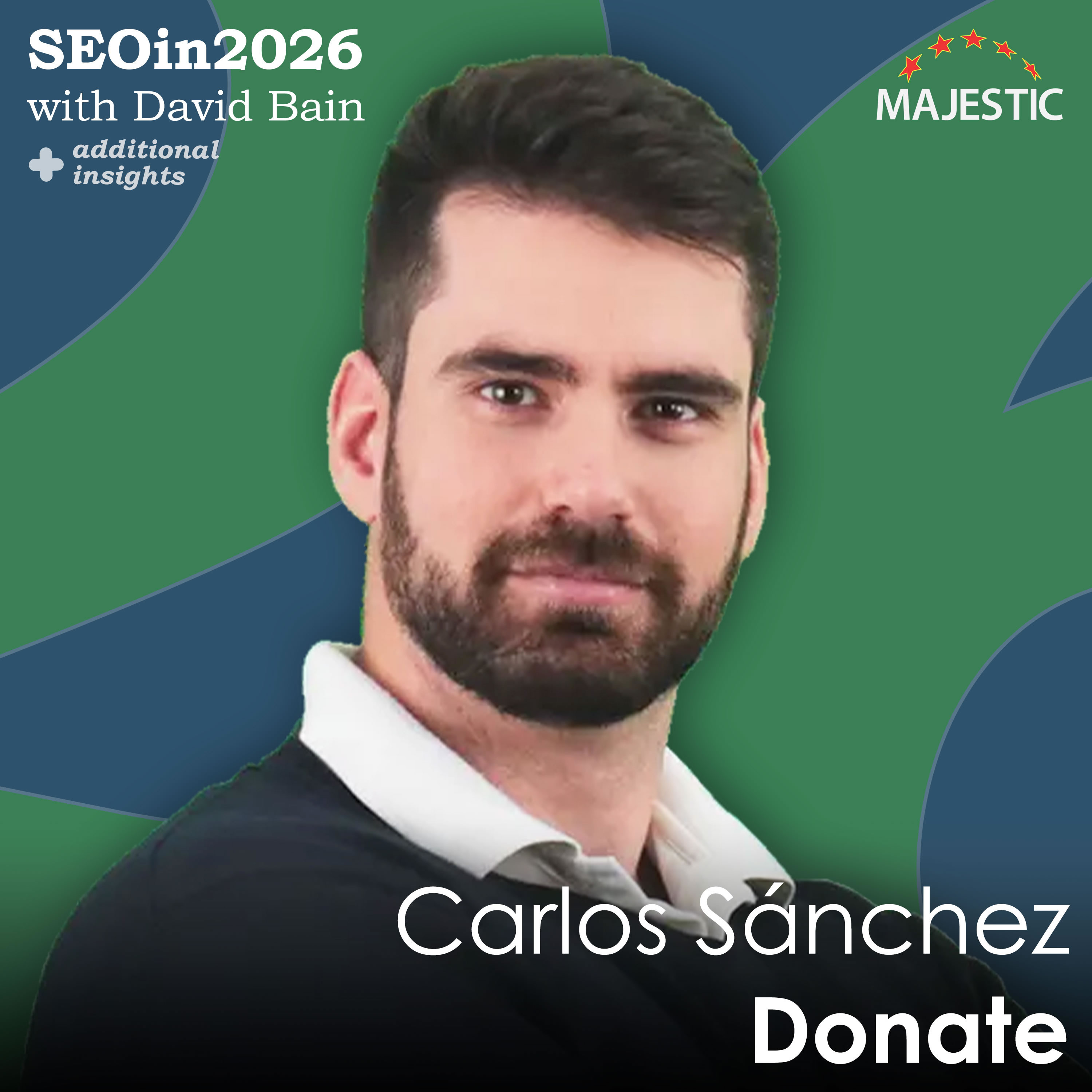 Sitemaps are often treated as an afterthought - Carlos Manuel Sánchez Donate | Carlos Manuel Sánchez Donate shares that sitemaps are often treated as an afterthought, but they're a direct line of communication with both search engines and LLMs about what matters on your site. Splitting and customizing them by content type can unlock better crawl visibility and sharper Search Console auditing. Talking points: - Why do you think sitemaps are so underrated in SEO today? - How exactly do sitemaps help LLMs understand a site better than llms.txt? - What's your process for splitting content into separate sitemaps? - Any real example where sitemap segmentation improved indexing or visibility? - How do segmented sitemaps make Search Console auditing easier? - What's a common sitemap mistake you see sites making? Read the full transcript of Carlos's interview at https://majestic.com/seo-in-2026/additional-insights/carlos-sanchez-donate | 16m 44s | ||||||
| 9/23/26 | 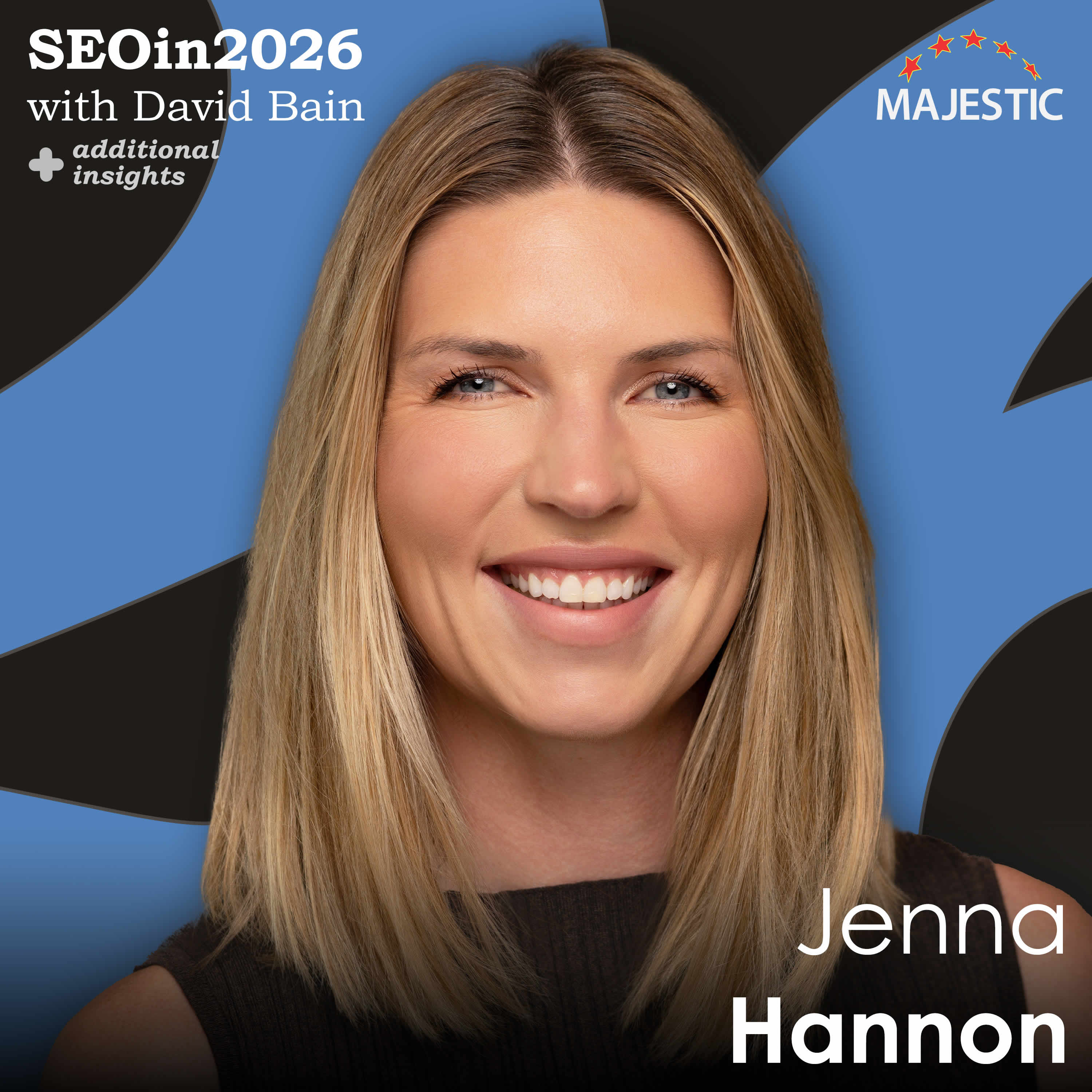 Forget keywords. AEO is about going deep - Jenna Hannon | Jenna Hannon suggests that you forget keywords. AEO is about going deep: build public documentation on your site that answers every specific question a prospect might ask at each stage of the buying journey. Key talking points: What sort of public documentation are you referring to? How do you know the specific questions that your prospects might ask? How do you prioritise the questions to answer? How do you know the volume and type of content required to answer a question? How do you know how the questions map to the different stages of the buyer journey? How do you go about mapping the answers? Read the full transcript of Jenna's interview at https://majestic.com/seo-in-2026/additional-insights/jenna-hannon Watch the original SEOin2026 series: https://www.youtube.com/playlist?list=PLOr75FiG9ta37FH130S-qu3H9N0h7Ly0I Watch more SEOin2026: Additional Insights: https://www.youtube.com/playlist?list=PLOr75FiG9ta3j5bYmsVBggEsBxwhGSX41 | 15m 53s | ||||||
| 9/16/26 |  Build a translation layer beneath your site - Juliette van Rooyen | Juliette van Rooyen shares that we need to make sure categories and labels are clearly understood by AI & Search engines by adding a machine-readable layer that maps them to the entities and taxonomies the web already knows & trusts.Talking points include:What is a translation layer beneath your site?Why is it important to make sure your categories and labels are clearly understood by AI & Search engines?What does a "translation layer" mean, in practical terms?Why is this "translation layer" important enough to spend resources on?What data sources should you be mapping to?Does this apply just to eCommerce websites? | 17m 23s | ||||||
| 9/9/26 | SEOtrust+5 | Irwin Hau | — | — | SEOtrust+5 | — | 19m 41s | ||
| 9/2/26 | consent-free analyticsdata analysis+3 | Jean-Marc Courtiade | — | — | consent-free analyticsdata privacy+3 | — | 17m 13s | ||
| 8/26/26 | content qualitywebsite maintenance+3 | Astley Cervania | — | — | content qualitywebsite maintenance+3 | — | 15m 04s | ||
| 8/19/26 | multi-platform discoveryuser journeys+3 | Sara Warneryd | — | — | Google clicksmulti-platform+3 | — | 18m 21s | ||
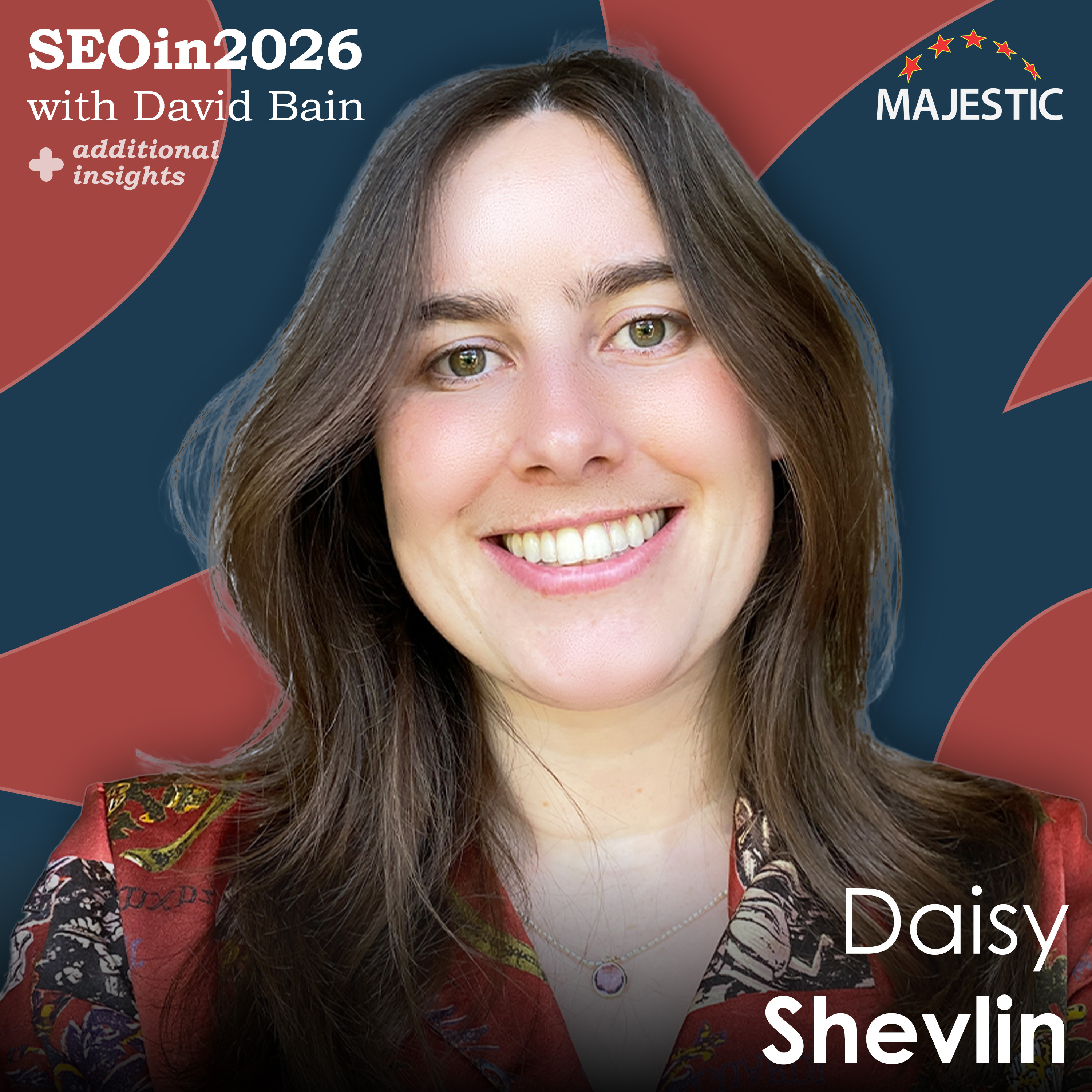
| 8/12/26 | marketingSEO+4 | Daisy Shevlin | Majestic.com | — | marketerSEO+4 | — | 14m 49s | ||
Want analysis for the episodes below?Free for Pro Submit a request, we'll have your selected episodes analyzed within an hour. Free, at no cost to you, for Pro users. | |||||||||
| 8/5/26 | journalist request platformsSEO+3 | Brett Farmiloe | Help a Reporter OutFeatured.com | — | SEOjournalist request platforms+5 | — | 15m 48s | ||
| 7/29/26 | AI visibilityAEO+3 | Claudia Constantin | Majestic.com | — | AISEO+4 | — | 16m 28s | ||
| 7/22/26 | SEO strategyunique content+4 | Joey Randazzo | — | — | SEOunique content+5 | — | 18m 29s | ||
| 7/15/26 | lead generationorganic search+3 | Jason Kramer | Majestic.com | — | organic leadsbusiness strategy+5 | — | 17m 38s | ||
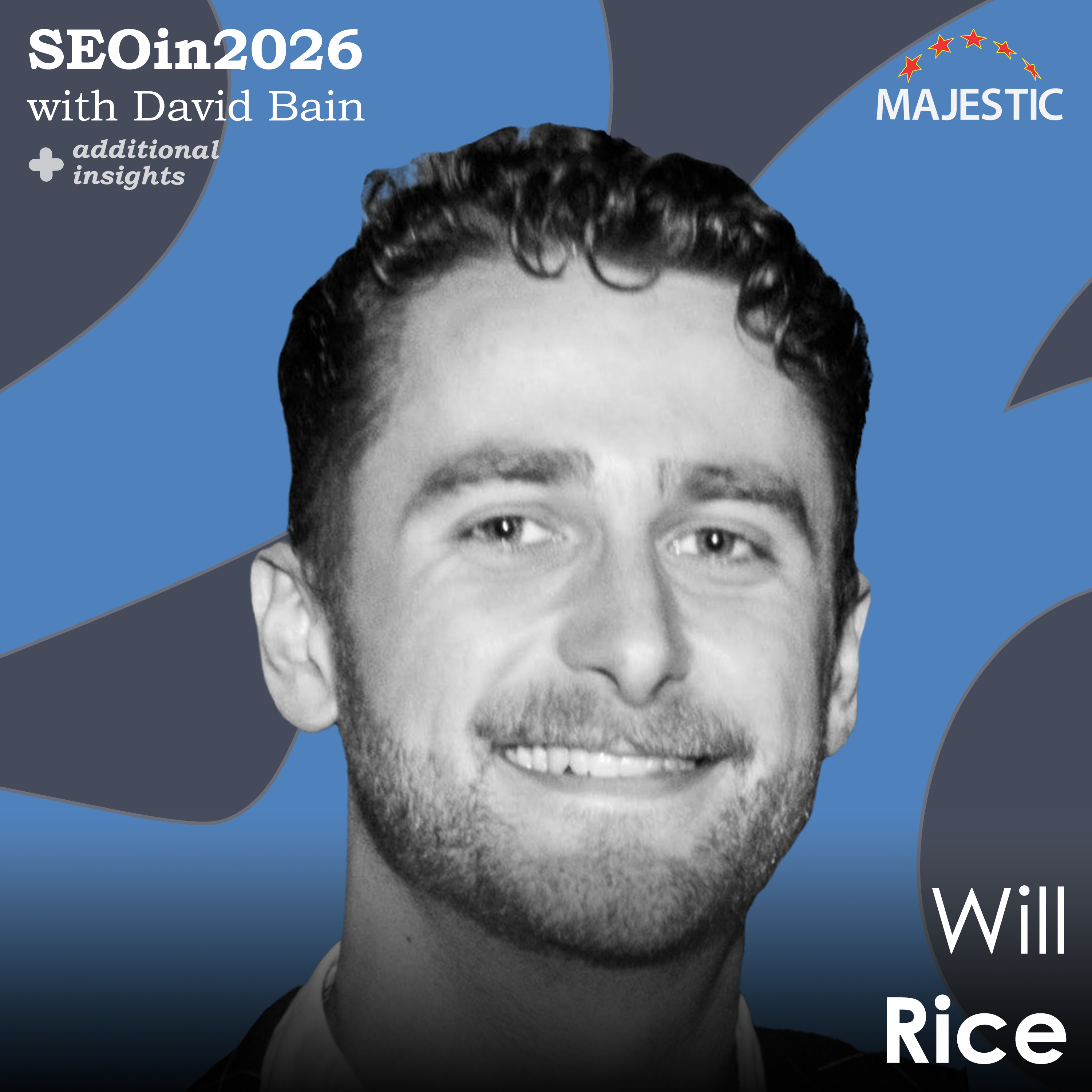
| 7/8/26 | traffic conversionuseful tools+3 | Will Rice | Majestic.com | — | trafficconversion+5 | — | 18m 26s | ||
| 7/2/26 |  Stop obsessing over AI – with Taylor Kurtz | Taylor Kurtz provides our final SEOin2026 tip, advising that we stop obsessing over AI and instead, focus on high quality content.Taylor says: “Do not obsess about AI. Don't obsess about it.”Why shouldn't you obsess about it?“I'm sure a lot of people have helpful suggestions about it, but frankly, it's all so new that it’s on a trial basis. Anyone saying that they know what to do for this environment, it's not true. They think they know what to do, but nobody knows for sure. It's all based on: What am I doing that's working? What are my peers doing that's working? How do we navigate this?Google has not provided any guidance – and even if they did, who really cares? As we saw with organic search, even if they did provide specific guidelines, those aren’t always true. My issue is more the fact that people feel so concerned about it. For instance, I have so many clients asking, ‘How am I doing on ChatGPT?’, but a study came out yesterday showing that referral traffic from ChatGPT from July 21st through yesterday (August 26th) was down 52%.AI is not going anywhere, and we're very much going to have to adapt to it, but I do not think search will change very much. We're going to have to adapt to utilising it as a new technology, similar to how we had to adapt to voice searches using Siri and things like that.One thing that really does bother me is seeing so many people online talking about GEO, or Generative Engine Optimization. To me, that does not exist. If you want to really get down to the bare bones of it, the crawlers – whether they're crawling the robots.txt file or the newer llms.txt file – are still crawling your source code. The source of information is the same. I'm constantly hearing that GEO is the new thing because the landscape has totally changed with AI search. Typically, the people who say that then go on to present obvious and foundational tactics that have always applied to SEO. For example, ‘We should use schema.’One thing we've been really focussing on with our clients is making sure that the authors have authoritative bio pages that show their credentials and show who they are. Are the articles fact-checked? However, that all pertains to EEAT (Experience, Expertise, Authority, and Trust), which has been an acronym in SEO for going on a decade. | 17m 57s | ||||||
| 7/1/26 |  Don't neglect traditional SEO just yet - with Stefan Lozo | Stefan Lozo shares the importance of not neglecting traditional SEO int eh age of AI. Talking points include: What activities would you describe as traditional SEO? How should an SEO define their services in 2026? How should this be communicated with clients? What happens if clients push back and are looking for other services or ways of doing things? How do you set realistic expectations for clients? Is it a good idea to do white label SEO for other agencies? How do you see the traditional agency SEO offering continuing to evolve? | 15m 57s | ||||||
| 6/30/26 |  Escape the backlog – with Michael MacMillan | Michael MacMillan shares our penultimate piece of advice by encouraging you to ensure that all the good SEO that you already intend to do, is being done. Michael says: “While AI is flooding the web with content, it’s also assisting teams to create huge strategies and big plans. However, we're still not seeing them getting executed.”What does execution actually mean, and why is it not happening?“Imagine that you’ve gone through and done an SEO audit; you've explored all the opportunities, you've gone through the competitor set, and you've gone through what you have for existing content and how you're performing.Then, you get this beautiful list of what you should do to get things done – much like going to the physio, where you get a list of the exercises you should do when you're not at the physio. In the meantime, between visits, the work's not getting done.There's definitely a place for using AI. It's great at analysing data. It's great for giving a first draft of a piece of content. We're leveraging it to get content briefs put together and get a first draft of content. However, a lot of the time, we're seeing things getting shelved.Priorities start getting pulled. It's sometimes the fact that there is a whole lot that needs to get done. A lot of marketing teams are dealing with having fewer people to execute with, and they're having to rely on other sources to get things done.” | 14m 46s | ||||||
| 6/29/26 |  Make yourself discoverable and stay agile – with Reena Bowden | Reena Bowden agrees with Jade Pruett about the ability to stay agile as we move through 2026.Reena says: “Make sure that you are discoverable, and be agile with optimizing your business for AI-driven search and answer engines. We're also talking about GEO and AIO, not just for traditional search.To be discoverable and agile, you need to be proactive and not just reactive to market changes because things are moving fast.”How would you summarise the key elements of making your brand discoverable in the age of AI, and how has that changed in the last few years?“Not only have things changed in the last two years, but things have changed more than they have in the last 10 years.Just when you think that SEO is going to become boring, it becomes less boring once again. Gone are the days of just building pages for SEO: looking at your keywords, publishing content, and then waiting a few months for the results. Things have changed so much recently, but things are changing again very fast.The question is, how do you remain discoverable and remain visible in this world? You have to work on your assets and materials (whether that’s information or insights – including those that are owned, earned, and paid) to continue being visible in that new AI world, but it's also important to be mentioned in citations.To remain top-of-mind and visible, there are a number of things that you can do to make sure that you continue being SEO-friendly, but you are also AI-friendly. However, it's important to be recognised by the outside world as well. Off-page SEO and, increasingly, digital PR are gaining importance. All of these high authority, trusted sources are becoming very important, as are citations.It's important to understand what AI is looking at when it's looking for information about you. That is where I see the game changing.” | 20m 46s | ||||||
| 6/26/26 |  Forget best practices and get curious – with Jade Pruett | Jade Pruett is keen to highlight that best practices that existed in the past aren’t necessarily best practices for the future.Jade says: “Forget best practices. SEO in 2026 is about moving beyond checklists and leveraging your own expertise to build effective, trustworthy, and AI-ready strategies.”What best practices do we need to forget?“In the industry, we've become a bit stuck in our checklists. That's often our safe space, as SEOs – especially when you work in an agency setting.Maybe you have a productised system that you offer your clients. So, your SEO has been limited to, ‘We're going to create X number of blog posts every month. We're going to follow these rules that we see online about what matters and what doesn't.’ You provide your SEO services, whether they're really moving the needle for the client or not.In 2026, especially with AI search coming out, things with Google are changing so quickly. It's time to take a step back and really trust your own gut on what's going to move the needle forward for your clients.” | 15m 56s | ||||||
| 6/25/26 |  Embrace scepticism and think more critically – with Petra Kis-Herczegh | Petra Kis-Herczegh encourages you to be more critical in your thinking – and not to initially accept everything at face value.Petra says: “Embrace healthy scepticism.In a time where the SEO industry is drowning in new AI metrics, from AIO attribution to vector index presence, we need to understand that we don't have robust, standardised methods to validate these just yet.When tools show you things like AI visibility, you should be asking: What's the sample size behind this? What's that number or percentage based on? How are these metrics defined? Is the tool actually using LLM training data, or are they reverse-engineering the attribution models?Embracing healthy scepticism and using critical thinking isn't a new thing. It's not a new process; we’ve had to use it before, but this situation makes it crucial. Previously, when featured snippets appeared, we had to completely rethink how we evaluated our existing Google Search Console data, because it now meant something different because of the change, and it was in a new context. We’ve had to ask these questions, and not just chase new metrics, but evaluate the data that we are basing decisions on.Part of the problem now is that people are trying to look at these shiny new metrics as something that they can base decisions on, when they actually might change in a month or two. Everyone's still collecting data, looking at that attribution model, and trying to learn how these LLMs understand your websites, do vector embeddings, understand context, and serve answers – and the models change all the time as well, so that plays a part.Before you bet your credibility on a shiny new dashboard, you need to ask yourself: What would you actually do differently with this data? Do you have any other way to validate this from something that you already trust and know to be proven?If you can't answer those questions, you are just chasing the hype instead of thinking critically.” | 16m 33s | ||||||
| 6/24/26 |  What Data Sources Should You Be Feeding LLMs? With Andrew Melnychuk Oseen | Andrew Melnychuk Oseen shares that for effective SEO in 2026 you should be aware of what data sources you're feeding LLMs. Discussion points include: What data sources should you be hooking up to LLMs? What are your go-to LLMs at the moment and why? What are the common mistakes that tend to be made in doing this? What end result are you looking for? Is there any data type that you shouldn’t be getting LLMs to analyse, where human SEOs should be doing the analysis by themselves? You say that AI isn't going to replace human judgement - what does this mean in practice? | 16m 25s | ||||||
| 6/23/26 | 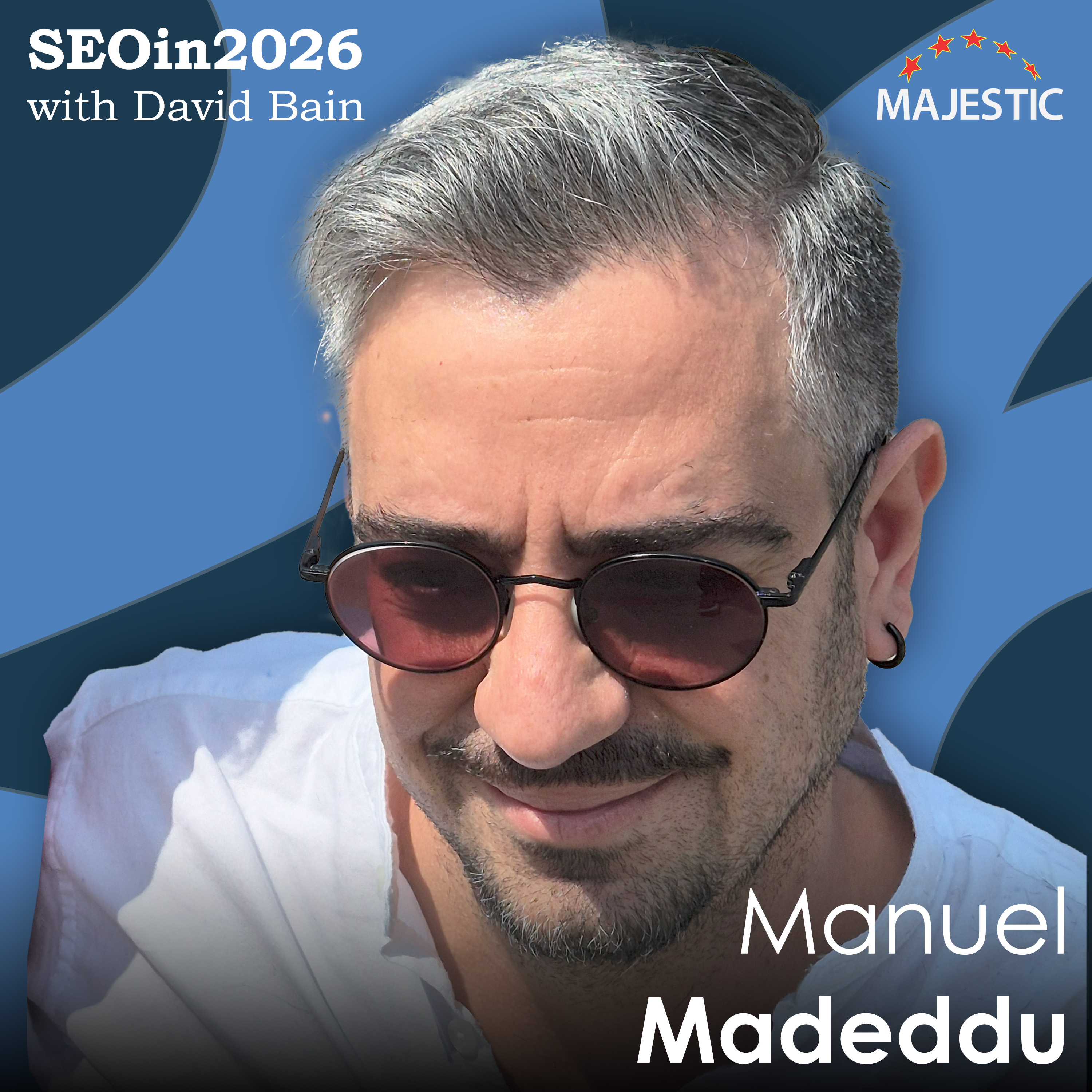 Be flexible and prepare to adapt – with Manu Madeddu | Manu Madeddu highlights that the ever-changing world of SEO means that flexibility and being able to continually adapt will be integral parts of future success.Manu says: “Be flexible and be ready to face the unknown.Essentially, be prepared to adapt to all the new and broader challenges we have as marketers, and also flexible enough and ready to absorb knowledge, data, and information about things you might not know, but need to explore.”How do you incorporate flexibility into an SEO strategy?“Long story short, try to anticipate trends. Be flexible by being able to detect trends and adjust your strategy on the go. Don't be stiff and only stick to what was planned 6 or 12 months before, because trends can change swiftly nowadays.Also, you might find that users are changing their behaviour. They may be using a feature or a platform now, but then switch because of recent changes and technological advancements. That’s the kind of flexibility you need in terms of technology and strategy.You also need to be able to discuss and have a more holistic approach. Don't just focus on what you do as a marketer. SEOs tend to work in their silo and just focus on Excel spreadsheets and optimizations. Now, you need to be flexible. Discuss with other teams and other channels to find the best way to achieve the business targets – not only for your channel but overall.” | 16m 08s | ||||||
| 6/22/26 |  Surround yourself with the right people – with Sarah McDowell | Sarah McDowell shares that surrounding yourself with the right people is a key part of maintaining personal growth.Sarah says: “Community and your inner circle are not only essential for your well-being, but they are also so important for your career progression as well.”Why is community relevant to SEO?“When it comes to SEO and career progression, as in any industry, looking after your own well-being and looking after yourself is so important. It prevents things like burnout, imposter syndrome, not feeling confident enough to push yourself forward, and not having confidence in your own skills.One of the reasons why Tazmin and I started the SEO Mindset Podcast is that there are lots of great podcasts out there that tell you how to do SEO, but there was a gap for a podcast talking about career progression, personal growth, and mental health for those who work in SEO.Those softer skills are really important. They're at the core of all of that lovely growth.” | 15m 54s | ||||||
| 6/19/26 |  Invest in your skillset to advance your career – with Helen Pollitt | Our final chapter begins with Helen Pollitt taking a look at the skills you need to personally build, to remain as relevant as possible in the SEO workforce for many years to come.Helen says: “Keep your SEO career on track.When it comes to your skillset, you need to stop thinking of ‘SEO versus GEO’. Instead, you need to understand how to apply your organic discoverability skills to each and every channel that you may need to – and how you can use AI to enhance those skills.”How much of your SEO time should you focus on developing those skills?“SEO is a career that is constantly changing, and not just in the sense that what works in SEO is changing. The tools and educational platforms that are available are changing as well.As a result of that, we really need to be investing a lot in our own careers and in our skill sets. I like to spend at least a little bit of time every day dipping into articles, watching webinars, or just making sure that there's no breaking news within the SEO industry that I'm missing.Treat it like an investment. Make sure that you are spending a significant portion of your time investing in those skills and keeping current with what's going on, without succumbing to the hype and fear-mongering that also seems to go around the space at the moment.” | 16m 32s | ||||||




Showing 25 of 500
Pitch Fit is a Pro feature
See how bookable this show is for guests, which brands already advertise, the per-episode ad value, and the best-fit guest and sponsor profile. The numbers are blurred on the free plan.
How readily this show books outside guests like you.
How proven this show is for host-read sponsorships.
For Guests
ProFor Advertisers
ProUpgrade to Pro to unlock guest cadence, sponsor categories, fit scores, and per-episode ad value for this show.
Chart history for SEO in 2026
Peaked at #13 in HU, currently #13 in HU.
| Market | Genre | Peak | Current | Trend |
|---|---|---|---|---|
| HU | — | #13 | #13 | — |
| Norway | — | #15 | #15 | — |
| Australia | — | #64 | #64 | — |
| Netherlands | — | #66 | #66 | — |
| RO | — | #67 | #67 | — |
| PL | — | #100 | #100 | — |
| India | — | #168 | #168 | — |
Chart Positions
7 placements across 7 markets.
Chart Positions
7 placements across 7 markets.