
Insights from recent episode analysis
Audience Interest
Podcast Focus
Publishing Consistency
Platform Reach
Insights are generated by CastFox AI using publicly available data, episode content, and proprietary models.
Most discussed topics
Brands & references
Est. Listeners
Insufficient chart data. Estimates will improve as the show charts.
- Per-Episode Audience
Est. listeners per new episode within ~30 days
N/A🎙 Weekly cadence·60 episodes·Last published 6d ago - Monthly Reach
Unique listeners across all episodes (30 days)
N/A - Active Followers
Loyal subscribers who consistently listen
N/A
Market Insights
Platform Distribution
Reach across major podcast platforms, updated hourly
Total Followers
—
Total Plays
—
Total Reviews
—
* Data sourced directly from platform APIs and aggregated hourly across all major podcast directories.
On the show
From 10 epsHosts
Not detected.
Recent guests
Recent episodes
James Tyson Currie | 'Missouri Mule: How Harry Truman’s Stubbornness and Determination Helped Win World War II and Led Him to the Presidency'
Jun 21, 2026
33m 55s
Michael Patrick Cullinane | 'Theodore Roosevelt and the Tennis Cabinet'
Jun 4, 2026
32m 27s
Derek Leebaert | Lessons from History as US Unleashes War Against Iran
Mar 8, 2026
31m 57s
Kourosh Ziabari | Award-Winning Iranian Journalist Offers Singular Perspective
Mar 1, 2026
32m 13s
R.R. Reno | 'Return of the Strong Gods: Nationalism, Populism, and the Future of the West'
Jan 30, 2026
43m 35s
Social Links & Contact
Official channels & resources
Official Website
Login
RSS Feed
Login
| Date | Episode | Topics | Guests | Brands | Places | Keywords | Sponsor | Length | |
|---|---|---|---|---|---|---|---|---|---|
| 6/21/26 | 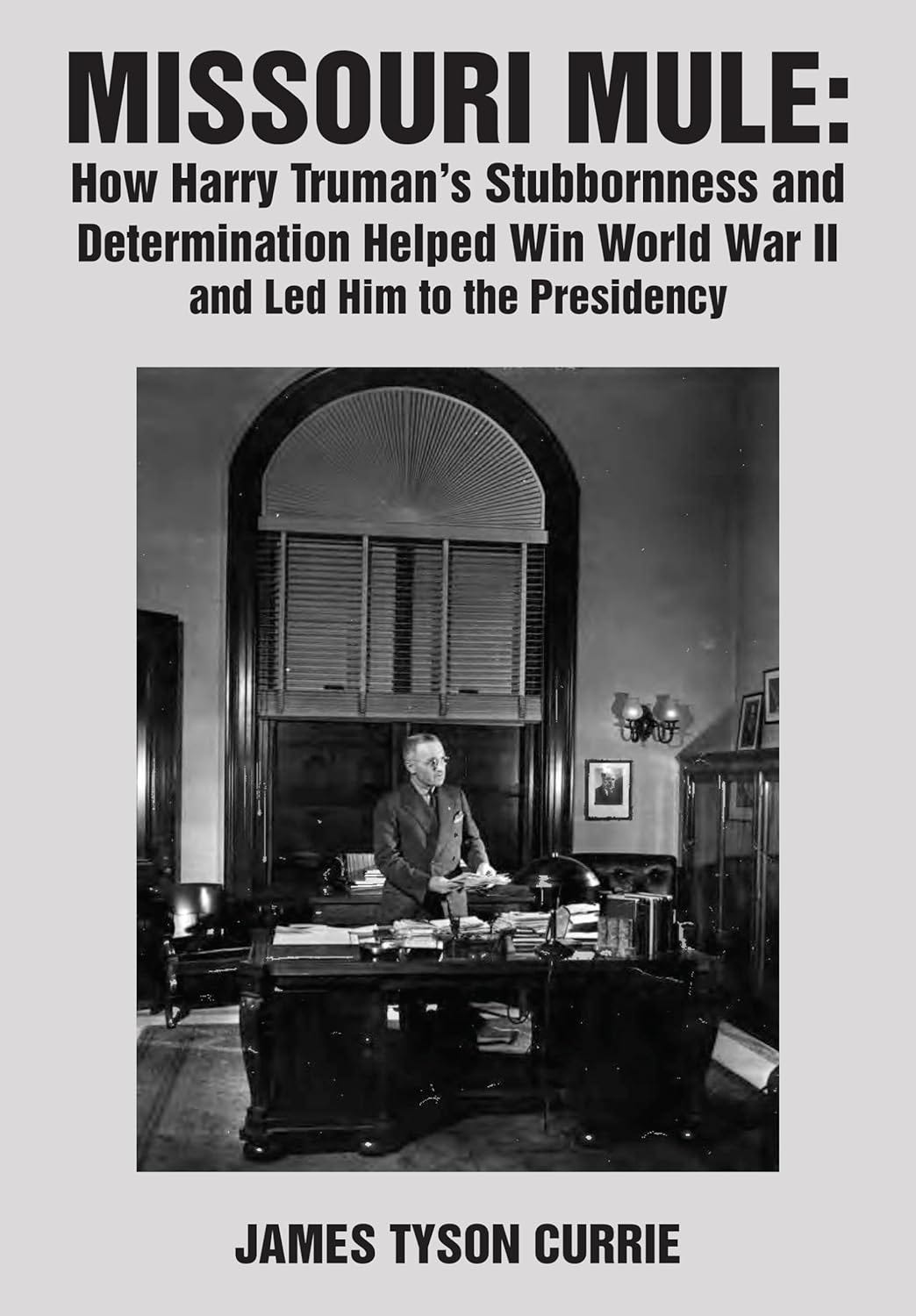 James Tyson Currie | 'Missouri Mule: How Harry Truman’s Stubbornness and Determination Helped Win World War II and Led Him to the Presidency' | James Tyson Currie combines academic rigor with the savvy garnered from experience in government to illuminate a critical, little-explored turn of American history: Missouri Mule: How Harry Truman’s Stubbornness and Determination Helped Win World War II and Led Him to the Presidency.In four short years Senator Harry Truman ascended from back-bench obscurity to nomination as Franklin Roosevelt’s third and final vice president. Initially dismissed as the product of a notorious political machine, Truman distinguished himself in overseeing the operations of the unprecedented “arsenal of democracy.” His reputation for personal probity was bolstered by savvy in dealing with other political actors. In this wide-ranging discussion, Currie discusses Truman’s complicated relationship with FDR, his effectiveness in the Senate, and the enduring role of personal character in our politics. He makes the case for why Harry Truman still matters—eight decades since his consequential presidency played an indispensable role in the creation of the postwar world order.Publisher’s SummaryOn February 3, 1940, Harry S Truman, a freshman Senator from Missouri, held a press conference to announce that he would run for reelection. Truman also said that year that President Franklin Delano Roosevelt should not run for a third term as president because, in Truman’s words, “There is no indispensable man in a democracy.” Roosevelt ignored Truman’s admonition, secured the Democratic nomination, and ran successfully for a third term. Roosevelt punished Truman by pitting the White House political apparatus against him in the Missouri Democratic Senate primary. His plot to defeat Truman failed, however, and Truman was reelected. Four years later, Roosevelt chose Truman as his running mate, a decision that led directly to Truman’s becoming president when Roosevelt unexpectedly died only eighty-two days into his fourth term. Why, then, did FDR choose Truman over all others? The answer to that question is the primary subject of Missouri Mule, prize-winning author James Currie’s new book, which traces Truman’s rise from Senate backbencher in 1940 to Roosevelt’s running mate in 1944. As secondary—and intriguing—themes, this book draws upon extensive original research in the National Archives to expose massive Army and Navy wartime bungling and wastefulness and reveals how some U.S. corporations were more interested in increasing shareholder dividends and corporate profits than in providing the quality materiel needed to defeat the Nazis and the Japanese. As chair of the primary Senate oversight committee that investigated our country’s World War II defense build-up and expenditures, Harry Truman displayed all the best characteristics of the Missouri mules he had worked with as a young man on his farm: the stubbornness and determination that helped us win the war and made him one of our best presidents.Critical Acclaim“An amazing job of research and the writing is clear and precise ... scrupulous in not going beyond the evidence and avoiding idle speculation ... I’m sure the book will get a favorable reception.” —James M. McPherson, George Henry Davis ’86 Professor of American History Emeritus, Princeton University; Pulitzer Prize for History for Battle Cry of Freedom (1989)“This is an impressive work. James Currie has organized the book around issues where the committee’s investigations led to significant improvements in the American war effort: jolting the Army out of bureaucratic intransigence; compelling the Navy to adopt civilian-designed ships; forcing defense contractors to make improvements to military equipment; and even improving the morale of soldiers in their camps.” —Donald A. Ritchie, Historian Emeritus of the U.S. Senate“A masterful account of a key episode in American history—Harry Truman’s leadership of the key Senate committee investigating government expenditures for World War II. This book provides an important and fascinating addition to our understanding of how the federal government operated during this historic conflict and gives valuable insights into the folkways of Congress, the realities of American politics, the functioning of the media, and the rise of Truman to the top of American politics as he became Franklin D. Roosevelt’s vice president and successor. The research is meticulous; the writing is lucid, and the storytelling is vivid and entertaining.” —Kenneth T. Walsh, longtime U.S. News & World Report White House correspondent, past president of the White House Correspondents’ Association, and author of ten books about the presidencyAbout the AuthorJames Tyson “Jim” Currie grew up in Jackson, Mississippi, and graduated summa cum laude from the University of Mississippi with majors in history and political science. He then attended the University of Virginia, from which he received his M.A. and Ph.D. degrees in history. Dr. Currie is also a graduate of the Army’s Command and General Staff College and the Defense Department’s Industrial College of the Armed Forces, now the Eisenhower School for National Security and Resource Strategy. He taught history at Mississippi College, Millsaps College, Jackson State University, and the Industrial College of the Armed Forces at National Defense University. He was the first Historian of the U.S. Department of Education and Associate Historian of the House of Representatives. He worked for Senator Lloyd M. Bentsen, Jr. as speechwriter, legislative assistant (defense and foreign policy), and staff member on the Senate Select Committee on Intelligence. While on the SSCI staff, he also worked for Senators David Boren and John Glenn. Dr. Currie served a total of thirty years, active and reserve, in the U.S. Army, retiring with the rank of Colonel. His military awards include the Legion of Merit, four awards of the Meritorious Service Medal, and the Army Parachute Badge. His last assignment was with the Army’s Office of Legislative Liaison. Currie is the author of five books and twenty-five articles, one of which was awarded the Charles Thomson Prize by the National Archives/Southern Historical Association. He is a longtime member of SAG-AFTRA (AFL-CIO) and has appeared as a background performer in the television series House of Cards and Homeland. Currie lives in Fairfax County, Virginia, with his wife Janis. They have one son, Matthew, who practices as a clinical psychologist in Maryland.The New Nationalist™ is an independent, non-partisan publication advocating political reform. Your support makes this project possible and is greatly appreciated.Image Credit | Author photograph, via James Tyson Currie. Get full access to The New Nationalist at jamesstrock.substack.com/subscribe | 33m 55s | ||||||
| 6/4/26 | 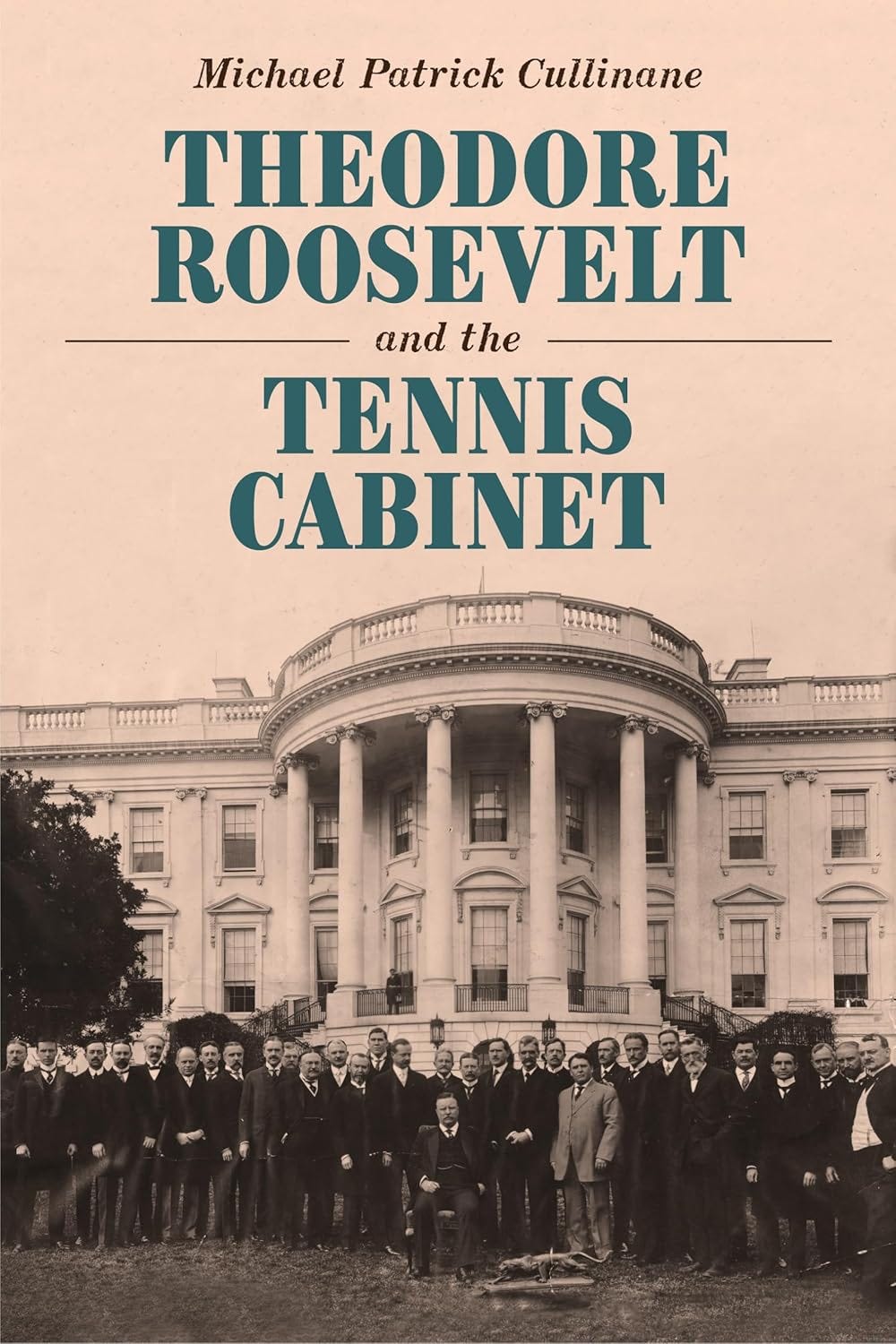 Michael Patrick Cullinane | 'Theodore Roosevelt and the Tennis Cabinet' | Michael Patrick Cullinane is acclaimed as at the top rung of Theodore Roosevelt scholars of his generation.His latest book, Theodore Roosevelt and the Tennis Cabinet, has garnered enthusiastic reviews, including in the Wall Street Journal.Cullinane combines a scholar’s exacting standards with an entertaining, readable prose style. Recognizing the parallels of Roosevelt’s era with our own, he makes history relevant and vivid. In this wide-ranging discussion, Cullinane pulls the curtain back on the extraordinary group of informal advisers that our twenty-sixth president summoned to service as he pulled the presidency and the nation into a new century. As ever, TR’s life and work yield timeless lessons for rising generations facing new challenges.Publisher’s SummaryIn his final days in office in 1909, Theodore Roosevelt invited dozens of friends to the White House for lunch. They had never met as a group, but they had one thing in common: Each played tennis with the president and advised on policy matters. Roosevelt half-joked that the public would never know how much these tennis partners did to make his administration a success. Journalists dismissively called them the “Tennis Cabinet,” making light of their contribution, but Roosevelt knew otherwise.This inner circle led the administration’s campaigns against corporate greed, investigated public health violations, and formulated consumer protections. They founded environmental conservation policies, prosecuted civil rights violations, and implemented bureaucratic efficiencies that saved the government billions. Roosevelt’s tennis mates shaped the nation’s diplomacy, ending wars and promoting American interests abroad.Never had a more eclectic group advised a U.S. president. The Tennis Cabinet included legendary frontier lawman Seth Bullock and the starched-shirt corporate lawyer Henry Stimson, who served in five presidential administrations. Texas wolf wrangler Jack Abernathy played with stuffy bureaucrats like Labor Commissioner Charles Patrick Neill and social activist James Bronson Reynolds. The French ambassador Jean Jules Jusserand spun yarns with football hero George Washington Woodruff and Roosevelt’s college friend and banker Robert Bacon. James Garfield, namesake son of a martyred president, sipped mint juleps with Supreme Court Justice William Henry Moody. And J. P. Morgan’s silver-spooned son-in-law Herbert Satterlee kept company with rugged soldier Luther “Yellowstone” Kelly.For all their differences, these men shared a desire to help the president transform the nation from a parochial nineteenth-century republic into an imperial and industrial global power. They have escaped the attention of reporters and historians only because of Roosevelt’s towering celebrity. Turning away from Roosevelt as the singular force behind his administration, it is possible to see how the contributions of his Tennis Cabinet quietly sowed the seeds of the American Century.Critical Acclaim“The story of the Tennis Cabinet has largely been untold until now—but it clearly had an impact on the development of our Republic.” —Tevi Troy, Wall Street Journal“What the ‘team of rivals’ was to Abraham Lincoln, the ‘Tennis Cabinet’ was to Theodore Roosevelt. Michael Cullinane brings to vivid life an unusual menagerie of confidants and compatriots who met on the court to reshape a nation. This wonderful book reminds us that while many names are lost to history, no president, perhaps especially the great ones, works alone.” —Edward F. O’Keefe, author of The Loves of Theodore Roosevelt: The Women Who Created a President and CEO of the Theodore Roosevelt Presidential Library Foundation“Michael Cullinane has written a lively and perceptive book that will become essential reading for understanding Theodore Roosevelt’s effectiveness as president. TR stands as a towering presence in presidential history because of his modernizing energy and his eagerness to address real-life problems of the American people, but until this book we have not really understood how his many accomplishments came about. Read this book to understand how TR listened to forward-looking experts in his Tennis Cabinet and then debated with them how to get great things done.” —Kathleen Dalton, author of Theodore Roosevelt: A Strenuous Life“Theodore Roosevelt and the Tennis Cabinet is a prescient book that brings the contributions of certain men surrounding the president into sharp focus. While Roosevelt is often portrayed as the lone ‘man in the arena,’ Michael Cullinane reveals him as someone who regularly sought counsel from dozens of close advisers. . . . Cullinane’s book reveals a president who was far more aware of his limitations than many biographers would have us believe, and although still a strong man, Roosevelt emerges from the pages as a wise man too. This is an important, and eye-opening, book that is both timely and enjoyable to read.” —Darrin Lunde, author of The Naturalist: Theodore Roosevelt, a Lifetime of Exploration, and the Triumph of American Natural History“The twenty-sixth president was so larger-than-life that Michael Cullinane’s Theodore Roosevelt and the Tennis Cabinet comes as quite a surprise. This delightful study reveals the diverse and complex cast of characters that profoundly but quietly (for the most part) contributed to the long list of activities and accomplishments routinely attributed to Roosevelt alone. Cullinane sheds new and important light on Roosevelt and his administration. In doing so, he also provides a timely reminder of the power and significance of the advisers, official and unofficial, who allow even those presidents who appear to go it alone to, for better or for worse, expand their reach and exercise more control.” —Nancy C. Unger, author of Fighting Bob La Follette: The Righteous Reformer“Theodore Roosevelt and the Tennis Cabinet is an important examination of Roosevelt’s inner circle, those who helped him implement and carry out his policies. Michael Cullinane writes with flair and clarity, showing that Roosevelt could never have become a legend without his Tennis Cabinet. Highly recommended.” —Benjamin J. Wetzel, author of Theodore Roosevelt: Preaching from the Bully Pulpit“To say that TR was a ‘people person’ is an understatement. But in particular, Roosevelt loved interesting people. He treasured folks from whom he could learn something new or, even better, who might accompany him on an adventure. That verve for connection is what makes Theodore Roosevelt and the Tennis Cabinet such a treasure. In flowing prose and with deft attention to the ties that bound, Michael Cullinane tells the stories of the men who made up TR’s most important advisory group. What a fascinating bunch! It’s a rare book that can both tell buddy stories and offer exacting political analysis, but Michael Cullinane does it here. Dig in, you’ll be glad you did!” —Ryan Swanson, author of The Strenuous Life: Theodore Roosevelt and the Making of the American Athlete“Theodore Roosevelt was such a force of energy that he eclipsed others in his orbit. Michael Cullinane’s book brings these individuals to the stage. In compelling portraits, he illuminates the bureaucrats, diplomats, lawyers, and others who stewarded Roosevelt’s vision, fostered alliances, and preserved our nation’s natural heritage. Cullinane has made yet another important contribution to Theodore Roosevelt studies, giving us a necessary and wonderfully written lesson on governance.” —Gregory A. Wynn, chairman of the Theodore Roosevelt AssociationAbout the AuthorMichael Patrick Cullinane is a historian, an award-winning author, and the Walton Chair of Theodore Roosevelt Studies at Dickinson State University. He also serves as a Public Historian for the Theodore Roosevelt Association and contributes to the design and curation of the Theodore Roosevelt Presidential Library.In addition to Theodore Roosevelt and the Tennis Cabinet, he’s the author of Remembering Theodore Roosevelt (2021), Theodore Roosevelt’s Ghost (2017), The Open Door Era: U.S. Foreign Policy in the Twentieth Century (2017), and Liberty and American Anti-Imperialism. He has published several scholarly articles and editorials in The Hill, the Washington Post, Smithsonian Magazine, the Conversation, History News Network, BBC History Magazine, and have given commentary on C-SPAN, BBC, History Channel, Sky News, NPR, and CNN.A sought-after speaker, Cullinane regularly talks at universities, corporate events, libraries, professional associations, and other public venues.michaelpatrickcullinane.comThe New Nationalist™ is an independent, non-partisan publication advocating political reform. Your support makes this project possible and is greatly appreciated.Image Credit | Author photograph, Theodore Roosevelt Center. Get full access to The New Nationalist at jamesstrock.substack.com/subscribe | 32m 27s | ||||||
| 3/8/26 |  Derek Leebaert | Lessons from History as US Unleashes War Against Iran✨ | foreign policyIran+2 | Derek Leebaert | U.S. Central CommandCENTCOM+15 | USIran+5 | Operation Epic FuryU.S. Central Command+2 | — | 31m 57s | |
| 3/1/26 | 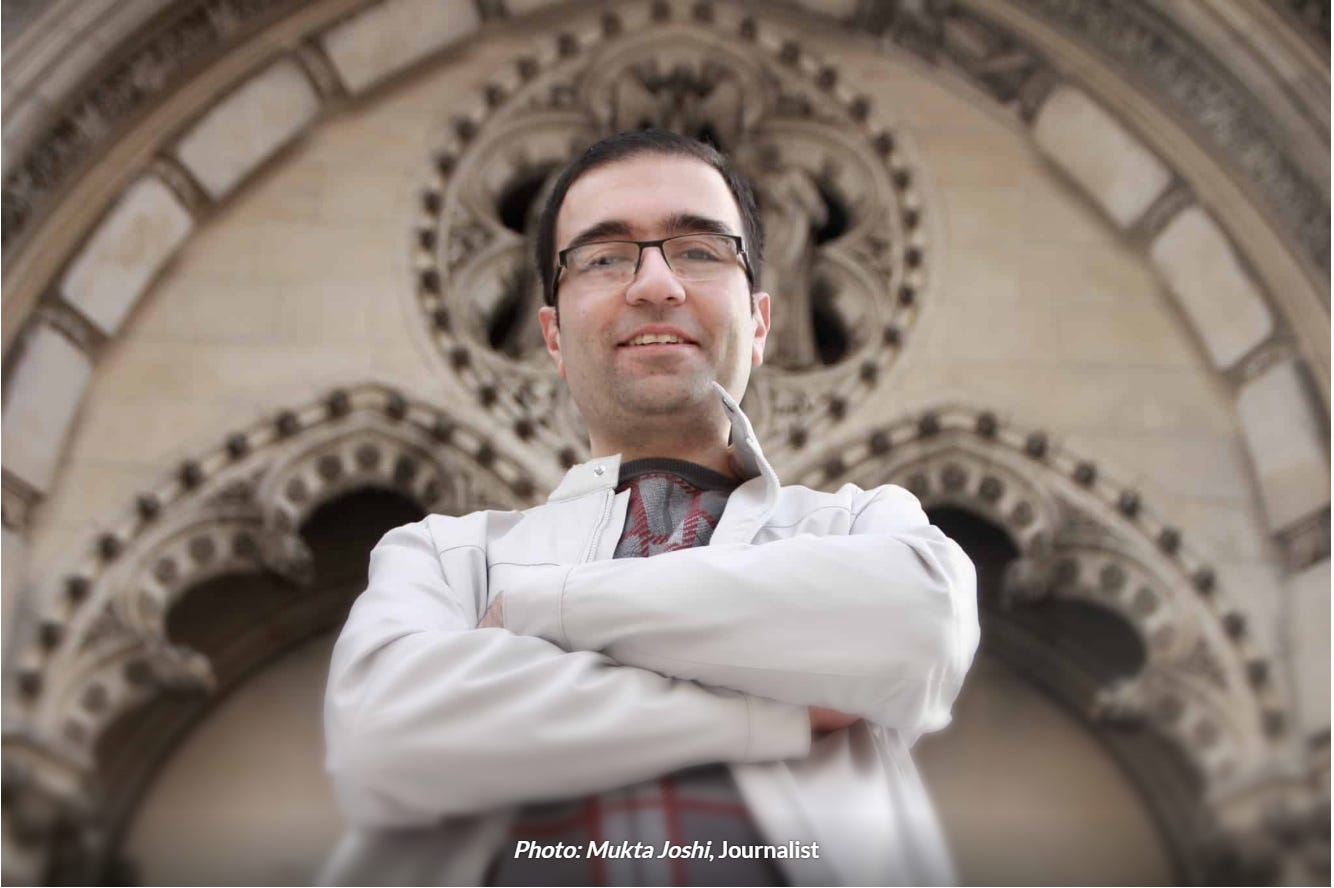 Kourosh Ziabari | Award-Winning Iranian Journalist Offers Singular Perspective✨ | IranUS-Iran relations+3 | Kourosh Ziabari | Columbia University Graduate School of JournalismPEN America+11 | The United StatesIran+4 | conflictdemocracy+3 | — | 32m 13s | |
| 1/30/26 | 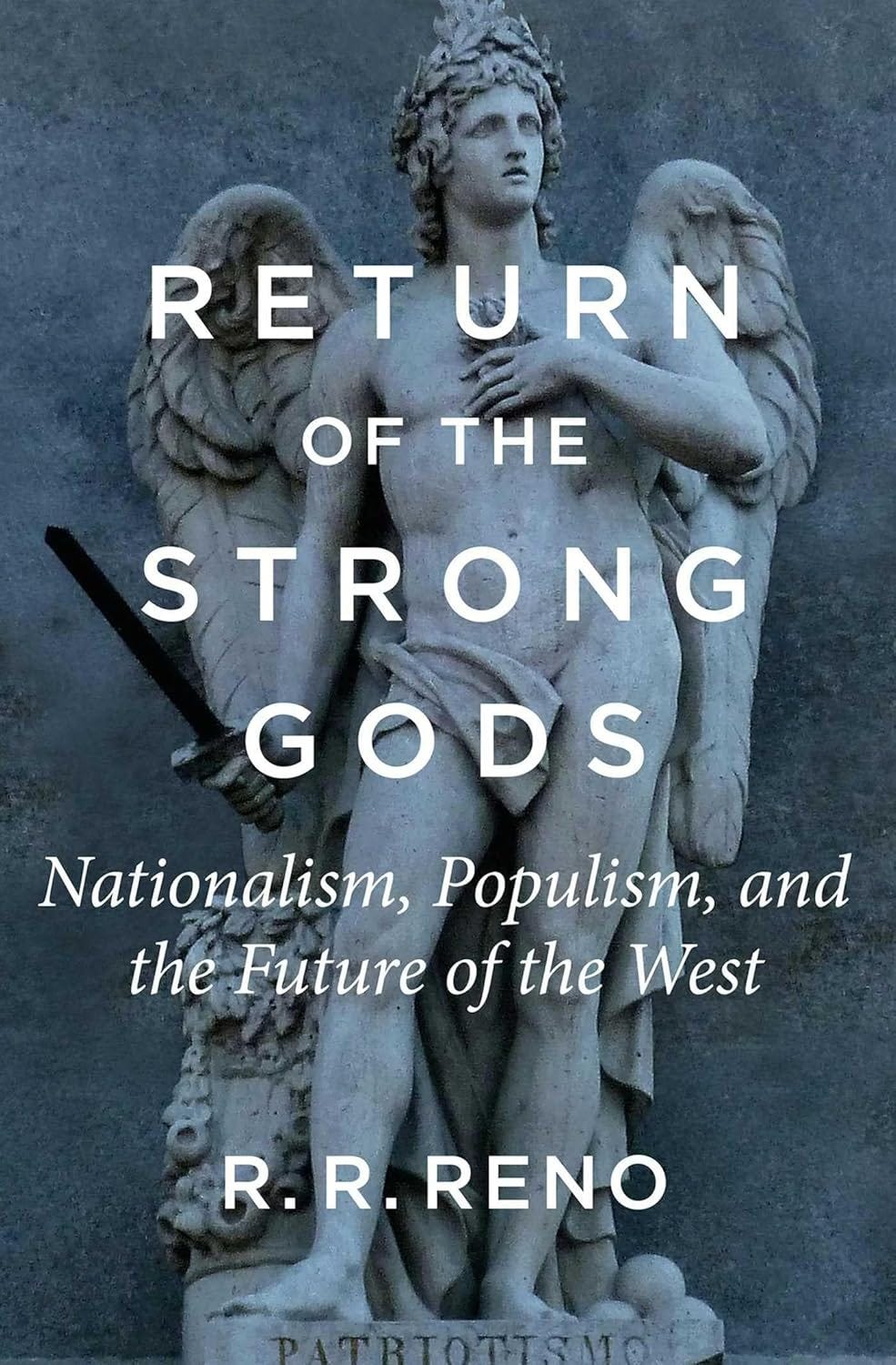 R.R. Reno | 'Return of the Strong Gods: Nationalism, Populism, and the Future of the West'✨ | nationalismpopulism+2 | R.R. Reno | Return of the Strong Gods: Nationalism, Populism, and the Future of the WestEuropean Union+14 | IsraelPalestine+10 | transnational elitescentrist consensus+2 | — | 43m 35s | |
| 12/23/25 | 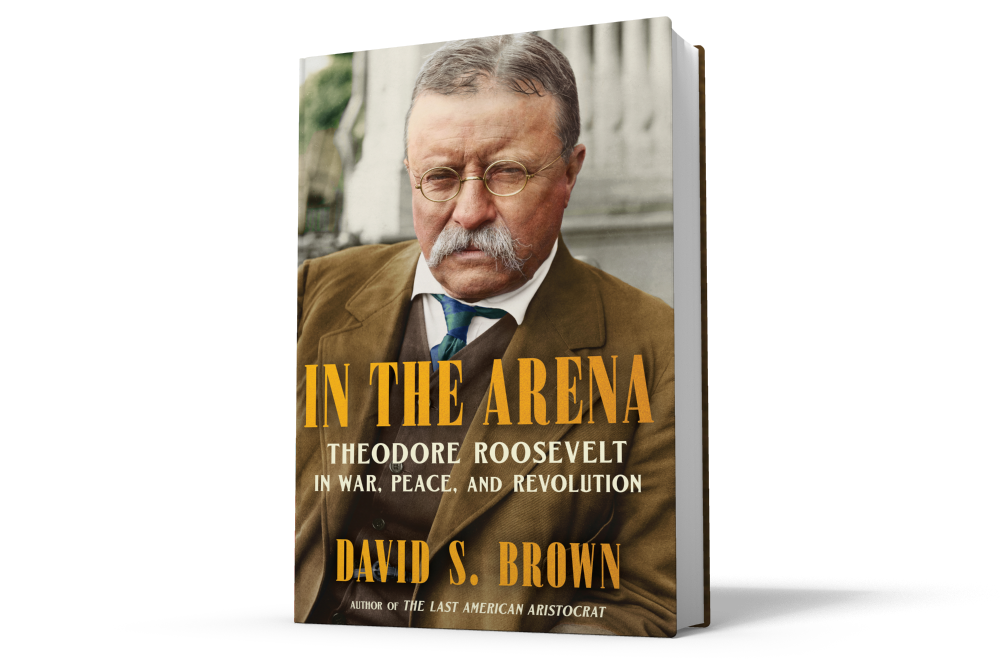 David S. Brown | 'In the Arena: Theodore Roosevelt in War, Peace, and Revolution'✨ | Theodore RooseveltAmerican history+2 | David S. Brown | In the Arena: Theodore Roosevelt in War, Peace, and RevolutionThe New York Times Book Review+13 | AmericaNew York+2 | warpeace+2 | — | 47m 02s | |
| 10/23/25 | 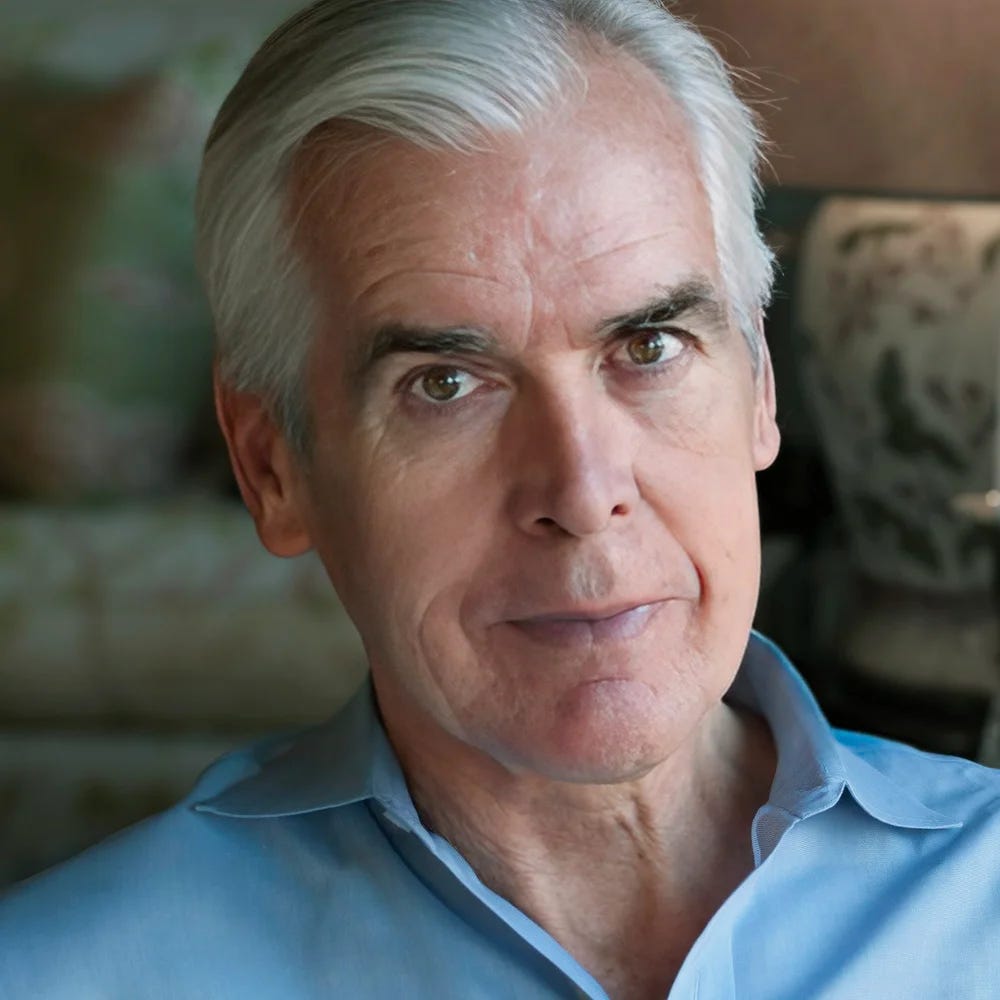 Philip K Howard-3 | 'Saving Can-Do: How to Revive the Spirit of America'✨ | governmentpopulism+2 | PHILIP K. HOWARD | Saving Can-Do: How to Revive the Spirit of AmericaCommon Good+1 | — | revivespirit of America+1 | — | 31m 58s | |
| 9/29/25 |  Samuel George | 'Lithium Rising: The Race for Critical Minerals'✨ | critical mineralslithium+3 | Samuel George | Lithium Rising: The Race for Critical Mineralsthe Bertelsmann Foundation+10 | USthe Global South+3 | electric vehiclese-bikes+4 | — | 38m 06s | |
| 8/21/25 |  Luke Nichter | Trump at 6 Months: A Preliminary Assessment✨ | politicsTrump+2 | Luke Nichter | The New NationalistNew York Times+1 | — | transformationpolitical analysis+1 | — | 47m 10s | |
| 4/24/25 |  Eric Storm | 'Nationalism: A World History'✨ | NationalismPolitical Ideology+2 | Eric Storm | Nationalism: A World HistoryUniversity of Chicago+2 | the United StatesUnited Kingdom+8 | University of ChicagoJohn Mearsheimer+10 | — | 34m 40s | |
Want analysis for the episodes below?Free for Pro Submit a request, we'll have your selected episodes analyzed within an hour. Free, at no cost to you, for Pro users. | |||||||||
| 2/28/25 |  John M Cooper | Woodrow Wilson in Context✨ | Woodrow Wilsonrace issues+3 | John M Cooper | Pulitzer Prize finalist book by John M. CooperPrinceton University+4 | — | presidential historyconsequential administration+1 | — | 1h 15m 36s | |
| 1/20/25 |  Elisabeth Griffith | American Women Making History: Past, Present & Future✨ | American womengender equity+4 | Elisabeth Griffith | The New NationalistAmerican Women Making History: Past, Present & Future | USthe Collective West | activismculture+2 | — | 56m 05s | |
| 12/28/24 |  Wade Davis | 'Beneath the Surface of Things: New and Selected Essays' | Anthropology is the study of what makes us human.With memorable elan, Wade Davis applies anthropology as a platform for exploring and illuminating a range of phenomena. A polymath possessing a restless intellect and unflagging energy, Davis explores the further reaches of the planet as well as familiar, often underexamined matters closer to home.As he gets beneath the surface of things, he reveals interconnections and conjures unexpected associations.In this episode of the Serve to Lead podcast, Wade Davis discusses his celebrated new book, Beneath the Surface of Things: New and Selected Essays.In conversation as in writing, he’s eloquent and insightful on topics ranging from the knock-on effects of the global pandemic to the potential for an actionable political project to address global climate disruption. Get full access to The New Nationalist at jamesstrock.substack.com/subscribe | 1h 06m 51s | ||||||
| 12/7/24 |  Ken Khachigian | 'Behind Closed Doors: In the Room with Reagan and Nixon' | In this episode of the Serve to Lead podcast, author Ken Khachigian discusses his important, highly readable, and critically acclaimed new book, Behind Closed Doors: In the Room with Reagan and Nixon.Khachigian has achieved a storied career in American politics. He has been a participant in some of the great events of the second half of the tumultuous twentieth century, including:—the improbable comeback of Richard Nixon, reaching the White House in the world historic year, 1968; —the high and low points of the extraordinary Nixon presidency, including the Watergate events and aftermath;—the Reagan administration and the Gipper’s historic campaigns; —the linkage of these California leaders and the Golden State to the wider arc of American history. Publisher’s SummaryIn Behind Closed Doors: In the Room with Reagan & Nixon, White House history is revealed like never before by Ken Khachigian as an eyewitness with two unprecedented perspectives: a unique, contemporary hands-on account of Ronald Reagan’s presidency and an exclusive chronicle of Richard Nixon’s emergence and political footprint in the first months and years after his resignation. Behind Closed Doors flows with insights, anecdotes and disclosures that reveal these men and their presidencies as never before.Ken Khachigian – trusted adviser, counselor and speechwriter to the Cold War’s presidential lions – brings readers behind the scenes as his bosses navigated crises, confronted opponents and staked their legacies. This intimate, riveting book takes you inside the Oval Office, Air Force One, Camp David and the Western White House as Khachigian opens his diaries, secret memos, and contemporaneous notes to share untold history.Get the insider’s view of the West Wing every moment of the week leading up to the day Richard Nixon resigned, then go to Nixon’s San Clemente home as the former president worked to rebuild his shattered reputation. Witness as Nancy Reagan emerges as critical partner, and even fierce challenger, to her husband. And learn of Nixon’s secret advice to Reagan, of Reagan’s preparation to meet with Soviet leader Mikhail Gorbachev, and the first-ever account of the exchange at Reagan and Nixon’s private meeting when both were former presidents. Eavesdrop on the dramatic decisions of the 1980 and ’84 presidential campaigns and be the first to know precisely how Reagan viewed his Revolution’s crusade.Khachigian provides a fascinating glimpse behind Pennsylvania Avenue’s iron gates and secretive oaken doors as he also exposes self-serving power-grabs, betrayals and intrigues that shrouded the capital’s halls.Critical AcclaimKen Khachigian has written the most lucid, most important work about the postwar period. For an inside look at how ugly politics can be—and how noble—you cannot miss this book. I still love Ken after fifty years and you will, too, when you read this jewel of a memoir. —Ben Stein, Economist, law professor, multi Emmy awarded actor, speechwriter for Presidents Nixon and Ford, novelist, and screenwriterThis is essential reading for anyone wanting to know how Ronald Reagan shaped his crusading message of economic growth through tax cuts and limited government. Khachigian’s is a fascinating account by one who takes you into the rooms where the decisions were made. —Larry Kudlow, Host of Fox Business Network’s “Kudlow” and Former Director, National Economic CouncilTo understand Nixon and Reagan, the two crucial Presidents and coalition builders of the last third of the 20th century, the insights of Ken Khachigian, the confidant who advised them both, seem indispensable. —Pat Buchanan, White House Aide to Presidents Nixon and ReaganKen Khachigian is a great conservative and patriot, and his book will give you the inside view of a presidency that will go down in history as one of greatness and strength. —Ed Rollins, Ronald Reagan’s White House Political DirectorKen Khachigian offers a riveting account of his thrilling journey through American history at the sides of two monumental Presidents. If you care about where America has been, and where it’s going, this is a must-read! —Monica Crowley, Ph.D., Former Assistant Secretary of the Treasury, News Analyst and Bestselling AuthorKen Khachigian will draw you inside a generation of White House leadership and details how Reagan revived the American economy and lit a prairie fire of patriotism across America. —K.T. McFarland, American political candidate, former government official, and political commentatorMr. Khachigian, now 79 and retired (and an occasional contributor to this newspaper’s opinion pages), concludes his anecdote-rich book with an expression of gratitude to both Nixon and Reagan, saying that it was “wonderful good fortune for me to have been at their service, and, for the country, for each of them to have served.” —Wall Street JournalBehind Closed Doors is a rich repository of hitherto unknown but highly significant stories about two leaders who many of us thought we knew everything about but obviously didn't. —NewsMaxAbout Ken KhachigianKen Khachigian served as trusted speechwriter, confidant and strategist to political legends and presidential giants Ronald Reagan and Richard Nixon. Whether in the Oval Office, on Air Force One, at Camp David or the Western White House, Khachigian was an eyewitness and insider to the 20th century’s greatest historical moments.Widely regarded as the President’s favorite speechwriter, the remarks Khachigian crafted for Reagan’s delivery in 1985 at Bergen Belsen’s former concentration camp was described as the “best speech of his career.” Khachigian quickly mastered Reagan’s speaking style and gained his confidence after joining the candidate’s struggling 1980 presidential campaign – earning the distinction from political writer Anthony York as “an architect of Ronald Reagan’s 1980 White House victory.”Appointed Special Consultant to the President and senior White House staff member, they formed a unique personal relationship, beginning with Reagan’s acclaimed First Inaugural Address. Khachigian collaborated to craft language shaping the historic economic recovery plan that marked the fiscal revolution for America’s turnaround and renewed the national spirit. Khachigian teamed up with Reagan to prepare dozens of other prominent public addresses. Among them were Reagan’s re-election announcement and convention acceptance speeches in 1984, critical foreign policy remarks at the UN General Assembly, State of the Union remarks and speeches before Joint Sessions of Congress. Preparing to leave office, the President asked Ken to draft his dramatic 1988 Farewell Address to the Republican National Convention.Ken Khachigian is a sought-after speaker and commentator on public affairs based in Orange County, California.Image Credits | An employee of the Executive Office of the President of the United States, taken or made as part of that person's official duties., Public domain, via Wikimedia Commons Megan Gorman Get full access to The New Nationalist at jamesstrock.substack.com/subscribe | 1h 02m 21s | ||||||
| 10/23/24 |  Megan Gorman | 'All the Presidents' Money: How the Men Who Governed America Governed Their Money' | In this episode of the Serve to Lead podcast, author Megan Gorman illuminates a little explored aspect of our best-known political figures: their personal finances.We all know George Washington was our first president, our first of all firsts—First in War, First in Peace, First in the Hearts of His Countrymen.Was Washington also first in his financial and business acumen?Abraham Lincoln is shrouded in myth. Megan Gorman demonstrates how "The Railsplitter" may be an apt exemplar for young people today, overcoming hardscrabble beginnings, poor business decisions, crippling debt, and marital tensions to achieve financial independence.Gerald Ford is recalled as an accidental president, a footnote in history. Yet he emerges in Gorman’s reporting as the pioneer of the lucrative post-presidential career path that is now the norm.In this compelling book, Megan Gorman uncovers and distills the surprising and useful business and financial lessons of our commanders in chief.Publisher’s SummaryA journey through the personal money stories of the US presidents and how they built wealth—or didn’t.Was Harry Truman really our poorest president or simply a man up at 2 a.m. struggling with financial anxiety? Did Calvin Coolidge get bad advice from his stockbroker to buy stocks in 1930 as the market continued to crash? Is it true George Washington enhanced his net worth by marrying up?We often think of the US presidents as being above the fray. But the truth is, the presidents are just like us—worried about money, trying to keep a budget, and chasing the American financial dream. While some presidents like Herbert Hoover and Gerald Ford became wildly successful with money, others like Thomas Jefferson and Joe Biden struggled to sustain their lifestyle. The ability to win the presidency is no guarantee of financial security, although today it’s a much easier path to monetize.In All the Presidents’ Money, tax attorney and wealth manager Megan Gorman takes us on a journey to understand the different personal money stories of the presidents. Grit, education, and risk are just some of the different ways that the presidents over the last 250 years have made (or lost) money.With lively storytelling and rigorous research, All the Presidents’ Money reveals how some of the greatest leaders are the worst money managers and our least favorite presidents are good at making money.Critical Acclaim“Presidents’ personal finances open a window to their souls. In Gorman’s perceptive telling, presidents pair up in unexpected ways: Truman and Coolidge were both worrywarts. Eisenhower and Truman both wanted to reduce taxes on their book profits. FDR lost $24,000 in the lobster business. This book is the right gift for anyone in finance or accounting.” —Amity Shlaes, New York Times bestselling author of Coolidge“In this powerful book, Gorman examines the financial lives of American presidents and uses that as a platform to lay out clearly something that we all need to understand: the opportunity set for most Americans was greater in the past. But the insights she provides do not simply serve as a warning, they give us the understanding needed for a better future.” —Richard Vague, author of the Wall Street Journal bestseller The Paradox of Debt: A New Path to Prosperity Without Crisis“Few topics are more humanizing and relatable than an honest review of our relationships with money. In a fresh take on presidential history, Gorman lucidly examines the personal finances of those who have sat at the apex of national power and influence, resulting in stories of humility, grief, prudence, splendor, and extravagance. The power of ATPM is that within a few pages it becomes clear that every president demonstrates a thoroughly modern and relatable range of experiences with money and money management despite being the most powerful people of their respective times. The takeaways become more poignant when considering their mindsets toward debt, future discounting, and entrepreneurship, and how those are balanced on a wide-ranging continuum of financial fragility, outlook, and opportunity. This hard-to-put-down account should be required reading for anyone taking a personal finance or US history course.” —Dr. Billy Hensley, CEO, National Endowment for Financial Education“All the Presidents’ Money delves into the financial lives of America’s presidents, revealing the behaviors and decisions that shaped their fortunes. As someone who studies behavioral finance, I found her insights both fascinating and instructive. This book is a compelling read for anyone interested in the intersection of history, psychology, and finance.” —Dr. Daniel Crosby, author of The Soul of Wealth and The Behavioral Investor“Wow! Presidents are just like us. They worry about money, too! Or they don’t worry...and go broke on bad gambles and good wine, as the case may be. This is a fascinating book, a fun read, a financial history lesson, and I’m sure one that will have tongues wagging in Washington.” —Bruce Littlefield, New York Times bestselling authorAbout Megan GormanMegan Gorman is the founder and managing partner of Chequers Financial Management, a female-owned high-net-worth tax and financial planning firm in San Francisco, California. Megan’s clientele ranges from entrepreneurs to corporate executives to inheritors of family wealth. An attorney by training, she is passionate about the problem-solving required to work in the world of complex financial planning. Megan has been named to the Forbes 2022 and 2023 lists of America’s Top Women Wealth Advisors—Best in State.Megan spent the first twelve years of her career as a Vice President at Ayco, A Goldman Sachs Company. She was also a Vice President at BNY Mellon Wealth Management prior to launching her own firm. She has a BA in History from Bryn Mawr College and a JD from Rutgers School of Law.She is a senior contributor at Forbes and writes on personal finance and income tax. She is frequently quoted across prominent financial media outlets, including the Wall Street Journal, the Washington Post, CNBC, and US News.Megan is currently serving on the Board of Trustees for the National Endowment for Financial Education (NEFE). She is chairwoman of the Investment Committee for the $200 million endowment.Image Credits | Megan Gorman Get full access to The New Nationalist at jamesstrock.substack.com/subscribe | 54m 52s | ||||||
| 9/13/24 | 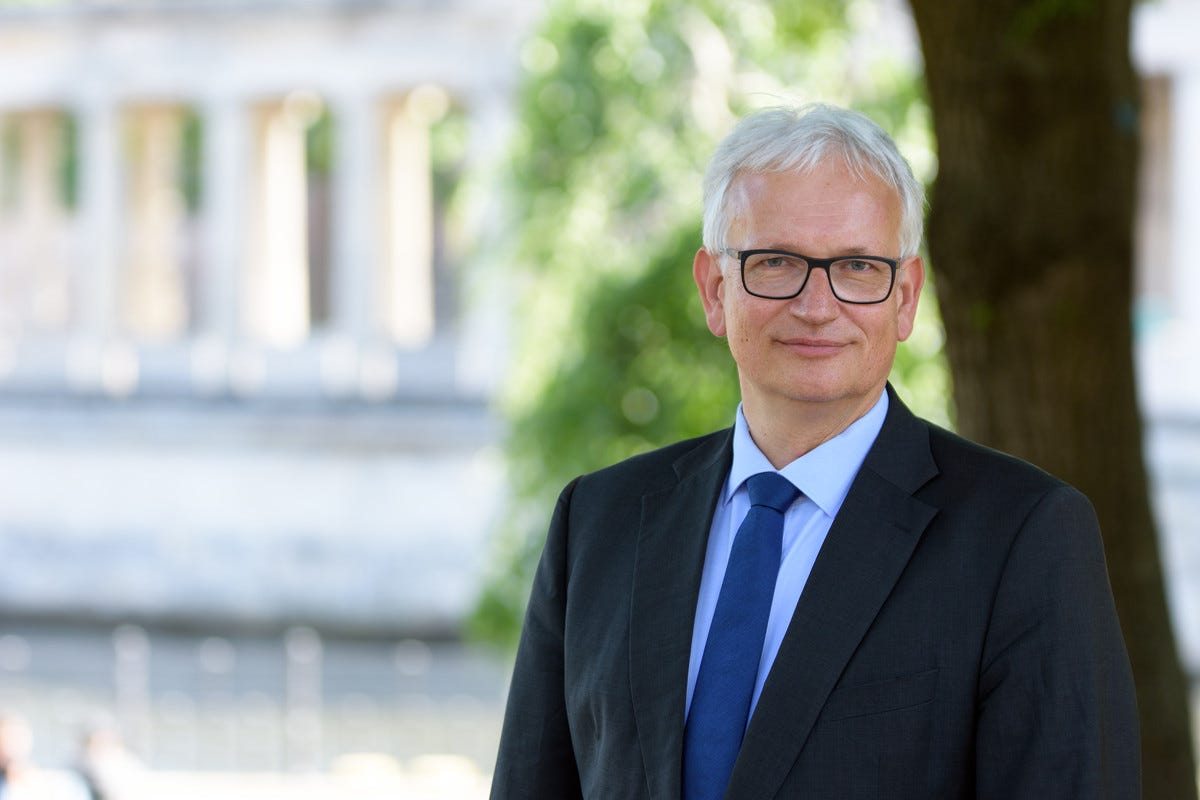 Juergen Resch | Echoes of 1924? Understanding Germany's Shock Elections | Germany sustained a political earthquake in recent elections in the eastern states of Thuringia and Saxony. The parties of the national governing coalition sustained grievous losses—and a populist surge propelled the right-wing Alliance for Germany to record votes. Some sense ominous echoes of the rise to prominence of the Nazi Party in 1924.Jürgen Resch is well suited to evaluate the historic changes underway. He leads the respected NGO, Deutsche-Umwelthilfe. He is a co-founder of the Euronatur Foundation, the Global Nature Fund, and the Lake Constance Foundation. Active worldwide, including throughout the European Union and the United States, he is a recipient of many recognitions, including the Haagen-Smit Award from the California Air Resources Board.The New Nationalist is a reader-supported publication. To receive new posts and support the project, consider becoming a free or paid subscriber.In discussion with James Strock, Resch illuminates the recent shock election results, including their implications for Germany and the broader European political landscape. He surveys the challenges faced by Germany's current federal government coalition, the rise of populism, and the decline of traditional political parties. Resch considers the consequences for environmental and energy policies in Germany, the impact of electric vehicles on the auto industry, and the future of renewable energy.Jurgen Resch is the author of a well-received book detailing his effective activist approach to environmental and energy politics: Druck machen!: Wie Politik und Wirtschaft wissentlich Umwelt und Klima schädigen–-und was wir wirksam dagegen tun können.Image Credit | Deutsche-Umwelthilfe. Get full access to The New Nationalist at jamesstrock.substack.com/subscribe | 47m 04s | ||||||
| 6/2/24 |  Elliot Ackerman | '2054: A Novel' | Elliot Ackerman is a widely respected writer. His reach extends across fiction and non-fiction, from novels to essays to memoir and commentary. He is an exemplar of Theodore Roosevelt’s ideal of service combining thought and action.In this episode of the Serve to Lead podcast, Ackerman discusses his bestselling new book, 2054: A Novel. This is a successor to 2034: A Novel of the Next World War. Each is coauthored with Admiral James Stavridis. A third volume, 2084, is also planned.Ackerman shares his views of the value of history and literature in comprehending the unprecedented challenges of our moment of global change and unrest—ranging from great power competition to climate disruption to the rise of new technologies, including artificial intelligence and biotechnology. He also reflects on how longstanding notions of spheres of influence may be transformed in our interconnected world. Get full access to The New Nationalist at jamesstrock.substack.com/subscribe | 28m 55s | ||||||
| 3/5/24 | 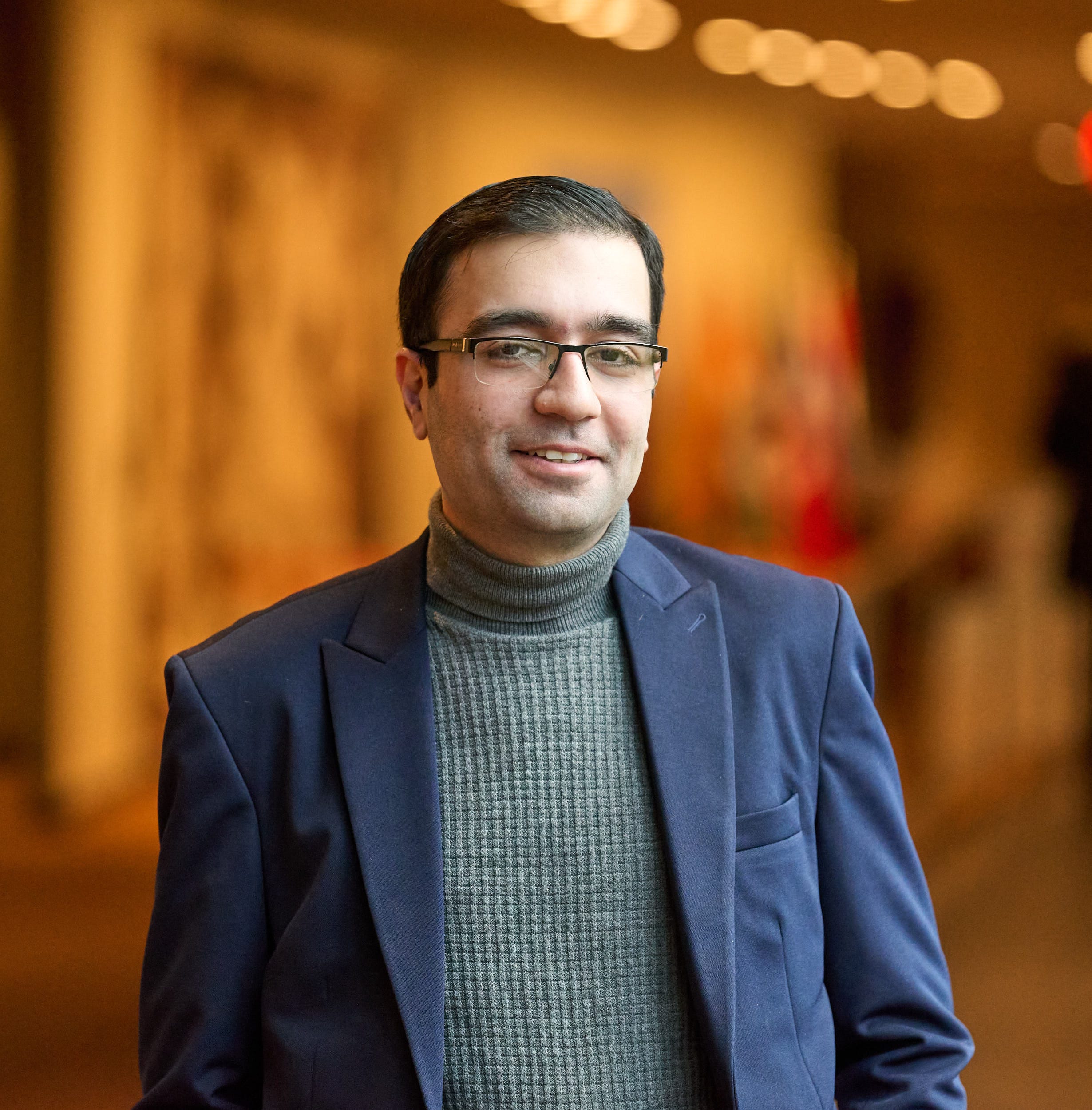 Kourosh Ziabari | Iran, America, and Our Intertwined Destinies | In this episode of the Serve to Lead podcast, noted journalist Kourosh Ziabari shares his perspective on the intertwined destinies of Iran and America. Ziabari represents a rising generation in Iran and the US. Currently enrolled in the master’s program of the Columbia Journalism School, he has accrued experiences worthy of an extended career. Ziabari urges Americans to distinguish between our reactions to the authoritarian regime in Teheran and our affinities with the Iranian people. Get full access to The New Nationalist at jamesstrock.substack.com/subscribe | 36m 45s | ||||||
| 2/24/24 | 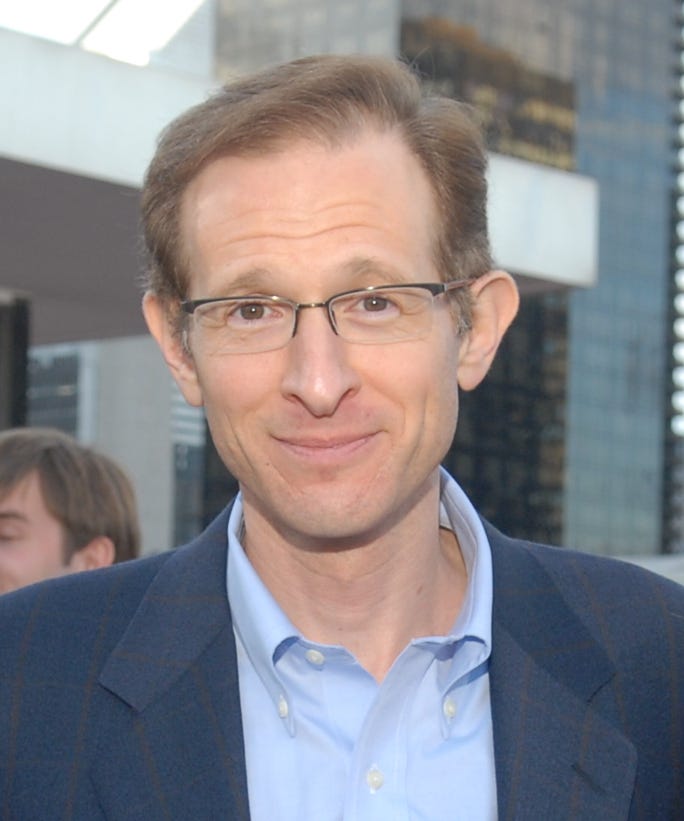 Benn Steil | 'The World That Wasn't: Henry Wallace and The Fate of The American Century' | Benn Steil is an award-winning writer in the fields of finance, history, and biography. He is a senior fellow and director of international economics at the prestigious Council on Foreign Relations in New York. In this episode of the Serve to Lead podcast, Steil discusses his important new book, “The World That Wasn’t: Henry Wallace and the Fate of the American Century.' He explains the ongoing significance of Henry Wallace to our understanding of a hinge point of history, with parallels to our current moment. Get full access to The New Nationalist at jamesstrock.substack.com/subscribe | 42m 45s | ||||||
| 1/19/24 | 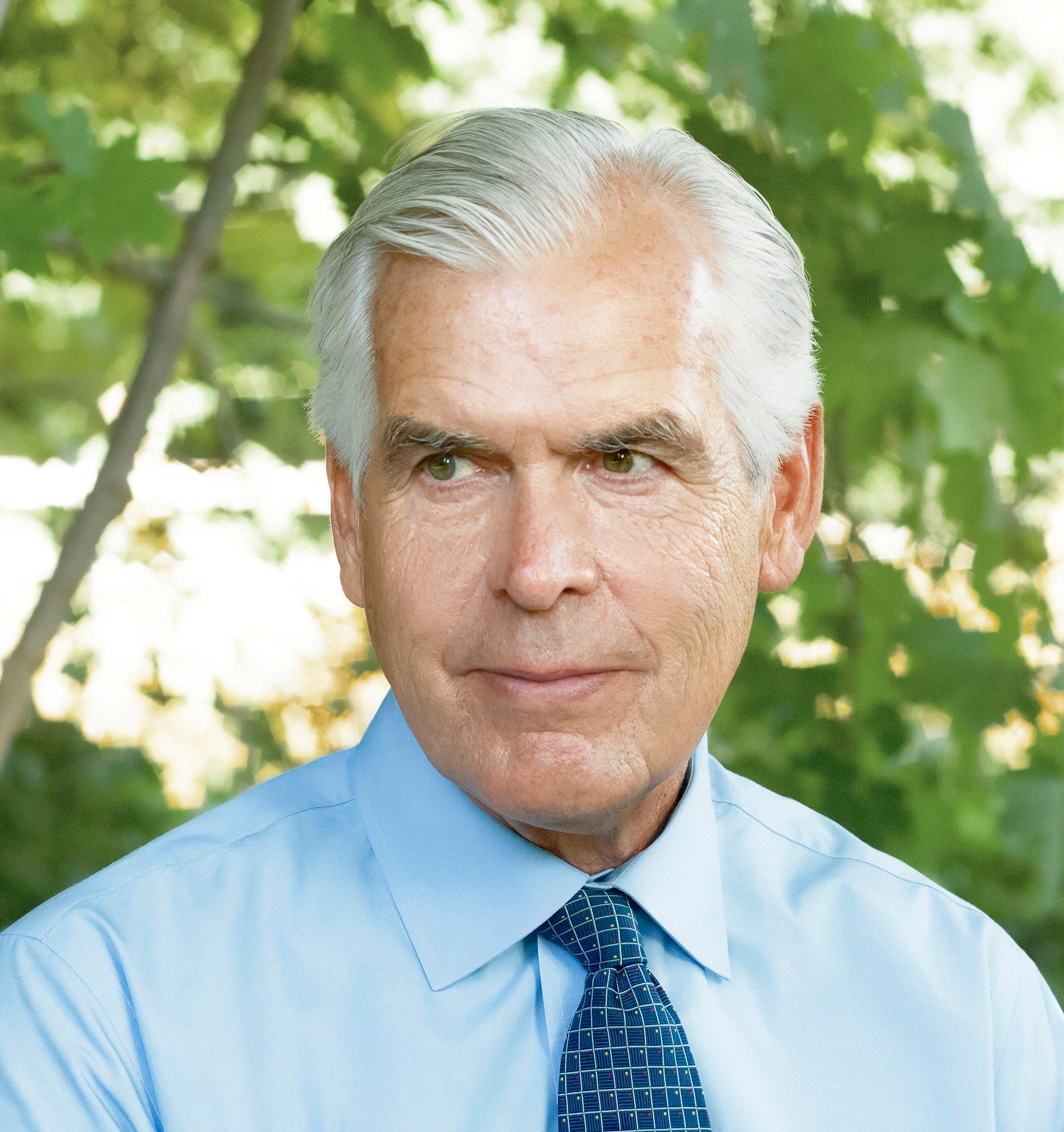 Philip K Howard | 'Everyday Freedom: Designing the Framework for a Flourishing Society' | Philip K Howard is a leading reformer of American law and government. He combines thought and action: A prolific, best-selling writer and frequent commentator who founded the non-partisan group, Common Good.He is the author of an eagerly awaited new book, Everyday Freedom: Designing the Framework for a Flourishing Society.In this episode of the Serve to Lead podcast, Howard discusses the urgent need and prospects for change, in time for vigorous and informed citizen engagement in the pivotal 2024 national elections. In additional to national issues, he offers informed perspectives on state and local developments, including the vast reach of the California state budget. Get full access to The New Nationalist at jamesstrock.substack.com/subscribe | 33m 58s | ||||||
| 7/28/23 |  Ted Van Dyk | Lessons from a Witness to American History | Can America overcome the political polarization and dysfunction afflicting us in recent decades?Or are our circumstances so dire and unprecedented that decline is inevitable and history holds few lessons?If you’re a pessimist, veteran political commentator and public official Ted Van Dyk would like a word.In this episode of the Serve to Lead podcast, Van Dyk applies his extraordinary experiences in politics, government, and academe, pointing toward the potential for positive change ahead. Get full access to The New Nationalist at jamesstrock.substack.com/subscribe | 54m 13s | ||||||
| 7/12/23 |  Jennifer Hernandez | Are Environmental Laws Undermining Environmental, Social, and Economic Progress? | Landmark environmental statutes of the past half-century are in the news—but in a way few might have anticipated: They stand accused of becoming impediments to effective governance, including environmental protection. In Washington, D.C., Senator Joe Manchin is leading congressional efforts to ensure that infrastructure improvement and electrification of the grid are not stymied by permitting delays.In Sacramento, California Governor Gavin Newsom, recognizing the same problem, is tussling with legislators to cut permitting delays that imperil priority projects in housing and climate. In this episode of the Serve to Lead podcast, noted environmental lawyer Jennifer Hernandez illuminates the stakes—and proposes common-sense reforms. Get full access to The New Nationalist at jamesstrock.substack.com/subscribe | 42m 44s | ||||||
| 6/8/23 | 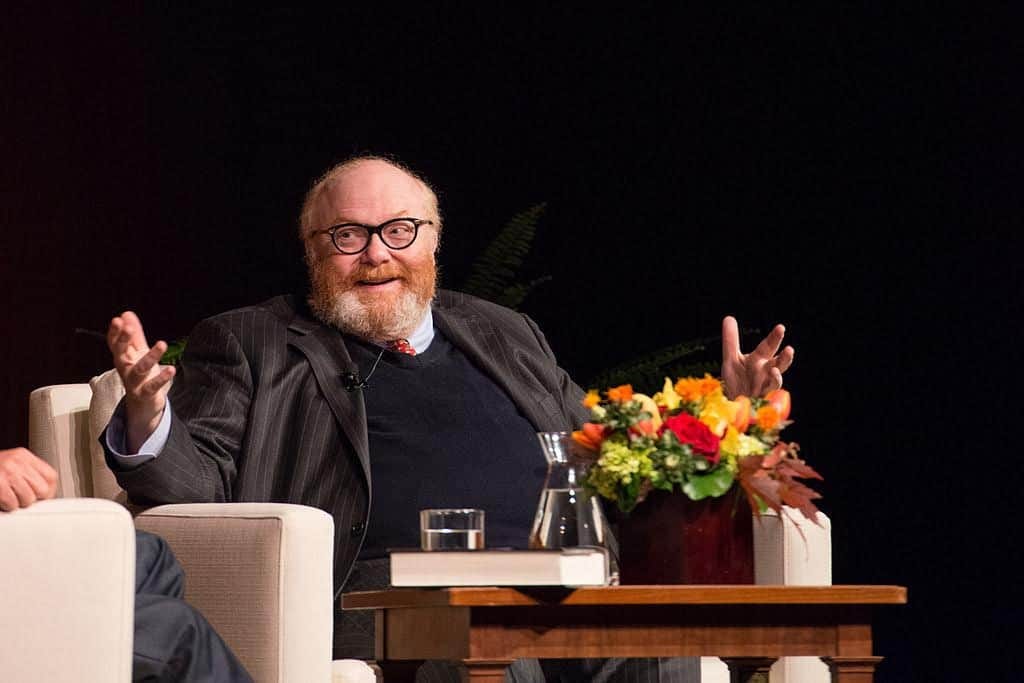 Richard Norton Smith | 'An Ordinary Man: The Surprising Life and Historic Presidency of Gerald R. Ford' | Richard Norton Smith is at the top tier of American presidential historians. He is the author of the highly acclaimed new biography: An Ordinary Man: The Surprising Life and Historic Presidency of Gerald R. Ford.Smith is widely recognized for his regular appearances on the PBS News Hour, as well as a historical commentator on CBS and other networks. He’s a familiar and beloved guide to history on CSPAN. In this episode of the Serve to Lead podcast, Smith discusses his new book, including its genesis and the many parallels and connections between President Ford’s era and our own. Get full access to The New Nationalist at jamesstrock.substack.com/subscribe | 53m 59s | ||||||
| 3/26/23 |  Sasha Stone | Writer on Political, Cultural Change | Sasha Stone is a pioneering blogger and founder of Awards Daily, as well as a widely-read, provocative Substack, “Free Thinking Through the Fourth Turning.”She is on the vanguard of the realignment and re-sorting underway in our politics and culture.Sasha Stone’s lived experience is representative of those Bridget Phetasy calls “the politically homeless.” This refers to the rising plurality of Americans—nearing a majority of voters—who reject the enforced duopoly of the Democrats and Republicans. It’s as if the legacy parties are in a war of attrition, prompting a flood of refugees who have no place to call their own.In this episode of the Serve to Lead podcast, Sasha Stone discusses her journey from Hillary Clinton activist to politically independent. She concludes that some of the core values that inspired her earlier affiliations have prompted her to find unanticipated empathy with many Americans who are routinely marginalized and disrespected by the dominant political and cultural narrative of our polarized moment. Get full access to The New Nationalist at jamesstrock.substack.com/subscribe | 41m 10s | ||||||
| 3/5/23 |  Derek Leebaert | 'Unlikely Heroes: Franklin Roosevelt, His Four Lieutenants, and the World They Made' | Derek Leebaert—historian, strategist, organizational leadership and management consultant, and bestselling author of a series of critically acclaimed books—has written an outstanding and timely new work: Unlikely Heroes: Franklin Roosevelt, His Four Lieutenants, and the World They Made.In this episode of the Serve to Lead podcast, Leebaert discusses the book, its genesis and its uncanny relevance in our historic moment.Publisher’s SummaryOnly four people served at the top echelon of President Franklin Roosevelt's Administration from the frightening early months of spring 1933 until he died in April 1945, on the cusp of wartime victory. These lieutenants composed the tough, constrictive, long-term core of government. They built the great institutions being raised against the Depression, implemented the New Deal, and they were pivotal to winning World War II.Yet, in their different ways, each was as wounded as the polio-stricken titan. Harry Hopkins, Harold Ickes, Frances Perkins, and Henry Wallace were also strange outsiders. Up to 1933, none would ever have been considered for high office. Still, each became a world figure, and it would have been exceedingly difficult for Roosevelt to transform the nation without them. By examining the lives of these four, a very different picture emerges of how Americans saved their democracy and rescued civilization overseas. Many of the dangers that they all overcame are troublingly like those America faces today.About Derek LeebaertDerek Leebaert won the biennial 2020 Truman Book Award for Grand Improvisation. His previous books include Magic and Mayhem: The Delusions of American Foreign Policy from Korea to Afghanistan and To Dare and to Conquer: Special Operations and the Destiny of Nations, both Washington Post Best Books of the Year. He was a founding editor of the Harvard/MIT journal International Security and is a cofounder of the National Museum of the U.S. Army. He holds a D.Phil from Oxford and lives in Washington, D.C.Otherwise he has long been a management consultant, advising enterprises in the IT, defense, and healthcare sectors. He coauthored the MIT Press trilogy on the rise of the information technology revolution, including MIT's The Future of the Electronic Marketplace. Get full access to The New Nationalist at jamesstrock.substack.com/subscribe | 48m 45s | ||||||
Showing 25 of 62
Pitch Fit is a Pro feature
See how bookable this show is for guests, which brands already advertise, the per-episode ad value, and the best-fit guest and sponsor profile. The numbers are blurred on the free plan.
How readily this show books outside guests like you.
How proven this show is for host-read sponsorships.
For Guests
ProFor Advertisers
ProUpgrade to Pro to unlock guest cadence, sponsor categories, fit scores, and per-episode ad value for this show.