

Insights from recent episode analysis
Audience Interest
Podcast Focus
Publishing Consistency
Platform Reach
Insights are generated by CastFox AI using publicly available data, episode content, and proprietary models.
Total monthly reach
Estimated from 6 chart positions in 6 markets.
By chart position
- 🇬🇧GB · Judaism#6630K to 100K
- 🇺🇸US · Judaism#1955K to 30K
- 🇳🇱NL · Judaism#3130K to 100K
- 🇪🇸ES · Judaism#1051K to 10K
- 🇮🇱IL · Judaism#563K to 10K
- Per-Episode Audience
Est. listeners per new episode within ~30 days
36K to 130K🎙 ~2x weekly·120 episodes·Last published 3d ago - Monthly Reach
Unique listeners across all episodes (30 days)
72K to 260K🇬🇧38%🇳🇱38%🇺🇸12%+3 more - Active Followers
Loyal subscribers who consistently listen
29K to 104K
Market Insights
Platform Distribution
Reach across major podcast platforms, updated hourly
Total Followers
—
Total Plays
—
Total Reviews
—
* Data sourced directly from platform APIs and aggregated hourly across all major podcast directories.
On the show
Recent episodes
Bonus: Live Career Coaching — Kollel to Career with Yaakov and Teddy Berman
Jun 22, 2026
Unknown duration
Both Quit Tech Jobs? Shlomo Ashkanazy & Ami Yunger on Leaving Stable Careers to Serve the Jewish People
Jun 15, 2026
Unknown duration
Ami Tobin on Losing His Mother, Finishing His Sefer in Miluim, and the Chinuch Career He Almost Chose
Jun 8, 2026
Unknown duration
Torah Only? Torah Im Derech Eretz? ft. Rav Rafi Dembovsky
Jun 1, 2026
Unknown duration
Ashi Taragin (Rabbi, Dr.) Didn't Become a Rosh Yeshiva
May 25, 2026
Unknown duration
Social Links & Contact
Official channels & resources
Official Website
Login
RSS Feed
Login
| Date | Episode | Description | Length | ||||||
|---|---|---|---|---|---|---|---|---|---|
| 6/22/26 | Bonus: Live Career Coaching — Kollel to Career with Yaakov and Teddy Berman | Teddy Berman grew up in the Syrian community in Flatbush, went to college, worked in finance — and then got the itch. Almost ten years of learning later, he's back in the driver's seat, building a family in Yerushalayim and trying to figure out what comes next.In this bonus episode, Teddy reaches out with the questions a lot of guys have but don't always get to ask directly: How do I balance parnasa with a serious morning seder? Is the dream of American hours realistic? Does it matter if I'm a working person or a mashpia by the bima? And how do I even figure out what I'm cut out for?We get into all of it — including the recruiter who laughed in my face, why Rav Yonasan Sacks's career advice puzzled me as a bochur in KBY, and why knowing yourself is the most underrated job search tool there is.Also: what Aliyah really means for your community, your nusach, and your kids — and why "choosing a box" might be the wrong frame entirely.If you're somewhere between the beis medrash and the boardroom, this one's for you.Topics covered:Hishtadlus, bitachon, and the Ramban on going to warAhavat melacha — what Chazal actually say about loving your workSoft skills vs. marketable skills: the honest breakdownUsing AI for career self-reflection (Teddy's been doing it)Building community in Eretz Yisrael as an Anglo olehDati Leumi vs. Haredi — more nuance than you think | — | ||||||
| 6/15/26 |  Both Quit Tech Jobs? Shlomo Ashkanazy & Ami Yunger on Leaving Stable Careers to Serve the Jewish People | What happens when you have a good job, mentors you trust, and a clear path forward — and you walk away anyway?Shlomo Ashkanazy (Co-Director, WashU JLIC) and Ami Yunger (COO, Mizrachi Canada) both built careers in the Israeli tech world before pressing pause to go on shlichut in North America. Neither choice was obvious. Neither was painless. And neither of them regrets it — mostly.In this conversation, they unpack the real calculus behind leaving stability for something harder to define. From their shared roots at Yeshivat HaKotel and OurCrowd, to navigating anti-Semitism on a college campus and in Toronto's streets, to Shlomo's gut-wrenching decision on Simchat Torah 2023 about whether to board a plane back to Israel — this episode doesn't stay on the surface.What we talk about:Why both of them credit OurCrowd — and its mission-driven culture — as the bridge between tech and shlichutThe nonlinear career path: real talk about professional anxiety, histadlus, and bitachonAmi on being COO of a Jewish nonprofit and why "COO" isn't just a fancy title for a shaliachShlomo on starting WashU JLIC from scratch — and what happened when 50 students showed up to his empty house on October 9th, 2023The anti-Semitism reality in Canada: bullets through shul windows, hiding event locations until 10 minutes before showtime, and how you maintain Zionist pride when it's being weaponized against youShlomo's still-unresolved guilt about not getting on a plane after October 7thThe 40-year test: how do you make a decision when the downside isn't catastrophic, but the stakes feel enormous?Guests:Shlomo Ashkanazy is Co-Director of JLIC at Washington University in St. Louis, which he and his wife founded as the inaugural couple. Ami Yunger is COO of Mizrachi Canada, where he supports the organization's growth across programming, operations, and community. | — | ||||||
| 6/8/26 |  Ami Tobin on Losing His Mother, Finishing His Sefer in Miluim, and the Chinuch Career He Almost Chose | Ami Tobin was faced with a descision: He had a week full of 8 hour shifts, guarding an outpost in miluim.How was he going to use that time? Watch the NBA Finals? Or something more meaningful?He pulled out his notes. And by the end of that week, his sefer — Amech Dodi — was fully edited. Both Hebrew and English.That story is a window into who Ami Tobin is. A Beit Shemesh kid who grew up watching his mother trade a PhD in psychology for a life of teaching Torah. A Givati soldier. A HiBob customer success manager. A husband of a wife who finished medical school during wartime. And a young man who lost his mother, Dodi Tobin z"l, to cancer — and turned years of Friday-afternoon Divrei Torah into a published sefer in her memory.In this episode, we talk about what nearly 300 days of Milluim actually costs you professionally, how Torah identity survives the grind of the tech world, and what it looked like to watch his mother face illness with a level of emunah that only grew stronger as things got harder.Her message: Torah isn't just practice. It's the lens everything else passes through.Topics covered:Growing up in Beit Shemesh with parents who were growing alongside himYeshiva Ma'alot, Givati, and finding a Torah identity worth keepingStumbling into tech via HiBob — right place, right time~300 days of Milluim and what it does to a career (and a person)His wife finishing medical school during wartime — the real superstarDodi Tobin z"l: her pivot from psychology to Torah, her emunah under pressure, and the Shabbat-vs-client-call storyWriting Amech Dodi — Divrei Torah collected since yeshiva, edited on guard duty, published l'ilui nishmatahThe women's Beit Midrash being built in Beit Shemesh in her memoryLinks:Amech Dodi on Amazon: linkBeit Midrash building fund: link | — | ||||||
| 6/1/26 |  Torah Only? Torah Im Derech Eretz? ft. Rav Rafi Dembovsky | What does Hashem actually want from us, a life of total immersion in Torah, or engagement with the world?This is one of the oldest machlokos in Jewish thought. And Rav Rafi Dembovsky was torn.He struggled with the issues, and wrote a book with his findings.You can order it here.Episode DescriptionRafi was raised in Edgware. Educated at Hasmonean. Spent years all-in at Torah-only yeshivos and kollel. Then came time to choose a school for his son — and the tension he'd quietly carried for years exploded into a full-blown existential question.So he went back to the sources. And wrote a sefer.We trace Rafi's personal journey alongside the intellectual one — from teenage brachos in Bnei Brak to law school at Hebrew University. We get into the sefer itself, the haskama drama, and the Rabbanim who quietly loved it but wouldn't sign their names.In this episode:Torah-only as a mindset, not just a lifestyle choiceThe Rashbi/Rabi Yishmael machlokes — and what it really means for how you liveWhy the Rambam wasn't who you think he wasThe four-point email telling him not to publish — and what he did nextLeaving kollel for law school: pshat or cop-out? | — | ||||||
| 5/25/26 |  Ashi Taragin (Rabbi, Dr.) Didn't Become a Rosh Yeshiva | Ashi Taragin had every reason to stay in yeshiva. He grew up breathing Torah. His father is Rabbi Reuven Taragin. His mother is Rebbetzin Shani Taragin. He made a Siyum HaShas at his Bar Mitzvah.Yet he didnt choose a career in Chinuch.Today he's an ER doctor at Sharei Tzedek, a lawyer, a mohel, and a sofer. He's also the unofficial rav of the emergency room, fielding end-of-life shailos in real time. And he still teaches Torah — but entirely on his own terms.In this episode, Ashi breaks down his version of the Rambam model: why financial independence from Torah makes your Torah better, what it means to be a baal habayis as a zechut rather than a compromise, and why he thinks sitting and learning all day isn't what Hashem put you here to do.Make sure to check out our newsletter and subscribe: ShtarkTank.org | — | ||||||
| 5/18/26 |  Pulling Teeth, Publishing Torah (and a Shavuos Conversation on Megillas Rus) ft. Dr. Reuven Mohl | What does it take to build a serious Torah legacy while running a thriving dental practice in Manhattan? Reuven Mohl has spent the last decade doing exactly that — and the results are five published books, a growing body of scholarship, and a model for what it looks like to take your Torah life seriously without stepping away from the working world.In this episode, Reuven walks us through his upbringing in Manhattan Beach, Brooklyn, where his father Rabbi Oscar Mohl — a philosophy professor, Holocaust survivor, and talmid of the Baba Vredi — set the tone for a home where Torah and ideas were always on the table. From Yeshiva Flatbush to Yeshiva HaKotel to YU, Reuven shares how his years of learning shaped both his character and his career path into dentistry.We talk about the discipline behind building a successful practice, how he carved out time for serious learning between patients, and what led him to compile commentaries on the Haggadah, Megillas Rus, and Tehillim using the writings of Rabbi Eliezer Berkovitz and Rabbi Joseph B. Soloveitchik.And in honor of Shavuos, we learn together. Reuven shares a beautiful lesson from Megillas Rus on the difference between din and lifnim mishurat hadin — and what Boaz's generosity in the field teaches us about how to show up at work, at home, and in life.Topics covered:Growing up with a philosophy professor father and a Holocaust survivor in the homeThe work-life balance reality of a dental careerHow to pursue serious Torah scholarship while running a businessBuilding commentaries using the Rav and Rabbi BerkovitzMegillas Rus and the obligation to do more than the minimumThe story of calling before Shabbos | — | ||||||
| 5/11/26 | Are You Past Your Peak? | A Shabbaton in Bnei Brak. Two rabbis. A machlokes I have been wrestling with ever since.One rav told a room full of 18-year-olds that they were living the climax of their lives. Another rav pushed back. Both left a mark.In this solo episode, I share the audio version of my most-responded-to piece of writing to date — a post that starts the process of distilling over 120 episodes of Shtark Tank into one central question: what does it mean to serve Hashem during the working chapter of life?Subscribe to our newsletter at ShtarkTank.orgWe cover the surprising lesson buried in the Matan Torah story, the unique mitzvos that come alive when you enter the workforce (Shabbos, Kiddush Hashem, Yishuv Olam, Talmud Torah), and why this stage of life isn't a regression from the Beit Midrash, it's its own chapter, loaded with opportunity.Plus: a beautiful piece of listener feedback from Ruben Melman, a recent Yeshiva graduate about to start his first job, and my own honest reflection on what it felt like to pack up the sefarim boxes. | — | ||||||
| 5/4/26 |  Why This CMO Learns Tanach Every Morning at 4:30am ft. Moshe Isaacson | Moshe Isaacson is a marketing executive and go-to-market leader in the SaaS world — and one of the most passionate Tanach learners you'll ever meet. In this episode, Moshe makes the case for why Tanach is the most underrated limud in the Torah world, how his love for it was ignited on hikes through Eretz Yisrael, and why he wakes up at 4:30am to prepare the three weekly shiurim he gives to his community.Topics covered:Growing up in Pittsburgh — a broad, out-of-town community that exposed Moshe to every type of YiddishkeitHow a yeshiva in Eretz Yisrael turned Tanach from stories into living heritageWhy Tanach gets second billing in the yeshiva world — and why Moshe thinks that's an avlaThe Maskilim and Zionists claimed Tanach as their own. Moshe's response: that's exactly why we need to take it backHow Moshe got into marketing entirely by accident, starting at IDT and building from thereThe overlap between psychology, marketing, and Torah — and why pattern recognition is the common threadBalancing a demanding career with three weekly shiurim, a daily chavrusa, and serious limud preparationThe 4:30am wake-up, the one-hour train commute, and how Moshe engineers his day around learningA practical challenge: 929 perakim, one a day, finished in under three yearsSefer Shmuel as his favorite — four years learning and teaching itWhere to find his podcast, Tanach in Depth, and his AI-generated Torah contentTo follow Moshe's Torah: https://open.spotify.com/show/3G2IJ0opltMtTlrsTioQVg?si=SAg8yci3QTeK99v8qWRWcQhttps://x.com/isaacsonSign up for our newsletter @ ShtarkTank.org | — | ||||||
| 4/27/26 | 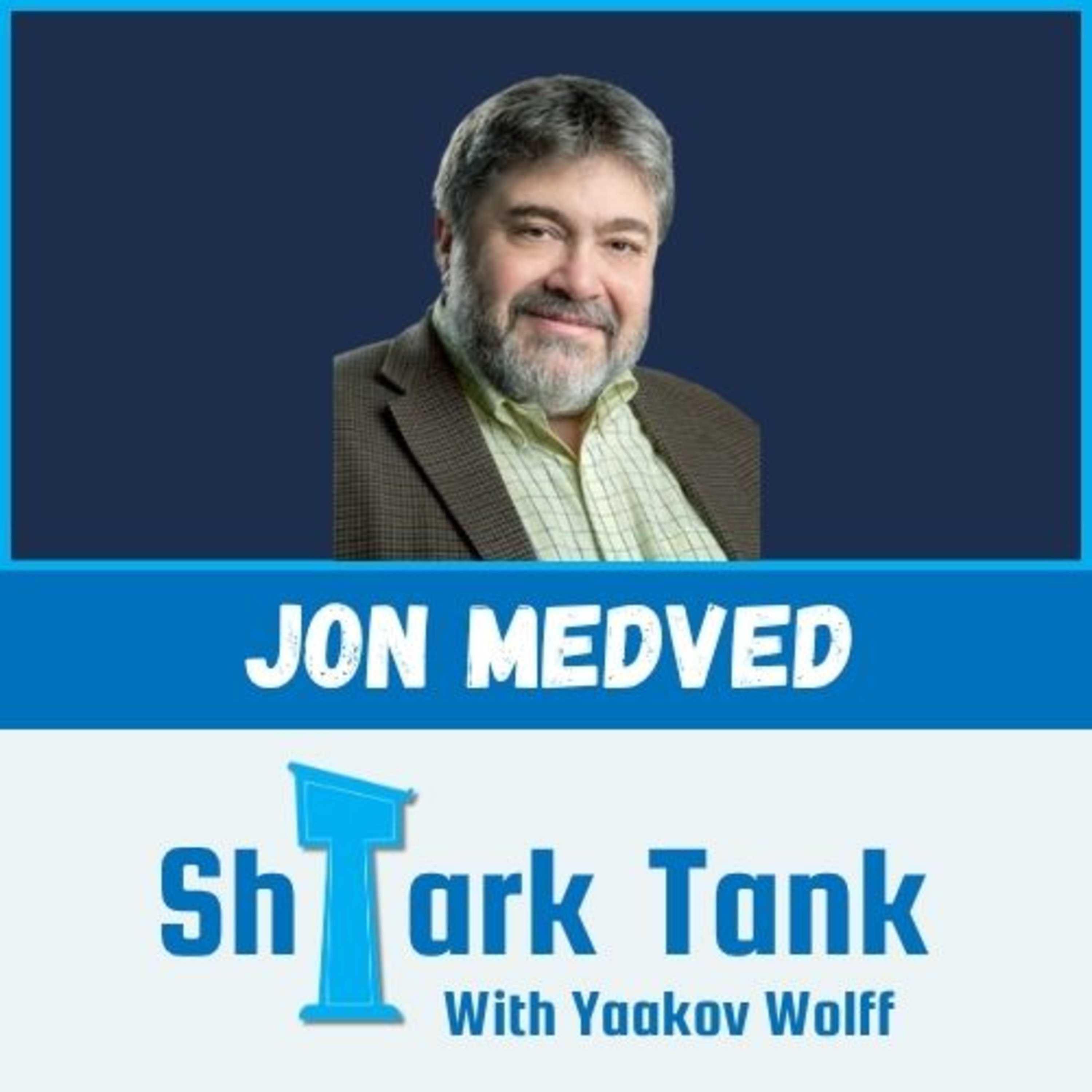 Jon Medved Is Not Done Yet | OurCrowd Founder & Startup Nation Pioneer | Jon Medved has spent decades building Israel into a global technology powerhouse, helping fund hundreds of companies, bringing billions of dollars into the Israeli economy, and playing pivotal role in what eventually became the Startup Nation brand.Then he flatlined in a hospital for eight minutes.In this episode, Jon sits down with Yaakov Wolff to talk about growing up far from Judaism on the beaches of California, the unlikely path that brought him to Israel, and why he believes the Avot were the original entrepreneurs. He makes a bold case that building companies, solving the world's problems through technology, and living as a proud Torah Jew are inseparable.He also opens up about his ALS diagnosis, what it felt like to be brought back after flatlining, and why, at this stage of his life, he's more driven than ever.In this conversation:From Berkeley to Jerusalem — Jonathan's winding path to Aliyah and observanceThe PowerPoint that seeded Startup NationWhy the Avot were all entrepreneursTechnology, Torah, and where the two meetLiving with ALS and refusing to stop"I'm not done. There's still what I have to accomplish."For exclusive written content, subsribe to our newsletter at ShtarkTank.org | — | ||||||
| 4/20/26 | Yom HaZikaron & Yom HaAtzmaut Mega-Episode ft. Eitan Morell & Rob Airley | This Yom HaZikaron, we sit with two fathers who lost their sons in the early months of the war. Eitan Morell shares the story of his son Maoz — a kid with ADHD and learning difficulties who walked into a yeshiva that didn't want him, refused to leave, and became the kind of soldier his unit looked up to. Eitan reflects on what it means to suddenly see your child's whole life in reverse — and how grief reveals a person you thought you already knew.Rob Airley shares the story of his son Binyamin — named best soldier in his platoon, loved by commanders and chaverim alike. The kind of guy who, moments before being killed, volunteered to run into a building because his unit needed him. Rob talks about learning to grieve without falling apart — and what it looks like to keep laughing and dancing in the house when Binyamin is no longer at the table.We end off with exerpts from 3 other episodes, about the beauty of living in Israel. Shtark Tank episodes with Eli Freedman and Yaakov Ehrenkranz, and Yaakov's appearance on the DHR podcast hosted by Zak Lenik.Make sure to sign up for newsletter at ShtarkTank.orgTo support Beit Binyamin click hereTo watch the movie about Maoz Morell click hereChapters:00:00:00 Intro00:04:20 Eitan Morell remembers his son Maoz00:39:34 Rob Airley remembers his son Binyamin01:11:25 Shtark Tank with Eli Freedman0:1:23:17 Shtark Tank with Yaakov Ehrenkranz01:33:24 Yaakov on DHR Podcast | — | ||||||
Want analysis for the episodes below?Free for Pro Submit a request, we'll have your selected episodes analyzed within an hour. Free, at no cost to you, for Pro users. | |||||||||
| 4/13/26 | ![Rav Asher Weiss: The Hashkafa Every Working Ben Torah Needs [Classic Shiur] episode artwork](https://d3t3ozftmdmh3i.cloudfront.net/staging/podcast_uploaded_episode/38212674/38212674-1776019516309-f368c4f05c468.jpg) Rav Asher Weiss: The Hashkafa Every Working Ben Torah Needs [Classic Shiur] | Two years ago, we sat with Rav Asher Weiss and asked him some of the most fundamental questions a Ben Torah in the workforce can ask. I've returned to this shiur more than almost anything else we've put out — it's that dense with wisdom and direction.Since then, the show has grown a lot, and I wanted to make sure newer listeners got a chance to hear it. And if you've already heard it? I think you'll get something new from it the second time around.Make sure to sign up for our newsletter at ShtarkTank.org | — | ||||||
| 3/29/26 | Pre-Pesach Mega Episode | Get ready for Pesach with a mega collection of divrei torah, from Bnei Torah in the workforce.You will hear from Rav Yakov Danishefsky, Rav Jonathan Livi,Rav Max Berger, Zak Lenik, Mark Tobin Dr. Mordy Goldenberg and Yoel Van Messel.At the end, you will hear some ideas of mine which I shared on The Greatest Parasha podcast, hosted by Raymond Ashkenazie and Emma DayanA big thank you to Shlomo Price for his help with extra editing.Wishing you and your families a Chag Kasher Vsameach Guest Bios and LinksRabbi Yakov Danishefsky, LCSW CSAT, is a Chicago-basedtherapist and author of the widely read Attached, the newly released AttachedHaggadah, and the forthcoming sefer The Delight of Shabbos. He leads AvodasHaLev, a Chicago organization devoted to meaningful learning and communityprogramming, and hosts The Attached Life Podcast. He is known for bringingdepth, passion, and warmth to everything he teaches.To order the Haggadah:To order in US:https://a.co/d/03dgzXKD https://alehzayis.com/product/the-attached-haggadah/ https://feldheim.com/the-attached-haggadah To order in E"Y:https://siparti.co/attachedH/Jonathan Livi is founder and Principal of RJL CapitalAdvisors, which places JV equity for middle market commercial real estate transactions across the United States. He is also the Hazzan and assistant rabbi at Shaare Rachamim Synagogue in Great Neck, NY, in which capacity heteaches Tanakh daily. His shiurim are available on Spotify and Apple Podcast via his various podcasts. He is married to Kayla, and father to 3 kids.https://open.spotify.com/show/45srXeZZgZKHAomOmpIkmh?si=hf6h-z2dToezYb95H0dMxQ https://open.spotify.com/show/48iHU4mP1cvgZOGFrC5Jys?si=JinlUNvmSeimGKQl9LWiMQ Max Berger was an aspiring rabbi turned aspiring philosopherturned VC. He spent the last two years at Next Gear Ventures, a Tel Aviv basedearly stage VC fund, before moving back to New York this year. ZakLenik is a real estate advisor in Israel who works mainly with Anglos looking to buy a home andbuild a life here. His own aliyah journey didn’t start in the most typical way, but through years of learning—and later teaching—Torah, he developed a strongsense of purpose that ultimately brought him back to Israel for good. Now, he helps others navigate that same journey, combining real estate guidance with a deeper understanding of what it means to truly build a life here https://www.instagram.com/zak_in_israel?igsh=YTU0MWRlbW5iMGMx&utm_source=qr 00:00 Intro00:52 Rav Yaakov Danishefsky: Writing Your Own Story18:08 Rav Jonathan Livi: The Revolution of Freedom34:40 Rav Max Berger: Matzah and Authenticity52:26 Zak Lenik: Freedom or Slavery?01:11:12 Mark Tobin: The Holiday of Emunah01:19:07 Dr. Mordy Goldenberg: Late Night Vision01:25:51 Yoel Van Messel: Understanding Our Goals01:38:40 Yaakov Wolff on Greatest Parashah Podcast02:01:26 Outro | — | ||||||
| 3/23/26 |  Less Stress, More Simcha | Mental Health Challenges and Avodat Hashem ft. Dr. Dan Jacobson | What happens when Torah, growth, and mental health start pulling against each other instead of working together?In this episode of Shtark Tank, Yaakov Wolff speaks with Dr. Dan Jacobson — psychologist, musmach, co-author of Flipping Out, and author of Light in the Darkness — about stress, anxiety, yeshiva pressure, and the long-term impact they can have on our Avodat Hashem.To recieve a free copy of Light in the Darkness, about kedusha in today's world, email dan.jacobson.psyd@gmail.comThey discuss the difference between healthy pressure and unhealthy stress, why anxiety seems to be rising in today’s world, and how formative yeshiva experiences can shape a person’s relationship with learning for years afterward. They also talk about balancing Torah, work, and family life, navigating Pesach pressure in a healthier way, and approaching struggles in kedusha with more honesty and less shame.This is a thoughtful and practical conversation about serving Hashem with more clarity, more balance, and more simcha. What We DiscussedDr. Jacobson’s path into psychology and his interest in the intersection of Torah and mental healthThe difference between stress and anxietyWhy some pressure is necessary, but too much can become destructiveHow yeshiva culture can sometimes create unhealthy stress around learning and growthThe long-term effect of yeshiva experiences on a person’s relationship with TorahWhat to do if learning has become tied up with guilt or pressureBalancing competing values like learning, marriage, parenting, and responsibilityHow to reduce stress around Pesach prep and focus more on meaningOCD, halachic uncertainty, and the importance of clear guidanceWhy so many men struggle silently in areas of kedushaWhat Dr. Jacobson hoped to add with his booklet Light in the Darkness Key TakeawaysStress and anxiety are not exactly the same thing. Stress is often tied to present pressure, while anxiety is more future-oriented.Some pressure is part of growth. The goal is not zero stress, but healthy stress in the right dose.Yeshiva can be deeply formative, for good and for bad. If Torah became associated with guilt or pressure, that needs to be rethought.A working person should try to build a relationship with learning that includes pleasure, connection, and simcha — not just obligation.Many struggles become worse when there is too much doubt, especially for people with OCD tendencies.Pesach can become overwhelming when people lose sight of what is halacha and what is chumra, habit, or family expectation.In struggles around kedusha, shame and secrecy often make things worse. Honest, psychologically grounded guidance helps. Notable Lines / Ideas“If the prime emotion that someone has with regard to their learning is a negative emotion, that has to be checked.”“You want there to be simcha and pleasure and joy and connection with your learning.”“We build our strength and resilience by encountering and learning how to handle some difficulty.”“The holiday of freedom can feel enslaving if we lose sight of meaning.”Chapters00:00 Intro05:20 Stress and Anxiety, in Yeshiva and beyond28:12 Balancing learning, marriage, parenting, and other real responsibilities32:15 Pesach pressure: cleaning, OCD, chumros, and staying sane38:52 Light in the Darkness: what Dr. Jacobson wanted to add to the kedusha conversation45:48 Rapid fireAbout the GuestDr. Dan Jacobson is a psychologist and musmach who has spent years thinking and writing about the intersection of mental health, yeshiva life, and Avodat Hashem. He is the co-author of Flipping Out and the author of Light in the Darkness, a booklet addressing struggles in kedusha with psychological depth and Torah sensitivity. | — | ||||||
| 3/16/26 | 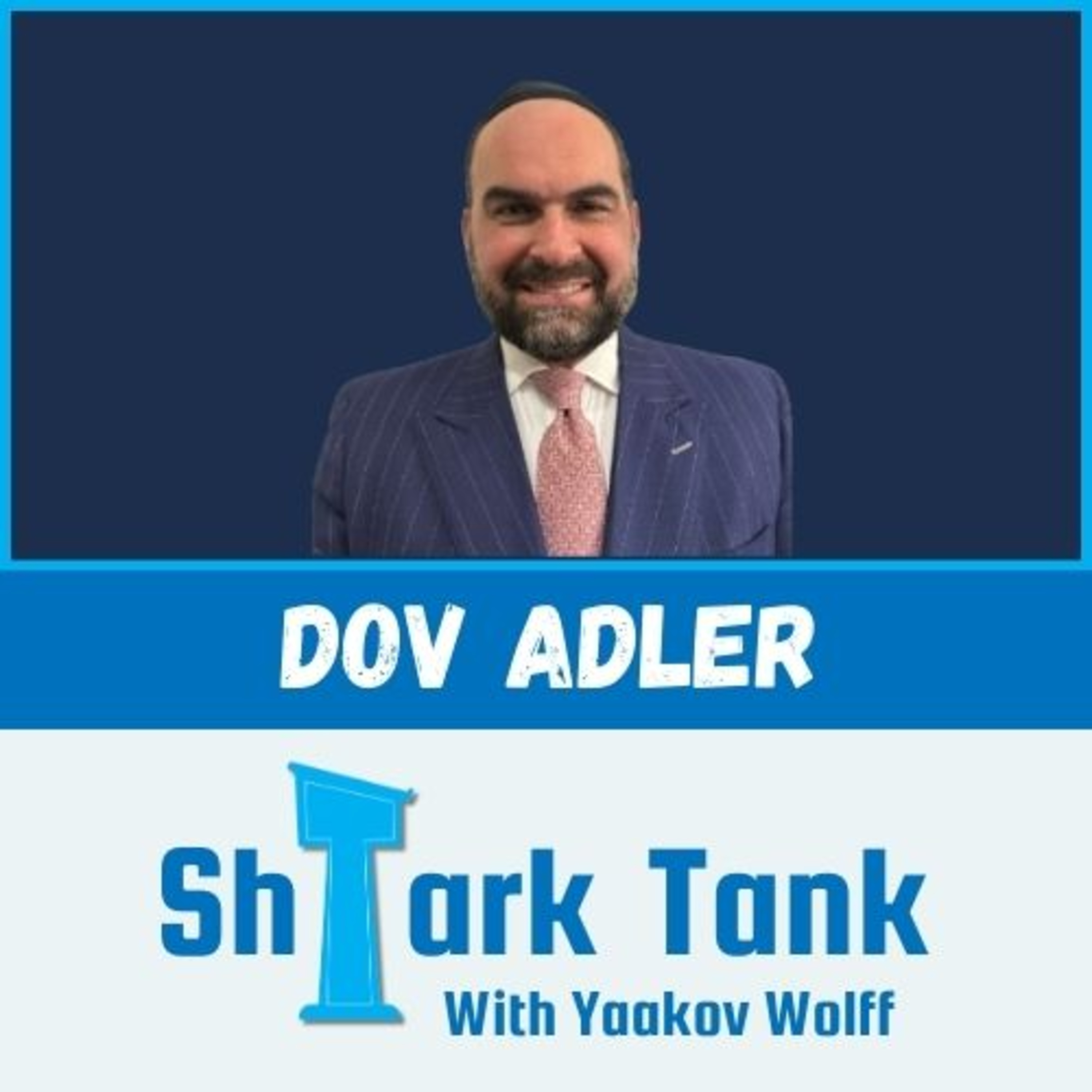 Something Doesn’t Add Up | Dov Adler, A Different Kind of Audit Partner | Dov Adler is an audit partner who has in intereresting relationship with auditing. In this episode, Dov Adler shares a refreshingly honest take on work, fulfillment, and responsibility. We talk about growing up in a rabbi’s home, choosing accounting over rabbanus, wearing a kippah in corporate America, and building a career that is meaningful not because every task is enjoyable, but because of the life and impact built around it.We also discuss Torah learning during busy seasons, public speaking, fundraising, parenting, and the challenge of raising children with patience, example, and conviction. This is a wide-ranging conversation about ambition, service, and what it means to build a serious Torah life in the workforce without thinking in narrow boxes.Key Highlights:Smashing Paradigms: Why you don't need to "love" your core job to find professional fulfillment.The Power of Bribes: The viral story of how Dov used a car lease to spark his son’s love for Gemara.Kiddush Hashem at PwC: Navigating the corporate ladder while maintaining a visible Jewish identity.Fundraising as a Mission: How Dov balances multi-million dollar campaigns for schools and shuls with his 9-to-5.Consistent Learning: Tips for maintaining two sedarim a day, even during peak "busy season."Listen to Dov's shiurim on YUTorah | — | ||||||
| 3/9/26 | Investors, Partners, Friends: How Bnei Torah Should Think About Tzedakah ft. Allen Pfeiffer and Hillel Scheinfeld | How do Bnei Torah apply skills from the workforce to serve non-profit organizations? In this episode, Yaakov Wolff speaks with Allen Pfeiffer and Hillel Scheinfeld two successful professionals who bring their strengths into the world of tzedakah and nonprofits.They discuss why donors should think more seriously about where their money goes, why nonprofits need more transparency and accountability, and why giving should not be passive. The conversation also explores how working Bnei Torah can contribute not only with checks, but with perspective, standards, and real involvement.This is a conversation about treating tzedakah with the seriousness it deserves.In this episode:Why tzedakah is not just “giving money away”Why business skills matter in the nonprofit worldHow donors should think about impact and accountabilityWhy trust and transparency matter so muchWhat smaller donors can do besides give moneyHow to support causes in a more thoughtful way | — | ||||||
| 2/25/26 | Gambling Almost Ruined My Life | This is a special Purim bonus episode—a raw and honest conversation meant to warn and wake people up.In this episode, our guest shares his personal story—how gambling started young, how “just for fun” escalated over years, and how legalization + apps turned it into something 24/7, always within reach.If you need help, contact Amudim now.Crisis hotline can be reached at 646-517-0222, or from israel 02-374-0175Our guest describes:The first win that hooked him—and the years spent chasing that same highHow gambling isn’t only about money, but about time, secrecy, and controlWhat happens when betting becomes available in the palm of your hand, anytime, anywhereThe “VIP” treatment that makes you feel special… while pulling you deeperThe moment he realized this was hurting the people he loved most—and why he finally came cleanRehab, Gamblers Anonymous, rebuilding trust, and living one day at a timeThis conversation is intense, but it’s also hopeful. He doesn’t share this story for drama. He shares it to help someone listening avoid the same trap, or to help someone already struggling realize: you’re not alone, and help is real.Purim Sameach—and please, a safe one. | — | ||||||
| 2/23/26 | 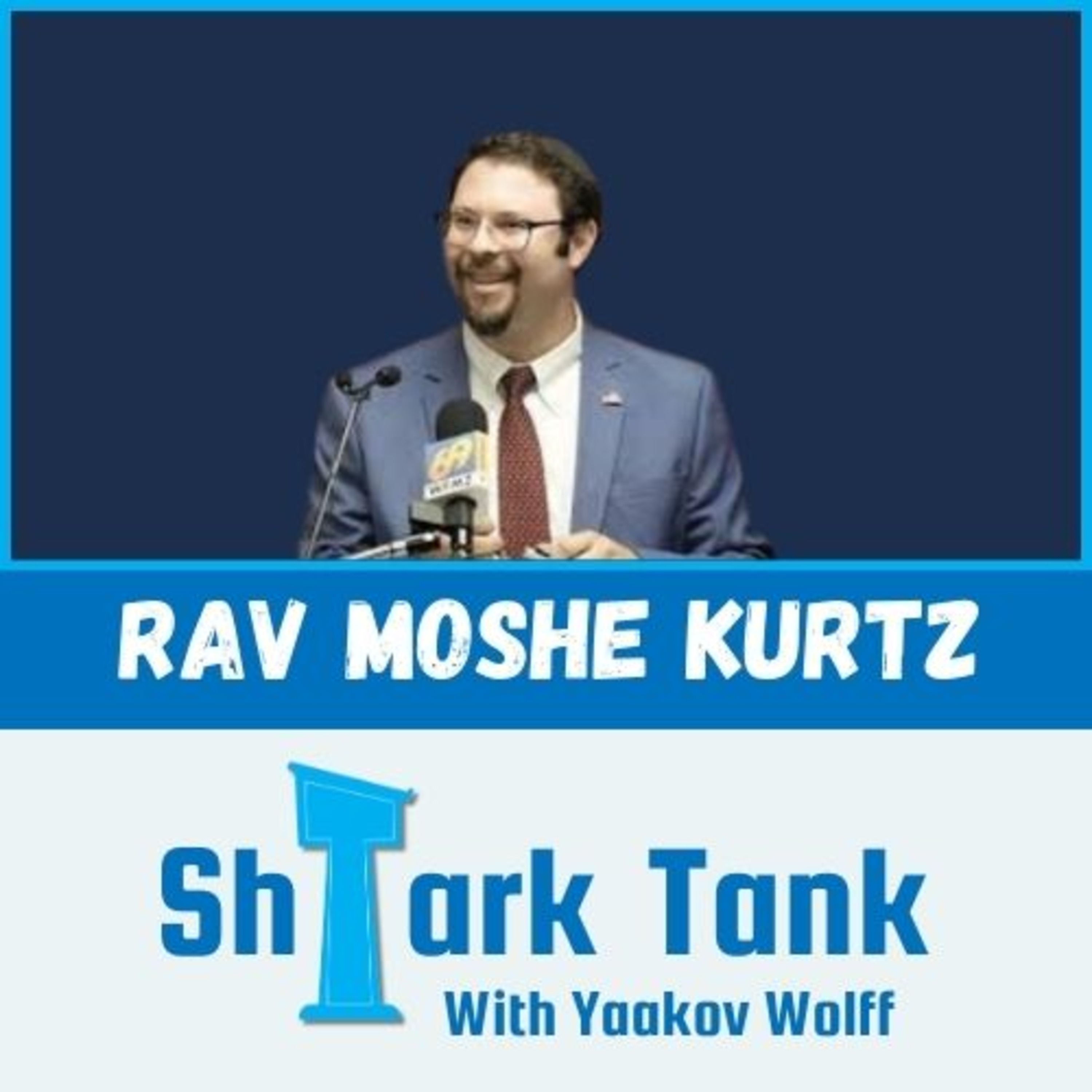 Rav Moshe Feinstein on Torah, Work, and Keeping Torah “Fixed” ft. Rabbi Moshe Kurtz | We’re coming up on the 40th yahrzeit of Rabbi Moshe Feinstein, and this episode is a guided tour through Rav Moshe’s Torah on the questions every Ben Torah eventually faces:How do I build a life where Torah stays central… while I’m working, providing, and living in the real world?Our guest, Rabbi Moshe Kurtz (rabbi, podcaster, and serious Rav Moshe researcher), just released a new sefer: Me'oros Moshe — a curated collection of Rav Moshe’s divrei Torah on Pirkei Avos, pulling from Igros Moshe, derashos, chidushim, and key writings from talmidim and family.You will hear: how Rav Moshe frames kollel, parnassah, college, career choices, and what it means to live with “aseh Torascha keva” even outside the beis medrash.What you’ll learn in this episode:1) Kollel isn’t “all or nothing”2) “College” is not automatically the derech ha-parnassah3) The big idea: “Aseh Torascha keva” is about orientation, not just hours4) Career choices: Rav Moshe’s lens on medicine and “zero-sum” tradeoffs5) Rav Moshe’s greatness wasn’t only brilliance — it was care-driven psakTo order Meoros Moshe, click hereBio: Rabbi Moshe KurtzRabbi Moshe Kurtz serves as the Rabbi of Congregation Sons of Israel in Allentown, PA. He is the author of Meoros Moshe (Aleh Zayis, 2025), a Pirkei Avos anthology of scholarship and stories about HaGaon HaRav Moshe Feinstein zt”l. Rabbi Kurtz previously hosted Shu"T First Ask, Questions Later, published Challenging Assumptions (Mosaica Press, 2023), and writes about contemporary halachic issues in forums such as the Journal of Halacha and Contemporary Society (RJJ Journal), OUTorah, The Lehrhaus, Torah Musings and Jewish Action. Rabbi Kurtz proudly serves as a member of the Allentown Police Department’s chaplain unit as well as the Allentown School District Superintendent’s Interfaith Council. He also contributes to The Morning Call and was featured on Business Matters, a production of the Lehigh Valley Chamber of Commerce (WFMZ Studios). Rabbi Kurtz hosts the As I Walk Through the Valley podcast, and is currently writing a book based on his Unpacking the Iggerot column at Tradition. He can be reached at rabbi@sonsofisrael.net. | — | ||||||
| 2/16/26 | 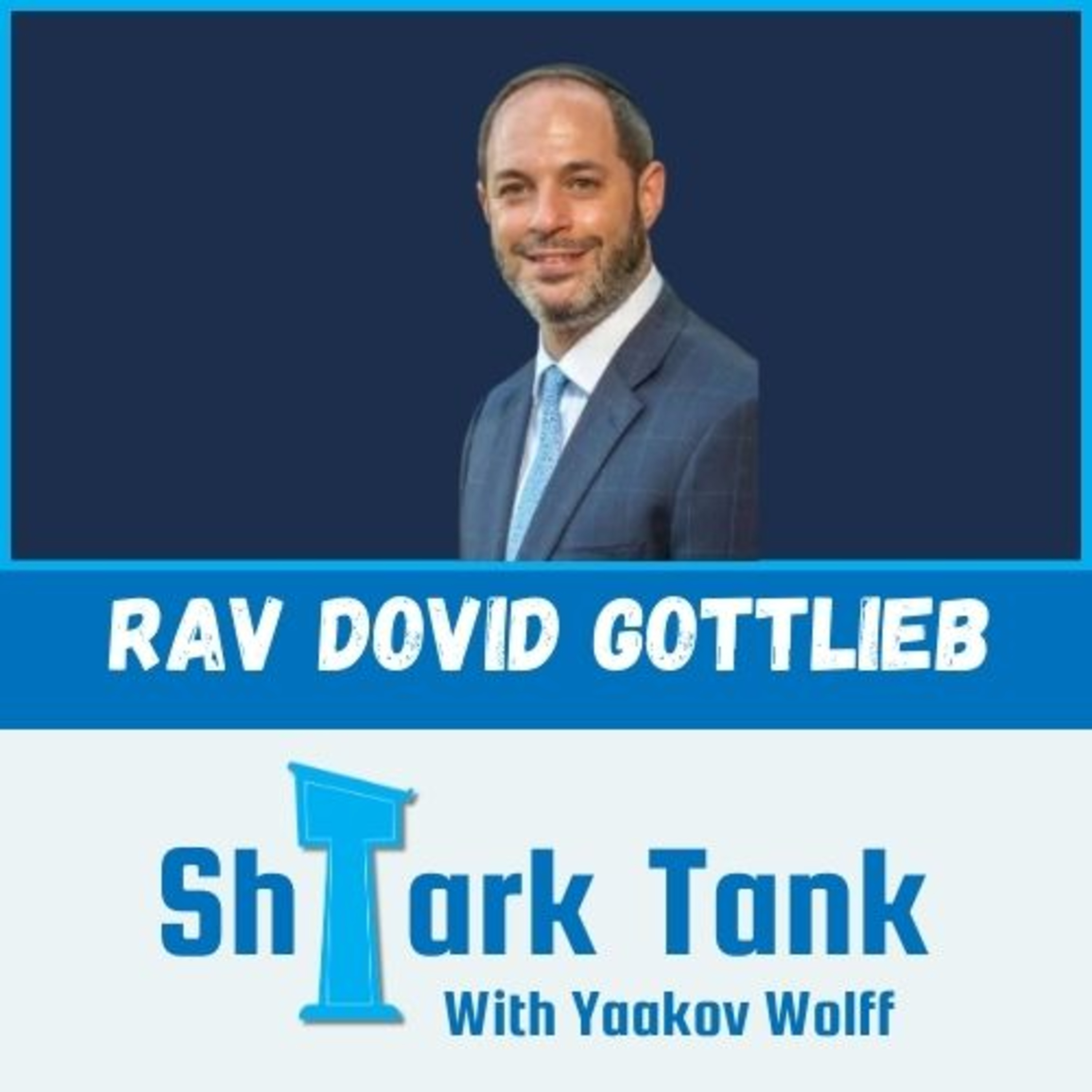 Do Your Job: Avoid Guilt, Keep Striving | Advice from Alei Shur ft. Rav Dovid Gottlieb | What if the most “frum” thing you can do at work… is simply doing your job well?In this episode, I’m joined by Rav Dovid Gottlieb for a sharp, practical conversation built around a powerful piece from Rav Shlomo Wolbe (Alei Shur)—with guidance that every working Ben Torah needs.(The short chapter can be found in Alei Shur vol. I pp. 269-271)Soon after, we take these ideas into one of the hottest and most real-life arenas right now: religious soldiers in the IDF, and the tension of doing what’s right while still missing the beis medrash, the minyan, and the Yom Tov experience. The takeaway applies to soldiers and professionals: avoid guilt, stay honest about what you’re missing, and keep striving.In this episode:The Midrash about Chanuch the cobbler: how “every stitch” can be holy when your goal is to help peopleRav Wolbe’s big idea: there’s no such thing as truly “secular” work when you bring the right kavanaThe “Do Your Job” principle: why learning/davening at the wrong time can become a mitzvah haba’ah b’aveirahThe soldier/workforce parallel: no guilt when you’re doing what Hashem needs from you now—while still feeling the loss of what you’re missingBalancing the three jobs: family, parnassah, and Torah (and why there’s no one-size-fits-all formula)A powerful closing charge from Rav Wolbe: Hashem hasn’t given up on you—keep striving to grow in Torah“Latent awareness”: how Torah stays with you even when you’re fully focused on your missionTo support Religous IDF soliers click here and support Tzalash.If you want to help us grow Shtark Tank, make sure to hit subscribe and leave a 5 star review, thanks! | — | ||||||
| 2/9/26 | 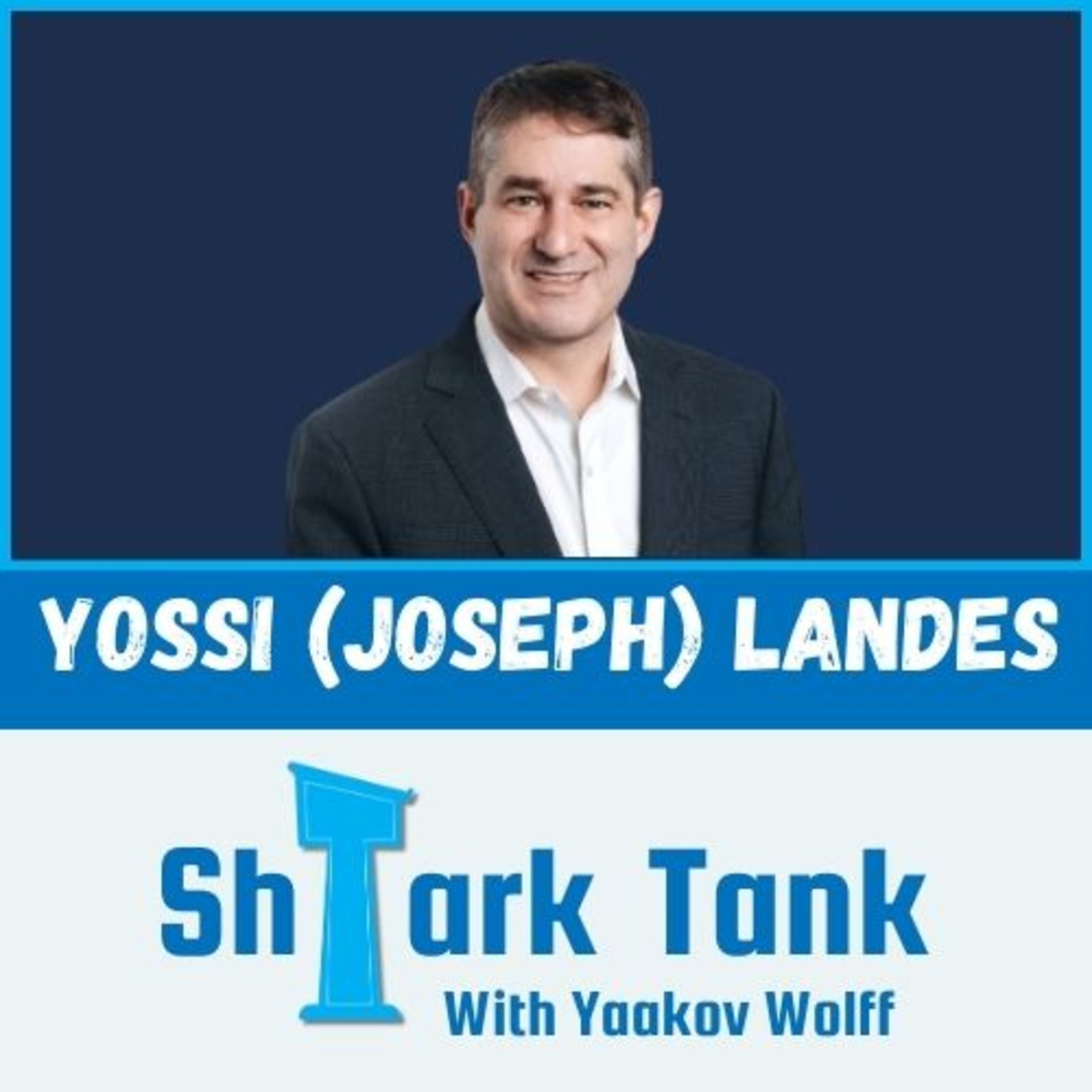 Flying the World, Finishing Shas | Yossi (Joseph) Landes | In this episode, I sit down with Yossi (Joseph) Landes—President and co-founder of Nerdio (a unicorn), and a 23-year veteran of Microsoft.But this conversation isn’t mainly about startups.It’s about growing in Gemara when you don’t see yourself as “the best learner,” and building a life where Torah stays at the center—through airports, moves abroad, pressure, and big responsibility.We talk about:“I might be the worst learner in the whole yeshiva.” And how that humility became fuel—not a stop sign.Daf Yomi as identity: train rides, flights, gates, and “downtime” that turns into real learning time.Awe for talmidei chachamim: the pictures on his desk, and what they remind him of when work gets loud.Lessons from Satya Nadella + lessons from yeshiva—especially the mindset of being a learn-it-all, not a know-it-all.What it takes to stay frum while living around the world—plus huge hakaras hatov to Chabad for making that possible.“Truth is found in the field”: how empathy, listening, and outside-in thinking shaped his leadership style.The long game: building a unicorn company, and still saying, “When I’m done, I want to learn full time.”If you appreciate Shtark Tank, please make sure to subscribe and leave a 5-star review! | — | ||||||
| 2/2/26 | 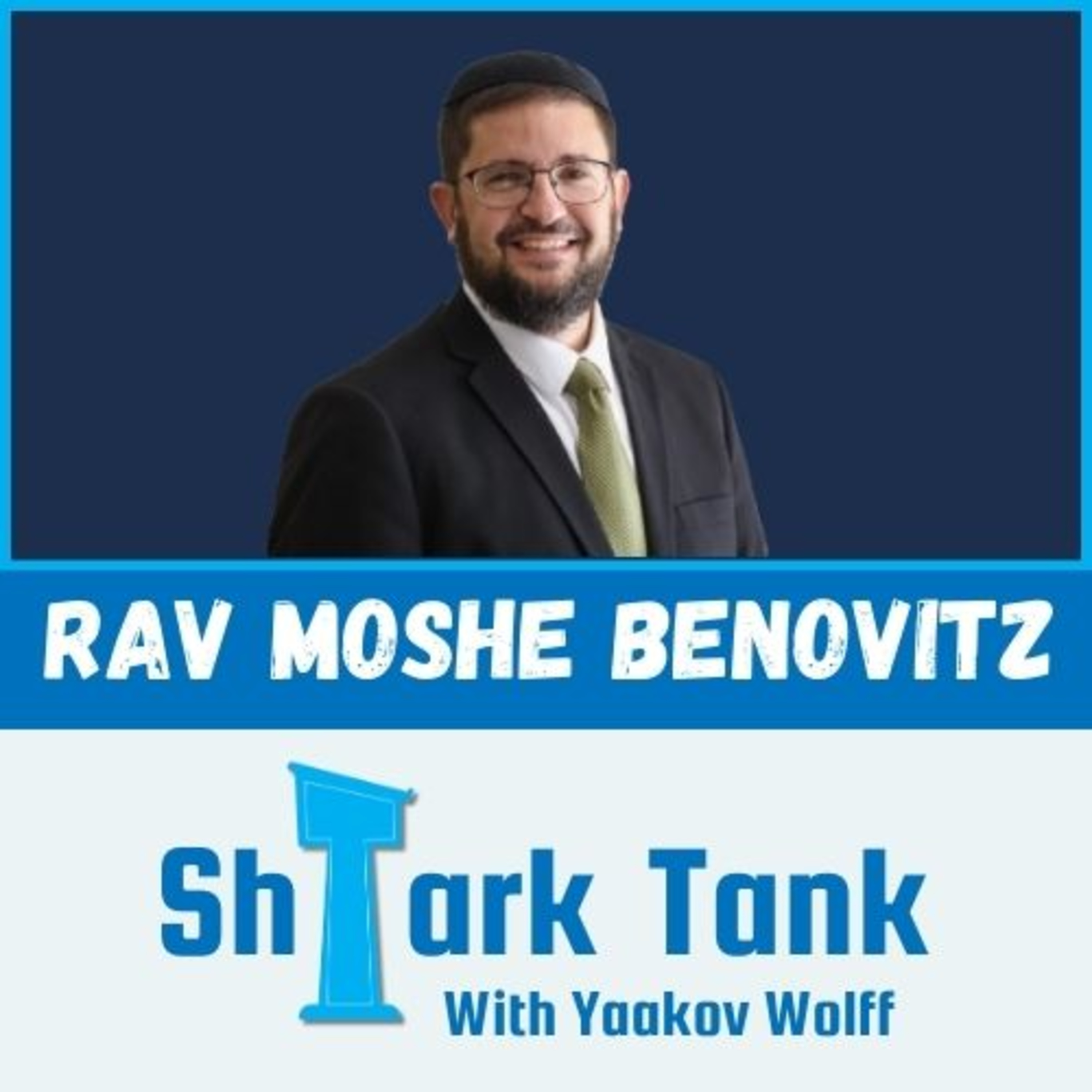 Super Bowl, Sports, and Serving Hashem | An Honest Conversation ft. Rav Moshe Benovitz | Super Bowl week is here, and as Bnei Torah, we can't avoid asking a hard question: what is sports doing to our time, our headspace, and our Avodas Hashem?In this episode of Shtark Tank, I sit down with Rav Moshe Benovitz (Director of NCSY Kollel) for a real, nuanced conversation about loving sports without losing yourself in it—including the famous story of a Super Bowl night in Yeshivat Kerem B'Yavne where he made a deep decision to skip the game.We talk about:When sports is healthy… and when it starts to take over“Must-see TV,” compulsion, and where to draw the lineSports as a “religious” experience (arenas as temples)What Torah educators and marketers can learn from the NFL’s pullCommunity, purpose, and building a mission-driven lifeA fun detour into Bill Simmons and why sports can create real connection | — | ||||||
| 1/26/26 | ![Abie Rotenberg | The Freedom to Sing [From the Archives] episode artwork](https://d3t3ozftmdmh3i.cloudfront.net/staging/podcast_uploaded_episode/38212674/38212674-1769350035125-c6a85424dd43d.jpg) Abie Rotenberg | The Freedom to Sing [From the Archives] | For Parashat Beshalach / Shabbat Shirah, we’re pulling a fan-favorite from the archives: a wide-ranging conversation with Jewish music legend Abie Rotenberg — songwriter of classics like Acheinu, Mama Rochel, and Na’ar Hayiti.But this episode isn’t only about music.A.B. shares how building a serious career in business gave him something rare in the music world: freedom. Freedom to write at his own pace, choose what to release, and never treat music like a paycheck.We also get into:His path from chinuch to the family import business (and what that transition really felt like)Why he sees songwriting as a real form of chinuch — and how melodies can open up the words of tefillah and pesukimThe story and intent behind Marvelous Middos Machine, and the very real dilemmas of teaching values through songsReflections on Acheinu returning to the world in a painful new wayHis Torah writing (sfarim on Eliyahu Hanavi and Rabbi Akiva) — plus a surprising third book: a baseball novel built for kiruvBaseball, balance, and the line between a healthy outlet and a distractionSubscribe if you’re enjoying the show — it helps more than you think. | — | ||||||
| 1/19/26 | 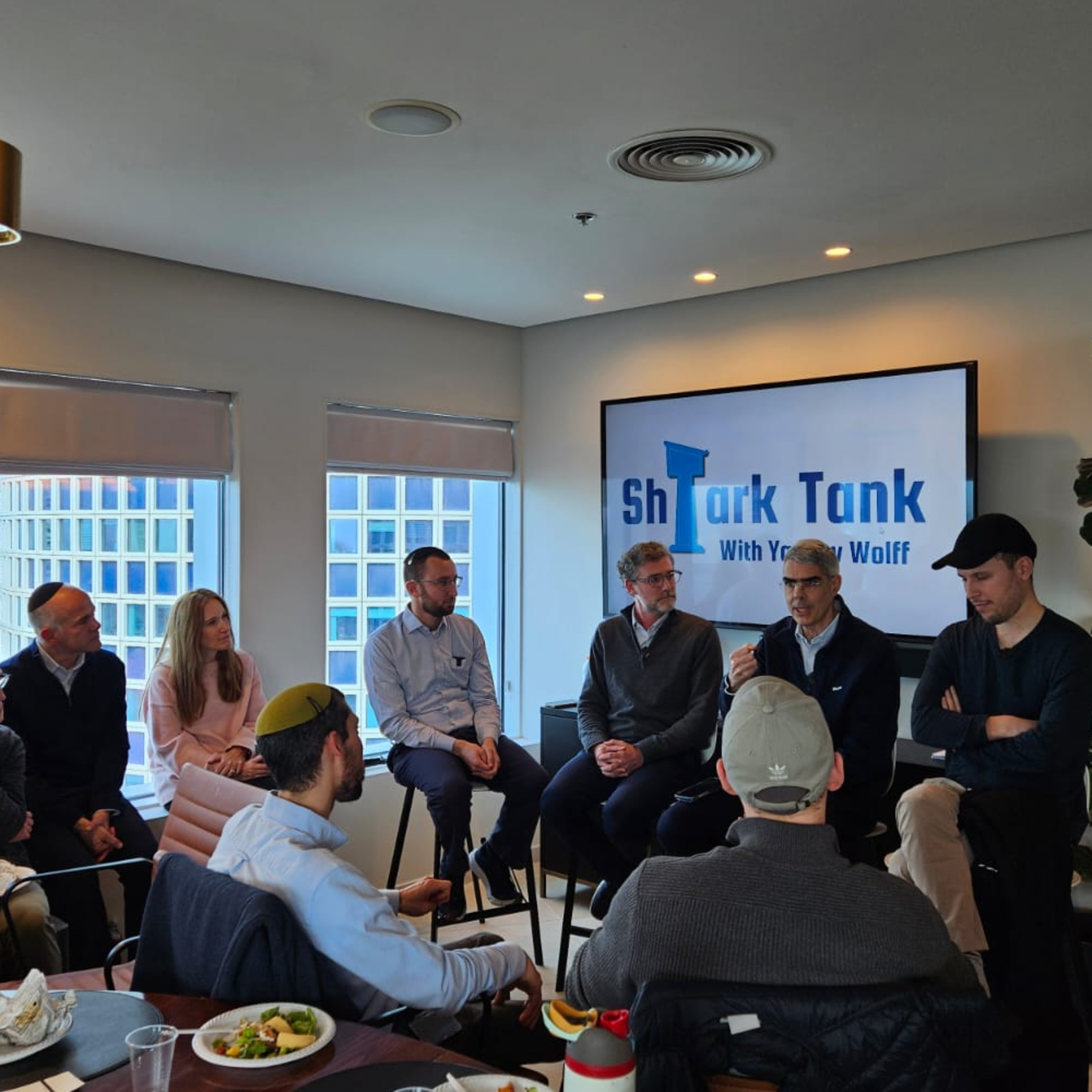 Moe Mernick, Ben Lang and Michael Bloch | Growth in Torah and Business | LIVE in Tel Aviv | Is it possible to grow in Torah and business at the same time?Last week, I sat down with Moe Mernick, Ben Lang, and Michael Bloch to talk it through — live, in front of an energetic crowd of 50+ growth-oriented leaders, at the offices of DLA Piper Israel in Tel Aviv.The “excuse” for the gathering was Moe’s new book, Conversations with Jewish Business Leaders — and the conversation went way beyond the book.We discussed:What success really means (and why it can’t be one-size-fits-all)Why success isn’t about money — and how to build a life that actually feels alignedMeaning at work, mid-career “what am I doing with my life?” moments, and the idea of learn / earn / returnHow side projects can turn into real impact Staying strong in the lows: imposter syndrome, mentors, community, and keeping perspectiveSpiritual growth in the busy years: fixed learning times, realistic goals, balancing “heart” and “mind,” and accountabilityOrder Conversations with Jewish Business Leaders here.Big thank you to the event hosts and sponsors: DLA Piper Israel and Yeshiva University Israel. | — | ||||||
| 1/12/26 |  What Your Wife Really Needs | Shovavim Special ft. Aaron Zakowski | In this Shovavim special, I sat down with marriage coach Aaron Zakowski for a direct and practical conversation about what it really means to be a Jewish husband and father in today’s world.We talk about:Why emotional safety matters as much as financial stabilityThe mistake many men make when they try to “fix” instead of listenHow long work hours affect marriage—and what actually helpsWhy your value as a Jewish man does not come from your paycheckWhat most chassan classes don’t prepare you forHow marriage changes at different stages of lifeStress, self-esteem, and why men need support tooCreating closeness at home without needing more time in the dayResourcesAaron on InstagramBeyond The Chassan Class (Webinar)Shalom Bayis Daily (Whatsapp Group)You can reach Aaron at Aaron.zakowski@gmail.com | — | ||||||
| 1/5/26 |  The CEO Who Handwrites 1,000 Thank-You Notes | Laizer Kornwasser | What does real success look like when you’re trying to stay grounded as a Ben Torah?In this episode of Shtark Tank, I sat down with Laizer Kornwasser — CEO of DrFirst, professor at Yeshiva University, and Chairman of NCSY — for a wide-ranging conversation about ambition, pressure, leadership, and the Torah ideas that shape how we show up at work and in life.Laizer shares stories from investment banking and the C-suite, including how he learned to earn his “seat at the table” through facts, results, and humility. We talk about drawing clear lines when work clashes with Shabbos, why most people aren’t cut out for investment banking, and how to define success in a way that protects your priorities.Then we shift into a deep dive on the Altar of Slabodka: Gadlus HaAdam, EQ vs IQ, gratitude, and the power of seeing each person as an individual with real potential.And yes — we get into the now-famous practice: why Laizer handwrites 1,000 New Year’s cards and sends personal thank-you messages one-by-one, and what it teaches about hakaras hatov, relationships, and leadership.In this episode, we cover:Why investment banking is “not cut out for most people”What “success” really means when you’re trying to grow in YiddishkeitThe importance of knowing your line in the sand (and not crossing it)A real story: a CEO tried to push Shabbos boundaries — and Laizer’s response“Facts, not emotion”: how to communicate with different personalitiesThe Altar of Slabodka’s approach to building people, not just teaching TorahEQ as a Jewish leadership skill, not just a business buzzwordWhy Laizer sends personal thank-yous instead of mass messagesChesed that actually changes you (not just “check-writing”)If you got value from this episode, please take 10 seconds to subscribe and leave a 5-star rating — it helps more people find the show. | — | ||||||
| 12/22/25 |  Gratitude in the Rehab Ward | Chanuka Special ft. Dan Cohen | Gratitude is usually talked about after things work out.This episode is about learning it while you’re still in it.In honor of Chanukah, 'days of praise and thanks', Dan Cohen shares what it was like to go from a full, busy professional life to an unexpected spinal surgery and 90 days in a rehab ward — right in the middle of a national crisis.Not a dramatic story.Not a miracle tale.A real look at what gratitude means when:your plans fall apartyour body isn’t cooperatingyour work and identity are put on pauseDan reflects on letting go of expectations, staying present when the future is unclear, and learning that gratitude isn’t about being happy — it’s about recognizing that this moment is where you’re meant to be.A Chanukah episode about small light, honest praise, and finding steadiness in ordinary challenges that many professionals quietly carry.We also talk about how writing Divrei Torah was an anchor for Dan during during his hardest times.More From DanCheck out Dan's firm, FCP Communications here To read Dan's Divrei Torah To learn more about Geerz, click here | — | ||||||
Showing 25 of 73
Sponsor Intelligence
Sign in to see which brands sponsor this podcast, their ad offers, and promo codes.
Chart Positions
7 placements across 6 markets.
Chart Positions
7 placements across 6 markets.