
Insights from recent episode analysis
Audience Interest
Podcast Focus
Publishing Consistency
Platform Reach
Insights are generated by CastFox AI using publicly available data, episode content, and proprietary models.
Most discussed topics
Brands & references
Total monthly reach
Estimated from 1 chart position in 1 market.
By chart position
- 🇳🇿NZ · Education#186500 to 3K
- Per-Episode Audience
Est. listeners per new episode within ~30 days
250 to 1.5K🎙 ~2x weekly·73 episodes·Last published 4d ago - Monthly Reach
Unique listeners across all episodes (30 days)
500 to 3K🇳🇿100% - Active Followers
Loyal subscribers who consistently listen
200 to 1.2K
Market Insights
Platform Distribution
Reach across major podcast platforms, updated hourly
Total Followers
—
Total Plays
—
Total Reviews
—
* Data sourced directly from platform APIs and aggregated hourly across all major podcast directories.
On the show
From 12 epsHosts
Recent guests
Recent episodes
The Diderot Effect
Jun 2, 2026
Unknown duration
Why Only 2 Countries Are Double-Landlocked
May 19, 2026
31m 00s
How To Become An Overnight Success.
May 5, 2026
35m 20s
Play Until Something Gets Broken
Apr 21, 2026
22m 30s
Submarine Lessons for Business Leadership
Apr 7, 2026
52m 10s
Social Links & Contact
Official channels & resources
Official Website
Login
RSS Feed
Login
| Date | Episode | Topics | Guests | Brands | Places | Keywords | Sponsor | Length | |
|---|---|---|---|---|---|---|---|---|---|
| 6/2/26 |  The Diderot Effect | Are you a slave to your possessions?Do your possessions form part of your identity?How easy is it to fall into a trap where one new purchase begets another, and another, and another...?We explore the Diderot Effect - so called after an essay written in 1769 by French philosopher, writer, and art critic who served as one of the most influential figures of the Age of Enlightenment. "Regrets On Parting With My Old Dressing Gown" details how receiving a luxurious scarlet robe as a gift made his existing belongings look shabby, sparking an out-of-control spending spiral to replace all his old furniture to match the new garment. In the episode Jono references that he first heard about it from James Clear who went on to include it in his highly successful book, Atomic Habits.Episode Summary00:00 Summer Break Notice00:51 What Is the Diderot Effect04:09 Diderot and the Dressing Gown06:05 When Stuff Owns You09:47 Our Diderot Moments13:45 Tools Cars and Tech Spirals20:23 Business Growth and Office Upgrades28:00 How to Master the Effect31:18 Final Quotes and Wrap Up Hosted on Acast. See acast.com/privacy for more information. | — | ||||||
| 5/19/26 | 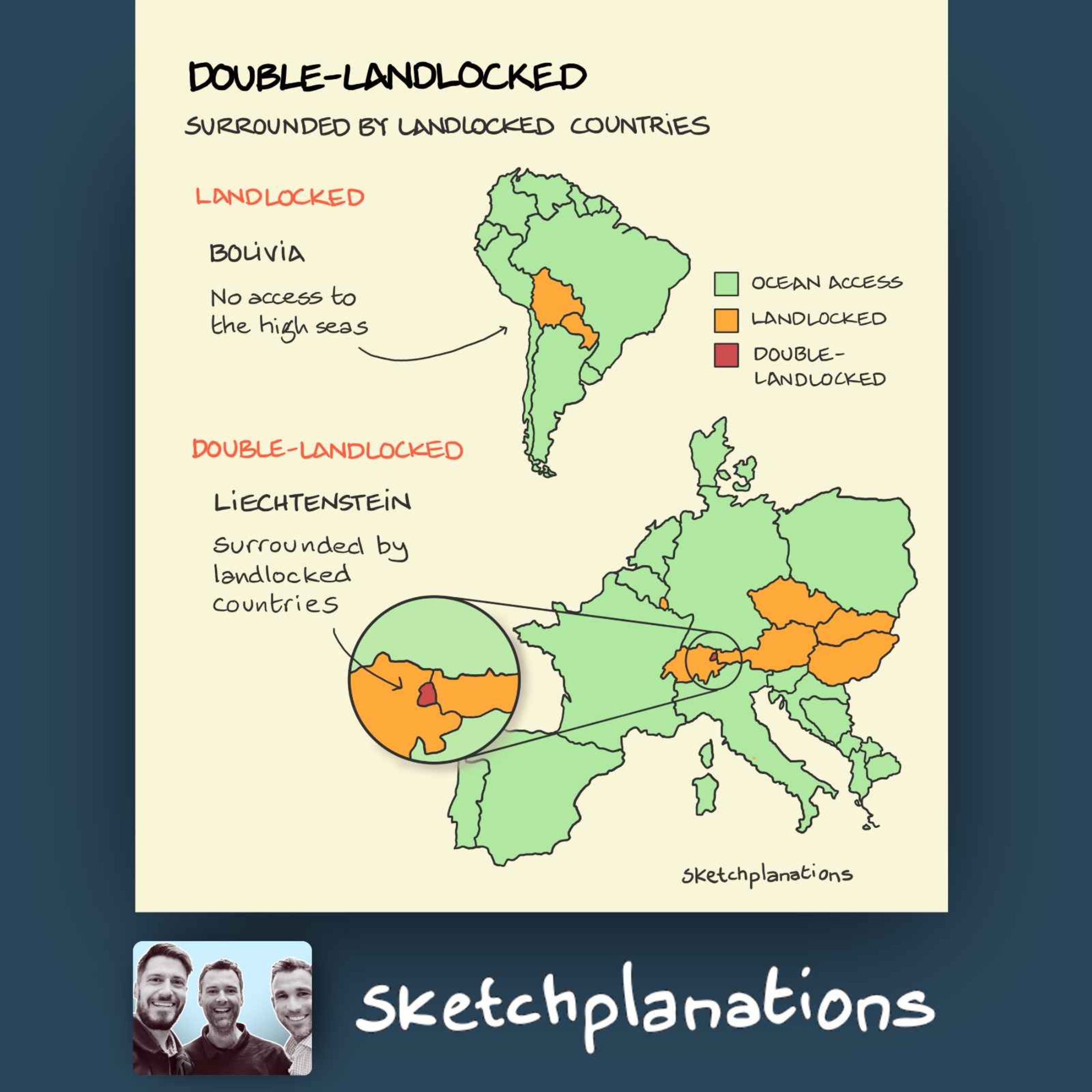 Why Only 2 Countries Are Double-Landlocked✨ | double-landlocked countriesgeopolitics+4 | — | Prisoners of Geography | LiechtensteinUzbekistan+7 | double-landlockedgeography+7 | — | 31m 00s | |
| 5/5/26 | 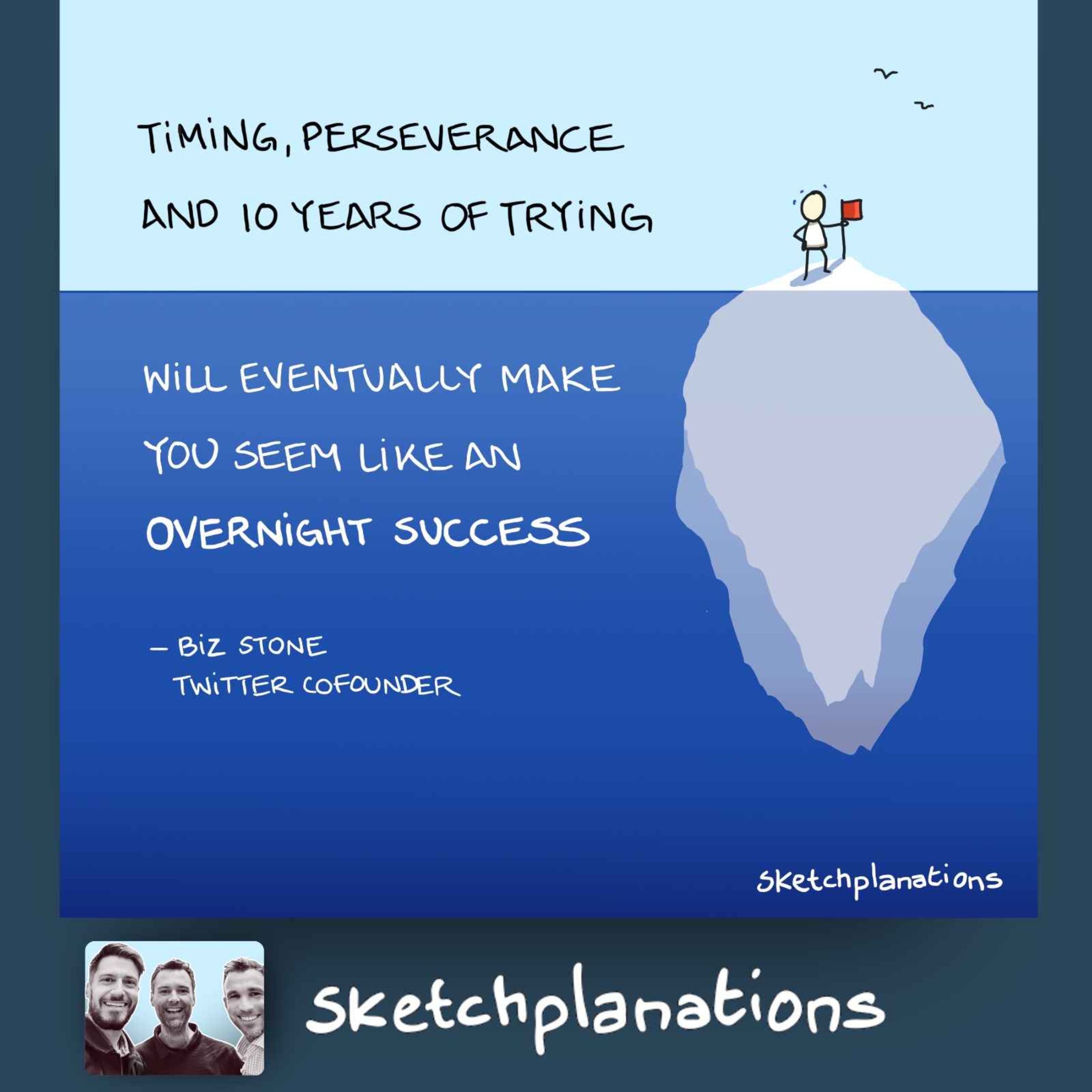 How To Become An Overnight Success.✨ | overnight successperseverance+4 | Tom | TwitterUber+4 | — | overnight successBiz Stone+6 | — | 35m 20s | |
| 4/21/26 | 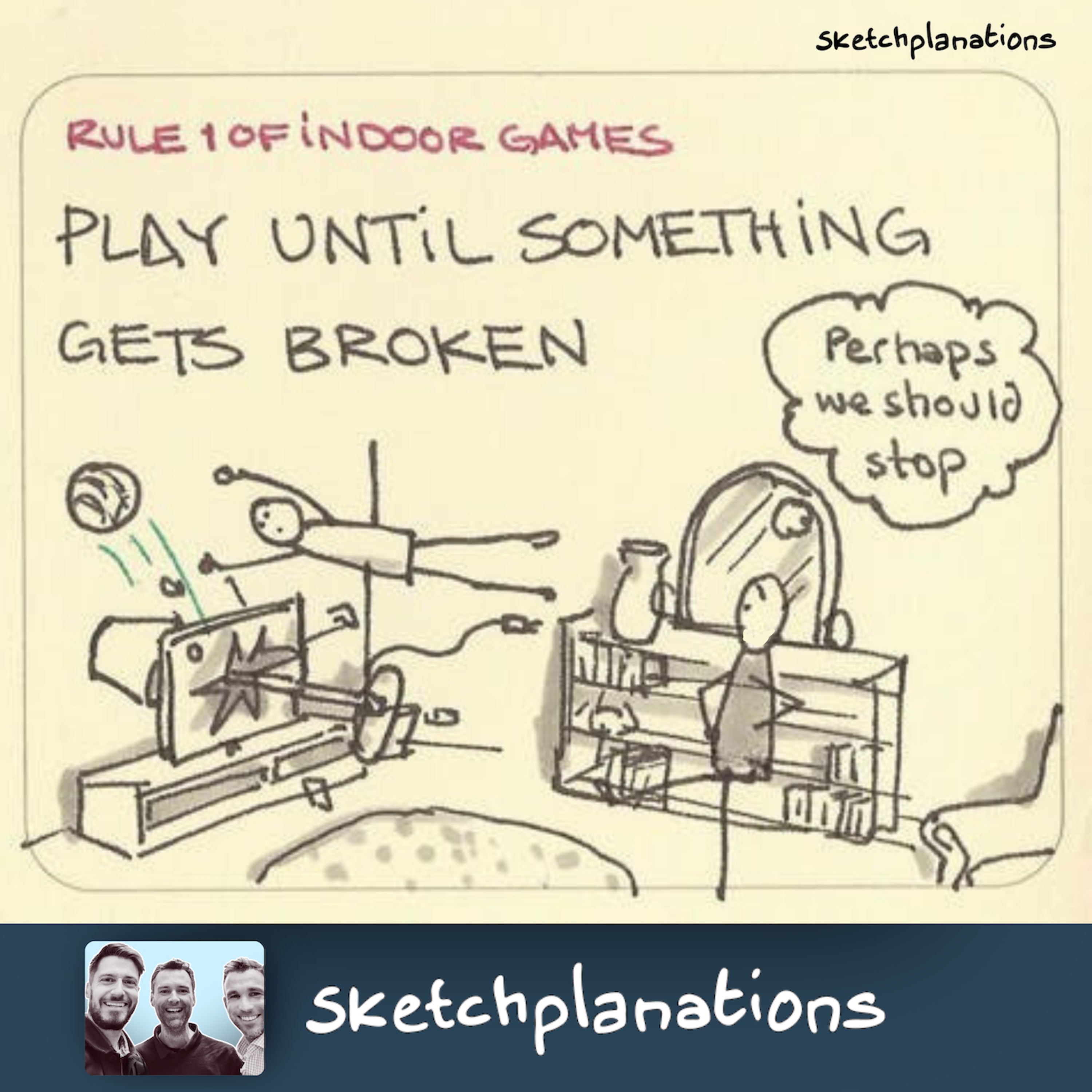 Play Until Something Gets Broken✨ | indoor gameschildhood memories+3 | Jono | Belleek PotteryEscher's Impossible Staircase+2 | — | indoor gamesnostalgia+3 | — | 22m 30s | |
| 4/7/26 | 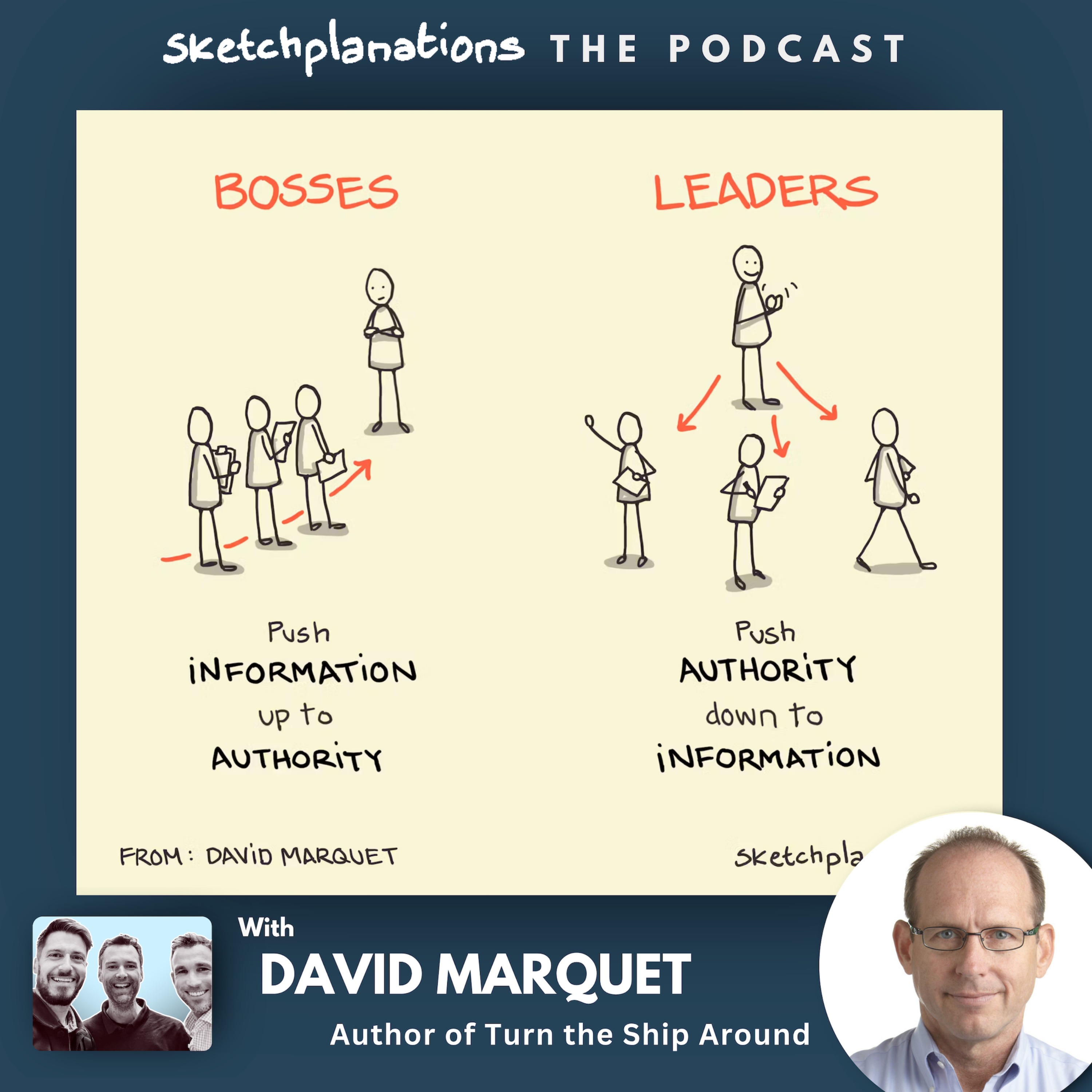 Submarine Lessons for Business Leadership✨ | leadershipbusiness+4 | David Marquet | US NavyTurn the Ship Around+2 | — | leadershipUSS Santa Fe+7 | — | 52m 10s | |
| 3/24/26 | 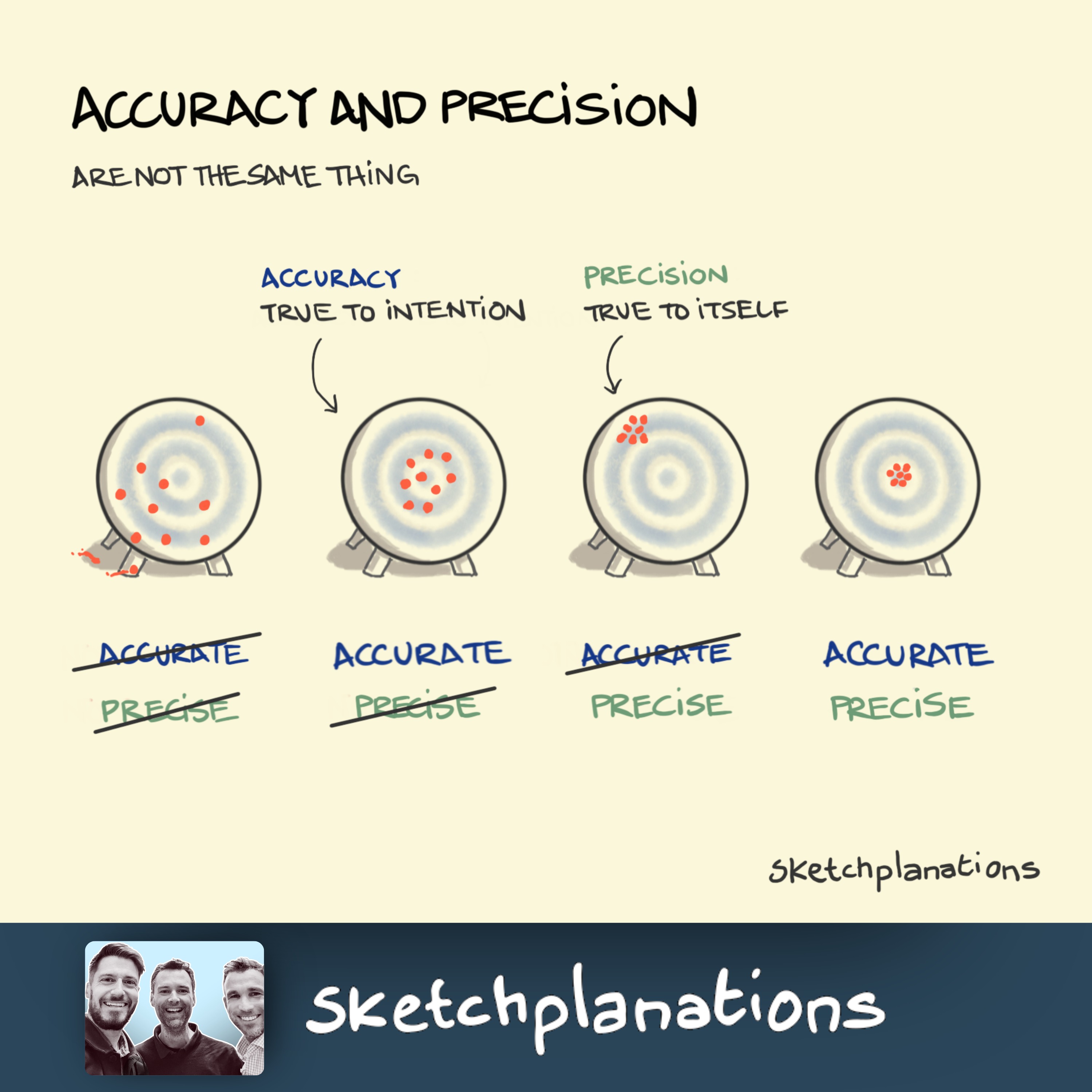 Hitting the Target: Accuracy vs. Precision✨ | accuracyprecision+5 | — | McDonald’sFranc Cinel+1 | — | accuracyprecision+7 | — | 29m 44s | |
| 3/10/26 | 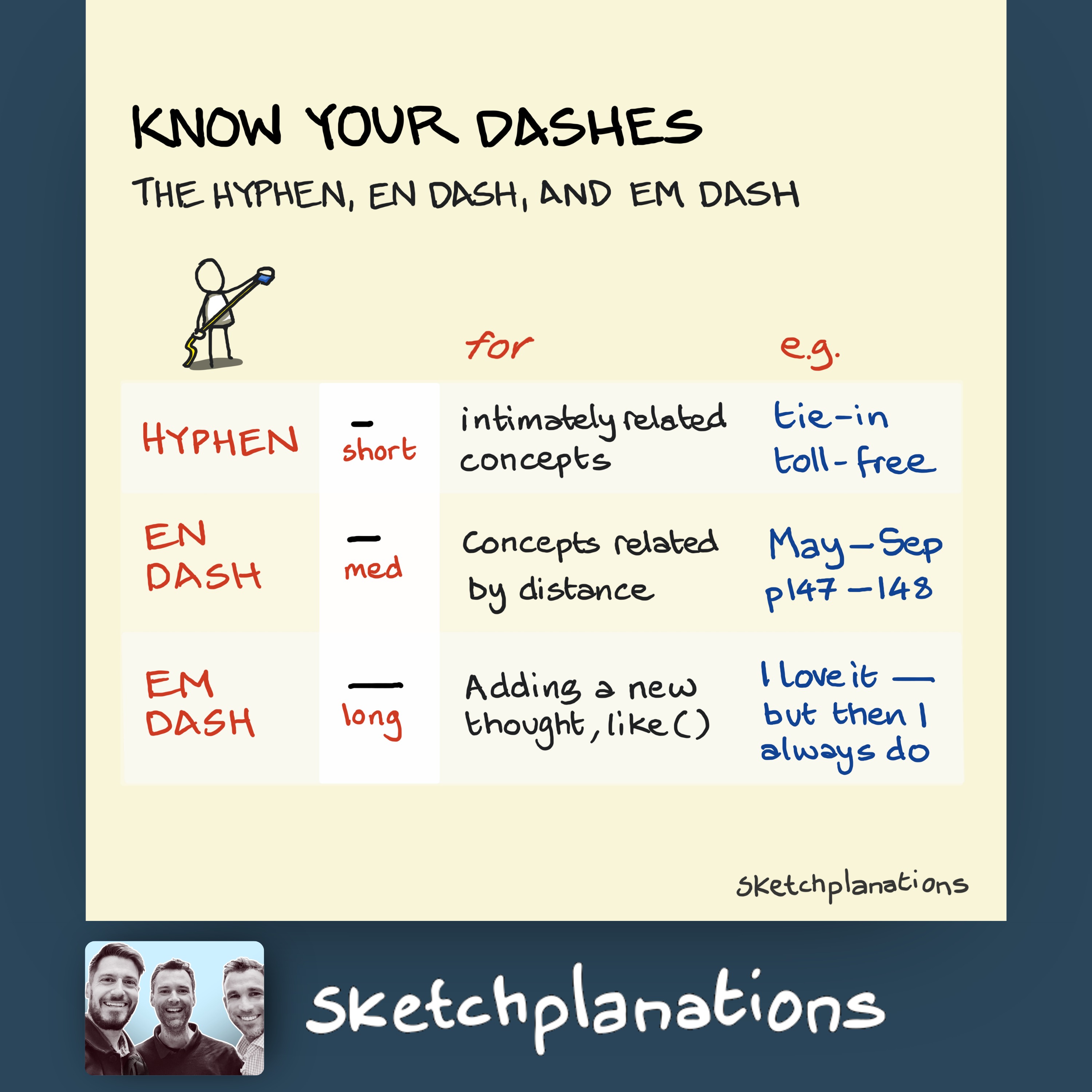 Do you Know Your Dashes?✨ | grammarpunctuation+5 | — | — | — | hyphenen dash+5 | — | 33m 19s | |
| 2/24/26 | 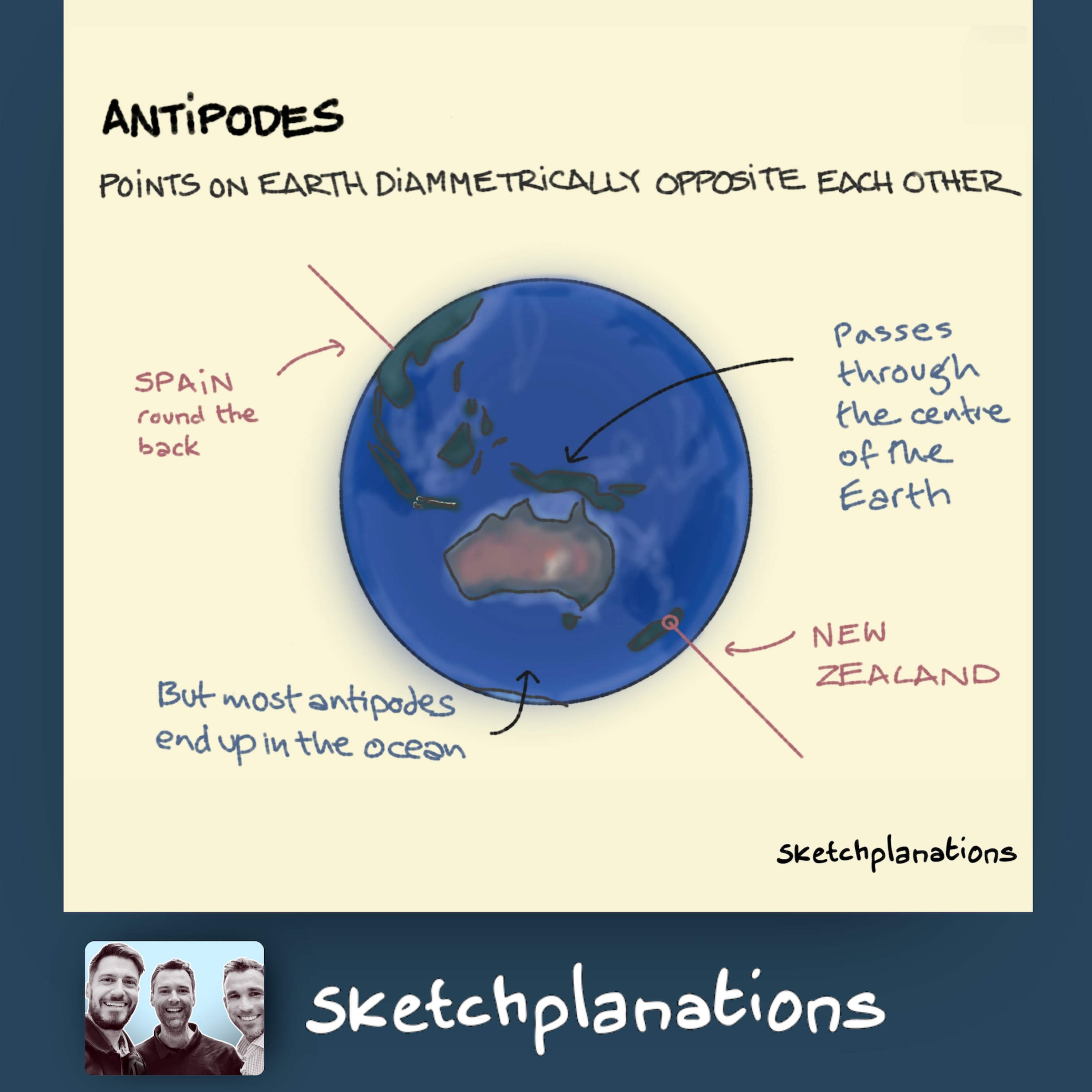 Digging Through the Planet: The Geography of Antipodes✨ | geographyantipodes+3 | — | Bell Boy ProductionsMarvellous Maps | Kola Superdeep BoreholeRussia+1 | antipodesgeography+3 | — | 17m 22s | |
| 2/10/26 | 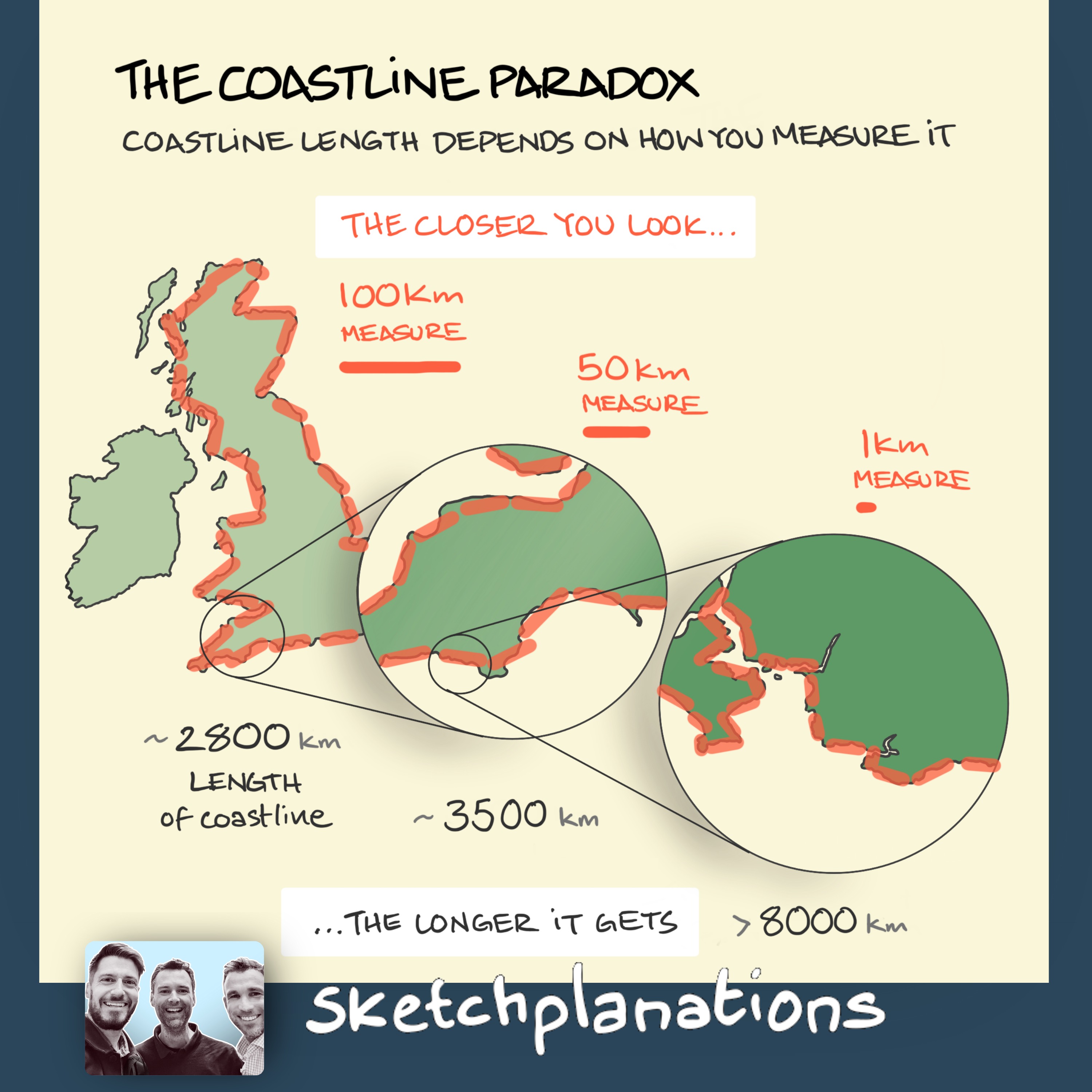 The closer you look, the longer it gets: The Coastline Paradox✨ | Coastline Paradoxmeasurement+4 | — | Scale | — | coastlinemeasurement+5 | — | 26m 04s | |
| 1/27/26 | 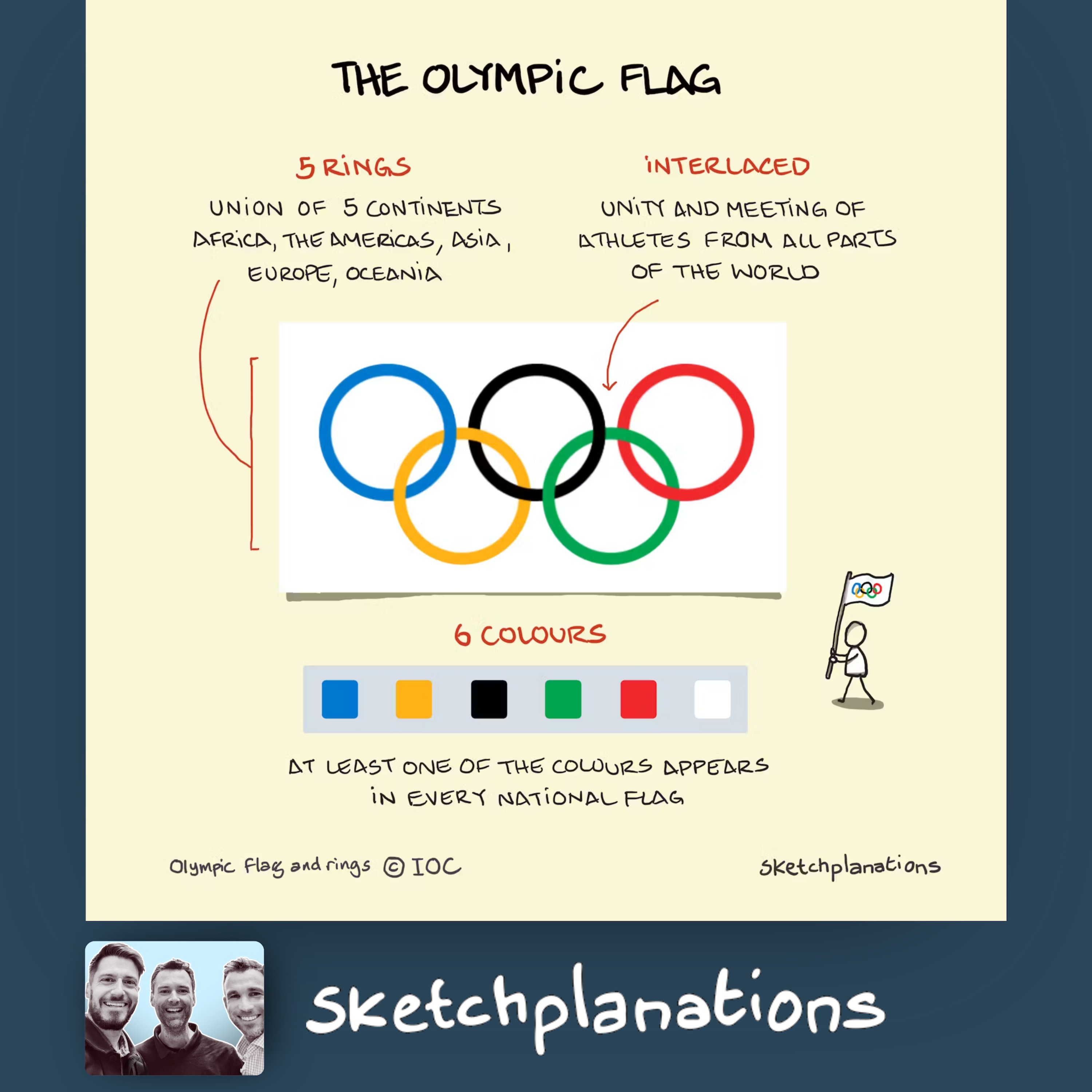 More Than Just Rings: Unity, History, and Ambition.✨ | Olympic historysymbolism of the Olympic flag+3 | — | Olympic MuseumOlympics Channel+1 | Milano CortinaLausanne | Olympic flagPierre de Coubertin+4 | — | 23m 24s | |
Want analysis for the episodes below?Free for Pro Submit a request, we'll have your selected episodes analyzed within an hour. Free, at no cost to you, for Pro users. | |||||||||
| 1/13/26 | 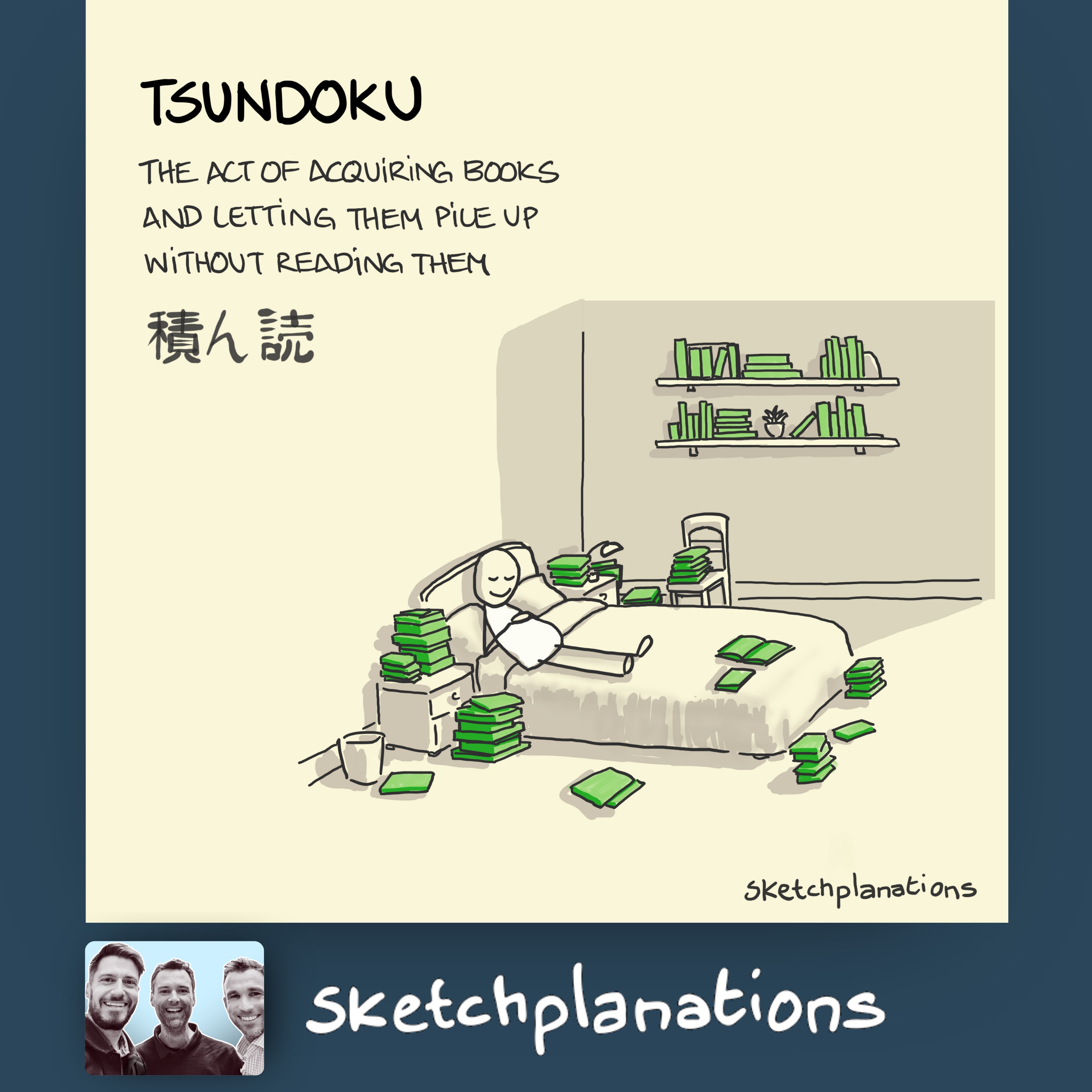 Tsundoku: Do you buy books faster than you can read them? 📚🤔✨ | Tsundokubook collecting+4 | — | Rocket Fuel by Gino Wickman and Mark WintersA few short sentences about writing by Verlyn Klinkenborg+3 | — | Tsundokuunread books+5 | — | 20m 48s | |
| 12/30/25 | 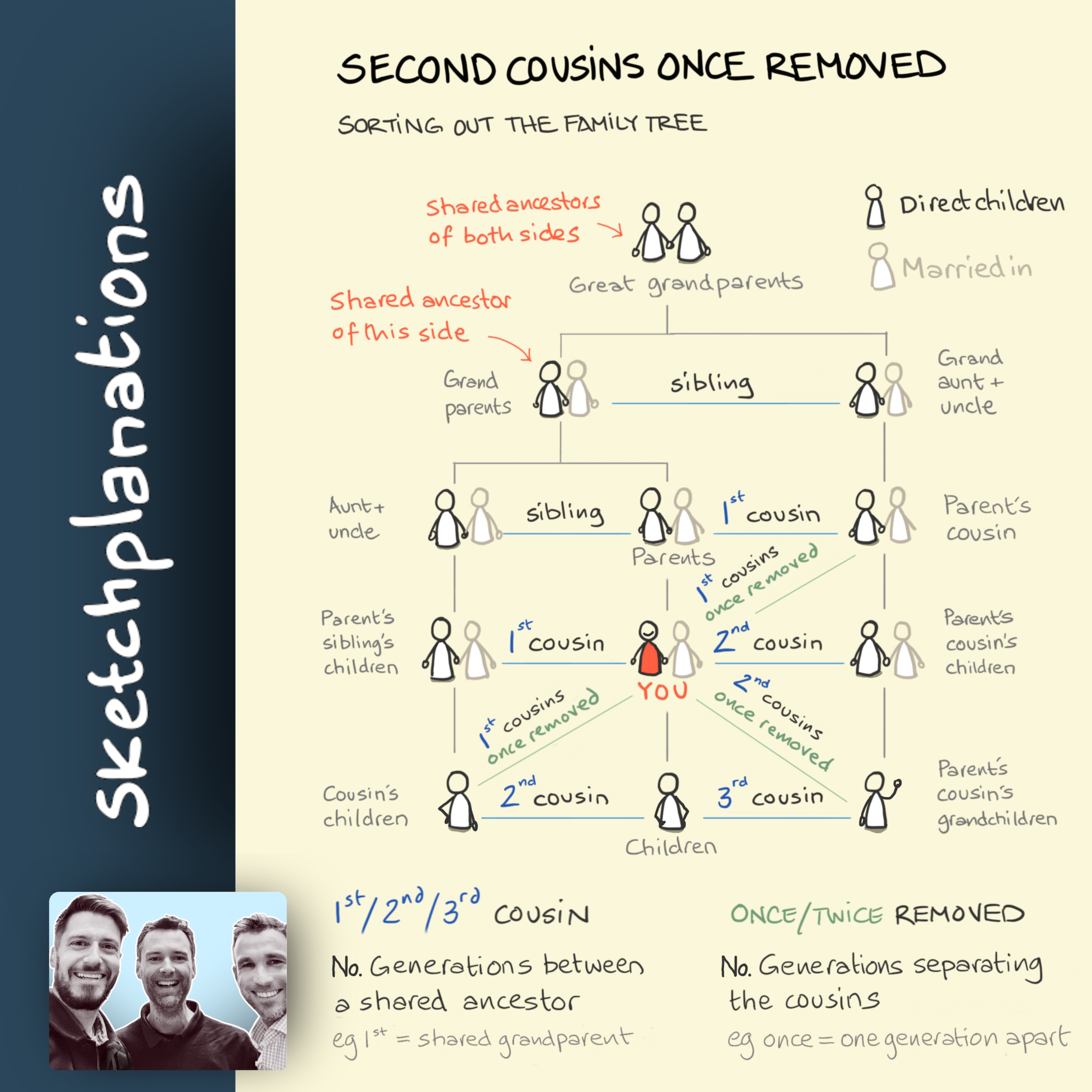 Family Tree Explainer✨ | family relationsfamily trees+4 | — | Sketchplanations | ChinaIceland | second cousinsonce removed+3 | — | 28m 46s | |
| 12/16/25 | 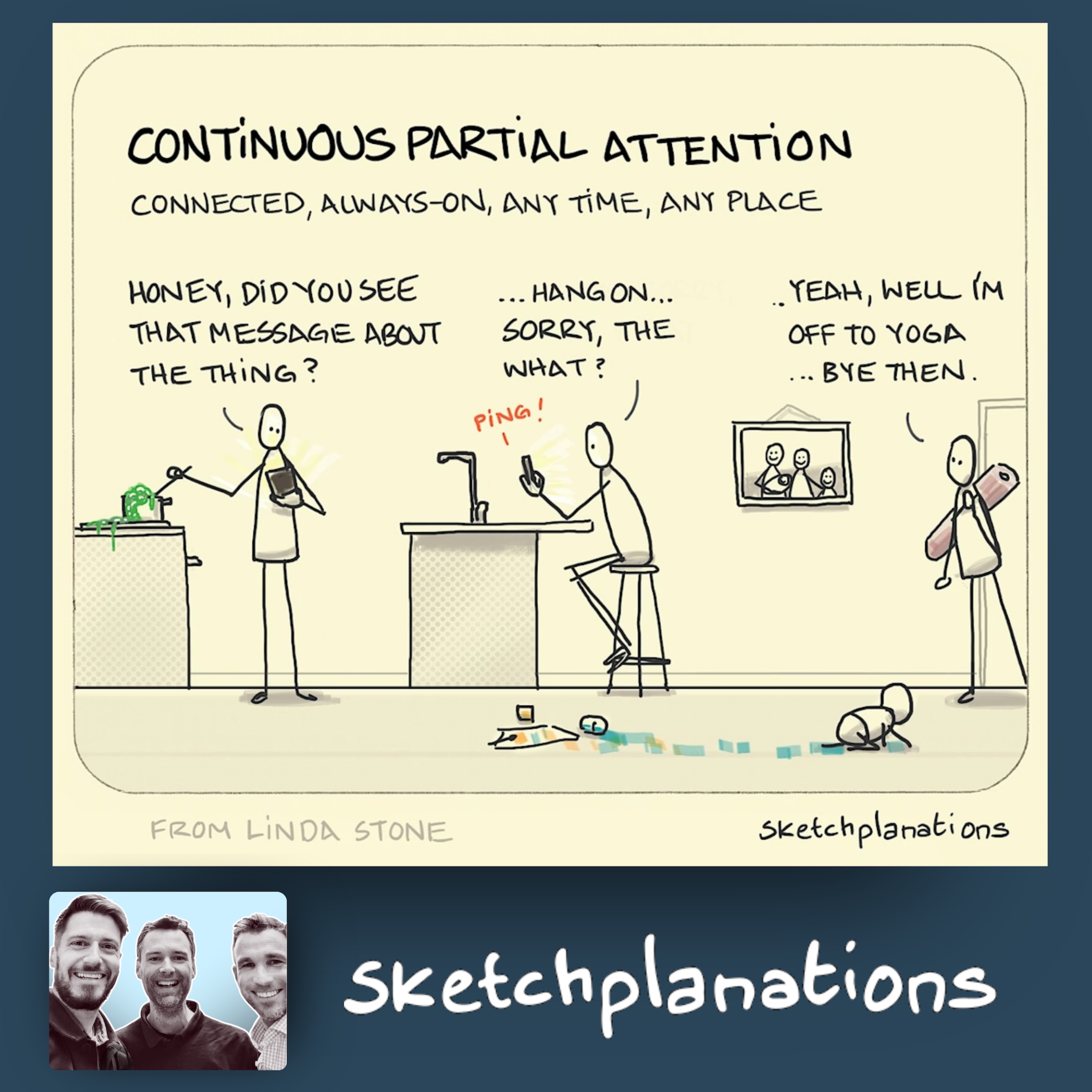 Continuous Partial Attention✨ | Continuous Partial Attentionmultitasking+3 | — | Big Ideas, Little PicturesHer | — | Continuous Partial Attentionmultitasking+3 | — | 38m 38s | |
| 12/2/25 |  Microlives & The Art of Uncertainty with Sir David Spiegelhalter | What's your life expectancy trade-off for enjoying a crispy bacon sandwich? 🥓Sir David Spiegelhalter is a celebrated Professor of Statistics at the University of Cambridge; widely accepted as one of the UK's foremost statisticians. He explains the concepts of 'micromorts' and 'microlives', which quantify risk and the impact of lifestyle choices on life expectancy. The discussion delves into acute vs. chronic risks, with practical examples such as the dangers of skydiving or how regular smoking affects longevity of life. The conversation also covers the application of statistics in medicine, the importance of randomisation in clinical trials, and the philosophical underpinnings of uncertainty. Additionally, David highlights the human capacity to judge risks, the pitfalls of intuition, and offers practical advice on dealing with uncertainty in everyday life. Lively anecdotes, insightful explanations, and practical takeaways make this episode a compelling listen for anyone interested in the intersection of statistics, risk, and daily decision-making.David's latest book, The Art of Uncertainty is available in all good bookshops and online.Here are some useful links to further explore some topics raised:The work of Ron Howard at Stanford UniversityJono's sketch on Word SpectrumsDavid's many other books - including Sex by NumbersPoisson Distribution explainedDavid tells the tale of Persi Diaconis - the Mathemagician.Episode Summary:00:00 Introduction, David's Background & Achievements01:43 The Wipeout Experience03:13 Understanding Micro-Morts04:27 Acute vs. Chronic Risks05:29 Micro-Morts in Everyday Activities12:05 Introduction to Micro-Lives18:03 Medical Applications of Data and Statistics21:27 The Role of Uncertainty in Life27:52 Building Resilience Over Robustness29:18 Embracing Uncertainty in Life33:35 Misuse of Statistics in Media and Politics40:30 The Gamblers Fallacy and Intuition42:29 The Uniqueness of Card Shuffles45:43 Common Misconceptions About Probability48:02 Practical Tips for Dealing with Uncertainty51:33 Final Thoughts and ReflectionsAll music is provided by Franc Cinelli. Hosted on Acast. See acast.com/privacy for more information. | — | ||||||
| 11/18/25 | 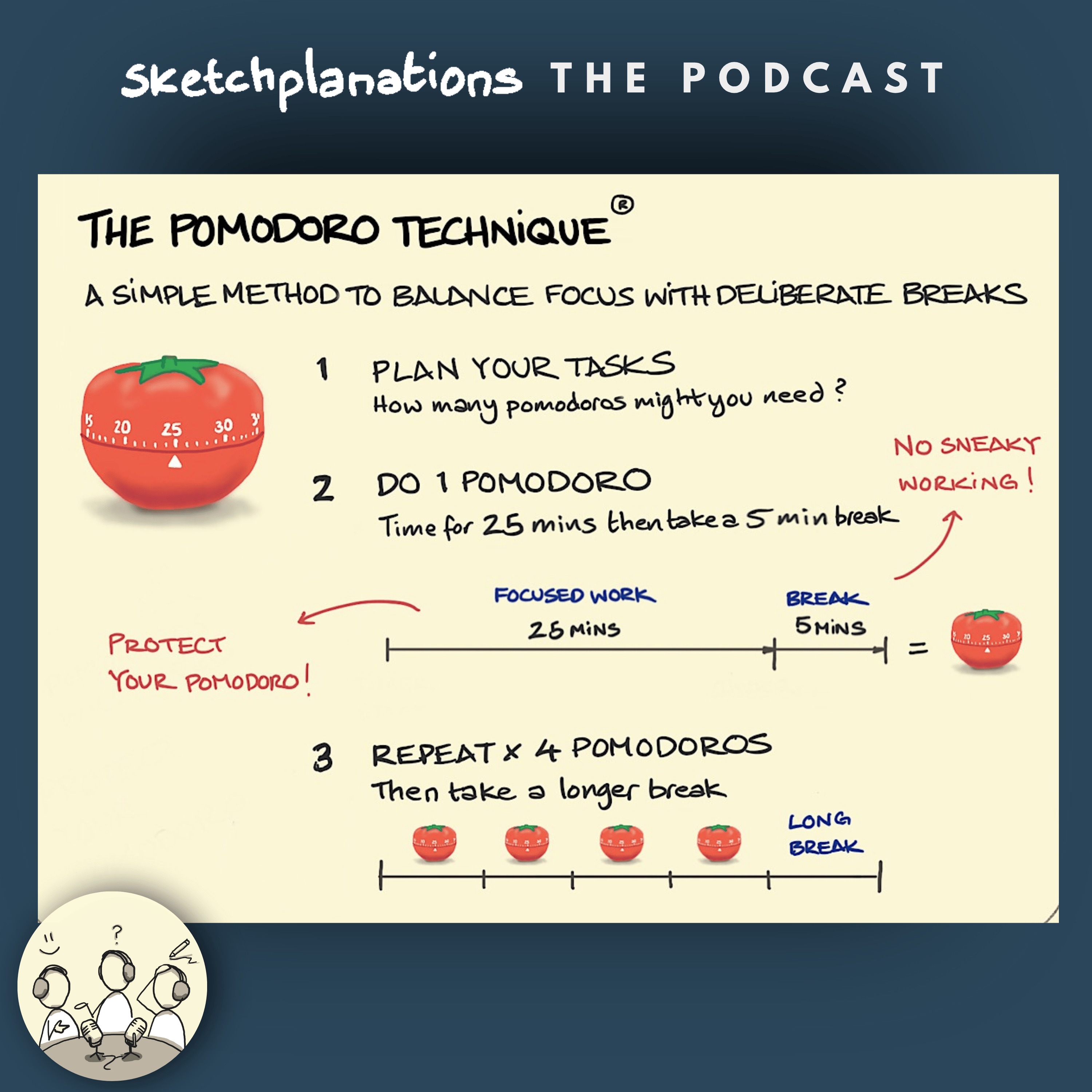 The Pomodoro Technique | This genius time management hack was conceived by Francesco Cirillo. The technique involves working for 25 minutes followed by a mandatory 5-minute break, repeating this cycle three to four times before taking a longer break. We share our personal attempts at using the method, explore the psychology behind productive work cycles, the importance of taking breaks and reflect on its effectiveness in both office and home environments. We also discuss the broader context of productivity obsession and share insights from using related tools eg. online "focus buddies". The session concludes with a follow-up on how the Pomodoro Technique has worked for them a week after recording the episode, reenforcing a lot of the theory we originally set out. Could this be our favourite procrastination buster yet!?!External linksIn the episode we reference a number of items you can find out more on here: Previous podcast episodes came up a lot (procrastination is a recurring theme for us): How to Instantly Feel Better; Yak Shaving; Goldilocks Tasks & The Fresh Start EffectRemarkably, there's currently no sketch for it, but Jono talks about The Red Queen Effect or Hypothesis - the concept of having to run to stay still.The Bear Focus Timer (used by Jono and now Tom as well). Available on Apple Store Examples of Focus Buddy or Accountability Partner websites include Focus Mate and Flow Club.Episode Summary00:00 Introduction to Sketchplanations Podcast00:29 Exploring the Pomodoro Technique01:03 Origins and Basics of the Pomodoro Technique02:57 Implementing the Pomodoro Technique in the Office07:23 Challenges and Adaptations of the Pomodoro Technique17:10 Alternative Productivity Methods18:53 Accountability and Shame in Productivity19:40 Origins of the Pomodoro Technique20:17 Applying Pomodoro in Different Environments21:32 Psychological Benefits of Time Blocking22:38 Challenges and Adaptations in the Office23:01 Personal Admin and Procrastination23:22 Flow and Creative Tasks26:16 Post-pod Findings on Pomodoro Technique Usage28:44 Final Thoughts and OutroAll music on this podcast series is kindly provided by the very talented Franc Cinelli. Hosted on Acast. See acast.com/privacy for more information. | — | ||||||
| 11/4/25 | 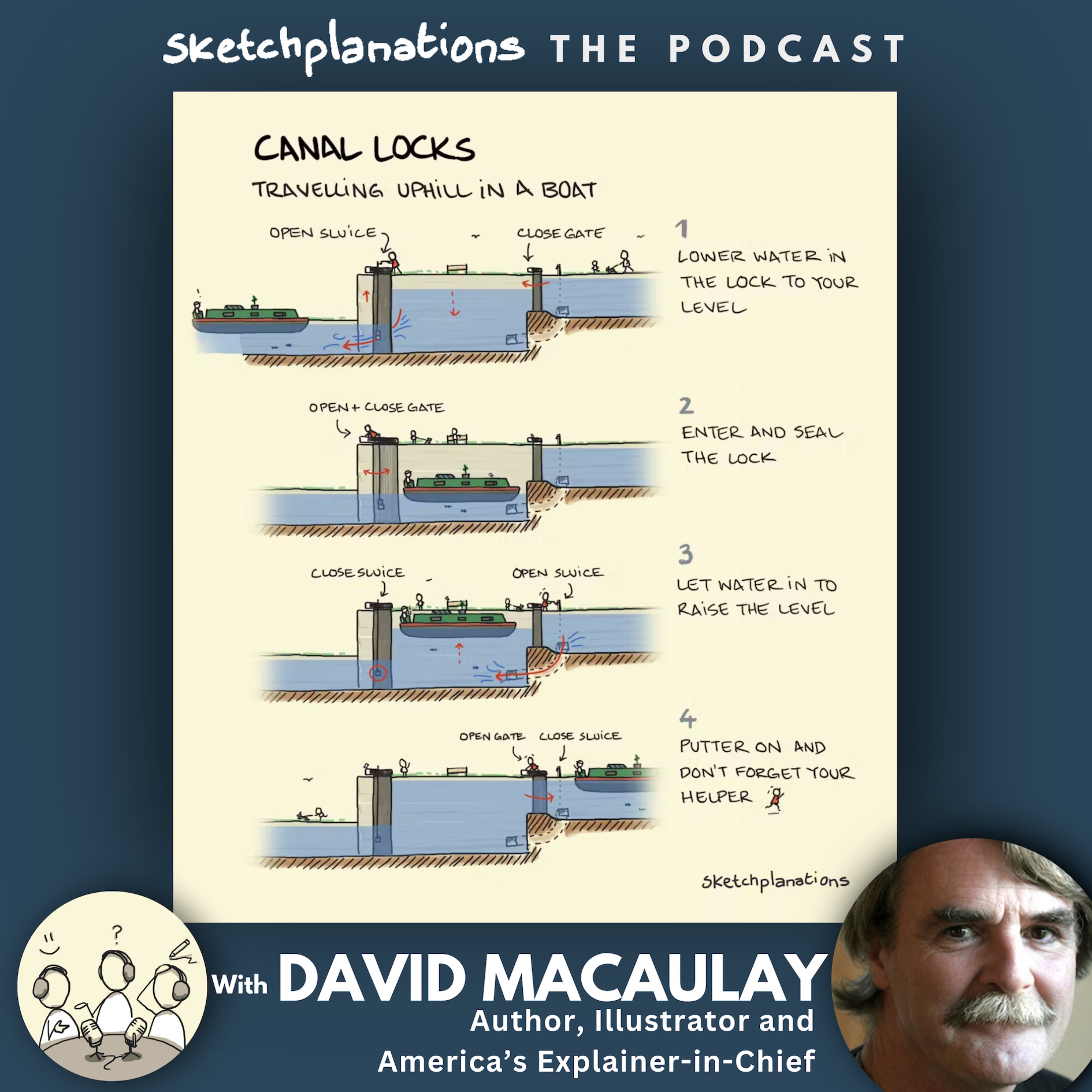 Canal Locks with David Macauley | In this episode, Jono meets one of his heroes, as we engage in a conversation with acclaimed author, illustrator and explainer, David Macaulay.We talk about David's journey from architecture to creating educational illustrations that make complex concepts understandable and engaging - and the Canal Lock is a great example of this from Jono's collection.We discuss the significance of sketching for understanding and teaching intricate ideas, and reflect on some of David's famous works, including his book, 'The Way Things Work.'David shares insights into his creative process, the importance of curiosity, and how integrating humour and playfulness in his illustrations can enhance learning.This conversation would not be complete without questioning David about his famous woolly mammoths - used in his illustrations to help explain machines, mechanics, physics and science. LinksSee here for more information about David as well as his bibliography.Jono specifically references David's maths book, Mammoth Maths, when comparing his own sketch on "Parts of a Circle".When addressing humour in Architecture, David talks about his book "Great Moments in Architecture".Summary00:00 Welcome to Sketchplanations - introducing David Macaulay01:30 David's Journey into Explanations03:42 The Way Things Work04:35 The Joy of Learning and Teaching04:47 Collaborating on The Way Things Work09:54 Exploring Canal Locks15:24 The Art of Sketching and Curiosity20:05 The Importance of Sketching20:34 Humour in Learning25:07 The Origin of the Woolly Mammoth in David’s drawings26:37 Balancing Humour and Information30:07 Encouraging Sketching in Education33:30 Everyday Wonders and Final Thoughts Hosted on Acast. See acast.com/privacy for more information. | — | ||||||
| 10/21/25 | 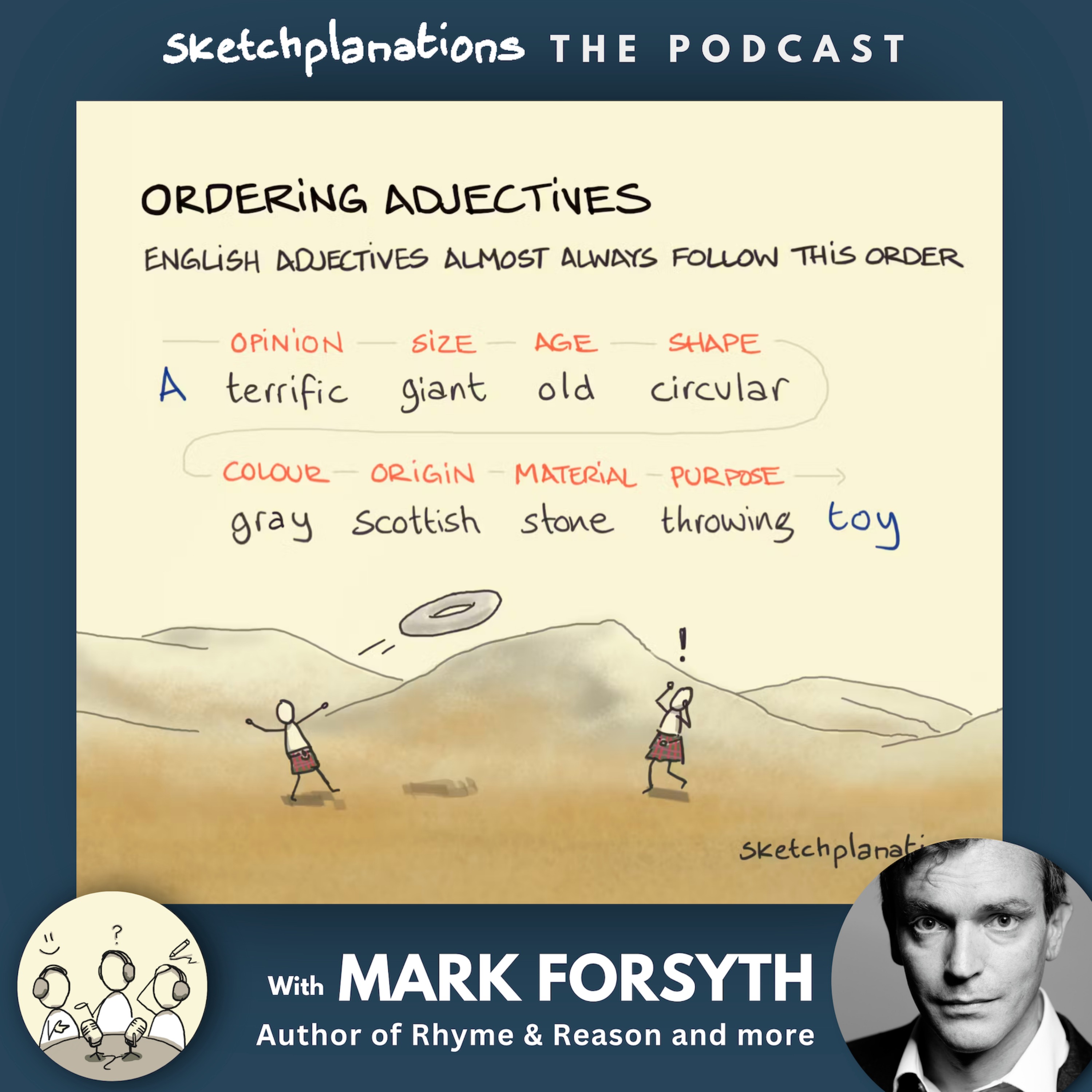 Ordering Adjectives with Author Mark Forsyth | When describing something with numerous adjectives (eg. the big brown dog, the heavy square steel door) there's a natural order we all instinctively follow as english speakers. I don't remember ever being taught it, nor would I be able to explain it to you, but my ear can definitely tell if someone gets it wrong!English adjectives follow a specific order. Who Knew?!?Well, there's one person for sure:What our special guest on this episode, award-winning author, journalist, and etymologist, Mark Forsyth, doesn't know about the English language, simply isn't worth knowing.In our conversation, Mark breaks down the correct traditional ordering of adjectives. And Mark's passion for the English language becomes clear as he walks us through other nuances of English, such as Ablaut Reduplication (why it's Zig Zag and Splish-Splash rather than Zag-Zig or Splash-Splish), Chiasmus (inverting phrases in a speech eg. “Ask not what your country can do for you — ask what you can do for your country.” — John F. Kennedy, Inaugural Address (1961)) and many more.Additionally, in celebration of Mark's latest book; "Rhyme and Reason : A short history of Poetry and People (for people who don’t usually read poetry)" we talk about the history of poetry and its impact on readers from medieval times to the present. We learn how poetry was once widely shared and enjoyed socially (a bit like sharing memes on social media today) and how English has natural cadences and rhythm to it, that we all make use of every day - again, without having a clue that we're doing it. And we also learn why most of us have been thinking about poetry all wrong ever since school.In the episode, we also reference Mark's other books such as The Etymologist and The Elements of Eloquence, which can all be found here.And you can follow Mark's musings and love of language on his blog as The Inky Fool, on Twitter, and on Instagram.Episode Summary00:00 Welcome & Introduction to Mark Forsyth: Wordsmith Extraordinaire01:05 Mark Forsyth's Journey with the English Language01:44 The Fascinating World of Words and Their Origins02:27 Mark Forsyth's Books and Their Unique Insights06:32 The Popularity of Poetry Through the Ages11:06 The Decline of Poetry and Rise of Pop Lyrics12:48 Exploring English Syntax and Adjective Order15:03 The Intricacies of English Grammar21:38 Fun with Language: Reduplication and Compounds27:38 Rhyme and Reason: Poetry in Society29:27 The Unsung Heroes of Songwriting30:42 The Evolution of Poetry's Popularity41:33 The Rhythms of English Language50:54 The Charm of Limericks54:49 The Joy of Reading Poetry Aloud56:45 Closing Thoughts and FarewellAll music on this podcast series is provided by the wonderfully talented Franc Cinelli. Hosted on Acast. See acast.com/privacy for more information. | — | ||||||
| 10/9/25 | 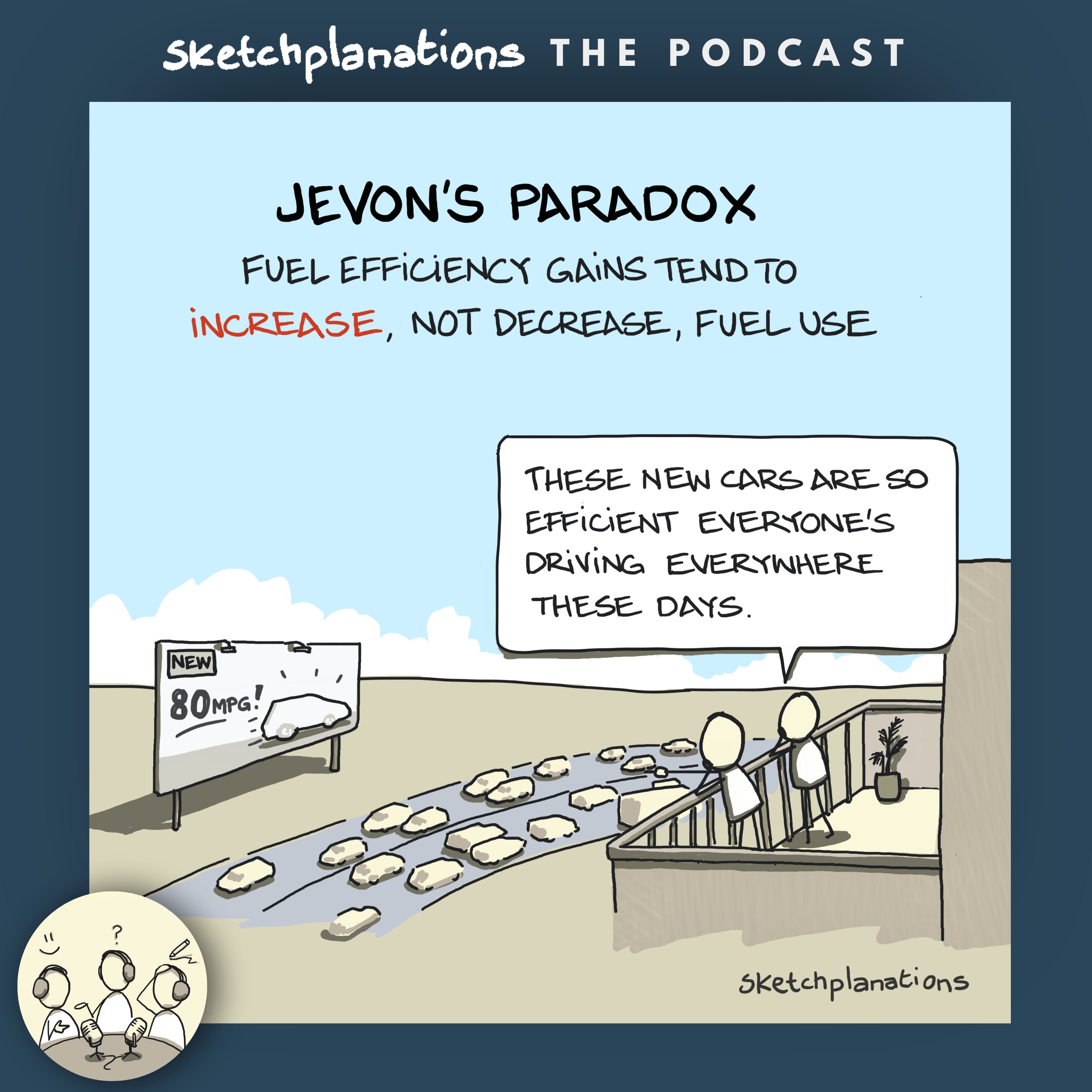 Jevon's Paradox | This time we discuss Jevons' Paradox, the counterintuitive concept that improvements in fuel efficiency can lead to increased overall fuel use. We explore the origin of this idea, dating back to 1865 by British economist William Stanley Jevons, and discuss its relevance today in areas such as car fuel efficiency, advances in battery technology, and even the proliferation of LED lighting in homes. Inevitably, the impact of emerging technologies like AI also arise. We also talk about the broader implications of Jevons' Paradox in everyday life and business, and how it can be managed through policies and smart design.Quick LinksSome links are included below to certain topics we reference in the chat:Other Sketchplanations referenced include: The Generalised Peter Principle, The Peter Principle, The Laws of ExpansionYou can also listen to our previous podcast on The Peter Principle.More Work For Mother book by Ruth CowanSummary00:00 Introduction to Sketchplanations Podcast00:33 Exploring Jevons Paradox01:11 Historical Context of Jevons Paradox02:37 Modern Examples of Jevons Paradox05:14 Personal Anecdotes and Parallels10:12 AI and Future Implications15:29 Energy Demands of AI and Nuclear Facilities15:51 The Evolution of Spreadsheets and Work Efficiency17:07 Jevons Paradox and Environmental Concerns17:29 Advancements in Battery and Water-Saving Technologies19:33 The Impact of Video Compression on the Internet21:47 LED Lights and Household Energy Consumption24:27 Government Policies and Behavioral Incentives26:10 Reflections on Jevons Paradox and Human Nature28:26 William Stanley Jevons' Insights and Predictions30:06 Conclusion and FarewellAll music on this podcast series is provided by the very talented Franc Cinelli. Hosted on Acast. See acast.com/privacy for more information. | — | ||||||
| 9/25/25 |  Words of Wonder: Apricity - with Grant Snider | Do you like using interesting words in your conversations? We do. And there's one that's a tip top favourite...You're guaranteed* to learn loads of interesting words from this episode.Special guest Grant Snider - author, illustrator, poet (and orthodontist) talks about the illustration of interesting words, particularly obscure, outdated or esoteric ones. We kick off with a word both Jono and Grant have illustrated: 'apricity,' which means the warmth of the sun in winter and is a big favourite of ours - now that we know it. Grant shares his fascination with words and his 'Words of Wonder' series, where he illustrates intriguing words from his readings. We touch on the emotional connection words can create through compelling illustrations and delve into the creative processes behind these illustrations as well as the influence of childhood comics like Calvin and Hobbes.Links for further investigationApricity sketches: Jono's Sketchplanation & Grant's Words of WonderSome other of Jono's word-related Sketchplanations we reference are: Snerdle & GreeblePrevious podcast episodes we bring up include: Schadenfreude and we also talk about Apophenia in the episode on Crossmodal PerceptionSusie Dent's Word of the Day thread on X.Jono mentions the fun he had reading Etymologicon by Mark ForsythGrant's latest book Thinking About Thinking is available now. Episode Summary00:00 Introduction and Grant Snider's Background02:18 Exploring the Word 'Apricity'04:34 Grant's Words of Wonder Series07:24 The Joy of Learning New Words11:24 Favourite Words and Their Illustrations20:28 Exploring Obscure Words and Their Origins21:16 The Fascinating Concept of 'Greeble'22:50 The Joy of Discovering New Words23:52 Sketching Words and Their Meanings28:22 The Beauty of Children's Language Development30:35 Grant's New Book: Thinking About Thinking33:46 The Influence of Calvin and Hobbes37:04 Grant's Unique Use of Colour in Comics39:26 Final Thoughts and Upcoming Projects*We make no actual guarantees.All music on this podcast series is provided by the highly talented Franc Cinelli Hosted on Acast. See acast.com/privacy for more information. | — | ||||||
| 9/11/25 | 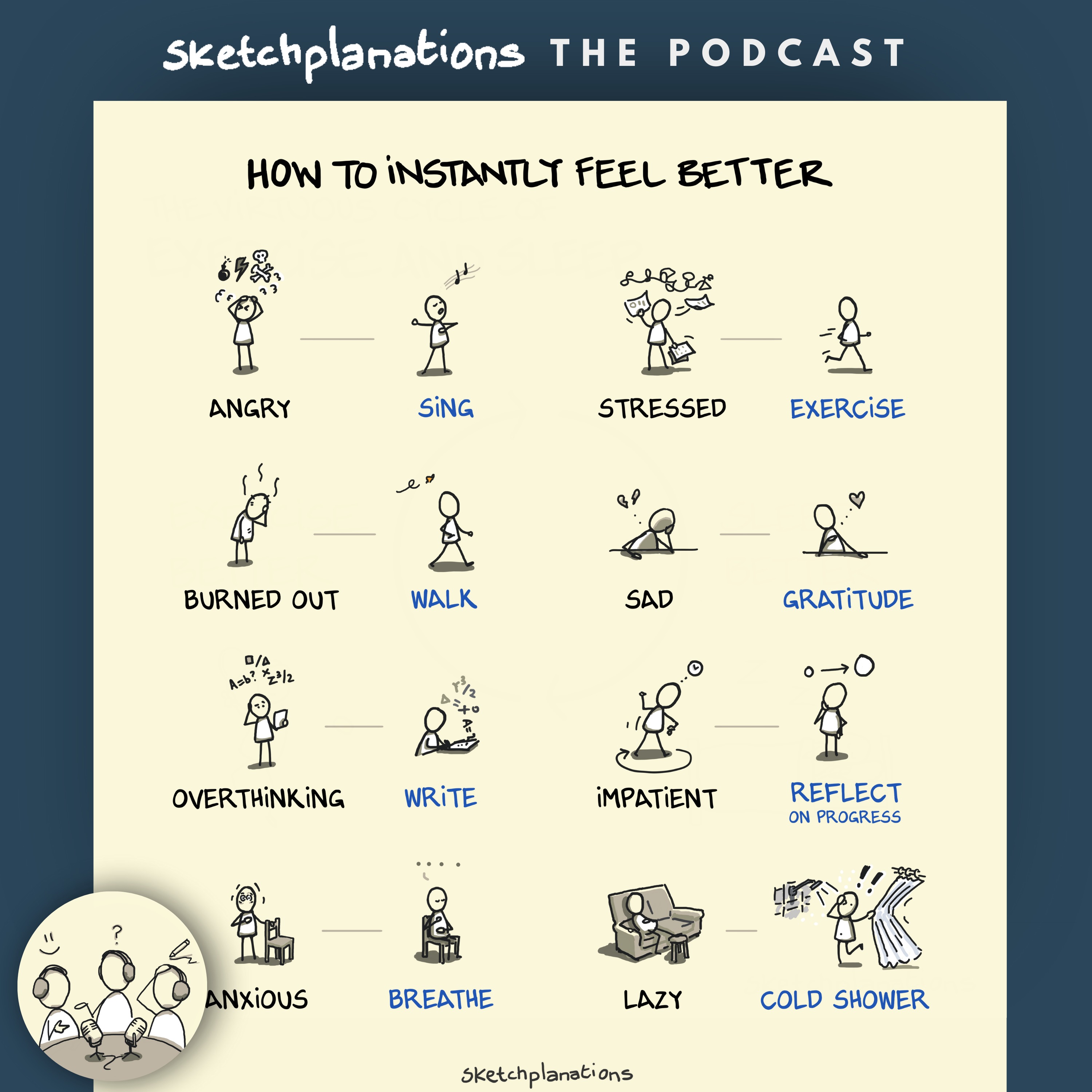 How to Instantly Feel Better | As we return from our summer break we discuss various ways to instantly feel better - timely perhaps for the Big Back to Work / School / Normality of September. We explore eight emotions—anger, burnout, overthinking, anxiety, stress, sadness, impatience, and laziness—and suggest instant proactive remedies to each. We highly encourage you to try these out whenever you're feeling any of the emotions discussed. Let us know if they work. Here are links to a few items we refer to in the chat:We reference a couple of previous podcast episodes: The Awkwardness Vortex, 5 Ways to WellbeingIn reference to when you're feeling anxious you can try Box Breathing. If all else fails, with any of these emotions you can instantly make yourself feel better by Walking in Nature. Gorefest: The Dutch (not Belgian as wrongly I said in the podcast) Death Metal band from the 90s who to the casual listener, their singing might sound like screaming. The Artist's Way by Julia Cameron. in reference to writing your "morning pages". Episode Summary00:00 Welcome Back to Sketchplanations00:53 Instant Ways to Feel Better03:16 The Power of Singing to Dispel Anger08:19 Walking Off Burnout11:46 Writing to Stop Overthinking16:20 Breathing Techniques for Anxiety20:49 The Power of Exercise for Stress Relief25:22 Gratitude as a Remedy for Sadness28:18 Reflecting on Progress to Combat Impatience30:56 Cold Showers to Overcome Laziness33:50 Final Thoughts and TakeawaysAll music on this podcast series is provided by the highly talented Franc Cinelli Hosted on Acast. See acast.com/privacy for more information. | — | ||||||
| 7/24/25 | 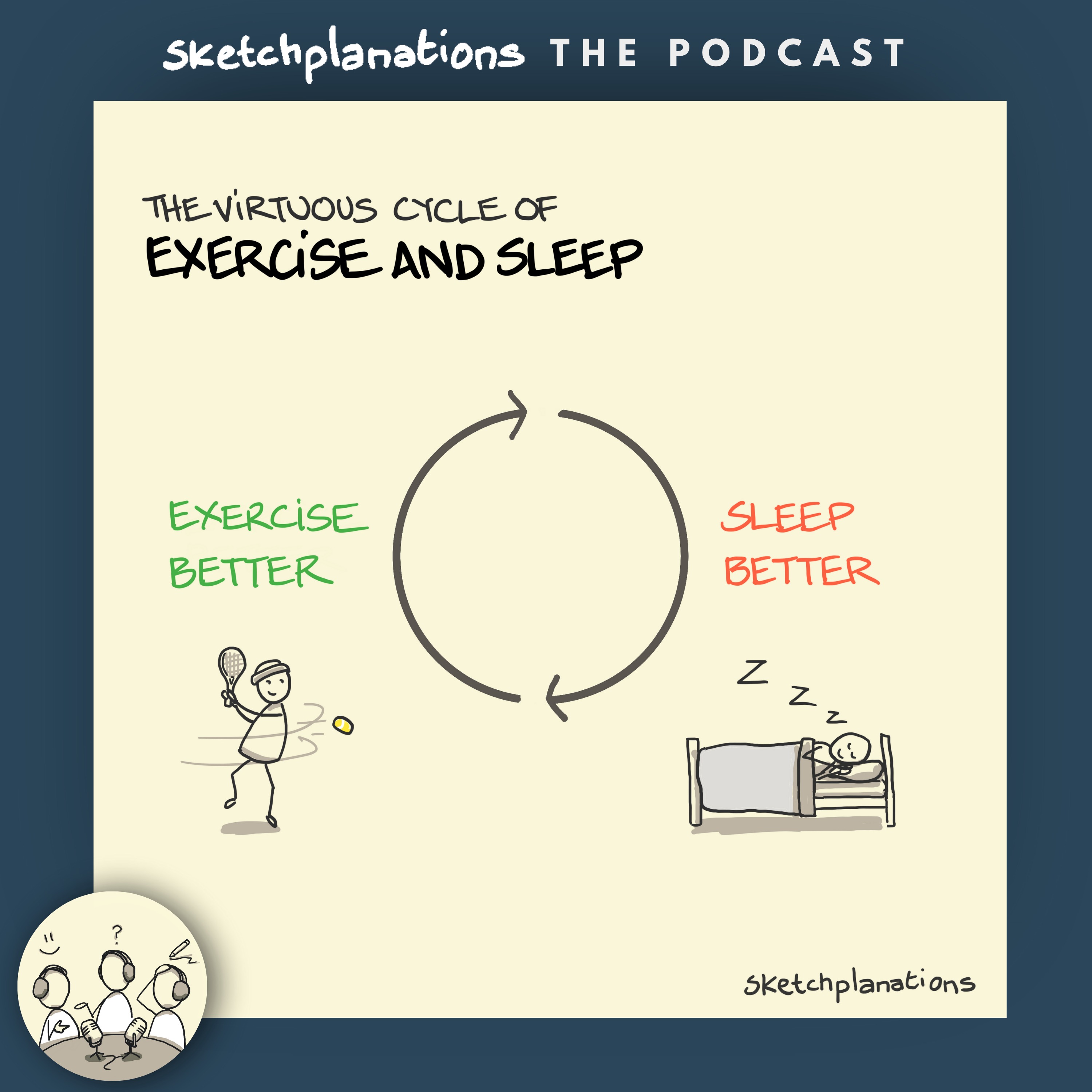 The Virtuous Cycle of Exercise & Sleep | Here on the podcast, we love our exercise and we love our sleep so in this summer break, check-in mini-episode, we discuss the interconnectedness of exercise and sleep, citing Novak Djokovic's book 'Serve to Win' as an influential source. While Tom shares his typical experience of staying active during holidays, Robbie bemoans the challenges of getting good sleep with young children, and Jono explores how his smart watch monitors his sleep and activity levels. In keeping with the holiday theme we also share tips for keeping kids entertained on long road trips.We'll be back with regular episodes in August.Until then, Go well, stay well and vacay well.In this mini-episode, we reference a previous podcast episode:Sharpen The Saw previous podcast episodeEpisode Summary00:00 Introduction and Summer Break Announcement00:35 The Virtuous Cycle of Exercise and Sleep01:39 Personal Experiences with Exercise and Sleep03:53 The Importance of Sleep on general wellbeing09:12 Keeping Kids Entertained on Long Trips11:23 Conclusion and FarewellAll music on the podcast series is provided by the hugely talented Franc Cinelli. Hosted on Acast. See acast.com/privacy for more information. | — | ||||||
| 6/26/25 | 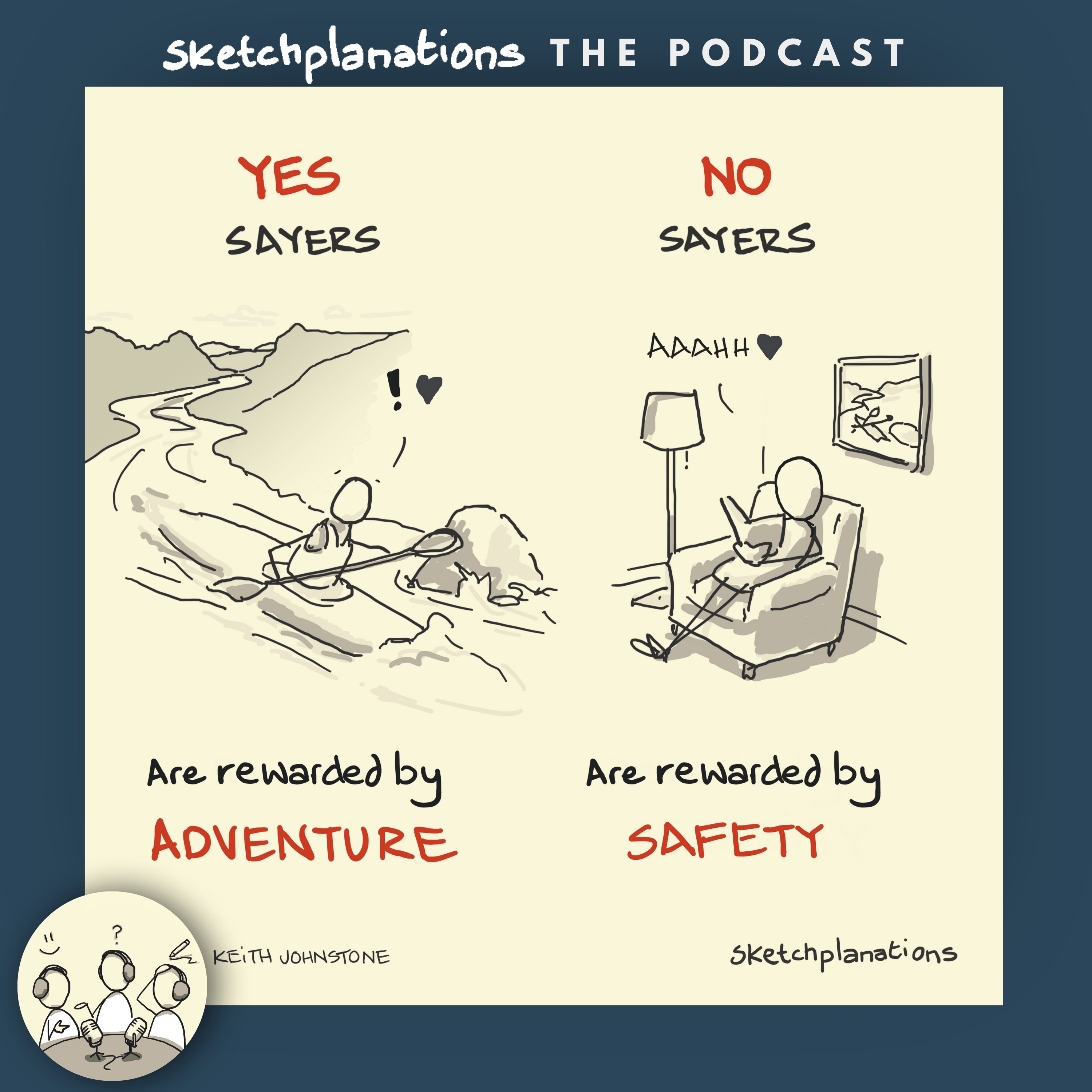 Yes Sayers & No Sayers | This time we explore whether it is better to generally say 'yes' or 'no' in various situations, and how each choice can offer distinct rewards. The conversation is framed by a quote from improvisation expert Keith Johnston, which asserts, 'Yes Sayers are rewarded by adventure and No Sayers are rewarded by safety.' The hosts consider personal anecdotes, the impact of these attitudes on careers, social settings, and mental well-being. They also touch on tools for making these decisions, such as the Eisenhower Matrix and the 'Hell Yes or Hell No' philosophy. The episode emphasizes the value of appreciating one's decisions, whether they lead to adventure or provide comfort and security.Here are links to a bunch of stuff we discuss in case you fancy reading a bit more about them:We reference a number of previous podcast episodes including: The Fun Scale, The Awkwardness Vortex, Finishing Lines, and Microadventures. Jono's sketch "Notice When You're Happy" and on "The Eisenhower Matrix"Improv Wisdom by Patricia Ryan MadsonDanny Wallace's book Yes ManDerek Sivers - The Hell Yes or Hell No philosophy and a video explaining the concept of The First Follower.Episode Summary00:00 Introduction and Hosts00:28 This Week's Sketch: Yes Sayers and No Sayers01:07 Exploring the Sketch03:45 Personal Reflections on Yes and No05:27 Social Dynamics of Yes and No19:44 Career Perspectives on Yes and No23:43 The Power of Saying No in Business25:01 The Benefits of Saying No25:45 The Adventure of Saying Yes26:34 Balancing Yes and No in Life30:17 Regrets of Not Saying Yes31:54 The Yes Man Experiment by Danny Wallace38:19 Deciding When to Say Yes or No41:55 Final Thoughts on Yes and NoAll music on this podcast series is provided by the highly talented Franc Cinelli Hosted on Acast. See acast.com/privacy for more information. | — | ||||||
| 6/12/25 | 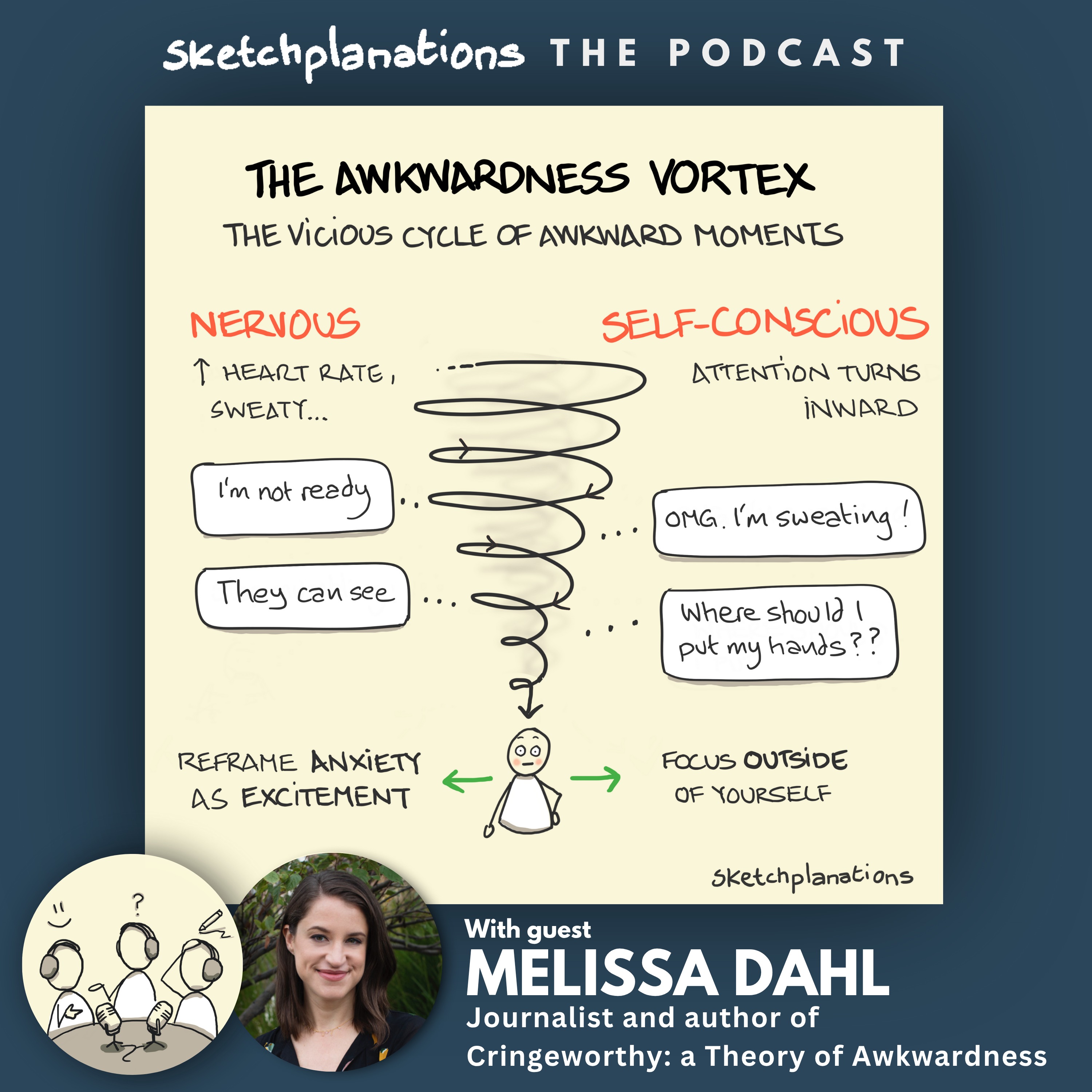 The Awkwardness Vortex with Melissa Dahl | Have you ever found yourself spiralling uncontrollably downwards in the "awkwardness vortex"? 🤔 Tune in to our latest podcast episode where we chat with celebrated science journalist Melissa Dahl about conquering those cringe-worthy moments and how awkwardness might just be a sign of empathy! This sketch is exclusive to the Sketchplanations Book : Big Ideas, Little Pictures - so check that out if you'd like to see this sketch in full (as well as number of other exclusive sketches). Melissa is a science journalist, specialising in Psychology, Health and Lifestyle, and author of the very well received book Cringeworthy: A Theory of Awkwardness.The conversation delves into retrospectively amusing personal experiences of social awkwardness, the psychological aspects behind it, and offers insights on how to manage and embrace these uncomfortable moments. Key tactics include focusing outside oneself, reappraising anxiety as excitement, and appreciating awkwardness as a sign of empathy. Melissa reflects on how researching awkwardness has changed her perspective, highlighting the growth and connection that can come from embracing this very human emotion. Melissa also shares how awkwardness can have a positive side, signalling empathy and social awareness. Tune in for a thought-provoking discussion that will have you rethinking your relationship with awkwardness.Here are links to a bunch of stuff we discuss in case you fancy reading a bit more about them:Barry Schwarz - Author of The Paradox of Choice : Why Less is More. Examples of the hugely effective End The Awkward campaign from Scope (a disability equality charity in England and Wales). Don’t Fill The Silence podcast episodeFront Stage / Back Stage podcast episodeEpisode Summary00:00 Introduction and Guest Welcome00:51 Exploring the Awkwardness Vortex02:51 Personal Experiences of Awkwardness05:51 The Science Behind Awkwardness08:49 Practical Tips to Overcome Awkwardness22:23 Awkwardness in Media and Comedy25:06 Exploring Empathy and Awkwardness25:41 The Science Behind Secondhand Embarrassment26:30 Empathy Spectrum and Social Interactions29:25 Awkwardness in Media and Society31:33 Cringe Mountain and Overcoming Embarrassment34:37 The Irreconcilable Gap and Self-Perception36:58 The Power of Awkward Silences39:16 Growth Through Awkwardness43:45 Final Thoughts and Upcoming ProjectsAll music on this podcast series is provided by the highly talented Franc Cinelli Hosted on Acast. See acast.com/privacy for more information. | — | ||||||
| 5/29/25 | 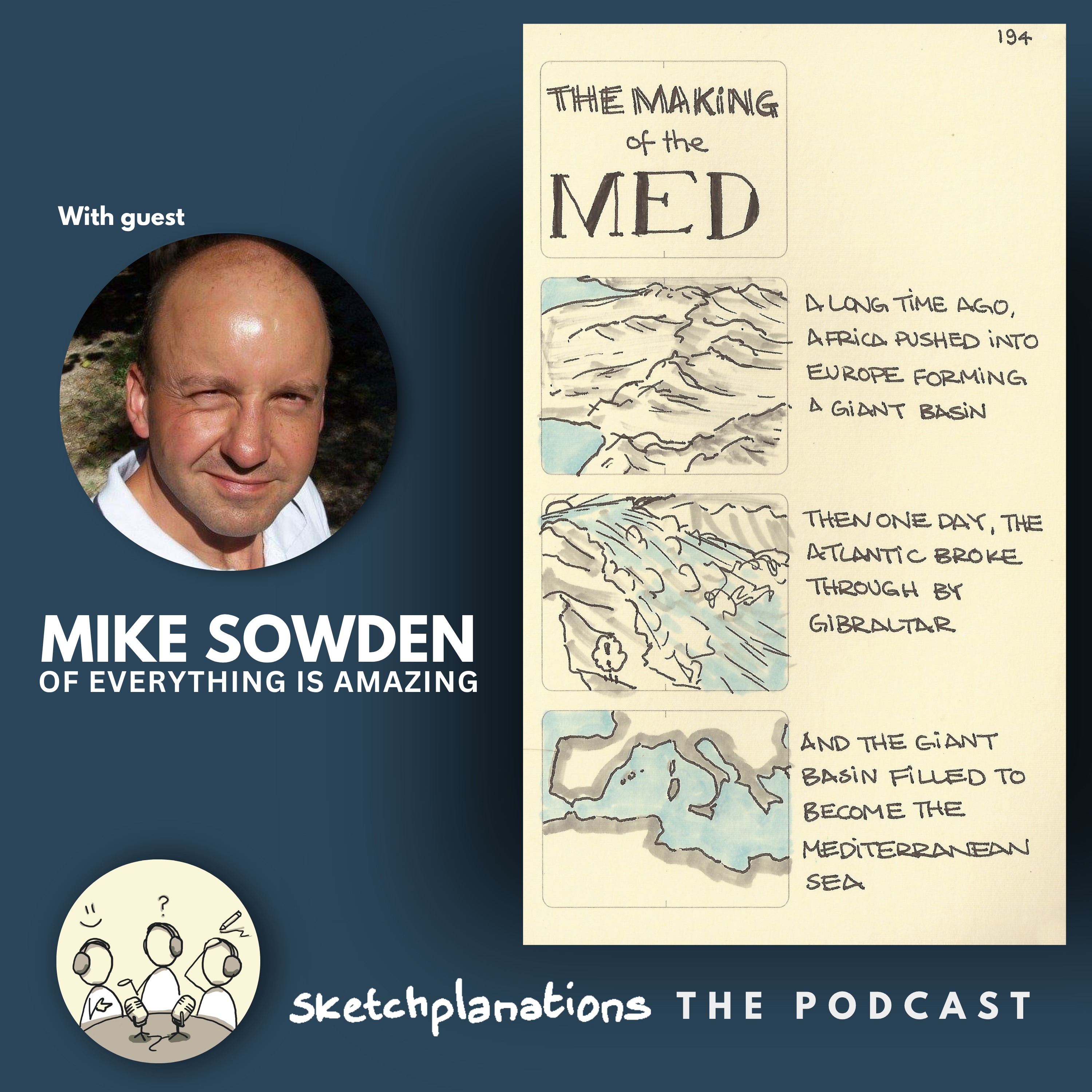 Zanclean Megaflood | We discuss the Zanclean Megaflood, a massive flood event that filled the Mediterranean Sea in a remarkably short period. The episode dives into the geological events and evidence leading up to this flood, challenging the earlier gradualist theories and promoting a catastrophic model.We are joined by Mike Sowden, whose engaging Twitter thread about the Zanclean Megaflood reached over 10 million people. Sowden, a travel writer and science communicator, shares insights on his curiosity-driven approach to science writing and storytelling. They explore other massive geological events, the nature of scientific discovery, and the human stories behind scientific advancements.The episode is filled with fascinating facts, storytelling techniques, and a deep appreciation for the wonders of our planet.If you want to find out more about certain topics that come up, you can try these:Julian May Sci-Fi books.Roland Emmerich disaster films.Previous Al Humphreys and Brendan Leonard podcast episodes.Missoula Floods in the USA.Episode Summary00:00 Introduction and Hosts00:45 Introducing the ZanClean Megaflood01:43 Special Guest: Mike Sowden03:01 Mike Sowden's Journey and Writing Style07:29 The ZanClean Megaflood: Geological Background12:55 The Catastrophic Flood Event17:25 Speculations and Analogies22:33 Doggerland and Other Historical Floods23:43 The Storegga Slide and Doggerland Tsunamis24:45 Dating the Storegga Slide25:06 The Zanclean Megaflood27:23 The Role of Storytelling in Science Communication32:23 The Human Element in Engineering34:30 The Fascination with Scientists' Obsessions40:54 Geological Events and Their Impact45:53 The Process of Science Writing50:42 Conclusion and Final ThoughtsAll music on this podcast series is provided by the highly talented Franc Cinelli Hosted on Acast. See acast.com/privacy for more information. | — | ||||||
| 5/15/25 | 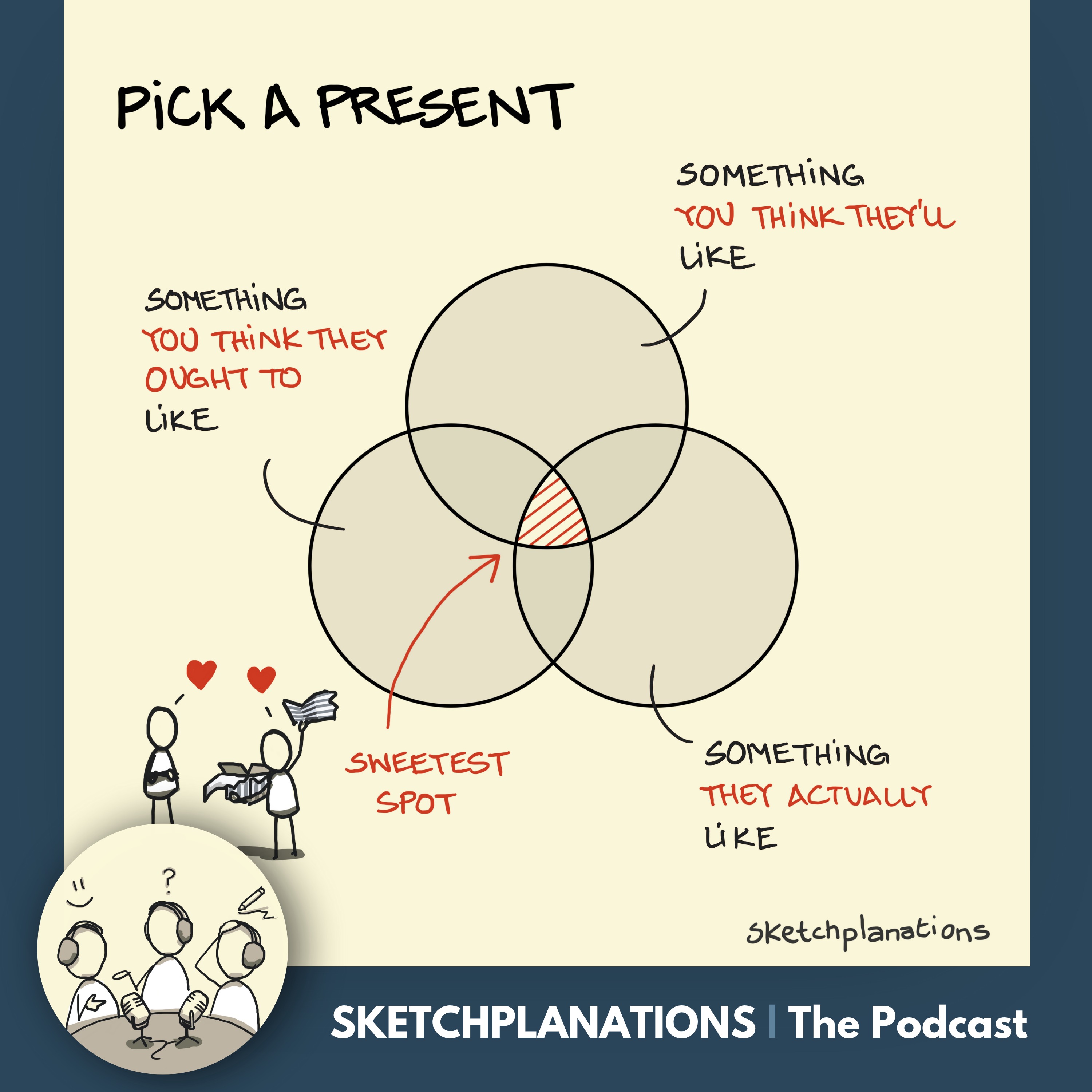 Picking A Present | This time, we delve into the complexities of choosing the perfect gift. The discussion is framed around a Venn diagram Sketchplanation that identifies three key factors in gift selection: what the recipient actually likes, what you think they like, and what you think they ought to like. We share personal anecdotes about both successful and less successful gifts we've given and received, emphasising the emotional aspects of gift-giving for both the giver and the recipient. We also touch on practical gift-giving strategies, such as buying from registries, focusing on useful and consumable items, and considering the recipient's values. The episode also addresses the challenges of buying gifts for individuals who have seemingly everything, and the importance of shared experiences in gift giving. And we invite you to share your own gift-giving experiences and tips, aiming to provide food for thought for anyone looking to improve their gift-giving skills.NB. In the podcast we reference how old this sketch is and that it was one of the first Jono did out of a collection that's now nearing 1000. Jono also suggested he might upgrade the sketch, which of course he has which is what you see as the artwork now. He's kept the original however, and you can see it here if you like. 00:00 Introduction to Gift Giving00:52 Welcome to Sketchplanations Podcast02:32 Exploring the Sketch: Picking a Present03:23 The Venn Diagram of Gift Giving06:50 Personal Experiences with Gift Giving16:18 The Art of Giving Useful Gifts20:15 Wedding Registry Dilemmas24:42 The Worst Gifts Ever Given26:15 Go-To Thank You Gifts27:53 The "Olive Oil" Story30:10 The Hunter-Gatherer Instinct in Gift Giving34:18 Challenges of Buying Gifts for Dads38:33 Designing Gifts for Others43:01 The Greatest Gift Ever Given45:10 Reflections on Gift GivingAll music on this podcast series is provided by Franc Cinelli. Hosted on Acast. See acast.com/privacy for more information. | — | ||||||
Showing 25 of 77
Sponsor Intelligence
Sign in to see which brands sponsor this podcast, their ad offers, and promo codes.
Chart Positions
1 placement across 1 market.
Chart Positions
1 placement across 1 market.