
Software Testing Unleashed - QA, DevEx & Quality Engineering
by Richard Seidl | Software Development & Testing Expert
Is this your podcast?Insights from recent episode analysis
Audience Interest
Podcast Focus
Publishing Consistency
Platform Reach
Insights are generated by CastFox AI using publicly available data, episode content, and proprietary models.
Total monthly reach
Estimated from 5 chart positions in 5 markets.
By chart position
- 🇮🇳IN · Technology#1081K to 10K
- 🇬🇷GR · Technology#2030K to 100K
- 🇳🇿NZ · Technology#4910K to 30K
- 🇨🇿CZ · Technology#179500 to 3K
- 🇵🇹PT · Technology#200500 to 3K
- Per-Episode Audience
Est. listeners per new episode within ~30 days
13K to 44K🎙 Daily cadence·49 episodes·Last published 6d ago - Monthly Reach
Unique listeners across all episodes (30 days)
42K to 146K🇬🇷68%🇳🇿21%🇮🇳7%+2 more - Active Followers
Loyal subscribers who consistently listen
17K to 58K
Market Insights
Platform Distribution
Reach across major podcast platforms, updated hourly
Total Followers
—
Total Plays
—
Total Reviews
—
* Data sourced directly from platform APIs and aggregated hourly across all major podcast directories.
On the show
Recent episodes
Why Testers Are Safe Despite AI Hype - Mitko Mitev
May 21, 2026
24m 36s
How to Build QA Culture in Your Company - Filip Barszcz
May 14, 2026
29m 32s
Why Quality Engineers Fail at Business Thinking - Marta Firlej
May 7, 2026
18m 59s
Building Trust with AI Agents - Henri Terho
Apr 30, 2026
20m 57s
Why Your CI Pipeline Is Lying to You - Simon Stewart
Apr 23, 2026
23m 39s
Social Links & Contact
Official channels & resources
Official Website
Login
RSS Feed
Login
| Date | Episode | Description | Length | ||||||
|---|---|---|---|---|---|---|---|---|---|
| 5/21/26 |  Why Testers Are Safe Despite AI Hype - Mitko Mitev | This time I talk to Mitko Mitev, about how AI is reshaping our work as testers, without replacing us. Mitko shows exactly where AI tools save real time across test planning, test case generation, and exploratory testing, and why human expertise remains non-negotiable for context, business logic, and validation. We go into the shift from writing scripts to instructing agents in plain language, how ISTQB's new AI syllabi prepare testers for what's coming, and why waiting another year to explore AI might already be too late. | 24m 36s | ||||||
| 5/14/26 |  How to Build QA Culture in Your Company - Filip Barszcz | In this episode, I talk with Filip Barszcz about what most companies get wrong when they claim to have a quality culture. Filip reveals why stakeholders, developers, and product owners all speak different languages when they say "quality" and how he translates between them to build actual buy-in for testing strategy. He walks through his playbook for introducing change without burning out the team: small wins first, honesty about short-term productivity drops, and color-coded tables that make executives eager to invest in QA. If you've ever struggled to get testing taken seriously beyond "just click through it before release," this conversation gives you the roadmap. | 29m 32s | ||||||
| 5/7/26 |  Why Quality Engineers Fail at Business Thinking - Marta Firlej | In this episode, I talk with Marta Firlej about a topic most testers avoid: money. Marta explains why understanding how your company actually makes money is crucial for QA professionals, and walks through the real costs behind salaries, automation projects, and test activities that stakeholders care about. She shares a practical calculation method to assess whether test automation is worth the investment, and challenges us to translate testing value into business numbers. | 18m 59s | ||||||
| 4/30/26 |  Building Trust with AI Agents - Henri Terho | In this episode, I talk with Henri Terho, senior consultant and AI enthusiast, about why building trust in AI systems requires the same rigor we've always applied to software—just now at a whole new level. Henri explains how AI agents multiply both our successes and our mistakes, why prompting is harder than it looks, and why testers are uniquely positioned to thrive in this shift. We dig into the oracle problem, the communication trap, and why your test suite might soon matter more than your codebase. | 20m 57s | ||||||
| 4/23/26 |  Why Your CI Pipeline Is Lying to You - Simon Stewart | In this episode, I talk with Simon Stewart, professional software developer and former lead of the Selenium project for over 10 years, about one of the most frustrating problems in software testing: flaky tests. Simon reveals why a flaky test isn't always a bad test – sometimes it's actually exposing real production risks that your team needs to address. We dive into practical strategies for handling flakiness in CI pipelines, from gatekeeping techniques used at Meta to knowing when it's actually okay to delete tests. You'll learn why assigning ownership to individuals (not teams) is crucial, and how to use test flakiness as valuable signal rather than just noise. | 23m 39s | ||||||
| 4/16/26 |  From Nokia to iPhone: What Pen Testers Learned - Bartosz Czernic-Goławski | In this episode, I talk with Bartosz Czernic-Goławski, a penetration testing and cybersecurity expert, about how mobile security has evolved from Nokia's indestructible brick phones to today's pocket-sized computers. We trace the journey from analog networks that anyone could eavesdrop on to modern smartphones that demand excessive permissions and collect sensor data every second. Bartosz reveals how attackers use overlay attacks to steal banking credentials, why iOS users aren't as secure as they think, and what phone freaks in the 1980s can teach us about today's vulnerabilities. | 32m 23s | ||||||
| 4/9/26 |  Empowering Women in Software Testing - Line Ebdrup Thomsen | In this episode, I talk with Line Ebdrup Thomsen, quality engineering manager, about why software testing attracts more women than other tech roles – and why that's still not enough. Line shares how she coaches testers to be assertive but kind, especially when they're the only woman or the only tester in a team of developers. We discuss what prevents women from speaking up, how curiosity and communication skills matter more than your degree, and why the next generation of leaders might still need a wake-up call. | 24m 52s | ||||||
| 4/2/26 |  The Hidden Playwright Advantage Developers Miss - Maciej Kusz | In this episode, I talk with Maciej Kusz, program chair of the Testwarez conference in Poland, about why Playwright doesn't have to mean TypeScript. Maciej has been using Playwright with Python for years and shows that Python testers can leverage the framework just as effectively—if they know which PyTest plugins to use and where the documentation actually lives. We dig into the practical trade-offs: what TypeScript does better out of the box, where Python offers more flexibility for QA work beyond the browser, and why stable tests are surprisingly easier to achieve in Python's synchronous world. | 22m 11s | ||||||
| 3/26/26 |  Stop the blame, keep the learning - Natalia Romanska | In this episode, I talk with Natalia Romanska about why our biggest professional disasters often teach us more than our polished success stories. She shares how a 70,000 złoty accounting mistake early in her career forced her to develop the self-awareness that now guides her QA work—and why that painful learning stuck harder than any training ever could. We dig into the uncomfortable truth that testers rarely talk about: the gap between knowing we should learn from failures and actually sitting down to extract those lessons. Natalia offers concrete practices for turning blame into growth, from the "magic five whys" to building feedback loops that don't just stroke our egos. | 27m 23s | ||||||
| 3/19/26 |  How Motherhood Made Me a Better QA Manager - Žaklina Polak Matanović | In this episode, I talk with Žaklina Polak Matanović, an experienced QA manager who discovered that raising three daughters taught her more about software testing than most training courses ever could. She shares concrete stories about how skills like clear ownership assignment, prioritization under pressure, and proactive thinking emerged naturally from parenting chaos – from navigating playgrounds with toddler twins to managing ambiguous requests at home. What makes this conversation powerful is Žaklina's honest reflection on returning to tech after maternity leave, initially doubting her career trajectory while others seemed to advance, only to realize the soft skills in software testing she'd been building at home became her greatest professional assets for achieving work life balance in tech. | 20m 35s | ||||||
Want analysis for the episodes below?Free for Pro Submit a request, we'll have your selected episodes analyzed within an hour. Free, at no cost to you, for Pro users. | |||||||||
| 3/12/26 |  Structured Exploratory Testing Strategies That Work - Callum Akehurst-Ryan | In this episode, I talk with Callum Akehurst-Ryan, a quality coach with nearly 20 years of experience, about why exploratory testing is far more than random button-pushing—and how teams waste it by using it in all the wrong places. Callum walks us through practical exploratory testing techniques that help uncover risks in non-functional requirements like performance and security, especially when no one has bothered to document what "good" should look like. We discuss how to structure exploration with timeboxes and risk-based scopes, when to turn findings into automated tests, and why retrofitting quality into existing systems demands a different software testing strategy than most teams realize. | 31m 12s | ||||||
| 3/5/26 |  Why Managers Don't Listen to Testers - Vitaly Sharovatov | In this episode, I talk with Vitaly Sharovatov about the economics of testing. We ask how testers can sell quality to managers who think in money, risk, and time. Vitaly frames testing like insurance. You pay now to lower the chance or impact of pain later. He shows where to find numbers that speak. Churn, support hours, rework in Jira, failed handoffs, and regulatory risk. Start small. Pair with developers, cut waste, count saved hours, and share clear wins. Then aim bigger. Shorter time to market, better UX, fewer angry users. | 34m 05s | ||||||
| 2/26/26 | 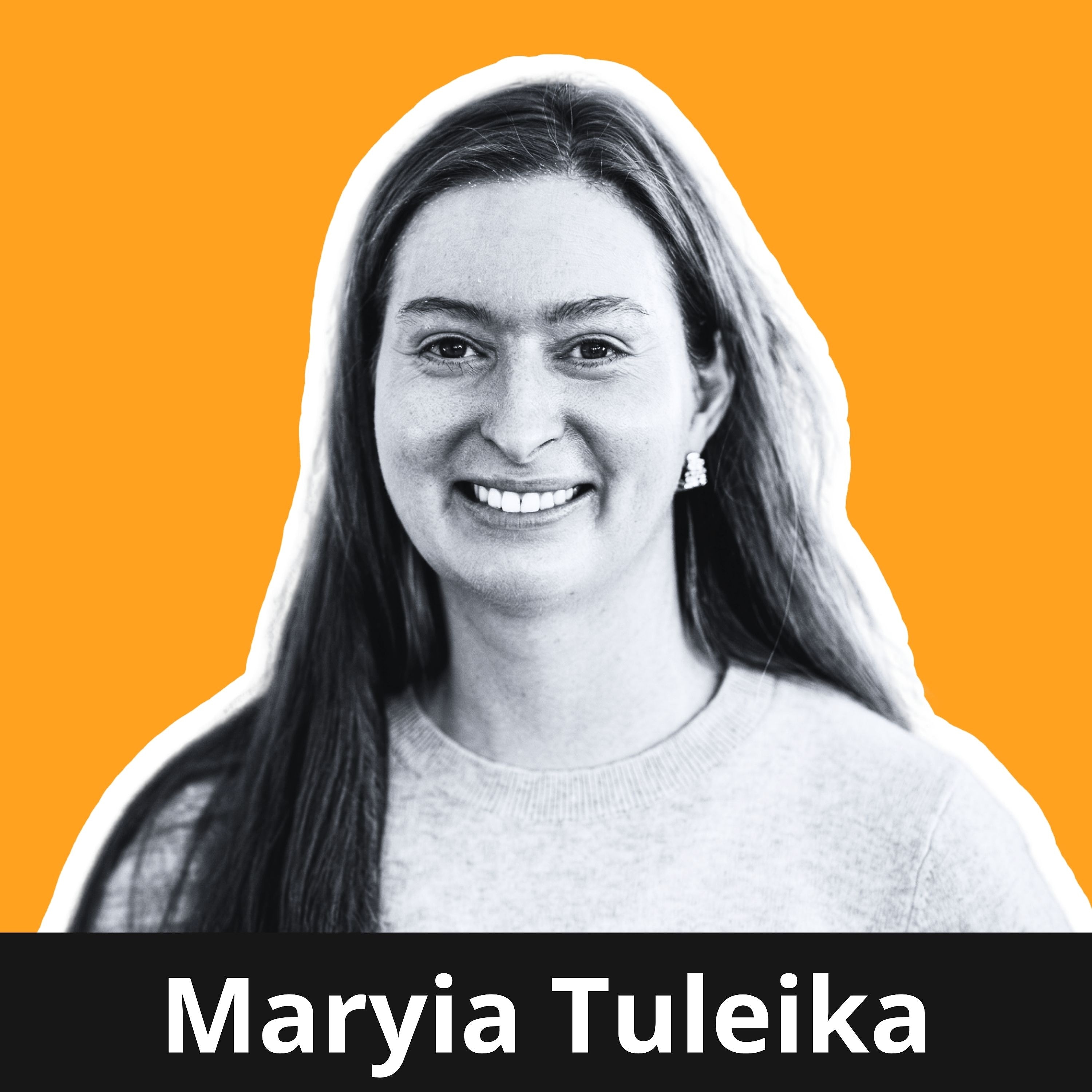 Public Speaking. Testers on Stage - Maryia Tuleika | In this episode, I talk with Maryia Tuleika about stepping on stage in tech and testing. We explore why people speak: joy of sharing, stage energy, and community. The hard part is fear and stress. If you fear the stage, you will hear simple moves that help. Maryia shows how to switch stress to excitement: prep well, record dry runs, collect feedback, use box breathing, slow down, and stand tall. | 34m 19s | ||||||
| 2/19/26 |  Why Test Automation Needs Design Patterns - Kostiantyn Teltov | In this episode, I talk with Kostiantyn Teltov about design patterns in test automation. Kosta shows why test code needs the same care as product code. Page Object to cut duplication. Builder to shape data like choosing a burger. Facade as a reception that guides you to the right service. We touch creational patterns and even pools for drivers. DRY, KISS, and YAGNI keep us honest and stop overdesign. | 19m 31s | ||||||
| 2/12/26 |  Facing Impostor Syndrome as a Software Tester - Linda Van De Vooren | In this episode, I talk with Linda Van De Vooren about impostor syndrome, mental health, and growth in testing. Linda shares stories, from eating disorders to the inner critic she named Hannibal Lecter. We look at how doubt hits our work, like writing a test plan that feels too easy. Her tactics: Share openly. Check basic needs. Treat your comfort zone like a rainbow and pick a color you can handle today. Build an honest feedback circle. | 26m 11s | ||||||
| 2/5/26 |  Critical Thinking in Software Testing - Steve Watson | In this episode, I talk with Steve Watson about critical thinking in the age of AI in testing. Steve says treat AI like a smart teammate. Useful, but you still check its work. We talk bias, missing context, and why lazy shortcuts tempt us. He shares where AI helped, like clustering survey responses, and where it missed ambiguities in requirements. We look at our craft: Ask better questions. Focus on the user. Let tools draft, but you decide. Train the next generation in skepticism and analysis. Same mission. New habits. | 27m 39s | ||||||
| 1/29/26 |  Metrics: Asset or Trap? - Jani Grönman | In this episode, I talk with Jani Grönman about KPIs for quality. We ask what to measure, and why. Jani shares pairs that keep teams honest. Test pass rate with escaped defects or flaky tests. Mean time to recovery with reopen rate. Lead time to production with customer impact. One team, one number. Keep it to three or four KPIs, own them, and act. We talk about agency at work and product sense. Your tests are not a scoreboard. They are a feedback loop. Bring product and engineering together, do root cause analysis. I left inspired to pick fewer numbers, tell stories, and ship with care. | 26m 58s | ||||||
| 1/22/26 | 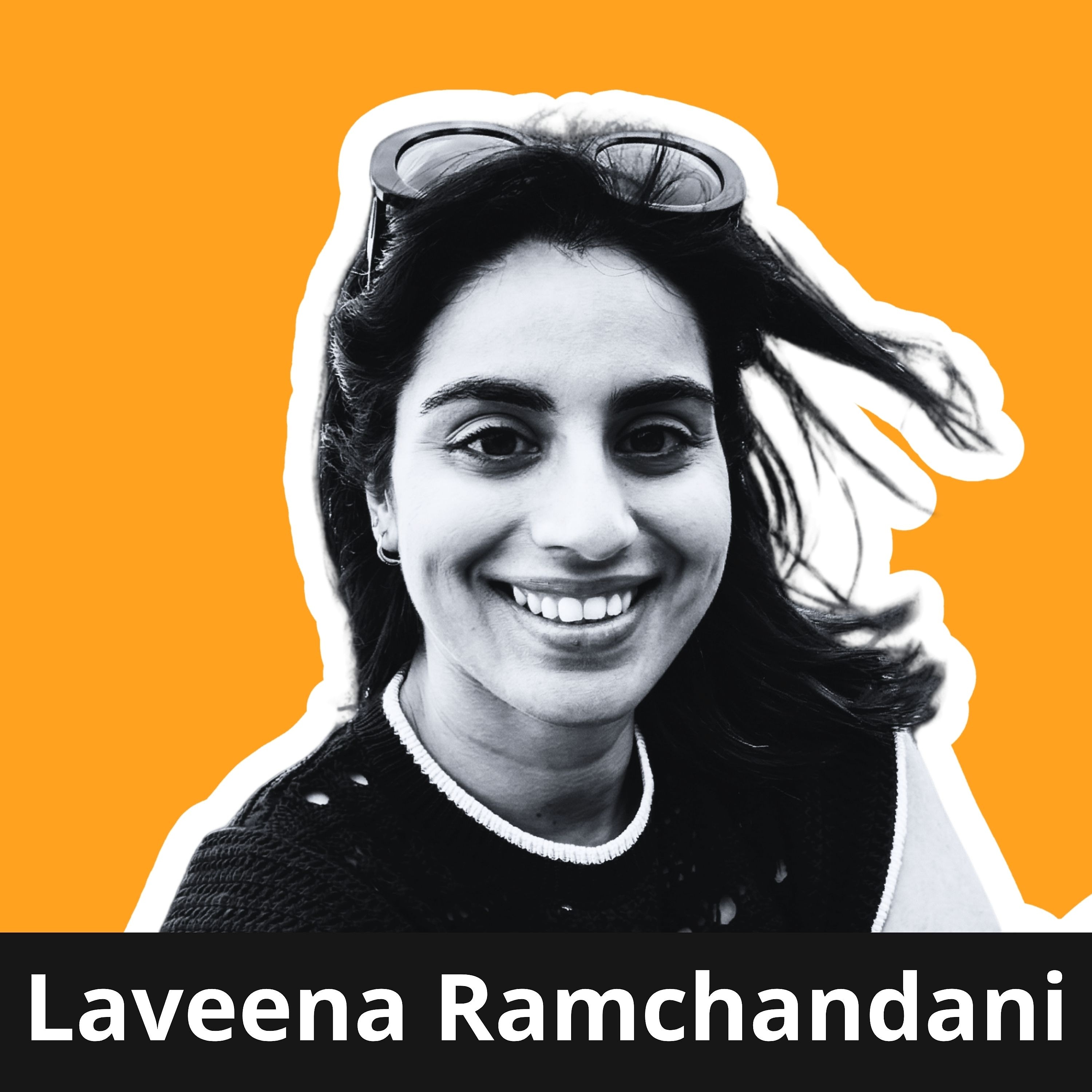 Become a Thought Leader - Laveena Ramchandani | In this episode, I talk with Laveena Ramchandani about thought leadership in testing and the changing role of testers. Laveena sees testers as engineers who lead by example, ask smart questions, and break silos. She coaches teams to share knowledge, speak up, and aim for team goals, not vanity KPIs. We touch hard calls too, like stepping in or reshaping a team when delivery slips. On AI, we agree to use the tools, then add human sense and the feel of quality, like accessibility and emotion. Testing stays very human. | 18m 19s | ||||||
| 1/15/26 |  The Robot Framework Journey - Pekka Klärck | In this episode, I talk with Pekka Klärck about Robot Framework. We start with 2004, his thesis roots, and Nokia Networks turning a prototype into an open source project in 2008. He explains the core idea: a generic engine with reusable libraries, human readable tests, and one set of reports. Best fit in mixed tech stacks. We revisit milestones like the move to plain text, a new parser, and a thriving ecosystem. Pekka previews secret variables in 7.4, a modern user guide, markdown docs, and a cleaner namespace with backward compatibility. He even tests Robot Framework with Robot Framework. | 31m 49s | ||||||
| 1/8/26 |  How Testers Impact Developer Experience - Martijn Goossens | In this episode, I talk with Martijn Goossens about DevEx, DORA, and how we put the Q into developer experience. We walk through the four DORA metrics and where testers make real impact with CI, smart coverage, and fast feedback. Martijn shares a simple fix that unlocked speed: give each team a test environment. We explore coaching with small experiments, clear metrics, and regular check ins. Start with the State of DevOps report. Map your QA work to these metrics. Speak value, stay visible, and grow with your team and community. | 24m 40s | ||||||
| 12/25/25 |  Year-End Review: AI and Accessibility - Florian Fieber | In this episode, I talk with Florian Fieber about what 2025 taught testers and how to get ready for 2026. AI boosts productivity, it does not replace us. The sweet spot is generation of artifacts like test ideas, cases, scripts, and data. Accessibility grew due to the EU AI act, yet many underestimate the work. A plugin is not enough. You need manual checks and early design. For 2026 we expect agentic AI and a pilot role for testers. AI literacy becomes company wide. | 28m 51s | ||||||
| 12/18/25 |  Trust isn’t built by Process - Yuliia Pieskova | In this episode, I talk with Yuliia Pieskova about informal networks in software teams. We explore how spontaneous ties lift trust, speed, and quality in remote and hybrid setups. Formal charts set limits, people move work through friends. Yuliia shares stories from startups, hackathons, and product discovery where cross team groups watch users, swap ideas, then return with shared context. Remote work exposes old cracks yet levels locations and opens doors for new links. | 33m 45s | ||||||
| 12/11/25 |  Old Testing vs. New Testing - Tibor Csöndes | In this episode, I talk with Tibor Csöndes about how testing grew up and where it goes next. We recorded live at HUSTEF in Budapest, a conference he helped shape. Tibor shares telco roots where automation was normal. Tools change, thinking stays. He sees AI as a third wave after CATG and model based testing. Helpful, not a job thief. Use it, or the testers who do will take your seat. ISTQB gave us a common language across industries. Learn the basics, automation, AI, and the human stuff like clear messages and critical thinking. | 24m 14s | ||||||
| 12/4/25 |  Share failures. Earn real trust. - Michał Buczko | In this episode, I talk with Michał Buczko about leading remote teams, trust, and AI. We spoke about clear calendars for open help sessions, regular updates to management by email, and the art of celebrating wins without bragging. We also spoke about sharing failures. That builds trust and can unlock help. Treat AI like a tool on your belt. Use it to amplify testers and developers, not to replace them. Stay critical and ask tech people first. | 22m 13s | ||||||
| 11/27/25 | 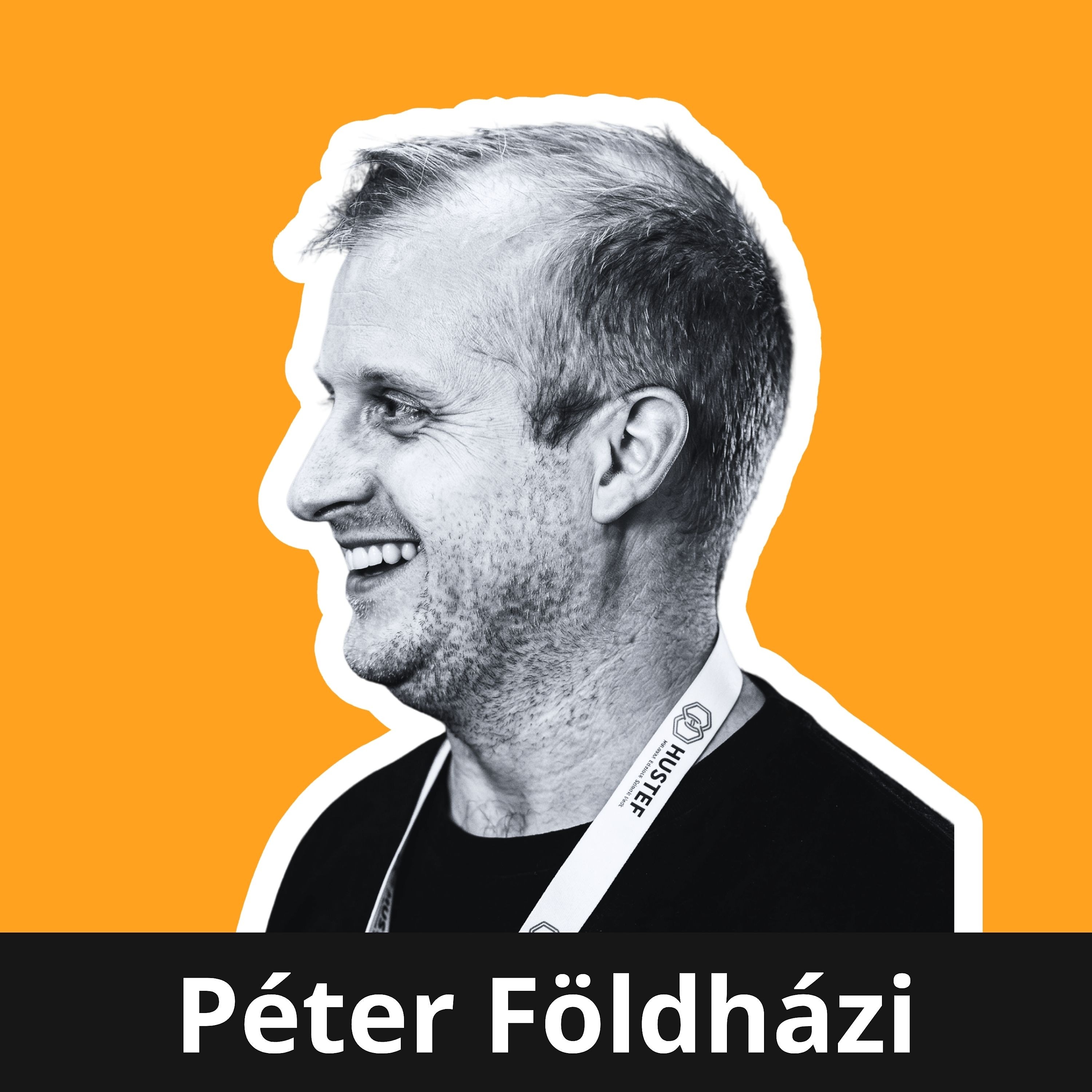 Tools Don’t Solve Test Automation - Péter Földházi | In this episode, I talk with Péter Földházi about test automation that solves real problems, not shiny tools. Péter brings two decades in quality and helped write the ISTQB automation syllabi. We ask why to automate, where it fits, and how the test pyramid guides choices across unit, API, and UI. I like how the simple pyramid makes choices visible. He shares a gaming case with 5,000 defects and a velocity drop. Strategy first, then tools, six month steps, and clear value. | 22m 48s | ||||||
Showing 25 of 54
Sponsor Intelligence
Sign in to see which brands sponsor this podcast, their ad offers, and promo codes.
Chart Positions
5 placements across 5 markets.
Chart Positions
5 placements across 5 markets.