

Insights from recent episode analysis
Audience Interest
Podcast Focus
Publishing Consistency
Platform Reach
Insights are generated by CastFox AI using publicly available data, episode content, and proprietary models.
Most discussed topics
Brands & references
Total monthly reach
Estimated from 8 chart positions in 8 markets.
By chart position
- 🇳🇱NL · Natural Sciences#7510K to 30K
- 🇧🇷BR · Natural Sciences#1091K to 10K
- 🇳🇴NO · Natural Sciences#4310K to 30K
- 🇹🇭TH · Natural Sciences#4510K to 30K
- 🇿🇦ZA · Natural Sciences#4910K to 30K
- Per-Episode Audience
Est. listeners per new episode within ~30 days
24K to 77K🎙 Weekly cadence·91 episodes·Last published 1mo ago - Monthly Reach
Unique listeners across all episodes (30 days)
48K to 153K🇳🇱20%🇳🇴20%🇹🇭20%+5 more - Active Followers
Loyal subscribers who consistently listen
14K to 46K
Market Insights
Platform Distribution
Reach across major podcast platforms, updated hourly
Total Followers
—
Total Plays
—
Total Reviews
—
* Data sourced directly from platform APIs and aggregated hourly across all major podcast directories.
On the show
From 12 epsHosts
Recent guests
Recent episodes
Top Drought Strategies That Help Farms and Ranches Recover Faster
May 20, 2026
19m 04s
The Drought Playbook for Resilient Farms and Ranches
May 14, 2026
11m 48s
Soil Salinity Solutions: What Farmers Can Do Right Now
May 5, 2026
15m 14s
Soil Salinity: The Biggest Problem Growing in Your Fields
Mar 24, 2026
11m 14s
Agroecologist: Why Crop Rotations Outperform Both Tillage and No-Till in Long-Term Studies
Dec 17, 2025
15m 58s
Social Links & Contact
Official channels & resources
Official Website
Login
RSS Feed
Login
| Date | Episode | Topics | Guests | Brands | Places | Keywords | Sponsor | Length | |
|---|---|---|---|---|---|---|---|---|---|
| 5/20/26 |  Top Drought Strategies That Help Farms and Ranches Recover Faster✨ | drought managementadaptive grazing+5 | Tanse HerrmannMarcia Deneke+1 | NRCS | South DakotaGreat Plains | droughtfarming+6 | — | 19m 04s | |
| 5/14/26 |  The Drought Playbook for Resilient Farms and Ranches✨ | drought planningagriculture+3 | Tanse HerrmannMarcia Deneke+1 | South Dakota Natural Resource Conservation Service | South Dakota | droughtagriculture+5 | — | 11m 48s | |
| 5/5/26 |  Soil Salinity Solutions: What Farmers Can Do Right Now✨ | soil salinityagriculture+3 | Shane Jordan | NRCSSoil Health Labs | South Dakota | salinitysoil health+3 | — | 15m 14s | |
| 3/24/26 |  Soil Salinity: The Biggest Problem Growing in Your Fields✨ | soil salinitywater cycle+3 | Shane Jordan | — | South Dakota | salinitywater table+5 | — | 11m 14s | |
| 12/17/25 | 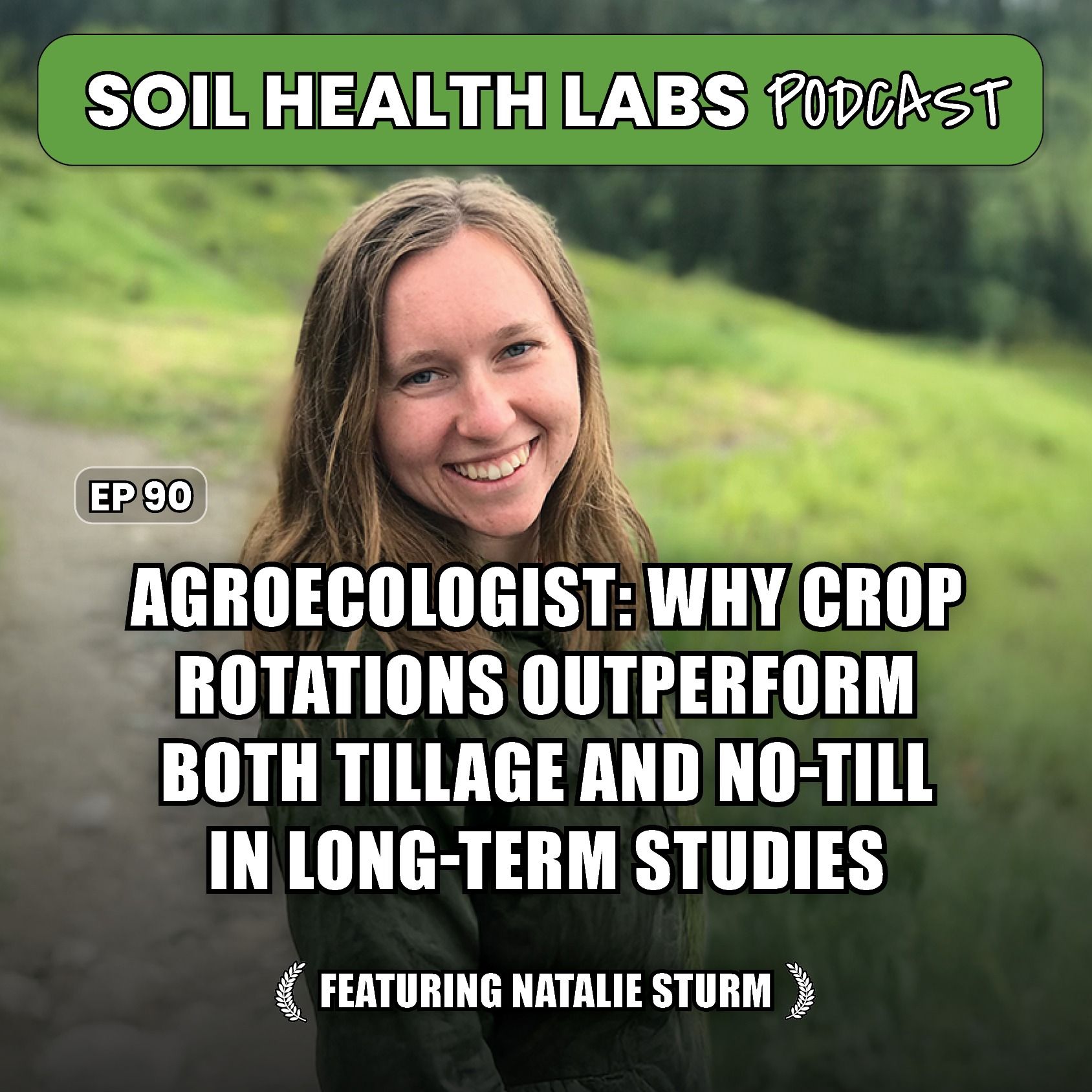 Agroecologist: Why Crop Rotations Outperform Both Tillage and No-Till in Long-Term Studies✨ | crop rotationssoil health+4 | Natalie Sturm | Dakota Lakes Research Farm | MontanaSouth Dakota+1 | crop rotationssoil health+6 | — | 15m 58s | |
| 12/10/25 | 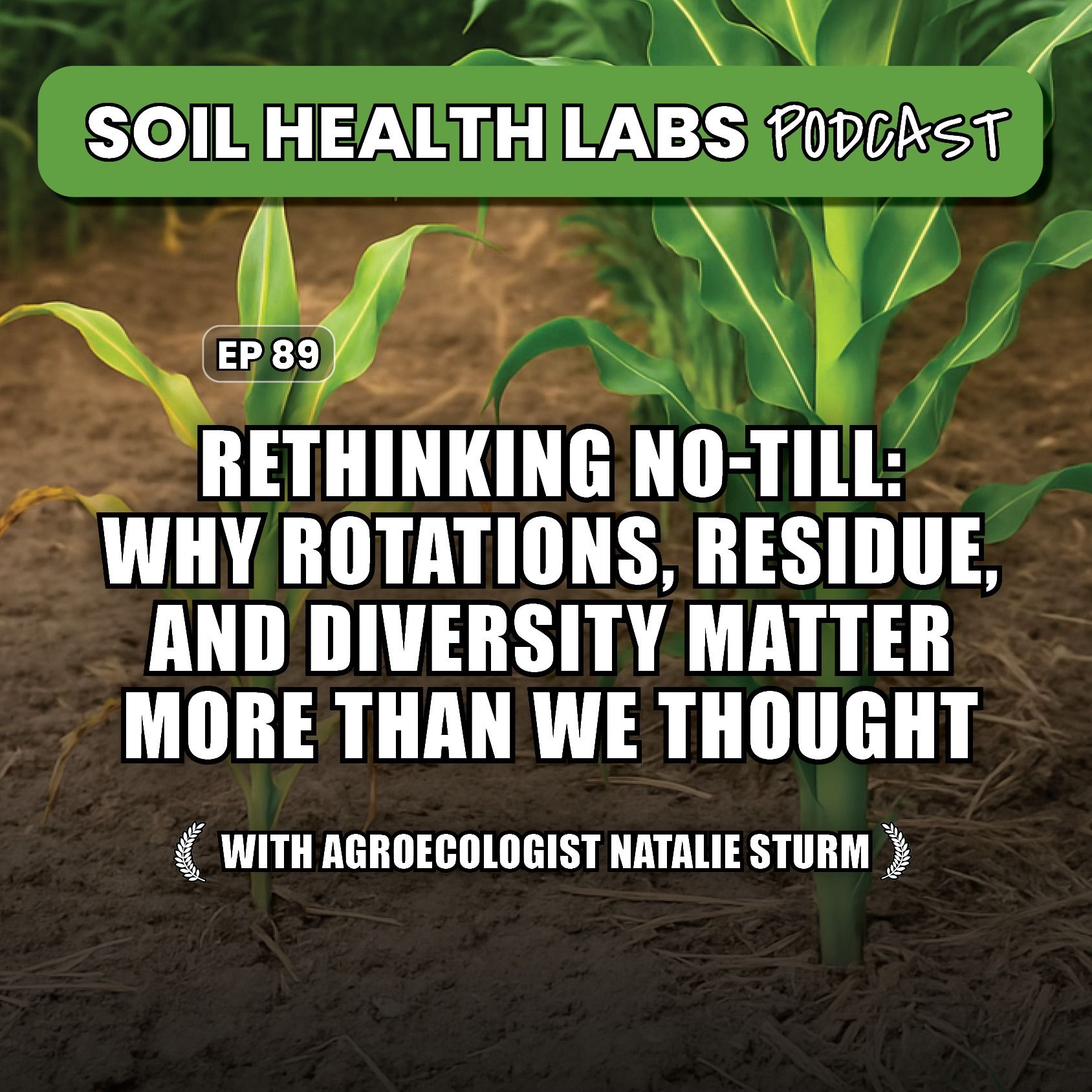 Rethinking No-Till: Why Rotations, Residue, and Diversity Matter More Than We Thought✨ | no-till farmingcrop rotation+4 | Natalie Sturm | Dakota Lakes Research Farm | suburban Chicago | soil qualitybiomass+4 | — | 1h 02m 18s | |
| 9/18/25 | 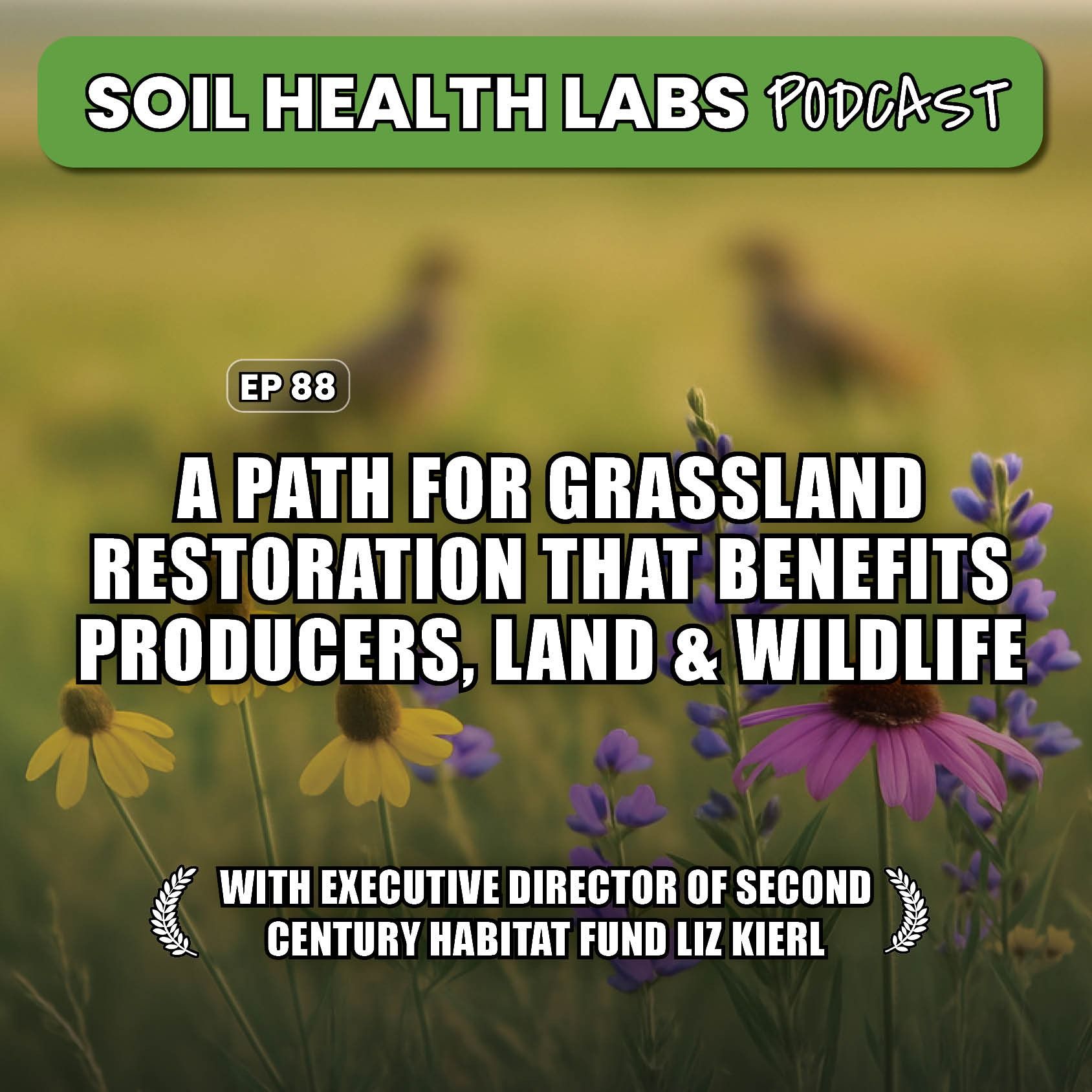 A Path for Grassland Restoration that Benefits Producers, Land and Wildlife✨ | grassland restorationconservation+5 | Liz Kierl | Second Century Habitat FundSoil Health Lab+1 | South Dakota | grassland restorationconservation tools+7 | — | 55m 41s | |
| 8/27/25 | 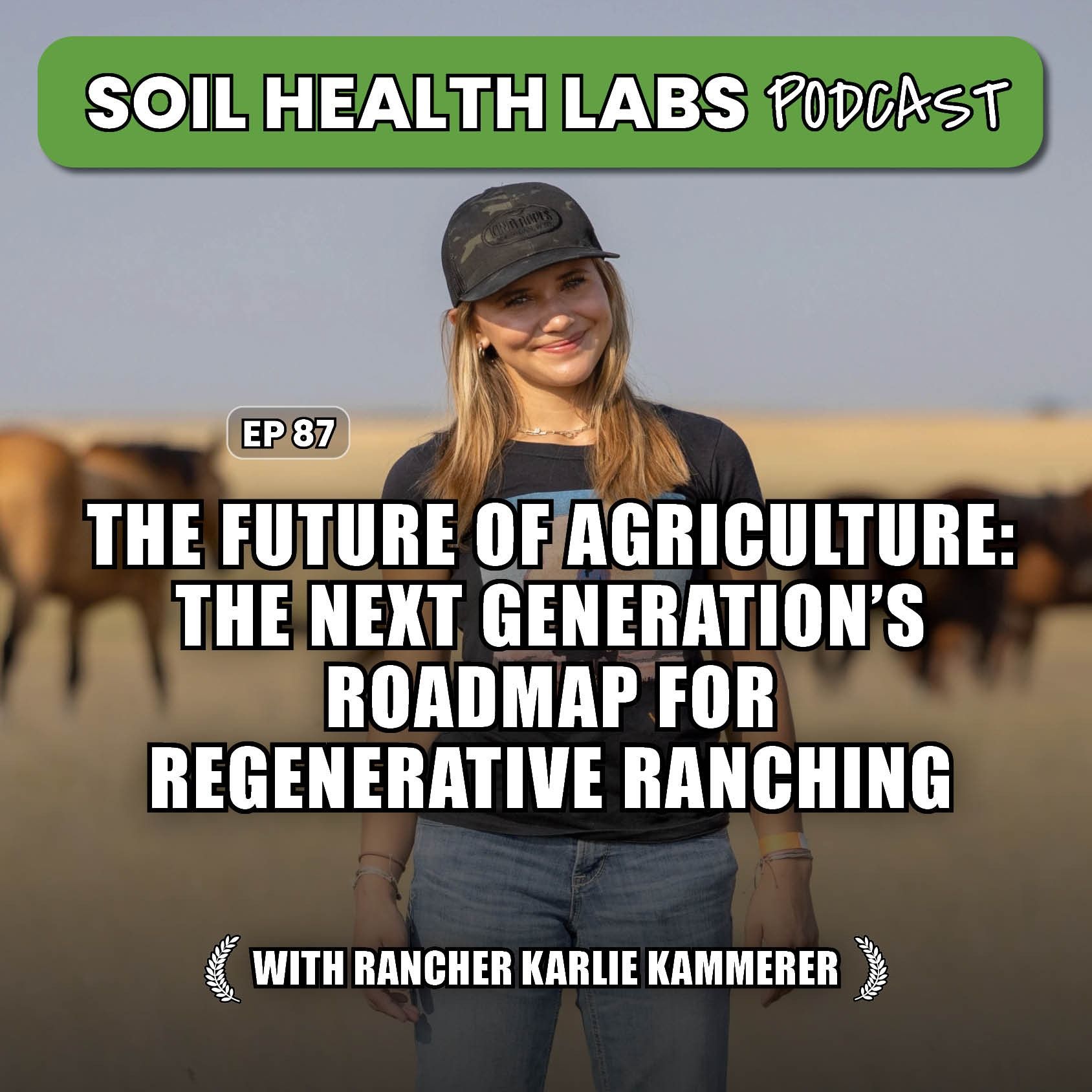 The Future of Agriculture: The Next Generation’s Roadmap for Regenerative Ranching✨ | regenerative ranchingholistic management+4 | Karlie Kammerer | — | western South DakotaRapid City | regenerative agriculturelivestock+4 | — | 54m 33s | |
| 8/14/25 |  How Ranchers are Reviving Native Grasslands and Creating More Resilient Operations✨ | ranchingconservation+4 | Kate Rasmussen | World Wildlife Fund | South DakotaMontana+2 | ranchingconservation+5 | — | 56m 05s | |
| 7/30/25 |  Bridging Conservation and Profitability on the Prairie: What Every Rancher Should Know✨ | conservationsustainable agriculture+4 | Dawn Butzer | NRCSSouth Dakota Grassland Coalition+1 | — | conservationsoil health+3 | — | 54m 56s | |
Want analysis for the episodes below?Free for Pro Submit a request, we'll have your selected episodes analyzed within an hour. Free, at no cost to you, for Pro users. | |||||||||
| 7/8/25 |  New Research Reveals Why Fertilizer Efficiency Depends on More Than Nitrogen Rates and Soil Chemistry✨ | fertilizer efficiencysoil health+4 | Dr. Bhupinder Farmaha | USDACotton, Country Conservation: An 8-Year Case Study in Regenerative Agriculture | South Carolina | fertilizernitrogen+6 | — | 46m 14s | |
| 6/24/25 |  How to Cut Fertilizer Inputs Without Sacrificing Yield: Soil Fertility Specialist Shares New Soil Health Data✨ | nutrient managementsoil health+4 | Dr. Bhupinder Farmaha | Clemson Extension | University of IllinoisMinnesota+1 | fertilizersoil fertility+5 | — | 43m 07s | |
| 6/4/25 | 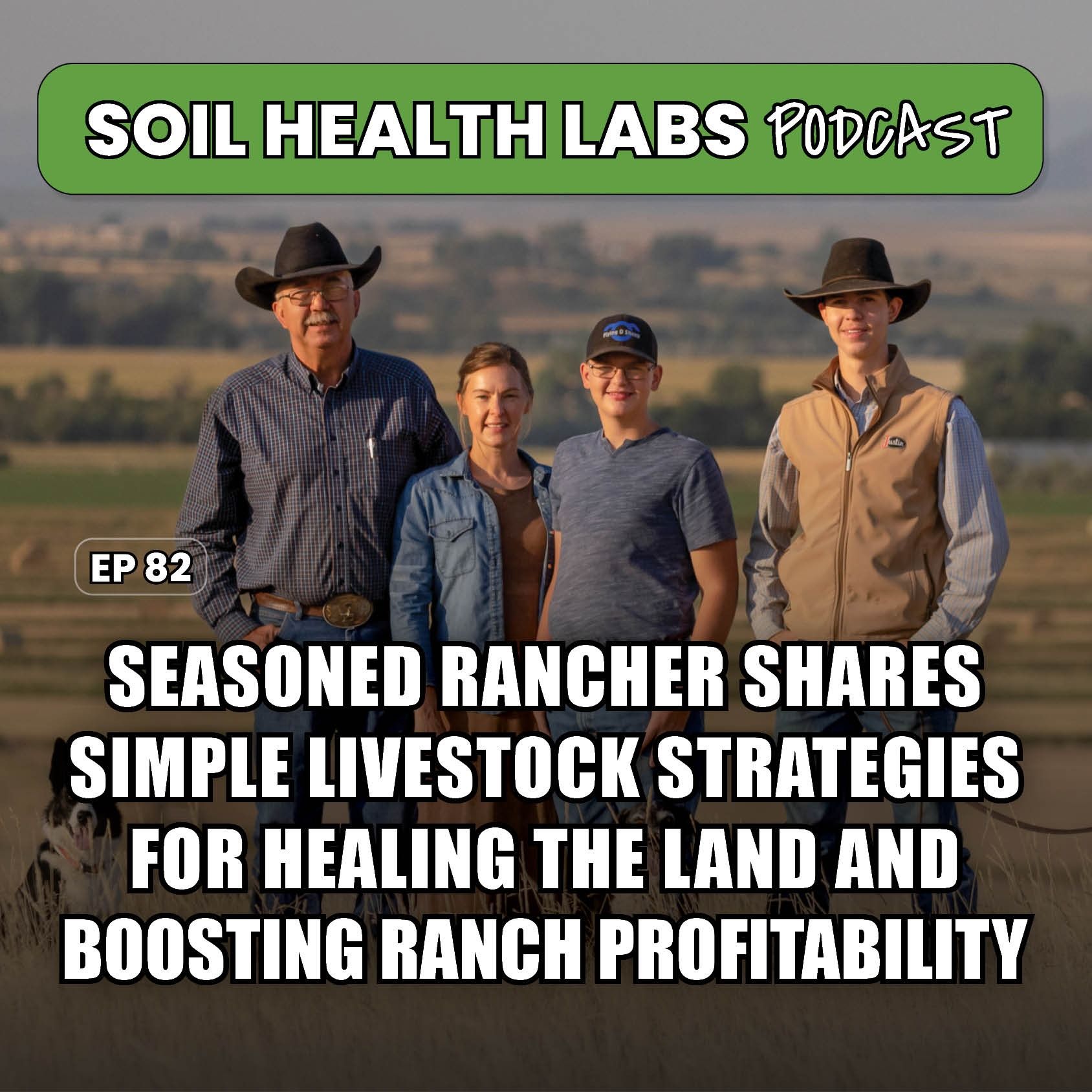 Seasoned Rancher Shares Simple Livestock Strategies For Healing the Land and Boosting Ranch Profitability | 🧲 Quotable Quotes“You can’t graze a landscape unless you understand what that landscape wants to be.” — Dave Ollila“We’ve got a chance to tell a story—to show that red meat can come from stewardship, not just consumption.” — Dave Ollila“The biology in the rumen is the same biology in the soil. That’s no accident. That’s design.” — Dave Ollila👩🌾 About our GuestDave Ollila is a seasoned rancher and agricultural educator in Butte County, South Dakota. With a career spanning over 25 years, he has made significant contributions to sustainable livestock management, particularly in multi-species grazing and soil health.Dave’s great-grandfather immigrated from Finland and homesteaded in Butte County in 1916. Dave and his wife, Holly, continue this legacy by raising sheep and cattle on the same land, emphasizing practices that align with the region's semi-arid conditions (South Dakota Magazine.)Professionally, Ollila served as the South Dakota State University (SDSU) Extension Sheep Field Specialist until his retirement in February 2020. He then joined the South Dakota Soil Health Coalition (SDSHC) as a Soil Health Technician, focusing on assisting producers in western South Dakota with soil health consultations (South Dakota Soil Health Coalition).🌾 In this EpisodeIn this deeply engaging conversation, Dave Ollila shares hard-won wisdom from decades of grazing and ranching in western South Dakota. We dive into the ecology of the prairie, how sheep and cattle mimic native herbivores, and how integrating multiple species—and technologies—can regenerate landscapes, boost ranch income, and reconnect producers to the land’s natural rhythms.🐑 Topics CoveredWhy context matters in livestock integrationEastern SD = tallgrass prairie; Western SD = shortgrass prairieMatching livestock species (e.g., sheep vs. cattle) to land, rainfall, and forage typeMulti-species grazing as ecological mimicryCattle as analogs to bison: bulk grazers of coarse grassSheep and goats as browsers akin to deer and elkBetter soil biology and insect/bird diversity through livestock diversityVirtual fencing in practiceUsing “No Fence” GPS collars to control small ruminantsHow virtual fences help manage weed outbreaks and reduce fencing costsCurrent limitations: signal strength, battery life, and trainingTraining livestock to graze invasive speciesHow sheep learn to consume Dalmatian toadflax through experienceLessons from Dave's cooperative research with BLM and insights from the Targeted Grazing ManualBenefits of sheep in dry countrySheep’s ability to thrive on snow as a water sourceTheir lower infrastructure needs and suitability for women and youthIncome diversity through meat and wool (up to 200% lambing rates)Why we need to educate our "city cousins"Comparing prairie biodiversity to the AmazonUrban lawns, golf courses, and parks can also sequester carbon“We’re not enemies—we’re partners with nature.”📚 Resources Mentioned1. Targeted Grazing 101: Starting and Sustaining a Grazing Service EnterpriseA new handbook from the American Sheep Industry Association (ASI) is available for download from SheepUSA.orgAlso supported by the Society for Range Management2. 2006 "Targeted Grazing" ManualComes included with the new supplement (PDF or USB)Research-backed chapters on targeted grazing practices3. Dave Ollila’s 2024 Soil Health Conference TalkCovers virtual fencing with visuals [Watch it on YouTube]4. WWF’s Case Study on Grazing InnovationsFeatures Dave’s work with virtual fencing and multispecies grazing (Read the WWF Vlog here) | — | ||||||
| 5/19/25 |  How to Boost Animal Health and Farm Productivity with Ecological Principles | Guest: Dr. Gustavo Lascano, Associate Professor of Ruminant Nutrition, Clemson UniversityHost: Drs. Gabe Kenne & Buz KlootLength: ~70 minutesIn this conversation with Dr. Gustavo Lascano, Ruminant Nutrition Specialist at Clemson University, we discuss integrating ecological principles like succession and diversity into farm management to improve animal, soil, and human health. Dr. Lascano describes intricate details of ruminant nutrition and reinforces that it should focus not only on calories but also on proper nutrient balance and feeding the microbial ecosystem within the rumen. His expertise in this field comes not only from advanced degrees and field and laboratory research, but also from experiencing indigenous agricultural systems firsthand and seeing how they offer valuable insights into sustainable, low-input food production systems.Episode Highlights:Rethinking Production Systems with Ecological SuccessionDiverse Background with Global RootsFree Choice Feeding & Ruminant EfficiencyRumen Microbiology & Soil ParallelsIndustrial vs. Regenerative Feeding ModelsAgroecological Inspirations from the AmazonThe Role of Animals in Regenerative AgTo learn more about Dr. Lascano and ruminant nutrition, check out the below links:Gustavo Lascano at Clemson UniversityFaculty ProfileSoil Health Lab Podcast ArchivesVisit WebsiteFeatured in the episode: Cotton, Country, Conservation (8-year regenerative agriculture study) | — | ||||||
| 4/28/25 |  How Real-World Farmers are Boosting Profits: Cover Crops, Cost Cutting, & Yield Bumps | In this episode, Carl Coleman continues his deep dive into the lessons learned from years of soil health experimentation—and how they changed not only his farm but his entire career. Carl shares how the pushback he received from scientists and extension professionals led him to set up a randomized, replicated study on his farm, proving that regenerative practices could reduce inputs without sacrificing yield.We explore some of the biggest surprises from these trials, including how fields with no applied potassium actually maintained or increased soil test levels over five years—completely contradicting conventional wisdom. Carl also discusses the economic and agronomic benefits of cover crops, including how they have helped farmers reduce subsoiling, cut back on herbicide passes, and save thousands in input costs.Carl’s transition from farming to the seed business was not planned, but as demand for high-quality, affordable seed grew, he saw an opportunity to help other farmers navigate the complexities of cover cropping. Now, as the owner of Choice Ag, Carl provides tailored cover crop blends based on individual farm needs, ensuring that growers avoid common mistakes and maximize their returns.If you’re wondering how real-world farmers are making regenerative agriculture work economically, this episode is packed with practical insights and hard-earned wisdom.📌 Check the show notes for links to Carl’s seed business, research studies, and resources mentioned in this episode!Resources Mentioned in This EpisodeHow much fertilizer do we really need? https://experiment.com/projects/how-much-fertilizer-do-we-really-needNo but seriously now, how much fertilizer do we really need? https://experiment.com/projects/no-but-seriously-now-how-much-fertilizer-do-we-really-needCotton, Country Conservation: An 8-Year Case Study in Regenerative Agriculture (Following SC Farmer Sonny Price's path of reducing input costs, increasing organic matter, and saving over $2.5 million): soilhealthlabs.com/projects/cotton-country-conservation | — | ||||||
| 4/17/25 |  The Economic Impact of Regenerative Agriculture: Practical Wisdom from a Seasoned Farmer | In this episode, Carl Coleman continues his deep dive into the lessons learned from years of soil health experimentation—and how they changed not only his farm but his entire career. Carl shares how the pushback he received from scientists and extension professionals led him to set up a randomized, replicated study on his farm, proving that regenerative practices could reduce inputs without sacrificing yield.We explore some of the biggest surprises from these trials, including how fields with no applied potassium actually maintained or increased soil test levels over five years—completely contradicting conventional wisdom. Carl also discusses the economic and agronomic benefits of cover crops, including how they have helped farmers reduce subsoiling, cut back on herbicide passes, and save thousands in input costs.Carl’s transition from farming to the seed business was not planned, but as demand for high-quality, affordable seed grew, he saw an opportunity to help other farmers navigate the complexities of cover cropping. Now, as the owner of Choice Ag, Carl provides tailored cover crop blends based on individual farm needs, ensuring that growers avoid common mistakes and maximize their returns.If you’re wondering how real-world farmers are making regenerative agriculture work economically, this episode is packed with practical insights and hard-earned wisdom.📌 Check the show notes for links to Carl’s seed business, research studies, and resources mentioned in this episode!Resources Mentioned in This EpisodeHow much fertilizer do we really need? https://experiment.com/projects/how-much-fertilizer-do-we-really-needNo but seriously now, how much fertilizer do we really need? https://experiment.com/projects/no-but-seriously-now-how-much-fertilizer-do-we-really-needCotton, Country Conservation: An 8-Year Case Study in Regenerative Agriculture (Following SC Farmer Sonny Price's path of reducing input costs, increasing organic matter, and saving over $2.5 million): soilhealthlabs.com/projects/cotton-country-conservation | — | ||||||
| 3/27/25 |  South Dakota Rancher Shares Alternative Strategy for Managing Invasive Species & Boosting Land Health | In this episode, Buz and Dickie chat with Clinton Rasmussen about the innovative use of goats for land management, particularly in combating the spread of eastern red cedar in South Dakota. Clinton shares his journey from growing up on a ranch to returning after his military service and discovering the power of goats to clear invasive brush. He discusses how these goats thrive in rough terrain and how their grazing habits can significantly reduce unwanted vegetation, including cedar trees, yucca, and other tough plants.The conversation highlights Clinton’s use of electric fencing and his experiments with no-fence collars to manage his goats across different paddocks. The effectiveness of goats in land restoration is contrasted with the challenges posed by eastern red cedar, which not only competes with grazing lands but also contributes to dangerous wildfires.Clinton explains how goats can fit into traditional cattle operations and how they offer a great opportunity for younger ranchers or anyone looking to diversify their operations. For those who may not have the capital to purchase large tracts of land or invest in a big cattle herd, goats provide a way to get started with smaller investments. Running goats alongside cattle allows you to use the same land without the need for major infrastructure or large upfront costs. It’s an ideal way for younger ranchers to gain experience and build their business over time, especially since goats can thrive in areas where cattle struggle. Clinton’s own experience shows how goats can be a stepping stone to eventually expanding into other livestock, creating a sustainable and profitable operation.One of the great advantages of goats is their relatively low water needs, especially compared to cattle. Clinton points out that once goats are established on a piece of land, they can often go quite a while without a constant water source, relying on moisture from the plants they eat, like yucca and cedar. This can significantly reduce the need for water infrastructure, as goats can be moved across the land without the need to set up multiple water points, which can be a costly part of managing cattle. This flexibility makes it easier to rotate goats through different paddocks and access areas that might be difficult to reach or impractical for cattle. For younger ranchers looking to minimize their infrastructure costs while maximizing their land use, goats offer a smart, cost-effective solution.For further reading, check out the AgUpdate article on "Tackling the Green Glacier" here and the prescribed burn resource here. You can also learn more about Nathan Marker from Plum Creek Ranch and his goat-based land management practices in this 2020 Gathering Talk. Follow Clinton’s journey on his Firewatch Ranch Facebook page.AgUpdate article: “Tacking the Green Glacier” https://agupdate.com/tristateneighbor/news/livestock/tackling-the-green-glacier/article_28fc9f42-ab57-11ef-b3f9-33537e86c82e.htmlhttps://www.growingresiliencesd.com/prescribed-burnNathan Marker ~ Plum Creek Ranch ~ 2020 Gathering Talk: https://www.youtube.com/watch?v=FuBzbTEkSQ8Firewatch ranch: https://www.facebook.com/profile.php?id=100085769701718 | — | ||||||
| 3/4/25 |  Rangeland Specialist's Top Grazing Strategies to Drought-Proof Your Pasture | In this episode, we chat with Lealand Schoon from the South Dakota NRCS about drought management, grazing strategies, and the long-term health of pasturelands. Lealand covers how subtle factors like trigger dates and residue levels impact grazing decisions, stressing that if land is left with less than 1,000 pounds of residue per acre, it can be much slower to recover. This makes it crucial for ranchers to manage grazing carefully, especially during drought conditions. He also distinguishes between droughts and dry cycles, explaining that while droughts are more extreme, dry cycles are a natural part of the landscape and require adaptive management to cope with.Lealand also touches on the current beef market, where prices are solid, and the availability and cost of hay are favorable. However, he warns against becoming complacent just because things are looking good right now. The market can shift quickly, and the right grazing and land management decisions today will determine how well ranchers are set up for future years, particularly when it comes to managing land during drought. He also talks about de-stocking strategies, noting that if the land is in poor condition, de-stocking will need to be more aggressive to avoid further damage.Throughout our discussion, Lealand emphasizes the importance of being proactive with land management—especially when conditions are good. He stresses that staying on top of things today can help ensure that ranchers can handle the challenges of tomorrow. The ability to adapt to changing conditions now will make all the difference when the inevitable droughts or market shifts arrive.This episode offers essential advice for ranchers looking to maintain healthy, resilient land, no matter the market conditions.For more on drought management and range conservation, check out the links in the show notes:Growing Resilience – Drought Managementhttps://www.growingresiliencesd.com/drought-managementNatural Resources Conservation Service- Range and Pasturehttps://www.nrcs.usda.gov/conservation-by-state/south-dakota/range-pastureAg-Wxhttps://www.ag-wx.comMesonet SD (Go to tools to see Ag Weather, Degree Days, Livestock Stress, etc.)https://climate.sdstate.edu/Rangeland Analysis Platform (RAP)https://rangelands.app/Alexjandro Carillohttps://www.cuencalosojos.org/alejandro-carrillo | — | ||||||
| 1/30/25 | 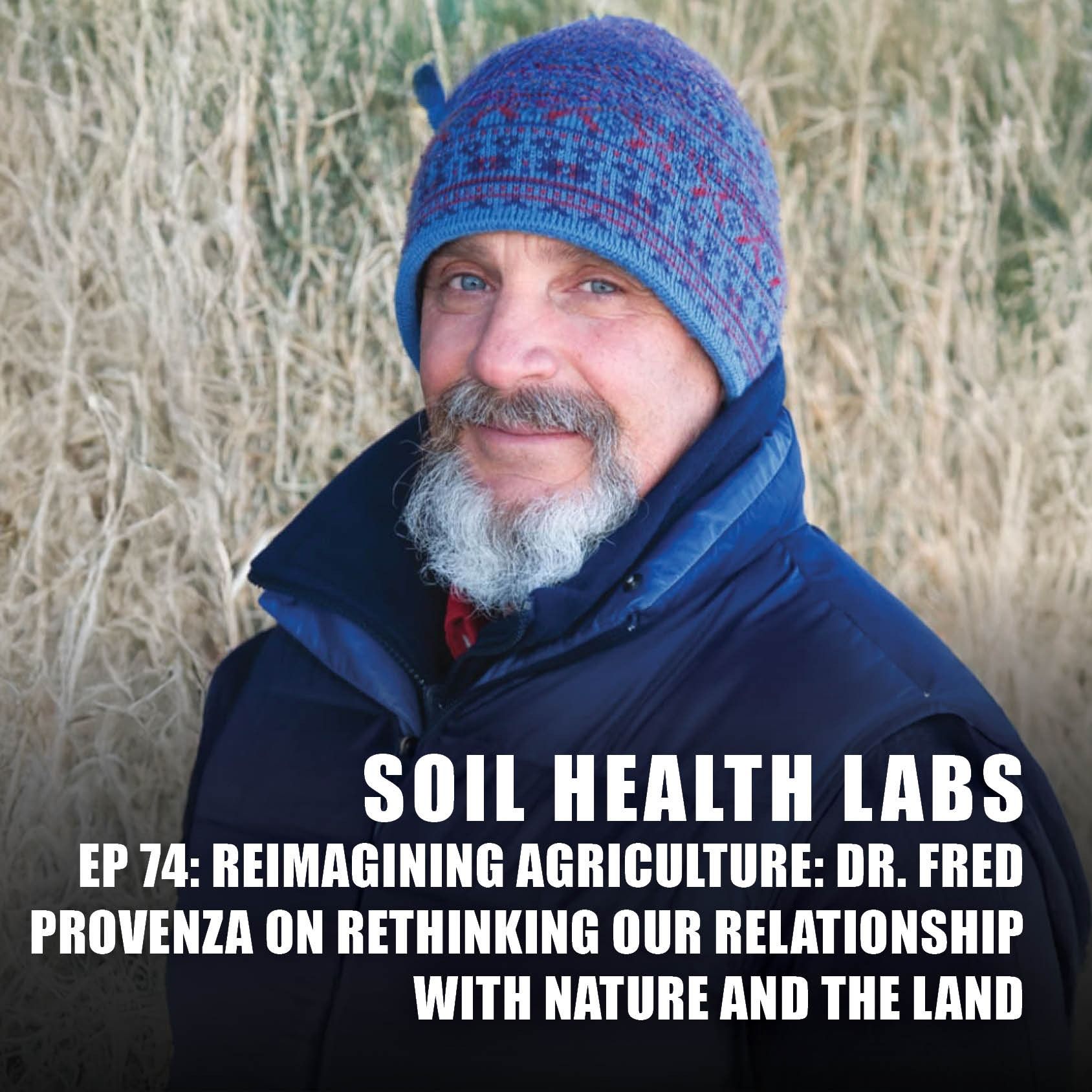 Reimagining Agriculture: Dr. Fred Provenza on Rethinking Our Relationship with Nature and the Land | Our third and final interview with Fred Provenza unfolds like a symphony in four parts, each movement resonating with deep reflections on human connection, nature, and the inner workings of the mind. With a cadence that mirrors the unfolding of a well-composed piece, Fred takes us through a journey of shifting perspectives and shifting lives, inviting us to hear the music of the earth as it teaches us to reconnect, simplify, and grow. Like the slow movement of a piece, the interview reflects the wisdom of experience, with Fred sharing lessons learned through years of work, struggle, and discovery. Together, these four movements create a harmony of ideas that echo the timeless truths of our relationship with the world around us.Movement 1: Fred Provenza on the Role of Mindsets in Shaping Our Relationship with NatureFred explores how mindsets, shaped by polarized perspectives, can be transformed through respectful dialogue and open-mindedness. Reflecting on his experience as a teacher, he recalls how he helped students transcend the boundaries of their differing views, fostering a deeper understanding of the complex issues surrounding livestock, rangelands, and the land itself.Movement 2: Fred Provenza on Stories that Connect and Inspire ChangeFred delves into the power of stories in creating connections and inspiring transformation. He emphasizes how the act of nurturing relationships with the land can foster a sense of community, grounding individuals in something larger than themselves, while also illustrating how personal experiences—like the shared beauty of a native garden—can bring people together in mutual appreciation.Movement 3: Fred Provenza on the Purpose of His Work and Bringing JoyReflecting on his legacy, Fred speaks candidly about his life's work and its true purpose: to inspire joy and awe in others. He highlights how reconnecting with a sense of wonder, especially after facing life's challenges, can bring peace and meaning. Fred reveals his desire not for grand accomplishments, but for helping people rediscover the joy of being alive.Movement 4: Fred Provenza on the Wisdom of Letting Nature Self-OrganizeIn response to the quotes from John Kenneth Galbraith and Charles Massey, Fred offers profound insights into the wisdom of stepping back as we grow older. He discusses the gift of reduced energy levels and how this shift allows us to embrace a simpler, more hands-off approach to life—allowing nature to regenerate on its own. Reflecting on the importance of humility and learning, Fred advocates for changing mindsets and simplifying life to connect with what truly matters.As you listen to the final movement of this symphonic conversation with Fred Provenza, we encourage you to stay with us until the end. Sometimes, it’s not the facts and figures that resonate the most, but the deeper, intuitive understandings that unfold as we reflect, shift, and grow. Fred’s insights challenge us to reconsider the way we approach life, nature, and even our own existence—asking us to embrace the wisdom of simplicity, connection, and change. Stay with us to the end, because the most important lessons aren’t always found in what we know, but in how we come to understand it. | — | ||||||
| 12/11/24 | 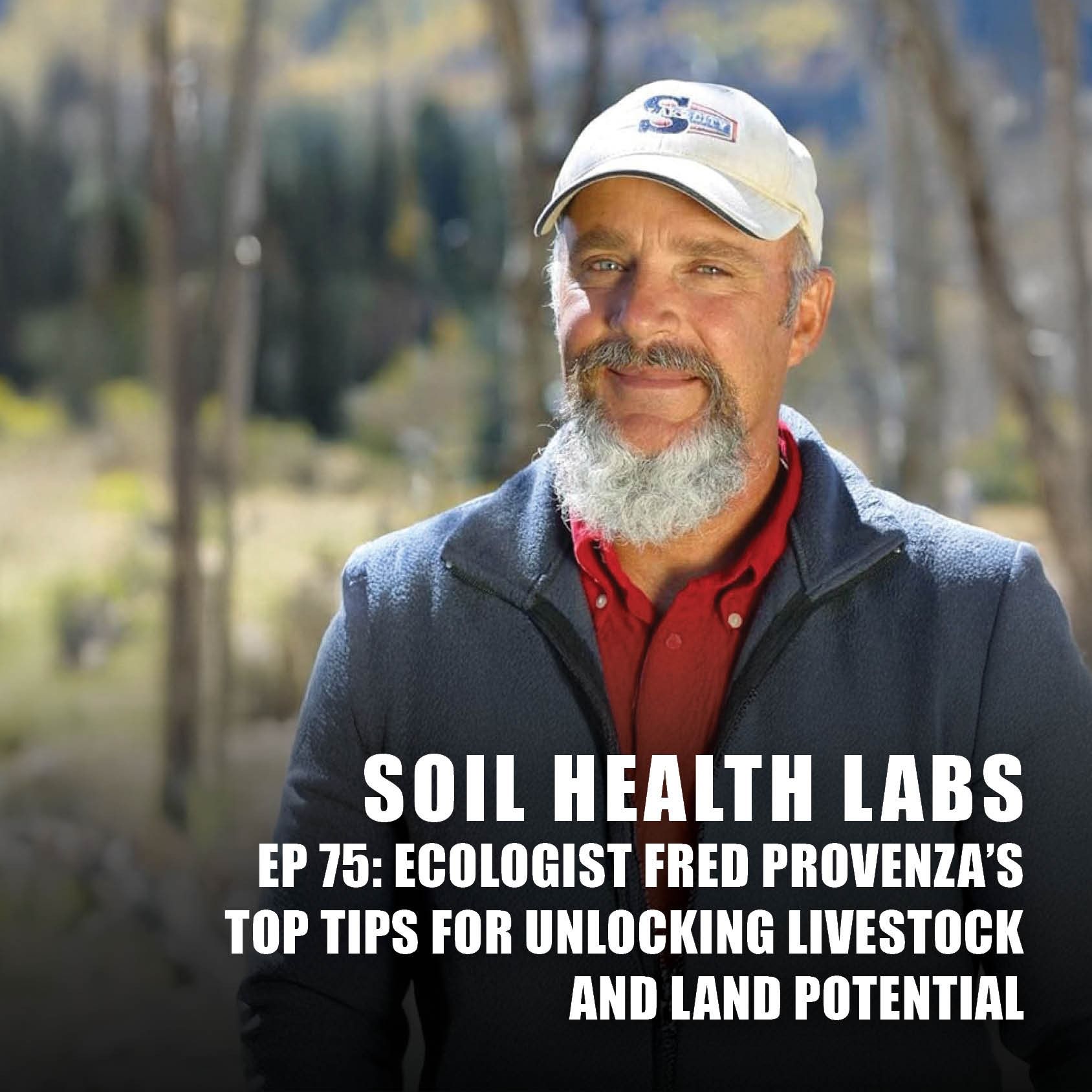 Ecologist Fred Provenza's Top Tips for Unlocking Livestock and Land Potential | In this second podcast with Dr. Fred Provenza, professor emeritus of Behavioral Ecology at Utah State University, and author of several important books on animal behavior and land stewardship, we discuss key themes include wildlife nutrition, ecological practices, and the interconnectedness of animal behavior and plant diversity. The discussion opens with Provenza detailing the Welfare Elk Program implemented at Deseret Land and Livestock, a large ranch on the Wyoming-Utah border. Faced with the challenge of elk wintering on neighboring lands and health issues like brucellosis and chronic wasting disease, the ranch transitioned from supplemental feeding to promoting natural foraging. By strategically using cattle to graze specific areas, elk were encouraged to self-sustain, breaking a cycle of dependency on human-provided food. This shift not only benefited the elk but fostered a new generation of calves unfamiliar with artificial feeding, establishing a "culture of welfare elk."Provenza also elaborates on the importance of diverse landscapes for livestock health. He highlights how animals instinctively seek a variety of plant species, which contain secondary compounds (physochemicals) that play a vital role in their nutrition and health. These compounds, once dismissed as mere plant defenses, are now recognized for their potential health benefits, serving as antioxidants and aiding in self-medication. By grazing diverse plant species, animals reduce their reliance on veterinary care, demonstrating a deep-rooted nutritional wisdom that connects them to their environments.A significant anecdote shared is Claire Sylvia’s experience following her organ transplant, as recounted in her book "A Change of Heart." Sylvia’s story illustrates how organ recipients often experience changes in food preferences that align with those of their donors, suggesting a profound connection between body and identity. Provenza draws parallels between this and the dietary choices of animals, emphasizing that the feedback mechanisms within both animal and human bodies guide their nutritional decisions.Throughout the interview, Provenza emphasizes the importance of understanding animal behavior and ecology as interconnected systems. The wisdom animals demonstrate in selecting their diets reflects an intimate knowledge of their landscapes, akin to the complexities of the human microbiome. He notes that, just as plants transform soil into a diverse ecosystem of nutrients, animals thrive by foraging from varied plant sources, reinforcing the idea that both species are part of a larger ecological web.In essence, the discussion highlights how fostering a more holistic view of animal nutrition—grounded in ecological practices, diverse landscapes, and understanding the innate knowledge of animals—can lead to healthier ecosystems and livestock. Provenza’s insights encourage a reevaluation of conventional agricultural practices, promoting a deeper appreciation for the natural instincts that guide animal foraging and well-being.Fred reflects on the limitations and complexities of scientific inquiry, especially in fields like ecology, economics, and sociology. He discusses the concept of "trans-science," which refers to questions and phenomena that lie beyond the capabilities of traditional scientific methods to fully answer. Early in his career, Fred believed that rigorous study would lead to predictable and controllable outcomes, akin to the precision of physics. However, he gradually recognized that science can only provide provisional insights into complex systems.Fred emphasizes that the interactions within ecological systems often defy reductionist approaches. He illustrates this with the example of studying secondary compounds in foods: while individual compounds can be analyzed, the sheer complexity of combinations in real meals makes it impossible to fully understand their effects in isolation. He champions the idea that "food, not nutrient" is the basic unit of nutrition, highlighting that the synergistic effects of various compounds in whole foods are crucial for health.He critiques the historical emphasis on competition within ecological theories, which he argues stems from economic models. Instead, he promotes the concept of cooperation and synergies among diverse species as essential for ecological health. This perspective informs his approach to agriculture, advocating for polycultures over monocultures, as diversity fosters greater resilience and nutrient density.Fred also explores the philosophical underpinnings of scientific inquiry, discussing how science is inherently limited and tentative. He encourages scientists to remain open-minded and to adapt based on data rather than clinging to preconceived hypotheses. He shares personal anecdotes of frustration and learning throughout his research journey, underscoring the importance of integrity in scientific practice.Lastly, Fred highlights the significance of creativity in both nature and human systems, arguing that true understanding emerges from participation in the environment. He suggests that by embracing our interconnectedness with nature, we can cultivate more effective and innovative approaches to ecological and agricultural challenges. Overall, Fred advocates for a holistic, cooperative view of science and ecology, one that values the complex interactions within ecosystems and the creative potential inherent in these systems.Additional Resources:Dr. Fred Provenza’s Talk at Utah State University: The Web of Life EventDr. Fred Provenza’s Books:NY Times Article: Montana at has more Cows than People: why are Locals eating Beef from Brazil? https://www.nytimes.com/2024/06/13/business/montana-meat-old-salt-co-op.html | — | ||||||
| 11/19/24 | 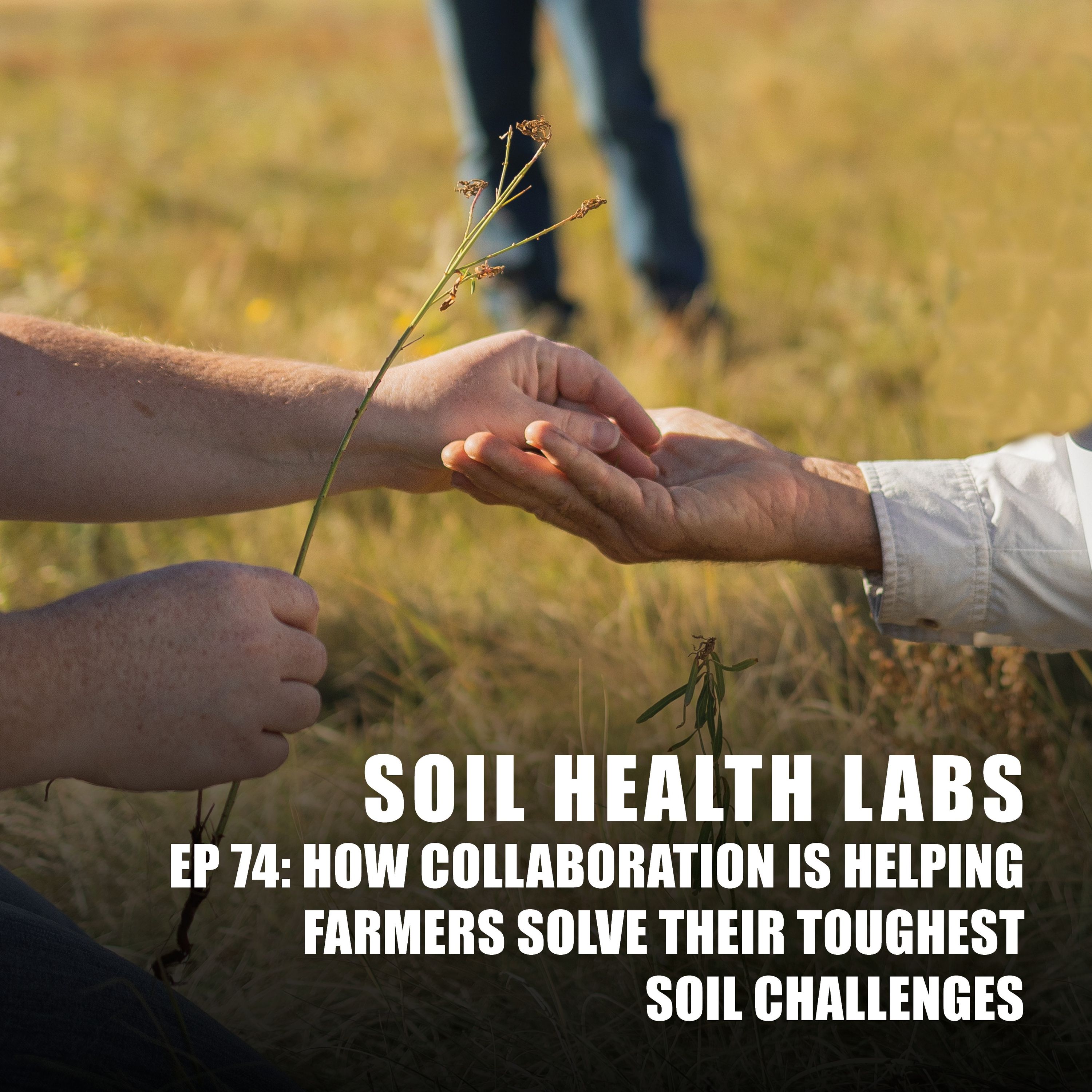 How Collaboration is Helping Farmers Solve Their Toughest Soil Challenges | This episode of the Soil Health Labs podcast delves into the importance of peer learning among farmers, innovative approaches to soil health, and the implementation of climate-smart practices through the Climate-Smart Grown in SC Program out of Clemson and SC State Universities. Featuring insights from Dr. Lacy Barnette, this episode explores how collaboration, community support, and scientific research drive sustainable agricultural practices.From as early as middle school, Dr. Lacy Barnette was interested in sustainable agriculture. She made the very wise decision of getting her PhD in Environmental Health Sciences from us right here in the Soil Health Lab and has since moved into a position as an Extension Associate at Clemson University where she is a part of the Leafy Greens program of their Climate-Smart Grown in SC project. This Climate-Smart program is a USDA-funded initiative aimed at sustainable practices in four main crops: leafy greens, forage, peanuts, and forestry.In this interview, Dr. Barnette emphasizes the benefits of farmers observing and learning from their peers in implementing effective soil health techniques, and the importance of making scientific research relevant and actionable for farmers, particularly in South Carolina. Dr. Barnette also discusses strategies for leafy green farmers to adopt cover cropping, reduce tillage, and approaches to mulching to enhance soil health. She also touches on market influences and policy barriers that may hinder farmers from adopting perennial systems. In all, it’s important to plug oneself into a broad and supportive community, one that is involved in supporting one another's agricultural growth and, preferably, policy that supports regenerative agriculture.Dr. Barnette discusses the many varying and visible benefits of cover cropping, such as improved soil health/productivity and pest deterrent. She goes on to discuss some of the common issues some leafy green farmers may face in cover cropping. Diamondback Moths have posed a threat to some crops, for which Dr. Barnett offers some possible remedies, such as compost tea generated from plant matter of surrounding forests.Lastly, she discusses the Initial challenges and logistical hurdles in the first year of the Climate Smart SC Program, and anticipated improvements for the second year, including summer cover crops.Links and ResourcesClemson Extension Climate Smart Program: https://www.climatesmartsc.org/Rodale Institute: https://rodaleinstitute.org | — | ||||||
| 11/5/24 | 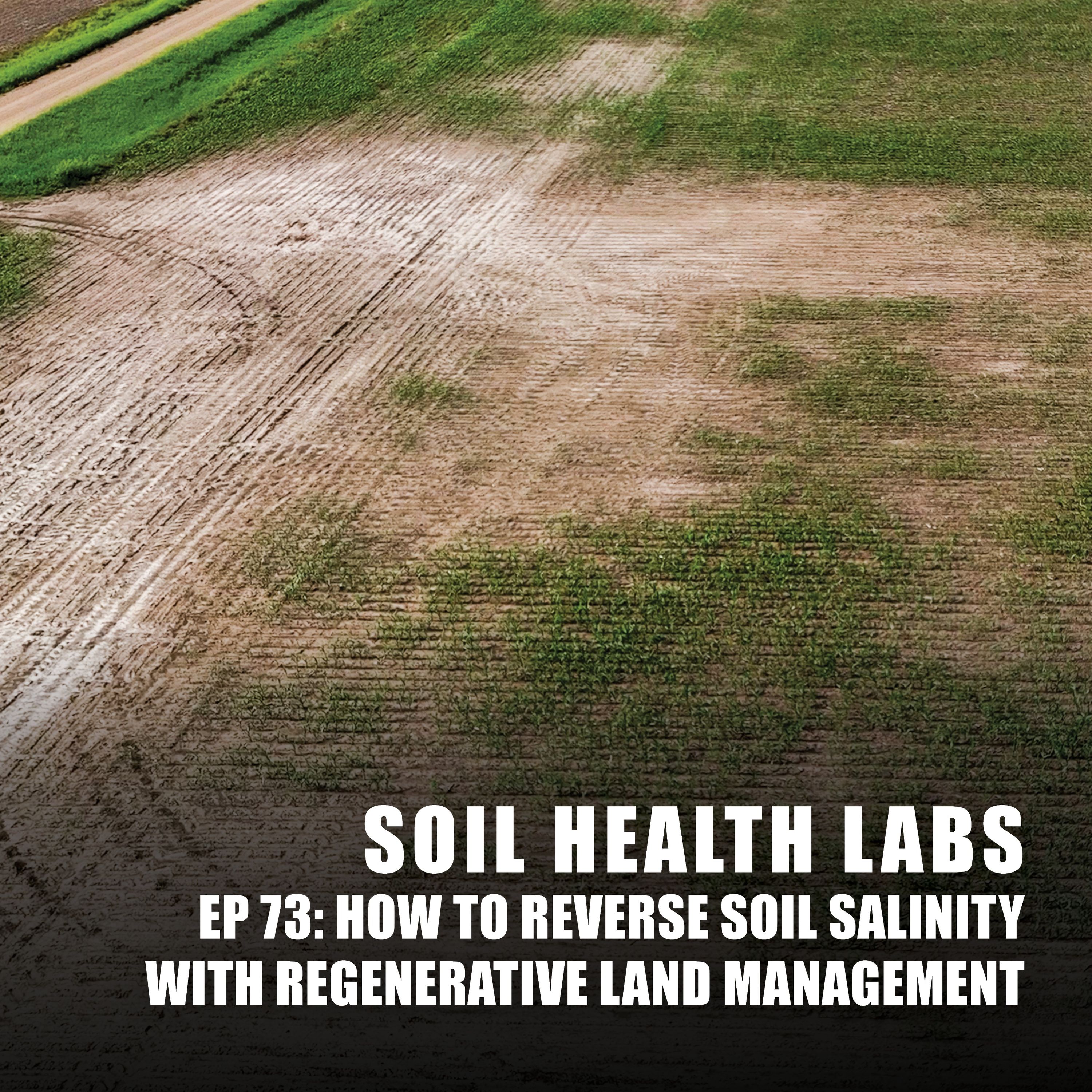 How to Reverse Soil Salinity with Regenerative Land Management | As we end the growing season, we want to air this podcast that Joe Dickie and Buz Kloot conducted with NRCS’s Shane Jordan and Kent Vlieger. This is the fourth podcast of the year that discusses salinity, the others being with Kent Cooley (Soil Scientist), Matt Hubers (Agronomist with Ducks Unlimited), and Lee Brise (Crop Consultant). We wanted to time this podcast with the end of the growing season to (1) give you more time to listen and (2) help your thinking and planning for 2025, especially if you are farming in the James River Valley. While our previous podcasts (see links below) have dealt with various aspects of salinity, we think this episode does a nice job of tying up all the loose ends.Shane kicks off with his personal history and tenure in Spink County, discussing how shifts in farming practices have affected the salinity issue. He highlights the decrease of small grains in the rotation, the reduction of perennials (like alfalfa), and a decline in the number of livestock on pasture as some of the causes of salinity. These changes, along with the recent wet cycle, have led to a visible change in the landscape that Shane has observed firsthand.Kent then talks about how changes in farming practices, combined with weather patterns, have served to break the water cycle, making salinity a symptom of that broken cycle. As biological diversity decreases due to lands shifting to monocultures, soil structure is further impacted, exacerbating the busted water cycle. Kent discusses how effective water management—through the judicious use of plants—can combat salinity, especially in areas with high water tables, while highlighting the consequences of kicking the can down the road regarding these pressing issues.As we explore solutions, we look at the use of annuals in the form of cover crops, but we also spotlight the potential of perennial systems as a viable alternative to traditional row crops. Kent shares success stories from South Dakota farmers who have embraced these systems, showing how they can stabilize economic conditions over time. We stress the importance of patience, as transitioning to perennials isn’t an overnight fix.In the podcast, we emphasize the "Every Acre Counts" initiative as a crucial framework for reevaluating land management practices. We highlight that many farmers often overlook the hidden potential of less productive acres, focusing solely on traditional row crops like corn and soybeans. By adopting a broader perspective, farmers can identify opportunities for integrating diverse practices, such as cover crops and perennials, that not only enhance soil health but also improve long-term profitability. We argue that this approach encourages producers to assess the economic viability of each field comprehensively, revealing surprising insights about their land's true productivity and the potential benefits of sustainable practices. Through "Every Acre Counts," we advocate for a mindset shift that recognizes the value of all land, promoting strategies that support ecological balance and agricultural resilience.A significant part of the conversation involves Kent and Shane expressing frustration over the economic barriers that prevent farmers from adopting more diverse and sustainable practices. They point out that many producers rely heavily on crop insurance instead of addressing the root causes of soil degradation, making it challenging to implement effective solutions. Both emphasize the difficulty in shifting mindsets, particularly among absentee landowners (NOLOs) who may not fully understand the state of their land or be willing to give producers a break on rent to tackle salinity problems. Shane highlights the need for education to change perspectives about soil health and profitability, noting that without this understanding, landowners often prioritize immediate financial returns over long-term sustainability. This disconnect underscores the broader challenge of integrating conservation efforts with economic realities in agriculture.They see many farmers "kicking the can down the road," avoiding the tough decisions needed to address salinity and soil health issues. This tendency to delay action only exacerbates problems, making it harder to achieve long-term sustainability and economic viability in the face of mounting challenges.*insert link for video clip from this podcast discussion showing the soil test numbers change over an 8-year time span (To Be Created)Previous Podcasts on Salinity:59 Soil Expert on the Origins and Impacts of Saline Soils – Kent Cooley: https://www.growingresiliencesd.com/podcasts/episode/251b4e9a/59-soil-expert-on-the-origins-and-impacts-of-saline-soils61 Agronomist Shares Top Strategies to Transform Saline Soils Into Productive Land – with Matt Hubers: https://www.growingresiliencesd.com/podcasts/episode/27cd9227/61-agronomist-shares-top-strategies-to-transform-saline-soils-into-productive-land63 Crop Consultant Shares How to Earn 400 More Dollars an Acre on Saline Soils – with Lee Briese: https://www.growingresiliencesd.com/podcasts/episode/259b1fbd/63-crop-consultant-shares-how-to-earn-400-more-dollars-an-acre-on-saline-soils | — | ||||||
| 10/18/24 | 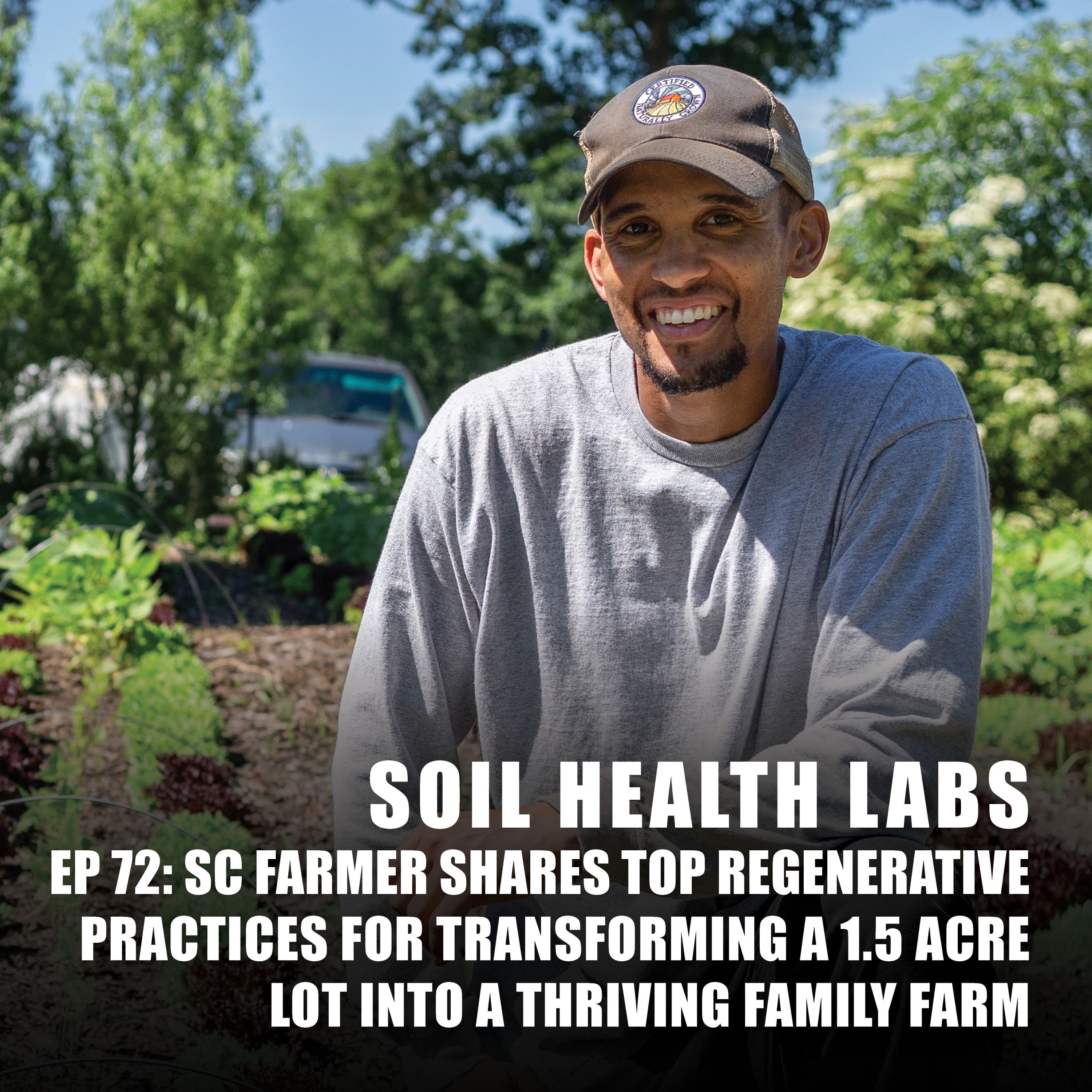 72 SC Farmer Shares Top Regenerative Practices for Transforming a 1.5 Acre Lot into a Thriving Family Farm | In a recent interview with Dr. Gabe Kenne, Lance Samuel spoke about his family’s farm, ‘Bushels & Bags’ near Ridgeway, South Carolina. Co-founded with his wife, Kim, initially the two former personal trainers only intended to start a homestead. Their journey began with a provisional vegetable plot, which gradually expanded into a full-fledged operation centered around microgreens. Their shift towards microgreens was driven by a desire to merge their interests in health, nutrition and agriculture. They soon discovered a strong local demand for organically grown, chemical-free vegetables.Bushels & Bags is "Certified Naturally Grown" (CNG), which is similar to an organic certification, but relies on a more local, grassroots, peer-reviewed process. This method not only supports small-scale farmers but also reduces certification costs. Lance values the collaborative nature of CNG, which fosters idea exchange and mutual support among farmers.Bushels & Bags now operates on approximately 1.5 acres and emphasizes chemical-free farming. They utilize methods such as exclusion netting and no-till farming to maintain soil structure and prevent pests. Lance details their recent experiments with cover crops, comparing crimping versus mowing techniques. He found crimping—rolling cover crops flat before planting—to be superior for controlling weeds and promoting plant health, compared to mowing, which led to increased weed pressure and inhibited growth.The interview also highlights their regenerative practices, including the use of hedgerows composed of native plants and flowering species between crop plots. Lance noticed the hedgerows attracted beneficial insects and birds that help with pest control, reducing the need for chemical intervention. The hedgerows further enhanced biodiversity and managed water runoff by absorbing excess water and preventing soil erosion. In the future, Lance is interested in incorporating rainwater catchment systems to further improve water management and reduce reliance on well water.Initially the farm implemented large amounts of outsourced compost, but in recent years Lance has begun cultivating in-house compost comprised of vegetable scraps, dead leaves and spent grain from local breweries. An experiment to remove wood chips from pathways resulted in increased erosion and water runoff, and Lance has since reverted back to using wood chips on walking paths and refined the application method, which has improved water management and reduced labor.The family plays a crucial role in the farm’s operations, as the four Samuel children all contribute to the work necessary to support the farm. Operating in a remote and rural area, however, has its challenges. The farm's location, combined with the prevalence of personal gardens among locals, complicates direct sales. Despite these difficulties, Bushels & Bags has found success through regular attendance at a local farmer’s market, a CSA program, and relationships with local restaurants.Looking ahead, Lance aims to further integrate both annual and perennial crops on the farm. To beginning farmers, Lance emphasizes the value of public resources– books, videos and online courses– and heeds new farmers to first find and shadow existing operations that share their agricultural value systems. For more information about Bushels & Bags, visit their website https://www.bushelsandbagsfarm.com/ or visit them at the Kershaw Farmers Market in Camden, SC on Saturdays. | — | ||||||
| 8/29/24 |  71 Tap into the Hidden Wisdom of Livestock to Restore Your Land with Renowned Ecologist Fred Provenza | In this episode of the SoilHealthLabs podcast series, Buz Kloot and Joe Dickie chat with Dr. Fred Provenza, professor emeritus of Behavioral Ecology at Utah State University, and author of several important books on animal behavior and land stewardship. Our discussion delves into the profound connections between healthy grasslands and healthy livestock, with Fred sharing personal stories and research that highlight the intricate relationships between soil, plants, animals, and humans.Fred begins by recounting his early experiences working with Henry DeLuca, a rancher who started in the late 1800s. Henry’s deep understanding of his land and livestock left a lasting impression on Fred, particularly Henry’s practice of retaining his own replacement heifers to ensure they "knew the range." This experience shaped Fred’s lifelong exploration of the dynamic interplay between animals and their environments.As the conversation progresses, Fred shares intriguing anecdotes about the mutual learning that occurs between livestock mothers and their young. He describes how a calf might explore and learn to eat a plant that the mother avoids, eventually leading the mother to try it as well. This two-way street of learning is crucial for the herd's adaptability and the health of the landscape.The discussion also touches on the innovative methods used to train livestock, such as using a bitter, non-toxic substance to deter cows from nibbling on saplings. These stories illustrate how thoughtful, experience-based interventions can create sustainable practices that benefit both the animals and the environment.The conversation then moved towards the wisdom of shepherds, contrasting their role with that of herders. Fred explains that while a herder might direct animals where to go, a shepherd observes and learns from the animals, allowing them to naturally select the plants they need. This approach not only supports animal health but also promotes the biodiversity of the landscape, which is essential for maintaining a healthy ecosystem.Fred shares insights from his collaboration with French shepherds, particularly with co-author Michel Meuret (see additional resources below), highlighting how they use sequencing in grazing to optimize both animal and land health. By understanding which plants to graze first and in what order, shepherds can ensure that the landscape is utilized sustainably, preventing overgrazing and promoting a balanced ecosystem.The conversation also explores the broader implications of reconnecting with our food systems. Fred reflects on the disconnect between modern agricultural practices and the land, using the example of Montana—a state rich in cattle but reliant on imported beef, and the talk he gave at Montana’s Old Salt Festival. This disconnect, he argues, has weakened our sense of community and our relationship with the land.As the episode concludes, Fred emphasizes the importance of re-establishing these connections. The wisdom gained from shepherds and their relationship with the land and animals offers valuable lessons for how we approach our food systems today. This episode is a call to action, urging listeners to rediscover the value of experiential knowledge in maintaining the health of our ecosystems.Additional Resources:Dr. Fred Provenza’s Talk at Utah State University: The Web of Life EventDr. Fred Provenza’s Books:Nourishment: What Animals Can Teach Us about Rediscovering Our Nutritional WisdomForaging Behavior: Managing to Survive in a World of ChangeThe Art & Science of Shepherding: Tapping the Wisdom of French HerdersOld Salt Co-Op (Montana) website: https://www.oldsaltco-op.com/NY Times Article: Montana has more Cows than People: Why Are Locals Eating Beef from Brazil? https://www.nytimes.com/2024/06/13/business/montana-meat-old-salt-co-op.html | — | ||||||
| 7/29/24 | 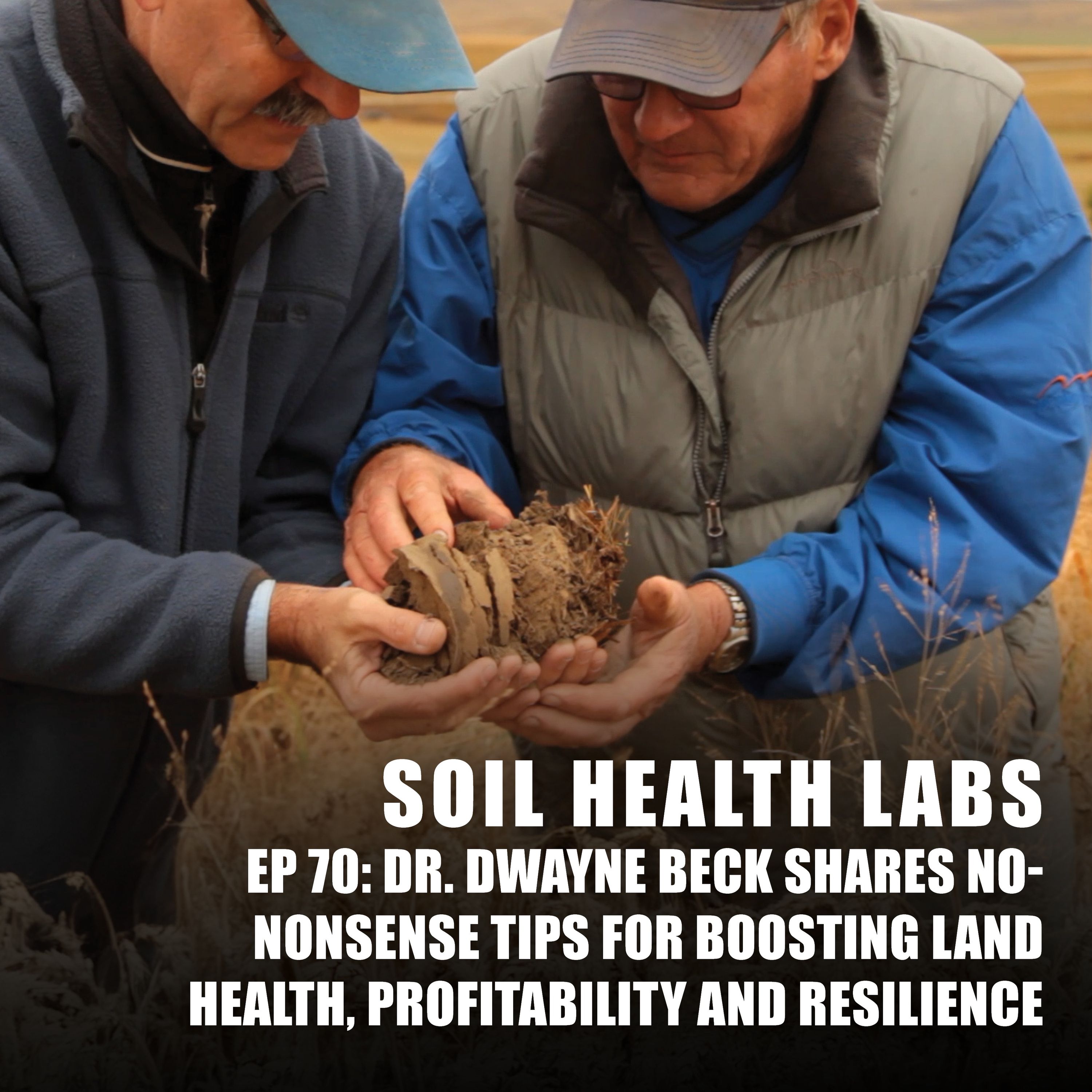 70 Dr. Dwayne Beck Shares No-Nonsense Tips for Boosting Land Health, Profitability and Resilience | In this conversation with Soil Scientist Buz Kloot, Dwayne Beck— former research manager to Dakota Lakes Research Farm— discusses the destructive effects of some traditional land management techniques, one of which being tillage. Tillage consistently disrupts soil pore structure and leads to the loss of organic matter, initiating a downward spiral towards desertification. He references the Sahara Desert as an example, which was once a grassland but turned into a desert due to the loss of nutrients.Beck highlights the importance of integrated farming practices that consider the land’s natural vegetation and climate. On his travels, particularly in Australia, he noticed significant differences in ecosystems based on rainfall patterns and soil water retention. He notes the challenge of farming in regions like Western and Eastern Australia, where the climate and soil conditions differ from grassland regions. He notes that in tree-dominated regions, water moves deep into the soil during winter, beyond the reach of grass-type crops. This creates a challenge under standard agricultural approaches; nutrients being in the soil, but too deep for crops to reach.He shares his insights on potential solutions, such as integrating perennial crops like sorghum in summer to utilize the nutrient cycles effectively. Dwayne mentions Colin Seis, who developed a system called "pasture cropping" or "grain and graze," which integrates tall grass species and winter crops to create a mixed-species system that enhances nutrient cycling and works in tandem with the seasons. He highlights the benefits of having a mix of perennials and annuals, as it more closely resembles natural ecosystems—urging farmers to not grow dependent on perennial grains. While annual crops focus on producing seeds, perennials primarily aim to survive until the next year— noting that Seis’ ‘grain and graze’ approach, while an insightful guidepost, will not work in every climate.Dwayne addresses the historical importance of megaherbivores in maintaining landscapes, and how the absence of these animals affects current ecosystems. The subsequent deficiency of deep-rooted species contributes to what he calls a leaky system: soil pH deficiencies leading to water and nutrient leakage. He references Randy Anderson's concept of a "death spiral," and emphasizes the need to restore the soil community to as close to its native condition as possible. This involves reintroducing diversity to rebuild soil’s capacity and productivity.In a follow-up conversation with Kloot, Beck discusses ongoing challenges and potential solutions for farming in the Jim River region, specifically focusing on salinity issues. Dwayne emphasizes the importance of integrating perennials into farming systems to address these issues, noting that perennials could help manage salinity, although every property will have its own unique needs.Beck highlights the benefits of having a mix of perennials and annuals, as it more closely resembles natural ecosystems. He notes how pH problems often stem from nutrient cycling deficiencies rather than input deficiencies, recounting an instance where he was asked in a conference how far a farmer would need to go to get lime. Beck’s answer was “Three feet.” He wants to remind farmers that lime is often in the soil, possibly beyond the reach of their standard crops, rather than miles away in a lime mine.Beck expressed his concern about the increasing emphasis on bio-oil crops like canola, flax, and soybeans, warning that an over-reliance on these crops could exacerbate issues in the Corn Belt. He also mentions innovative uses for crop residues, such as making lumber from corn stalks, and suggests that tallgrass plants could be harvested biennially for biomass production while still benefiting the soil. He acknowledges that while this approach is not as beneficial as grazing, it is still better than many standard agricultural practices.In all, Beck’s wealth of understanding on crop management and long-term planning underscores the need for strategic thinking in sustainable farming, and makes for an insightful conversation about regenerative land management.Additional Links:Dr Randy Anderson’s Spiral of Soil Regeneration:Part 1: https://www.growingresiliencesd.com/videos?wix-vod-video-id=6mckHaT2Giw&wix-vod-comp-id=comp-l0v2ecy2Part 2: https://www.growingresiliencesd.com/videos?wix-vod-video-id=aoT8x0VWu_I&wix-vod-comp-id=comp-l0v2ecy2Part 3: https://www.growingresiliencesd.com/videos?wix-vod-video-id=jJwtd5UtUak&wix-vod-comp-id=comp-l0v2ecy2Pasture Cropping with Colin Seis:https://www.wool.com/on-farm-research/weather-the-drought-with-regenerative-agriculture/Dakota Lakes Research Farm:http://dakotalakes.com/ | — | ||||||
Showing 25 of 94
Pitch Fit is a Pro feature
See how bookable this show is for guests, which brands already advertise, the per-episode ad value, and the best-fit guest and sponsor profile. The numbers are blurred on the free plan.
How readily this show books outside guests like you.
How proven this show is for host-read sponsorships.
For Guests
ProFor Advertisers
ProUpgrade to Pro to unlock guest cadence, sponsor categories, fit scores, and per-episode ad value for this show.
Chart Positions
8 placements across 8 markets.
Chart Positions
8 placements across 8 markets.